- Apartments
- Overview & Photos
- Maps
- Building Specialists
- Floorplans
- Sales Data & Comps
- Similar Buildings
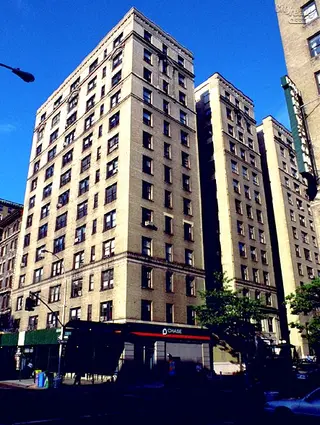
This 13-story apartment building at 215 West 91st Street, known as the De Soto, was designed by Schwarz & Gross in 1917. The cooperative building features 89 apartments, an impressive lobby, decorative balconies, and a restored terra-cotta cornice. Currently, 2 apartments are for sale.

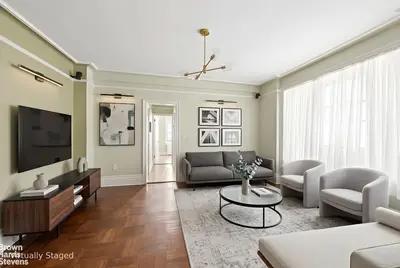
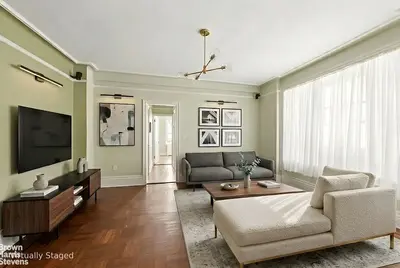
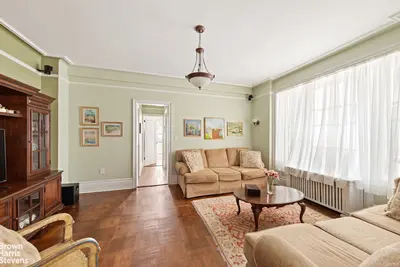
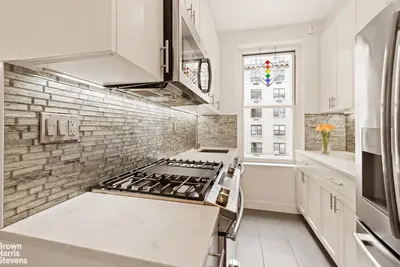
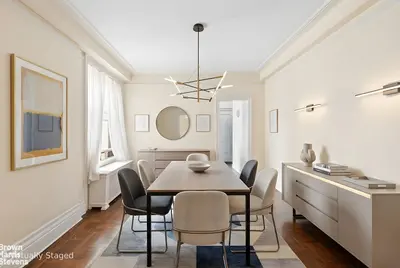
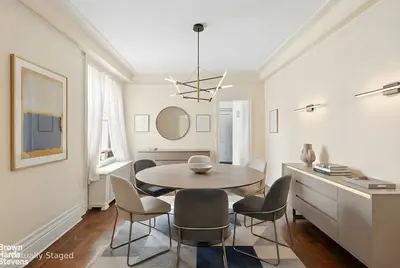
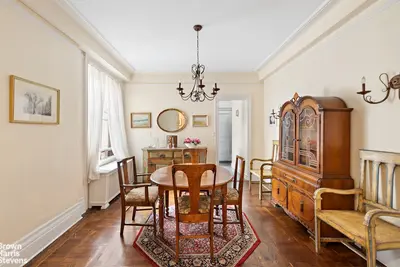
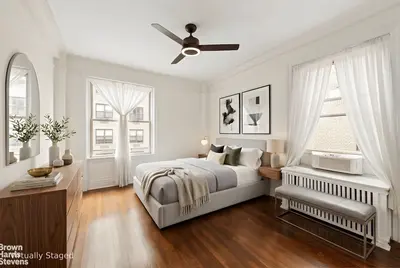
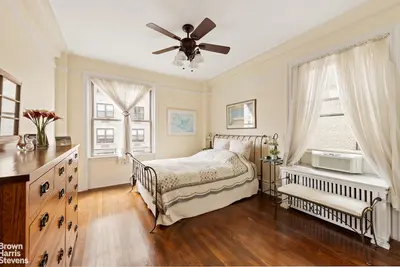
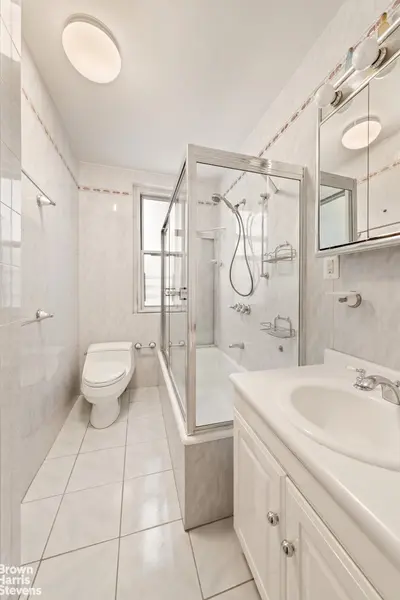
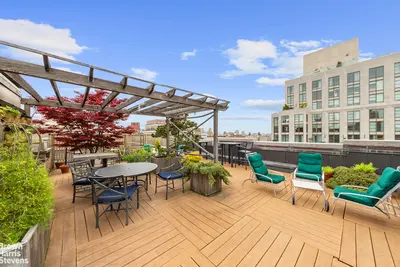
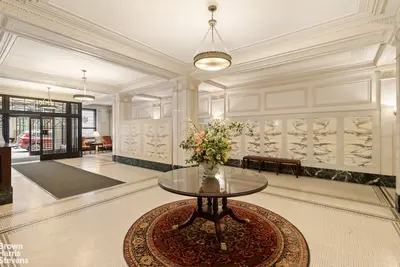
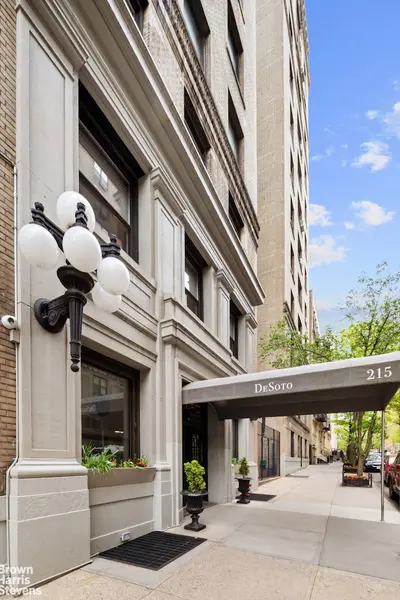
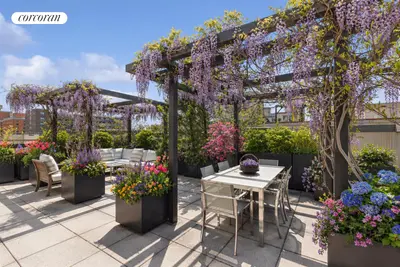
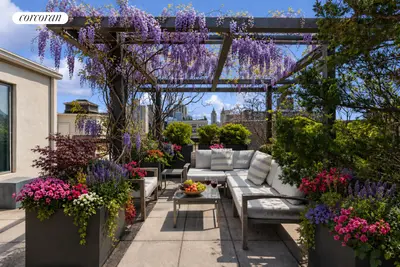
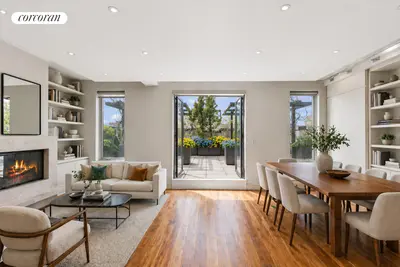
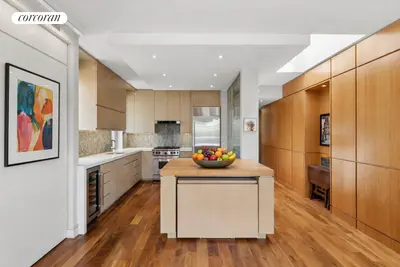
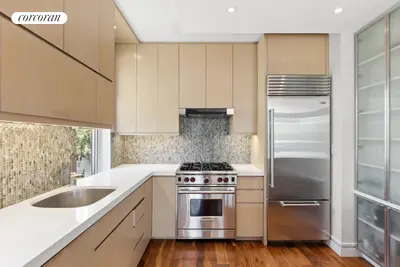
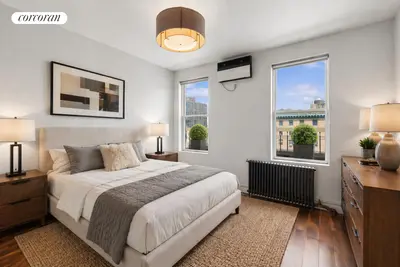
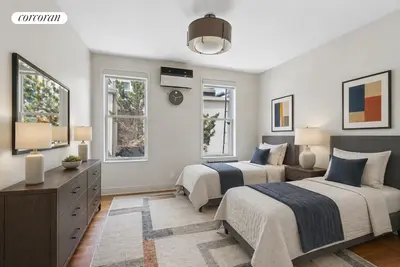
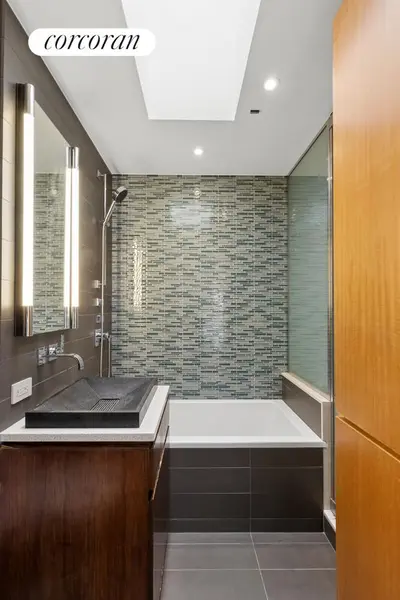
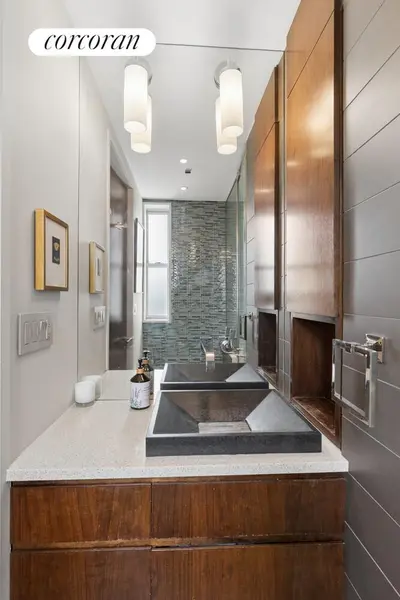
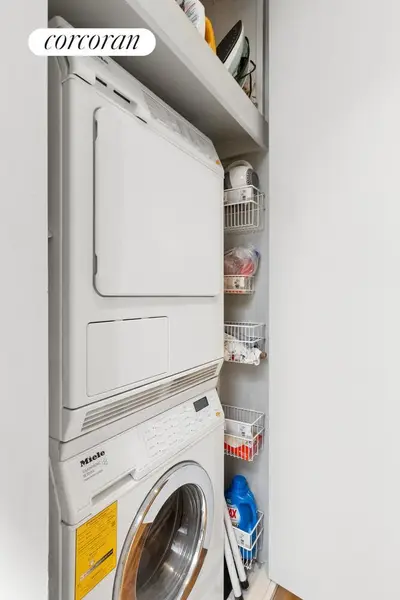
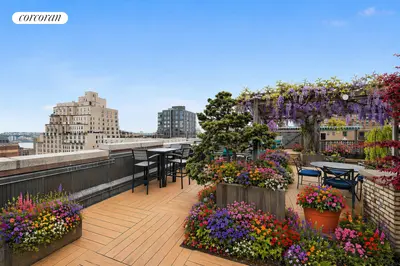
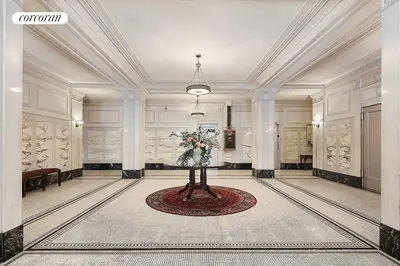
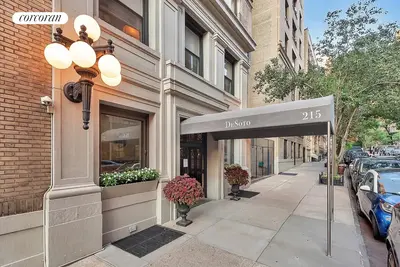
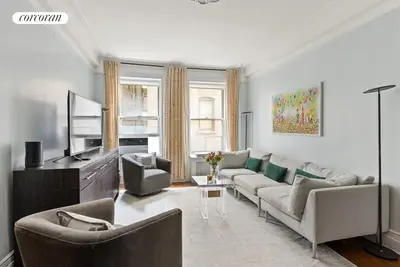
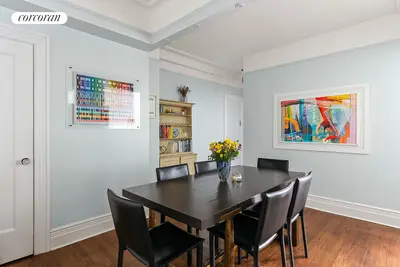
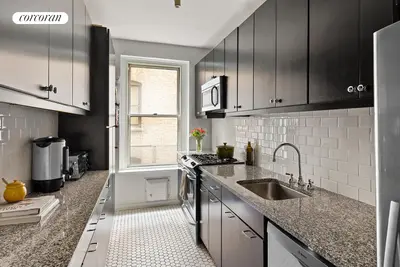
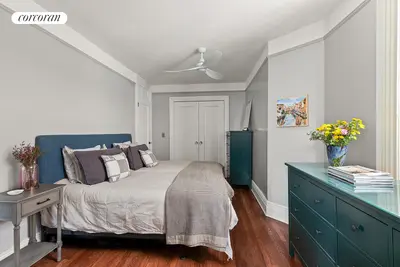
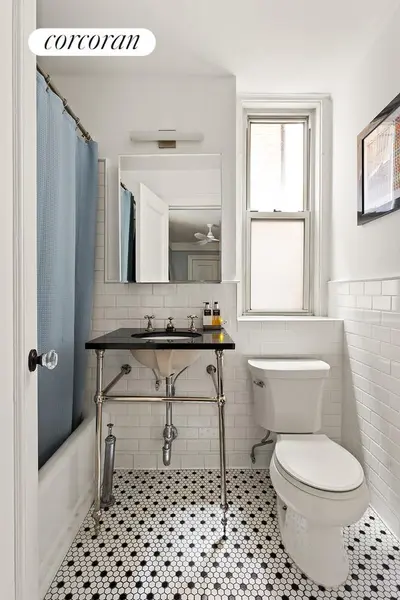
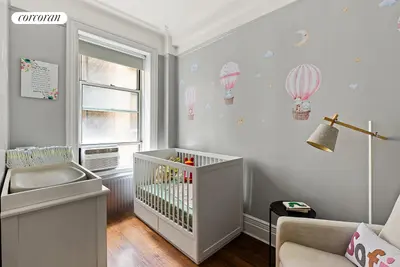
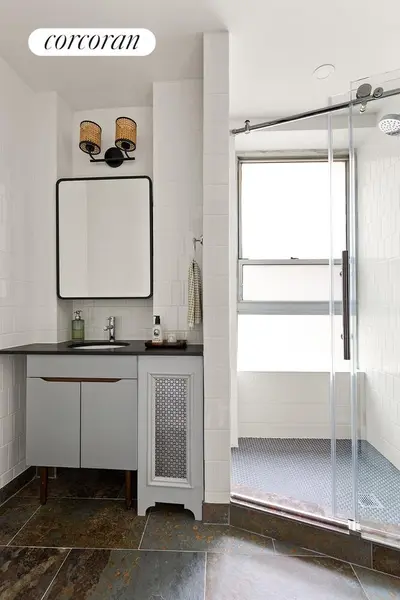
The DeSoto, an elegant 13-story Beaux Arts cooperative built in 1917, stands prominently at 215 West 91st Street (also known as 2460 Broadway) on Manhattan's Upper West Side. Designed by the renowned architectural firm Schwarz & Gross, this distinguished building houses 89 apartments and showcases classic pre-war architectural elements including a three-story base, decorative balconies, and two bandcourses.
The building's façade features a notable terra-cotta cornice that was temporarily removed in 1983 but thoughtfully restored in 1986, maintaining its historical integrity. A two-story entrance surround adorned with four globular sconces leads to an impressive marble lobby distinguished by its original stained-glass windows.
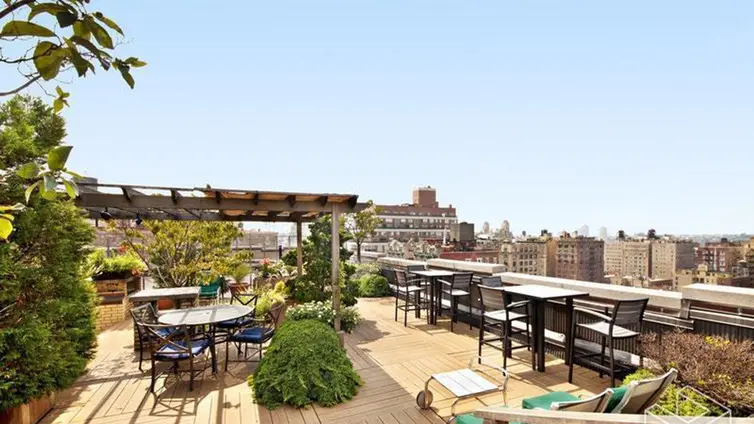
Residents enjoy comprehensive amenities including 24-hour doorman service, a live-in superintendent, and a beautifully landscaped roof deck complete with an herb garden and panoramic city views. The building offers practical conveniences such as a children's playroom, bike storage, central laundry facilities, and private storage options for residents.
The DeSoto's location provides excellent accessibility to both Central and Riverside Parks, with convenient access to the 2/3 express subway lines. The neighborhood offers abundant shopping options, including Trader Joe's and Whole Foods, making it a highly desirable residential address.
The building maintains several resident-friendly policies, including pet acceptance and allowance for up to 80% financing. Shareholders benefit from a 17% primary residence tax abatement, effectively reducing annual maintenance costs. The building has implemented modern conveniences such as bulk electric rates and included RCN cable/internet service for residents.
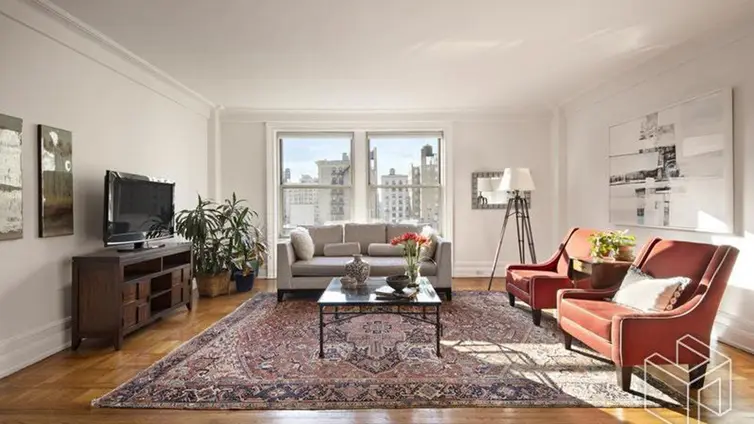
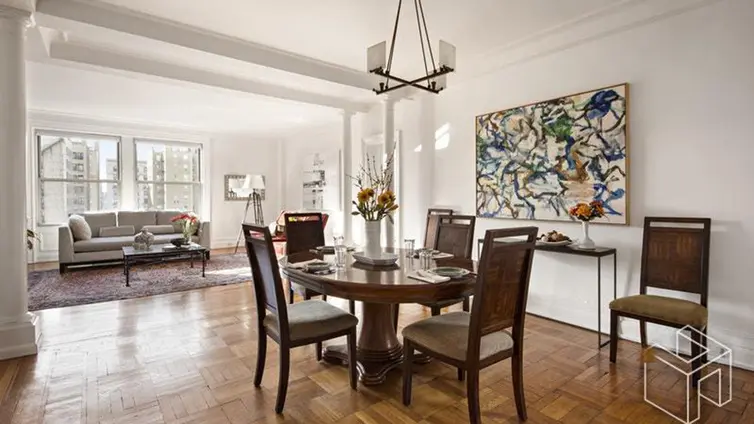
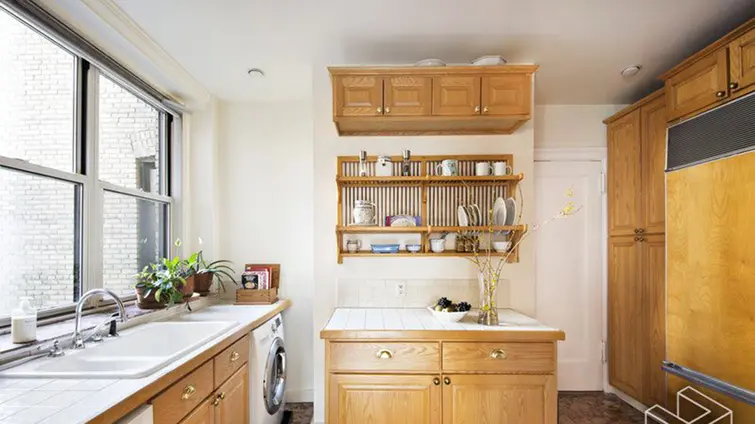
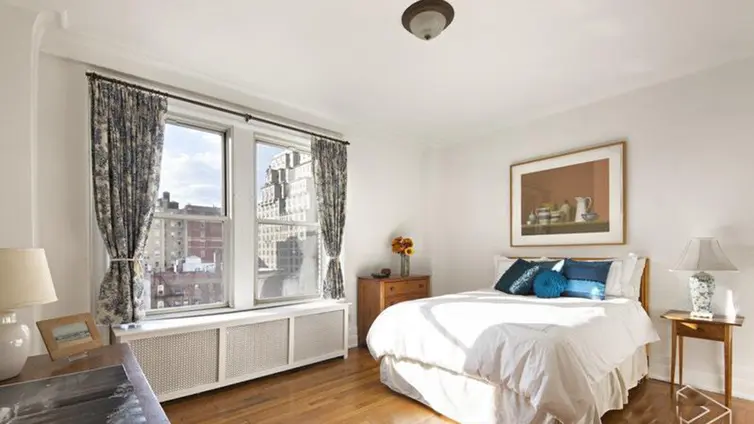
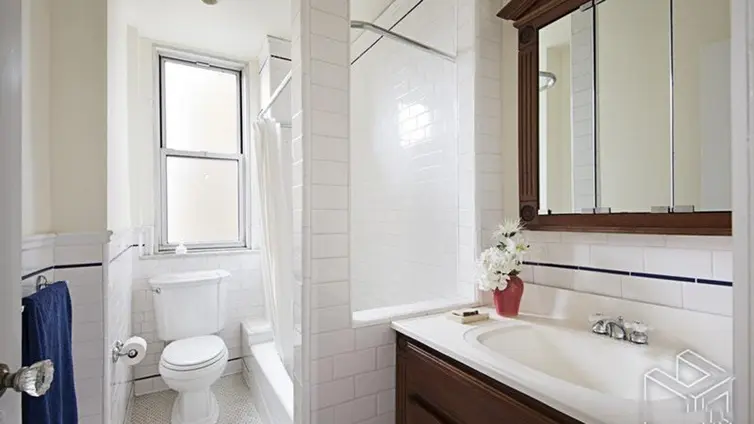
Apartments in The DeSoto typically feature pre-war details such as high beamed ceilings, restored original moldings, and hardwood floors. Many units offer flexible layouts that can be adapted to modern living needs while maintaining their classic charm.
The building's rich history is intertwined with the development of the Upper West Side, having originally been constructed during a period of significant architectural growth in the neighborhood. Its proximity to the historic Trinity School and its enduring presence on Broadway makes it a noteworthy example of early 20th-century residential architecture in New York City.
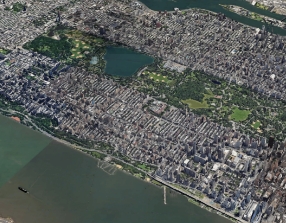
View school info, local attractions, transportation options & more.
Experience amazing 3D aerial maps and fly throughs.
For some co-ops, instead of price per square foot, we use an estimate of the number of rooms for each sold apartment to chart price changes over time. This is because many co-op listings do not include square footage information, and this makes it challenging to calculate accurate square-foot averages.
By displaying the price per estimated room count, we are able to provide a more reliable and consistent metric for comparing sales in the building. While we hope that this gives you a clearer sense of price trends in the building, all data should be independently verified. All data provided are only estimates and should not be used to make any purchase or sale decision.

 6sqft delivers the latest on real estate, architecture, and design, straight from New York City.
Like us on Facebook to keep up with the trends and
6sqft delivers the latest on real estate, architecture, and design, straight from New York City.
Like us on Facebook to keep up with the trends and 