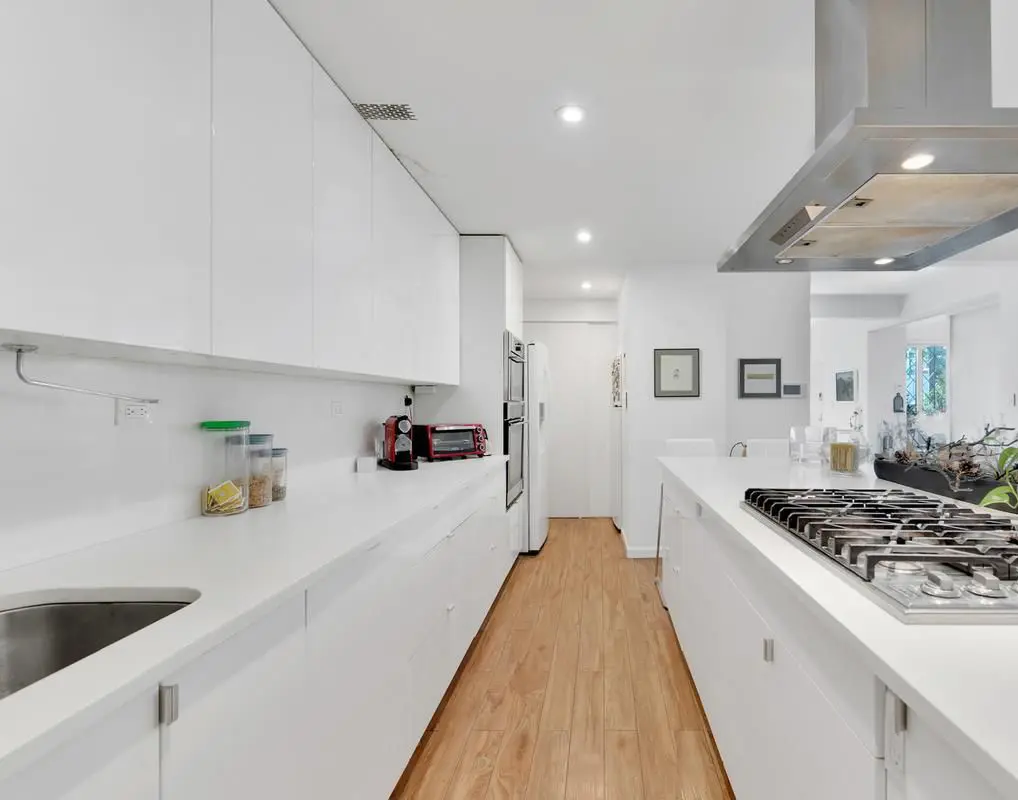
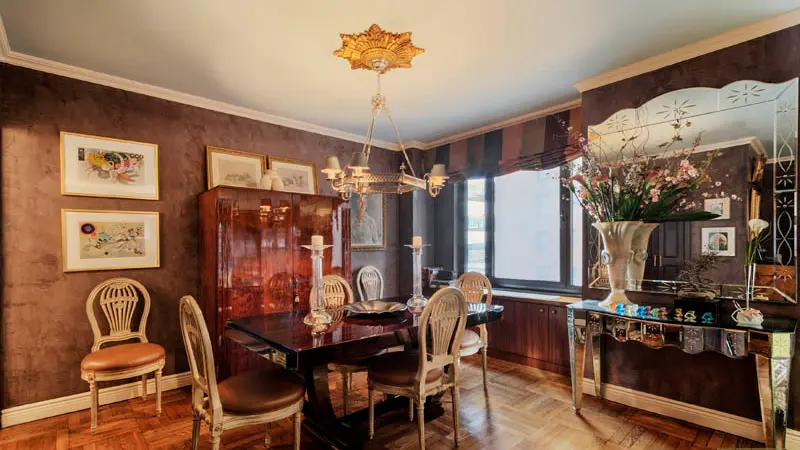
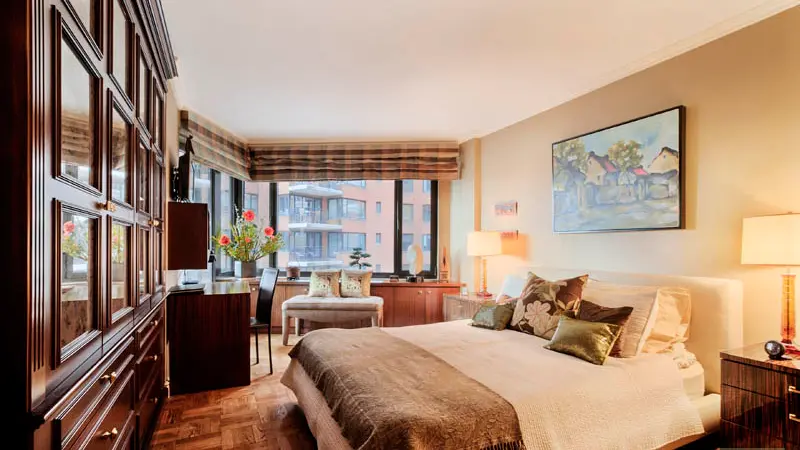
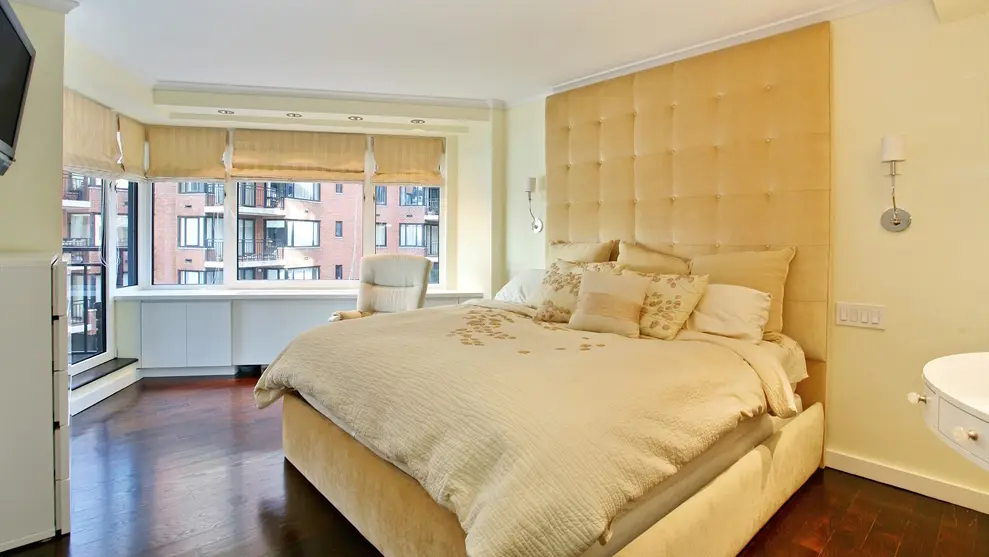
60 Sutton Place South

PRICING INFORMATION FOR 60 Sutton Place South
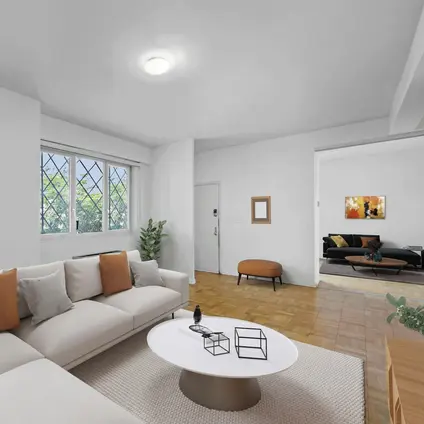
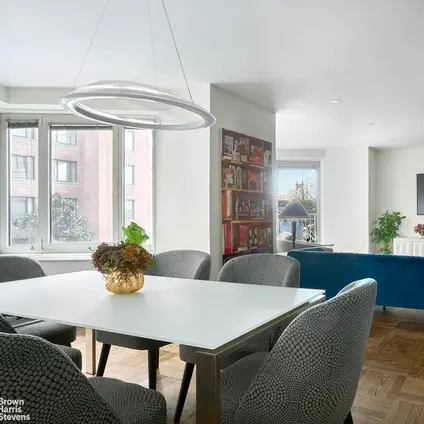
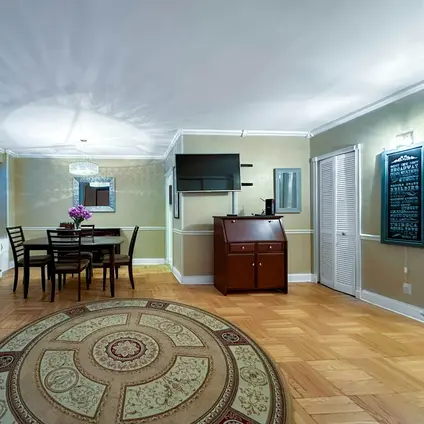
One Bedroom from $599,000 (updated February 1, 2012)

FOR MORE INFORMATION ABOUT 60 Sutton Place South
Contact us about buying or selling an apartment in 60 Sutton Place South .
Email Us OR Call (212) 755-5544


60 Sutton Place South: CARTER'S REVIEW


Everyone would like great waterfront or park views, but it’s not enough normally to just live in a building fronting on a waterfront or a park as most such properties have many apartments without views.

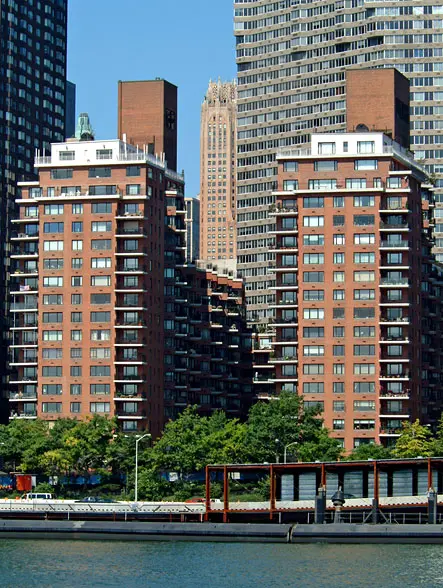
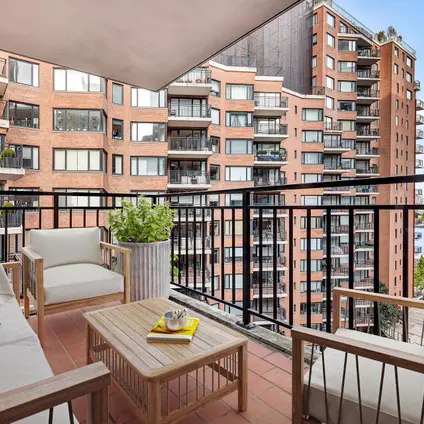
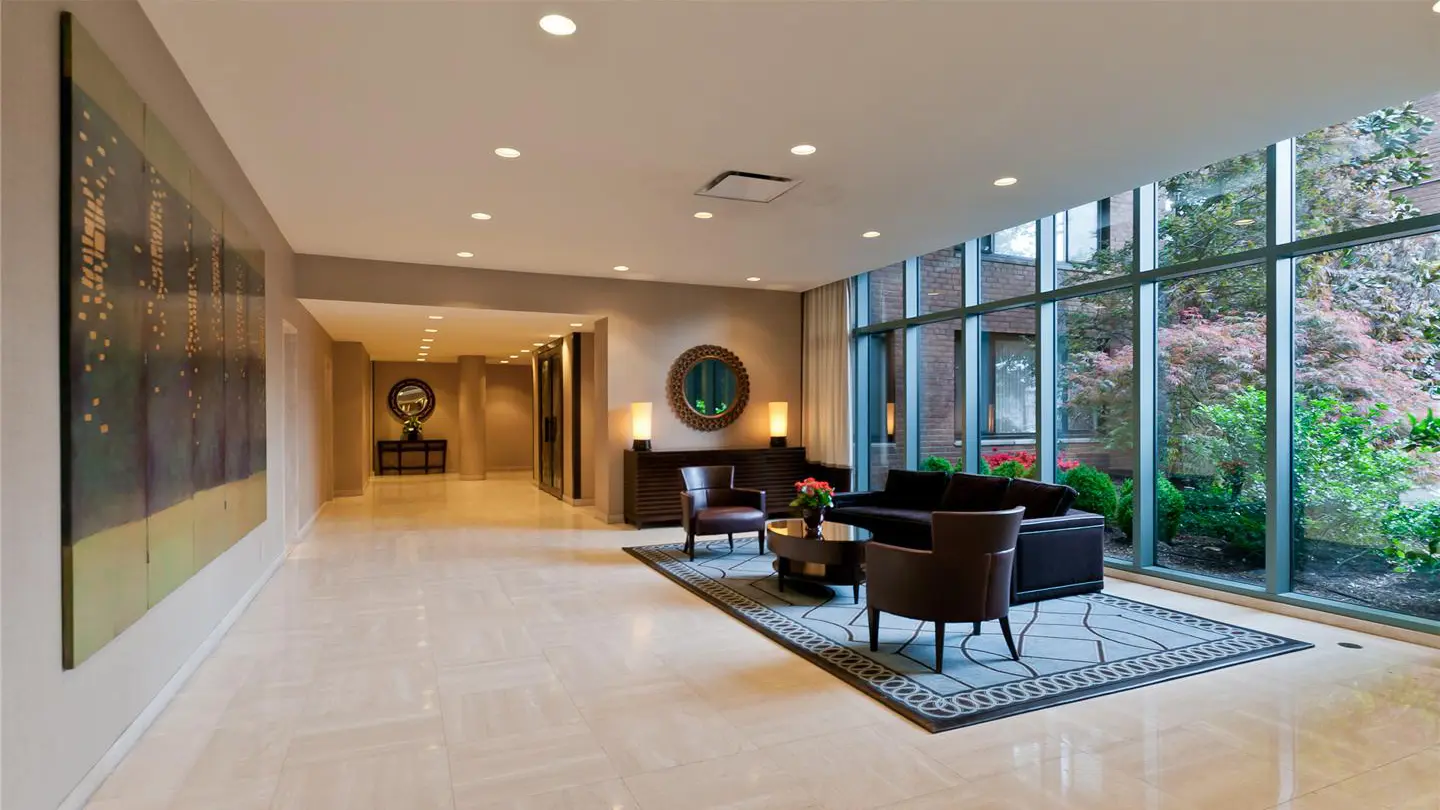
This red-brick, two-building complex that occupies most of the eastern half of the block bounded by Sutton Place South, First Avenue and 53rd and 54th Streets was designed to maximize its waterfront and park views. The architect, Arthur Wieser, split the building into two 20-story slabs separated by a garden courtyard, but, more importantly, put balconies facing the courtyard and angled them towards the East River. The two buildings in the development are joined by a glass-enclosed lobby near their midpoints.

"Wieser," noted Robert A. M. Stern, Thomas Mellins and David Fishman in their book, "New York 1960, Architecture And Urbanism Between The Second World War And The Bicentennial," (The Monacelli Press, 1995), "visually broke up the slabs by canting walls of the living rooms and master bedrooms to shelter a terrace and to create a diagonal oriented east, toward the river views, for even the rear-most apartments. This feature, probably derived by Loebl, Schlossman & Bennett’s Darien Apartments (1948-1951) on Lake Shore Drive in Chicago, resulted in five-sided bedrooms and living rooms."

The white concrete slabs of the balcony floors are strong accents against the red-brick facades and the proportions here are quite fine. Furthermore, the view from the park back to the west and the building is interesting because of the rakish angles of the courtyard balconies. The building achieves an excellent sense of openness. In stark contrast, another building that adopted a similar approach, 1025 Fifth Avenue, is far less successful and attractive in part because it is really a sidestreet building with only a midblock frontage on Fifth Avenue and because its facade is a lackluster beige rather than a strong red and, finally, because its design is less inspired.

This 367-unit development was completed in 1951 and converted to a cooperative in 1955 and is a significant contributor to the allure of the Sutton Place neighborhood.

The building has a large driveway, a full-time door attendant and a garage.


BUILDING SUMMARY
FEATURES & AMENITIES
  • Concierge
  • FT Doorman
  • Basement Storage
  • Full Service Garage
  • Garden
  • Health Club
  • Washer/Dryer in building
  • Elevator
PROS & CONS
PROS
  • Many waterfront and park vistas created by angled balconies on center court.
  • Excellent Sutton Place location
  • Pleasant small park across Sutton Place South
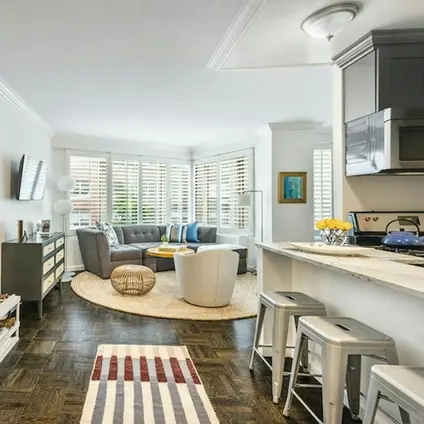
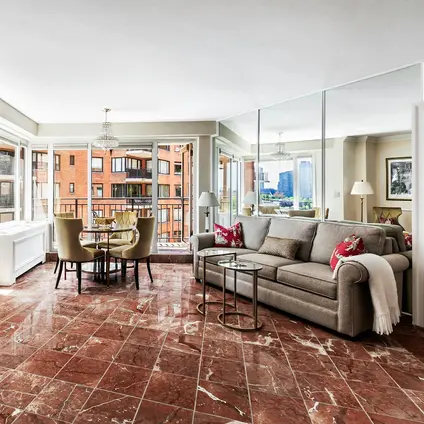
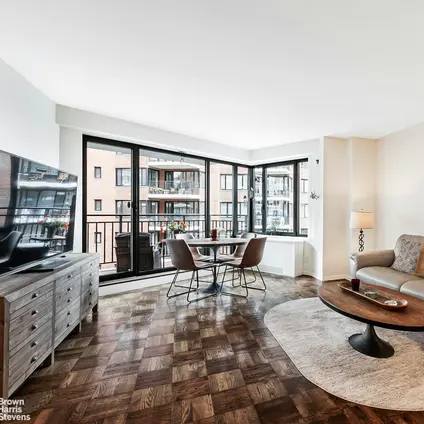
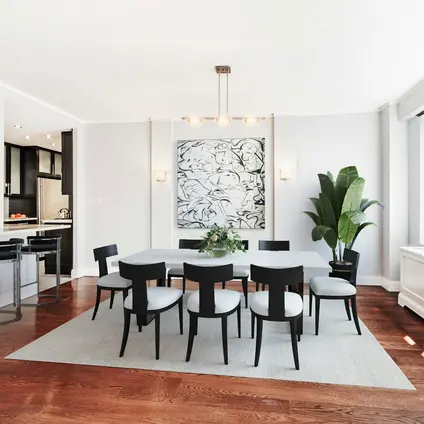
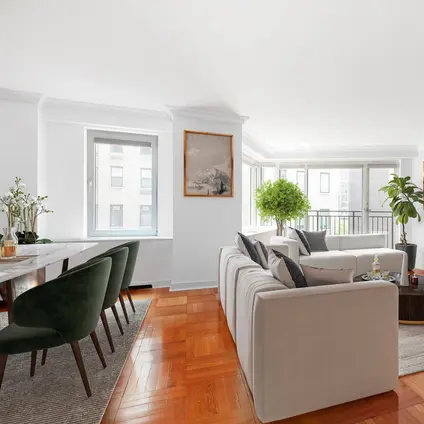
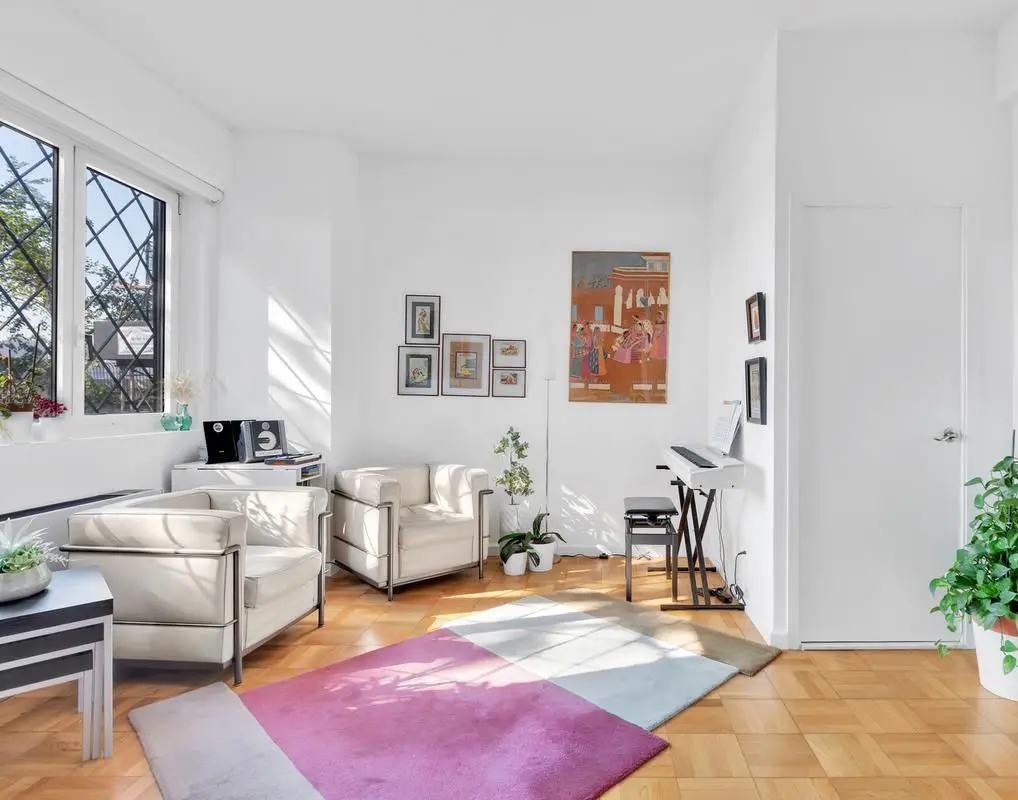
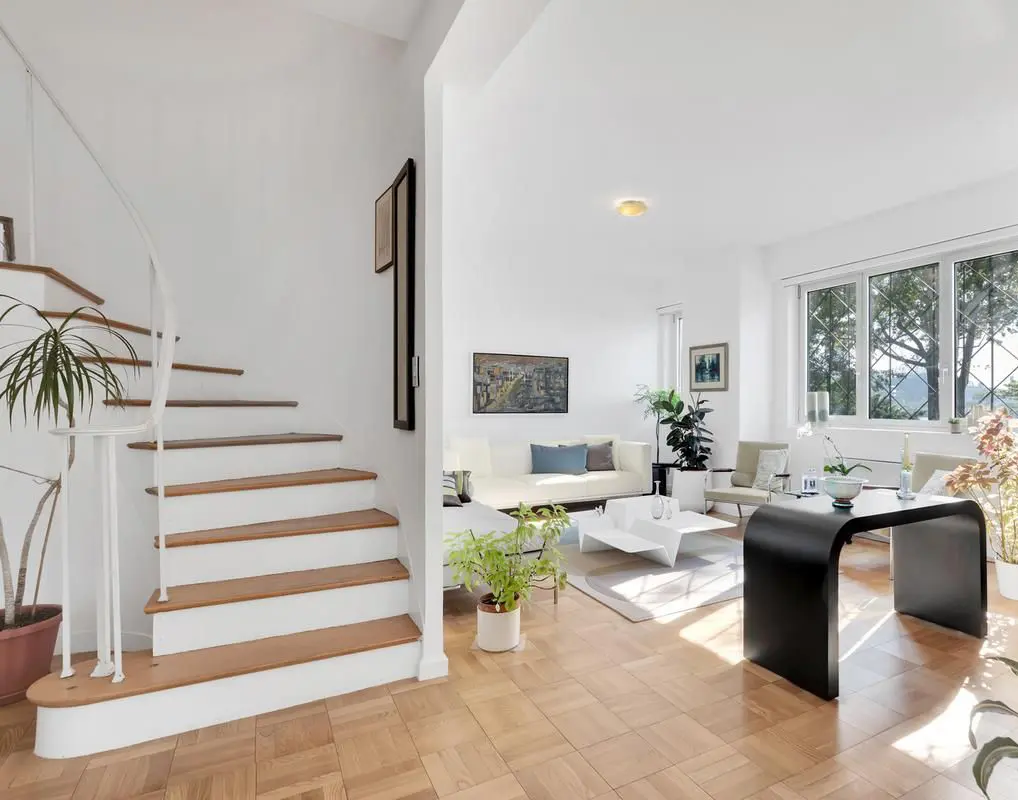
  • Unusual layouts
  • Doorman
  • Landscaped court
  • Health club
  • Large driveway
  • Garage

CONS
  • Many apartments
  • No sundeck
  • Far from subways
  • Several blocks from cross-town buses

SPONSORED BY

Comments or questions? · Phone: 212.755.5544
Copyright © 1994-2012 CITY REALTY.COM INC. All Rights Reserved.
568 Broadway, Suite 802 New York, NY 10012
Terms of Use · Our Privacy Policy · About CITY REALTY.COM · Advertise With Us · Site Map
Developed by REOL Services


An equal housing opportunity.

All data is deemed reliable but is not guaranteed accurate by the REBNY / RLS or CityRealty. See Terms of Service for additional restrictions. All information furnished regarding New York City property for sale, rental or financing is from sources deemed reliable, but no warranty or representation is made as to the accuracy thereof and same is submitted subject to errors, omissions, change of price, rental or other conditions, prior sale, lease or financing or withdrawal without notice. All dimensions are approximate. For exact dimensions, you must hire your own architect or engineer. The number of bedrooms listed on this website is not a legal conclusion. Each person should consult with his/her own attorney, architect or zoning expert to make a determination as to the number of rooms in the unit that may be legally used as a bedroom.