Downtown Club CLOSE 
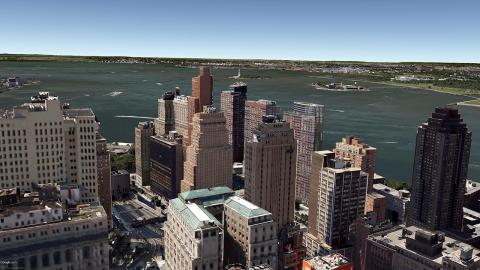
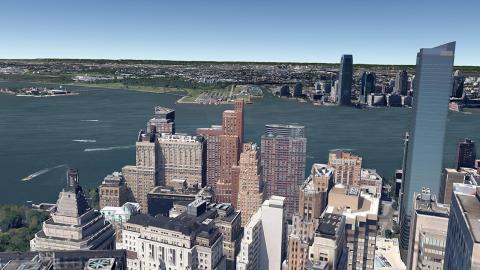
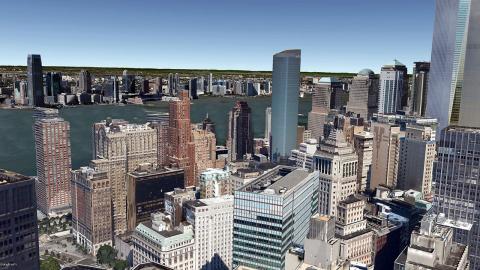
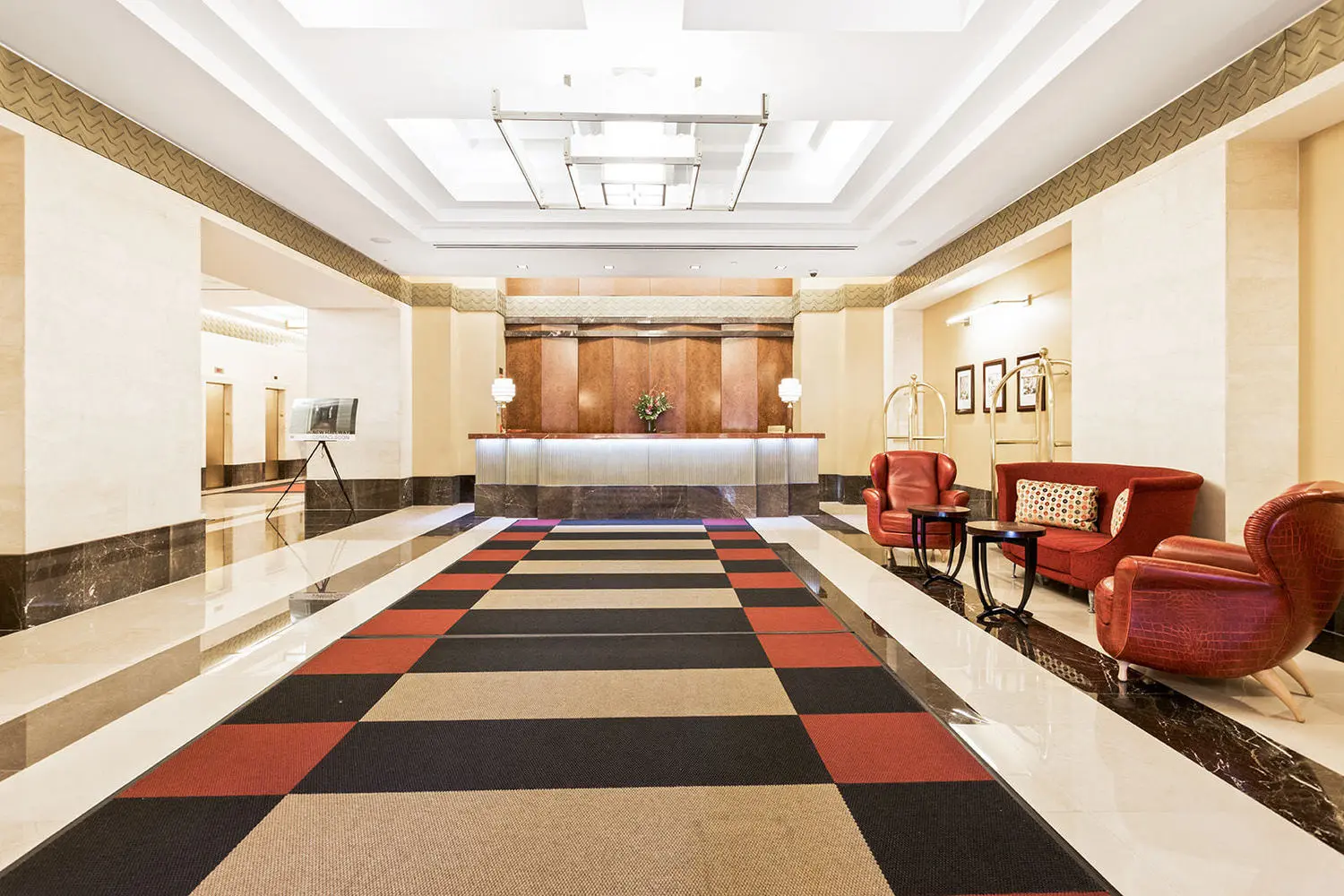
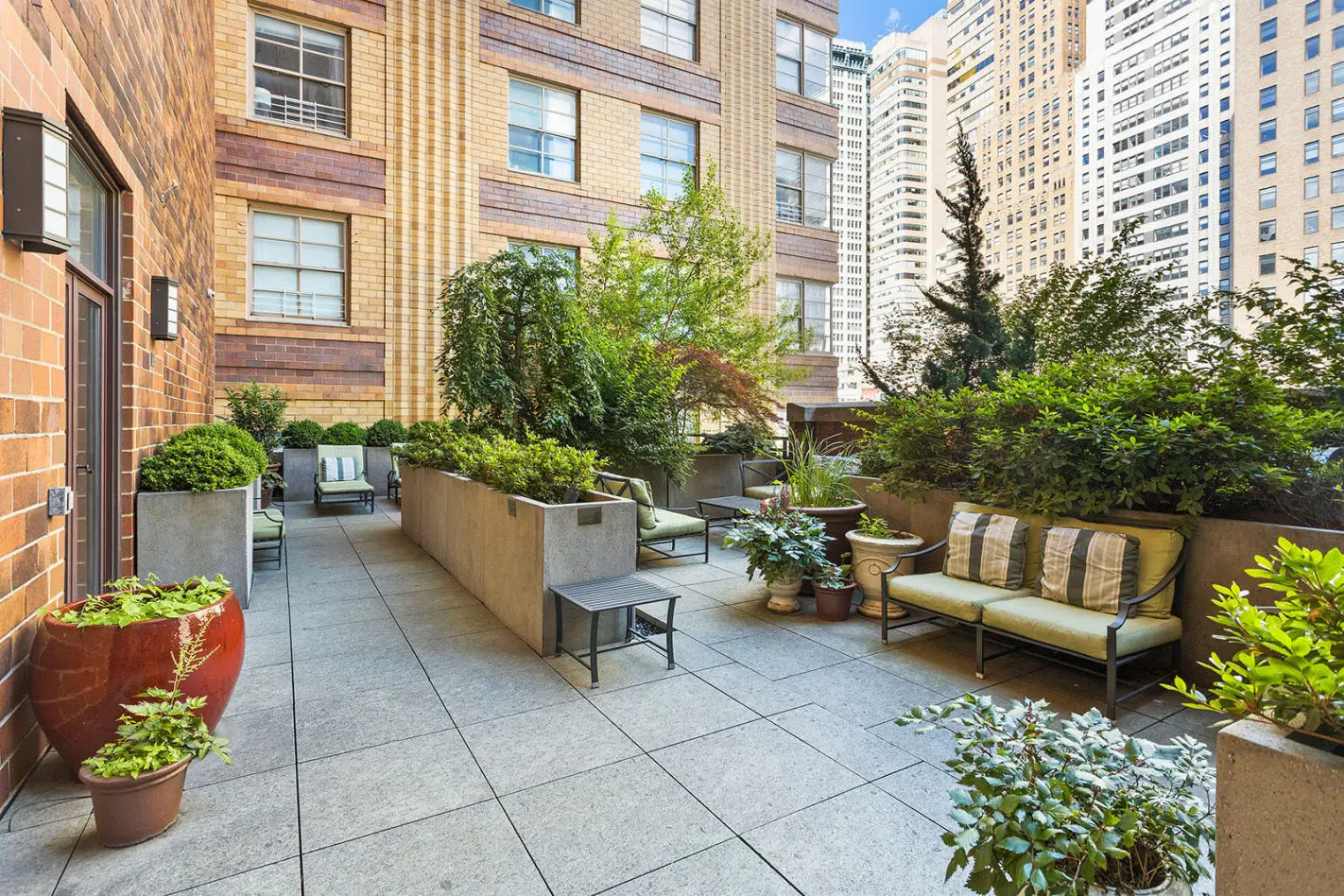
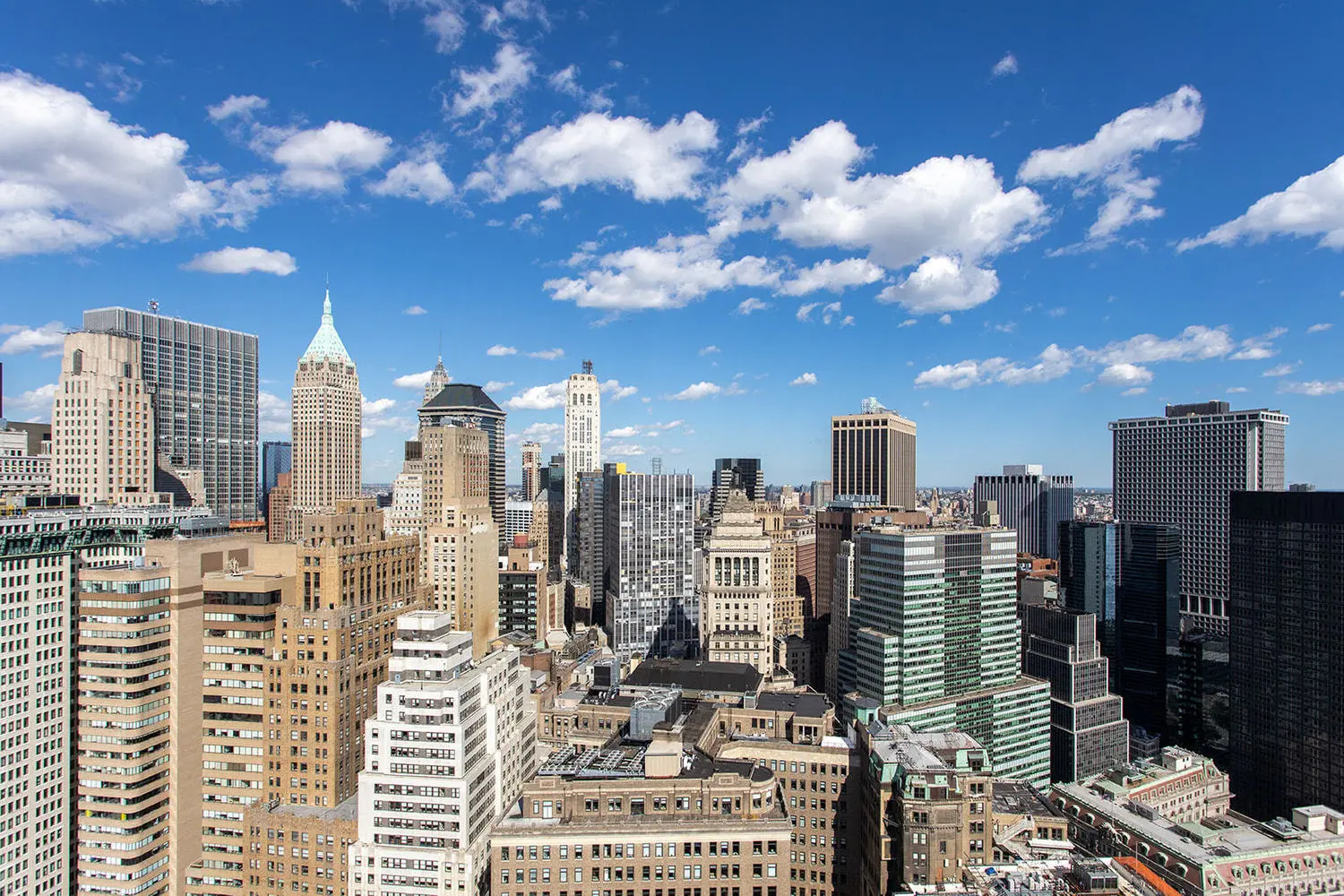
The 35-story development is known now as The Downtown Club.
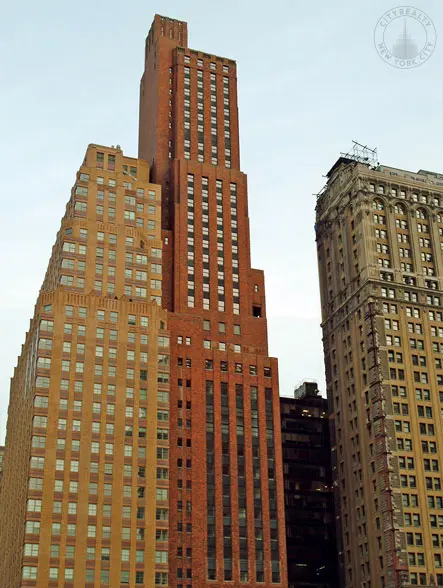
The Art Deco-style building, which is also known as 19 West Street and 28-32 Washington Street, was designated as an official New York City landmark November 14, 2000.
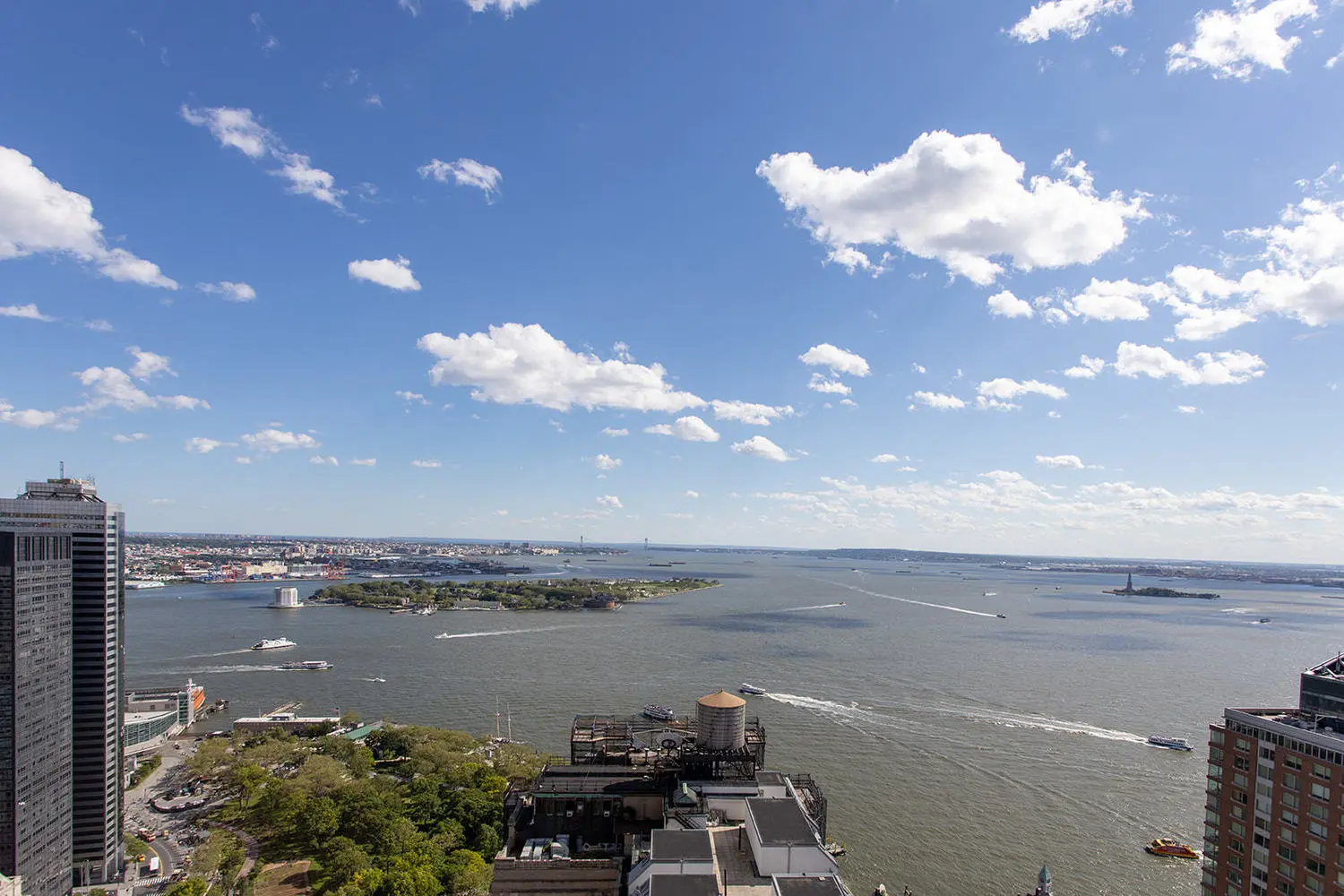
The 534-foot-high Art Deco-style building also fronts on Western Union International Plaza where it overlooks the entrance to the Brooklyn Battery Tunnel.
It was designed by Starrett & Van Vleck, the same firm that designed the adjacent tower at 21 West Street, and had designed the Lord & Taylor Building in 1914, the Saks Fifth Avenue department store in 1922-4, and a major expansion of Bloomingdales in 1930.
When the Downtown Athletic Club opened in 1930, it had 143 "sleeping rooms," seven banquet rooms, an Olympic-sized swimming pool on the 12th floor that was when created reportedly the "highest elevated aquatics facility in the world," billiard rooms, bowling alleys, and squash, handball and racquetball courts.
The club had been home of the Heisman Memorial Trophy, given every year to the most outstanding college football player and named after John Heisman, the club’s first athletic director who had previously been coach of Georgia Tech’s "Golden Tornado" football team. The prize originated in 1935 when it was named for the club but it was renamed the next year when Heisman died.
The Downtown Athletic Club was founded in 1926 and was initially located at in the Singer Building at 149 Broadway.
Two years later, the club had about 1,000 members and planned a 44-story building that would feature, among other things, a full, 18-hole golf course.
The landmarks commission’s report on the building observed that the first published design showed "a classically-detailed, pyramid-topped tower similar to other early work by the firm," adding that "Less than a year later, the building had been scaled back to 35 stories and took the simplified, modernistic form of the existing building."
In 1936, the club filed for bankruptcy and lost control of its building to the General Realty and Utilities Corporation. It was sold in 1947 and repurchased in 1950. In 1977, the membership voted to admit women.
In 1999, the building was acquired by the Cheslock Bakker Opportunity Fund and sold back the lower floors to the club.
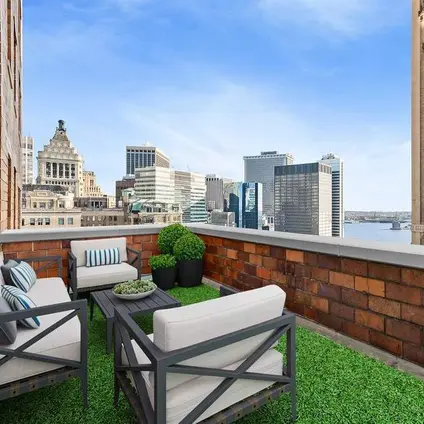
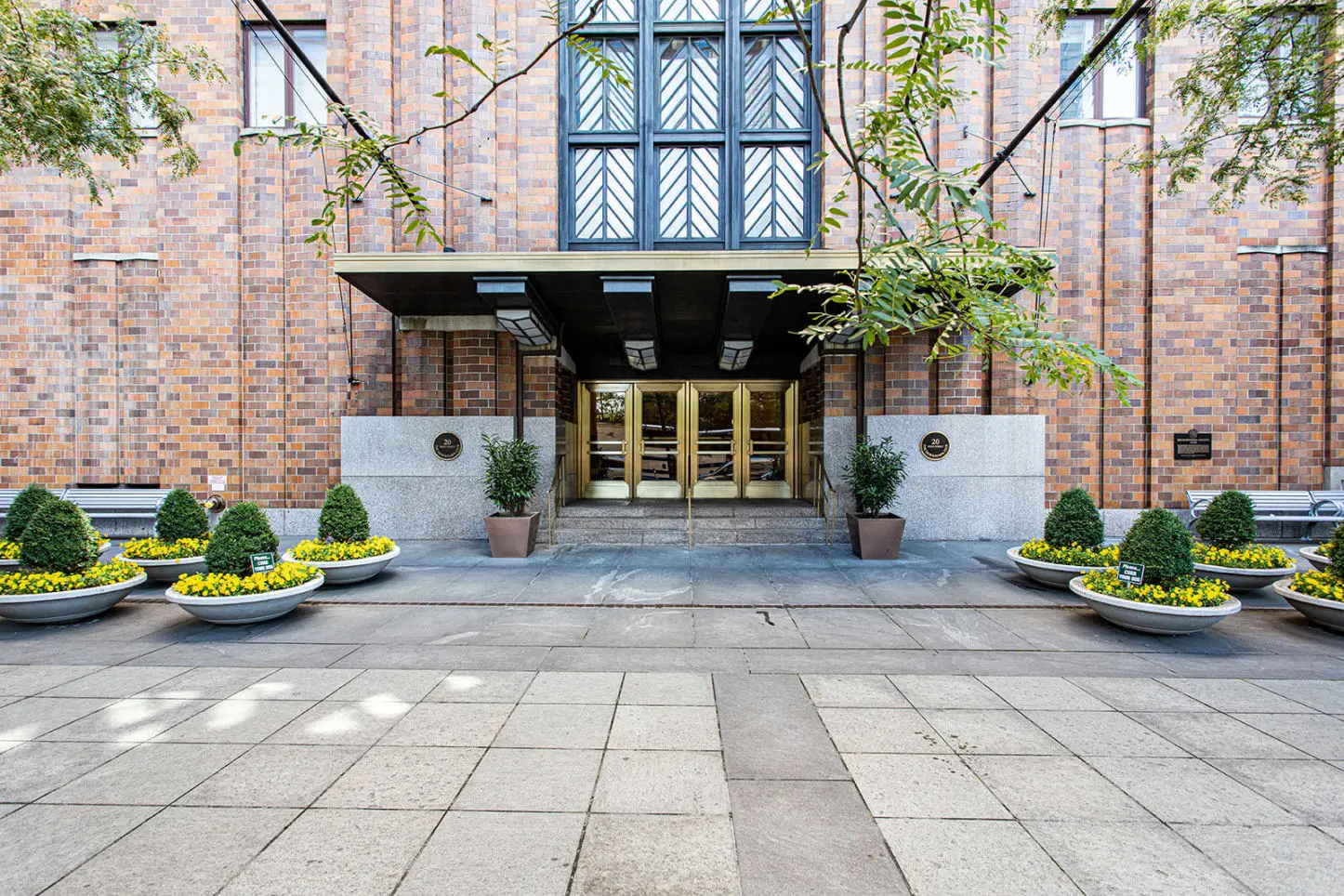
The building is faced in mottled orange brick and the excellent masonry can be seen in the corbelling around its entrances, the window recesses and the open work of the roof parapets that create, according to the landmarks commission "an elegant yet subtle design."
The building is set back from the building line on both its east and west facades and the tower rises in a series of irregular setbacks that one observer suggested was a precursor to the form of the Sears Tower in Chicago.
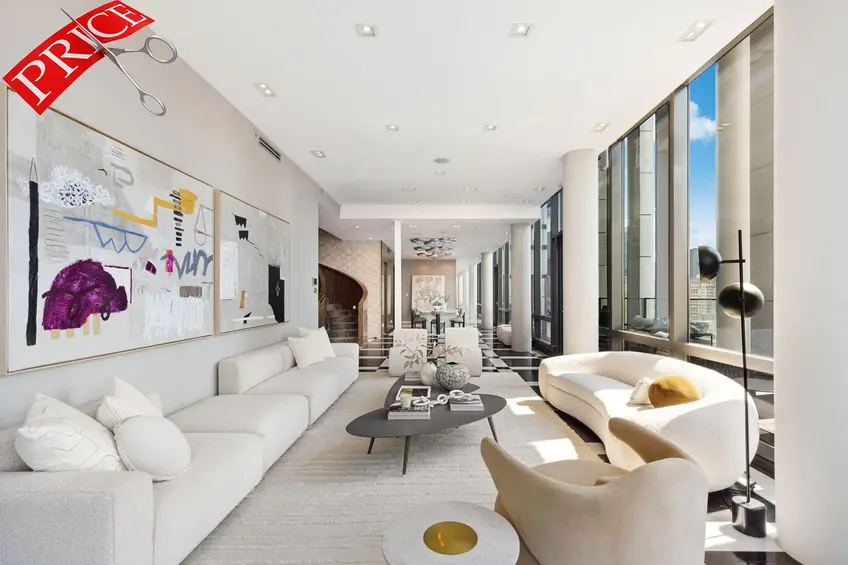
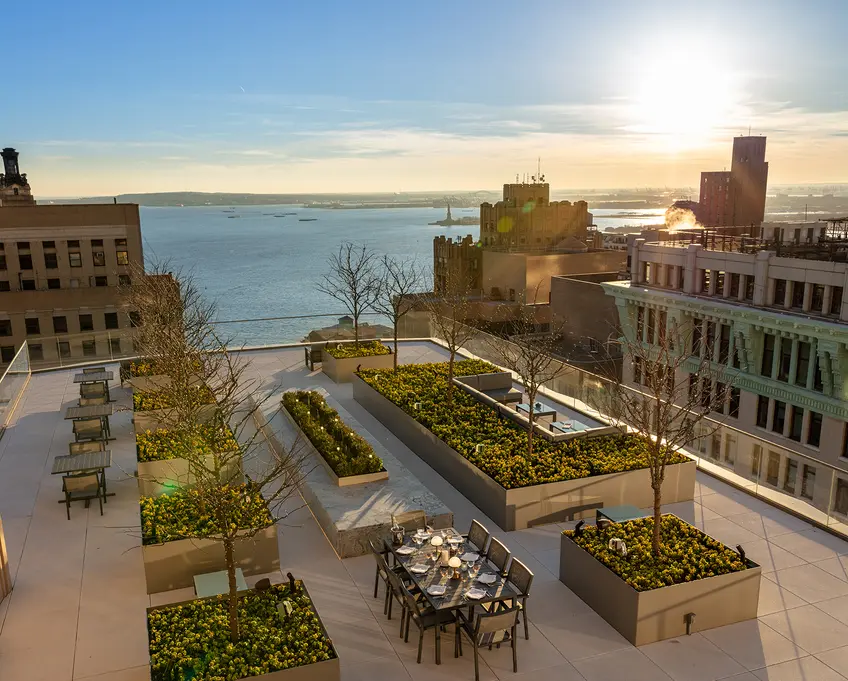
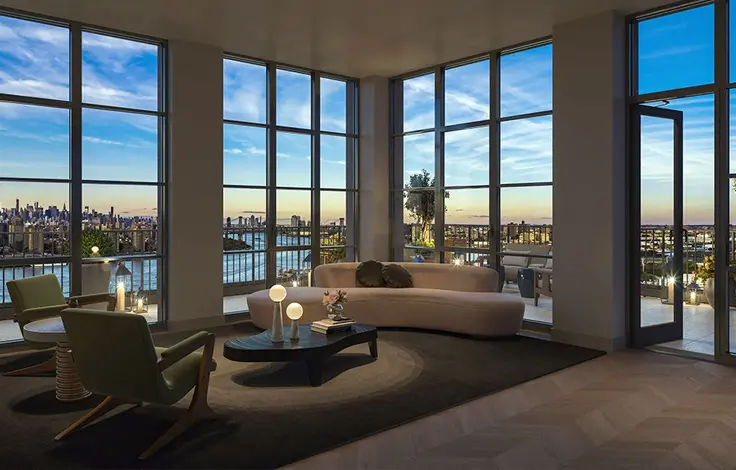
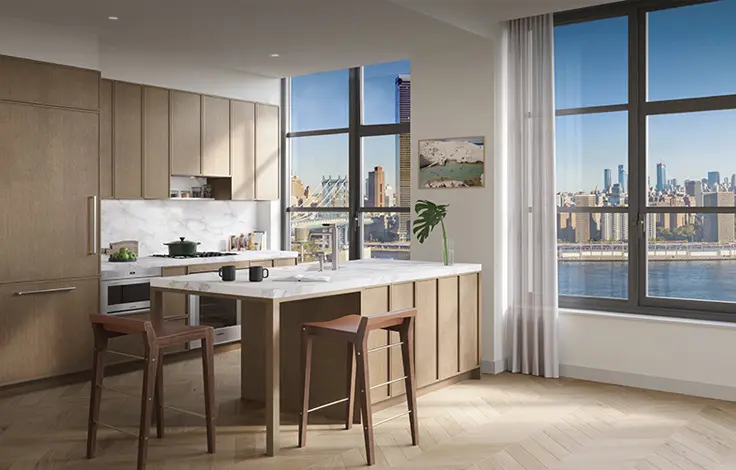
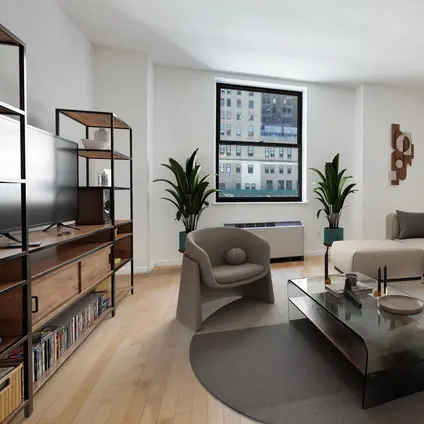
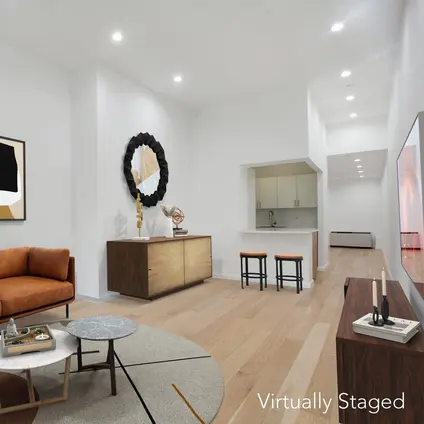
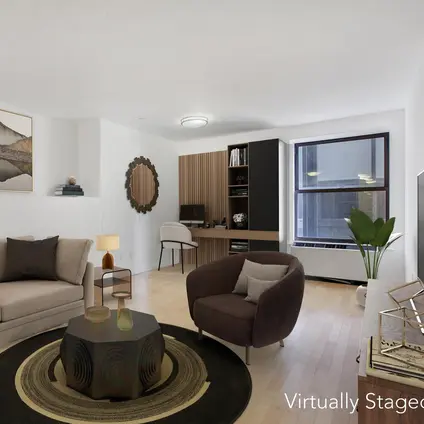
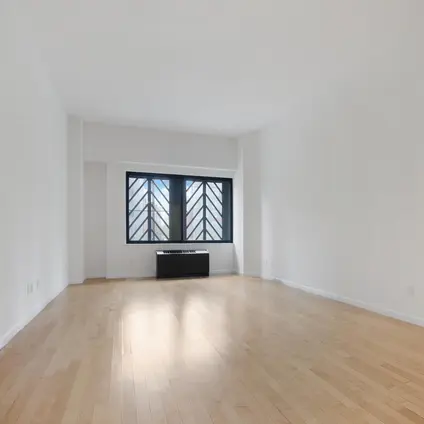
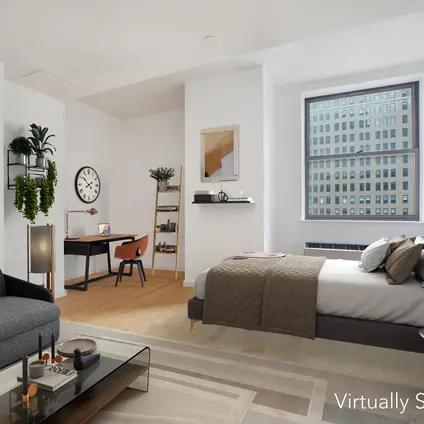
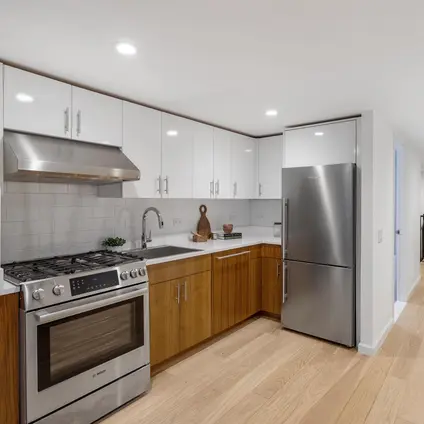
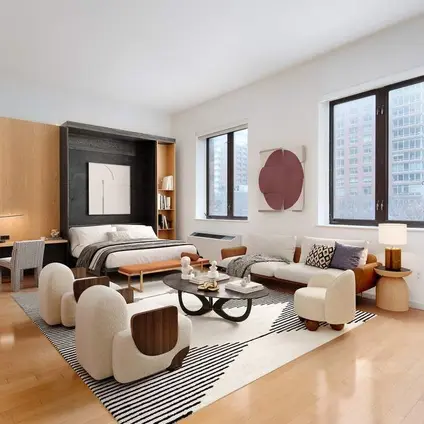
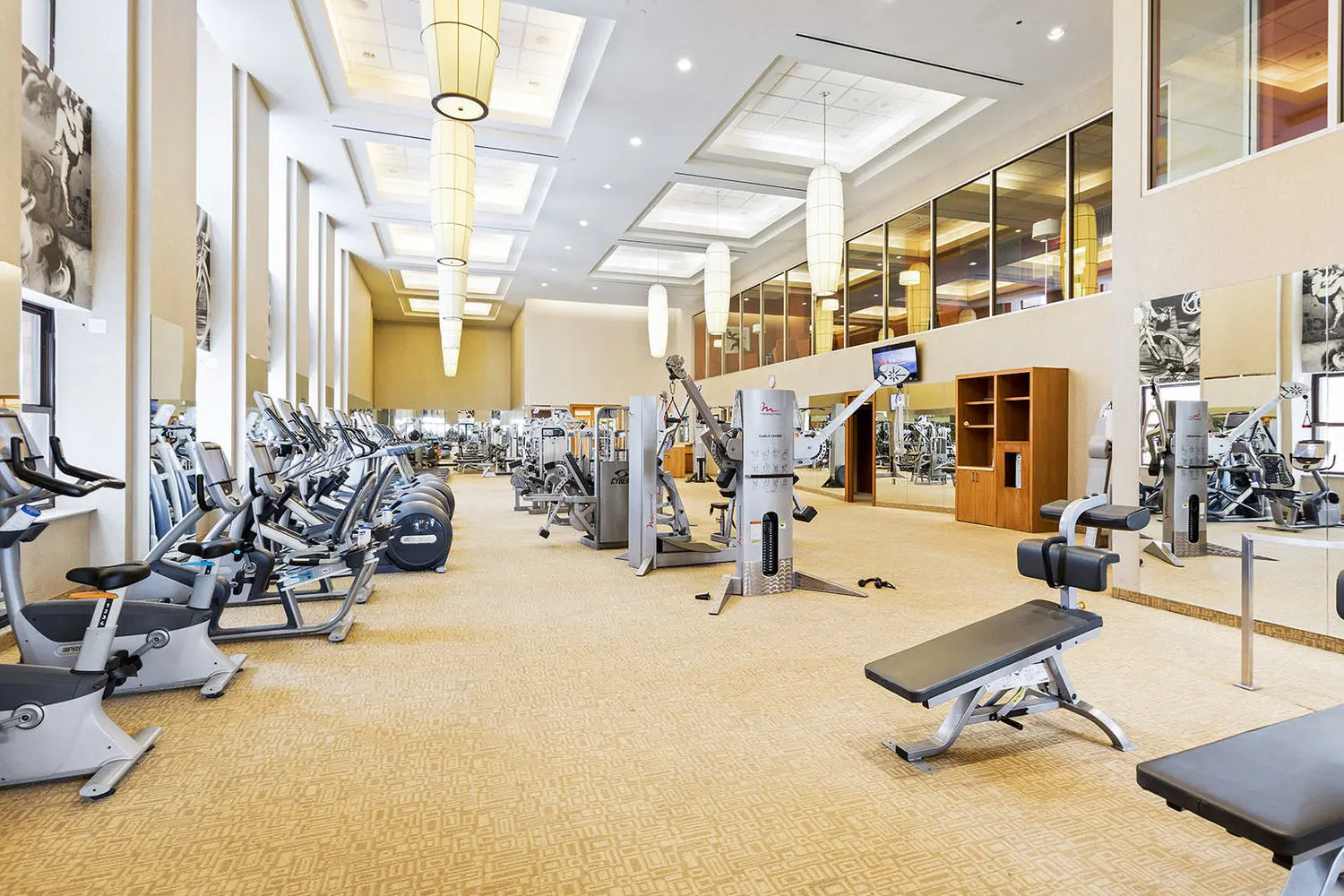
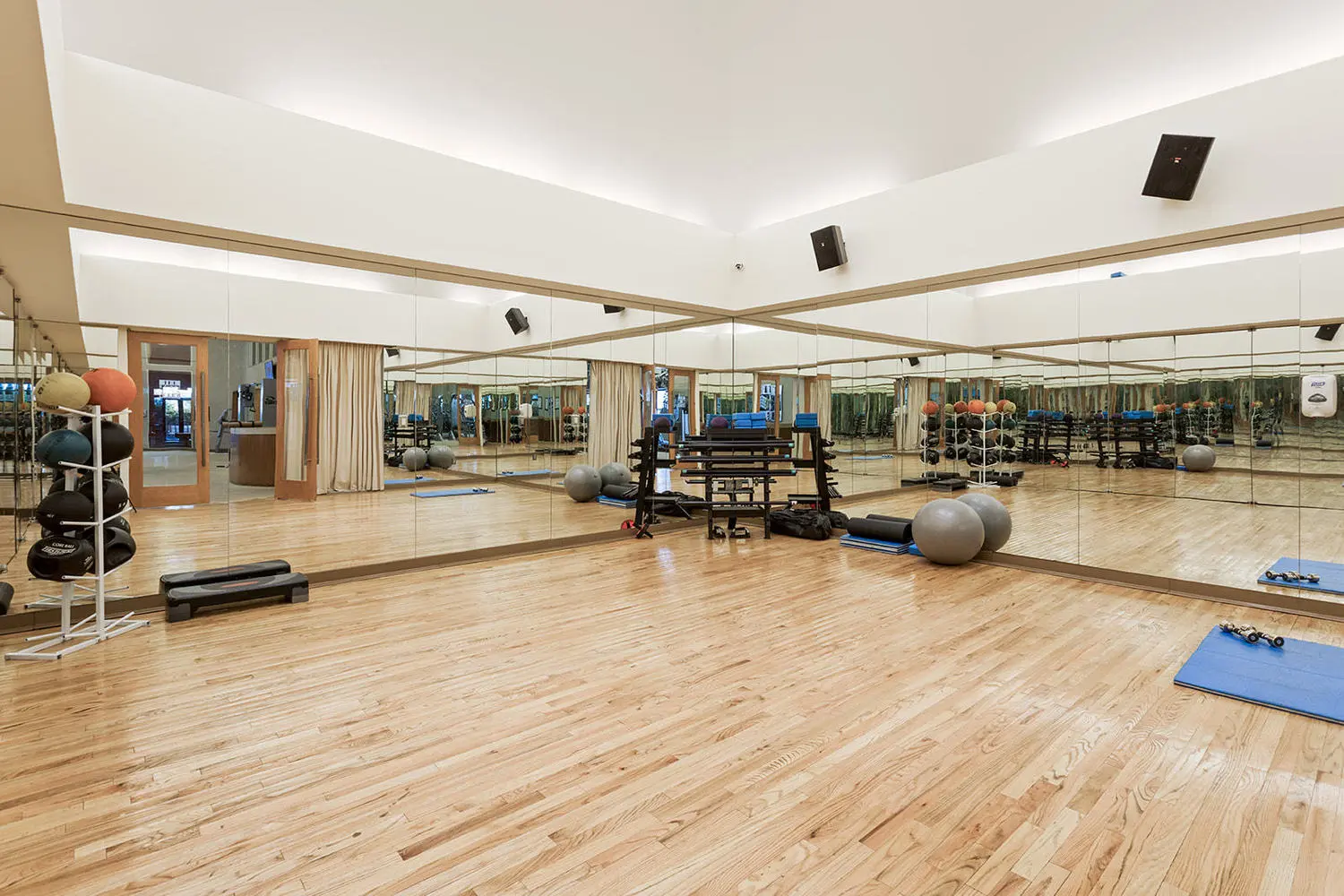
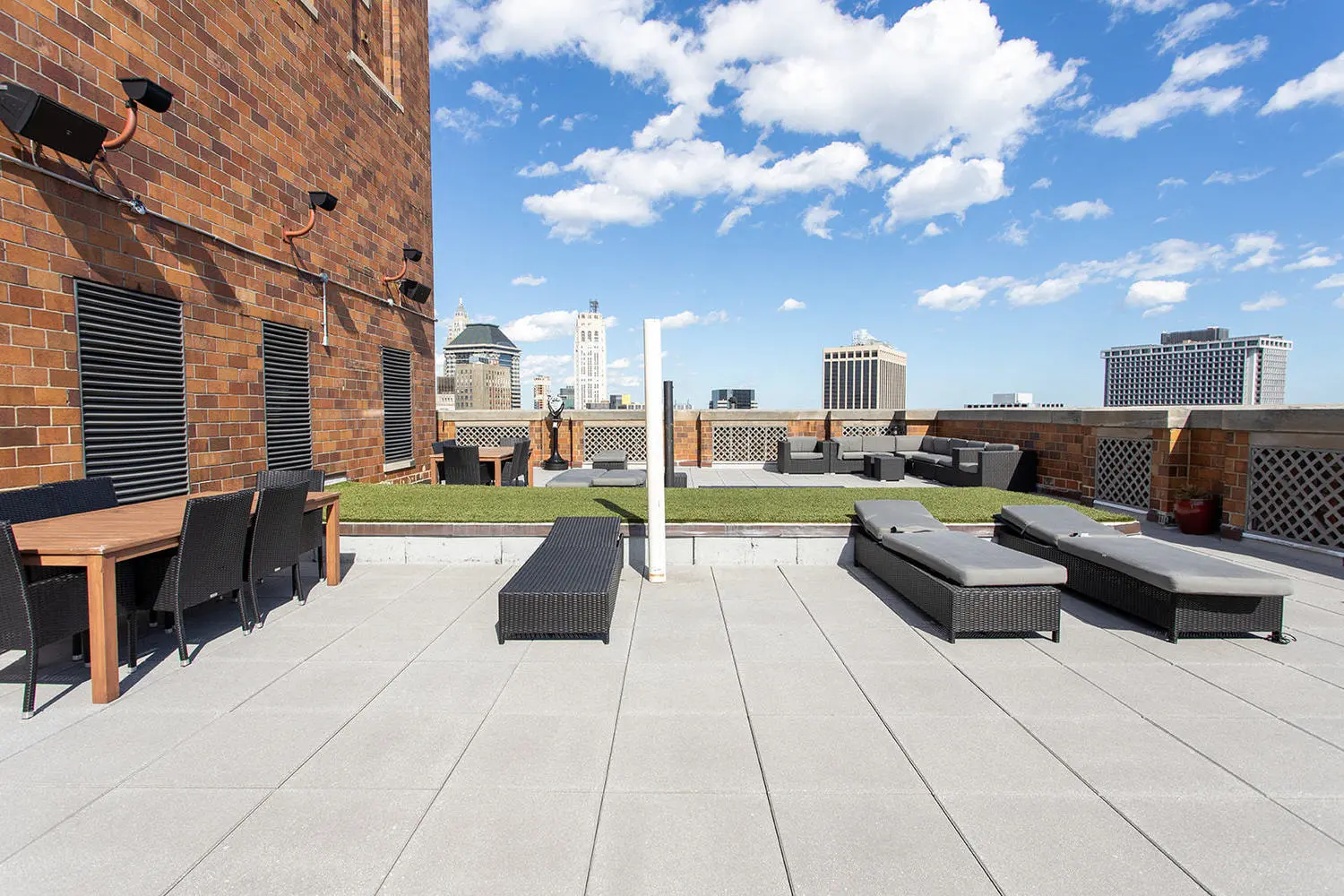
The apartments range in size from about 500 sq. ft. to about 1,000 sq. ft. with prices starting initially at about $475,000. The loft-style apartments at the top of the building have 9- to 16-foot-high ceilings and open-island kitchens. The building has a 12,000-sq.ft. sports and gym facility with spa services and an owners’ lounge that is be known as the Trophy Club.
In its landmark designation of the building, the Landmarks Preservation Commission noted that "The boxy shape and variety of setbacks in the…building demonstrate the effects of the 1916 Building Zone Resolution, but also give some indication of the various purposes assigned to different sections of the building."
"The architects juxtaposed the simple massing of the building with stylized, theater-like entrance prosceniums on both facades and a dextrous use of flat and angled brick, creating a dramatic addition to the city’s skyline. The powerful chevron motifs in the rectangular areas over the entrances and in the spandrels between the windows of the upper stories are a variation of a common design theme of the period, reflective of the speed and energy of the Jazz Age."
When terrorists attacked the World Trade Center on September 11, 2001, the upper floors of the mid-block tower were being gutted and their windows were open.
The 2001 Heisman Trophy ceremony was moved to the Marriott Marquis in Times Square and in 2002 and 2003 it was held at The Yale Club.
Architect Goldwin Starrett was one of the principal assistants at D. H. Burnham & Co., before joined his brother Theodore in 1898 at the New York firm of George A. Fuller Construction Company. Three years later, he and Theodore were joined by their brothers Ralph and William A. and formed the Thompson-Starrett Construction Company and Goodwin Starrett was the architect for the Alquonquin Hotel in 1902. In 1907, Ernest Allen Van Vleck joined and the firm became known as Starrett & Van Vleck.
Entrances on both West and Washington Streets have step-up entrances and marquees.
Avinash K. Malhotra was the architect for the residential conversion.
To view all NYC apartment information and prices, log in or register now it's quick, easy and free.
You'll get access to all NYC apartments available including thousands of listings all for free.

Forgot Password?
If you need assistance, please call us at 212-755-5544.
|
Comments or questions? · Phone: 212.755.5544
|
|
An equal housing opportunity.
|
| All data is deemed reliable but is not guaranteed accurate by the REBNY / RLS or CityRealty. See Terms of Service for additional restrictions. All information furnished regarding New York City property for sale, rental or financing is from sources deemed reliable, but no warranty or representation is made as to the accuracy thereof and same is submitted subject to errors, omissions, change of price, rental or other conditions, prior sale, lease or financing or withdrawal without notice. All dimensions are approximate. For exact dimensions, you must hire your own architect or engineer. The number of bedrooms listed on this website is not a legal conclusion. Each person should consult with his/her own attorney, architect or zoning expert to make a determination as to the number of rooms in the unit that may be legally used as a bedroom. |