- Apartments
- Overview & Photos
- Maps
- Building Specialists
- Floorplans
- Sales Data & Comps
- Similar Buildings

40 West 67th Street is a 10-story, 39-unit cooperative built in 1928 with part-time doorman and live-in staff. The building offers amenities like laundry, storage, and bike storage, and allows pied-a-terres and pets. Currently, 1 apartment is for sale.


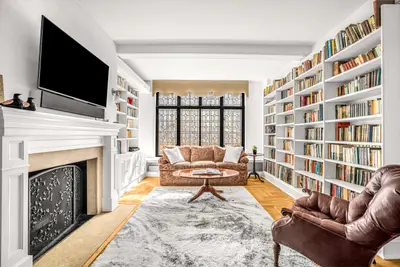
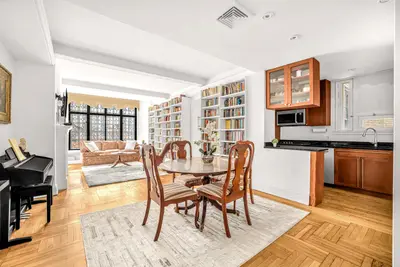
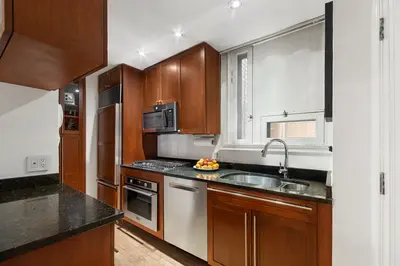
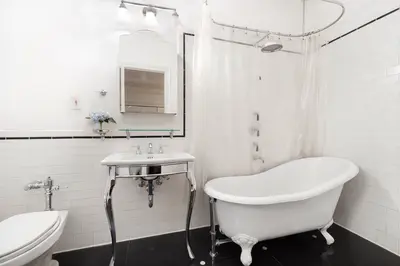

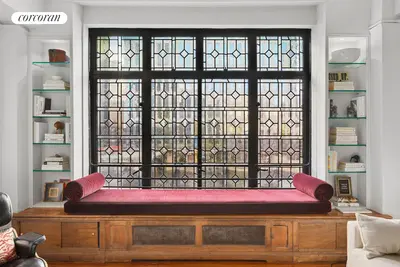
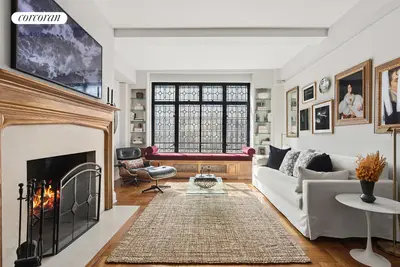
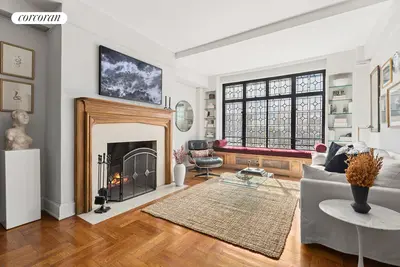
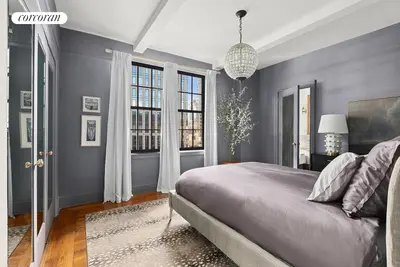
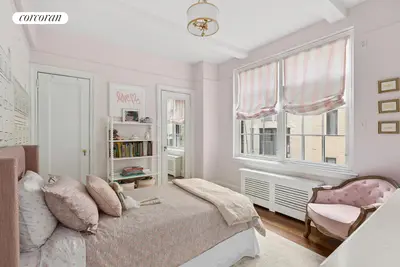
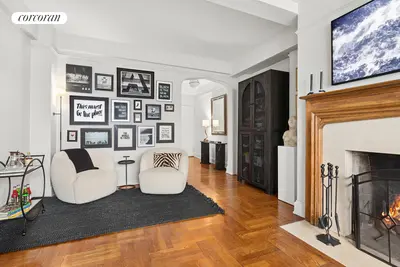
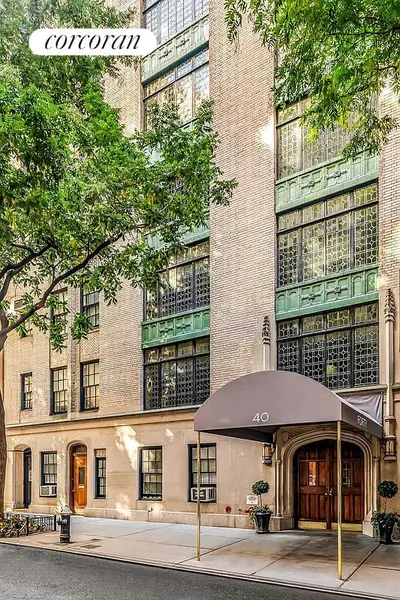

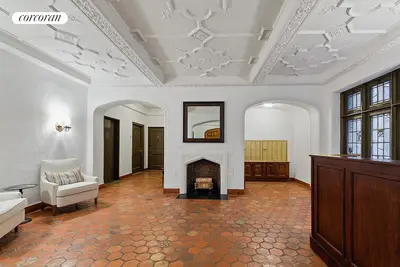

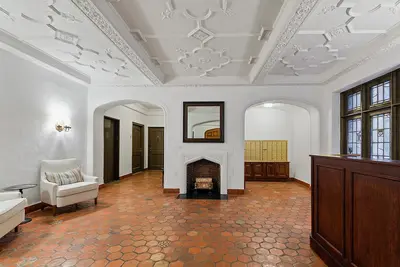
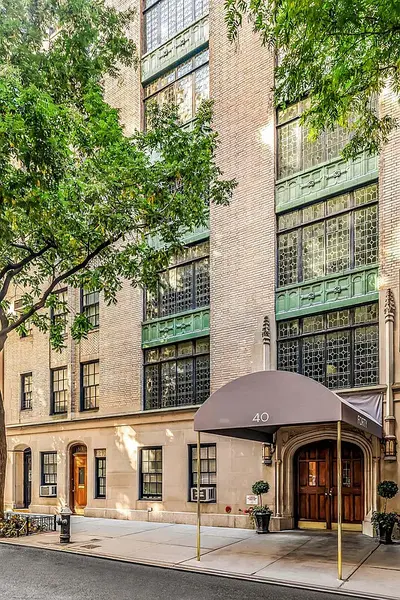
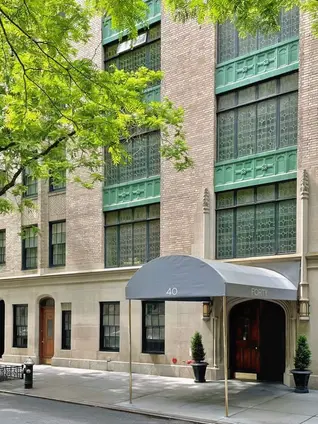
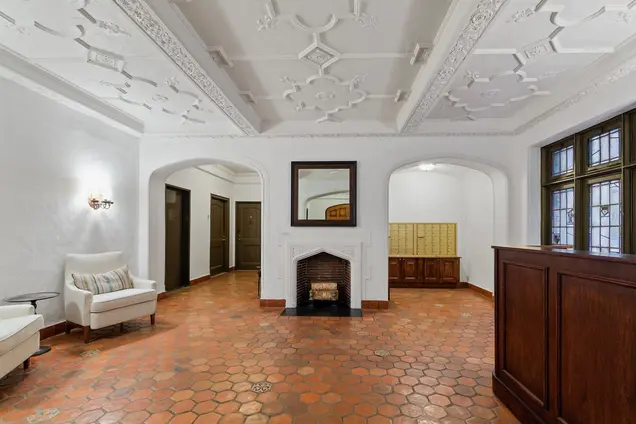
40 West 67th Street is a 10-story cooperative building completed in 1928, designed by the renowned architect Rosario Candela, known for his luxurious pre-war apartment designs. This building is part of the historic West 67th Street Artists' Colony and features a distinctive Gothic-inspired façade with large leaded-glass studio windows, which integrate beautifully into the street's aesthetic. The building is situated in a prime location, just a short distance from Central Park and Lincoln Center, making it a desirable residence for those seeking cultural and recreational amenities.
The cooperative consists of 39 units and offers a range of amenities including a part-time doorman, a live-in superintendent, and a porter. Residents benefit from a newly renovated laundry room, bike storage, and additional storage options for rent. The building is pet-friendly and allows pied-a-terres, catering to a diverse range of residents. Notably, the cooperative has maintained strong financials, with no maintenance increase reported for 2023.
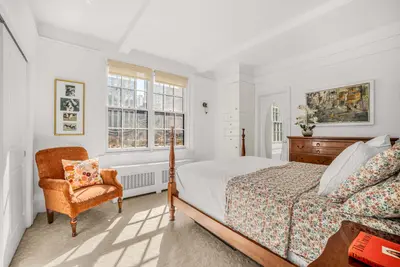
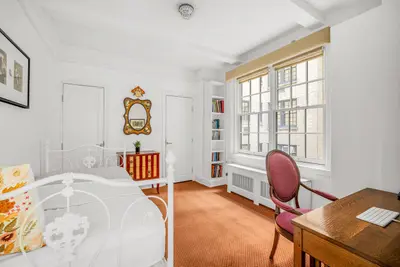
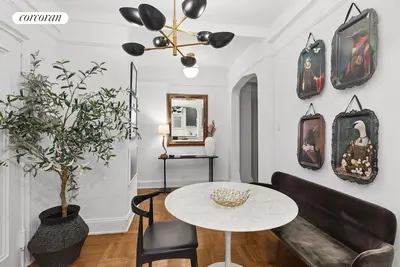
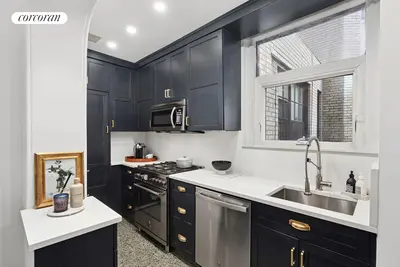
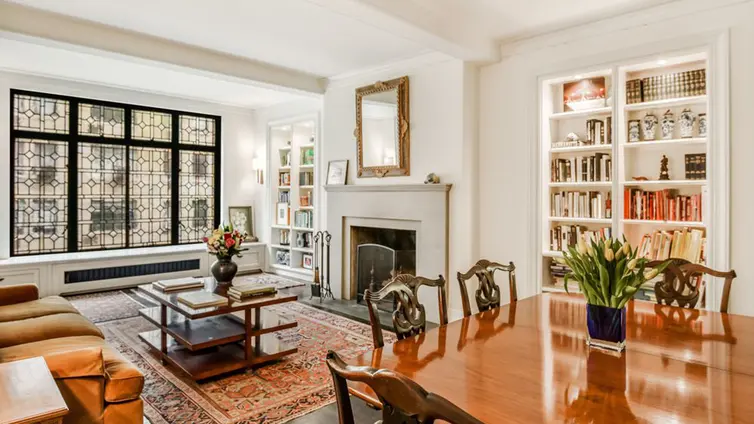
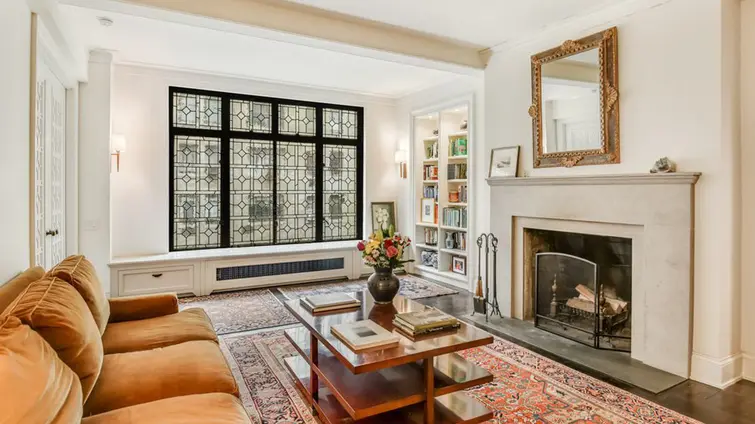
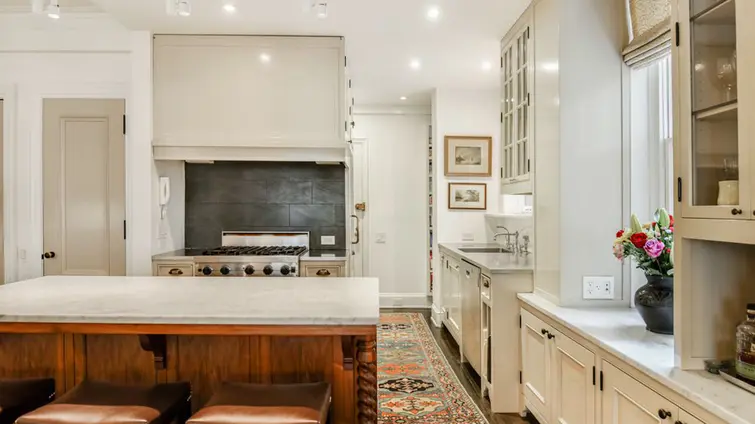
Apartments within the building showcase classic pre-war charm, featuring high ceilings, hardwood floors, and wood-burning fireplaces. Many units have been updated to include modern conveniences while preserving original details, such as beamed ceilings and leaded glass windows. The layouts are spacious, with generous bedroom sizes and en-suite bathrooms, making them suitable for both families and individuals.
The building's historical significance was highlighted in a 2003 New York Times article discussing a notable tenant dispute, which underscored the complexities of cooperative living in New York City. This incident brought attention to the dynamics of co-op boards and tenant rights, illustrating the unique challenges and community aspects of living in such a cooperative environment.
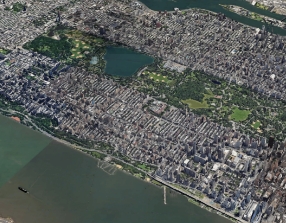
View school info, local attractions, transportation options & more.
Experience amazing 3D aerial maps and fly throughs.

For some co-ops, instead of price per square foot, we use an estimate of the number of rooms for each sold apartment to chart price changes over time. This is because many co-op listings do not include square footage information, and this makes it challenging to calculate accurate square-foot averages.
By displaying the price per estimated room count, we are able to provide a more reliable and consistent metric for comparing sales in the building. While we hope that this gives you a clearer sense of price trends in the building, all data should be independently verified. All data provided are only estimates and should not be used to make any purchase or sale decision.
Notable past and present residents at 40 West 67th Street

 6sqft delivers the latest on real estate, architecture, and design, straight from New York City.
Like us on Facebook to keep up with the trends and
6sqft delivers the latest on real estate, architecture, and design, straight from New York City.
Like us on Facebook to keep up with the trends and 