

















One Columbus Place CLOSE
For more information about renting an apartment in One Columbus Place, 1 Columbus Place please contact:
Brodsky Organization
Leonardo Sheppard
One Columbus Place
212-863-3000
Approx. Prices for Apartments for Rent at
One Columbus Place, 1 Columbus Place :
All prices are approximate and solely for informational purposes. There currently may not be any apartments available for rent in this building.
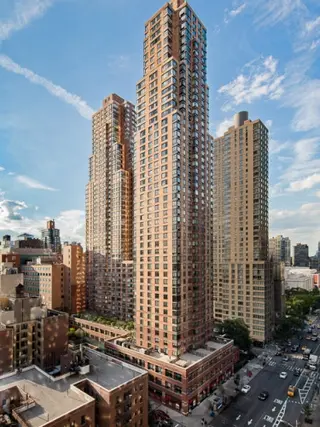
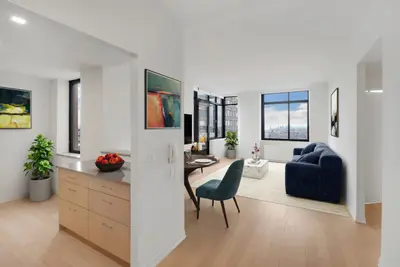
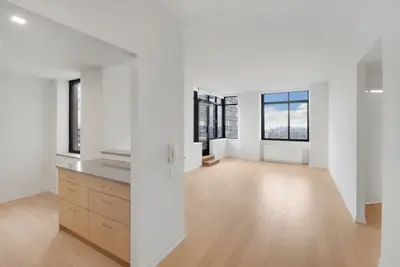
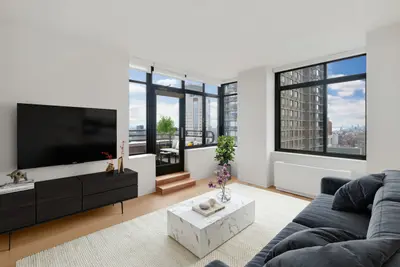
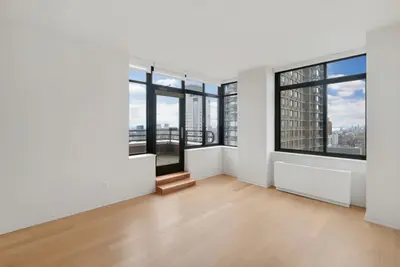
The two towers of One Columbus Place on the west side of Ninth Avenue between 58th and 59th streets east of the St. Luke s/Roosevelt Hospital complex were developed by The Brodsky Organization, one of the Manhattan's largest builders of luxury rental buildings.
The towers were topped out in 1997 and rise 46 stories above a three-story commercial base clustered abut the 1892 William J. Syms Operating Theater.
Of the development's 700 apartments, 149 are reserved for tenants qualifying as low/moderate income renters.
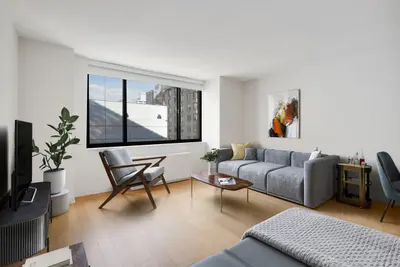
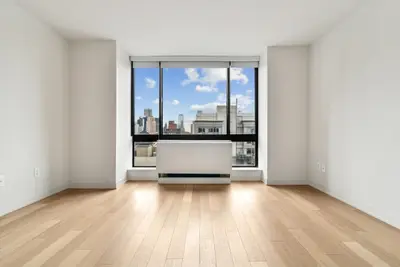
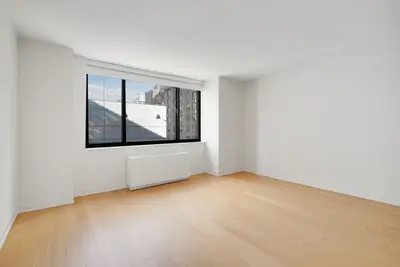
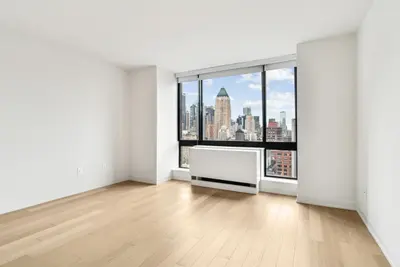
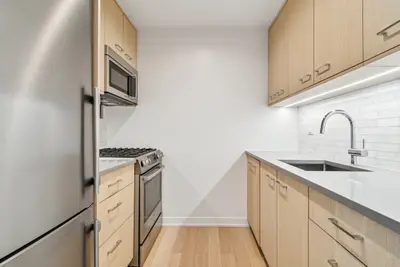
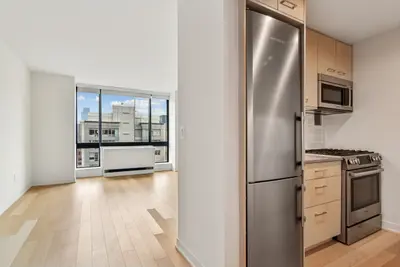
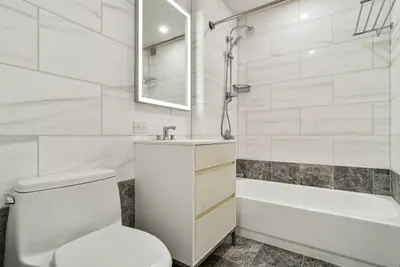
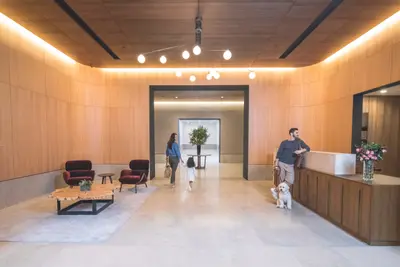
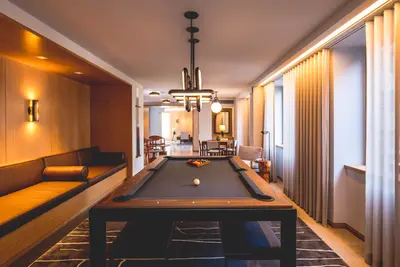
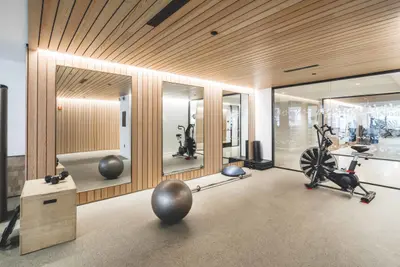
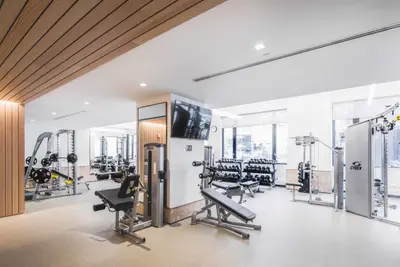
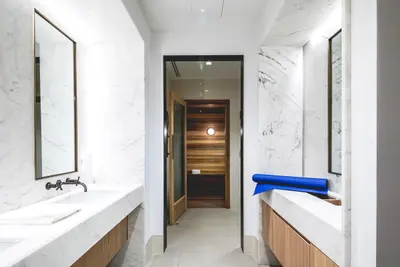
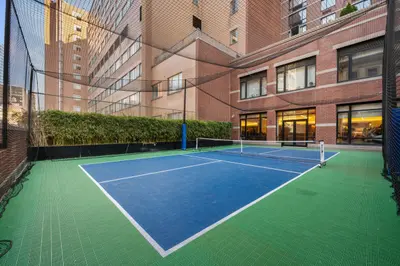
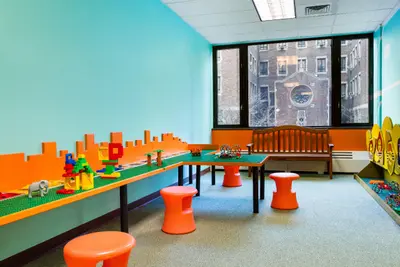
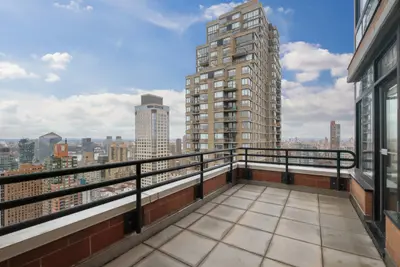
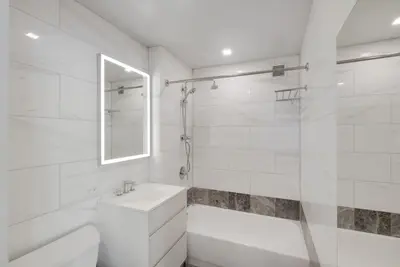
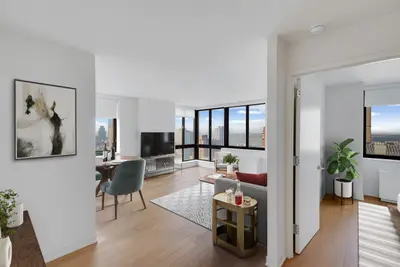
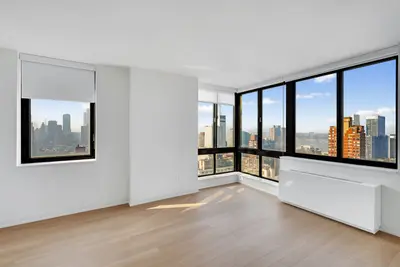
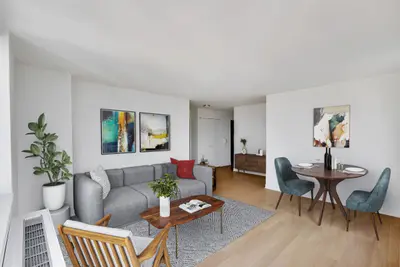
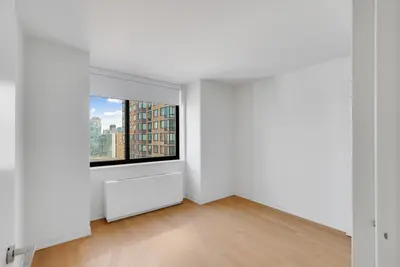
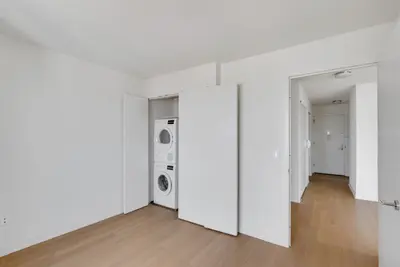
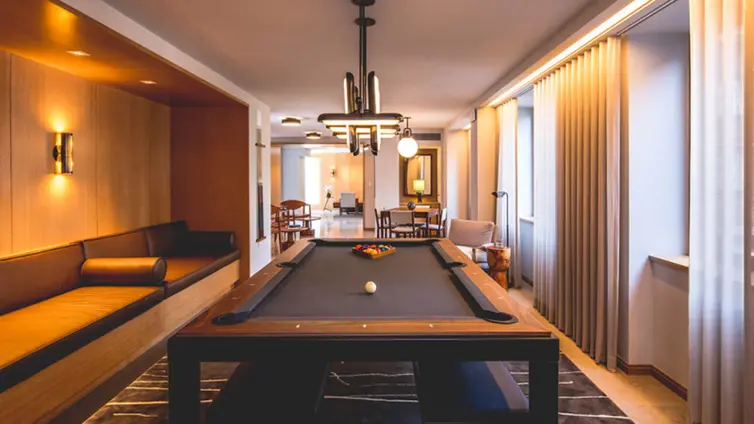
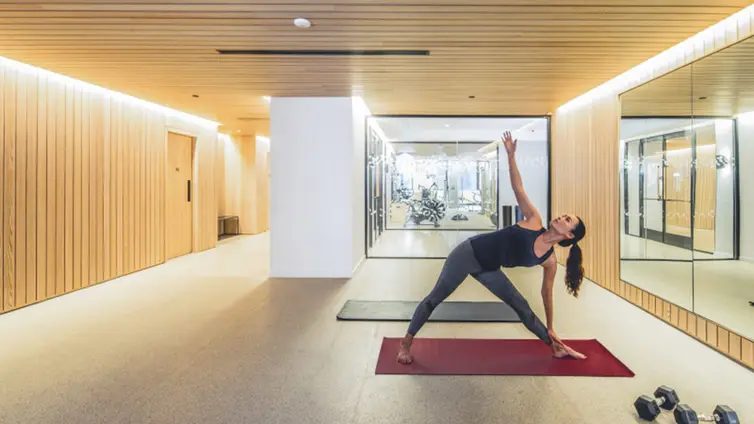
The building, which is also known as 925 Ninth Avenue and 400-410 West 59th Street, has a 7,500-square-foot health club and 5,500-square-foot landscaped roof terrace. It has a concierge, a roof deck, a garage, laundry facilities, a party room with landscaped terrace and barbecue and a children's play room and it is pet-friendly. It was designed by Schuman Lichtenstein Claman & Efron.
The two towers of One Columbus Place were topped out in mid-February. This new high-rise residential and commercial development is located between 58th and 59th Streets on the west side of Ninth Avenue in Manhattan, situated to the east of the St. Luke's/Roosevelt Hospital complex.
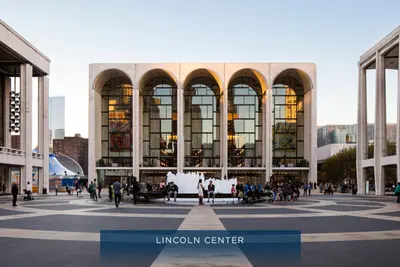
The location is very convenient to the Lincoln Center for the Performing Arts and good public transportation.
In his "Streetscape" column in The New York times October 25, 1987, Christopher Gray wrote that the Syms building was a gift of a retired gun merchant to the hospital and was described in Harper's Weekly as "the finest structure in the world for surgical operations" and had "steeply ascending semicircular tiers of seats that accommodated 184 people."
The Harper's Weekly article noted that the building had been designed by W. Wheeler Smith - who had also designed the long-since demolished College of Physicians and Surgeons across the street - the mildly Romanesque building was one where "beauty of exterior has been sacrificed to utility of interior."
Mr. Gray noted that the "sacrifice" for the interior was an effort to reduce the risk of infection, a constant concern in late 19th-century hospital design: "walls and even ceilings were made of marble, fittings of iron and the mosaic floors curved upward at the edges to reduce corners that might harbor bacteria. Even the laundry chute was lined with marble so that it could be more easily disinfected. To assure good drainage, the Syms building had a moat around its full basement."
According to Mr. Gray, "The last surgery was performed in the Syms building in 1941 and it was converted into office space." It is now used by George Soros's Open Society Institute.
The Brodsky Organization was founded by Nathan Brodsky, who died in 2006 at the age of 89. His firm was very active in the Lincoln Center area where it also build West End Towers and South Park Tower.


All Manhattan Apartment Buildings|
Comments or questions? · Phone: 212.755.5544
|
|
An equal housing opportunity.
|
| All data is deemed reliable but is not guaranteed accurate by the REBNY / RLS or CityRealty. See Terms of Service for additional restrictions. All information furnished regarding New York City property for sale, rental or financing is from sources deemed reliable, but no warranty or representation is made as to the accuracy thereof and same is submitted subject to errors, omissions, change of price, rental or other conditions, prior sale, lease or financing or withdrawal without notice. All dimensions are approximate. For exact dimensions, you must hire your own architect or engineer. The number of bedrooms listed on this website is not a legal conclusion. Each person should consult with his/her own attorney, architect or zoning expert to make a determination as to the number of rooms in the unit that may be legally used as a bedroom. |