- Apartments
- Overview & Photos
- Maps
- Building Specialists
- Floorplans
- Sales Data & Comps
- Similar Buildings
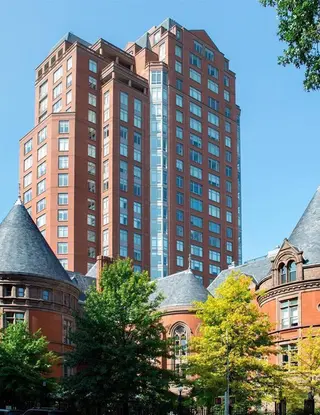
455 Central Park West is a luxury condominium with extensive amenities including a pool, gym, and private garden. The building offers 24/7 staff, is pet-friendly, and is conveniently located across from Central Park with easy access to dining, shopping, and transportation. Currently, 1 apartment is for sale.

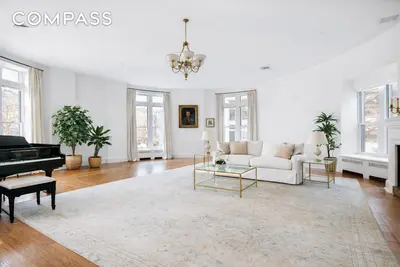
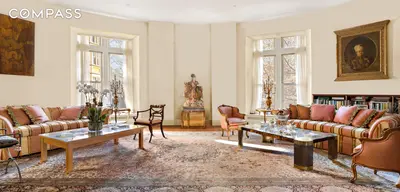
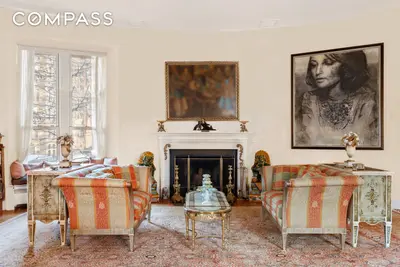
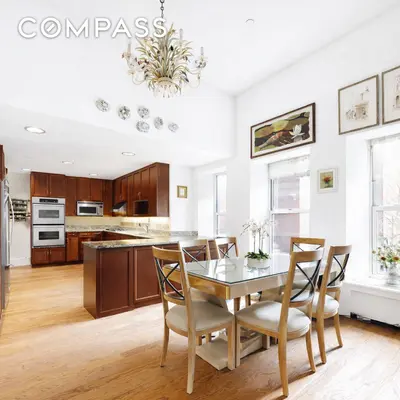
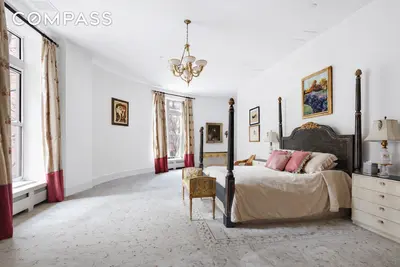
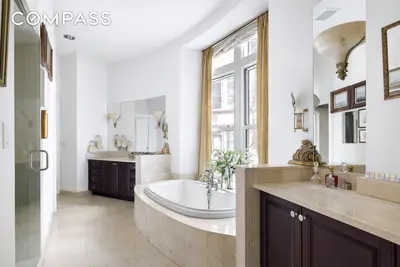
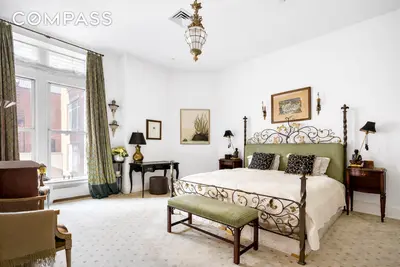
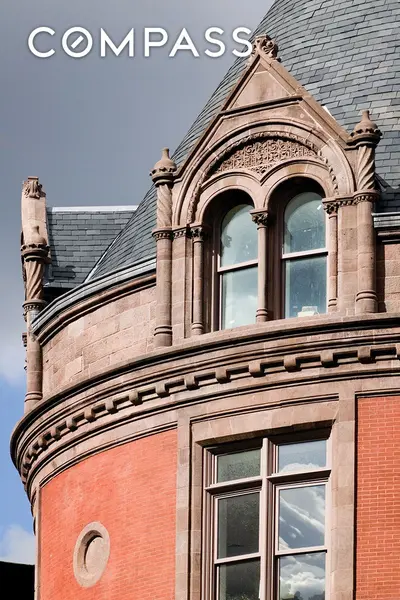
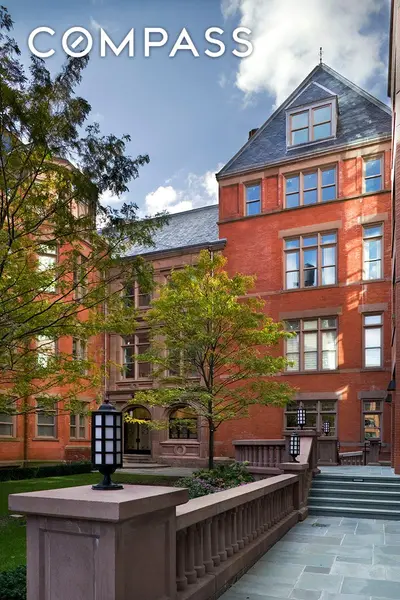
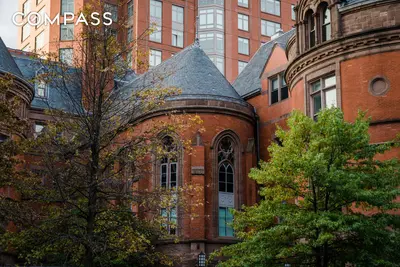
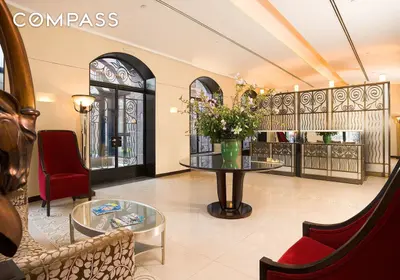
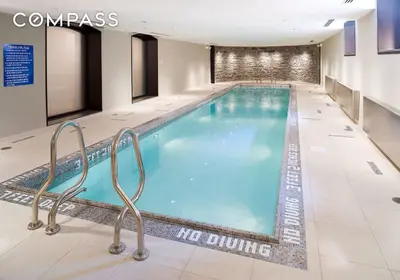
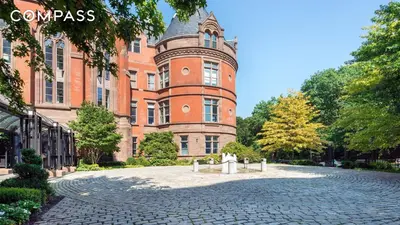
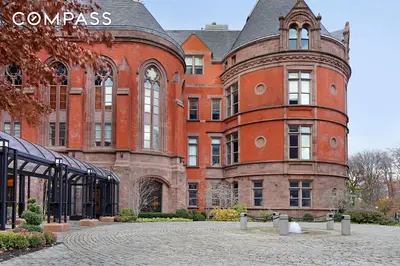
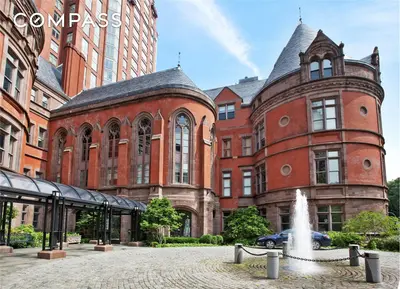
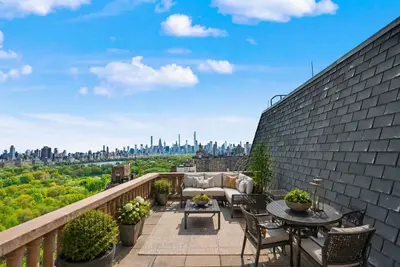
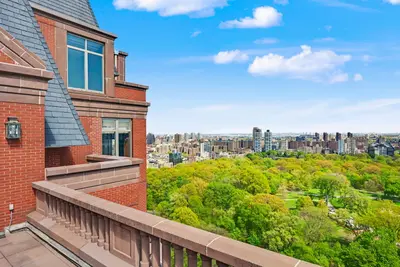
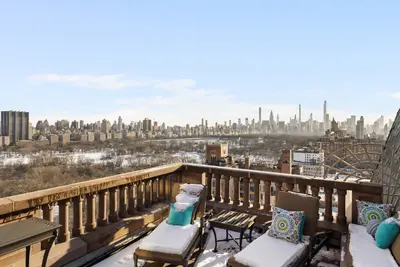
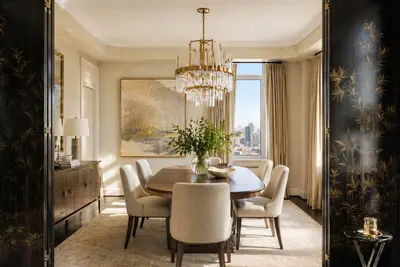
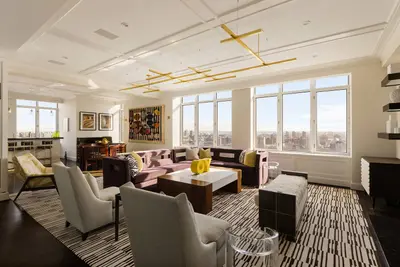
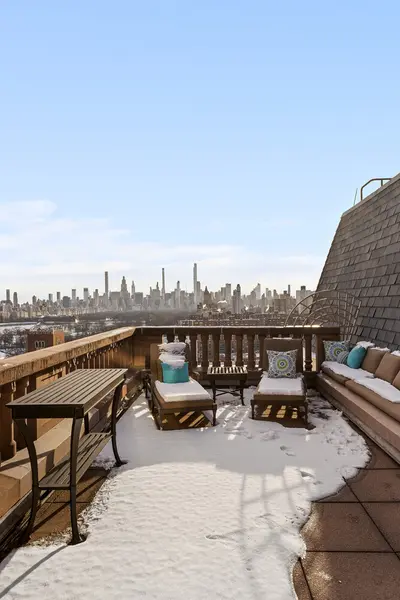
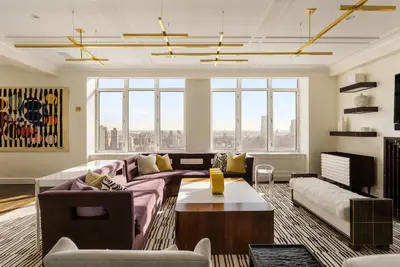
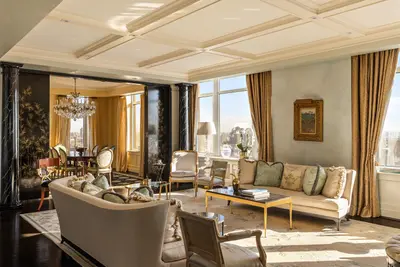
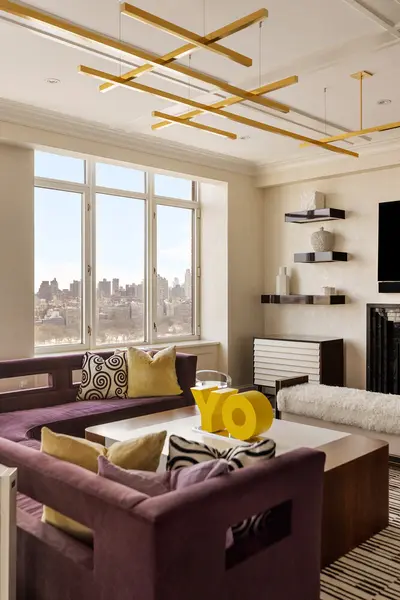
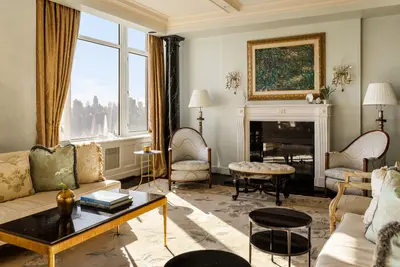
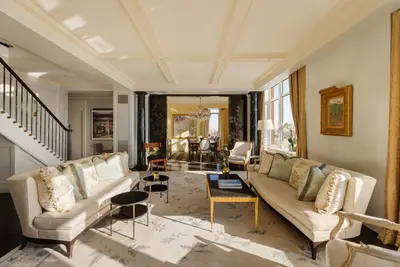
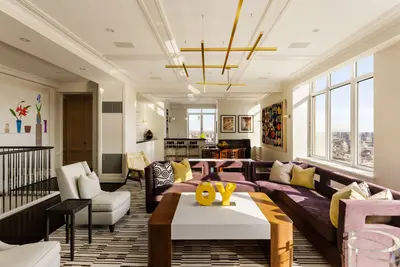
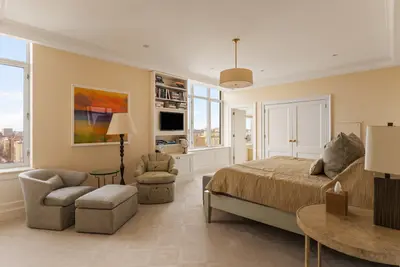
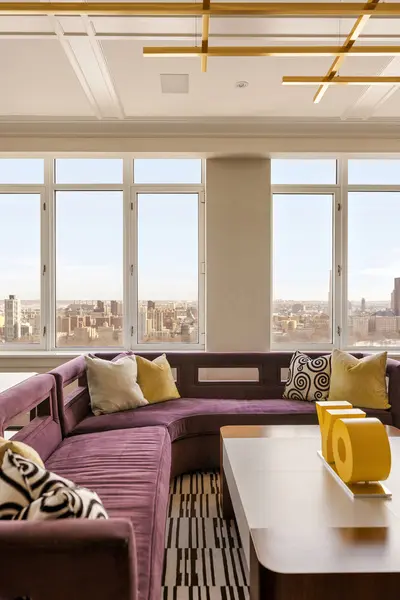
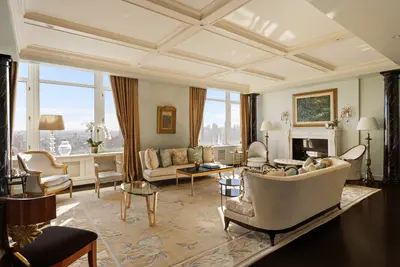
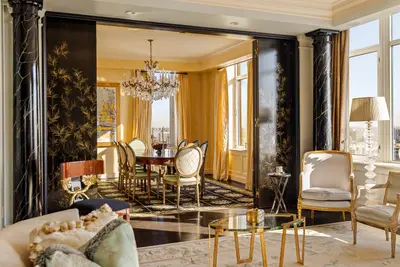
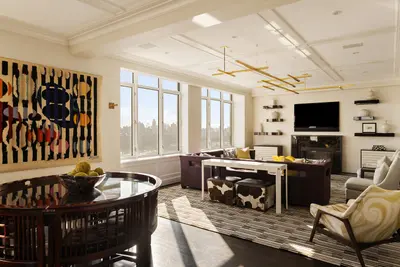
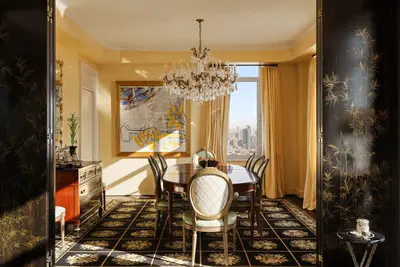
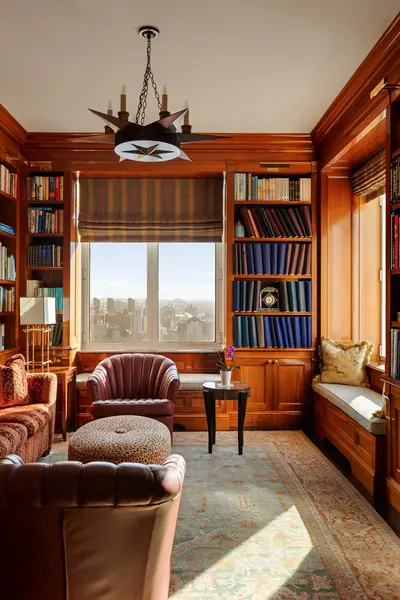
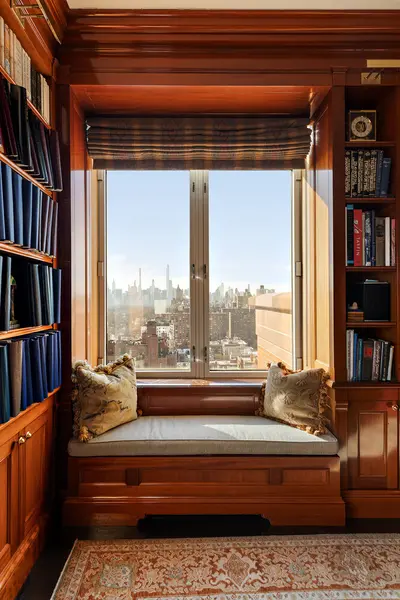
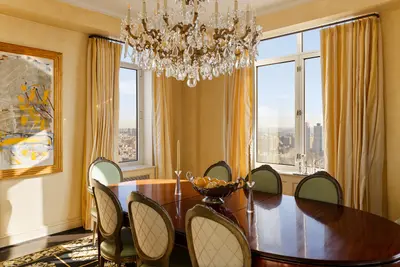
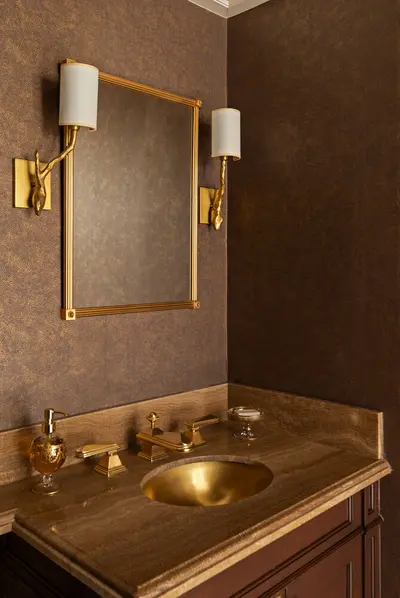
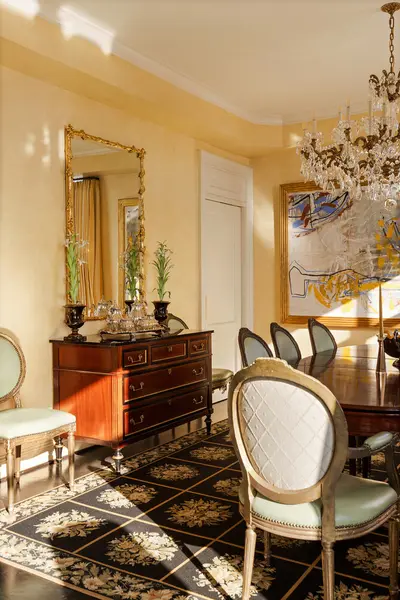
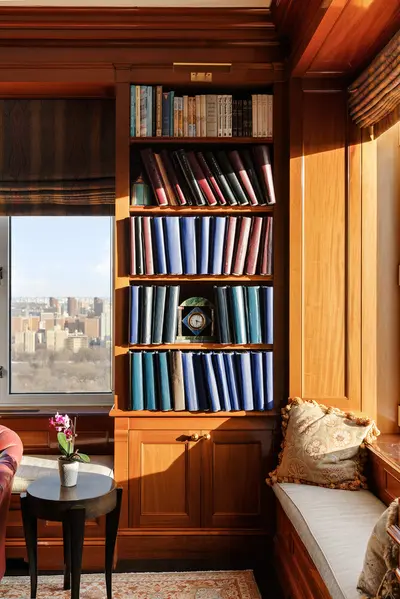
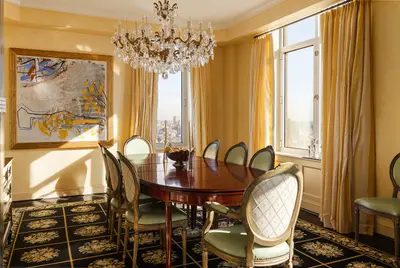
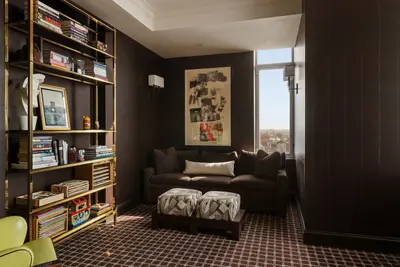
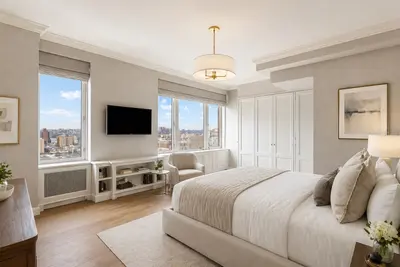
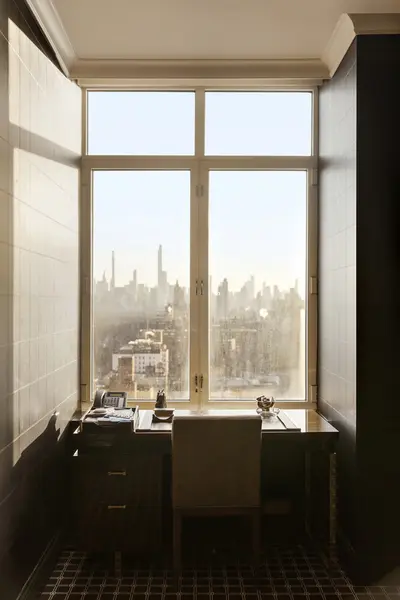
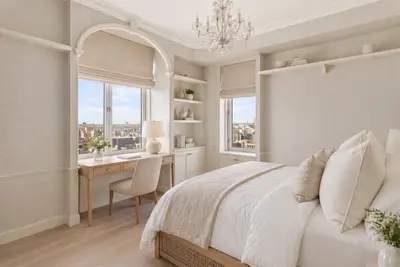
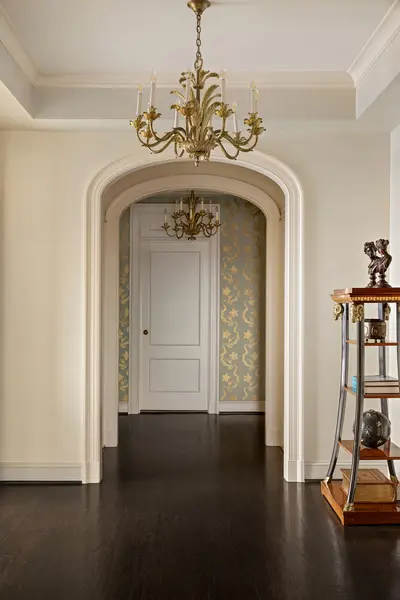
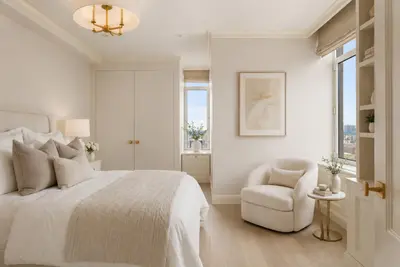
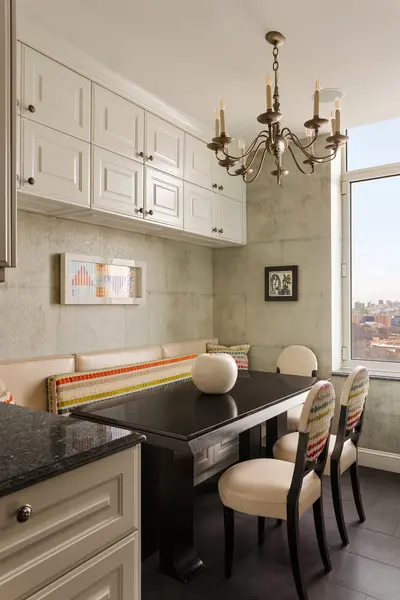
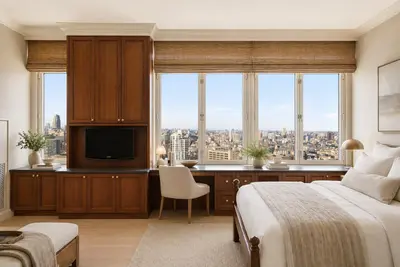
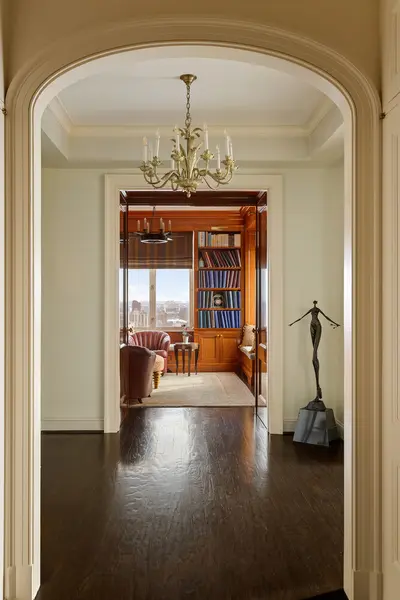
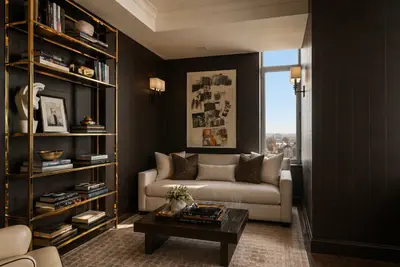
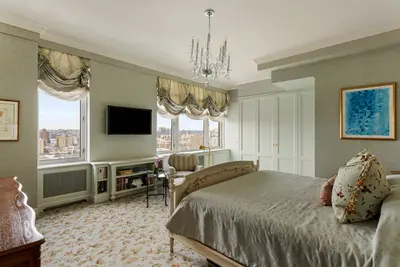
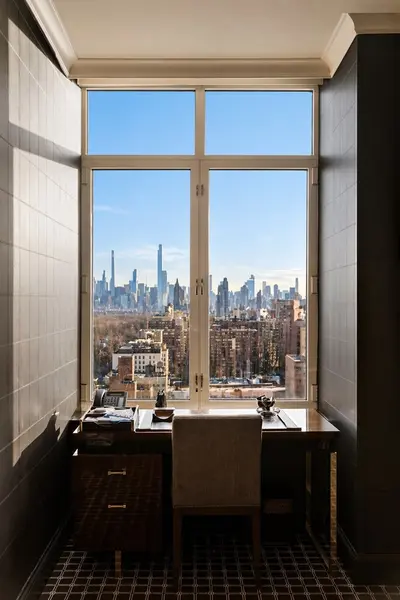
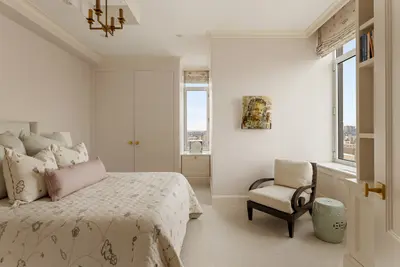
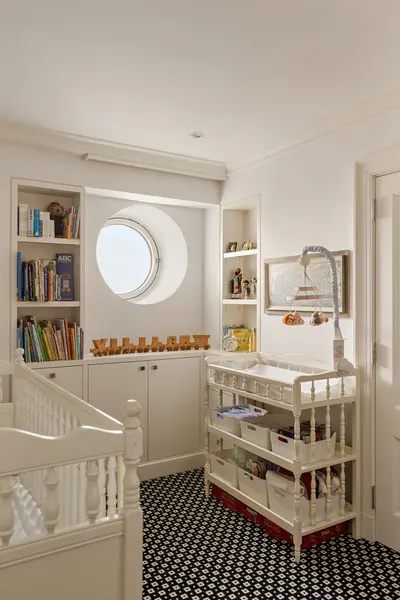
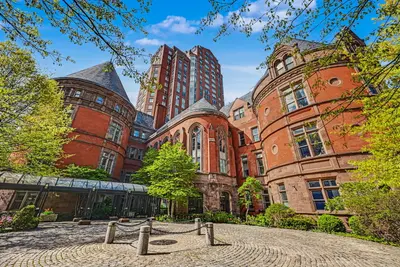
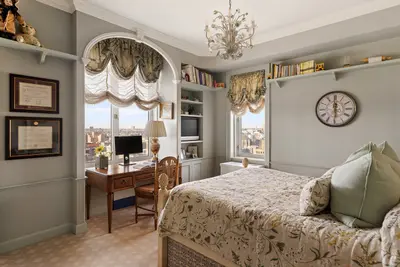
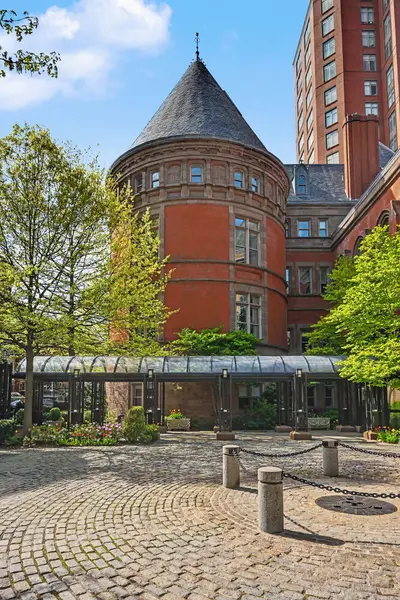
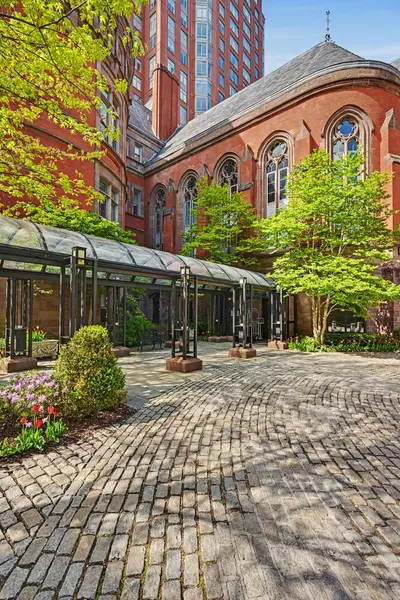
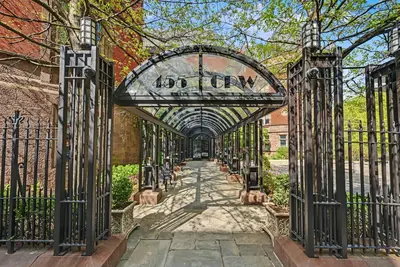
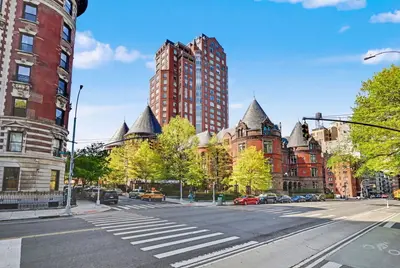
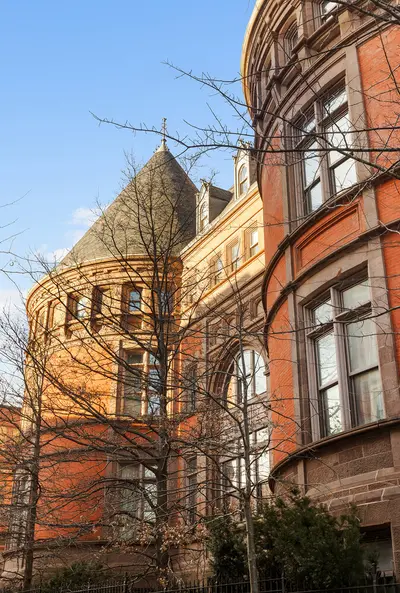
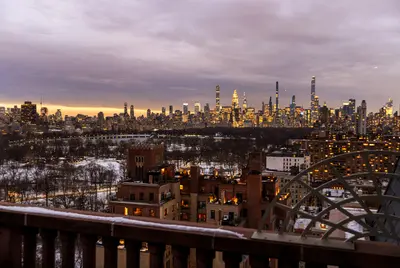

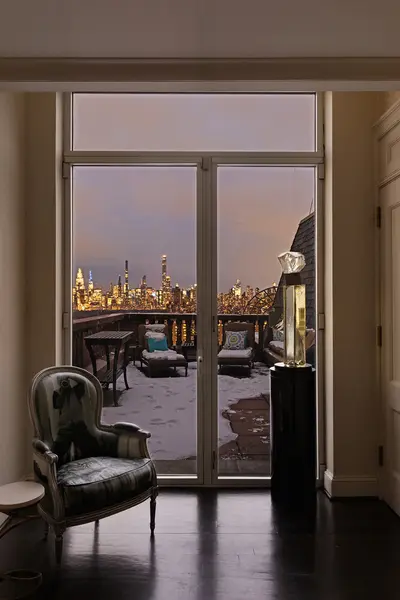
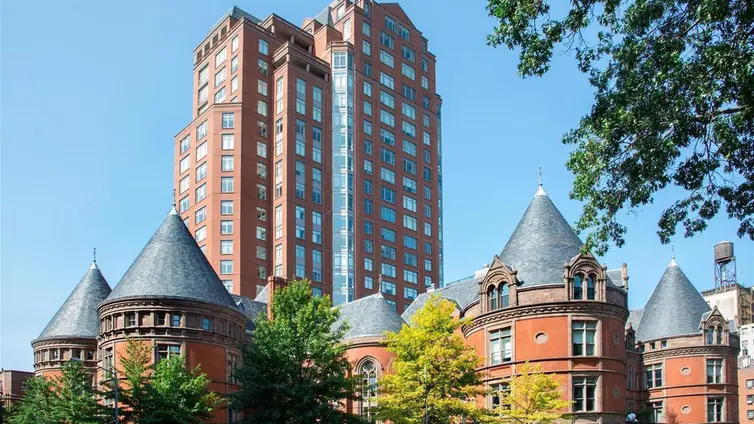
455 Central Park West began as the New York Cancer Hospital in 1887, the first facility of its kind in the nation. Designed by Charles Coolidge Haight in French chateau style with English Gothic trim, the building was commissioned by John Jacob Astor II following the death of President Ulysses S. Grant from cancer in 1885. The original structure featured distinctive circular towers with 40 foot diameter wards, believed to promote cleanliness and prevent the trapping of bad air. After serving as the General Memorial Hospital and later the Towers Nursing Home, the building fell into neglect and closed in 1974. It received New York City landmark status in 1976 and was redeveloped in 2005 by MCL Companies of Chicago.
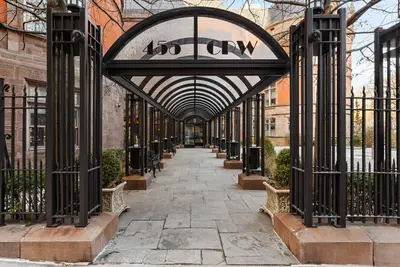
The complex now comprises 16 apartments in the restored three and a half story landmark buildings and 83 units in a 25 story red brick tower designed by Rothzeid Kaiserman Thomson and Bee. The original buildings feature ashlar cut sandstone bases, red brick upper stories with sandstone trim, broad turrets with conical slate roofs, and Gothic dormers. The Rockwell Group designed the lobby, and the entrance at 1 West 105th Street includes a long canopy, landscaping, and a fountain within a circular driveway. The tower's red brick masonry complements the chateau like structures while providing modern residential space.
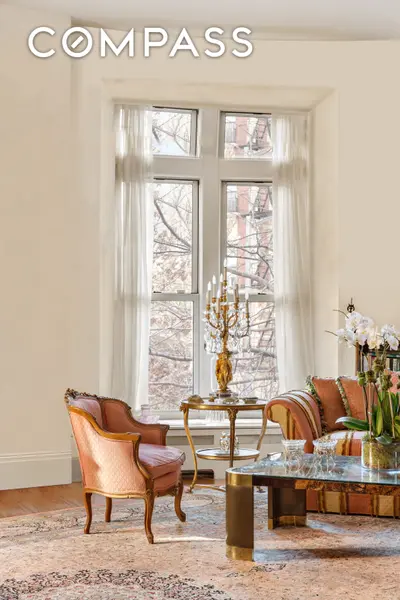
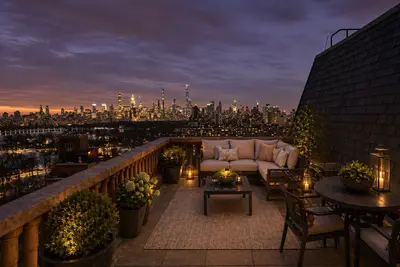
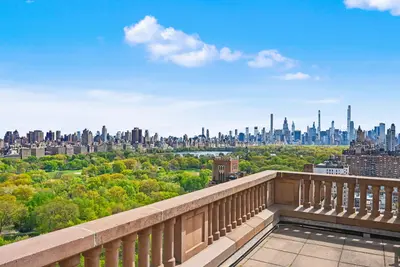
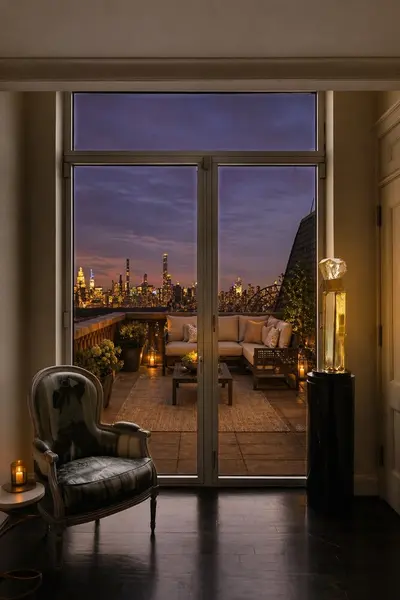
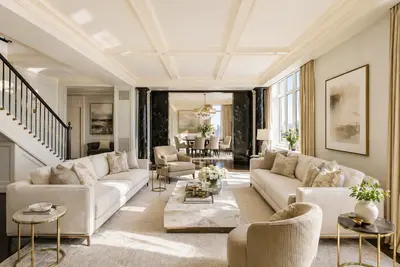
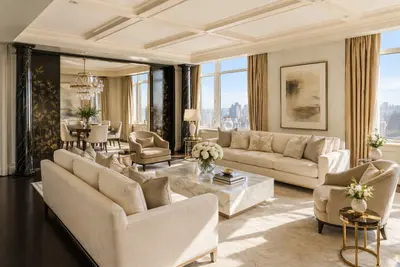
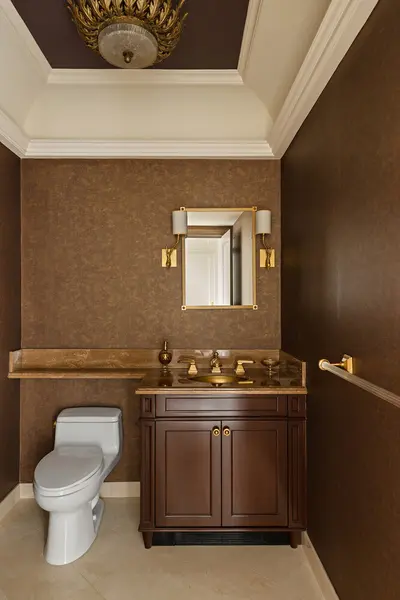
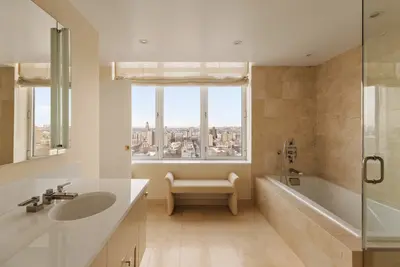
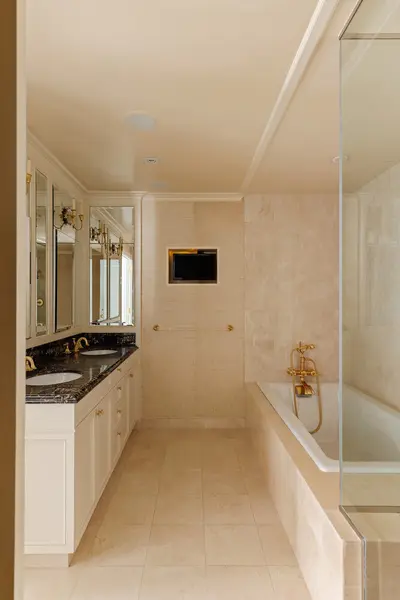
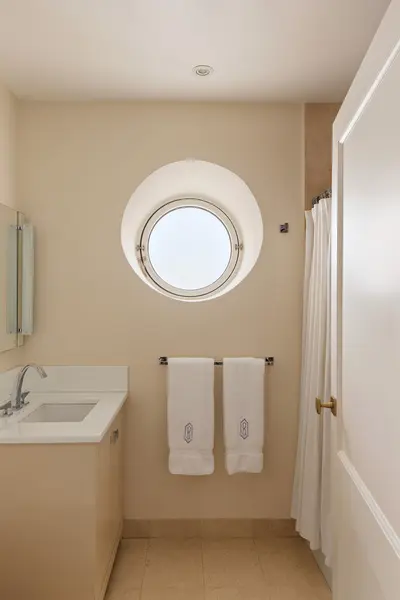
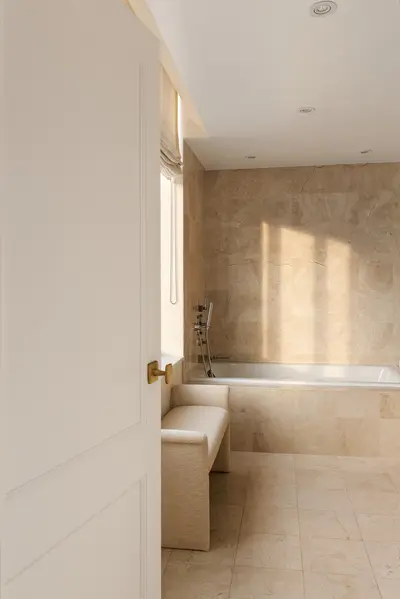
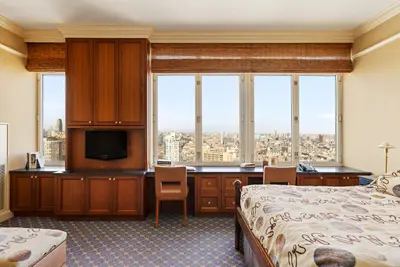
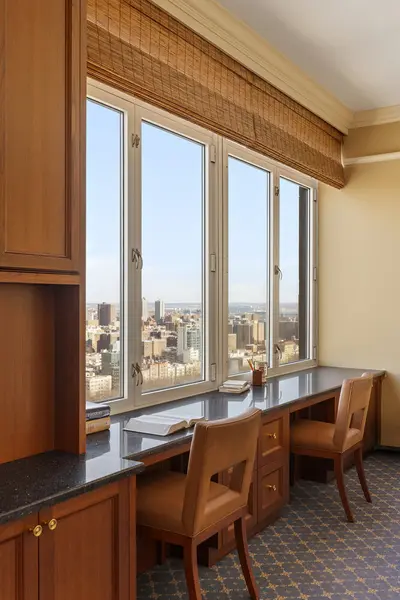
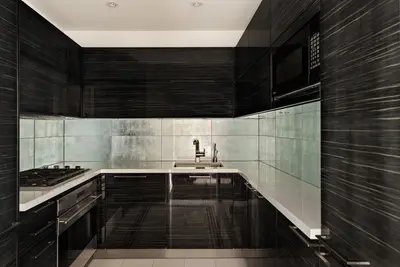
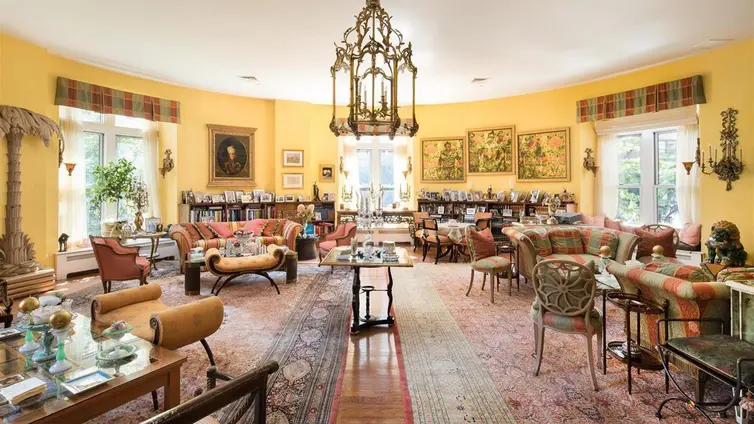
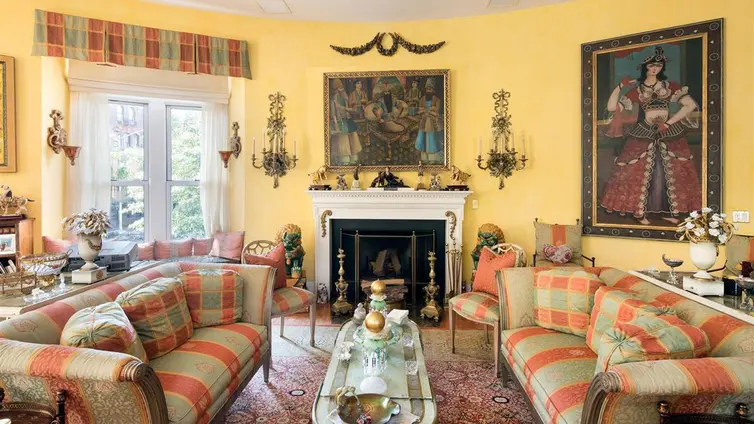
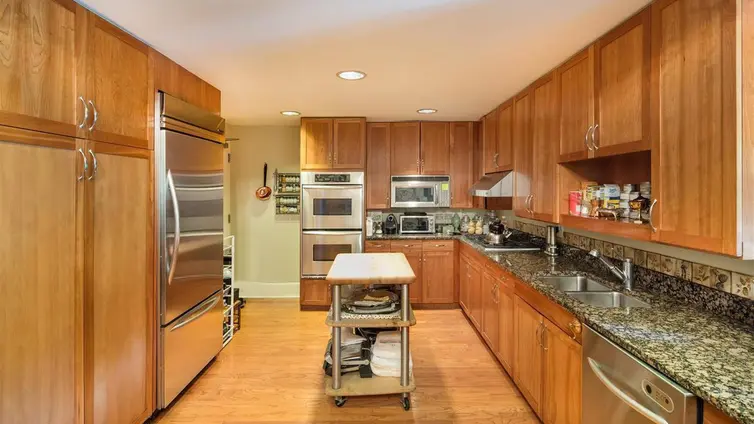
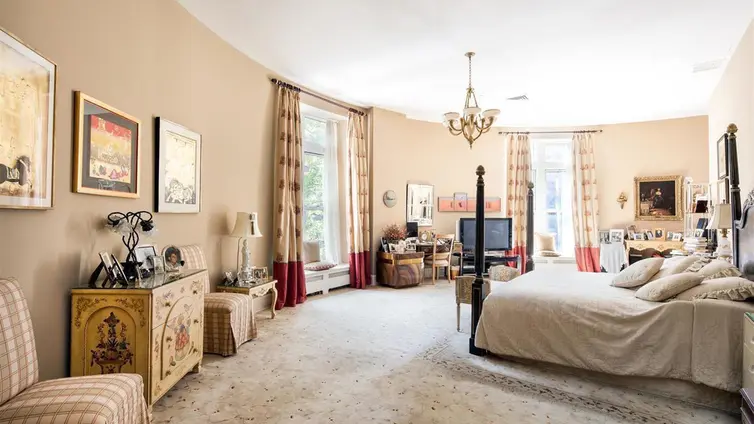
Apartments in the original building offer extraordinary circular rooms, with living spaces spanning 36 to 37 feet in diameter and soaring 12 to 13 foot ceilings. The unique Chapel apartment features four levels with a 42 foot long double height living and dining room, while other landmark units include semi circular master bedrooms up to 36 feet long with multiple walk in closets and curved bathrooms. Tower units range from 2,083 to 2,446 square feet for three bedroom layouts, with a penthouse spanning 3,540 square feet plus terrace. One exceptional combined penthouse offering exceeds 6,300 square feet across two floors with all four exposures. Most units feature Central Park views, wood burning fireplaces, marble bathrooms, eat in kitchens with Sub-Zero and Wolf appliances, and hardwood floors throughout.
The building operates as a full service condominium with 24 hour doorman and concierge service, a live-in superintendent, and valet attended parking garage. Amenities include a 40 foot pool, state-of-the-art fitness center and spa, children's playroom, business center, private garden, bike room, and wine storage. The building is pet friendly and located directly across from Central Park between 105th and 106th Streets, close to Whole Foods, restaurants, and major public transportation including the B and C trains at 103rd Street.
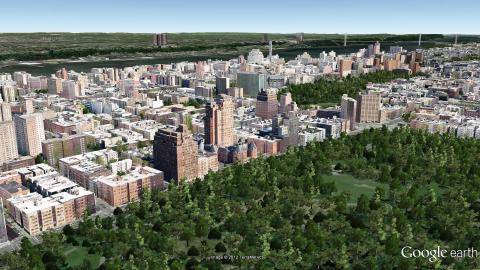
View school info, local attractions, transportation options & more.
Experience amazing 3D aerial maps and fly throughs.


 6sqft delivers the latest on real estate, architecture, and design, straight from New York City.
Like us on Facebook to keep up with the trends and
6sqft delivers the latest on real estate, architecture, and design, straight from New York City.
Like us on Facebook to keep up with the trends and 
Broker & Buyer Comments