Username:
Password:

How City Realty Works:
· For Buyers>
· For Renters>
· For Brokers>
· For Building Owners>
· The City Realty Advantage>
· Buyers Guide>
· Renters Guide>
· Co-op & Condos>
· Luxury Condo Guide>
· New Developments>
· Rental Buildings>
· Relocation Guide>
· Neighborhood Guide>
Register now to find the perfect apartment - it's easy and it's free >>
To buy, rent or sell
an apartment
please call us at:
2 1 2 - 7 5 5 - 5 5 4 4
or email us at:
contact@cityrealty.com
American Felt Building > 114 East 13th Street
located between Fourth Avenue & Third Avenue
Bookmark and Share
  

Pricing Information


Approx. Prices for Apartments at American Felt Building, 114 East 13th Street

1 Bedroom from $1,095,000 (updated 11/11/2009)


Overview

   About American Felt Building, 114 East 13th Street

Certain streets in the city become "backwaters" of a sort, "left-over" spaces that primarily suffer from, and are dominated by, uses on adjacent blocks. Such blocks, however, generally get rediscovery and changed.

This is such a block.

For decades the north side of this street had the rear of Luchow's, the great German restaurant, and the Academy of Music theater that eventually become the Palladium discotheque whose interior renovation by famed Japanese architect Arata Isozaki was one of the most spectacular in the city.

As a result of the "rear" presence of such high-traffic destination centers, this street had a considerable degree of night-time activity.

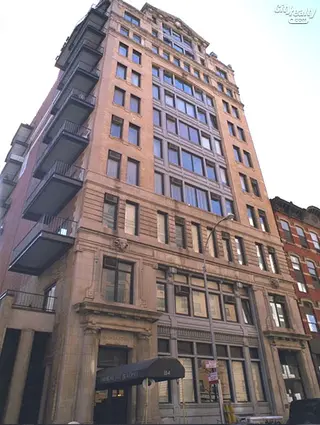
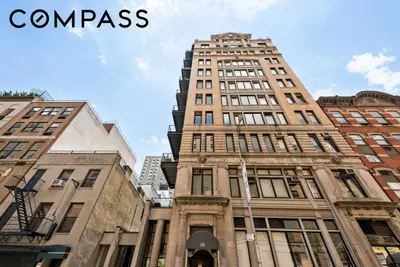
This very handsome building, which is known as the American Felt Building, has always been the best on the block because of its fine limestone facade. It was erected in 1906 and converted to condominium apartments in 1984, three years before the completion of the great Zeckendorf Towers project on the east side of Union Square at 14th Street sparked the area's renaissance. When this building was converted, however, the immediate vicinity was desolate, drab and dark and much the area's rejuvenation sparked by the large Zeckendorf project initially was north of 14th Street.
The American Felt Building was not a pioneer luxury conversion in the area as two other former industrial properties nearby on Fourth Avenue had been made more than a decade before.

In the late 1990s, however, several major new projects sprang up in the immediately vicinity. One was the angular mixed-use tower on the south side of 14th Street on the west side of Fourth Avenue that featured a movie complex, a huge record store and a very large facade sculpture facing north up Park Avenue South.

Rather quickly and without much fanfare and, surprisingly without much controversy, New York University demolished the Palladium and erected a reasonably attractive new dormitory building adjacent to a new residential midblock complex across from this building known as the Robert F. Kennedy Apartments. The University's expansion in the Village has been phenomenal in the last quarter of the 20th Century and it has marched up Third Avenue with new buildings and its students have enlivened this district dramatically. Fourth Avenue was famous for its bookstores, on which only a handful remain. The Palladium's former use as the Academy of Music reflected the fact that the Academy of Music Opera House originally occupied the site of the Con Edison headquarters tower on the north side of 14th Street at Irving Place and was the city's major opera house until the Metropolitan Opera House opened. The theater at the Academy of Music was a typical large movie palace of its generation and in the 1940's patrons could watch a two features, previews, a cartoon, a newsreel and vaudeville acts for 25 cents a ticket. The largest theater in the Village, it was also the only one with live entertainment, although in its later years it did away with the vaudeville acts.

Isozaki's transformation of the old Academy of Music theater was sensational and absolutely worthy of landmark designation, but none was forthcoming and indeed may not even have been considered. Adjacent to the theater was Julian's Academy, one of the city's oldest and most famous billiard parlors.

Luchow's, of course, was one of the city's most famous culinary landmarks and largest restaurants and its demise reflected the collapse of the Union Square area in the 1950s as it became a haven for drug pushers and users.

While the Palladium and Luchow's had relatively distinguished celebrity, Union Square was dominated for decades for S. Klein's-on-the-Square, a sprawling discount department store that anchored the extensive street-front retail activity along 14th Street that catered to many travelers on the many subway lines that crossed at Union Square.

Today, Union Square is the anchor to the Midtown South district and its area overlaps with that of the "Flatiron" district just to the north and both are remarkably vibrant with many trendy restaurants, boutiques and high-end retailers.

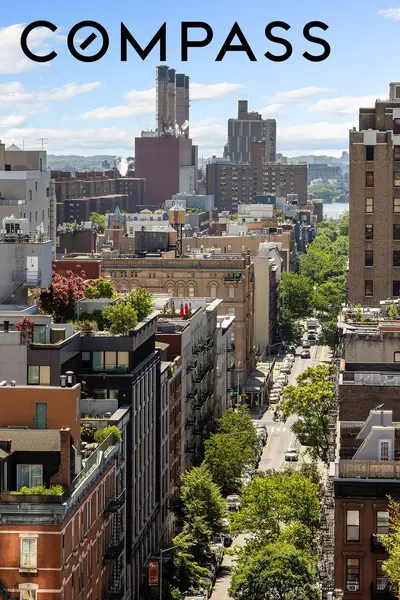
This block now is no longer dark and ominous, but pleasant and quite quiet given its proximity to the heartbeat of the Union Square district.

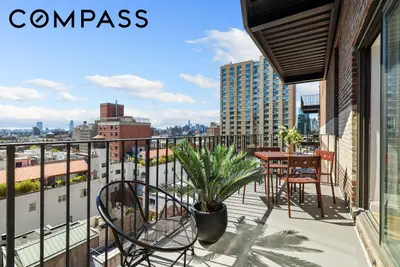
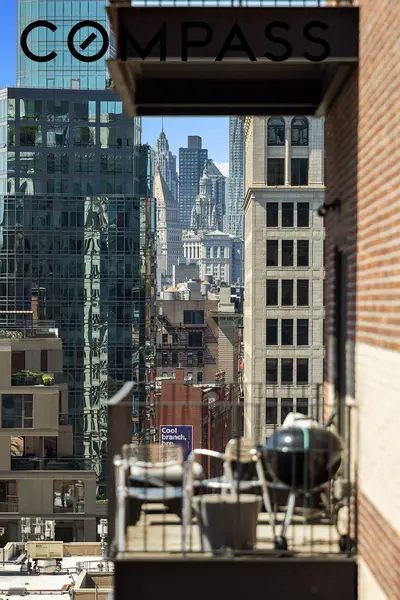
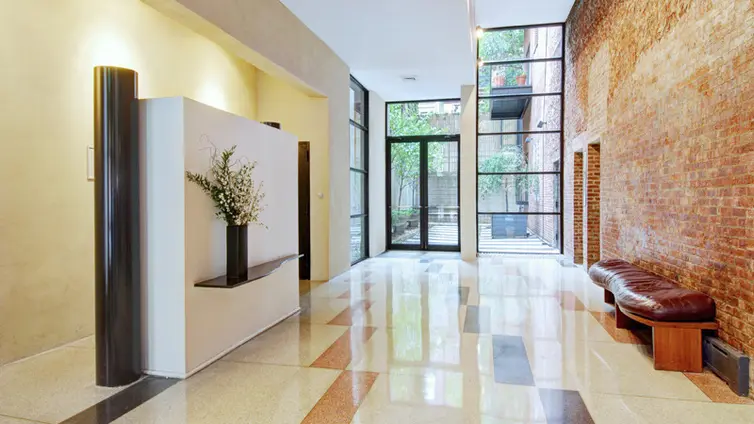
As one of the more distinguished buildings in the neighborhood, this 35-unit property is now very classy. The red-brick, 11-story building has a colonnaded entrance distinguished by two semi-globular pedestals that leads into a bright, tall lobby with landscaping and a concierge. There are balconies on the east side of the building, whose rooftop watertank is exposed.

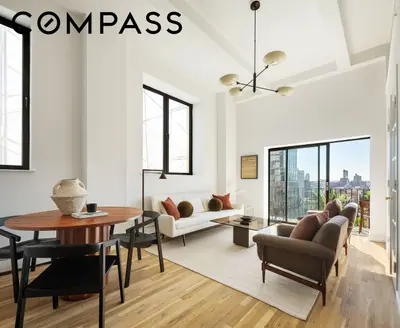
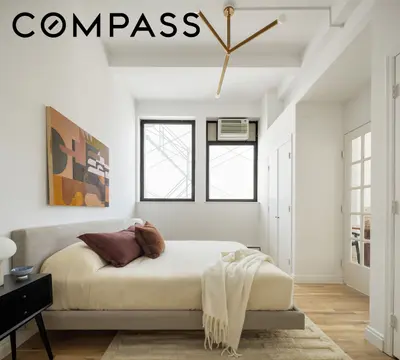
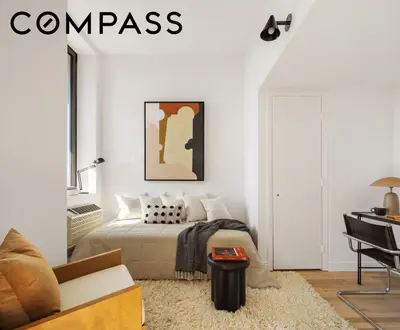
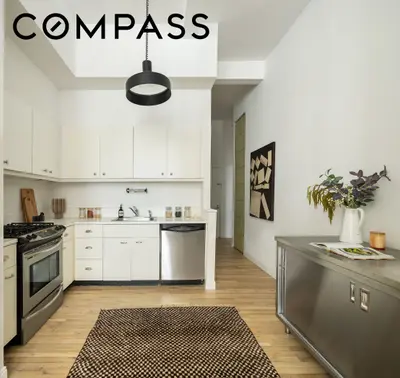
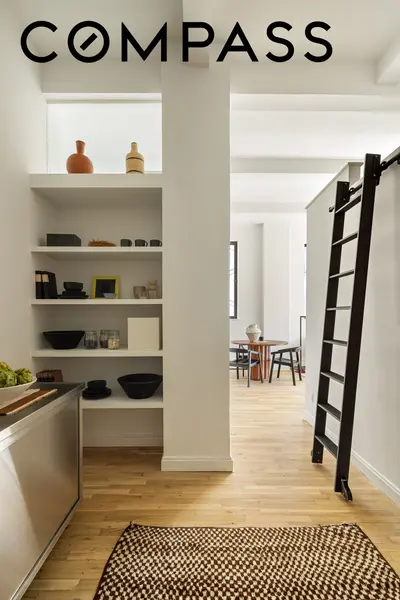
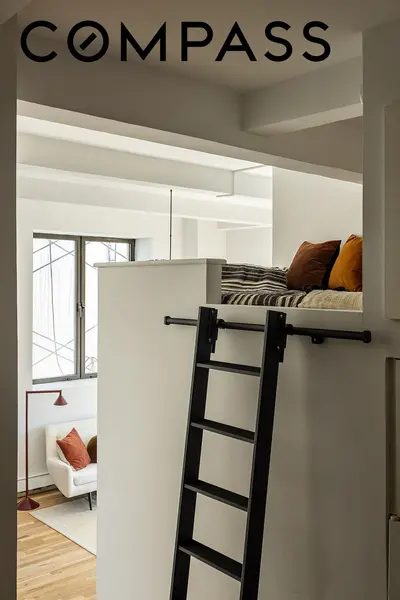
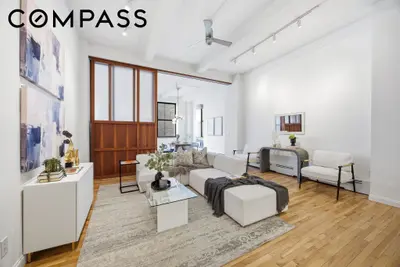
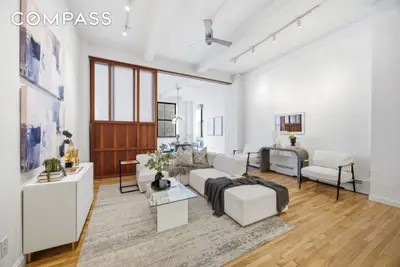
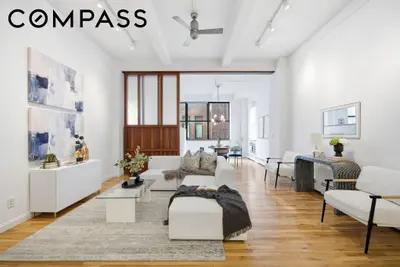
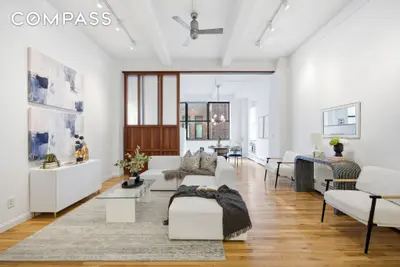
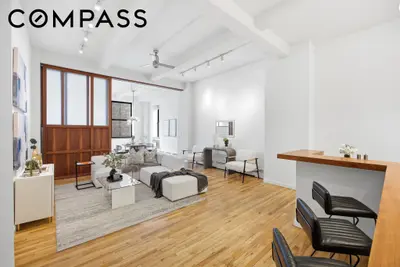
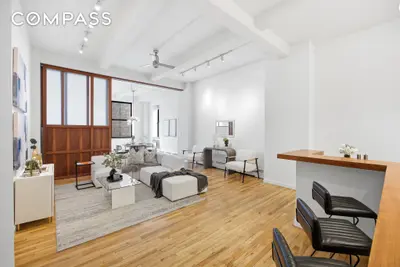
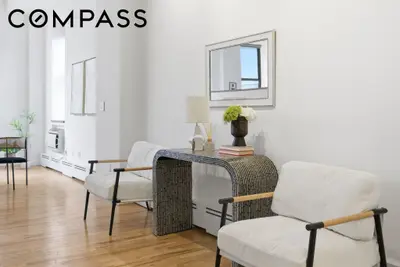
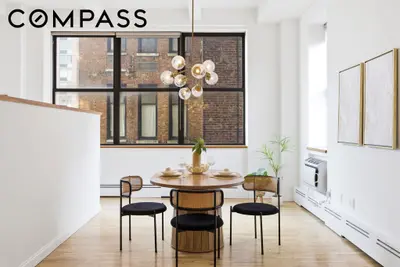
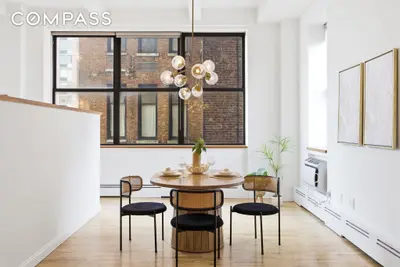
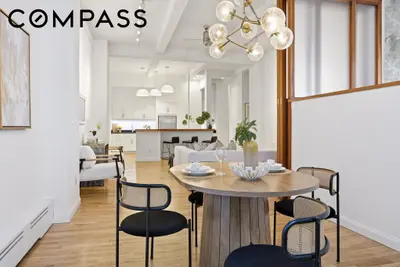
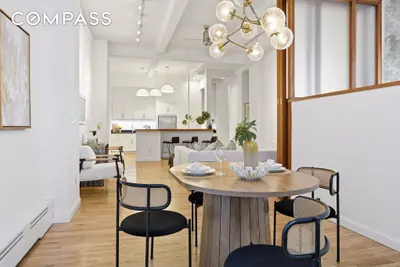
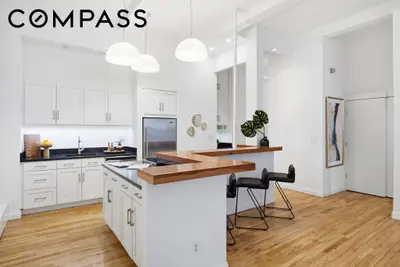
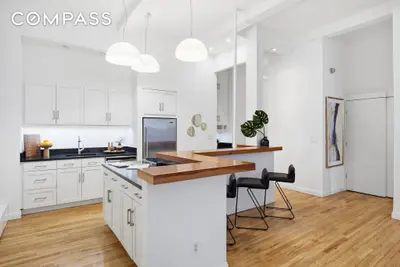
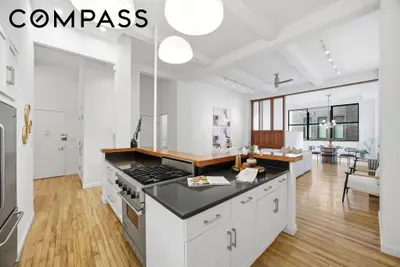
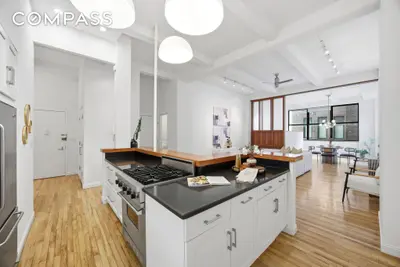
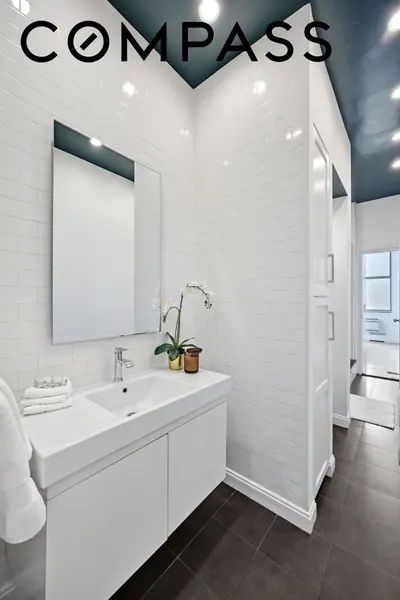
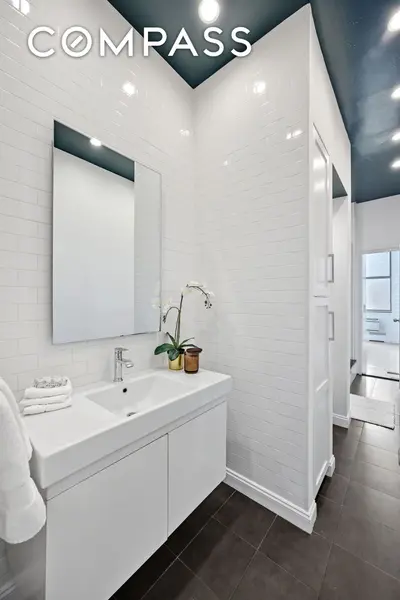
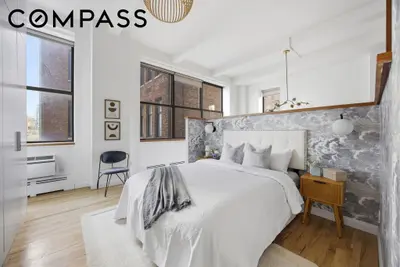
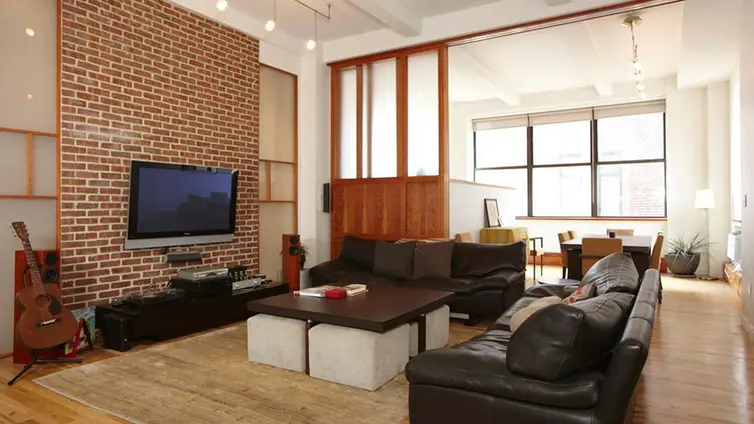
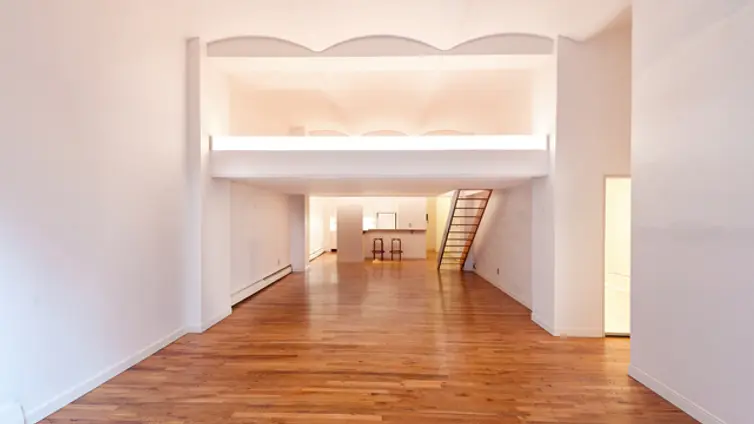
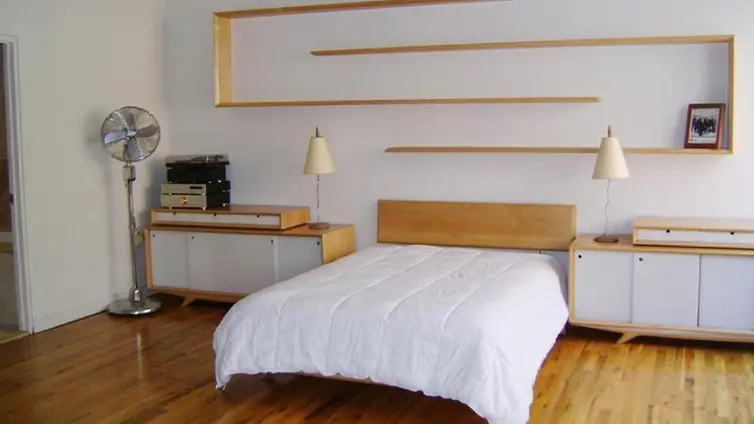
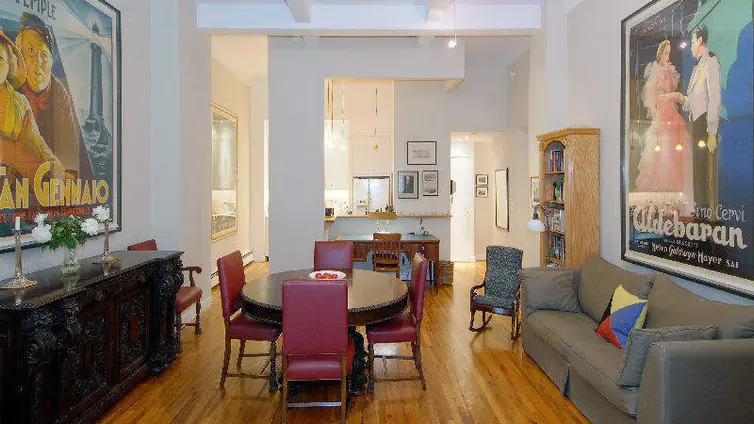
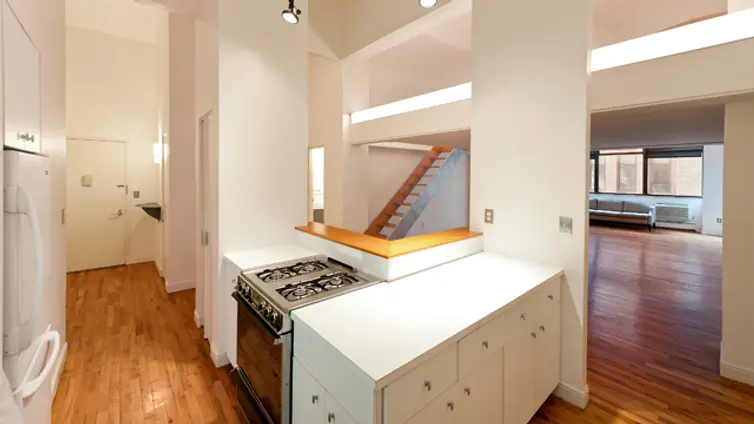
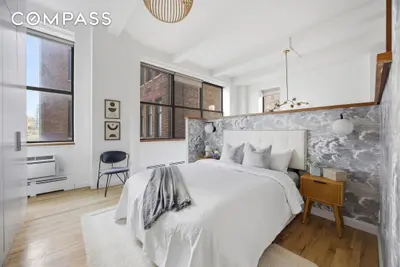
The loft apartments have tall ceilings and were nicely finished.

It is close to New York University, Cooper Union and the New School for Social Research, many restaurants, the Strand Bookstore, and both Washington Square and Union Square parks. Madison Avenue buses are nearby on Union Square East and several subway lines are nearby as are crosstown buses.

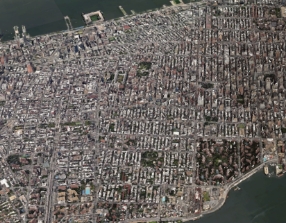
This area of the Village is a very interesting mix of superb early commercial buildings, some fine pre-war apartment buildings, some large post-war apartment buildings, a bowling alley, and the exquisite Grace Episcopal Church nearby at Tenth Street and Broadway.

Whereas the best blocks of the Village were for decades considered to be on the west side of Fifth Avenue, the renaissance of Union Square and the Flatiron District have led to the rediscovery of this neighborhood that was once rather quiet, but now is very lively.

Carter B. Horsley


For More Information

For more information about buying an apartment in American Felt Building, please call us at 212-755-5544, or contact us by email  »

Building Summary

Features Amenities

Building Features

>Condominium
>Built in 1905
>Located in East Village
>42 Apartments
>11 Floors
>Pre War
>Basement Storage
>Intercom
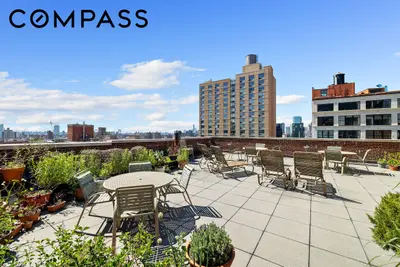
>Roof Deck
>Elevator
>Very handsome and impressive building
>Concierge
>Large and very attractive lobby
>High ceilings
>Canopied entrance
>Convenient to many restaurants, movie theaters and stores
>Excellent public transportation
>Failrly quiet street
>One block from Union Square
>Balconies
>Close to the Strand Bookstore

American Felt Building > 114 East 13th Street

Schedule An Appointment  »
Save Bldg. (Email Updates)  »
Peer Buildings  »
Area Maps  »
Building Ratings  »
Pros & Cons  »
Sell Your Apartment  »
Inquire About Buying Here  »

Peer Buildings


Chelsea Atelier

5 East 17th Street

Rutherford Place

8 Union Square South

Stewart House


Comments or questions? · Phone: 212.755.5544
Copyright © 1994-2009 CITY REALTY.COM INC. All Rights Reserved.
568 Broadway, Suite 802 New York, NY 10012
Terms of Use · Our Privacy Policy · About CITY REALTY.COM · Advertise With Us · Site Map
Developed by REOL Services


An equal housing opportunity.

All information furnished regarding New York City property for sale, rental or financing is from sources deemed reliable, but no warranty or representation is made as to the accuracy thereof and same is submitted subject to errors, omissions, change of price, rental or other conditions, prior sale, lease or financing or withdrawal without notice. All dimensions are approximate. For exact dimensions, you must hire your own architect or engineer.