|
About Time Warner Center, 80 Columbus Circle
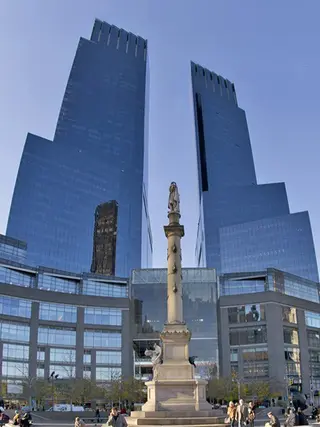
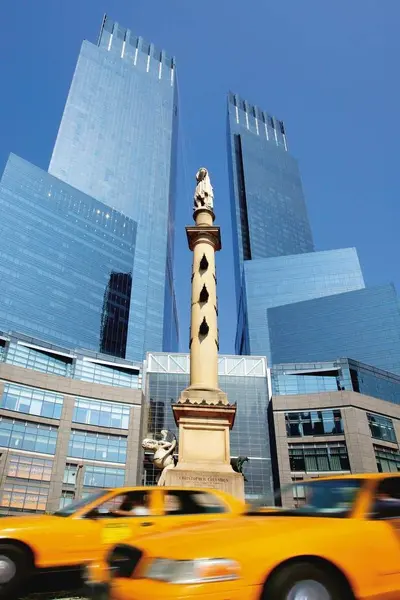
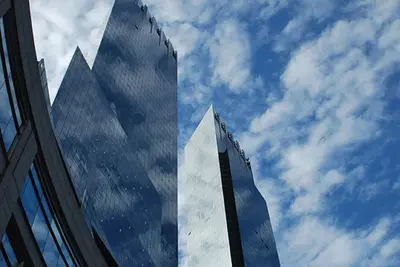
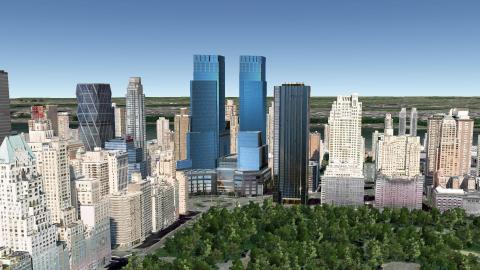
This huge, mixed-use, twin-towered, reflective-glass-clad project replaced the former New York Coliseum on Columbus Circle and was completed in 2004.
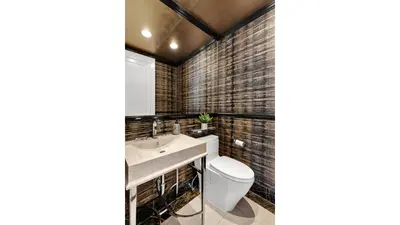
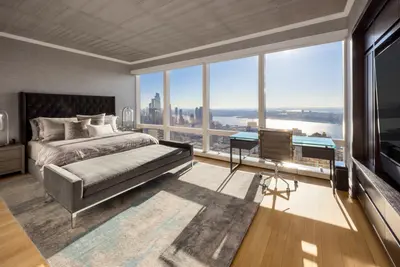
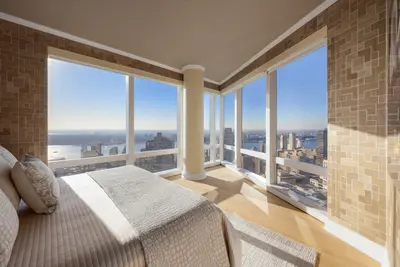
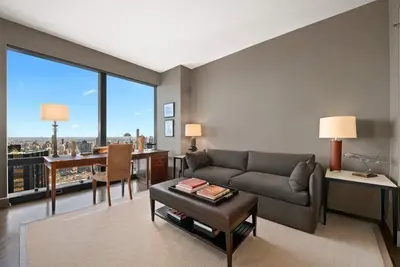
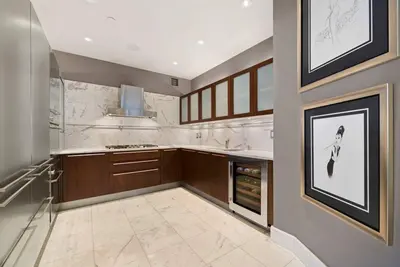
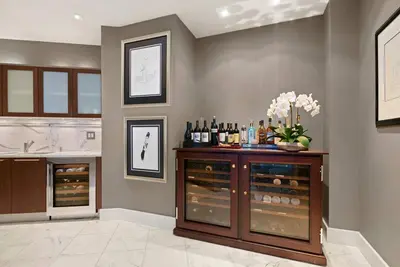
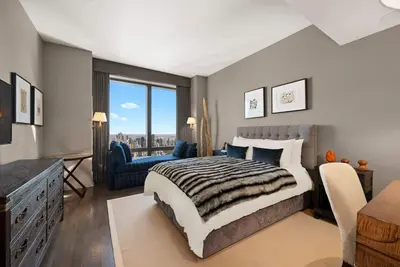
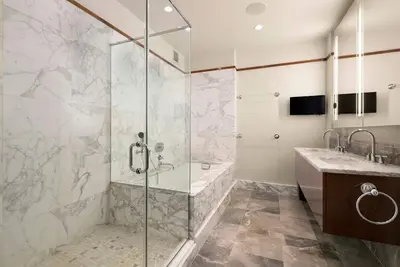
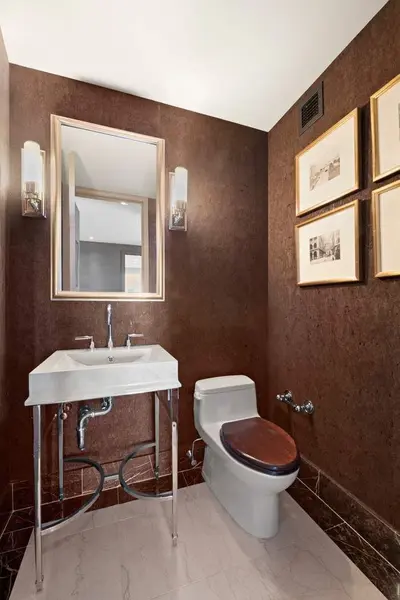
The complex consists of retail space, offices that include the headquarters of Time Warner, a jazz facility for the nearby Lincoln Center for the Performing Arts, a Mandarin Oriental hotel, CNN TV studios and 225 condominium apartments.
It was designed by David Childs of Skidmore, Owings & Merrill.
The development of this major site at the southwestern corner of Central Park and the western end of Central Park South, came after the decision to erect a new convention center for the city near the Hudson River at 35th Street resulted in a very heated and protracted controversy.
The Related Companies, Apollo Real Estate Advisors and the Palladium Company took on the project after protests by numerous civic groups over the environmental impact of the previous plan for the site by Boston Properties led to a reopening of the bidding process for the site's development.
One of the issues was the length of shadows that the skyscraper project would cast on Central Park.
Boston Properties had originally commissioned a rakishly angled twin-tower project that was designed by Moishe Safdie, but then scrapped that design and commissioned Mr. Childs of S.O.M., whose first design was thematically related to some of the famous twin-towered residential skyscrapers of Central Park South, but significantly taller than them. Subsequently, Boston Properties and Mr. Childs scaled down the project somewhat.
Mr. Childs's new design for The Related Companies is about the same size of his last design for Boston Properties but instead of a Post-Modern, Art Deco-style design the plan was "modernized' with glass façades and the massing of the towers was more sharply outlined with less architectural detailing. The caps of the twin towers, which are illuminated at night, have a piered look. While the towers are much lighter in color than the bronze-color recladding by Donald Trump of the former Gulf & Western building at 1 Central Park West just to the north on Columbus Circle, their glossiness is more in context with that structure than with the very rigorous and interesting green-metal clad tower at One Central Park Place one block to the south on the northwest corner of Eighth Avenue and 57th Street that was designed by Davis Brody. (Safdie's more rugged, but ungainly modernism was in more context with the Davis Brody building.)
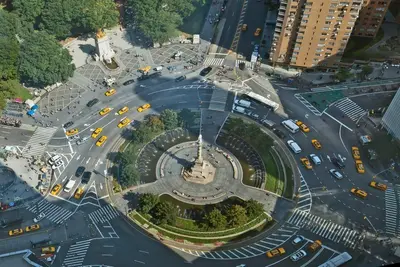
Perhaps the best feature of this development is that its base facing Columbus Circle is curved and that the retail lobby and the jazz facility have spectacular, very large windows looking across Columbus Circle to Central Park South.
The towers are setback considerably on the site which extends half way into the long block. There are large, albeit smaller and older, residential towers to the west.
The controversy over this project's development was almost as dramatic as that over the redevelopment of 42nd Street, which eventually resulted in a very dramatic and very successful renaissance of the Times Square district.
This area, on the other hand, was not in need of new "urban renewal" as that function had been served by the creation several decades before of Lincoln Center.
In its October 15, 2001 issue, Crain's New York Business gave the following commentary about this project:
"There seems to be no end to the superlatives used to describe the emerging AOL Time Warner complex at Columbus Circle: The biggest construction project in New York City since the World Trade Center. The largest construction loan for a private project in U.S. History. The next Rockefeller Center. When it opens in late summer or fall of 2003, the complex will have five floors of stores and restaurants, 1.1 million square feet of offices, Jazz at Lincoln Center, a hotel, TV studios and more....Perhaps the biggest impact of the project is an unanticipated and symbolic one: Just as the city's two tallest towers have been destroyed, two more that resemble them are slowing rising uptown."
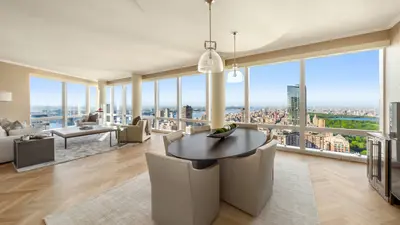
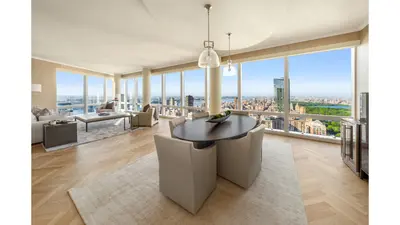
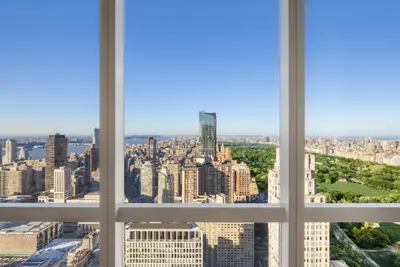
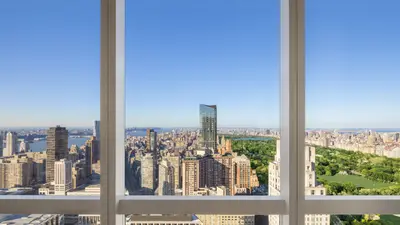
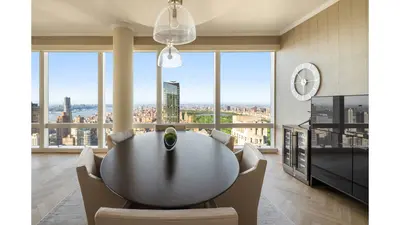
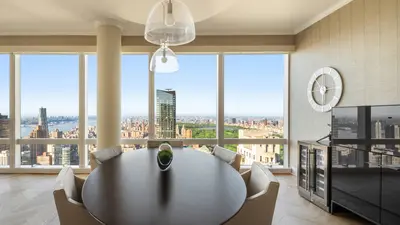
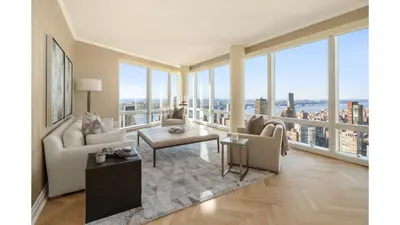
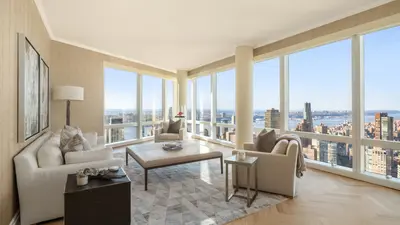
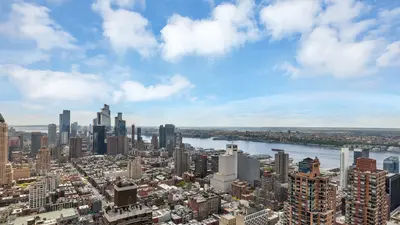
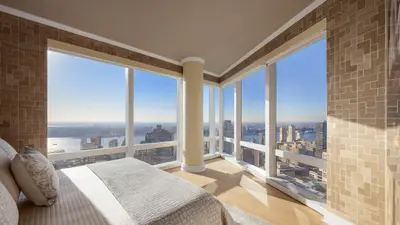
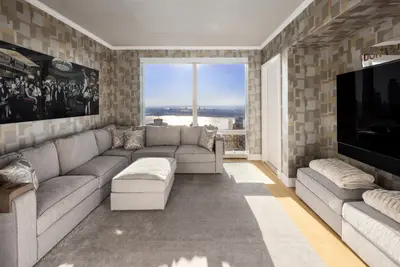
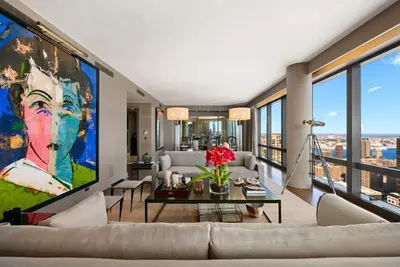
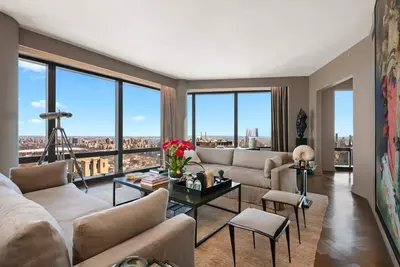
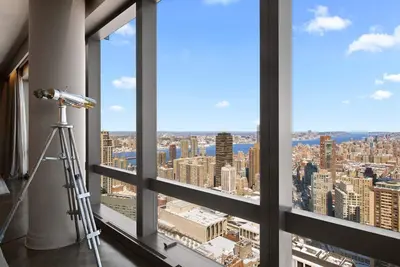
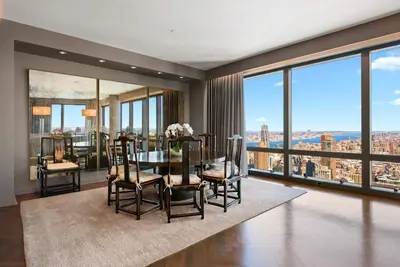
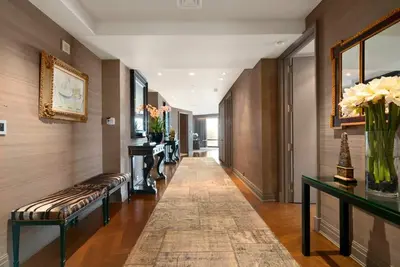
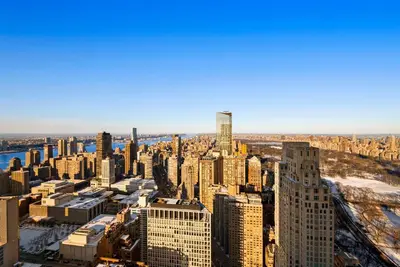
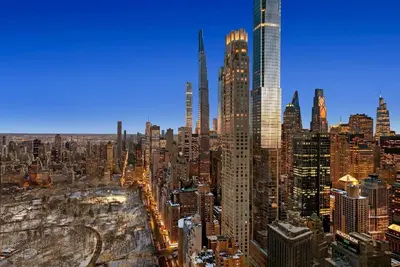
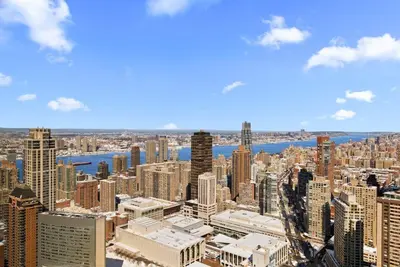
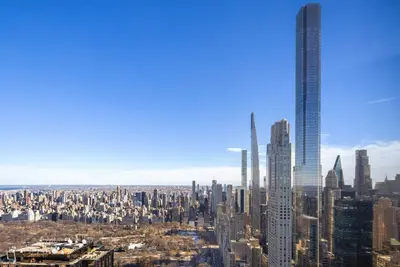
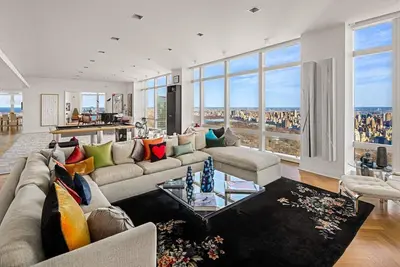
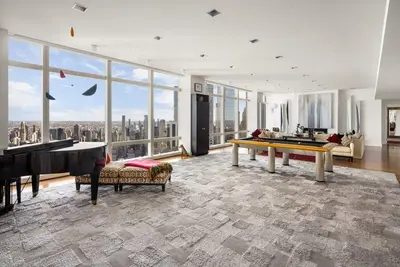
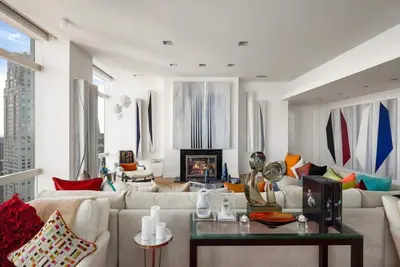
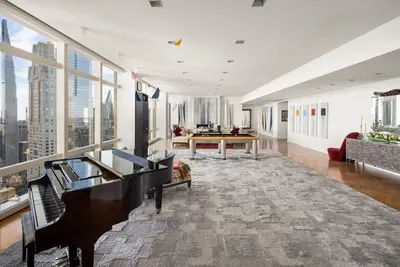
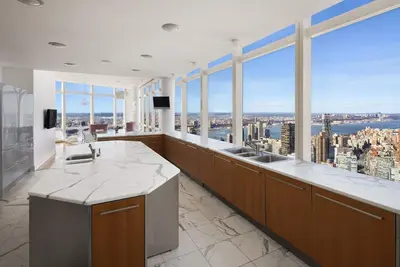
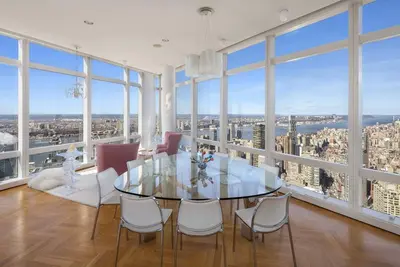
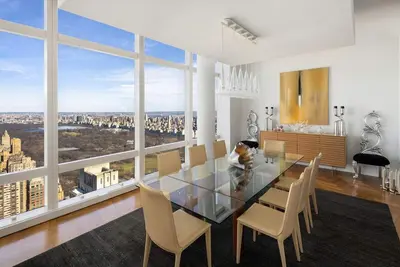
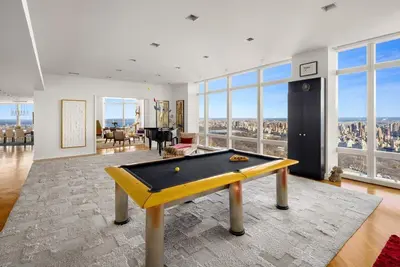
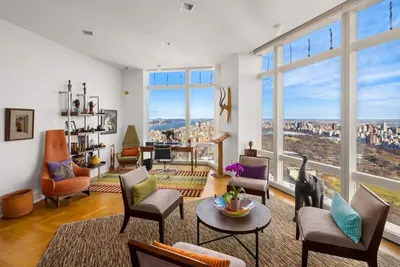
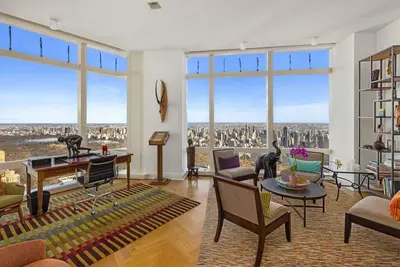
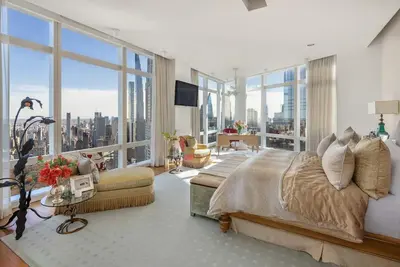
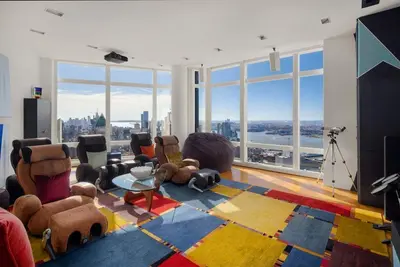
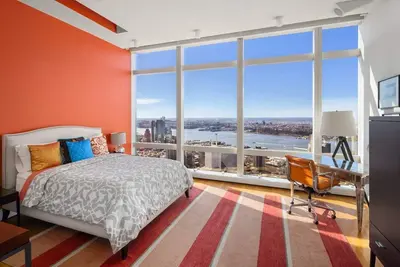
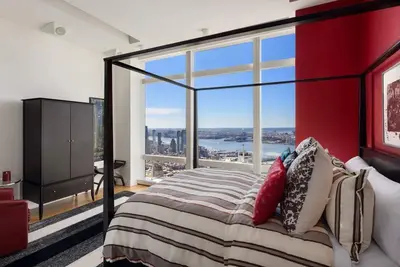
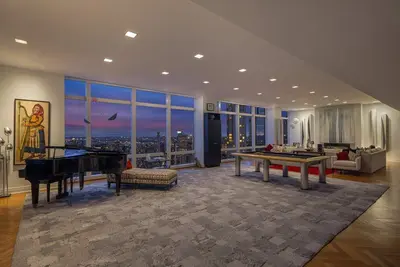
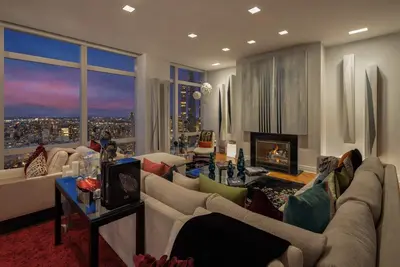
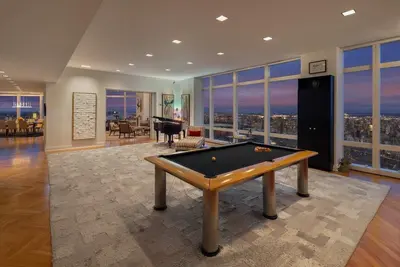
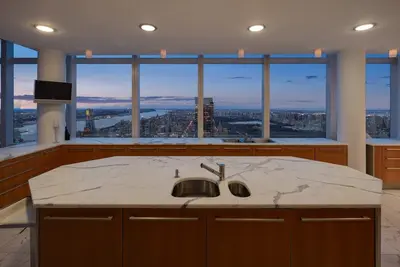
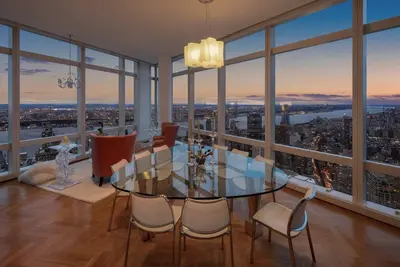
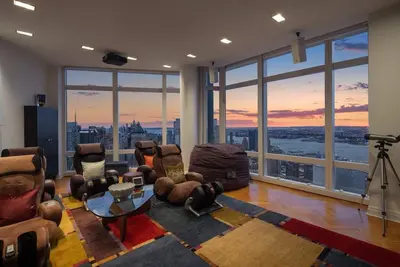
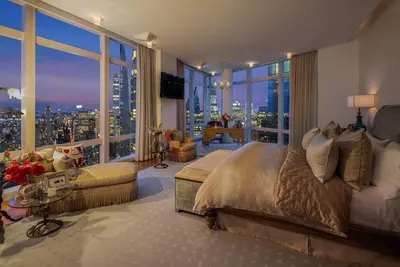
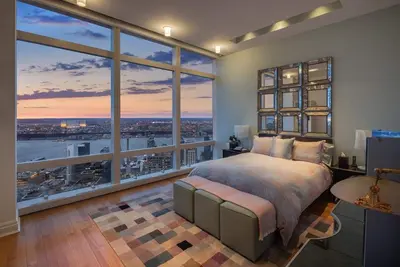
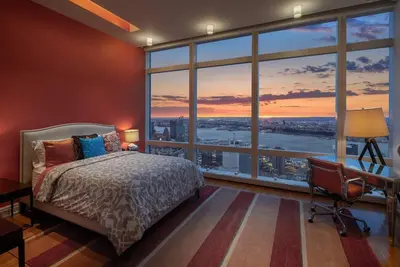
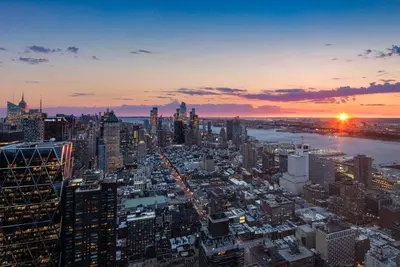
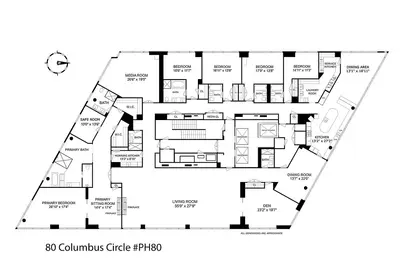
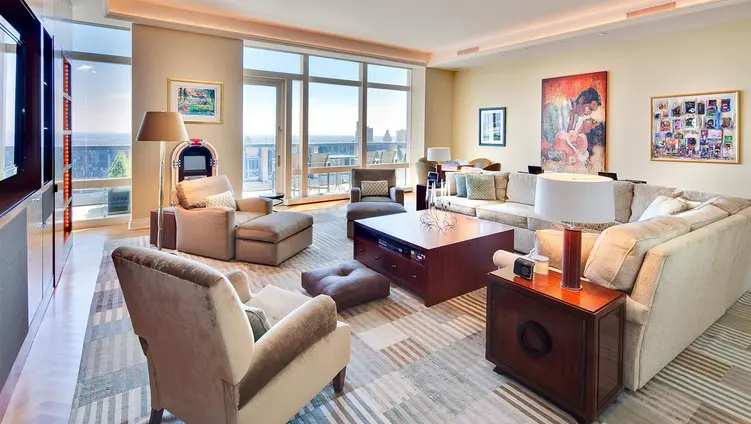
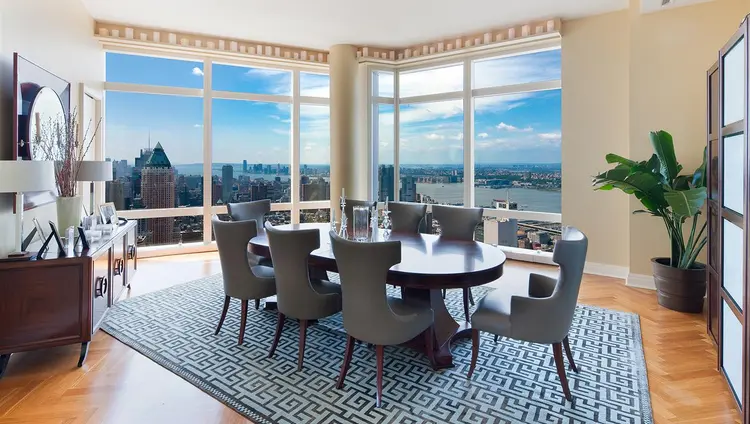
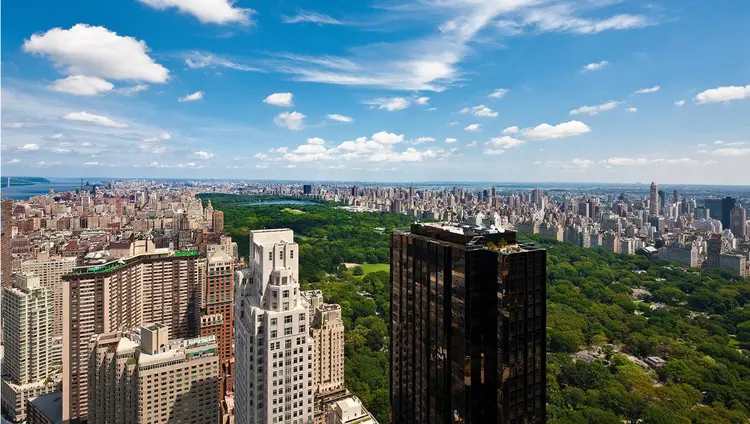
While the modernism of this project is not inspired, its presence is hard to ignore as further proof that the West Side has arrived. The twin towers nicely extend that Central Park West tradition and because of its two-block frontage on Columbus Circle it has great views. In 2004, a British financier paid more than $42 million for a 12,000-square-foot apartment in one of the towers that he subsequently expanded even further.
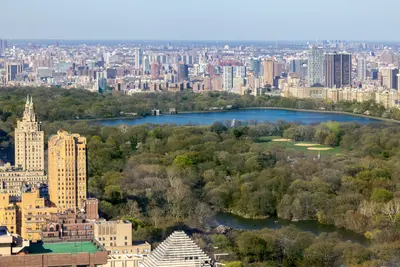
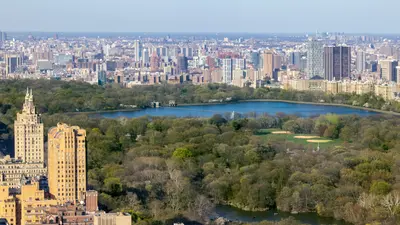
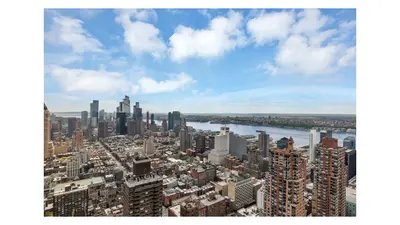
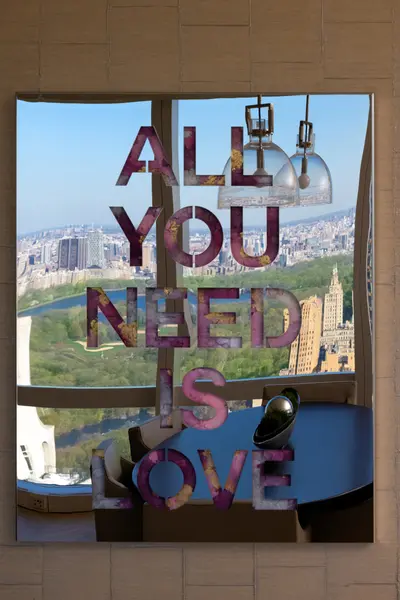
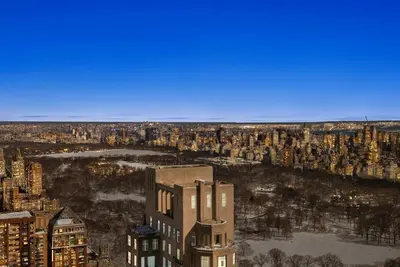
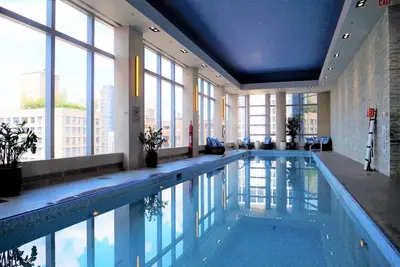
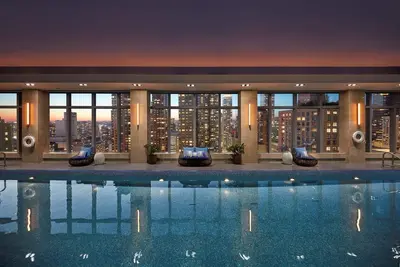
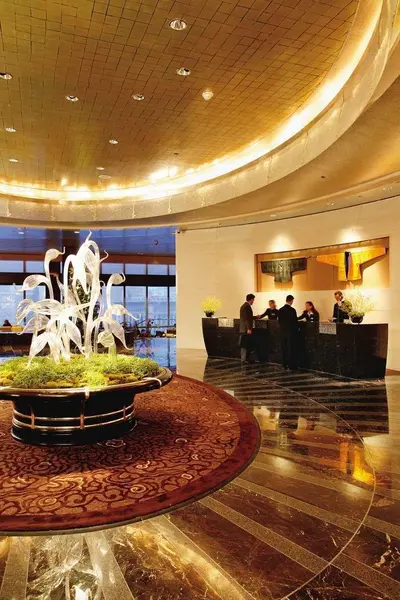
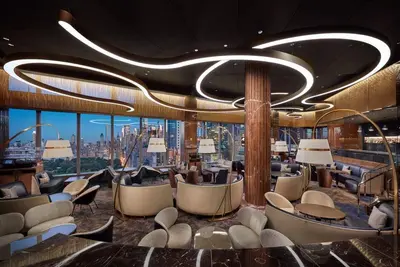
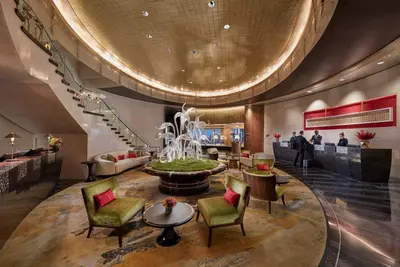
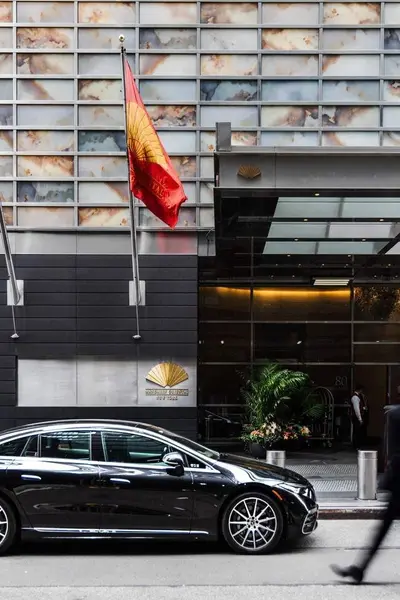
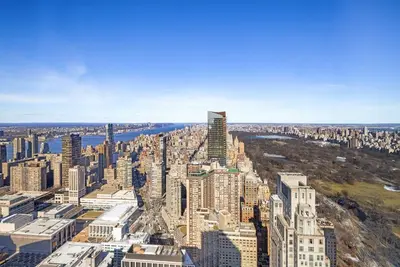
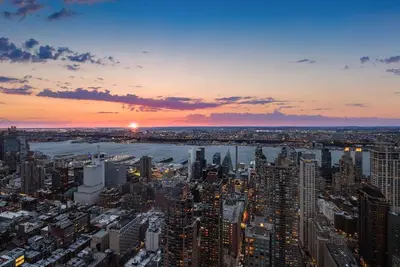
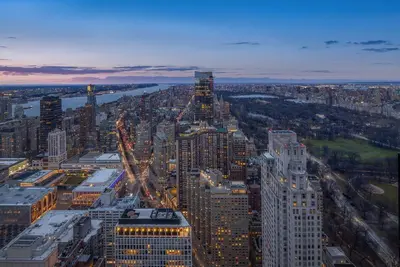
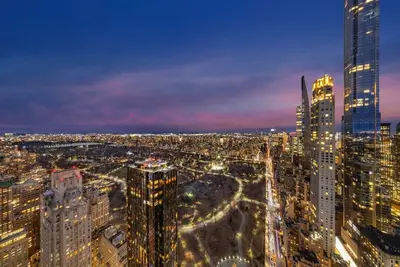
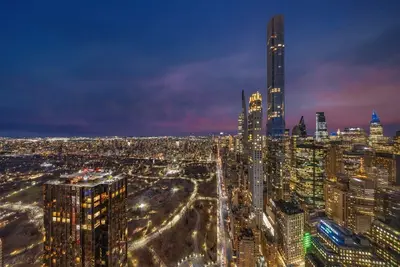
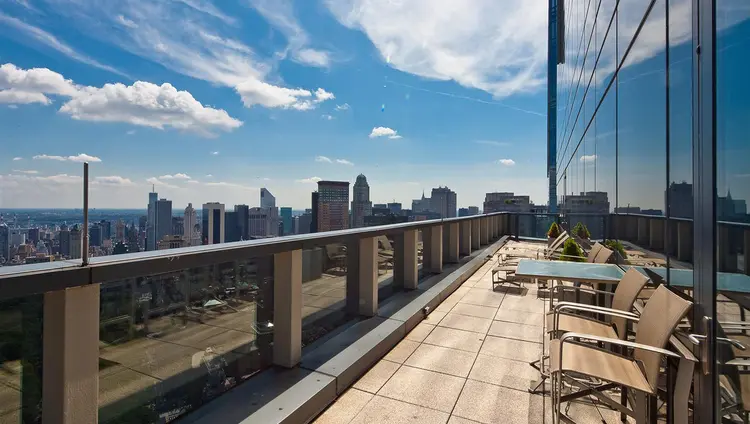
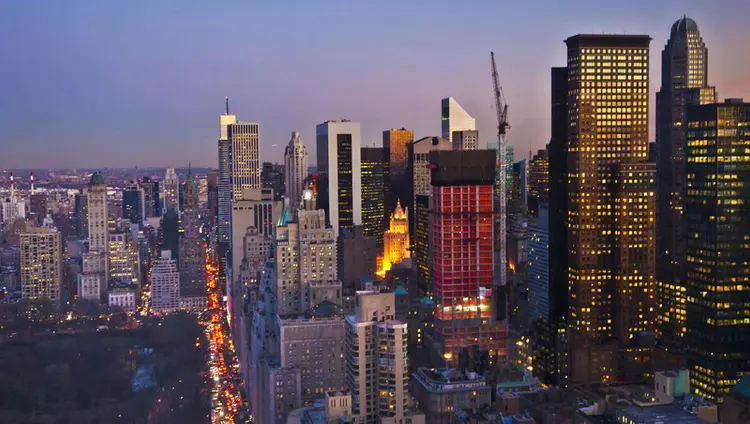
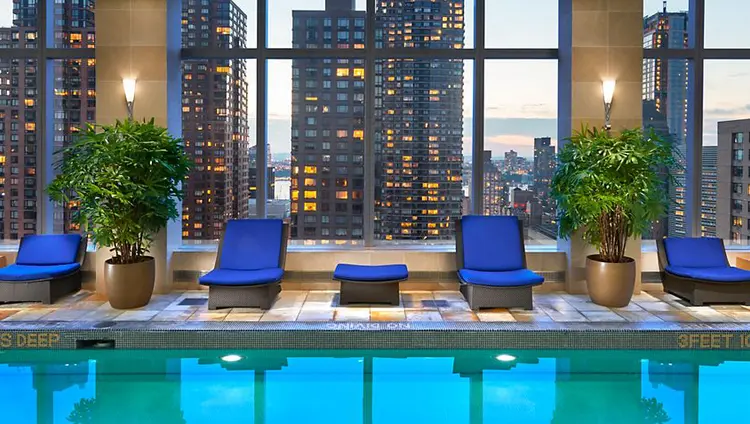
The Mandarin Oriental Hotel is located in the north tower and has its large and handsome entrance on 60th Street. Its main lobby is on the 35th floor where there is a restaurant and a very large cocktail lounge with some of the finest views in the city overlooking Central Park South and Central Park and midtown.
The curved base of the development contains a four-story retail mall on the top floor of which are several "luxury" restaurants, one of which, Per Se, garnered rave reviews from Moira Hodgson of The New York Observer.
The basement of the mall is a huge Whole Foods store that is quite incredible and a major destination for many uptown New Yorkers.
The shopping mall has been criticized by some as too suburban, but its curved multi-story "artery" is impressive as is its multi-story entrance window.
The southeast corner of the base has a very attractive light sculpture as well as a subway entrance.
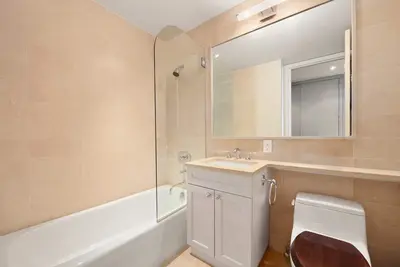
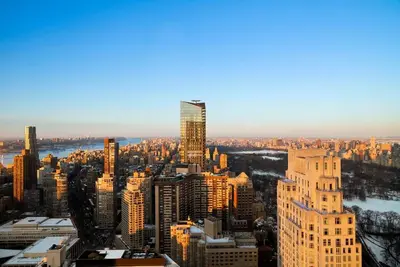
The project is undeniably impressive in scale and detailing. Seen from further north on Broadway, its towers are surprisingly "thin" but from Fifth Avenue they appear massive.
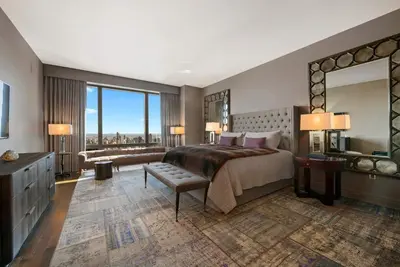
Donald Trump had some fun when he put up a large sign near the top of the west side of his Trump International Hotel and Tower that proclaimed, when this project was nearing completion, that his building did not have obstructed park views.
This area would soon witness more construction as the Zeckendorfs erected two towers on the full block just to north of Trump International and that project, 15 Central Park West, sold out quickly at stratospheric prices, and in 2008 the former Huntington Hartford museum on the south side of Columbus Circle was reclad for a different museum after a protracted and unsuccessful campaign by many preservationists to have it declared a landmark.
|