- Apartments
- Overview & Photos
- Maps
- Building Specialists
- Floorplans
- Sales Data & Comps
- Similar Buildings
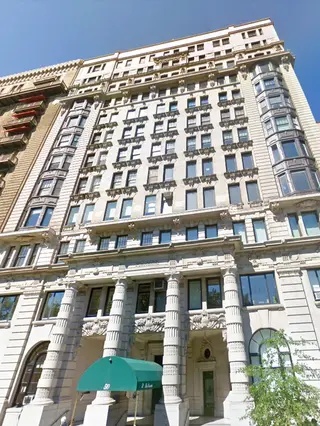
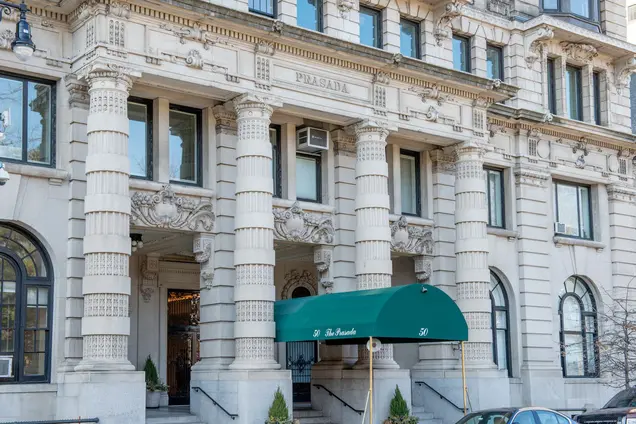
The Prasada is a historic Beaux-Arts cooperative from 1907 with a double-height lobby and various amenities. Located at 50 Central Park West, it offers easy access to cultural attractions and allows pets and pied-a-terres. Currently, 1 apartment is for sale.

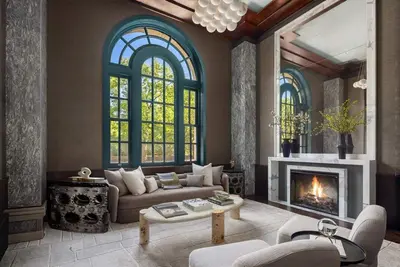
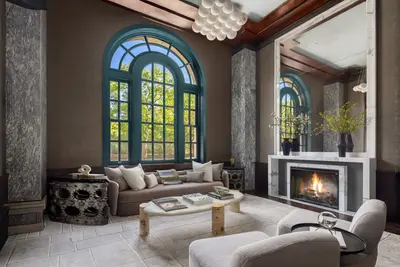
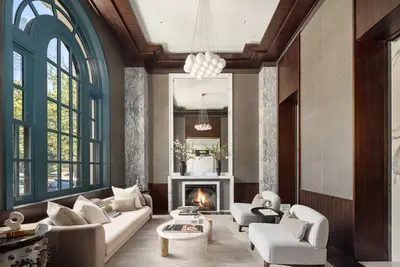
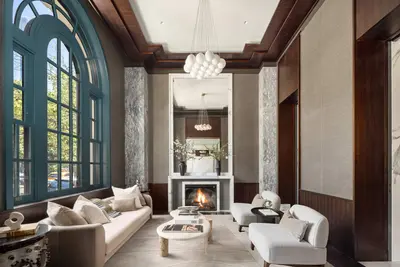
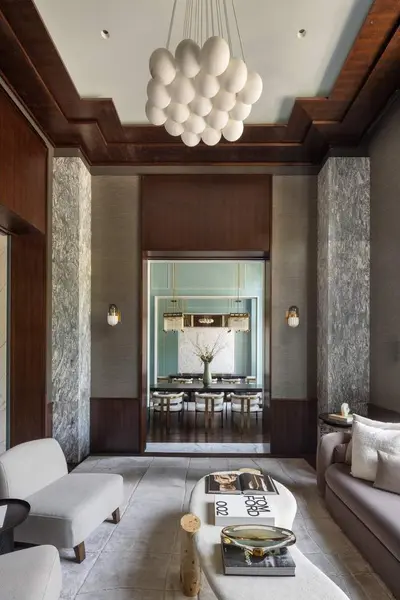
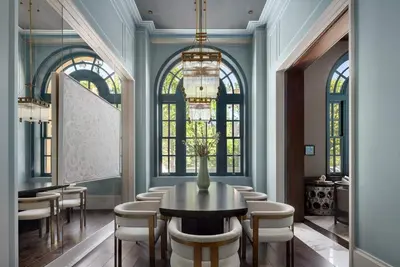
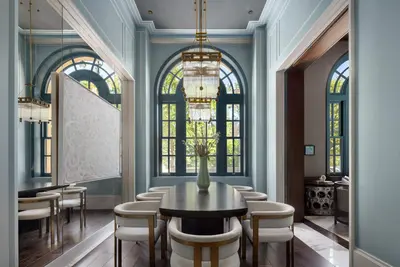
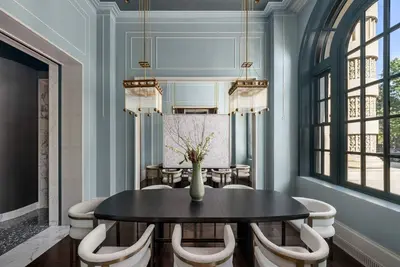
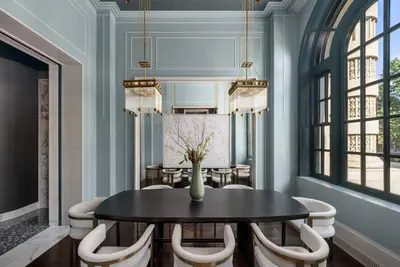
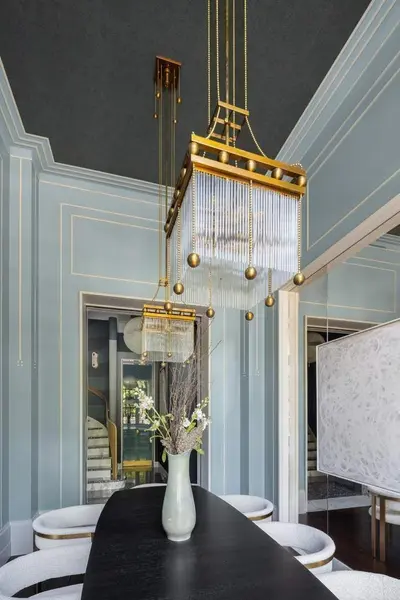
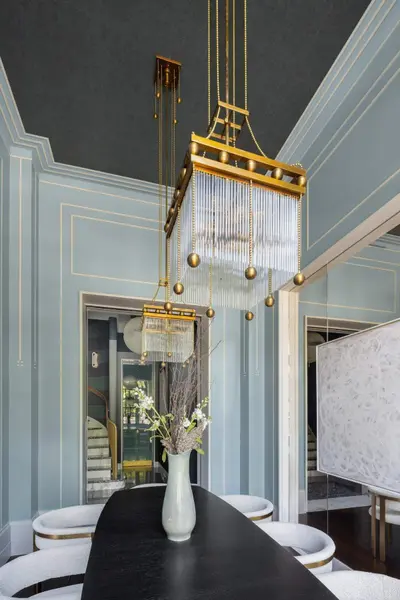
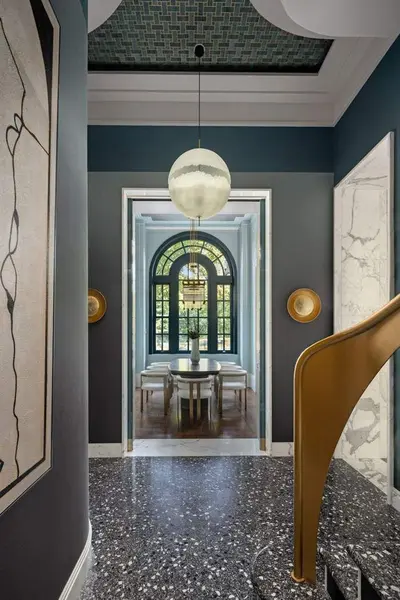
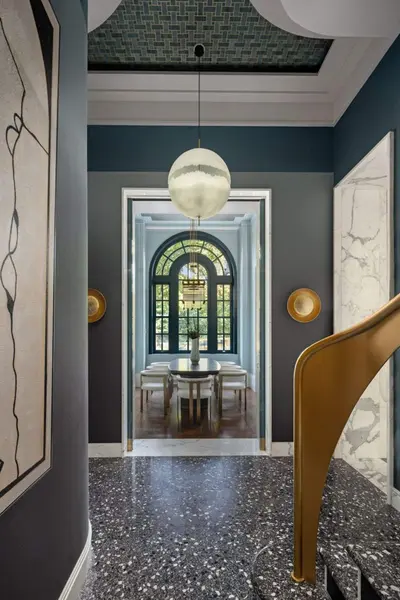
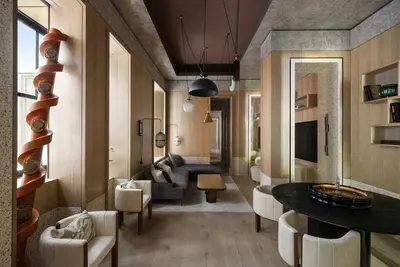
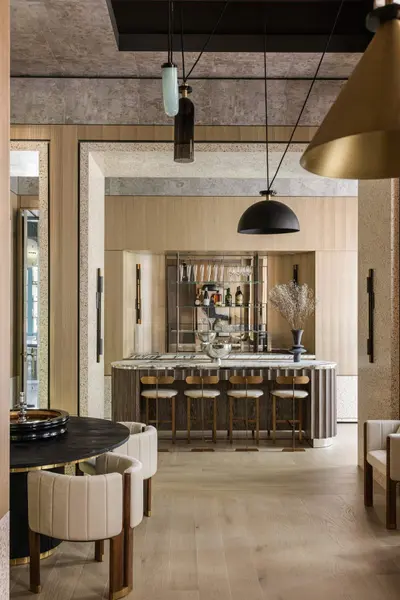
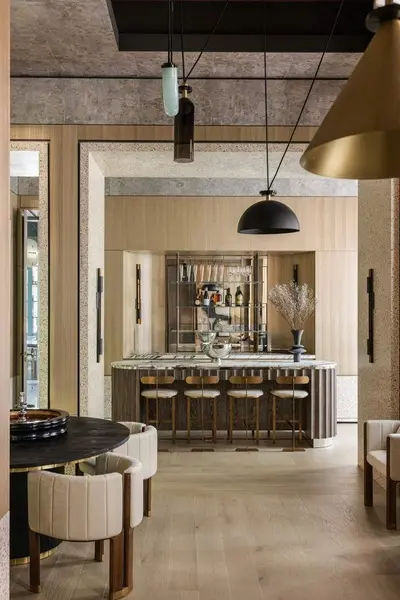
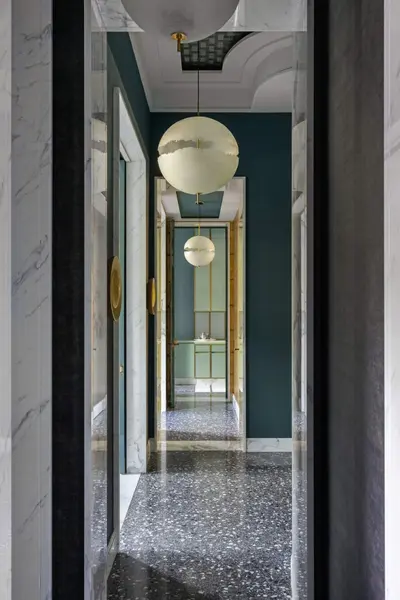
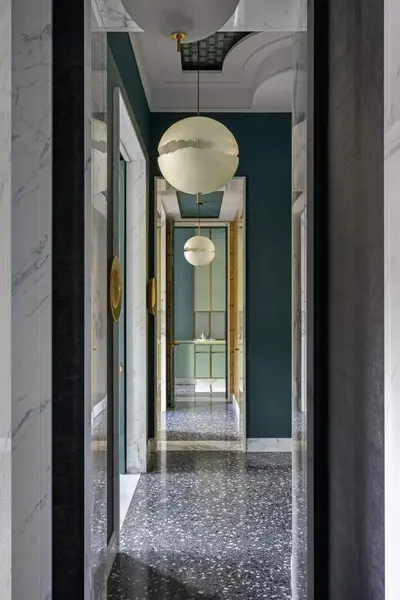
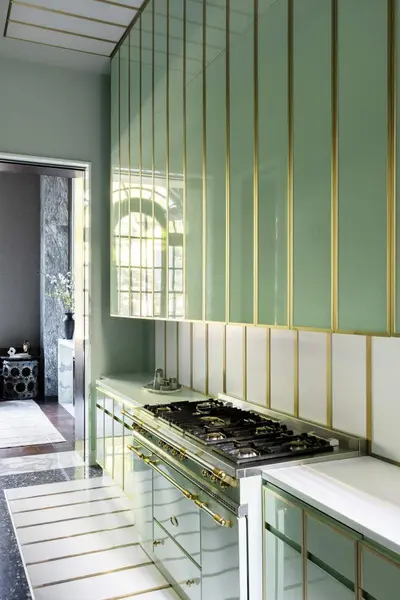
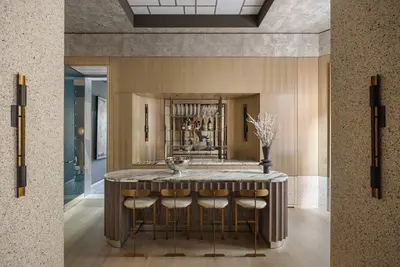
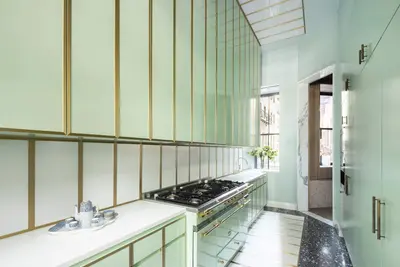
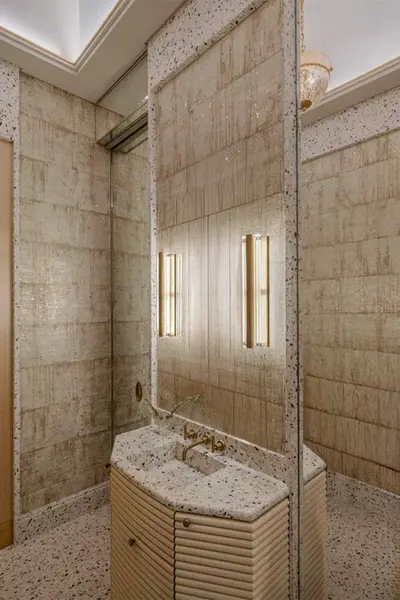
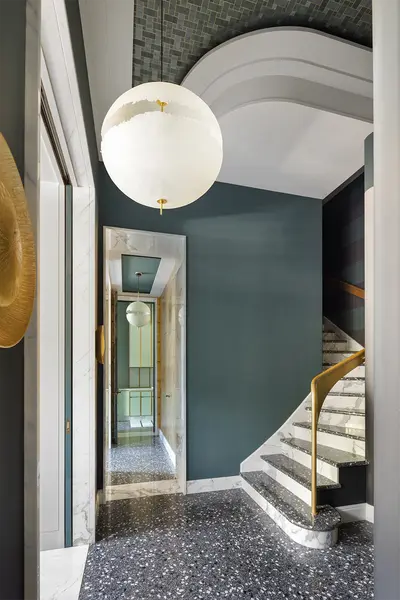
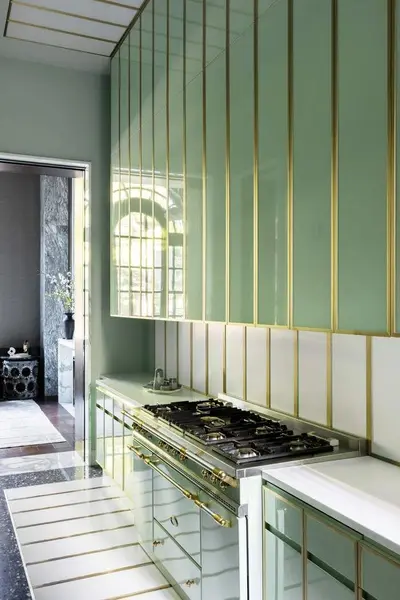
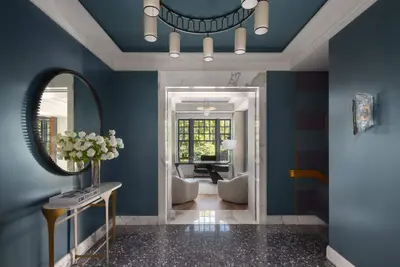
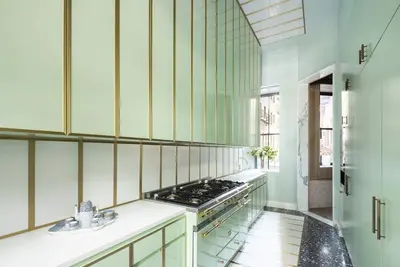
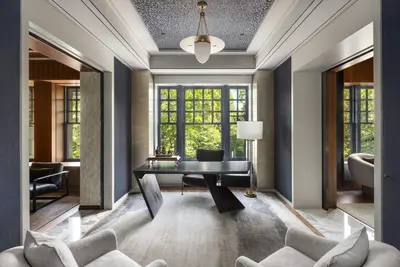
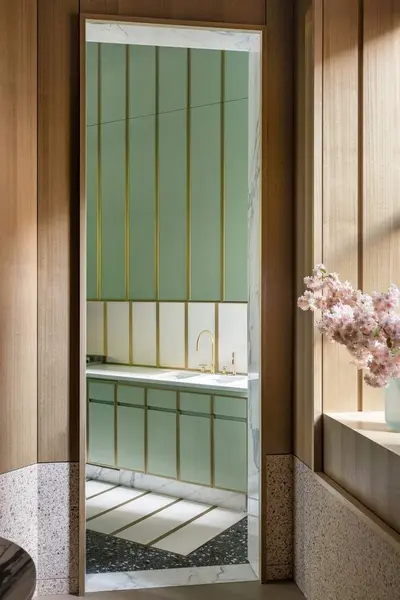
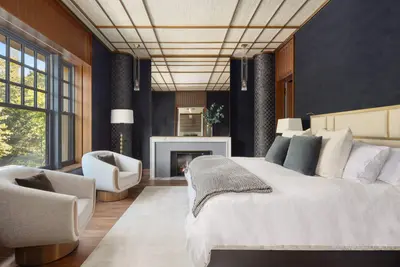
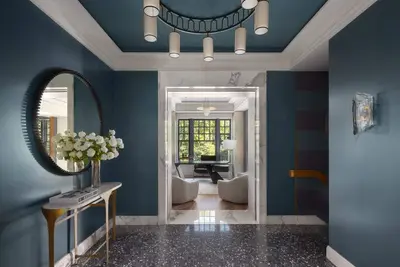
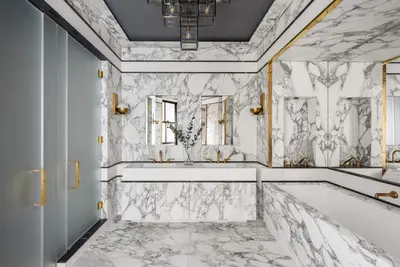
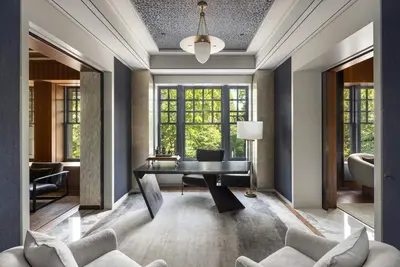
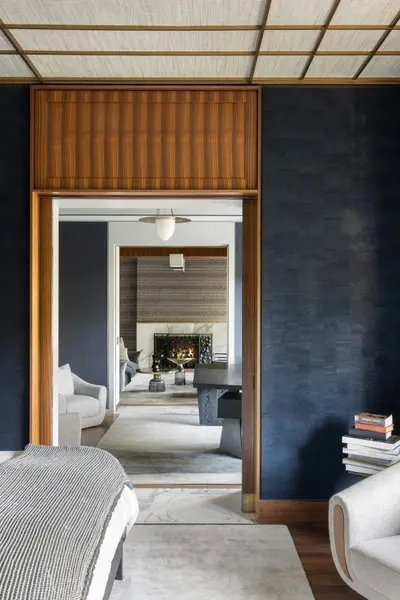
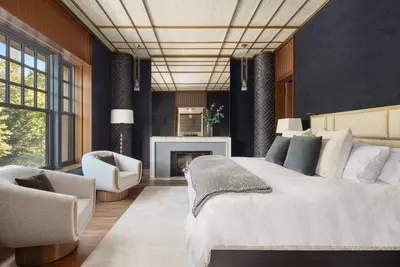
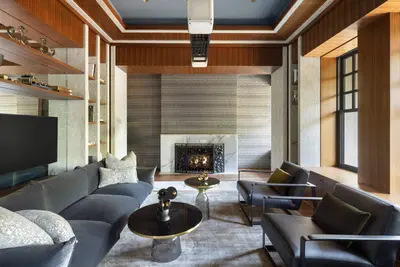
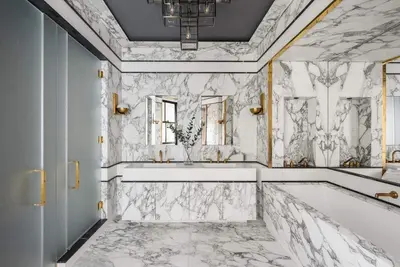
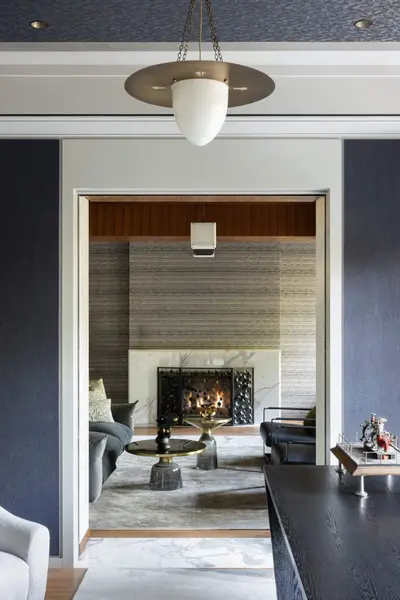
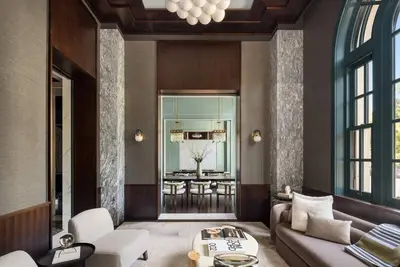
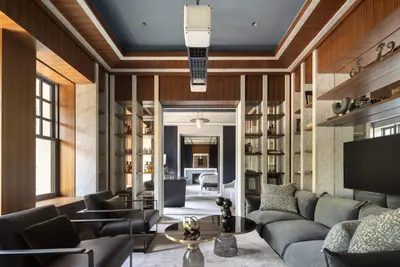
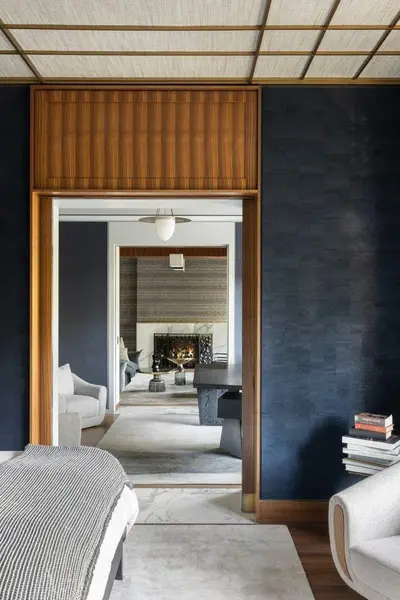
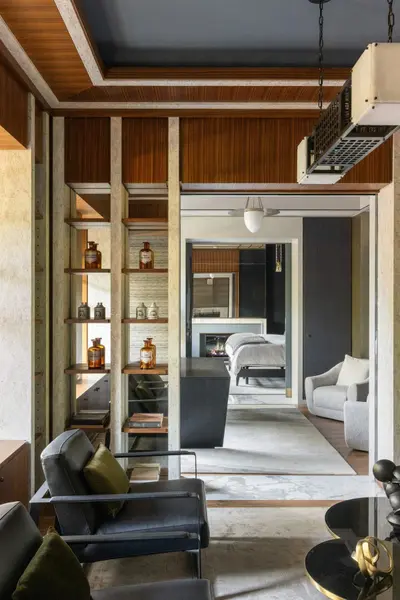
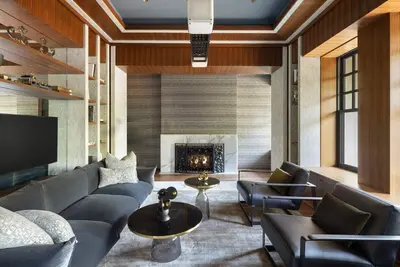
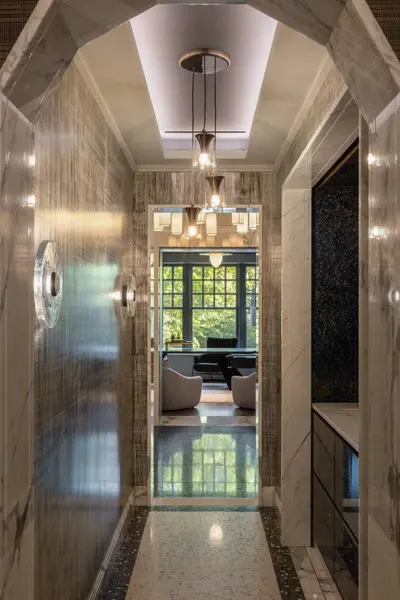
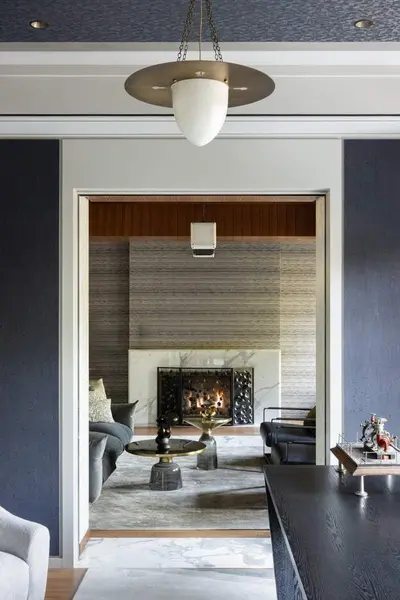
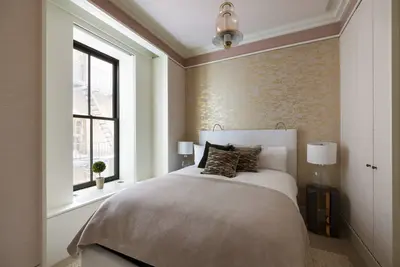
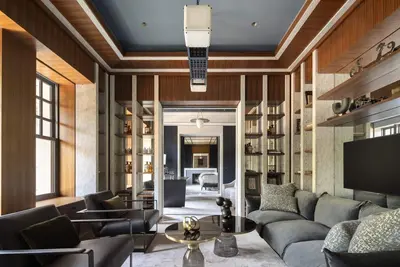
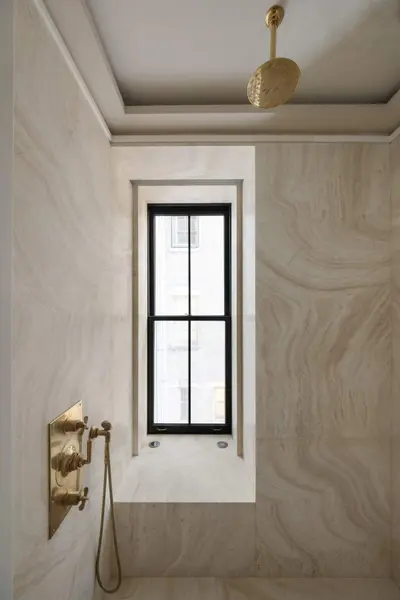
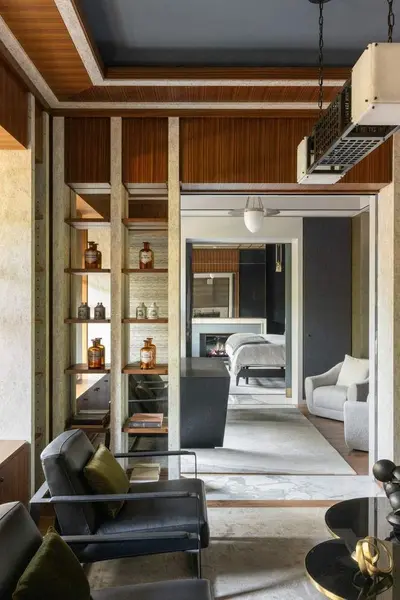
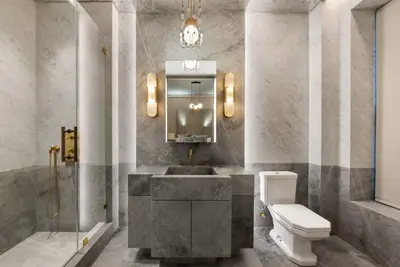
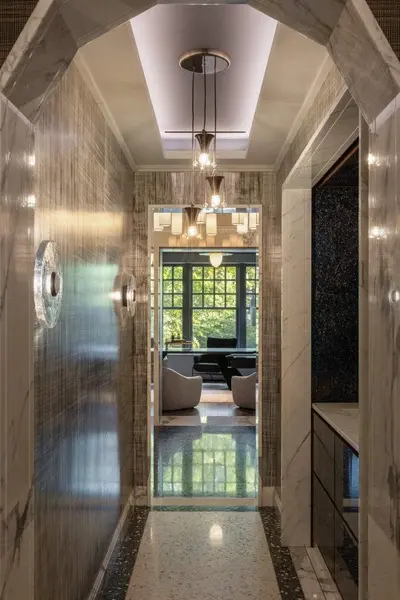
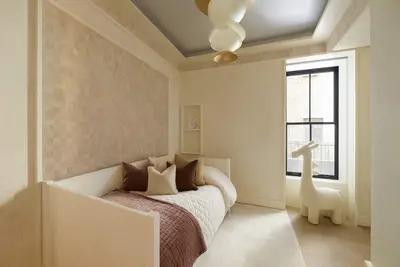
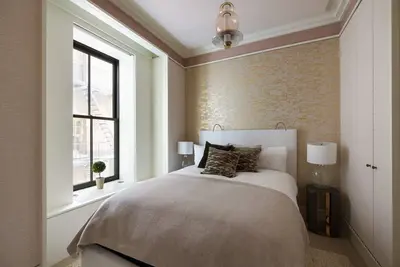
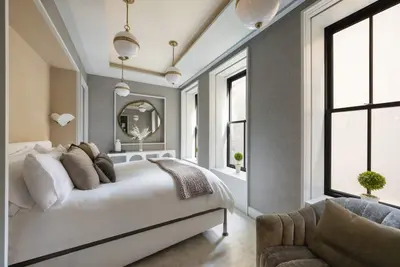
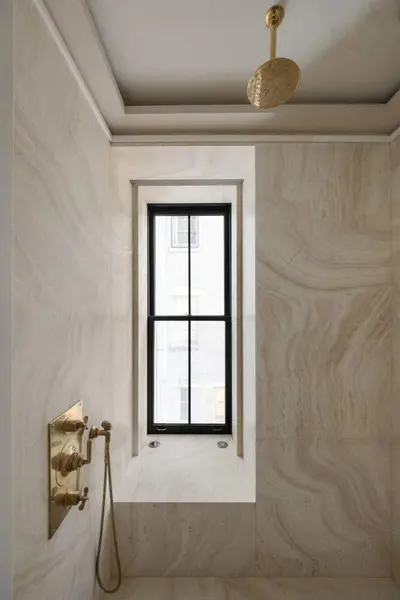
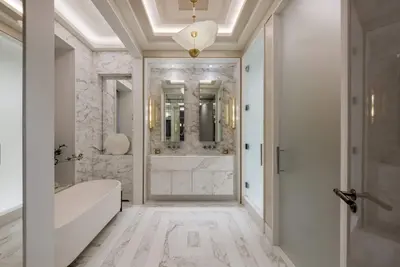
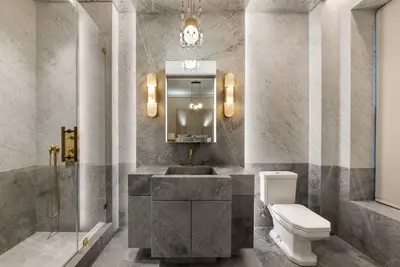
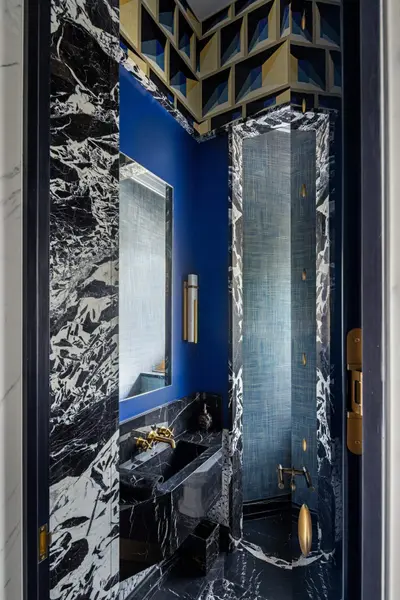
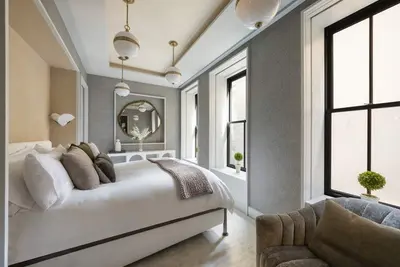
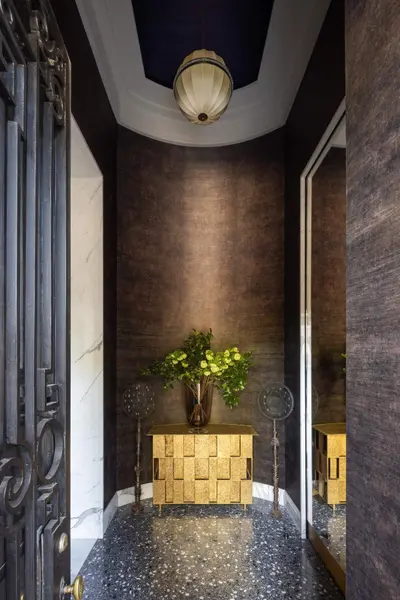
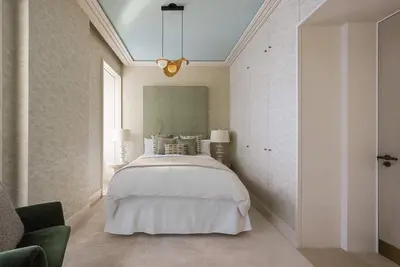
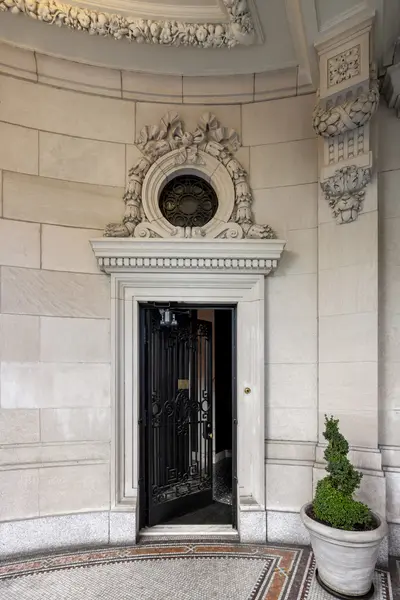
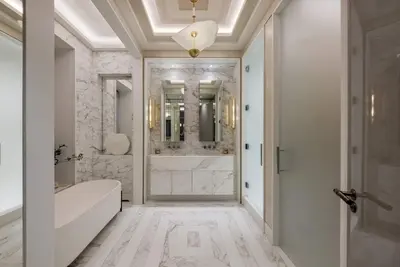
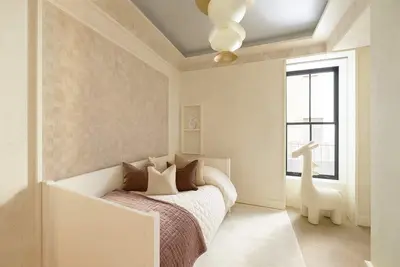
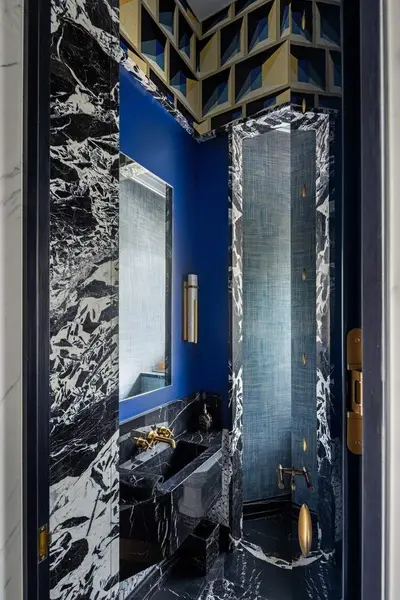
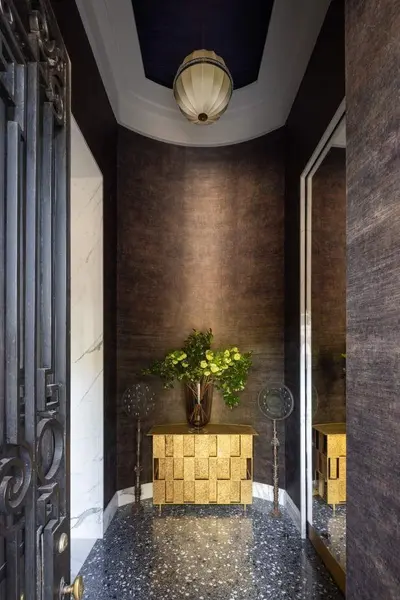
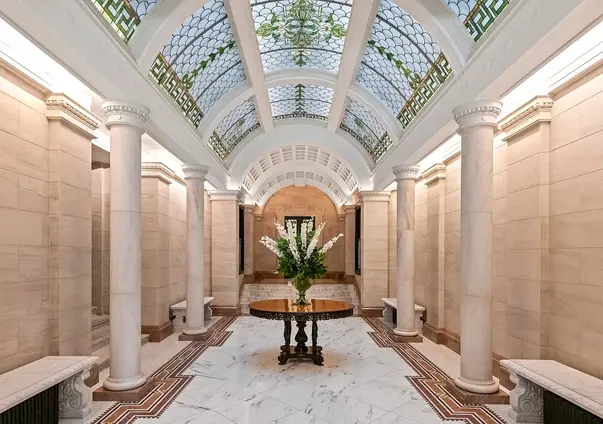
The Prasada, a landmarked Beaux-Arts cooperative at 50 Central Park West, is one of the most distinguished residential buildings on Central Park West. Built in 1907 and designed by Charles W. Romeyn and Henry R. Wynne, the building originally featured a grand mansard roof and a richly adorned façade. Though the roof was removed in 1919 to expand the top floor, the Prasada’s exterior remains a masterpiece of French Second Empire-inspired design, highlighted by its imposing entrance with four two-story banded columns and a semi-circular loggia.The building’s marble-clad, double-height lobby once featured an opulent Palm Room with a vaulted stained-glass skylight and classical caryatids, evoking the grandeur of a bygone era.
The 12-story building houses just 40 spacious apartments, originally designed with eight to twelve rooms each, many of which retain charming period details such as two fireplaces, wainscoting, and pocket doors. Over time, some units have been reconfigured to meet modern living standards while preserving their historical character.
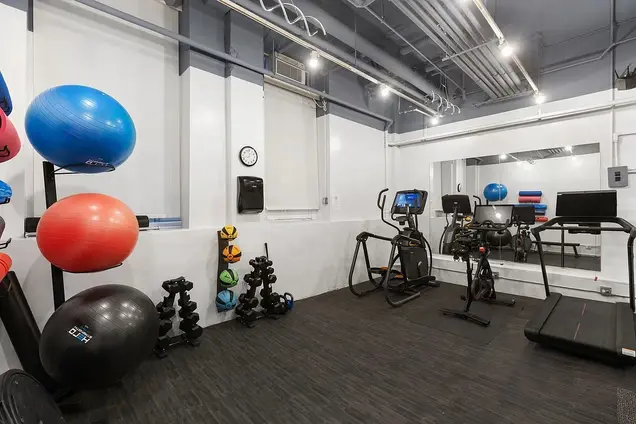
Residents benefit from full-time doorman service, a live-in superintendent, a gym, private storage, and laundry facilities. Pet-friendly policies and allowances for pied-à-terres add to the building’s appeal.
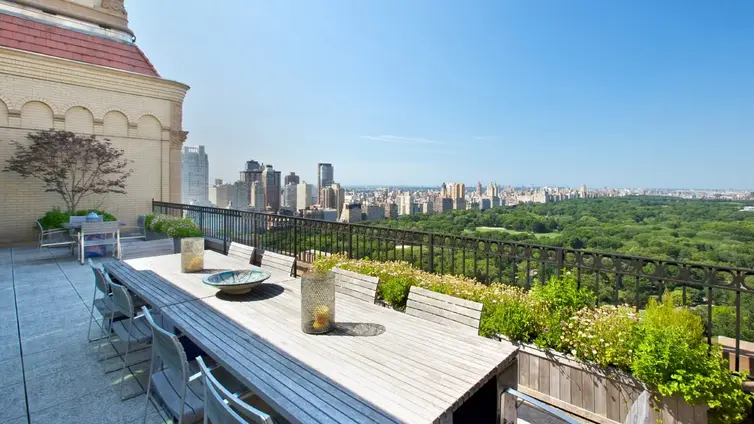
The Prasada’s coveted location at the corner of Central Park West and 65th Street offers breathtaking views of Central Park and convenient access to Lincoln Center, Columbus Circle, and a wealth of cultural institutions, fine dining, and luxury shopping.
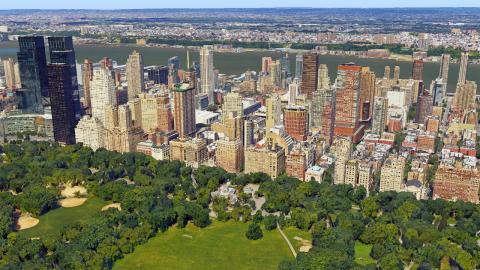
View school info, local attractions, transportation options & more.
Experience amazing 3D aerial maps and fly throughs.


For some co-ops, instead of price per square foot, we use an estimate of the number of rooms for each sold apartment to chart price changes over time. This is because many co-op listings do not include square footage information, and this makes it challenging to calculate accurate square-foot averages.
By displaying the price per estimated room count, we are able to provide a more reliable and consistent metric for comparing sales in the building. While we hope that this gives you a clearer sense of price trends in the building, all data should be independently verified. All data provided are only estimates and should not be used to make any purchase or sale decision.
Notable past and present residents at The Prasada

 6sqft delivers the latest on real estate, architecture, and design, straight from New York City.
Like us on Facebook to keep up with the trends and
6sqft delivers the latest on real estate, architecture, and design, straight from New York City.
Like us on Facebook to keep up with the trends and 