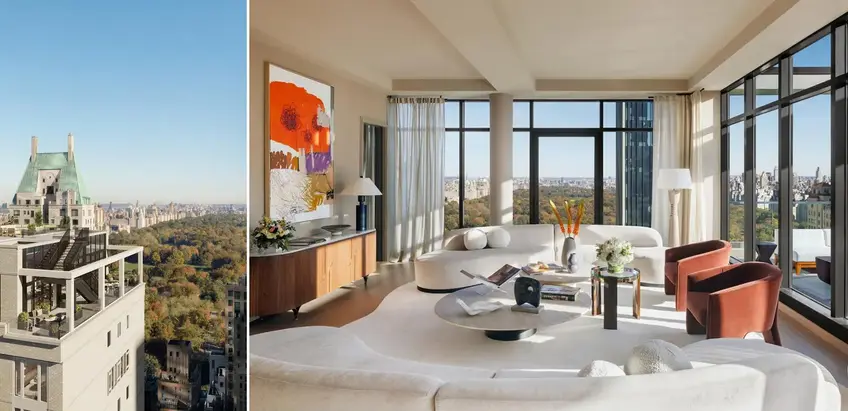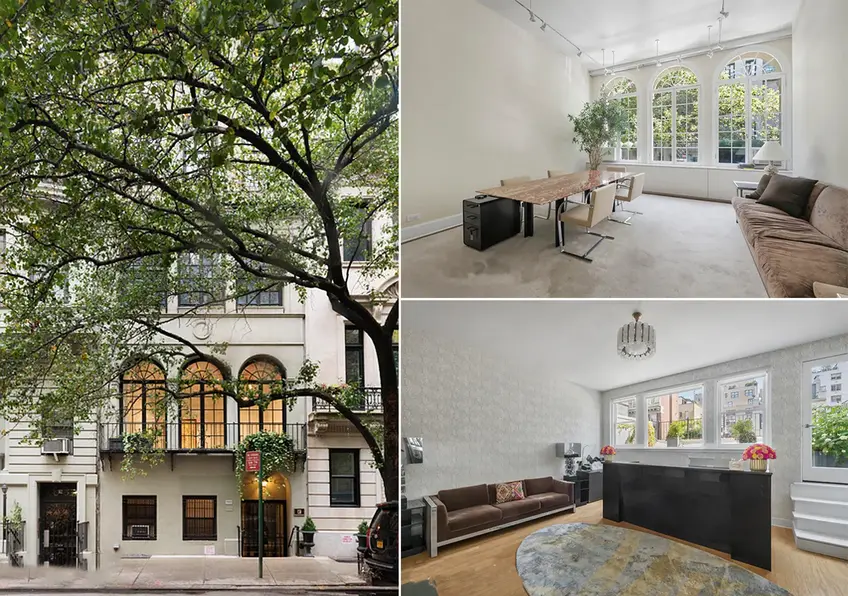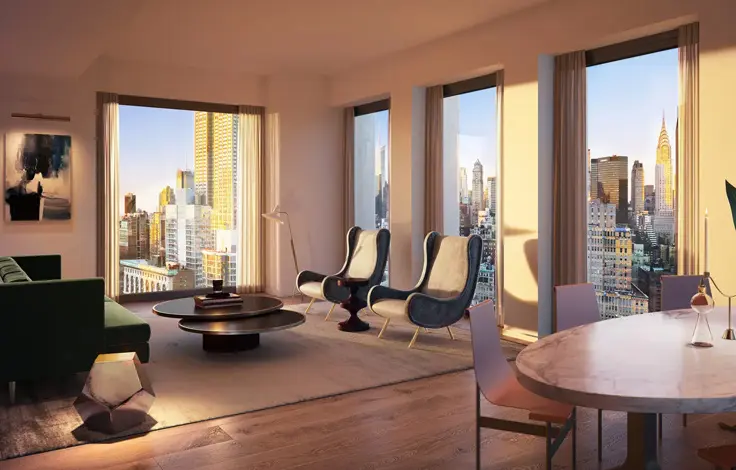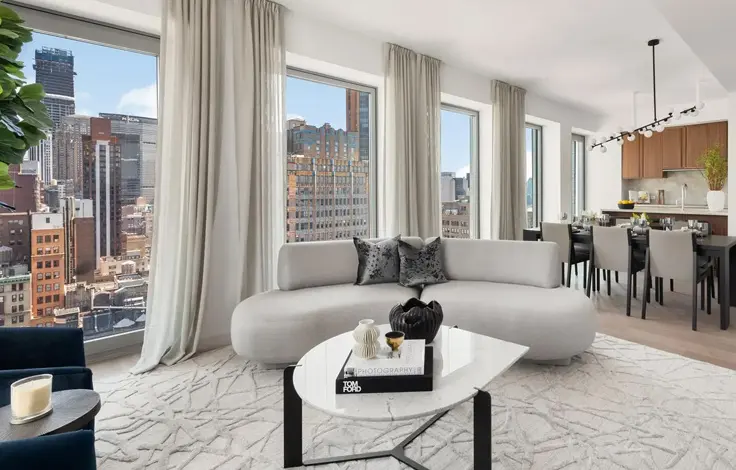
733 Park Avenue

At the Southeast corner of 71st Street
FOR MORE INFORMATION ABOUT 733 Park Avenue
Contact us about buying or selling an apartment in 733 Park Avenue .
Email Us OR Call (212) 755-5544


733 Park Avenue: CARTER'S REVIEW


"Of the avenue’s postwar buildings, only 733 Park Avenue…presumed to vie with the great luxury houses of earlier decades in the size of its apartments," noted James Trager in his excellent 1990 book, "Park Avenue, Street of Dreams" (Atheneum).

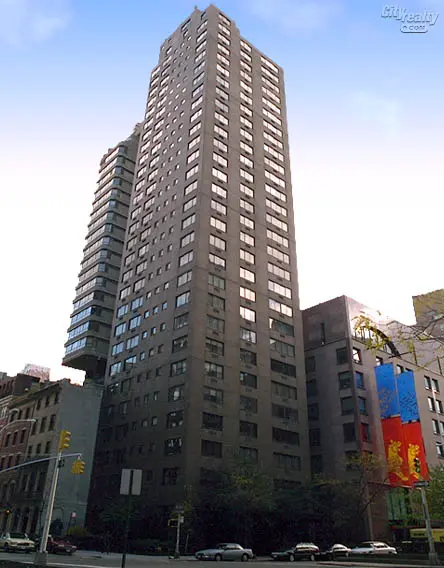
The 30-story tower was completed in 1971 on the site of a former English-Regency-style mansion of Elihu Root that had been built in 1905 and designed by Carrère & Hastings. The 30-room mansion had been put up for sale by Mrs. Carll Tucker who had lived in it since 1915 and the city’s Landmarks Preservation Commission had tried, without success, to save it.

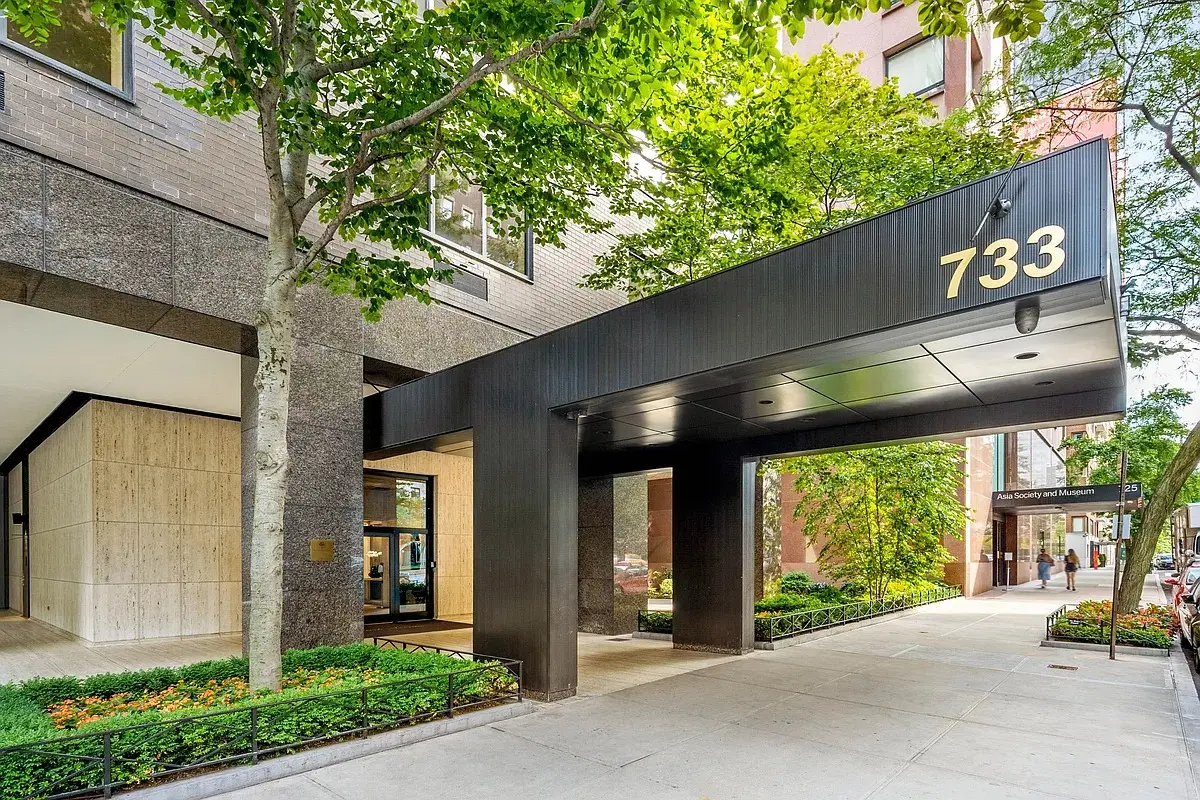
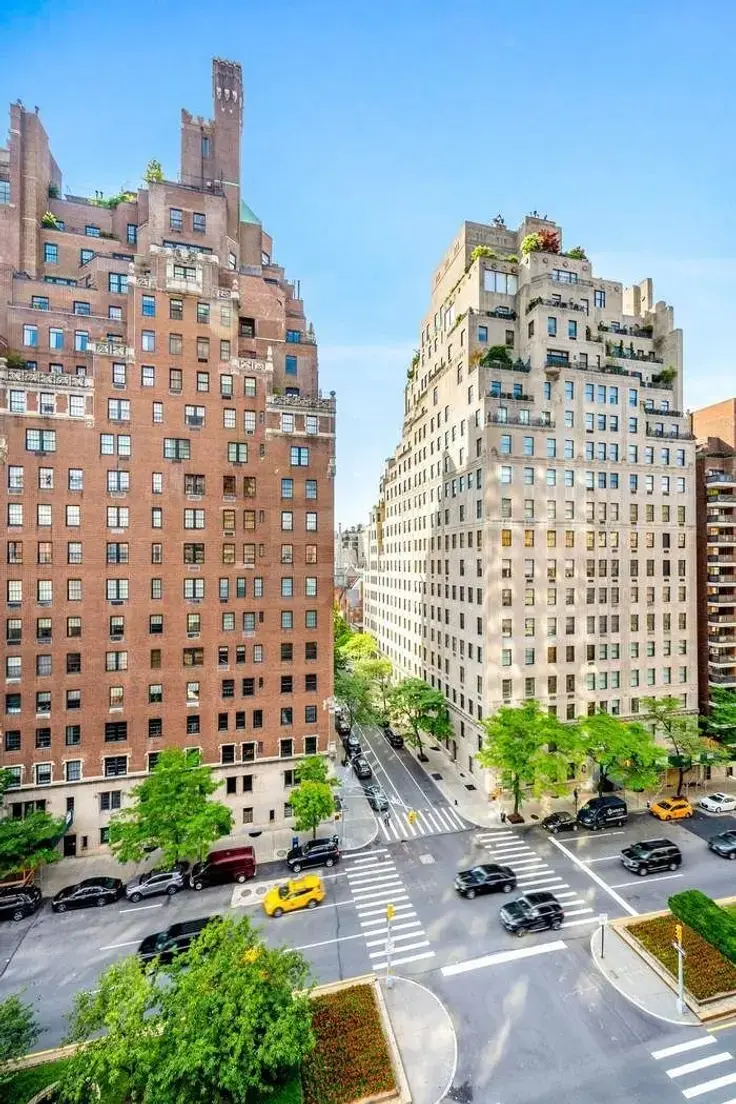
The dark brown brick building contains only 28 cooperative apartments, served by one passenger elevator, and is set in its own small landscaped plaza.

The building was designed by Kahn & Jacobs and Harry F. Green for Stephen Muss.

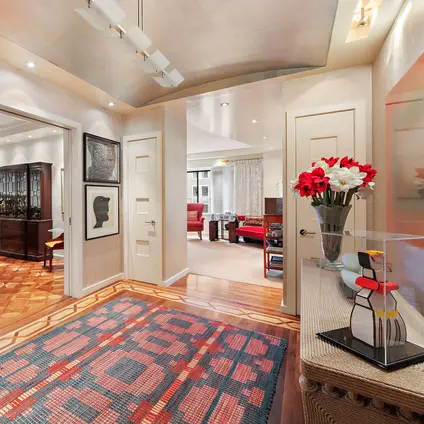
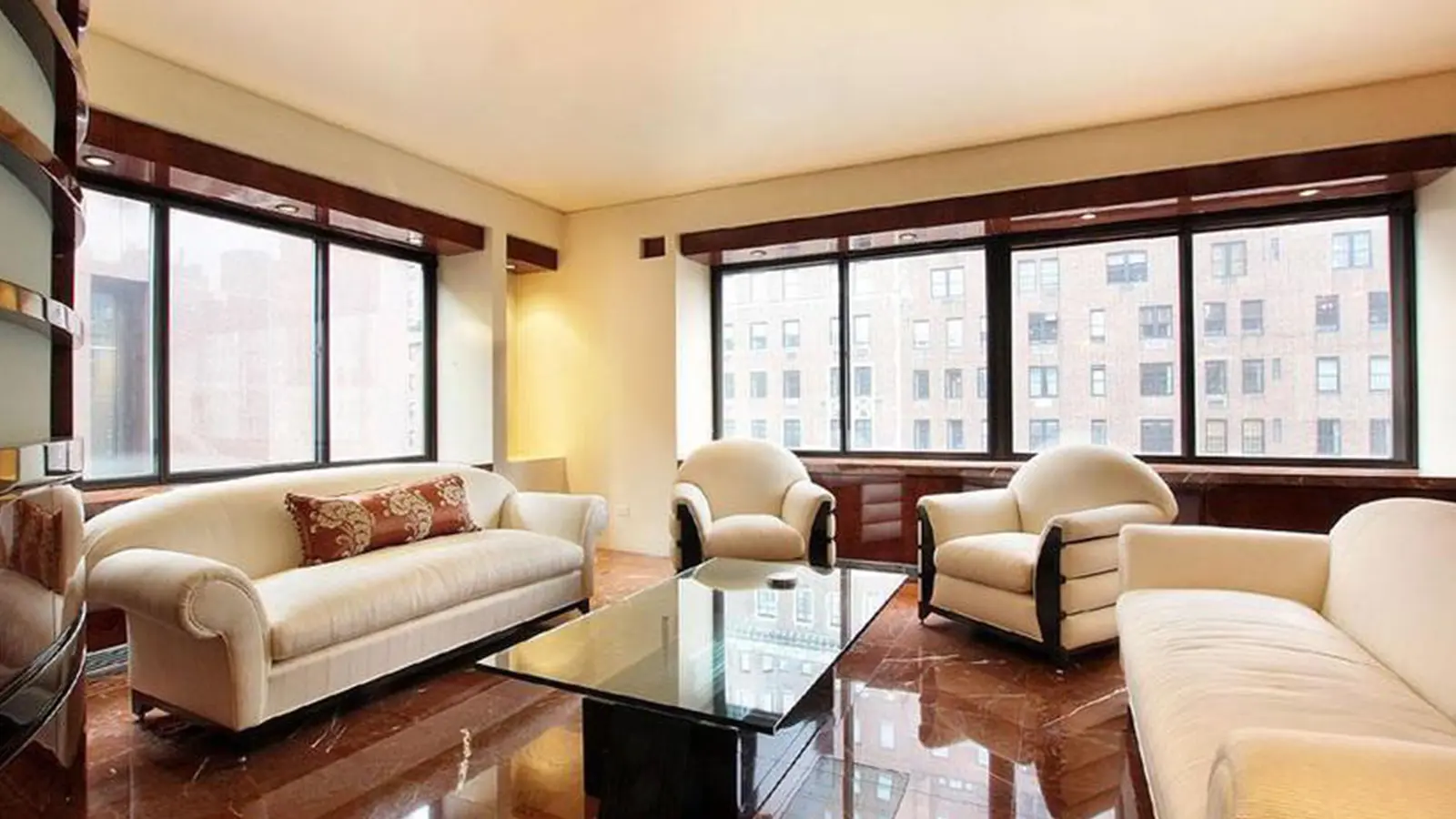
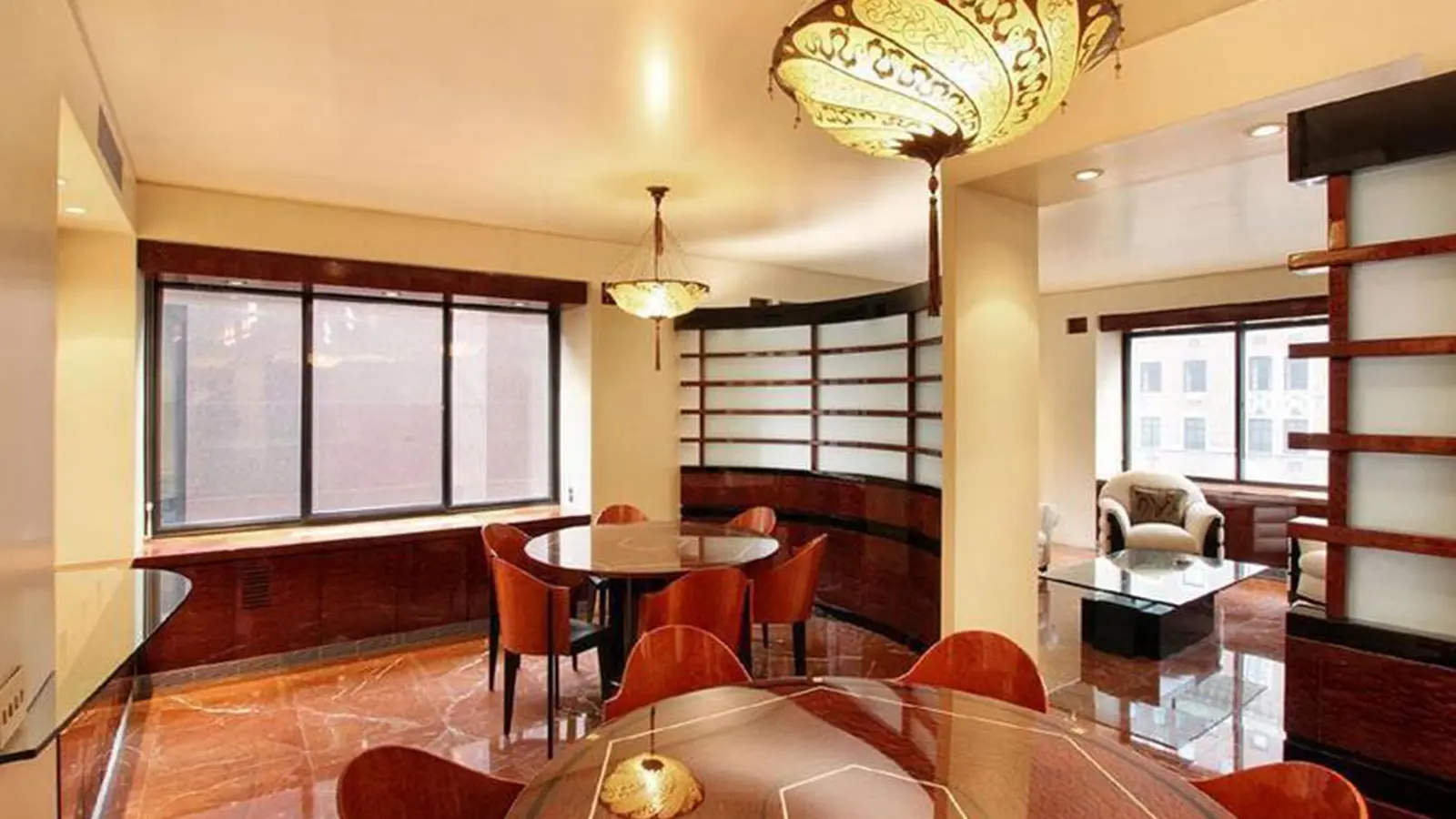
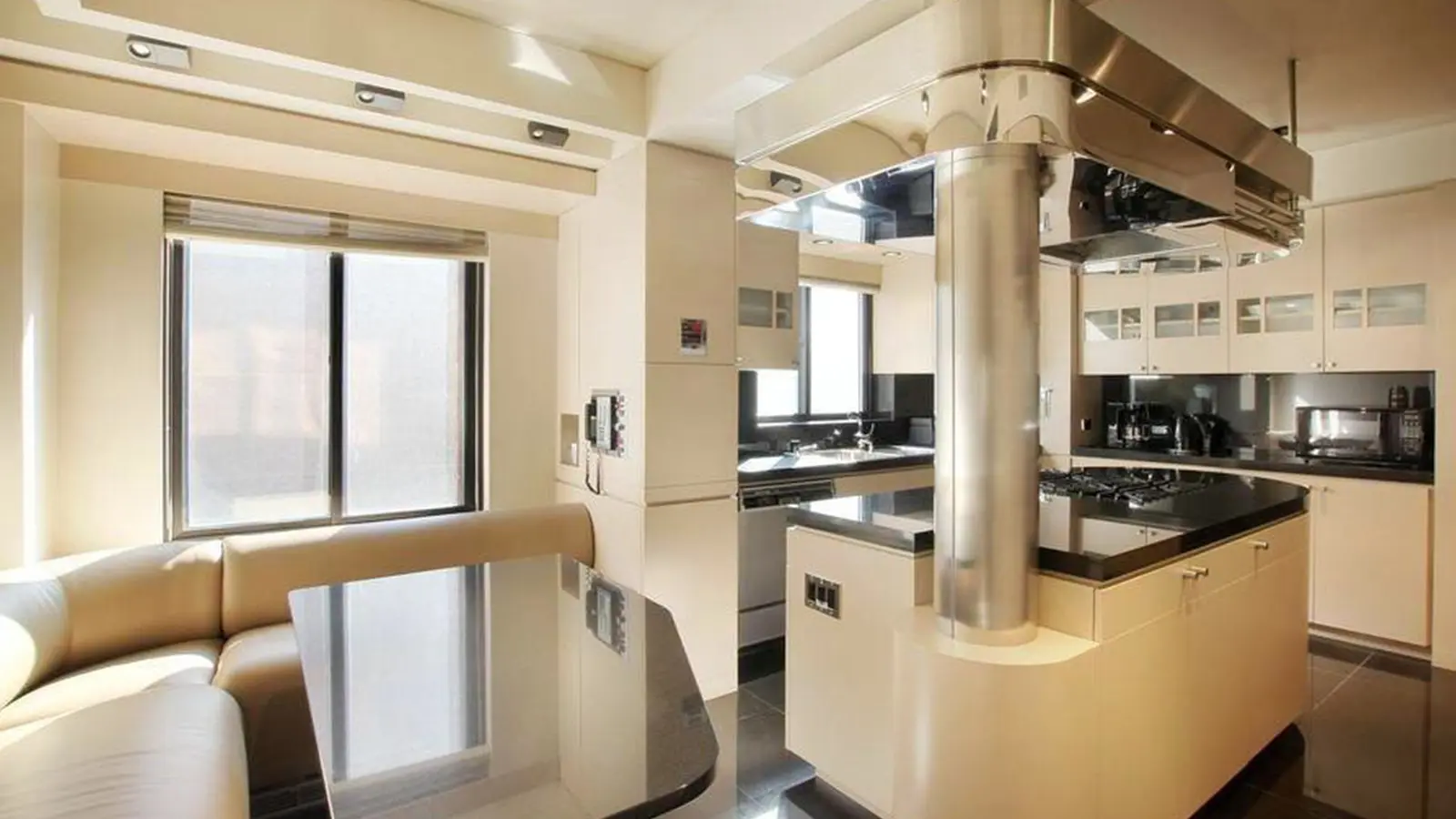
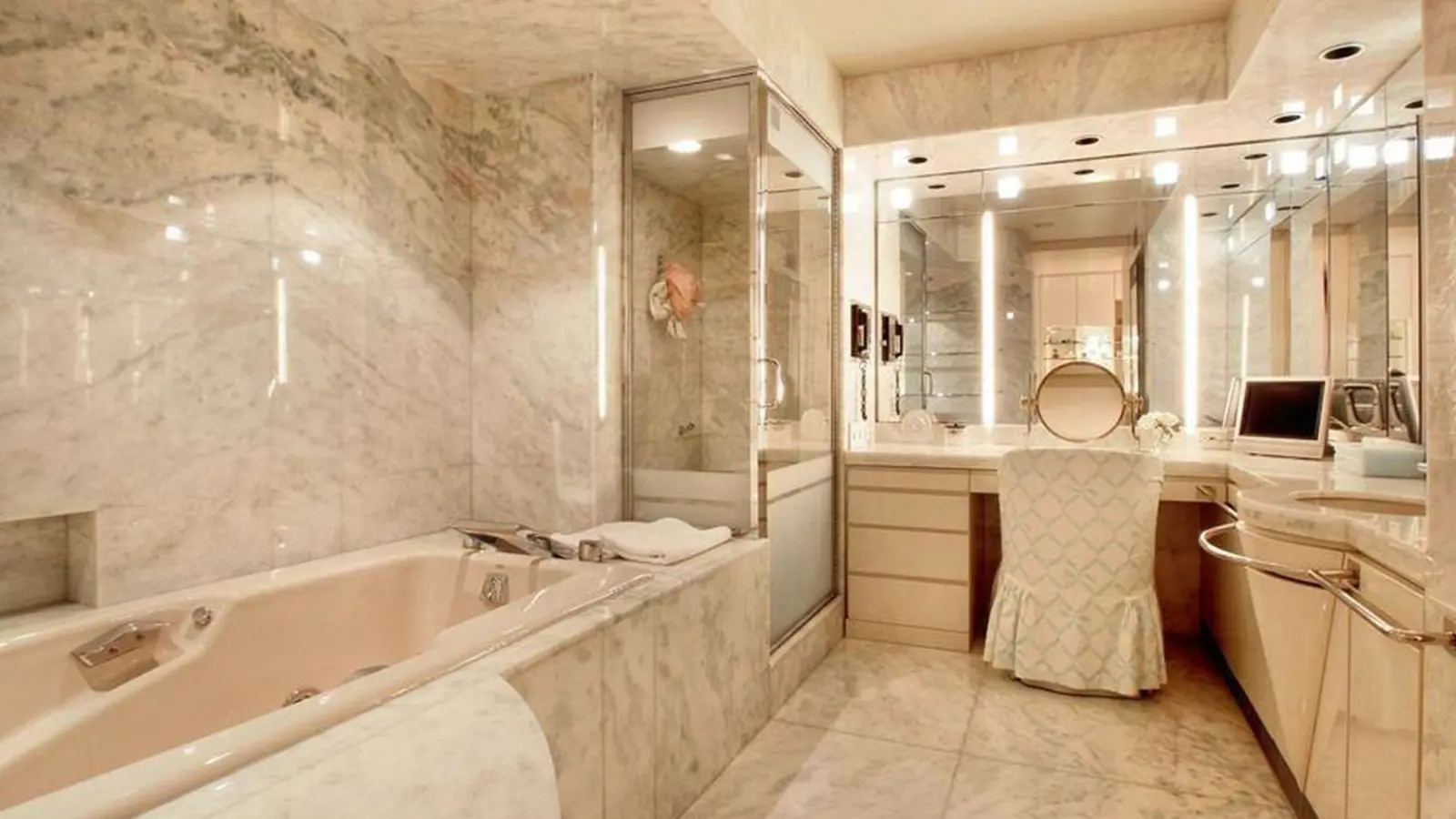
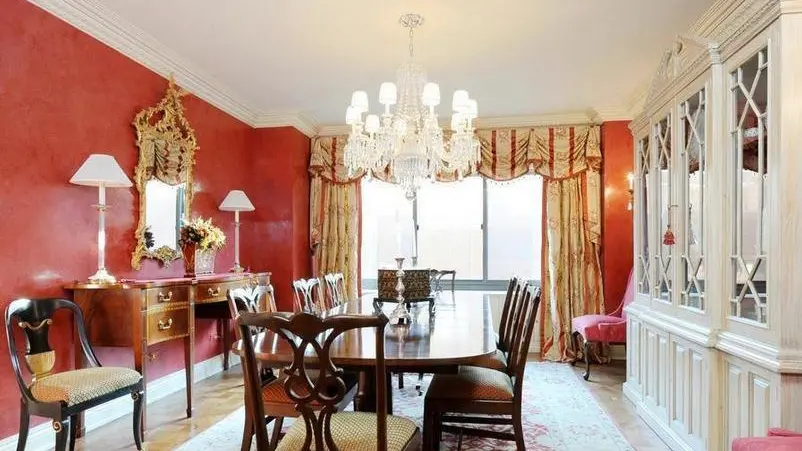
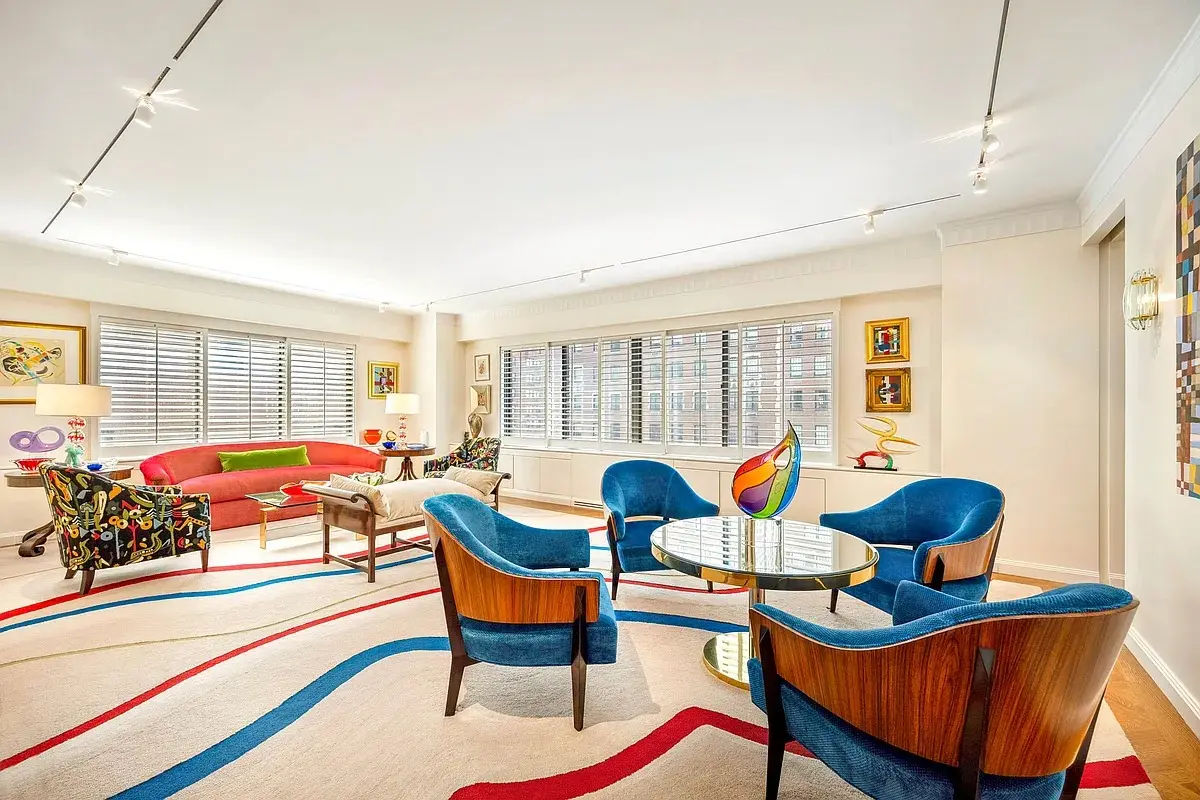
The apartment layouts are impressive and grand, although the 8-foot-11-inch-ceiling heights were a bit above average, but not extraordinary. Most apartments have nine-and-a-half rooms. The lobby is appropriately and elegantly awash with travertine.

The building’s plaza ruptured the avenue’s solid wall of buildings, but no more so than the setback building of Hunter College, or the Seventh Regiment Armory, both a few blocks away.

It caused more harm, however, to the avenue’s line of cornices from which it bursts forth quite prominently, affording its residents, of course, spectacular vistas. A couple of older buildings had exceeded the average building height of about 15 stories by a few floors, but 733 and another tower at 79th Street, 900 Park Avenue, soared above the rest. Both of these buildings, of course, have their sheer towers set back a bit from the avenue so that their impact on the avenue’s famous vistas was not too severe. Nonetheless, many architecture critics and planners correctly decried these breaches in the cornice line as disruptive of the avenue’s celebrated continuity.

It should be noted, however, that its immediate neighbor to the south on the same block is the polished red granite Asia Society, designed by Edward Larrabee Barnes, which only has 7 floors, and the two complement one another to a certain extent and therefore mitigate a bit their break with traditional building size on the avenue. On the other hand, it also has the merit of obscuring much of the view of the Viscaya, a "sliver" apartment tower that went up a few years later just to the east of it on 71st Street.

While the minimalist facades leave much to be desired, this building’s great location and the exclusivity of large, full-floor apartments make it a choice residence.


BUILDING SUMMARY
FEATURES & AMENITIES
  • FT Doorman
  • Post War
  • Elevator
PROS & CONS
PROS
  • Spectacular views from the upper floors
  • Prime location
  • Full-floor apartments
  • Elegant lobby
  • Doorman

CONS
  • No health club
  • No sundeck

SPONSORED BY

Comments or questions? · Phone: 212.755.5544
Copyright © 1994-2012 CITY REALTY.COM INC. All Rights Reserved.
568 Broadway, Suite 802 New York, NY 10012
Terms of Use · Our Privacy Policy · About CITY REALTY.COM · Advertise With Us · Site Map
Developed by REOL Services


An equal housing opportunity.

All data is deemed reliable but is not guaranteed accurate by the REBNY / RLS or CityRealty. See Terms of Service for additional restrictions. All information furnished regarding New York City property for sale, rental or financing is from sources deemed reliable, but no warranty or representation is made as to the accuracy thereof and same is submitted subject to errors, omissions, change of price, rental or other conditions, prior sale, lease or financing or withdrawal without notice. All dimensions are approximate. For exact dimensions, you must hire your own architect or engineer. The number of bedrooms listed on this website is not a legal conclusion. Each person should consult with his/her own attorney, architect or zoning expert to make a determination as to the number of rooms in the unit that may be legally used as a bedroom.