- Apartments
- Overview & Photos
- Maps
- Building Specialists
- Floorplans
- Sales Data & Comps
- Similar Buildings
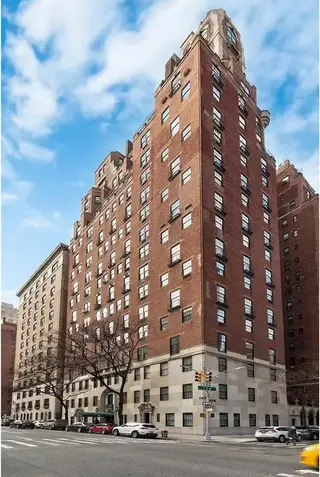
770 Park Avenue, designed by Rosario Candela in 1930, is a 19-story luxury building located on the corner of 73rd Street. The building features 35 duplex units with grand interiors, including majestic proportions, herringbone floors, and wood-burning fireplaces, as well as an attended lobby and impressive resident services. Currently, 1 apartment is for sale.

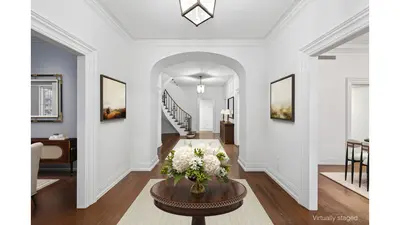
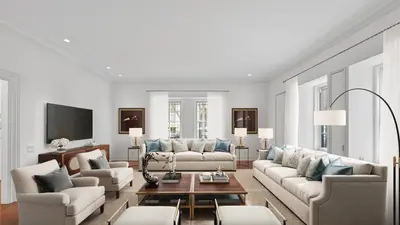
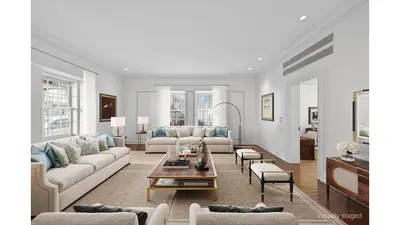
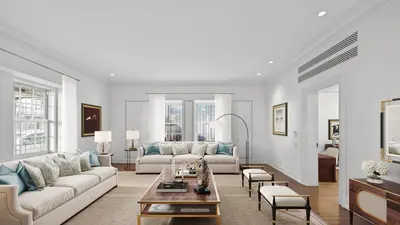
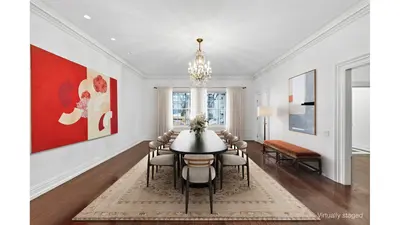
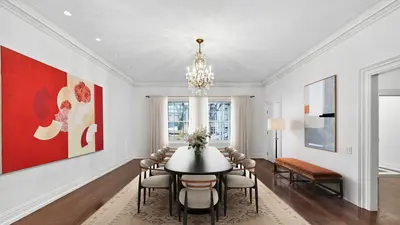
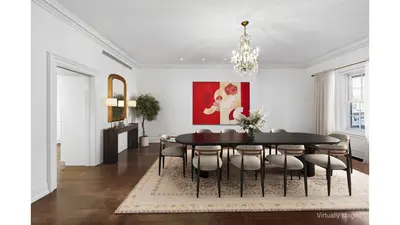
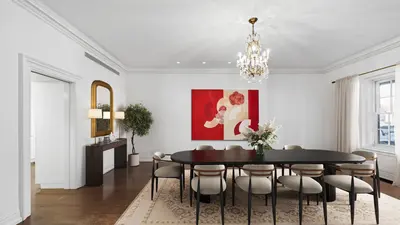
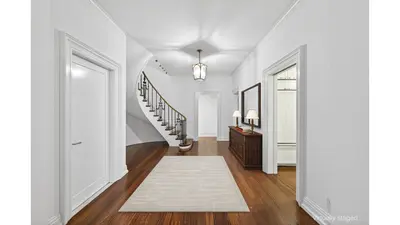
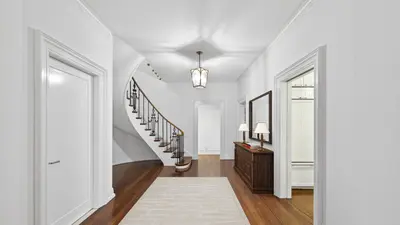
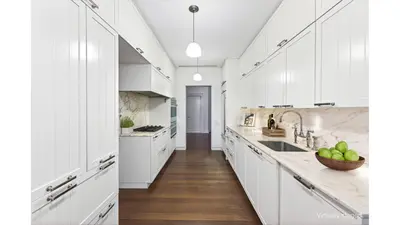
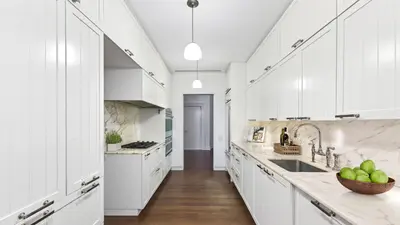
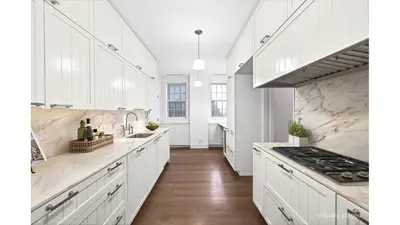
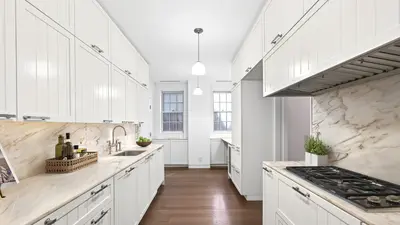
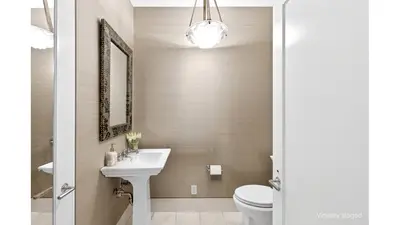
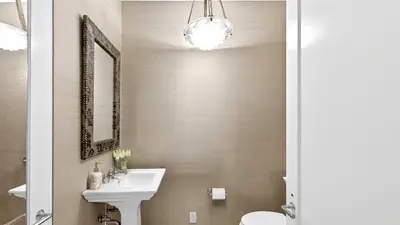
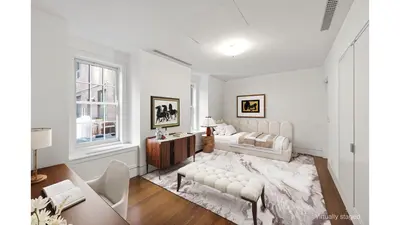
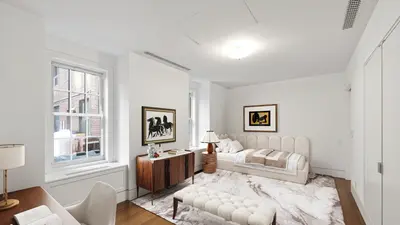
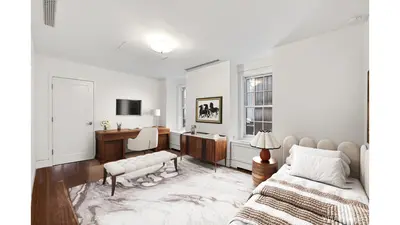
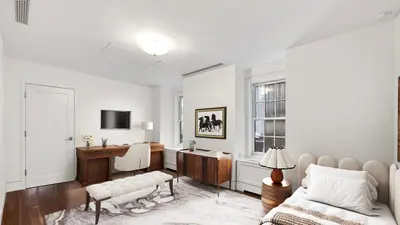
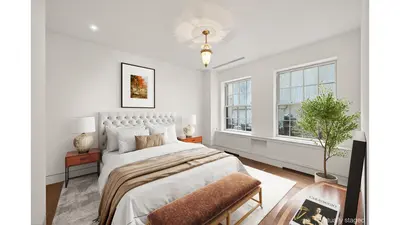
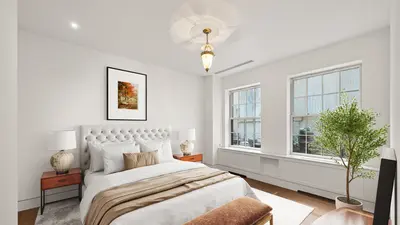
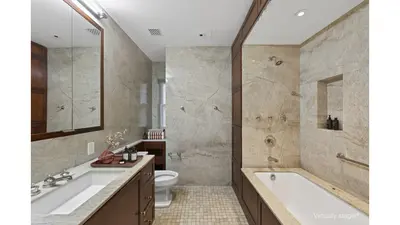
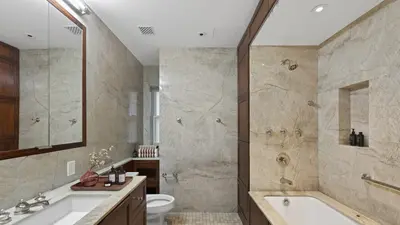
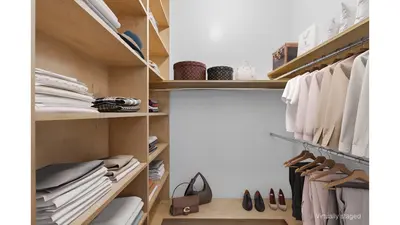
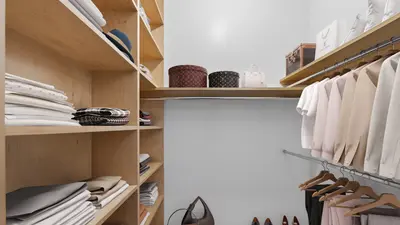
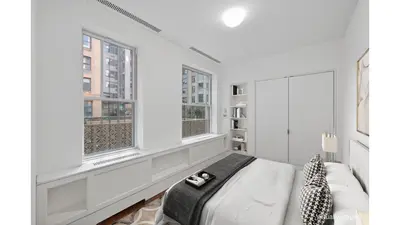
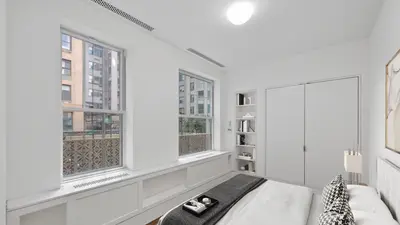
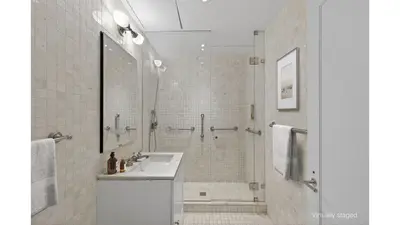
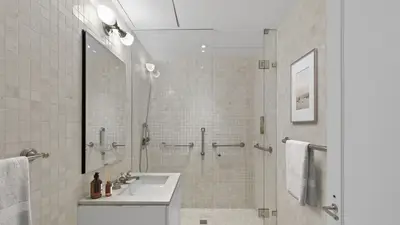
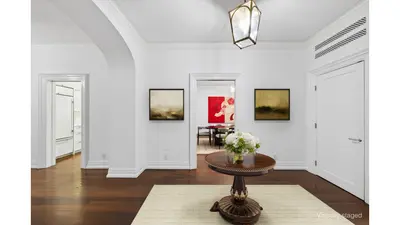
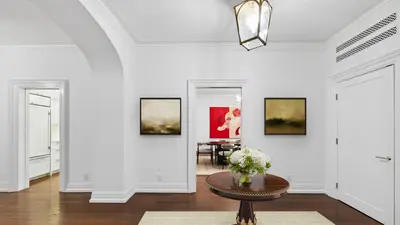
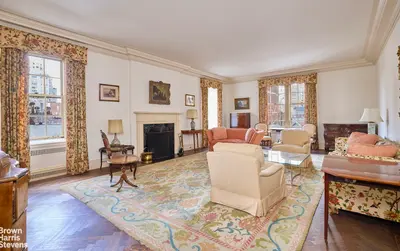
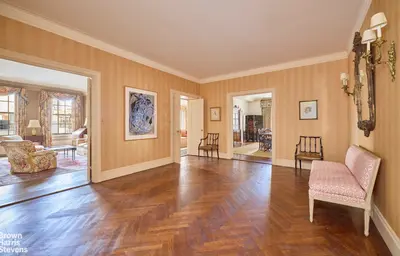
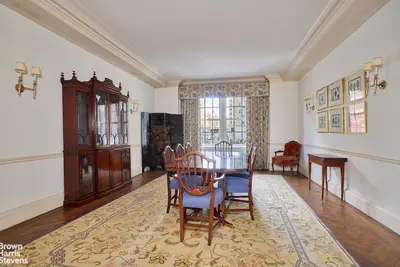
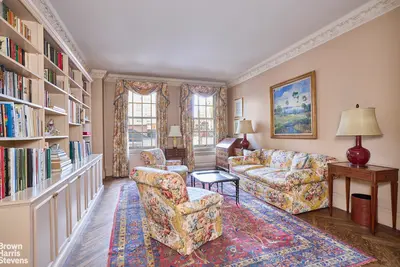
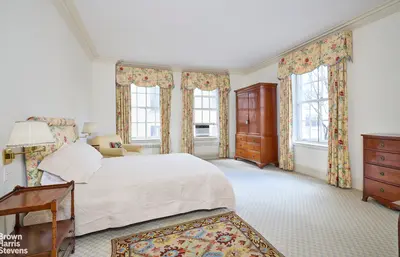
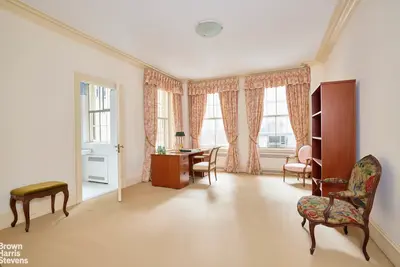
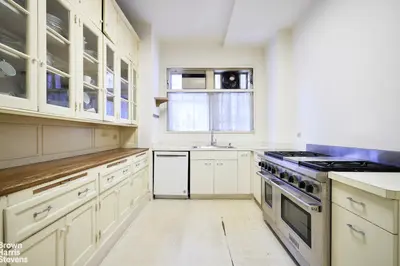
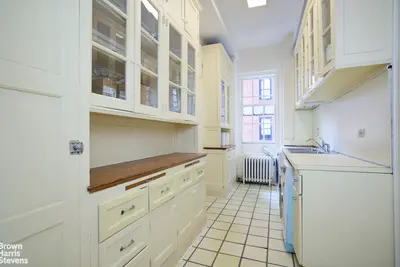
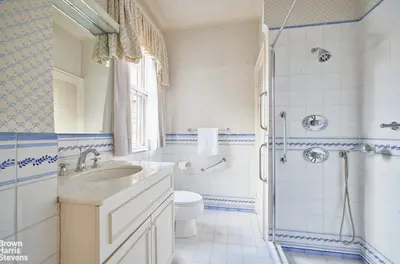
Completed in 1930 at the height of Rosario Candela's career, 770 Park Avenue stands as one of Manhattan's most distinguished residential buildings on the prestigious corner of Park Avenue and 73rd Street. This 19 story Georgian style cooperative showcases Candela's masterful H-shaped design that maximizes light and air for each of its 41 apartments, featuring a three story limestone base topped by brown brick and crowned with terraced setbacks rising to a domed penthouse tower. The building's elegant lobby was designed by Dorothy Draper, who would become one of the most successful decorators of the 1930s and 1940s, and the complex window rhythms and asymmetrical roofline create what architectural historians describe as resembling "clusters of houses or small European villages."
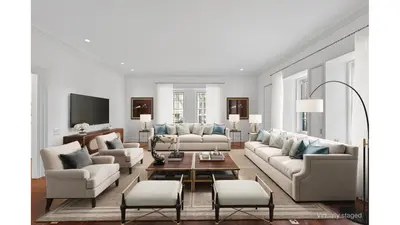
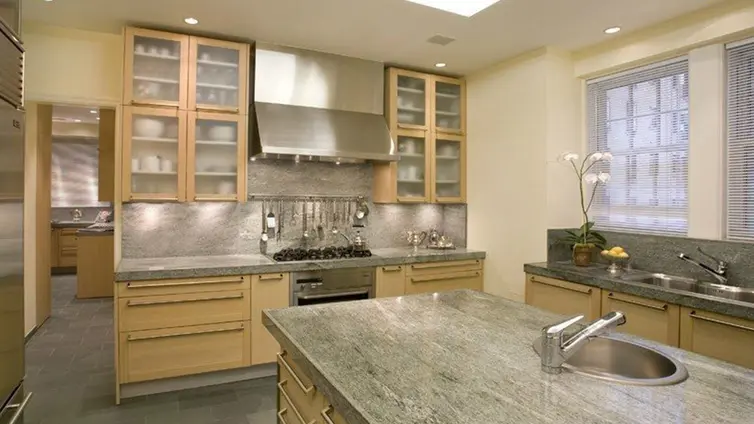
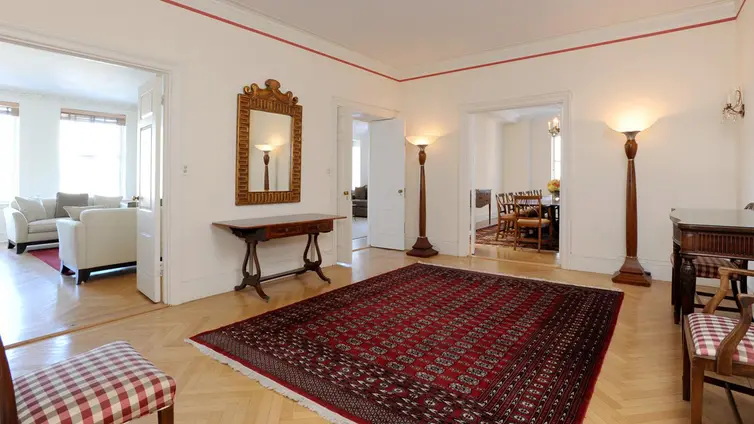
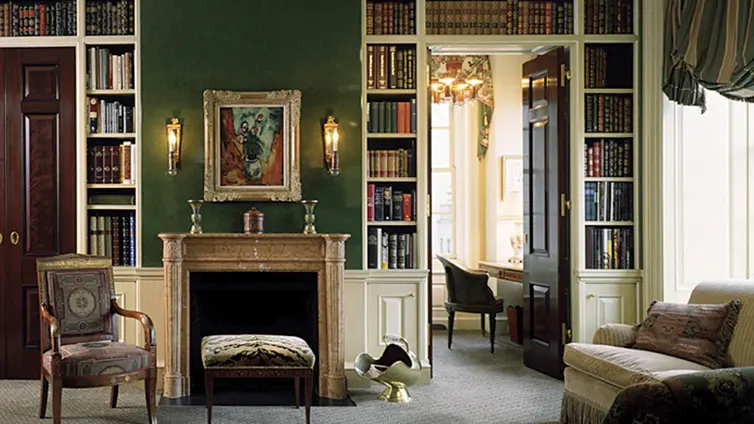
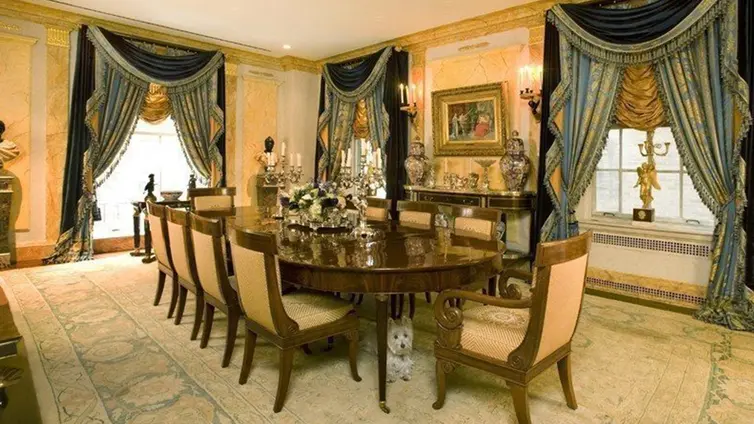
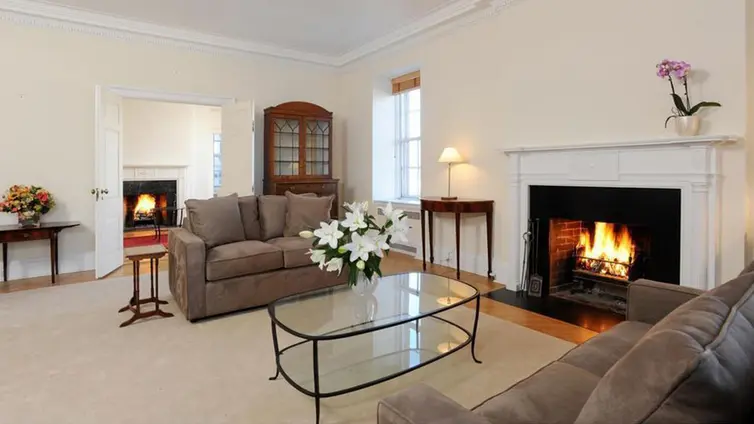
The apartments themselves exemplify Candela's genius for luxury living, with most units featuring his signature elements: herringbone floors, soaring ceilings up to 11 feet, wood burning fireplaces, and Palladian arches. The building contains an intricate mix of duplex and simplex apartments, ensuring every unit enjoys street orientation. Notable residences include spectacular penthouses with wrap around terraces and Central Park views, full floor apartments with 35 foot living rooms, and 15 room duplexes with curved staircases and multiple staff quarters. Many apartments feature Candela's distinctive windowed loggias, formal libraries with built in bookcases, and floor to ceiling windows with ornamental iron balcony rails that evoke elegant townhouse living.
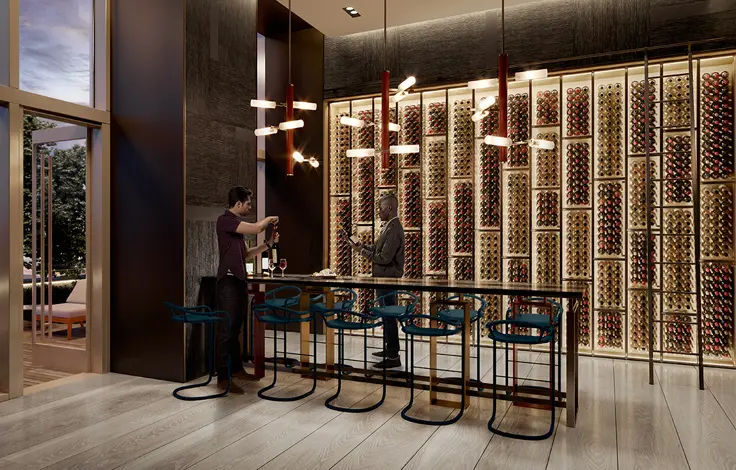
The building has attracted notable residents including former Senator Joseph Lieberman, Fiat heir Giovanni Agnelli, and Michael Lynne, former president of New Line Cinema. This white glove cooperative offers full service amenities including 24 hour doormen, a resident manager, fitness center, private storage, and wine cellars, though it notably lacks a garage or roof deck. The building maintains strict standards with no financing permitted, a 3% flip tax paid by purchasers, and seasonal work rules, while allowing pets and pied-à-terre ownership with board approval.
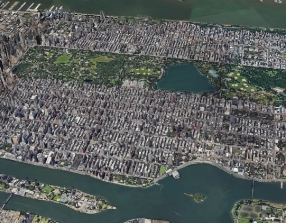
View school info, local attractions, transportation options & more.
Experience amazing 3D aerial maps and fly throughs.
For some co-ops, instead of price per square foot, we use an estimate of the number of rooms for each sold apartment to chart price changes over time. This is because many co-op listings do not include square footage information, and this makes it challenging to calculate accurate square-foot averages.
By displaying the price per estimated room count, we are able to provide a more reliable and consistent metric for comparing sales in the building. While we hope that this gives you a clearer sense of price trends in the building, all data should be independently verified. All data provided are only estimates and should not be used to make any purchase or sale decision.
Notable past and present residents at The Sonora



 6sqft delivers the latest on real estate, architecture, and design, straight from New York City.
Like us on Facebook to keep up with the trends and
6sqft delivers the latest on real estate, architecture, and design, straight from New York City.
Like us on Facebook to keep up with the trends and 