
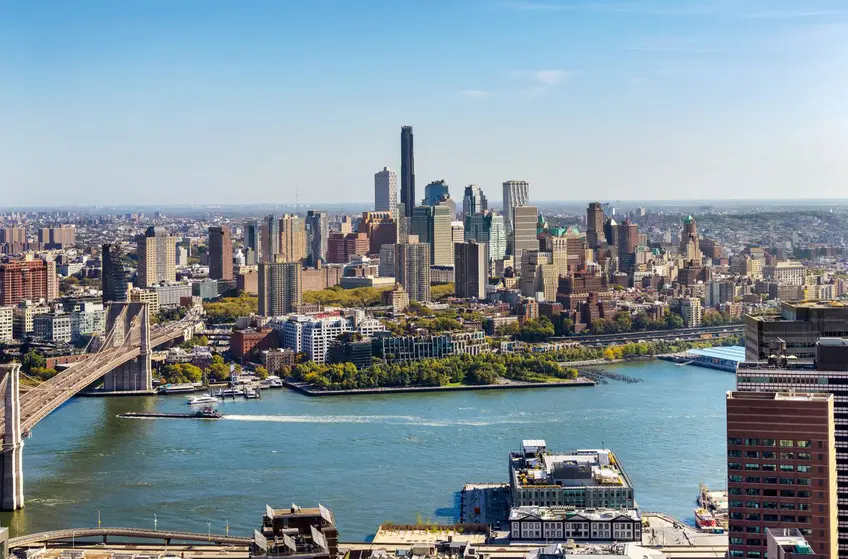
New York City’s residential closings were nearly flat in the first seven months of 2026, except for a few surprising micro-markets. This article explores where these micro-markets are located and why residential closings are surging in a few neighborhoods that previously weren't viewed as active real estate markets.
In this article:



Residential closings by the numbers
Between January and July 2026, there were 25,965 recorded sales of one- to three-family homes, co-ops, and residential condos, compared with 26,144 in the same period of 2025. With a decline of less than one percent, this data suggest that sales have remained essentially flat over the past year. If you dig deeper, however, there are signs that some neighborhoods are experiencing notable gains and even doubling their prior year closing totals.
Comparing only neighborhoods that had at least 50 residential sales in January through July 2025, CityRealty discovered that in 2026, the fastest-growing markets are not what one might expect.
So far, the fastest-growing market is Upper Washington Heights, where residential sales rose from 80 in the first seven months of 2025 to 176 in the same period of 2026, a 120 percent increase. Crown Heights was a close second, with sales rising from 176 to 365, up 107.4 percent. Smaller gains were also reported in Jamaica, which increased from 52 to 90 sales in the first seven months of 2026 for a gain of 73.1 percent. Park Slope South, which has been a strong market for many years now, also rose from 58 to 89 sales, for an overall gain of 53.4 percent. Still, a closer look reveals that these micro-markets are reporting surges in sales for one key reason.
The condo-closing impact in Upper Washington Heights, Crown Heights, and Queens’ Micro-Markets
Upper Washington Heights, which is generally understood to refer to part of Washington Heights above West 168th Street, reported the largest year-over-year increase in sales among neighborhoods that had at least 50 sales in 2025. However, this doesn’t mean that units in pre-war elevator co-ops, the type of building the neighborhood is best known for, saw a dramatic increase in sales (resale co-op sales only increased from 70 in 2025 to 89 in 2026). Upper Washington Heights is on the map due to a much more notable spike in elevator condo closings, which rose from just five to 68 in the same period. This isn’t surprising as several new condo developments have recently launched or will soon launch in Upper Washington Heights.
The same story seems to be unfolding in Crown Heights, where sales have more than doubled in the first seven months of 2026. However, in Crown Heights, the elevator condo effect is even greater—it climbed from 26 closes between January and July 2025 to 151 in the same period of 2026. By contrast, resale two-family homes, a common feature in the neighborhood, were nearly unchanged, rising by only 3 sales year-over-year.
Compared to North Washington Heights and Crown Heights, Rego Park had a somewhat more moderate increase in sales from January to July 2026, with residential sales rising just over 39 percent, from 262 to 365. While its elevator co-op sales slipped marginally from 144 to 126 closes year-over-year, elevator condo sales rose from 50 to 115. Flushing–North also saw modest gains in the first seven months of 2026, but at a greater volume (1,035 to 1,234 sales year-over-year for the same period). In both neighborhoods, condo closings are also critical factors.
Co-op closings in Jamaica and Flatbush–Central
Unlike Upper Washington Heights, Crown Heights, Rego Park, and Flushing North, Jamaica and Flatbush–Central have reported notable year-over-year increases in co-op and house closings.
Jamaica’s residential sales increased 73.1 percent, from 52 to 90, and elevator co-op closings accounted for a substantial portion of the sales. While one-family-home sales also increased, their rise from 7 to 19 is less statistically significant. Still, Jamaica’s transaction increase is notable since it is among the few neighborhoods in New York with sales increasing without the presence of multiple new-development condos.
Flatbush–Central also saw sales rise over 30 percent in the first seven months of the year, jumping from 147 to 192 sales, with elevator co-ops nearly doubling. One-family-home transactions also increased in the neighborhood. Again, while the increases were not as notable as those in some other micro-markets, the fact that sales have ticked up without the presence of multiple new condo developments may suggest that buyers who have been holding back waiting for mortgage rates to decline are finally biting the bullet and re-entering the market.
Would you like to tour any of these properties?
Just complete the info below.
Or call us at (212) 755-5544
The fastest-growing markets aren’t the highest volume markets
While Upper Washington Heights, Crown Heights, Rego Park, Flushing North, Jamaica, and Flatbush–Central may be among the fastest-growing residential micro-markets, they certainly aren’t the neighborhood seeing the highest volume of sales in 2026. The Upper East Side, Upper West Side, and Midtown East, all neighborhoods where cash-only deals continue to dominate the market, still account for far more total closings. Zooming out, citywide averages suggest a fairly flat market, with condo closings rising 5.6 percent through July 2026 and co-op sales and one- to three-family-home sales falling 3.0 percent to 3.5 percent in the same period.
Based on these insights, one might wonder if the growth in the micro-markets highlighted in this article is a mere anomaly. While it is too soon to say for certain, surging sales in residential micro-markets, particularly on the condo side of the market, may indicate that middle-income buyers are increasingly willing to explore new neighborhoods to get a toehold in New York City’s real estate market. After all, these micro-markets are also located in some of the city’s most affordable neighborhoods. Only time will tell if activity in emerging condo markets, such as those in Upper Washington Heights and Crown Heights, also stimulates increased resale co-op activity neighborhood wide and leads to a broader market rebound.
All figures quoted for this article were drawn from New York City Department of Finance annualized 2025 and rolling 2026 sales files, comparing January 1 through July 31 in each year. The analysis includes sales of $100,000 or more in the one-, two-, and three-family home, co-op, and residential condo categories.
Select listings for sale in 'affordable' neighborhoods
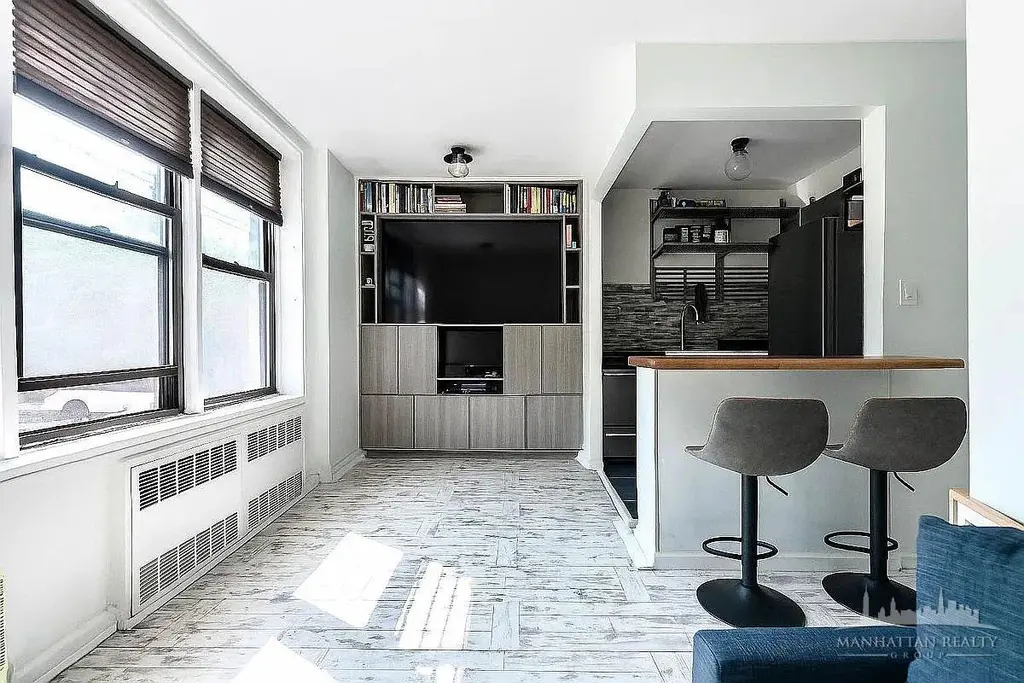
87-70 173rd Street, #2F (Manhattan Realty Group)
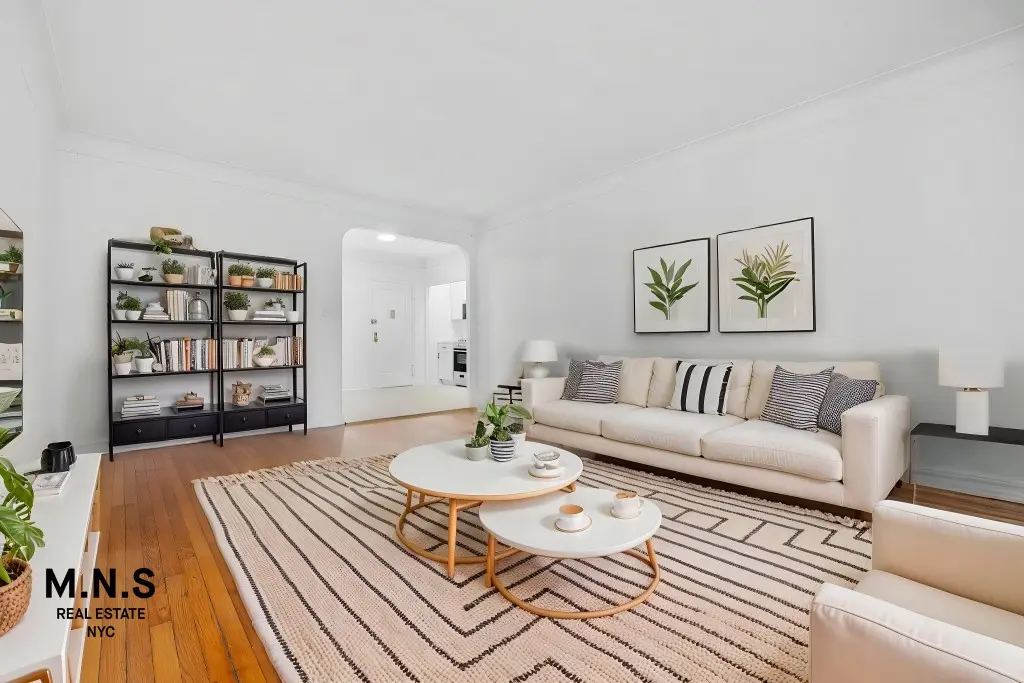
155-01 90th Avenue, #3-A (MNS)
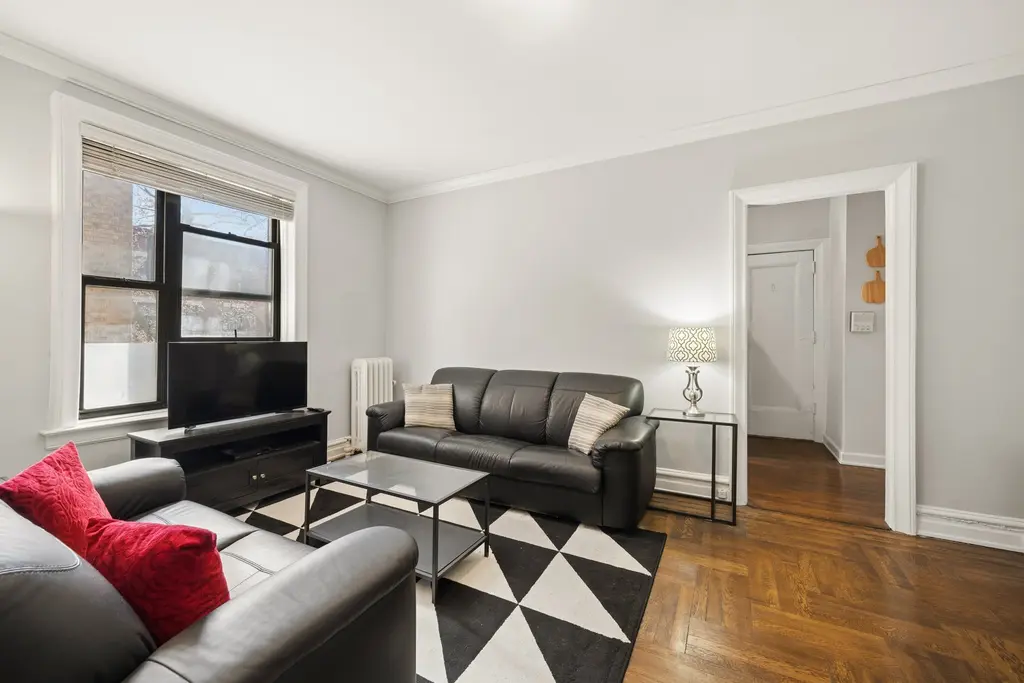
West Gate House, #44 (Bizzarro Agency LLC)
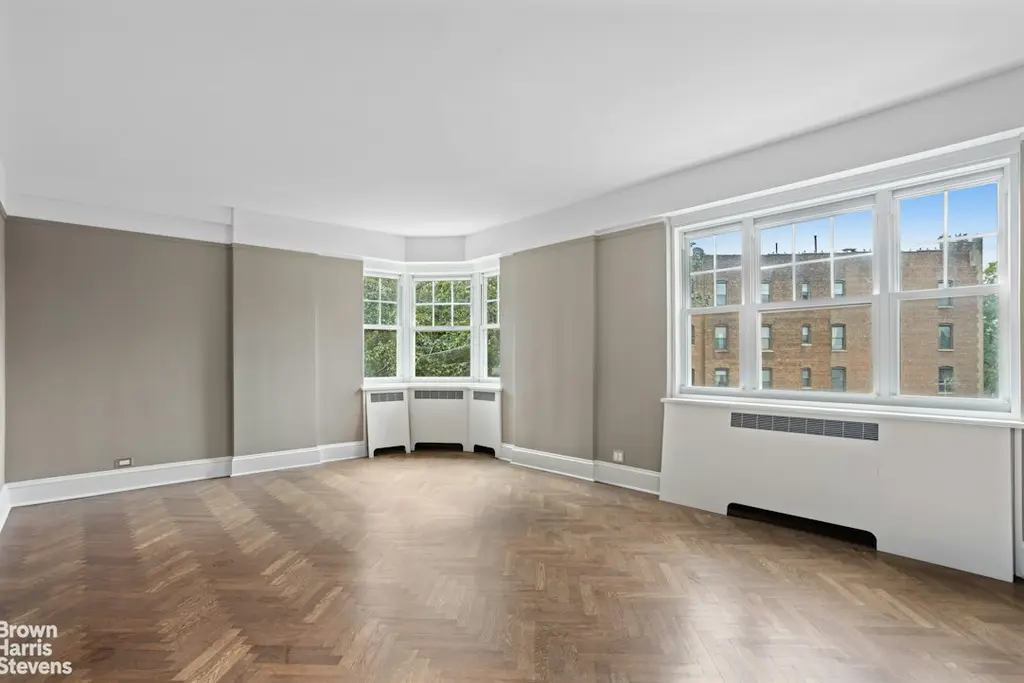
Castle Village, #43 (Brown Harris Stevens Residential Sales LLC)
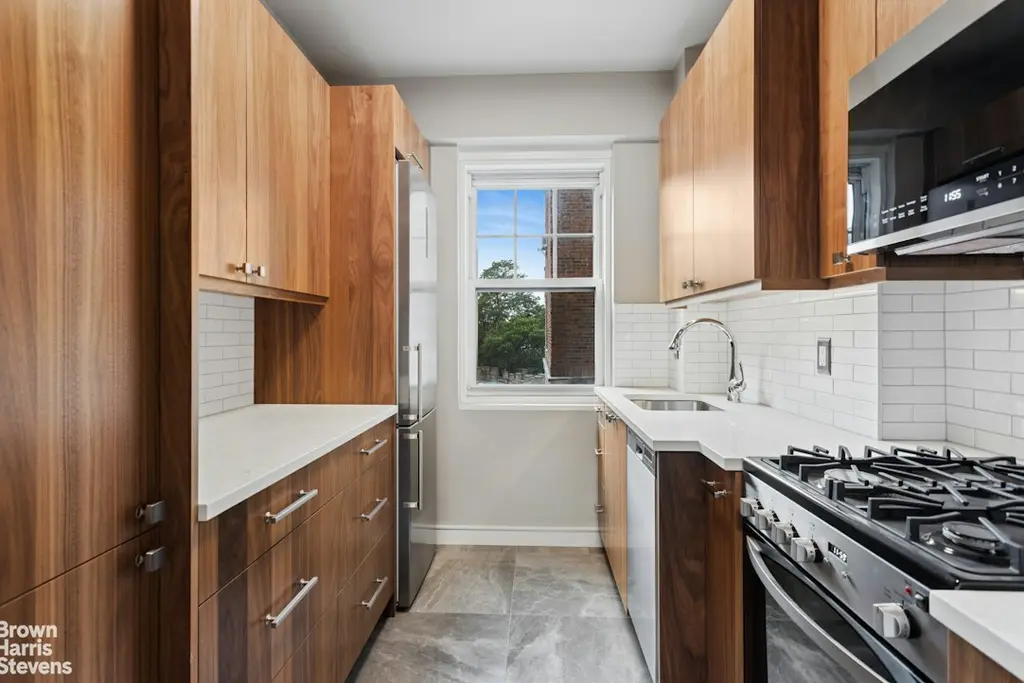
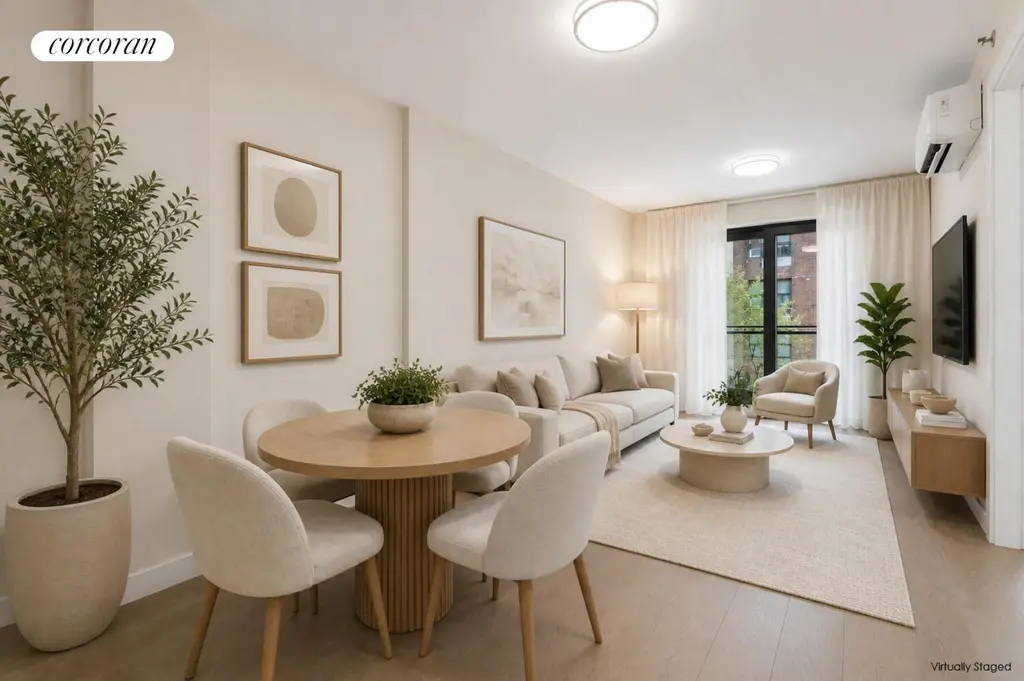
608 Ocean Avenue, #401 (Corcoran Group)
359 Fort Washington Avenue, #6B
$825,000
Washington Heights | Cooperative | 3 Bedrooms, 1 Bath | 1,320 ft2
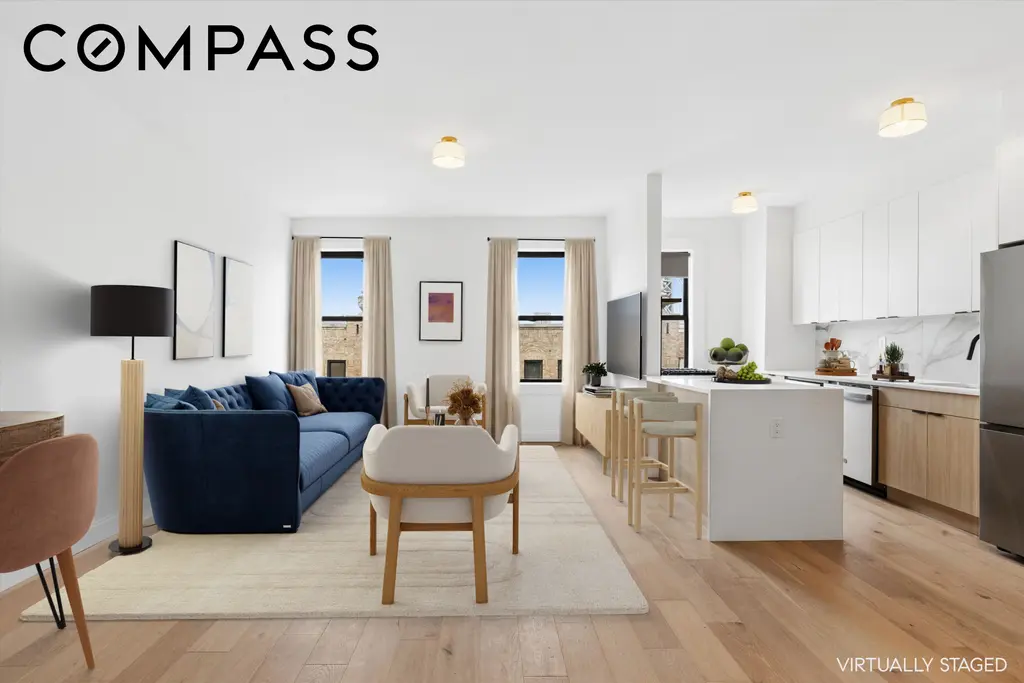
359 Fort Washington Avenue, #6B (Compass)
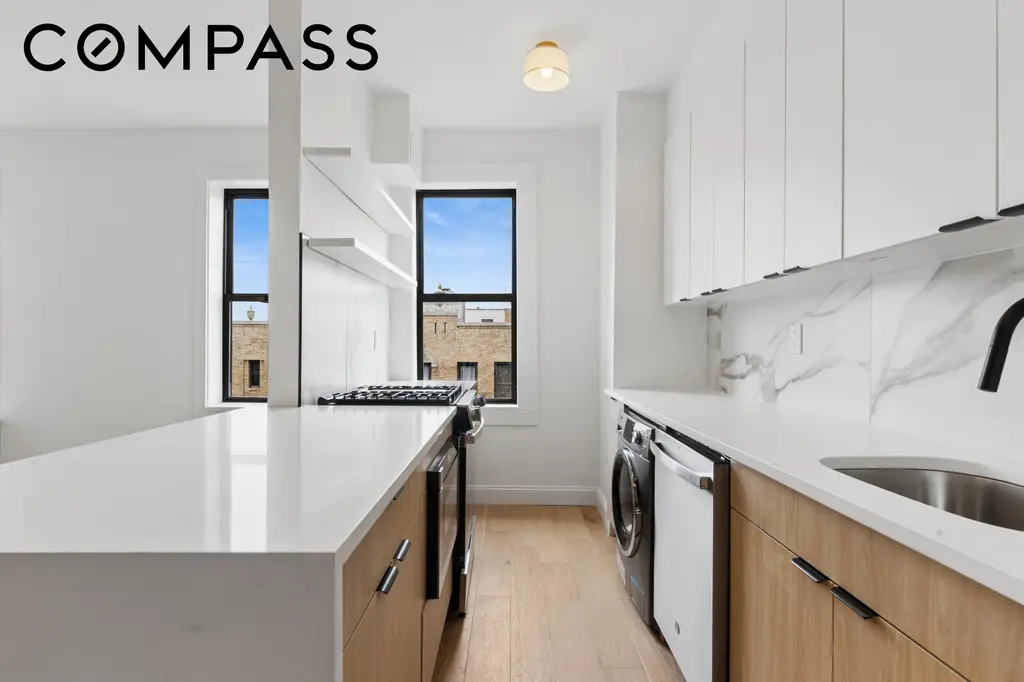
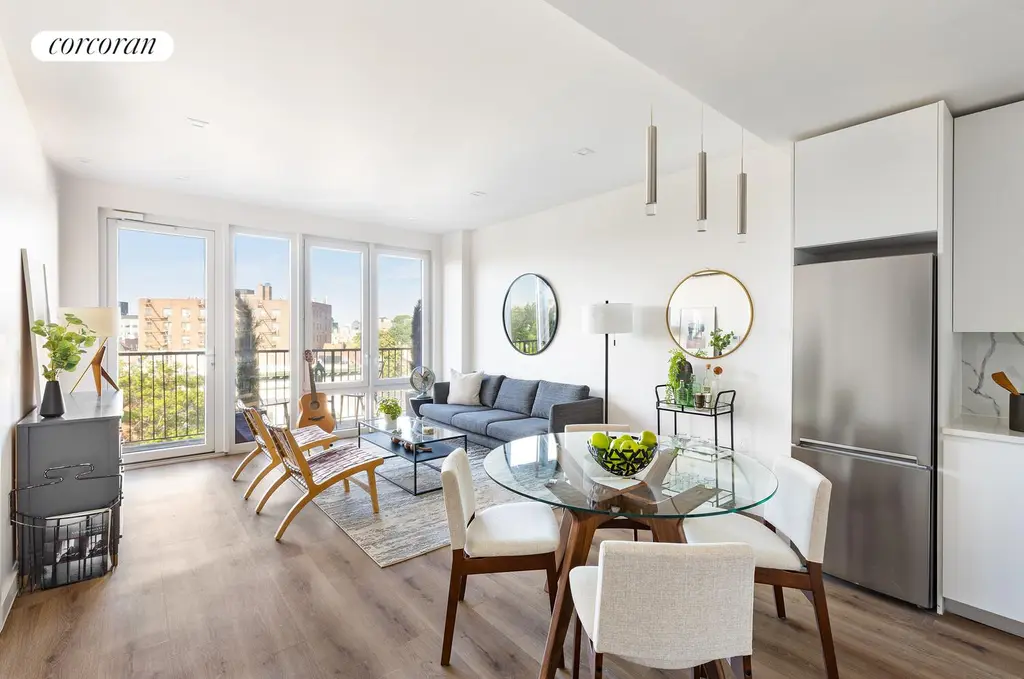
Avanti, #7B (Corcoran Group)
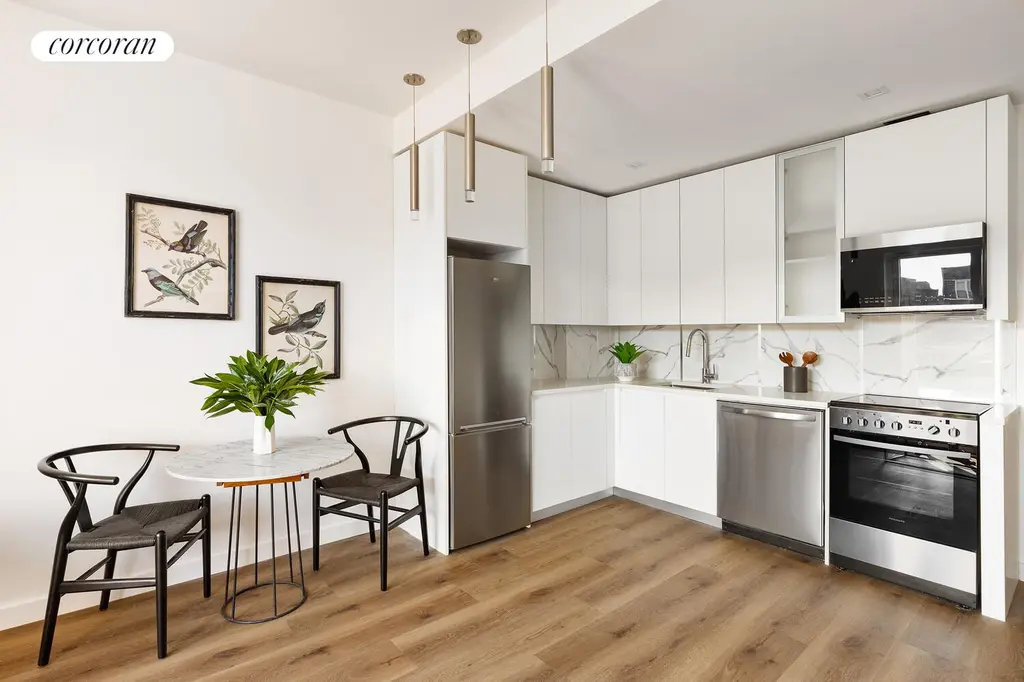
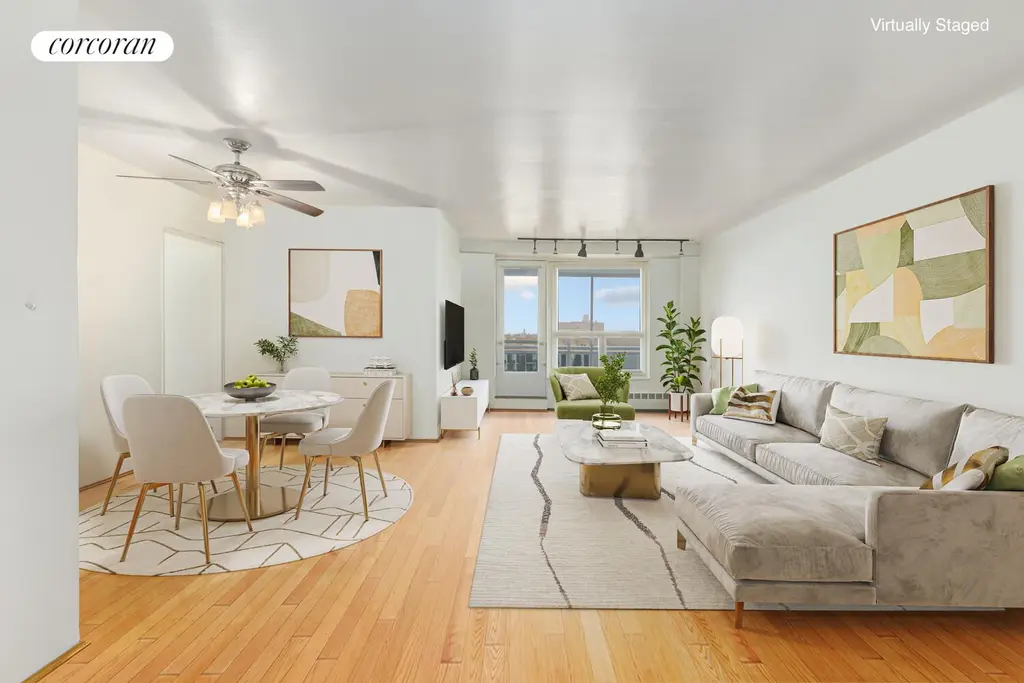
98-05 63rd Road, #14J (Corcoran Group)
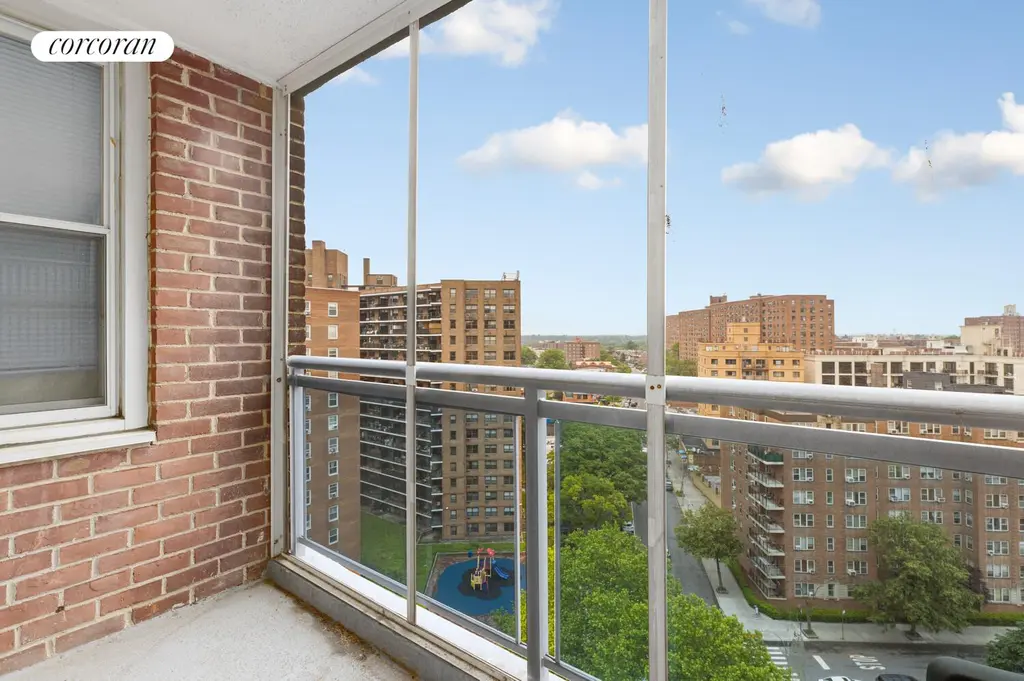
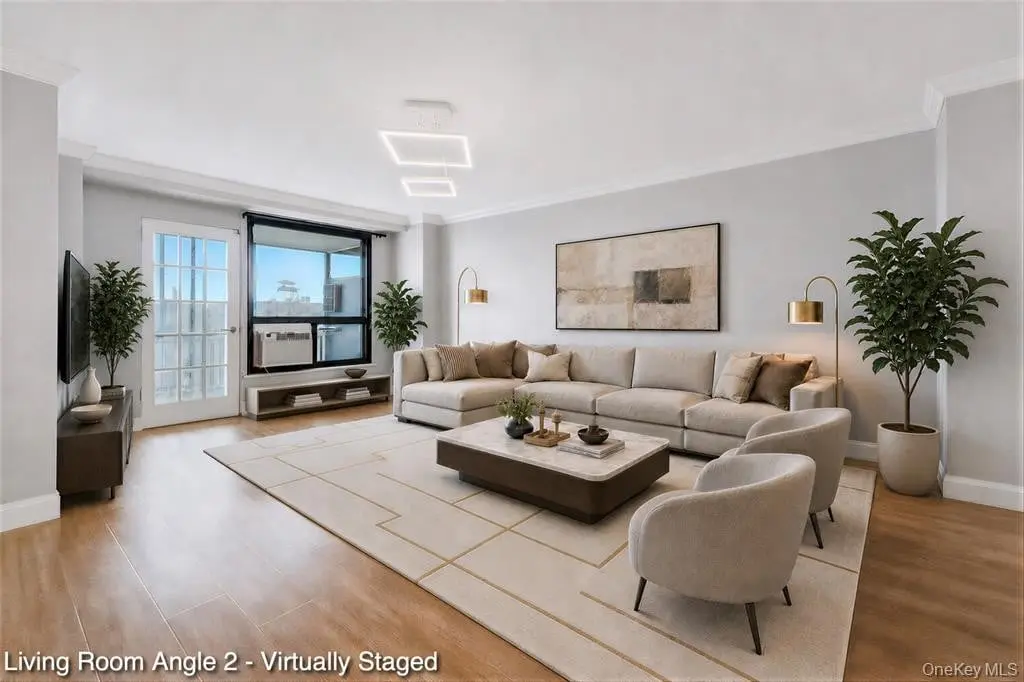
Park City Estates, #7J (RE Max Edge Group)
Related Articles

Goldilocks Blocks
Riverside Drive’s rare park- and river-view homes from $425K
Tuesday, November 3, 2026
Great Listings
Back to School: Discounted NYC apartments with home offices perfect for homework and hybrid schedules
Saturday, August 22, 2026
Future New York
Price Cuts: High Line condo drops below $5M as pied-à-terre tax bills arrive; $2.2M slashed from CPW maisonette
Today, November 18, 2026
Get To Know
NYC’s little houses inside big buildings: The curious history of maisonettes, from doctors’ offices to coveted homes
Today, November 18, 2026
Get To Know
Almost a one-bedroom: NYC alcove studios under $750K
Tuesday, November 17, 2026
Future New York
Protecting your NYC property from disasters + 20 new reveals include UWS' future tallest tower
Tuesday, November 17, 2026
Future New York
As the Flatiron Building welcomes its first residents, see 14 new developments reshaping NoMad
Friday, November 13, 2026
Great Listings
Free common charges, paid assessments, and spa memberships: NYC sellers' most surprising incentives and gifts
Friday, November 13, 2026
Contributing Writer
Cait Etherington
Cait Etherington has over twenty years of experience working as a journalist and communications consultant. Her articles and reviews have been published in newspapers and magazines across the United States and internationally. An experienced financial writer, Cait is committed to exposing the human side of stories about contemporary business, banking and workplace relations. She also enjoys writing about trends, lifestyles and real estate in New York City where she lives with her family in a cozy apartment on the twentieth floor of a Manhattan high rise.

 6sqft delivers the latest on real estate, architecture, and design, straight from New York City.
