Carlyle House

50 East 77th Street At the Southeast corner of Madison Avenue
FOR MORE INFORMATION ABOUT Carlyle House
Contact us about buying or selling an apartment in Carlyle House .
Email Us OR Call (212) 755-5544


Carlyle House - 50 East 77th Street: CARTER'S REVIEW


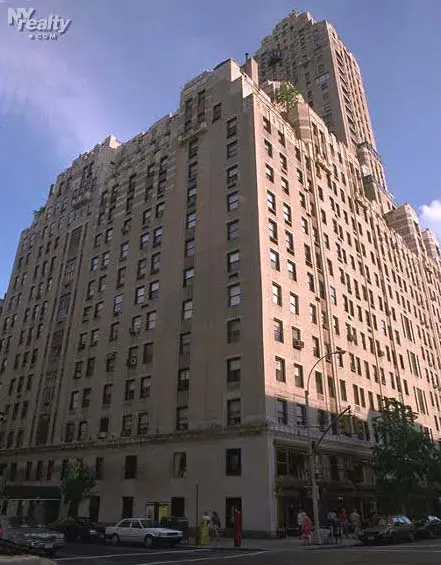
Many people mistake this for the Hotel Carlyle, but it is actually a separate building although it was erected at the same time and designed by the same architects.

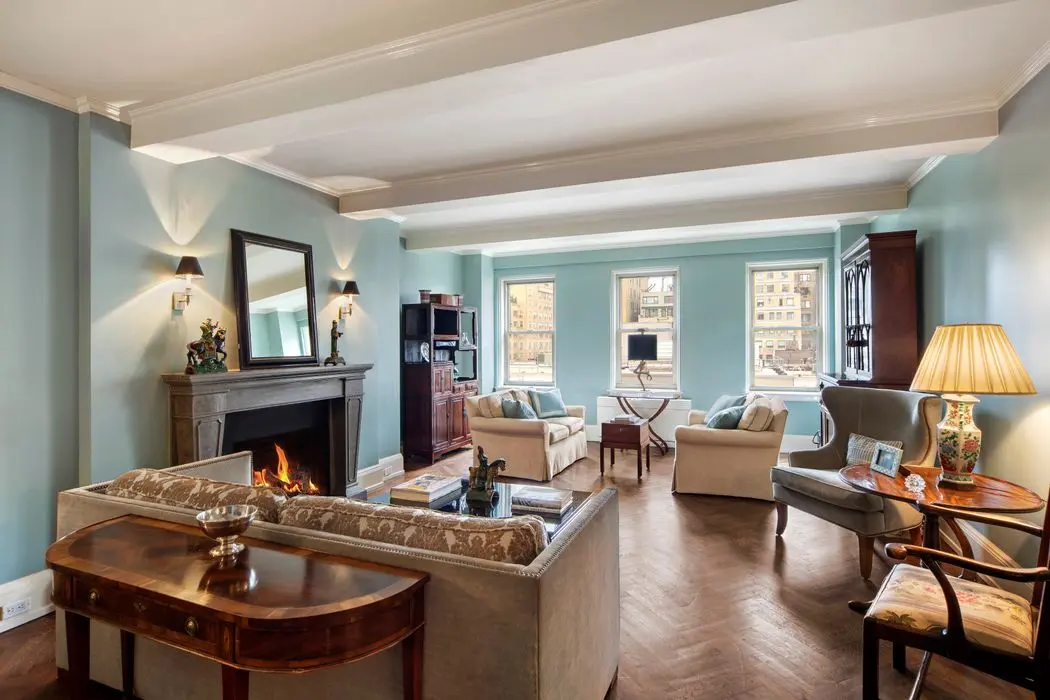
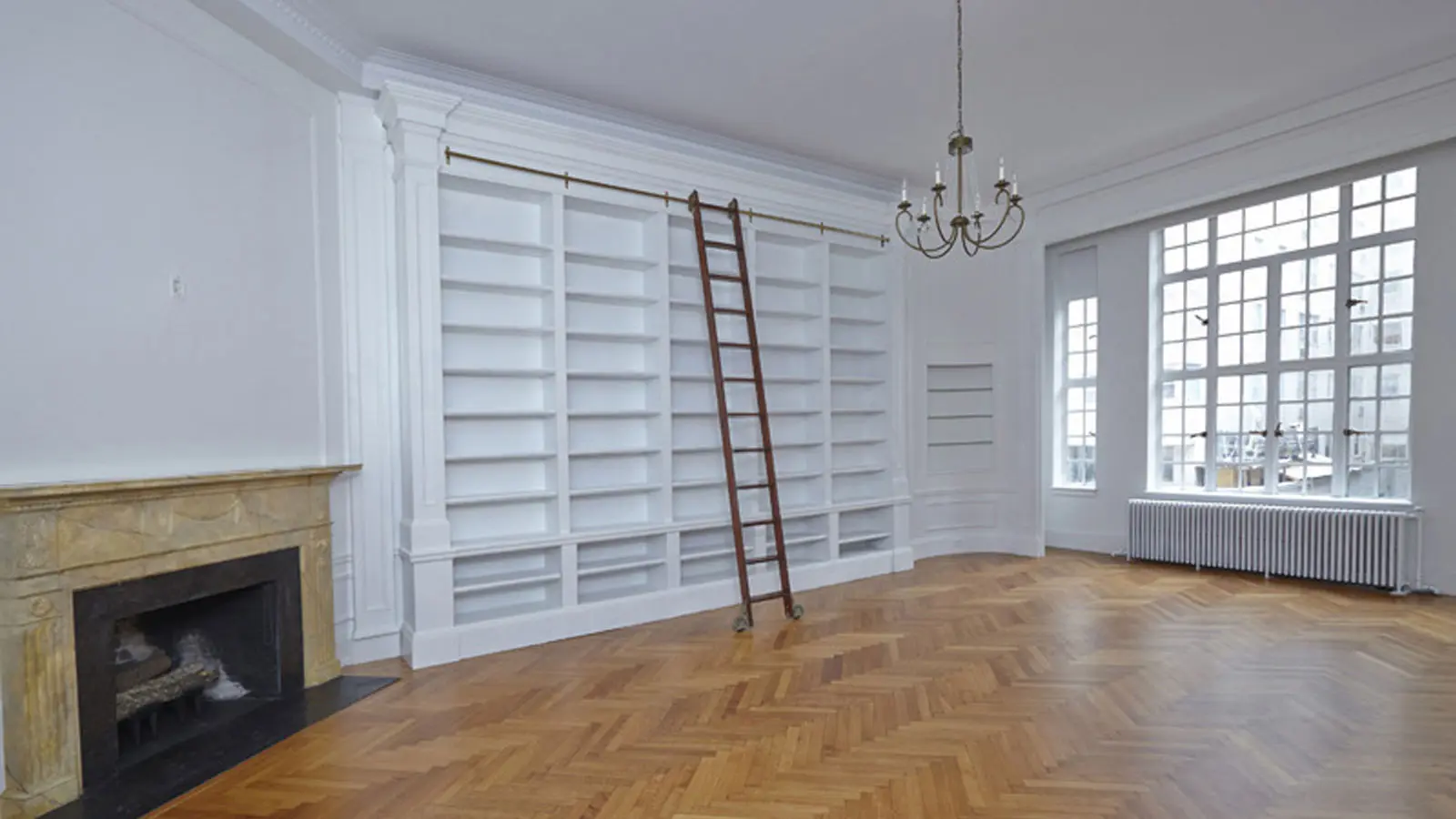
Built in 1930, this 17-story building has 43 apartments and was converted to a cooperative in 1954, sixteen years before many of the units in the Hotel Carlyle were so converted. The yellow brick and limestone, Art Deco-style building was designed by Bien & Prince and has many apartments with very tall ceilings in their living rooms as is evident by the large windows on the pleasant, tree-lined sidestreet.

For several decades, the Hotel Carlyle was the most prominent tower on the Upper East Side and with its peaked roof, the crown of which is a discrete, working gilded chimney, it is a major Art Deco landmark.

The residents of the 40-story tower have included famous automobile magnates and oil company executives and the hotel’s guests have included President John F. Kennedy. Over the years, the tower has been modified somewhat to accommodate the desires of some residents for large picture or bay windows with the result that it is appearance is most irregular, but not marred and in fact quite interesting.

Both buildings occupying the entire blockfront on Madison Avenue between 76th and 77th Streets and are so skillfully joined that most people are not aware that they are separate.

"The Carlyle’s tower, said to be inspired by John Francis Bentley’s Byzantine-style Westminister Cathedral in London, although Bertram Grosvenor Goodhue’s more abstract integrations of Roman and Byzantine sources seem more clearly evident as an influence, became the symbolic campanile for the most fashionable district of the Upper East Side," wrote Robert A. M. Stern, Gregory Gilmartin and Thomas Mellins in their fine book, "New York 1930, Architecture and Urbanism Between The Two World Wars," (Rizzoli International, 1987).

"There is a fine, sweeping vigor in the [tower’s] shaft, which sets back at the top simply and gracefully to an octagonal tile roof capped by a gilded element that looks like a gigantic screw-plug for an electrical light connection," observed T-Square, an architectural journal, shortly after its completion.

It is the proportions of the rather slender tower that make it so successful as well as its placement on the south half of the avenue blockfront rather than in the center. It was built only a few years after Harvey Wiley Corbett’s great apartment towers at One Fifth Avenue and Riverside Drive and 103rd Streets and Emery Roth’s great Ritz Tower on Park Avenue at 57th Street that established the skyscraper luxury apartment house type. Emery Roth would soon design more such as the great San Remo and Beresford multi-towered apartment buildings on Central Park West.

It is interesting that the Carlyle has survived in splendid isolation that has heightened its visibility in comparison with most of these other pioneering residential towers. Much of the credit for that must go to Peter Sharp, the late developer who bought the hotel and also owned the low-rise building that fills the avenue blockfront across the street. That building was for many years the headquarters of Parke-Bernet, the auction house that was subsequently acquired by Sotheby’s, which proceeded to relocate it to a warehouse-like building on 72nd Street and York Avenue. After World War II, Parke-Bernet was the center of the art world and largely responsible for many art galleries moving uptown around Madison Avenue from 57th Street.

Sharp could have erected a very major new tower on the site after the auction house was moved, but he chose to not develop it and protect the sweeping and stupendous Central Park views for the Carlyle. The low-rise building now contains several important art galleries and some offices of the real estate division of Sotheby’s as well as some high-end boutiques. Sharp, whose mother was a major art collector, also installed planters on poles on the sidewalks in front of the buildings on both sides of the avenue on the block.

The Carlyle’s retail frontage on the avenue is highlighted by stainless steel columns and the center of the frontage has an entrance to its famous bar decorated with murals by Ludwig Bemelmans and its nightclub where singer Bobby Short has been the lead attraction for decades.

The entrance to the hotel and tower apartments is brightly lit and attractively formal and the hotel has a medium-size ballroom on the second floor. Its very attractive, double-height dining room is the city’s most attractive "power breakfast" sites.

The hotel has always been one of the city’s most elegant and most expensive. Although its apartments are not huge, they have stupendous views and all the service that a major luxury hotel can muster.

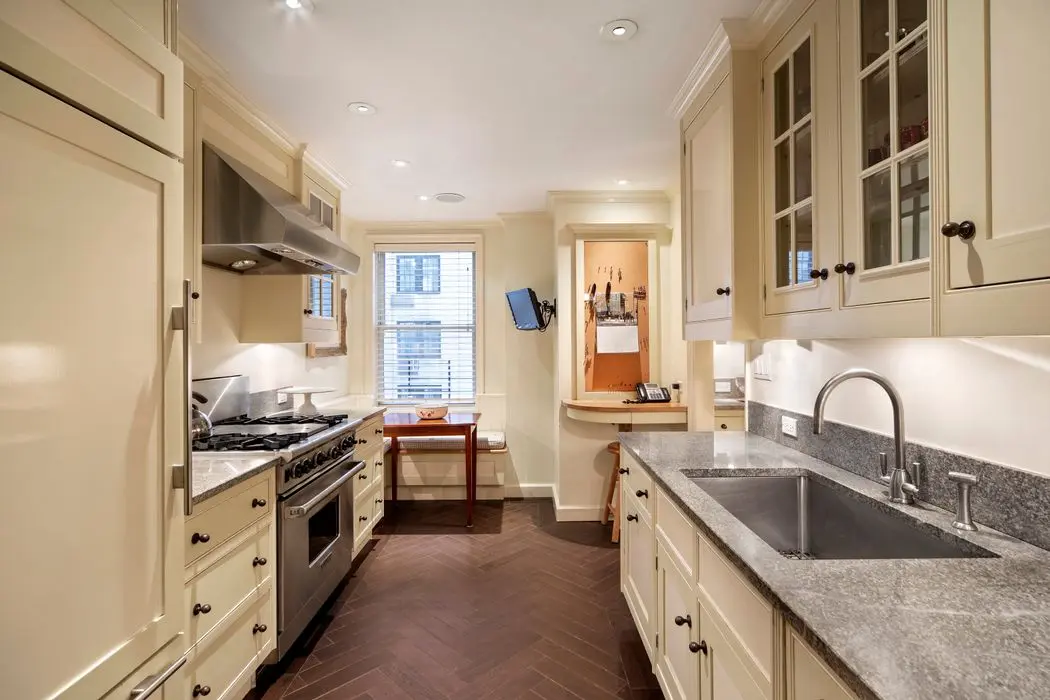
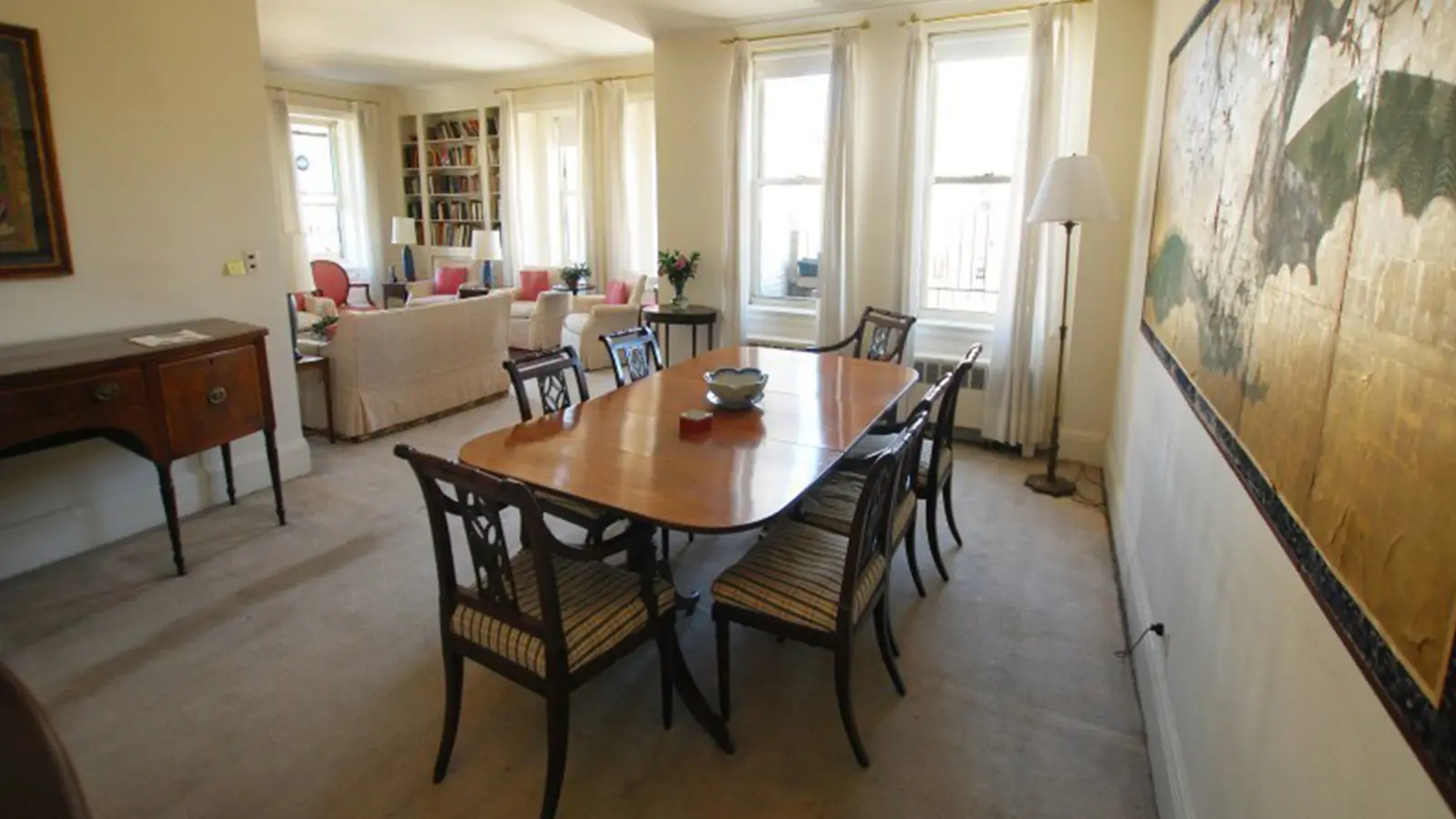
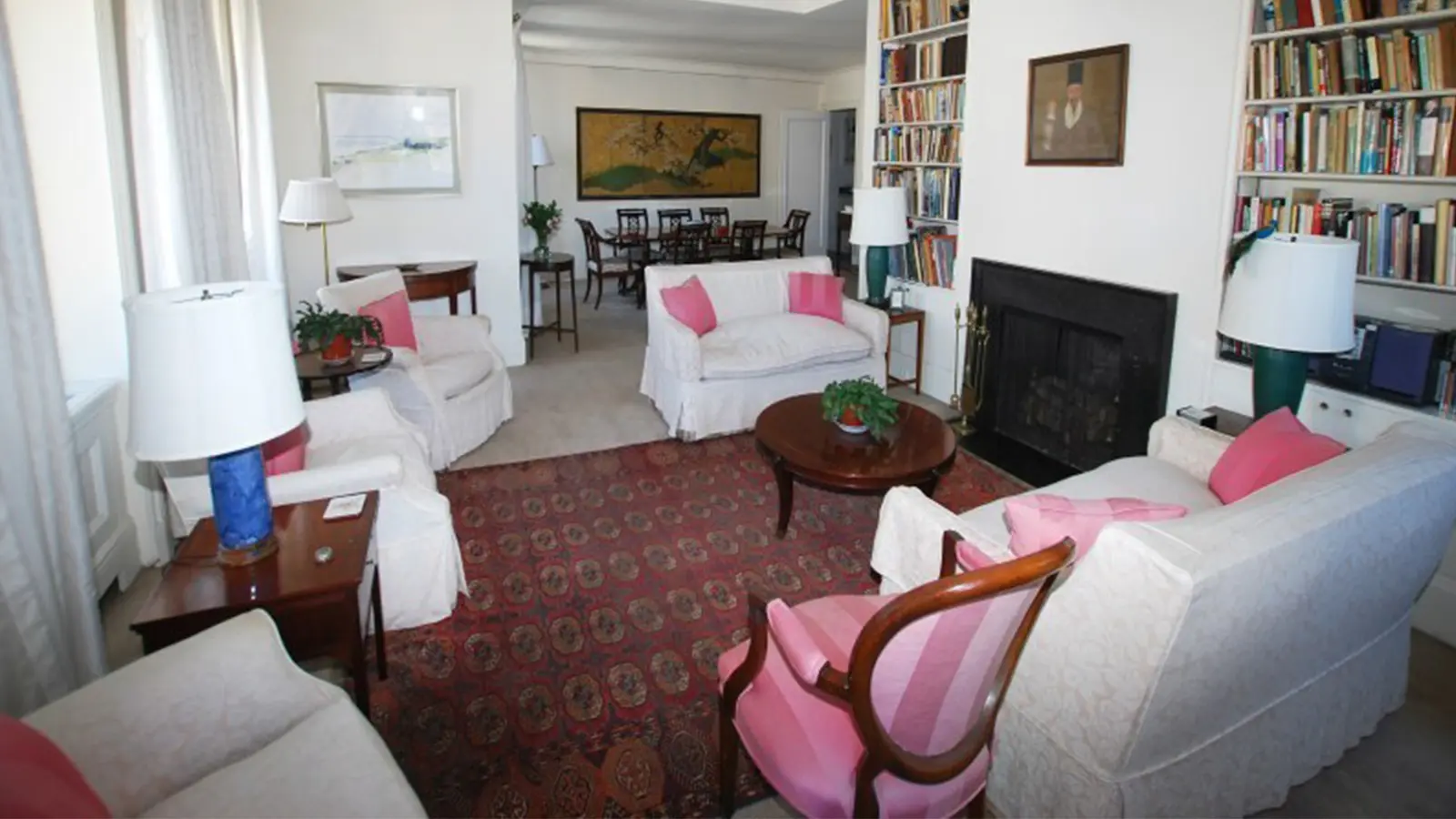
The Carlyle House apartments are generally larger than those in the Hotel Carlyle, but they do not have as many stupendous views as those in adjacent tower although they benefit significantly from the openness created by the low-rise building across the avenue.


BUILDING SUMMARY
FEATURES & AMENITIES
  • Concierge
  • FT Doorman
  • Pre War
  • Central AC
  • Washer/Dryer in building
  • Elevator
PROS & CONS
PROS
  • Some terraces
  • Great neighborhood with impressive boutiques
  • Two blocks north of the Whitney Museum of American Art
  • Many living rooms with very tall ceilings
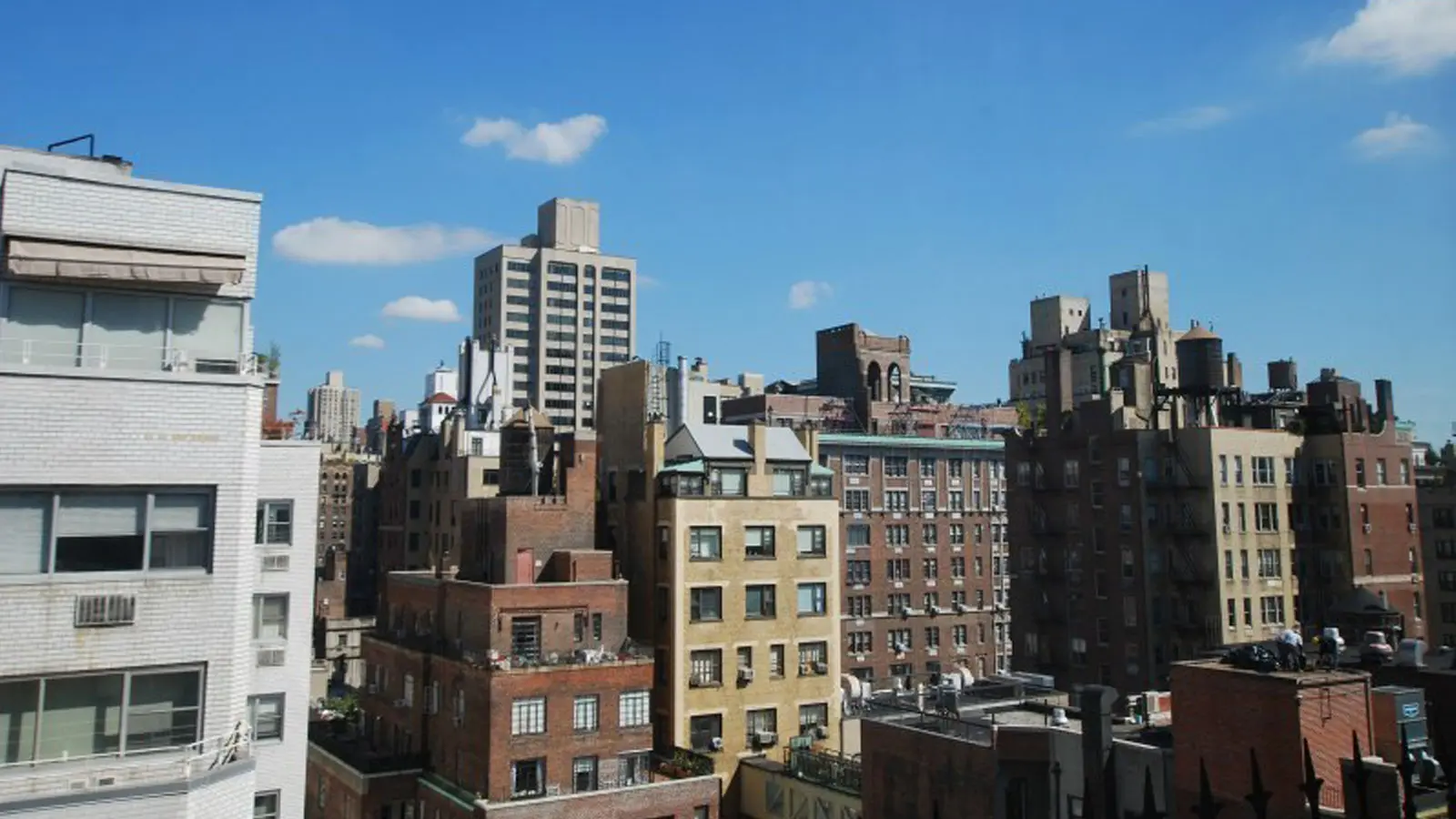
  • Many good open views
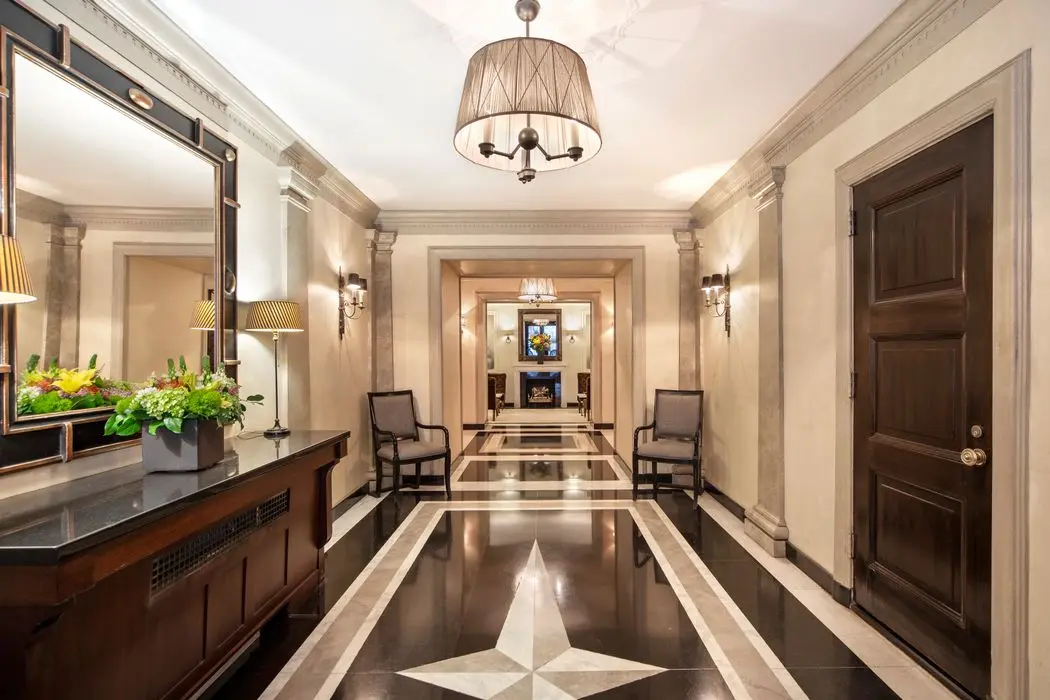
  • Attractive entrance on pleasant, tree-lined sidestreet
  • Concierge
  • Doorman

CONS
  • No sundeck
  • No balconies
  • Considerable traffic on Madison Avenue

SPONSORED BY

Comments or questions? · Phone: 212.755.5544
Copyright © 1994-2012 CITY REALTY.COM INC. All Rights Reserved.
568 Broadway, Suite 802 New York, NY 10012
Terms of Use · Our Privacy Policy · About CITY REALTY.COM · Advertise With Us · Site Map
Developed by REOL Services


An equal housing opportunity.

All data is deemed reliable but is not guaranteed accurate by the REBNY / RLS or CityRealty. See Terms of Service for additional restrictions. All information furnished regarding New York City property for sale, rental or financing is from sources deemed reliable, but no warranty or representation is made as to the accuracy thereof and same is submitted subject to errors, omissions, change of price, rental or other conditions, prior sale, lease or financing or withdrawal without notice. All dimensions are approximate. For exact dimensions, you must hire your own architect or engineer. The number of bedrooms listed on this website is not a legal conclusion. Each person should consult with his/her own attorney, architect or zoning expert to make a determination as to the number of rooms in the unit that may be legally used as a bedroom.