- Apartments
- Overview & Photos
- Maps
- Building Specialists
- Floorplans
- Sales Data & Comps
- Similar Buildings
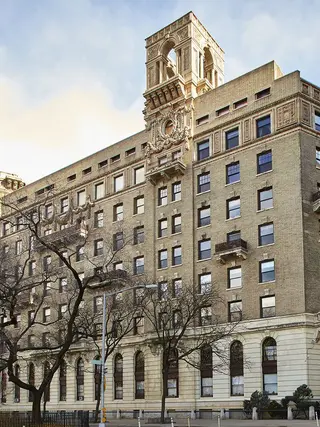
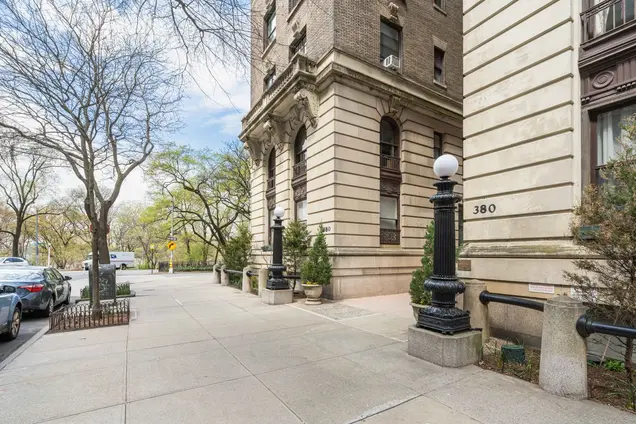
The Hendrik Hudson is an eight-story cooperative with 146 units in Morningside Heights, offering amenities like a 24-hour doorman and parking garage. Located at 380 Riverside Drive, it's close to parks and landmarks, allows pets but not pied-a-terres. Currently, 5 apartments are for sale.

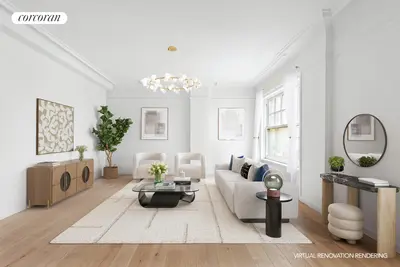
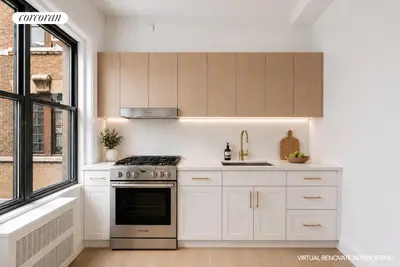
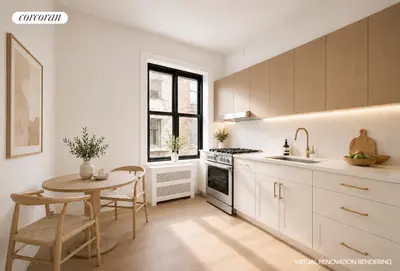
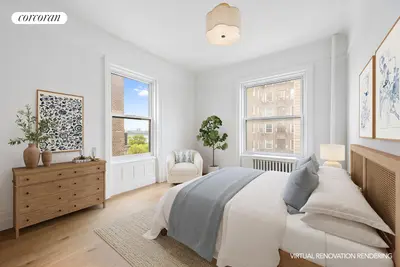
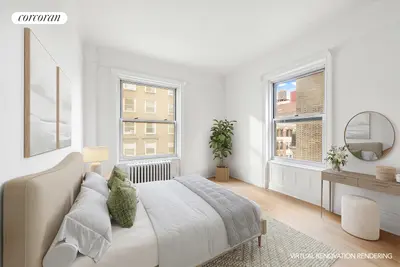
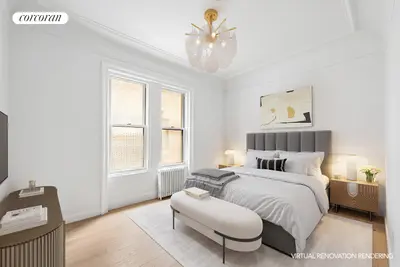
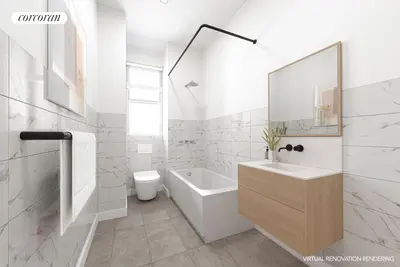
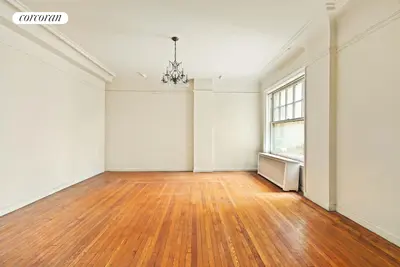
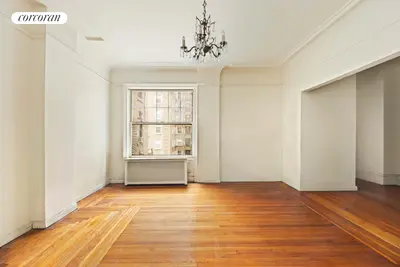
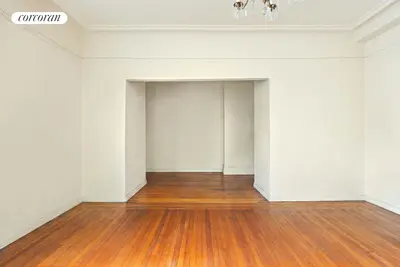
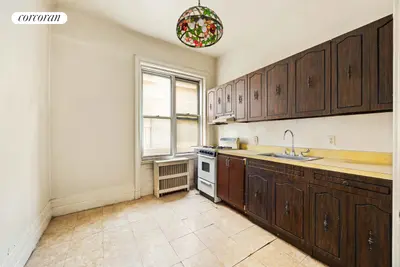
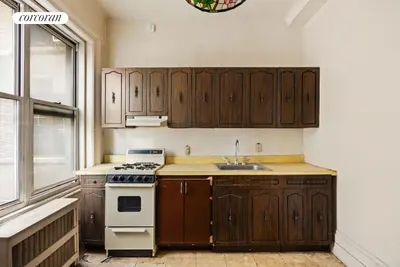
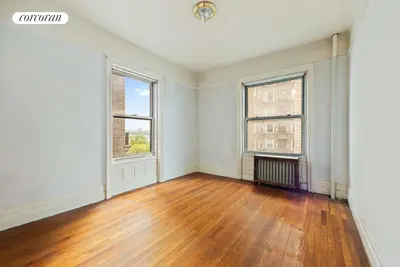
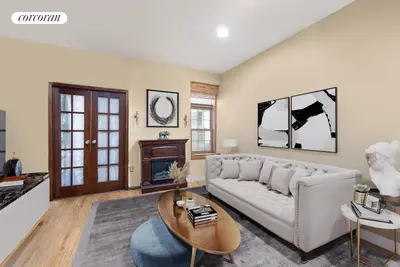
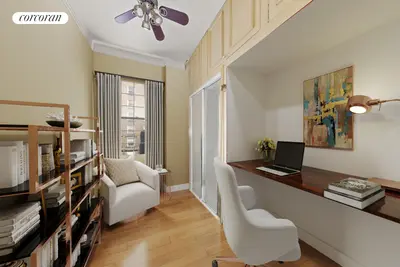
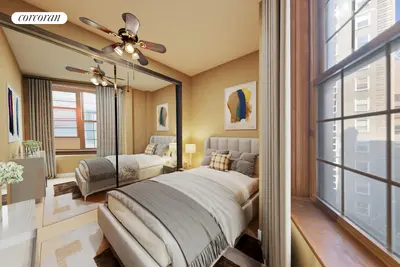
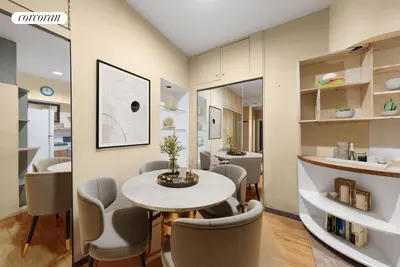
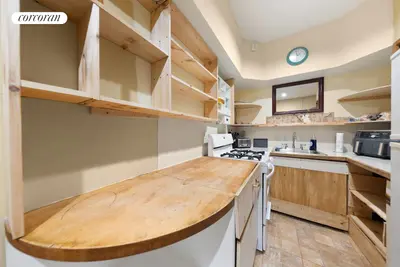
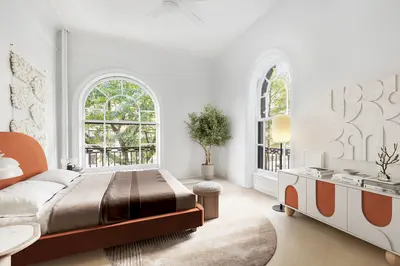
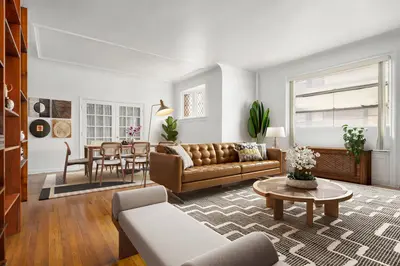
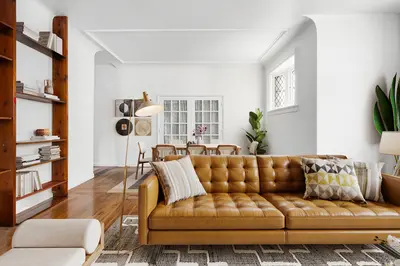
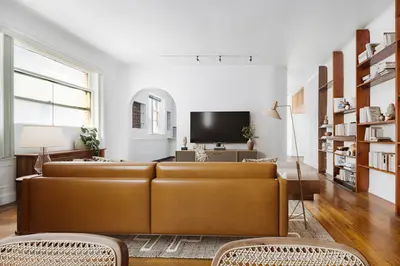
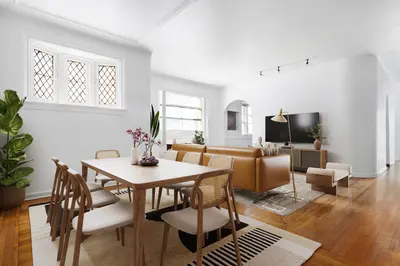
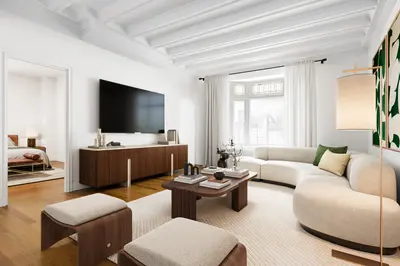
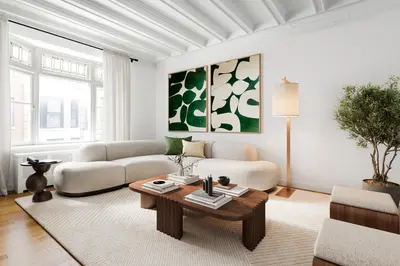
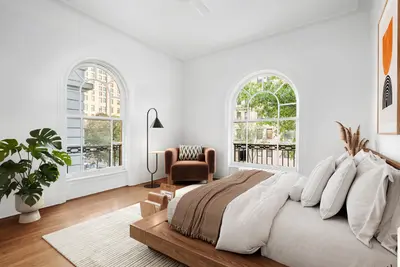
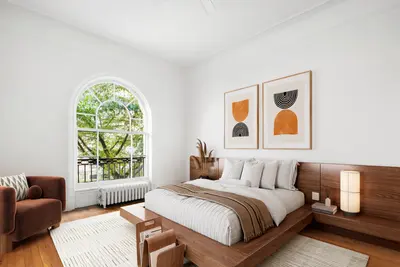
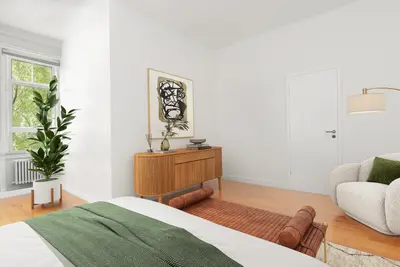
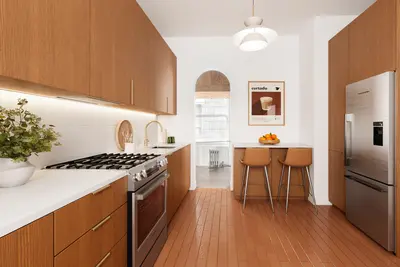
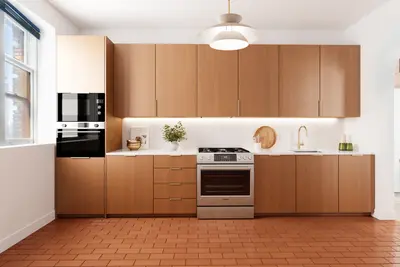
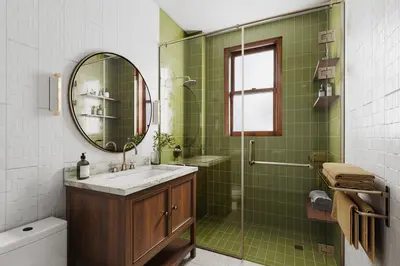
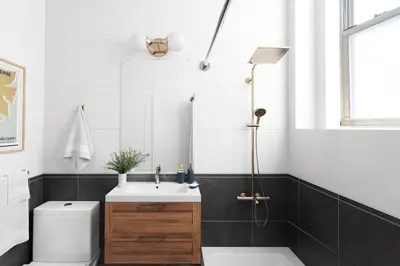
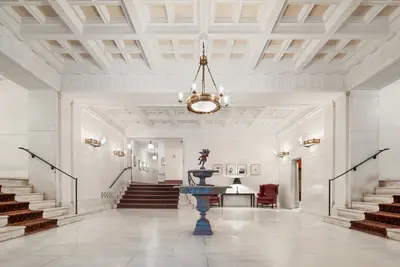
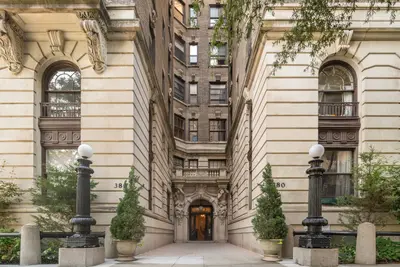
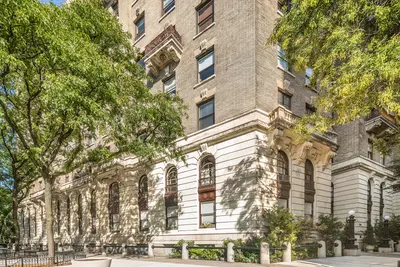
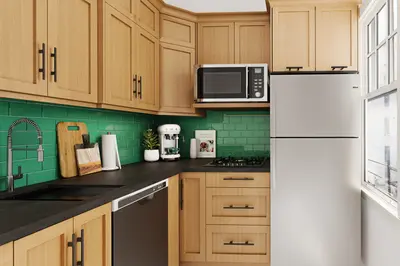
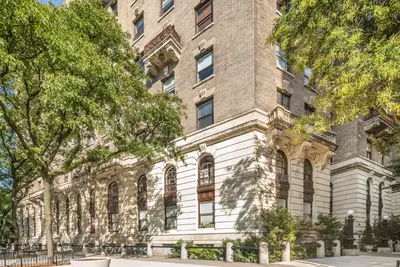
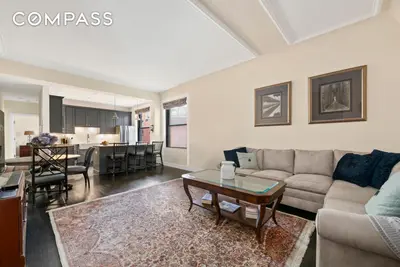
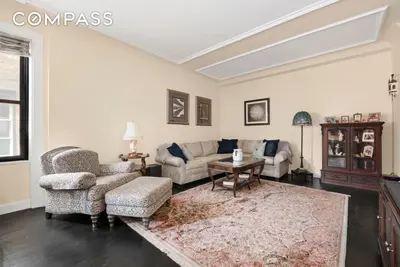
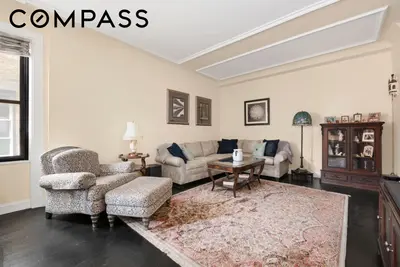
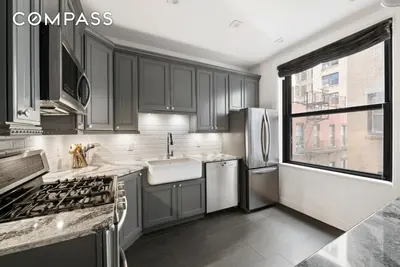
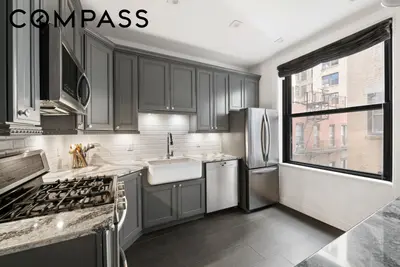
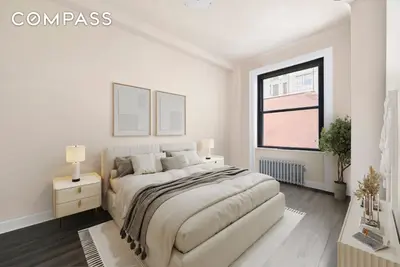
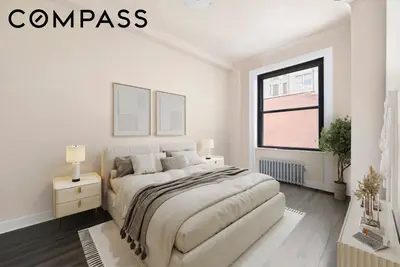
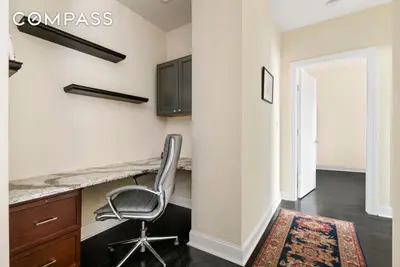
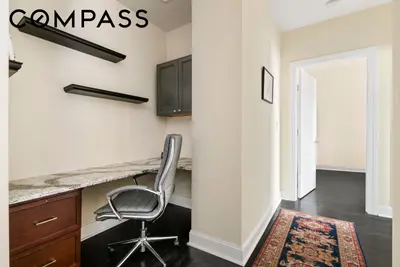
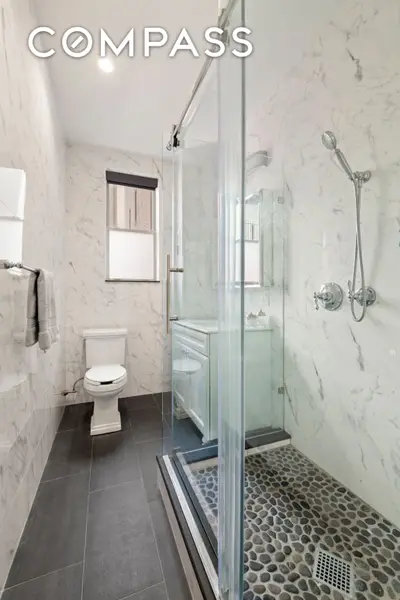
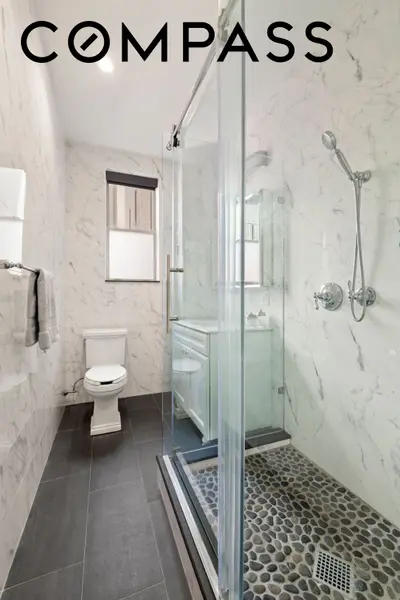

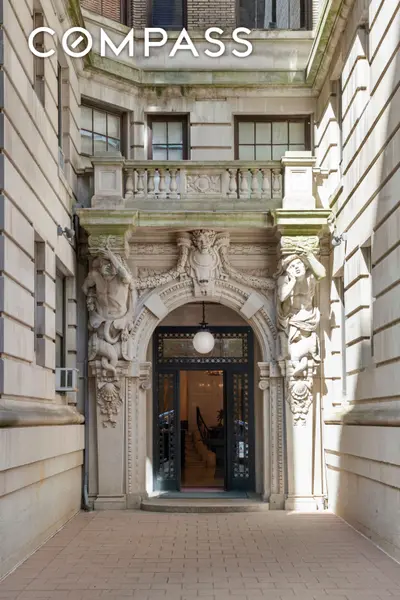
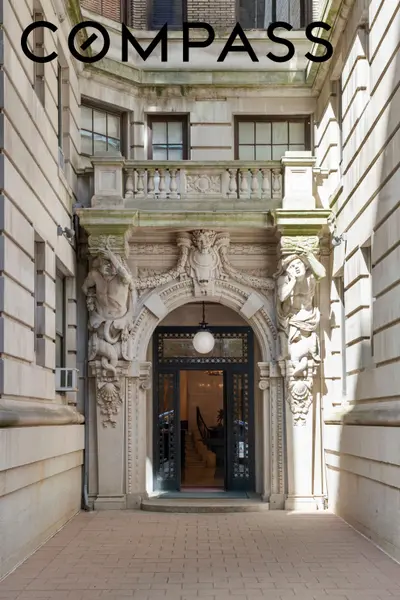
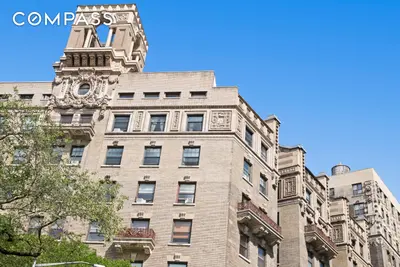
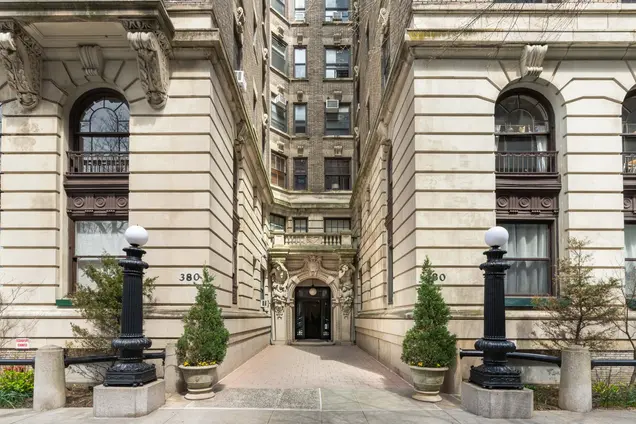
The Hendrik Hudson at 380 Riverside Drive, built in 1907 by architects Rouse & Sloan, stands as one of the most architecturally distinctive buildings on Manhattan's Riverside Drive. This Tuscan-villa style structure, commissioned by developers George F. Johnson Jr. and Leopold Kahn, originally featured two ornate towers connected by a trellis-covered promenade, though only one tower remains today. The building's exterior showcases rusticated limestone, Roman brick, decorative terra-cotta panels with 'HH' monograms, and Spanish tile eaves supported by bronze brackets.
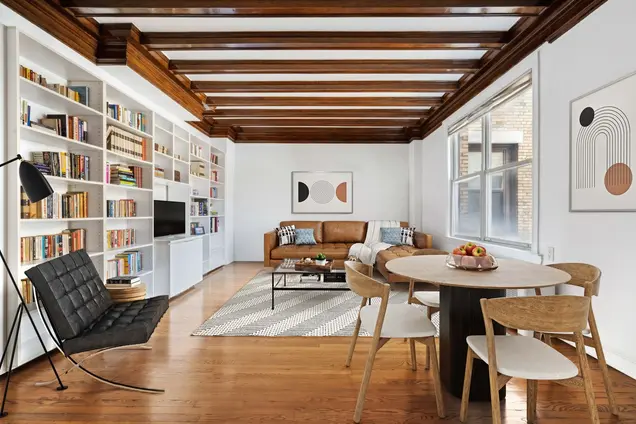
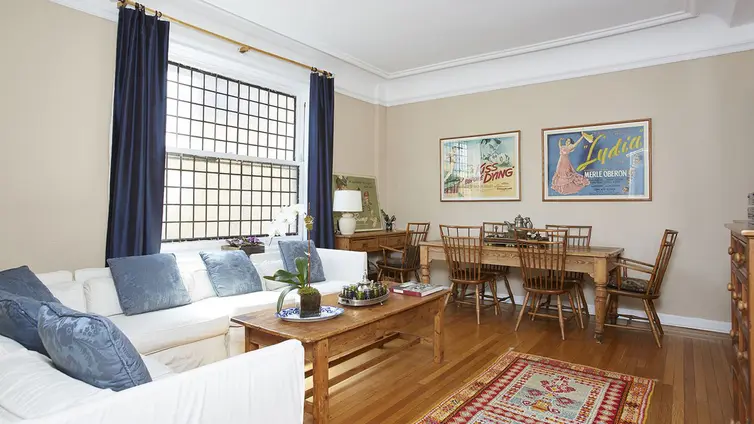
The building's history includes notable early residents such as Marcus Loew, who later founded the motion picture company, and Abraham Lefcourt, a prominent garment district developer. After falling into decline and serving as a single-room-occupancy building in the mid-20th century, it was renovated and converted to a cooperative in 1970. The original apartments featured walnut paneling, wood-beamed ceilings, and mahogany doors with glass knobs, with many units retaining their pre-war architectural details.
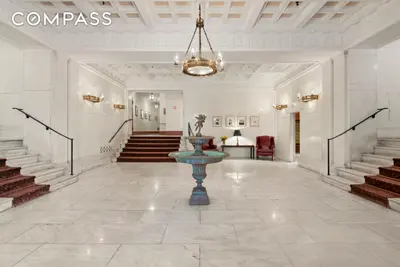
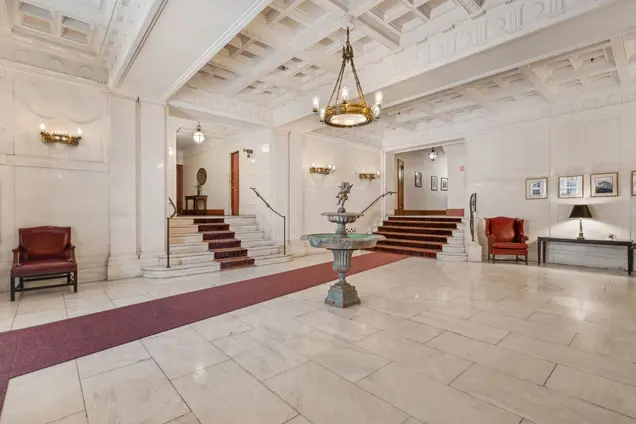
Today, the eight-story building houses 146 cooperative units and maintains its grand marble lobby and distinctive architectural elements, including a recessed entrance flanked by caryatids. The building offers modern amenities including 24-hour doorman service, a live-in superintendent, bicycle storage, laundry facilities, resident storage, and a co-op-owned parking garage.
Situated at the intersection of Riverside Drive and 110th Street, the building provides immediate access to Riverside Park and benefits from proximity to multiple transportation options, including the 1, B, and C subway lines. While the building welcomes pets, it maintains certain restrictions, including no pied-à-terre ownership. The property's unique architecture and history have earned it recognition as one of the few apartment houses of its era with genuine architectural ambition.
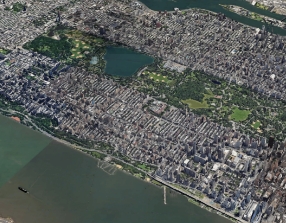
View school info, local attractions, transportation options & more.
Experience amazing 3D aerial maps and fly throughs.
For some co-ops, instead of price per square foot, we use an estimate of the number of rooms for each sold apartment to chart price changes over time. This is because many co-op listings do not include square footage information, and this makes it challenging to calculate accurate square-foot averages.
By displaying the price per estimated room count, we are able to provide a more reliable and consistent metric for comparing sales in the building. While we hope that this gives you a clearer sense of price trends in the building, all data should be independently verified. All data provided are only estimates and should not be used to make any purchase or sale decision.

 6sqft delivers the latest on real estate, architecture, and design, straight from New York City.
Like us on Facebook to keep up with the trends and
6sqft delivers the latest on real estate, architecture, and design, straight from New York City.
Like us on Facebook to keep up with the trends and 