1088 Park Avenue CLOSE 
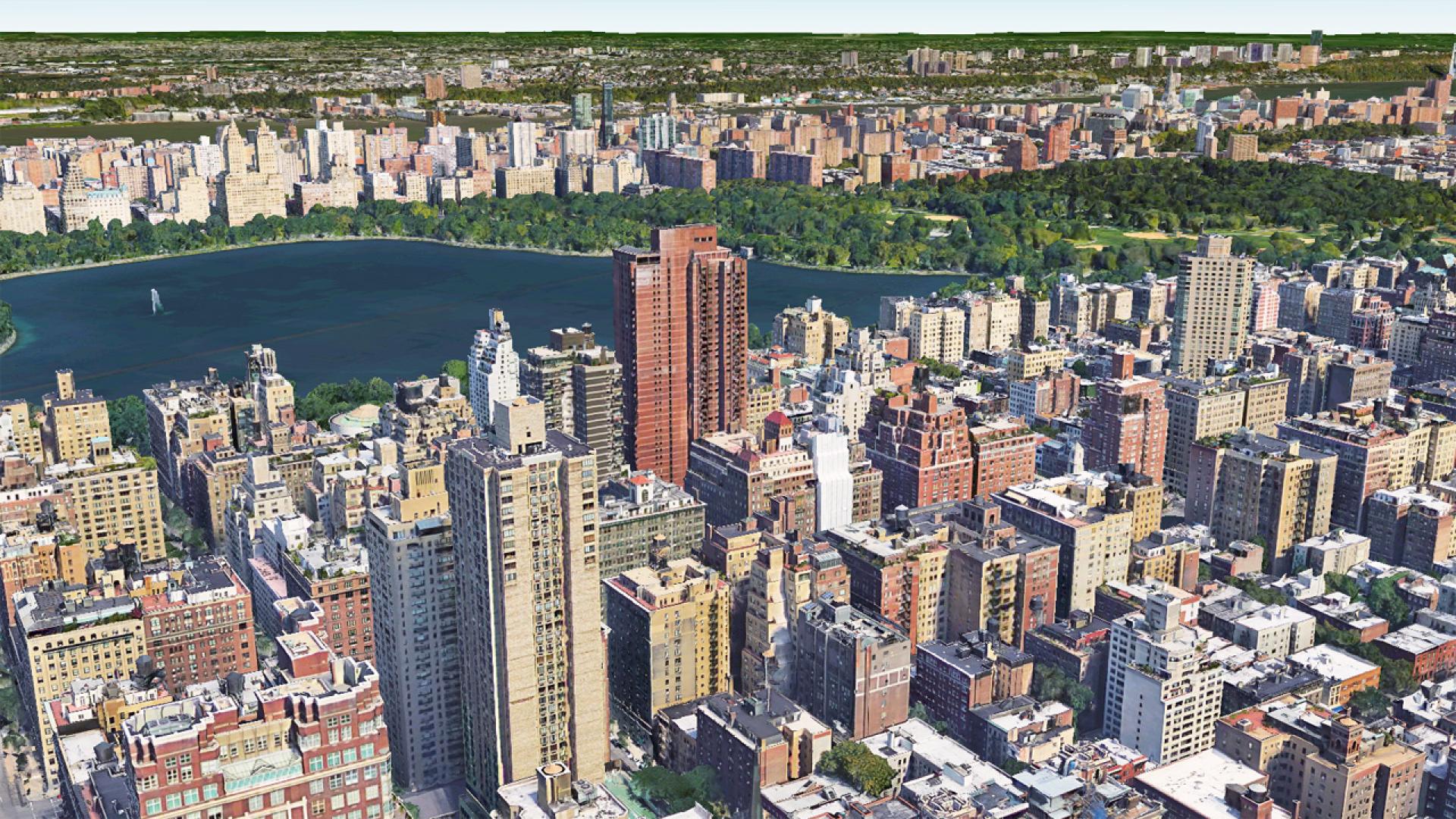
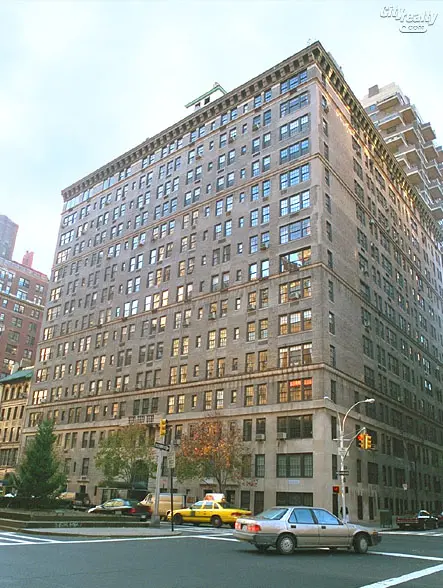
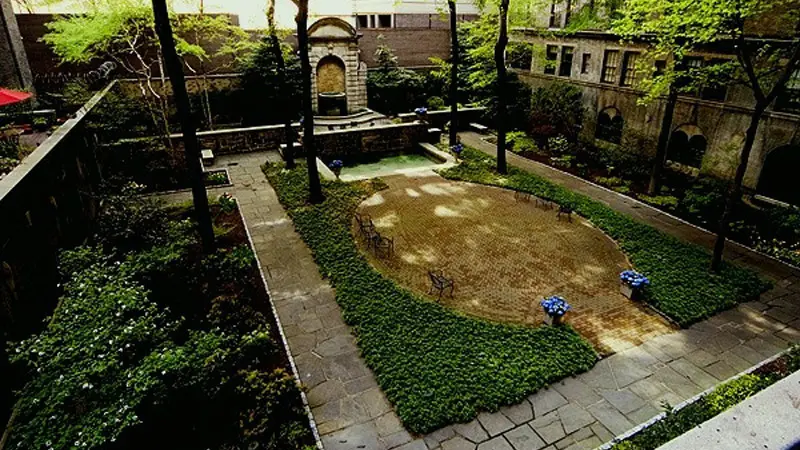
The limestone and gray-brick building was completed in 1925 in two sections because of a ’holdout’ on the northwest corner of Park Avenue and 88th Street: the northern section consists of frontage on the avenue and 89th Street and the southern section is a midblock structure on 88th Street with an identical façade to the northern portion to which it is connected through the garden courtyard.
All the 15-story building’s 84 apartments overlook the very large and attractive garden courtyard and have benefited by surrounding development in the post-war period as the Park Regis at 50 East 89th Street created a large plaza/private garden on 88th Street and the apartment tower at 60 East 88th Street is setback in a driveway. As a result, the garden courtyard, about a quarter of an acre in size, at 1088 Park Avenue is afforded considerably more light and air than normal for the Upper East Side.
The building was developed by Robert J. Cuddihy, publisher of The Literary Digest, whose circulation in 1927 of 1.5 million was second only to the Saturday Evening Post, according to David Trager, the author of ’Park Avenue, Street of Dreams,’ (Atheneum, 1990).
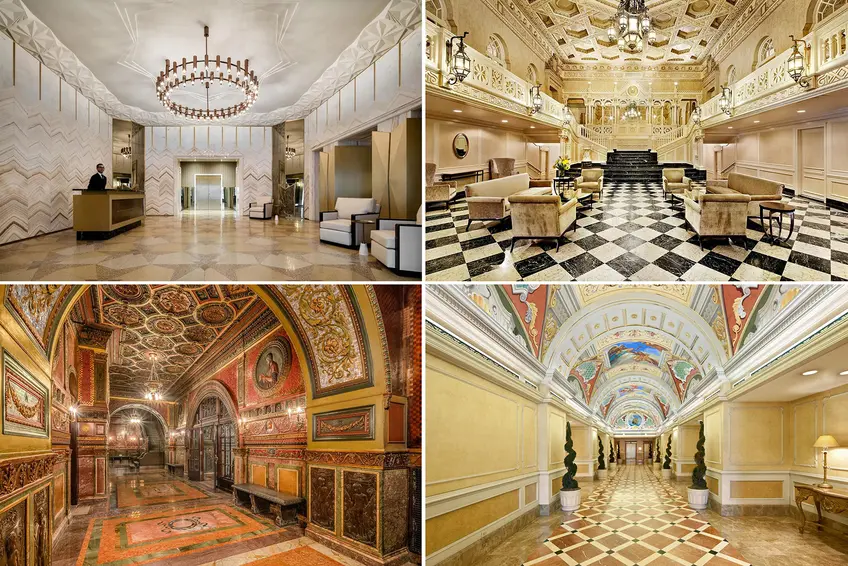
’Cuddihy is said to have financed construction of 1088 Park because, as a Roman Catholic, he was unable to get into another Fifth or Park Avenue co-op. Whether this is true or not, Cuddihy and his son H. Lester, a friend of Robert Moses, engaged Mott B. Schmidt as architect….its central garden courtyard, with its fountains and Italian loggia, was Lester’s idea….It has…always been considered an elegant address, a favorite of families with children,’ Trager wrote, adding that one of its early residents was the managing editor of The New York Times.
In 1980, the building, to its great credit, banned the installation of ’picture’ windows because of esthetic concerns, according to a January 22, 1995 article by Christopher Gray in The New York Times about the building ended a three-year moratorium on window replacements. The building’s board authorized the installation of new windows that had muntins dividing panes like the building’s original windows, but about a third of the residents decided not to upgrade and to keep their old wooden windows.
’From the outside, the form of the new windows closely matches the original ones, especially from sidewalk distance. But you can tell by the glass: The modern windows are a single, perfect sheet under the muntins, with shadowy reflections caused by the double glazing. The glass in the old windows has gentle ripples, like a stream eddy, and each pane reflects the light at a slightly different angle. The wood itself has a soft, varied quality that metal cannot match. For a sophisticated design like that of 1088, the only truly hurtful change on the outside is the choice of color. The original woodwork on this and most other 1920’s apartment houses was painted buff, or cream, or white, in sympathy with the masonry skin. The co-op has chosen the aluminum industry’s standard brown and is repainting the surviving wooden windows the same color,’ Gray observed.
To view all NYC apartment information and prices, log in or register now it's quick, easy and free.
You'll get access to all NYC apartments available including thousands of listings all for free.

Forgot Password?
If you need assistance, please call us at 212-755-5544.
|
Comments or questions? · Phone: 212.755.5544
|
|
An equal housing opportunity.
|
| All data is deemed reliable but is not guaranteed accurate by the REBNY / RLS or CityRealty. See Terms of Service for additional restrictions. All information furnished regarding New York City property for sale, rental or financing is from sources deemed reliable, but no warranty or representation is made as to the accuracy thereof and same is submitted subject to errors, omissions, change of price, rental or other conditions, prior sale, lease or financing or withdrawal without notice. All dimensions are approximate. For exact dimensions, you must hire your own architect or engineer. The number of bedrooms listed on this website is not a legal conclusion. Each person should consult with his/her own attorney, architect or zoning expert to make a determination as to the number of rooms in the unit that may be legally used as a bedroom. |