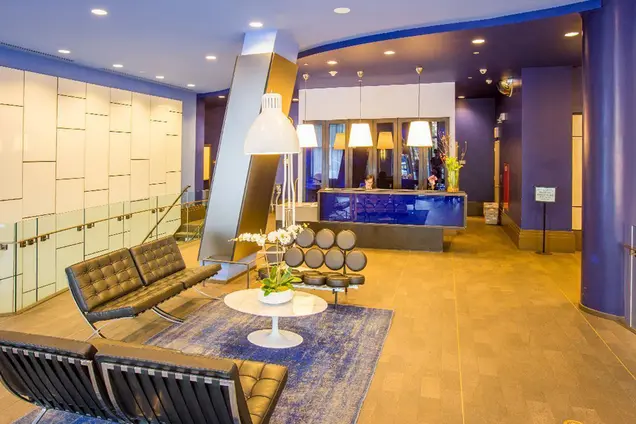
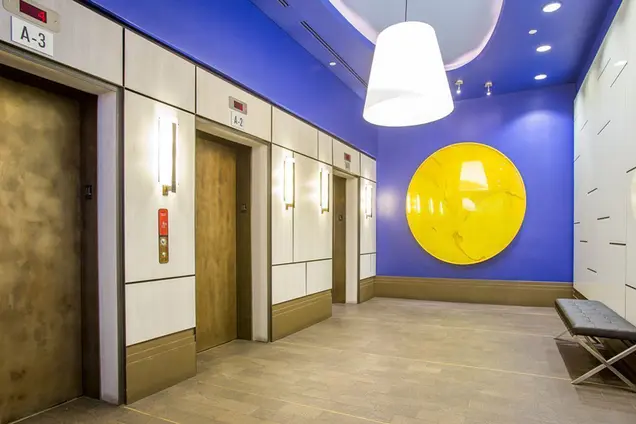
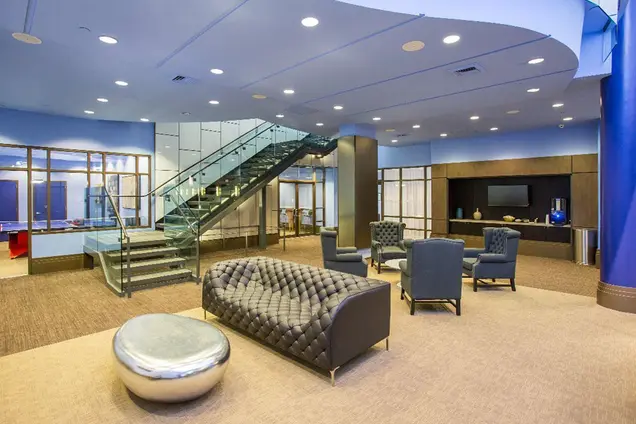

Avalon Chrystie Place

229 Chrystie Street (Between East Houston Street & Stanton Street)

Contact Info

For more information about renting an apartment in Avalon Chrystie Place, 229 Chrystie Street please contact:

Avalon Communities

535 Fifth Avenue
212-370-9269

PRICING INFORMATION FOR Avalon Chrystie Place

Approx. Prices for Apartments for Rent at
Avalon Chrystie Place, 229 Chrystie Street :

  • Studio from $3,495 to $5,225
  • One bedroom from $3,495 to $5,150
  • Two bedrooms from $4,895 to $6,300

All prices are approximate and solely for informational purposes. There currently may not be any apartments available for rent in this building.


Avalon Chrystie Place - 229 Chrystie Street: CARTER'S REVIEW


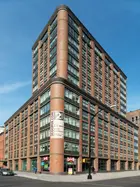
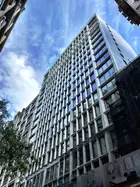
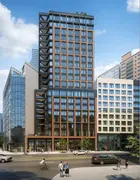
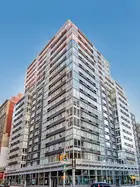
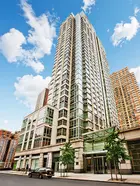
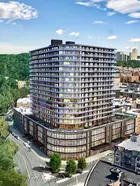
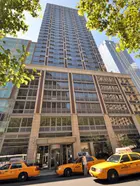
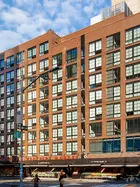
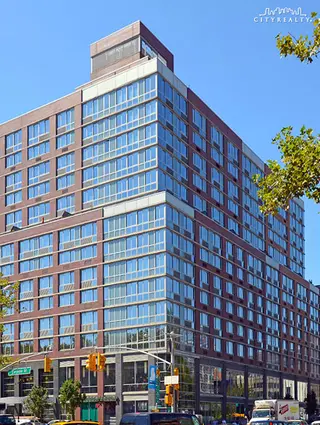
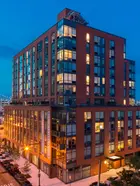
Between SoHo and the East Village, Avalon Chrystie Place is surrounded by many restaurants, shopping, and galleries but is distinguished by having a large Whole Foods market on its first and second levels.

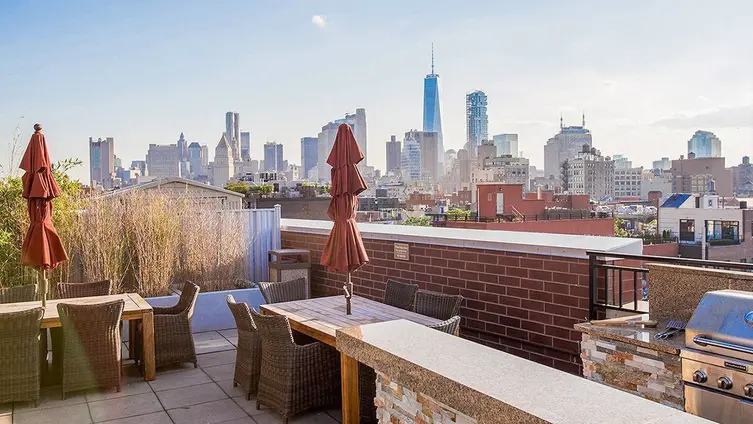
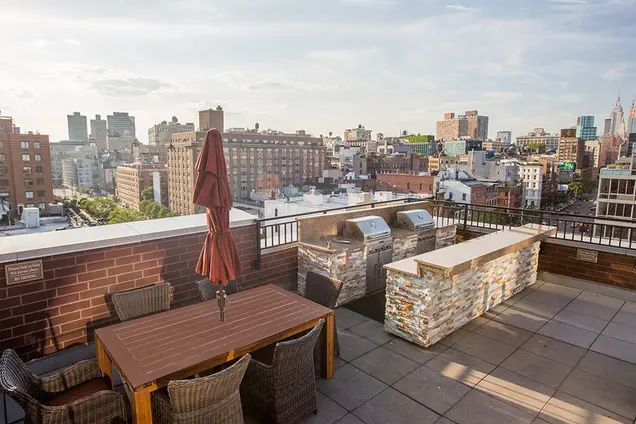
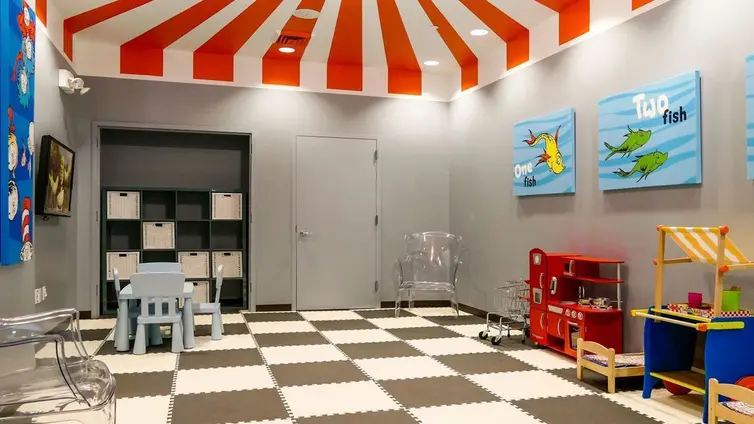
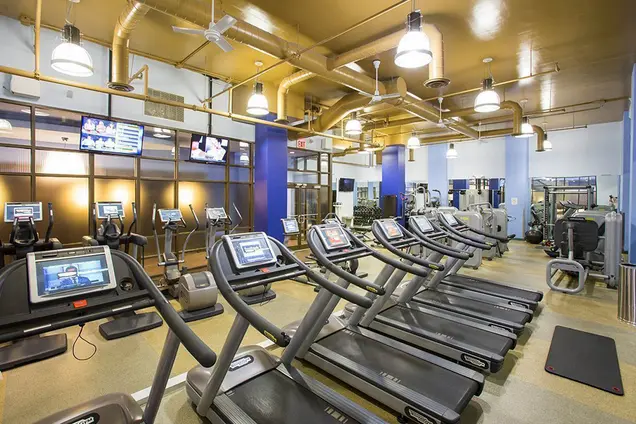
Other amenities include a sun deck, a residents lounge, disability access, and a fitness center.

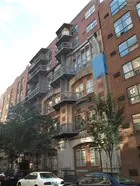
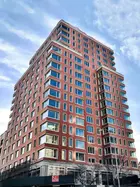
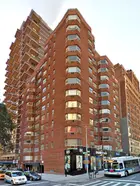
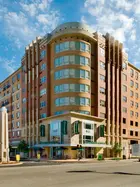
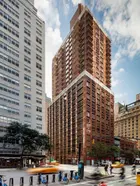
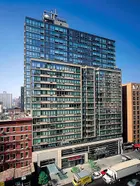
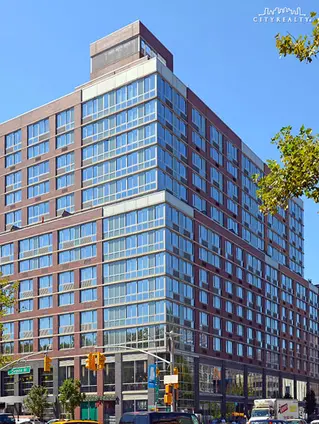
The 14-story, red-brick building, which as a setback tower at its 9th floor, was erected in 2005 and has 361 rental apartments. It is between East Houston and Stanton Streets and was built on a formerly desolate site in what was known as the Cooper Square Urban Renewal area.
It was designed by Arquitectonica and SLCE for Avalon Bay Communities, which was sued by the U. S. Attorney's office in Manhattan in 2008 for not making the building sufficiently accessible to wheelchairs.

The Justice Department filed a federal lawsuit in Manhattan against AvalonBay Communities, one of the largest apartment developers in the United States, accusing the company of illegally discriminating against disabled people by failing to provide them with sufficient access at a 361-unit rental building on the Lower East Side.

In a statement, the United States attorney's office for the Southern District of New York said the case was "the government's first lawsuit in Manhattan alleging violations of the Fair Housing Act in the design and construction of multifamily housing."

The seven-page complaint, filed in United States District Court, said the building has common areas that are inaccessible to the disabled. Furthermore, federal prosecutors said in a statement, the building "lacks routes into and through dwellings, reinforcements in bathroom walls to allow the installation of grab bars, and kitchens and bathrooms usable by a person in a wheelchair."

Along with AvalonBay, the complaint names several of the company s subsidiaries and development partners, including SLCE Architects, a Manhattan-based design firm.

An August 13, 2008 article by Sewell Chan in The New York Times said that "The Fair Housing Act of 1968 was expanded in 1991 to require that the design and construction of new housing accommodate people with disabilities." "AvalonBay has faced several suits brought by the Equal Rights Center, a fair-housing group based in Washington, asserting that the developer has failed to follow the law."

In a statement, Fred Harris, senior vice president of AvalonBay, a real estate investment trust based in Alexandria, Va., said, "Contrary to the Department of Justice allegations, Avalon Chrystie Place was designed and constructed, and is operated, with a view to full compliance with all accessibility codes and laws."

He said the project complied with Local Law 58, a New York City statute that he said "has long been understood to satisfy the accessibility requirements of both federal and local law."

James Davidson, a partner at SLCE Architects, said, "We as a firm feel we have been complying with Local Law 58 and the accessibility standards, as we understand them."

The federal complaint sought a court order barring the developer "from designing or constructing multifamily housing in the future that does not contain the accessibility features required by federal law." It also sought monetary damages to compensate victims and a civil penalty.

"Housing must be available to all Americans without regard to disability," Michael J. Garcia, the United States attorney in Manhattan, said in a statement.

Michael G. Allen, a lawyer in Washington who works with the National Fair Housing Alliance, an advocacy group that is not involved in the case, said that developers had often flouted the 1991 requirements even though following them would add only a small amount to building costs.

"I can only conclude that after 17 years of outreach, education and enforcement that people who make these mistakes make them knowingly," he said in a phone interview.

The government eventually reached a settlement with Avalon Bay.

The agreement affected New York buildings with more than 2,500 apartments and included reconfiguring kitchens and bathrooms for wheelchair access and changing levels in common areas. The developer also agree to put aside $2 million to cover any bias claims made by disabled people.

In the consent degree, Avalon Bay agreed to "to reconfigure bathrooms, kitchens, closets, and pantries to accommodate people who use wheelchairs, and to retrofit common areas, including the lobby, leasing office, toilet rooms, mailboxes, elevators, fitness center, billiard room, trash rooms, and storage rooms to make them more accessible to persons with disabilities."

Fred Harris, senior vice president at Avalon Bay, said that "we're committed to building accessible buildings. The federal government is requesting we take a number of actions and we are doing it."

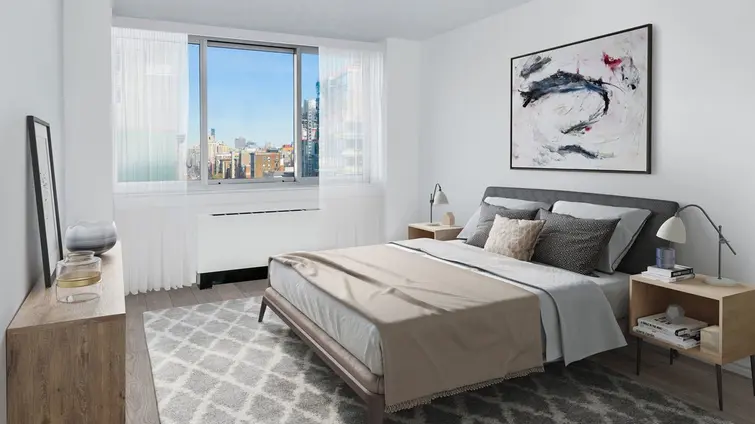
The large, boxy building is pet-friendly and enlivens the once drab neighborhood with the bright red color of its facades. It has a 24-hour concierge service and AvalonBay added several more buildings to the area soon after its completion.

Hailing it as a major milestone for the ongoing revitalization of the Lower East Side, Mayor Bloomberg and Councilmembers Margarita Lopez and Alan Gerson led the celebration in November, 2004 of the topping off of the new Avalon Chrystie Place mixed-use building on E. Houston Street, according to an article in the Downtown Express by Lincoln Anderson.

"Joining them beneath a 40-ft. ceiling held by massive steel beams in what will eventually be a basketball court, were Shaun Donovan, commissioner of the Department of Housing Preservation and Development, and the 400 construction workers who have topped off the building - or built its steel frame to its full height - on schedule.

"When finished in about a year, the building will include a new community center and gym jointly operated by the Chinatown YMCA and University Settlement, a 60,000-sq.-ft. Whole Foods supermarket- the chain's largest in Manhattan - and 361 rental apartments, 80 percent of which will be market rate and 20 percent for low-income tenants.

"The project represents part of the last leg of the community's alternate plan to former city planning czar Robert Moses' 1969 scheme to build a Stuyvesant Town-like complex of buildings in an urban renewal area between Delancey and Ninth Sts., between the Bowery and Second Ave.

"Under Moses' plan, thousands of low-income tenants would have been displaced to allow construction of new middle-income housing. Led by the Cooper Sq. Committee, local housing activists in the 1970s got the urban renewal zone reduced to the area between Stanton and Fifth Sts. and fought to preserve much of the existing housing stock for low-income residents. In the 1990s, a Cooper Sq. Task Force was created to come up with a concept plan for projects on the final few largely undeveloped sites, of which Avalon Chrystie Place project is being built first.

"Bloomberg said the new development represents the Lower East Side's comeback from the "downward spiral" it was in just a few decades ago. When the new building opens, the mayor said, "It will end 35 years of stalled talks and disagreements" on what should happen in the Cooper Sq. urban renewal area.

"Avalon Chrystie Place will include 72 low-income and 288 market-rate rental apartments. In the project's next phase, the developers will construct new buildings on the north side of Houston St. When the entire $350 million complex is complete, they will have built 712 new rental units, of which 178 will be low income."


BUILDING SUMMARY
FEATURES & AMENITIES
  • Concierge
  • Hi Rise
  • Full Service Garage
  • Pool
  • Roof Deck
  • Elevator
  • Lounge
  • Fitness Center
PROS & CONS
PROS
  • Large Whole Foods store
  • Bright facade
  • Doorman
  • Garage
  • Roofdeck
  • Fitness center

CONS
  • No balconies
  • No swimming pool
  • No sidewalk landscaping


SPONSORED BY

Comments or questions? · Phone: 212.755.5544
Copyright © 1994-2012 CITY REALTY.COM INC. All Rights Reserved.
568 Broadway, Suite 802 New York, NY 10012
Terms of Use · Our Privacy Policy · About CITY REALTY.COM · Advertise With Us · Site Map
Developed by REOL Services


An equal housing opportunity.

All data is deemed reliable but is not guaranteed accurate by the REBNY / RLS or CityRealty. See Terms of Service for additional restrictions. All information furnished regarding New York City property for sale, rental or financing is from sources deemed reliable, but no warranty or representation is made as to the accuracy thereof and same is submitted subject to errors, omissions, change of price, rental or other conditions, prior sale, lease or financing or withdrawal without notice. All dimensions are approximate. For exact dimensions, you must hire your own architect or engineer. The number of bedrooms listed on this website is not a legal conclusion. Each person should consult with his/her own attorney, architect or zoning expert to make a determination as to the number of rooms in the unit that may be legally used as a bedroom.