- Apartments
- Overview & Photos
- Maps
- Building Specialists
- Floorplans
- Sales Data & Comps
- Similar Buildings
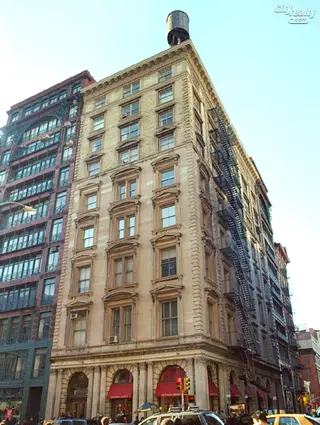
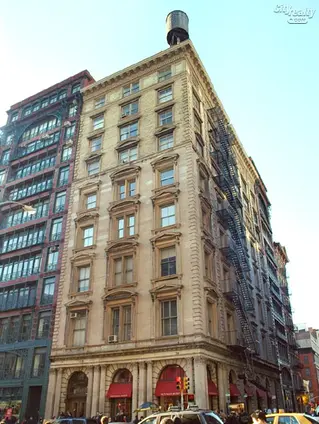
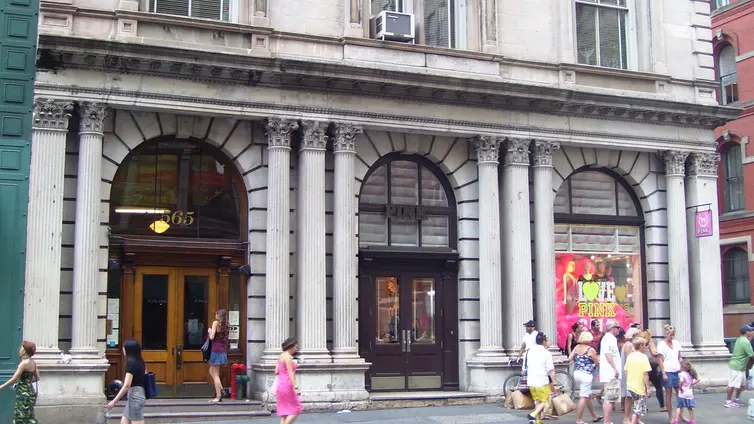
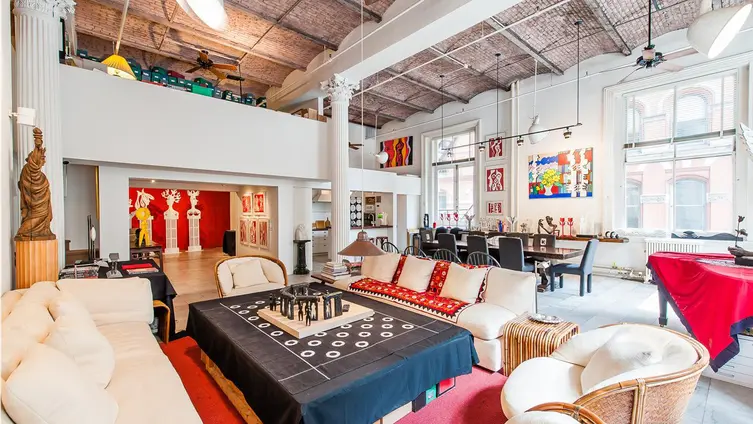
Originally built in 1860, the Ball, Black & Co. Building is a classic example of cast iron architecture in Soho. Now known as Prince Tower Building, it was converted to a 10-unit cooperative in 1979 and offers residents access to key-locked elevators and proximity to NYC's finest amenities. Currently, 2 apartments are for sale.

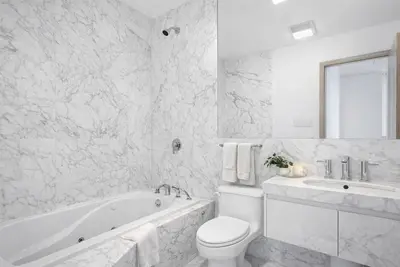
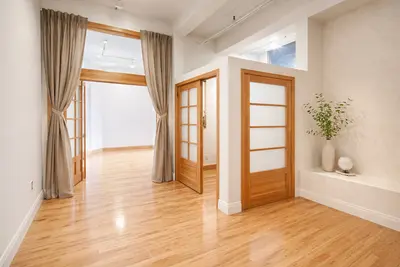
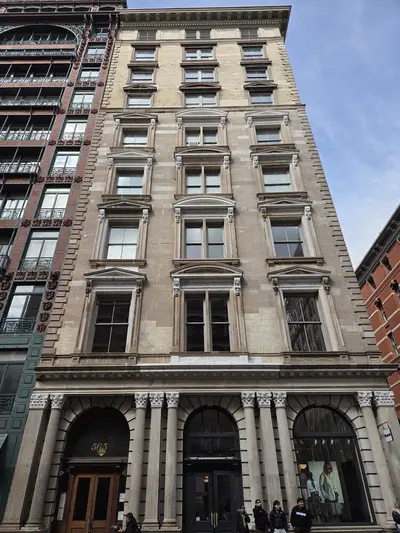














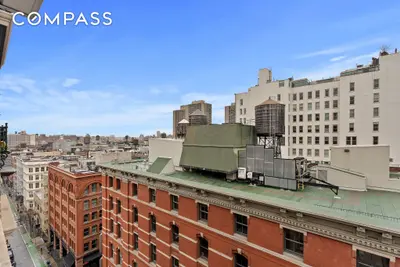
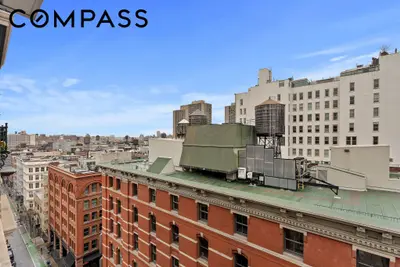
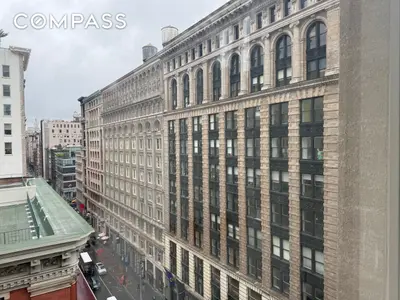
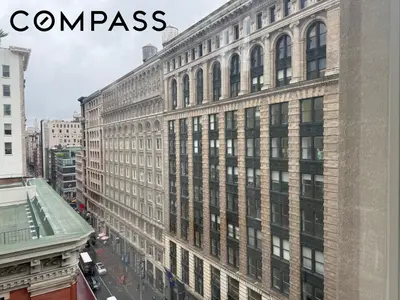
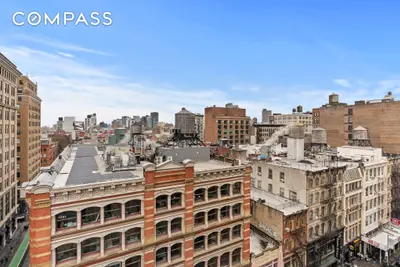
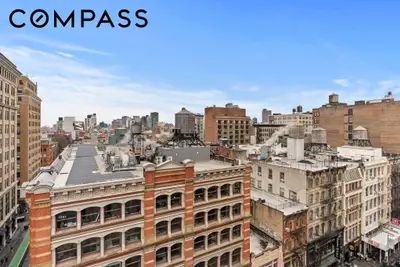
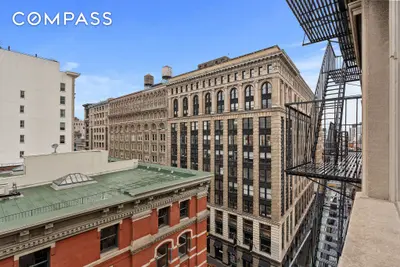
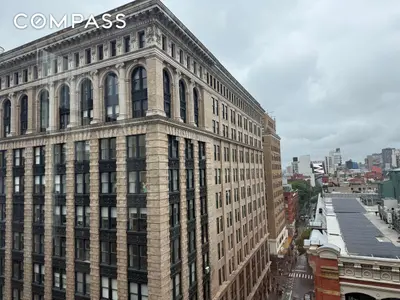
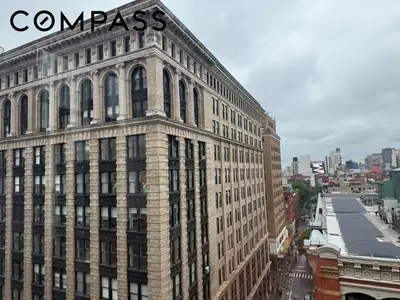
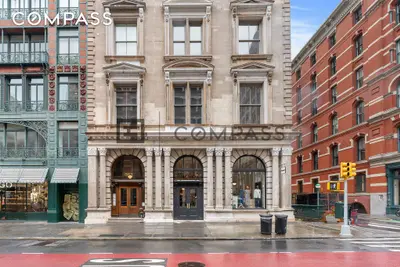
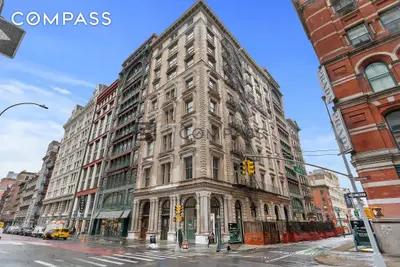
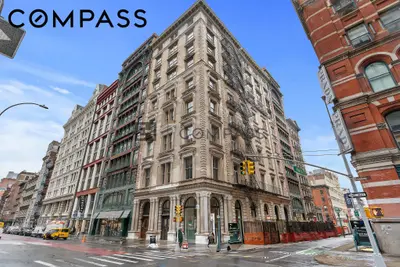
The Prince Tower Building at 565 Broadway, originally known as the Ball, Black & Co. Building, stands as one of SoHo's most distinguished cast-iron structures. Built in 1860 by architect John Kellum, the building began as a five-story marble-clad palazzo before receiving a harmonious four-story addition in 1893, featuring cream-colored brick that complemented the original façade.
The building's original tenant, Ball, Black & Co., was a prestigious jewelry firm rivaling Tiffany & Co., which was then located across the street. The structure made history as New York's first 'absolutely fire-proof' building and housed the United States' first safe deposit system in its basement vaults. Its first-floor windows were remarkable for their time, featuring single-sheet plate glass panes measuring nearly 15 feet tall.
Architecturally, the building showcases elegant details including fluted Corinthian columns, a restored cornice crowned with a spread-winged eagle, and soaring ceiling heights. The structure's historical significance was further cemented when the Prince of Wales visited in 1869, and it later became part of the SoHo Cast-Iron Historic District in 1973.
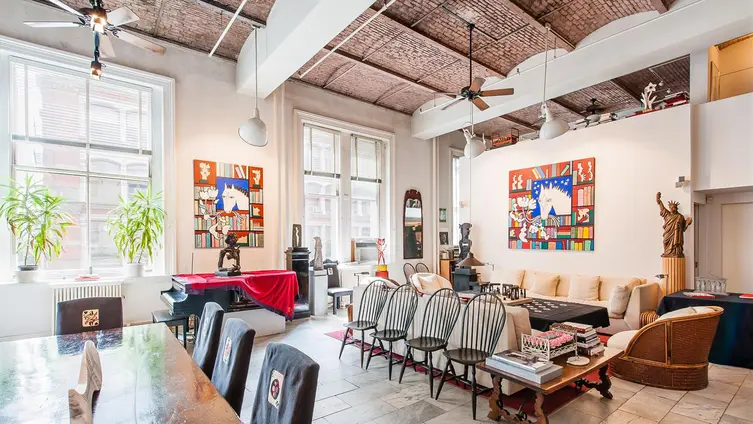
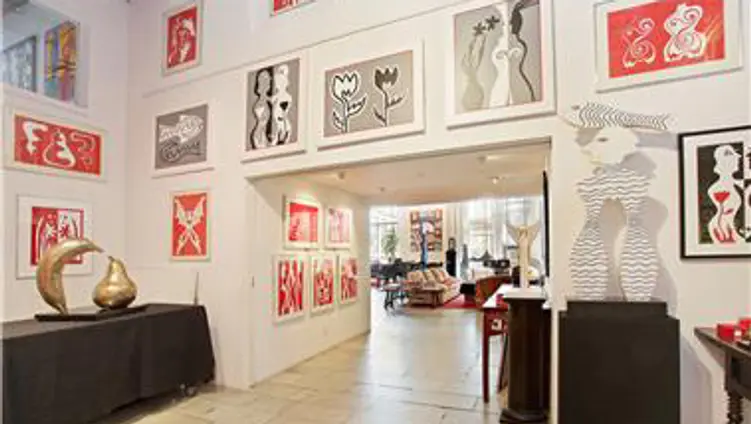
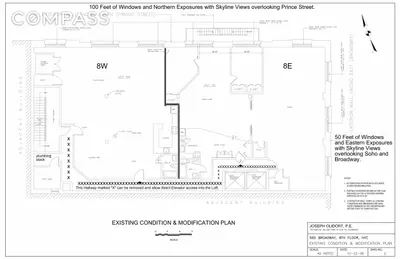
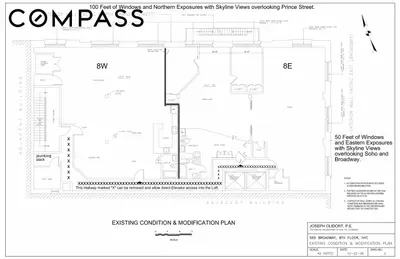
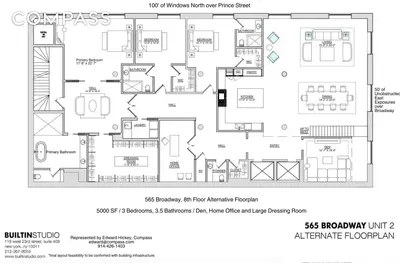
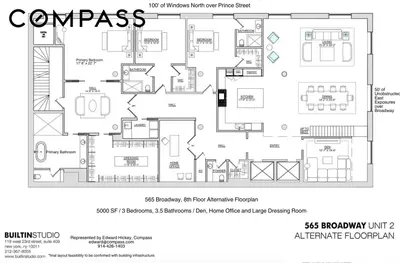
In 1979, the building was converted into 10 cooperative apartments under the direction of architect Joseph Pell Lombardi. Most units are full-floor residences of approximately 5,000 square feet, featuring high ceilings ranging from 11 to 14+ feet, and are accessed by key-locked elevators.
The building occupies a prime corner at Prince Street and Broadway, neighboring the historic Little Singer Building designed by Ernst Flagg. Its location at one of SoHo's most impressive intersections provides residents with immediate access to the neighborhood's renowned shopping, dining, and cultural attractions.
Through its history, the building has housed various notable tenants, from the Mechanics' & Traders' Bank (which later merged with Chase National Bank) to women's straw hat manufacturers, reflecting the evolution of the neighborhood from a luxury shopping district to a manufacturing center, and finally to its current status as a prestigious residential address.
View school info, local attractions, transportation options & more.
Experience amazing 3D aerial maps and fly throughs.
For some co-ops, instead of price per square foot, we use an estimate of the number of rooms for each sold apartment to chart price changes over time. This is because many co-op listings do not include square footage information, and this makes it challenging to calculate accurate square-foot averages.
By displaying the price per estimated room count, we are able to provide a more reliable and consistent metric for comparing sales in the building. While we hope that this gives you a clearer sense of price trends in the building, all data should be independently verified. All data provided are only estimates and should not be used to make any purchase or sale decision.
Notable past and present residents at Prince Tower Building

 6sqft delivers the latest on real estate, architecture, and design, straight from New York City.
Like us on Facebook to keep up with the trends and
6sqft delivers the latest on real estate, architecture, and design, straight from New York City.
Like us on Facebook to keep up with the trends and 