- Apartments
- Overview & Photos
- Maps
- Building Specialists
- Floorplans
- Sales Data & Comps
- Similar Buildings
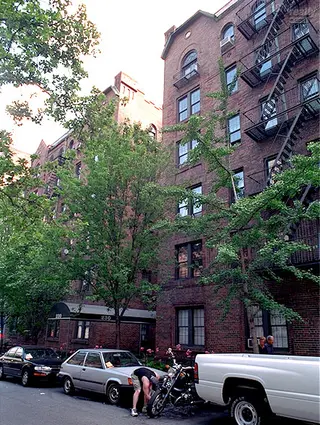
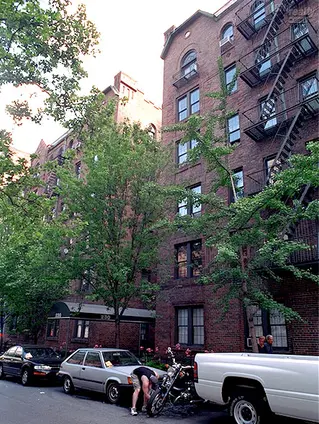
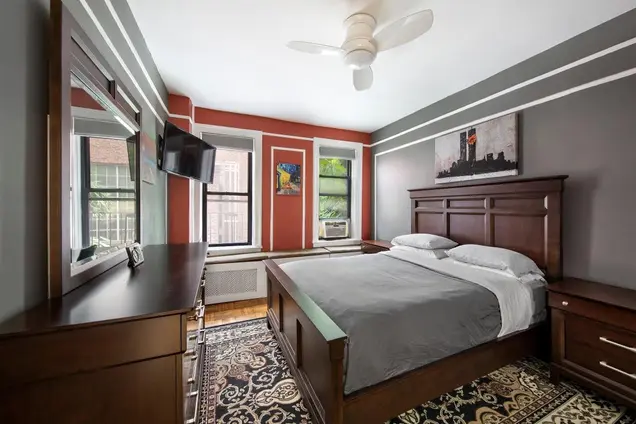
230 East 71st Street is a pre-war co-op building in Manhattan's Upper East Side, built in 1929 and converted in 1979. The 6-story building contains 59 units and offers amenities such as basement storage, laundry facilities, elevator, bike room, and a live-in superintendent. Currently, 4 apartments are for sale.

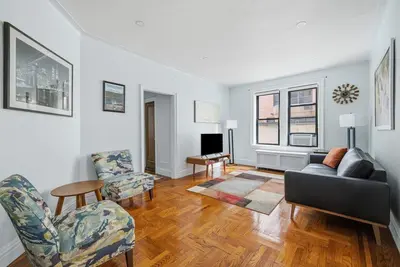
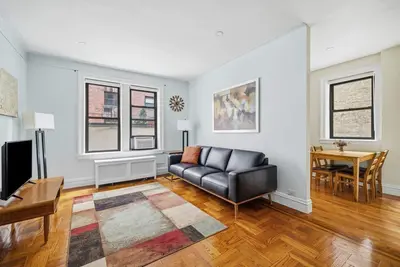
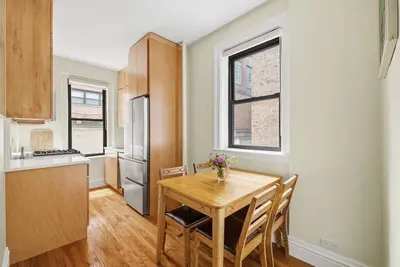
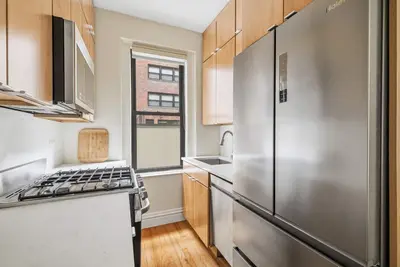
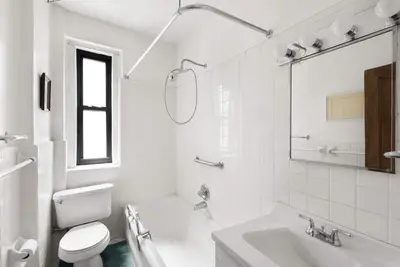
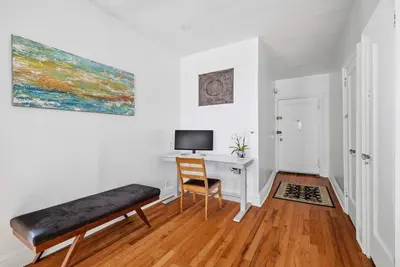
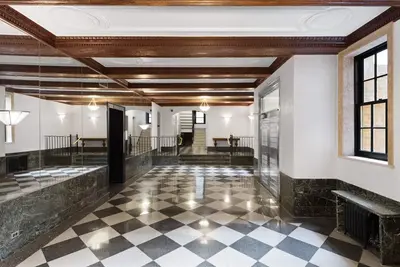
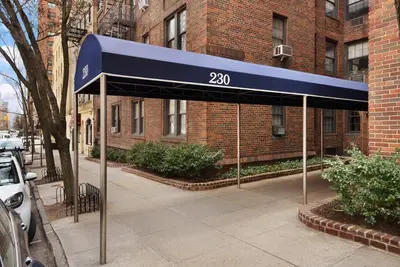
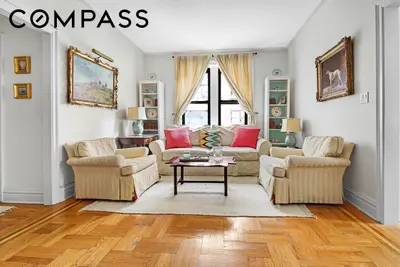
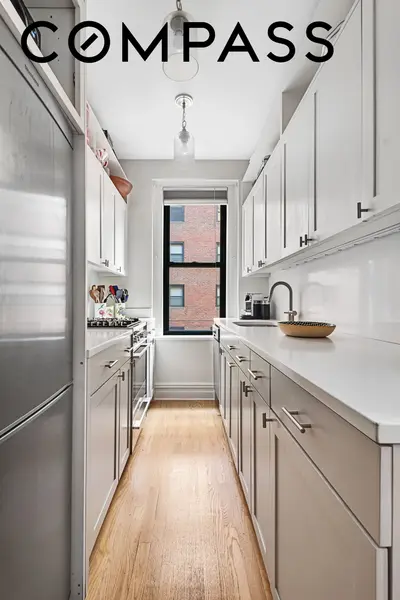
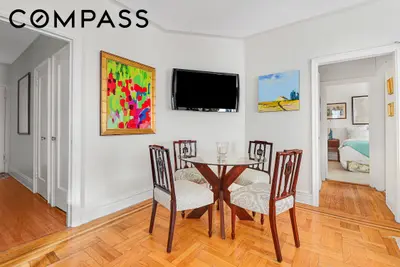
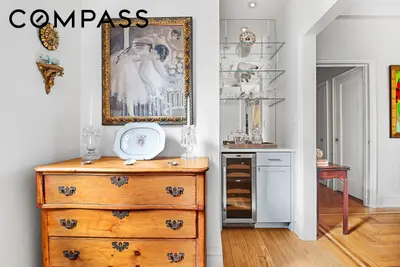
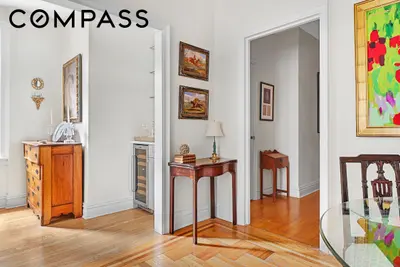
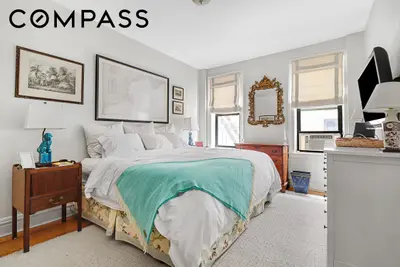
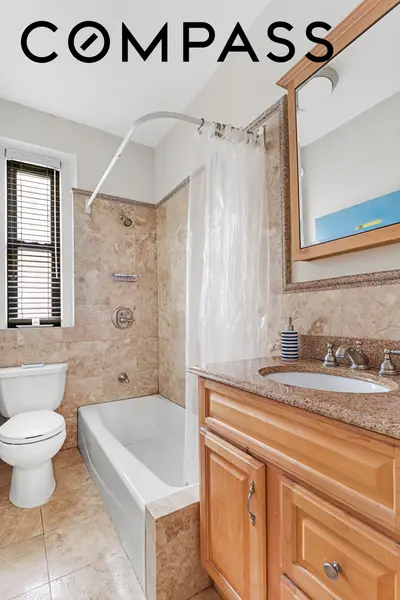
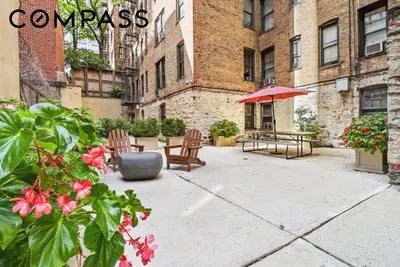
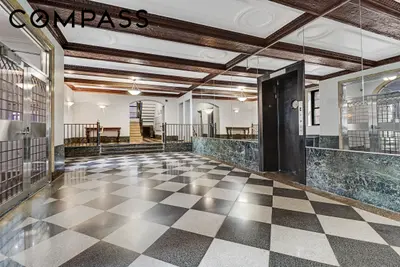
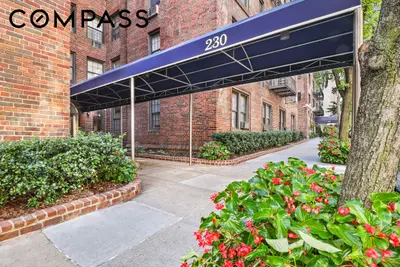
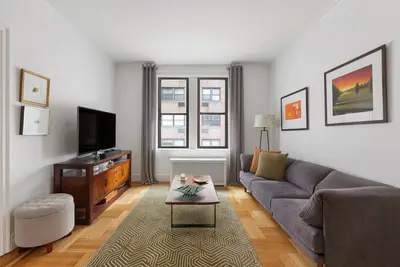
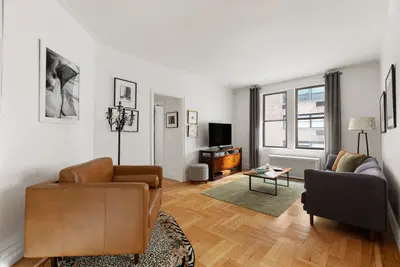
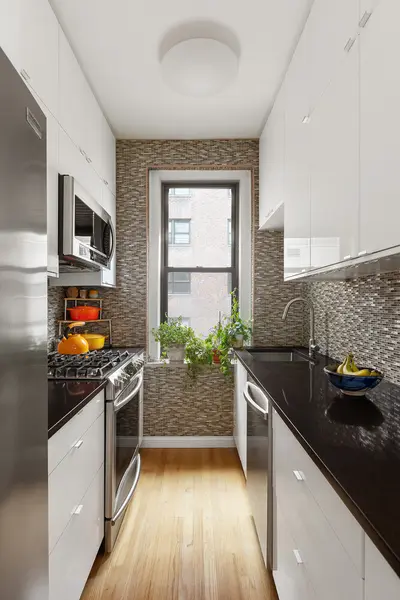
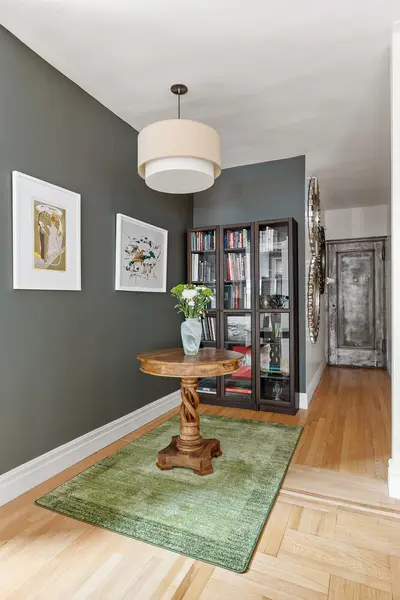
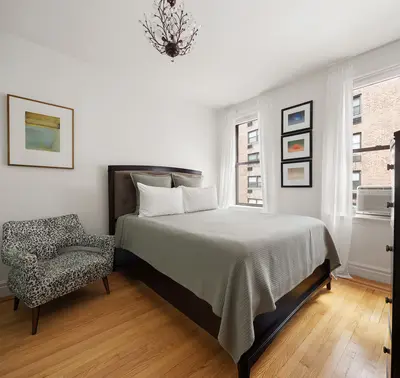
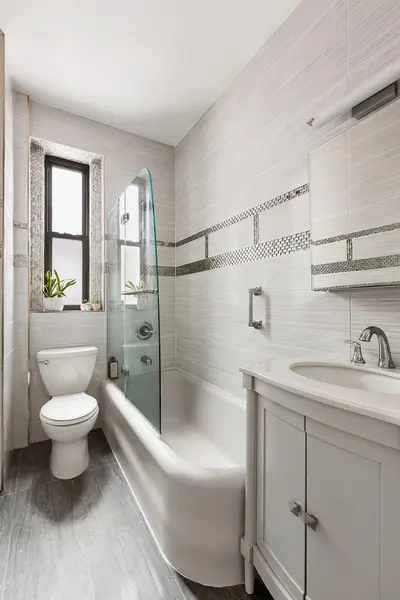
230 East 71st Street is a six story, 59 residence pre-war co-op on a tree lined Lenox Hill block between Second and Third Avenues. Built in 1929 and operating as a cooperative since 1979, it has a shared rear garden; garden level Apartment A opens directly to the courtyard and also has a private side entrance.
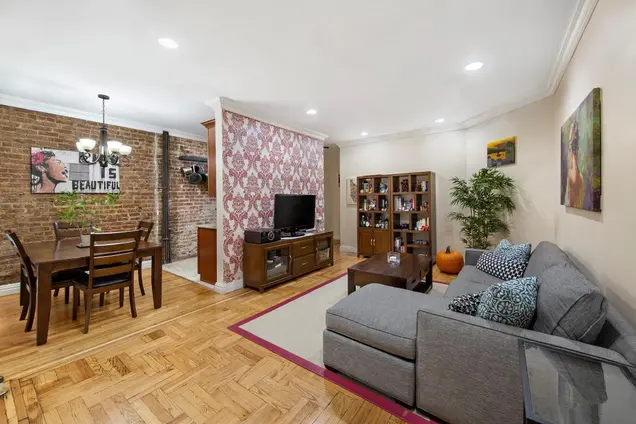
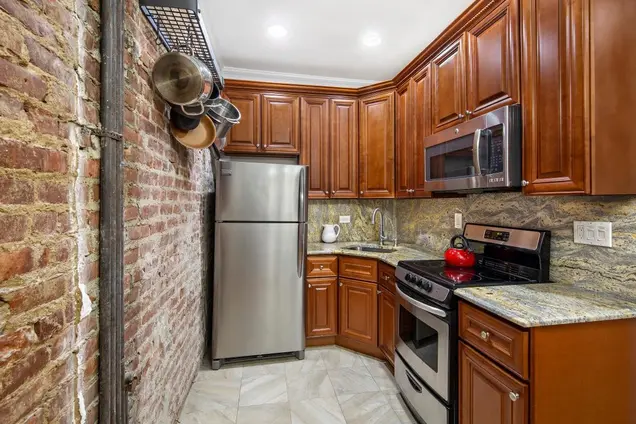
Many apartments retain high ceilings, hardwood floors, generous entry galleries and south facing rooms. Windowed kitchens and bathrooms recur, while layouts range from traditional separated rooms to open, loft style plans.
The building has a part time doorman, a live-in superintendent, central laundry, a video intercom and a secure package vestibule, along with resident storage and a bike room. The co-op permits pied-à-terre ownership, co-purchasing and gifting, with financing capped at 75 percent; subletting and in-unit washers and dryers are prohibited, and cats are accepted but dogs are not.
The Q train stops at the 72nd Street station on Second Avenue, less than a block away, while the 6 train stops at 68th Street Hunter College on Lexington Avenue. Central Park is about four blocks west, and the East River Esplanade lies to the east.
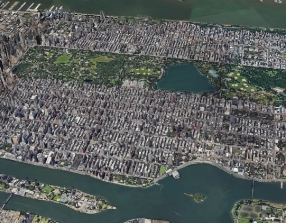
View school info, local attractions, transportation options & more.
Experience amazing 3D aerial maps and fly throughs.
For some co-ops, instead of price per square foot, we use an estimate of the number of rooms for each sold apartment to chart price changes over time. This is because many co-op listings do not include square footage information, and this makes it challenging to calculate accurate square-foot averages.
By displaying the price per estimated room count, we are able to provide a more reliable and consistent metric for comparing sales in the building. While we hope that this gives you a clearer sense of price trends in the building, all data should be independently verified. All data provided are only estimates and should not be used to make any purchase or sale decision.

 6sqft delivers the latest on real estate, architecture, and design, straight from New York City.
Like us on Facebook to keep up with the trends and
6sqft delivers the latest on real estate, architecture, and design, straight from New York City.
Like us on Facebook to keep up with the trends and 