
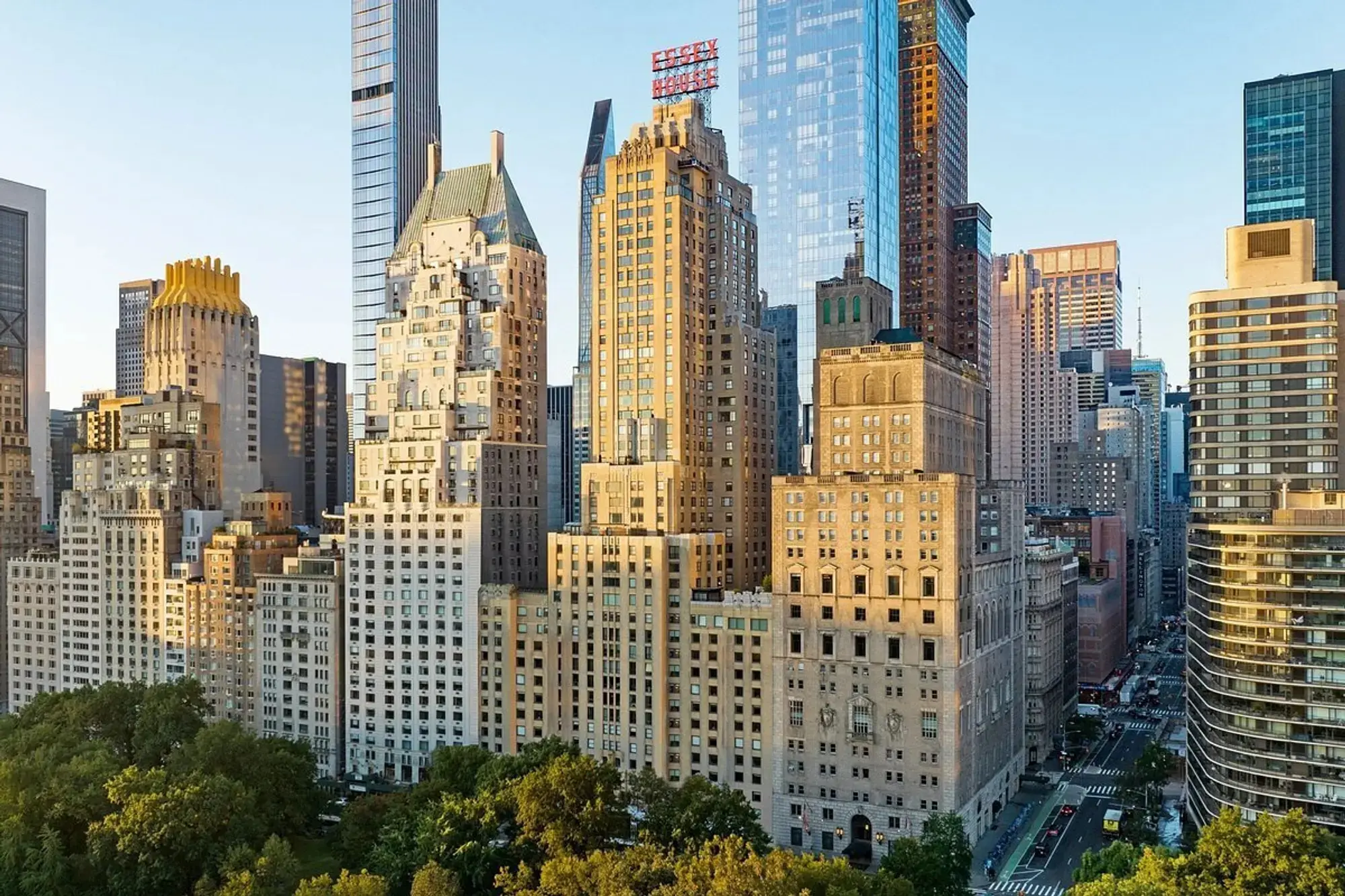
The J.W. Marriott Essex House at 160 Central Park South is a distinguished 43-story Art Deco tower designed by Frank Grad that opened in 1931. Originally called Park Tower and later Seville Towers, this iconic building is instantly recognizable by its six-story-high red neon rooftop sign that has crowned the structure since 1932. The beige brick tower features numerous setbacks and attractive Art Deco decorative elements at its base, along with an impressive lobby that extends through to 58th Street, complete with distinctive black marble columns and handsome Art Deco elevator cab doors.
The building operates as both a luxury hotel and residential condominium, housing approximately 247 residential units on floors 19-39 and 509 hotel rooms. Notably, it became the first condo hotel tower in NYC in 1974 during its initial conversion. The property has changed hands multiple times, with Strategic Hotels and Resorts currently owning it and contracting Marriott International to operate the hotel portion. Over the years, the Essex House has attracted notable residents including George Burns, Bing Crosby, David Bowie, Iman, and Liam Gallagher, with one legendary recording artist finding inspiration in the spectacular park views.
Residential apartments at the Essex House are known for their generous room sizes and unique layouts, with no two units being identical. Many feature expansive living spaces, with some boasting 28-foot-long dining rooms, 27-foot-long living rooms, and impressive terraces up to 48 feet long. Higher-floor units offer unobstructed Central Park views through floor-to-ceiling windows, while several apartments include distinctive features like solariums, bay windows, and private terraces. The building's apartments range from one-bedroom units to expansive three-bedroom homes spanning over 2,300 square feet, many with multiple bathrooms and sophisticated finishes including marble countertops, custom cabinetry, and high-end appliances.
Residents enjoy full access to five-star hotel services, including 24-hour room service, concierge service, housekeeping, a spa and fitness center, valet parking, and the award-winning Southgate restaurant. The building permits short-term rentals with a 30-day minimum, making it attractive to investors and pied-à-terre owners. Located in one of Manhattan's most prestigious blocks between Sixth and Seventh Avenues, the Essex House offers proximity to Carnegie Hall, Lincoln Center, Fifth Avenue shopping, and the Time Warner Center, with utilities typically included in common charges.
For screen reader users all content above is visible so you may ignore the show more button below.
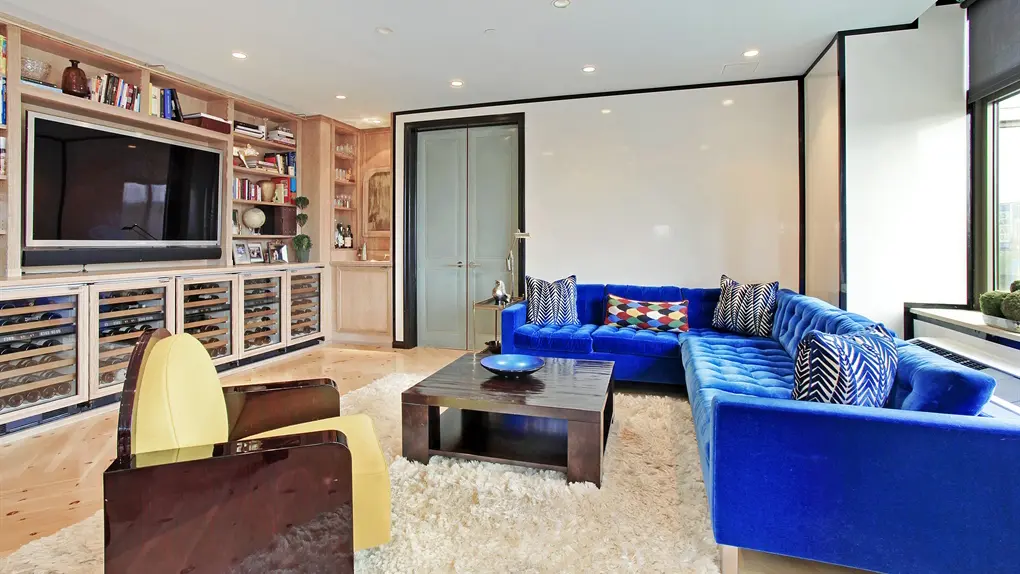
Designed by Costas Kondylis, One Morton Square is located in the West Village. It was completed in 2004 and contains 283 residences.
One Morton Square combines towers along West Street with low-rise buildings on the remainder of the block. There are seven townhouses with bay windows, 147 lofts – some of which were delivered finished – and 135 rental apartments. Lofts and townhouses range in size from 1,160 square feet to 4,000 square feet.
Units have 10-foot-high ceilings, sprawling open floor plans and oversized windows that offer city and river views. Bedrooms are spacious and spa-like bathrooms have polished limestone and marble throughout. Gourmet kitchens have top-of-the-line, stainless steel appliances. Several units have outdoor areas.
One Morton Square offers such amenities as a full-time doorman and concierge, a children’s playroom and activity center, in-house valet service, a 3,000-square-foot, state-of-the-art fitness club and a landscaped courtyard. It is also convenient to the West Village and the Meatpacking District.
For screen reader users all content above is visible so you may ignore the show more button below.
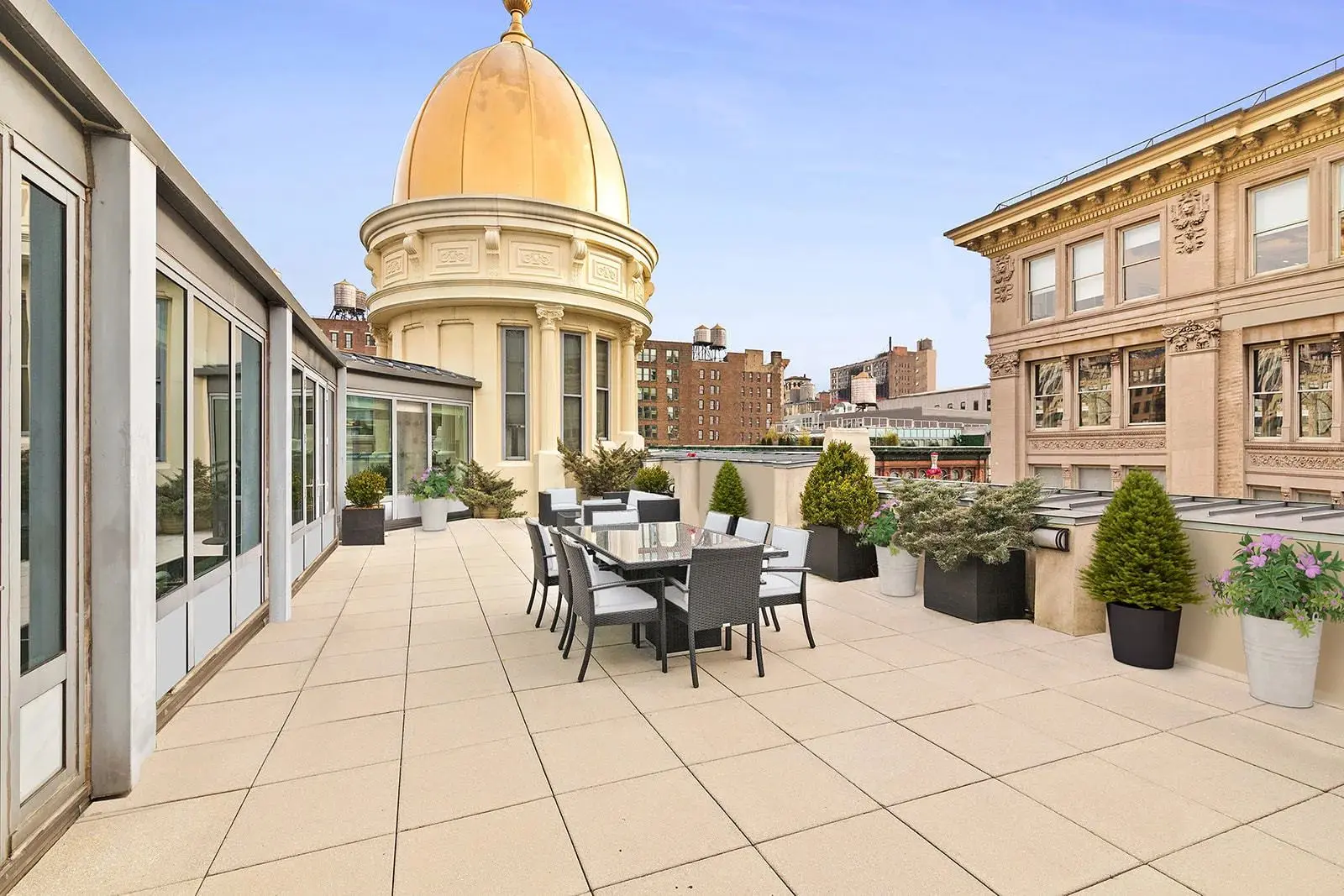
The O'Neill Building, an architectural landmark at 655 Sixth Avenue between West 20th and 21st Streets, was originally constructed in 1887 as Hugh O'Neill's Dry Goods Building. Designed by Mortimer C. Merritt, it stands as the oldest and most distinguished of the major department stores that once lined Ladies' Mile, the historic retail district along Sixth Avenue. The building's distinctive cast-iron façade features Corinthian columns, ornate architectural details, and its signature beehive-style domes atop almost cylindrical towers at both corners.
The structure's history reflects the evolution of the neighborhood - from retail glory to manufacturing use by the 1920s. The original four-story building received a fifth-floor addition in 1895, and the iconic domes were removed in the early 20th century. In 2003, Elad Properties acquired the property for $37 million and undertook an ambitious conversion project.
Completed in 2007, the conversion by developer Miki Naftali and architects Cetra/Ruddy transformed the historic structure into 49 luxury condominiums while restoring the building's distinctive domes. The renovation included a two-story rooftop addition, made possible through an agreement with the Congregation of Shearith Israel, owners of the adjacent cemetery.
Today, the seven-story luxury condominium offers full-service amenities including 24-hour doorman service, concierge, and a 4,000-square-foot landscaped roof deck with outdoor kitchen and dining areas. The building's prewar character is preserved in its soaring ceiling heights, oversized windows, and architectural details, while residences feature modern luxury finishes.
The building's location in Chelsea places it at the intersection of several desirable neighborhoods including the Flatiron District and Greenwich Village. Residents enjoy proximity to numerous restaurants, shopping options including Trader Joe's and Whole Foods, and excellent public transportation access.
The O'Neill Building falls within the Ladies' Mile Historic District, designated in 1989, and stands across from the landmarked Church of the Holy Communion complex. Its historic façade was painted white to resemble stone, and the building's name remains emblazoned in relief on its pediment, serving as a reminder of its significant role in New York City's commercial history.
For screen reader users all content above is visible so you may ignore the show more button below.
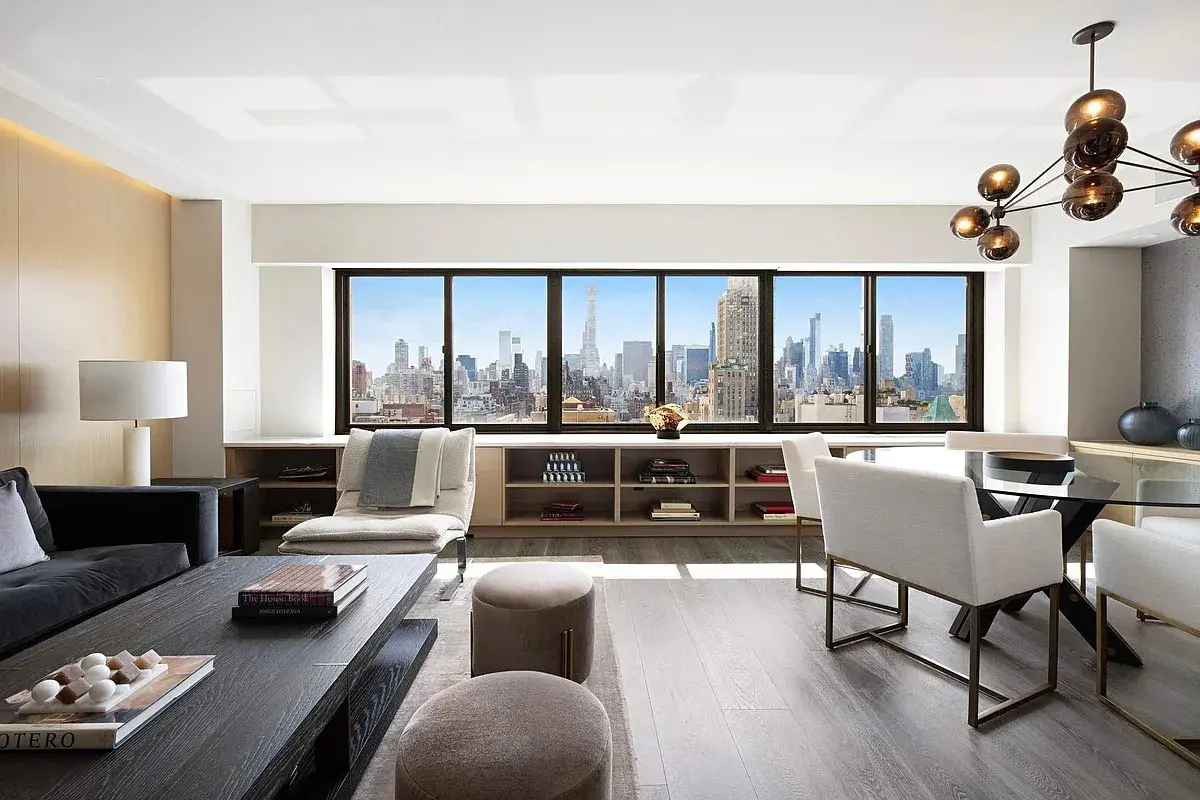
The Park 900, completed in 1973 and designed by Philip Birnbaum, stands as a 28-story limestone tower with 124 apartments at the prestigious corner of 79th Street and Park Avenue. This building was one of two structures that significantly pierced Park Avenue's traditional cornice line in the 1970s, replacing a grand 1917 mansion designed by John Mead Howells and Isaac Newton Phelps Stokes. Developed by Jack Resnick & Sons, the building features a distinctive landscaped plaza set below street level and is notable as one of the few condominiums on Park Avenue among the avenue's predominantly co-operative buildings.
Architecturally, the building sparked considerable controversy when constructed, with critics like Paul Goldberger calling it a serious violation of Park Avenue's spirit. However, time has softened these criticisms, and the building has become more accepted as part of the Upper East Side landscape. The plaza features a charming bronze cat sculpture by Botero, which replaced earlier works by Henry Moore and Francisco Zuniga. The building's circular driveway remains one of the most attractive landscaped driveways on Park Avenue, providing an elegant porte-cochère entrance.
Apartments typically feature expansive Park Avenue views, with many units offering multiple exposures and floor-to-ceiling windows that flood spaces with natural light. Common features include renovated chef's kitchens with high-end appliances (Sub-Zero, Viking, Miele), hardwood floors, marble bathrooms, and in-unit washer/dryers. Layouts range from one-bedroom units with dining alcoves to sprawling 4-bedroom residences approaching 5,000 square feet, with many apartments featuring separate dining areas, home offices, and custom built-in storage throughout.
The building operates as a white-glove, full-service condominium with 24-hour doorman, concierge, elevator operators, and live-in superintendent. Amenities include a recently renovated fitness center, new resident lounge, on-site parking garage with direct building access, and bike storage. Located just two blocks from Central Park and moments from Museum Mile, Madison Avenue shopping, and world-class dining, the building offers convenient access to multiple subway lines and crosstown buses.
For screen reader users all content above is visible so you may ignore the show more button below.
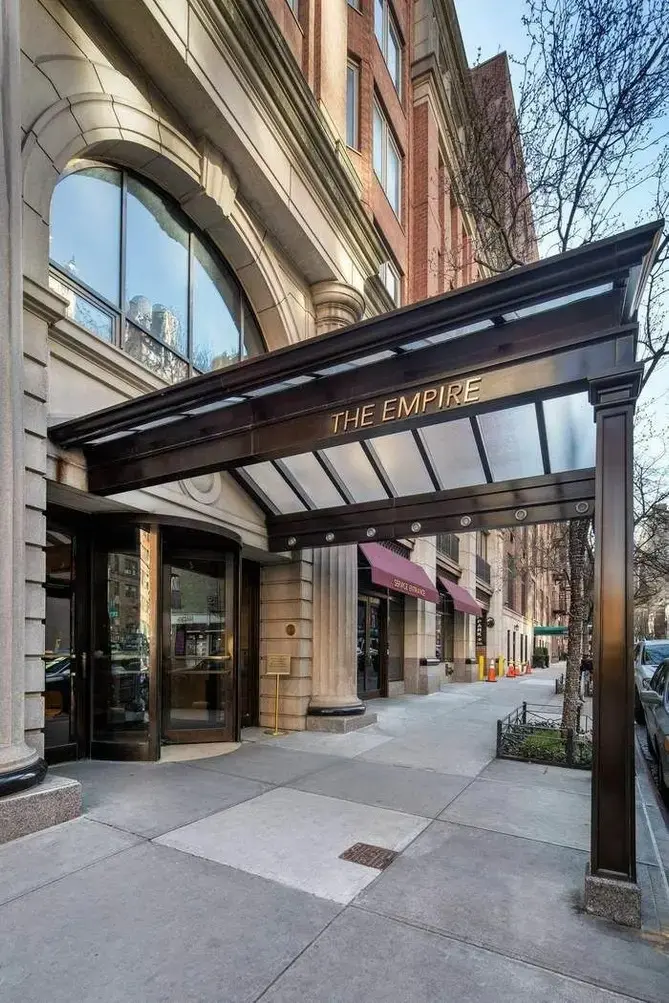
The Empire opened in 2001 and is located at 188 East 78th Street in the Upper East Side.
It is a traditionally styled, brick-clad tower that sits atop a block-long, four-story retail base stretching from 77th to 78th Streets. The Empire’s façades are adorned by columns of bay windows and bowed terraces.
Layouts in the 77 apartments are generally expansive; all are between 1,200 and 3,400 square feet and many have 11-foot ceilings. Most of the residences have two or more bedrooms, foyers, spacious formal dining rooms, crown moldings, herringbone floors, washers and dryers, marble baths and oversized closet spaces. Many enjoy terraces and several have fireplaces. Large eat-in kitchens are equipped with custom cabinets and premium appliances.
Residents have access to such amenities as concierge service, a state-of-the-art fitness center and a children’s play room. Bonus services include a pool, a roof deck and a private garden. Downstairs there are 36 storage rooms and 36 wine cellars available for purchase. The Empire also has a 25-car garage and is near to Central Park and the Metropolitan Museum of Art.
For screen reader users all content above is visible so you may ignore the show more button below.
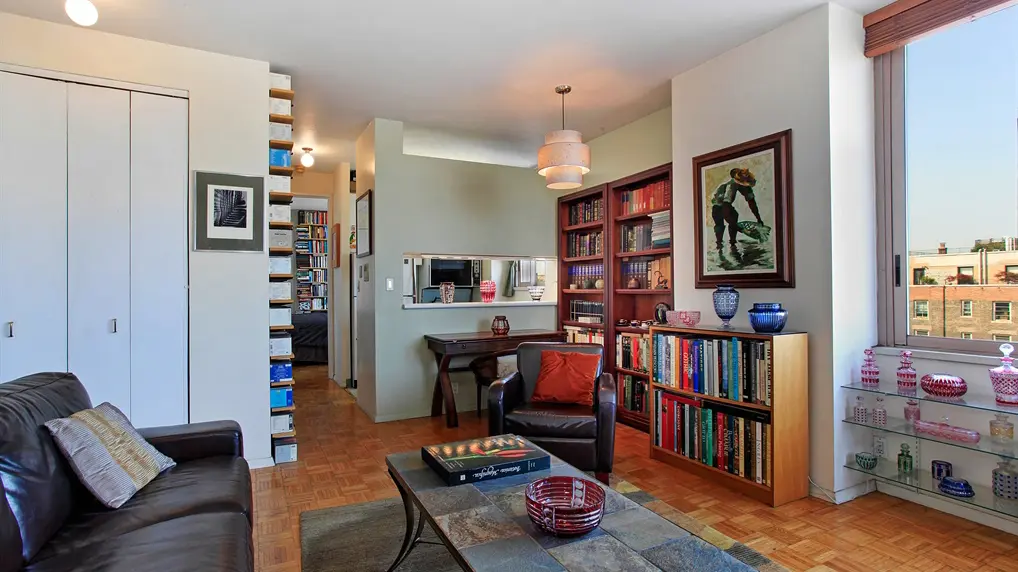
The Park Belvedere, completed in 1985, is a distinguished 31-story luxury condominium tower located at the northwest corner of 79th Street and Columbus Avenue. Designed by architect Frank Williams and developed by William Zeckendorf Jr., this slender spire contains 154 residences and stands as one of the Upper West Side's most prominent architectural landmarks.
The building offers an intimate living experience with only three to four apartments per floor, featuring units with spectacular views of Central Park, the American Museum of Natural History, and the Manhattan skyline. Residents enjoy full-service amenities including 24-hour doorman and concierge services, a roof deck with panoramic views, bike storage, and laundry facilities.
Situated in a prime Upper West Side location, The Park Belvedere provides immediate access to Central Park, the Museum of Natural History, and an array of cultural attractions. The pet-friendly building's position on Columbus Avenue helped establish the avenue's upscale character, while its proximity to public transportation, fine dining, and shopping makes it one of the neighborhood's most coveted addresses.
For screen reader users all content above is visible so you may ignore the show more button below.
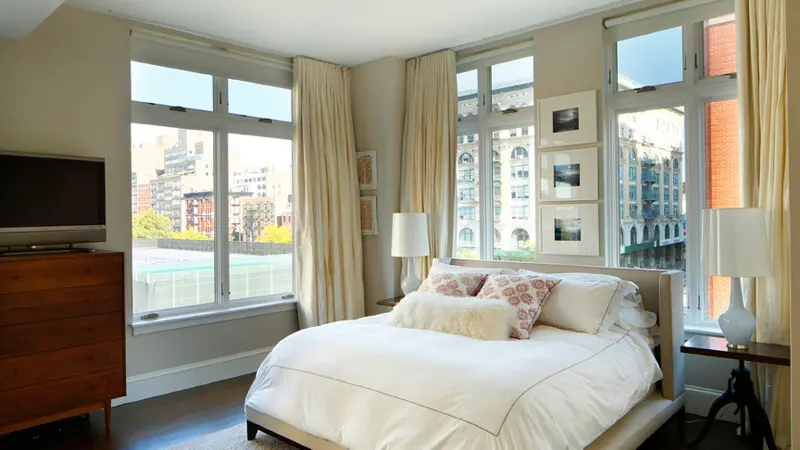
160 Wooster Street was originally intended to be 43 rental units, but it was reconfigured into 15 loft-style apartments in 2005.
Residences offer flexible floor plans to adapt to changing lifestyles. The two duplex penthouses have custom-designed staircases and expansive terraces. Apartments range in size from 1,400 to 3,500 square feet, with two ground floor commercial units. Most are corner apartments, allowing for open views and sun-drenched rooms. They also have ceilings more than 10 feet high, white oak hardwood floors, wood-frame windows, video intercom and security systems and washers and dryers. Units are also equipped with individually controlled heating and air-conditioning systems.
Amenities include a common roof garden, private basement storage and a separate service entrance with elevator access; there are also two key-locked passenger elevators. Convenient to NoHo, Greenwich Village, NoLita and Little Italy, 160 Wooster Street is well-served by public transportation and is close to many restaurants, art galleries and boutiques.
For screen reader users all content above is visible so you may ignore the show more button below.
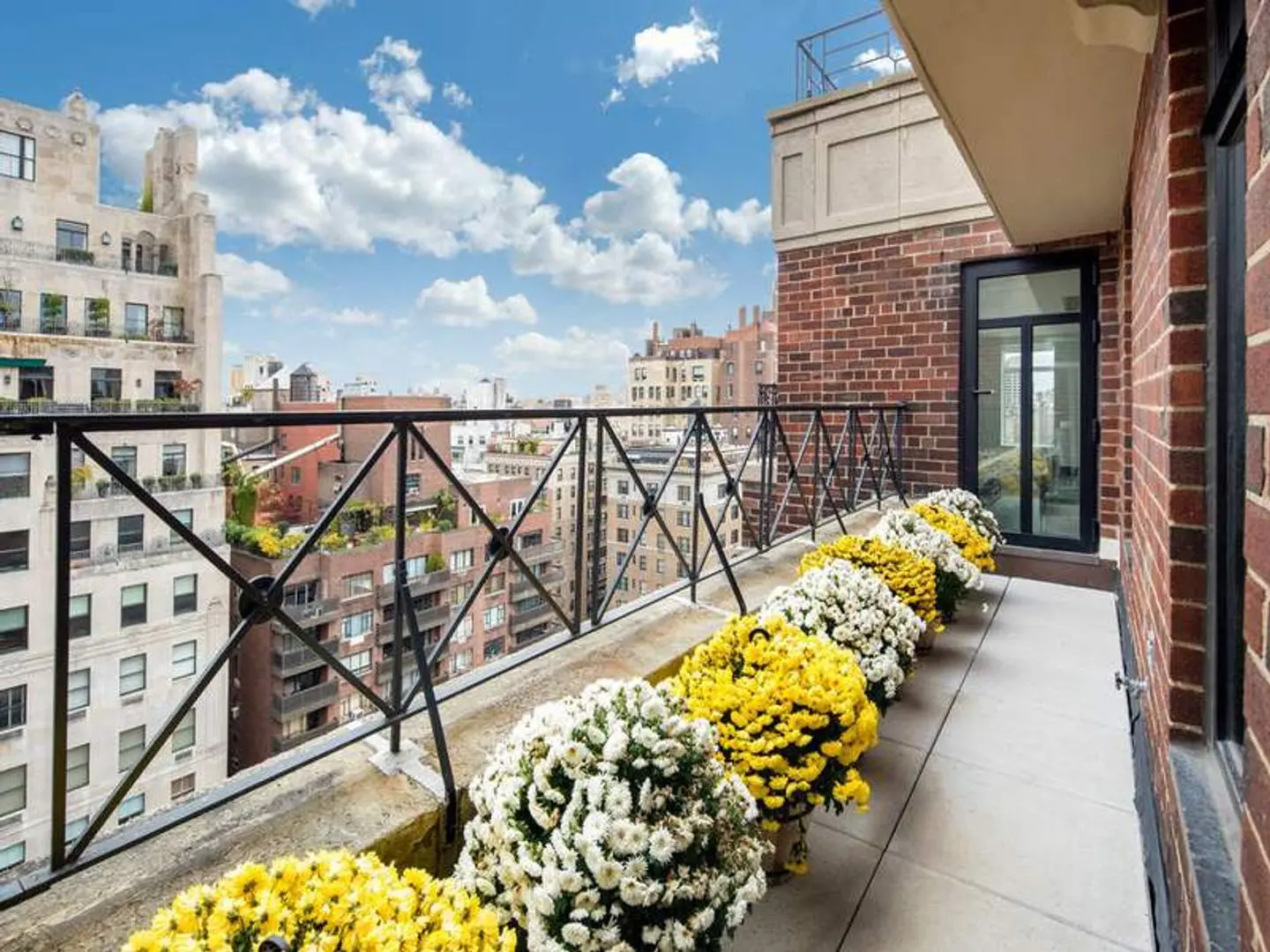
737 Park Avenue is a distinguished 20 story prewar condominium built in 1940 and designed by Sylvan Bien for Samuel Minskoff. Positioned on the prestigious northeast corner of Park Avenue and 71st Street, the building sits directly across from the legendary 740 Park Avenue in the heart of Manhattan's most coveted residential district. The red brick structure features a sophisticated four story stone base and elegant architectural details, including attractive pediments on the top floor and a distinctive circular rooftop water tank enclosure. Harry Macklowe converted the building to condominium ownership in 2014, reducing the original 100+ apartments to 60 larger, more luxurious residences.
The building offers white glove service with a 24 hour doorman, elevator attendants, and a resident manager. Amenities include a skylit fitness center, children's playroom, and a unique garden room with catering kitchen adjacent to a landscaped courtyard. The attractive lobby features burled wood paneling and white terrazzo floors, setting an elegant tone for residents and guests. Additional conveniences include private storage, bicycle storage, and various entertaining spaces.
Apartments throughout the building showcase consistent high end finishes, including Varenna kitchens with marble floors, countertops, and backsplash, complemented by Miele stainless steel appliances and glass and aluminum cabinetry. Bathrooms feature heated floors, statuary Italian marble, custom Varenna vanities, and Dornbracht polished chrome fixtures. Most units include rift and quartered solid oak flooring, custom casement windows, and central air conditioning systems.
The residences range dramatically in size, from approximately 1,552 square feet to the spectacular penthouse with 6,003 square feet of interior space plus 2,271 square feet of wraparound terraces. Many of the larger apartments feature wood burning fireplaces, and corner units boast extensive Park Avenue frontage with multiple exposures. Several units offer particularly impressive layouts, such as Residence 12A with its 51 foot long living room and 22 foot long kitchen, demonstrating the grand scale typical of prewar Park Avenue living.
For screen reader users all content above is visible so you may ignore the show more button below.

Riverhouse at One Rockefeller Park is a 32-story, LEED Gold-certified condominium that opened in 2008 in Battery Park City. Designed by Polshek Partnership LLC with interiors by David Rockwell, the building features a distinctive U-shaped configuration with a 14-story west wing facing the Hudson River, a 13-story east wing facing Lower Manhattan, and a 32-story central tower. The handsome red-brick structure, also known by its various addresses including 300 Murray Street and 2 River Terrace, houses 243 apartments ranging from one to five bedrooms, including rare duplex units that offer townhouse-style living with river views.
As one of the first residential buildings to achieve LEED Gold certification, Riverhouse incorporates extensive green technology including twice-filtered air and water systems, triple-glazed windows, year-round humidity control, and sustainable materials like bamboo flooring and teak cabinetry. The apartments typically feature David Rockwell-designed kitchens with custom Italian teak cabinetry by Schiffini, Corian countertops, and high-end Energy Star appliances from Sub-Zero, Thermador, and Miele. Many units boast high ceilings, open floor plans, and luxurious bathrooms with travertine marble, frameless glass showers, and Neptune soaking tubs. The building's "J" line apartments are particularly coveted, with only one resale occurring in over 12 years.
The building offers extensive amenities including a 50-foot lap pool with pool house, fitness center with yoga studio, concierge service, attended parking, and unique features like a dog spa and the Treehouse Lounge. Notably, Riverhouse houses both the Poets House (the premier independent poetry library in the United States) and a New York Public Library branch. The prime Battery Park City location provides residents with direct access to Rockefeller Park and the Hudson River waterfront, while being steps from Tribeca, Brookfield Place, Whole Foods, and numerous dining and entertainment options.
Celebrity residents have included Leonardo DiCaprio, Sacha Baron Cohen and Isla Fisher, Tyra Banks, Cobie Smulders, Oliver Stone, and Dave Gahan, reflecting the building's appeal to high-profile buyers seeking luxury waterfront living with environmental consciousness. The combination of sustainable design, premium finishes, comprehensive amenities, and prime location has established Riverhouse as one of downtown Manhattan's most desirable residential addresses.
For screen reader users all content above is visible so you may ignore the show more button below.
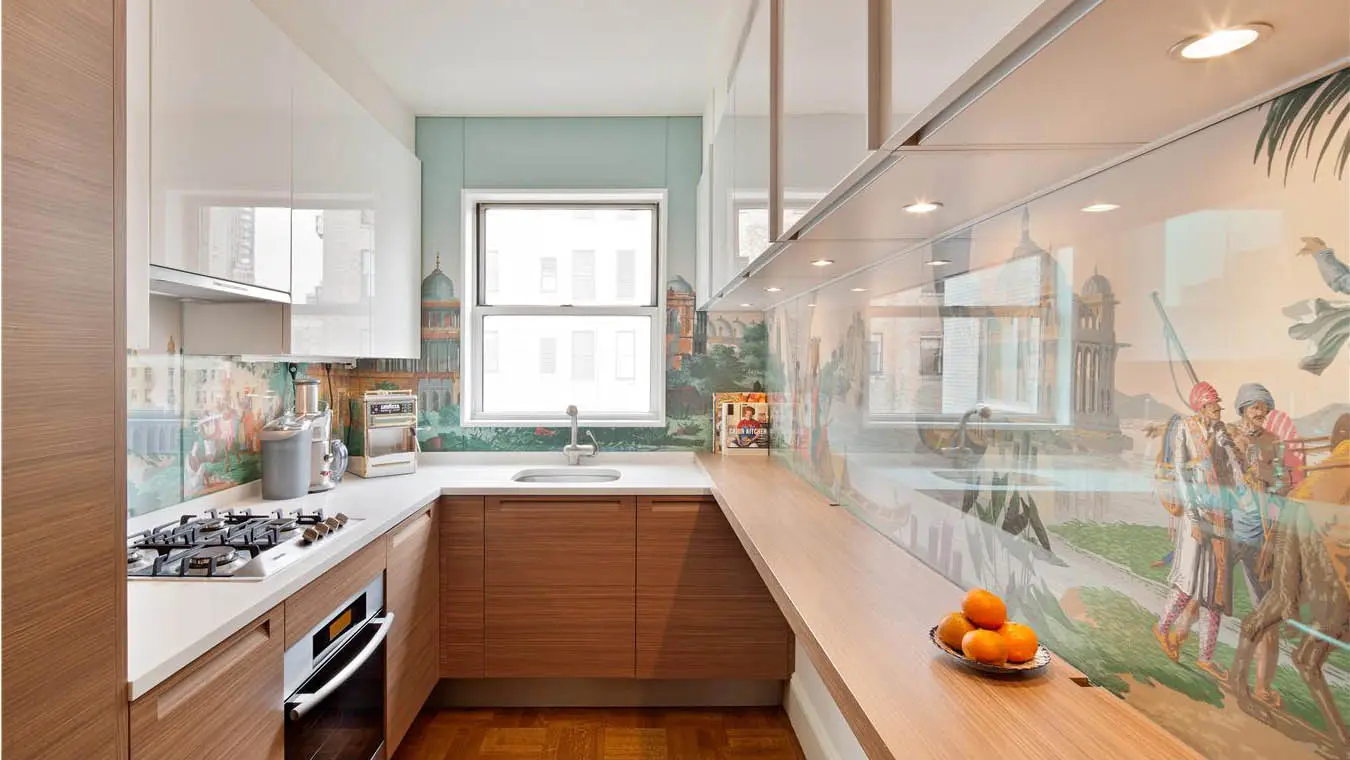
Built in 1950 and designed by S.L. Bien, 923 Fifth Avenue stands as one of only four condominium buildings on Fifth Avenue between 60th and 80th Streets, making it exceptionally rare in this coveted stretch. The 21-story, 92-unit building was converted from rental to condominium in 1983 and features a distinctive white brick façade rising above a two-story limestone base. The elegant entrance leads to an attractive marble lobby with handsomely incised bronze elevator doors, and the building retains charming period details like mail chutes on each floor.
This full-service white-glove condominium offers 24-hour doorman service and elevator attendants, along with amenities including a fitness center, on-site garage, bike room, and storage facilities. Unlike many Fifth Avenue co-ops, 923 Fifth requires no board approval for purchases and allows both financing and subletting, making it particularly attractive to investors and pied-à-terre buyers. The building is pet-friendly and offers the convenience of in-unit washer/dryers in many apartments.
Apartments typically feature original herringbone hardwood floors, windowed kitchens, and generous closet space, with many units offering multiple exposures and abundant natural light. The most coveted units are the park-facing A, B, and C lines, which rarely come to market, while several apartments boast private terraces or balconies—though many of the original corner balconies have been enclosed over the years. The building's duplex units are particularly notable, with one featuring an extraordinary 837-square-foot wraparound terrace offering panoramic city and park views.
Situated at the prime intersection of Fifth Avenue and East 73rd Street, directly across from Central Park, residents enjoy immediate access to the park's attractions including the boat pond, as well as proximity to Museum Mile institutions and Madison Avenue's flagship stores. The building has attracted notable residents including Rolling Stones guitarist Keith Richards and model Vendela Kirsebom, reflecting its status as one of Manhattan's most prestigious addresses.
For screen reader users all content above is visible so you may ignore the show more button below.
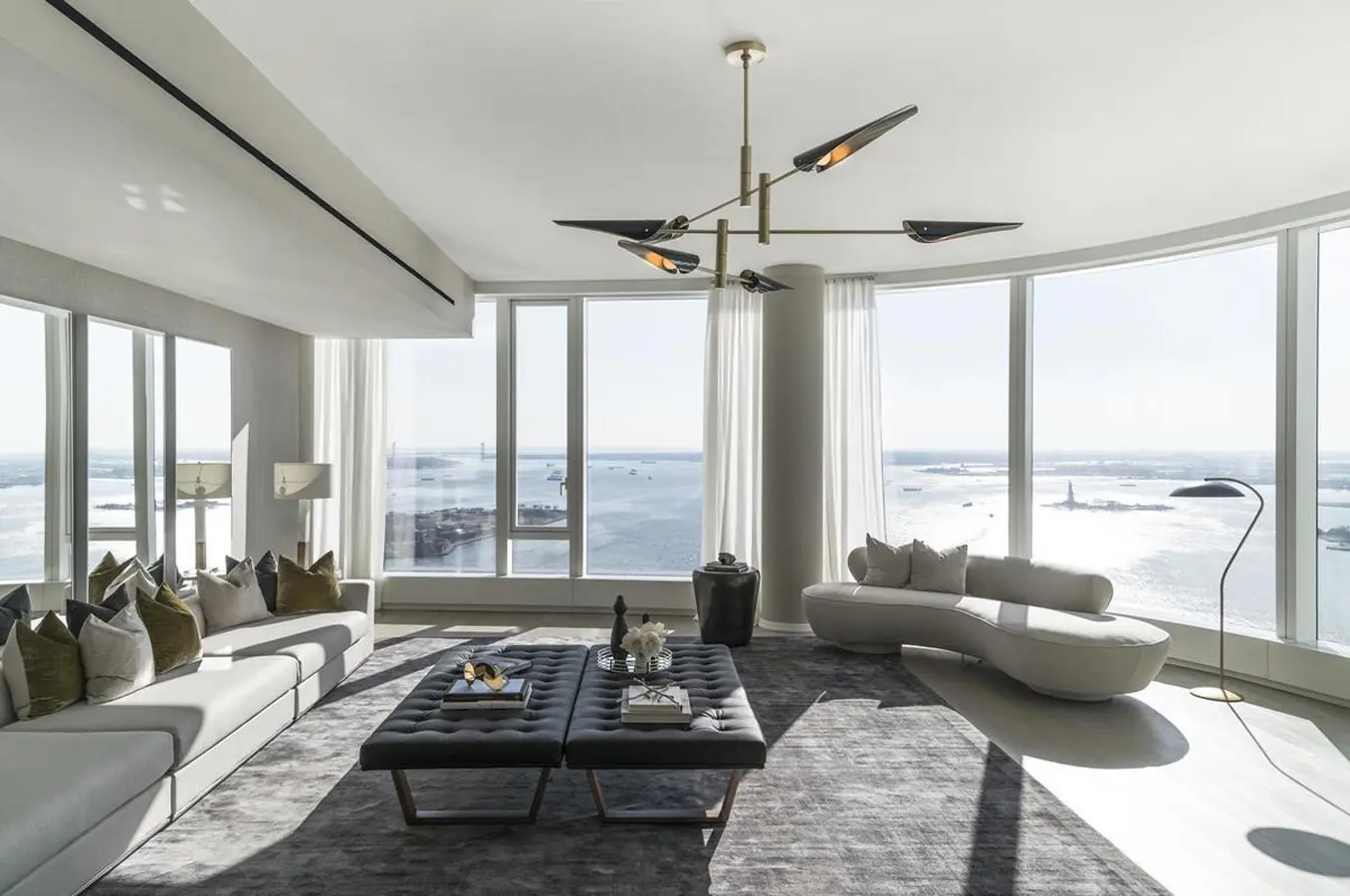
50 West Street is a striking 64-story, 779-foot glass tower designed by renowned architect Helmut Jahn that has become a defining feature of the Financial District skyline. The building's distinctive curved glass façade with stainless steel spandrels and slanted top angling toward One World Trade Center houses 191 luxury condominium apartments developed by Time Equities. Notable residents have included Wendy Williams, and the building attracts buyers seeking premium downtown living with spectacular harbor and city views.
The tower's apartments, with interiors by Thomas Juul-Hansen, consistently feature floor-to-ceiling curved windows that maximize natural light and views, particularly in southeast-facing units that offer double-height living spaces overlooking the Statue of Liberty. Common high-end finishes throughout include wide-plank white oak hardwood floors, custom walnut cabinetry, granite waterfall islands, and premium Miele and Sub-Zero appliances. The building's penthouses boast 20-foot ceilings in their great rooms, while many units feature spa-like marble bathrooms with radiant heated floors, Toto toilets with bidets, and glass-enclosed rain showers. Several apartments are configured as duplexes with dramatic double-height living rooms.
Residents enjoy over 30,000 square feet of amenities across four floors, highlighted by The Observatory on the 64th floor—a spectacular outdoor entertaining space with panoramic views of New York Harbor and the Statue of Liberty. Additional amenities include a 60-foot lap pool, state-of-the-art fitness center with golf simulator, sauna and steam rooms, children's playroom, screening room, and 24-hour concierge service. The building's prime location offers easy access to Battery Park, multiple subway lines, and the upcoming West Thames Pedestrian Bridge that will connect directly to Battery Park City, making it a coveted address for luxury downtown living.
For screen reader users all content above is visible so you may ignore the show more button below.
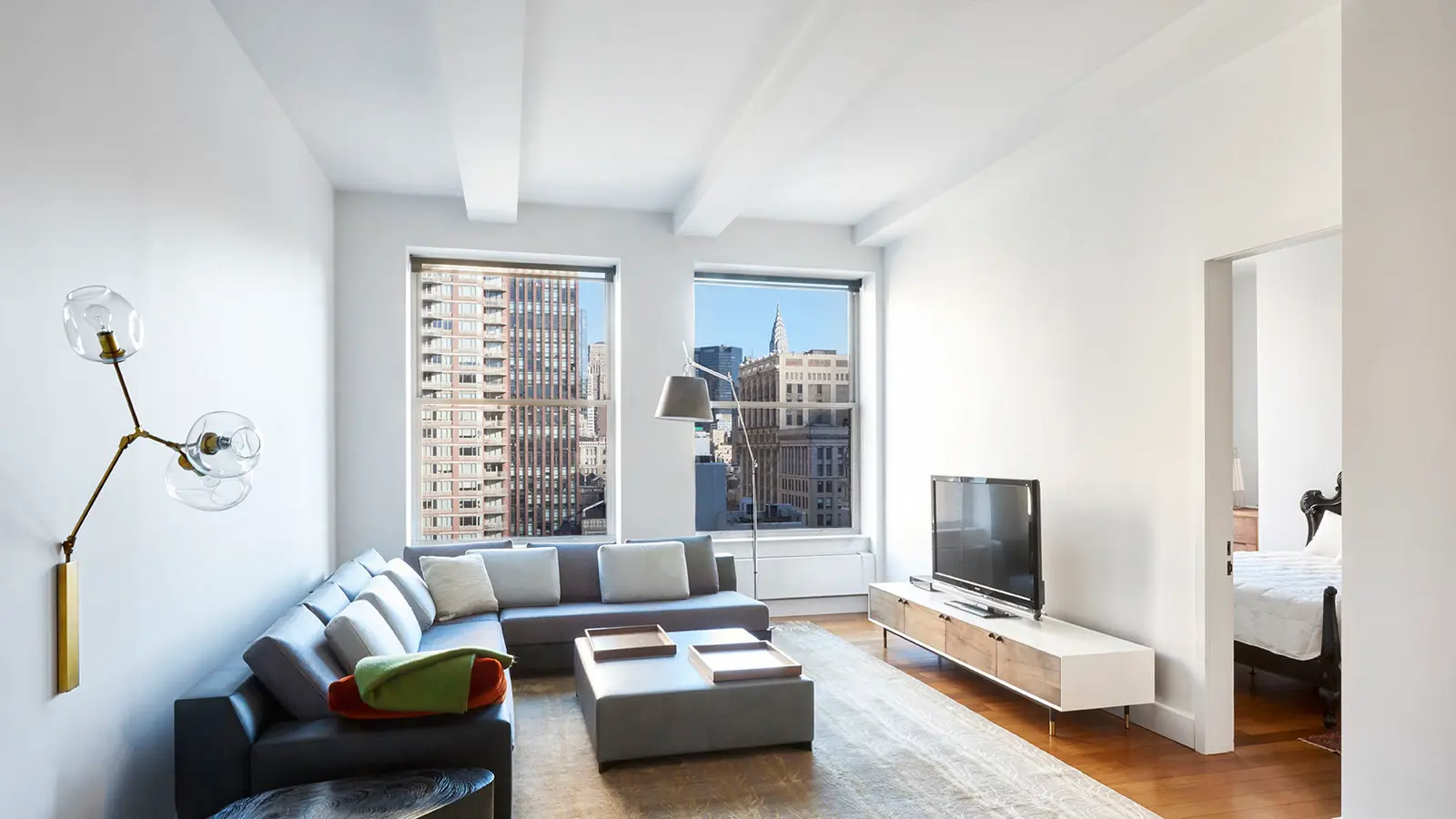
The top 12 floors of the 20-story pre-war office building known as 15 Madison Square North have been converted to one-to-four-bedroom luxury condominium apartments overlooking Madison Square Park and the Flatiron Building in one of the city’s hottest residential neighborhoods. The building, erected in 1910, begins with a 24-hour attended lobby. Residents also get a 24-hour doorman and concierge, a landscaped roof deck, a state of the art fitness center, a wine storage and tasting room and a children's playroom. In addition to being within steps from nearly every subway line in the city, the surrounding neighborhood is home to a bustling interior design district and popular destinations like Dover Street Market, ABC Kitchen and Gramercy Tavern.
For screen reader users all content above is visible so you may ignore the show more button below.
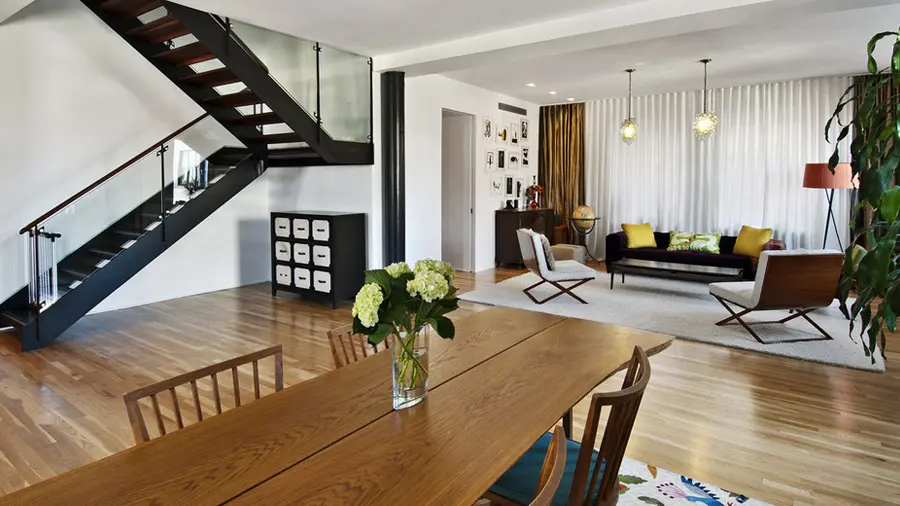
The American Thread Building at 260 West Broadway stands as one of TriBeCa's most distinguished residential conversions, with a fascinating history that spans over a century. Originally constructed in 1894-1896 as the Wool Exchange Building by architect William B. Tubby in Renaissance Revival style, the 11-story structure was designed to help New York overtake Boston as the nation's wool trade center. When that venture failed, the American Thread Company occupied the building from 1901 to 1964, giving the building its enduring name. The building gained additional cultural significance when a Keith Haring mural was discovered in 2007 during renovations—painted by the then 20-year-old artist in 1979 when the space served as an exhibition area.
Converted to 52 condominium apartments by Rose Associates in 1980, the building was among the first luxury loft conversions in TriBeCa and has since housed notable residents including models Gisele Bundchen and Naomi Campbell, and actress Isabella Rossellini. The building's distinctive curved façade overlooks TriBeCa Park, and its placement on the National Register of Historic Places in 2005 underscores its architectural importance. The structure features imposing limestone banding on the first two floors, arched ground-floor windows, and a grand staircase entrance with two-story columns, though it has lost its original cornice over time.
The building's 52 residences showcase the grandeur typical of pre-war loft conversions, with many units featuring soaring ceilings up to 26 feet, oversized arched windows, and original architectural details like cast-iron columns. The apartments range from traditional two-bedrooms to spectacular multi-level penthouses and a remarkable 8,000-square-foot triplex maisonette that includes the Keith Haring mural. Common features throughout units include hardwood floors, working fireplaces, central air conditioning, and chef's kitchens equipped with high-end appliances from brands like Sub-Zero, Miele, and Liebherr. Many apartments are configured as duplexes, taking advantage of the building's generous ceiling heights and loft-like proportions.
Residents enjoy full-service building amenities including a 24-hour doorman, live-in superintendent, rooftop gym, landscaped roof deck with city views, bicycle storage, and basement storage units. The building's prime location at the northern edge of TriBeCa, adjacent to SoHo and near multiple subway lines, provides easy access to the neighborhood's renowned dining and shopping scene. While the building lacks a garage and sidewalk landscaping, its historic character, spacious apartments, and prestigious address continue to make it one of downtown Manhattan's most coveted residential buildings.
For screen reader users all content above is visible so you may ignore the show more button below.

 6sqft delivers the latest on real estate, architecture, and design, straight from New York City.
Like us on Facebook to keep up with the trends and
6sqft delivers the latest on real estate, architecture, and design, straight from New York City.
Like us on Facebook to keep up with the trends and 