
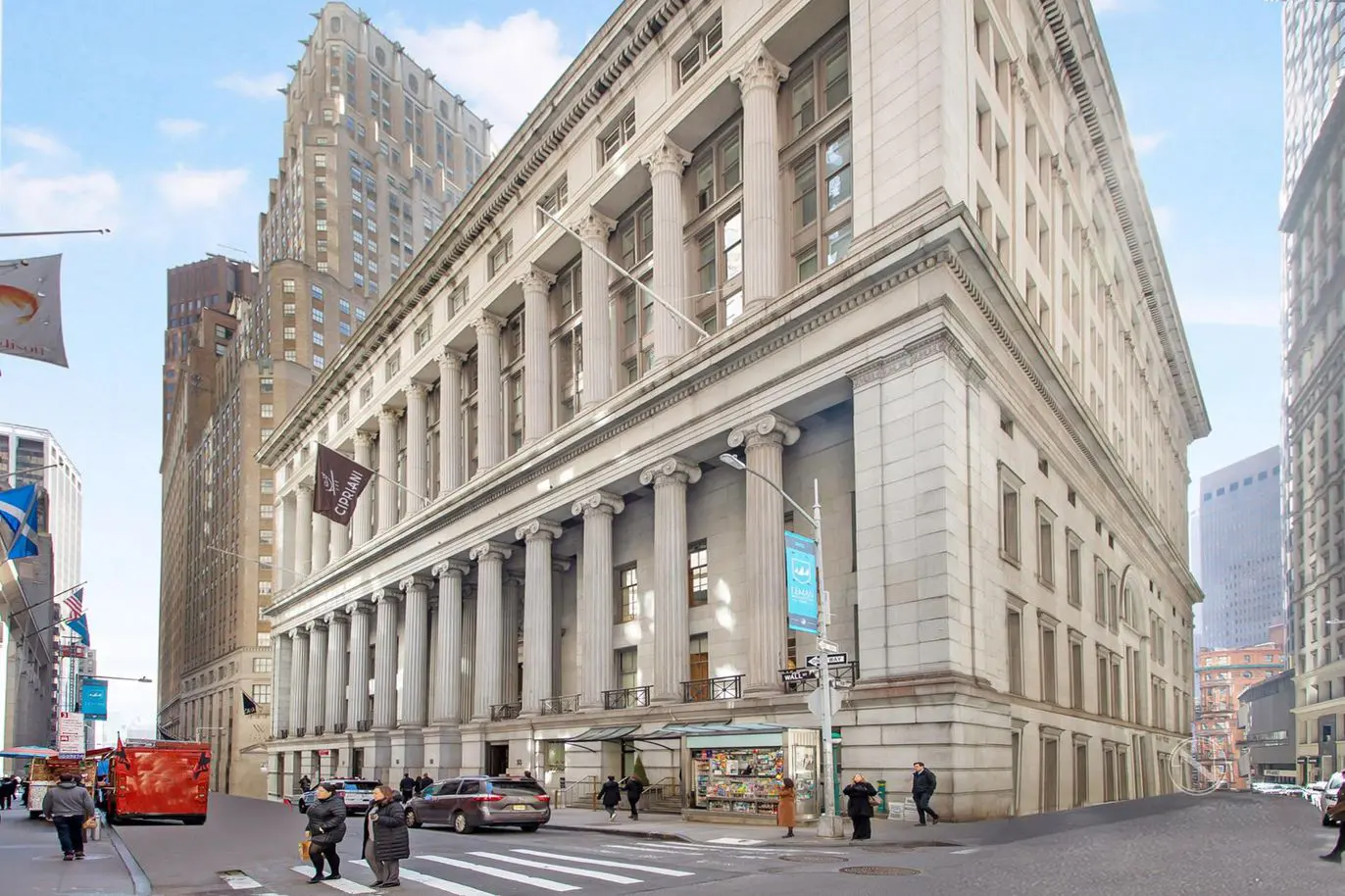
The Cipriani Club Residences at 55 Wall Street occupies one of Lower Manhattan's most significant landmarks, a Greek Revival masterpiece built in 1841 by Isaiah Rogers and later expanded by McKim, Mead & White in 1907. The building's storied history includes serving as home to the New York Stock Exchange, U.S. Custom House, and National City Bank before its 2006 conversion to luxury residences.
The building's magnificent façade features two tiers of massive columns - Ionic on the lower level and Corinthian above - while its interior showcases a spectacular 60-foot-high domed great hall. The property houses 106 furnished condominium apartments, ranging from studios to three-bedroom units, each outfitted in one of three design styles: sleek, classic, or eclectic.
Residents enjoy an exceptional level of service with 24-hour doorman, concierge, and butler assistance, along with comprehensive amenities including a bi-level fitness center, spa, billiards room, library, screening room, and landscaped roof deck. Two Cipriani restaurants operate on-site, with one located in the former bank vault, offering residents preferential access.
The apartments feature tall ceilings, hardwood floors, and unusually broad windows for pre-war buildings, particularly those facing Wall Street through the colonnade. Each unit comes fully furnished down to the linens and kitchenware, designed by Tsao & McKown.
The building's amenities extend to include housekeeping, shopping services, dry cleaning, flower service, and pet care. Residents receive two-year memberships to the Cipriani Club, and the building allows for flexible short-term rentals with a 30-day minimum, making it attractive for pied-à-terre buyers.
Located in the heart of the Financial District, the building offers easy access to luxury retailers, dining options, and transportation. Following the September 11, 2001 attacks, the building served as a relief center for workers and area residents, adding another significant chapter to its rich history.
The property represents a unique blend of historical architecture, modern luxury, and comprehensive service, distinguished by its Cipriani brand association and position as one of the most service-oriented condominium projects in New York City.
For screen reader users all content above is visible so you may ignore the show more button below.
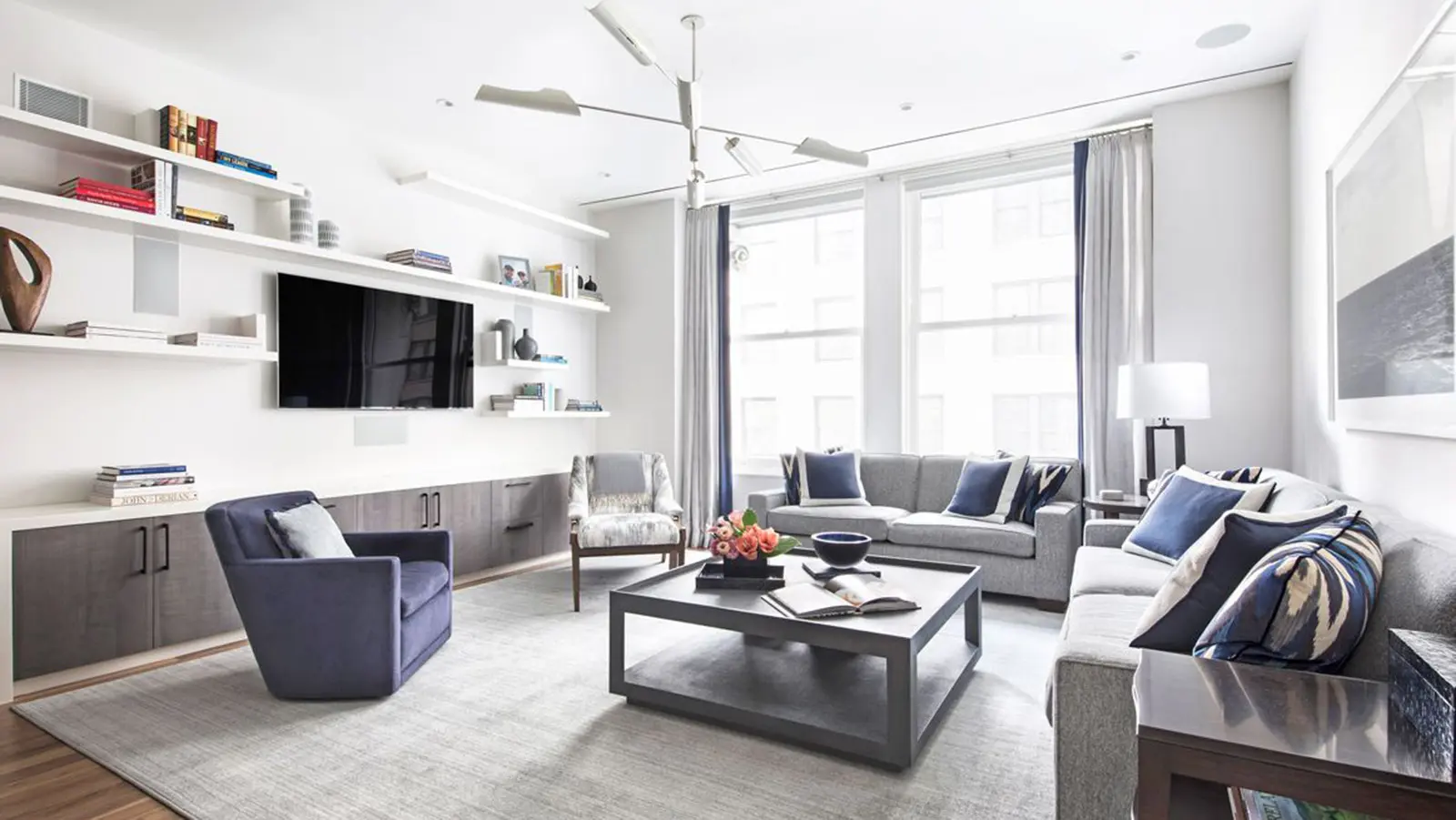
141 Fifth Avenue stands as one of the Flatiron District's most distinguished architectural landmarks, originally constructed in 1897 as the Merchants Bank of New York. This Beaux Arts masterpiece was designed by Robert Maynicke for the southern portion, with Henry Edwards Ficken completing the northern extension in 1900. The building's most striking feature is its distinctive domed cupola and curved corner that follows the street's contours, complemented by white brick façades with elaborate terracotta decoration, banded columns, and circular windows that create a truly iconic presence at the corner of Fifth Avenue and East 21st Street.
In 2009, the top ten floors of the 12 story building were converted into 38 luxury condominiums by SL Green and Savanna Partners, with Cetra/Ruddy handling the residential conversion. The developers meticulously preserved the building's historic character while introducing modern luxury finishes. A particularly notable feature is the triplex cupola apartment, which was highlighted in The New York Times as one of the most recent dome conversions in the city, originally marketed for $12 million and featuring 3,200 square feet plus three terraces totaling 780 square feet of outdoor space.
The residences showcase impressive scale with soaring 10 to 11 foot ceilings and wide plank solid walnut flooring throughout. Kitchens feature a consistent English style design with custom hand painted cabinetry, walnut and marble islands with hand turned balusters, and top tier appliances including Wolf six burner ranges, glass door Sub-Zero refrigerators, and built in Miele coffee systems. Bathrooms are luxuriously appointed with Waterworks fixtures, custom mosaic floors, and many feature freestanding soaking tubs. Several units boast private terraces of 500 square feet or more, while the split bedroom layouts provide optimal privacy.
Building amenities include a 24 hour doorman and live-in superintendent, along with a restored roof deck offering panoramic city views, a fitness center, and basement storage. The location provides exceptional convenience to Madison Square Park, the Ladies Mile Historic District, Union Square, and the vibrant dining and shopping scenes of Flatiron, Chelsea, and Gramercy neighborhoods, with multiple transportation options nearby.
For screen reader users all content above is visible so you may ignore the show more button below.
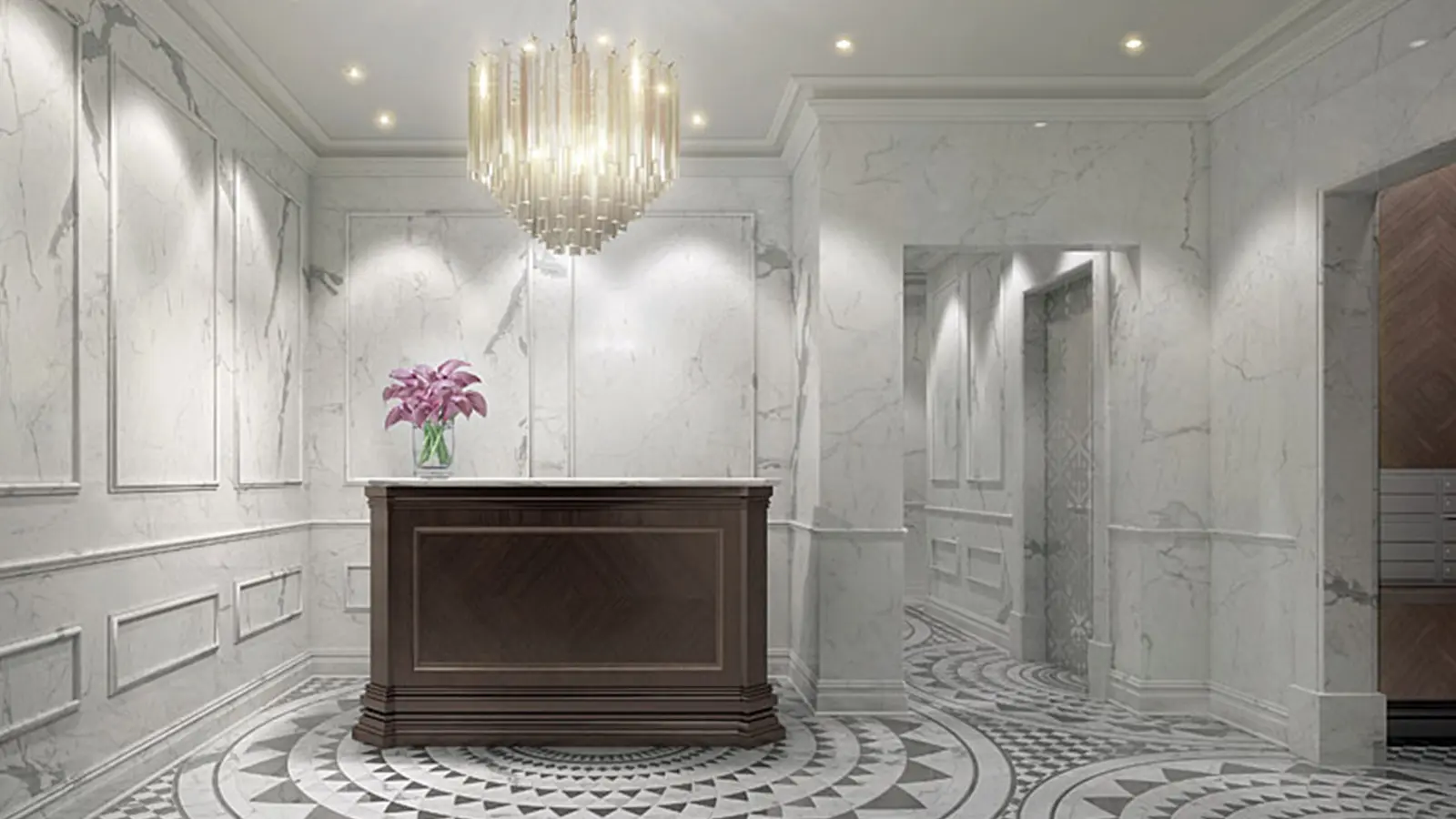
22 Central Park South is a marvel of modern luxury with the most spectacular Central Park views. Built in conjunction with The Plaza Residences, this private enclave offers the finest in exclusivity and concierge living with seven extraordinary full floor and duplex condominium residences. Enjoy all the Plaza amenities while maintaining the privacy and discretion that only 22 Central Park South can offer with your own 24-hour doorman and concierge. Located at the crossroads of Fifth Avenue and Central Park South, this luxury condominium is perfectly located to enjoy the best that New York City has to offer. Have it all with extraordinary restaurants, luxury shopping, theatre, ballet, fine art galleries and world famous museums only moments away.
For screen reader users all content above is visible so you may ignore the show more button below.
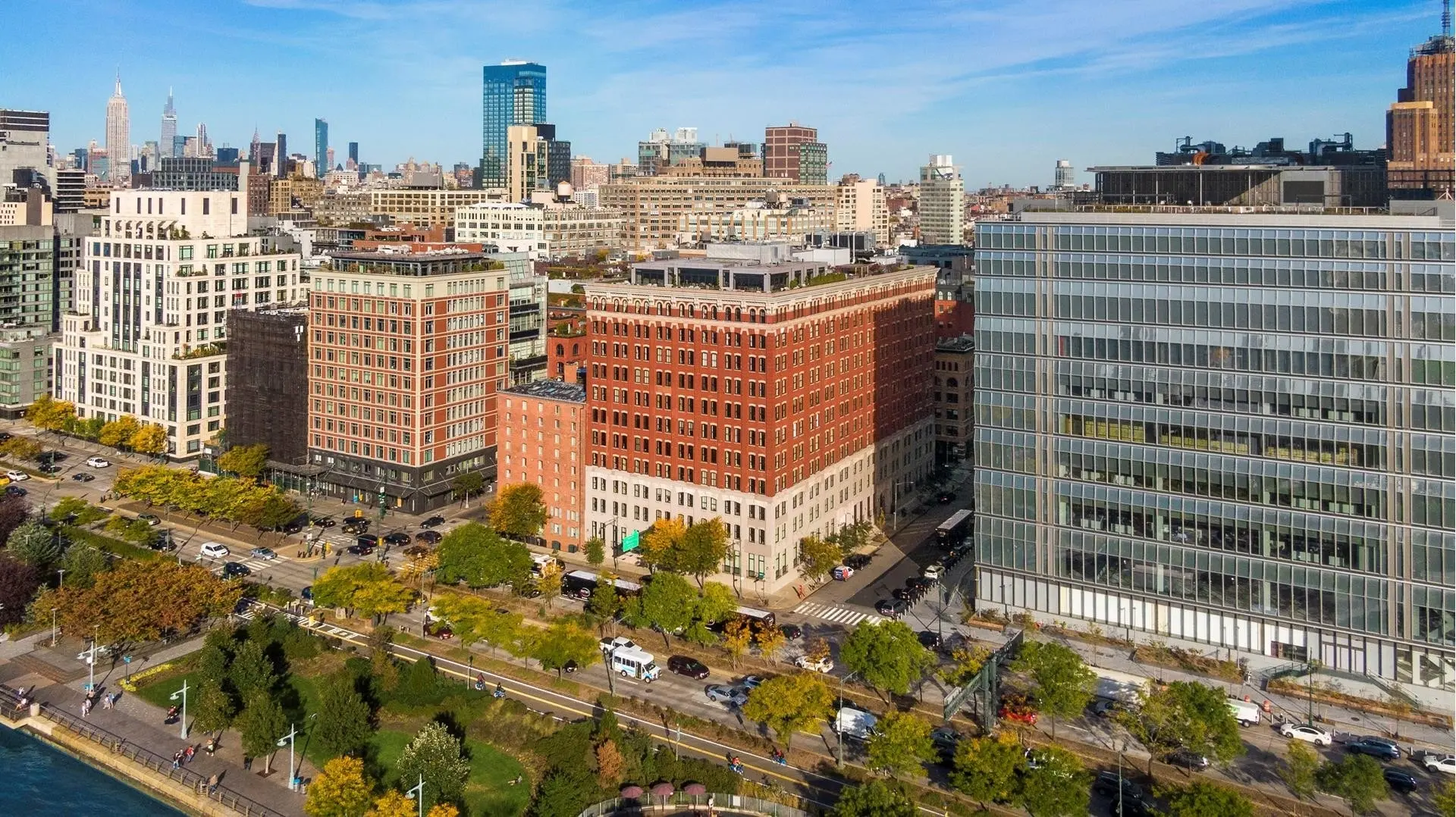
250 West Street stands as a distinguished example of early 20th-century industrial architecture transformed into luxury living. Originally built in 1906 as a warehouse designed by William H. Birkmire, this full-block, 11-story building spans from West to Washington streets in Tribeca's historic district. The El Ad Group converted the landmark structure into 106 luxury condominiums in 2012, with GNA Architects carefully preserving its character while adding modern amenities. The building's striking façade features a three-story limestone base with arched pediments, red-brick masonry with rusticated piers, and two grand entrances with 10-foot-high iron gates.
Residents enjoy an impressive array of amenities centered around a 61-foot swimming pool and state-of-the-art fitness center. The building offers 24-hour doorman and concierge services, a children's playroom, sauna, and library lounge. The crown jewel is a 5,000-square-foot rooftop terrace with panoramic views, complete with sundeck, dining area, and vegetable garden. A center courtyard was created during the conversion, and the building maintains a live-in superintendent while remaining pet-friendly.
Apartments feature soaring ceilings ranging from 10 to 16 feet, with many units showcasing the building's original arched windows. Standard finishes include Poggenpohl cabinetry, Sub-Zero and Bosch appliances, marble bathrooms, and 5-inch plank oak hardwood floors throughout. Units range from loft-style one-bedrooms to expansive four-bedroom residences, with many offering Hudson River views. The penthouse features a private elevator and 4,350-square-foot terrace. Corner units are particularly coveted for their multiple exposures and abundant natural light.
The building's location directly across from Hudson River Park's Piers 25 and 26 provides residents with immediate access to recreational amenities including miniature golf, beach volleyball courts, and children's playgrounds. This prime Tribeca positioning places residents within walking distance of the neighborhood's renowned dining scene and cultural attractions, while offering convenient access to multiple subway lines and the waterfront's 500 acres of parkland.
For screen reader users all content above is visible so you may ignore the show more button below.
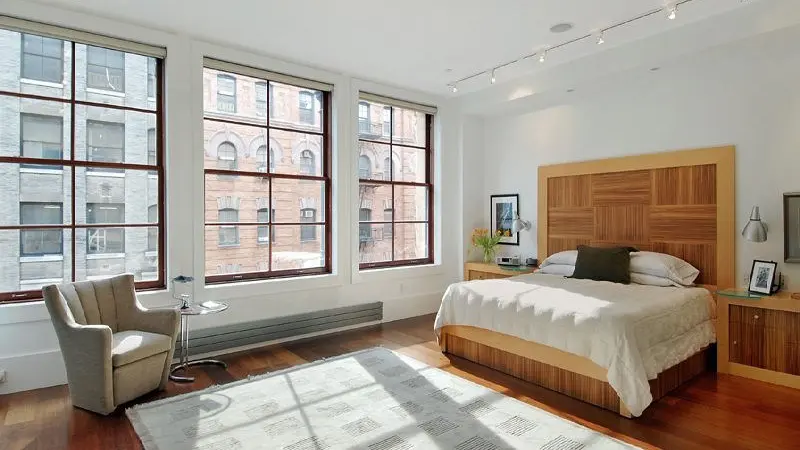
140 Franklin Street is one of central Tribeca's most distinguished residential conversions, housed within a Romanesque Revival masterpiece designed by Albert Wagner in 1887. Wagner, who also created the iconic Puck Building, originally designed this cream-colored brick structure for wrapping paper magnate D.S. Walton & Co. The building's façade features balustraded rooflines, large arched windows on the fifth floor, strong rustication on the ground level, and a particularly notable protruding corner element on the top floor that showcases Wagner's architectural prowess.
Converted into a 14 unit boutique condominium by Sanba International Inc. under architect Aldo Andreoli, the building maintains its historic grandeur while offering modern luxury amenities. Residents enjoy 24 hour doorman service, a full time superintendent, and a lobby featuring an original mural by renowned conceptual artist Sol LeWitt, making it one of the few residential buildings downtown to showcase work by this celebrated American artist. The building also includes a water filtration system and comprehensive security features.
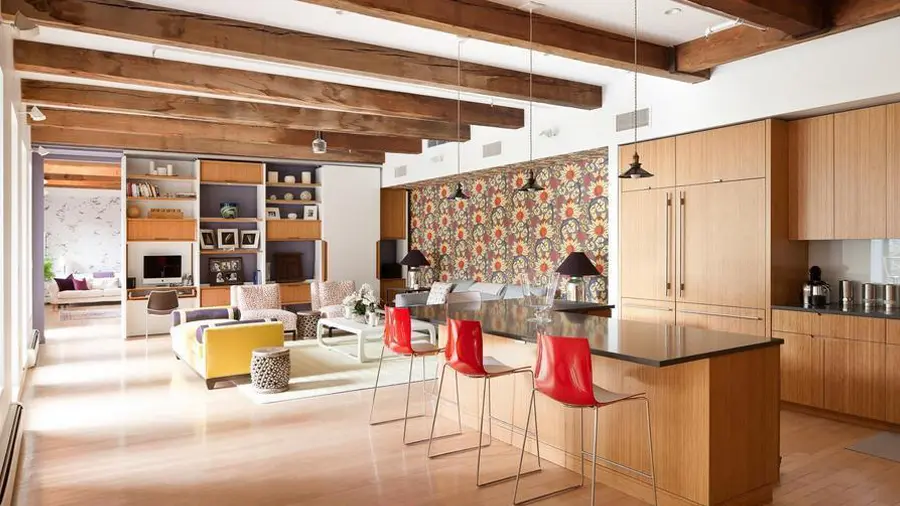
The residences within 140 Franklin Street are characterized by their exceptional scale and authentic loft features. Most apartments boast soaring ceilings ranging from 11 to 14+ feet, original cast iron columns from the 1887 construction, wide plank hardwood floors (typically Brazilian wood or oak), and dramatic skylights that flood the spaces with natural light. Wood burning fireplaces serve as focal points in the grand living areas, while oversized windows, many reaching 10+ feet in height, frame views of Tribeca's historic streetscape.
The building houses several spectacular penthouses, including multiple duplex units with private landscaped terraces exceeding 2,200 square feet. These outdoor spaces feature custom sound systems, outdoor kitchens, and panoramic views of downtown landmarks including the One World Trade Center, Woolworth Building, and 56 Leonard Street. One particularly notable residence spans 6,300 square feet with a 100 foot long great room, while another penthouse designed by renowned architect Winka Dubbeldam offers over 5,000 square feet of interior space.
Kitchens throughout the building reflect chef caliber standards, typically featuring Sub-Zero refrigeration, Wolf ranges, and Gaggenau appliances. Many units include butler's pantries, wet bars with temperature controlled wine storage, and custom millwork by high end firms like Poliform. Bathrooms showcase luxury finishes including Bisazza glass mosaic tiles, Dorn Bracht fixtures, steam showers, and soaking tubs, while many residences feature Swiss engineered radiant heating systems and Lutron lighting controls.
Located on a cobblestone street in the heart of Tribeca's historic district, 140 Franklin Street offers proximity to the neighborhood's renowned dining scene and cultural attractions, with convenient subway access at the corner. The building's prestigious resident roster has included Mickey Drexler, former CEO of J. Crew.
For screen reader users all content above is visible so you may ignore the show more button below.
For screen reader users all content above is visible so you may ignore the show more button below.
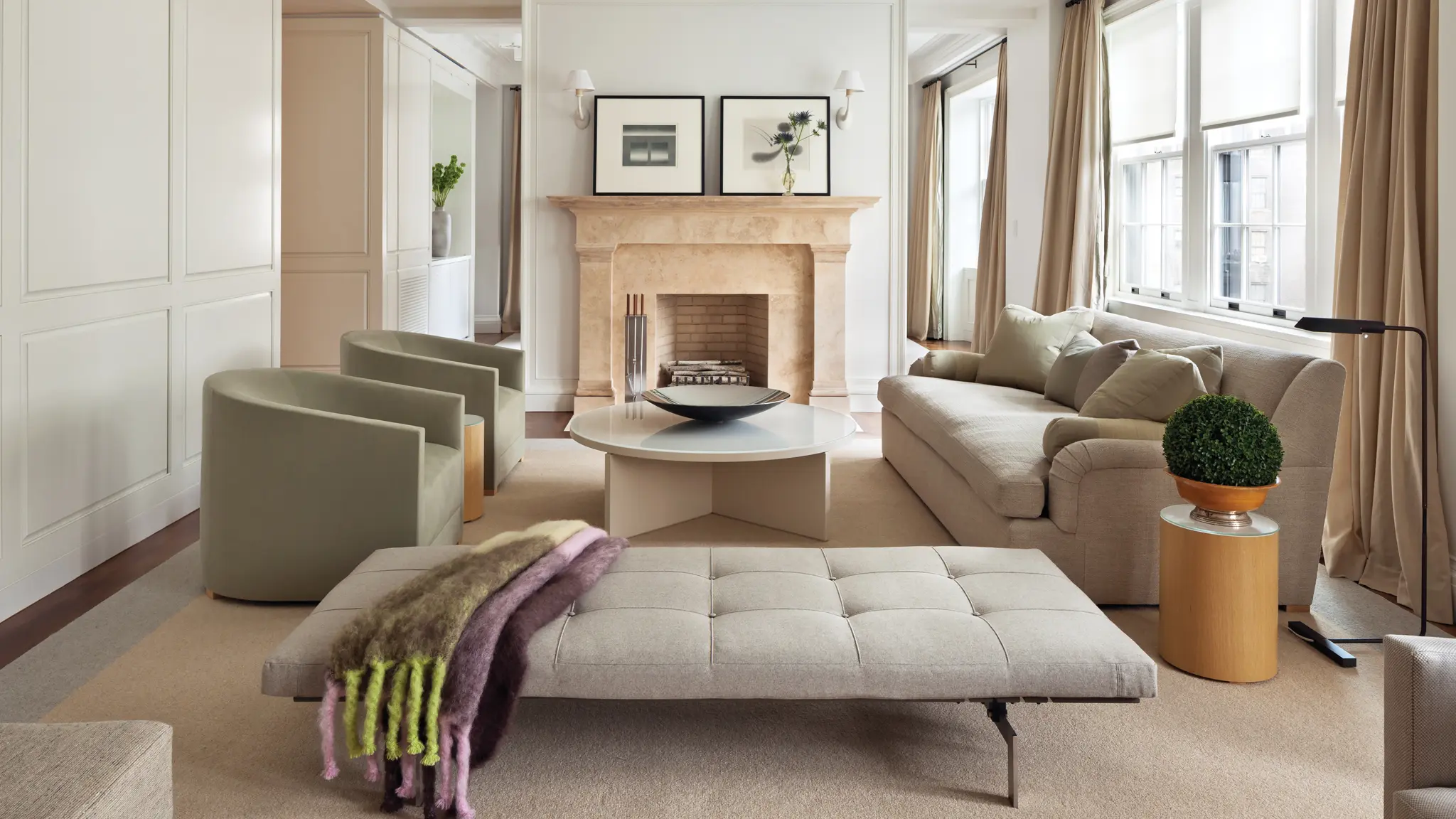
The Marquand stands as a distinguished example of early 20th century New York architecture, constructed in 1913 in the elegant Beaux-Arts Revival style. This architectural approach, popular during the City Beautiful movement, reflects the grandeur and classical influences that defined luxury residential construction of the era. The building represents a significant piece of Manhattan's architectural heritage from this important period.
The building has undergone a meticulous restoration and modernization process overseen by two highly regarded architectural firms: Shelton Mindel & Associates and Beyer Blinder Belle Architects. This collaboration between award winning firms ensures that the building's historic character has been preserved while incorporating contemporary living standards and modern conveniences. With only 26 apartments, The Marquand offers an intimate and exclusive residential experience that stands in contrast to larger Manhattan developments, creating a boutique living environment where residents can expect personalized attention.
Residents enjoy a comprehensive suite of amenities designed for modern urban living, including a 24 hour doorman and concierge service, a fitness center, and a children's playroom for families. The building also features a live-in resident manager, providing an additional layer of personalized service and immediate attention to building matters, further enhancing the white glove service experience.
The Marquand's prime location provides convenient access to some of Manhattan's most desirable destinations. Proximity to Central Park offers residents easy access to green space and recreational opportunities, while the nearby Madison Avenue shopping district provides world class retail and dining. The building's strategic positioning also offers access to several subway lines, ensuring seamless connectivity throughout the city.
For screen reader users all content above is visible so you may ignore the show more button below.
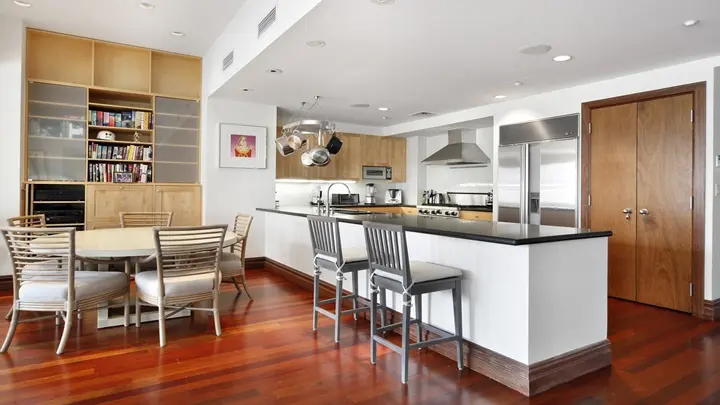
The Lofts of Greene Street, located at 103 Greene Street, is a distinguished full-service condominium in SoHo, featuring a striking cast-iron façade and a unique architectural history. Originally built in 1879, the building consists of two structures, with 101 Greene Street being reconstructed after a fire in 1950 using the façade of 103 Greene Street as a model. This intimate building houses only 12 residential units, ensuring a private living experience with one apartment per floor.
Each apartment boasts impressive 14-foot ceilings and expansive floor plans, with many units offering luxurious features such as private roof decks, landscaped terraces, and high-end kitchens equipped with Sub-Zero and Viking appliances. The building provides a range of amenities, including a 24-hour doorman, concierge service, and full-time maintenance staff, enhancing the convenience and security of residents.
Notable for its prime location, The Lofts of Greene Street is surrounded by a vibrant array of boutiques, art galleries, and restaurants, making it a desirable address in the heart of SoHo. The apartments are designed to maximize natural light, with large windows and open layouts that create a spacious and airy atmosphere. The building has attracted a number of high-profile residents, adding to its allure.
With its blend of historic charm and modern luxury, The Lofts of Greene Street stands out as a unique offering in New York City's competitive real estate market, appealing to those seeking both style and substance in their living environment.
For screen reader users all content above is visible so you may ignore the show more button below.
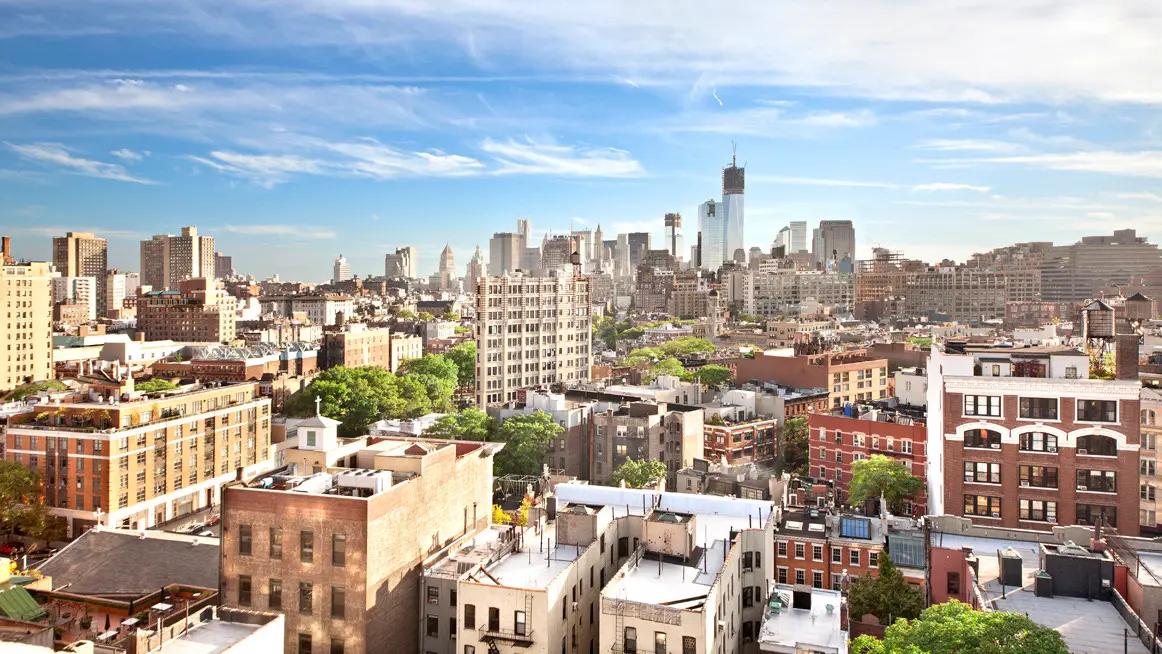
147 Waverly Place, designed by prominent architects Jardine, Kent and Hill and known as The Waverly Building, was originally constructed in 1912. The building's characteristic shape reflects the oblique angle of its prime corner site. Adapted as a boutique 20-unit condominium, The Waverly Building now includes a 24-hour doorman, 24-hour concierge service, a full time superintendent, a beautiful roof terrace with Village, Empire State Building and skyline views, and basement storage. The building is steps from Washington Square Park, gourmet grocery stores, amazing restaurants, and public transportation.
For screen reader users all content above is visible so you may ignore the show more button below.
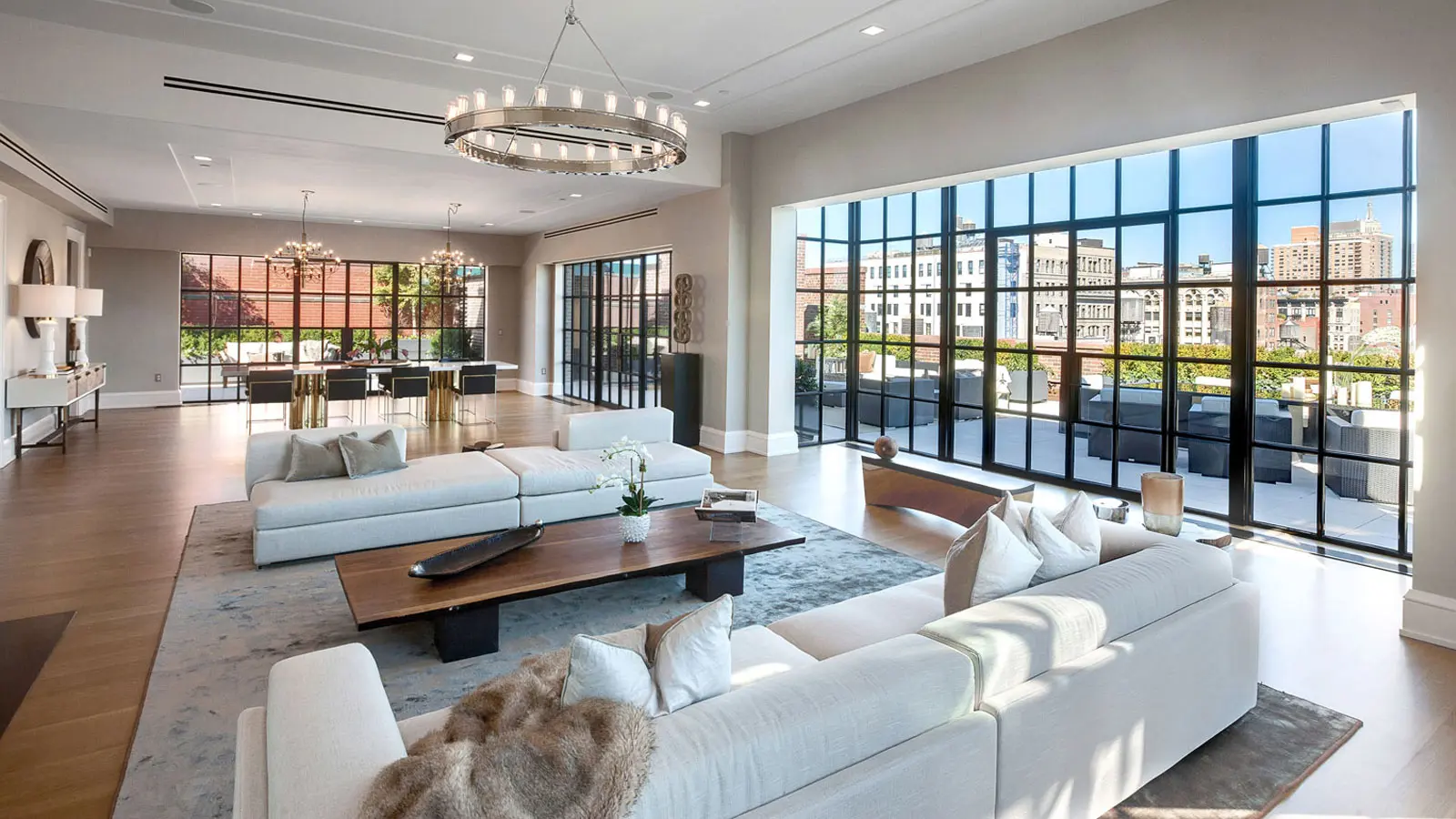
The Puck Building at 295 Lafayette Street in SoHo, one of the city’s grand 19th Century buildings, is distinguished by two gilded statues of Puck, a character from Shakespeare’s “Mid-Summer’s Night Dream.” The full-service boutique residence with a 24-hour doorman consists of just 6 apartments atop a mixed-use building.
Of these, the most spectacular residence is the 5-bedroom, 7.5-bath penthouse with 7,241 square feet of interior and 5,158 square feet of exterior living space with a library, gym, home theater, wine cellar and landscaped private terraces with a yoga lawn, putting green, spa tub and wet bar.
For screen reader users all content above is visible so you may ignore the show more button below.
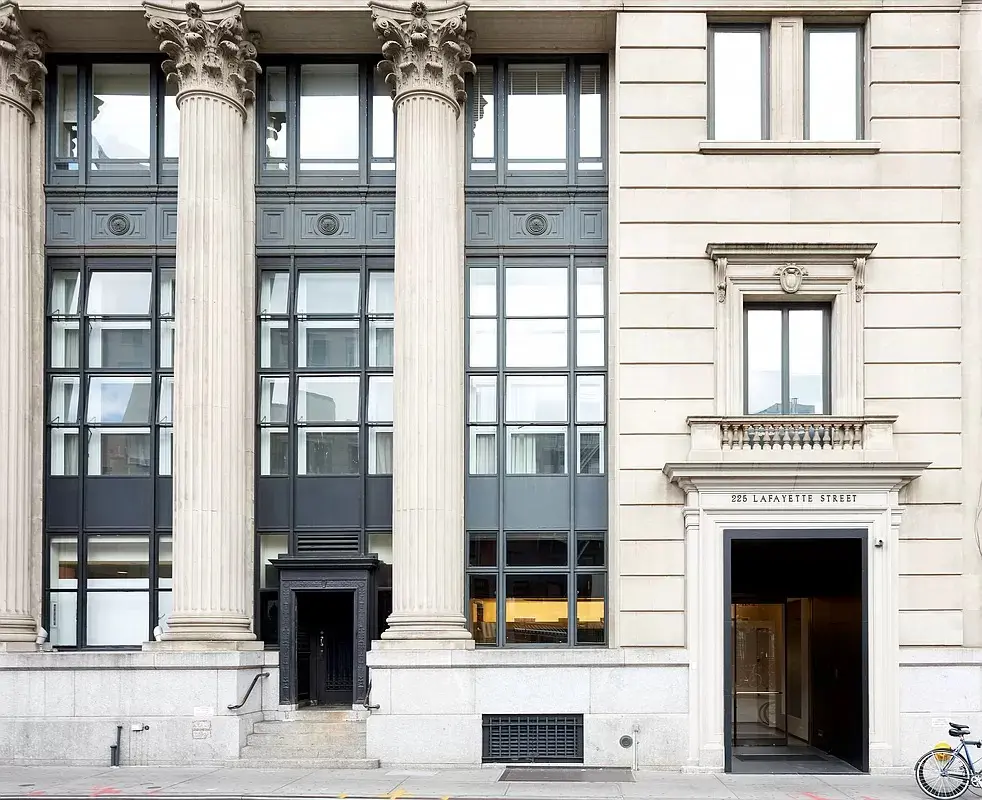
Spring at 225 Lafayette Street was designed by Cass Gilbert, the architect of the legendary Woolworth Building.
Africa Israel Investments converted the 14-story former East River Savings Bank Building into 40 residences and 12,000 square feet of retail space in 2004. A rooftop penthouse with a wrap-around terrace was added in the conversion. Modern residences range in size from one to three bedrooms and offer sleek and sophisticated styling that reflects the neighborhood’s fusion of fashion, design, entertainment and recreation. Apartments have high ceilings, large walk-in closets and state-of-the-art kitchens with topnotch cabinets, appliances and counters. Master baths include Kohler fixtures and deep, two-person soaking tubs.
Residents of Spring have access to such amenities as 24-hour concierge service, a private roof deck and basement storage. 225 Lafayette Street is close to several subway lines as well as the great shops, restaurants and night life in SoHo and NoHo.
For screen reader users all content above is visible so you may ignore the show more button below.
For screen reader users all content above is visible so you may ignore the show more button below.
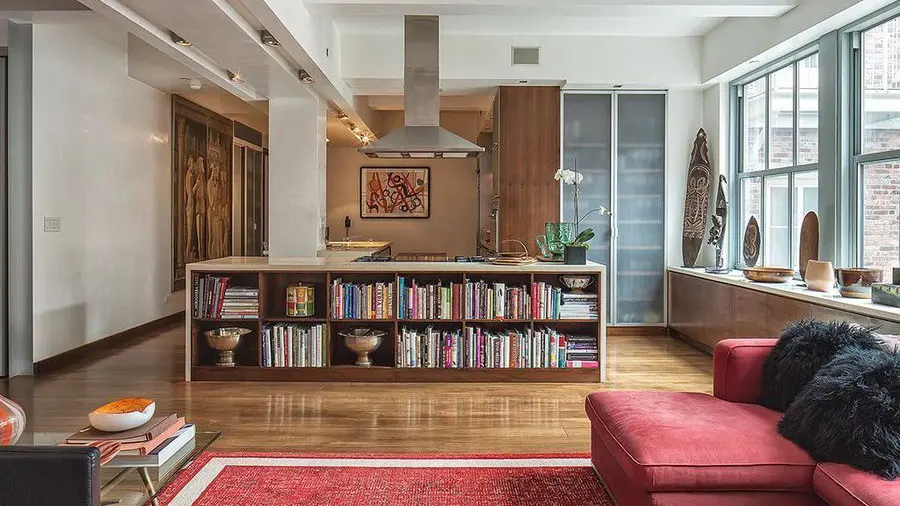
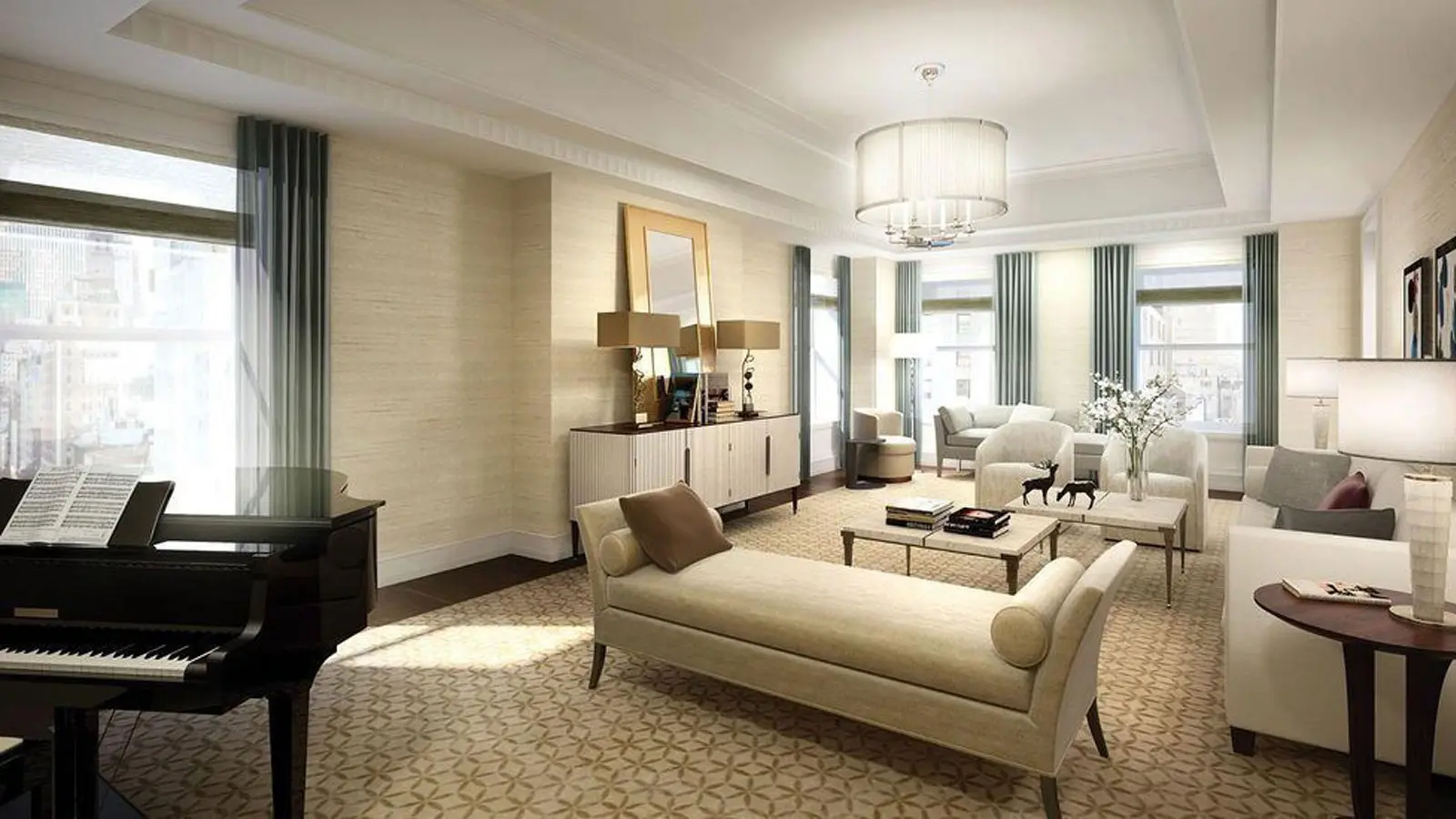
The Carl Fischer Building at 62 Cooper Square faces Cooper Square, a green plaza and promenade at the confluence of some of Manhattan’s most exciting neighborhoods - NoHo, the Bowery, East Village, Greenwich Village and Union Square. The property consists of three pre-war buildings - a 12-story loft and two four-story buildings next door. The loft holds a shared roof deck with dramatic skyline views, with a private penthouse with a hot tub taking up the roof of one of the smaller buildings.
The Carl Fisher Building offers a 24-hour doorman/concierge, an on-site superintendent, and resident storage. A Life Time Fitness gym is located in the base of the building. Some of the city’s liveliest dining and nightlife abounds on the surrounding blocks; the campus of Cooper Union, one of the country’s most prestigious art and architecture universities, sits next door and across the square; up the block, the Astor Place station of the 6 train puts both Downtown and Midtown within a ten-minute commute.
For screen reader users all content above is visible so you may ignore the show more button below.

 6sqft delivers the latest on real estate, architecture, and design, straight from New York City.
Like us on Facebook to keep up with the trends and
6sqft delivers the latest on real estate, architecture, and design, straight from New York City.
Like us on Facebook to keep up with the trends and 