
The city is considering the rezoning of about 100 blocks in West Harlem, according to an article yesterday at observer.com by Matt Chaban.
"Back when Columbia got Manhattanville rezoned in 2008 - the area was dedicated to manufacturing, historically a hub of meatpacking - the community, including [Borough President Scott Stringer, hoped more of the neighborhood would be included than just the 17 acres Columbia had its eye on. At the time," the article said, "the city said it would consider doing so in a later rezoning, which has been quietly in the works ever since. Initially proposed to cover 125th Street to 145th Street, the current plans call for pushing the protections an additional 10 blocks north, to 155th Street. The area is bounded by Riverside Drive on the west and roughly St. Nicholas Avenue on the east."
"We had to create a balance between helping a university that will have such a positive impact for New York City, in terms of jobs and economic opportunities; at the same time we have to make sure we return the favor to West Harlem and protect the people who have always been there," Stringer told The Observer.
"The rezoning," the article continued, "will not reduce the density of the district so much as ensure it remains consistent with its surroundings vis-a-vis contextual zoning, which places certain height and massing restrictions on buildings....There will still be some upzonings, such as along 145th Street and possibly some of the avenues, which, when coupled with the city's inclusionary housing program, are meant to spur affordable housing."
The article said that "beyond housing, the plan will help allow for City College's future growth, as well as setting aside some land for manufacturing or other economic development opportunities. Ground-floor retail will also be encouraged in the district."
Stringer noted that the university was entirely supportive of the new plan, the article said. "The goal for me, as it relates to the Columbia expansion, is to make sure it doesn't overrun West Harlem, but to coexist with West Harlem," he said.
"When Columbia announced its plans to create a new 17-acre campus in the Manhattanville neighborhood of West Harlem," the article noted, "those living just next door were understandably worried. The university has had a fractious relationship with Morningside Heights, from the controversial 1960s gymnasium that sparked riots to its imposing campus that is seen as off-limits to outsiders. While the promise of jobs and development in a moribund industrial neighborhood was appealing, the cost of living with Columbia seemed greater than the reward. It is not even Columbia per se that had people most worried, but the gentrification a university expansion could stoke when construction gets underway.
"Back when Columbia got Manhattanville rezoned in 2008 - the area was dedicated to manufacturing, historically a hub of meatpacking - the community, including [Borough President Scott Stringer, hoped more of the neighborhood would be included than just the 17 acres Columbia had its eye on. At the time," the article said, "the city said it would consider doing so in a later rezoning, which has been quietly in the works ever since. Initially proposed to cover 125th Street to 145th Street, the current plans call for pushing the protections an additional 10 blocks north, to 155th Street. The area is bounded by Riverside Drive on the west and roughly St. Nicholas Avenue on the east."
"We had to create a balance between helping a university that will have such a positive impact for New York City, in terms of jobs and economic opportunities; at the same time we have to make sure we return the favor to West Harlem and protect the people who have always been there," Stringer told The Observer.
"The rezoning," the article continued, "will not reduce the density of the district so much as ensure it remains consistent with its surroundings vis-a-vis contextual zoning, which places certain height and massing restrictions on buildings....There will still be some upzonings, such as along 145th Street and possibly some of the avenues, which, when coupled with the city's inclusionary housing program, are meant to spur affordable housing."
The article said that "beyond housing, the plan will help allow for City College's future growth, as well as setting aside some land for manufacturing or other economic development opportunities. Ground-floor retail will also be encouraged in the district."
Stringer noted that the university was entirely supportive of the new plan, the article said. "The goal for me, as it relates to the Columbia expansion, is to make sure it doesn't overrun West Harlem, but to coexist with West Harlem," he said.
"When Columbia announced its plans to create a new 17-acre campus in the Manhattanville neighborhood of West Harlem," the article noted, "those living just next door were understandably worried. The university has had a fractious relationship with Morningside Heights, from the controversial 1960s gymnasium that sparked riots to its imposing campus that is seen as off-limits to outsiders. While the promise of jobs and development in a moribund industrial neighborhood was appealing, the cost of living with Columbia seemed greater than the reward. It is not even Columbia per se that had people most worried, but the gentrification a university expansion could stoke when construction gets underway.
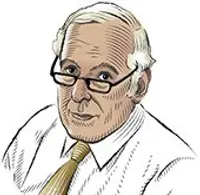
Architecture Critic
Carter Horsley
Since 1997, Carter B. Horsley has been the editorial director of CityRealty. He began his journalistic career at The New York Times in 1961 where he spent 26 years as a reporter specializing in real estate & architectural news. In 1987, he became the architecture critic and real estate editor of The New York Post.

 6sqft delivers the latest on real estate, architecture, and design, straight from New York City.
