
Mayor Michael Bloomberg visited Harlem yesterday to unveil his updated PlaNYC plan, which is aimed at building "a greener, greater New York," according to an article in yesterday's edition of observer.com by Amanda Sterling.
"The event, at Harlem Stage, gave away free reusable water bottles to the media, and distributed press releases on individual flash drives rather than on paper. A high-definition slideshow of natural and city scenes played as the mayor spoke about the updates to the plan to make New York 'the most environmentally sustainable 21st-century city,'" the article said.
"The earth was not given to you by your parents," said Bloomberg, recalling an old proverb. "It was loaned to you by your children."
PlaNYC was launched in 2007 to increase the city's long-term sustainability, and specifically aims to have one million trees growing in the city by 2017 and reduce carbon emissions 30 percent by 2030. The mayor must update the plan every four years.
The city maintains that the "effort has yielded tremendous results," adding that "in just four years we've added more than 200 acres of parkland while improving our existing parks. We've created for preserved more than 64,000 units of affordable housing. We've provided New Yorkers with more transportation choices. We've enacted ambitious laws to make existing buildings more energy-efficient. And our greenhouse gas emissions have fallen 13 percent below 2005 levels."
"While our long-term goals will not be met for many years, we are ion schedule toward most of them and launched 97 percent of the 127 initiatives in the 2007 plan," according to the progress report issued yesterday.
"We've completed over 20 transit-oriented rezonings area so that more than 87 percent of new development is transit-accessible," it continued, adding that "we've launched the city's first bus rapid transit system and committed $1.5 billion for green infrastructure to clean our waterways...[and planed nearly half a million trees."
The report said that "over 30 percent of the yellow taxi fleet is now 'green,' reducing emissions from some of our heaviest-used vehicles...[and we've enacted regulations to phase out dirty heating fuels, which are responsible for more pollution than all of the cars and trucks on our streets...[and we've streamlined the process to remediate brownfields reducing the average time it takes to begin a cleanup of our city's most polluted plots....Pedestrian fatalities are down. We've completed over 100 energy efficient retrofits on City-owned buildings as part of our commitment to reduce City Government greenhouse gas emissions 30 percent by 2017....And we've launched one of the most comprehensive efforts of any city in the world to increase our resilience to climate change."
The picture, however, is not all rosy.
"Our efforts to maintain, improve, and expand the transit network have been stymied by the lack of a stable, sufficient, and rational funding source. Congestion continues to clog our streets, costing us all money measured in time, wasted fuel and dirtier air. The global recession has forced us to reduce our capital budget;...several initiatives have also been slowed by a lack of state or federal permission, acting, or funding."
"While new [housing inventory generally relieves pressures on costs in the long run, housing currently is too expensive for many New Yorkers. Over half of households spend more than 30 percent of their gross incomes on housing costs, and only 64 percent of apartments are affordable to a median income New Yorker."
"The event, at Harlem Stage, gave away free reusable water bottles to the media, and distributed press releases on individual flash drives rather than on paper. A high-definition slideshow of natural and city scenes played as the mayor spoke about the updates to the plan to make New York 'the most environmentally sustainable 21st-century city,'" the article said.
"The earth was not given to you by your parents," said Bloomberg, recalling an old proverb. "It was loaned to you by your children."
PlaNYC was launched in 2007 to increase the city's long-term sustainability, and specifically aims to have one million trees growing in the city by 2017 and reduce carbon emissions 30 percent by 2030. The mayor must update the plan every four years.
The city maintains that the "effort has yielded tremendous results," adding that "in just four years we've added more than 200 acres of parkland while improving our existing parks. We've created for preserved more than 64,000 units of affordable housing. We've provided New Yorkers with more transportation choices. We've enacted ambitious laws to make existing buildings more energy-efficient. And our greenhouse gas emissions have fallen 13 percent below 2005 levels."
"While our long-term goals will not be met for many years, we are ion schedule toward most of them and launched 97 percent of the 127 initiatives in the 2007 plan," according to the progress report issued yesterday.
"We've completed over 20 transit-oriented rezonings area so that more than 87 percent of new development is transit-accessible," it continued, adding that "we've launched the city's first bus rapid transit system and committed $1.5 billion for green infrastructure to clean our waterways...[and planed nearly half a million trees."
The report said that "over 30 percent of the yellow taxi fleet is now 'green,' reducing emissions from some of our heaviest-used vehicles...[and we've enacted regulations to phase out dirty heating fuels, which are responsible for more pollution than all of the cars and trucks on our streets...[and we've streamlined the process to remediate brownfields reducing the average time it takes to begin a cleanup of our city's most polluted plots....Pedestrian fatalities are down. We've completed over 100 energy efficient retrofits on City-owned buildings as part of our commitment to reduce City Government greenhouse gas emissions 30 percent by 2017....And we've launched one of the most comprehensive efforts of any city in the world to increase our resilience to climate change."
The picture, however, is not all rosy.
"Our efforts to maintain, improve, and expand the transit network have been stymied by the lack of a stable, sufficient, and rational funding source. Congestion continues to clog our streets, costing us all money measured in time, wasted fuel and dirtier air. The global recession has forced us to reduce our capital budget;...several initiatives have also been slowed by a lack of state or federal permission, acting, or funding."
"While new [housing inventory generally relieves pressures on costs in the long run, housing currently is too expensive for many New Yorkers. Over half of households spend more than 30 percent of their gross incomes on housing costs, and only 64 percent of apartments are affordable to a median income New Yorker."
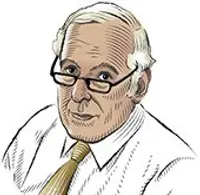
Architecture Critic
Carter Horsley
Since 1997, Carter B. Horsley has been the editorial director of CityRealty. He began his journalistic career at The New York Times in 1961 where he spent 26 years as a reporter specializing in real estate & architectural news. In 1987, he became the architecture critic and real estate editor of The New York Post.

 6sqft delivers the latest on real estate, architecture, and design, straight from New York City.
