- Apartments
- Overview & Photos
- Maps
- Building Specialists
- Floorplans
- Sales Data & Comps
- Similar Buildings
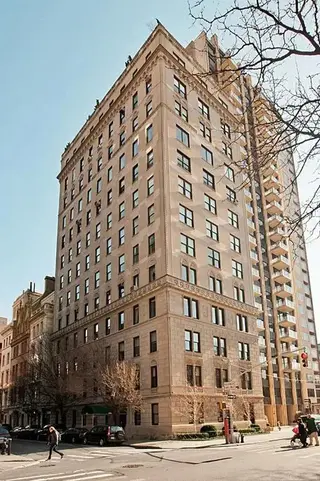
998 Fifth Avenue is a luxurious residential building with 17 opulent apartments across from the Metropolitan Museum of Art. The building features spacious layouts, high-end amenities, and has been designated as a city Landmark in 1974.

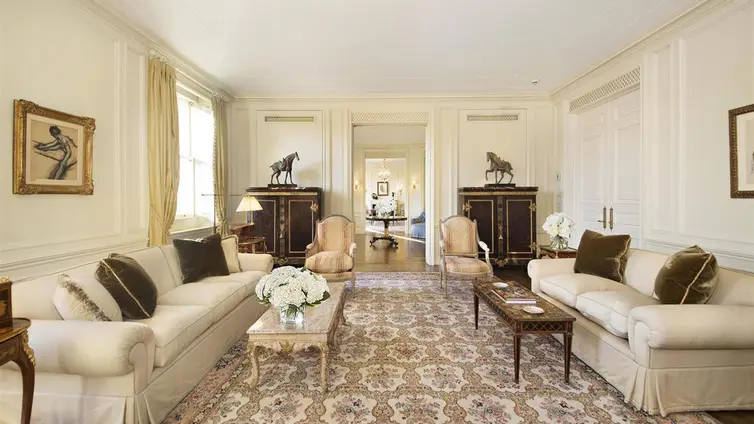
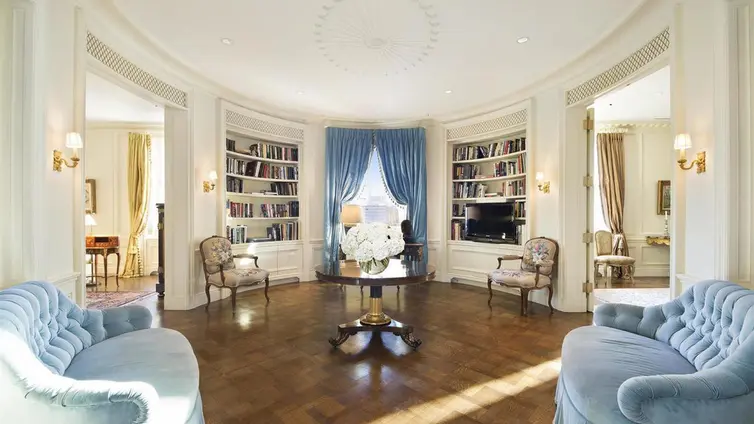
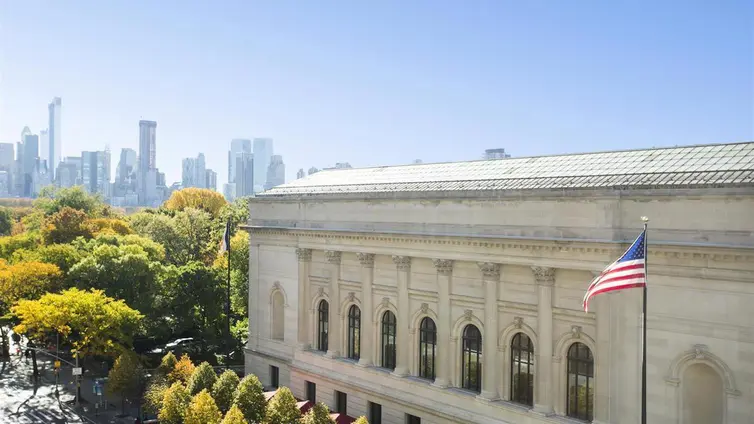
998 Fifth Avenue contains 17 opulent residences and sits on the northeast corner of 81st Street across from the Metropolitan Museum of Art.
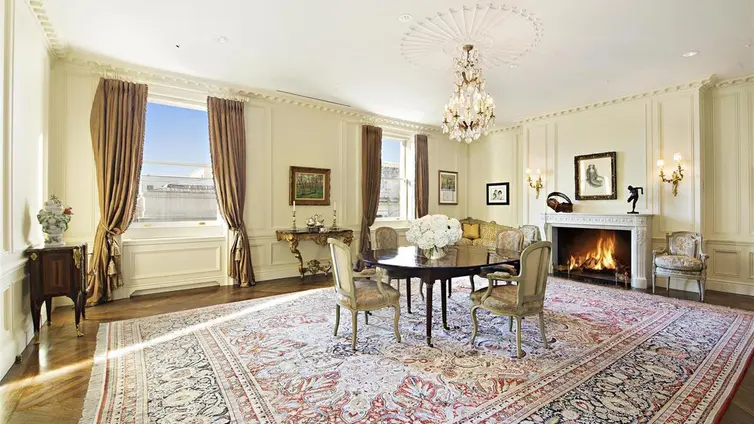
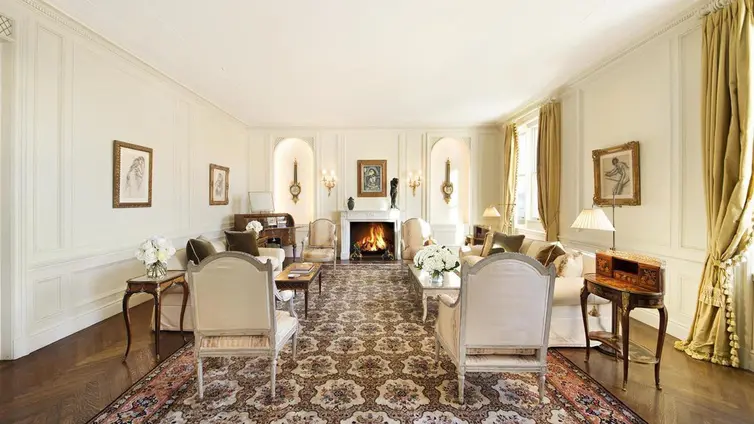
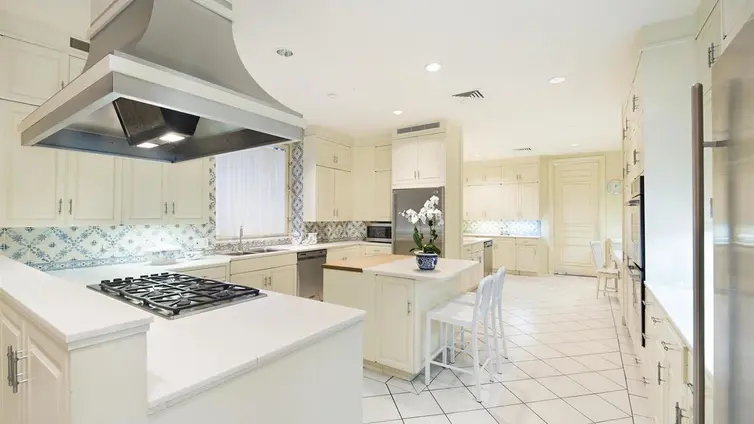
It is designed with six duplexes, which are all located on the southern corner, and 11 simplexes, each of which has seventeen rooms. The layouts are invariably magnificent with large entry halls, vast public spaces, sweeping stairways in the duplexes and at least 10-and-a-half foot ceilings throughout. From the start, 998 Fifth Avenue included marble framed doorways, a central vacuum-cleaning system, refrigerated wine cellars, safes for jewelry and silver, laundries with steam-drying devices, basement storage rooms and ample servants’ quarters. Since becoming a cooperative in 1953, apartments have been augmented with several more layers of luxe, including dazzling new kitchens and updated fixtures.
In 1974, 998 Fifth Avenue became a city Landmark. It is convenient to Central Park, the Met and many boutiques and shops.
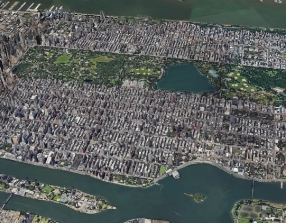
View school info, local attractions, transportation options & more.
Experience amazing 3D aerial maps and fly throughs.
For some co-ops, instead of price per square foot, we use an estimate of the number of rooms for each sold apartment to chart price changes over time. This is because many co-op listings do not include square footage information, and this makes it challenging to calculate accurate square-foot averages.
By displaying the price per estimated room count, we are able to provide a more reliable and consistent metric for comparing sales in the building. While we hope that this gives you a clearer sense of price trends in the building, all data should be independently verified. All data provided are only estimates and should not be used to make any purchase or sale decision.
Notable past and present residents at 998 Fifth Avenue

 6sqft delivers the latest on real estate, architecture, and design, straight from New York City.
Like us on Facebook to keep up with the trends and
6sqft delivers the latest on real estate, architecture, and design, straight from New York City.
Like us on Facebook to keep up with the trends and 