| |
About Park Avenue Court, 120 East 87th Street
In the 1970's, major department stores were having a tough time in the city. Over the decades, many of them had relocated as the residential center of Manhattan moved north, but in the 70's, the competition was mostly from the suburbs, where they already expanded into malls, and from small boutiques.
Some of them decided that medium-size "satellite" stores within the city in prime residential neighborhoods might prove successful and Gimbel's, then based in Herald Square, went ahead and built one, called Gimbel's East, on the northwest corner of 86th Street and Lexington Avenue in 1972.
The design by Abbott, Merkt & Co. built the large, windowless, 12-story structure around some existing movie theaters, but the new store was not a major success and the chain was dissolved in 1986.
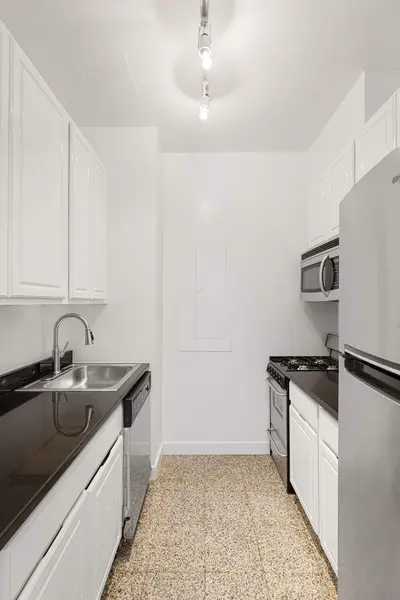
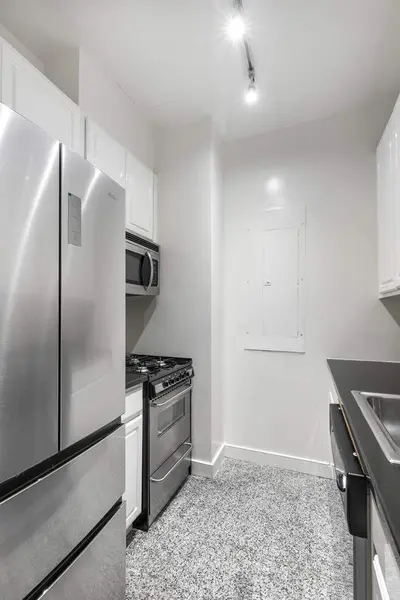
SZS Associates, a partnership of Silverstein Properties, the Zeckendorf Company and Melvin Simon Associates, soon commissioned Skidmore, Owings & Merrill in 1989 to convert the abandoned store into a condominium apartment building.
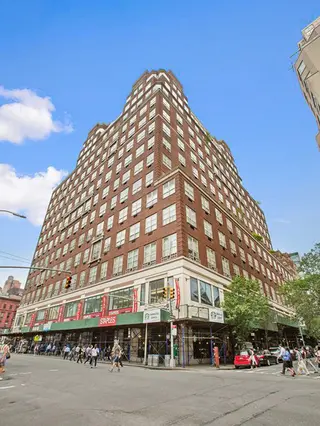
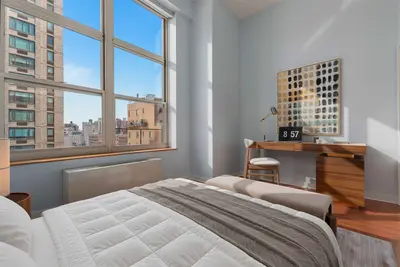
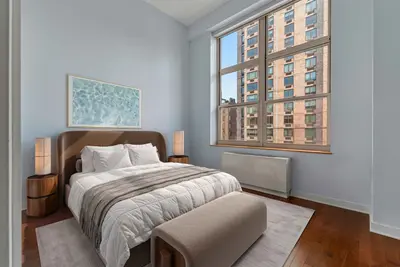
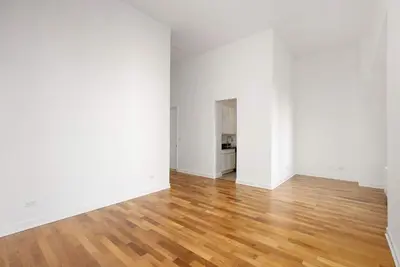
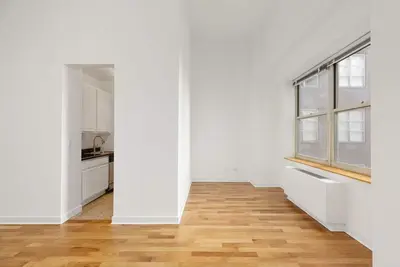
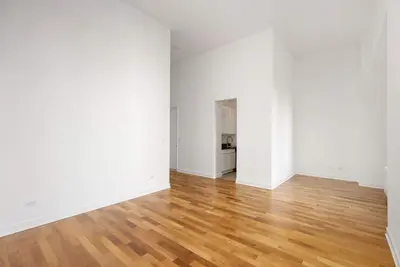
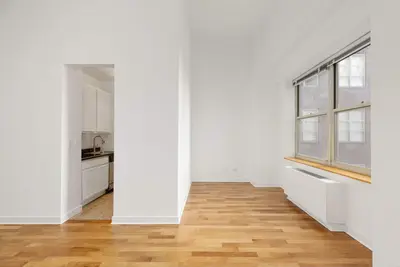
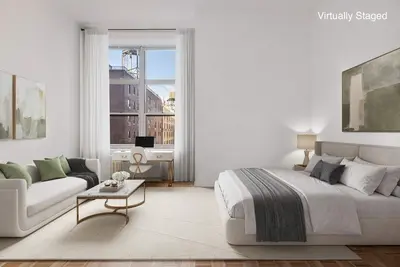
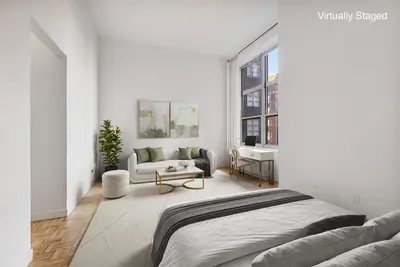
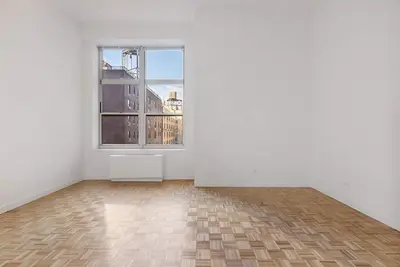
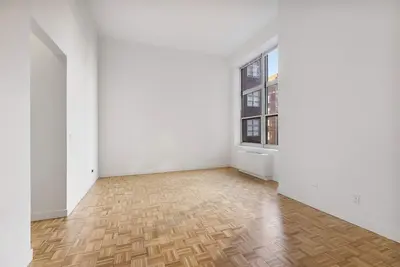
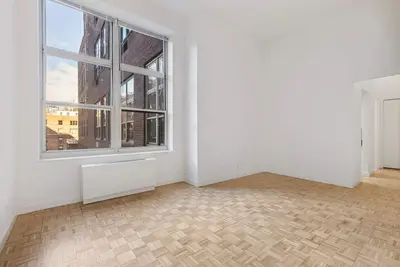
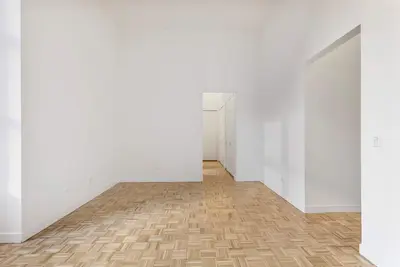
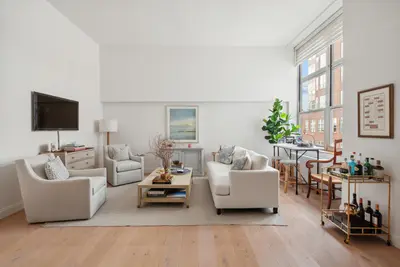
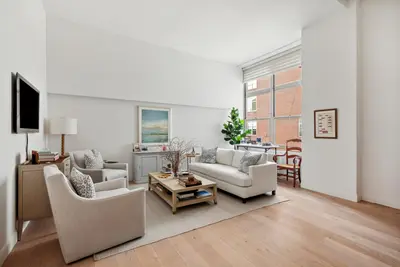
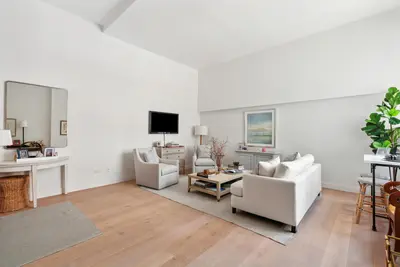
The building only has 17 stories, but it is quite tall as the ceilings are very high. Although the project had some sales difficulty originally because the 86th Street and Lexington Avenue intersection was one of the busiest and shabbiest on the Upper East Side, it secured some important, upscale retail tenants such as Barnes & Noble, Staples and HMV, the record store. HMV subsequently was replaced by Best Buy. At the same time, other new projects in the vicinity advanced, further upgrading the immediate neighborhood.
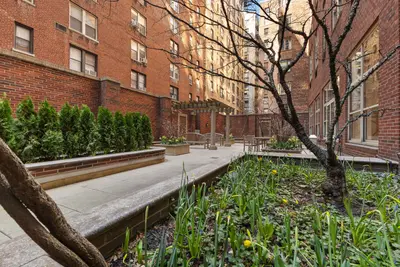
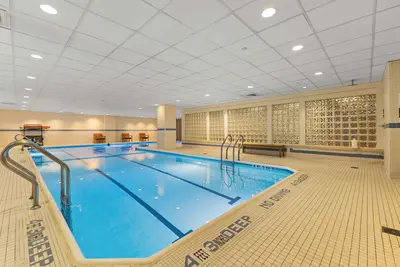
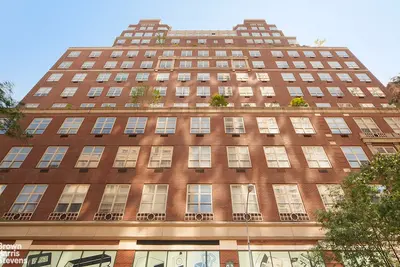
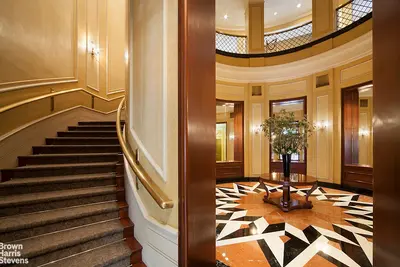
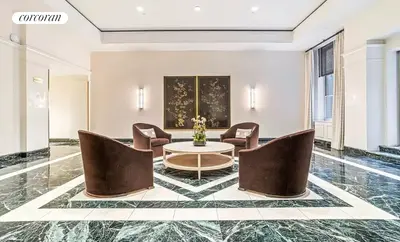
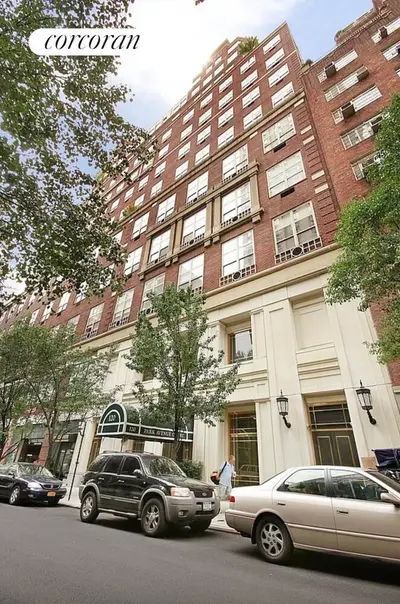
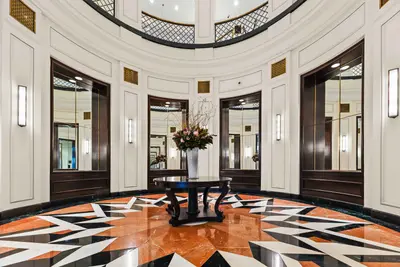
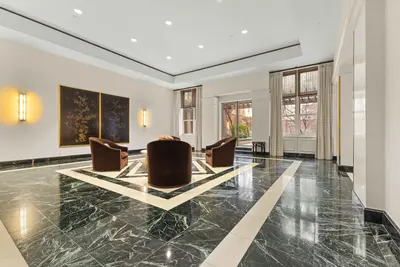
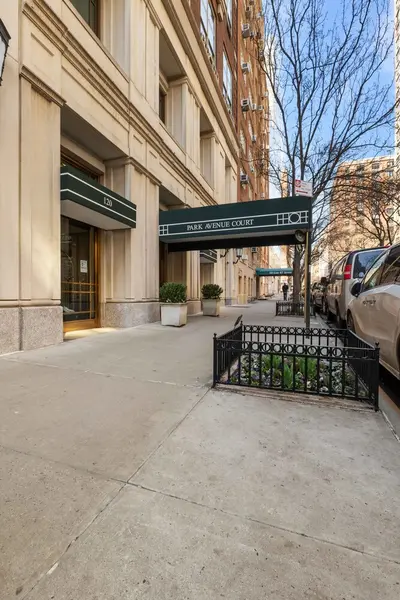
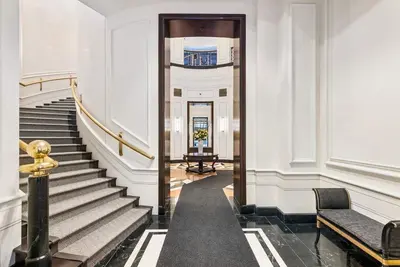
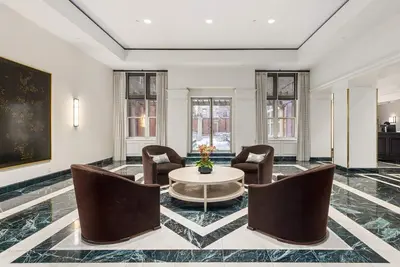
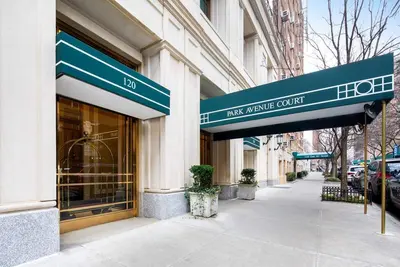
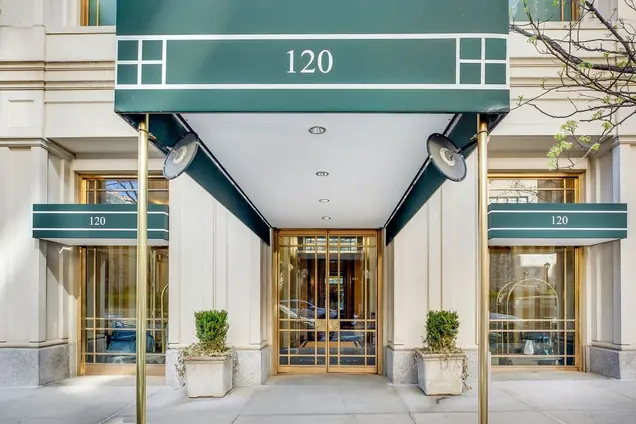
The building has a very large and attractive entrance and lobby on the much quieter sidestreet. Its red-brick and handsomely detailed façade made it one of the more distinguished looking buildings of its period, reminiscent stylistically, but not in scale, of many 1920's buildings on nearby Park Avenue.
"One designer apartment house proved surprisingly successful at capturing what had come to be known in real estate circles as the 'prewar style," Robert A. M. Stern, David Fishman and Jacob Tilove remarked about the building in their book, "New York 2000, Architecture and Urbanism Between The Bicentennial and the Millennium" (The Monacelli Press, 2006).
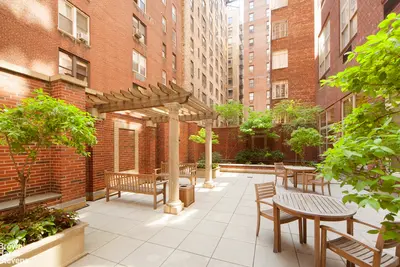
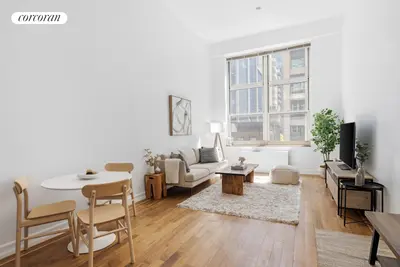
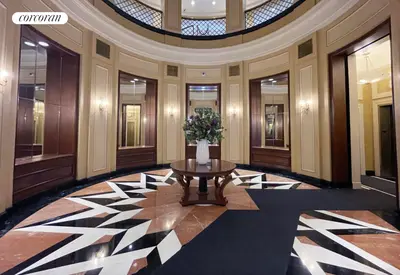
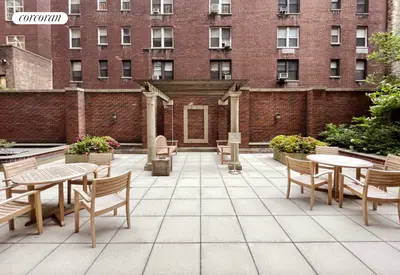
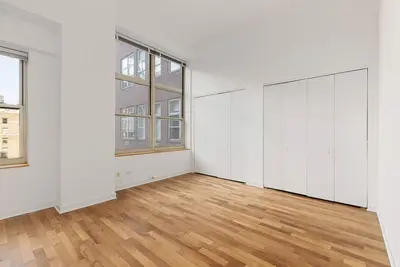
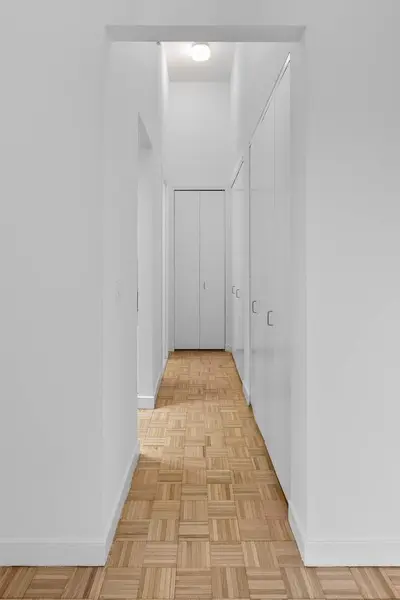
"SOM's design partner David Childs headed up the design effort, which called for the demolition of the top floor of the Gimbels building, the removal of a portion of the building to provide a courtyard, and the addition of six new set-back stories that split into two towers rising to 291 feet. Because of the sixteen-foot floor-to-floor heights of the original department store and the provision of fourteen-foot floor-to-floor heights in the new construction, 200 apartments on seventeen floors eschewed a loft-like aesthetic in favor of one rooted in the traditional Park Avenue apartments of the 1920s and 1930s: an entire new Georgianesque red brick, limestone-trimmed skin was set atop a limestone and glass-clad two-story base housing 75,000 square feet of retail space. Large-paned mullioned windows for the apartments were appropriately scaled to the interior room heights, helping to break down the sense of the building's mass, while a twenty-eight-foot-high, two-story rotunda lobby with mahogany walls and marble floors conveyed a sense of hotel-like grand luxury to residents and their guests," the authors continued.
The building incorporates two entrances to the subway at 86th Street within its street-wall. The building has a large marquee on 86th Street that originally was the entrance to a movie theater and now is the entrance to a Duane Reade store.
While the masonry and fenestration are very nice, there is no disguising the huge mass of the building. In 2006, construction began on the Lucida, a glass-clad apartment building developed by Extell Development across Lexington Avenue on the south side of 86th Street.
Despite the hustle and bustle of the Lexington Avenue intersection at 86th Street, the building's entrance is on a relatively quiet and pleasant side-street.
|