|
About The Porter House, 366 West 15th Street
New York City's emergence from the brackish design waters of blandness in which it had wallowed, to the contentment of many community activists, began early this millennium with several projects that would never have passed local muster just a few years before.
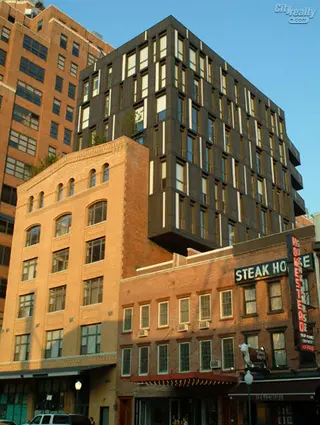
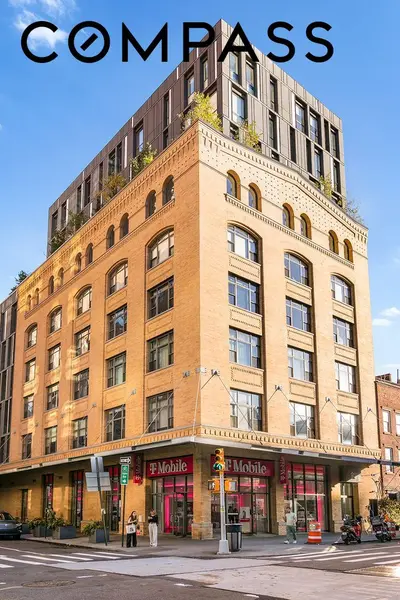
One of the boldest new designs is The Porter House, a relatively small conversion and expansion of an industrial building to condominium apartments. Although the project is small, it is a very significant and important development for it not only pays scant respect to the once-popular Post-Modern trend of trying to be traditional and "contextual," but it also, and more importantly, breaks new ground in its very unusual façade lighting.
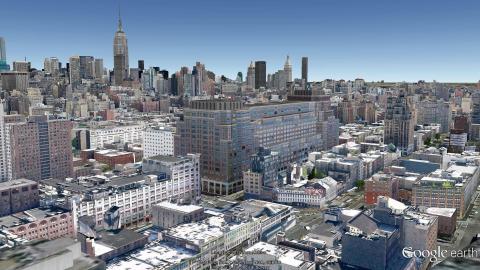
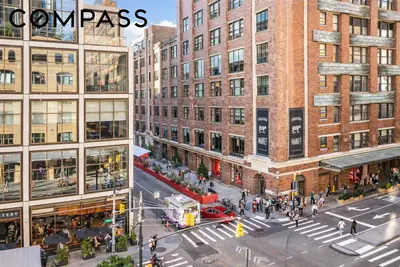
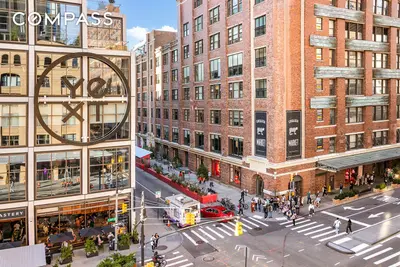
The building has a splendid location at 366 West 15th Street on the southeast corner at Ninth Avenue.
It is across 15th Street from the mammoth, full-block, Art Deco-style industrial building that was originally built by the Port Authority of New York and Jersey at 115 Ninth Avenue.
It is just to the north of the low-rise and sprightly Old Homestead Steakhouse.
It is diagonally across Tenth Avenue from the fabulous Chelsea Market, a gourmand's oasis that occupies the base of another gigantic red-brick structure that extends to Tenth Avenue.
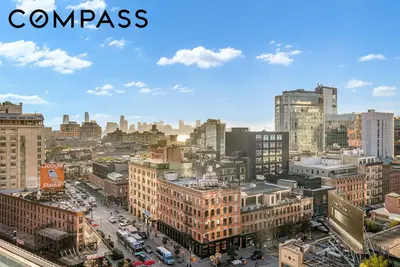
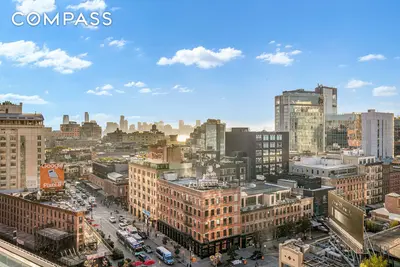
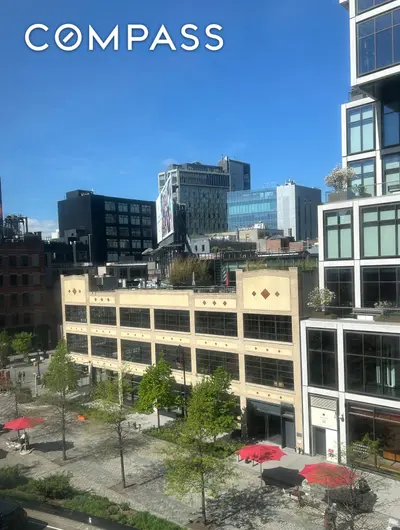
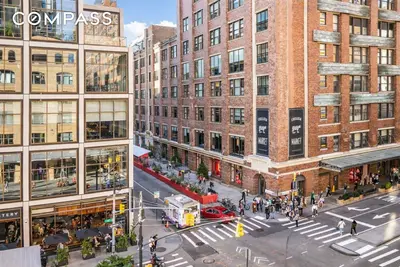
This location is in the heart of Chelsea and is also very close to the Far West Village. There is good public transportation in the area and the Hudson River is nearby as are many art galleries and restaurants.
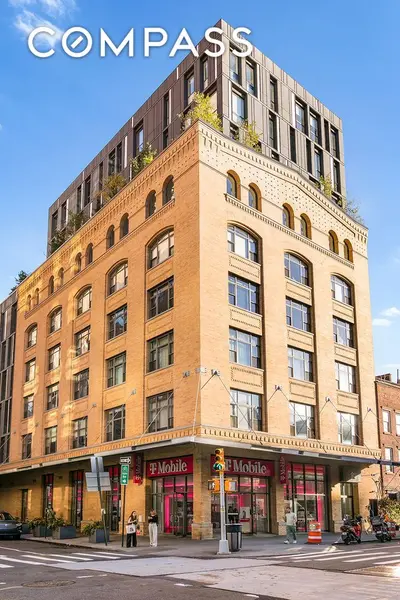
The base of the building is a yellow-brick Renaissance Revival warehouse structure that was originally erected in 1905 for Julius Wile, the wine importers. In later years, it was occupied by a furniture manufacturer.
The developer of the project has taken the general size and form of the existing building and duplicated it above the existing building but shifted the new mass a bit to the east and south.
The "shifting" has resulted in the south façade being cantilevered about 8 feet over the adjoining building.
This shift in and of itself is interesting and good. While it is simple in theory, it is very effective in stirring the imagination.
Has the building slipped? What happened? Why?
Furthermore, the "top" box is covered with a dark zinc façade that is decidedly different from the yellow-brick base.
Has the "past" of the yellow brick base given birth to a "futuristic" baby? The contrast is dramatic, especially since the fenestration patterns are completely different.
It is at night, however, that the differences became electrifying, literally.
The "top" box has vertical lighting elements most of which are as large as some of its windows and because they loom over the low-rise buildings of the Old Homestead restaurant, which dates to 1868, they become very visible beacons. The lighting elements and the windows appear almost randomly placed and almost read as many lines of barcode. There are three balconies at the buildings southeast corner.
Are the lights in the apartments? Does that mean someone is at home? To keep things simple, the lights do not flash on and off, which would add to the confusion. But why not? Why not have a dynamic nightscape that transforms itself virtually? To its great credit, this building raises such intriguing questions.
In recent years, New York City has witnessed a spurt in the number of buildings with illuminated crowns, a most welcome trend. Dallas has long had illuminated geometric patterns on many of its downtown office towers. Certainly, the renaissance of Times Square should inspire more urban lighting environments. One thinks of the quintessential film noir scenes of people in hotel rooms mesmerized/stultified by flashing neon signs outside their windows.
With the technology available today some hypnotic signs need not stultify. On the other hand, of course, one can imagine an excess of invasive lighting that is distracting, or jarring, or blinding, or just plain annoying. In any event, it does make one think afresh about the urban environment.
What we have here is a lightmark!
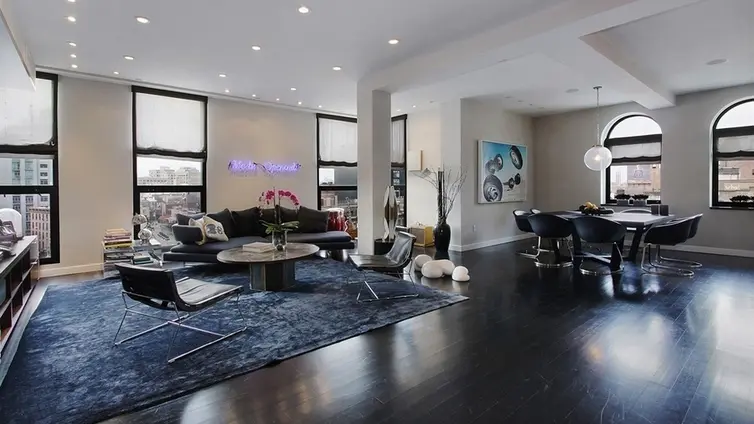
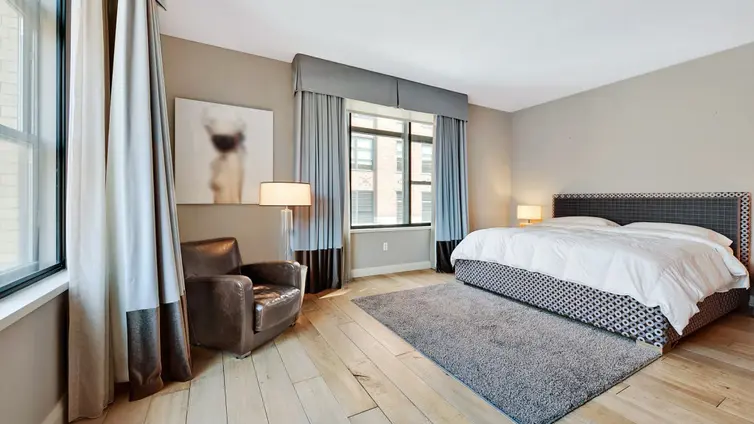
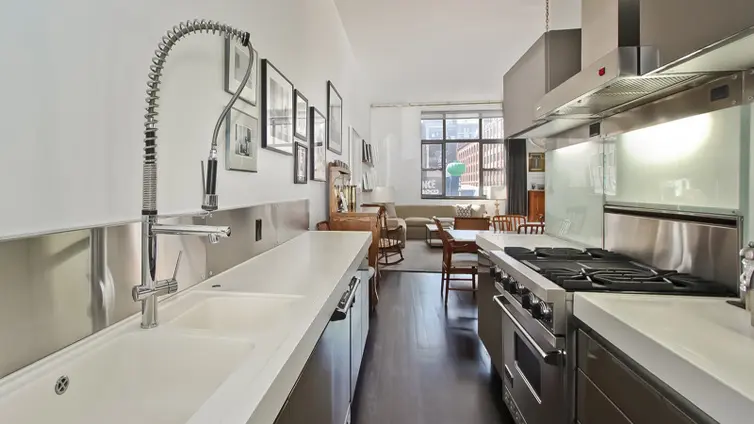
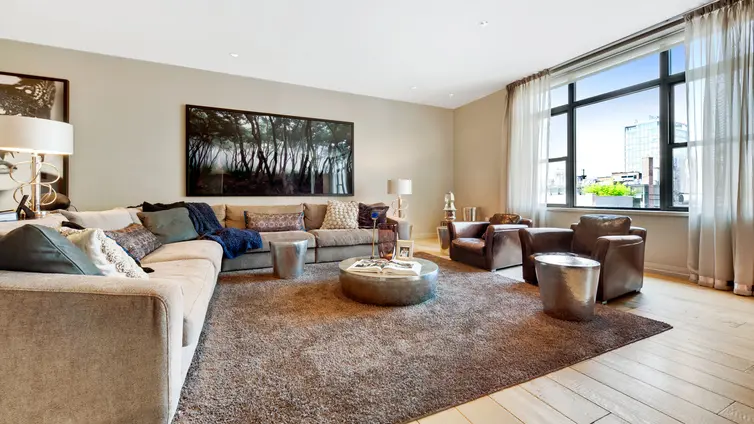
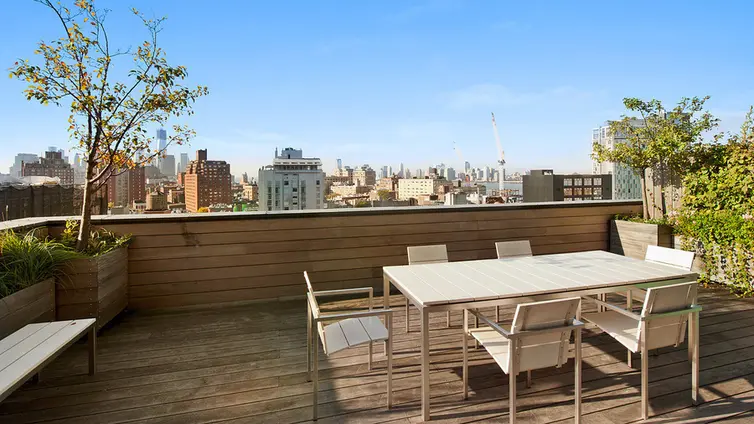
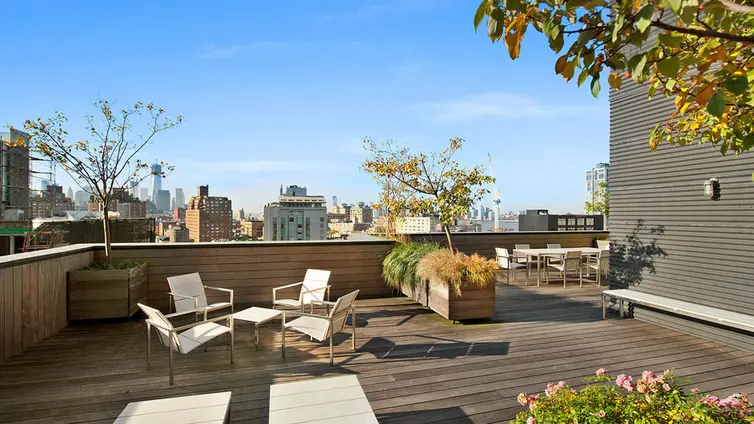
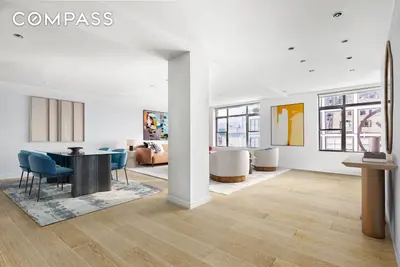
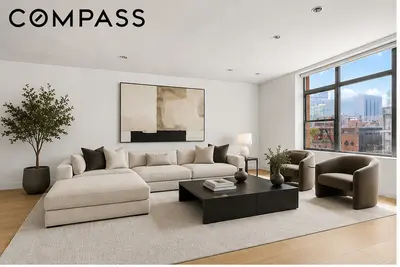
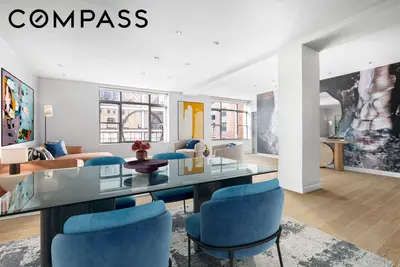
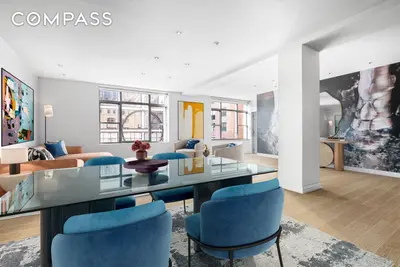
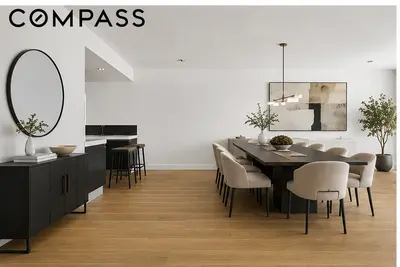
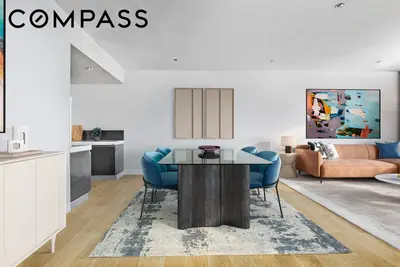
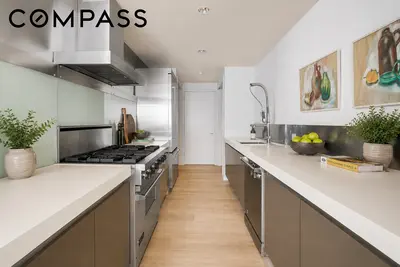
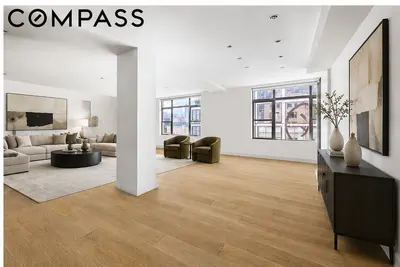
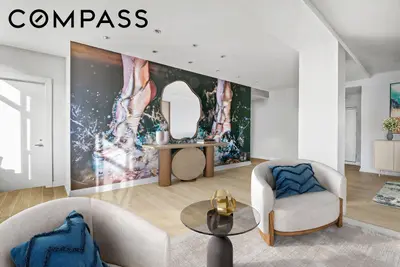
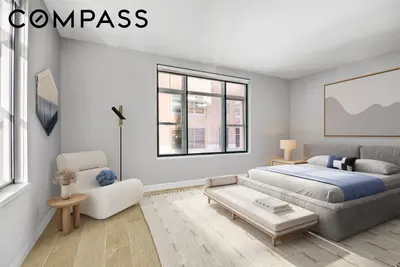
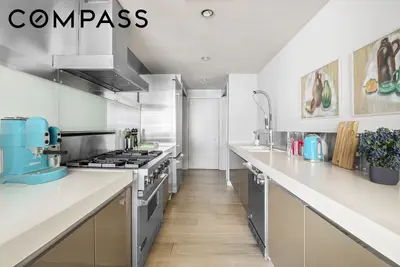
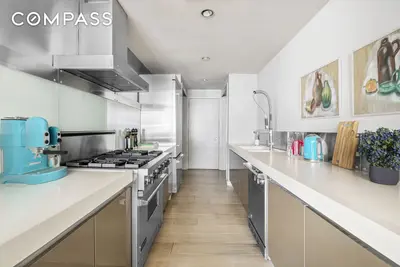
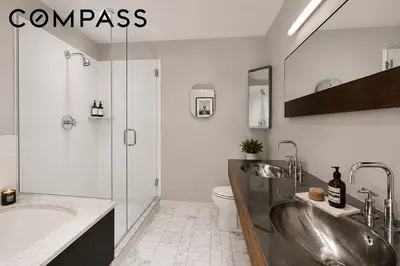
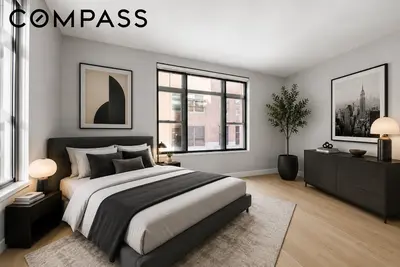
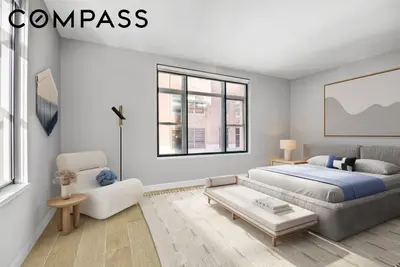
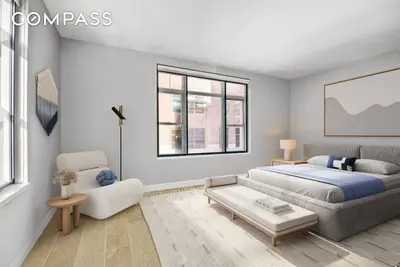
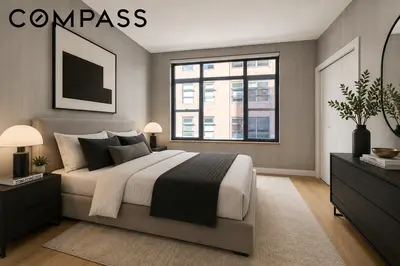
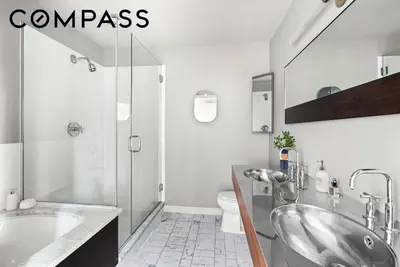
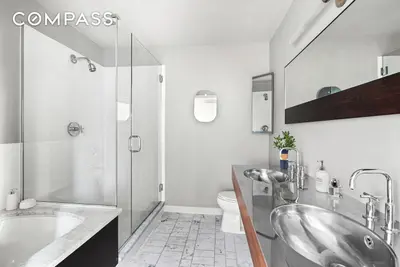
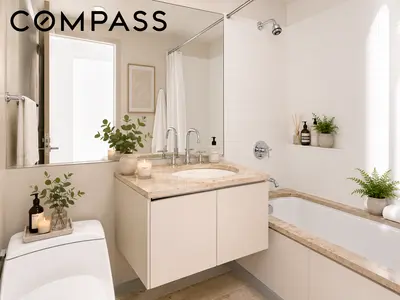
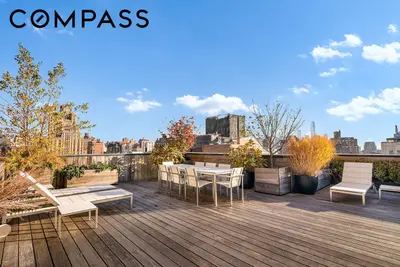
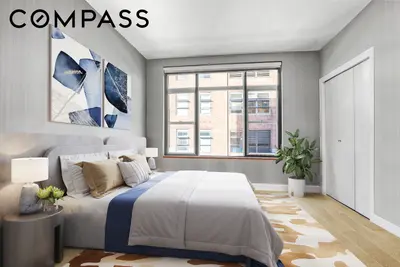
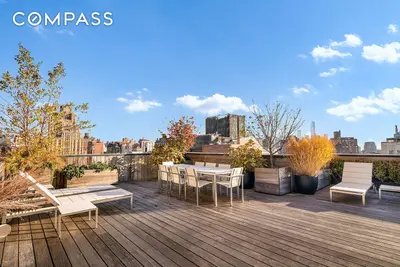
The building has 5 one-bedroom apartments, 13 two-bedroom apartments, 3 three-bedroom apartments and a four-bedroom duplex with a private rooftop deck. Initial prices ranged from $735,000 to $4,150,000.
The building takes it names from the "porterhouse" cut of steak since it is near the meatpacking district and next to a famous steakhouse. The name of the cut of steak reportedly came from "porter" houses that were coach stops that serve meat and ale.
The building, which is also known as 66 Ninth Avenue, was designed by Gregg Pasquarelli of ShoP/Sharples Holden Pasquarelli. Jeffrey M. Brown is the developer.
|