211 Elizabeth Street is a seven-story red brick boutique condominium on the corner of Prince and Elizabeth Streets in Nolita, designed by Roman and Williams as their first ground up residential project. The building contains just 15 residences and won the 2010 Palladio Award for its handcrafted brick façade, which was laid by traditional Irish masons. The developer, 16 Prince Street LLC, is led by Robert A. Siegel and Peter Manning, a Tony Award winning producer. The design intentionally echoes late 19th and early 20th century New York residential architecture, with Stephen Alesch noting the building scores a 6 out of 10 in design complexity compared to landmarks like the Puck Building.
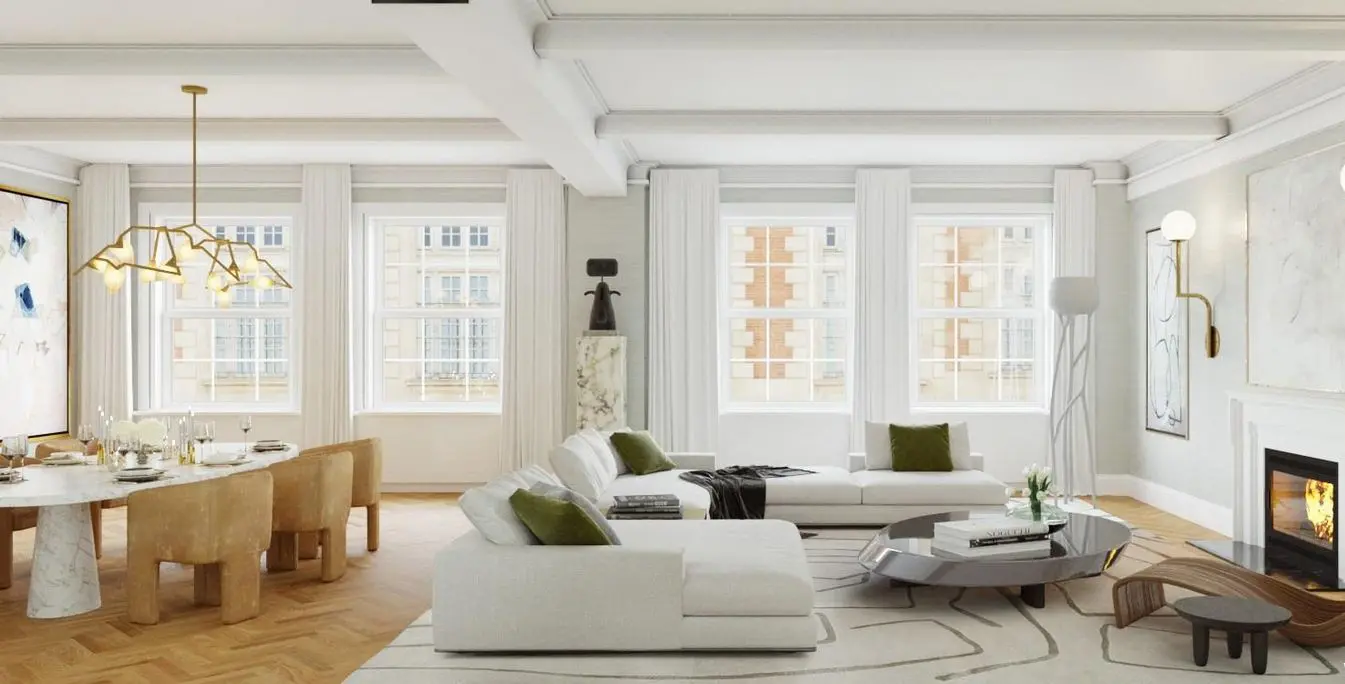
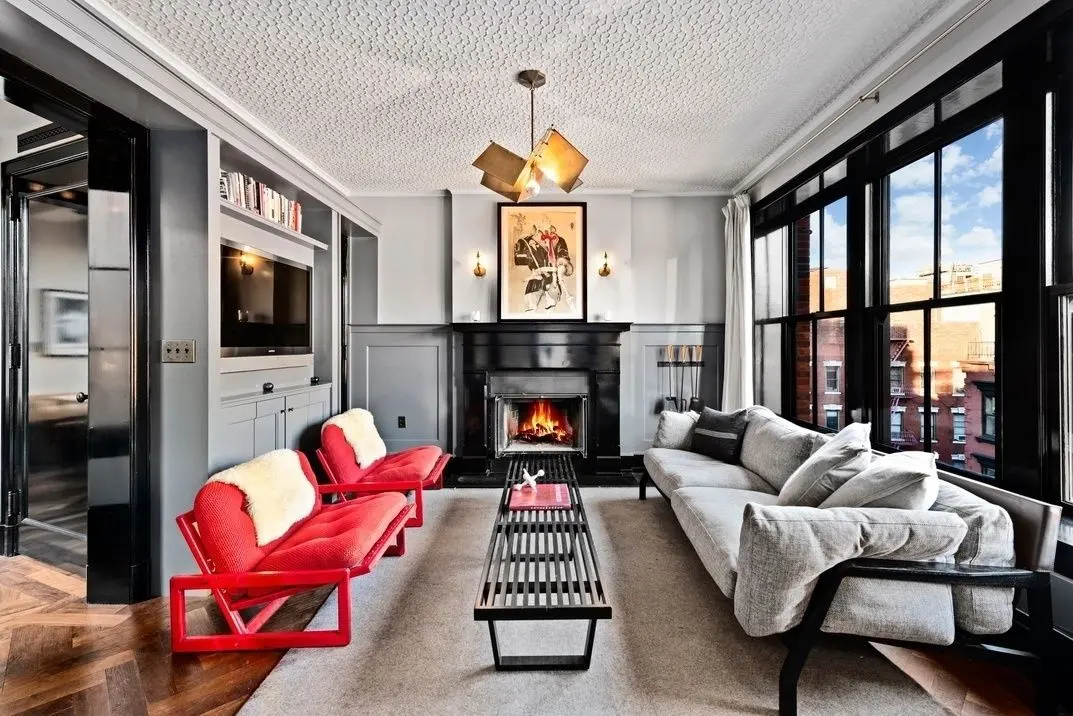
Residences feature solid walnut herringbone floors throughout, wood burning fireplaces with oversized mantles, and grand double hung windows. Kitchens are trimmed in walnut with hand painted black cabinetry (some units feature cerulean), Danish oiled wood countertops, custom Roman and Williams designed brass hardware, and Sub-Zero refrigerators alongside Viking ranges and Miele appliances. Nine-foot-high French doors typically separate living and dining areas, while all trim, casings, windows, and doors are finished in high gloss black oil paint. Bathrooms are clad in Calacatta Gold marble with solid brass fixtures, separate showers, and deep soaking tubs with radiant heated floors.
Notable apartments include Residence 2N, the largest two bedroom at 1,688 square feet with the building's highest ceilings at 11 feet and a unique six-sided living room layout. Residence 4S served as the developer's model home and showcases the full range of bespoke details and craftsmanship. Unit sizes range from 788 square feet for one-bedrooms to over 1,600 square feet for two bedrooms, with select units including washer dryers and private storage cages.
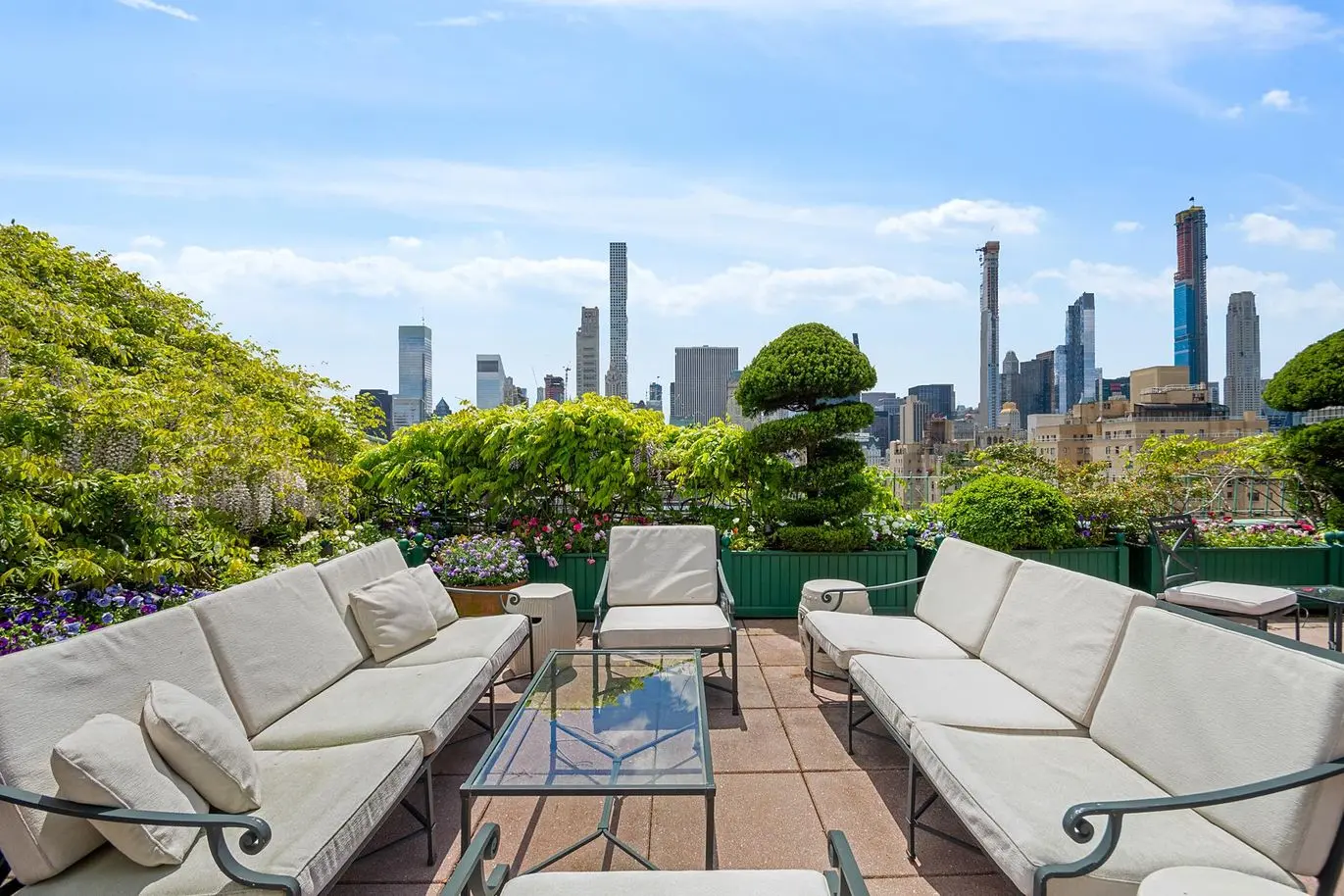
The building offers white glove services including a doorman, concierge, and full-time superintendent, along with a fitness center, bicycle storage, private basement storage, and a landscaped roof terrace with 360-degree views of lower Manhattan. The location provides immediate access to the Elizabeth Street Garden, world class dining and shopping in Nolita, and multiple subway lines. Notable residents have included Billy Joel, Gabriel Byrne, Karlie Kloss, and Josh Kushner.
For screen reader users all content above is visible so you may ignore the show more button below.
Metal Shutter Houses at 524 West 19th Street is an 11 story boutique condominium designed by Shigeru Ban, winner of the 2014 Pritzker Architecture Prize, in collaboration with New York architect Dean Maltz. Completed in 2011 and developed by Jeff Spiritos of HEEA Development L.L.C. and Chelsea art dealer Klemens Gasser, the building contains just nine residential units above ground floor gallery space. The project evolved from a planned two story renovation in 2005 after the High Line's refurbishment triggered rezoning in West Chelsea, granting special development rights that allowed for a complete rebuild.
The building's defining feature is its motorized perforated metal shutters that allow residents to transform the façade's appearance. The main façade is divided into three bays, each with three layers: the signature metal shutters, a low glass railing, and large motorized window walls that fold upward to create what one observer called an "architectural ballet." This system enables 20-foot floor-to-ceiling glass walls to retract completely, blurring the boundary between interior and exterior spaces. By concentrating mechanicals in tall white lacquer storage units and embedding sliding door tracks and lighting directly into the slab, Ban eliminated the need for a plenum to maximize ceiling heights.
The building occupies a prime location in West Chelsea's gallery district, flanked by Frank O. Gehry's IAC headquarters and Annabelle Seldorf's terracotta banded 520 West 19th Street, and across from Jean Nouvel's 100 Eleventh Avenue. The site sits steps from the High Line and Hudson River Park, in what has been described as "the epicenter of modern architecture." The neighborhood's low-profile galleries and buildings allow for long city views, including sightlines to the Empire State Building from multiple units.
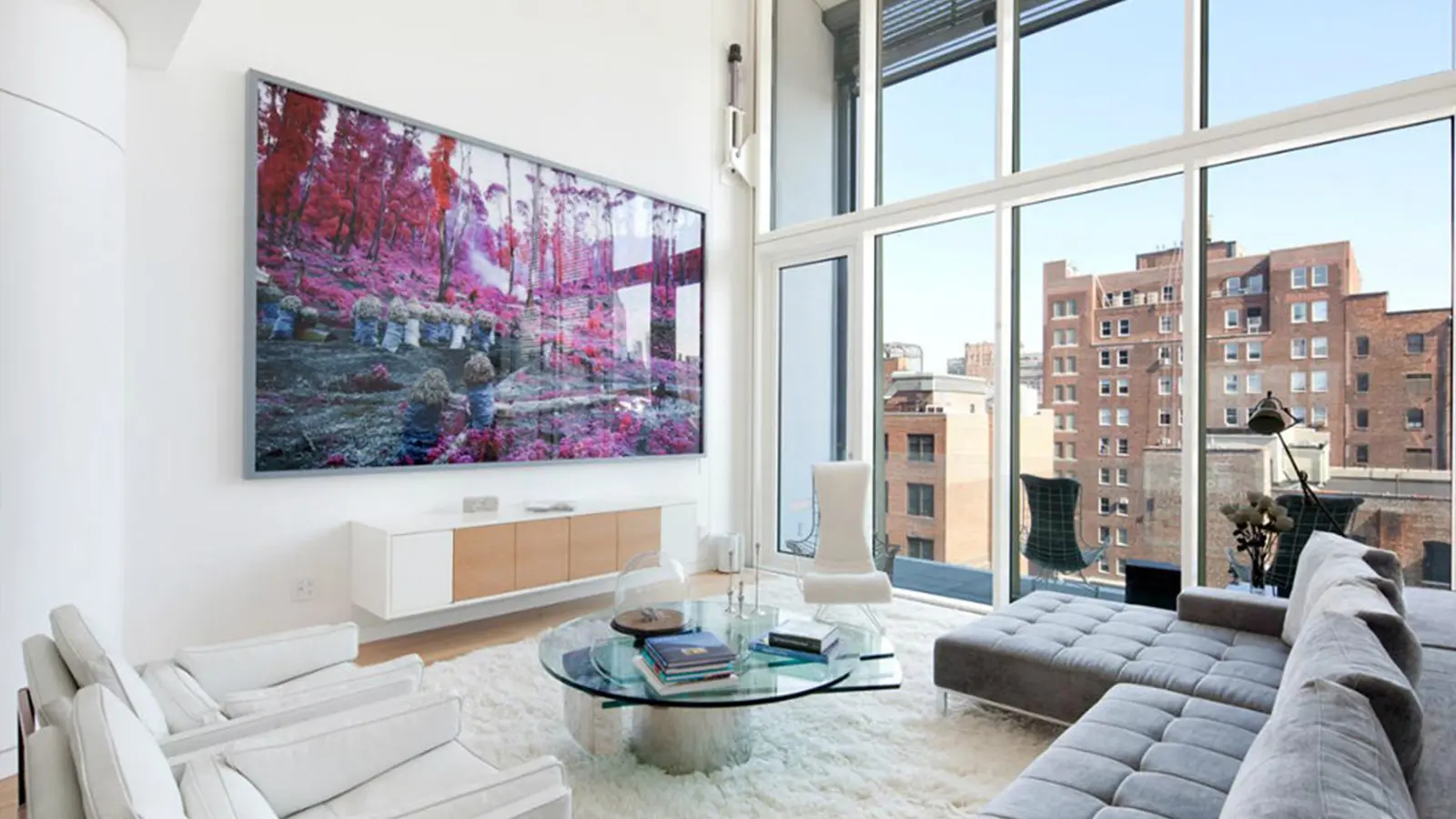
Apartments feature double-height living rooms with soaring 20-foot ceilings, custom Shigeru Ban designed kitchens with white Corian countertops and white matte lacquer cabinetry, and bathrooms finished in Bianco Dolomiti marble. Units range from duplexes to a triplex penthouse with more than 3,300 square feet of interior space and nearly 2,000 square feet of outdoor terraces. Common features include white oak flooring throughout, key locked elevator access, in-unit washer/dryers, and the building's signature upwardly pivoting glass walls opening to private balconies and terraces. One sixth floor duplex includes a 46-foot-long double-height living room, while the penthouse offers panoramic views from the Hudson River to the Midtown skyline from its private rooftop terrace.
The building provides full time doorman service and maintains Ban's minimalist aesthetic that blends traditional Japanese architecture with International Style modernism. The penthouse, which sold immediately when it hit the market in 2007, saw its deal fall through in 2010 after the buyer had extensively remodeled the space with traditional finishes. Ban and Maltz subsequently restored the original minimalist details, removing paneling and replacing a wood burning fireplace with a colorfully decorated flue rising to the 20-foot ceiling, preserving the architect's vision of what The New York Times called "a fantasy of modern living."
For screen reader users all content above is visible so you may ignore the show more button below.

40 East 66th Street is a distinguished pre-war condominium designed by renowned architect Rosario Candela in 1929 and converted from rental units in 2008 by Vornado Realty Trust. The 13-story red-brick building, featuring a limestone base and decorative architectural details, houses 33 luxury residences in one of Manhattan's most coveted locations, just one block from Central Park.
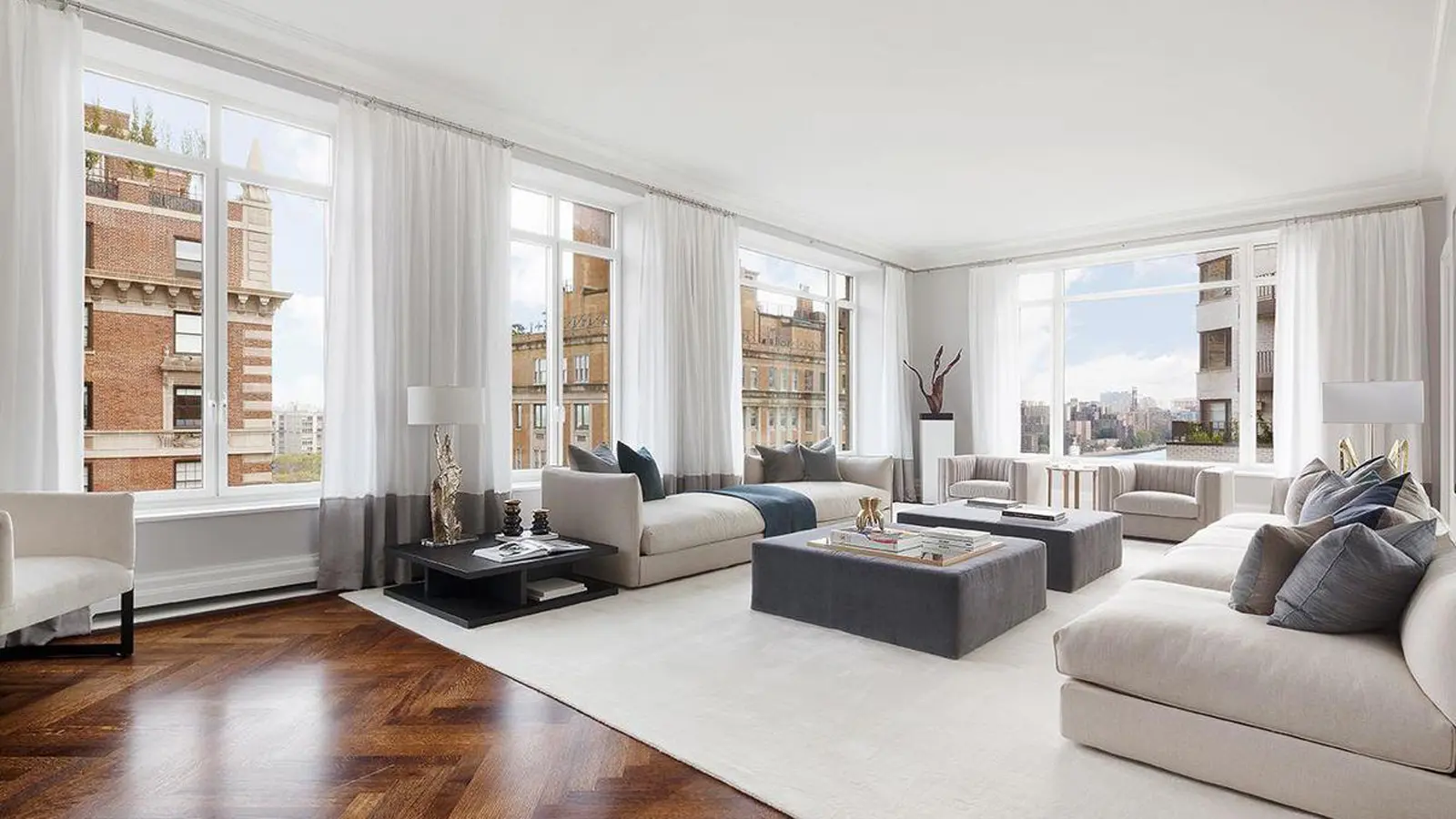
The residences are characterized by generous proportions and classic Candela layouts, featuring wood-burning fireplaces, high-end appliances from Viking, SubZero, and Miele, and thoughtfully designed living spaces. Many units offer unique architectural elements typical of Candela's sophisticated design approach, including well-proportioned rooms and elegant flow between public and private spaces.
This white-glove building offers comprehensive amenities including 24-hour doorman and concierge service, a fitness room, children's playroom, bike room, central laundry, and private storage. Its prime Upper East Side location provides immediate access to Madison Avenue's luxury boutiques, fine dining establishments, art galleries, and cultural attractions, embodying the essence of sophisticated Manhattan living.
For screen reader users all content above is visible so you may ignore the show more button below.
The Westbury stands as a distinguished prewar condominium at 15 East 69th Street, occupying a prime corner location on Madison Avenue just one block from Central Park. Originally constructed in 1927 as the Westbury Hotel and operated by Trust House Forte, this 18-story red brick building with limestone base was thoughtfully converted to just 47 luxury condominiums in 1999, maintaining only four residences per floor to ensure exclusivity and privacy.
The building's conversion preserved its hotel-caliber service standards, offering residents 24-hour concierge and doorman services, along with amenities including a fitness center, wine cellar with individual storage units, bicycle room, and optional maid service. The double-height lobby retains the elegance of its hotel origins, while the ground-floor retail spaces have housed prestigious tenants including Sulka, Alfred Dunhill, and Gucci, reflecting the building's position along one of Manhattan's most exclusive shopping corridors.
Residences at The Westbury typically feature elaborate entrance galleries, wood-burning fireplaces, and custom millwork that showcase classic prewar craftsmanship. Apartments range from approximately 1,600 to over 3,000 square feet, with many offering coffered ceilings, marble bathrooms, and custom closet systems. The crown jewel is a duplex penthouse with over 2,000 square feet of terraces providing panoramic city and skyline views. The building's location provides immediate access to Central Park, the Frick Collection, Madison Avenue's luxury boutiques, and some of the city's finest restaurants, while welcoming both pets and pied-Ă -terre ownership.
For screen reader users all content above is visible so you may ignore the show more button below.
20 East End Avenue is a modern interpretation of a classic pre-war building at the tranquil East River edge of one of the most coveted neighborhoods in the world. Envisioned with careful attention to detail, grand proportions, and marriage of historic detail and current sensibility, the Robert A.M. Stern-designed condominium offers residents a haven from the city bustle along its East End Avenue confines.
A stately porte-cochère and motor court afford residents a discreet arrival, placing 20 East End Avenue in the upper echelon of Manhattan architecture. The most striking façade detail is the remarkable scale and proportion of the casement windows that enhance every residence. Many homes are fitted with Juliet balconies overlooking the Manhattan skyline and the East River. Honed by Robert A.M. Stern, exceptionally crafted residences enjoy sweeping views and brilliant light through oversized casement windows.
The 17-floor tower is located near Carl Schurz and John Jay Park as well as many excellent restaurants, markets, and schools. The building has many wonderful amenities that were designed to be those which you would find in a personal mansion. Residents enjoy a 24-hour concierge, graciously-appointed library, billiards room, game room, private dining room, fitness center and spa, playroom, bicycle storage, and a gated port cochere.
For screen reader users all content above is visible so you may ignore the show more button below.
The North Moore is a noteworthy cast iron and brick warehouse originally erected in 1881 for the estate of John Castree, a prominent grocer and developer, and initially operated as a papermill. Converted to a 49 unit condominium in 2001, this 8 story building sits on one of Tribeca's most coveted cobblestone blocks at the corner of North Moore and Hudson Street in the heart of the Tribeca Historic District. The pet friendly building offers full service amenities including a 24 hour doorman, live-in superintendent, skylit lobby, three elevator banks, and furnished roof decks with breathtaking views.
The loft style apartments range from 1,083 to over 2,450 square feet, featuring the classic warehouse conversion elements of soaring ceilings from 9 to 13 feet, oversized windows, and open floor plans. Most units include in-unit washer/dryer, central air conditioning, hardwood floors, and abundant custom built in storage. The building's corner units are particularly sought after, offering multiple exposures and exceptional natural light.
The location places residents in the epicenter of Tribeca's dining scene, with Mr. Chow directly downstairs and Michelin starred restaurants like Jungsik and Bâtard within blocks. The building provides easy access to Hudson River Park and Piers 25 and 26, while multiple subway lines (1/2/3, A/C/E, N/Q/R/W, J/Z, and 6) ensure excellent transportation connectivity throughout Manhattan. One notable unit was even featured in Luxe Magazine, highlighting the building's reputation for sophisticated urban living in one of New York's most prestigious neighborhoods.
For screen reader users all content above is visible so you may ignore the show more button below.
111 Central Park North is a 19-story boutique condominium with 48 apartments, completed in 2006 and designed by Hillier Architecture and SCLE Architects. Developed by the Athena Group under Louis M. Dubin, the blue-glass-clad building sits at the northwest corner of Lenox Avenue, directly across from Central Park. The building's exclusivity is enhanced by its focus on larger residences—no studios or one-bedrooms—creating an intimate community.
The building's apartments feature floor-to-ceiling windows with unobstructed Central Park views, white oak hardwood floors, and high-end finishes including Viking appliances and marble countertops. Many units include private balconies or terraces, with sizes typically ranging from 1,900 to 2,000 square feet for two and three-bedroom layouts. The crown jewel is a triplex penthouse spanning 3,557 square feet with 1,668 square feet of private terraces, featuring 30-foot ceilings and an original glass-and-steel spiral staircase by Dean Maltz. Notable residents have included Yankees outfielder Suzuki Ichiro.
Residents enjoy comprehensive amenities including 24/7 doorman and concierge service, a fitness center, second-floor common roof deck, party room, and cold storage. The building features a 41-car garage with many units including deeded parking spaces—a significant value in Manhattan. The location offers exceptional convenience with the 2/3 subway lines directly at the building entrance and multiple bus routes stopping in front, providing 15-20 minute access to Midtown while being steps from Central Park attractions like the Harlem Meer, Lasker Rink, and the Conservatory Garden.
For screen reader users all content above is visible so you may ignore the show more button below.
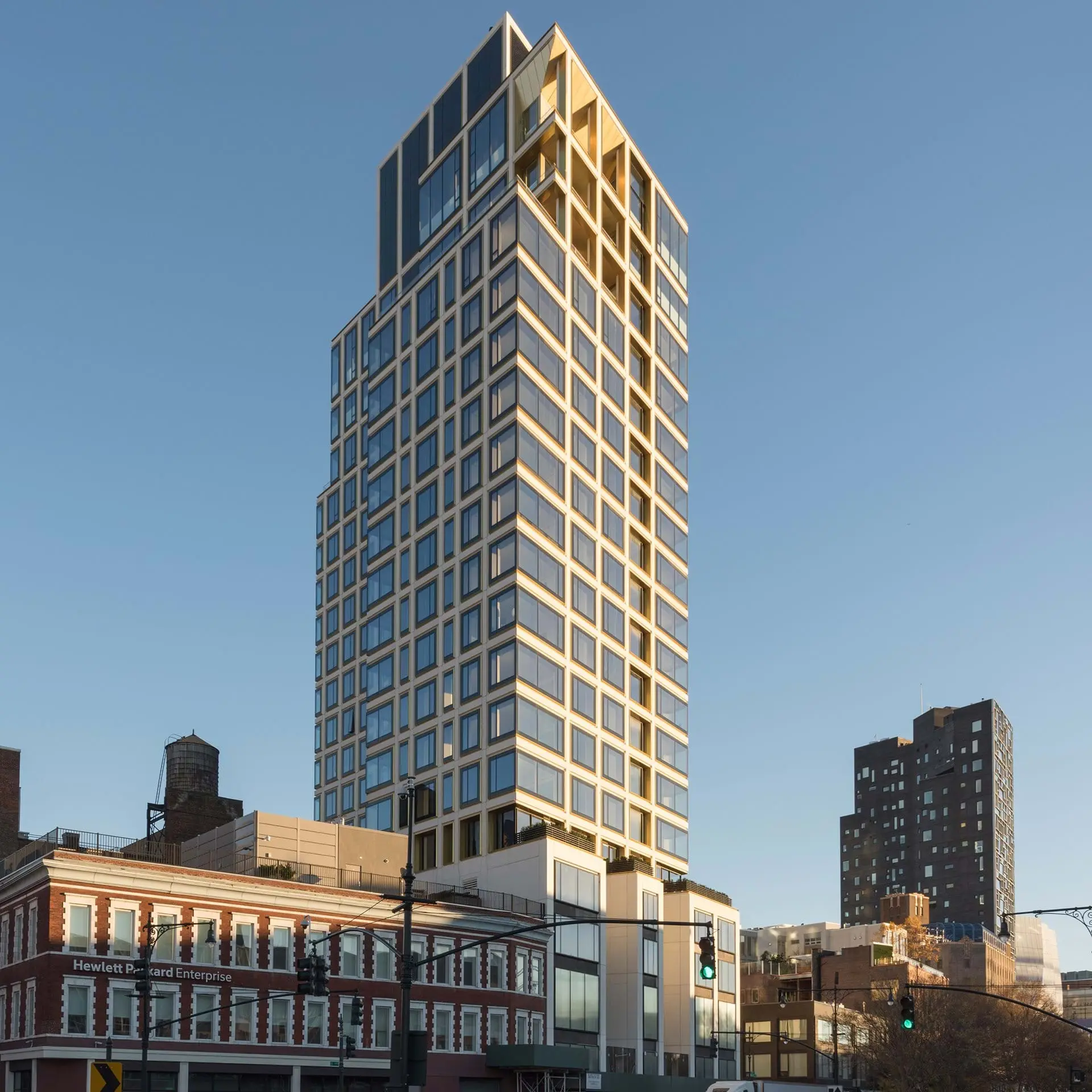
551 West 21st Street is a 19-story, 44-unit luxury condominium completed in 2015, designed by Pritzker Prize-winning architect Norman Foster and Foster + Partners - their first residential project in the US. Developed by Scott Resnick of SR Capital and GTIS Partners, with Beyer Blinder Belle as associate architect, the building stands as an architectural masterpiece in West Chelsea. The structure features a striking white precast concrete and polished brass façade with distinctive window treatments combining gold and black metal frames.
The building's dramatic entrance includes a gated drive court surrounded by a 20-foot green wall and leads to a 34-foot-high double-height lobby with a prismatic glass wall and grand chandelier. Residences feature 11-foot ceilings, French-inspired oak herringbone floors, custom millwork, and floor-to-ceiling windows with deep façade reveals for perimeter seating. Kitchens showcase Blanco de Macael marble countertops, natural stained oak cabinetry, and premium appliances from Sub-Zero, Miele, and Gaggenau.
The three full-floor penthouses span approximately 6,200 square feet each with 12-foot ceilings and 360-degree views. The top penthouse includes over 4,000 square feet of outdoor space featuring a 61-foot-long swimming pool - the largest private outdoor pool in New York City. All penthouses include separate elevator entrances for entertaining and private quarters, wood-burning fireplaces, and sophisticated climate control systems.
Amenities include 24-hour doorman, concierge, porter and valet services, a state-of-the-art fitness center with spa facilities, yoga room, residents' lounge with fireplace and catering kitchen, children's playroom, bike storage, and a dedicated service entrance. The building also offers on-site parking.
Located at 551 West 21st Street, the building sits half a block from the High Line and across from Chelsea Piers in the heart of West Chelsea's gallery district. The neighborhood offers easy access to the Meatpacking District, West Village, Hudson Yards, and numerous acclaimed restaurants and cultural attractions.
The building represents Foster's continued architectural innovation in New York, following his other notable projects like the Hearst Tower and 50 United Nations Plaza. Its sophisticated design and attention to detail have established it as one of West Chelsea's most prestigious addresses, offering residents an exceptional living experience with stunning Hudson River and city views.
For screen reader users all content above is visible so you may ignore the show more button below.
345 Meatpacking is an 11-story boutique condominium with just 37 units at 345 West 14th Street, developed by DDG Partners and completed in 2013-2014. The building stands out architecturally with its light-gray Danish Kolumba brick façade and distinctive bronze accents on the top three floors, designed by architect H. Thomas O'Hara. The site had remained vacant since 2006 and was originally planned for development by Jay-Z and Andre Balazs before DDG acquired it.
The building gained attention in 2012 when it was wrapped in a reproduction of Yayoi Kusama's "Yellow Trees" artwork to coincide with the artist's Whitney Museum retrospective. Located at the intersection of the Meatpacking District, West Village, and Chelsea, residents enjoy proximity to the High Line, Chelsea Market, and world-class dining. Notable residents have included NHL player Mats Zuccarello.
Apartments feature consistently high-end finishes including 7.5-inch wide Austrian white oak plank floors, oxidized oak millwork with bronze detailing, and honed Absolute Black granite countertops throughout. Kitchens are equipped with Sub-Zero, Wolf, and Bosch appliances, while bathrooms showcase Spanish Travertine marble in master suites and handcrafted Moroccan ceramic tile in secondary baths. Many units include private terraces, and the penthouse duplex spans 3,734 square feet with nearly 2,000 square feet of outdoor space across four terraces and a private rooftop.
Building amenities include 24-hour doorman and concierge service, a landscaped rooftop deck with Manhattan views, a fitness center with oak floors and timber joists, bike storage, and a rainwater collection system. The lobby features vaulted ceilings, a cantilevered steel and brass concierge desk, and custom Lindsey Adelman lighting, all beneath the building's signature landscaped entrance marquee.
For screen reader users all content above is visible so you may ignore the show more button below.
173 Perry Street is a mid-rise residential condominium designed by renowned architect Richard Meier, completed in 2002. This building, along with its twin at 176 Perry Street, set a new design standard for mid-rise residential architecture in Manhattan, characterized by elegant façades featuring floor-to-ceiling windows and white steel elements. The building's minimalist aesthetic is complemented by its location across from the Hudson River Park, enhancing its appeal as a desirable residence in the West Village. Notable residents have included celebrities such as Nicole Kidman and William Joy, co-founder of Sun Microsystems, adding to the building's allure.
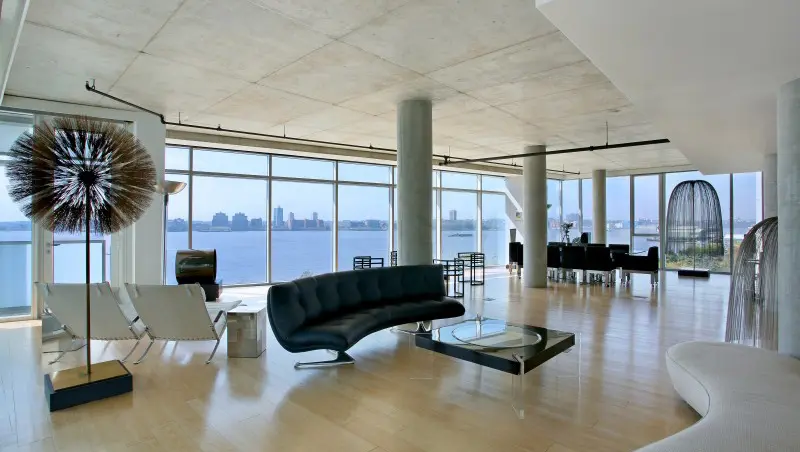
The apartments at 173 Perry Street are designed with an emphasis on spaciousness and light, featuring 11-foot ceilings and expansive layouts. Many units offer panoramic views of the Hudson River and the New York City skyline, with some residences boasting private terraces. The interiors are often finished with high-quality materials, including terrazzo flooring and custom cabinetry, and are equipped with modern amenities such as smart home climate control and automated window shades. The building provides a range of amenities, including a 24-hour concierge, fitness center, and a stunning lobby, ensuring a luxurious living experience.
173 Perry Street is part of a small community of only 11 homes, fostering a sense of privacy and exclusivity. The building's proximity to cultural landmarks like the Whitney Museum and the High Line, as well as world-class dining options, further enhances its desirability. Residents enjoy the convenience of on-site services, including room service from the acclaimed Jean Georges restaurant located nearby. This combination of architectural significance, luxurious amenities, and a vibrant neighborhood makes 173 Perry Street a standout choice for those seeking a refined urban lifestyle.
For screen reader users all content above is visible so you may ignore the show more button below.
The O'Neill Building, an architectural landmark at 655 Sixth Avenue between West 20th and 21st Streets, was originally constructed in 1887 as Hugh O'Neill's Dry Goods Building. Designed by Mortimer C. Merritt, it stands as the oldest and most distinguished of the major department stores that once lined Ladies' Mile, the historic retail district along Sixth Avenue. The building's distinctive cast-iron façade features Corinthian columns, ornate architectural details, and its signature beehive-style domes atop almost cylindrical towers at both corners.
The structure's history reflects the evolution of the neighborhood - from retail glory to manufacturing use by the 1920s. The original four-story building received a fifth-floor addition in 1895, and the iconic domes were removed in the early 20th century. In 2003, Elad Properties acquired the property for $37 million and undertook an ambitious conversion project.
Completed in 2007, the conversion by developer Miki Naftali and architects Cetra/Ruddy transformed the historic structure into 49 luxury condominiums while restoring the building's distinctive domes. The renovation included a two-story rooftop addition, made possible through an agreement with the Congregation of Shearith Israel, owners of the adjacent cemetery.
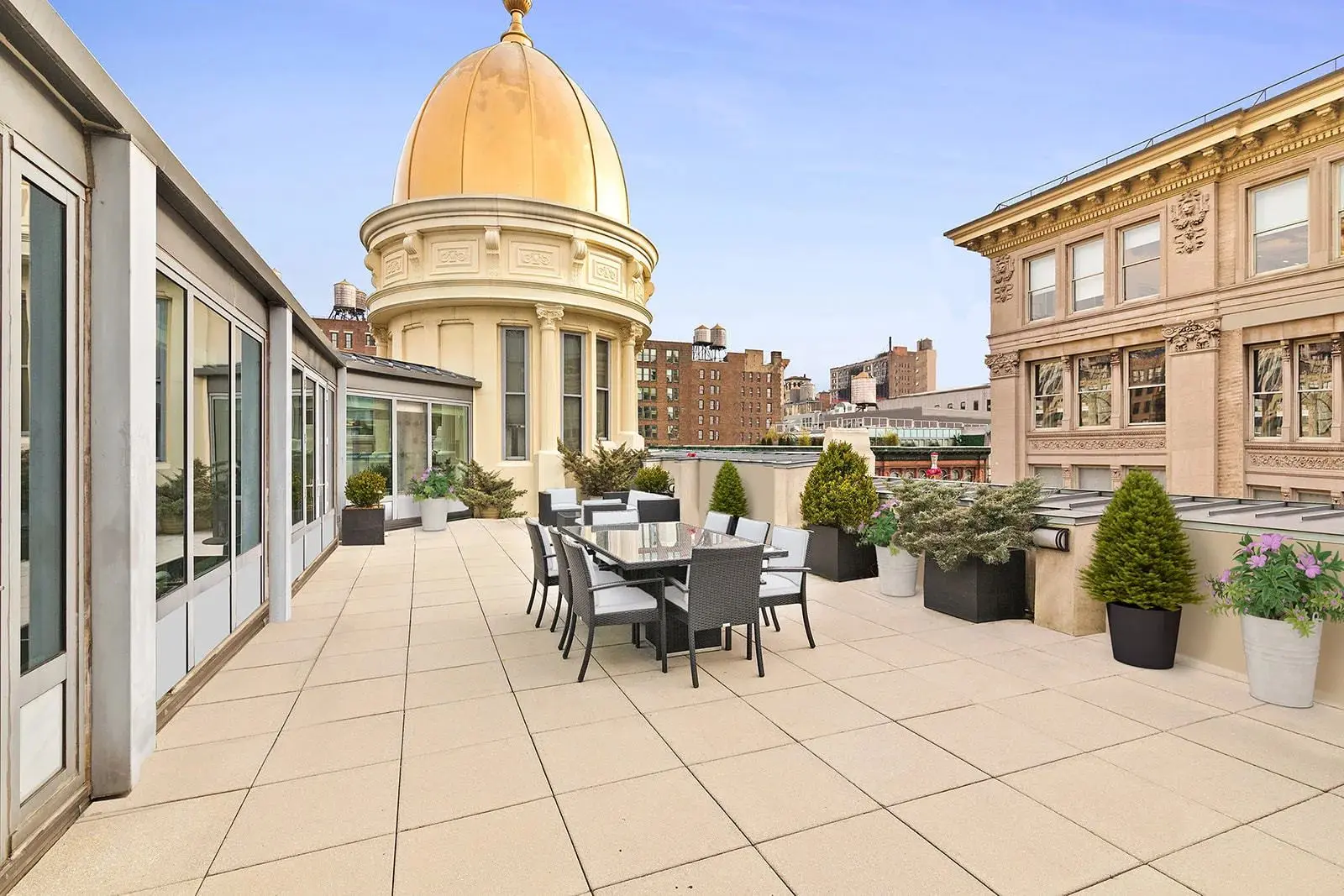
Today, the seven-story luxury condominium offers full-service amenities including 24-hour doorman service, concierge, and a 4,000-square-foot landscaped roof deck with outdoor kitchen and dining areas. The building's prewar character is preserved in its soaring ceiling heights, oversized windows, and architectural details, while residences feature modern luxury finishes.
The building's location in Chelsea places it at the intersection of several desirable neighborhoods including the Flatiron District and Greenwich Village. Residents enjoy proximity to numerous restaurants, shopping options including Trader Joe's and Whole Foods, and excellent public transportation access.
The O'Neill Building falls within the Ladies' Mile Historic District, designated in 1989, and stands across from the landmarked Church of the Holy Communion complex. Its historic façade was painted white to resemble stone, and the building's name remains emblazoned in relief on its pediment, serving as a reminder of its significant role in New York City's commercial history.
For screen reader users all content above is visible so you may ignore the show more button below.
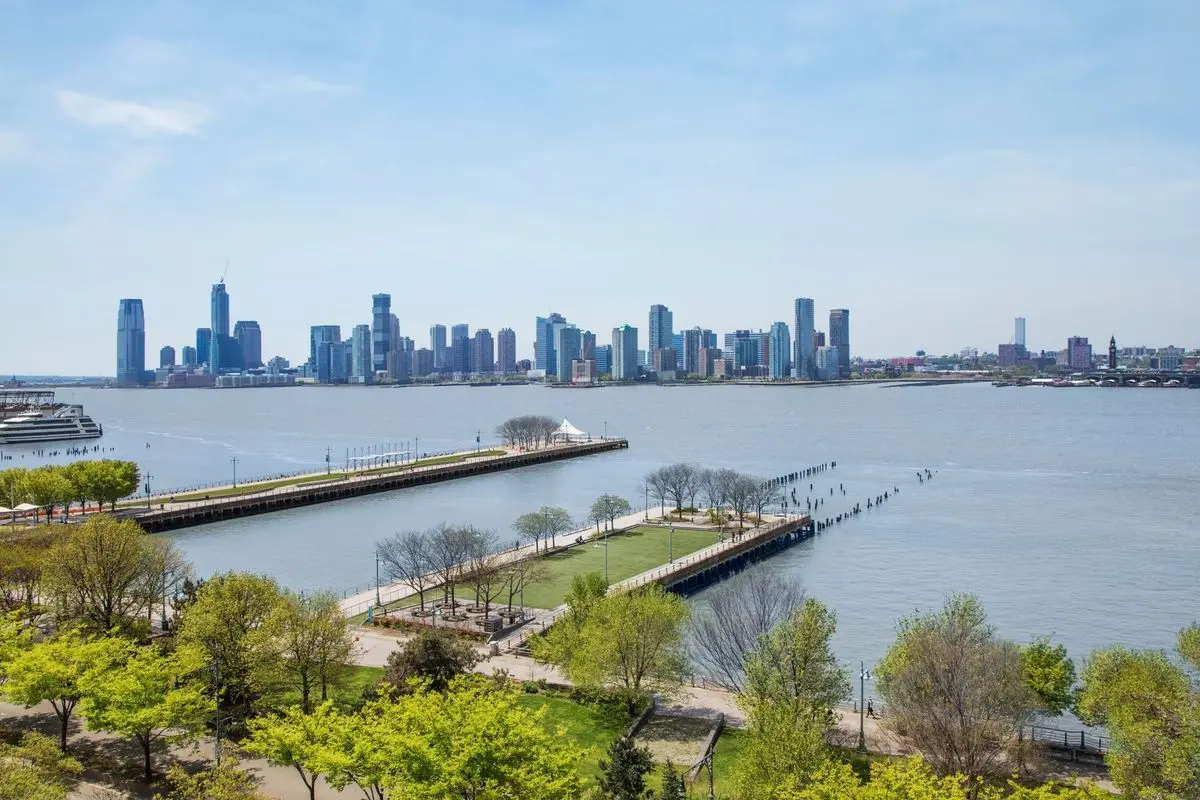
176 Perry Street is a modernist masterpiece designed by renowned architect Richard Meier, completed in 2002. This mid-rise residential condominium is part of a trio of buildings that have significantly enhanced the lower Hudson River waterfront, establishing it as a desirable neighborhood for the affluent. The building features a striking minimalist design characterized by floor-to-ceiling windows and white steel façades, creating a clean aesthetic that resonates with Meier's architectural philosophy. The building's elegant design is complemented by its location across from the scenic Hudson River Park, providing residents with expansive views and access to outdoor recreational spaces.
The apartments at 176 Perry Street are notable for their spacious layouts, with many units offering around 3,750 square feet of living space. Common features include 11-foot ceilings, high-end finishes, and large terraces that enhance the living experience. The triplex apartments, such as those on the 8th, 9th, and 10th floors, boast dramatic double-height great rooms, gourmet kitchens, and luxurious primary suites with spa-like bathrooms. The building also includes a state-of-the-art fitness center, a full-time doorman, and concierge services, along with dining options from Jean-Georges Vongerichten's restaurant located within the building.
176 Perry Street has attracted a number of high-profile residents, including celebrities like Hugh Jackman, Martha Stewart, and Jim Carrey, further enhancing its reputation as a chic and exclusive residence. The building's design and location have made it a sought-after address, although it has faced challenges, including concerns over obstructed views due to the construction of nearby buildings. Despite these issues, the architectural significance and luxurious amenities of 176 Perry Street continue to make it a standout choice for discerning buyers in New York City.
For screen reader users all content above is visible so you may ignore the show more button below.
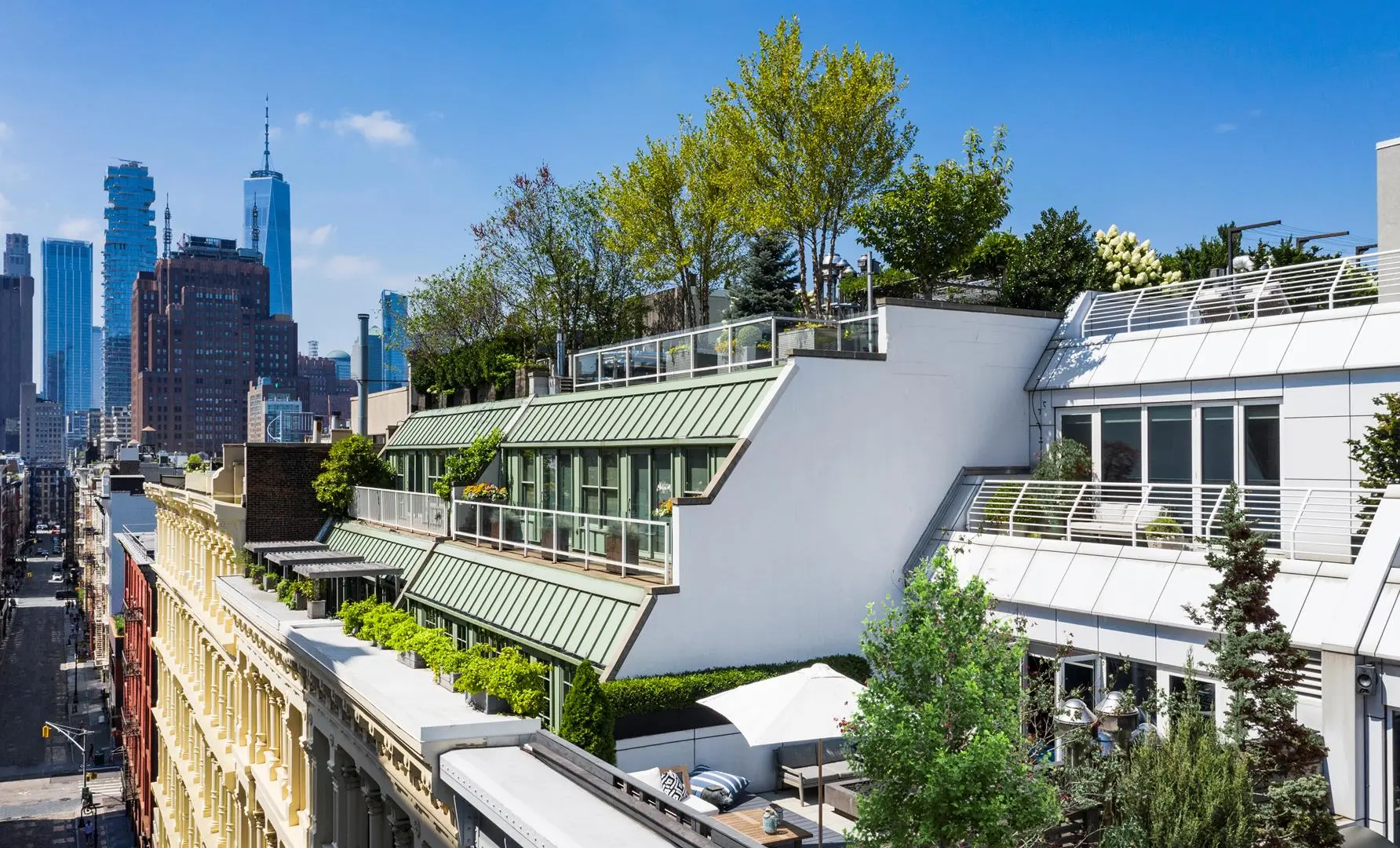
109 Greene Street, also known as The Lofts at Greene Street II, is a 7 story boutique condominium completed in 2005 on one of SoHo's most coveted cobblestone blocks. Developed by Goldman Properties and designed by Cook + Fox, the building is a striking modern interpretation of the neighborhood's historic cast iron architecture, featuring I-beam and riveted girders in the style of early 20th Century bridge construction. The façade is painted in two tones of gray with large black framed windows, creating an aesthetic that is both historic and high tech. With only 15 residential apartments, the building offers 24 hour doorman service, keyed elevator access, private storage, and a pet friendly policy that allows corporate ownership, pied-Ă -terre use, and 90% financing.
Apartments throughout the building feature soaring 13 foot ceilings, central air conditioning, and keyed elevator access that opens directly into each unit. Common finishes include gas fireplaces, herringbone or wide plank oak floors, marble kitchens and bathrooms, and high end appliances from Sub-Zero, Miele, Wolf, and Fisher & Paykel. Most units include in-unit washer/dryer, custom closets, and generous storage. The typical layout places east facing living spaces with oversized windows overlooking Greene Street, while bedrooms face west with open sky views. Two bedroom units span approximately 1,740 square feet and often feature double height entrance galleries and curved staircases connecting the levels.
Larger residences include three bedroom lofts of around 2,550 square feet, among the building's most spacious offerings. The duplex penthouses are particularly notable, with over 1,400 square feet of private outdoor space across three levels, including landscaped terraces with gas grills and fire pits, private balconies off the primary bedroom, and roof decks with panoramic SoHo views. Recent penthouse renovations have incorporated smart home technology with integrated Savant systems, built in Sonos speakers, and motorized shades throughout.
The building sits between Spring and Prince Streets, surrounded by world class shopping including Louis Vuitton, Stella McCartney, Fendi, and Dior at street level, along with notable restaurants such as Mercer Kitchen, Cipriani Downtown, and Ladurée. Despite its central SoHo location with easy subway access, the block remains notably quiet, as it is one of the rare streets in the neighborhood without bars or restaurants. As a non AIR building, 109 Greene Street offers greater purchase flexibility than many other SoHo properties.
For screen reader users all content above is visible so you may ignore the show more button below.