
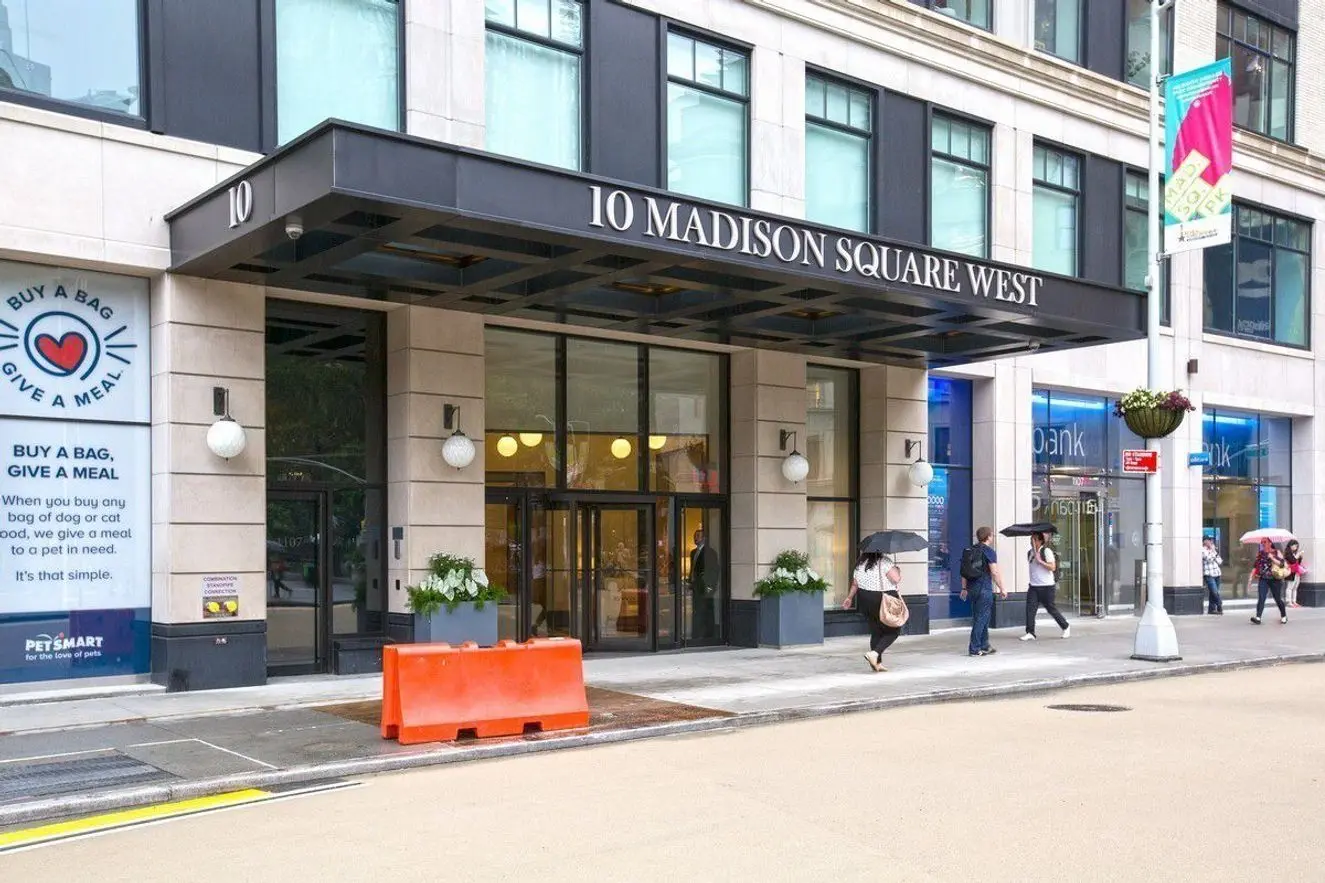
10 Madison Square West is a 22-story luxury condominium conversion of the historic International Toy Center building at 1107 Broadway, originally designed in 1915 by William Van Alen, architect of the Chrysler Building. Developed by the Witkoff Group and Vector Group Ltd and completed in 2015, the building houses 125 residences ranging from one to five bedrooms, with interiors designed by Alan Wanzenberg. The conversion involved demolishing a 40,000-square-foot section to add height to the structure, transforming the former commercial space into one of Manhattan's premier residential addresses. Notable residents include Fredrik Eklund from "Million Dollar Listing."
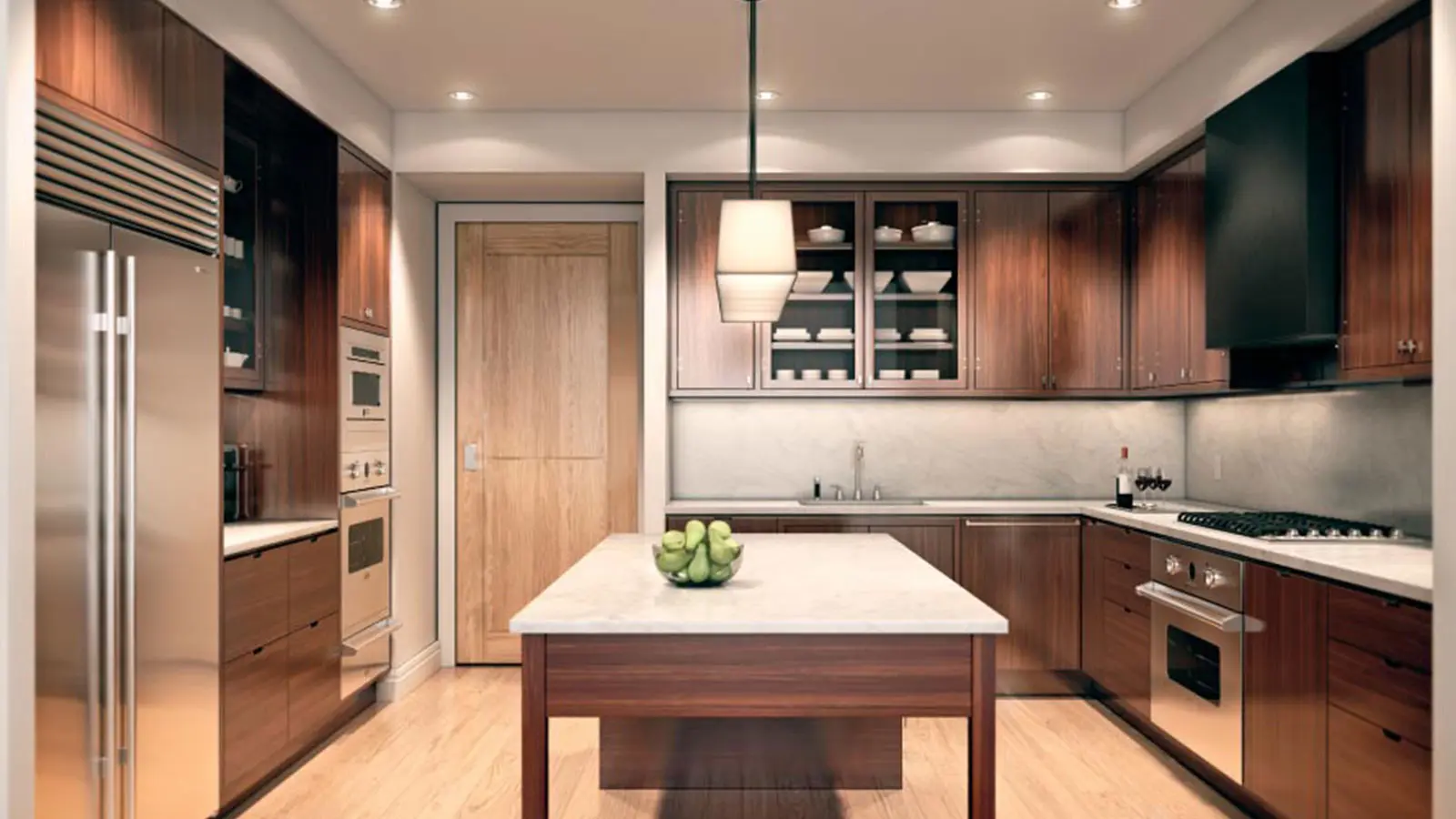
The building's apartments showcase consistent luxury finishes throughout, including wide-plank white oak floors, beamed ceilings soaring over 11 feet in the tower residences (floors 18-21), and floor-to-ceiling windows offering spectacular views of Madison Square Park. Kitchens feature SieMatic cabinetry with Bianco Carrara marble countertops and top-tier appliances from Sub-Zero, Wolf, and Miele. Bathrooms are appointed with Carrara marble, radiant heated floors, and Dornbracht fixtures. The 22nd-floor penthouse spans 6,500 square feet with 1,700 square feet of private terraces, while many units offer flexible layouts and in-unit washer/dryers.
Residents enjoy an impressive 10,000-square-foot amenity club managed by The Wright Fit, featuring a 60-foot heated lap pool, hot tub, yoga and Pilates studios, spa treatment rooms, and comprehensive fitness facilities with sauna and steam rooms. Additional amenities include a children's playroom, 5,100-square-foot private courtyard garden designed by Signe Nielsen, bike storage, and white-glove service with 24-hour doorman, concierge, and live-in resident manager.
Perfectly positioned directly across from Madison Square Park in the vibrant Flatiron District, the building sits one block from Eataly and within walking distance of numerous Michelin-rated restaurants, shopping along Ladies Mile, and multiple subway lines. The location places residents at the crossroads of NoMad, Flatiron, Chelsea, and Union Square, offering easy access to Manhattan's finest dining, cultural attractions, and transportation options.
For screen reader users all content above is visible so you may ignore the show more button below.
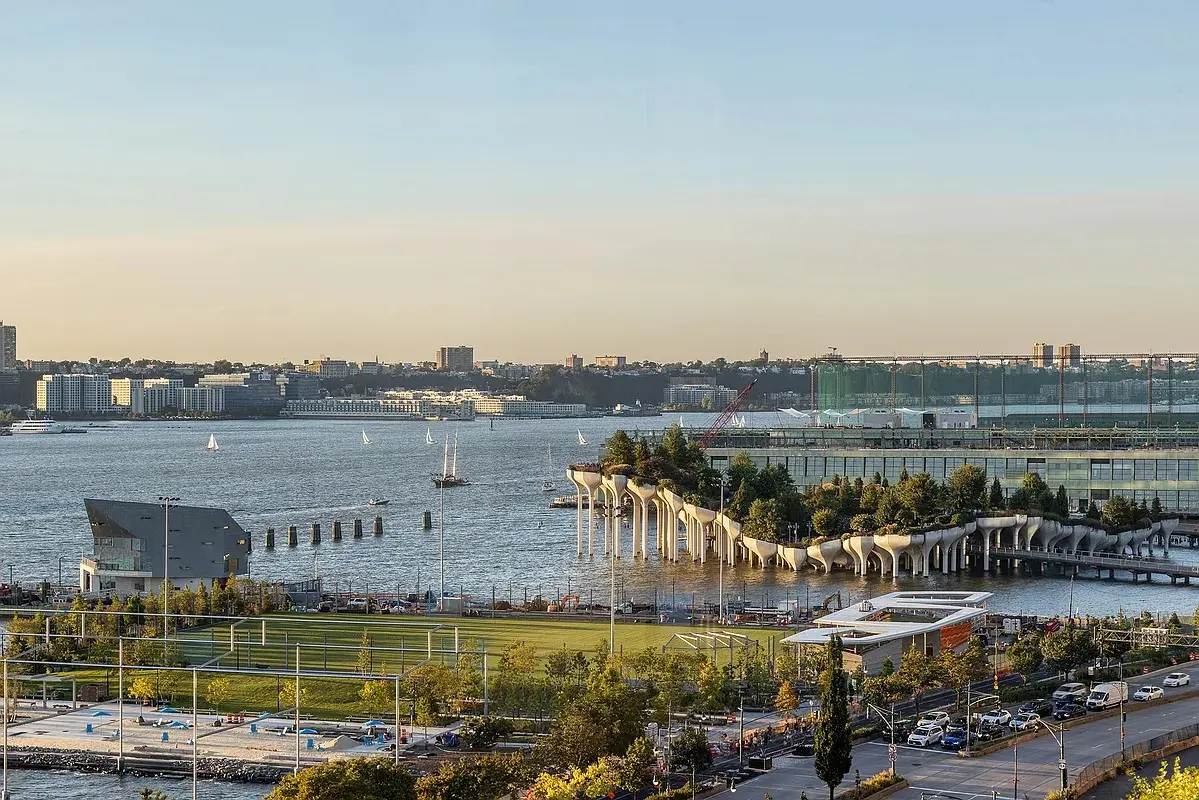
Superior Ink, a landmark of modern luxury in the West Village, blends elegant design with historical charm. Designed by Robert A.M. Stern and completed in 2009, the 17-story LEED-certified tower offers 62 meticulously crafted residences alongside seven townhouses inspired by Greenwich Village's 19th-century architecture. The tower’s light-orange brick façade features setbacks, arched windows, and a distinctive canopy, while the red-brick townhouses exude timeless sophistication with stoops, bay windows, and private gardens.
Residents enjoy premier amenities, including 24-hour concierge and doorman service, valet parking, a fitness center, yoga/Pilates studio, screening room, event lounge, and a children’s playroom. Additional features include private storage, a bike room, and beautifully landscaped terraces. Interiors boast Sub-Zero kitchens, marble-clad baths, and luxurious details throughout.
Situated at 400 West 12th Street, Superior Ink occupies the former site of the Superior Ink factory, placing it steps from Hudson River Park, the Meatpacking District, and the Whitney Museum. Its prime location seamlessly merges the charm of the West Village with the sophistication of nearby Chelsea and the High Line.
For screen reader users all content above is visible so you may ignore the show more button below.
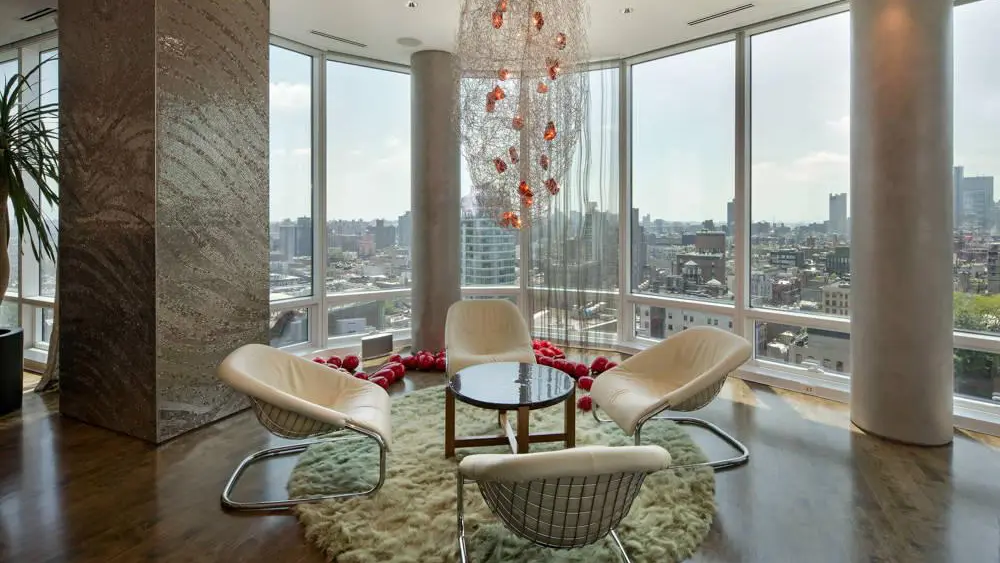
The Astor Place at 445 Lafayette Street is a 21-story residential tower completed in 2004, distinguished by its undulating glass façade and curved architectural design. The building contains 39 residences ranging from 1,449 to 4,156 square feet, featuring floor-to-ceiling windows and contemporary finishes. Designed by Gwathmey Siegel & Associates, the building stands as a notable architectural landmark at the intersection of Lafayette Street, Astor Place, and Fourth Avenue.
The project's development history included earlier unrealized designs by renowned architects Rem Koolhaus and Frank Gehry before Related Companies commissioned Gwathmey Siegel for the final design. The building sits on land owned by Cooper Union, which created a 99-year lease arrangement for the development.
Residences feature high-end finishes including cherry wood cabinets, granite countertops, and premium appliances from Sub-Zero, Wolf, and Miele. Building amenities include 24-hour doorman and concierge service, a fitness center, private storage, and direct access to a parking garage. Located at the crossroads of NoHo, the East Village, Greenwich Village, and the Bowery, the building sits in one of Manhattan's most vibrant neighborhoods with excellent access to transportation, dining, and cultural attractions.
For screen reader users all content above is visible so you may ignore the show more button below.
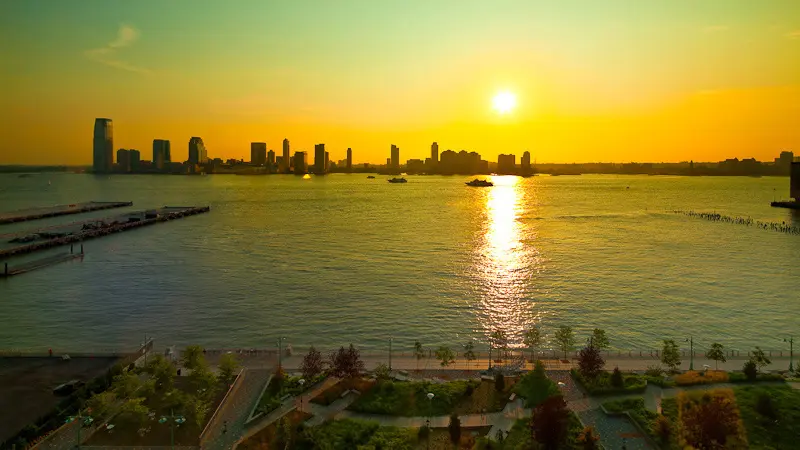
Designed by renowned architects Tsai & McGowan, River Lofts is comprised of a newly constructed 13-story tower on Laight Street and an impeccably restored Romanesque Revival loft warehouse on Washington Street.
The Washington Street building has 30 lofts and 92 Laight Street contains 38 residences. Apartments range in size from 1,100 to 3,900 square feet.
Lofts feature oversized, triple-glazed windows, 10-foot ceilings, integrated sound systems, high-speed wiring and cable, central air conditioning and walnut hardwood floors. Spacious master bedroom suites have dressing rooms and limestone spa bathrooms; eat-in-kitchens have custom cabinetry and premium appliances. Separate laundry rooms are equipped with ample storage space and double washers and dryers.
River Lofts has a courtyard, a fitness center, a bike room, storage rooms and a parking garage with direct elevator access. Its TriBeCa location across West Street from the Hudson River Park is near many restaurants, cafes and boutiques.
For screen reader users all content above is visible so you may ignore the show more button below.
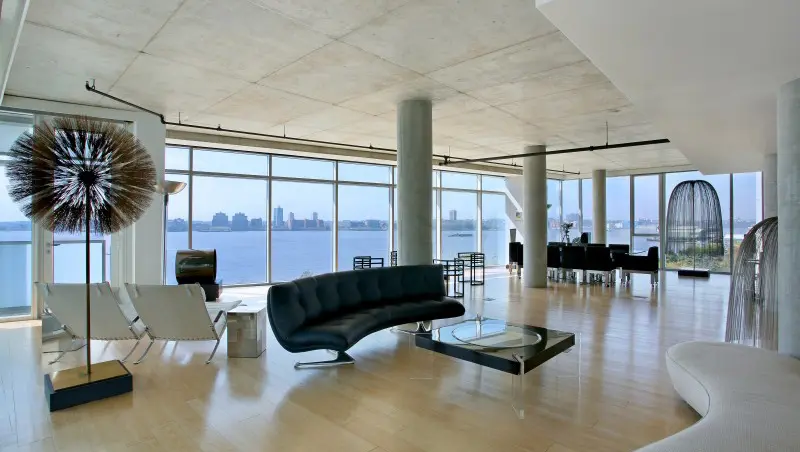
176 Perry Street is a modernist masterpiece designed by renowned architect Richard Meier, completed in 2002. This mid-rise residential condominium is part of a trio of buildings that have significantly enhanced the lower Hudson River waterfront, establishing it as a desirable neighborhood for the affluent. The building features a striking minimalist design characterized by floor-to-ceiling windows and white steel façades, creating a clean aesthetic that resonates with Meier's architectural philosophy. The building's elegant design is complemented by its location across from the scenic Hudson River Park, providing residents with expansive views and access to outdoor recreational spaces.
The apartments at 176 Perry Street are notable for their spacious layouts, with many units offering around 3,750 square feet of living space. Common features include 11-foot ceilings, high-end finishes, and large terraces that enhance the living experience. The triplex apartments, such as those on the 8th, 9th, and 10th floors, boast dramatic double-height great rooms, gourmet kitchens, and luxurious primary suites with spa-like bathrooms. The building also includes a state-of-the-art fitness center, a full-time doorman, and concierge services, along with dining options from Jean-Georges Vongerichten's restaurant located within the building.
176 Perry Street has attracted a number of high-profile residents, including celebrities like Hugh Jackman, Martha Stewart, and Jim Carrey, further enhancing its reputation as a chic and exclusive residence. The building's design and location have made it a sought-after address, although it has faced challenges, including concerns over obstructed views due to the construction of nearby buildings. Despite these issues, the architectural significance and luxurious amenities of 176 Perry Street continue to make it a standout choice for discerning buyers in New York City.
For screen reader users all content above is visible so you may ignore the show more button below.
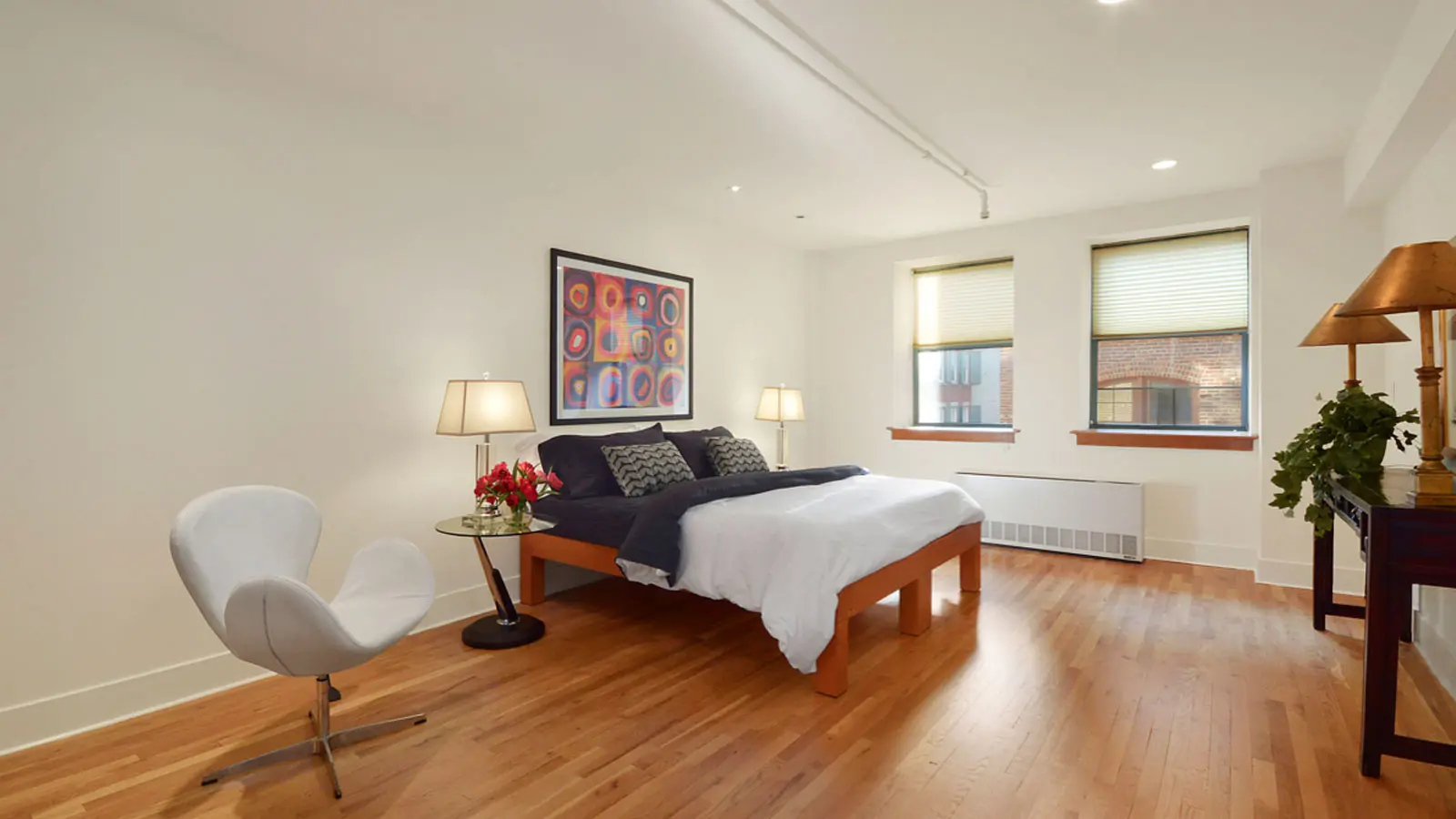
The North Moore is a noteworthy cast iron and brick warehouse originally erected in 1881 for the estate of John Castree, a prominent grocer and developer, and initially operated as a papermill. Converted to a 49 unit condominium in 2001, this 8 story building sits on one of Tribeca's most coveted cobblestone blocks at the corner of North Moore and Hudson Street in the heart of the Tribeca Historic District. The pet friendly building offers full service amenities including a 24 hour doorman, live-in superintendent, skylit lobby, three elevator banks, and furnished roof decks with breathtaking views.
The loft style apartments range from 1,083 to over 2,450 square feet, featuring the classic warehouse conversion elements of soaring ceilings from 9 to 13 feet, oversized windows, and open floor plans. Most units include in-unit washer/dryer, central air conditioning, hardwood floors, and abundant custom built in storage. The building's corner units are particularly sought after, offering multiple exposures and exceptional natural light.
The location places residents in the epicenter of Tribeca's dining scene, with Mr. Chow directly downstairs and Michelin starred restaurants like Jungsik and Bâtard within blocks. The building provides easy access to Hudson River Park and Piers 25 and 26, while multiple subway lines (1/2/3, A/C/E, N/Q/R/W, J/Z, and 6) ensure excellent transportation connectivity throughout Manhattan. One notable unit was even featured in Luxe Magazine, highlighting the building's reputation for sophisticated urban living in one of New York's most prestigious neighborhoods.
For screen reader users all content above is visible so you may ignore the show more button below.
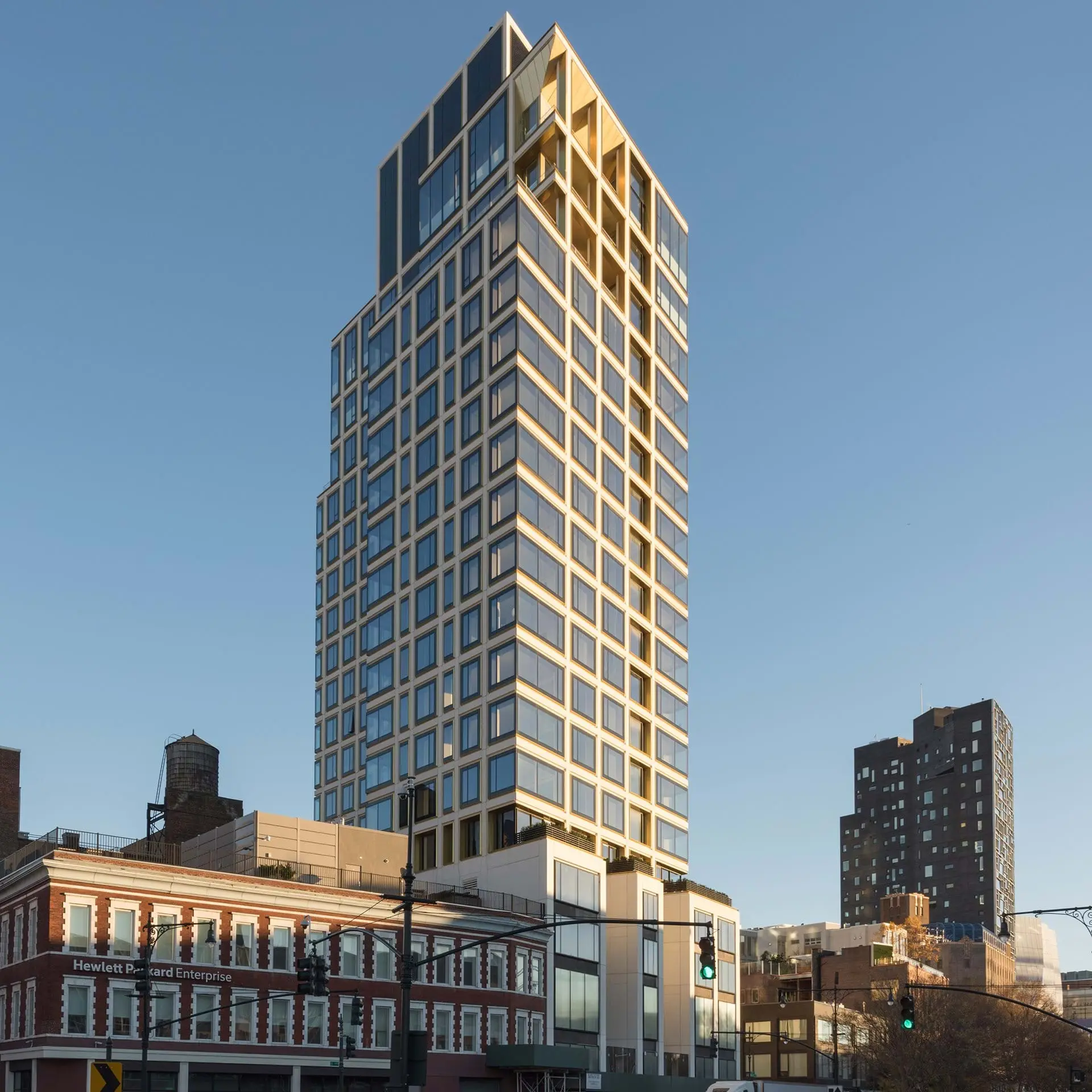
551 West 21st Street is a 19-story, 44-unit luxury condominium completed in 2015, designed by Pritzker Prize-winning architect Norman Foster and Foster + Partners - their first residential project in the US. Developed by Scott Resnick of SR Capital and GTIS Partners, with Beyer Blinder Belle as associate architect, the building stands as an architectural masterpiece in West Chelsea. The structure features a striking white precast concrete and polished brass façade with distinctive window treatments combining gold and black metal frames.
The building's dramatic entrance includes a gated drive court surrounded by a 20-foot green wall and leads to a 34-foot-high double-height lobby with a prismatic glass wall and grand chandelier. Residences feature 11-foot ceilings, French-inspired oak herringbone floors, custom millwork, and floor-to-ceiling windows with deep façade reveals for perimeter seating. Kitchens showcase Blanco de Macael marble countertops, natural stained oak cabinetry, and premium appliances from Sub-Zero, Miele, and Gaggenau.
The three full-floor penthouses span approximately 6,200 square feet each with 12-foot ceilings and 360-degree views. The top penthouse includes over 4,000 square feet of outdoor space featuring a 61-foot-long swimming pool - the largest private outdoor pool in New York City. All penthouses include separate elevator entrances for entertaining and private quarters, wood-burning fireplaces, and sophisticated climate control systems.
Amenities include 24-hour doorman, concierge, porter and valet services, a state-of-the-art fitness center with spa facilities, yoga room, residents' lounge with fireplace and catering kitchen, children's playroom, bike storage, and a dedicated service entrance. The building also offers on-site parking.
Located at 551 West 21st Street, the building sits half a block from the High Line and across from Chelsea Piers in the heart of West Chelsea's gallery district. The neighborhood offers easy access to the Meatpacking District, West Village, Hudson Yards, and numerous acclaimed restaurants and cultural attractions.
The building represents Foster's continued architectural innovation in New York, following his other notable projects like the Hearst Tower and 50 United Nations Plaza. Its sophisticated design and attention to detail have established it as one of West Chelsea's most prestigious addresses, offering residents an exceptional living experience with stunning Hudson River and city views.
For screen reader users all content above is visible so you may ignore the show more button below.
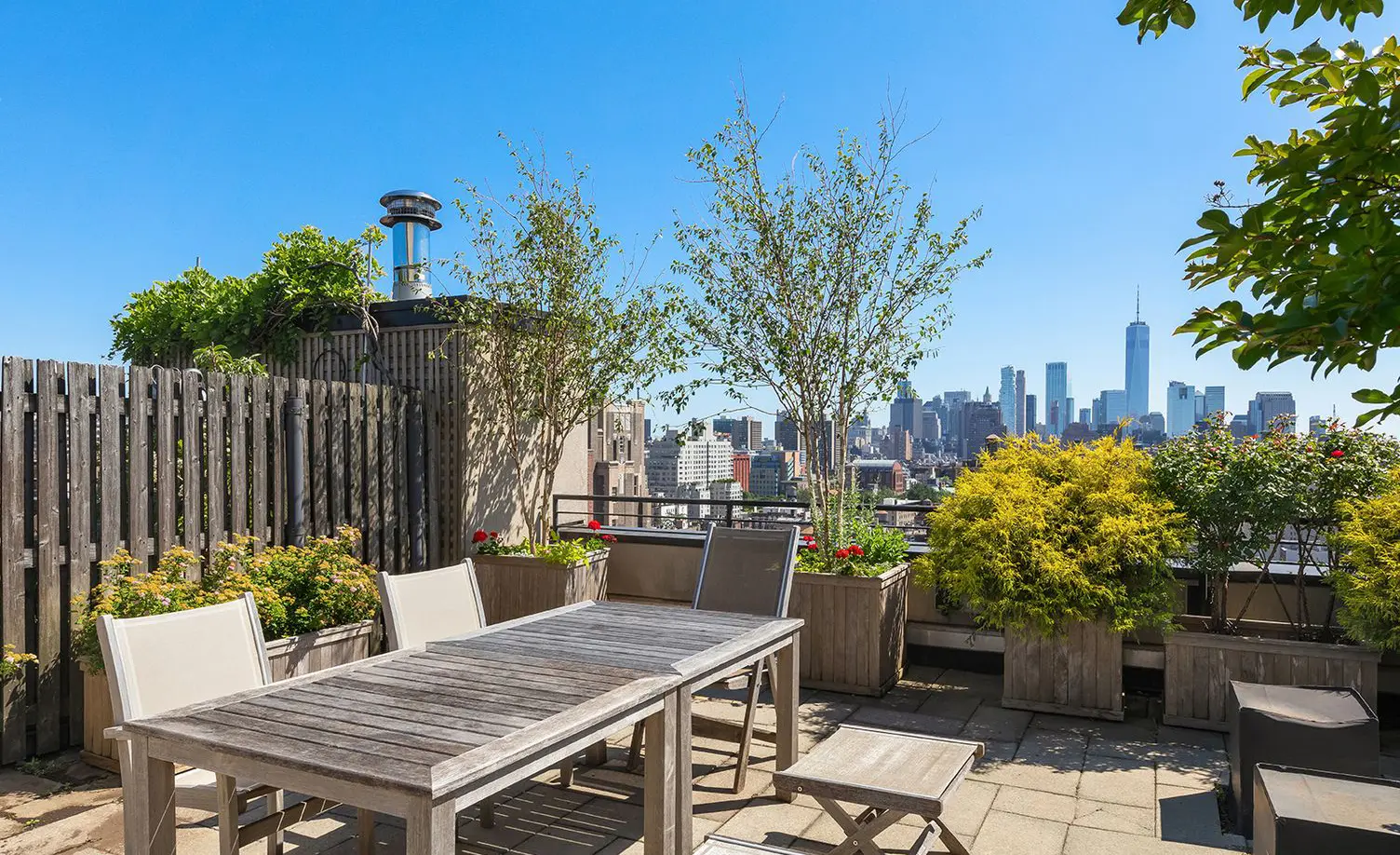
The Greenwich at 65 West 13th Street is a distinguished 12-story pre-war condominium built in 1906 and converted to luxury residences in 2001 by Franke Gottesegen Cox Architects. This handsome building features a curved corner at 14th Street and Seventh Avenue and distinctive arched windows on upper floors, housing approximately 67 large apartments ranging from 1,000 to over 4,500 square feet. The building has attracted notable residents including Jennifer LeRoy and Kay LeRoy.
Apartments at The Greenwich showcase the grandeur of pre-war loft living with soaring ceilings ranging from 11 to over 14 feet and oversized windows that flood the spaces with natural light. Many units feature dramatic entry galleries extending 15 to 41 feet, open chef's kitchens with center islands, and high-end finishes including granite countertops and custom millwork. The penthouse units are particularly spectacular, with some configured as duplexes featuring wood-burning fireplaces and expansive private terraces up to 2,057 square feet equipped with gas lines, water, and electricity for outdoor entertaining. Several apartments offer sweeping views of the Empire State Building, Hudson Yards, and city skylines through their north and west exposures.
The building provides white-glove service with a 24-hour doorman, state-of-the-art fitness center, children's playroom, and bike storage. The crown jewel amenity is the stunning common roof deck with 360-degree panoramic city views, complete with gas grilling facilities and landscaped areas. Located at the nexus of Greenwich Village, Chelsea, Union Square, and the Flatiron District, residents enjoy exceptional access to the city's finest dining, shopping, cultural institutions, and multiple subway lines, making it one of downtown Manhattan's most coveted addresses for sophisticated loft living.
For screen reader users all content above is visible so you may ignore the show more button below.
The Sterling Mason building at 71 Laight Street is one of Tribeca's most sought-after condominium loft conversions. Loved for its location, stunning design, and gorgeous interiors, the project was designed by noted architect Morris Adjmi and takes a six-story Tribeca loft building replicates the original 1906 red-brick masonry building with a new light-gray twin with concrete panels and a metallic finish.
Within, Gachot Studios has blended refined finishes with soaring ceilings and other classic loft details, with bespoke finishes like Henrybuilt kitchens. A four-bedroom duplex penthouse sits at the building’s pinnacle offering 5,000 square feet of interior space and a 1,065-square-foot private terrace.
Unlike many of the neighborhood’s authentic lofts, this one is blessed with the kind of amenities you’d find in a high-rise, including a concierge, a doorman, a porter and a resident manager, a children’s play space designed in collaboration with the 92nd Street Y, a fitness center and a 12-car garage.
From La Garconne to Locanda Verde, Bubby’s and Ear Inn, the western Tribeca neighborhood, near Soho and the West Village, is a cornucopia of shopping, restaurants and waterfront enjoyment in the form of Hudson River Park, the Tribeca dog run and much more.
For screen reader users all content above is visible so you may ignore the show more button below.
240 Park Avenue South, completed in 2009, is a 17-story residential condominium building designed by renowned architect Charles Gwathmey of Gwathmey Siegel. Located at the intersection of Park Avenue South and 19th Street, the building was developed by Linjan Associates, with Yitzchak Tessler as a principal. The structure is notable for its distinctive curved glass corner elements and contemporary interpretation of masonry architecture using pre-cast stone elements.
The building contains 51 residences ranging from one to three bedrooms, with sizes spanning 805 to 2,700 square feet. Unlike typical glass-heavy modern buildings, it features intentionally wider spaces between windows to accommodate artwork display. Apartments boast 10 to 11-foot ceilings, and high-end finishes including Jet Mist granite countertops, Sub-Zero refrigerators, Kuepperbusch cooktops, and luxurious bathrooms with Rositano carved stone sinks and statuary white marble.
The lobby showcases sophisticated design elements including perforated leather walls, milk glass accents, and Pompignon limestone floors. Building amenities include 24-hour doorman and concierge service, a 1,500-square-foot fitness center, an entertainment library suite with daily Continental breakfast, a landscaped terrace, spa/sauna, and a basketball court.
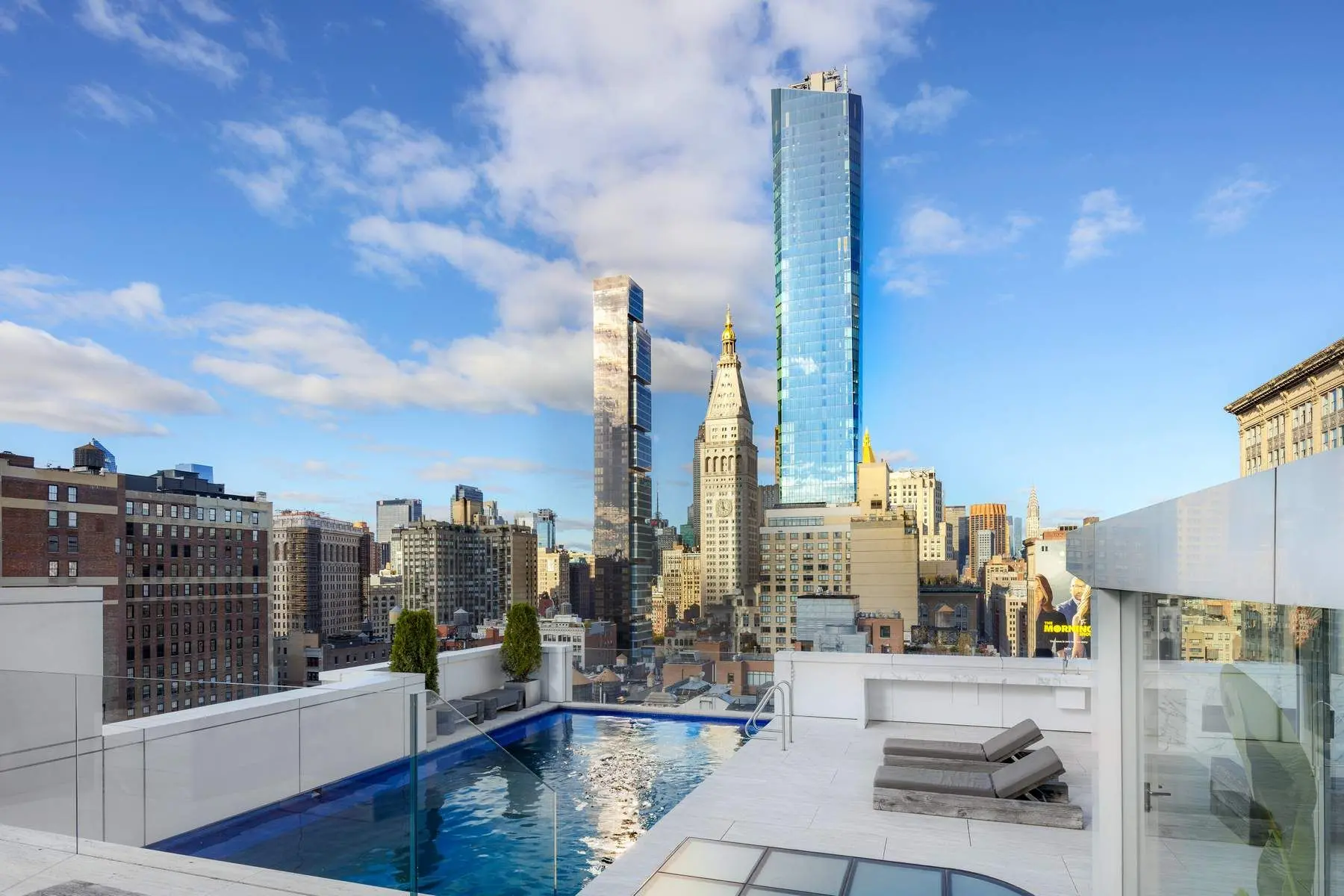
Two full-floor penthouses crown the building, with the top floor penthouse notably designed to accommodate a private rooftop swimming pool. One particularly impressive penthouse features a 30-foot infinity pool constructed of custom blue Mosaic Bisazza with an infinity glass wall, offering panoramic views of Manhattan landmarks including the Empire State and Chrysler buildings.
Situated at the nexus of Flatiron, Gramercy, and Union Square neighborhoods, the building provides convenient access to multiple parks, high-end dining, shopping, and transportation options. The location at the intersection of these vibrant neighborhoods has made it a sought-after address in downtown Manhattan.
For screen reader users all content above is visible so you may ignore the show more button below.
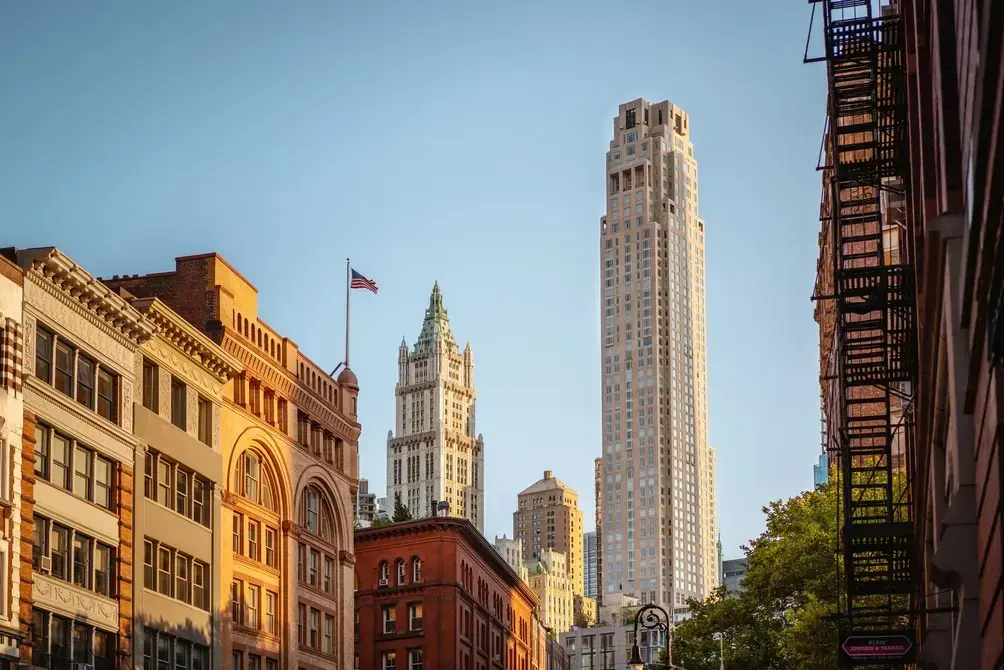
The Four Seasons Private Residences at 30 Park Place, located where Tribeca meets the Financial District, enjoy the architecture of Robert A.M. Stern Architects and the amenities and services of the Four Seasons. The condominiums start on the 39th floor, where opulent interiors radiate Great Gatsby-style luxury and spectacular views open in all directions: Neo-Gothic ornament of the Woolworth Building comes in close view to the east; Downtown rises to the south; the Hudson River spans to the west; the skyscrapers of Midtown loom to the north.
The 38th floor of the building is home to a residents-only amenity package that includes a fitness center and yoga studio, a conservatory, a private dining room, a children's playroom, and a lounge with access to loggias. Residents also enjoy access to the Four Seasons services and amenities, which include a 75-foot lap pool, ballroom facilities, meeting rooms, a Four Seasons bar and lounge, and Wolfgang Puck's CUT restaurant.
Brookfield Place, the Perelman Arts Center, Hudson River Park, and Washington Market Park are a short distance away. Transportation options include the Chambers Street A/C and 1 trains, the Park Place 2/3 trains, and the World Trade Center E and PATH trains.
For screen reader users all content above is visible so you may ignore the show more button below.
Designed by Costas Kondylis, One Morton Square is located in the West Village. It was completed in 2004 and contains 283 residences.
One Morton Square combines towers along West Street with low-rise buildings on the remainder of the block. There are seven townhouses with bay windows, 147 lofts – some of which were delivered finished – and 135 rental apartments. Lofts and townhouses range in size from 1,160 square feet to 4,000 square feet.
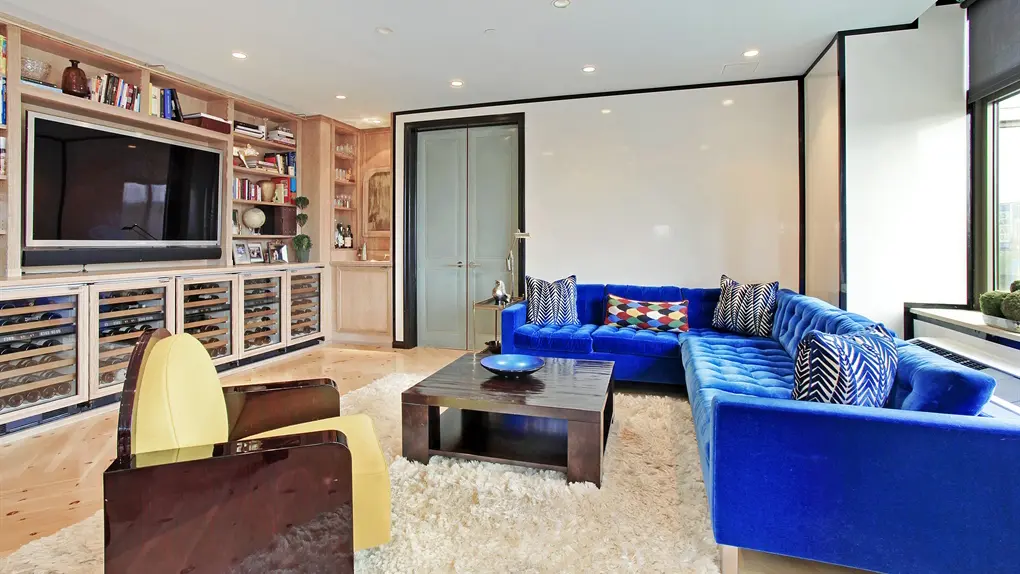
Units have 10-foot-high ceilings, sprawling open floor plans and oversized windows that offer city and river views. Bedrooms are spacious and spa-like bathrooms have polished limestone and marble throughout. Gourmet kitchens have top-of-the-line, stainless steel appliances. Several units have outdoor areas.
One Morton Square offers such amenities as a full-time doorman and concierge, a children’s playroom and activity center, in-house valet service, a 3,000-square-foot, state-of-the-art fitness club and a landscaped courtyard. It is also convenient to the West Village and the Meatpacking District.
For screen reader users all content above is visible so you may ignore the show more button below.
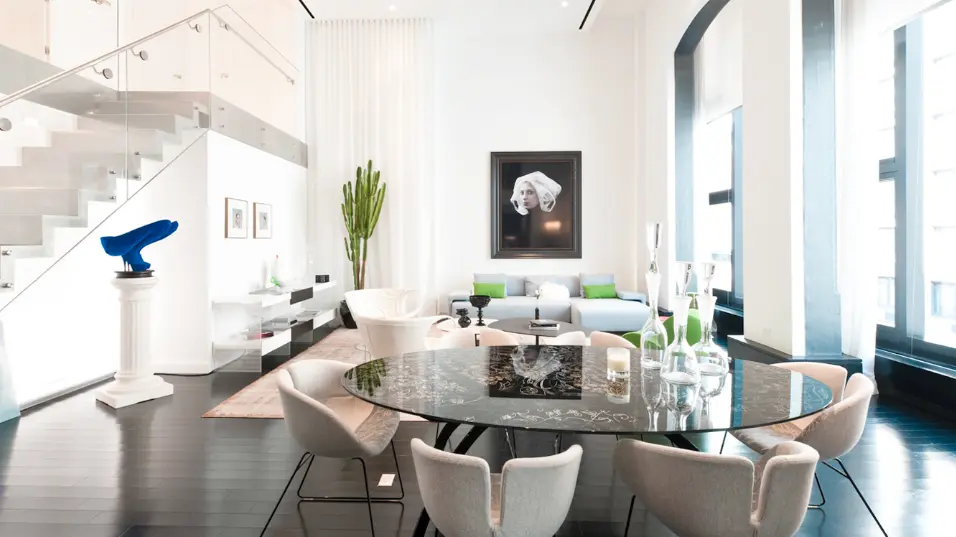
15 Union Square West is a boutique condominium located at the west side of Union Square at 15th Street.
Residences boast varied and open floor plans filled with natural light. They also have high ceilings and were custom designed by Vicente Wolf to mimic the feel of a townhome; apartments in the upper floors have fireplaces and offer views of the nearby park. Open kitchens are equipped with oversized islands, energy efficient LED lighting and stainless steel appliances; large master bathrooms have stone floors and walls and double sink vanities. Some units have touches like glass staircases and powder rooms with additional laundry rooms.
15 Union Square West has a 24-hour doorman on staff and concierge service from Luxury Attache, and amenities include a spa with a 50-foot-long lap pool and oversized Jacuzzi; a massage and spa treatment room; and a gym with a yoga/Pilates studio and boxing room. Many shops, restaurants, movie theaters and bars are nearby.
For screen reader users all content above is visible so you may ignore the show more button below.

 6sqft delivers the latest on real estate, architecture, and design, straight from New York City.
Like us on Facebook to keep up with the trends and
6sqft delivers the latest on real estate, architecture, and design, straight from New York City.
Like us on Facebook to keep up with the trends and 