
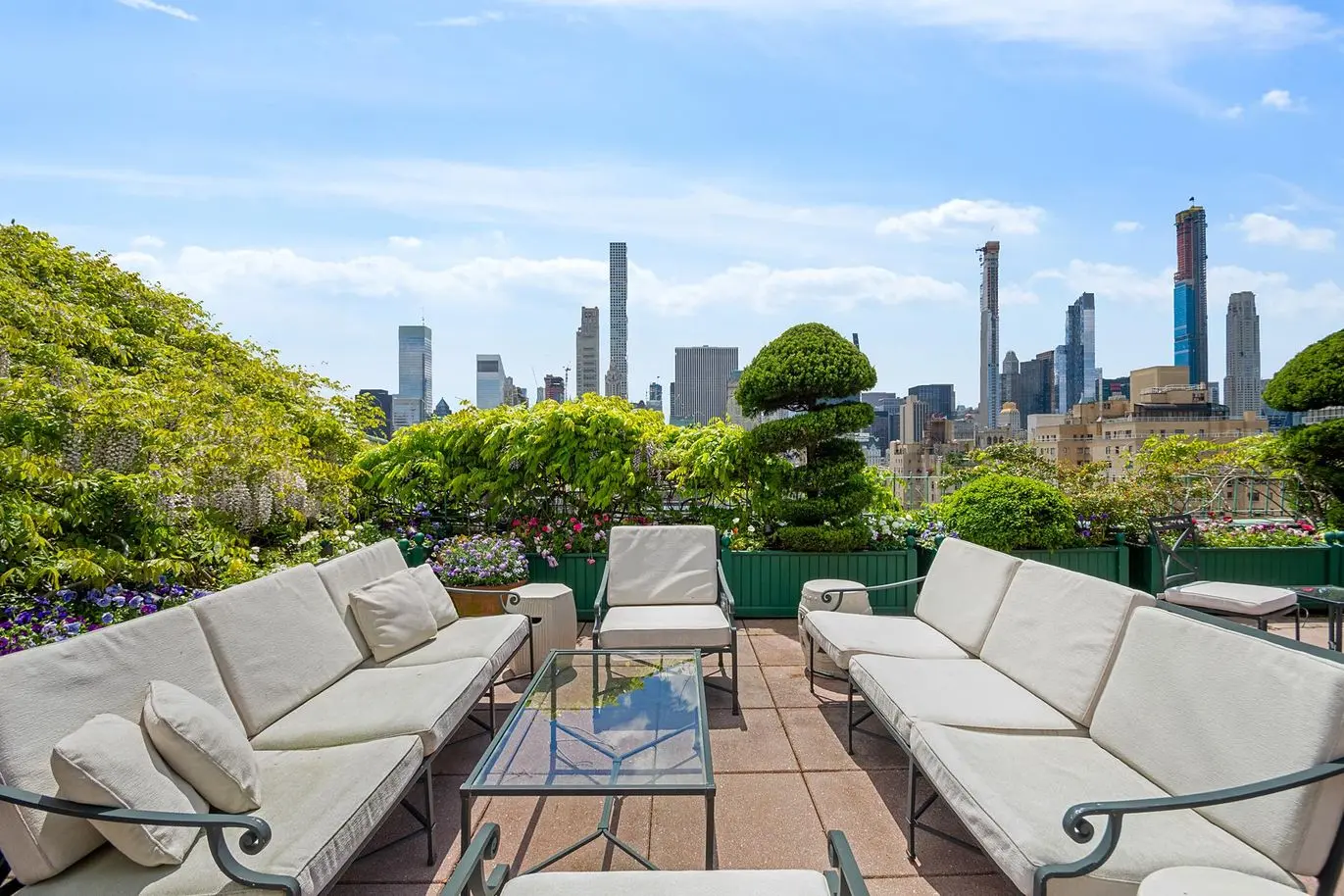
The Westbury stands as a distinguished prewar condominium at 15 East 69th Street, occupying a prime corner location on Madison Avenue just one block from Central Park. Originally constructed in 1927 as the Westbury Hotel and operated by Trust House Forte, this 18-story red brick building with limestone base was thoughtfully converted to just 47 luxury condominiums in 1999, maintaining only four residences per floor to ensure exclusivity and privacy.
The building's conversion preserved its hotel-caliber service standards, offering residents 24-hour concierge and doorman services, along with amenities including a fitness center, wine cellar with individual storage units, bicycle room, and optional maid service. The double-height lobby retains the elegance of its hotel origins, while the ground-floor retail spaces have housed prestigious tenants including Sulka, Alfred Dunhill, and Gucci, reflecting the building's position along one of Manhattan's most exclusive shopping corridors.
Residences at The Westbury typically feature elaborate entrance galleries, wood-burning fireplaces, and custom millwork that showcase classic prewar craftsmanship. Apartments range from approximately 1,600 to over 3,000 square feet, with many offering coffered ceilings, marble bathrooms, and custom closet systems. The crown jewel is a duplex penthouse with over 2,000 square feet of terraces providing panoramic city and skyline views. The building's location provides immediate access to Central Park, the Frick Collection, Madison Avenue's luxury boutiques, and some of the city's finest restaurants, while welcoming both pets and pied-à-terre ownership.
For screen reader users all content above is visible so you may ignore the show more button below.
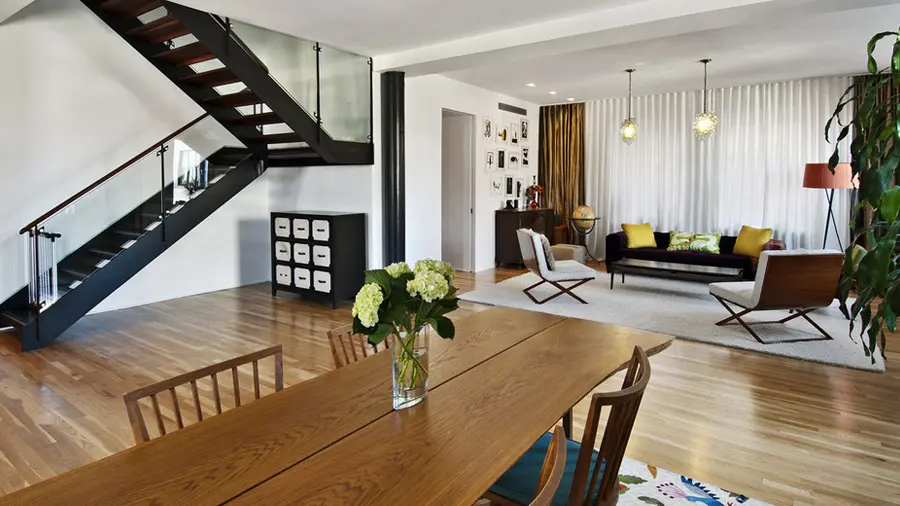
The American Thread Building at 260 West Broadway stands as one of TriBeCa's most distinguished residential conversions, with a fascinating history that spans over a century. Originally constructed in 1894-1896 as the Wool Exchange Building by architect William B. Tubby in Renaissance Revival style, the 11-story structure was designed to help New York overtake Boston as the nation's wool trade center. When that venture failed, the American Thread Company occupied the building from 1901 to 1964, giving the building its enduring name. The building gained additional cultural significance when a Keith Haring mural was discovered in 2007 during renovations—painted by the then 20-year-old artist in 1979 when the space served as an exhibition area.
Converted to 52 condominium apartments by Rose Associates in 1980, the building was among the first luxury loft conversions in TriBeCa and has since housed notable residents including models Gisele Bundchen and Naomi Campbell, and actress Isabella Rossellini. The building's distinctive curved façade overlooks TriBeCa Park, and its placement on the National Register of Historic Places in 2005 underscores its architectural importance. The structure features imposing limestone banding on the first two floors, arched ground-floor windows, and a grand staircase entrance with two-story columns, though it has lost its original cornice over time.
The building's 52 residences showcase the grandeur typical of pre-war loft conversions, with many units featuring soaring ceilings up to 26 feet, oversized arched windows, and original architectural details like cast-iron columns. The apartments range from traditional two-bedrooms to spectacular multi-level penthouses and a remarkable 8,000-square-foot triplex maisonette that includes the Keith Haring mural. Common features throughout units include hardwood floors, working fireplaces, central air conditioning, and chef's kitchens equipped with high-end appliances from brands like Sub-Zero, Miele, and Liebherr. Many apartments are configured as duplexes, taking advantage of the building's generous ceiling heights and loft-like proportions.
Residents enjoy full-service building amenities including a 24-hour doorman, live-in superintendent, rooftop gym, landscaped roof deck with city views, bicycle storage, and basement storage units. The building's prime location at the northern edge of TriBeCa, adjacent to SoHo and near multiple subway lines, provides easy access to the neighborhood's renowned dining and shopping scene. While the building lacks a garage and sidewalk landscaping, its historic character, spacious apartments, and prestigious address continue to make it one of downtown Manhattan's most coveted residential buildings.
For screen reader users all content above is visible so you may ignore the show more button below.
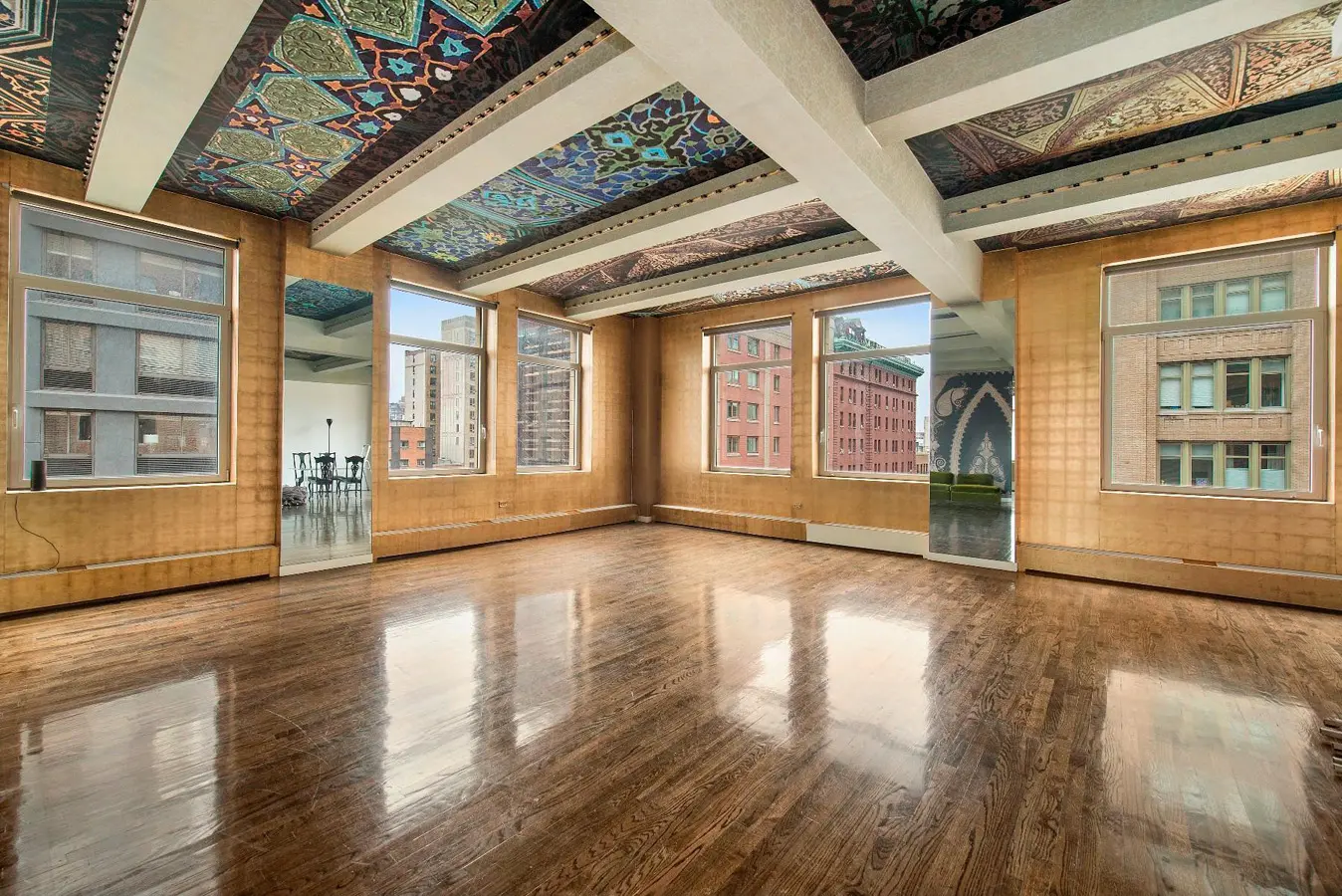
Chelsea Atelier is a boutique condominium located at 245 Seventh Avenue in Chelsea, New York City. Originally built in 1911 and converted into residential condominiums in 1997 by Harry Macklowe, the building features 12 stories and 33 residences. It offers a range of amenities including a full-time doorman, on-site superintendent, bike room, and resident storage, with a pet-friendly policy.
The architectural design, crafted by Squires & Wynkoop, showcases a blend of pre-war charm and modern living. The building's façade features a brownstone base with decorative elements, while the upper levels are characterized by beige-brick façades and a distinctive flared top. Residents enjoy proximity to Whole Foods, the High Line, and various dining and transportation options, making it a prime location for urban living.
Apartments in Chelsea Atelier are known for their spacious layouts and high ceilings, with many units featuring in-unit washers and dryers. Notable residences include a three-bedroom duplex penthouse previously owned by fashion designer Thierry Mugler, which sold for $7,890,000 in 2012. Other units range from one to three bedrooms, often showcasing open-concept designs, modern kitchens with high-end appliances, and ample natural light from oversized windows.
In addition to its luxurious living spaces, Chelsea Atelier has attracted notable residents, including fashion designer Reem Acra. The building's intimate setting, with only three apartments per floor, enhances its appeal, providing a unique blend of comfort, style, and convenience in the heart of Chelsea.
For screen reader users all content above is visible so you may ignore the show more button below.
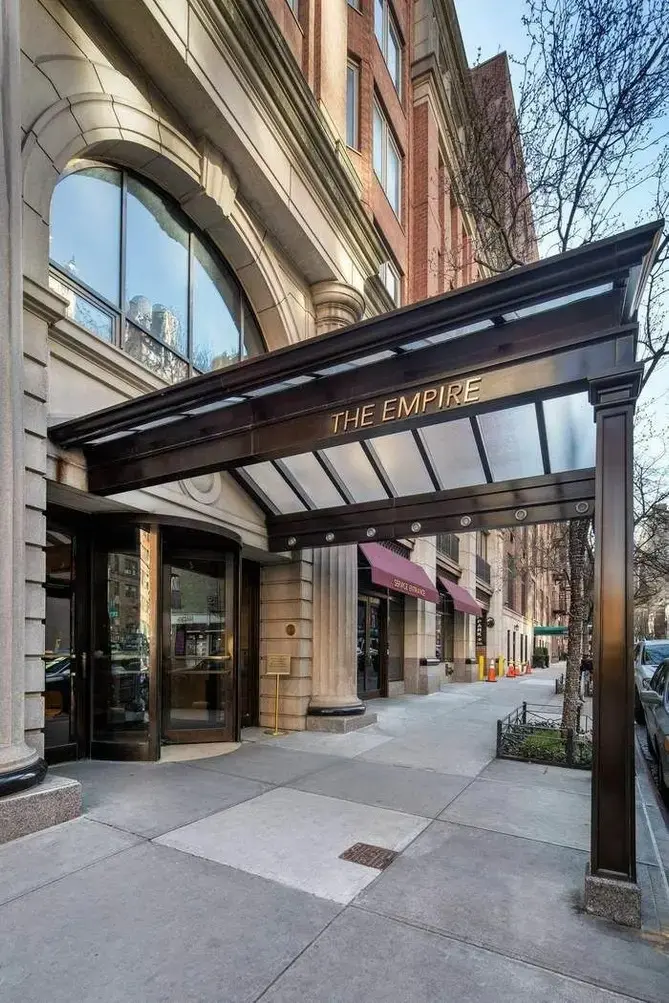
The Empire opened in 2001 and is located at 188 East 78th Street in the Upper East Side.
It is a traditionally styled, brick-clad tower that sits atop a block-long, four-story retail base stretching from 77th to 78th Streets. The Empire’s façades are adorned by columns of bay windows and bowed terraces.
Layouts in the 77 apartments are generally expansive; all are between 1,200 and 3,400 square feet and many have 11-foot ceilings. Most of the residences have two or more bedrooms, foyers, spacious formal dining rooms, crown moldings, herringbone floors, washers and dryers, marble baths and oversized closet spaces. Many enjoy terraces and several have fireplaces. Large eat-in kitchens are equipped with custom cabinets and premium appliances.
Residents have access to such amenities as concierge service, a state-of-the-art fitness center and a children’s play room. Bonus services include a pool, a roof deck and a private garden. Downstairs there are 36 storage rooms and 36 wine cellars available for purchase. The Empire also has a 25-car garage and is near to Central Park and the Metropolitan Museum of Art.
For screen reader users all content above is visible so you may ignore the show more button below.
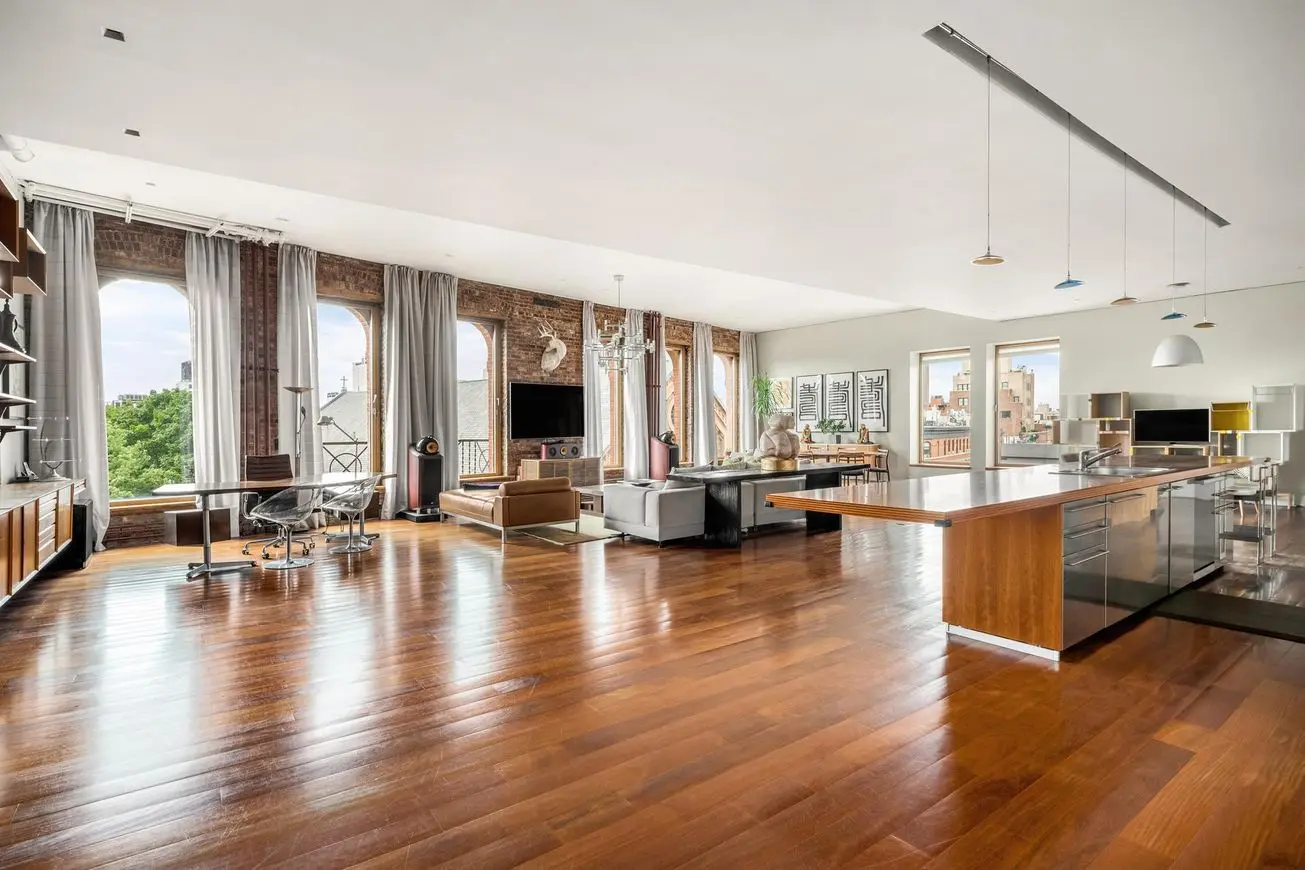
Originally constructed in 1912 as the Hawley & Hoops chocolate factory, 285 Lafayette Street underwent a complex conversion in 1999 that transformed it into one of SoHo's most distinctive luxury condominiums. The ambitious renovation, led by developer Allied Partners, required building a fireproof structure over the existing non-fireproof base—a three-year engineering feat that involved hanging steel beams from tubular grillage spanning up to 70 feet. The 10-story building now houses 31 apartments above 30,000 square feet of retail space occupied by the New York Public Library and Ralph Lauren.
The building's loft-style residences showcase authentic industrial details including original cast iron columns, exposed wooden beams, and soaring ceilings that reach up to 26 feet in the eight penthouses. Apartments range from approximately 2,100 to over 4,000 square feet, featuring Brazilian cherry hardwood floors, chef's kitchens with high-end appliances, wine refrigerators, and luxurious bathrooms with six-foot soaking tubs. Many units boast private terraces, and the penthouses include wood-burning fireplaces. The building's design, crafted by architect Costas Kondylis, seamlessly blends prewar architectural elements with modern luxury finishes.
285 Lafayette Street gained considerable cachet through its celebrity residents, most notably David Bowie and his wife Iman, who purchased one of the penthouses. Other notable residents have included Courtney Love, Studio 54 co-founder Ian Schrager, actor Saul Rubinek, tennis player Patrick McEnroe, and members of the Murdoch and Nederlander families. The building's full-service amenities include 24-hour doorman and concierge service, a professionally landscaped rooftop garden, and two entrances—one on Lafayette Street and a more discreet entrance on Mulberry Street for enhanced privacy.
Strategically positioned just south of the iconic Puck Building at the intersection of SoHo and NoLiTa, the building offers residents immediate access to world-class dining, shopping, and cultural attractions. The 800-square-foot lobby features a striking 10-foot white onyx countertop, setting the tone for the building's sophisticated aesthetic. With its combination of historical significance, architectural distinction, and prime location, 285 Lafayette Street represents one of downtown Manhattan's most coveted residential addresses.
For screen reader users all content above is visible so you may ignore the show more button below.
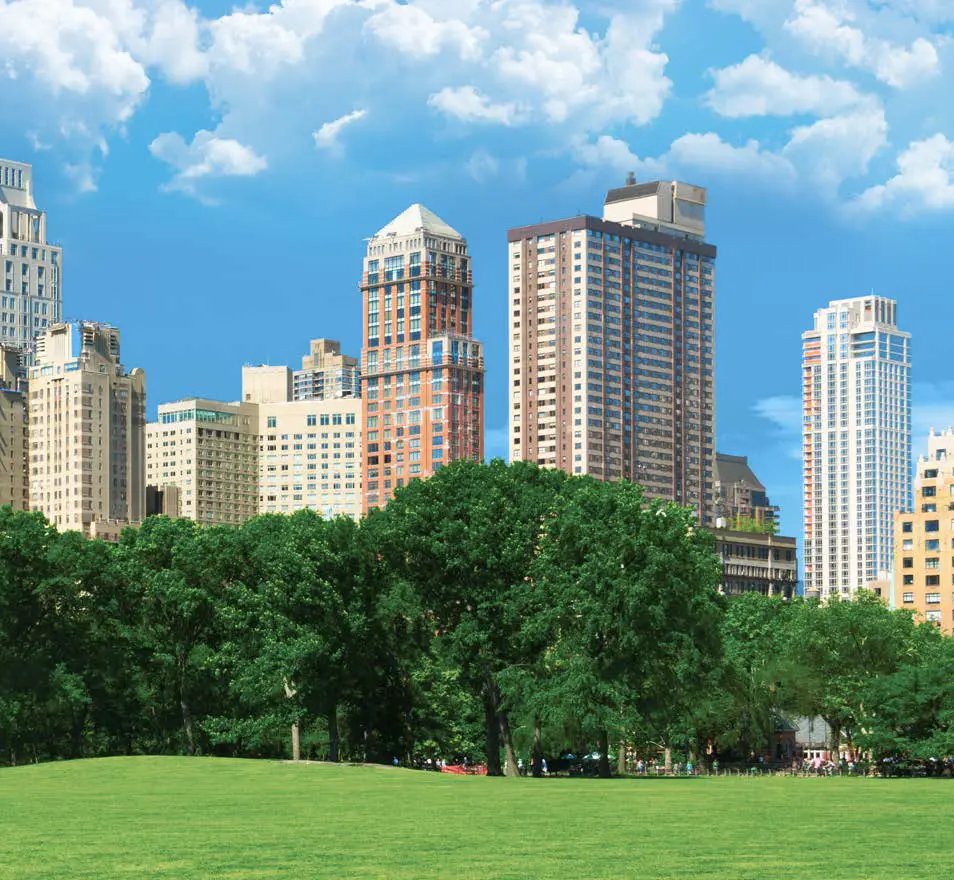
The Park Laurel at 15 West 63rd Street is a distinctive 41-story condominium tower completed in 2000, designed by Beyer Blinder Belle and Costas Kondylis for developers Vornado Realty Trust and David Edelstein. The building's most striking feature is its large, stepped pyramidal top that makes it highly visible from Central Park. Built above and adjacent to the historic West Side YMCA, the tower preserves the landmark Romanesque-style façade of the former McBurney School while incorporating it into the modern structure. The light red brick was specifically chosen to harmonize with the neighboring YMCA building, creating an architecturally cohesive streetscape.
The building houses 56 luxury condominium apartments spanning floors 14 through 40, with nearly all units offering sweeping Central Park views. Apartments range from two to four bedrooms, with sizes varying dramatically from 1,309 square feet to over 7,000 square feet for full-floor units. Notable residences include a Charles Gwathmey-designed penthouse duplex with 360-degree views and 20-foot ceilings, and several full-floor apartments featuring expansive terraces overlooking Central Park. Common luxury finishes throughout the building include Calacatta Gold marble bathrooms, premium appliances from Sub-Zero, Miele, and Thermador, herringbone hardwood floors, and individual climate controls.
The development faced significant controversy during its 15-year planning process, with notable opponents including Madonna and other prominent residents who argued the tower would overwhelm the neighborhood. The project ultimately moved forward using inclusionary housing zoning, which allowed additional density in exchange for preserving affordable housing units. This air-rights development not only created the luxury tower but also expanded the historic YMCA facilities.
The Park Laurel offers white-glove service with 24-hour doorman and concierge, a fitness center, children's playroom, and bicycle storage. Its prime location provides immediate access to Central Park, Lincoln Center, and Columbus Circle, making it one of Manhattan's most coveted addresses for those seeking luxury living with unparalleled park views and cultural amenities.
For screen reader users all content above is visible so you may ignore the show more button below.
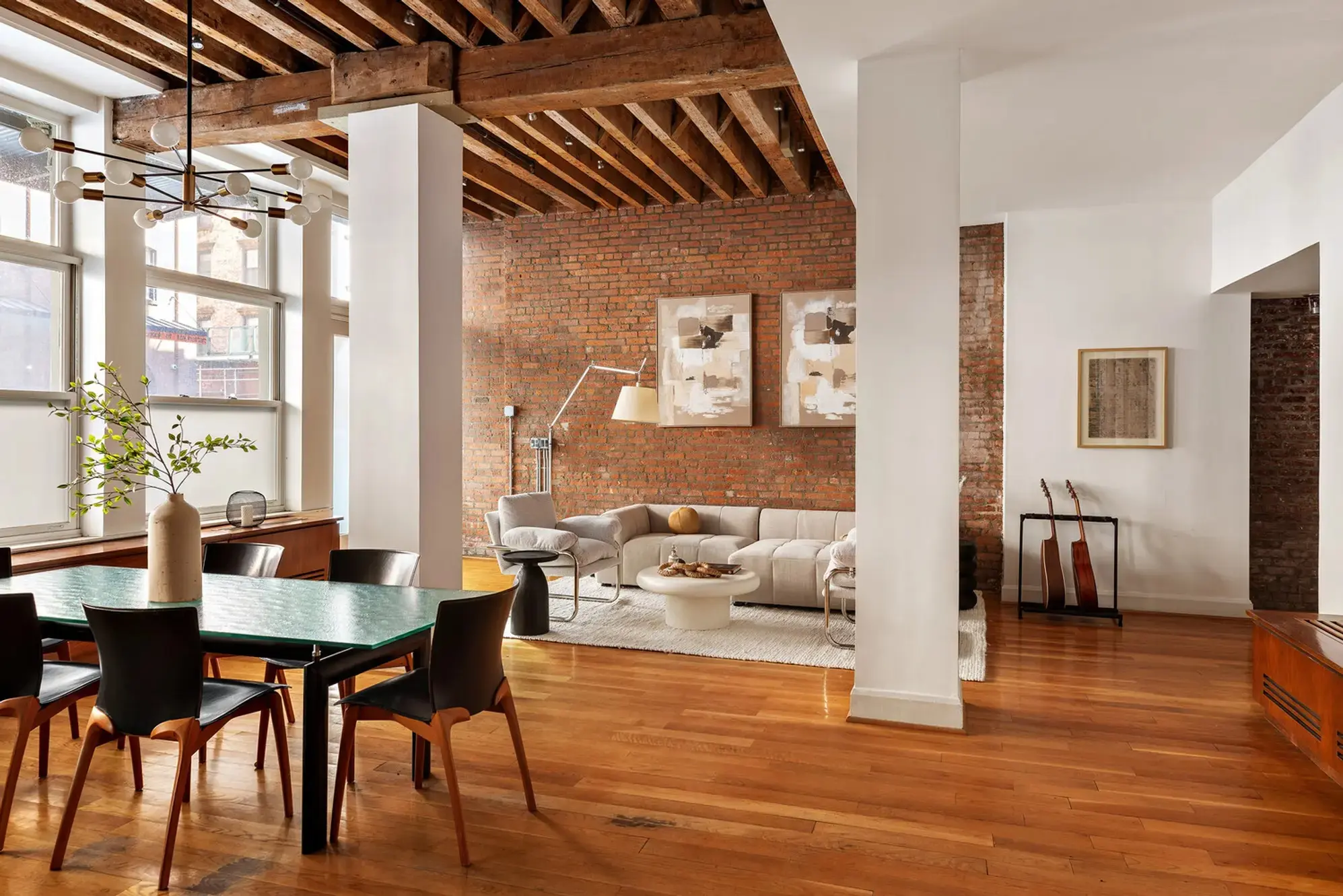
The Fischer Mills Building at 393-397 Greenwich Street is a historic pre-war structure dating back to 1860, originally serving as a coffee, tea, and spice warehouse. Located in the Tribeca West Historic District, the building artfully combines three distinct historic buildings into a single residential condominium, converted under the direction of developer Arthur Fefferman with BKSK Architects' Harry Kendall.
The building's distinctive architectural character is preserved through its exposed structural elements, including cast-iron columns, enormous rough-hewn timber beams with hand-chiseled joinery, and graceful brick archways. These industrial elements are complemented by modern finishes such as maple flooring and Thermopane windows throughout the residences.
Comprising 35 units, the building offers homes ranging from 1,400 to 4,300 square feet, with 24 units featuring private outdoor spaces. Two notable townhouse-style apartments boast soaring 15-foot ceilings, private gardens, and direct street access. The residences feature high-end finishes including stone countertops, oversized French farm sinks in kitchens, and bathrooms with radiant heated stone floors and six-foot cast-iron tubs.
As a full-service condominium, the Fischer Mills Building provides residents with full-time door attendants, a live-in superintendent, bicycle storage, private storage facilities, and a shared roof deck. While the building lacks a garage, it benefits from its proximity to the Hudson River Greenway, Pier 25, and various transportation options in the heart of Tribeca.
For screen reader users all content above is visible so you may ignore the show more button below.
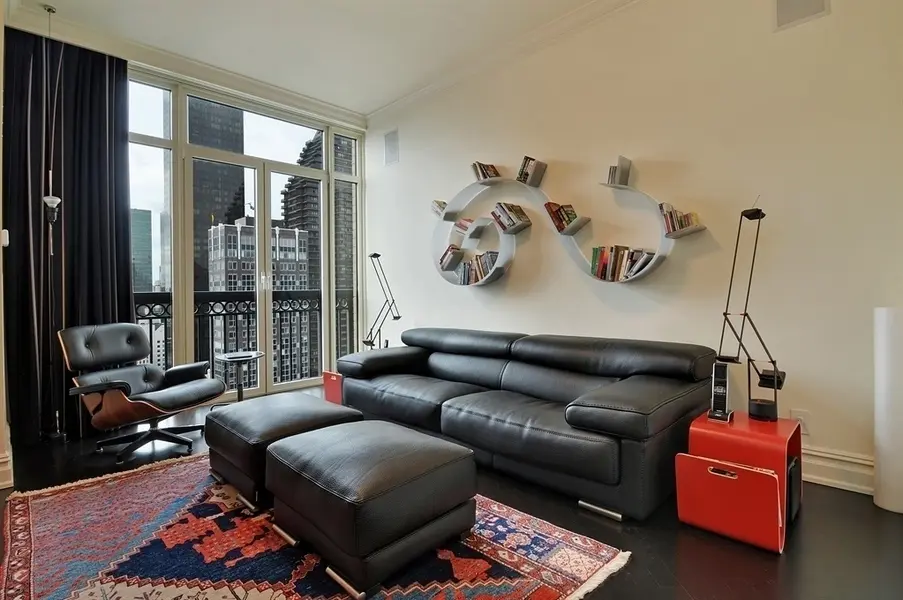
The Grand Beekman at 400 East 51st Street is a 32 story condominium tower completed in 2003, marking the first major residential development in the exclusive Beekman Place enclave in several decades. Designed by Costas Kondylis & Partners and developed by Alexico Management and Gama Holdings, the building features 89 generously proportioned apartments with a sophisticated façade distinguished by a rusticated six story base, corner bay windows throughout, and an elegantly articulated top with prominent pilasters. The tower is considered one of the most refined post-modern buildings along First Avenue.
Apartments range from approximately 1,000 square feet to over 3,300 square feet and are built on a grand scale with prewar style layouts that separate entertaining and sleeping wings. Common features include 9.5 to 13 foot ceilings, herringbone mahogany floors, floor-to-ceiling French doors opening onto Juliet balconies, and curved windowed dining nooks. Kitchens are outfitted with marble countertops and premium appliances including Viking ranges, Sub-Zero refrigerators, and Miele dishwashers, while limestone and marble bathrooms feature double vanities, separate showers, and deep soaking tubs. Many units boast corner bay windows and expansive terraces with East River and Manhattan skyline views, with select apartments offering outdoor spaces exceeding 1,500 square feet.
Building amenities include a 24 hour doorman and concierge, a duplex fitness club with sauna, a children's playroom, a resident's lounge, and a conservatory with landscaped gardens designed by fashion designer Arnold Scaasi. The building permits in-unit washers and dryers, is pet friendly and investor friendly, and features a live-in superintendent with full time staff. While the building has no parking garage and is not immediately adjacent to subway service, it offers convenient access to crosstown buses and the FDR Drive, positioned on a quiet block within walking distance of midtown.
For screen reader users all content above is visible so you may ignore the show more button below.
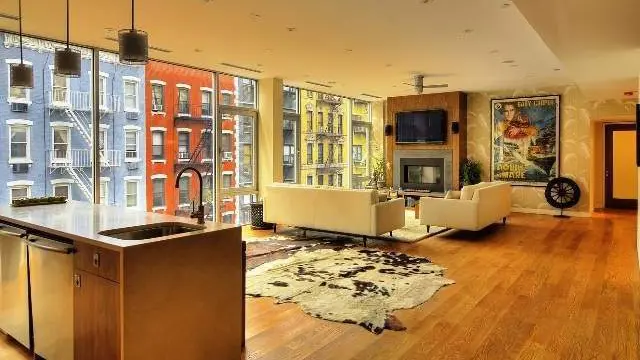
This mid-block condominium at 433 East 74th Street stands as one of the most elegant post-war buildings on the Upper East Side. Known as Lux 74, the 7-story building, completed in 2008, features 12 apartments, including a duplex maisonette. Developed by Josh Guberman of Core Development Group, the same team behind Union Square Lofts, the building was designed by Chris Caranno of ADG Architecture and Design, PC.
Lux 74 offers 24-hour concierge service, a landscaped roof deck, a spa club, and a resident lounge and dining area with a fireplace. The building is also staffed by a full-time superintendent and porter.
The kitchens are outfitted with custom Italian walnut cabinetry, Viking appliances, Sub-Zero refrigerators, Giallo Elena limestone countertops and backsplashes, and Thermador ovens. Bathrooms feature walnut vanities, wall-mounted faucets, radiant heated floors, Toto Ultimate toilets, Dranch Rain shower heads, and limestone walls.
The building also boasts an expansive rear garden, framed by a wall of tall bamboo trees, offering a serene outdoor retreat for residents.
For screen reader users all content above is visible so you may ignore the show more button below.
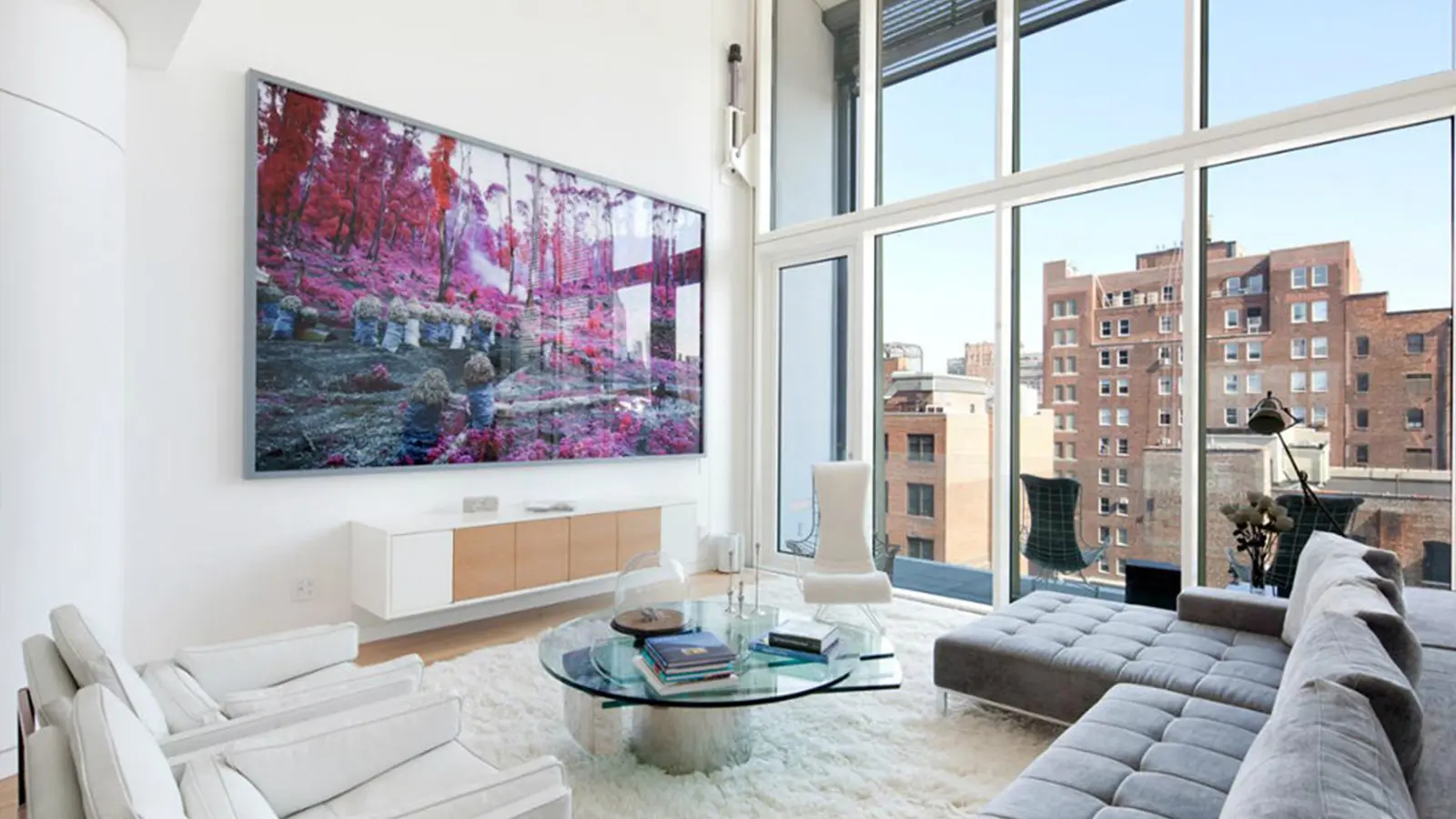
Metal Shutter Houses at 524 West 19th Street is an 11 story boutique condominium designed by Shigeru Ban, winner of the 2014 Pritzker Architecture Prize, in collaboration with New York architect Dean Maltz. Completed in 2011 and developed by Jeff Spiritos of HEEA Development L.L.C. and Chelsea art dealer Klemens Gasser, the building contains just nine residential units above ground floor gallery space. The project evolved from a planned two story renovation in 2005 after the High Line's refurbishment triggered rezoning in West Chelsea, granting special development rights that allowed for a complete rebuild.
The building's defining feature is its motorized perforated metal shutters that allow residents to transform the façade's appearance. The main façade is divided into three bays, each with three layers: the signature metal shutters, a low glass railing, and large motorized window walls that fold upward to create what one observer called an "architectural ballet." This system enables 20-foot floor-to-ceiling glass walls to retract completely, blurring the boundary between interior and exterior spaces. By concentrating mechanicals in tall white lacquer storage units and embedding sliding door tracks and lighting directly into the slab, Ban eliminated the need for a plenum to maximize ceiling heights.
The building occupies a prime location in West Chelsea's gallery district, flanked by Frank O. Gehry's IAC headquarters and Annabelle Seldorf's terracotta banded 520 West 19th Street, and across from Jean Nouvel's 100 Eleventh Avenue. The site sits steps from the High Line and Hudson River Park, in what has been described as "the epicenter of modern architecture." The neighborhood's low-profile galleries and buildings allow for long city views, including sightlines to the Empire State Building from multiple units.
Apartments feature double-height living rooms with soaring 20-foot ceilings, custom Shigeru Ban designed kitchens with white Corian countertops and white matte lacquer cabinetry, and bathrooms finished in Bianco Dolomiti marble. Units range from duplexes to a triplex penthouse with more than 3,300 square feet of interior space and nearly 2,000 square feet of outdoor terraces. Common features include white oak flooring throughout, key locked elevator access, in-unit washer/dryers, and the building's signature upwardly pivoting glass walls opening to private balconies and terraces. One sixth floor duplex includes a 46-foot-long double-height living room, while the penthouse offers panoramic views from the Hudson River to the Midtown skyline from its private rooftop terrace.
The building provides full time doorman service and maintains Ban's minimalist aesthetic that blends traditional Japanese architecture with International Style modernism. The penthouse, which sold immediately when it hit the market in 2007, saw its deal fall through in 2010 after the buyer had extensively remodeled the space with traditional finishes. Ban and Maltz subsequently restored the original minimalist details, removing paneling and replacing a wood burning fireplace with a colorfully decorated flue rising to the 20-foot ceiling, preserving the architect's vision of what The New York Times called "a fantasy of modern living."
For screen reader users all content above is visible so you may ignore the show more button below.
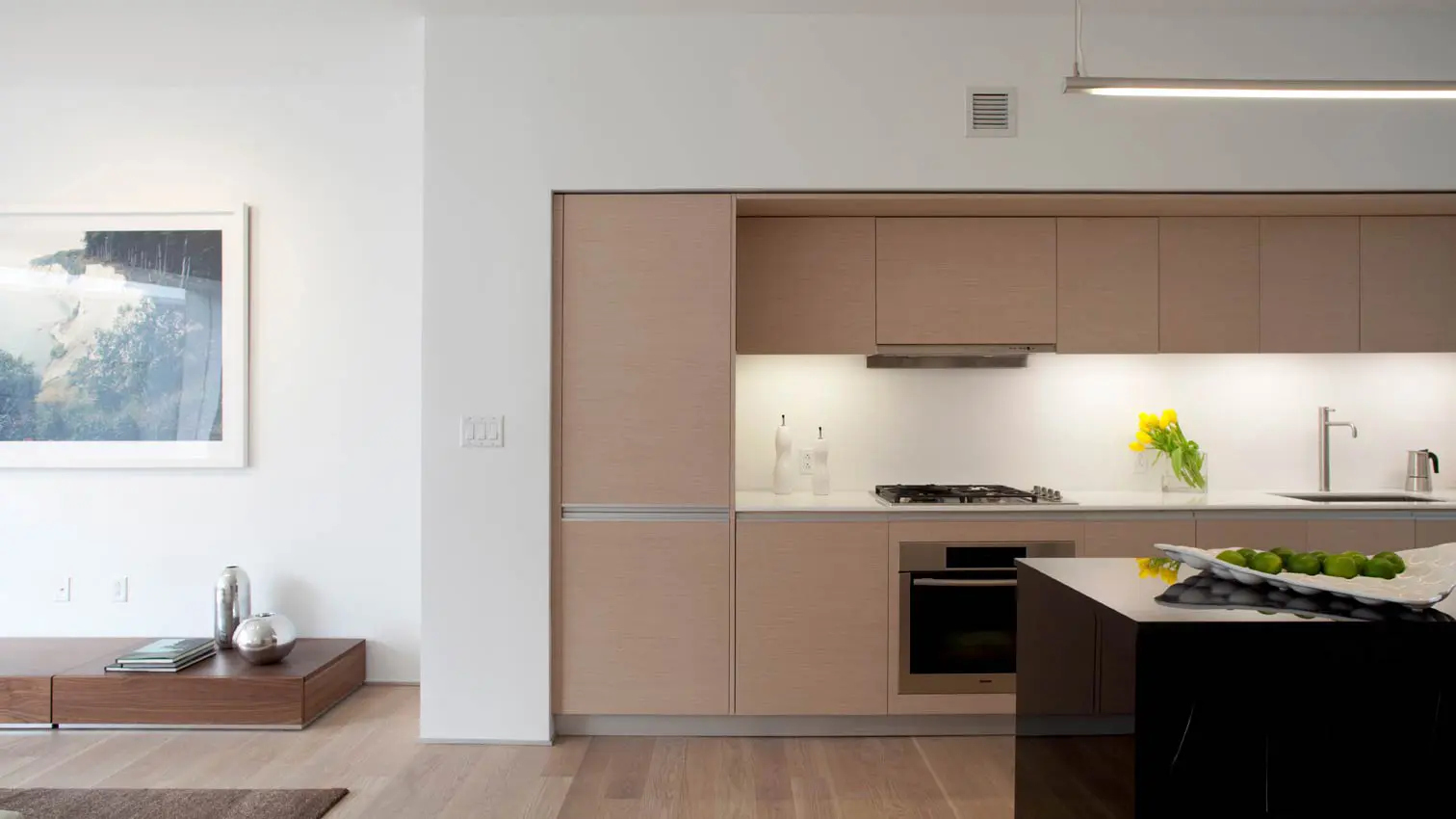
Located at the crossroads of Chelsea and the Meatpacking District, 459 West 18th Street is 11 stories and contains 10 apartments.
Apartments in the distinctive, black-and-white building with angular accents are distinguished by their white, modern interiors, tall ceilings and unique floor plans. Custom kitchens are equipped with large islands, top-of-the-line appliances and premium cabinetry, while master bathrooms have separate showers, deep tubs and double vanities.
An attended lobby and central air conditioning and heating are among the noteworthy amenities at 459 West 18th Street. It is also located near the Chelsea Piers entertainment complex, the Highline, art galleries, many restaurants and boutiques and several of Chelsea’s most notable new buildings.
For screen reader users all content above is visible so you may ignore the show more button below.
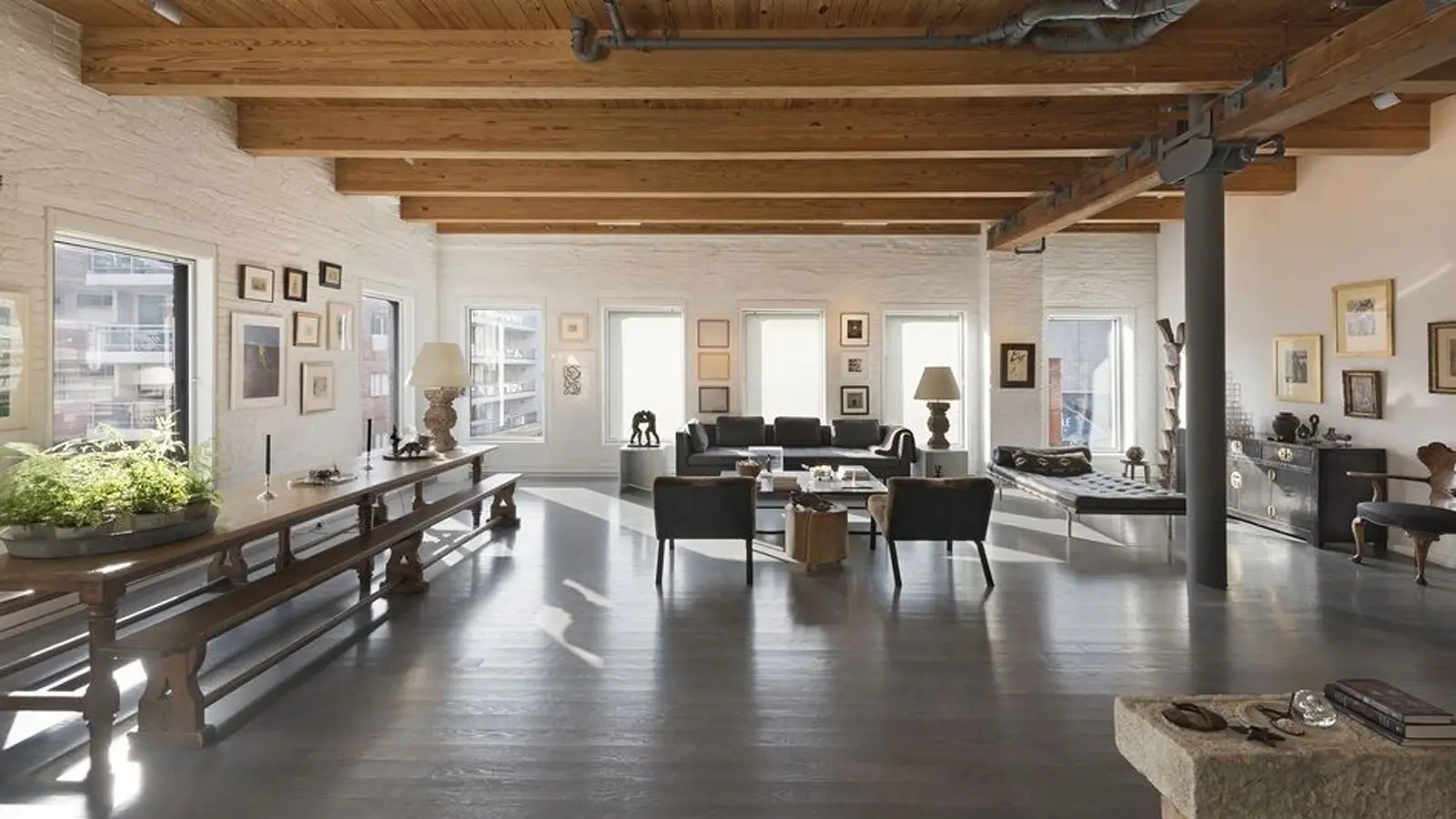
The Machinery Exchange, located at 136 Baxter Street, was originally built in 1915 as a horse stable for the nearby Beaux-Arts Police Headquarters. The building underwent a significant transformation in 2007, converting it into a boutique condominium with just 14 units. This seven-story structure is situated at the intersection of SoHo, Nolita, and Chinatown, providing residents with easy access to vibrant dining and cultural experiences.
Architects Ohlhausen Dubois preserved the building's historical character while incorporating modern amenities. Residences feature high ceilings—ranging from 10.5 to 14 feet—exposed brick walls, and original timber beams. Kitchens are equipped with high-end finishes, including Valcucine cabinetry, Miele appliances, and Sub-Zero refrigerators, ensuring a blend of historic charm and contemporary convenience.
Notable units include spacious lofts with flexible layouts, ideal for both living and working. The building offers amenities such as a virtual doorman, a full-time resident manager, and deeded storage units. Among its notable residents is actor Norman Reedus, adding to the building's appeal as a sought-after residence in downtown Manhattan.
With its unique architectural history and prime location, the Machinery Exchange stands out as a distinctive option for those seeking a blend of character and modern living in one of New York City's most dynamic neighborhoods.
For screen reader users all content above is visible so you may ignore the show more button below.
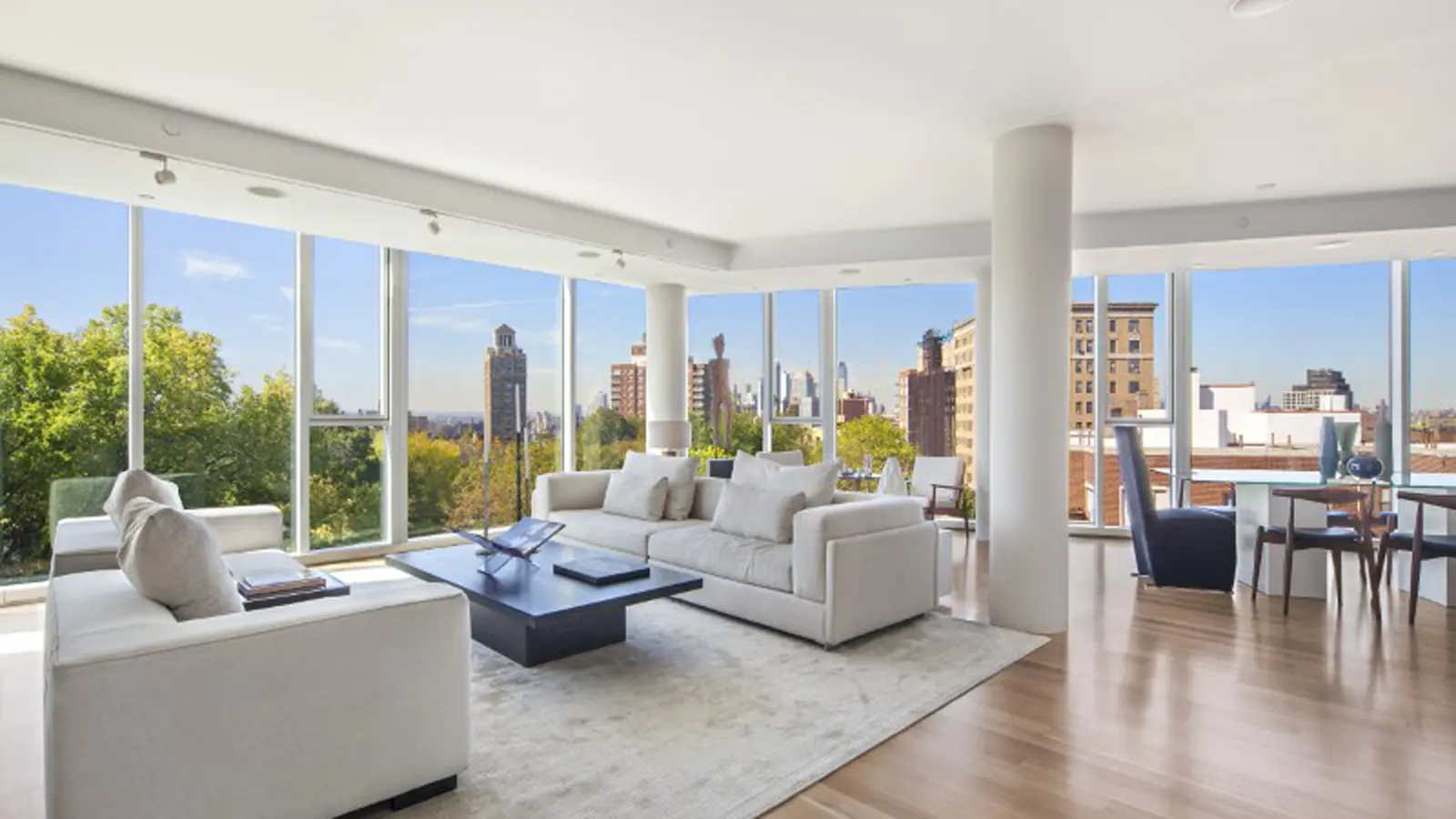
On Prospect Park at 1 Grand Army Plaza overlooks Prospect Park.
Designed by “starchitect” Richard Meier, it is 15 stories high and features sweeping views of the park, harbor and skyline. The curtain wall window system is solar efficient and exceptionally quiet. Apartments have floor-to-ceiling windows that flood rooms with ample natural sunlight and they also feature four-inch rift cut white oak flooring and open living spaces. Kitchens are equipped with modern appliances, while master bathrooms have marble flooring, radiant heat and Zuma tubs.
Residents have access to such amenities as membership to a 30,000-square-foot heath club with private pool, a residents’ lounge with kitchen, a meeting room, a billiards room, a children’s room, and a rooftop sundeck with grills and outdoor kitchen. Moreover, it has a 24-hour doorman, concierge service and on-site attended parking.
On Prospect Park is located near a number of trendy boutiques and restaurants, as well as such major cultural destinations as the Brooklyn Museum of Art, the Brooklyn Public Library, the Brooklyn Botanic Garden and Prospect Park. It also close to public transportation.
For screen reader users all content above is visible so you may ignore the show more button below.

 6sqft delivers the latest on real estate, architecture, and design, straight from New York City.
Like us on Facebook to keep up with the trends and
6sqft delivers the latest on real estate, architecture, and design, straight from New York City.
Like us on Facebook to keep up with the trends and 