
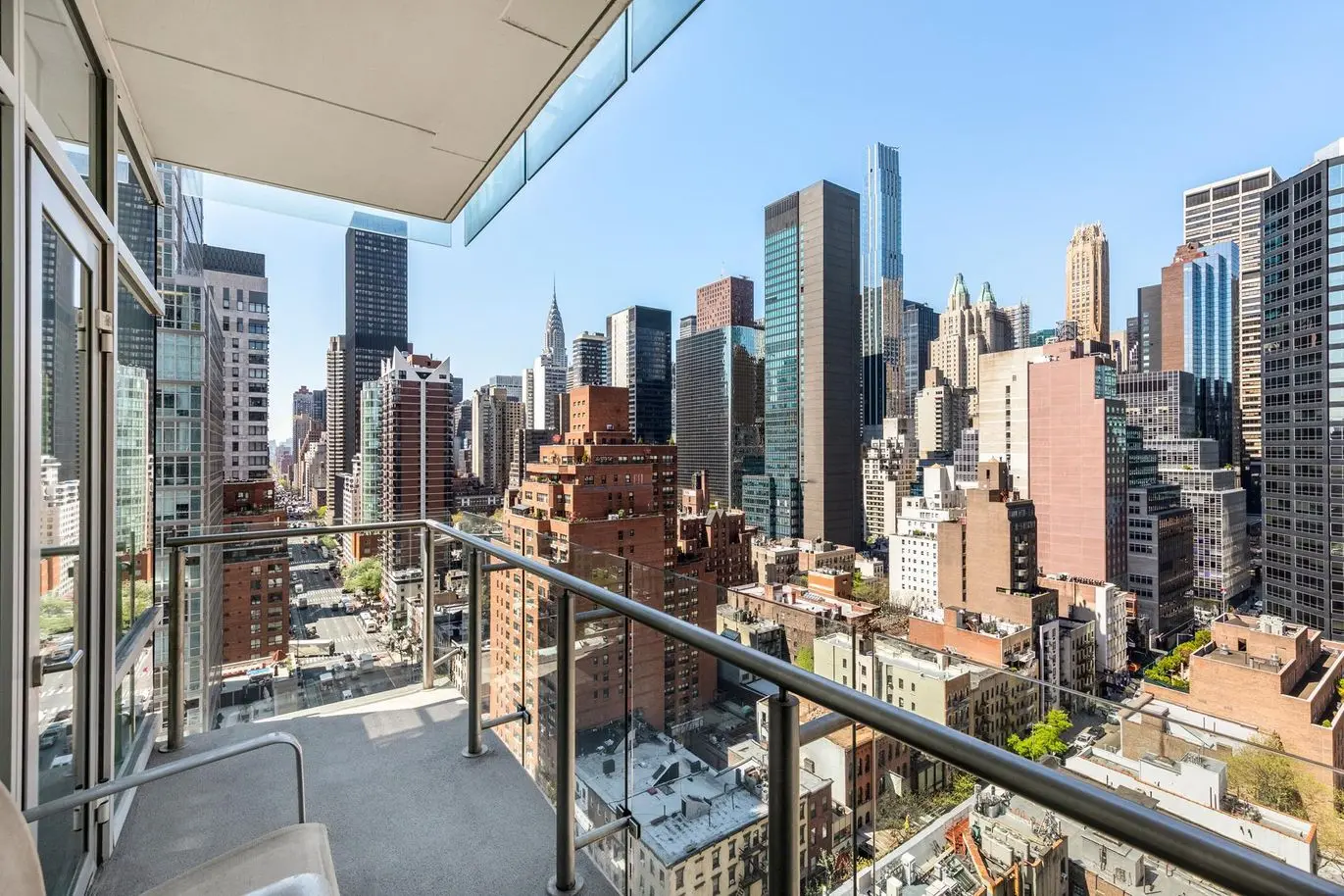
Three Ten is a 31 story glass and limestone condominium at 310 East 53rd Street in Turtle Bay, developed by Macklowe Properties in 2007 and designed by SLCE architects and Moed de Armas & Shannon Architects. The building features a striking blue glass setback tower rising above a five story limestone base with asymmetrically placed, oversized windows. The 88 residences include distinctive "mansion" duplexes in the base with 40 foot ceilings and wood burning fireplaces, duplex studios with 20 foot ceilings, tower units with wrap around corner balconies, and a triplex penthouse. Notable residents have included Imogen Lloyd Webber, daughter of composer Andrew Lloyd Webber.
Apartments feature premium finishes and appliances, including Sub-Zero refrigerators, Gaggenau cooktops, and Thermador ovens, along with Carrara marble countertops in kitchens and bathrooms. Most units feature floor-to-ceiling windows, with many offering multiple exposures and private terraces or balconies with skyline or river views. Common features include 10 foot ceilings in tower units, spacious entrance galleries, walk in closets, in-unit washers and dryers, and motorized window shades.
The building offers full service amenities including a 24 hour doorman and concierge, fitness center, landscaped courtyard garden, roof deck, bike room, and on-site parking garage. The Midtown East location provides convenient access to the East River Greenway, Rockefeller Center, Grand Central Terminal, and luxury shopping at Bloomingdale's and Saks Fifth Avenue. The E, F, and M subway lines are one block away, and nearby grocery options include Trader Joe's and Whole Foods. The building is pet friendly and allows use as a pied-à-terre.
For screen reader users all content above is visible so you may ignore the show more button below.
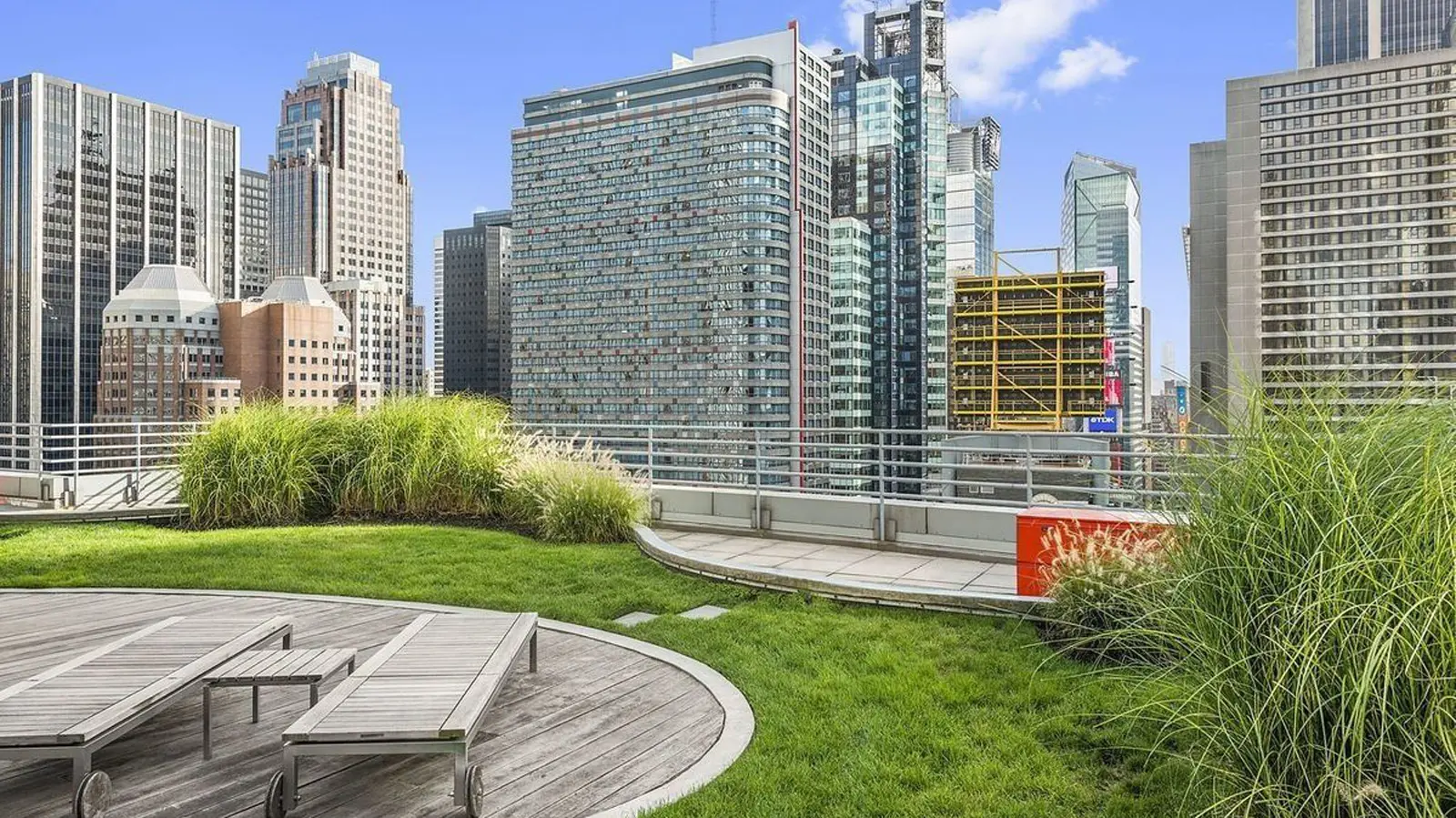
1600 Broadway is located near Times Square and has residences ranging from studios to three bedrooms.
Apartments feature open kitchens that overlook family rooms and allow for informal or formal dining. They are equipped with modern appliances, granite countertops and full-height glass backsplashes; master bathrooms have topnotch vanities with limestone countertops. Many units also have private balconies and all apartments are outfitted with 9-1/2-foot-high ceilings, floor-to-ceiling windows and washers and dryers.
1600 Broadway offers amenities like access to Club on the Square, which occupies its entire fourth floor and includes an entertainment lounge, a putting green, virtual golf and a fitness center. It is also has a spacious outdoor terrace and a rooftop deck with views of Times Square, the Theater District and the skyline.
It is located between 48th and 49th Streets and is only a block away from public transportation. It is also close to Broadway theaters and Rockefeller Center.
For screen reader users all content above is visible so you may ignore the show more button below.
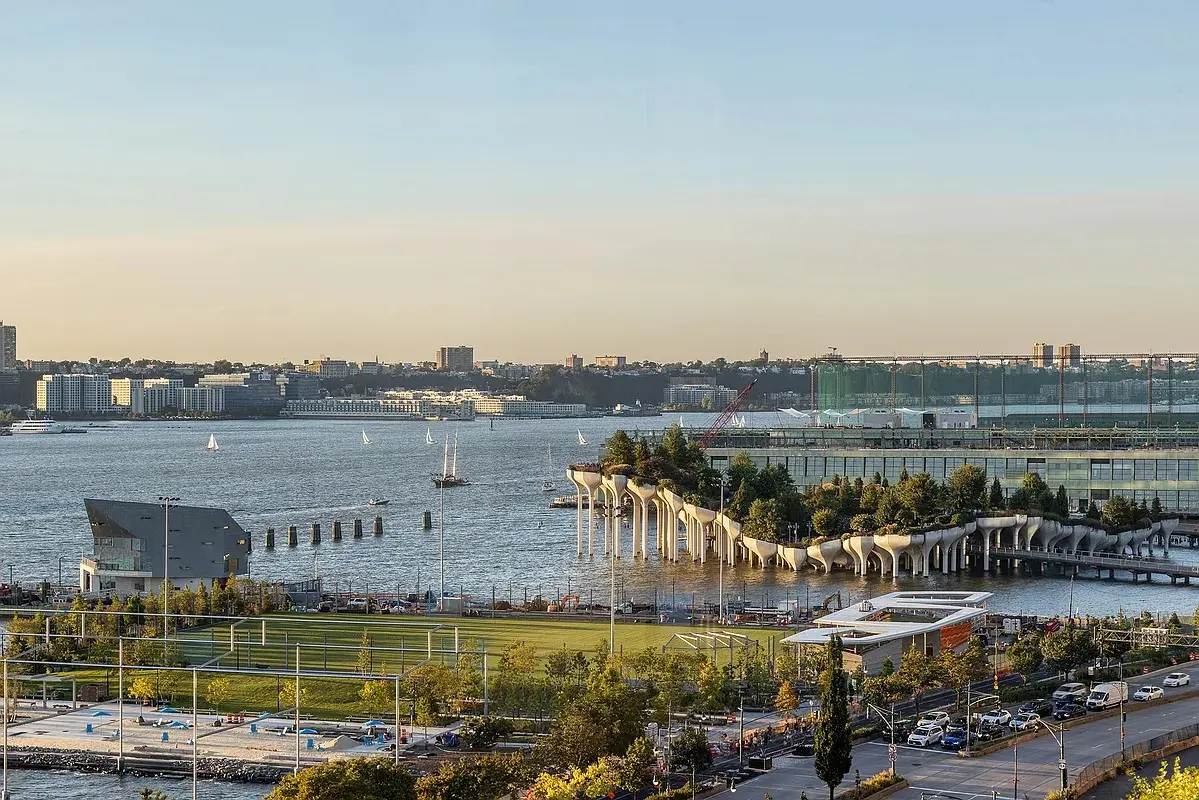
Superior Ink, a landmark of modern luxury in the West Village, blends elegant design with historical charm. Designed by Robert A.M. Stern and completed in 2009, the 17-story LEED-certified tower offers 62 meticulously crafted residences alongside seven townhouses inspired by Greenwich Village's 19th-century architecture. The tower’s light-orange brick façade features setbacks, arched windows, and a distinctive canopy, while the red-brick townhouses exude timeless sophistication with stoops, bay windows, and private gardens.
Residents enjoy premier amenities, including 24-hour concierge and doorman service, valet parking, a fitness center, yoga/Pilates studio, screening room, event lounge, and a children’s playroom. Additional features include private storage, a bike room, and beautifully landscaped terraces. Interiors boast Sub-Zero kitchens, marble-clad baths, and luxurious details throughout.
Situated at 400 West 12th Street, Superior Ink occupies the former site of the Superior Ink factory, placing it steps from Hudson River Park, the Meatpacking District, and the Whitney Museum. Its prime location seamlessly merges the charm of the West Village with the sophistication of nearby Chelsea and the High Line.
For screen reader users all content above is visible so you may ignore the show more button below.
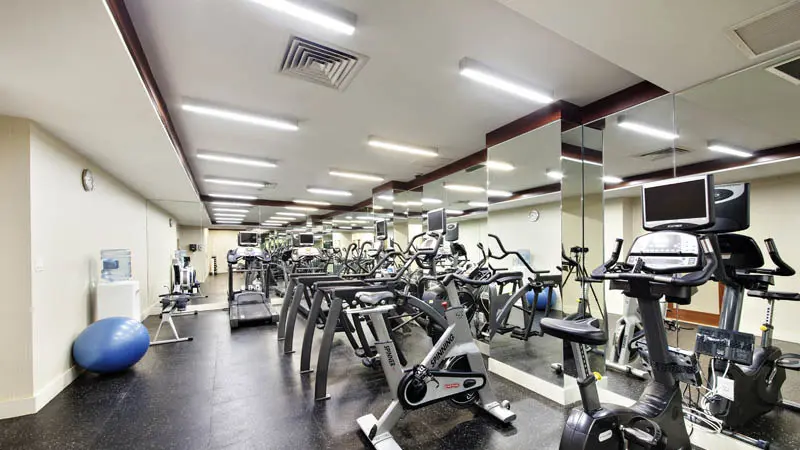
Completed in 2007, Ariel East is a 37-story, 400-foot tall luxury condominium tower located on Broadway between 99th and 100th Streets on Manhattan's Upper West Side. Designed by Cetra/Ruddy for Extell Development Company, the building contains 64 residences and is distinguished by its reflective-glass façade with red piping accents and seven dramatic setbacks facing Broadway.
The development was made possible through the acquisition of air rights from St. Michael's Episcopal Church, and along with its sister building Ariel West across Broadway, significantly altered the northern skyline of the Upper West Side. The twin towers marked a notable shift in the area's architectural landscape, which had previously been dominated by landmarks like the Riverside Church and the Master Apartments.
Residents enjoy an extensive suite of amenities including a private theater, swimming pool, billiards lounge, La Palestra fitness center, garden, children's playroom, and pet spa. The building features several private terraces on the 8th, 16th, 21st, 27th, 33rd and 36th floors, and is situated adjacent to the historic Art Deco-style Metro Theater.
For screen reader users all content above is visible so you may ignore the show more button below.
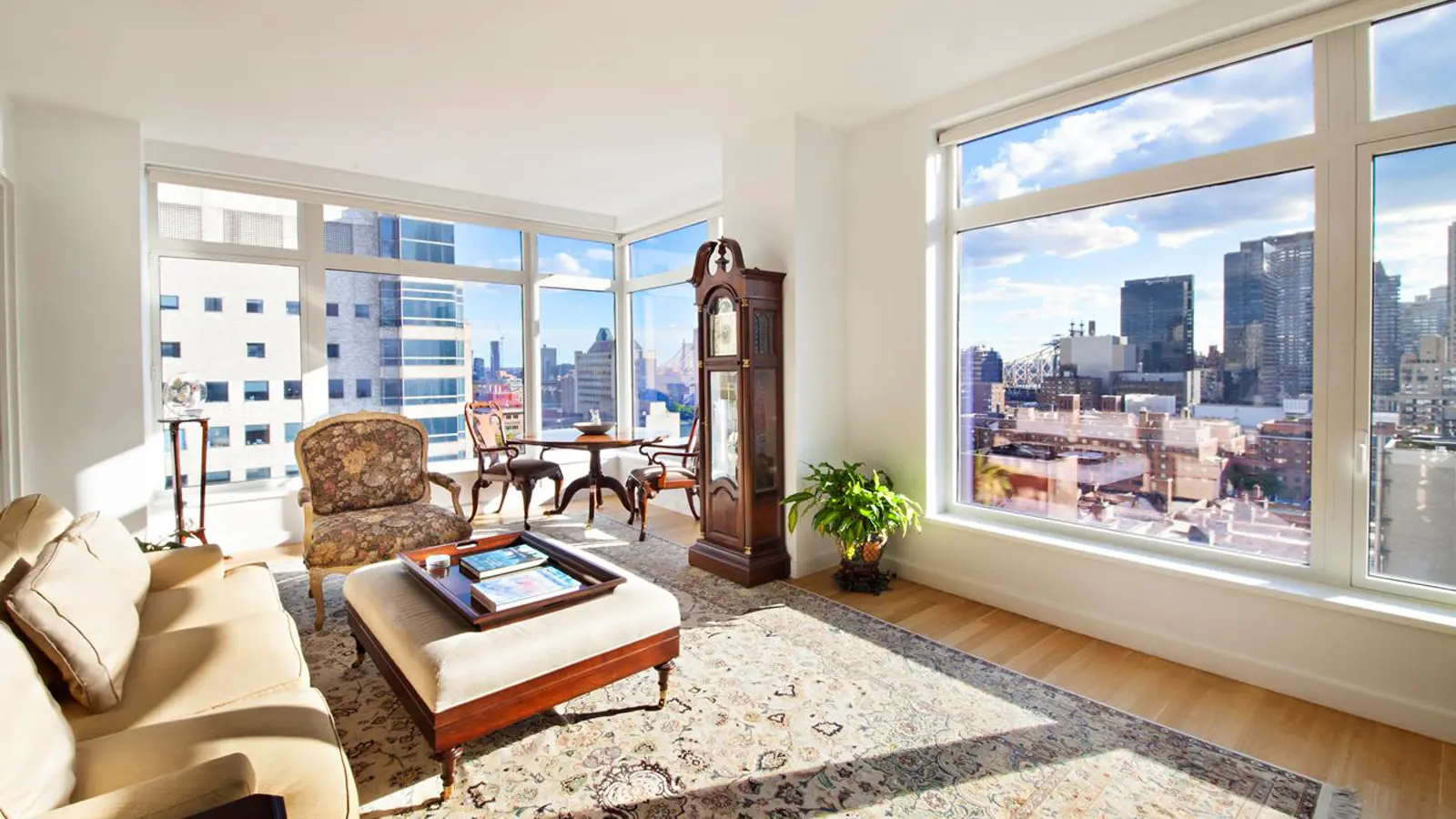
The Laurel is a striking 31 story LEED-certified condominium tower at 400 East 67th Street, completed in 2008 and designed by architect Costas Kondylis. Developed by Alexico Management, the same team behind notable projects like 165 Charles Street by Richard Meier, this glass and limestone clad building sits on the southeast corner of First Avenue, directly across from the expansive St. Catherine's Park. The tower offers residences ranging from studios to four bedrooms, all featuring solid oak wood flooring, floor-to-ceiling windows, and ceilings between 9 and 12 feet.
Apartments at The Laurel showcase consistently high end finishes and thoughtful layouts. Most units feature long entrance galleries leading past enclosed kitchens to generous living spaces, with many corner units offering particularly dramatic proportions. The state-of-the-art Poggenpohl kitchens come equipped with premium Gaggenau appliances, Sub-Zero refrigerators and wine coolers, while bathrooms are clad in white marble with radiant heated floors, soaking tubs, and separate glass showers. Notable units include the C line apartments on floors 15 through 24 with 25 foot long living rooms, and apartment 15C which features a 26 foot long private terrace. All residences include in-unit Bosch washer/dryers and central HVAC systems.
The building's amenities span an impressive 12,000 square feet across multiple levels, recently renovated to enhance the resident experience. The Trophy Club serves as a comprehensive fitness destination with a 50 foot lap pool, resistance pools, steam room, sauna, and specialized triathlon training equipment including Woodway treadmills and Cycleops Pro indoor cycles. The bi-level Laurel Club provides entertainment and social spaces with a screening room, dining room with catering kitchen, children's play areas, game room, and an atrium lounge with various seating areas and a wine tasting bar.
Located in a prime Upper East Side position, The Laurel benefits from its proximity to Rockefeller University, New York Presbyterian Hospital, and numerous cultural institutions. The building sits near the handsome St. John Nepomucine Roman Catholic Church, designed by John Van Pelt in 1925 in what architectural guides describe as a "wonderfully romantic paen to the Romanesque style." While subway access requires a short walk, the location offers excellent bus service and easy access to the FDR Drive, plus the neighborhood's renowned dining and shopping options.
The Laurel operates as a full service, pet friendly building with 24 hour doorman and concierge services, plus on-site parking and storage options. The building maintains a 421-a tax abatement and has been recognized for its environmental sustainability as a LEED-certified development. Current residents benefit from the building's four pipe fan coil system for year round climate control, and the white glove service includes a live-in resident manager. The site's history adds character, having previously been occupied by the Bethany Memorial Church, built in 1910 and designed by Nelson & Van Wagenen.
For screen reader users all content above is visible so you may ignore the show more button below.
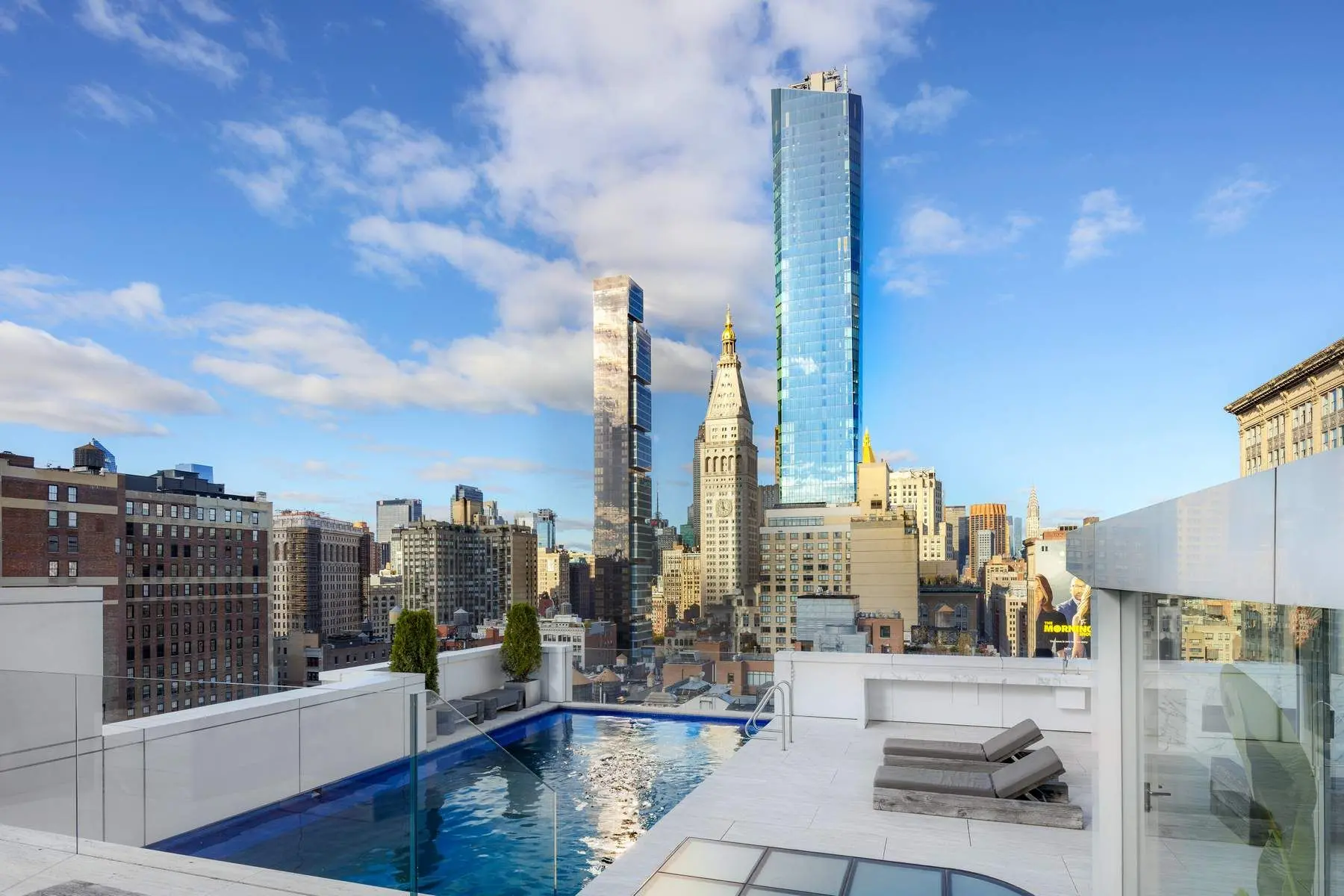
240 Park Avenue South, completed in 2009, is a 17-story residential condominium building designed by renowned architect Charles Gwathmey of Gwathmey Siegel. Located at the intersection of Park Avenue South and 19th Street, the building was developed by Linjan Associates, with Yitzchak Tessler as a principal. The structure is notable for its distinctive curved glass corner elements and contemporary interpretation of masonry architecture using pre-cast stone elements.
The building contains 51 residences ranging from one to three bedrooms, with sizes spanning 805 to 2,700 square feet. Unlike typical glass-heavy modern buildings, it features intentionally wider spaces between windows to accommodate artwork display. Apartments boast 10 to 11-foot ceilings, and high-end finishes including Jet Mist granite countertops, Sub-Zero refrigerators, Kuepperbusch cooktops, and luxurious bathrooms with Rositano carved stone sinks and statuary white marble.
The lobby showcases sophisticated design elements including perforated leather walls, milk glass accents, and Pompignon limestone floors. Building amenities include 24-hour doorman and concierge service, a 1,500-square-foot fitness center, an entertainment library suite with daily Continental breakfast, a landscaped terrace, spa/sauna, and a basketball court.
Two full-floor penthouses crown the building, with the top floor penthouse notably designed to accommodate a private rooftop swimming pool. One particularly impressive penthouse features a 30-foot infinity pool constructed of custom blue Mosaic Bisazza with an infinity glass wall, offering panoramic views of Manhattan landmarks including the Empire State and Chrysler buildings.
Situated at the nexus of Flatiron, Gramercy, and Union Square neighborhoods, the building provides convenient access to multiple parks, high-end dining, shopping, and transportation options. The location at the intersection of these vibrant neighborhoods has made it a sought-after address in downtown Manhattan.
For screen reader users all content above is visible so you may ignore the show more button below.
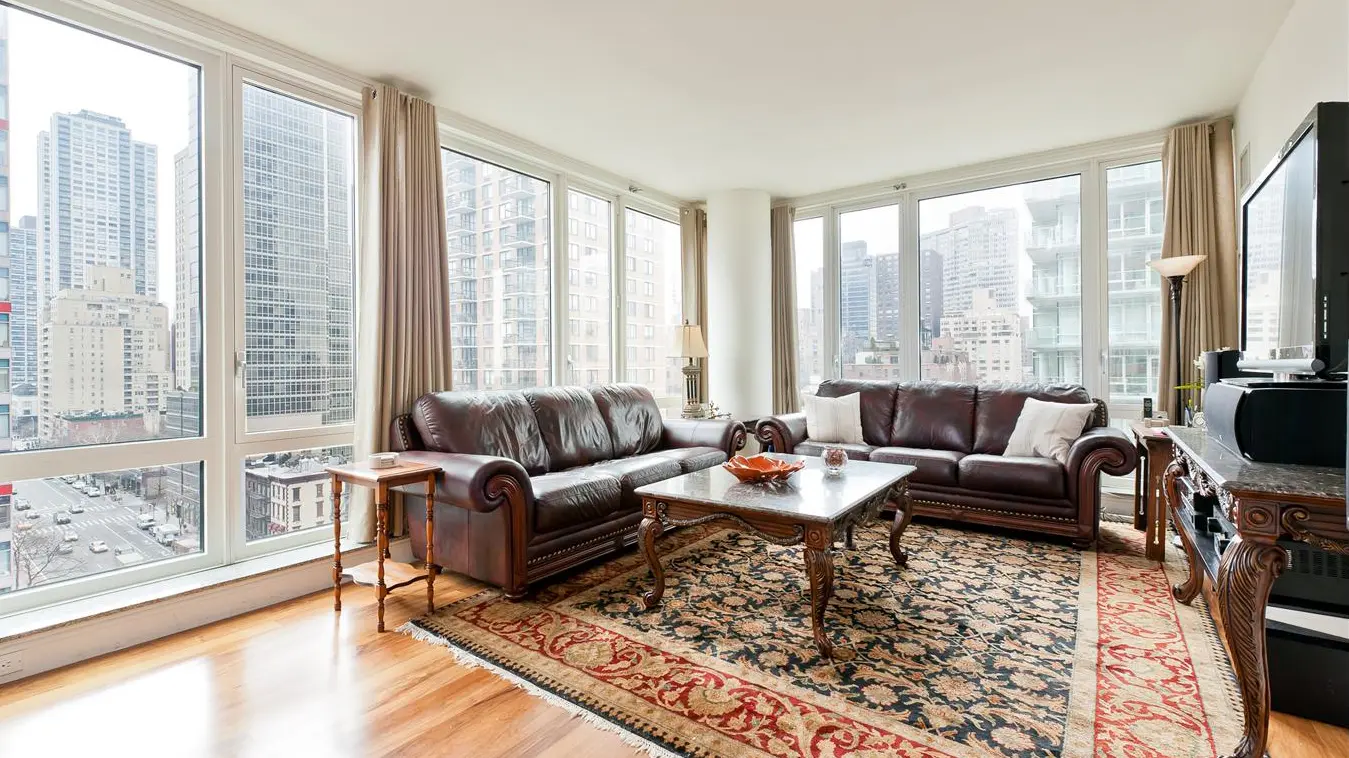
The Veneto, developed by Related Companies in 2007, stands as a distinguished residential building at 250 East 53rd Street in Manhattan's Turtle Bay neighborhood. The building features an impressive two-story lobby and houses 137 thoughtfully designed residences.
The apartments, ranging from one to three bedrooms, are characterized by their spacious layouts and large windows that maximize natural light and showcase extensive city views. Interior finishes include modern kitchen appliances and elegant bathrooms featuring walnut cabinetry, stone flooring, and soaking tubs.
Residents of the Veneto enjoy a comprehensive suite of amenities, including 24-hour doorman and concierge services, a fully-equipped fitness center, and a health club. The building also caters to families with a children's playroom and maintains a pet-friendly policy.
The building's location offers convenient access to public transportation, making it an ideal choice for city dwellers who value connectivity. The Veneto represents a blend of modern architecture and practical luxury in one of Manhattan's most established neighborhoods.
The property's thoughtful design and range of amenities reflect Related Companies' commitment to creating high-quality residential spaces that cater to the diverse needs of New York City residents.
For screen reader users all content above is visible so you may ignore the show more button below.
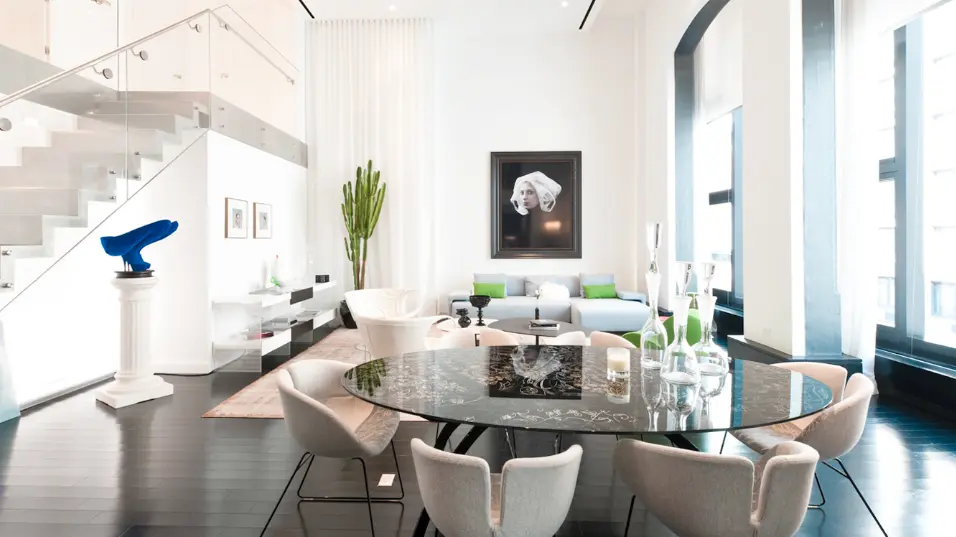
15 Union Square West is a boutique condominium located at the west side of Union Square at 15th Street.
Residences boast varied and open floor plans filled with natural light. They also have high ceilings and were custom designed by Vicente Wolf to mimic the feel of a townhome; apartments in the upper floors have fireplaces and offer views of the nearby park. Open kitchens are equipped with oversized islands, energy efficient LED lighting and stainless steel appliances; large master bathrooms have stone floors and walls and double sink vanities. Some units have touches like glass staircases and powder rooms with additional laundry rooms.
15 Union Square West has a 24-hour doorman on staff and concierge service from Luxury Attache, and amenities include a spa with a 50-foot-long lap pool and oversized Jacuzzi; a massage and spa treatment room; and a gym with a yoga/Pilates studio and boxing room. Many shops, restaurants, movie theaters and bars are nearby.
For screen reader users all content above is visible so you may ignore the show more button below.
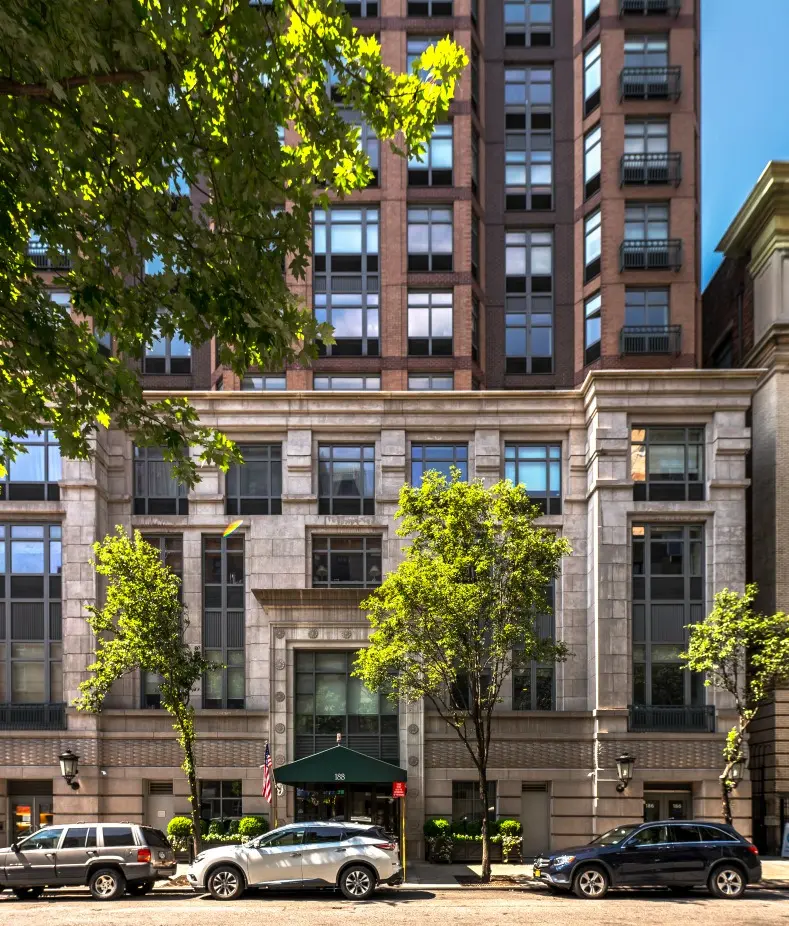
The 31-floor Siena at 188 East 76th Street is a smart and elegant high-rise in the Upper East Side that evokes the tower of a graceful baroque cathedral.
To tie it to its historic neighbors, the Siena has a four-story base clad in granite and cast stone that echoes the limestone and granite façades in the surrounding area. Its 125 apartments are filled with the sort of desirable features usually associated with pre-war construction, such as eat-in kitchens with windows, entrance foyers and nine-and-a-half-foot ceilings. Kitchens feature top of the line appliances and bathrooms are outfitted with marble; units also have washers and dryers. The layouts are large – more than half of the residences are two bedrooms or bigger – and because of the relative narrowness of the Siena, most floors have only two or three units, adding an element of privacy and enhancing each apartment’s exposure to the outside.
Amenities include concierge service, a fitness center and a children's playroom. 188 East 76th Street is also located close to Central Park and many boutiques and cafes.
For screen reader users all content above is visible so you may ignore the show more button below.
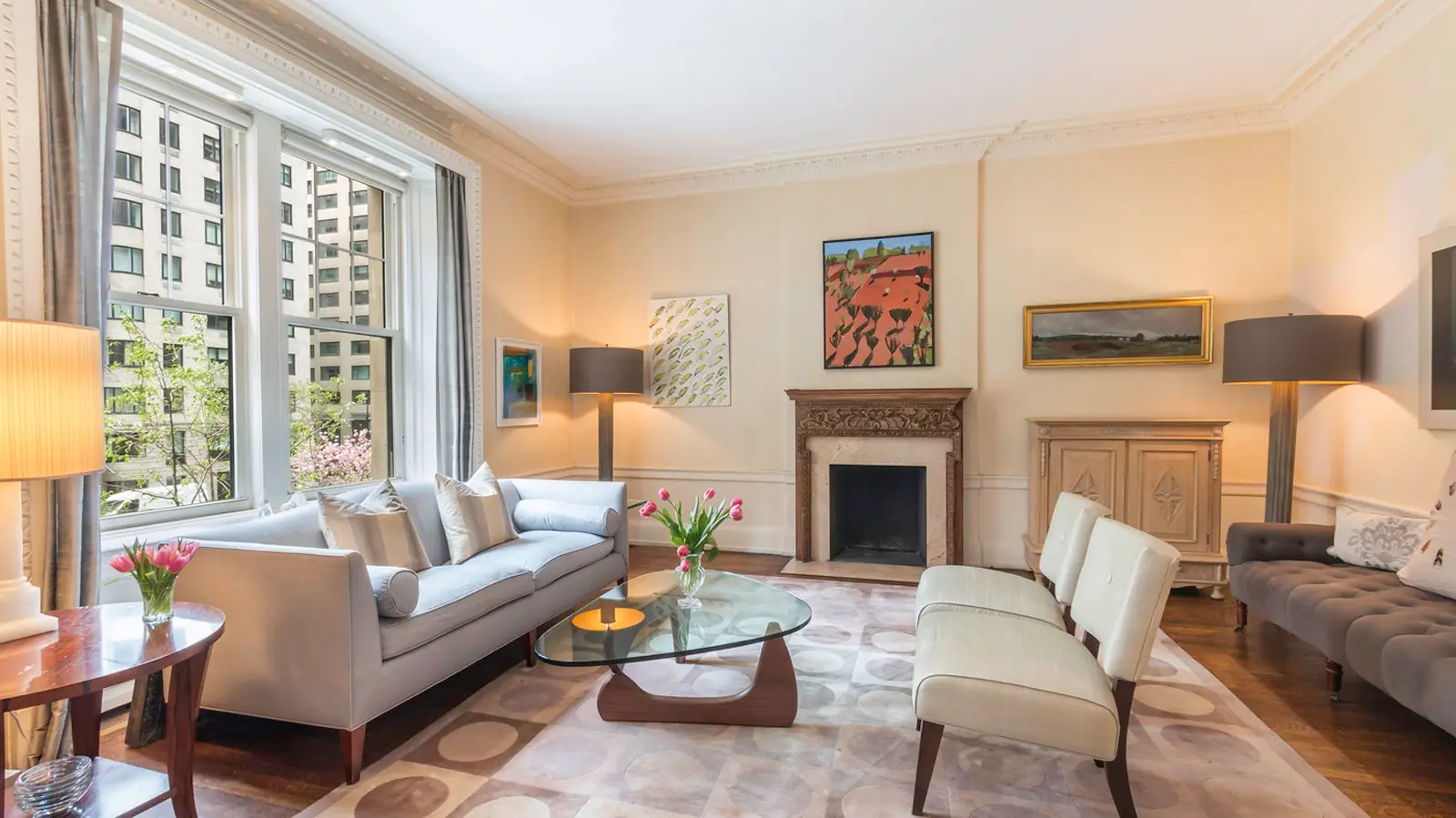
521 Park Avenue was designed by William Boring, an American-born architect who studied architecture at the Ecole des Beaux-Arts before returning to New York and joining the firm of McKim, Mead and White. The limestone building has been honored with numerous international design awards, including a gold medal for architecture from the Exposition Universelle in Paris in 1900.
521 Park Avenue was constructed as a cooperative in 1911, converted to a condominium in 1987, and currently has 24 units. The building has a full-time doorman, a live-in superintendent, a fitness center, and private storage that transfers with each unit. It also benefits from a location near Central Park, world-renowned restaurants, and top shopping. Pets, pied-a-terres, and flexible financing are allowed.
For screen reader users all content above is visible so you may ignore the show more button below.
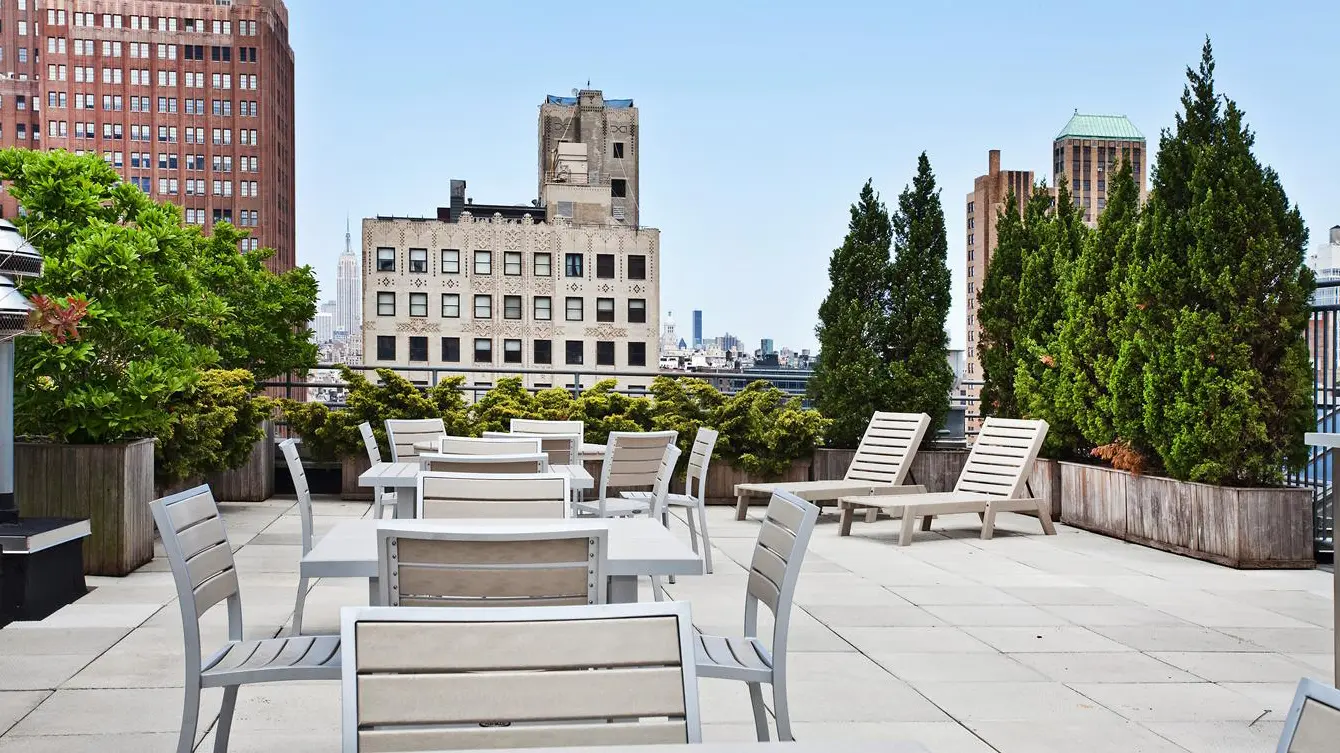
The Textile Building at 66 Leonard Street stands as one of TriBeCa's most distinguished residential conversions, originally designed in 1901 by Henry J. Hardenbergh, the renowned architect behind The Dakota and Plaza Hotel. This Beaux Arts landmark was thoughtfully converted from a commercial textile building to 46 luxury condominiums in 1999 by Chessed LLC, with Karl Fischer designing the conversion that added a penthouse floor. The building's façade features six Caduceus symbols and eight large cartouches, while the interior pays homage to its textile heritage with antique American textile displays and elevator doors embossed with weaving machine motifs.
Located in the TriBeCa East Historic District, this full-service boutique building offers an impressive array of amenities including a 24 hour doorman and concierge, a fitness center with steam room, and a residents' lounge with fireplace and full catering kitchen. The landscaped rooftop terrace features grilling areas and a children's play area with spectacular city views, complemented by a garden courtyard, bicycle room, and an on-site 50 car attended parking garage. The building maintains a pet friendly policy and provides private storage and package services with cold storage.
Apartments range from approximately 1,300 square feet to over 2,800 square feet, with some penthouses exceeding 7,000 square feet. Many units feature dramatic ceiling heights up to 22 feet in duplex layouts, original steel columns with exposed rivets, and wide-plank hardwood floors in Brazilian cherry, mahogany, or oak. Many apartments feature gas fireplaces, chef's kitchens with high end appliances from Sub-Zero, Thermador, and Miele, spa-like bathrooms with soaking tubs, walk-in closets, and individual climate control systems.
The building has attracted notable residents including celebrity chef Jean-Georges Vongerichten, who sold his apartment in 2004 for $3.25 million to Japanese pop star Hiromi Go, and Nobel Prize-winning author Toni Morrison. The prime TriBeCa location places residents steps from upscale dining destinations like The Odeon and Two Hands, Whole Foods, and multiple subway lines, making it one of downtown Manhattan's most coveted addresses.
For screen reader users all content above is visible so you may ignore the show more button below.
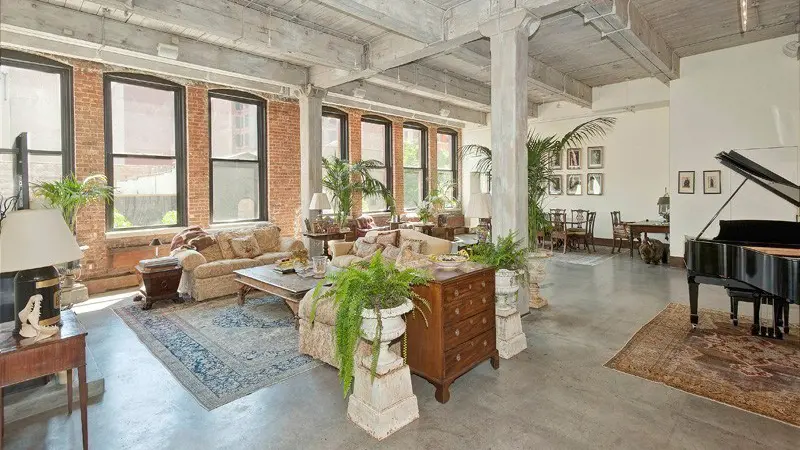
The Spears Building, located at 525 West 22nd Street, was originally constructed in 1880 as a factory and transformed into a boutique condominium in 1996. This six-story building features 30 loft apartments, characterized by high ceilings, exposed brick, and original industrial details. Residents enjoy amenities such as a part-time doorman, a furnished rooftop deck with views of the Hudson River, and available storage units. Its prime location in West Chelsea places it near the High Line, renowned art galleries, and top dining options.
Notable apartments within the building include expansive lofts and penthouses that showcase unique architectural features. For instance, a sprawling 4,022-square-foot penthouse offers 2,500 square feet of private outdoor space, while a nearly 6,000-square-foot combined unit boasts five bedrooms and multiple flexible spaces. Many residences highlight original elements like wood beams and large windows, providing abundant natural light and a connection to the building's rich history.
The Spears Building has attracted notable residents, including Linda Evangelista and Keanu Reeves, adding to its allure. The building's design and amenities cater to a lifestyle that balances artistic inspiration with modern living, making it a sought-after address in the vibrant West Chelsea arts district.
For screen reader users all content above is visible so you may ignore the show more button below.
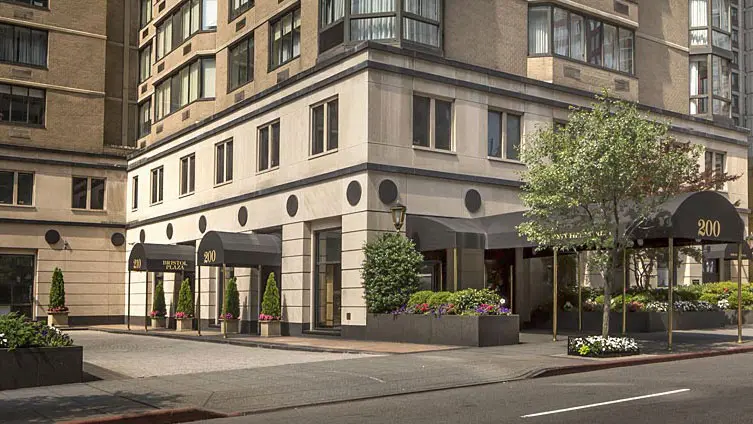
Bristol Plaza, a soaring 50-story residential condominium at 200 East 65th Street, stands as a beacon of luxury in the heart of Manhattan's Upper East Side. Originally known as Milro Tower—named after its developers, the Milstein brothers and Robert Olnick—the building was completed in 1987 and boasts 308 elegantly designed residences.
Designed by Ulrich Franzen & Associates and Philip Birnbaum & Associates, this beige-brick tower is notable for its corner bay windows, open-frame roof adorned with telecommunications dishes, and its handsome retail base on Third Avenue. The tower’s double-height lobby exudes luxury, setting the tone for the opulent living spaces within. Apartments feature high ceilings, beautifully planned kitchens, and Italian marble bathrooms, reflecting meticulous attention to detail.
Bristol Plaza is recognized as one of the most prestigious condominiums on the Upper East Side, providing five-star services that include a private porte-cochere, on-site attended garage, private storage, and a smoke-free environment that welcomes pets up to 25 pounds. The building offers residents an array of top-tier amenities, including a doorman, concierge, garage, and health club with a sauna, steam and massage rooms, and a glass-enclosed 50-foot swimming pool with a Jacuzzi. The building also features a landscaped sundeck, and a mid-rise, mid-block building with a distinctive curved roof.
Situated near the finest restaurants, shopping, art galleries, museums, and Central Park, Bristol Plaza combines timeless elegance with modern conveniences, offering an unparalleled living experience in one of New York City's most coveted neighborhoods.
For screen reader users all content above is visible so you may ignore the show more button below.

 6sqft delivers the latest on real estate, architecture, and design, straight from New York City.
Like us on Facebook to keep up with the trends and
6sqft delivers the latest on real estate, architecture, and design, straight from New York City.
Like us on Facebook to keep up with the trends and 