
In New York City real estate listings, it has become common practice to virtually stage an empty apartment to help buyers picture where their furniture could go, imagine how they might use a space (presenting a bonus room as a home office or nursery, for example), or simply sell the fantasy of living there. Staging expert Jason Saft, founder of Staged to Sell Home, told Forbes that one Manhattan home sat unsold for 14 months before selling in just 35 days after it was staged. But Saft also warned about virtual staging that strays too far from reality, arguing that buyers should be shown both the original and staged images.
Traditionally, virtual staging meant digitally inserting furniture and decor into photos of an empty room, a relatively controlled, cosmetic process. But generative AI tools have made it dramatically faster, easier, and cheaper to go further, allowing anyone with a listing photo and a few prompts to alter a space's lighting, layout, and finishes in just a few clicks, no photographer, stylist, or furniture rental required.
In this article:


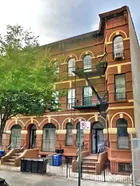
As generative AI tools have become more accessible, however, virtual staging has moved well beyond digitally furnishing an empty apartment. Some now cross the line from enhancement into misrepresentation: adding views and natural light that don't actually exist, stretching rooms to look larger, inserting windows, moving doors, or misrepresenting finishes, fixtures, and overall condition to the point where a unit is unrecognizable in person.
This is frustrating enough for buyers, who might notice the discrepancies during an in-person visit. But renters, who sometimes apply for and sign leases based solely on photos, without ever seeing the unit in person, could be in for a much ruder awakening.
Who's to blame?
Overzealous brokers, landlords, and/or sellers for misrepresenting their listings are usually to blame. Some buyer brokers say extreme virtual staging makes their job harder because increasingly sophisticated images can make it difficult to know what is real before seeing a home in person. Others have embraced the technology, particularly for tenant-occupied or poorly furnished listings. Either way, the responsibility remains with the people marketing the property to ensure that an enhanced image does not materially misrepresent it.
It can also be easy to blame social media for creating unrealistic expectations for homes that brokers and sellers feel they must meet by any means necessary, including generating inaccurate images. But some influencers are using their platforms to call attention to the practice and say how unhappy they are with it.
What can be done?
There are some steps that can be taken to confirm that an online listing is reasonably close to one seen in person. Some people run listings through online verification tools, and Florida broker Lindsey Crum shared red flags, including the outside of a listing not matching what is seen on Google Street View, with The New York Times. However, finding a new place is stressful enough without all this extra work, and many would like to go into their search with the assurance that the listing they're seeing online matches the one they might like to see in person.
Some states have already taken action on the matter, with California becoming the first state to address the issue directly. Assembly Bill 723, which took effect in January 2026, requires real estate brokers and salespeople marketing properties for sale to disclose when listing images have been materially digitally altered and provide access to the original, unaltered image. Routine photographic adjustments such as exposure, white balance, cropping, and color correction are exempt as long as they do not change the representation of the property.
Would you like to tour any of these properties?
Just complete the info below.
Or call us at (212) 755-5544
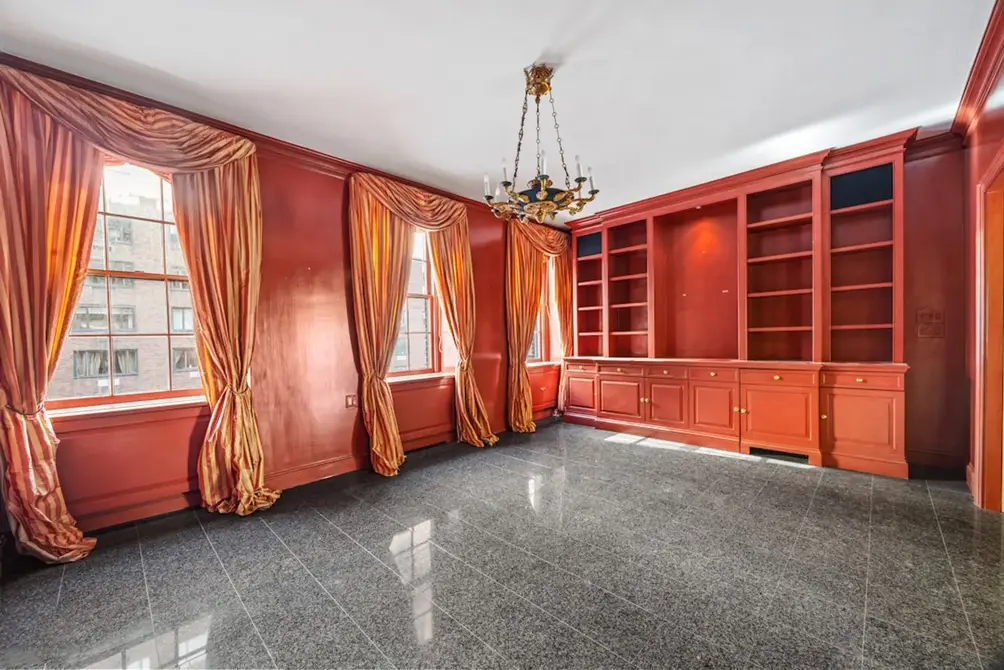 Unstaged library (Brown Harris Stevens)
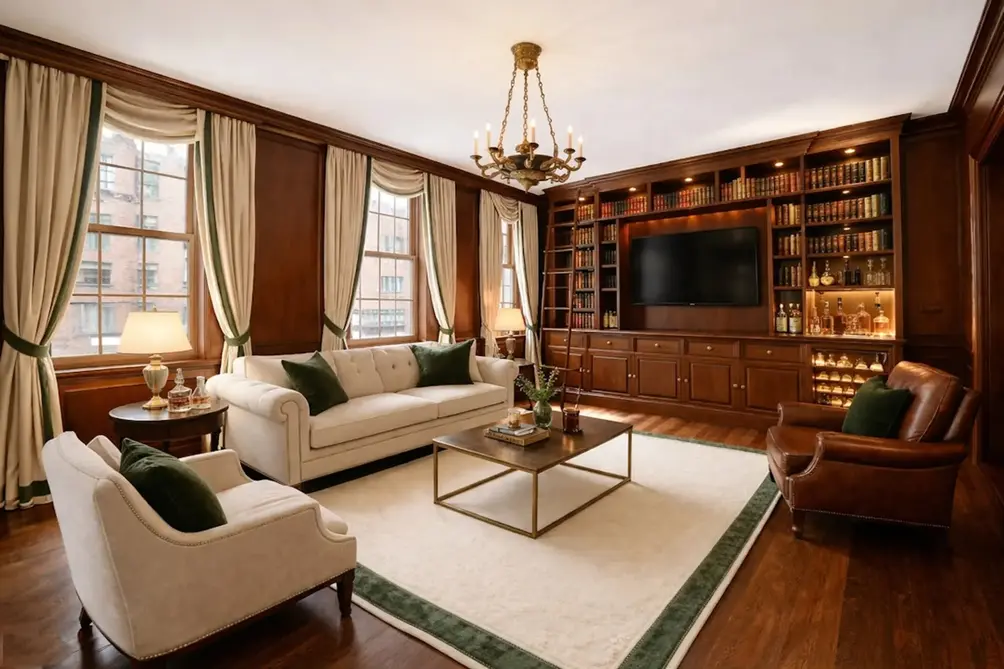 Virtually staged library (One Sutton Place South, #5B; Brown Harris Stevens)
New Jersey is considering an even more restrictive approach. Proposed Assembly Bill 4728 would require listing photos to reflect a property's actual, current condition and be no more than five years old. Digital editing could still be used to add or remove furniture and other non-fixed items, but such alterations would have to be disclosed and could not be used to disguise a defect. The original images would also have to be made available upon request. Under the current version, sellers could face a $500 civil penalty for a first violation and up to $1,000 for subsequent offenses, while agents could face disciplinary action from the New Jersey Real Estate Commission. The bill has cleared two Assembly committees and is currently before the Appropriations Committee.
In New York City, Mayor Mamdani's Rental Ripoff Report calls for similar transparency in the rental market. The report says the Department of Consumer and Worker Protection will seek to use its rulemaking authority under the Consumer Protection Law to require rental listings containing digitally or AI-altered photographs to carry a clear and conspicuous disclosure. The administration has said it intends to implement the policy, though a proposed rule does not appear to have been published as of September 2026.
Fixer-upper listings with before and after virtual staging photos
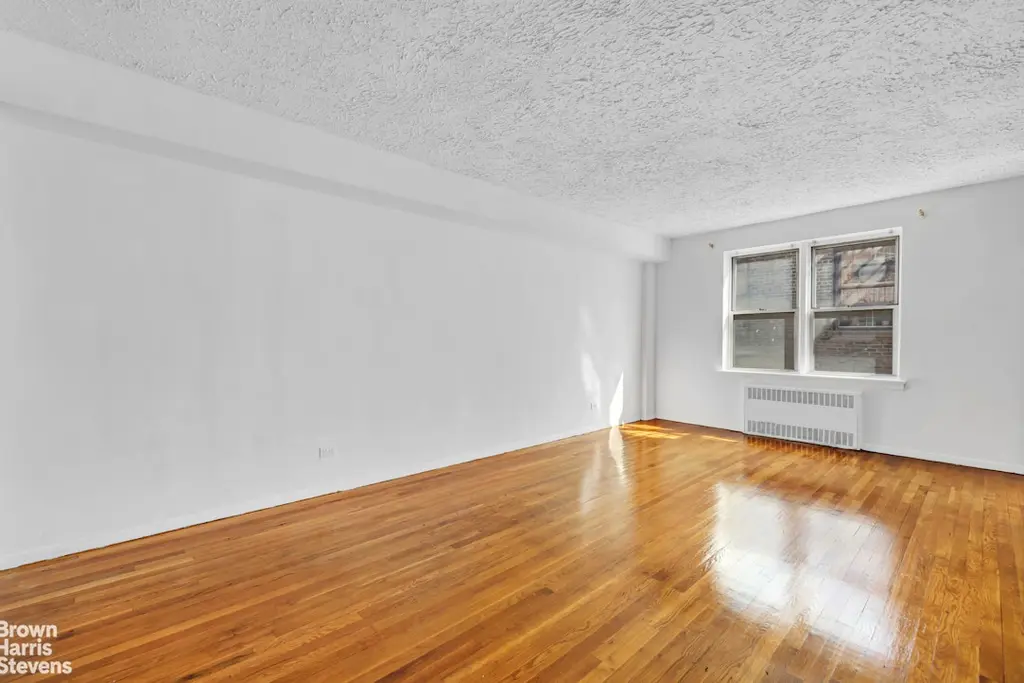
800 Grand Concourse, #5ES (Brown Harris Stevens Residential Sales LLC)
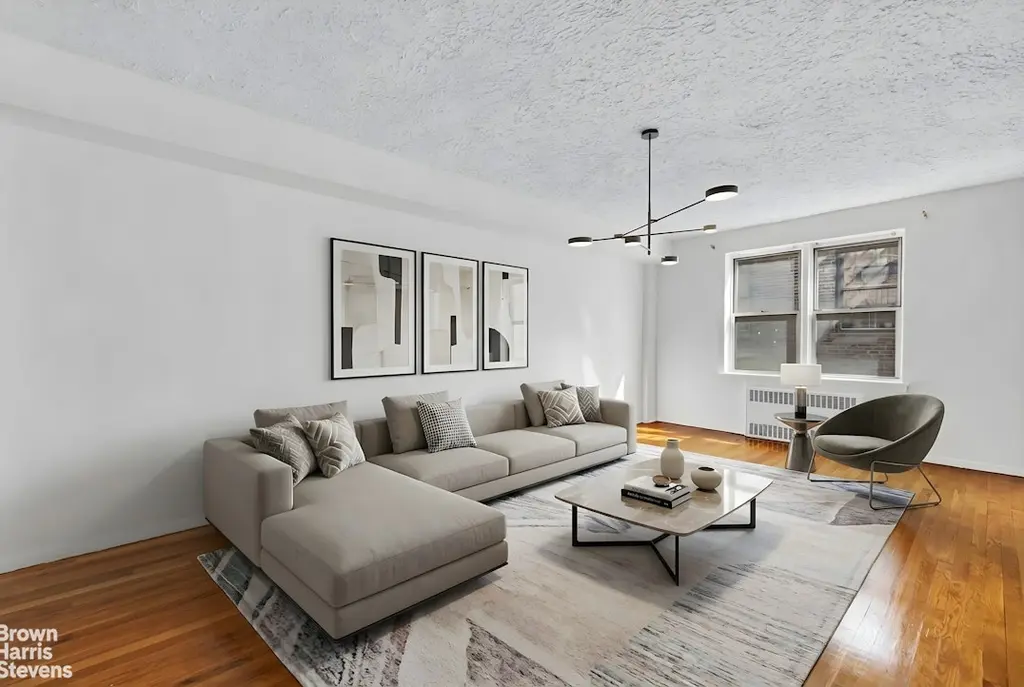
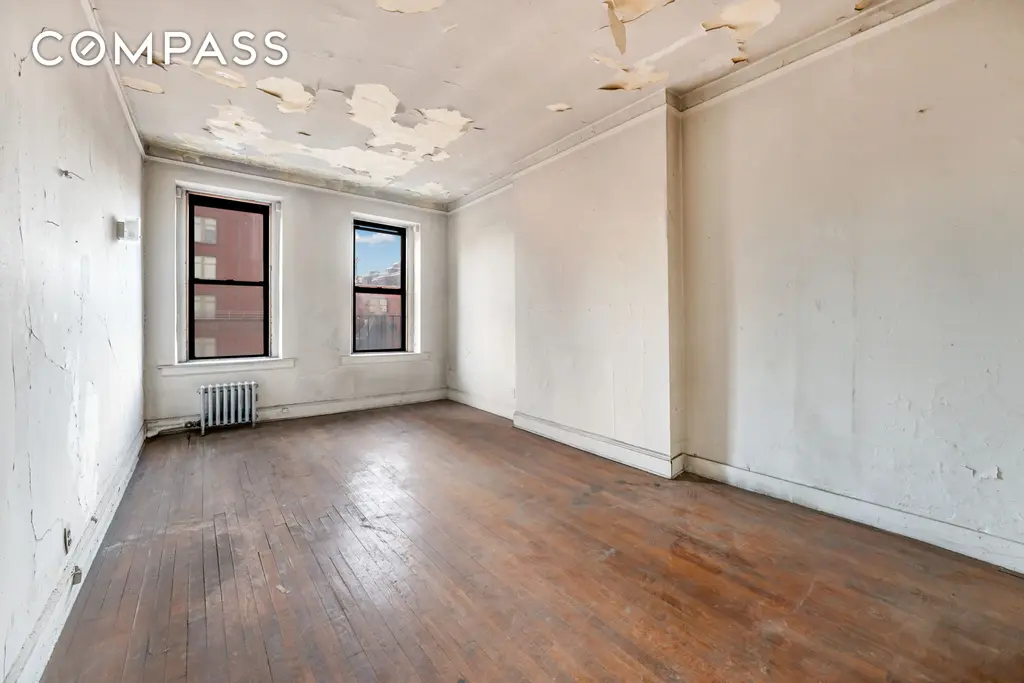
The Ellington House, #4A (Compass)

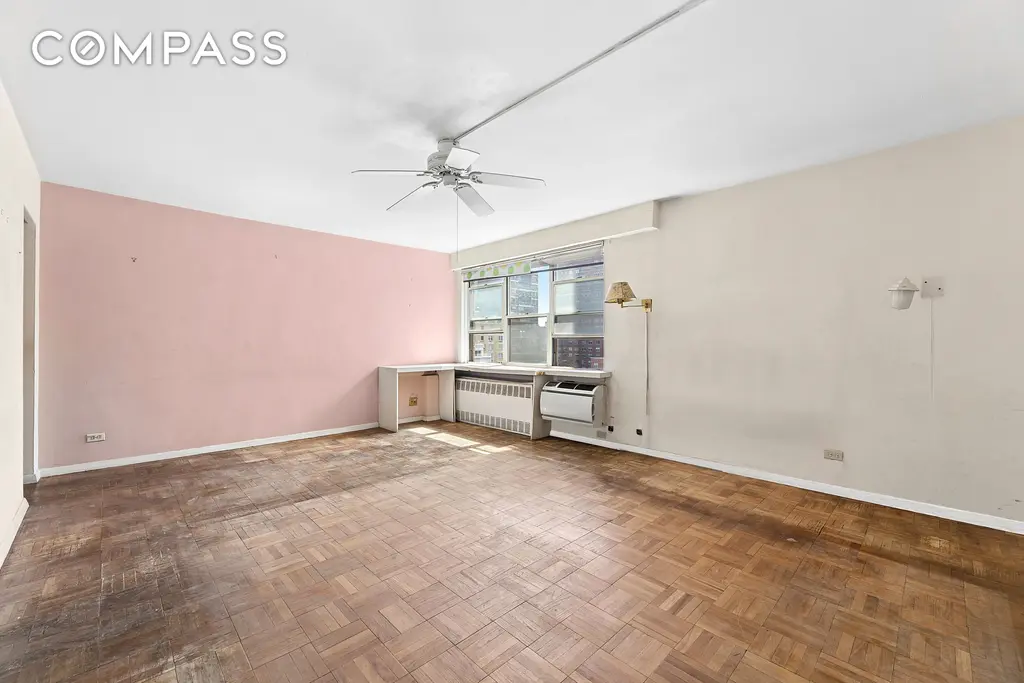
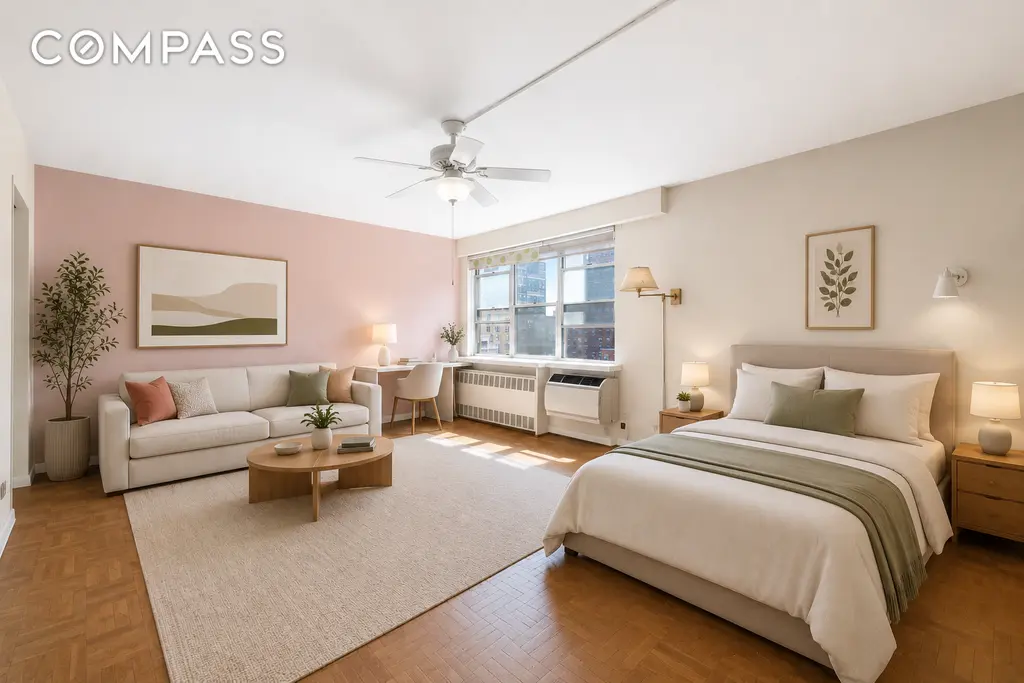
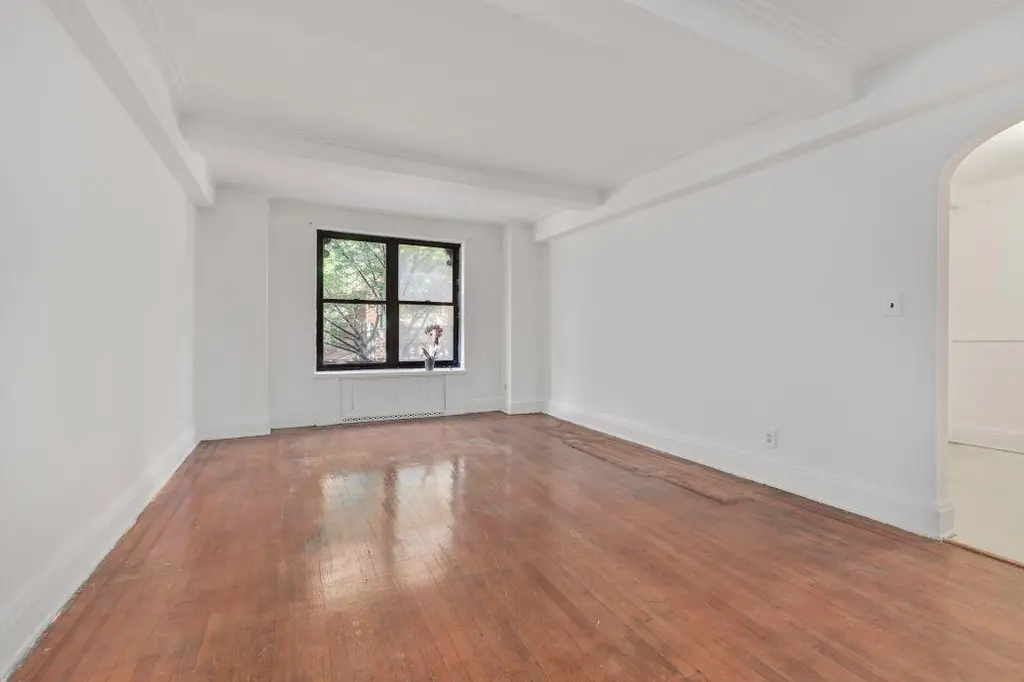
7 Park Avenue, #2-D (City Connections Realty Inc)

172 Stuyvesant Avenue, #D2
$725,000
Bedford-Stuyvesant | Condominium | 3 Bedrooms, 2 Baths | 1,238 ft2
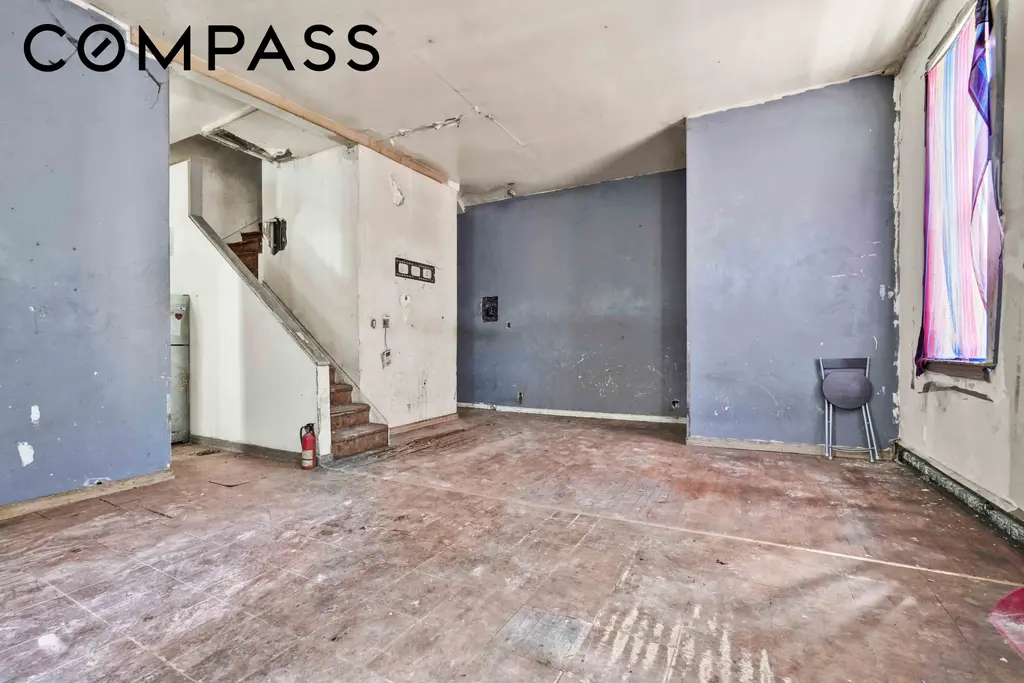
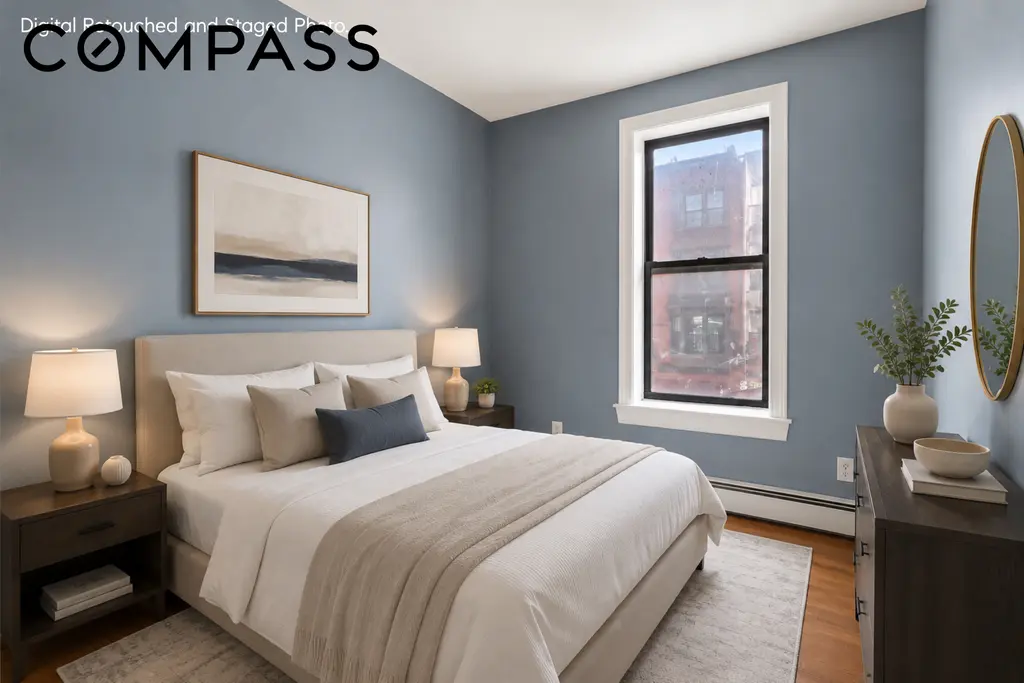
172 Stuyvesant Avenue, #D2 (Compass)
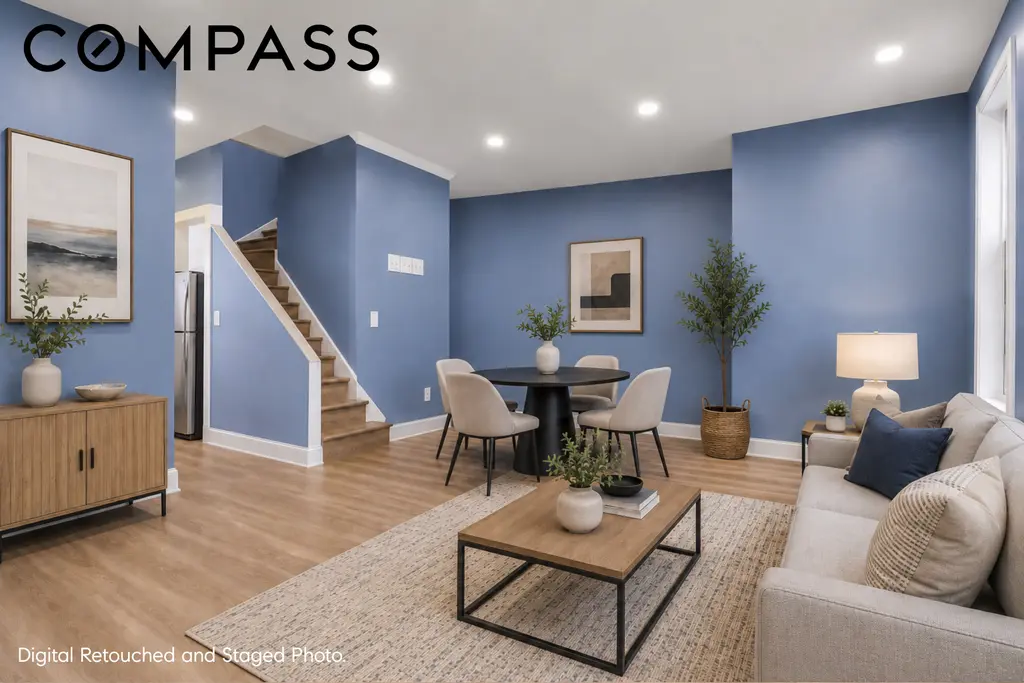
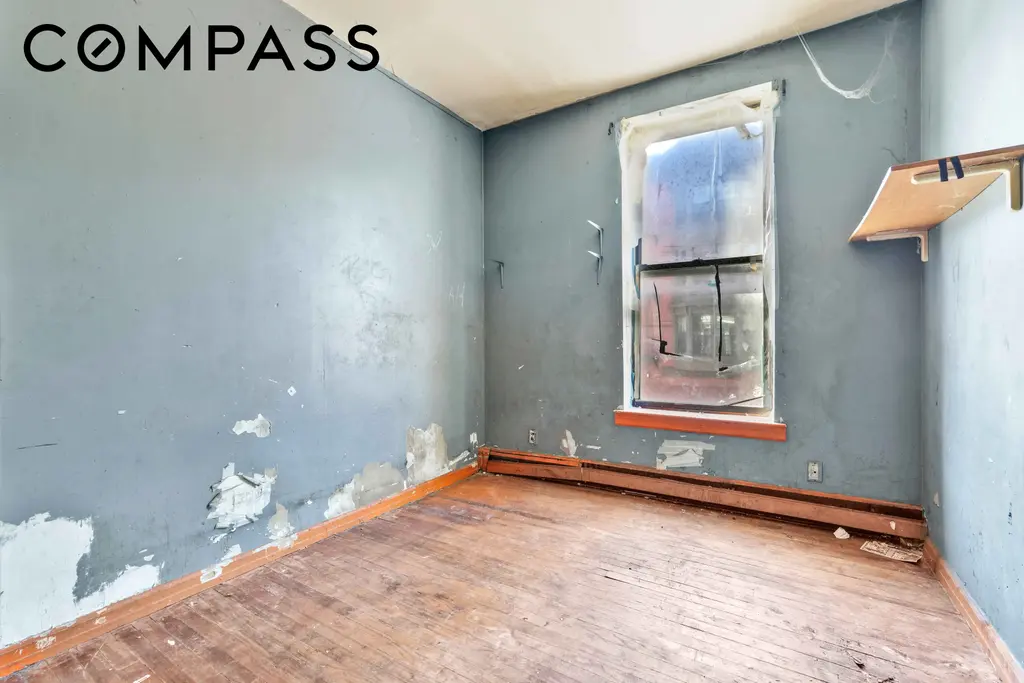
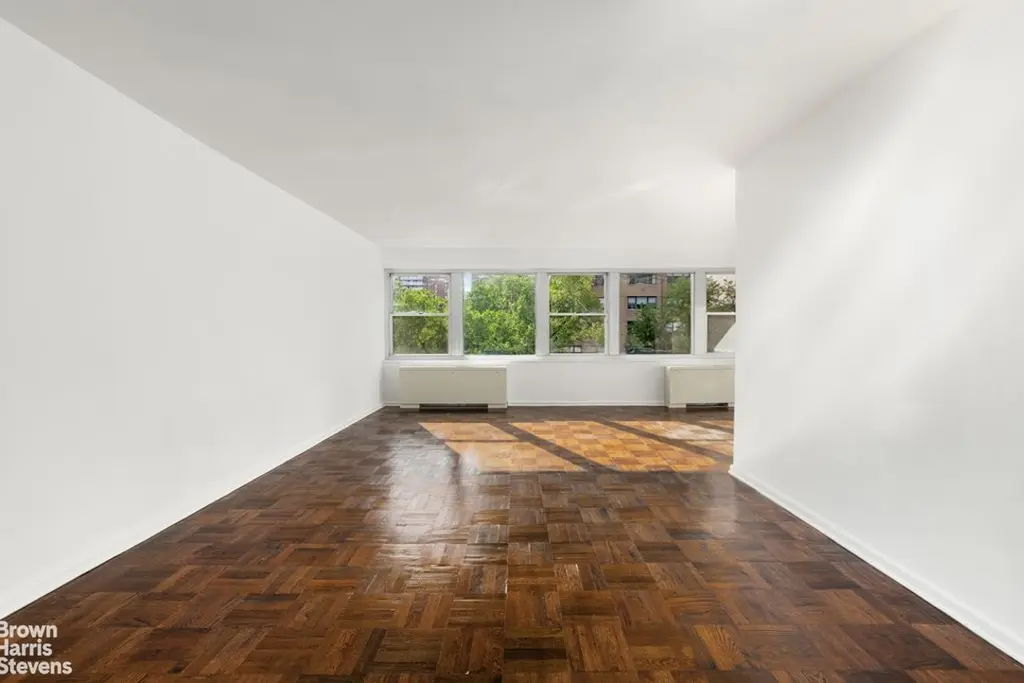
75 East End Avenue, #7G (Brown Harris Stevens Residential Sales LLC)

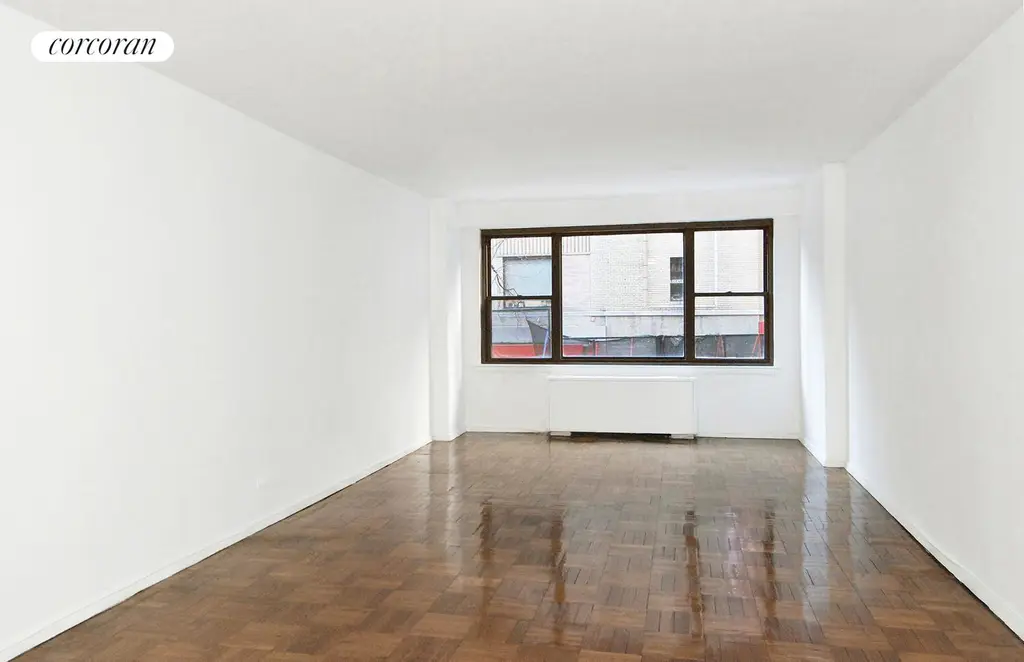
The Regency, #2G (Corcoran Group)
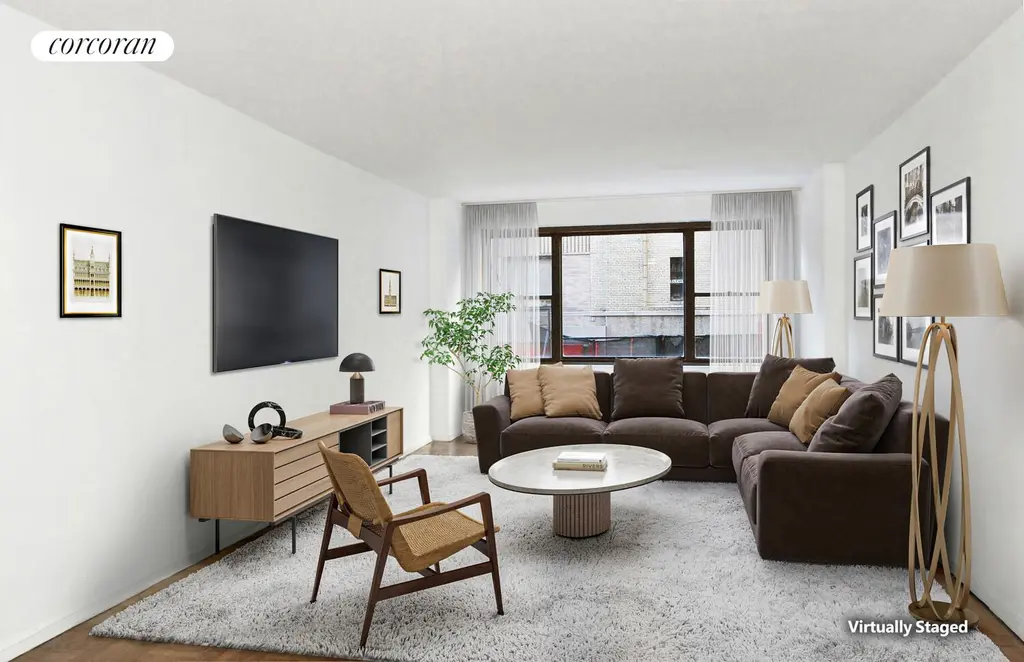
One Sutton Place South, #5B
$2,850,000 (-8.1%)
Beekman/Sutton Place | Cooperative | 3 Bedrooms, 3 Baths
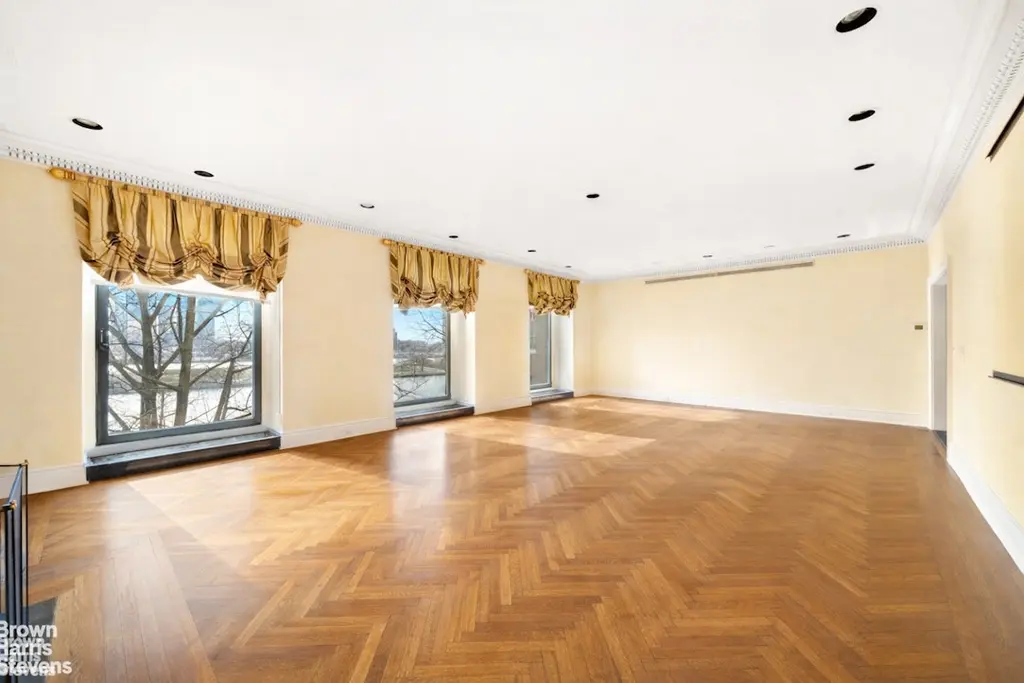
One Sutton Place South, #5B (Brown Harris Stevens Residential Sales LLC)


 6sqft delivers the latest on real estate, architecture, and design, straight from New York City.
