
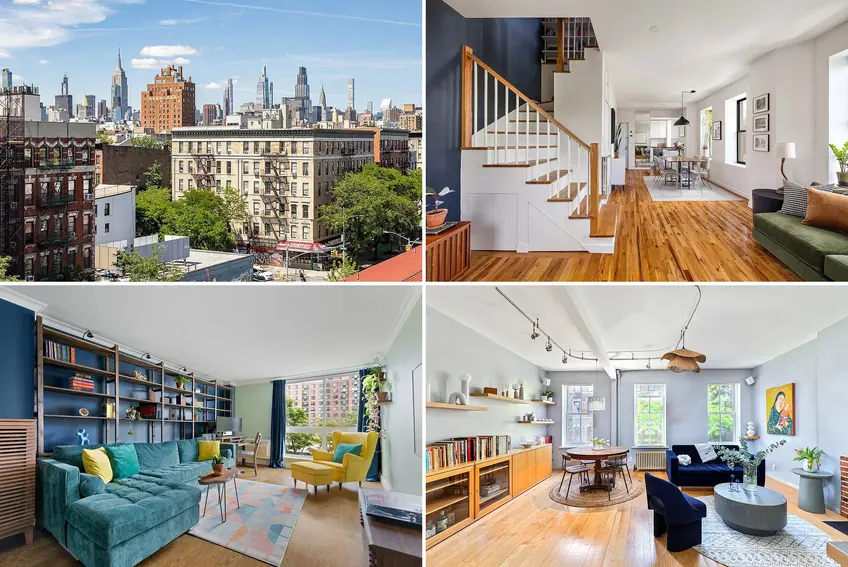
It may sound hard to believe now, but there was a time when New York City condo and co-op prices were relatively in sync. The amenity craze had yet to take hold in new condominiums, which didn't differentiate them much from cooperatives. Moreover, in a slightly more dangerous city, a full-time doorman and an additional slate of gatekeepers (also known as the co-op board) was seen by many as a must-have. As a result of the evolution of the city and real estate market, CityRealty listings show that median Manhattan apartment sale prices in the first half of 2025 were a whopping $1.725M for condos and only (!!) $849K for their co-op counterparts.
However, that is not to say that co-ops are necessarily the place to go for bargains. The cost of one’s maintenance fees must be taken into account since, in New York City, fees are often extremely high. While fees in an older walk-up, especially if an HDFC unit, could be just a few hundred dollars per month, fees in prestigious Manhattan co-ops are typically several thousands of dollars each month. In fact, some co-ops can come with extremely low sticker prices but high maintenance fees (this listing is an excellent example). Just as we recently examined condo common charges, this article examines co-op maintenance fees in detail, discusses how they are set, and how to avoid excessively high fees if and when possible.
In this article:



























What Co-op Fees Cover
In co-ops, all shareholders pay co-op fees. Generally, co-op fees include property taxes, any underlying mortgage on the building, and building insurance. In many buildings, utilities (e.g., heat and hot water, electricity, and gas) are also included in the fees. One’s fees likely also cover other regular upkeep costs (e.g., landscaping, pest control, etc.). Finally, fees cover building staff salaries and any additional services. As a result, the more staff and services found in the building, the higher the fees.How Co-op Fees Are Set
In co-ops, fees are generally set based on the size of the apartment. As a result, if you combine two units, expect to pay higher fees. In some cases, other factors, including the floor level, may also be taken into account when setting fees.Negotiating Co-op Fees
Co-op fees are set by the co-op board and voted on at an annual meeting for shareholders. Small fee increases are expected (e.g., to cover higher taxes or fuel costs). Also, from time to time, a building may need to temporarily charge higher fees to cover the cost of a major capital improvement or repair. For example, many buildings are forced to raise their fees as a result of façade work. However, fees can also be a source of controversy in some co-op buildings.While some shareholders may want to renovate the lobby or install a gym and be happy to pay higher fees in the process, other shareholders may consider such additions and the related costs unnecessary. Where majority rules, however, there isn’t much a shareholder can do. Ultimately, once the fees are set, shareholders are obliged to pay the fees as long as they remain shareholders in the building. This is one of the risks of buying in a co-op building. Of course, there is always one line of recourse: Shareholders who feel spending is out of control can always get elected to their co-op board and put an end to the frivolous spending and soaring fees.
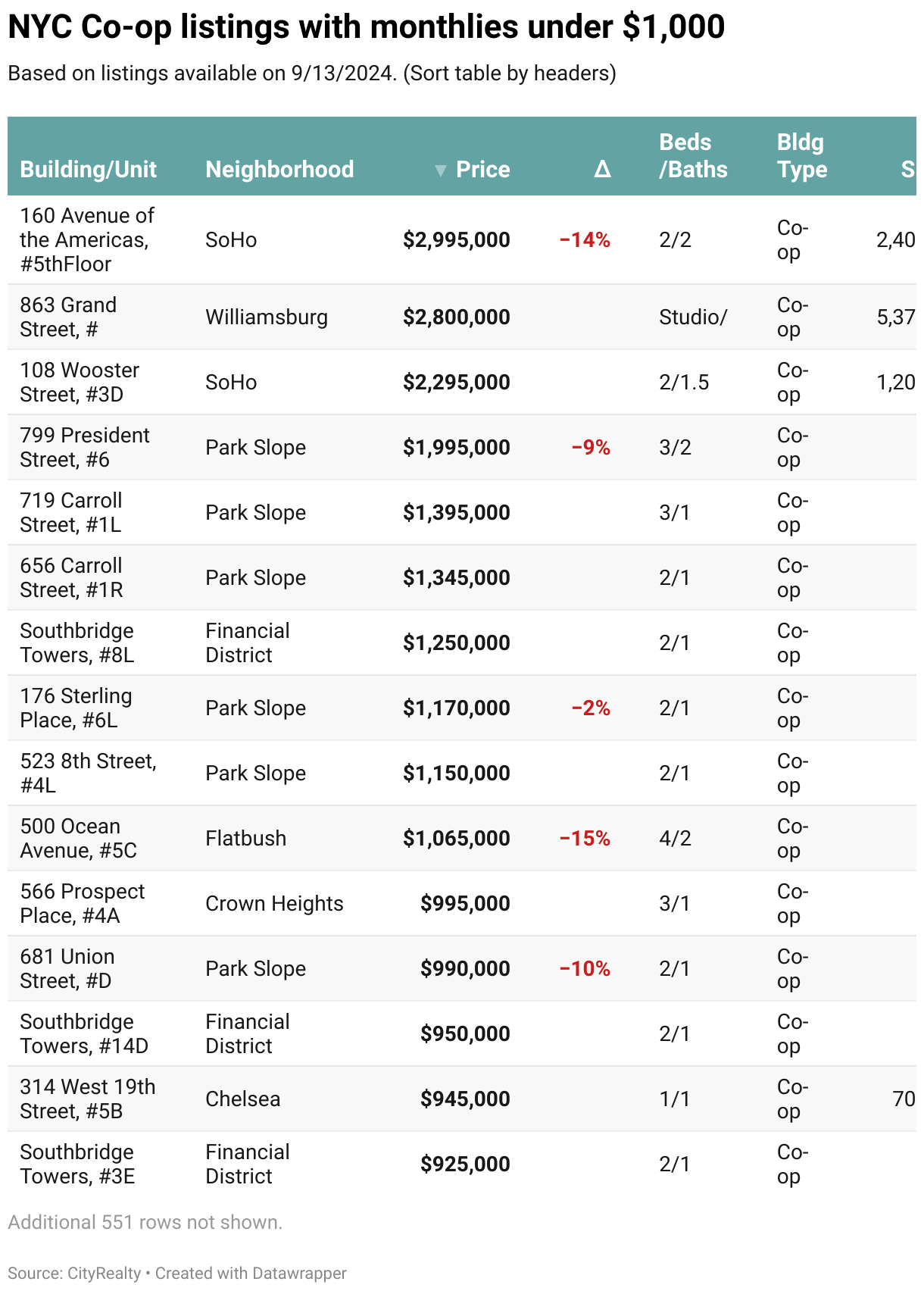
Active listings with super-low monthlies under $1,000/month
The Raymond, #1FE
$379,000 (-5%)
Midtown West | Cooperative | 1 Bedroom, 1 Bath | 450 ft2
Monthly Maintenance: $950
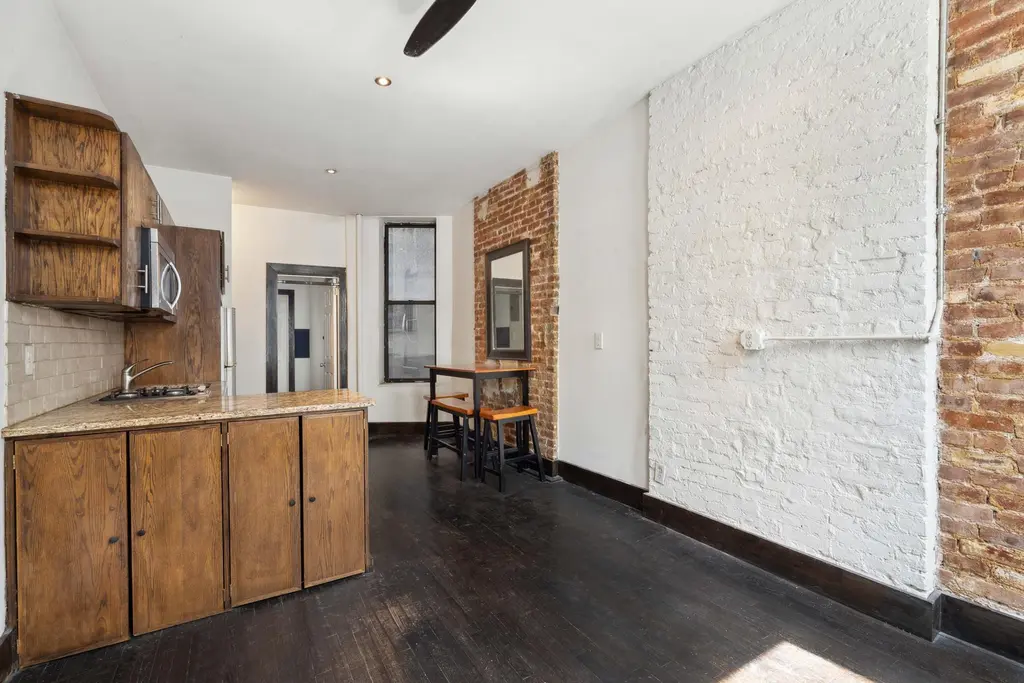
The Raymond, #1FE (Douglas Elliman Real Estate)
321 East 71st Street, #4A
$395,000 (-7.1%)
Lenox Hill | Cooperative | 1 Bedroom, 1 Bath
Monthly Maintenance: $838
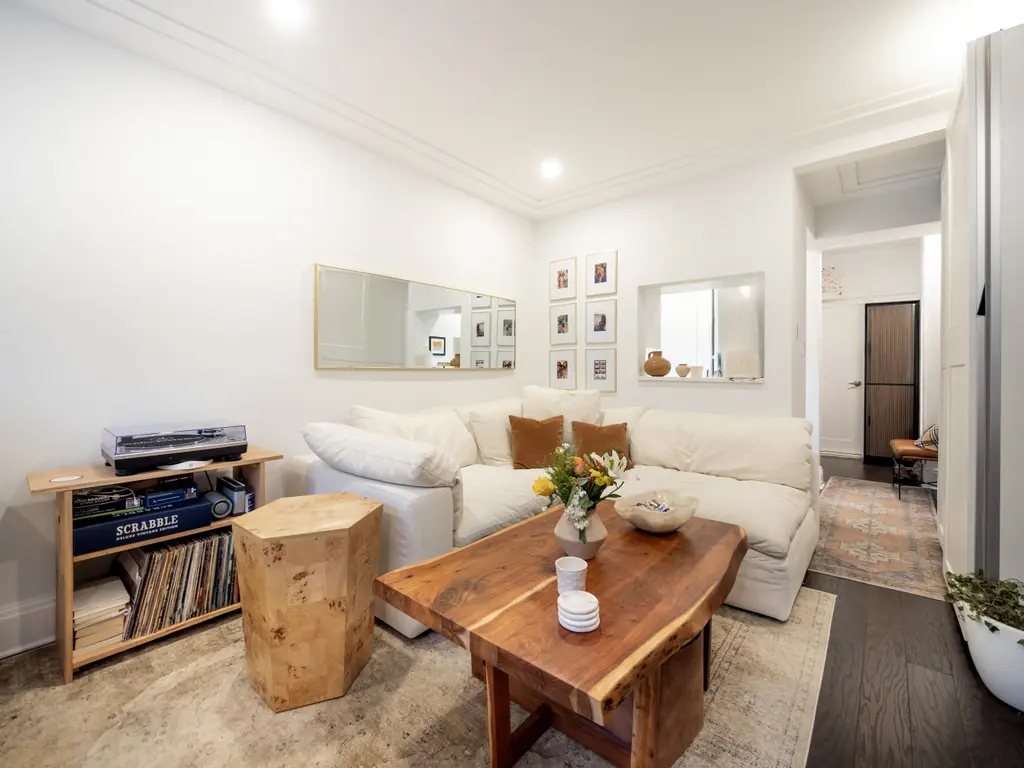
321 East 71st Street, #4A (Berkshire Hathaway HomeServices New York Properties)
520 West 50th Street, #B4
$395,000 (-1%)
Midtown West | Cooperative | 1 Bedroom, 1 Bath
Monthly Maintenance: $972

520 West 50th Street, #B4 (REAL BROKER LLC)
220 East 82nd Street, #4RW
$430,000
Yorkville | Cooperative | 1 Bedroom, 1 Bath
Monthly Maintenance: $843
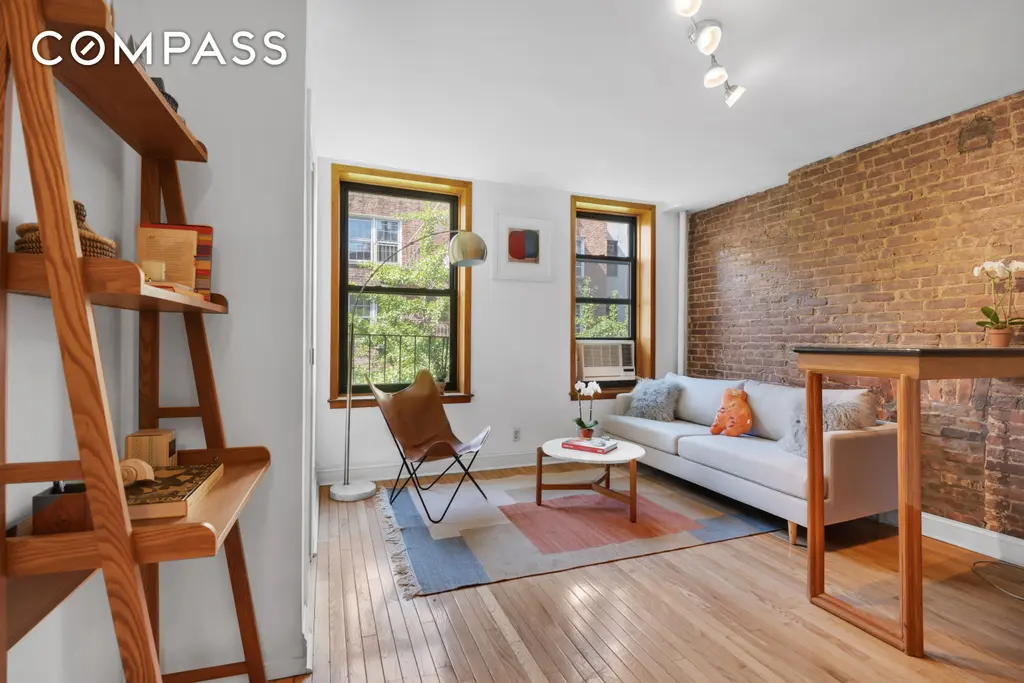
220 East 82nd Street, #4RW (Compass)
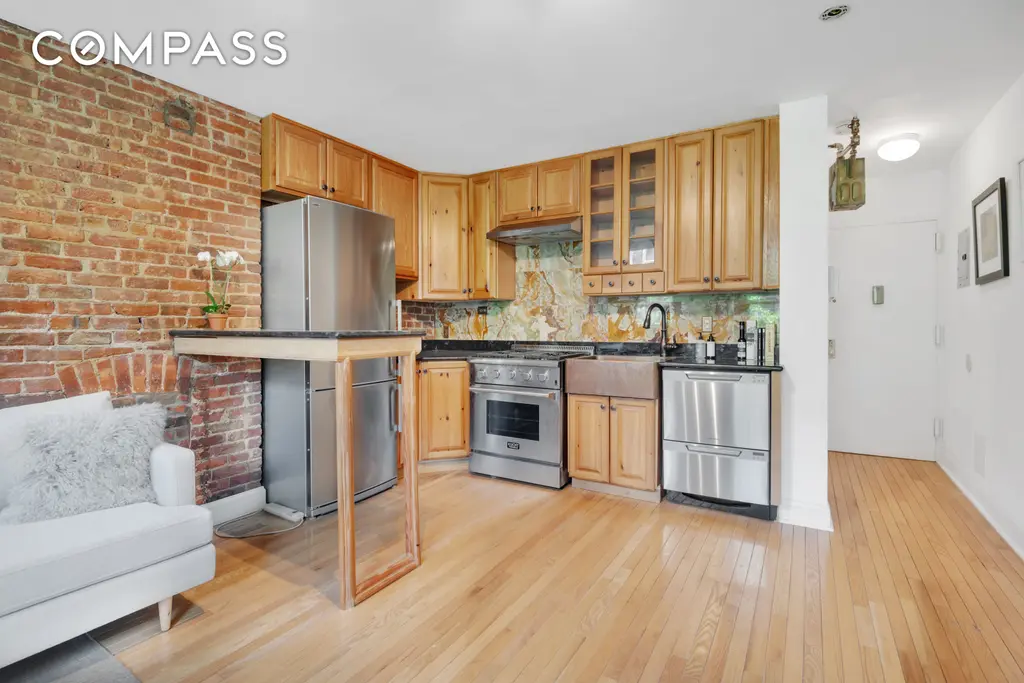
332 West 101st Street, #5FRONT
$499,000
Riverside Dr./West End Ave. | Cooperative | 1 Bedroom, 1 Bath
Monthly Maintenance: $979
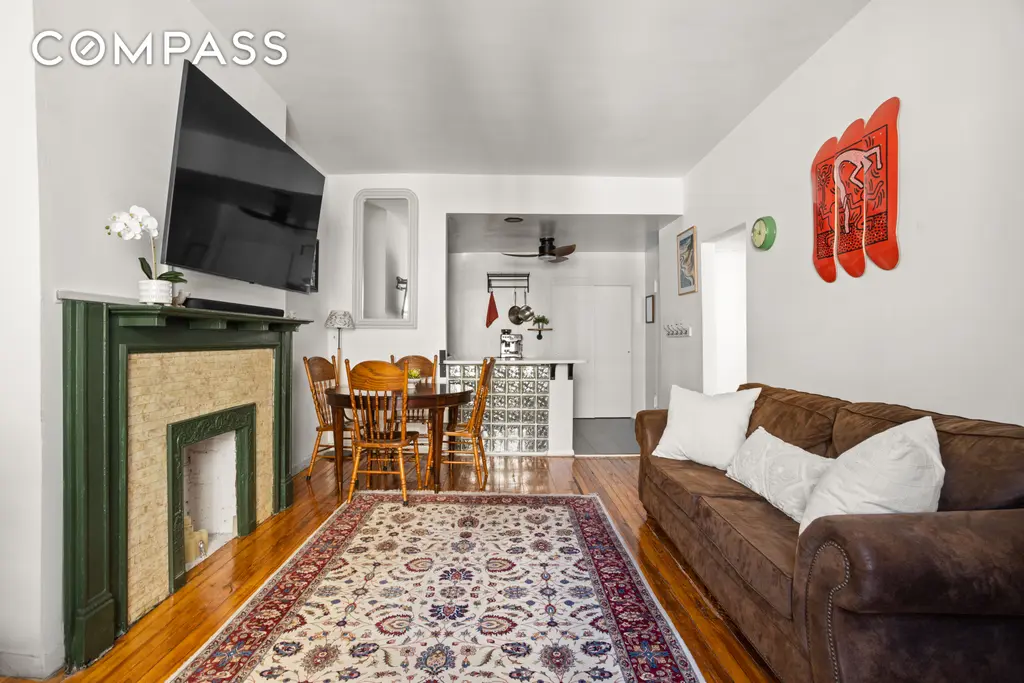
332 West 101st Street, #5FRONT (Compass)
132 West 71st Street, #3
$550,000
Broadway Corridor | Cooperative | 1 Bedroom, 1 Bath
Monthly Maintenance: $830

132 West 71st Street, #3 (Compass)
Would you like to tour any of these properties?
Just complete the info below.
Or call us at (212) 755-5544
405 West 48th Street, #1FE
$620,000
Midtown West | Cooperative | 1 Bedroom, 1 Bath
Monthly Maintenance: $587
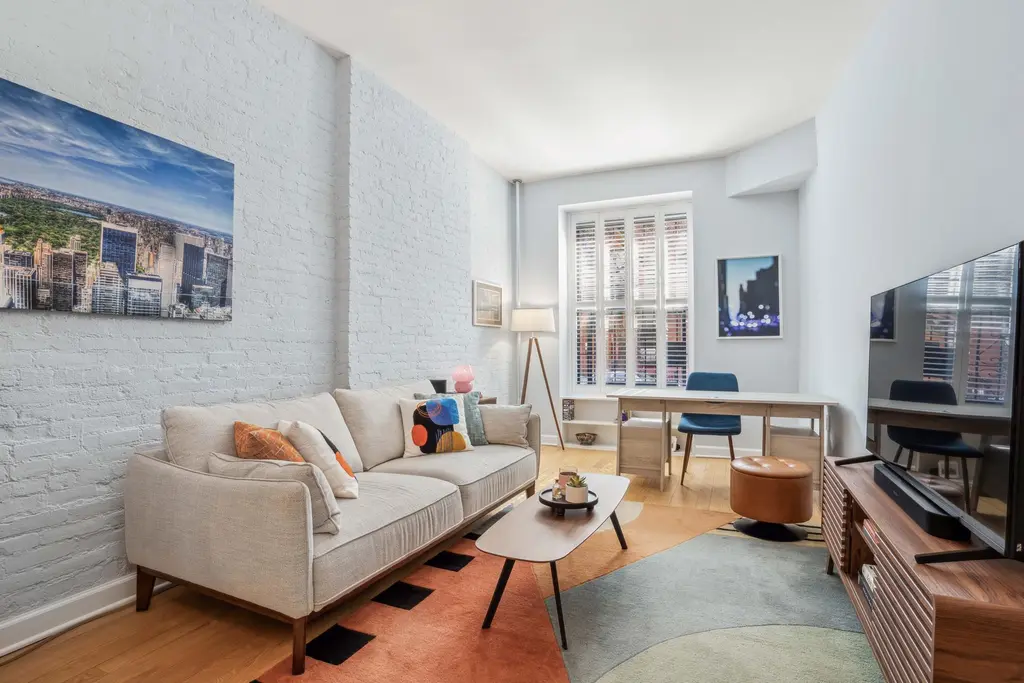
405 West 48th Street, #1FE (Douglas Elliman Real Estate)
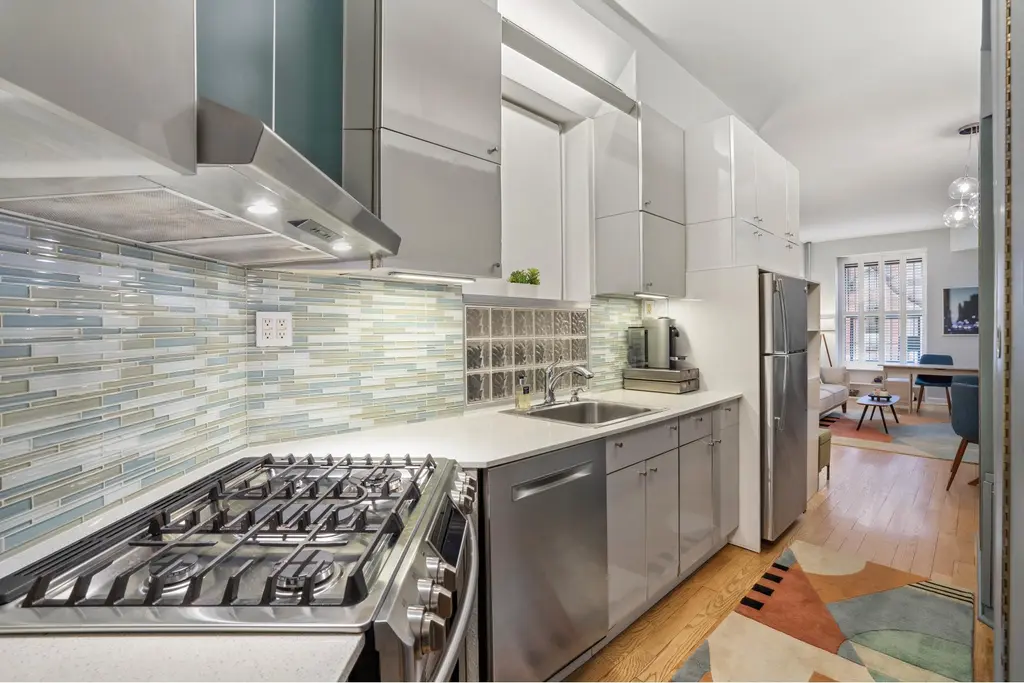
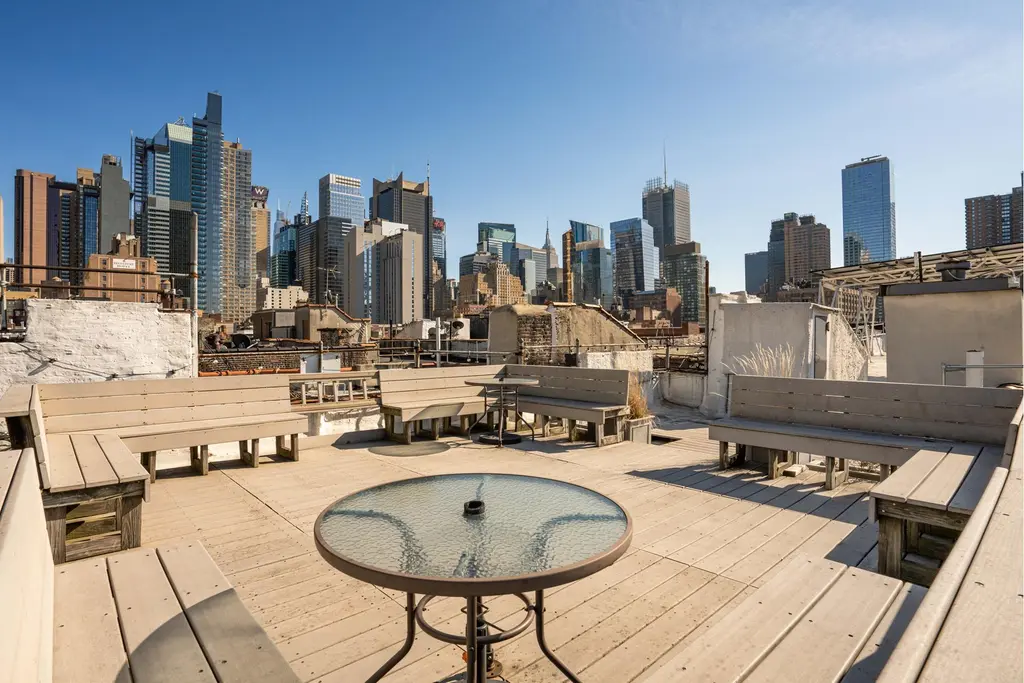
Southbridge Towers, #3E
$625,000
Financial District | Cooperative | 1 Bedroom, 1 Bath | 780 ft2
Monthly Maintenance: $800
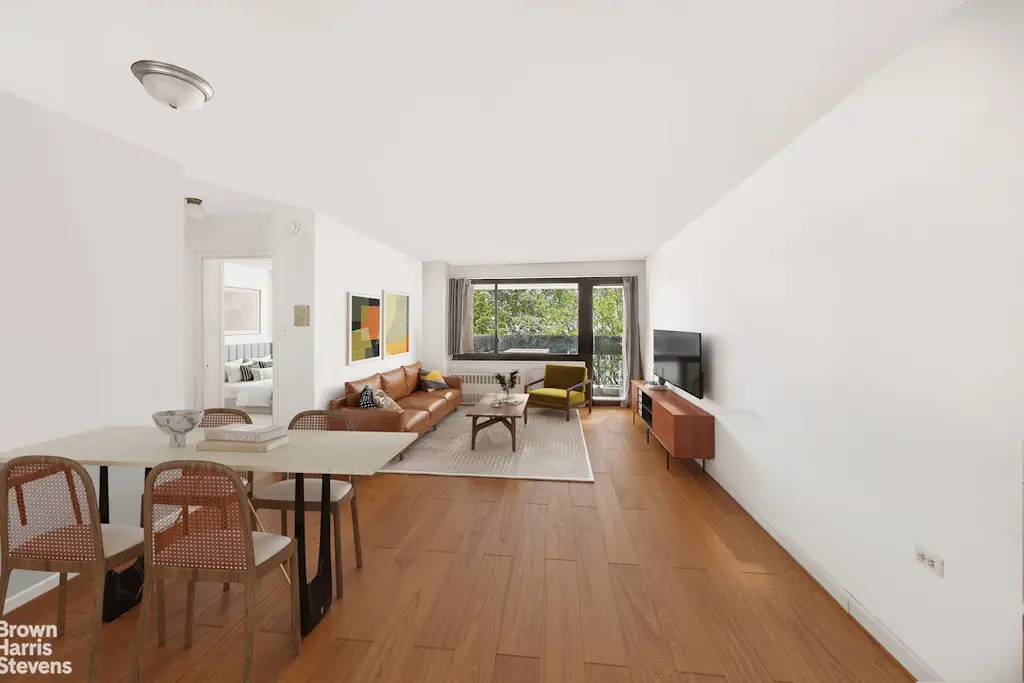
Southbridge Towers, #3E (Brown Harris Stevens Residential Sales LLC)
The Eleanor Court, #1C
$645,000
Riverside Dr./West End Ave. | Cooperative | 1 Bedroom, 1 Bath
Monthly Maintenance: $967
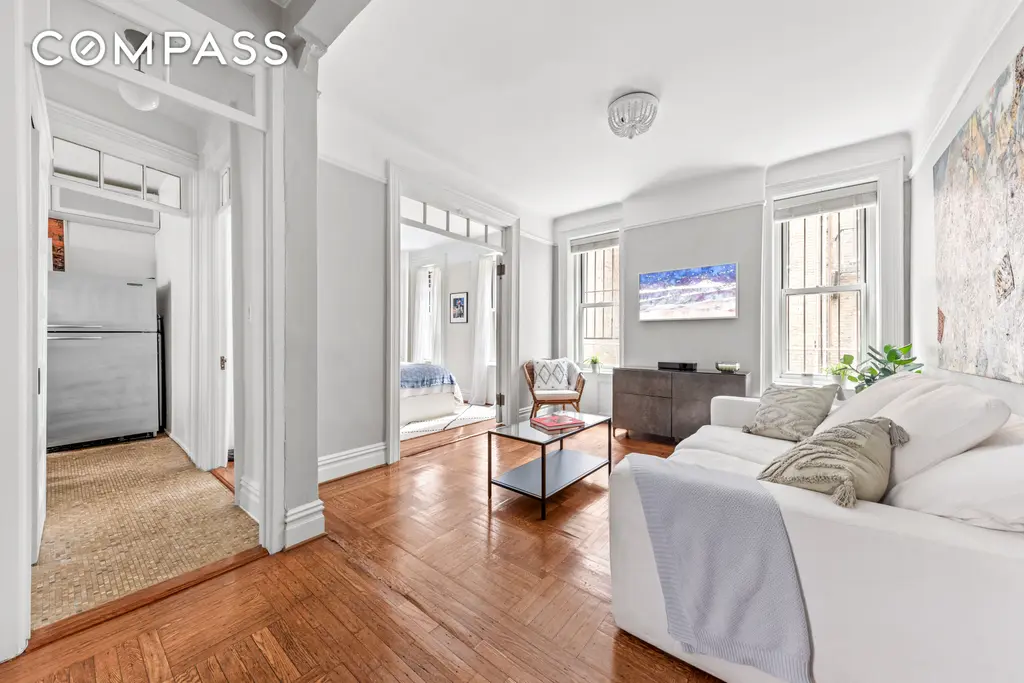
The Eleanor Court, #1C (Compass)
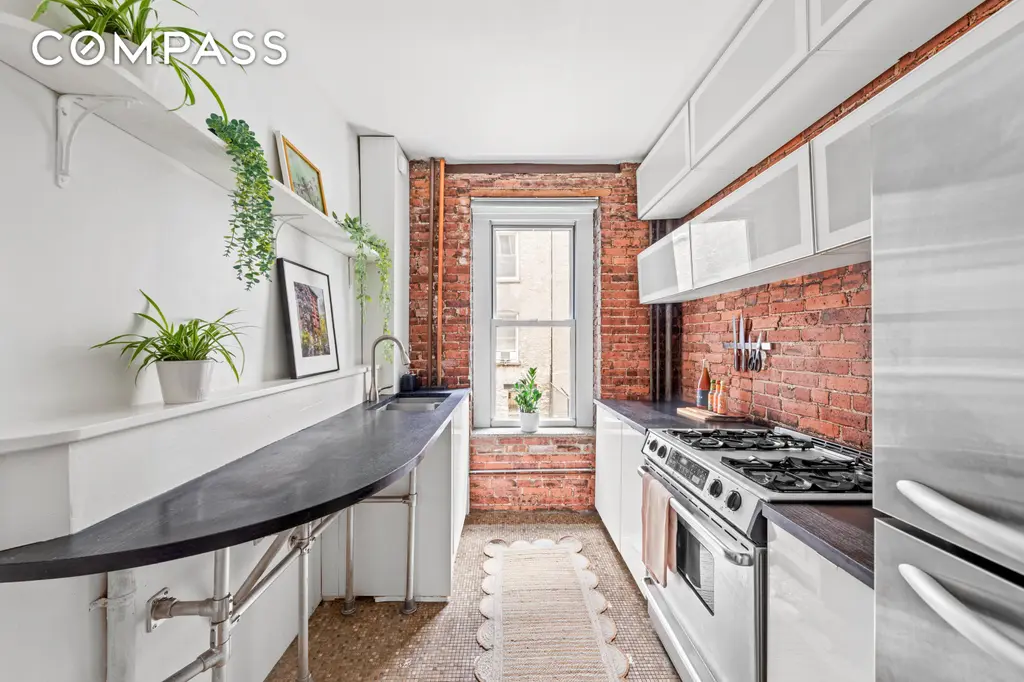
Westview, #643
$649,000
Roosevelt Island | Cooperative | 1 Bedroom, 1 Bath | 803 ft2
Monthly Maintenance: $804
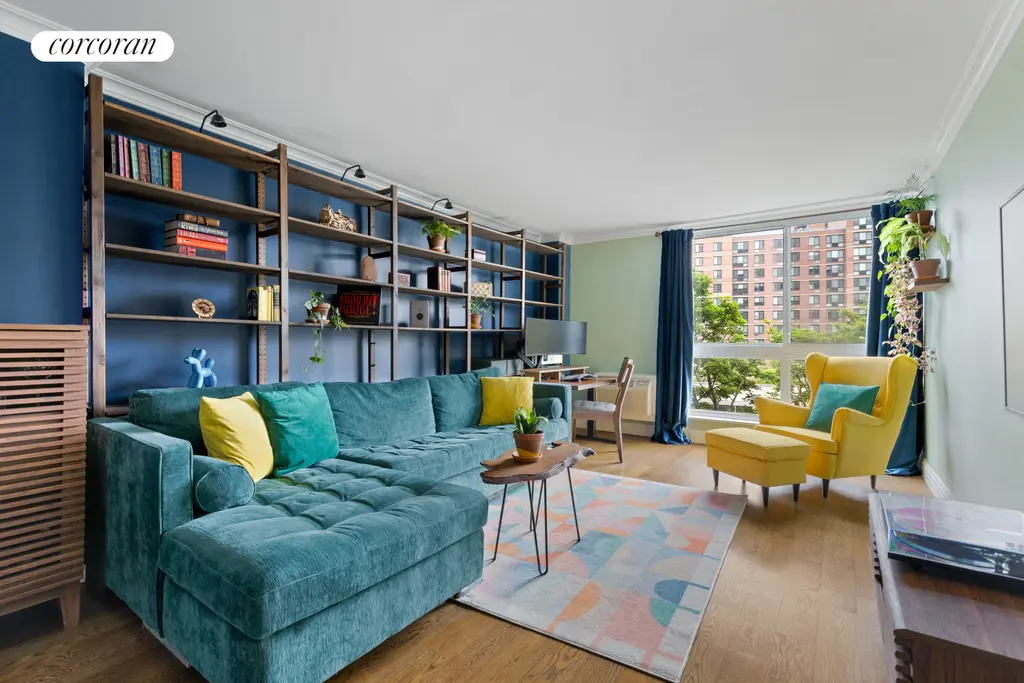
Westview, #643 (Corcoran Group)
632 West End Avenue, #2F
$650,000 (-3.7%)
Riverside Dr./West End Ave. | Cooperative | 1 Bedroom, 1 Bath
Monthly Maintenance: $969

632 West End Avenue, #2F (Keller Williams NYC)

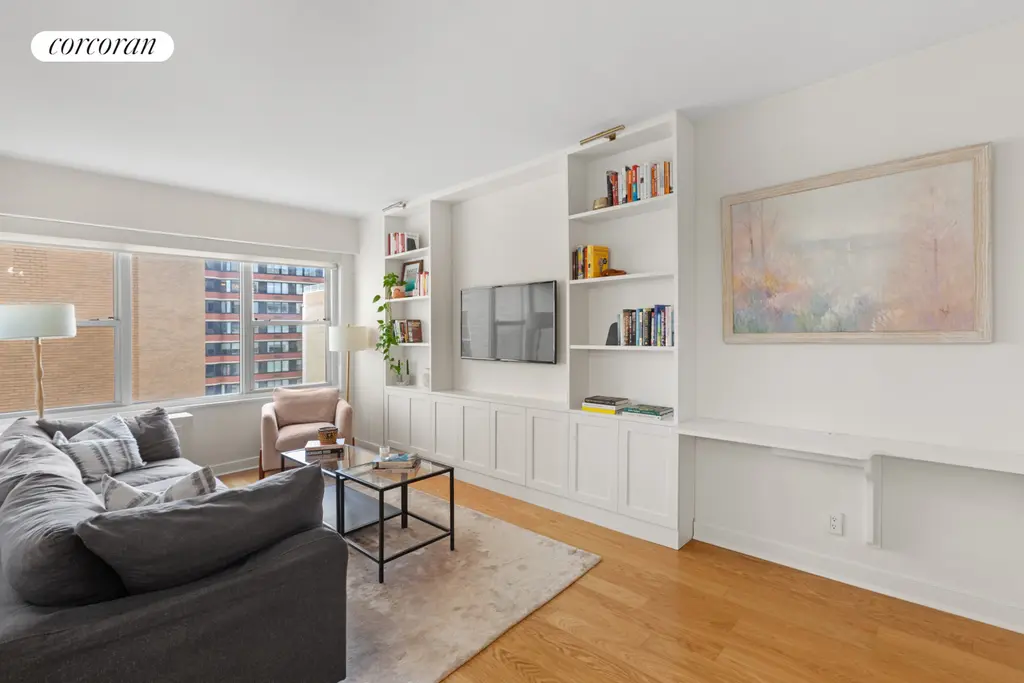
Newport East, #B1008 (Corcoran Group)
130 West 80th Street, #4F
$695,000
Broadway Corridor | Cooperative | 1 Bedroom, 1 Bath
Monthly Maintenance: $988
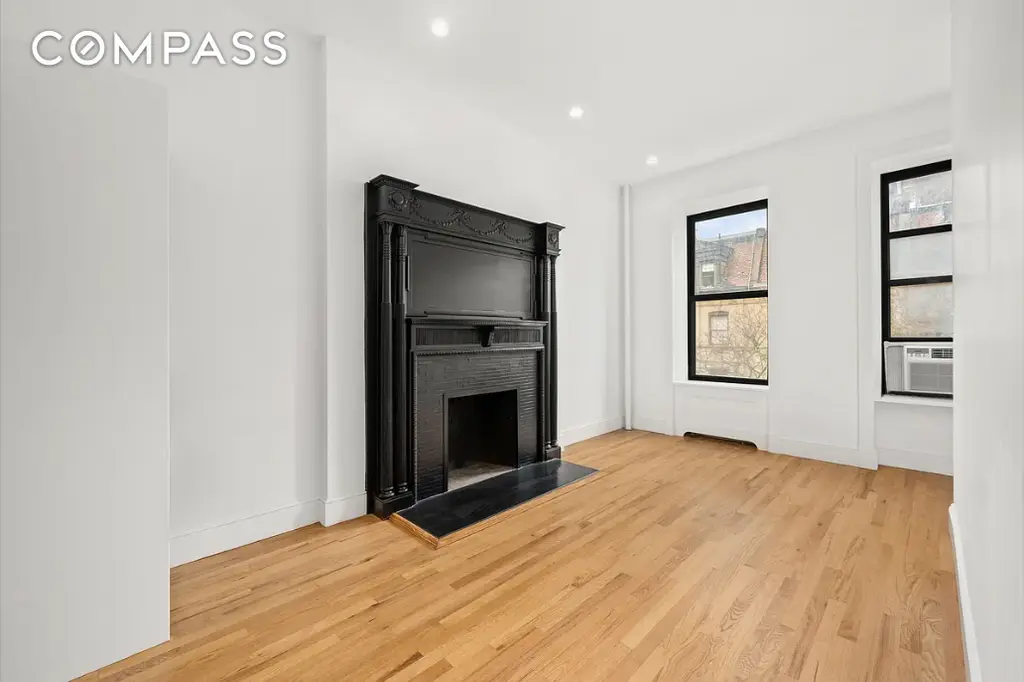
130 West 80th Street, #4F (Compass)
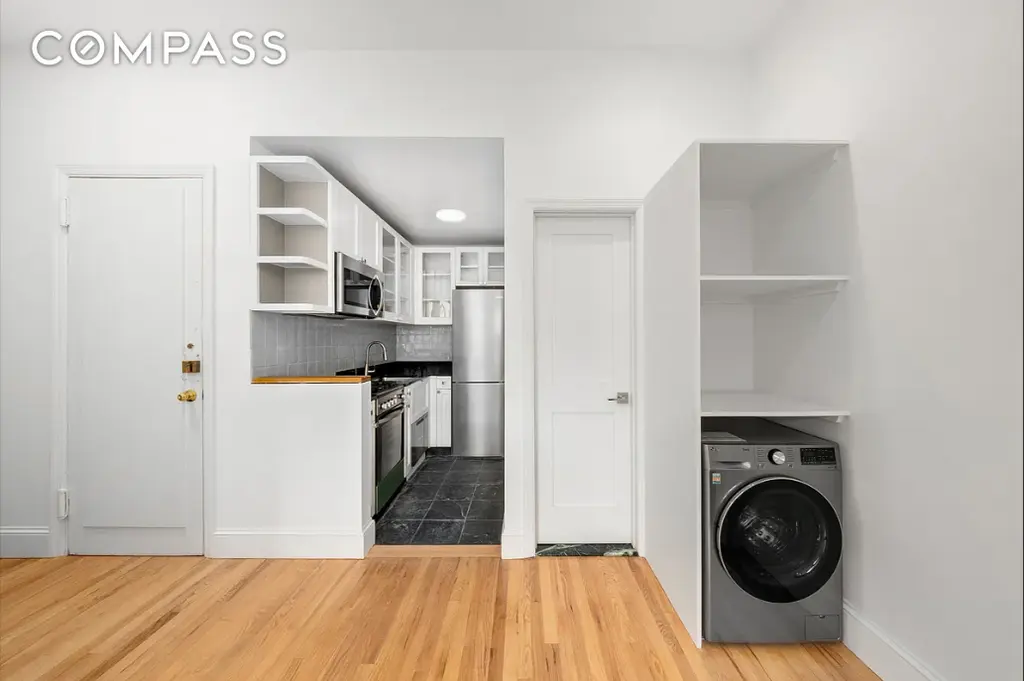
227 West 11th Street, #43
$715,000 (-1.4%)
West Village | Cooperative | 1 Bedroom, 1 Bath | 350 ft2
Monthly Maintenance: $878
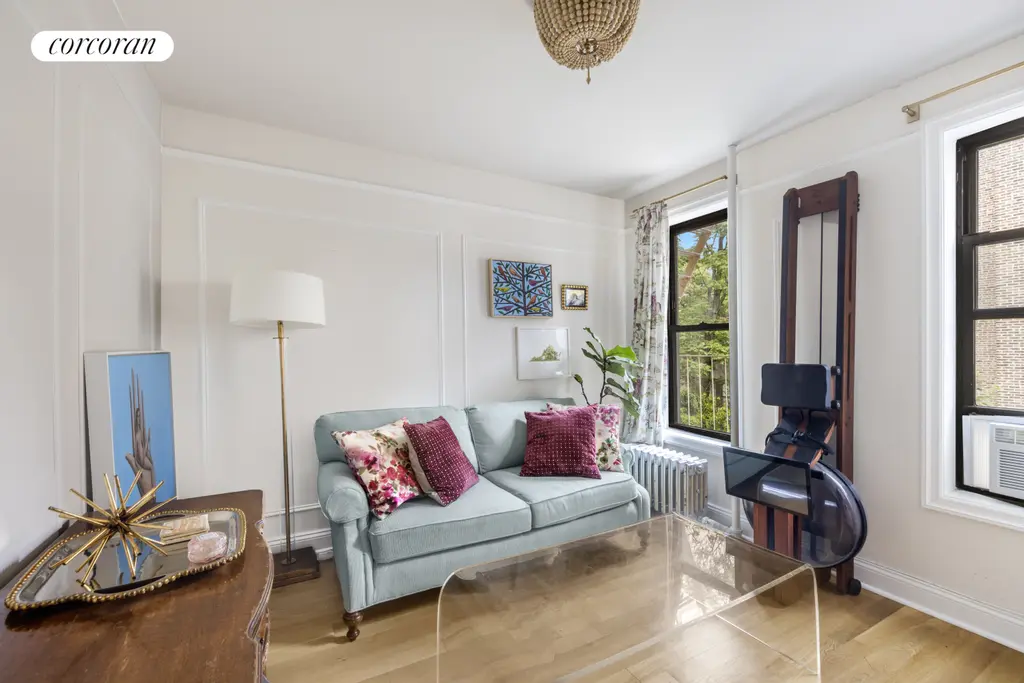
227 West 11th Street, #43 (Corcoran Group)
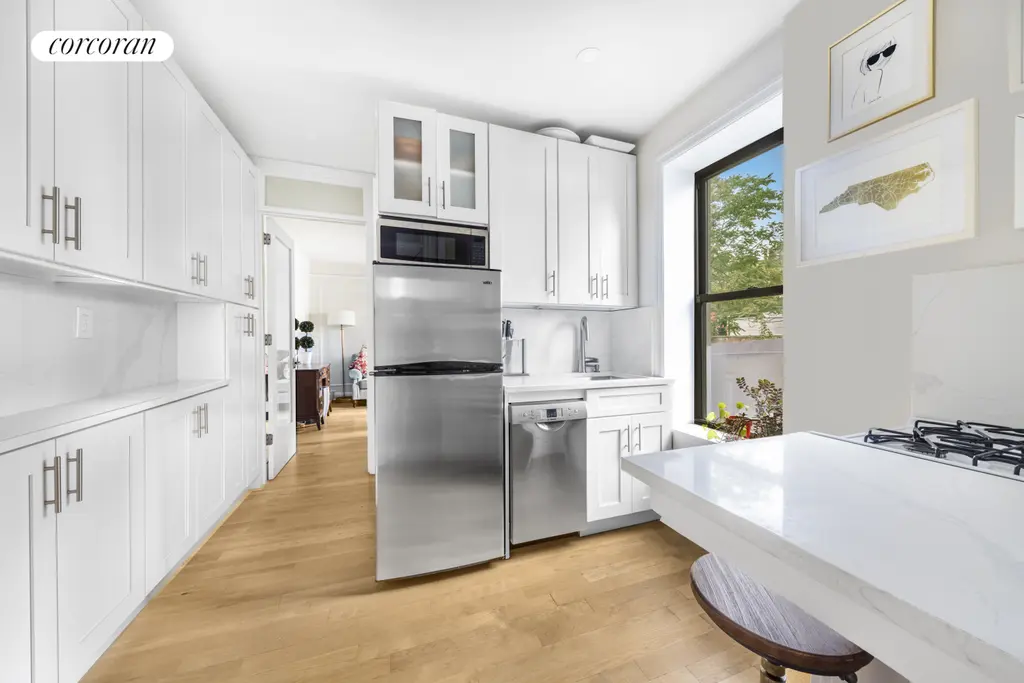
45 Spring Street, #6B
$749,000
NoLiTa/Little Italy | Cooperative | 1 Bedroom, 1 Bath
Monthly Maintenance: $858
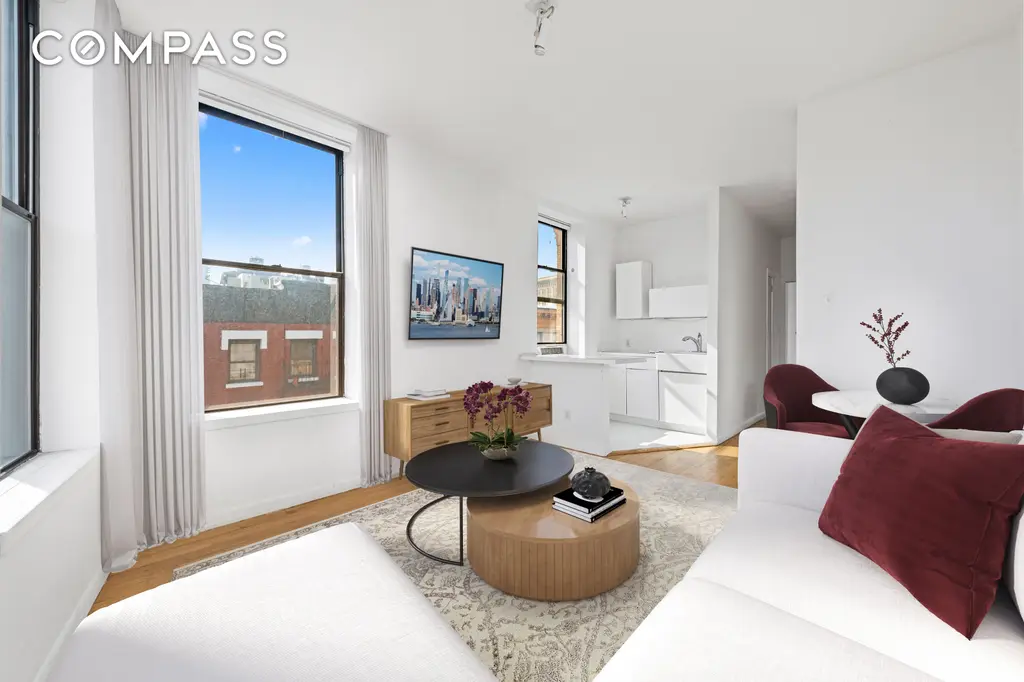
45 Spring Street, #6B (Compass)

544 East 11th Street, #4A
$795,000
East Village | Cooperative | 2 Bedrooms, 1 Bath
Monthly Maintenance: $729
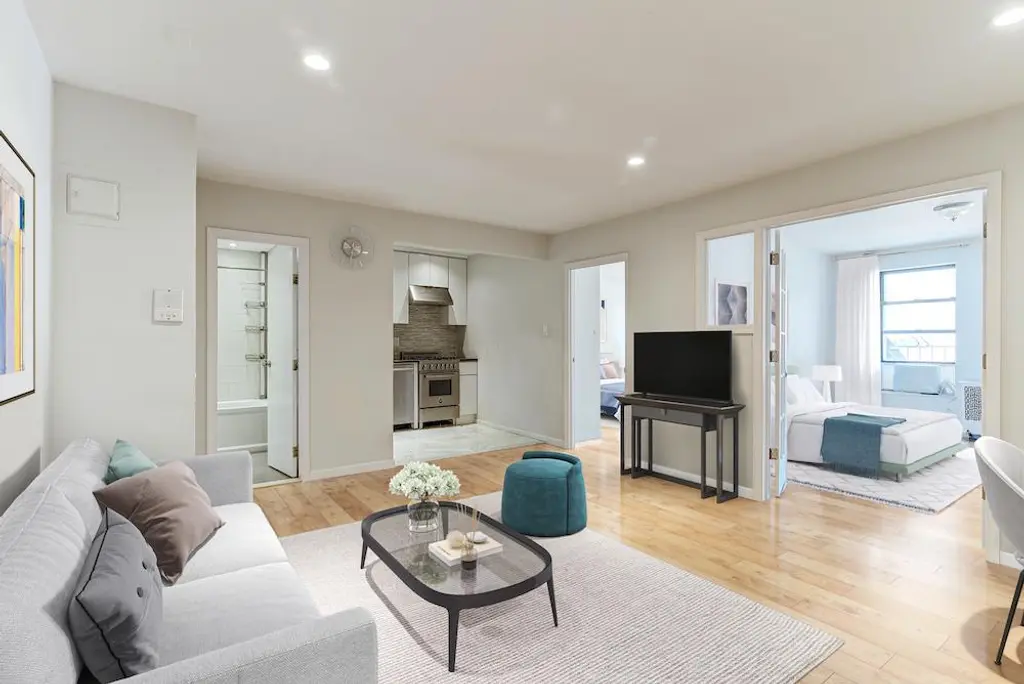
544 East 11th Street, #4A (Maz Group NY LLC)
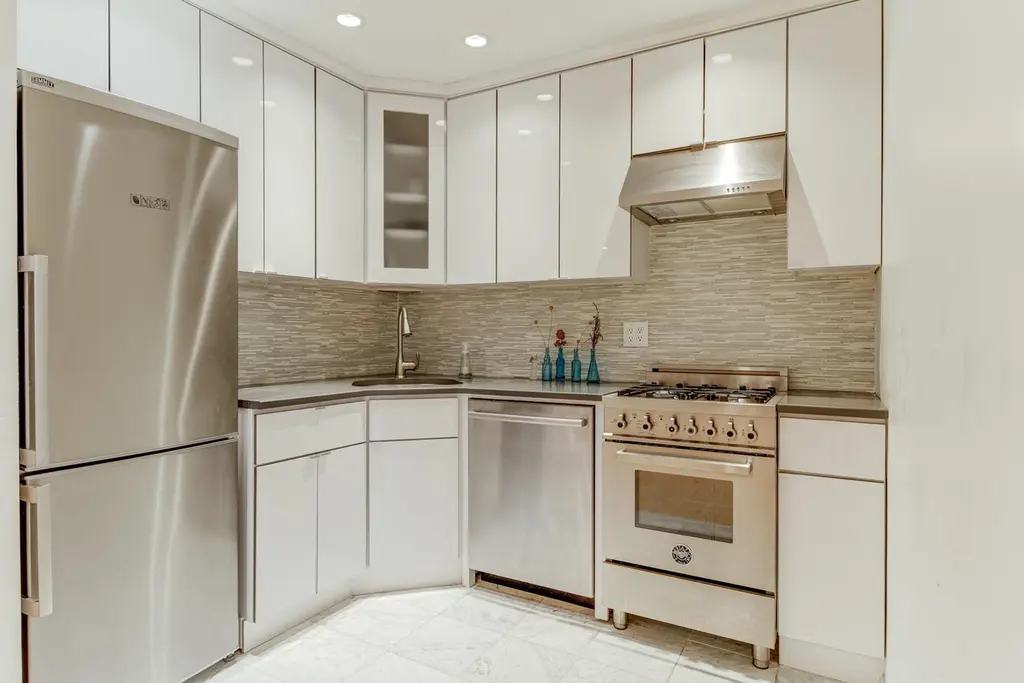
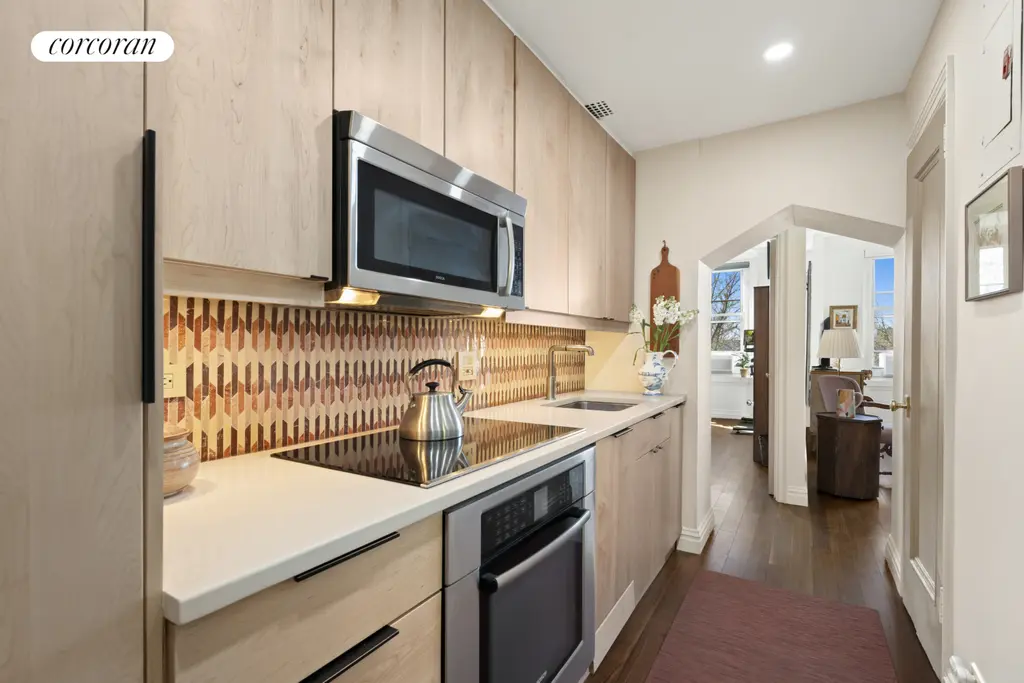
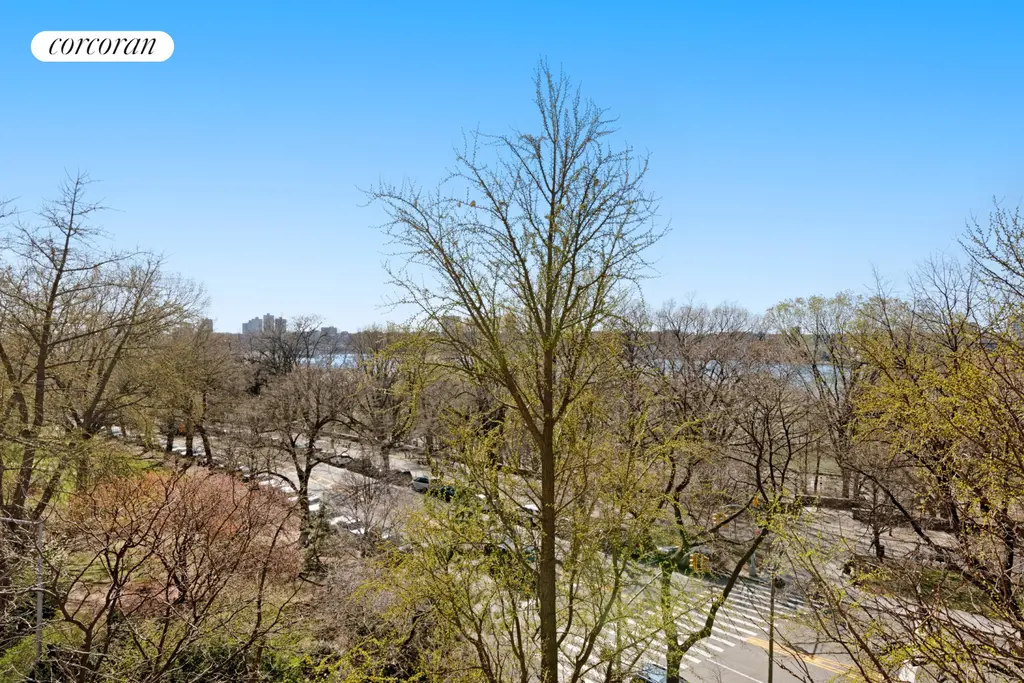
Master, #404
$795,000
Riverside Dr./West End Ave. | Cooperative | 1 Bedroom, 1 Bath
Monthly Maintenance: $986
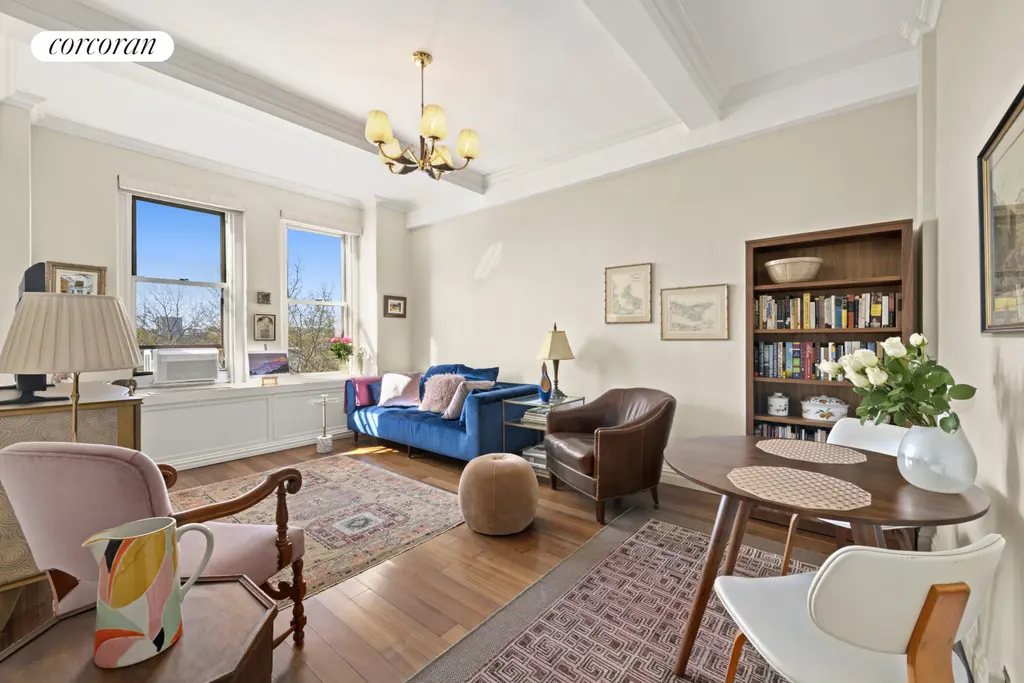
Master, #404 (Corcoran Group)
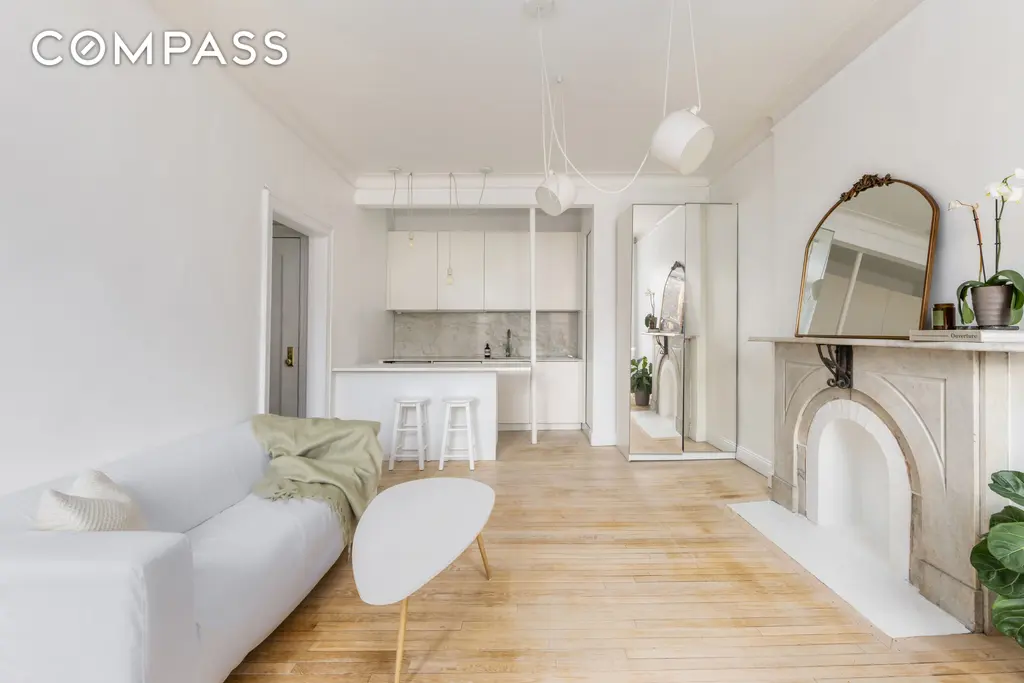
345 West 4th Street, #8
$849,000 (-3.4%)
West Village | Cooperative | 1 Bedroom, 1 Bath
Monthly Maintenance: $998

345 West 4th Street, #8 (Compass)
The St Elmo, #2NE
$895,000
Broadway Corridor | Cooperative | 1 Bedroom, 1 Bath
Monthly Maintenance: $199

The St Elmo, #2NE (The Agency Brokerage)

229 East 4th Street, #3
$995,000
East Village | Cooperative | 2 Bedrooms, 1 Bath
Monthly Maintenance: $1089

229 East 4th Street, #3 (Corcoran Group)
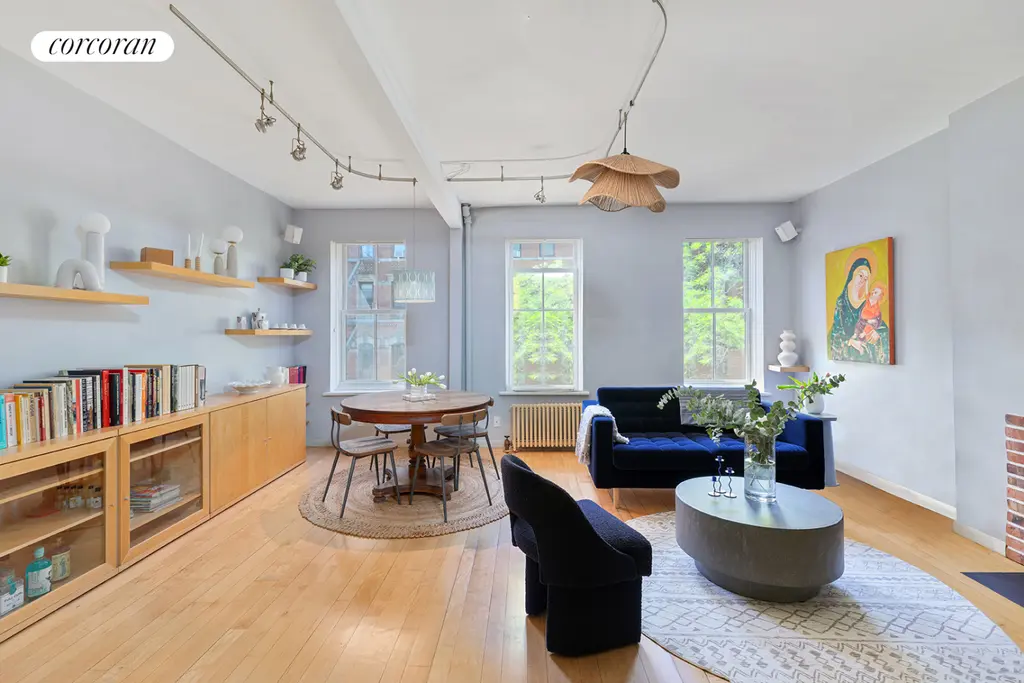
702 East 5th Street, #5E
$1,150,000 (-8%)
East Village | Cooperative | 2 Bedrooms, 2 Baths
Monthly Maintenance: $920

702 East 5th Street, #5E (Compass)
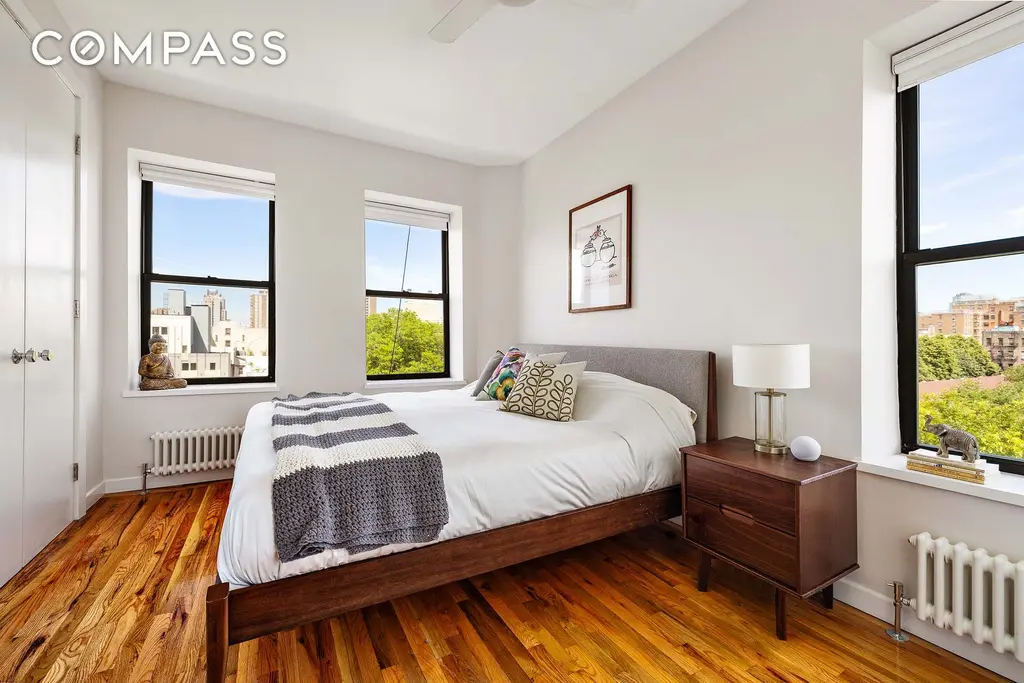

Cumberland House, #2H
$1,399,000 (-6.7%)
Park/Fifth Ave. to 79th St. | Cooperative | 1 Bedroom, 1 Bath
Monthly Maintenance: $444
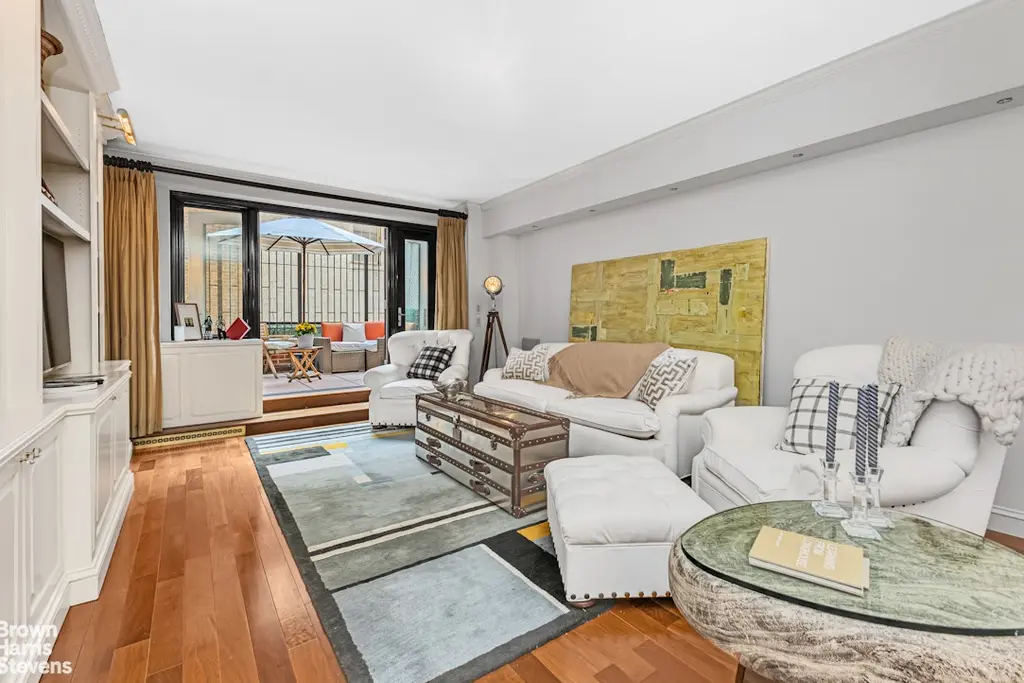
Cumberland House, #2H (Brown Harris Stevens Residential Sales LLC)
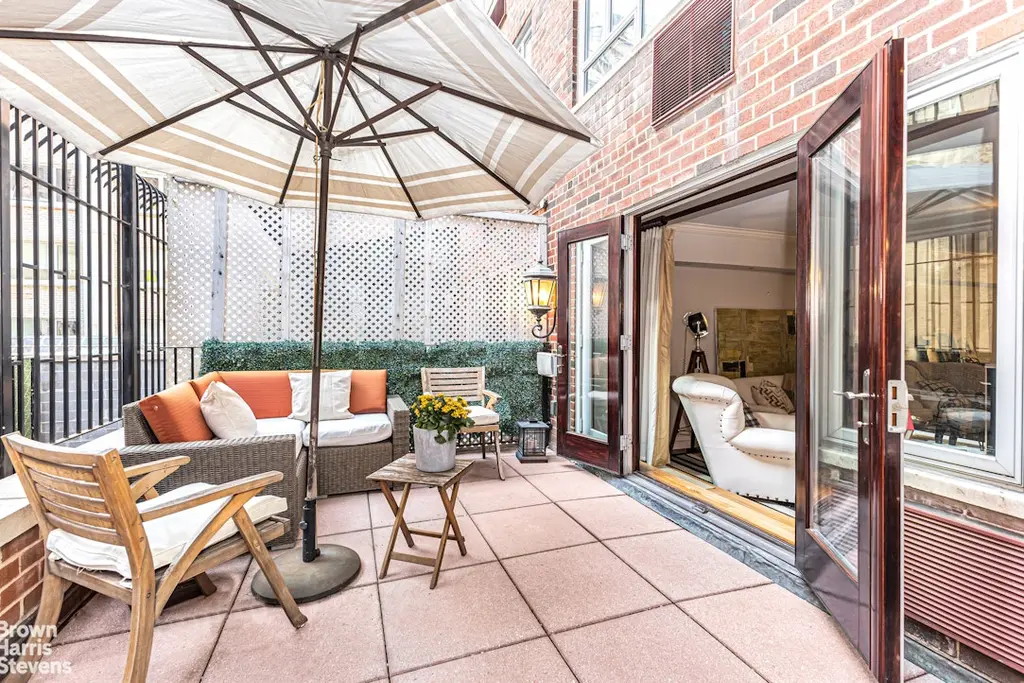
134 Duane Street, #4S
$2,000,000
Tribeca | Cooperative | 2 Bedrooms, 1.5 Baths
Monthly Maintenance: $800

134 Duane Street, #4S (Douglas Elliman Real Estate)
Would you like to tour any of these properties?
Just complete the info below.
Or call us at (212) 755-5544
Would you like to tour any of these properties?
Related Articles

Get To Know
What is a sponsor unit? Pros, cons, and NYC apartments with no board approval required from $165K
Tuesday, June 23, 2026
Get To Know
Seven tips for getting past NYC's toughest co-op boards + Prewar gems with open houses
Friday, June 5, 2026
Get To Know
Pre-war vs. Post-war: Pros, cons, and featured listings
Wednesday, May 27, 2026
Future New York
When, why, and how to hire a home inspector + Great new listings with outdoor space from $595K
Saturday, May 9, 2026
Future New York
Manhattan Sales: Ariana Grande's mother buys at 15 CPW; West End Avenue classic seven trades at 200% profit
Tuesday, May 5, 2026
Get To Know
How property values are assessed in NYC + Great new listings with open houses from $445K
Saturday, June 20, 2026
Get To Know
Swim with a View: 30 Manhattan buildings with high-floor swimming pools and fitness centers
Saturday, June 20, 2026
Coney Island
Knicks in Five: 35 NYC condo and rental buildings with basketball courts
Thursday, June 18, 2026
Contributing Writer
Cait Etherington
Cait Etherington has over twenty years of experience working as a journalist and communications consultant. Her articles and reviews have been published in newspapers and magazines across the United States and internationally. An experienced financial writer, Cait is committed to exposing the human side of stories about contemporary business, banking and workplace relations. She also enjoys writing about trends, lifestyles and real estate in New York City where she lives with her family in a cozy apartment on the twentieth floor of a Manhattan high rise.

 6sqft delivers the latest on real estate, architecture, and design, straight from New York City.
