

A stack of bills awaiting Governor Kathy Hochul’s signature includes the “Fair and Transparent Real Estate Listings Act,” a measure that would make public marketing the default for residential sale and rental listings in New York State. The bill does not eliminate private listings outright, but it would require sellers and landlords to sign a standardized disclosure form before directing their agent to withhold a listing from public marketing.
In this article:


















For buyers, the issue comes down to access. Listings that never appear on a multiple listing service, public portal, or broadly accessible platform can be difficult, if not impossible, for many consumers to find. For sellers, the question is more complicated. Some may value privacy, discretion, or a softer launch before going fully public. Others may lose out on exposure, competition, and potentially stronger offers if a property is marketed only to a limited network.
Briggs Ellwell CEO and Co-Founder of RLTYco says the debate should not be framed as a simple question of whether private listings are good or bad. In his view, the central issue is consumer choice. “Everyone has a right with their personal property,” he said, noting that some sellers have legitimate reasons to control how widely information about their home is distributed.
In the meantime, the debate has revived an old real estate question: What is the value of a listing if most of the market never gets to see it? Below, we look at what whisper and private listings are, why they appeal to certain buyers, sellers, and brokers, what the proposed transparency law could mean for New York real estate.
Finally, we end with a round-up of active listings with upcoming open houses available to tour for anyone who registers their visit beforehand.
What are whisper listings?
Whisper listings, sometimes called pocket listings or off-market listings, have long existed in residential real estate. In the simplest terms, they are properties quietly circulated among select agents, buyers, or broker networks rather than broadly advertised to the public.
The terms “whisper listing,” “private listing,” and “off-market listing” are often used interchangeably, but there are subtle differences. A whisper listing is generally shared informally with a small circle of agents or qualified buyers. A private listing may be marketed more formally, but only within a brokerage’s internal network or another restricted-access channel. In both cases, the property may never appear on the MLS or on major public listing sites.
That restricted visibility is exactly the point for some sellers. A celebrity, high-net-worth individual, or owner of a particularly distinctive property may not want floor plans, photos, or pricing widely circulated. Others may want to test pricing before a public launch, avoid open houses, or reduce the disruption of a traditional marketing campaign.
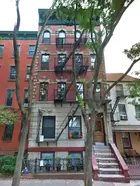
 838 Carroll Street, TH (Douglas Elliman Real Estate | https://www.cityrealty.com/nyc/park-slope/838-carroll-street/77850/NA/AHvfhuHOyV)
The history of whisper listings
Whisper listings are not new, but they have attracted greater scrutiny in recent years as more brokerages, portals, and regulators have debated who benefits when inventory is kept out of public view.
In 2019, the National Association of Realtors introduced its Clear Cooperation policy. The policy generally requires participating listing brokers to submit a property to the MLS within one business day of publicly marketing it. The goal was to prevent available homes from being fragmented across private channels and to preserve broader access to listing information.
In 2019, the National Association of Realtors introduced its Clear Cooperation policy. The policy generally requires participating listing brokers to submit a property to the MLS within one business day of publicly marketing it. The goal was to prevent available homes from being fragmented across private channels and to preserve broader access to listing information.
Even with Clear Cooperation in place, private and off-market listings have continued to play a role in the city and nationwide. Some brokerages have embraced exclusive internal networks as a way to give sellers more control over how a home is introduced to the market. Critics argue that these systems reduce transparency, limit buyer access, and give larger firms an advantage by keeping inventory inside their own ecosystems.
↓ Park Avenue home now in contract after never being publicly listed
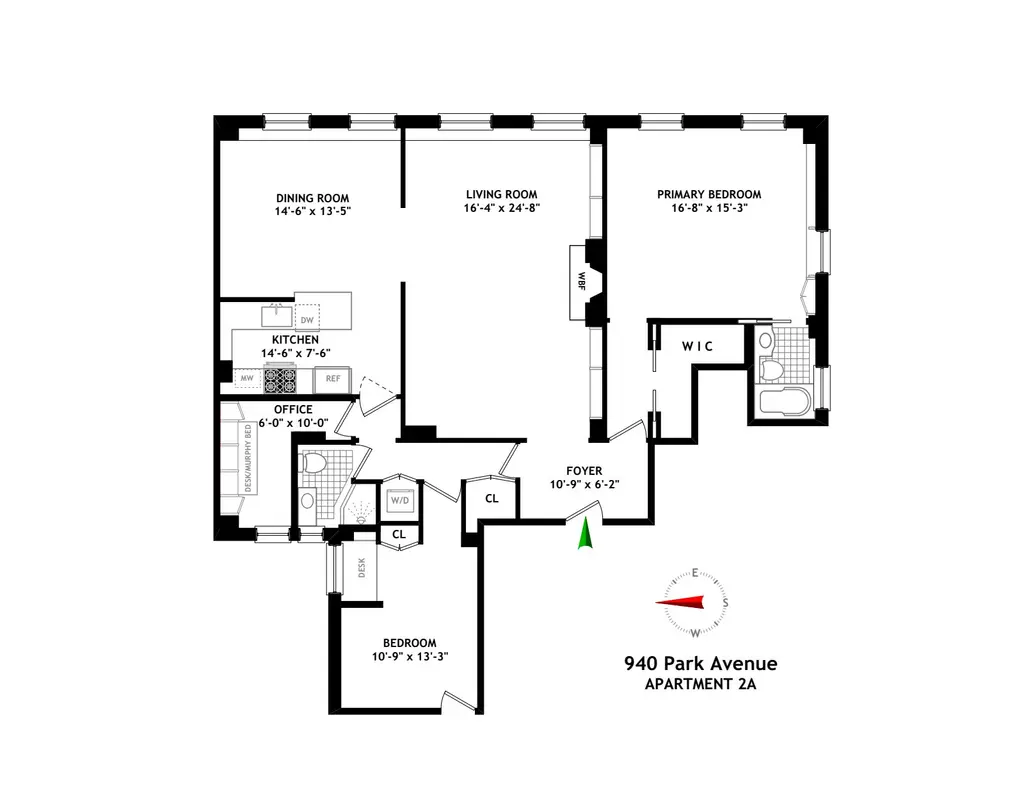
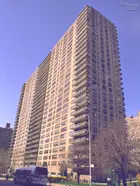
The Cononado, #2A (Brown Harris Stevens Residential Sales LLC)

The pros and cons for consumers
Whether whisper listings are helpful or harmful depends largely on where one sits in the transaction.
For some sellers, especially in the luxury market, private marketing can be appealing. Trophy properties often trade through relationship-driven networks, and buyers at the highest price points may rely more heavily on experienced agents than casual online searches. A private listing can also offer discretion, reduce public exposure, and allow a seller to avoid the time, cost, and inconvenience of staging, photography, and repeated showings.
Ellwell points to celebrities, estate sales, and other sensitive situations as cases where off-market marketing may be more than a convenience. For a public figure, he noted, news that an apartment is being listed can invite speculation about career moves, personal circumstances, or finances. “Imagine if you heard a player from Knicks listed their apartment for sale, it would invite speculation that the person is being traded to another team.” In those cases, privacy may be part of the seller’s best interest, even if broader exposure could potentially produce a higher price.
Ellwell points to celebrities, estate sales, and other sensitive situations as cases where off-market marketing may be more than a convenience. For a public figure, he noted, news that an apartment is being listed can invite speculation about career moves, personal circumstances, or finances. “Imagine if you heard a player from Knicks listed their apartment for sale, it would invite speculation that the person is being traded to another team.” In those cases, privacy may be part of the seller’s best interest, even if broader exposure could potentially produce a higher price.
For buyers, a whisper listing can feel like a valuable inside track. In a low-inventory market, access to a property before it is widely publicized may help a buyer avoid a crowded open house or a stressful bidding war.
"Our responsibility is to serve our clients’ best interests, whether they are buyers or sellers, and broader market exposure creates the strongest outcome" - Jenny Lenz, agent, Dolly Lenz Real Estate
But there are tradeoffs. When a listing is withheld from public view, many qualified buyers may never know it exists. That can reduce competition for the property and may lead to fewer offers, weaker terms, or a lower final price for the seller. For buyers, private listings can also reinforce an uneven playing field, favoring those with the right broker relationships while leaving others dependent on incomplete public inventory.
This is the central consumer issue at the heart of the transparency debate. Since the rise of online listings, buyers have had unprecedented access to housing information. Whisper listings move some of that information back behind closed doors.
This is the central consumer issue at the heart of the transparency debate. Since the rise of online listings, buyers have had unprecedented access to housing information. Whisper listings move some of that information back behind closed doors.
The pros and cons for agents and brokerages
Agents and brokerages also have a clear stake in the future of private listings.
In some cases, an off-market transaction may allow a listing agent, team, or brokerage to keep more control over the deal. If the buyer is found internally or through a limited network, the listing side may be more likely to capture both sides of the commission or keep the transaction within the same firm. For large brokerages with deep rosters of agents and clients, private listing networks can be a powerful business advantage.
Smaller and independent brokerages may see the issue differently. If large firms are able to keep more inventory inside their own systems, agents outside those networks may have fewer listings to show their buyers. That can affect competition not only among buyers, but also among brokers trying to serve them.
This helps explain why policies such as Clear Cooperation and laws like New York’s proposed Fair and Transparent Real Estate Listings Act are so divisive. Supporters see them as necessary safeguards for market access and fair competition. Opponents argue that sellers should have more freedom to decide how, when, and where their homes are marketed.
In some cases, an off-market transaction may allow a listing agent, team, or brokerage to keep more control over the deal. If the buyer is found internally or through a limited network, the listing side may be more likely to capture both sides of the commission or keep the transaction within the same firm. For large brokerages with deep rosters of agents and clients, private listing networks can be a powerful business advantage.
Smaller and independent brokerages may see the issue differently. If large firms are able to keep more inventory inside their own systems, agents outside those networks may have fewer listings to show their buyers. That can affect competition not only among buyers, but also among brokers trying to serve them.
This helps explain why policies such as Clear Cooperation and laws like New York’s proposed Fair and Transparent Real Estate Listings Act are so divisive. Supporters see them as necessary safeguards for market access and fair competition. Opponents argue that sellers should have more freedom to decide how, when, and where their homes are marketed.
The Fair and Transparent Real Estate Listing Act
The Fair and Transparent Real Estate Listings Act would require timely public advertising or marketing of residential properties on platforms accessible to the general public and to real estate licensees representing prospective buyers or tenants. In practice, this means a listing agent would generally need to market a property on an MLS or another public, broadly accessible platform unless the seller or landlord signs a required opt-out disclosure.
The bill’s stated purpose is to promote fair housing opportunity, market competition, and accurate price discovery. It is also aimed at reducing the use of private or limited-access listing channels that make some homes visible only to select brokers, buyers, or brokerage networks.
Importantly, the bill would not ban private marketing altogether. Sellers and landlords could still choose to keep a property off public platforms, but only after acknowledging the potential risks in writing.
Ellwell questioned whether the proposed disclosure requirement would materially change seller behavior. He compared the opt-out form to a kind of “nutritional label” for private listings, designed to make the risks clearer rather than remove the option altogether. Sellers who truly need privacy, he said, are still likely to choose an off-market strategy after acknowledging that public exposure may bring more buyers and potentially a higher price.
The bill’s stated purpose is to promote fair housing opportunity, market competition, and accurate price discovery. It is also aimed at reducing the use of private or limited-access listing channels that make some homes visible only to select brokers, buyers, or brokerage networks.
Importantly, the bill would not ban private marketing altogether. Sellers and landlords could still choose to keep a property off public platforms, but only after acknowledging the potential risks in writing.
Ellwell questioned whether the proposed disclosure requirement would materially change seller behavior. He compared the opt-out form to a kind of “nutritional label” for private listings, designed to make the risks clearer rather than remove the option altogether. Sellers who truly need privacy, he said, are still likely to choose an off-market strategy after acknowledging that public exposure may bring more buyers and potentially a higher price.
Main points of the bill
- Public marketing would become the default. Listing agents would generally be required to publicly advertise or market residential properties for sale or lease on an MLS or another platform accessible to the public and to licensed agents representing buyers or tenants.
- Private and limited-access channels would be restricted. If a property is marketed through a private brokerage network or other restricted channel, it would also need to be marketed publicly at the same time unless the seller or landlord opts out.
- Sellers and landlords could still choose privacy. The bill preserves the option for non-public marketing, but only if the seller or landlord signs a standardized opt-out disclosure before or at the time of entering into the listing agreement.
- The opt-out form would explain the risks. The required disclosure would warn that withholding a listing from public marketing may reduce visibility, limit online exposure, lead to fewer offers, affect price or timing, and cannot be used in a discriminatory way.
- Agents would have recordkeeping obligations. Listing agents would need to keep the signed opt-out form for at least three years and make it available to the Department of State upon request.
- The Department of State would oversee implementation. The Department would issue rules and make the standardized disclosure form publicly available.
- Penalties could increase. The bill would raise the maximum fine for certain real estate licensee violations from $2,000 to $5,000.
- The law would not require open houses. Sellers and landlords would not be forced to hold open houses or allow showings that violate their rights under state or federal law, including health, safety, and security protections.
Would you like to tour any of these properties?
Just complete the info below.
Or call us at (212) 755-5544
It is important to note that sellers or landlords can still list privately under the Fair and Transparent Real Estate Listings Act. They will simply be required to sign a disclosure form acknowledging the risks of withholding their listing from public marketing, including fewer offers and possibly a lower sales price. Compass broker Leonard Steinberg told the New York Post that his firm already provides such disclosure forms, and he supports the bill for that reason. Many other real estate professionals concur.
Less competition, more privacy, or less exposure?
The debate over whisper listings is not simple. In certain situations, private marketing can serve a legitimate purpose. A seller may have privacy concerns, security concerns, or a desire to avoid the disruption of a full public launch. A buyer may benefit from learning about a home before it becomes widely known.
But the larger question is whether a housing market works best when available properties are visible to everyone or when access depends on private networks. New York’s proposed transparency law comes down on the side of broader access, while still leaving room for sellers and landlords who knowingly choose a quieter path.
For consumers, public listings remain the clearest view of what is available on the market, while off-market opportunities may still play a role in certain circles.
But the larger question is whether a housing market works best when available properties are visible to everyone or when access depends on private networks. New York’s proposed transparency law comes down on the side of broader access, while still leaving room for sellers and landlords who knowingly choose a quieter path.
For consumers, public listings remain the clearest view of what is available on the market, while off-market opportunities may still play a role in certain circles.
To get access to our available whisper listings, sign up here to view off-market properties within our network of over 200 specialized agents. To continue your search for homes in the public domain, start your search here.
In Plain Sight: Active NYC Listings with Upcoming Open Houses
241 West 108th Street, #4E
$525,000
Broadway Corridor | Cooperative | 1 Bedroom, 1 Bath | 450 ft2
Open House: Sunday, June 14
241 West 108th Street, #4E (Douglas Elliman Real Estate -)
Harridge House, #12M
$550,000
Midtown East | Cooperative | 1 Bedroom, 1 Bath
Open House: Sunday, June 14
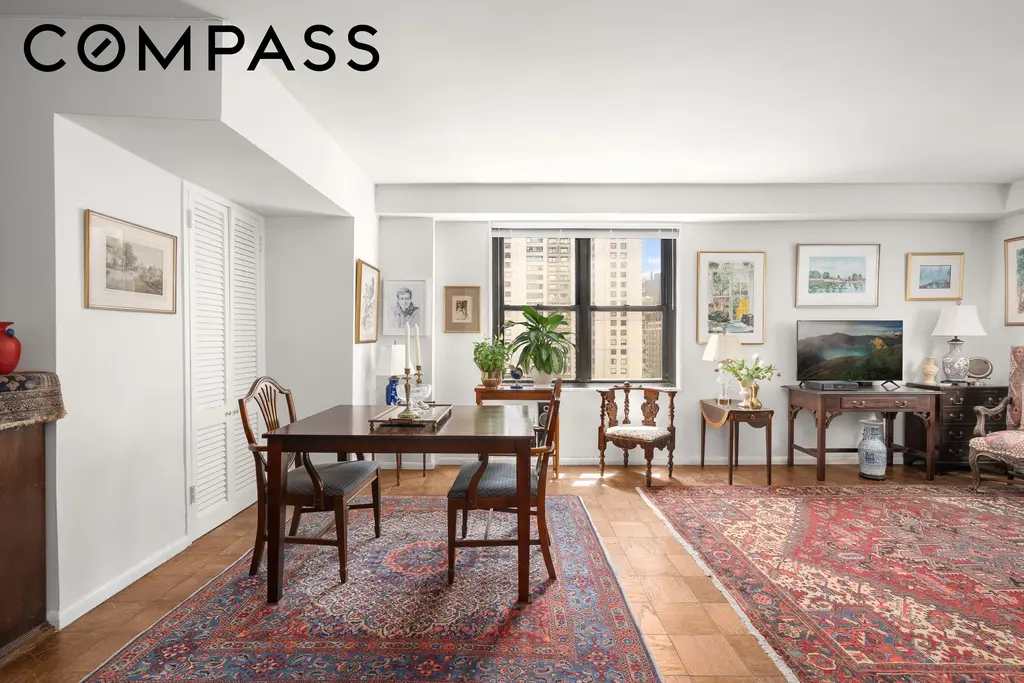
Harridge House, #12M (Compass)
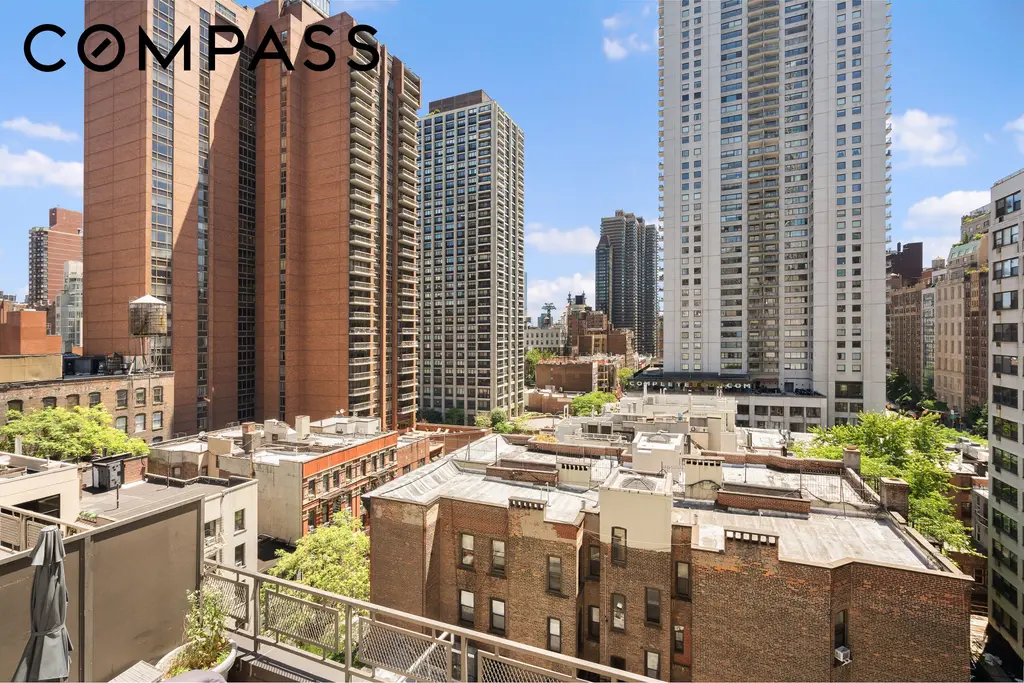
Harridge House, #4M
$649,000
Midtown East | Cooperative | 1 Bedroom, 1 Bath | 800 ft2
Open House: Sunday, June 14
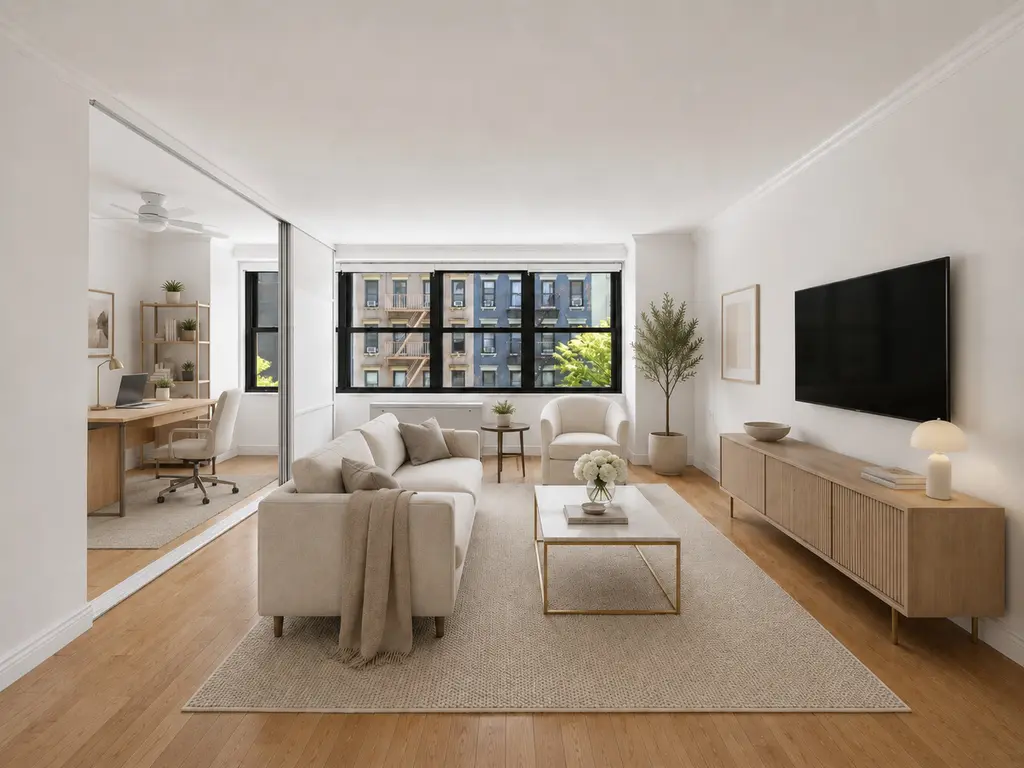
Harridge House, #4M (Serhant)
The Ansonia, #850
$675,000 (-6.9%)
Broadway Corridor | Condominium | Studio, 1 Bath | 450 ft2
Open House: Sunday, June 14
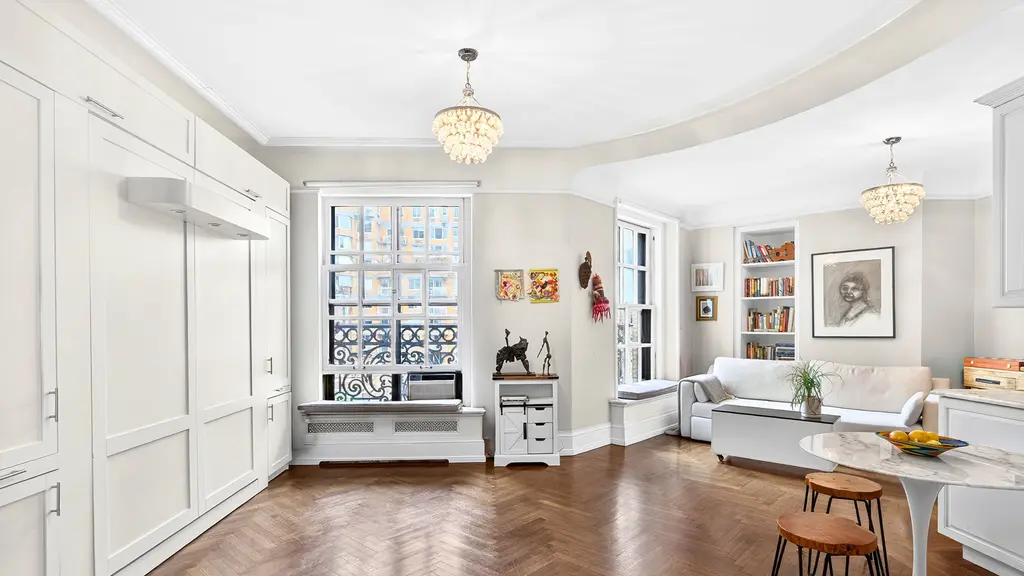
The Ansonia, #850 (Douglas Elliman Real Estate -)
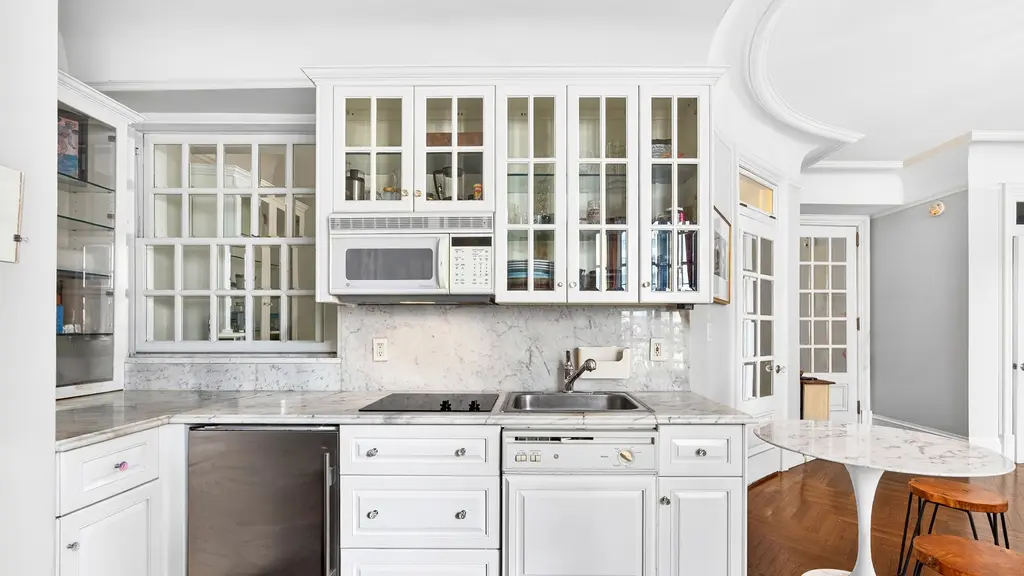
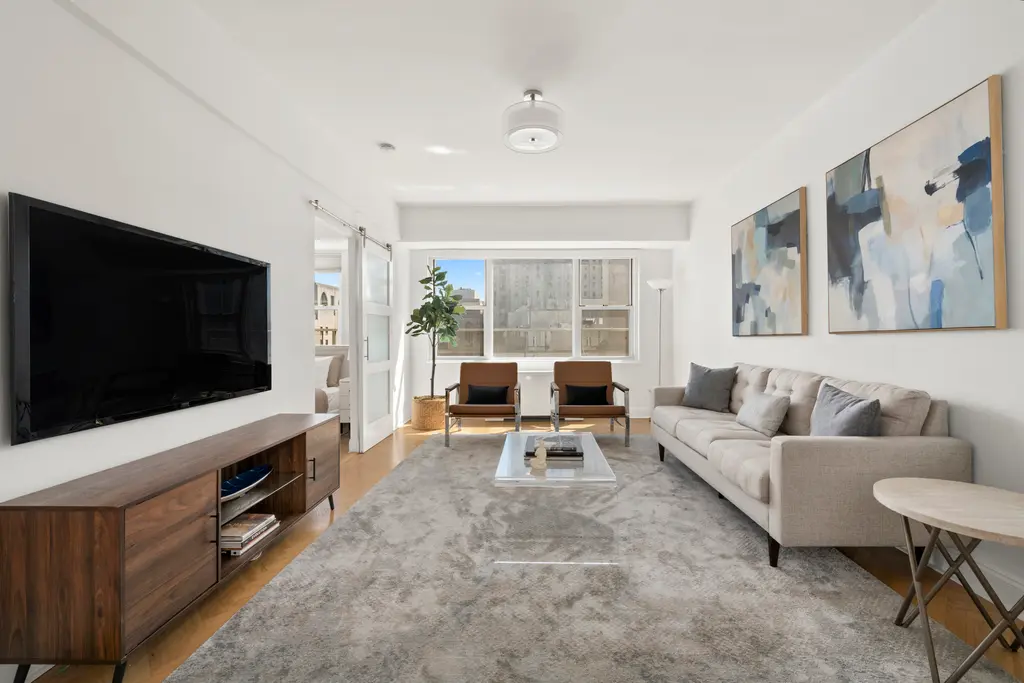
Parker 72nd, #17C (Douglas Elliman Real Estate -)
Carlton Regency South, #13C
$700,000
Murray Hill | Cooperative | 2 Bedrooms, 1 Bath
Open House: Sunday, June 14
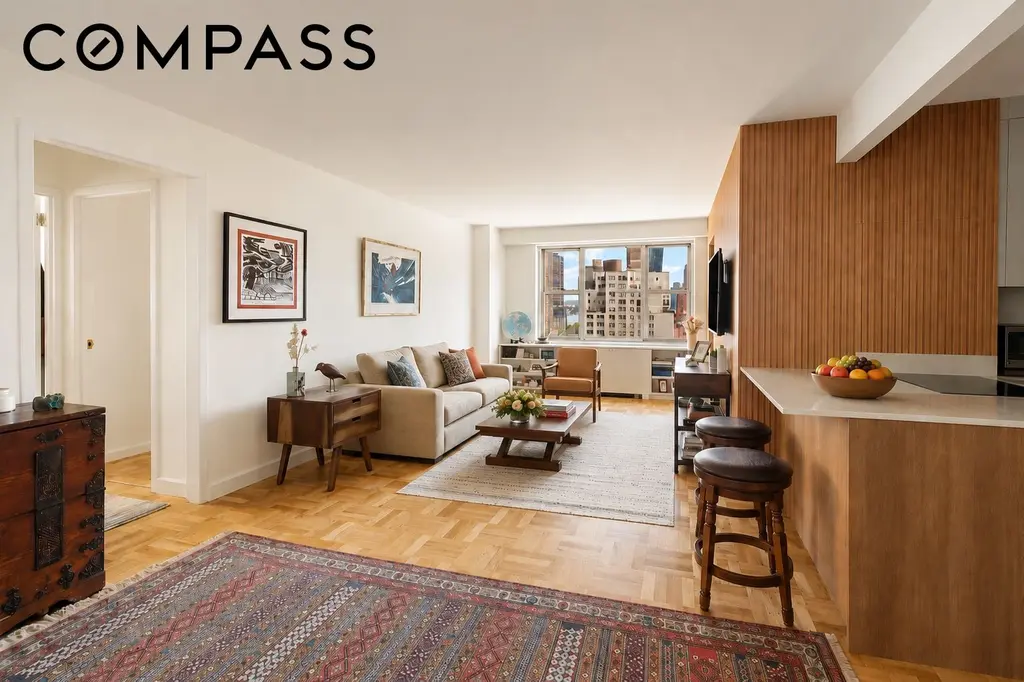
Carlton Regency South, #13C (Compass)
200 East 36th Street, #8G
$749,000
Murray Hill | Cooperative | 1 Bedroom, 1 Bath | 850 ft2
Open House: Sunday, June 14

200 East 36th Street, #8G (CHERYL RODRIGUES REAL ESTATE LLC)
Nevada Towers, #5A
$750,000
Lincoln Center | Cooperative | 1 Bedroom, 1 Bath
Open House: Sunday, June 14
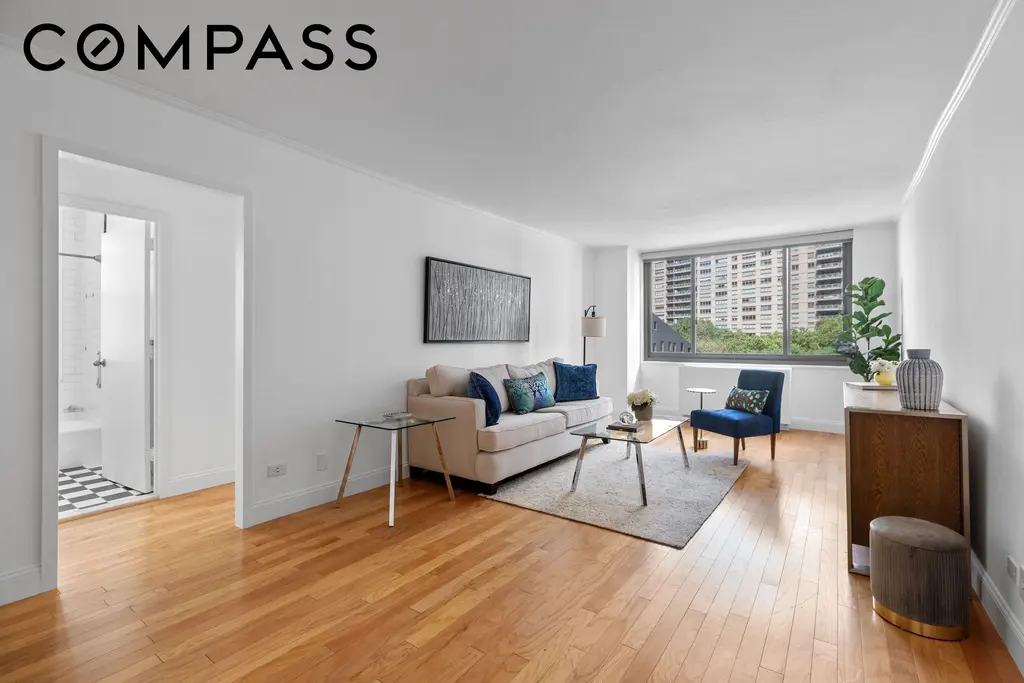
Nevada Towers, #5A (Compass)
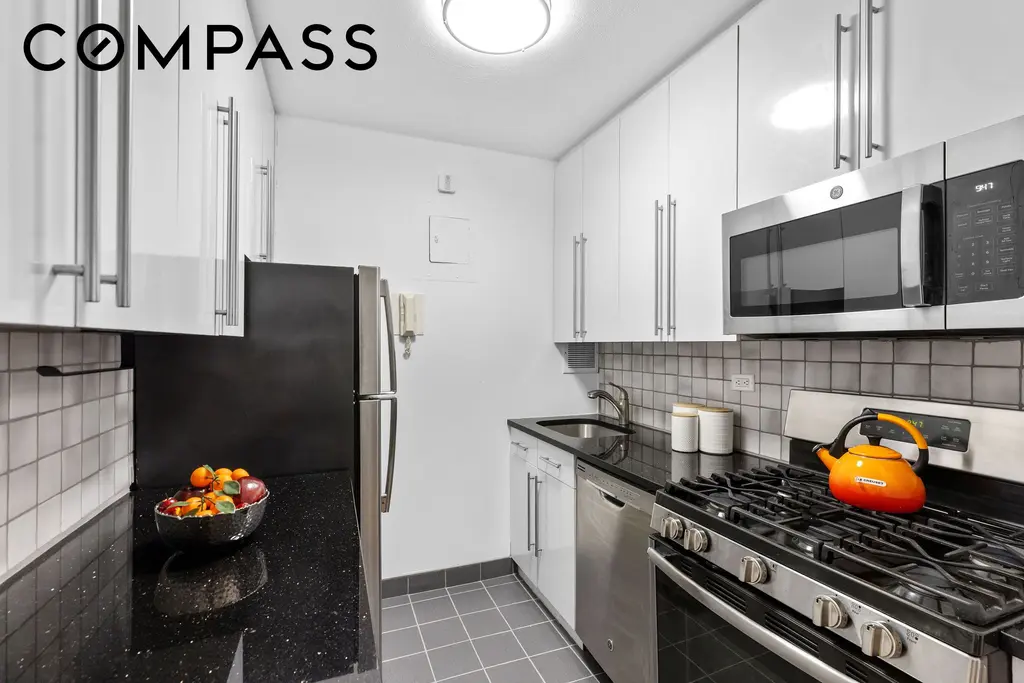
432 West 52nd Street, #4C
$775,000
Midtown West | Condominium | 1 Bedroom, 1 Bath | 594 ft2
Open House: Sunday, June 14
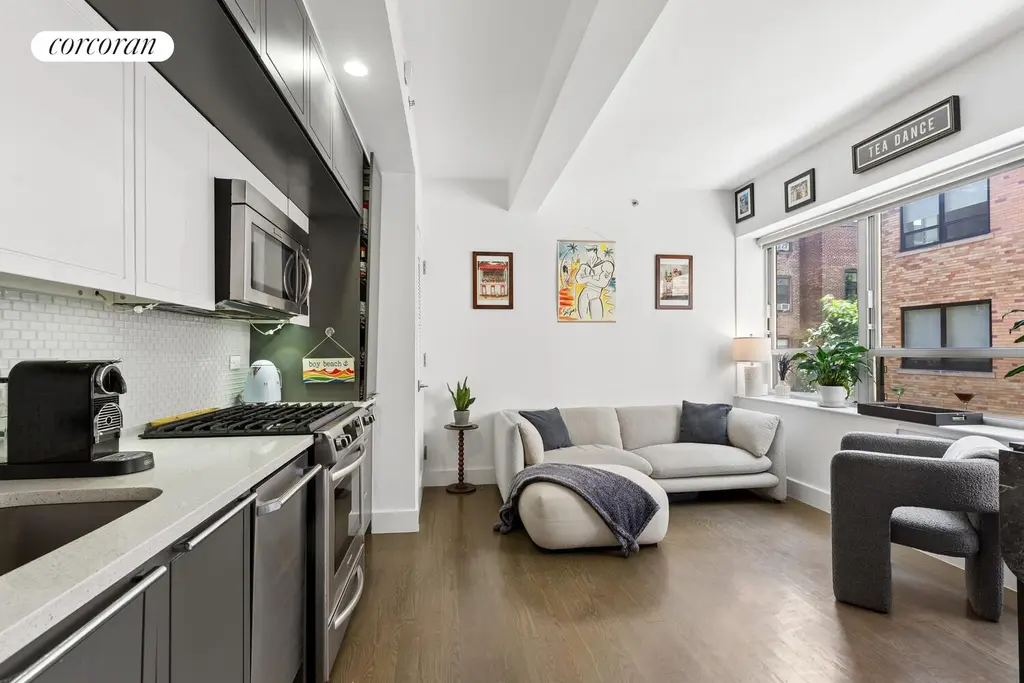
432 West 52nd Street, #4C (Corcoran Group)
Lincoln Towers, #9J
$895,000
Lincoln Center | Cooperative | 2 Bedrooms, 1 Bath
Open House: Sunday, June 14
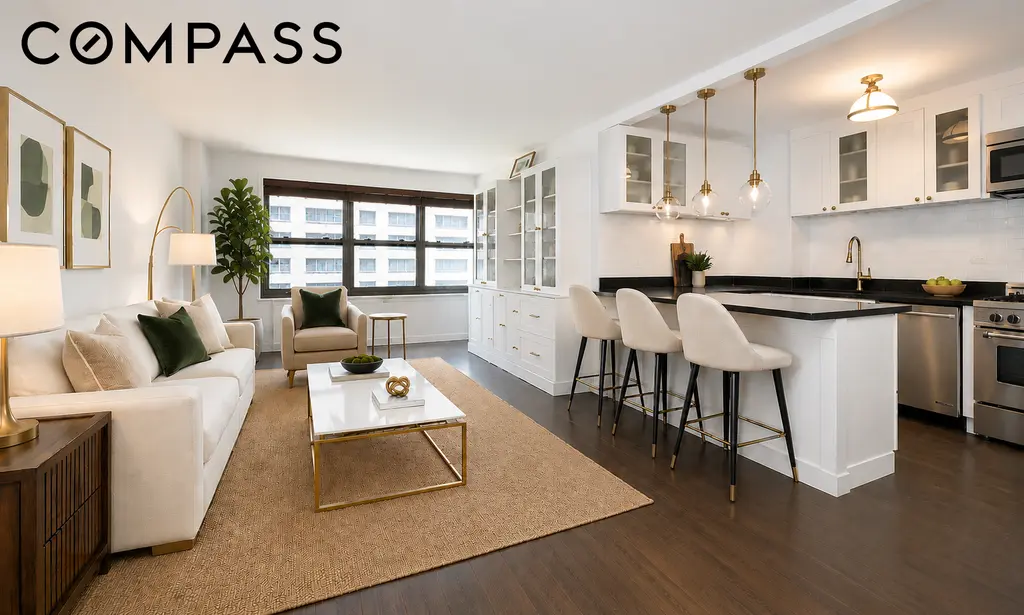
Lincoln Towers, #9J (Compass)
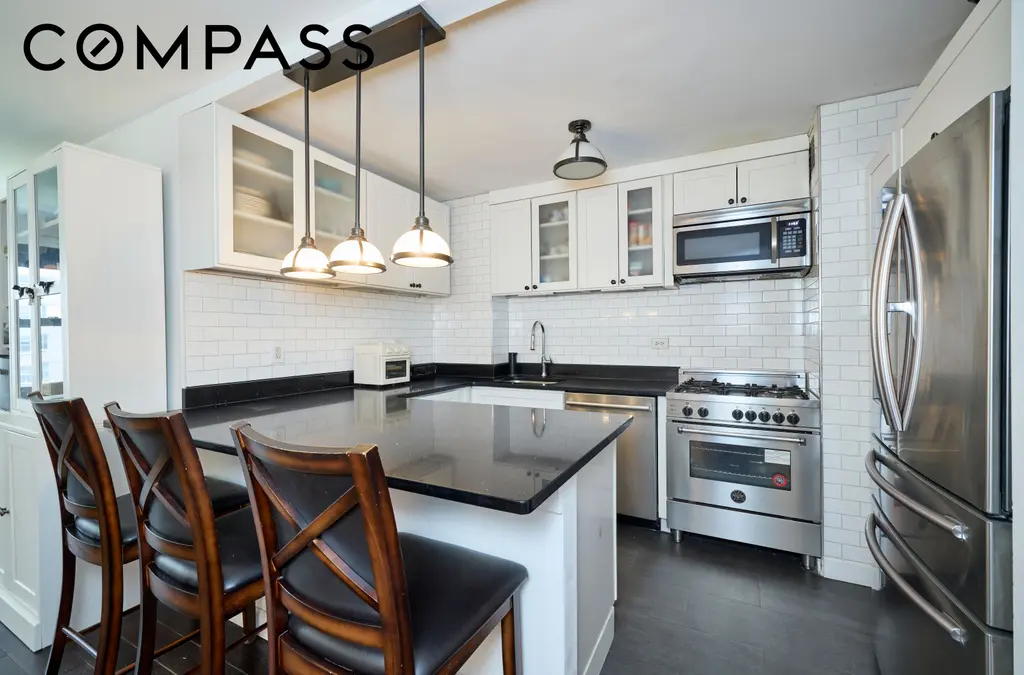
Riverview South, #16M
$999,000
Yorkville | Cooperative | 2 Bedrooms, 2 Baths | 1,250 ft2
Open House: Sunday, June 14
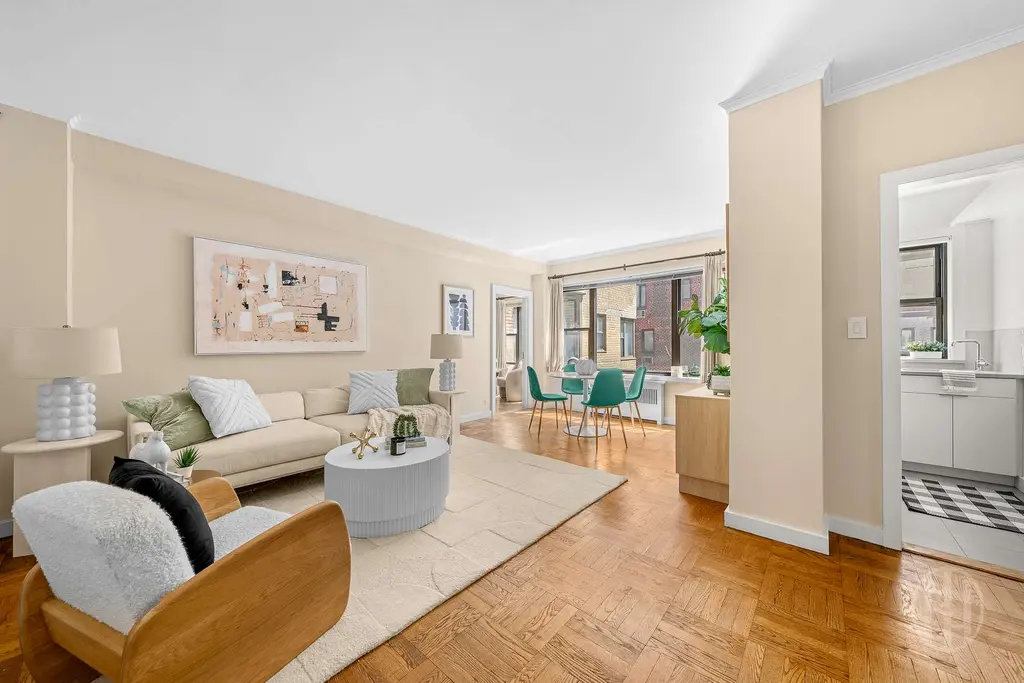
Riverview South, #16M (Elegran LLC)
684 Washington Street, #BA
$1,000,000
West Village | Cooperative | 1 Bedroom, 1 Bath | 819 ft2
Open House: Sunday, June 14
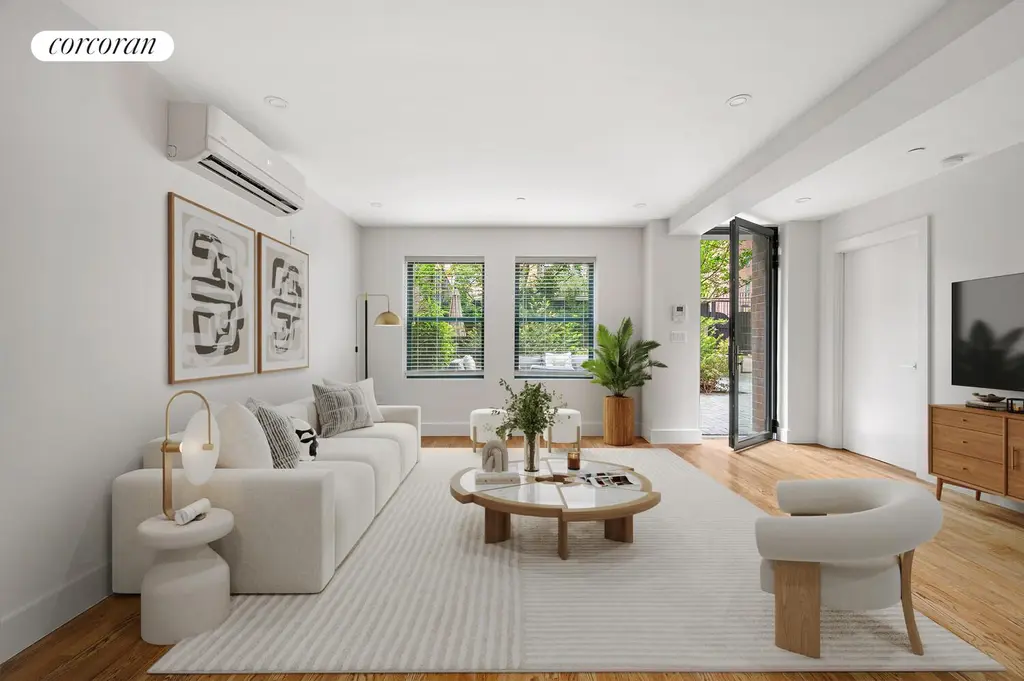
684 Washington Street, #BA (Corcoran Group)

422 13th Street, #4F
$1,095,000
Park Slope | Cooperative | 2 Bedrooms, 1 Bath
Open House: Sunday, June 14
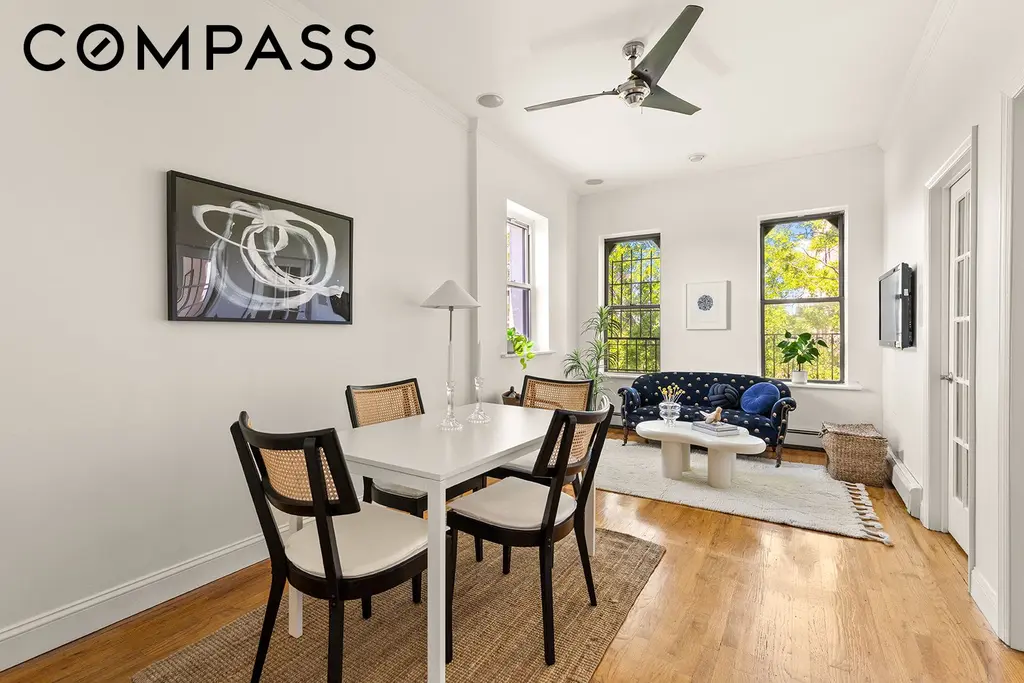
422 13th Street, #4F (Compass)
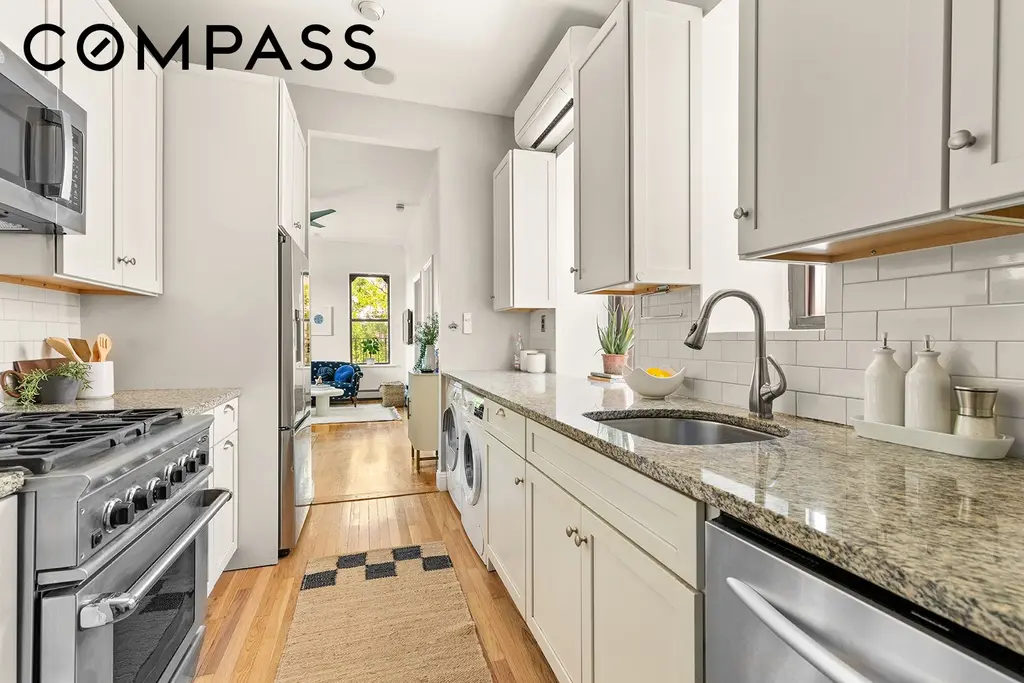
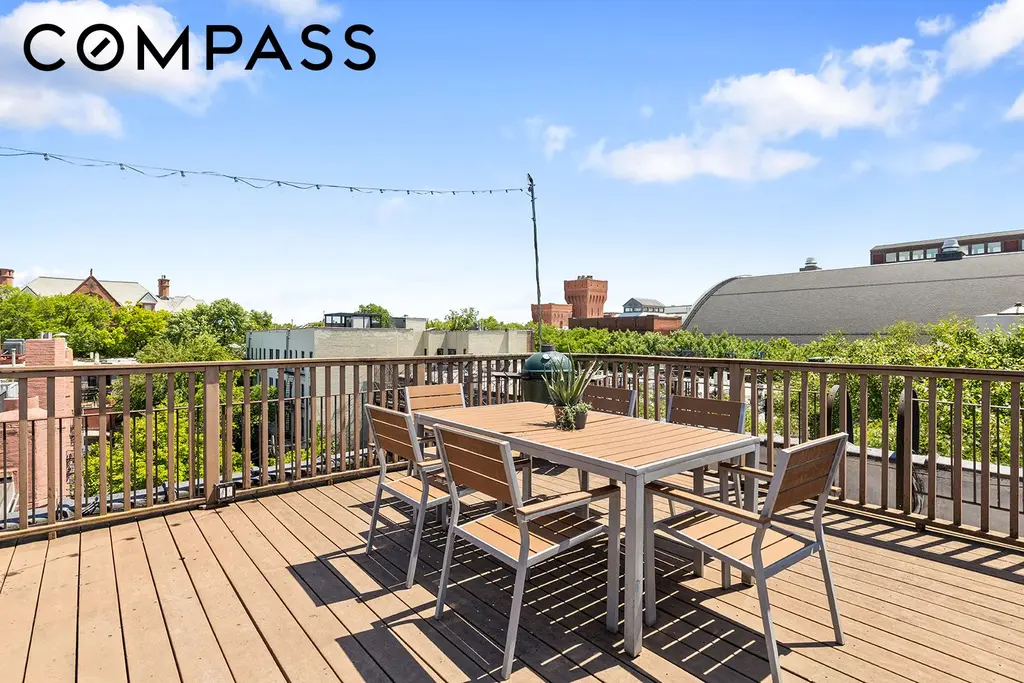
194 Bainbridge Street, #505
$1,195,000
Bedford-Stuyvesant | Condominium | 2 Bedrooms, 2 Baths | 877 ft2
Open House: Sunday, June 14
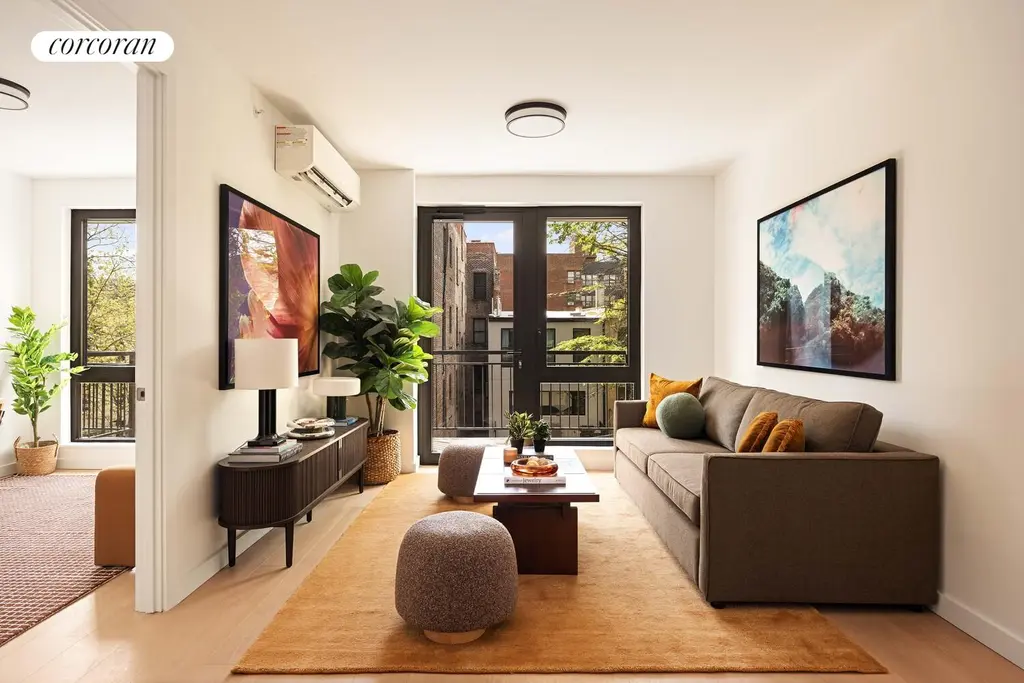
194 Bainbridge Street, #505 (Corcoran Group)

The Horizon, #21J
$1,350,000
Murray Hill | Condominium | 2 Bedrooms, 2 Baths | 1,085 ft2
Open House: Sunday, June 14
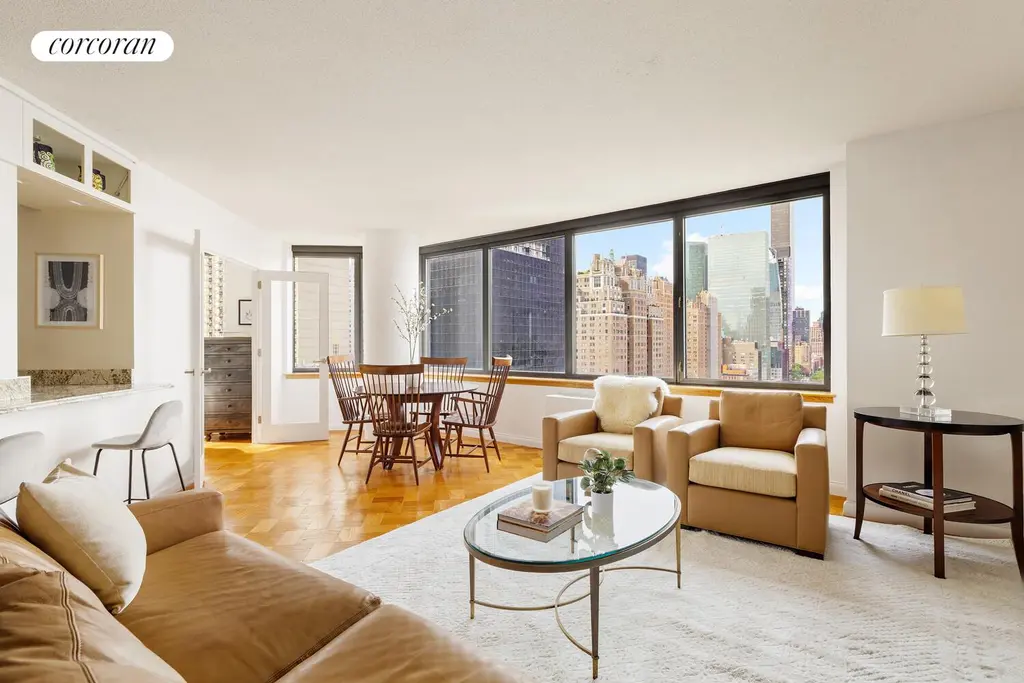
The Horizon, #21J (Corcoran Group)

Sutton 57, #5C
$1,595,000
Midtown East | Condominium | 2 Bedrooms, 2.5 Baths | 1,260 ft2
Open House: Sunday, June 14
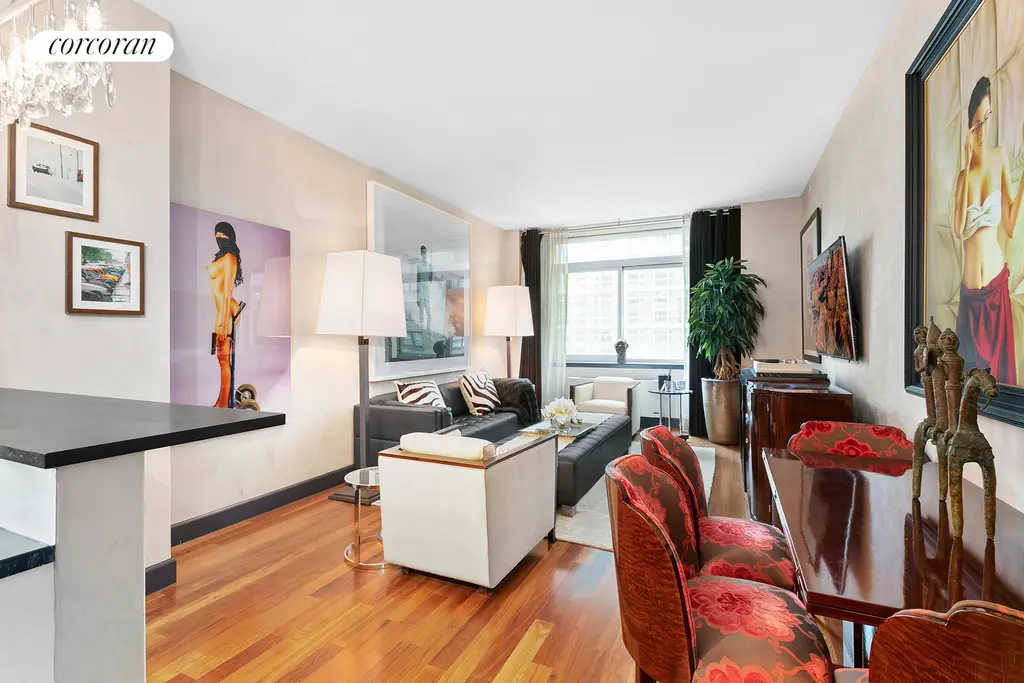
Sutton 57, #5C (Corcoran Group)
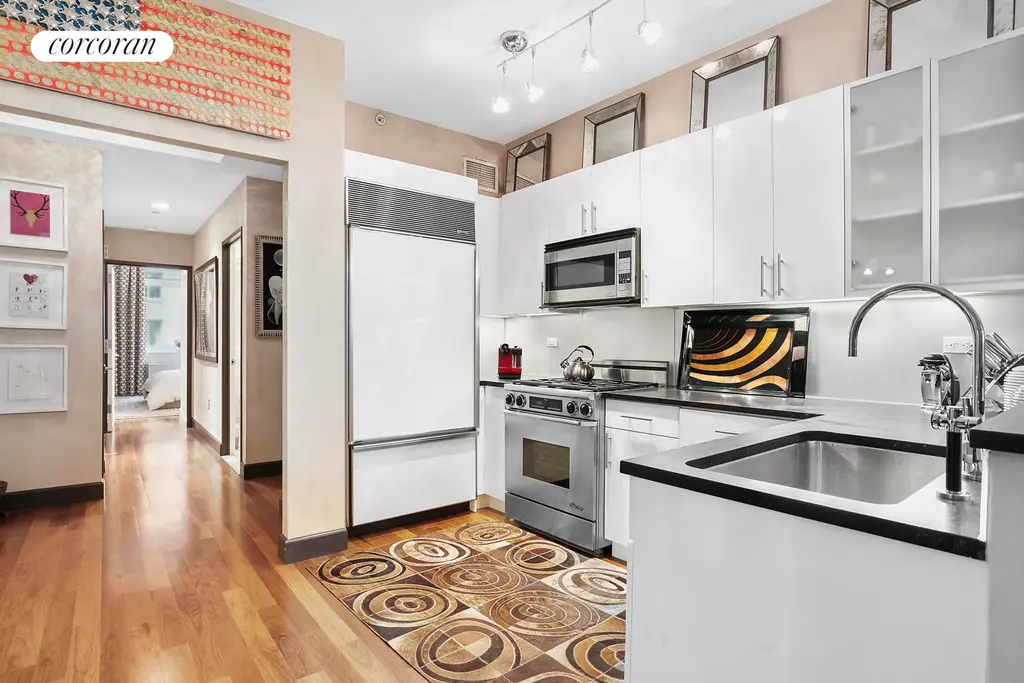
205 East 78th Street, #11L
$1,995,000
Lenox Hill | Cooperative | 2 Bedrooms, 2 Baths | 1,500 ft2
Open House: Sunday, June 14

205 East 78th Street, #11L (Decode Real Estate)

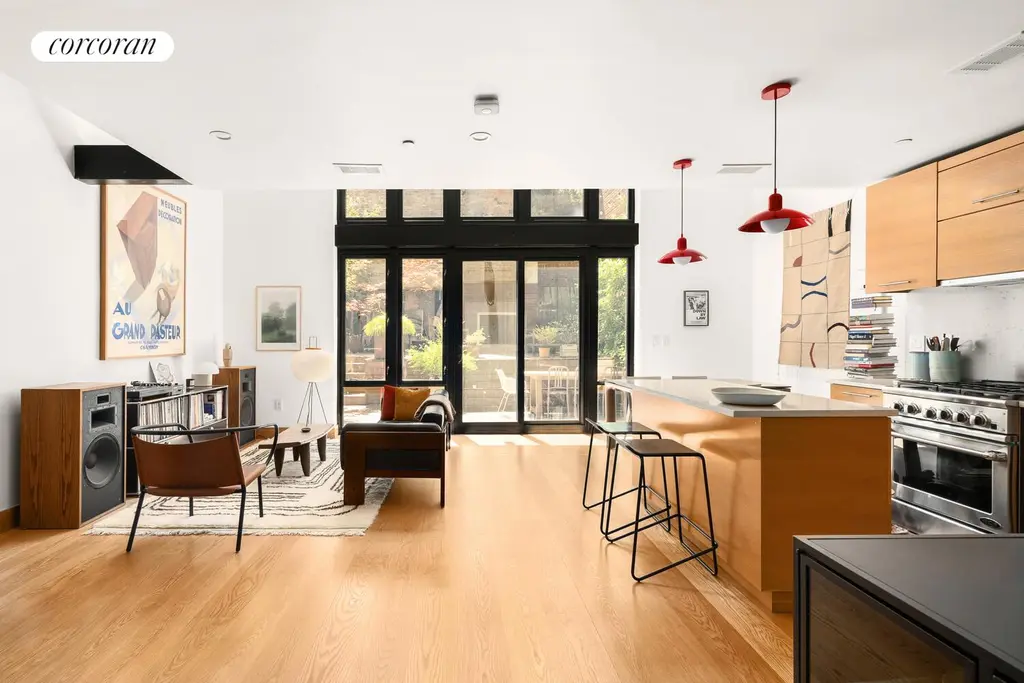
Jackson Foundry Lofts, #1E
$2,095,000
Williamsburg | Condominium | 1 Bedroom, 1.5 Baths | 1,132 ft2
Open House: Sunday, June 14
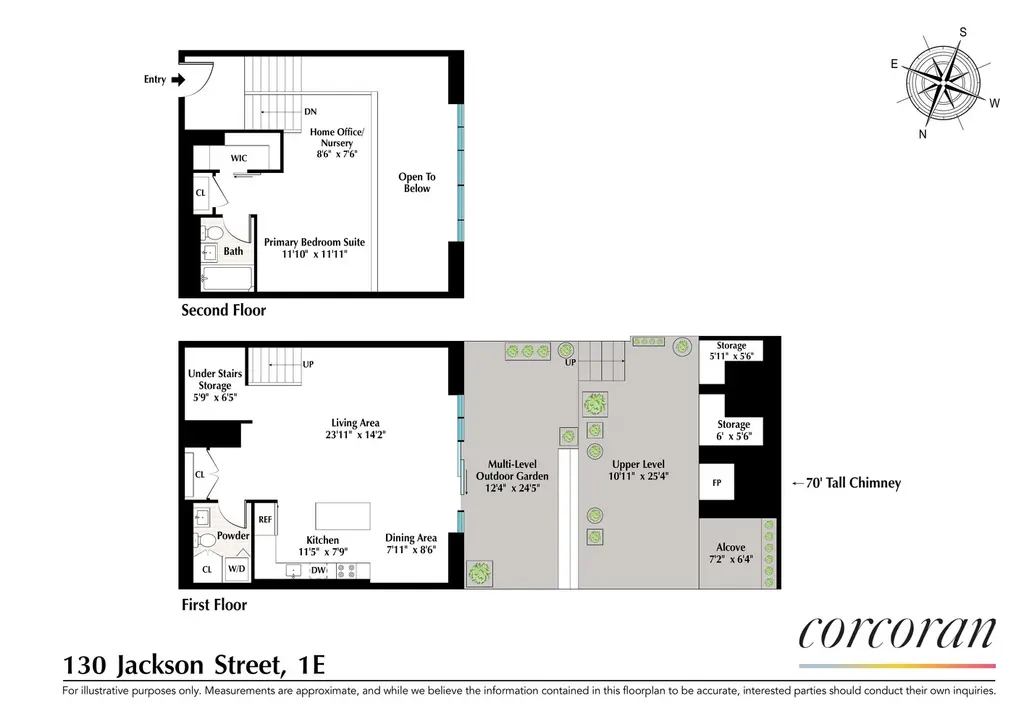
Jackson Foundry Lofts, #1E (Corcoran Group)

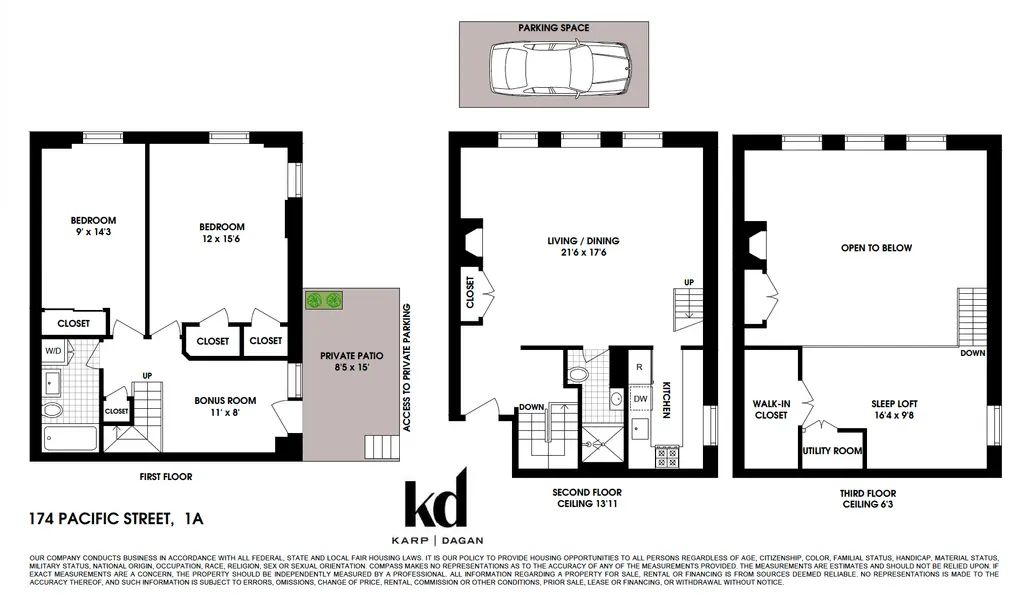
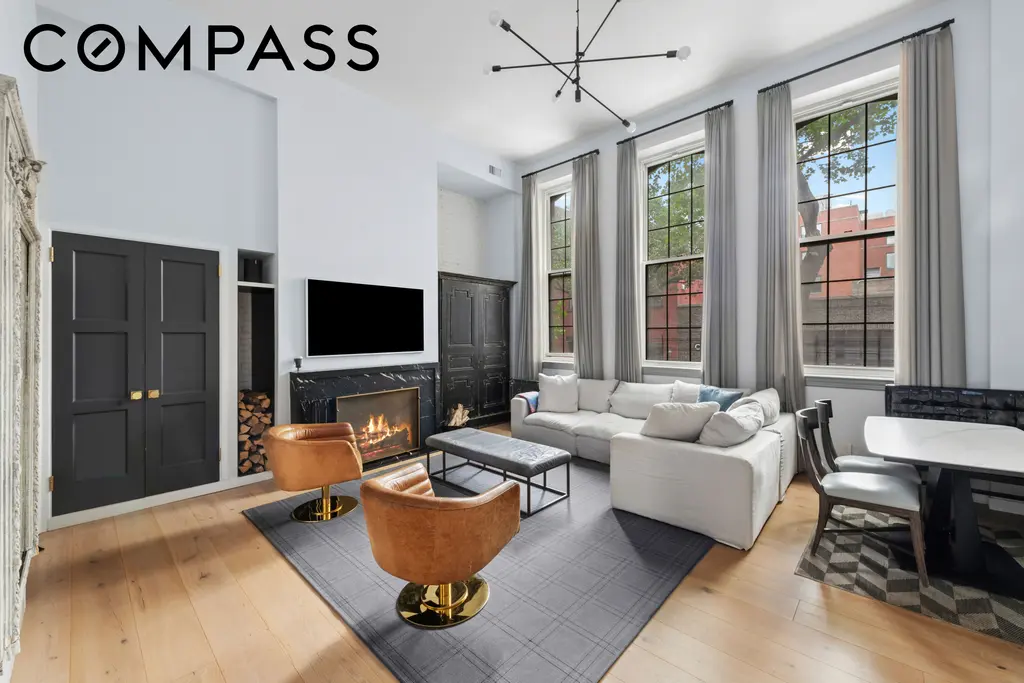
174 Pacific Street, #1A (Compass)
Barbizon 63, #13A
$3,250,000
Lenox Hill | Condominium | 2 Bedrooms, 2.5 Baths | 1,770 ft2
Open House: Sunday, June 14
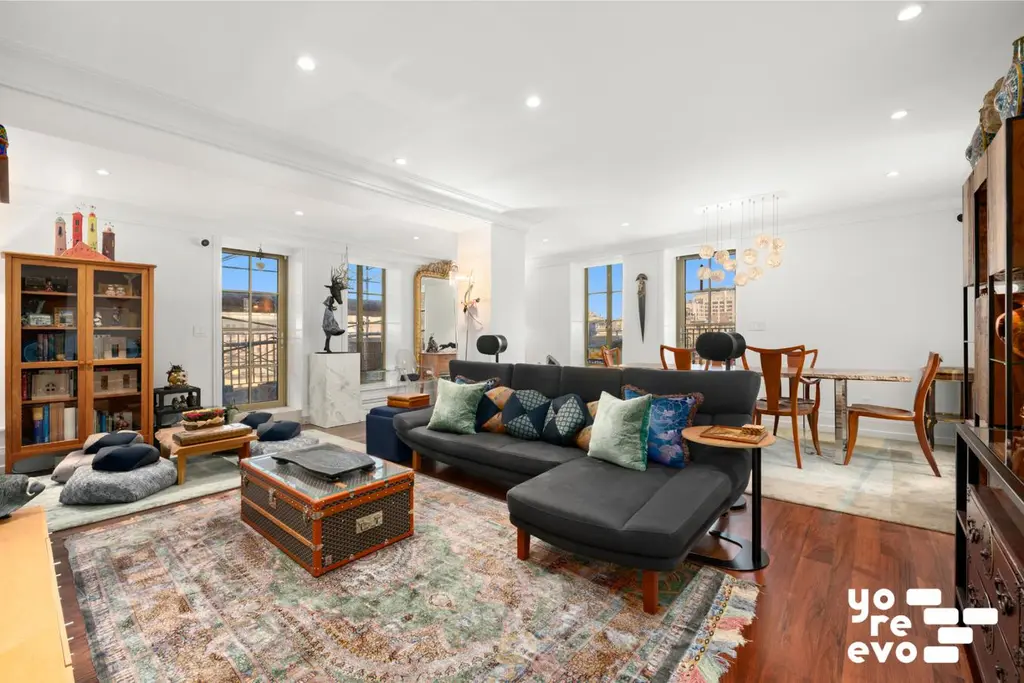
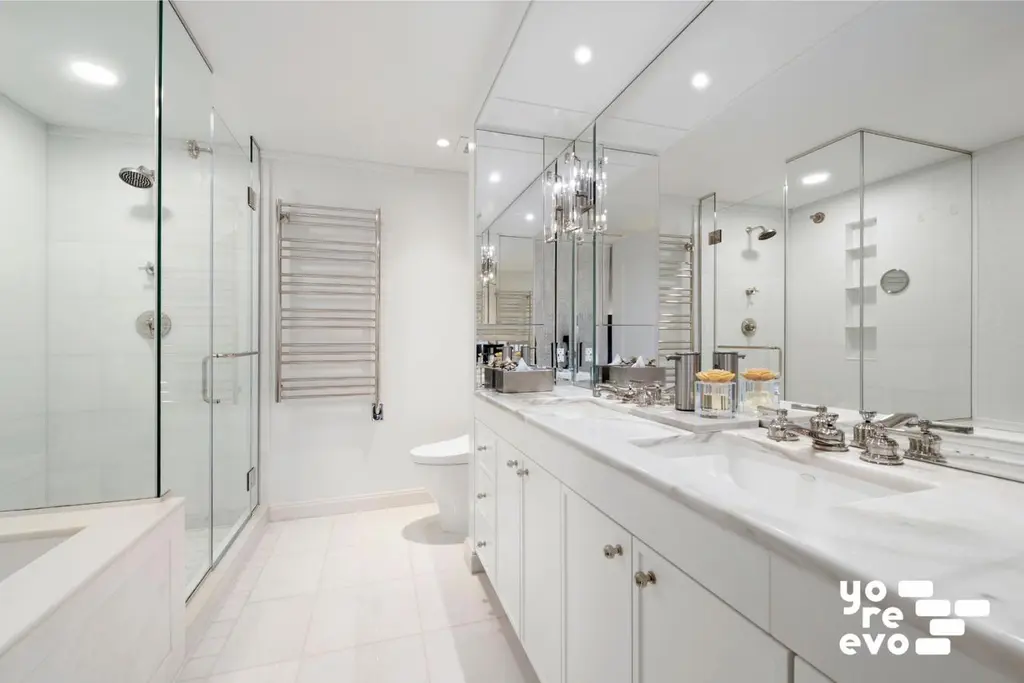
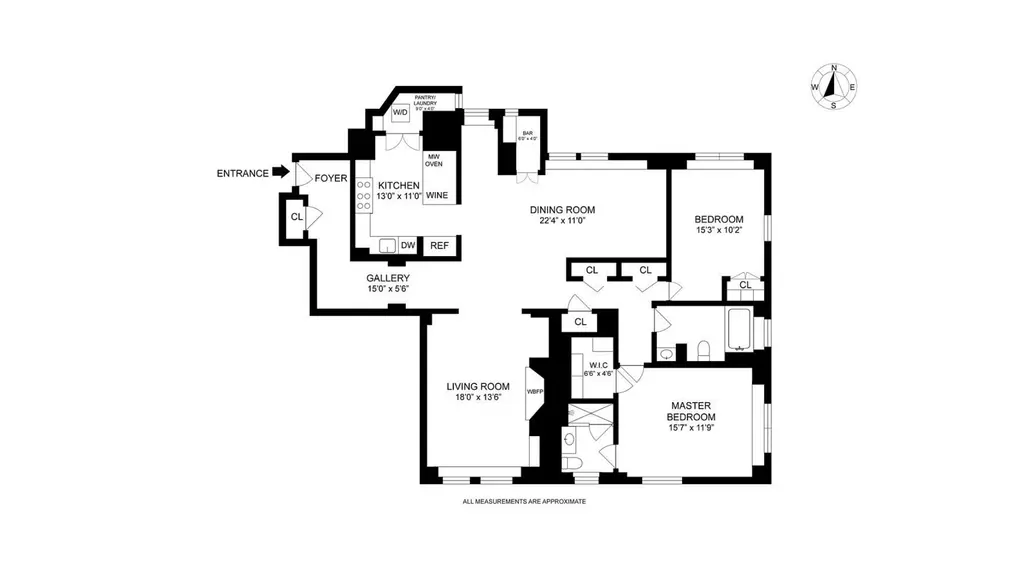
Barbizon 63, #13A (Yoreevo LLC)
Philip House, #11C
$3,950,000
Carnegie Hill | Condominium | 2 Bedrooms, 2 Baths | 1,790 ft2
Open House: Sunday, June 14
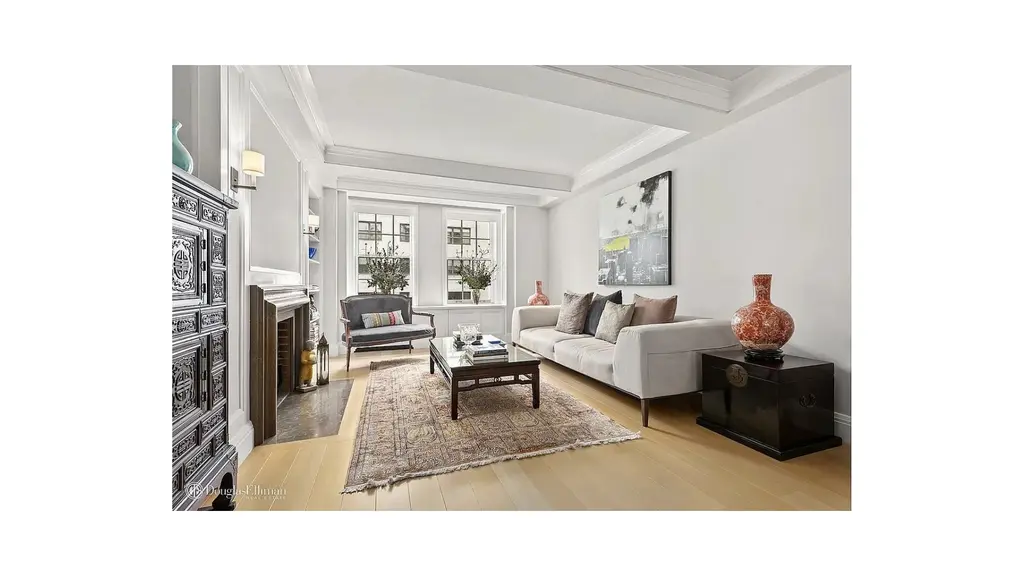
Philip House, #11C (Douglas Elliman Real Estate -)
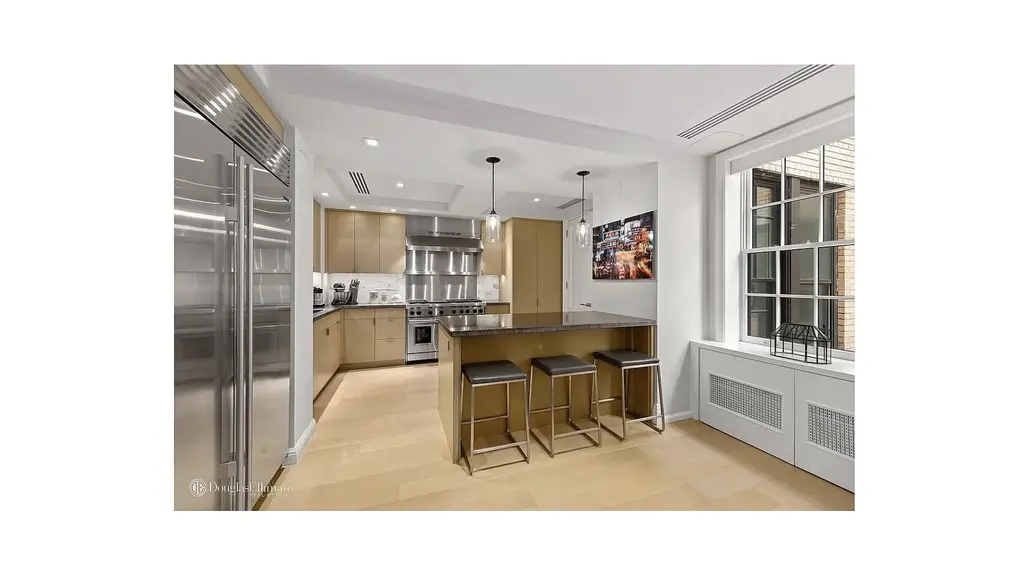
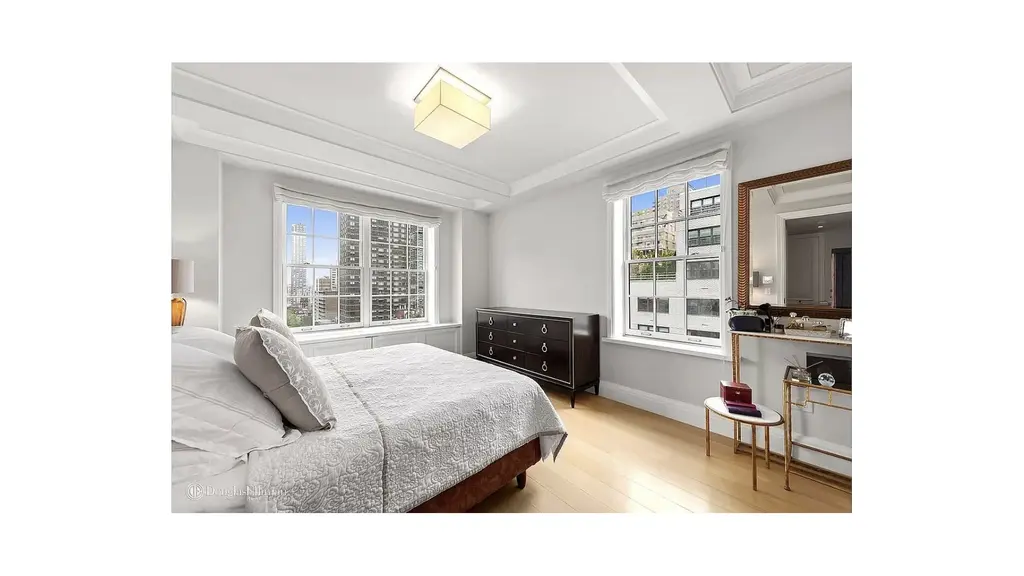
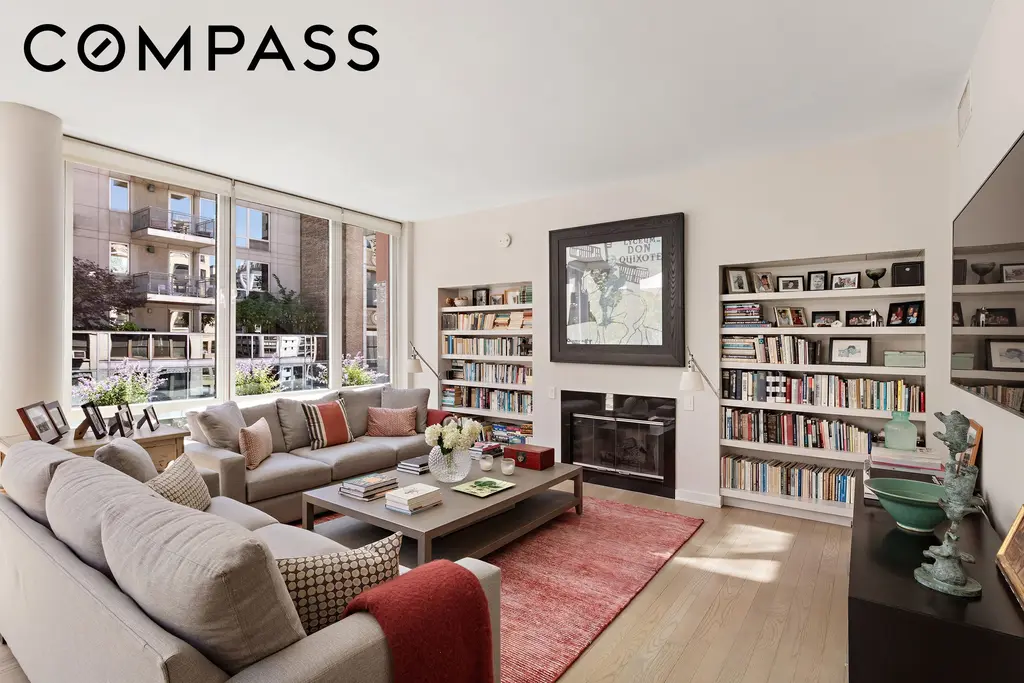
133 West 22nd Street, #10D
$4,395,000
Chelsea | Condominium | 3 Bedrooms, 2.5 Baths | 1,999 ft2
Open House: Sunday, June 14
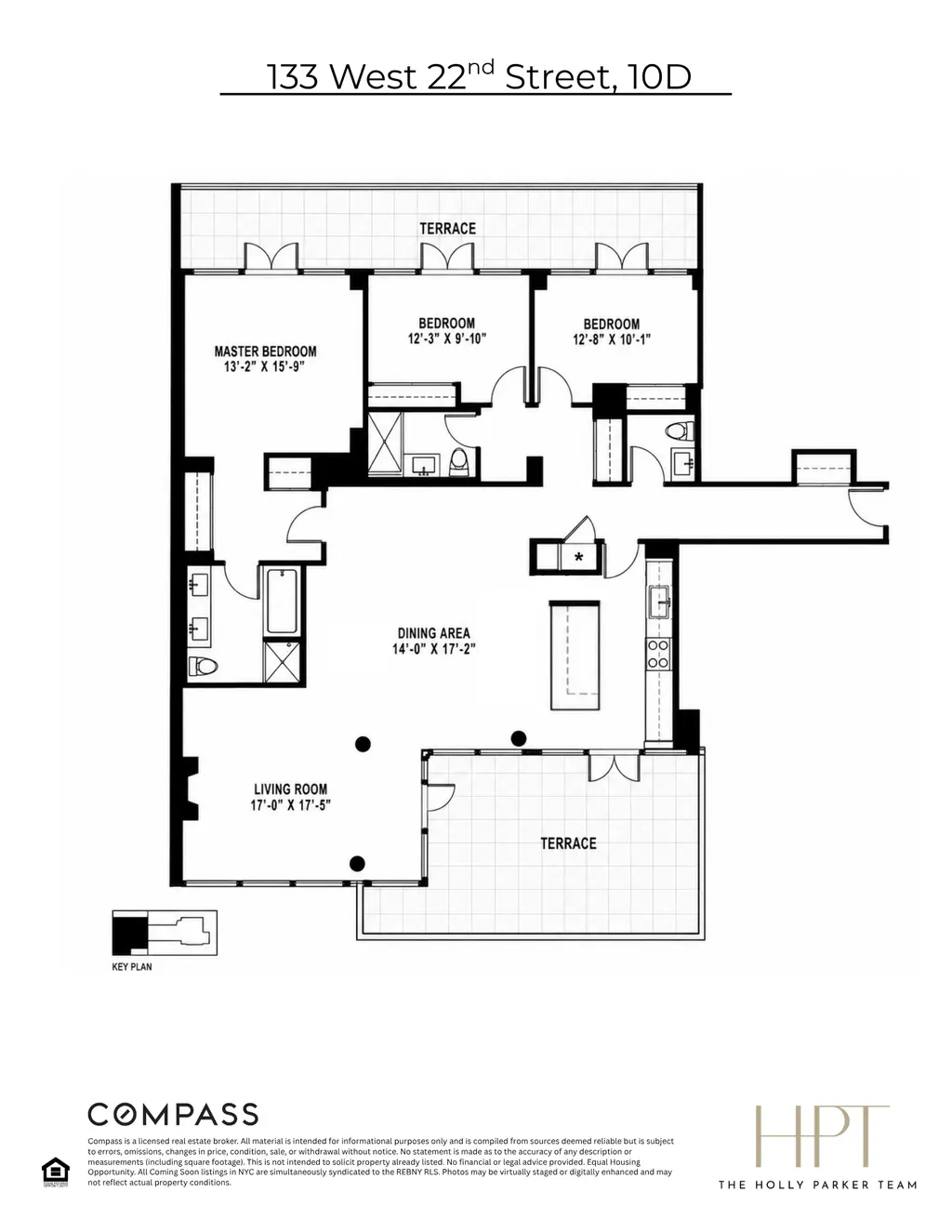
133 West 22nd Street, #10D (Compass)
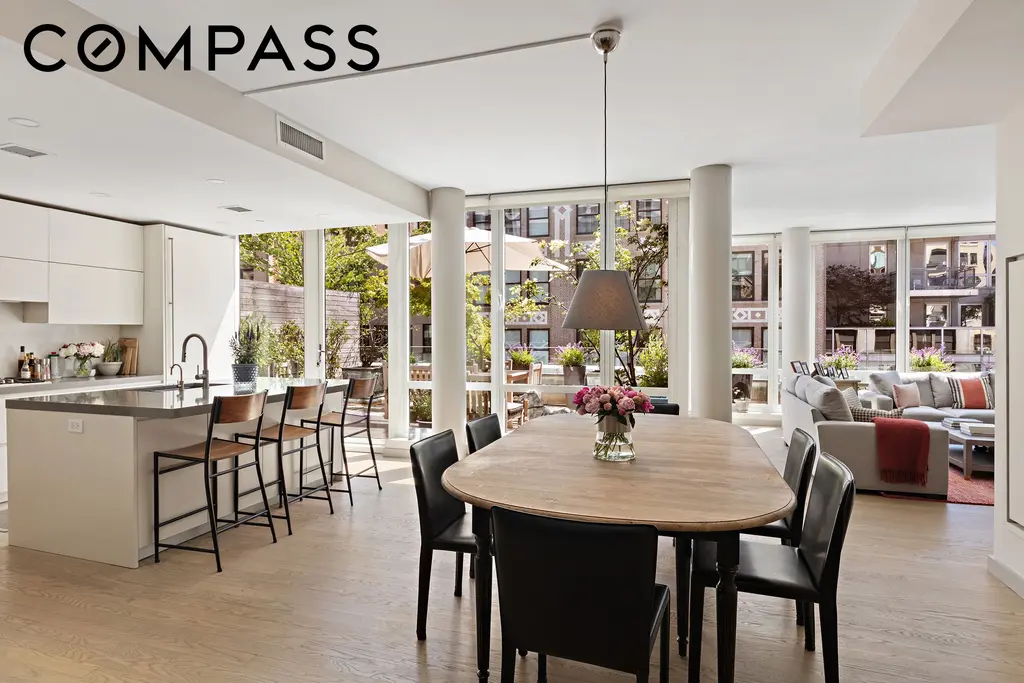

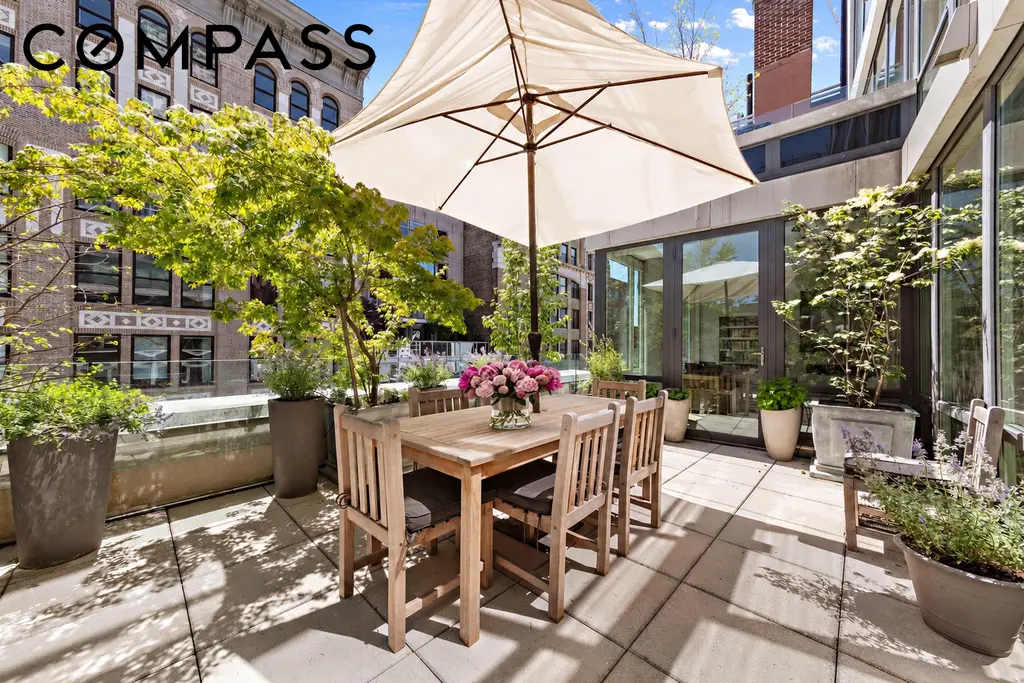
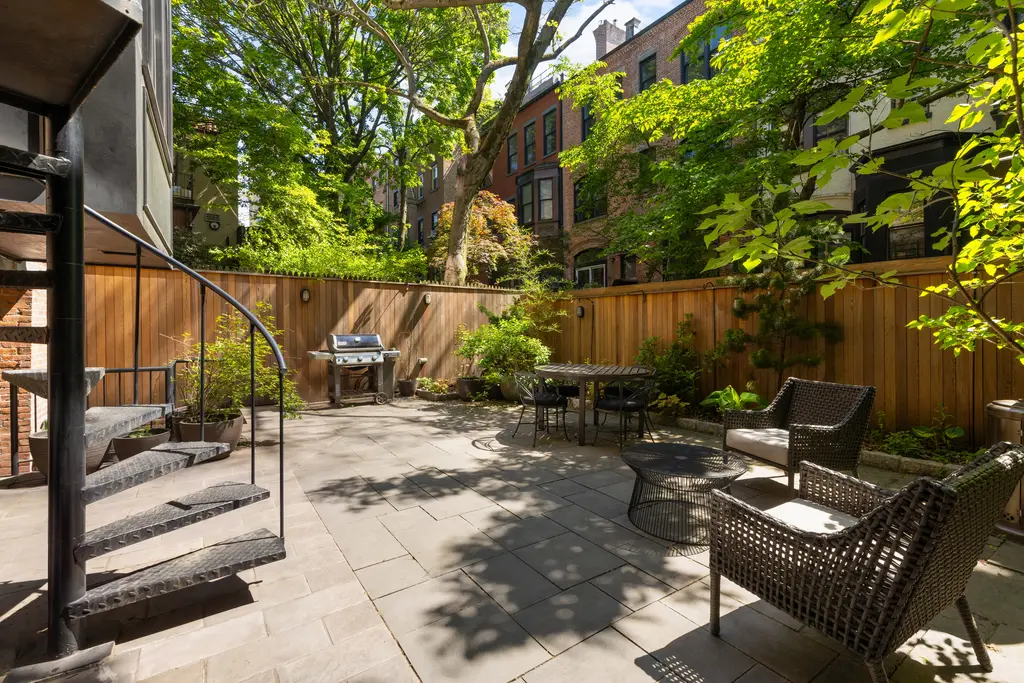
838 Carroll Street, #TH
$18,500,000
Park Slope | Townhouse | 6+ Bedrooms, 6+ Baths | 8,200 ft2
Open House: Sunday, June 14
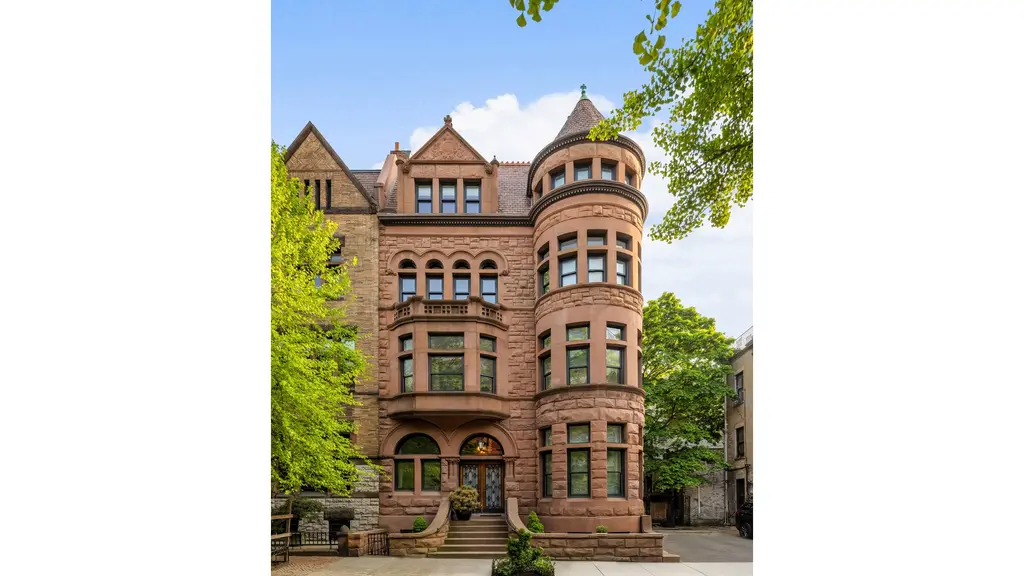
838 Carroll Street, # (Douglas Elliman Real Estate -)



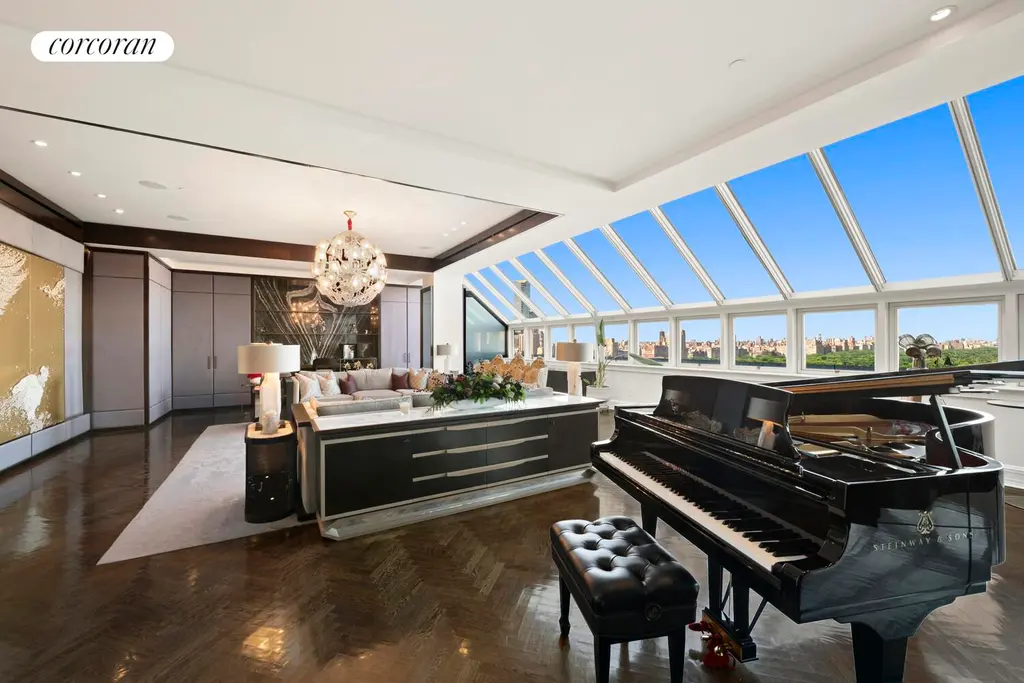
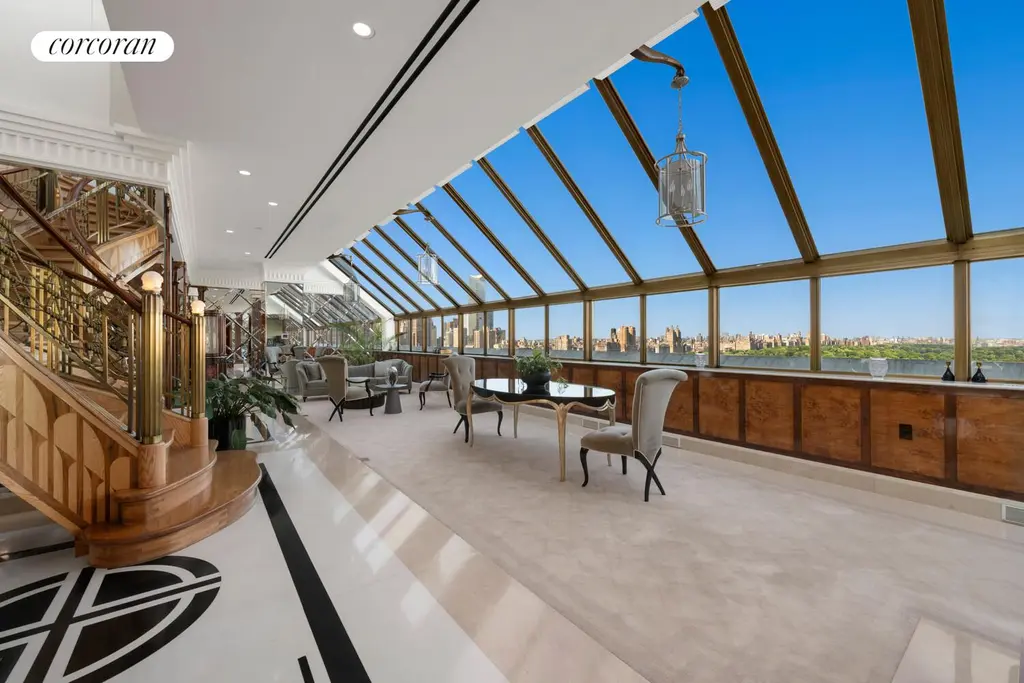
The Plaza, #PH2003/09
$45,000,000
Midtown West | Condominium | 6+ Bedrooms, 6+ Baths | 10,290 ft2
Open House: Sunday, June 14
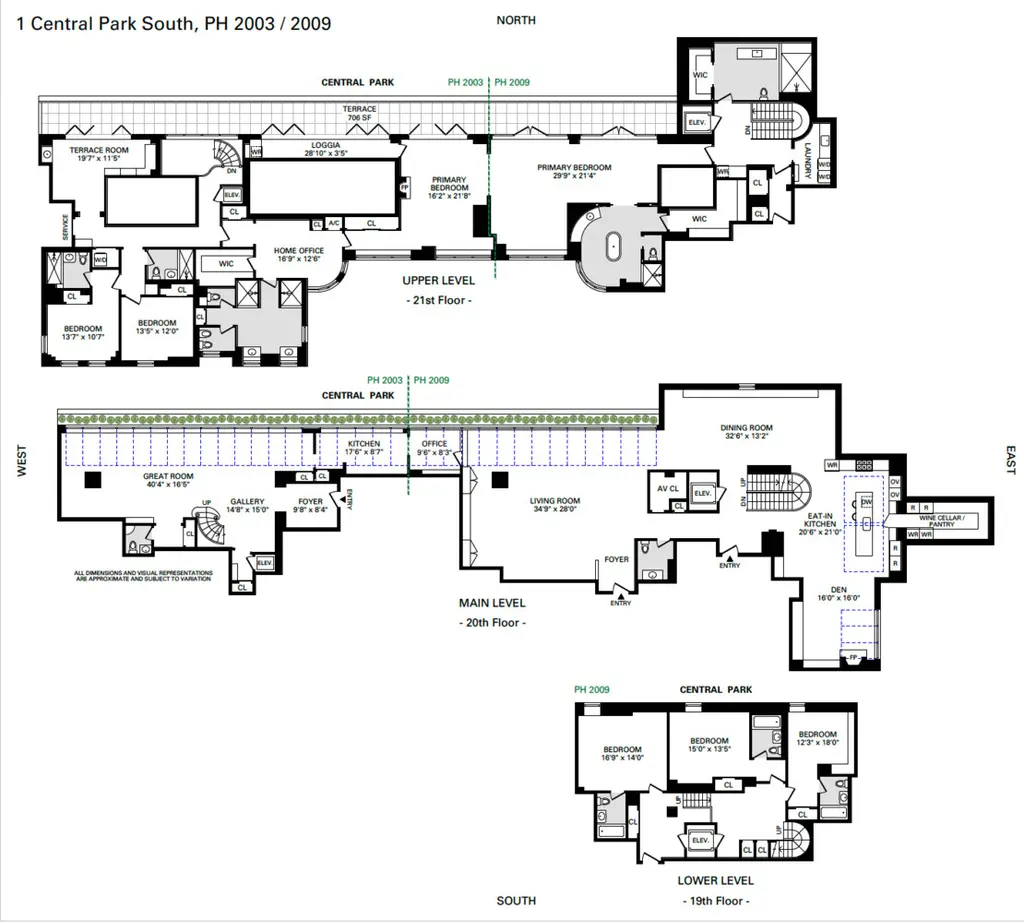
The Plaza, #PH2003/09 (Corcoran Group)


Would you like to tour any of these properties?
Just complete the info below.
Or call us at (212) 755-5544
Would you like to tour any of these properties?
Related Articles

Great Listings
Steals & Deals: Spacious New York City apartments with walk-in closets and in-unit laundry
Tuesday, April 7, 2026
Future New York
Price Cuts: Former Kips Bay Decorator Showhouse down by $9.5M; Karim Rashid to take loss on Hell's Kitchen condo
Thursday, June 11, 2026
Great Listings
Where would the Knicks live? See the ultimate NYC apartments for watch parties
Thursday, June 11, 2026
Future New York
Top 10 condos in Turtle Bay and Beekman-Sutton Place + New developments and price-reduced listings
Thursday, June 11, 2026
Riverside Dr./West End Ave.
Three Waterline Square launches lottery for UWS apartments priced from $782/month
Wednesday, June 10, 2026
Future New York
Above the Crowd: NYC apartments with skyline views as observation deck boom reaches new heights
Wednesday, June 10, 2026
Future New York
Inside Mayor Mamdani's "Block by Block" housing plan + 12 forthcoming new developments
Friday, June 5, 2026
Future New York
NYC's top 10 limestone buildings that exemplify architectural excellence + New developments continuing the tradition
Friday, June 5, 2026
Contributing Writer
Cait Etherington
Cait Etherington has over twenty years of experience working as a journalist and communications consultant. Her articles and reviews have been published in newspapers and magazines across the United States and internationally. An experienced financial writer, Cait is committed to exposing the human side of stories about contemporary business, banking and workplace relations. She also enjoys writing about trends, lifestyles and real estate in New York City where she lives with her family in a cozy apartment on the twentieth floor of a Manhattan high rise.

 6sqft delivers the latest on real estate, architecture, and design, straight from New York City.
