
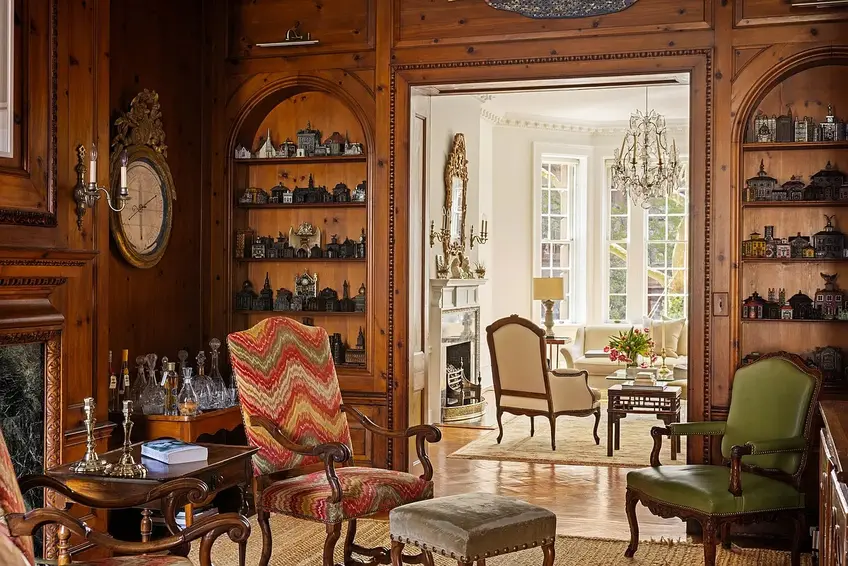
NYC brownstones and historic rowhouses come with details many of us dream about: stoops, carved staircases, pocket doors, marble mantels, shutters, and parlor floors with proportions that are rare in new and post-war construction. Considering many of these details were carved my skilled craftsmen well over a century ago, restoring those features can be expensive, complicated, and occasionally at odds with the way people live today.
To better understand what is worth saving, what is better updated, and what may not justify the cost, CityRealty spoke with licensed Compass agent Tali Berzak, whose expertise with townhouse buyers, sellers, and developers gives her a close view of what today’s market values.
In this article:


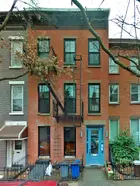

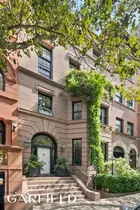



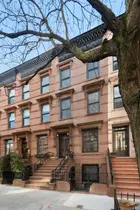

“I’m very opinionated on this topic,” Tali says. In addition to representing numerous brownstone sales, she regularly advises developers on how to restore, renovate, and position townhouses for the market, and she brings firsthand experience as the owner of a brownstone she helped restore and renovate herself.
“Generally speaking, restoring the original detail as much as possible has a lot of value to it," Tali says. "You do see that on a resale in the price tag that you achieve when you do sell. That said, there’s a modernization expectation in a lot of the homes that are renovated.” That often means keeping the best original details where they make the most impact, especially on the parlor level, while reworking upper floors. “What we find is that the bedroom floors tend to have to be reconfigured in a way that makes sense for today’s living,” she says. “A lot of these homes don’t start with closets. Or they have closets, but they’re not very large. A lot of times they’re too shallow. And having en-suite bathrooms was not common in these rowhouses.”
“Generally speaking, restoring the original detail as much as possible has a lot of value to it," Tali says. "You do see that on a resale in the price tag that you achieve when you do sell. That said, there’s a modernization expectation in a lot of the homes that are renovated.” That often means keeping the best original details where they make the most impact, especially on the parlor level, while reworking upper floors. “What we find is that the bedroom floors tend to have to be reconfigured in a way that makes sense for today’s living,” she says. “A lot of these homes don’t start with closets. Or they have closets, but they’re not very large. A lot of times they’re too shallow. And having en-suite bathrooms was not common in these rowhouses.”
We caught up Tali to weigh in on the original townhouse features buyers love most, whether she would restore them, and where the cost does, or does not, make sense for the average townhouse buyer.
Fireplaces
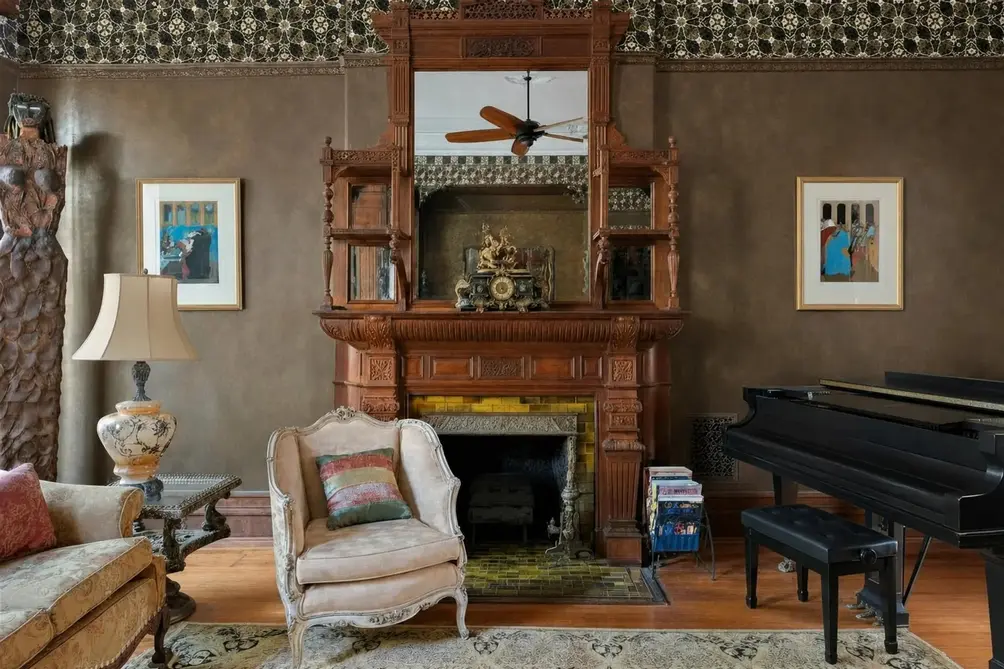 11 West 121st Street, TH | https://www.cityrealty.com/nyc/harlem/11-west-121st-street/127940/NA/bTripRbaN
Would Tali restore fireplaces?
On the parlor floor, yes. On bedroom floors, not if it makes the room harder to use.
On the parlor floor, yes. On bedroom floors, not if it makes the room harder to use.
What is the upside?
On the parlor floor, a fireplace is one of the details that gives a townhouse its sense of history and character. “If you have a reasonably intact fireplace with some nice woodwork,” Tali says, restoring it is worth it “a hundred percent.” Some developers will even go further. “I have developers that will reline the fireplaces and make them wood-burning and workable,” she says.
On the parlor floor, a fireplace is one of the details that gives a townhouse its sense of history and character. “If you have a reasonably intact fireplace with some nice woodwork,” Tali says, restoring it is worth it “a hundred percent.” Some developers will even go further. “I have developers that will reline the fireplaces and make them wood-burning and workable,” she says.
What is the downside?
The problem is placement. “It hurts a lot,” she says of removing bedroom fireplaces. “But if you think about how you are walking into a bedroom and where these fireplaces are located, a lot of times they’re located on the opposite wall of the entrance. Generally speaking, from a feng shui, where-to-put-your-bed perspective, that’s where the bed would go. It just makes it really hard to keep the fireplaces in bedrooms.”
11 West 121st Street, # (Vandenberg Inc)
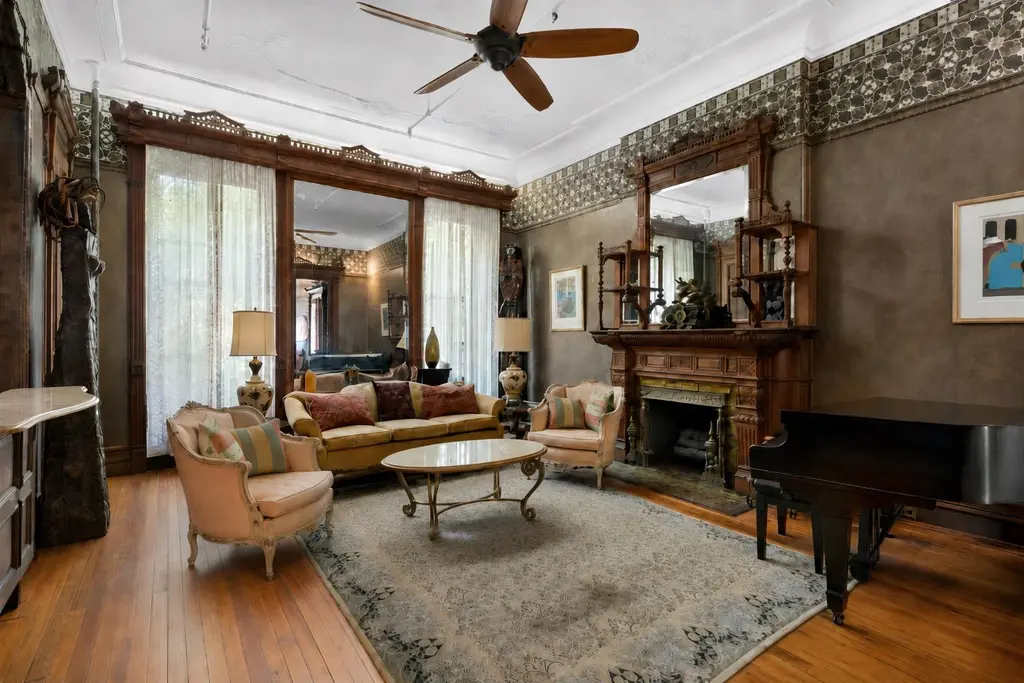
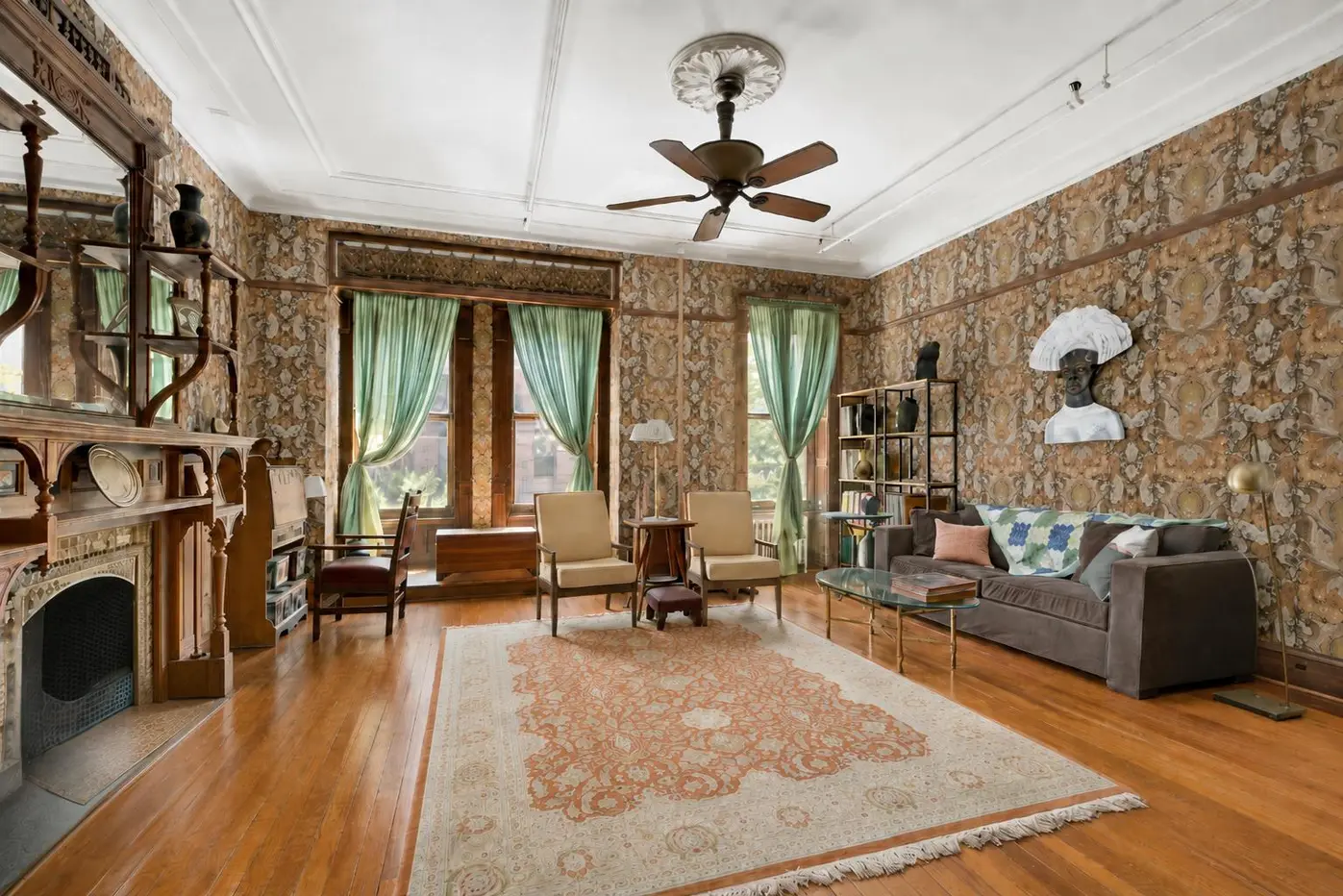
Exposed Brick
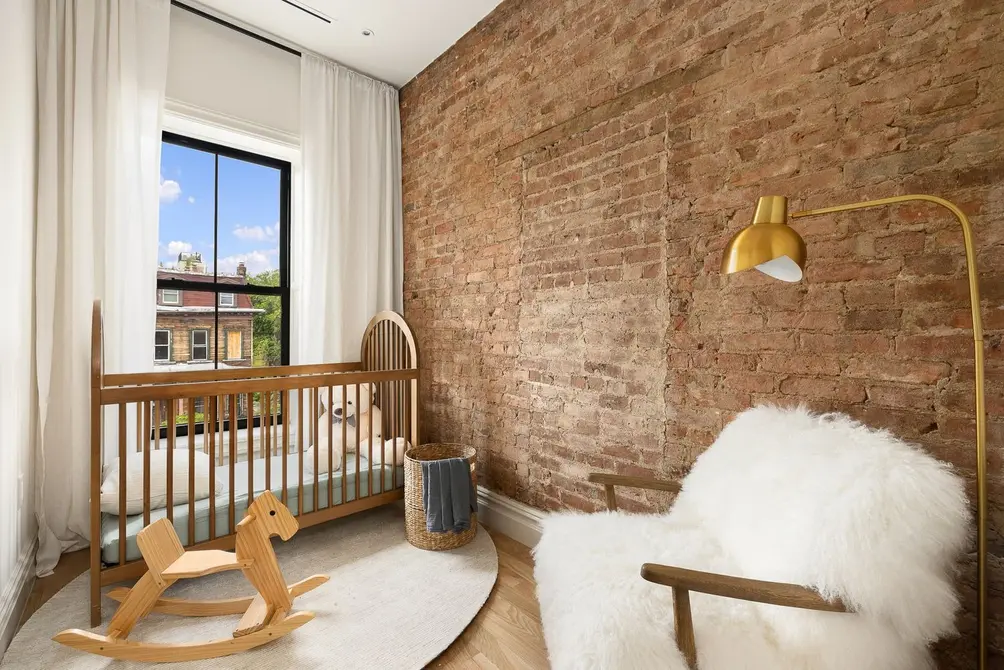 596 Hancock Street, #TH (Compass) | https://www.cityrealty.com/nyc/bedford-stuyvesant/596-hancock-street/62435/NA/fLaMwOwAvYT
Would Tali restore exposed brick?
Yes, when the brick is good. If the house has intact wainscoting and staircase detail, she may keep those instead.
Yes, when the brick is good. If the house has intact wainscoting and staircase detail, she may keep those instead.
What is the upside?
“All of the houses have brick walls,” she says. “That’s how brownstones were created. So brick walls always exist behind the plaster. You can expose them or not expose them. That’s up to you.”
From a resale perspective, she sees the demand clearly. “Nine times out of 10, if the brick is in good condition, we will expose the brick walls because we see that in a resale perspective and a desirable perspective for buyers. Homeowners want exposed brick.”
“All of the houses have brick walls,” she says. “That’s how brownstones were created. So brick walls always exist behind the plaster. You can expose them or not expose them. That’s up to you.”
From a resale perspective, she sees the demand clearly. “Nine times out of 10, if the brick is in good condition, we will expose the brick walls because we see that in a resale perspective and a desirable perspective for buyers. Homeowners want exposed brick.”
What is the downside?
Not every wall is worth exposing. “Sometimes the brick condition is not very good,” Tali says. “Depending on maybe when they were building the house, they were using the remnants of bricks or something in the progress of building the walls. We find some walls that are jaggedy and not as nice. Those tend to be covered with sheetrock.”
She also notes that exposed brick is not actually an original finished look in many of these houses. “None of the houses had exposed brick,” she says. “Everything had wainscoting and plaster going up the side.”
Not every wall is worth exposing. “Sometimes the brick condition is not very good,” Tali says. “Depending on maybe when they were building the house, they were using the remnants of bricks or something in the progress of building the walls. We find some walls that are jaggedy and not as nice. Those tend to be covered with sheetrock.”
She also notes that exposed brick is not actually an original finished look in many of these houses. “None of the houses had exposed brick,” she says. “Everything had wainscoting and plaster going up the side.”
596 Hancock Street, #TH
$2,395,000
Bedford-Stuyvesant | Townhouse | 4 Bedrooms, 4.5 Baths | 2,607 ft2
596 Hancock Street, #TH (Compass)
Staircases and Banisters
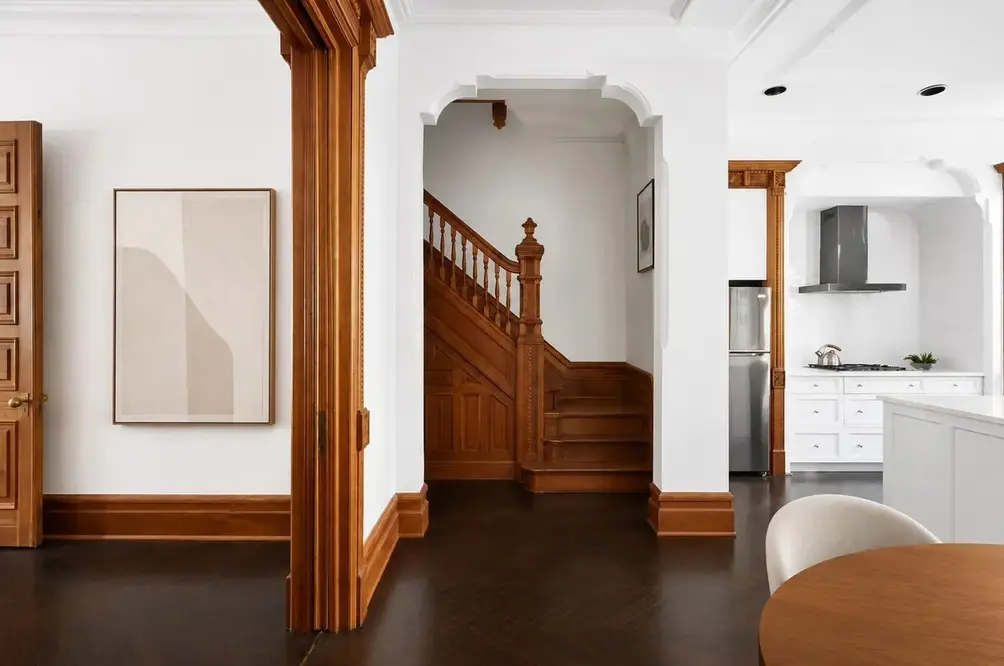 548 2nd Street, TH | https://www.cityrealty.com/nyc/park-slope/548-2nd-street/122131/NA/fLAJpmuWpyN
Would Tali restore staircases and banisters?
Yes, but she would usually paint rather than fully strip and refinish unless the wood is exceptional.
Yes, but she would usually paint rather than fully strip and refinish unless the wood is exceptional.
What is the upside?
“Totally worth it,” Tali says. The staircase, banister, newel posts, and spindles carry much of the house’s character. “The staircases with the banisters, the bolster, the newels, all of that I would keep if they’re in good condition.”
“Totally worth it,” Tali says. The staircase, banister, newel posts, and spindles carry much of the house’s character. “The staircases with the banisters, the bolster, the newels, all of that I would keep if they’re in good condition.”
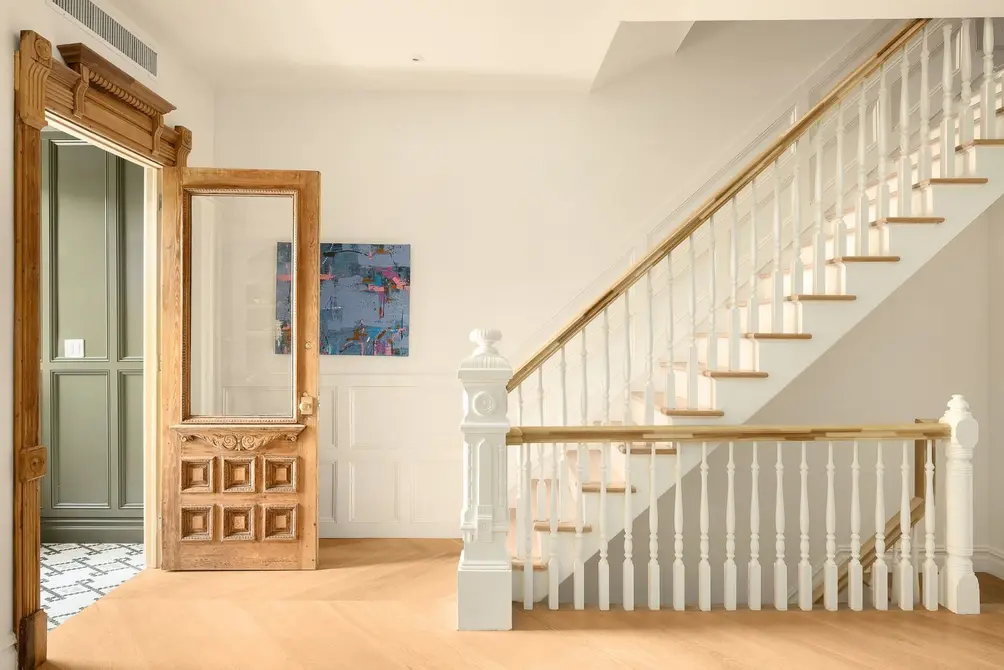 37 Decatur Street, #TH (Compass) | https://cityrealty.com/n/I3276391
What is the downside?
Full restoration can be expensive, and too much exposed wood can make a home feel heavy. “I don’t know if it’s worth stripping it because that’s very expensive,” Tali says. “It’s probably better to just paint it because we also find that if there’s too much wood in the house, it makes the house feel really heavy, meaning refinished wood versus painted wood.”
The actual stair treads are often replaced. “They would notice that they’re not squeaking,” she says.
Full restoration can be expensive, and too much exposed wood can make a home feel heavy. “I don’t know if it’s worth stripping it because that’s very expensive,” Tali says. “It’s probably better to just paint it because we also find that if there’s too much wood in the house, it makes the house feel really heavy, meaning refinished wood versus painted wood.”
The actual stair treads are often replaced. “They would notice that they’re not squeaking,” she says.
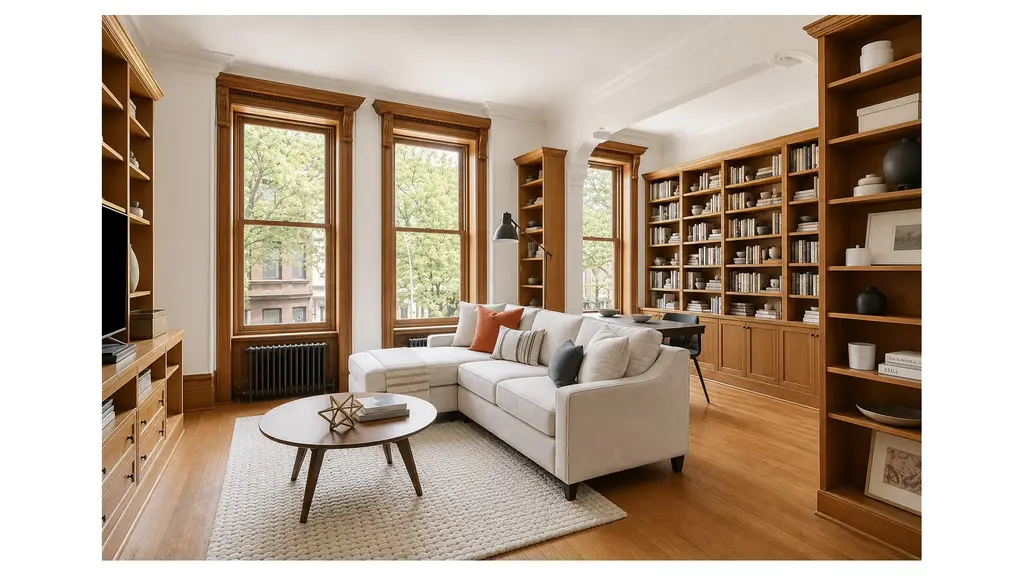
548 2nd Street, #TH (Douglas Elliman Real Estate)
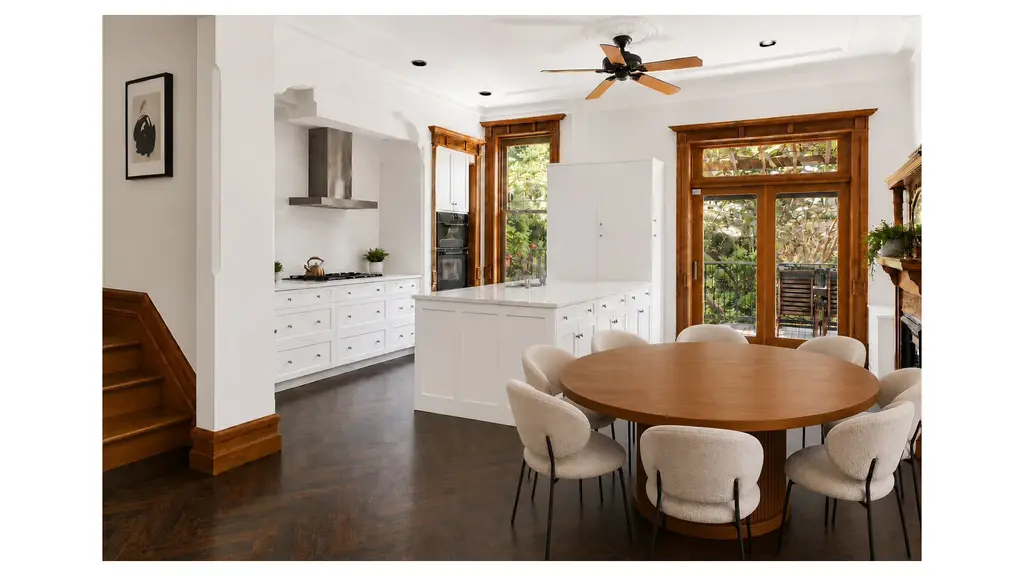
Pocket Doors
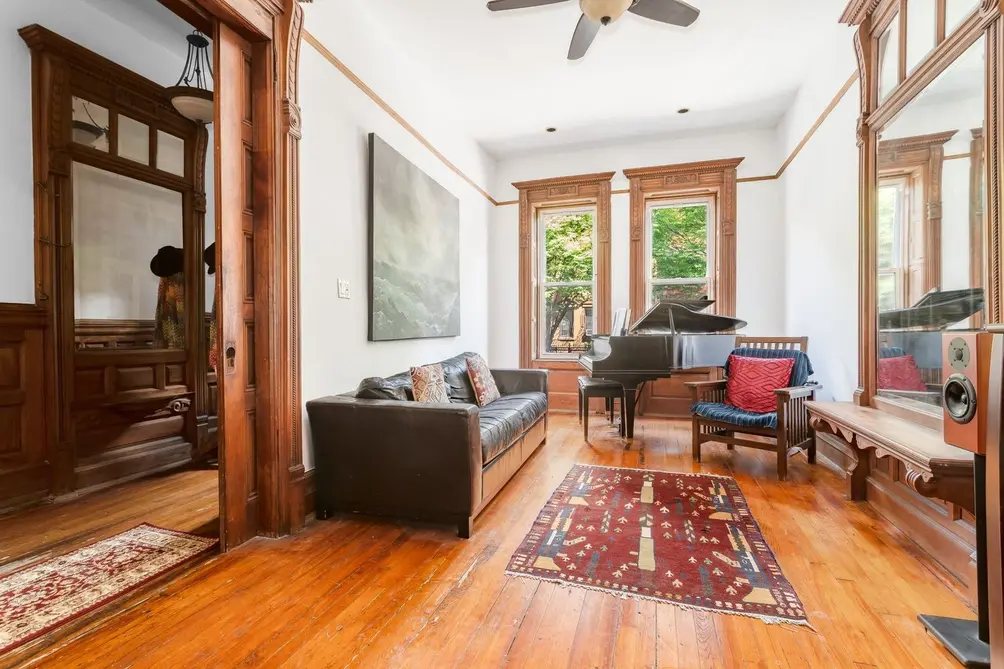 207 Edgecombe Avenue, TH | https://www.cityrealty.com/nyc/harlem/207-edgecombe-avenue/128094/NA/KxlYzcAaCML
Would Tali restore pocket doors?
"Yes, wherever possible," Tali says. “People definitely like the pocket doors.”
"Yes, wherever possible," Tali says. “People definitely like the pocket doors.”
What is the upside?
For Tali, the appeal is less about saving space from swinging hinged doors and more about how people use the parlor floor. “Pocket doors generally exist on the parlor level, and it’s a separation a lot of times from the kitchen, where the new kitchen is going, the back of the house, from the front of the house where the parlor, aka living room, is.”
That separation can be practical when entertaining. “A lot of people like to be able to close the doors and say, okay, we ate, or we finished cooking and the doors are closed. Now we’re entertaining in our front space and everything is clean and nice looking in the front part, and we’re leaving the mess in the kitchen and the back.”
They can also help with sound. “With the middle walls and the pocket doors, they absorb sound,” she says. “If you have kids and they’re on different levels in the house and you’re entertaining, you’re hanging out with other adults, the pocket doors absorb the sound.”
For Tali, the appeal is less about saving space from swinging hinged doors and more about how people use the parlor floor. “Pocket doors generally exist on the parlor level, and it’s a separation a lot of times from the kitchen, where the new kitchen is going, the back of the house, from the front of the house where the parlor, aka living room, is.”
That separation can be practical when entertaining. “A lot of people like to be able to close the doors and say, okay, we ate, or we finished cooking and the doors are closed. Now we’re entertaining in our front space and everything is clean and nice looking in the front part, and we’re leaving the mess in the kitchen and the back.”
They can also help with sound. “With the middle walls and the pocket doors, they absorb sound,” she says. “If you have kids and they’re on different levels in the house and you’re entertaining, you’re hanging out with other adults, the pocket doors absorb the sound.”
What is the downside?
If the original pocket doors are gone, not every developer will make the effort recreate them. “The developers that I work for won’t find old pocket doors,” Tali says. “But we usually have enough doors left over from a variety of different projects. They’ll collect the original details from projects as they go.”
If the original pocket doors are gone, not every developer will make the effort recreate them. “The developers that I work for won’t find old pocket doors,” Tali says. “But we usually have enough doors left over from a variety of different projects. They’ll collect the original details from projects as they go.”
207 Edgecombe Avenue, # (Compass)
Tin Ceilings
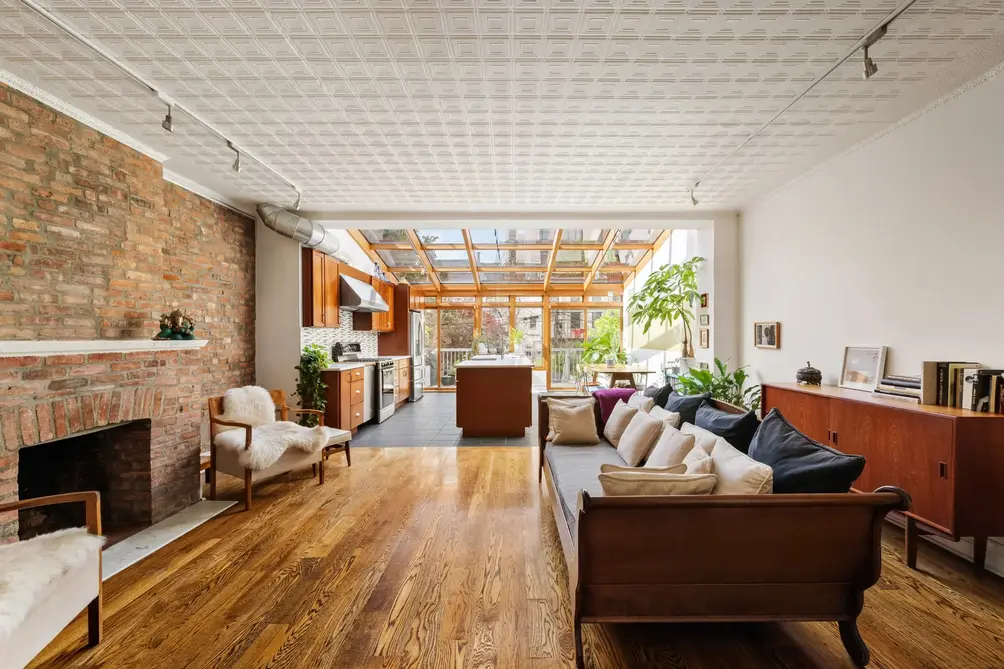 192 Nelson Street, #TH (Douglas Elliman Real Estate) | https://www.cityrealty.com/nyc/carroll-gardens/192-nelson-street/70169/NA/iIHboVOWVeyrJ
Would Tali restore tin ceilings?
Not if it requires major work. “If it’s a lot of work to be able to keep that tin ceiling, it’s not something that’s worth working around.”
Not if it requires major work. “If it’s a lot of work to be able to keep that tin ceiling, it’s not something that’s worth working around.”
What is the upside?
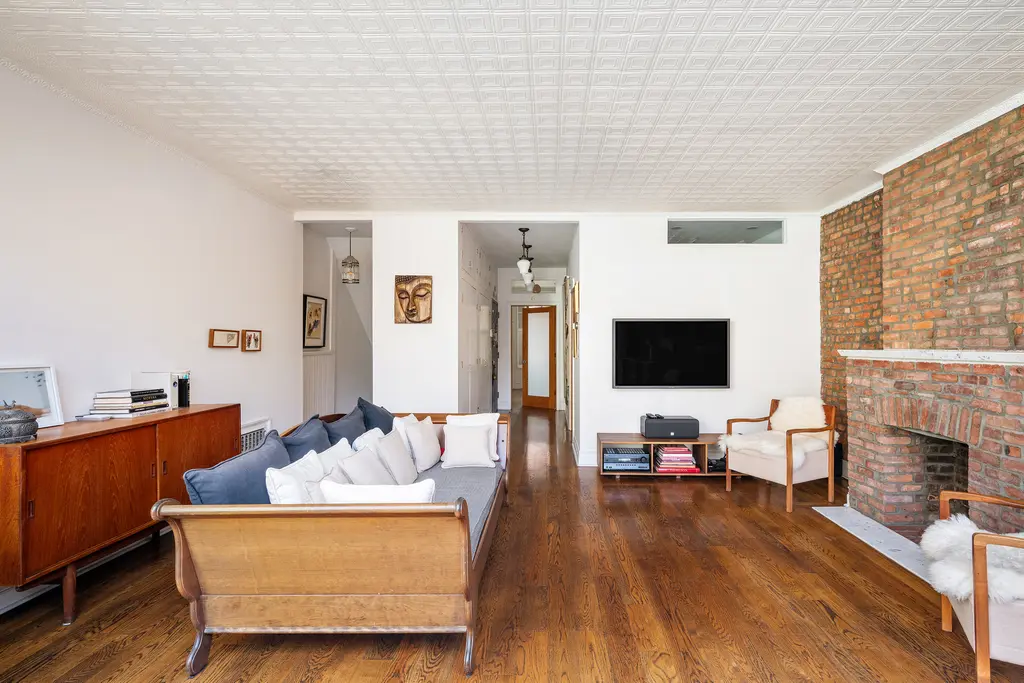
Tin ceilings have charm, especially in garden-level kitchens or older service spaces. “They’re usually found in the garden level, kitchen area where the main kitchen for the house used to be,” she says.
Tin ceilings have charm, especially in garden-level kitchens or older service spaces. “They’re usually found in the garden level, kitchen area where the main kitchen for the house used to be,” she says.
What is the downside?
They are not unique enough to justify a complicated renovation around them. “You can buy tin ceilings in reality,” Tali says. “You can still have tin ceilings that were built today if you wanted to. So, they don’t feel as unique, I guess, as some of the other details.”
They are not unique enough to justify a complicated renovation around them. “You can buy tin ceilings in reality,” Tali says. “You can still have tin ceilings that were built today if you wanted to. So, they don’t feel as unique, I guess, as some of the other details.”
360 West 121st Street, # (Serhant)
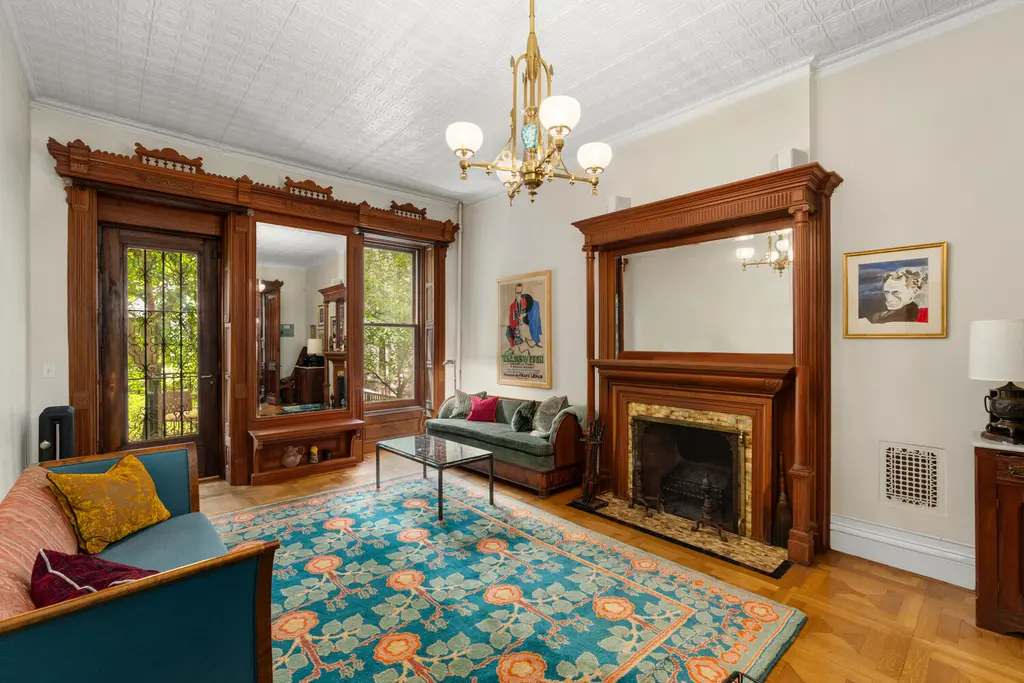
192 Nelson Street, # (Douglas Elliman Real Estate)
Clawfoot Tubs
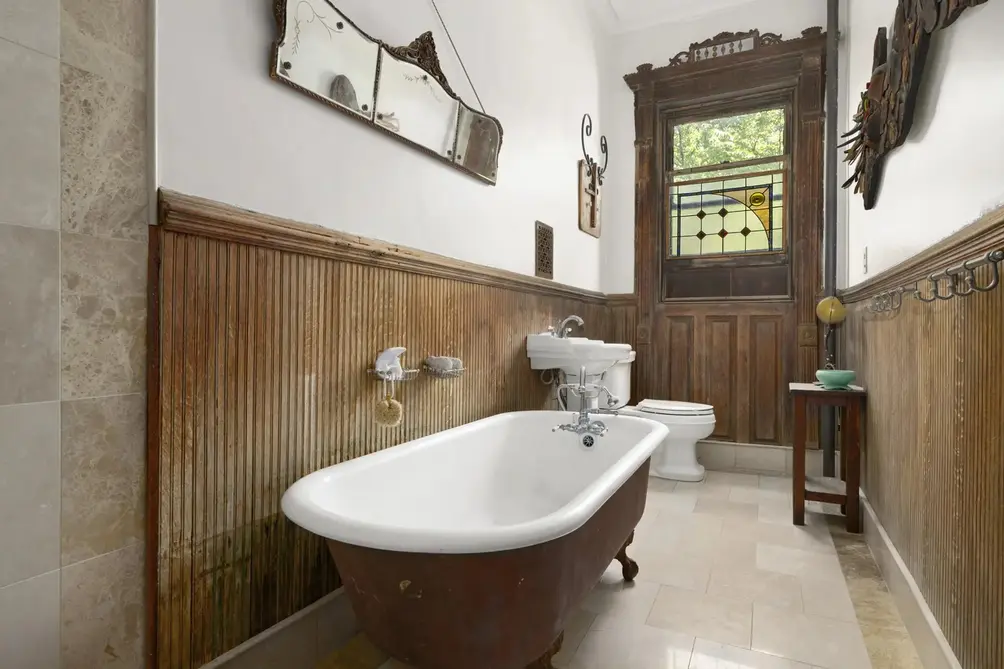 A bath with a clawfoot tub at 11 West 121st Street | https://www.cityrealty.com/nyc/harlem/11-west-121st-street/127940/NA/bTripRbaN
Would Tali restore a clawfoot tub?
Not at all costs. “As much as you could keep it and it’s not a pain in the ass, they’re cool looking,” she says. “But I don’t know that I would jump through hoops to keep a clawfoot tub.”
Not at all costs. “As much as you could keep it and it’s not a pain in the ass, they’re cool looking,” she says. “But I don’t know that I would jump through hoops to keep a clawfoot tub.”
What is the upside?
“They are valuable,” she says. “A lot of people like them. There are a lot of people that are like, oh, great and cool, until they have to shower there.”
“They are valuable,” she says. “A lot of people like them. There are a lot of people that are like, oh, great and cool, until they have to shower there.”
What is the downside?
They can be uncomfortable and inconvenient. “If you don’t get water everywhere, you have this weird iron, weird rust curtain thing around where the curtain keeps sticking to you every time you shower,” she says. “They’re just not very comfortable.” There is also the physical issue of getting in and out. “You’re stepping so high,” she says.
They can be uncomfortable and inconvenient. “If you don’t get water everywhere, you have this weird iron, weird rust curtain thing around where the curtain keeps sticking to you every time you shower,” she says. “They’re just not very comfortable.” There is also the physical issue of getting in and out. “You’re stepping so high,” she says.
82 Chauncey Street, #TH
$2,295,000 (-4.2%)
Bedford-Stuyvesant | Townhouse | 5 Bedrooms, 3 Baths | 2,583 ft2
82 Chauncey Street, # (Compass)
Original Windows
Would Tali restore original double-hung windows?
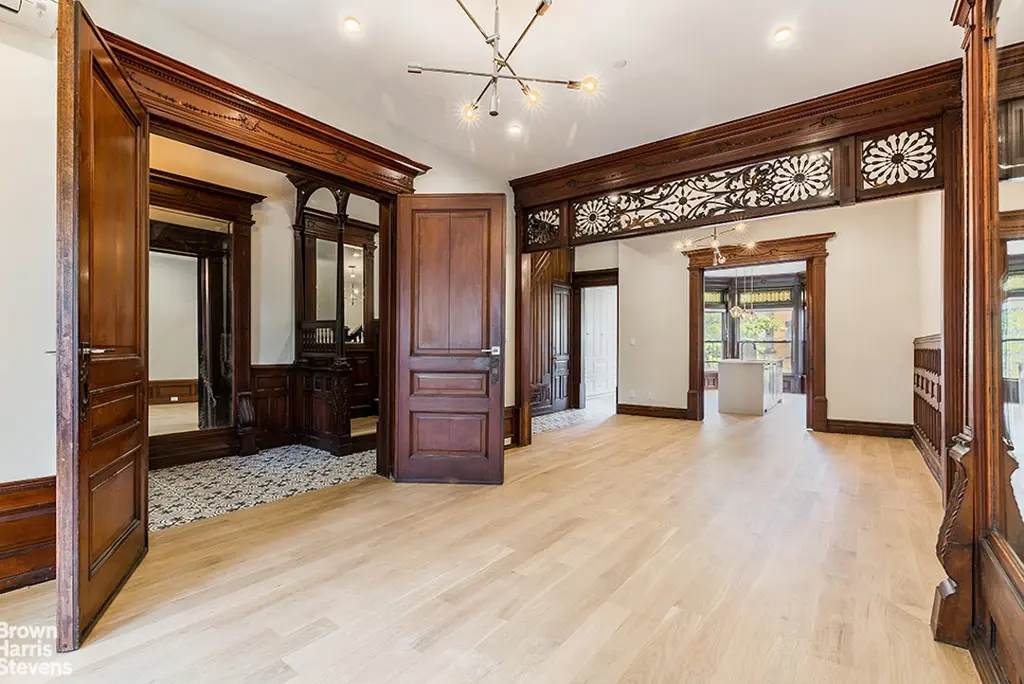
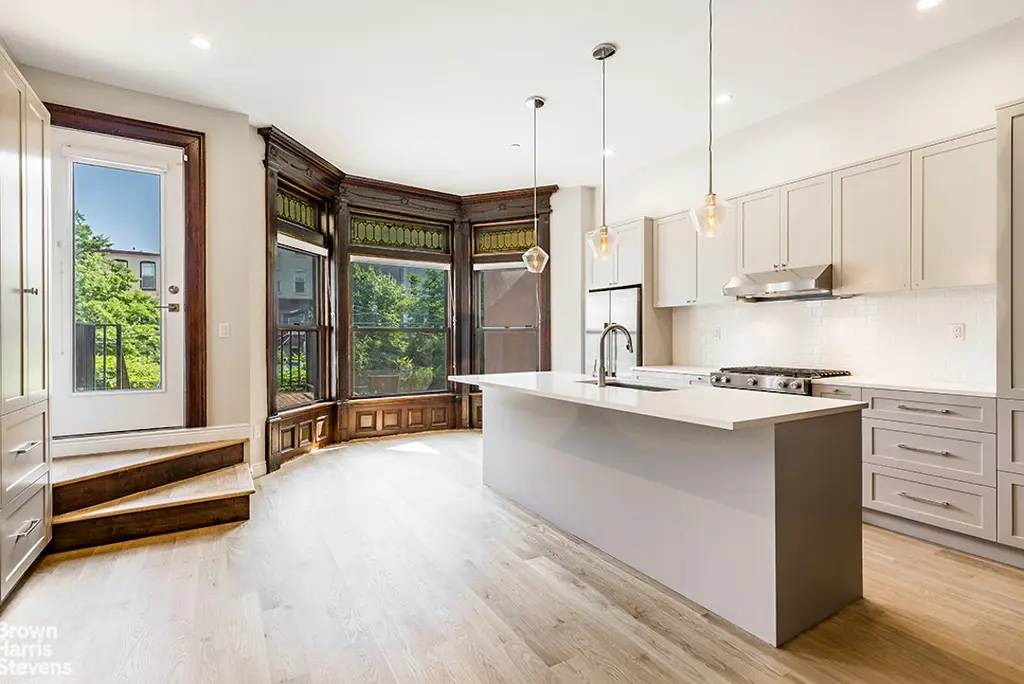
The historic look, yes. The actual single-pane originals, no. “The double-hung feature is an expected feature of a brownstone,” Tali says. “Keeping original windows that are single pane is not worth it.”
The historic look, yes. The actual single-pane originals, no. “The double-hung feature is an expected feature of a brownstone,” Tali says. “Keeping original windows that are single pane is not worth it.”
What is the upside?
“Original brownstone windows were typically double-hung, single-pane, often with beveled or wavy glass and wood frames. “When you look out the glass, it’s wavy,” she says.
Tali also likes keeping the double-hung look. “I think the double-hung feature is an expected feature of a brownstone.” Tali also notes that if the home is in a historic district, Landmarks will require you to do a landmark-approved window. “Whether it has an arch to it or whatever it is about the window, you’ll have to put in a landmark-approved window.”
Landmarked work may also require brick molding rather than aluminum capping. “We have aluminum capping these days. Instead of that capping, you’ll have to put wood molding around your window. It’s called brick molding.”
“The windows cost twice as much,” Tali says. Landmarked-approved details tend to be more expensive in general, although I recommend them in terms of renovation,” she says. “It’s a value add that’s worth the extra expense.”
“Original brownstone windows were typically double-hung, single-pane, often with beveled or wavy glass and wood frames. “When you look out the glass, it’s wavy,” she says.
Tali also likes keeping the double-hung look. “I think the double-hung feature is an expected feature of a brownstone.” Tali also notes that if the home is in a historic district, Landmarks will require you to do a landmark-approved window. “Whether it has an arch to it or whatever it is about the window, you’ll have to put in a landmark-approved window.”
Landmarked work may also require brick molding rather than aluminum capping. “We have aluminum capping these days. Instead of that capping, you’ll have to put wood molding around your window. It’s called brick molding.”
“The windows cost twice as much,” Tali says. Landmarked-approved details tend to be more expensive in general, although I recommend them in terms of renovation,” she says. “It’s a value add that’s worth the extra expense.”
What is the downside?
Original single-pane windows are inefficient. “Energy efficiency and all that stuff is worth it,” she says of replacing them. She is less convinced by modern casement windows in a brownstone. “There are some people that renovate with casement now, which is just one single window that you can roll out and open,” she says. “I don’t know that I would. I don’t think you see the value in that.”
Original single-pane windows are inefficient. “Energy efficiency and all that stuff is worth it,” she says of replacing them. She is less convinced by modern casement windows in a brownstone. “There are some people that renovate with casement now, which is just one single window that you can roll out and open,” she says. “I don’t know that I would. I don’t think you see the value in that.”
970 Park Place, # (Brown Harris Stevens Residential Sales LLC)
Stoop Railings and Cast-Iron Details
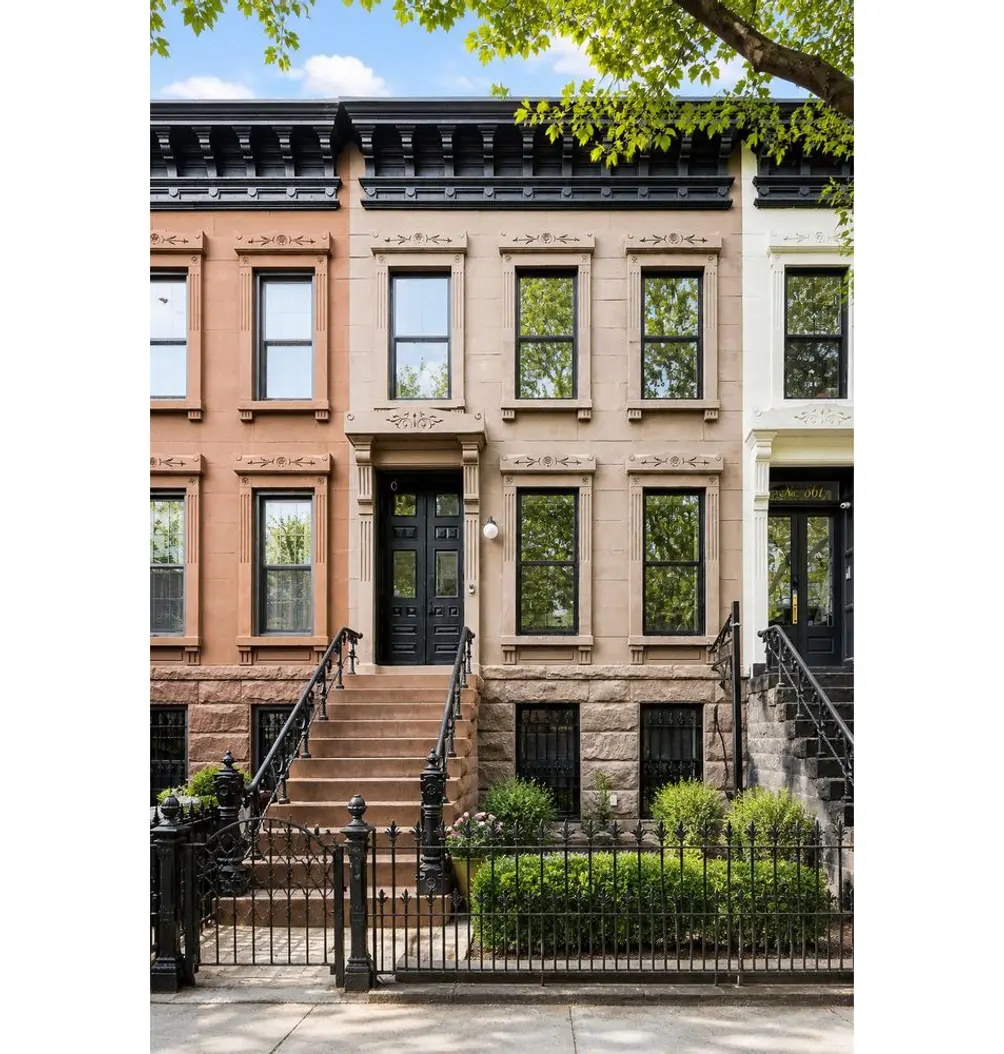 559 MacDonough Street, #TH (Compass) | $2.45 million | https://www.compass.com/homedetails/559-MacDonough-St-Brooklyn-NY-11233/20ZEQ7_pid/
Would Tali restore exterior stoop railings and cast-iron details?
If required or if the budget allows, yes. As a pure value-add decision, she is more cautious.“If you can do it, great,” Tali says. “But will it add value? Sure, it adds value, but I don’t know if it adds the same value as what you have to pay to do it.”
What is the upside?
Cast-iron railings, stoop details, and newel posts give the exterior the kind of authentic character buyers love.
Cast-iron railings, stoop details, and newel posts give the exterior the kind of authentic character buyers love.
What is the downside?
The cost can be extreme. “Just the newels at the bottom of the staircases, those are the posts, the big posts at the bottom of the staircases, just one of those is $10,000,” she says.
The cost can be extreme. “Just the newels at the bottom of the staircases, those are the posts, the big posts at the bottom of the staircases, just one of those is $10,000,” she says.
478 State Street, #TH (Compass)
Brownstone Facades
Would Tali restore a brownstone facade?
Yes if the facade truly needs it and the budget is there. “It’s worth restoring your brownstone regardless, if you need to,” Tali says. “It’s expensive. It’s $70,000 to do a three-story brownstone.”
Yes if the facade truly needs it and the budget is there. “It’s worth restoring your brownstone regardless, if you need to,” Tali says. “It’s expensive. It’s $70,000 to do a three-story brownstone.”
What is the upside?
A proper brownstone restoration is the correct approach when the facade needs it. “It’s worth restoring your brownstone regardless,” she says.
A proper brownstone restoration is the correct approach when the facade needs it. “It’s worth restoring your brownstone regardless,” she says.
What is the downside?
The less expensive route is patching and painting, though she does not consider it the correct way. “Sometimes if you don’t need to fully, you have a couple of spots that show water intrusion, you can patch those spots and then paint the brownstone facade,” she says. “That wouldn’t cost you nearly as much money. That would probably be a cheaper route, but it’s not the correct way to do it.”
The value at resale is also hard to quantify. “Do I see a difference in a resale? I don’t know that I’d necessarily see that translate in resale,” she says. “Two brownstones, one with a new facade and one with a painted facade on the same block, with everything else being equal, probably trade for the same price.”
The less expensive route is patching and painting, though she does not consider it the correct way. “Sometimes if you don’t need to fully, you have a couple of spots that show water intrusion, you can patch those spots and then paint the brownstone facade,” she says. “That wouldn’t cost you nearly as much money. That would probably be a cheaper route, but it’s not the correct way to do it.”
The value at resale is also hard to quantify. “Do I see a difference in a resale? I don’t know that I’d necessarily see that translate in resale,” she says. “Two brownstones, one with a new facade and one with a painted facade on the same block, with everything else being equal, probably trade for the same price.”
305 East 18th Street, # (Leslie J Garfield & Co Inc)
Shutters and Window Moldings
Would Tali restore shutters and window moldings?
Yes, but painted original detail can still be the right answer. “A lot of people talk about the shutters, the moldings around the windows, and those are definitely worth keeping intact,” Tali says.
Yes, but painted original detail can still be the right answer. “A lot of people talk about the shutters, the moldings around the windows, and those are definitely worth keeping intact,” Tali says.
What is the upside?
These details are easier to preserve than many larger elements and still carry a lot of charm. “Even if you’re taking out all of the middle of the house, the staircase, the pocket doors, all of that; if you’re keeping the front of the house with the original moldings and shutters, people gravitate towards that well,” she says. “They find value in that.”
These details are easier to preserve than many larger elements and still carry a lot of charm. “Even if you’re taking out all of the middle of the house, the staircase, the pocket doors, all of that; if you’re keeping the front of the house with the original moldings and shutters, people gravitate towards that well,” she says. “They find value in that.”
What is the downside?
Stripping old painted wood can dry it out, and some buyers actually prefer the painted look. “A lot of people do prefer painted because the wood is really heavy looking in the houses,” she says.
Stripping old painted wood can dry it out, and some buyers actually prefer the painted look. “A lot of people do prefer painted because the wood is really heavy looking in the houses,” she says.
37 Decatur Street, #TH
$3,795,000
Bedford-Stuyvesant | Townhouse | 6+ Bedrooms, 5.5 Baths | 3,905 ft2
37 Decatur Street, #TH (Compass)
Width and Combining Rowhouses
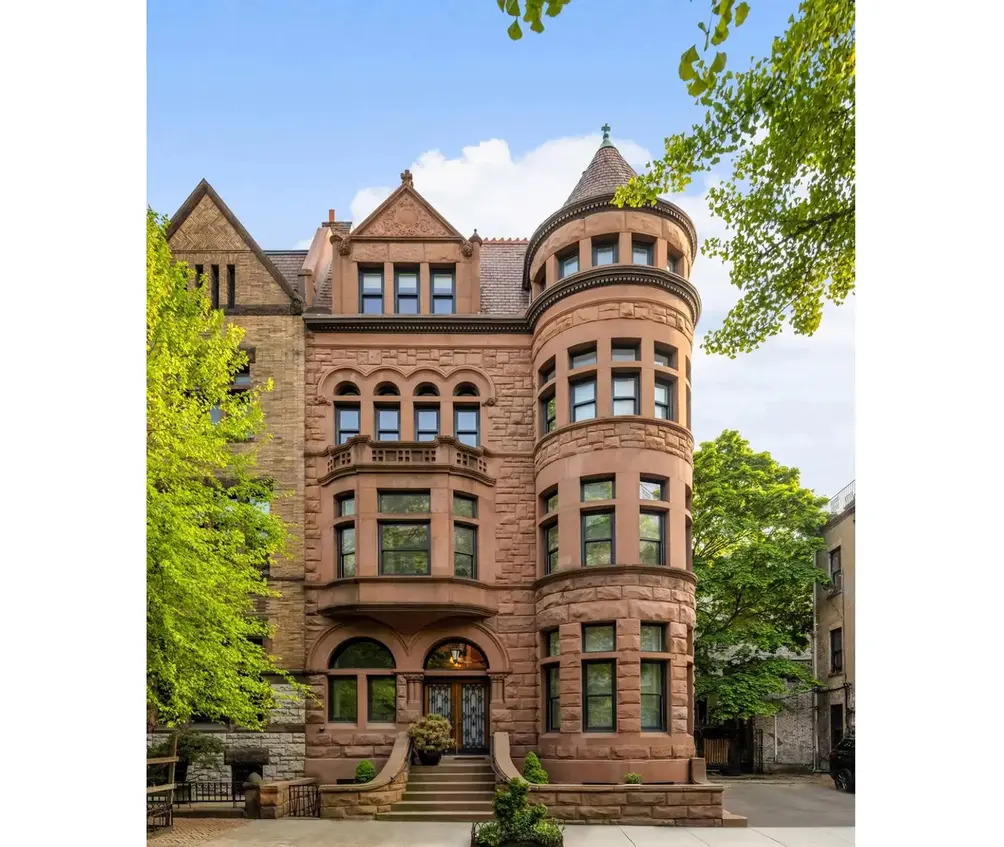 838 Carroll Street, TH | https://www.cityrealty.com/nyc/park-slope/838-carroll-street/77850/NA/AHvfhuHOyV
Would Tali attempt to combine adjacent rowhomes?
Yes, if the houses can be bought at the right price. “If you have two houses that you can combine next to each other, you get a 40-foot frontage,” Tali says. “That’s an incredible first floor.”
Yes, if the houses can be bought at the right price. “If you have two houses that you can combine next to each other, you get a 40-foot frontage,” Tali says. “That’s an incredible first floor.”
What is the upside?
Width has an enormous emotional and practical impact. “If you’re looking at a 17-footer versus a 20-footer, there’s a significant difference to buyers and the value of the property,” she says. “I have buyers that are willing to buy a three-story as long as it’s 20 feet wide but would never touch a 16-foot four-story.”
Width has an enormous emotional and practical impact. “If you’re looking at a 17-footer versus a 20-footer, there’s a significant difference to buyers and the value of the property,” she says. “I have buyers that are willing to buy a three-story as long as it’s 20 feet wide but would never touch a 16-foot four-story.”
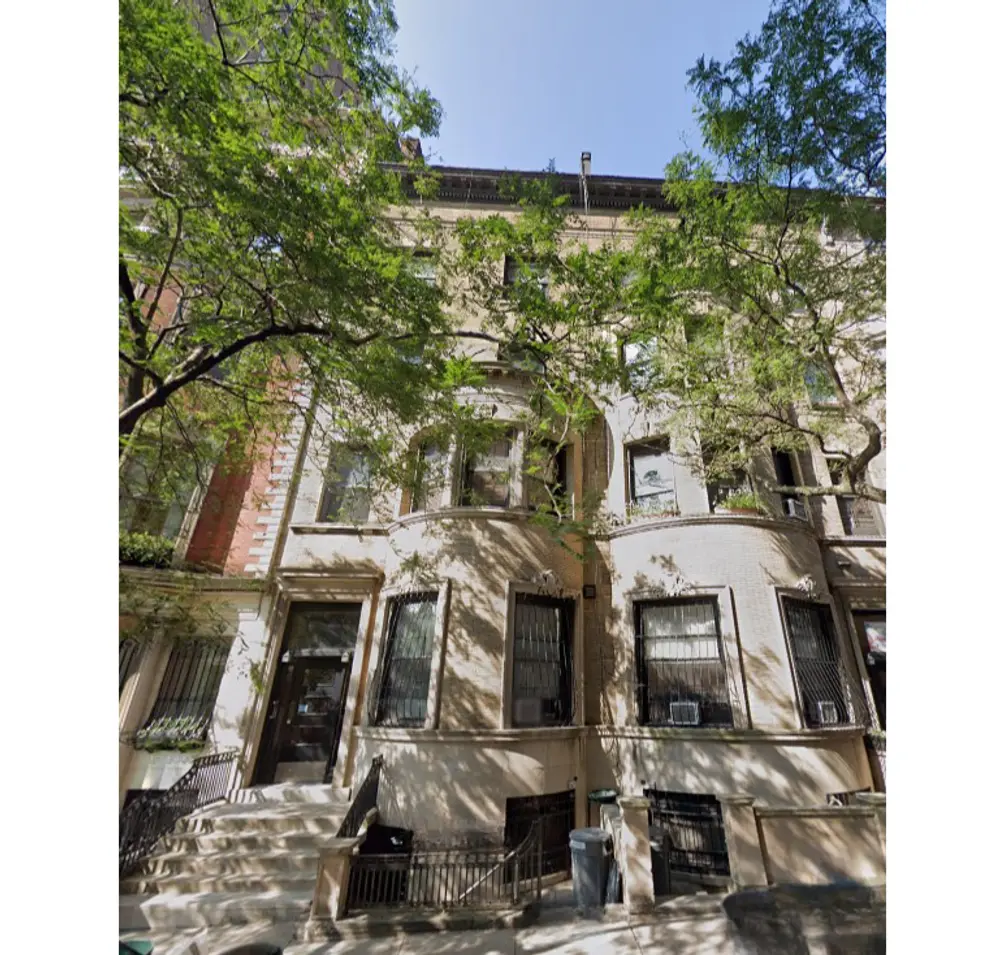 321 West 74th Street. TH | https://www.cityrealty.com/nyc/riverside-dr-west-end-ave/321-west-74th-street/864/NA/bOUVPbYSfsdBa
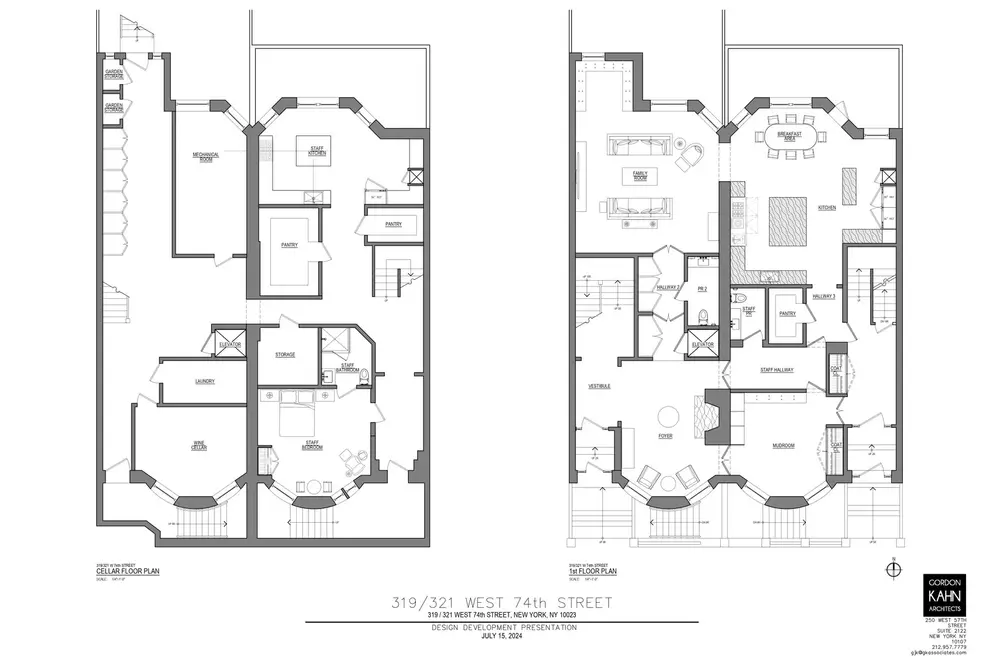 321 West 74th Street, TH | https://www.cityrealty.com/nyc/riverside-dr-west-end-ave/321-west-74th-street/864/NA/bOUVPbYSfsdBa
What is the downside?
Combining homes is expensive, and the structure still matters. “You do have to keep load-bearing walls in between,” she says. “But you can create archways and whatever.”
There is also a quirk to how width is measured. “When we quote the width of houses, you quote the lot,” she says. “It’s not the inside of the walls.” Depending on where the brick sits, a quoted 20-footer may feel wider or narrower inside depending on where the lot lines are for the house.
Combining homes is expensive, and the structure still matters. “You do have to keep load-bearing walls in between,” she says. “But you can create archways and whatever.”
There is also a quirk to how width is measured. “When we quote the width of houses, you quote the lot,” she says. “It’s not the inside of the walls.” Depending on where the brick sits, a quoted 20-footer may feel wider or narrower inside depending on where the lot lines are for the house.
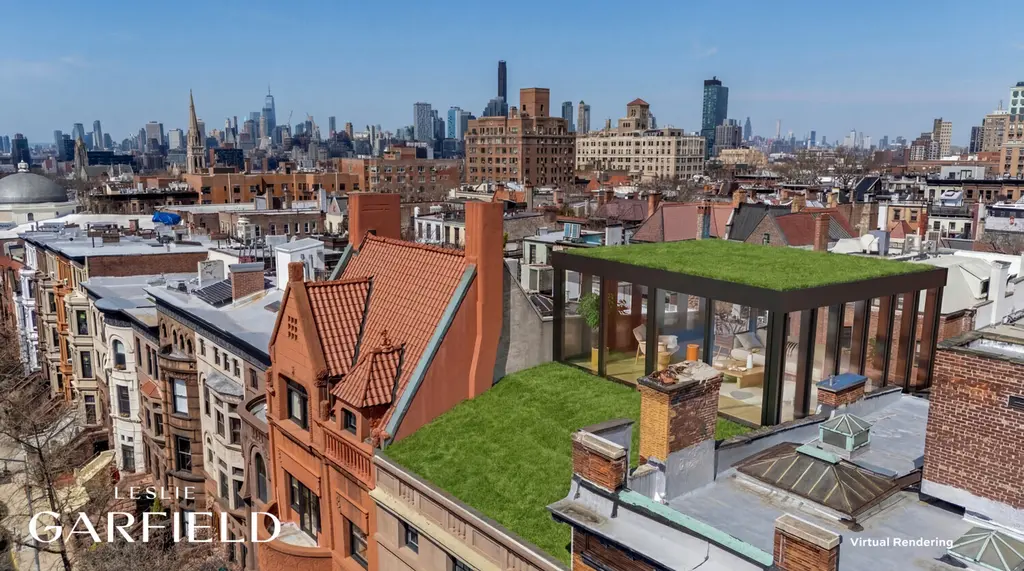
315 Garfield Place, # (Leslie J Garfield & Co Inc)
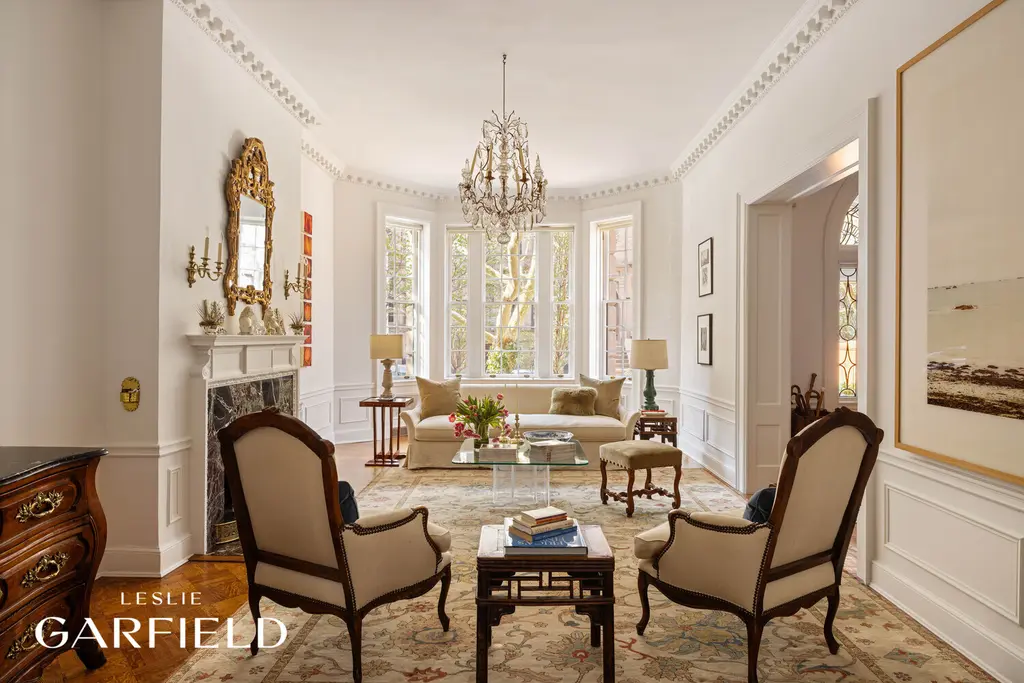
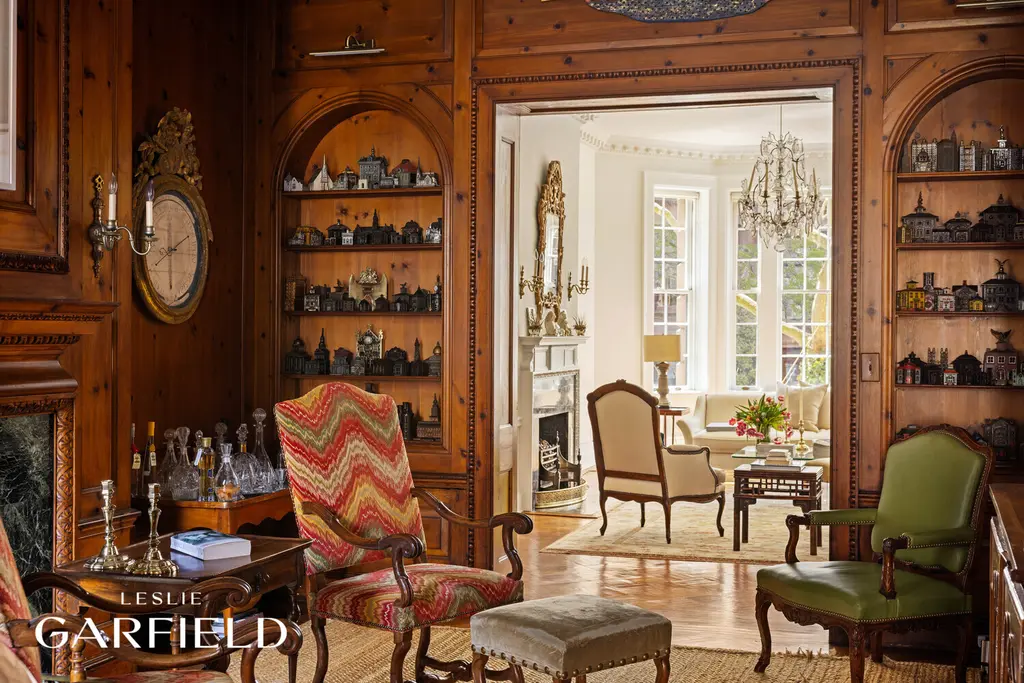
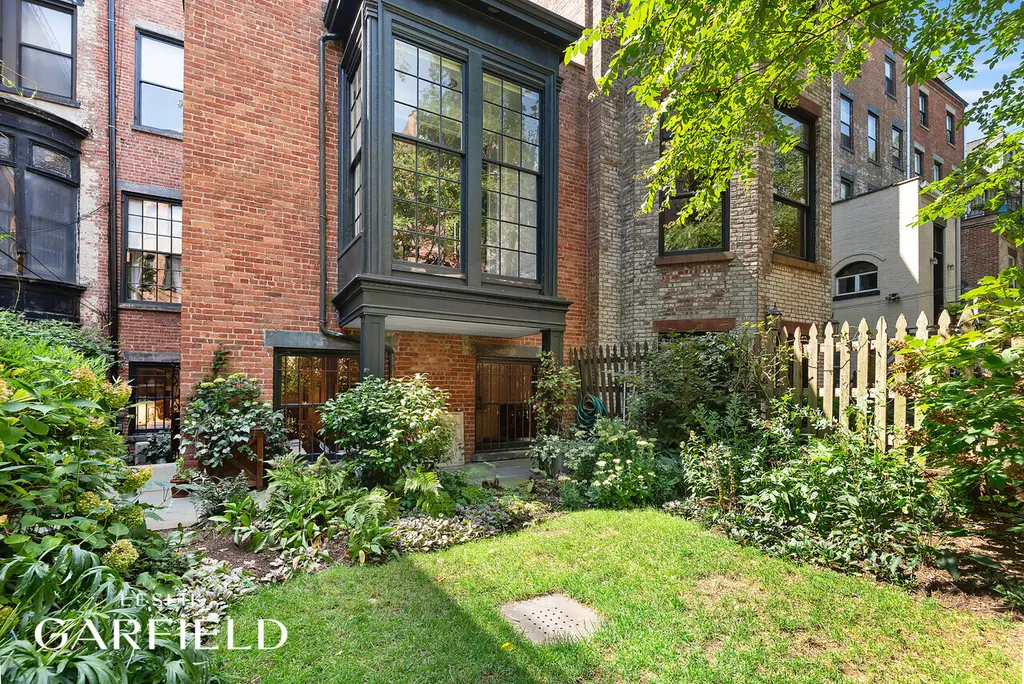
Tali’s advice is not to preserve everything blindly or gut everything for a blank slate. The best townhouse renovations keep the details that give the house its story, especially on the parlor level, while modernizing the areas where buyers now expect comfort and function.
Bedrooms need closets. Primary suites need bathrooms. Kitchens need to work for contemporary living. But fireplaces, pocket doors, staircases, shutters, moldings, and good brick can still make a renovated townhouse feel like something more than new construction in an old shell.
As Tali puts it, original detail has real value, but only when it works with the townhouse people want to live in today.
Bedrooms need closets. Primary suites need bathrooms. Kitchens need to work for contemporary living. But fireplaces, pocket doors, staircases, shutters, moldings, and good brick can still make a renovated townhouse feel like something more than new construction in an old shell.
As Tali puts it, original detail has real value, but only when it works with the townhouse people want to live in today.
Related Articles

Get To Know
What New York’s transparency bill could mean for whisper listings + Public listings with open houses
Friday, June 12, 2026
Bedford-Stuyvesant
When, why, and how to get renters insurance + 10 new and forthcoming NYC rentals
Today, July 9, 2026
Future New York
Price Cuts: Steve Wynn relists Ritz Carlton penthouse $20M below initial ask; Final availabilities at The Elisa marked down
Today, July 9, 2026
Great Listings
Great Bones: Mint-condition condos in intimate prewar buildings as London Clay Townhouse prepares for sales
Wednesday, July 8, 2026
Lower East Side
Q&A with Ben Picket on Gotham Organization tech-forward approach to improving luxury rental living
Wednesday, July 8, 2026
Future New York
Justin and Hailey Bieber’s West Village condo leads a $500M week of Manhattan sales
Wednesday, July 8, 2026
Great Listings
NYC homes with bay windows to let the sun shine in
Saturday, June 27, 2026
Get To Know

 6sqft delivers the latest on real estate, architecture, and design, straight from New York City.
