- Apartments
- Overview & Photos
- Maps
- Building Specialists
- Floorplans
- Sales Data & Comps
- Similar Buildings
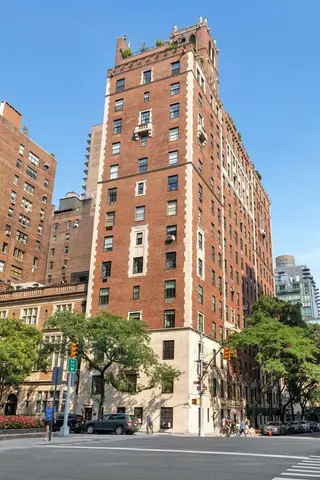
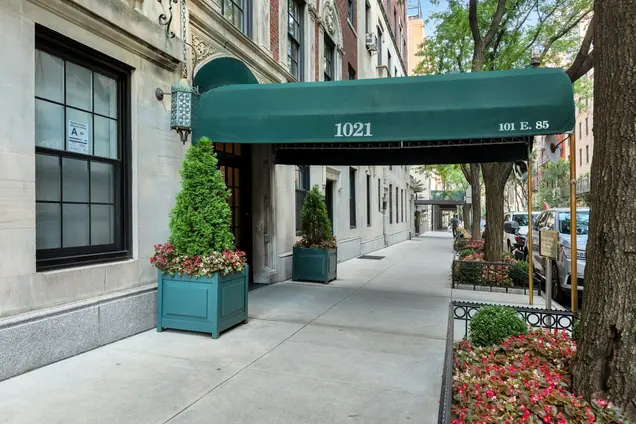
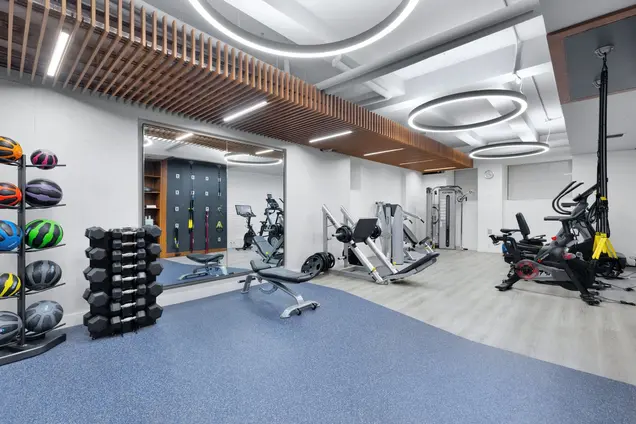
1021 Park Avenue is an elegant 14-story cooperative with 27 units, designed by Rosario Candela in 1929, featuring a 24-hour doorman, live-in manager, and fitness center. Located in a prime Upper East Side area near Central Park and amenities, the pet-friendly building allows 50% financing and has no summer work rules. Currently, 1 apartment is for sale.

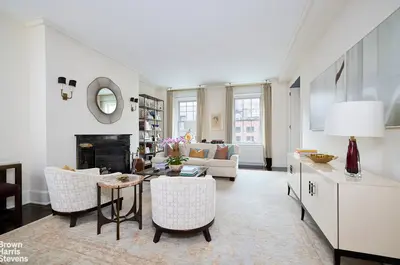
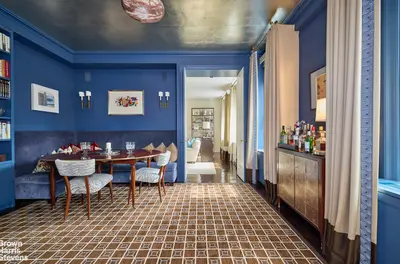
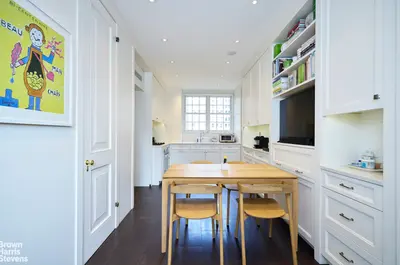
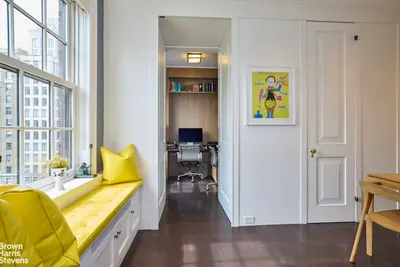
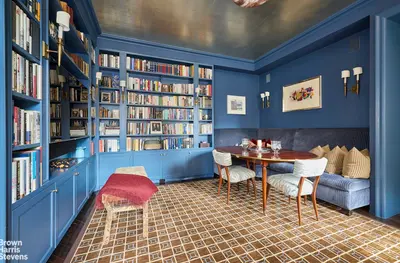
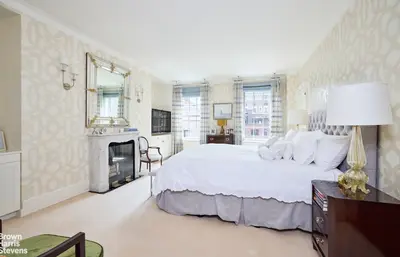
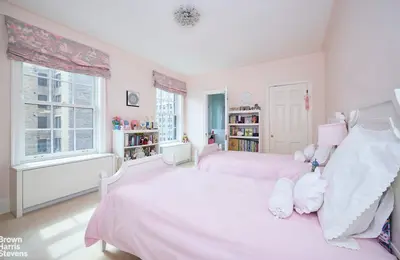
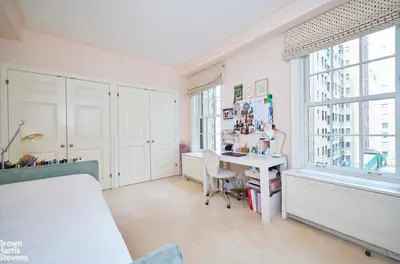
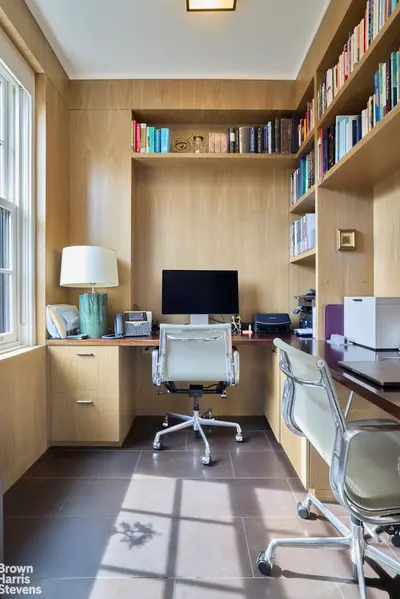
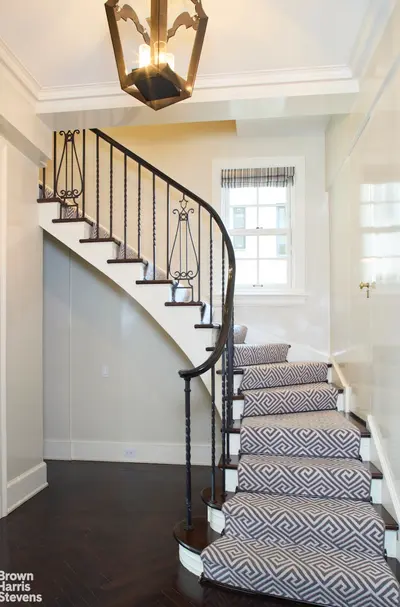
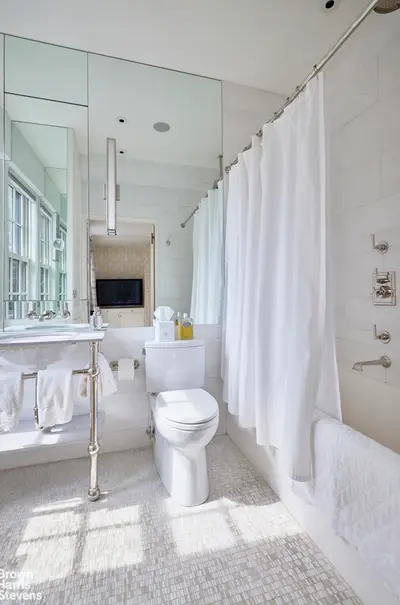
1021 Park Avenue is a distinguished cooperative building designed by Rosario Candela and completed in 1929. This elegant 15-story structure features 27 apartments, offering residents a blend of classic architecture and modern amenities. The building is staffed with a 24-hour doorman and a live-in resident manager, ensuring a high level of service and security. Notable for its pet-friendly policy, the building allows up to 50% financing and has no summer work rules, making it an attractive option for potential buyers.
Located at the northeast corner of 85th Street and Park Avenue, 1021 Park Avenue is ideally situated near Central Park, Museum Mile, and a variety of upscale dining and shopping options. The building's architectural features include a striking red-brick façade with limestone accents, gargoyles, and a beautifully enclosed rooftop water tank. The design allows for ample light and air, thanks to the surrounding low-rise buildings and the Park Avenue Christian Church.
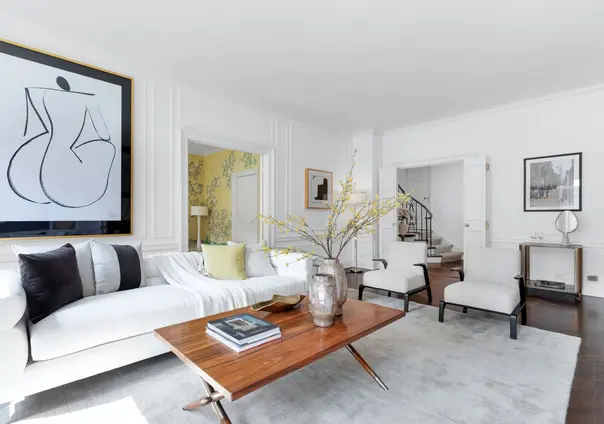
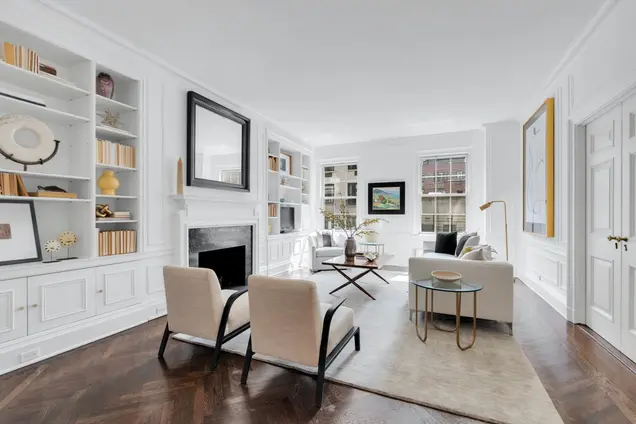
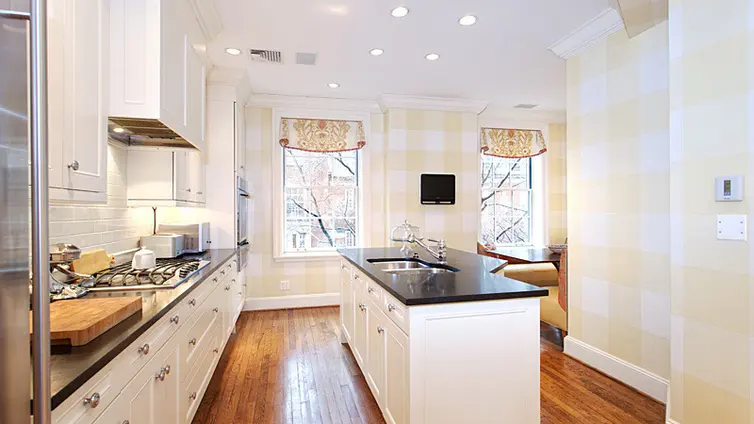
Residences within the building are characterized by spacious layouts and high ceilings, with many apartments featuring classic details such as herringbone floors and wood-burning fireplaces. For example, Apartment 9C boasts a 30-foot-long entrance gallery leading to a grand living room, while the duplex layout of Apartment 4/5B includes a formal dining room and a large kitchen. The building's amenities also include a fitness center and additional storage options for residents.
Throughout its history, 1021 Park Avenue has attracted notable residents, including journalist Walter Lippmann. The building's combination of historical significance, architectural beauty, and prime location makes it one of the most sought-after addresses on the Upper East Side.

View school info, local attractions, transportation options & more.
Experience amazing 3D aerial maps and fly throughs.

For some co-ops, instead of price per square foot, we use an estimate of the number of rooms for each sold apartment to chart price changes over time. This is because many co-op listings do not include square footage information, and this makes it challenging to calculate accurate square-foot averages.
By displaying the price per estimated room count, we are able to provide a more reliable and consistent metric for comparing sales in the building. While we hope that this gives you a clearer sense of price trends in the building, all data should be independently verified. All data provided are only estimates and should not be used to make any purchase or sale decision.
Notable past and present residents at 1021 Park Avenue

 6sqft delivers the latest on real estate, architecture, and design, straight from New York City.
Like us on Facebook to keep up with the trends and
6sqft delivers the latest on real estate, architecture, and design, straight from New York City.
Like us on Facebook to keep up with the trends and 