- Apartments
- Overview & Photos
- Maps
- Building Specialists
- Floorplans
- Sales Data & Comps
- Similar Buildings
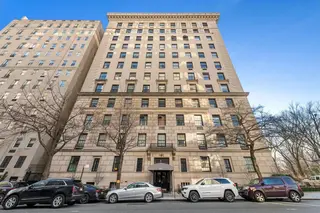
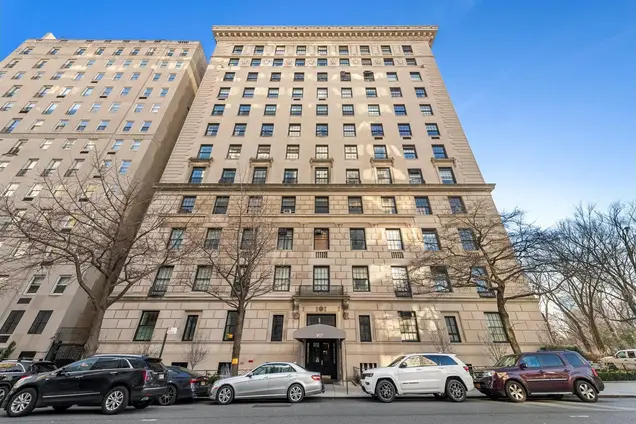
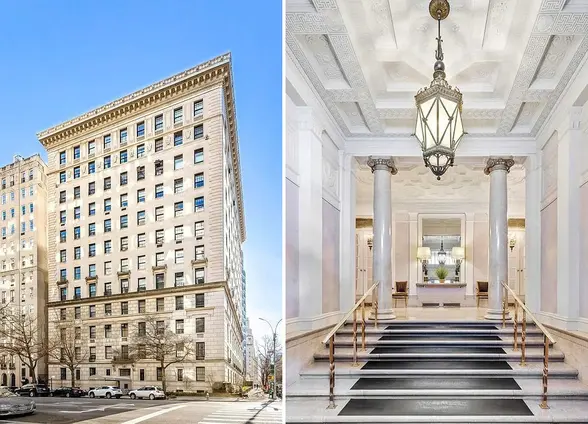
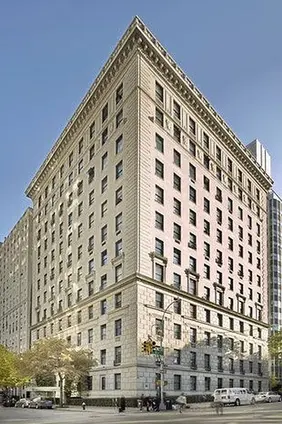
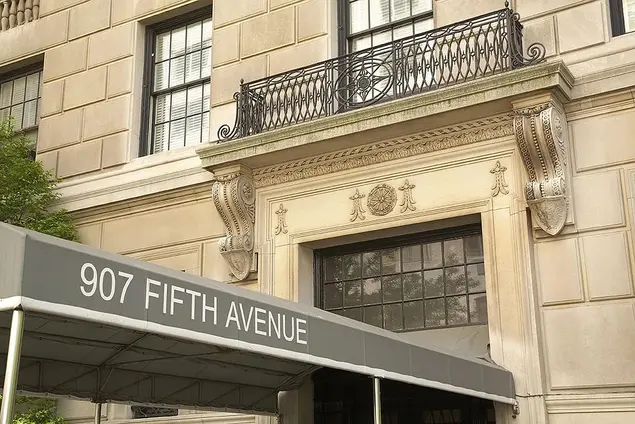
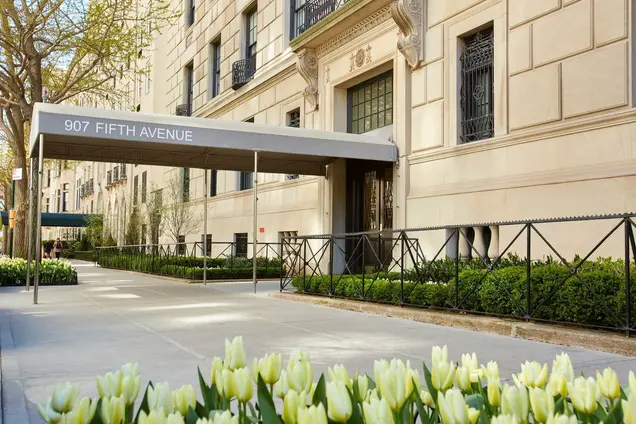
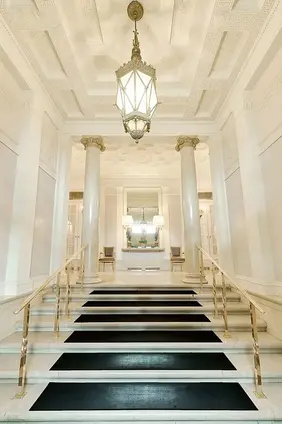
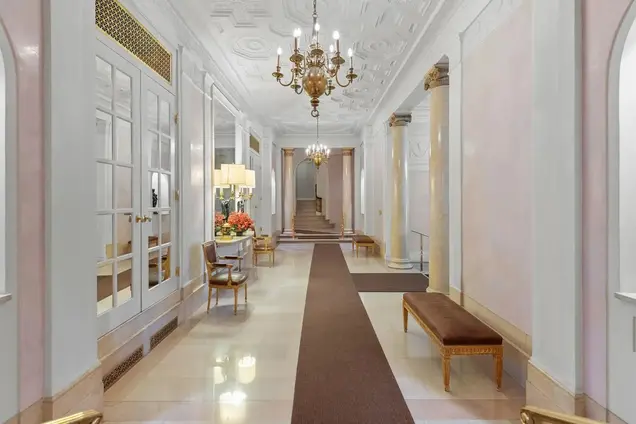
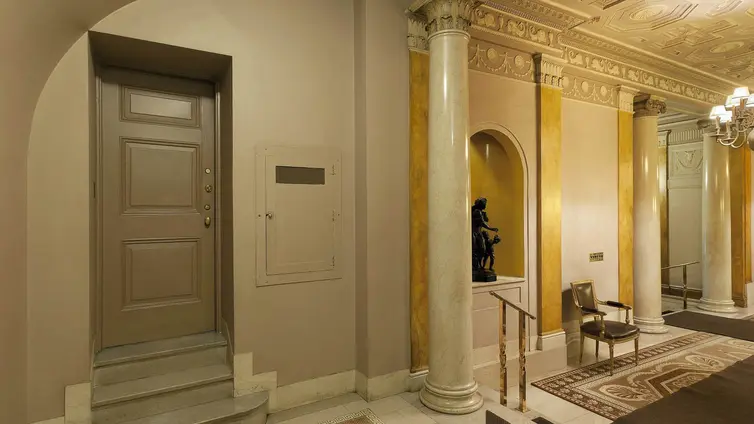
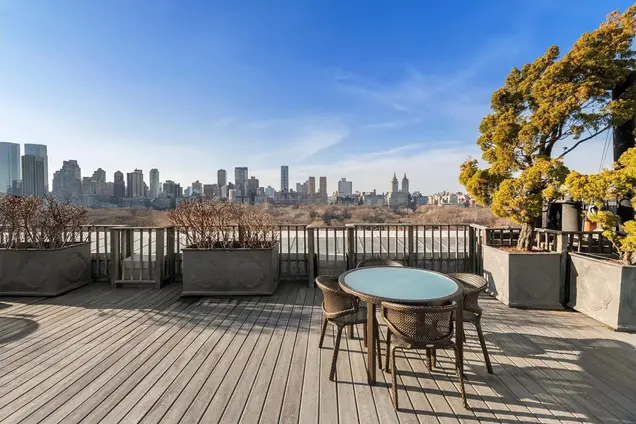
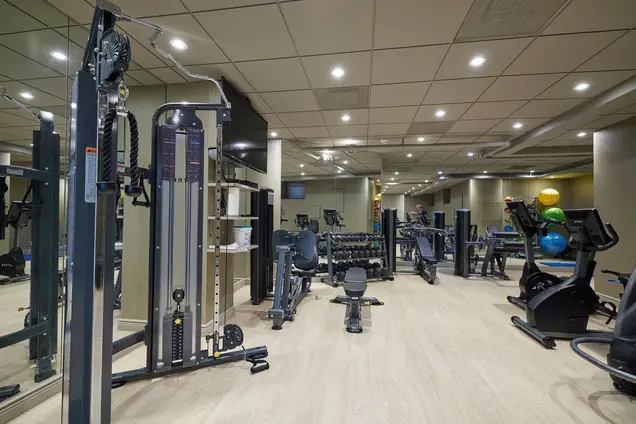
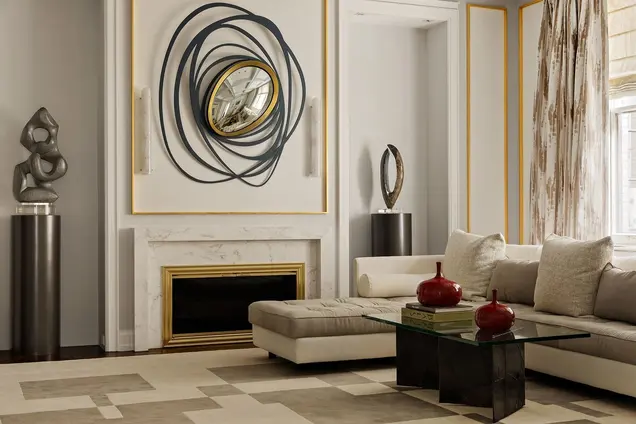
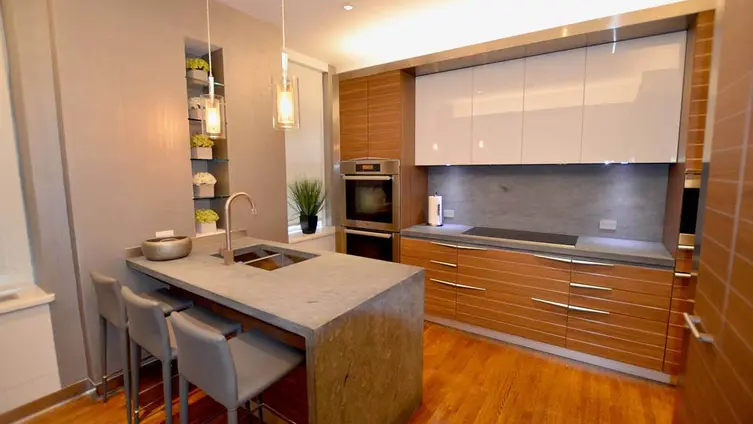
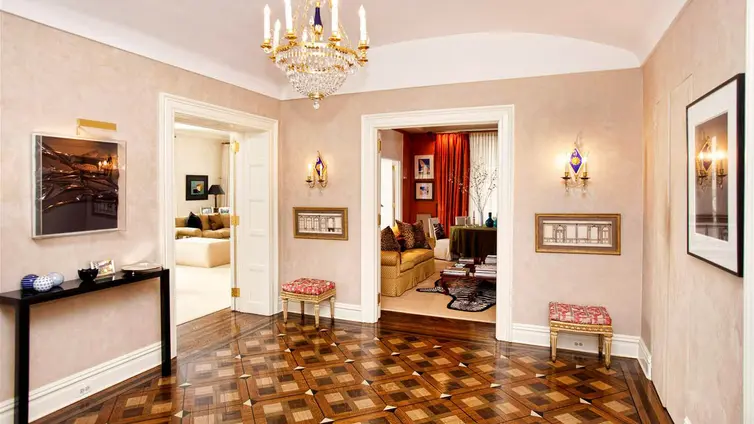
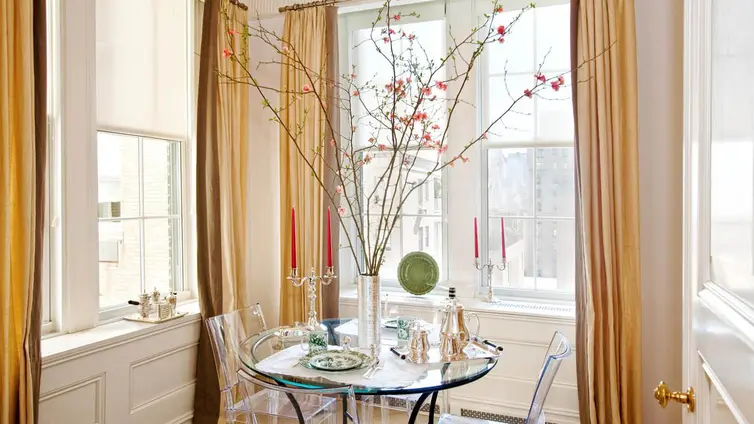
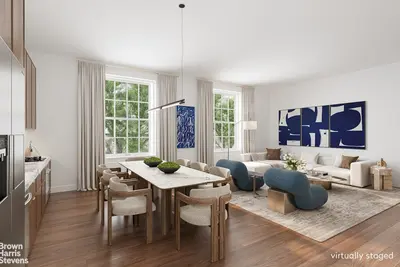
907 Fifth Avenue is an elegant 12-story Carnegie Hill cooperative built in 1916 in the Italian Renaissance Palazzo style. The building offers white-glove service, amenities including a fitness center and roof deck, and Central Park views. Currently, 2 apartments are for sale.

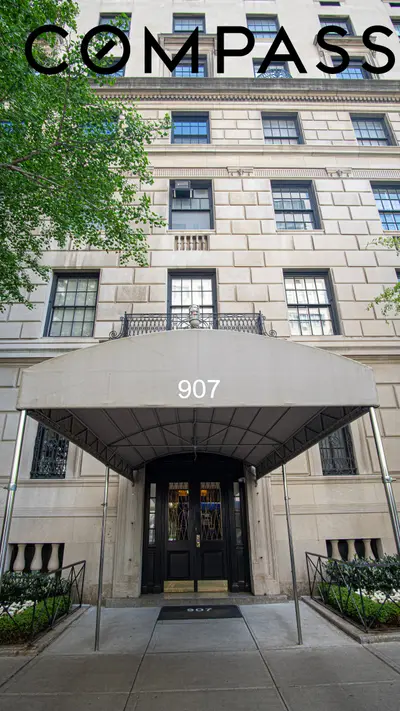
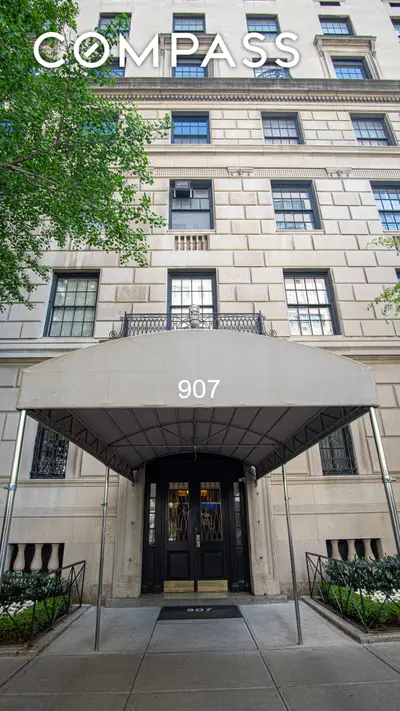
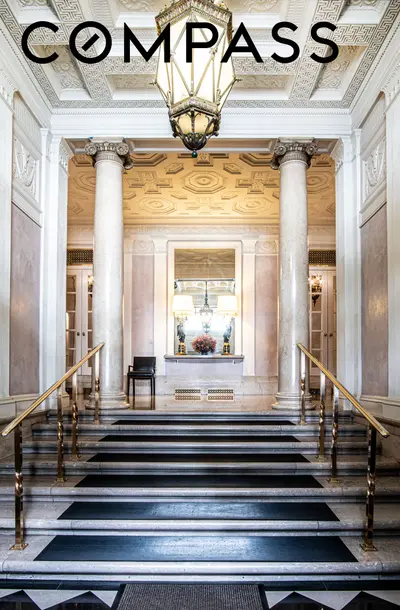
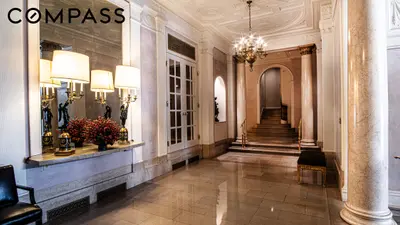
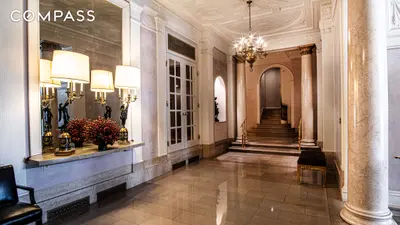
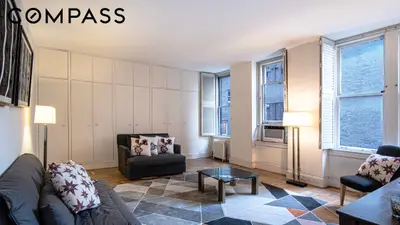
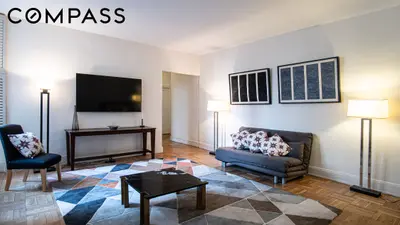
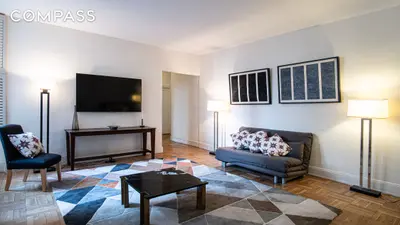
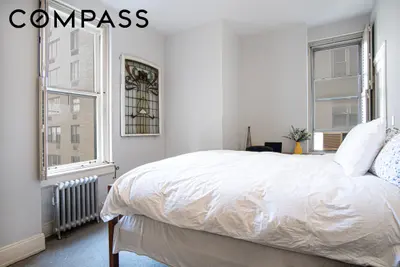
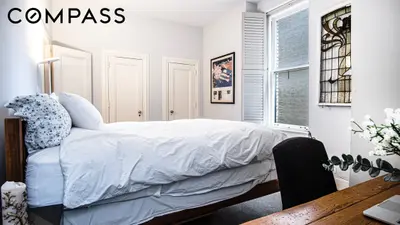
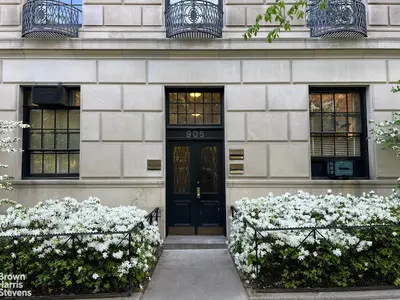
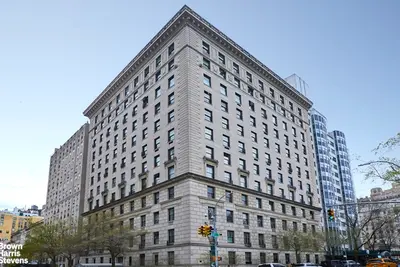
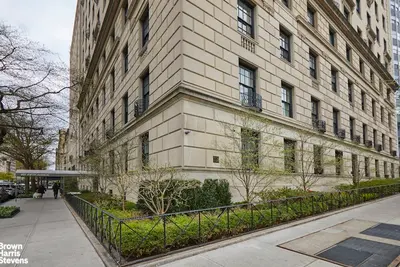
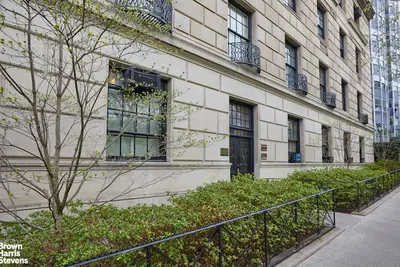
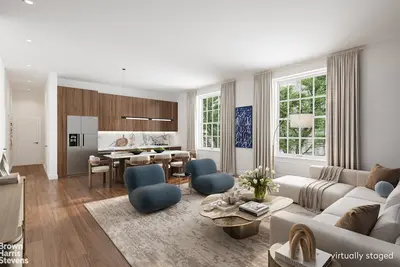
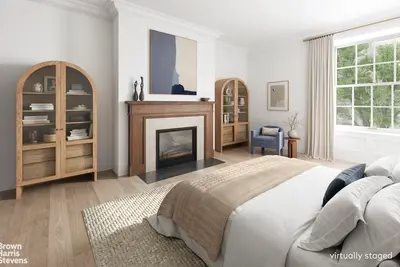
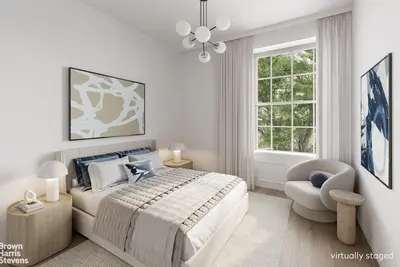
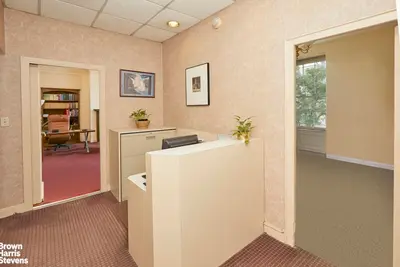
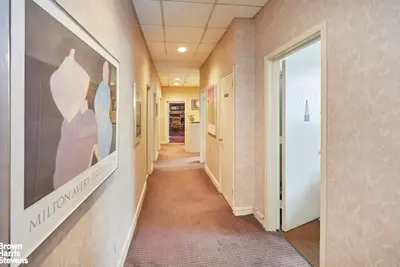
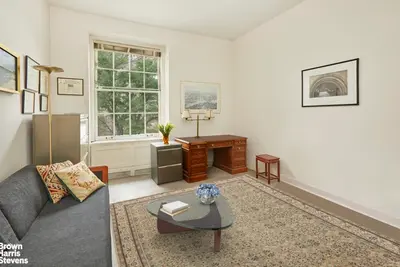
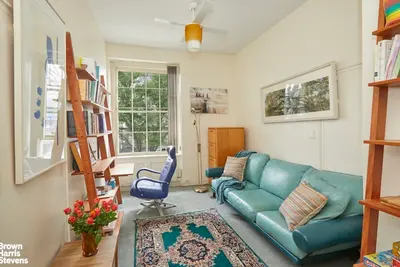
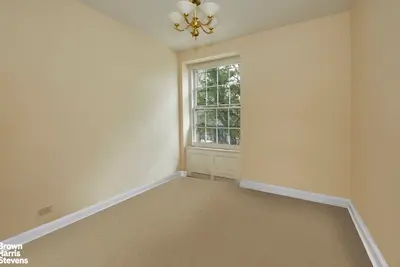
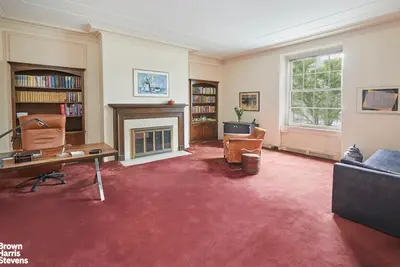
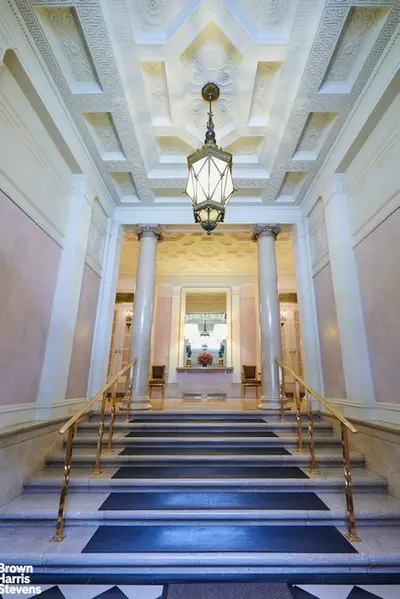
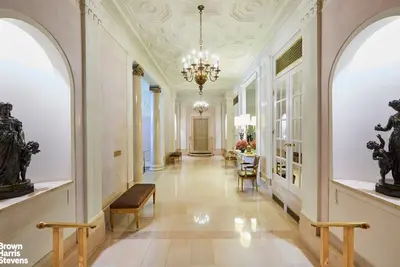
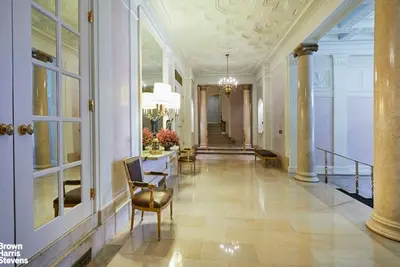
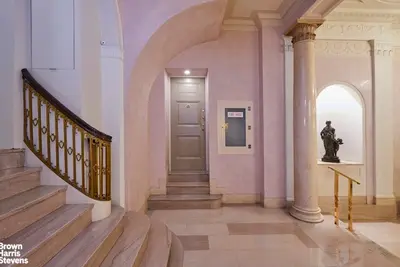
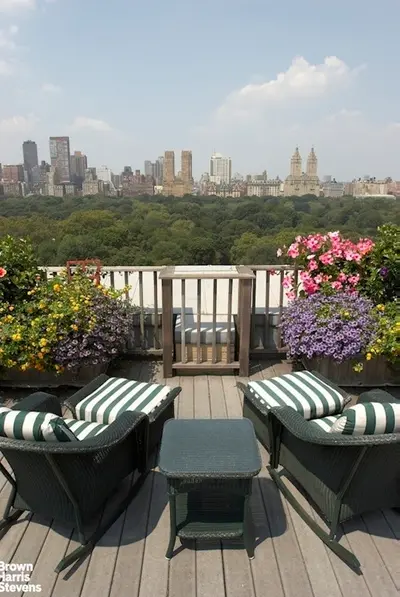
907 Fifth Avenue, completed in 1916, holds particular historical significance as the first apartment building to replace a private mansion on Fifth Avenue, marking a pivotal shift in the area's development. Designed by J.E.R. Carpenter in the Italian Renaissance Palazzo style, the 12-story limestone building earned the Gold Medal from the American Institute of Architects in 1916. The building's distinguished architecture features rusticated lower floors, balustrades housing sparrows on the third floor, deep corner quoins, and an immense cornice, with alternating window surrounds on the fourth floor adding visual interest to the façade.
Originally constructed with just two apartments per floor, the building now houses 48 units and occupies a prime location at the southeast corner of 72nd Street and Fifth Avenue, directly across from Central Park. The building gained additional notoriety as the longtime residence of reclusive copper heiress Huguette Clark, who owned 42 rooms spread across the 8th and 12th floors.
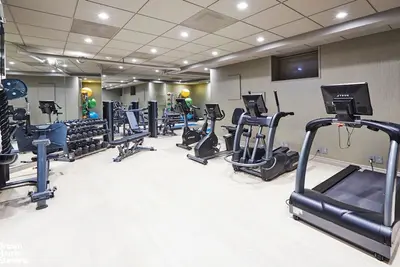
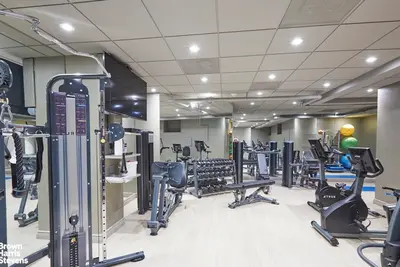
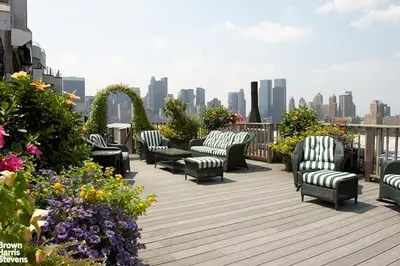
The white-glove cooperative maintains the highest standards of service with a full-time staff including resident manager, doormen, porters, and handymen. Modern amenities include a fitness center, central laundry facilities, individual storage bins for residents, and a landscaped roof deck offering sweeping Central Park views.
Situated one block north of The Frick Collection and near Madison Avenue's luxury boutiques, the building stands as a testament to the golden age of New York City apartment house development. The building replaced the James A. Burden mansion, which was designed by R.H. Robertson and completed in 1893. Notable early residents included Herbert L. Pratt, vice president of Standard Oil Company, who in 1915 rented the entire top floor of 28 rooms and eight baths for $30,000 per year.
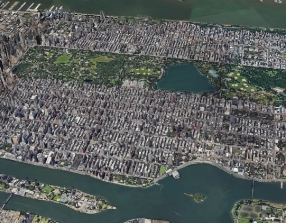
View school info, local attractions, transportation options & more.
Experience amazing 3D aerial maps and fly throughs.
For some co-ops, instead of price per square foot, we use an estimate of the number of rooms for each sold apartment to chart price changes over time. This is because many co-op listings do not include square footage information, and this makes it challenging to calculate accurate square-foot averages.
By displaying the price per estimated room count, we are able to provide a more reliable and consistent metric for comparing sales in the building. While we hope that this gives you a clearer sense of price trends in the building, all data should be independently verified. All data provided are only estimates and should not be used to make any purchase or sale decision.
Notable past and present residents at 907 Fifth Avenue

 6sqft delivers the latest on real estate, architecture, and design, straight from New York City.
Like us on Facebook to keep up with the trends and
6sqft delivers the latest on real estate, architecture, and design, straight from New York City.
Like us on Facebook to keep up with the trends and 