- Apartments
- Overview & Photos
- Maps
- Building Specialists
- Floorplans
- Sales Data & Comps
- Similar Buildings
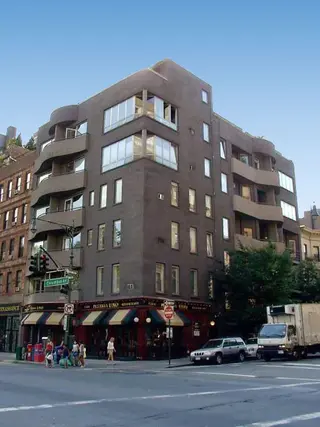
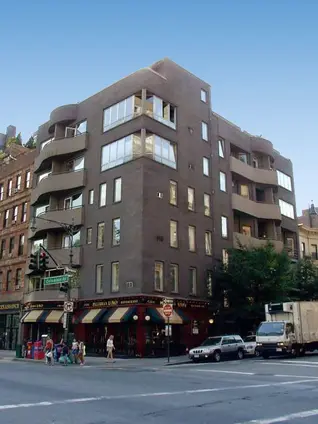
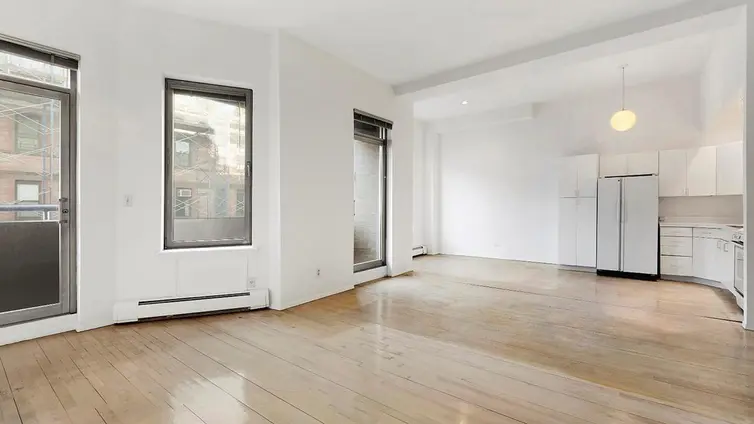
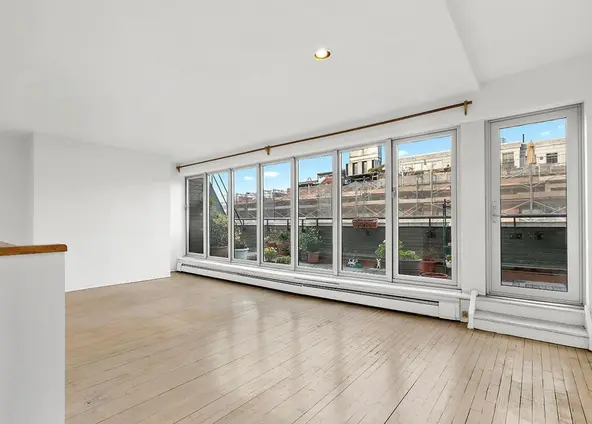
This small but prominent 7-story building on Columbus Avenue was created by converting four flats and a commercial building from the 1880s into 16 co-operative apartments between 1978 and 1982. The building is distinguished by its dark gray façades and curved balconies, and is located across from the American Museum of Natural History in the Upper West Side/Central Park West Historic District.

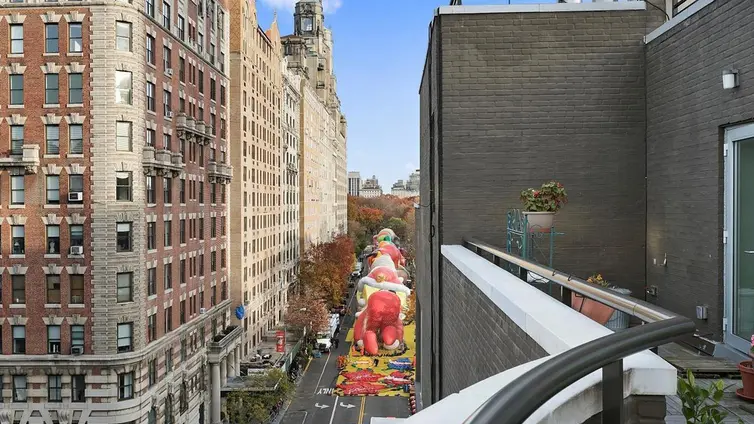
At the southwest corner of 81st Street and Columbus Avenue, directly across from the American Museum of Natural History, 100 West 81st Street is a seven story co op created by converting four 1880s flats and a small commercial space between 1978 and 1982. The project was developed by George J. Beame and Columbus Avenue Associates, with conversion work by architects Fred C. Lary and Marvin H. Meltzer.
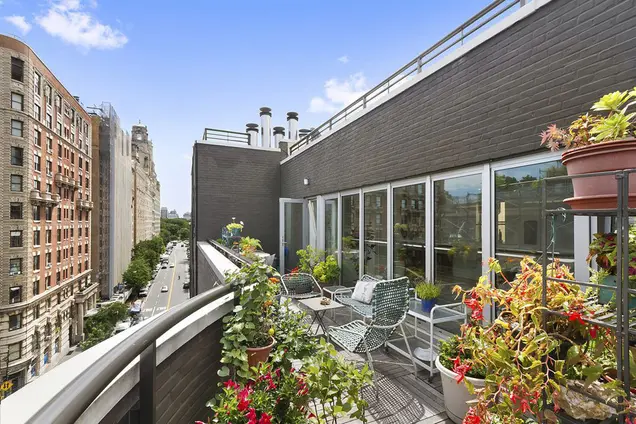
Its dark gray façades, asymmetrical massing, large corner windows, and curved balconies give the building a distinctive presence within the Upper West Side and Central Park West Historic District. The 16 residence building has a canopy entrance on the side street, a central laundry room, basement storage, a first floor restaurant, and a pet friendly policy.
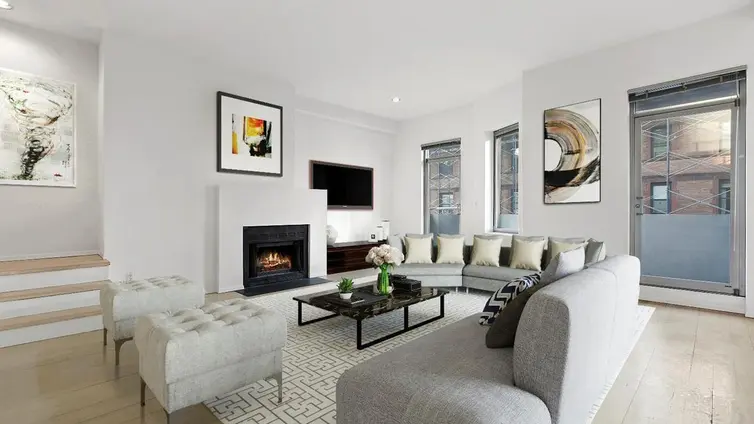
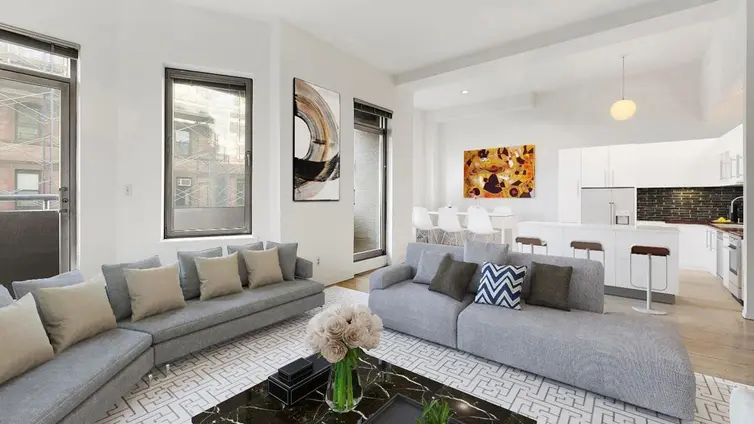
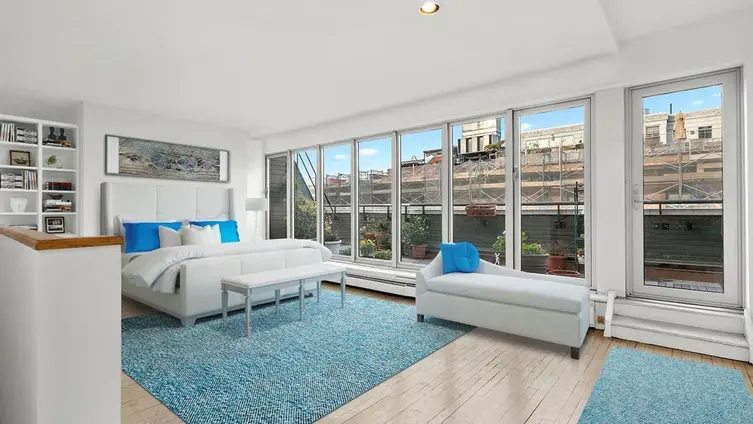
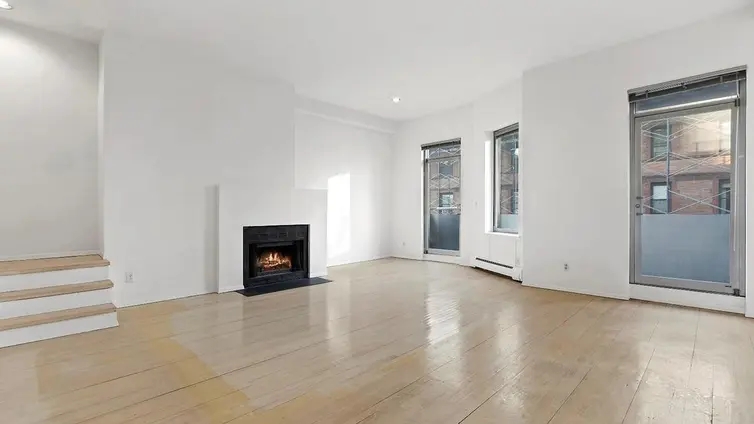
The apartments reflect the building’s unusual origins, with loft like proportions, high ceilings, wood burning fireplaces, exposed brick, oversized windows, and private outdoor space recurring among the more distinctive layouts. Duplexes are a notable part of the mix, including arrangements with living spaces on one level and bedrooms above, while balconies, roof terraces, and planted terraces appear in several residences.
The uppermost layout is a penthouse duplex organized around a loft like living level and a higher bedroom level, with a large terrace facing the American Museum of Natural History and Central Park. Central Park is one block north, and the B and C trains stop at 81st Street Museum of Natural History; Theodore Roosevelt Park, restaurants, boutiques, and the Columbus Avenue shopping corridor are also close by.
View school info, local attractions, transportation options & more.
Experience amazing 3D aerial maps and fly throughs.
For some co-ops, instead of price per square foot, we use an estimate of the number of rooms for each sold apartment to chart price changes over time. This is because many co-op listings do not include square footage information, and this makes it challenging to calculate accurate square-foot averages.
By displaying the price per estimated room count, we are able to provide a more reliable and consistent metric for comparing sales in the building. While we hope that this gives you a clearer sense of price trends in the building, all data should be independently verified. All data provided are only estimates and should not be used to make any purchase or sale decision.

 6sqft delivers the latest on real estate, architecture, and design, straight from New York City.
Like us on Facebook to keep up with the trends and
6sqft delivers the latest on real estate, architecture, and design, straight from New York City.
Like us on Facebook to keep up with the trends and 