- Apartments
- Overview & Photos
- Maps
- Building Specialists
- Floorplans
- Sales Data & Comps
- Similar Buildings
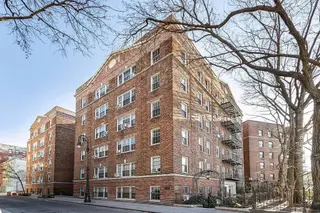
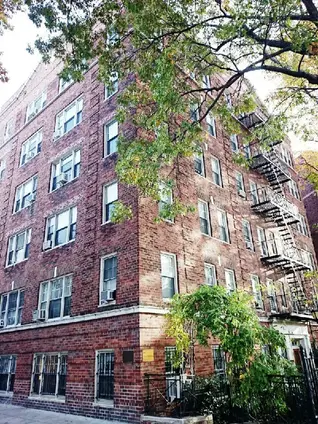
25 Minetta Lane is a pre-war co-op building in Greenwich Village, Manhattan, completed in 1940. The 5-story walk-up building contains 65 units and features amenities such as a garden and intercom. Currently, 1 apartment is for sale.

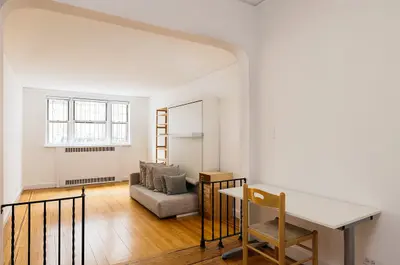
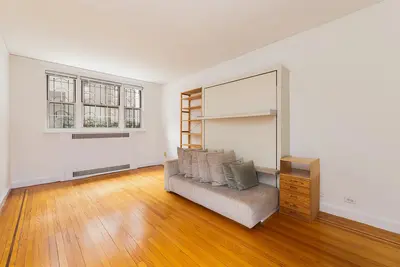
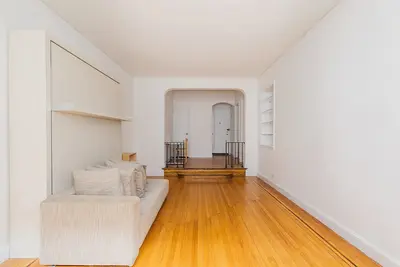
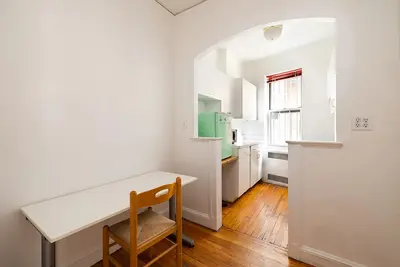
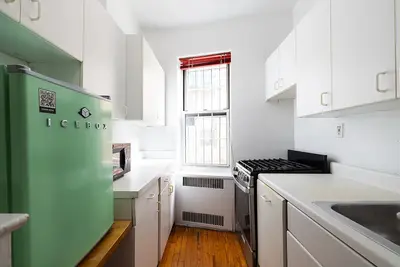
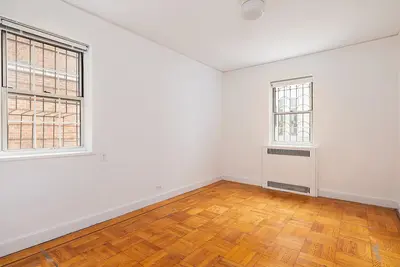
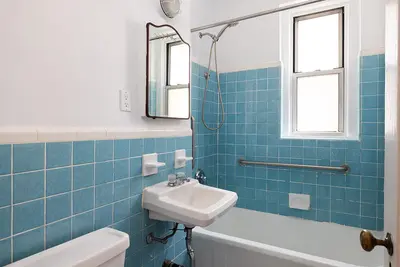
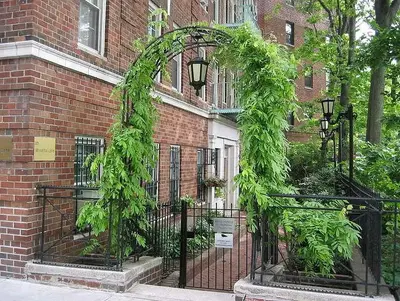
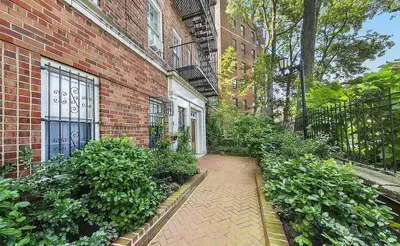

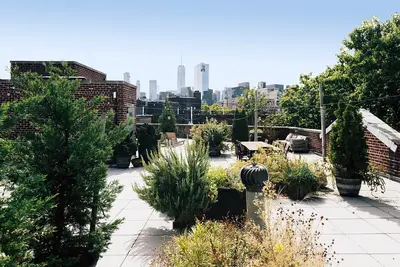
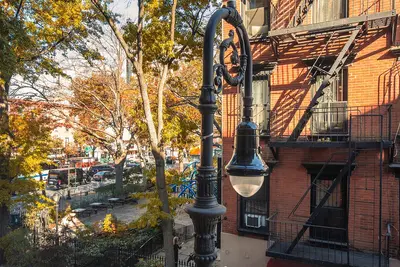

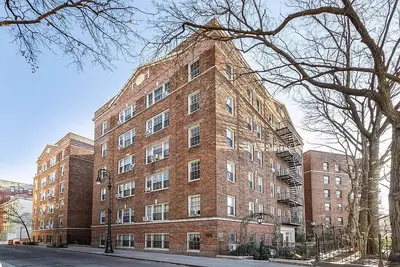
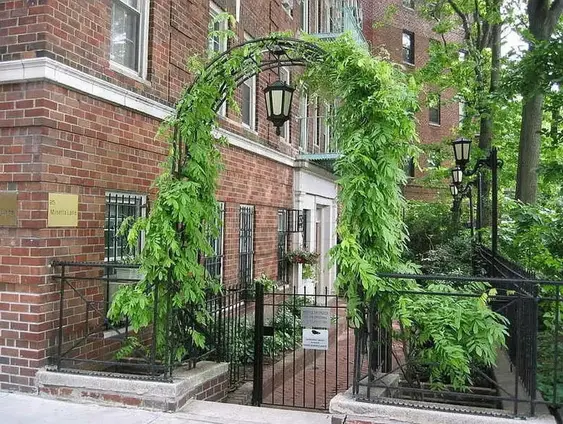
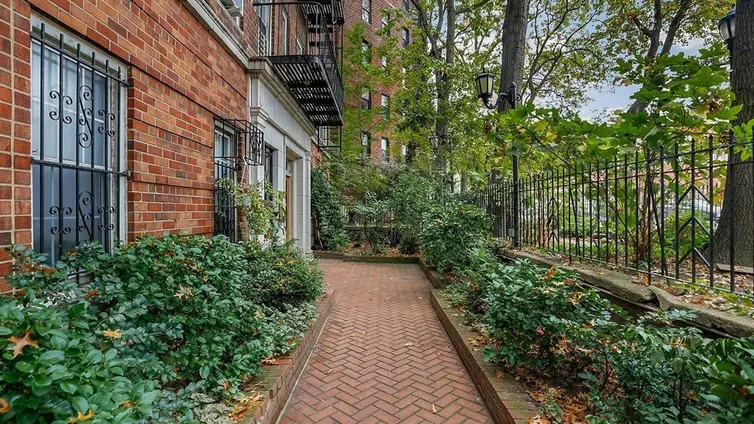
25 Minetta Lane is a six story red brick co-op built in 1940 in the heart of Greenwich Village, designed by H. I. Feldman and developed by the Belkind Realty Corporation. The 63 unit building features Art Deco and Colonial Revival styling with terra cotta stringcourses, triangular pediments, and a distinctive gated garden entrance. The building is divided into two wings around front and rear light courts, with some façades featuring fire escapes. Located at the historic intersection where Minetta Street and Minetta Lane converge near Sixth Avenue, the building sits on land that was once part of "Little Africa," an area with a rich history dating back to the 1600s when freed slaves farmed along Minetta Brook.
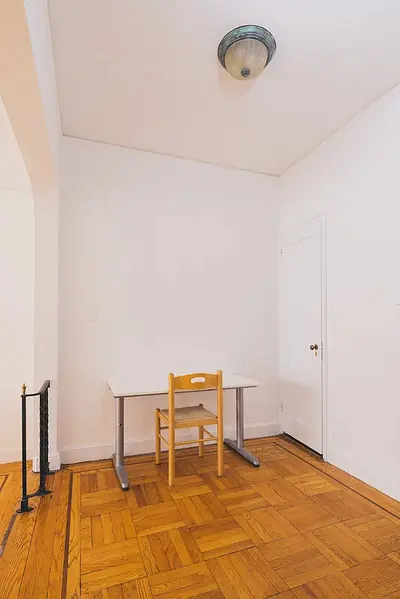
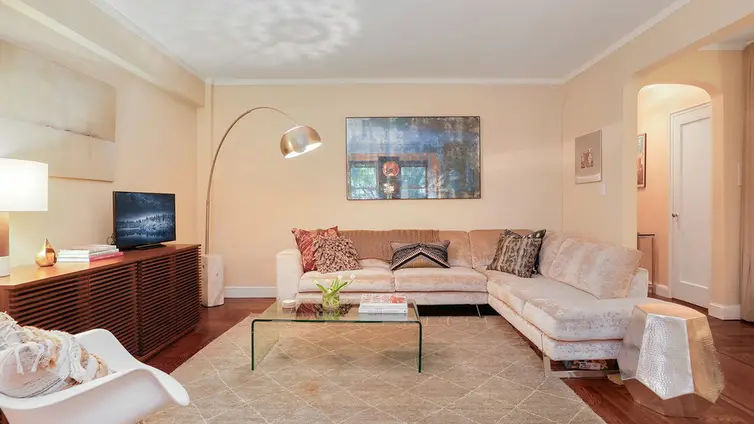
Apartments retain classic pre war details including hardwood floors with inlaid wood bordering, crown moldings, picture frame moldings, and high ceilings. Units range from studios to two bedrooms, with many featuring windowed kitchens, multiple closets, and generous layouts. Some apartments have distinctive elements like sunken living rooms, bay windows, dining alcoves, and semi circular galleries. Several units offer corner exposures with abundant natural light, and layouts often include separate entry foyers that create distinct living zones.
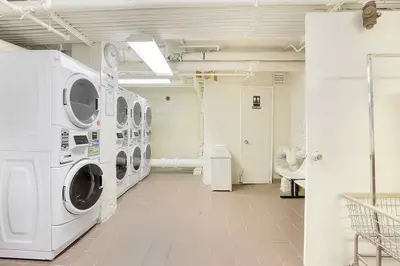
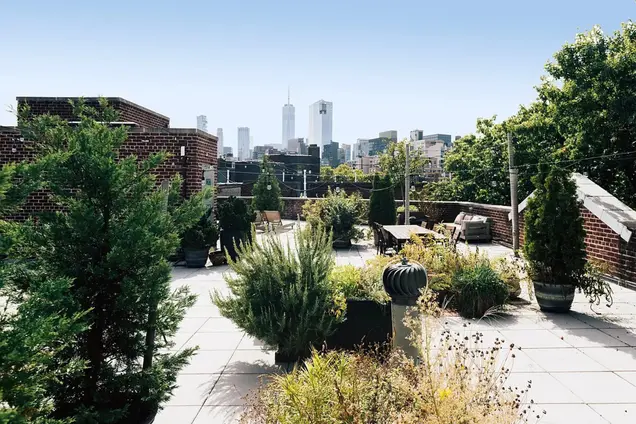
Building amenities include a landscaped roof deck with panoramic city views stretching from the Empire State Building to the Freedom Tower, a live-in superintendent, on-site laundry facilities, bicycle storage, and secured package lockers with ButterflyMX video intercom system. The co-op is notably flexible, permitting pets, guarantors, pied-à-terres, and subletting, with no board interview required and 80% financing allowed. Washer/dryer installation is permitted in-unit for combined apartments. The building's location places residents steps from Washington Square Park, the West 4th Street subway hub serving multiple lines, and the historic Minetta Tavern, once frequented by Ernest Hemingway, Ezra Pound, and Eugene O'Neill.
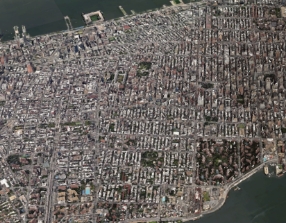
View school info, local attractions, transportation options & more.
Experience amazing 3D aerial maps and fly throughs.

For some co-ops, instead of price per square foot, we use an estimate of the number of rooms for each sold apartment to chart price changes over time. This is because many co-op listings do not include square footage information, and this makes it challenging to calculate accurate square-foot averages.
By displaying the price per estimated room count, we are able to provide a more reliable and consistent metric for comparing sales in the building. While we hope that this gives you a clearer sense of price trends in the building, all data should be independently verified. All data provided are only estimates and should not be used to make any purchase or sale decision.

 6sqft delivers the latest on real estate, architecture, and design, straight from New York City.
Like us on Facebook to keep up with the trends and
6sqft delivers the latest on real estate, architecture, and design, straight from New York City.
Like us on Facebook to keep up with the trends and 