
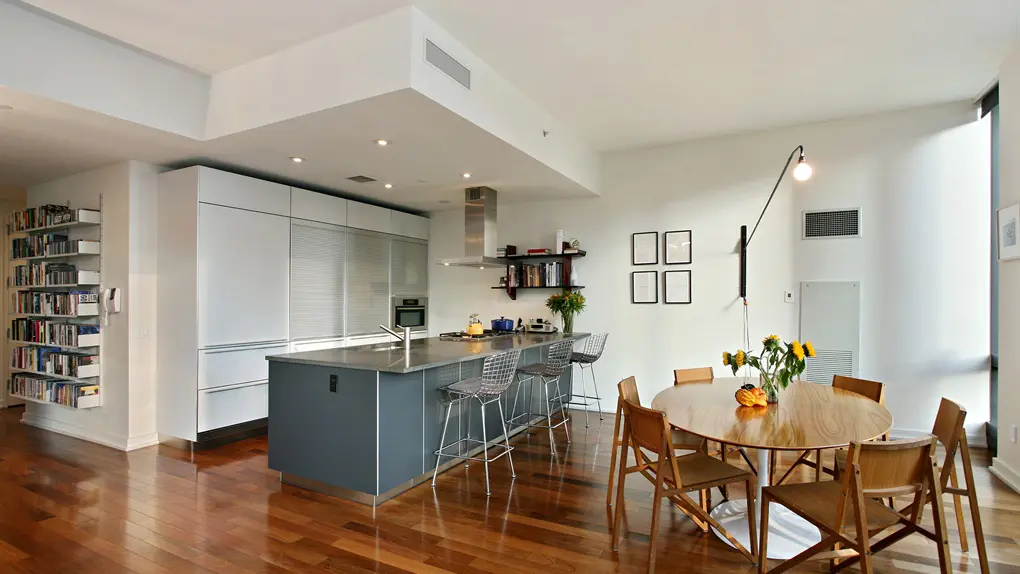
Designed by the renowned architectural firm Skidmore, Owings & Merrill and completed in 2008, 101 Warren Street is a striking 35-story condominium tower that occupies nearly an entire city block in southern TriBeCa. The building's distinctive façade features elongated checkerboard-like arcades clad in sand-colored textured granite from India, creating one of the neighborhood's most recognizable silhouettes. Developed by Edward J. Minskoff Equities, the full-service luxury building houses 227 condominium residences and 163 rental units, with interiors originally designed by Victoria Hagan and layouts by Ismael Leyva Architects.
The building's 227 condominiums range from one to five bedrooms, with units spanning from 923 square feet to over 4,000 square feet. Most apartments feature floor-to-ceiling windows, 10-12 foot ceilings, and South American walnut Lapacho wood floors. Kitchens are outfitted with Bulthaup cabinetry and high-end Sub-Zero, Miele, and Bosch appliances, while master bathrooms showcase Imperial Danby marble and Wenge wood vanities. Many units include private outdoor loggias, and the building's crown jewel penthouses on floors 32-33 feature duplex layouts with 20-foot-high outdoor terraces and Ipe wood decking. Notable residents have included Symon Garber, known as the "Taxi-King" of NYC.
The building underwent a multimillion-dollar amenity renovation designed by Clodagh Design, creating over 9,130 square feet of resort-quality facilities. The centerpiece is a unique fifth-floor "Artrium" featuring a pine forest of 101 Austrian pine trees designed by Thomas Balsley Associates, who also designed Riverside Park. Additional amenities include a state-of-the-art fitness center managed by The Wright Fit, spa with sauna and steam rooms, yoga/Pilates studio, residents' lounge with fireplace and screening area, children's playroom, and multiple outdoor decks with a Zen water garden. The building also features original artwork including a 14½-foot sculpture by Joel Shapiro at the entrance and large tapestries by Roy Lichtenstein in the double-height lobbies.
Strategically positioned between West and Greenwich Streets, 101 Warren Street offers exceptional convenience with Whole Foods Market and SoulCycle located directly at ground level. The building provides 24-hour attended parking and is steps from Washington Market Park, Hudson River Park, and excellent public transportation including 11 subway lines and PATH trains. Residents enjoy proximity to acclaimed TriBeCa restaurants, Brookfield Place and Westfield World Trade Center shopping, and are directly across from the highly regarded P.S. 234, noted for its distinctive nautical design by Richard Dattner.
For screen reader users all content above is visible so you may ignore the show more button below.
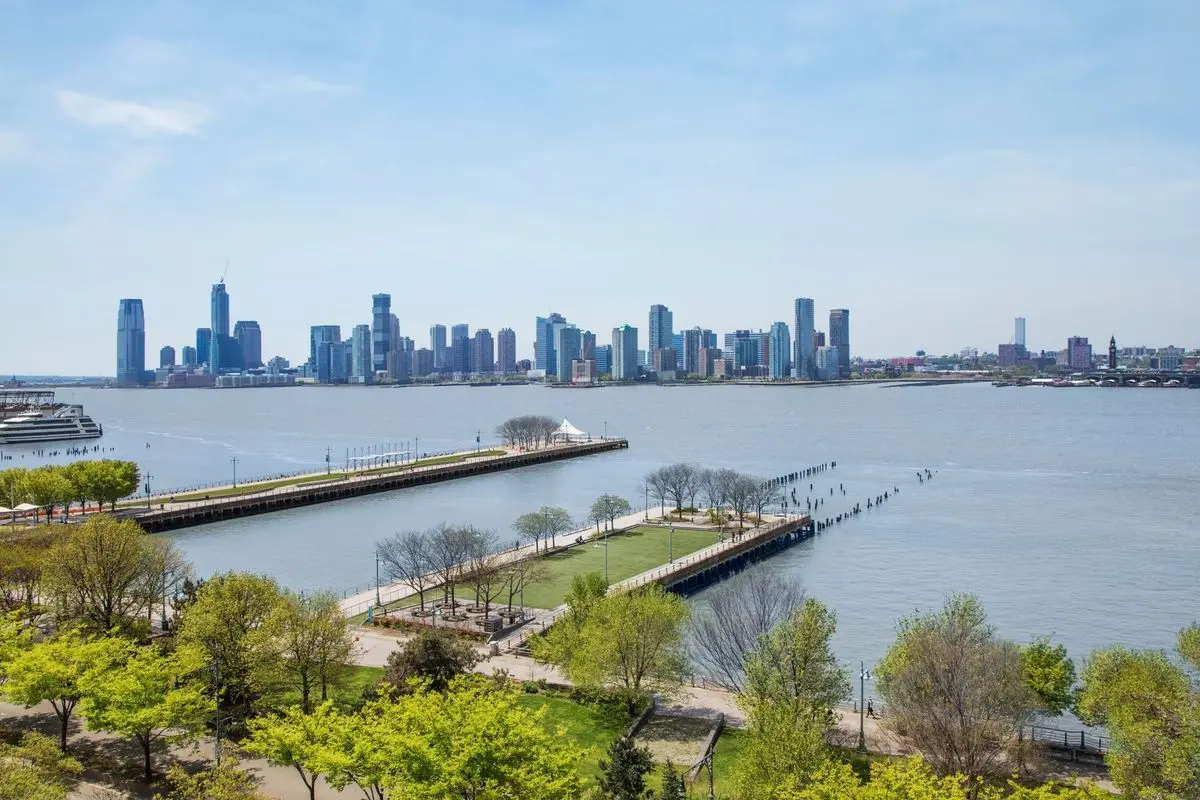
173 Perry Street is a mid-rise residential condominium designed by renowned architect Richard Meier, completed in 2002. This building, along with its twin at 176 Perry Street, set a new design standard for mid-rise residential architecture in Manhattan, characterized by elegant façades featuring floor-to-ceiling windows and white steel elements. The building's minimalist aesthetic is complemented by its location across from the Hudson River Park, enhancing its appeal as a desirable residence in the West Village. Notable residents have included celebrities such as Nicole Kidman and William Joy, co-founder of Sun Microsystems, adding to the building's allure.
The apartments at 173 Perry Street are designed with an emphasis on spaciousness and light, featuring 11-foot ceilings and expansive layouts. Many units offer panoramic views of the Hudson River and the New York City skyline, with some residences boasting private terraces. The interiors are often finished with high-quality materials, including terrazzo flooring and custom cabinetry, and are equipped with modern amenities such as smart home climate control and automated window shades. The building provides a range of amenities, including a 24-hour concierge, fitness center, and a stunning lobby, ensuring a luxurious living experience.
173 Perry Street is part of a small community of only 11 homes, fostering a sense of privacy and exclusivity. The building's proximity to cultural landmarks like the Whitney Museum and the High Line, as well as world-class dining options, further enhances its desirability. Residents enjoy the convenience of on-site services, including room service from the acclaimed Jean Georges restaurant located nearby. This combination of architectural significance, luxurious amenities, and a vibrant neighborhood makes 173 Perry Street a standout choice for those seeking a refined urban lifestyle.
For screen reader users all content above is visible so you may ignore the show more button below.
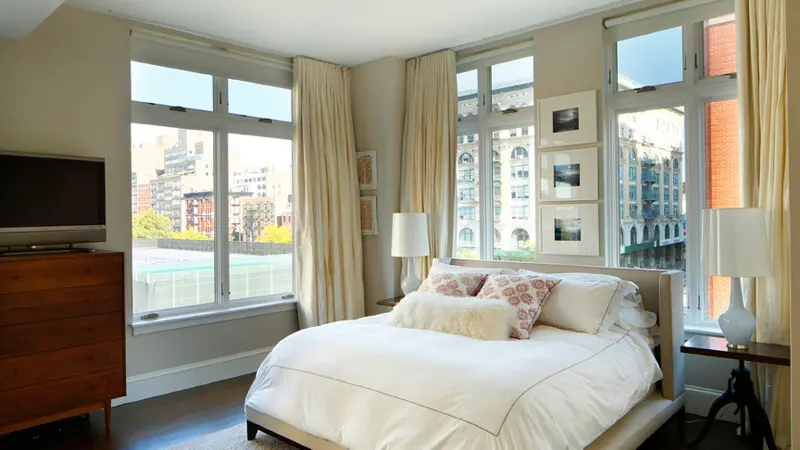
160 Wooster Street was originally intended to be 43 rental units, but it was reconfigured into 15 loft-style apartments in 2005.
Residences offer flexible floor plans to adapt to changing lifestyles. The two duplex penthouses have custom-designed staircases and expansive terraces. Apartments range in size from 1,400 to 3,500 square feet, with two ground floor commercial units. Most are corner apartments, allowing for open views and sun-drenched rooms. They also have ceilings more than 10 feet high, white oak hardwood floors, wood-frame windows, video intercom and security systems and washers and dryers. Units are also equipped with individually controlled heating and air-conditioning systems.
Amenities include a common roof garden, private basement storage and a separate service entrance with elevator access; there are also two key-locked passenger elevators. Convenient to NoHo, Greenwich Village, NoLita and Little Italy, 160 Wooster Street is well-served by public transportation and is close to many restaurants, art galleries and boutiques.
For screen reader users all content above is visible so you may ignore the show more button below.
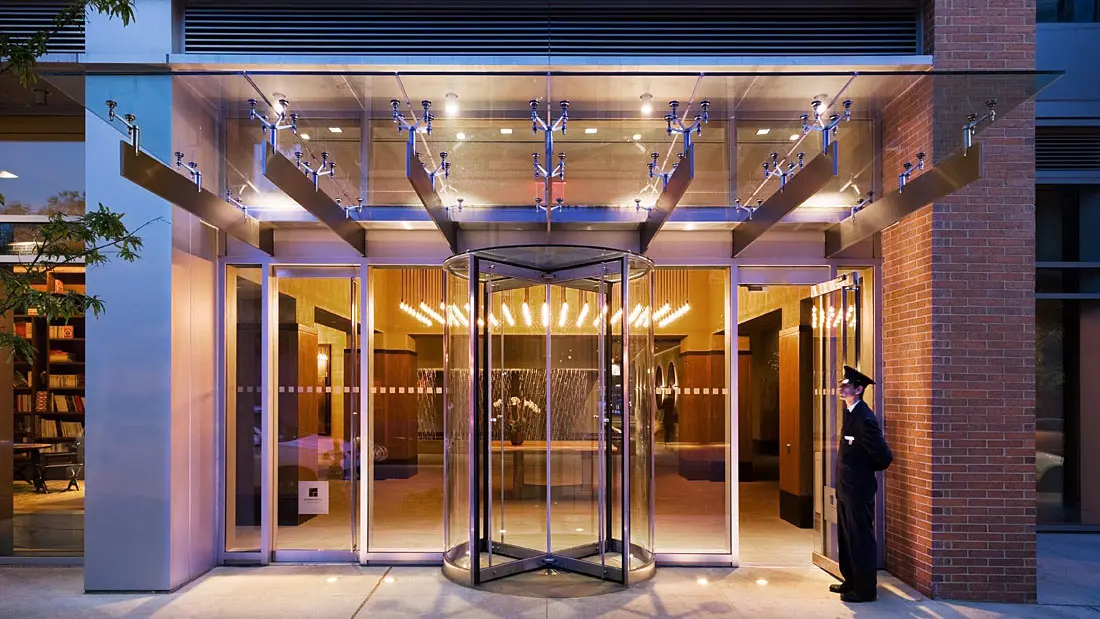
The Caledonia, a 24-story mixed-use development at 450 West 17th Street, opened in 2008 on the former site of the Chelsea Garden Center. Designed by Handel Architects with interiors by Clodagh, this Related Companies project uniquely combines 190 condominium apartments in the main tower with 288 rental units in an adjacent 8-story wing, including 58 permanently affordable units. While residents share an elegant lobby featuring Richard Serra-inspired design elements, cascading water features, and sandstone walls, separate elevator systems serve the condo and rental sections. The building's developers contributed $28 million to the High Line Park and positioned the property directly adjacent to the elevated park with direct access, while sitting across from the landmark Chelsea Market.
Apartments throughout the building showcase consistent high-end finishes, including bamboo plank flooring, floor-to-ceiling windows, and premium appliance packages featuring Sub-Zero refrigerators, Wolf cooktops, Viking ovens, and Miele dishwashers. Bathrooms are appointed with quartzite countertops, vessel sinks, and custom Watermark fixtures inspired by ancient Etruscan metals. The building offers over 180 different floor plans ranging from studios to expansive four-bedroom units, with some featuring private terraces up to 1,700 square feet. Notable units include corner apartments with dramatic city and Hudson River views, particularly on higher floors overlooking Hudson Yards and the Manhattan skyline.
The Caledonia's amenities rival those of luxury hotels, anchored by an on-site Equinox fitness center with kids' club (separate membership required), along with a landscaped sun terrace equipped with BBQ areas and outdoor showers. Additional facilities include a Zen meditation garden designed by HM White, children's playroom, pet spa services by Dog City, bicycle storage, parking garage, and a library lounge with fireplace. The building maintains 24-hour doorman and concierge services, plus business facilities including a conference room and residents' entertainment lounge.
What sets the Caledonia apart is its exceptionally low common charges for a luxury building of this caliber, combined with 421-a tax abatement benefits and its prime location at the intersection of Chelsea, the Meatpacking District, and West Village. The building's direct High Line access and proximity to Chelsea Market, Hudson River Park, and major transportation hubs make it one of downtown Manhattan's most sought-after addresses, representing the first luxury condominium built directly on the High Line corridor.
For screen reader users all content above is visible so you may ignore the show more button below.
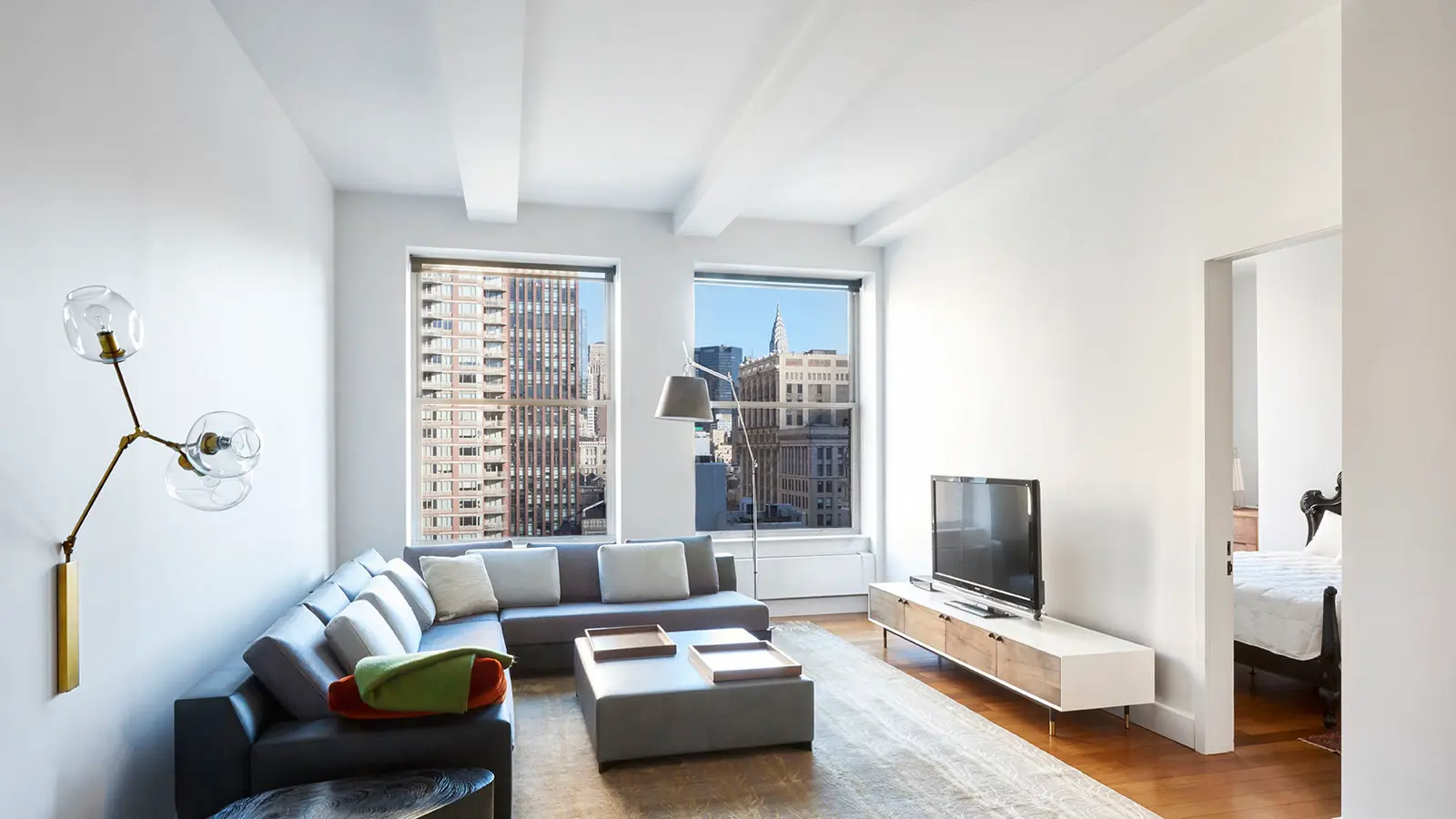
The top 12 floors of the 20-story pre-war office building known as 15 Madison Square North have been converted to one-to-four-bedroom luxury condominium apartments overlooking Madison Square Park and the Flatiron Building in one of the city’s hottest residential neighborhoods. The building, erected in 1910, begins with a 24-hour attended lobby. Residents also get a 24-hour doorman and concierge, a landscaped roof deck, a state of the art fitness center, a wine storage and tasting room and a children's playroom. In addition to being within steps from nearly every subway line in the city, the surrounding neighborhood is home to a bustling interior design district and popular destinations like Dover Street Market, ABC Kitchen and Gramercy Tavern.
For screen reader users all content above is visible so you may ignore the show more button below.
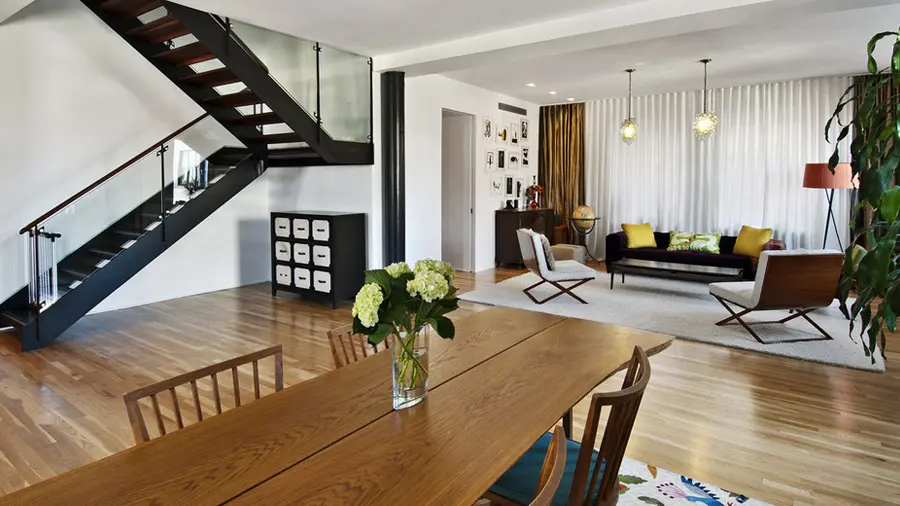
The American Thread Building at 260 West Broadway stands as one of TriBeCa's most distinguished residential conversions, with a fascinating history that spans over a century. Originally constructed in 1894-1896 as the Wool Exchange Building by architect William B. Tubby in Renaissance Revival style, the 11-story structure was designed to help New York overtake Boston as the nation's wool trade center. When that venture failed, the American Thread Company occupied the building from 1901 to 1964, giving the building its enduring name. The building gained additional cultural significance when a Keith Haring mural was discovered in 2007 during renovations—painted by the then 20-year-old artist in 1979 when the space served as an exhibition area.
Converted to 52 condominium apartments by Rose Associates in 1980, the building was among the first luxury loft conversions in TriBeCa and has since housed notable residents including models Gisele Bundchen and Naomi Campbell, and actress Isabella Rossellini. The building's distinctive curved façade overlooks TriBeCa Park, and its placement on the National Register of Historic Places in 2005 underscores its architectural importance. The structure features imposing limestone banding on the first two floors, arched ground-floor windows, and a grand staircase entrance with two-story columns, though it has lost its original cornice over time.
The building's 52 residences showcase the grandeur typical of pre-war loft conversions, with many units featuring soaring ceilings up to 26 feet, oversized arched windows, and original architectural details like cast-iron columns. The apartments range from traditional two-bedrooms to spectacular multi-level penthouses and a remarkable 8,000-square-foot triplex maisonette that includes the Keith Haring mural. Common features throughout units include hardwood floors, working fireplaces, central air conditioning, and chef's kitchens equipped with high-end appliances from brands like Sub-Zero, Miele, and Liebherr. Many apartments are configured as duplexes, taking advantage of the building's generous ceiling heights and loft-like proportions.
Residents enjoy full-service building amenities including a 24-hour doorman, live-in superintendent, rooftop gym, landscaped roof deck with city views, bicycle storage, and basement storage units. The building's prime location at the northern edge of TriBeCa, adjacent to SoHo and near multiple subway lines, provides easy access to the neighborhood's renowned dining and shopping scene. While the building lacks a garage and sidewalk landscaping, its historic character, spacious apartments, and prestigious address continue to make it one of downtown Manhattan's most coveted residential buildings.
For screen reader users all content above is visible so you may ignore the show more button below.
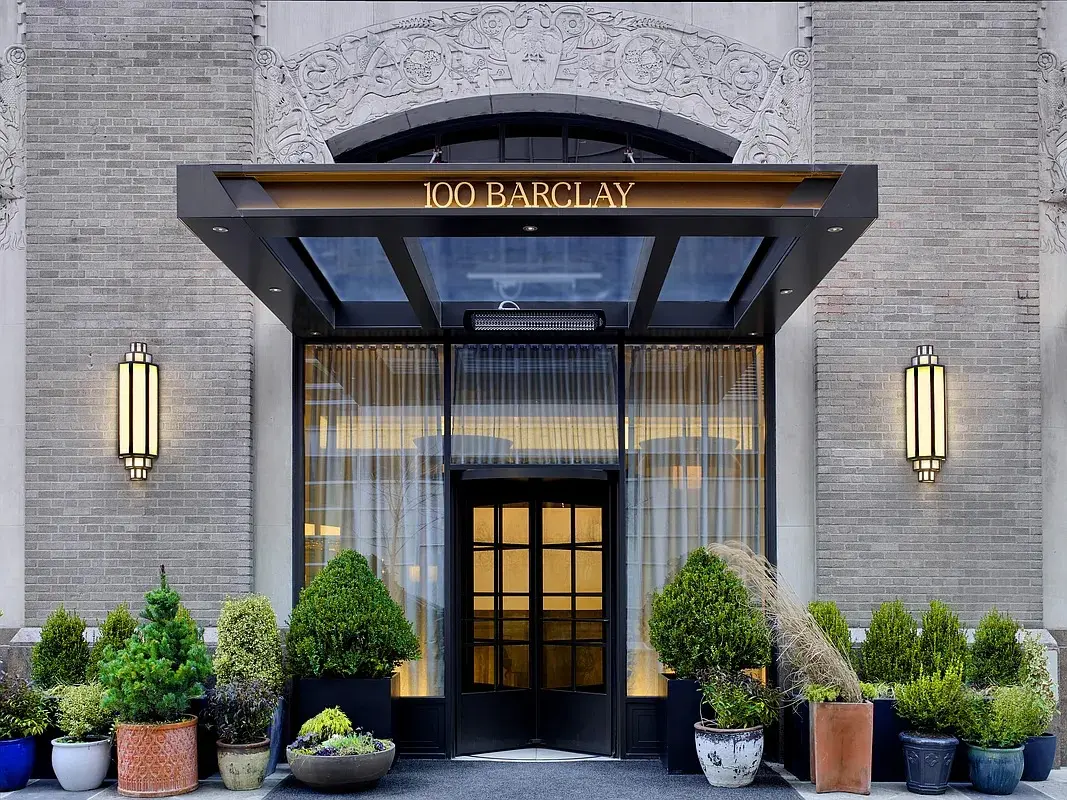
One Hundred Barclay Tribeca, completed in 1927, stands as one of New York City's first Art Deco skyscrapers. Designed by Ralph Walker, who was dubbed 'Architect of the Century' by the American Institute of Architects, the building originally served as the New York Telephone Company headquarters. The landmark structure features an opulent Jazz Age lobby with remarkable ceiling murals depicting the history of human communication, intricate ornamental details, and distinctive architectural elements including carved limestone, brick piers, and elaborate setbacks.
In 2014, the building's upper 22 floors were acquired by Magnum Realty and CIM Group for $274 million and subsequently converted into luxury residences. The conversion, designed by Ismael Leyva and DXA Studio, created sprawling loft-style homes that begin 170 feet above street level, featuring high ceilings, custom details, and views spanning from the Hudson River to the Midtown skyline.
The building offers over 40,000 square feet of amenities, including a fitness center by The Wright Fit, an 82-foot lap pool with adjacent children's pool, spa facilities, and extensive club level features on the 18th floor. The club level houses a billiards room, club lounge with bar and dining room, four outdoor terraces, children's playroom, teen lounge, media lounge, wine tasting room, and music practice rooms.
Located at the intersection of the Financial District, Tribeca, and Battery Park City, the building provides convenient access to Westfield World Trade Center, Fulton Center, and Brookfield Place, as well as the waterfront promenade at Battery Park City. The building maintains its historic status while functioning as a modern luxury residence, with Verizon retaining office space on the lower floors.
For screen reader users all content above is visible so you may ignore the show more button below.
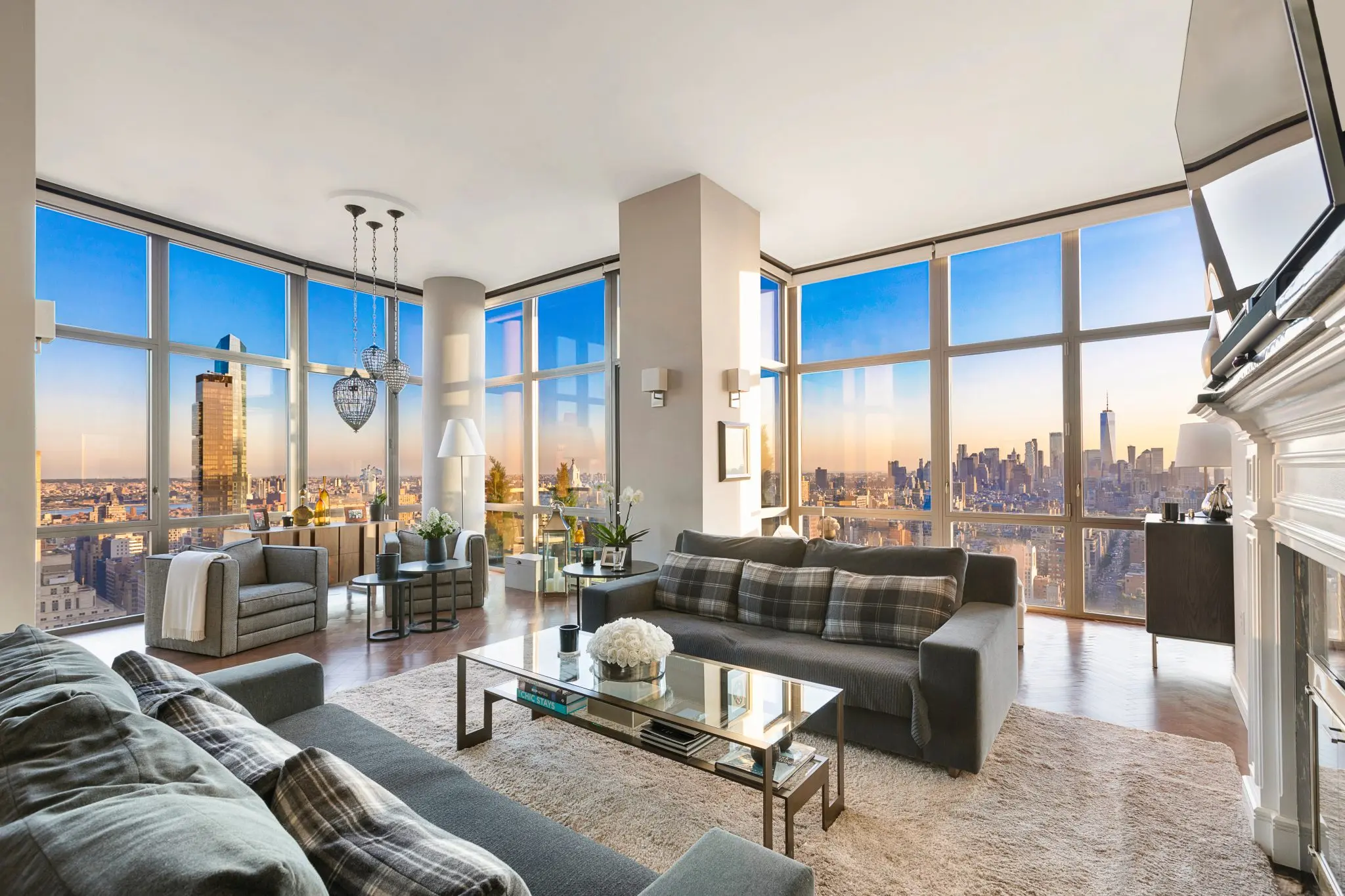
Completed in 2008, Chelsea Stratus at 101 West 24th Street stands as a 40-story, 491-foot tower that was the tallest condominium in Chelsea at the time of its construction. Developed by LCOR on a former Con Edison parking lot, this gray-tinted glass building was the first condominium tower to rise in the former flower district following a late 1990s rezoning. The building houses approximately 204 units ranging from studios to three-bedroom penthouses, with the majority being one- and two-bedroom residences. The lobby features distinctive slate walls and a waterfall, setting an elegant tone for the building.
The apartments showcase high-end finishes throughout, including Macassar ebony cabinetry, Pietra Cardosa stone countertops, and premium appliances from Sub-Zero, Fisher & Paykel, and GE Monogram. Most units feature floor-to-ceiling windows, balconies with slightly angled sides, and ceiling heights ranging from 9'3" to 11 feet. Particularly notable is Residence 3A, a rare townhouse-style unit with an extraordinary 441-square-foot private garden courtyard, and several corner units offering panoramic views of the Empire State Building, Hudson River, and downtown skyline including One World Trade Center.
Chelsea Stratus offers an impressive amenity package anchored by a Thomas Balsley-designed rooftop deck spanning the entire 40th floor with panoramic city views, BBQ grills, and a dog run. The building features a state-of-the-art fitness center with an indoor basketball court, a 3,000-square-foot residents' lounge with fireplace and billiards, a catering kitchen, and an outdoor landscaped garden. Additional services include 24-hour doorman and concierge service, making it a full-service luxury condominium.
The building's prime Chelsea location places residents within walking distance of Madison Square Park, Eataly, and the vibrant dining and shopping scenes of both Chelsea and the Flatiron District. The High Line is just four blocks west, while excellent public transportation access includes F/M, 1, R/W, C/E, and PATH trains. The building's base contains 16,000 square feet of retail space, and the property welcomes pets, pied-à-terres, and investors.
For screen reader users all content above is visible so you may ignore the show more button below.
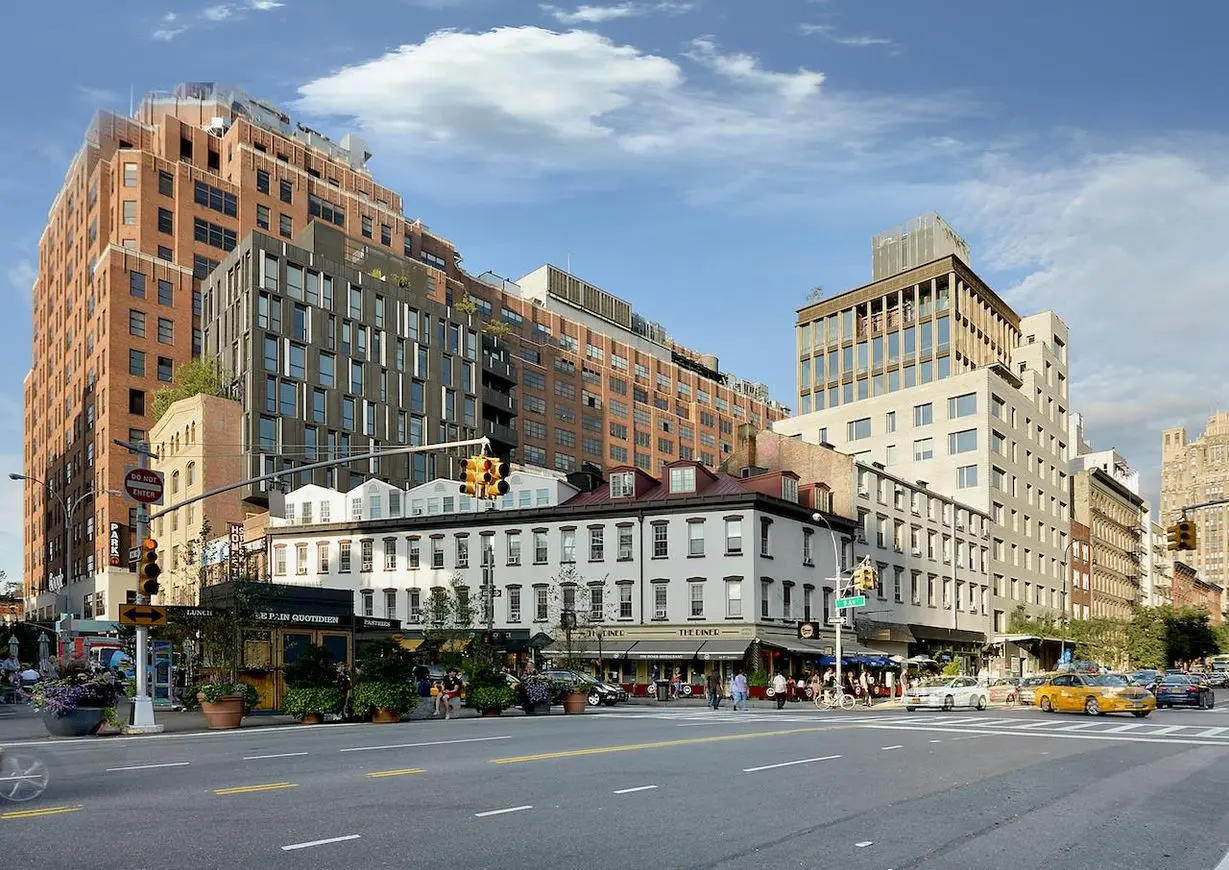
345 Meatpacking is an 11-story boutique condominium with just 37 units at 345 West 14th Street, developed by DDG Partners and completed in 2013-2014. The building stands out architecturally with its light-gray Danish Kolumba brick façade and distinctive bronze accents on the top three floors, designed by architect H. Thomas O'Hara. The site had remained vacant since 2006 and was originally planned for development by Jay-Z and Andre Balazs before DDG acquired it.
The building gained attention in 2012 when it was wrapped in a reproduction of Yayoi Kusama's "Yellow Trees" artwork to coincide with the artist's Whitney Museum retrospective. Located at the intersection of the Meatpacking District, West Village, and Chelsea, residents enjoy proximity to the High Line, Chelsea Market, and world-class dining. Notable residents have included NHL player Mats Zuccarello.
Apartments feature consistently high-end finishes including 7.5-inch wide Austrian white oak plank floors, oxidized oak millwork with bronze detailing, and honed Absolute Black granite countertops throughout. Kitchens are equipped with Sub-Zero, Wolf, and Bosch appliances, while bathrooms showcase Spanish Travertine marble in master suites and handcrafted Moroccan ceramic tile in secondary baths. Many units include private terraces, and the penthouse duplex spans 3,734 square feet with nearly 2,000 square feet of outdoor space across four terraces and a private rooftop.
Building amenities include 24-hour doorman and concierge service, a landscaped rooftop deck with Manhattan views, a fitness center with oak floors and timber joists, bike storage, and a rainwater collection system. The lobby features vaulted ceilings, a cantilevered steel and brass concierge desk, and custom Lindsey Adelman lighting, all beneath the building's signature landscaped entrance marquee.
For screen reader users all content above is visible so you may ignore the show more button below.
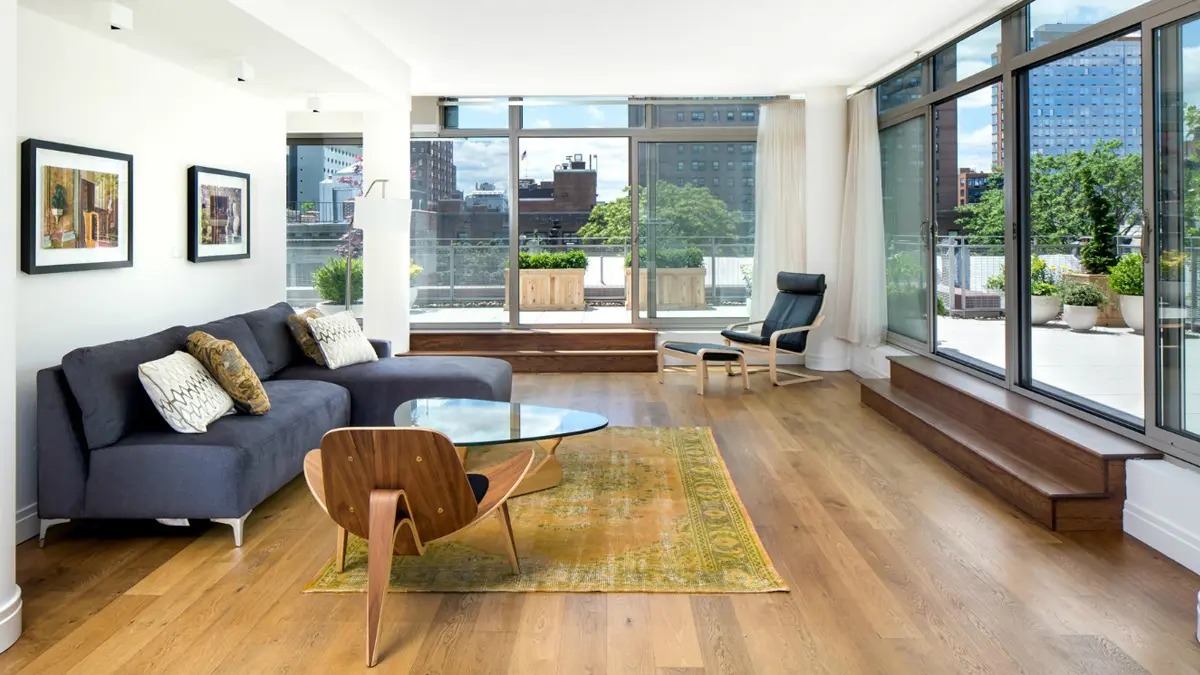
The Chelsea Enclave, completed in 2010 at 177 Ninth Avenue, is a 7-story residential condop building integrated into the historic General Theological Seminary complex in Chelsea. Developed by the Brodsky Organization and designed by Polshek Partnership Architects, the building replaced the 1960s-era Sherrill Hall with a modern interpretation that respects the seminary's Gothic Revival architecture through matching red-brick façades and thoughtful design elements.
The building contains 53 residences featuring interiors designed by Alan Wanzenberg, ranging from one-bedroom units to expansive penthouses with private terraces. Many apartments offer views of the seminary's private garden known as 'The Close,' and feature high-end finishes including Wolf ranges, Sub-Zero refrigerators, and marble bathrooms with radiant heating.
Residents enjoy exclusive access to the seminary's block-long European-style garden, a unique amenity in Manhattan. The building's comprehensive service package includes 24-hour doorman, concierge, live-in superintendent, and valet parking garage. Additional amenities feature a fitness center, children's playroom, bicycle storage, and a landscaped roof deck with grilling stations.
Penthouse units are particularly notable, with some offering duplex configurations and extensive private outdoor spaces. One penthouse features 2,008 square feet of wrap-around terrace, while others include private roof terraces ranging from 570 to 893 square feet. The building's varied floor plans accommodate different lifestyle needs, with many units featuring floor-to-ceiling windows and multiple exposures.
The Chelsea Enclave operates as a condop, combining cooperative ownership structure with condominium rules. Its location provides easy access to the High Line, Chelsea Market, the Meatpacking District, and Chelsea's renowned art gallery district. The building's integration with the seminary complex creates a unique urban sanctuary, offering residents a rare combination of historic context and modern luxury.
In 2011, the Brodsky Organization further expanded its presence in the area through a $47.5 million deal with the seminary, acquiring additional properties including three townhouses and converting 422 West 20th Street into residential units.
For screen reader users all content above is visible so you may ignore the show more button below.
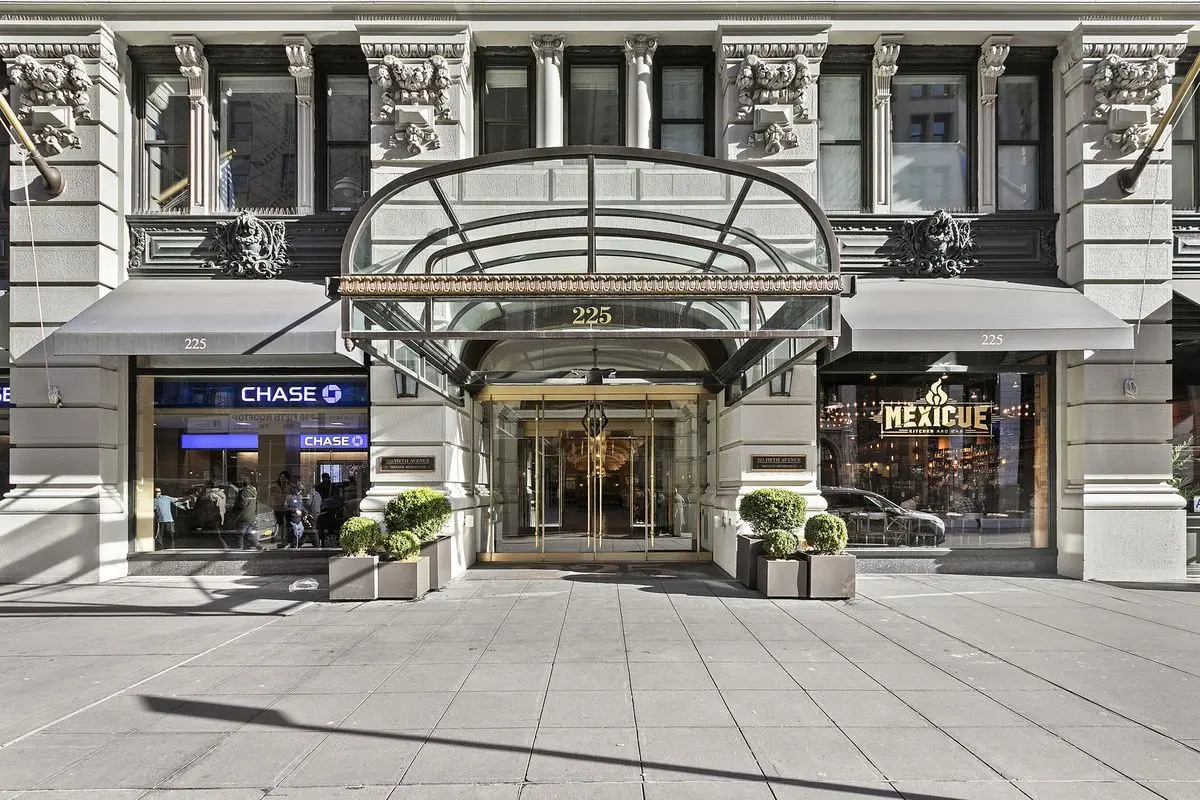
Grand Madison at 225 Fifth Avenue is a Renaissance Revival landmark building that occupies an entire blockfront between 25th and 26th streets, directly overlooking Madison Square Park. Originally constructed in 1906 as the Brunswick Hotel by architects Francis H. Kimball and Harry E. Donnell, the red-brick building with limestone base later served as elegant showrooms for the gift industry before Elad Properties acquired it for approximately $125 million in 2004 and converted it into 190-192 condominium apartments.
The building's apartments typically feature 10-foot ceilings, Poggenpohl kitchens with Viking and Bosch appliances, wide plank oak hardwood floors, and marble bathrooms, often in Carrara marble. Units range from spacious one-bedrooms to impressive duplex penthouses, with the latter offering multiple terraces up to 252 square feet and views of iconic buildings like the Empire State Building and Flatiron Building. Many apartments showcase the building's showroom heritage with exceptionally long entrance galleries - some stretching up to 33 feet - and expansive living spaces that can accommodate both living and formal dining areas.
Grand Madison provides white-glove service with 24-hour doorman and concierge, a fitness center, landscaped courtyard, and roof deck. The building notably housed the first Derek Jeter-branded gym in 2008, a 28,000-square-foot facility that was part of the 24 Hour Fitness chain. Additional services include in-house dry cleaning, daily housekeeping, and a live-in superintendent, though the building lacks a parking garage.
The location places residents at the heart of the revitalized NoMad district, with Eataly directly across the street and Madison Square Park's original Shake Shack steps away. Notable residents have included news anchor Lester Holt. The building's prime position offers easy access to the dining and cultural attractions of both the Flatiron District and Chelsea, while multiple subway lines provide convenient transportation throughout the city.
For screen reader users all content above is visible so you may ignore the show more button below.
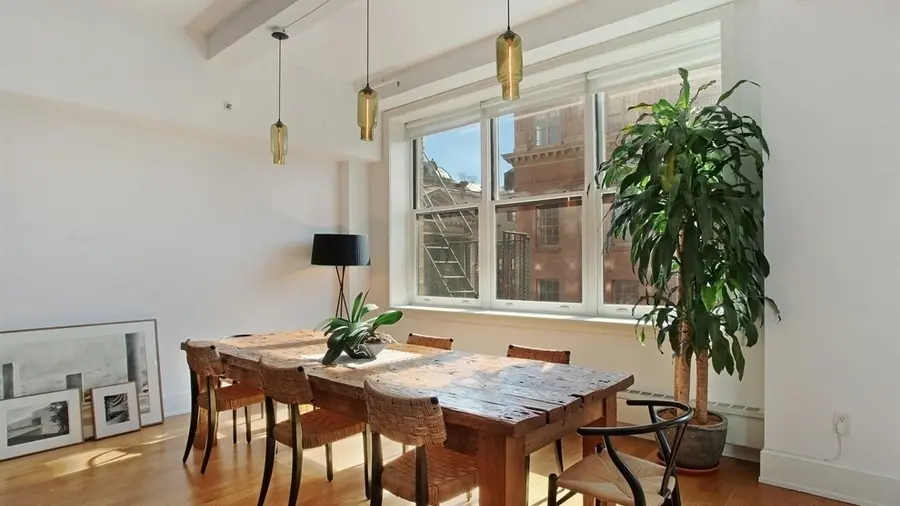
The Solita is a boutique condominium located at 161 Grand Street, positioned at the intersection of SoHo and NoLIta, with easy access to Chinatown, NoHo, and the Lower East Side. This pet-friendly building features a range of amenities including a landscaped roof deck, video intercom, and a live-in super who accepts packages. The building, originally constructed in 1911, was reimagined as condominiums in 2001 and now comprises just 18 residences, providing an intimate living experience.
Units in The Solita vary in size, with layouts from half floors of approximately 1,800 square feet to full floors exceeding 3,600 square feet. Many apartments boast 11.5-foot ceilings, oversized windows, and fireplaces, creating a spacious and airy atmosphere. The kitchens are equipped with high-end appliances from brands like Sub-Zero and Viking, while bathrooms often feature luxurious finishes such as marble and soaking tubs.
Notable residents include filmmaker Sofia Coppola and musician Thomas Mars, adding a touch of celebrity allure to the building's history. The location is surrounded by some of the city's best dining and shopping options, with renowned establishments like Balthazar and Prince Street Pizza just steps away. Public transportation is easily accessible, with multiple subway lines nearby, enhancing the convenience of urban living.
Overall, The Solita offers a unique blend of historic charm and modern luxury, making it a desirable choice for those seeking a vibrant lifestyle in one of New York City's most coveted neighborhoods.
For screen reader users all content above is visible so you may ignore the show more button below.
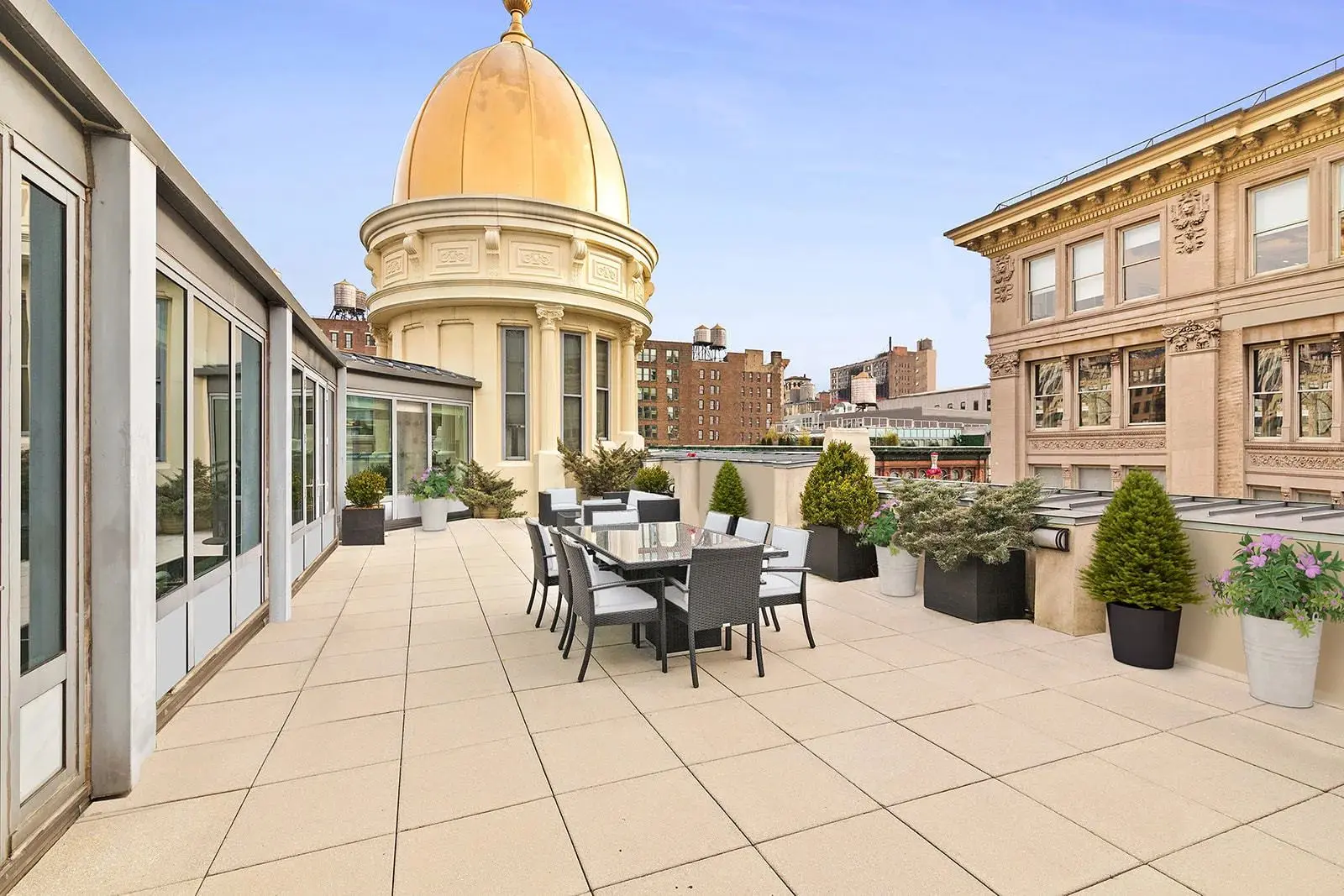
The O'Neill Building, an architectural landmark at 655 Sixth Avenue between West 20th and 21st Streets, was originally constructed in 1887 as Hugh O'Neill's Dry Goods Building. Designed by Mortimer C. Merritt, it stands as the oldest and most distinguished of the major department stores that once lined Ladies' Mile, the historic retail district along Sixth Avenue. The building's distinctive cast-iron façade features Corinthian columns, ornate architectural details, and its signature beehive-style domes atop almost cylindrical towers at both corners.
The structure's history reflects the evolution of the neighborhood - from retail glory to manufacturing use by the 1920s. The original four-story building received a fifth-floor addition in 1895, and the iconic domes were removed in the early 20th century. In 2003, Elad Properties acquired the property for $37 million and undertook an ambitious conversion project.
Completed in 2007, the conversion by developer Miki Naftali and architects Cetra/Ruddy transformed the historic structure into 49 luxury condominiums while restoring the building's distinctive domes. The renovation included a two-story rooftop addition, made possible through an agreement with the Congregation of Shearith Israel, owners of the adjacent cemetery.
Today, the seven-story luxury condominium offers full-service amenities including 24-hour doorman service, concierge, and a 4,000-square-foot landscaped roof deck with outdoor kitchen and dining areas. The building's prewar character is preserved in its soaring ceiling heights, oversized windows, and architectural details, while residences feature modern luxury finishes.
The building's location in Chelsea places it at the intersection of several desirable neighborhoods including the Flatiron District and Greenwich Village. Residents enjoy proximity to numerous restaurants, shopping options including Trader Joe's and Whole Foods, and excellent public transportation access.
The O'Neill Building falls within the Ladies' Mile Historic District, designated in 1989, and stands across from the landmarked Church of the Holy Communion complex. Its historic façade was painted white to resemble stone, and the building's name remains emblazoned in relief on its pediment, serving as a reminder of its significant role in New York City's commercial history.
For screen reader users all content above is visible so you may ignore the show more button below.

 6sqft delivers the latest on real estate, architecture, and design, straight from New York City.
Like us on Facebook to keep up with the trends and
6sqft delivers the latest on real estate, architecture, and design, straight from New York City.
Like us on Facebook to keep up with the trends and 