
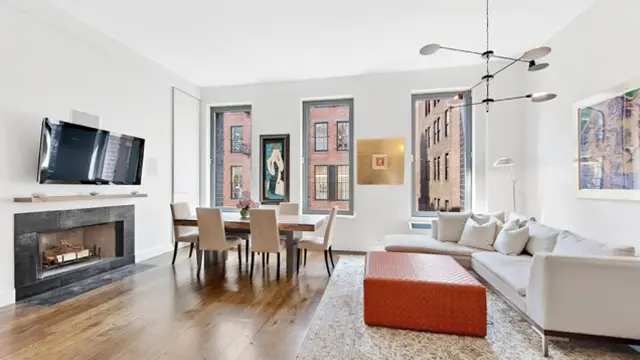
One Kenmare Square at 210 Lafayette Street stands as a distinctive architectural achievement in the heart of SoHo, completed in 2005 and developed by the notable partnership of renowned hotelier André Balazs (of Chateau Marmont and The Mercer Hotel fame) and Cape Advisors Inc. The 11-story building was designed by acclaimed architect Richard Gluckman, whose impressive portfolio includes the Andy Warhol Museum, Gagosian Gallery, and the Dia Center for the Arts. Originally conceived by Jean Nouvel before Gluckman took over the project, the building represents a pioneering non-rectilinear residential development in Lower Manhattan.
The building's most striking feature is its gracefully curved façade composed of alternating horizontal bands of textured iridescent gray brick and glass that undulates at every floor. This sophisticated design creates a dynamic exterior that appears to change color throughout the day, from silvery sheen to purple-gray to black. The building overlooks Petrosino Square, a small triangular park at the eastern boundary of SoHo, and offers residents a prime location between SoHo and NoLita with convenient access to both neighborhoods' renowned shopping and dining.
The 53 condominium apartments range from 450-square-foot studios to 1,400-square-foot two-bedroom units, all featuring 10-foot ceilings (12-foot in penthouses), solid ash hardwood floors, and 8-foot-tall triple-glazed windows that provide acoustic separation from street noise. Kitchens are consistently outfitted with high-end appliances including Miele cooktops and ovens, Sub-Zero refrigerators, and Bosch dishwashers, complemented by white Carrera marble countertops and custom gray lacquered cabinetry. Bathrooms feature luxurious Blue de Savoie marble and Kohler deep soaking tubs with separate showers, while all units include in-unit Bosch washers and dryers.
As a full-service luxury condominium, One Kenmare Square provides 24-hour doorman and concierge services, dual building entrances on both Lafayette Street and cobblestone Crosby Street, an on-site resident manager, private fitness center, and individual storage units. The building's prime location places residents steps away from iconic downtown establishments like Balthazar, Sant Ambroeus, and Jack's Wife Freda, while offering easy access to major public transportation and the vibrant cultural offerings of SoHo, NoLita, and the Lower East Side.
For screen reader users all content above is visible so you may ignore the show more button below.
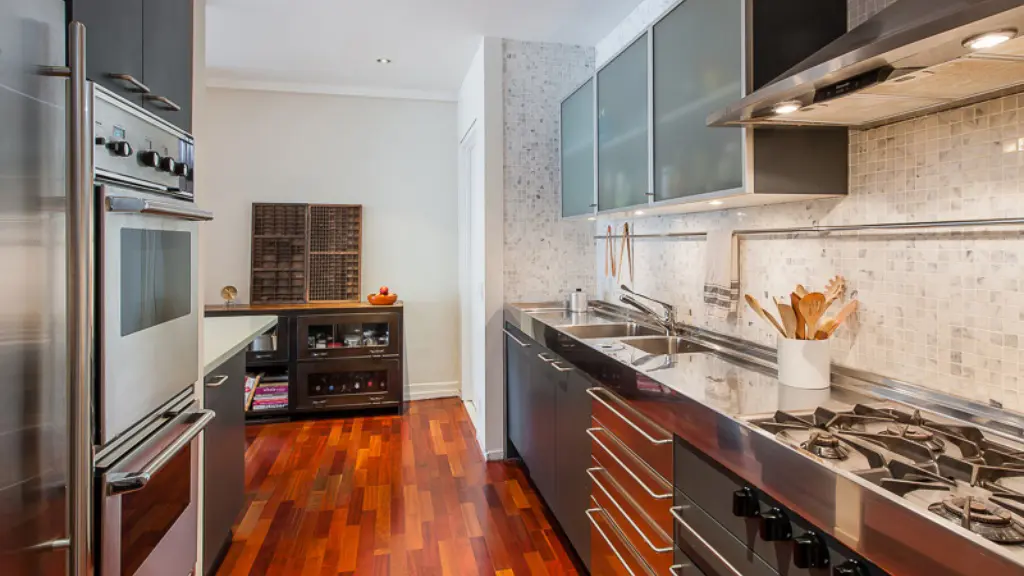
The 1915 masonry tower at 90 Franklin Street in TriBeCa was converted from office space into 25 apartments in 2001.
Rising without setbacks, Franklin Tower has one unit on its 11th through 16th floors; each lower floor contains two apartments. Residences range from 1,900-square-foot one-bedrooms and 2,600-square-foot two- to four-bedrooms, to 5,000-square-foot floor-through lofts with four exposures. Full-floor apartments have 23-by-33-foot living rooms that open onto 23-by-13-foot libraries with fireplaces and four bedrooms. Maid's quarters have a separate entrance.
Interiors boast 10-foot ceilings with recessed lighting, oversized banks of thermal pane windows, double and quadruple exposures and good city or river views. Stainless steel kitchens feature imported cabinetry and are outfitted with center islands topped in polished stone. Bathrooms have Waterworks fixtures and oversized glass steam showers and deep soaking tubs. Residences also have washers and dryers.
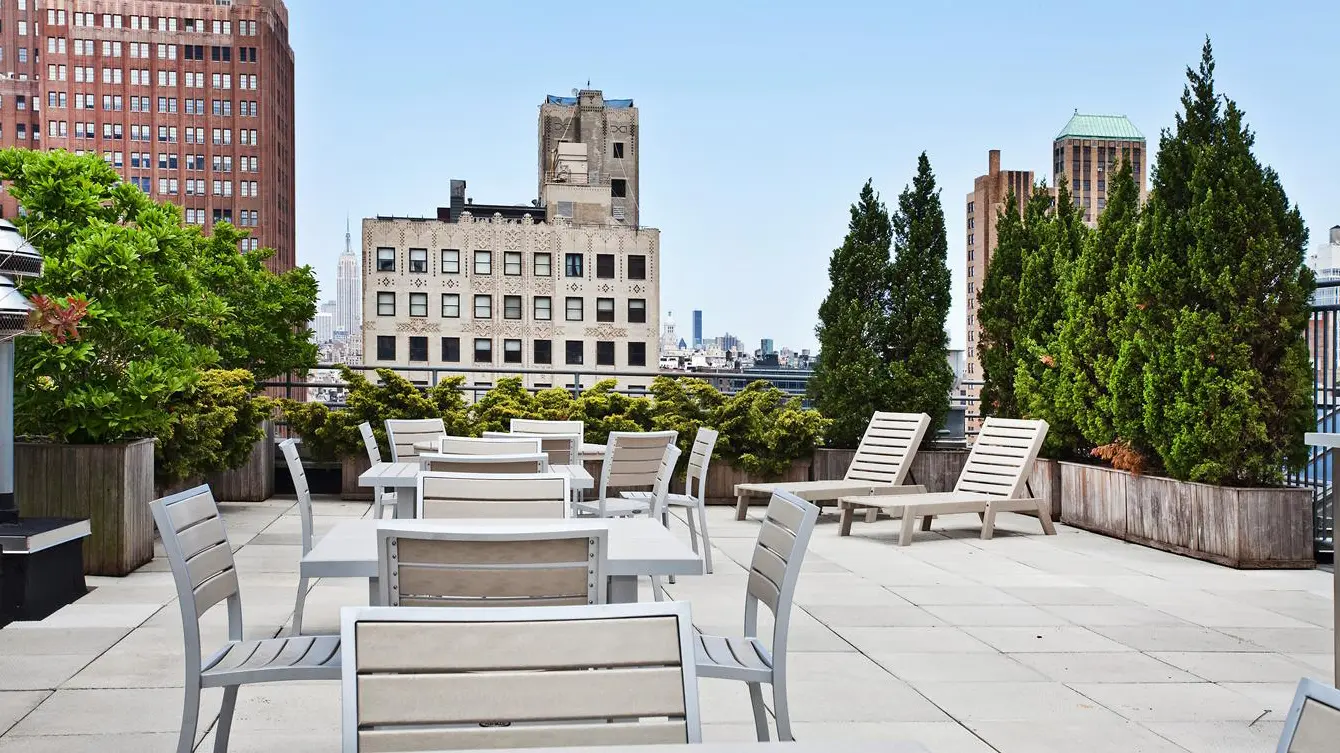
Amenities include a 24-hour doorman, concierge service, a rooftop deck with expansive views and a fitness center. It is also close to public transportation, restaurants and the Hudson River, which has running and biking paths.
For screen reader users all content above is visible so you may ignore the show more button below.
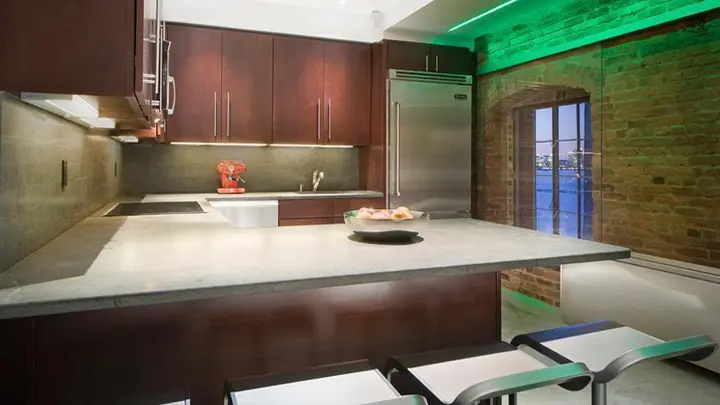
The Sugar Warehouse at 79 Laight Street was built in 1853 by the Grocers Steam Sugar Refining Company and later sold to the United States Sugar Refining Company. At 10 stories, it was one of the tallest buildings in New York City when constructed. In 2000, the landmarked structure was acquired by Alex Forkosh of Forkosh Construction and converted into a 34 unit condominium by architect Joseph Pell Lombardi, who described it as "one of the more complex" conversions he had undertaken due to the building's varying heights—10 stories in the core but only five or six stories in other sections. The 2002 restoration preserved the building's distinctive red brick façade, black metal window shutters on the lower floors, and the painted white signage displaying the building's name and address.
The building's conversion required installing an entirely new structural system behind the historic façade to accommodate modern split level and duplex layouts. Two interior courtyards were created to bring natural light into the building. The slightly arched windows and charming exterior details, carefully restored to meet Landmarks Preservation Commission requirements, give the building significant street presence along its lengthy façade extending to West Street. The building sits on cobblestone Laight Street at the corner of West Street in prime North TriBeCa.
All 34 residences are configured as two or three bedroom apartments, with most featuring split level or duplex layouts. Units range from approximately 2,000 to 4,000 square feet, with ceiling heights reaching 14 to 16 feet in many apartments. Several penthouses include skylights and private roof deck access. Common features across units include spacious great rooms, open kitchens with high end appliances from brands like Miele, Sub Zero, Viking, and Gaggenau, marble bathrooms, custom millwork and closets, and vented washer/dryers. Many apartments offer Hudson River views through the building's signature arched windows, and select units feature wood burning fireplaces and private keyed elevator access.
The Sugar Warehouse offers full service amenities including a 24 hour doorman, live-in superintendent, fitness center, two common rooftop decks, children's playroom, bicycle storage, conference room, and private storage units for each residence. The building is pet friendly and zoned for PS 234. There is no parking garage on site. The building has undergone major capital improvements including waterproofing, fireproofing, lobby renovation, and playroom updates.
The location directly across from Hudson River Park and Piers 25 and 26 provides immediate access to waterfront recreation. The building sits in one of TriBeCa's most desirable blocks, with close proximity to the dining and shopping of TriBeCa, SoHo, and the West Village. The cobblestone streets and historic warehouse architecture define the neighborhood's character, which transformed from the former Washington Market produce district into one of Manhattan's most sought after residential areas.
The Sugar Warehouse stands as one of only three historic condominium buildings on the entire TriBeCa waterfront and represents one of the neighborhood's most significant conversion projects from the early 2000s. The building's industrial heritage, combined with its landmarked status and full service amenities, has made it a cornerstone property in the area. The conversion preserved an important piece of New York's 19th century commercial architecture while creating distinctive loft style residences that blend prewar character with modern luxury.
For screen reader users all content above is visible so you may ignore the show more button below.
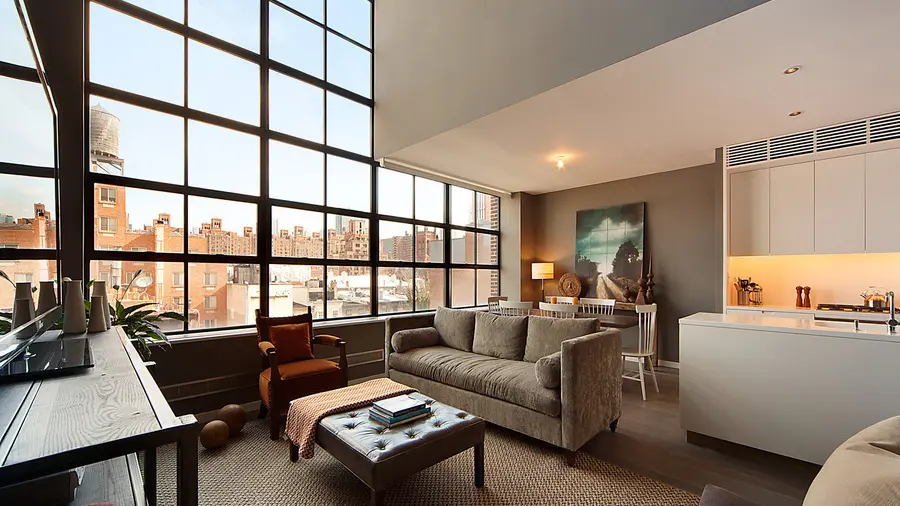
456 West 19th Street is located in Chelsea between Ninth and Tenth Avenues and was designed by Cary Tamarkin. It is distinguished by its top half, which is set back and curved.
It is near the High Line, an elevated park that stretches along the Hudson River, and, after two years of construction, opened in 2010. 456 West 19th Street contains 22 duplex units that are light-filled and spacious, ranging from 1,100 to 3,000 square feet. Residences also feature large windows offering expansive views of the Manhattan skyline and Hudson River and kitchens and bathrooms equipped with modern appliances from Miele and Sub Zero and premium, Arne Jacobsen fixtures.
456 West 19th Street amenities include an attended lobby, central air conditioning, a roof deck and washer and dryer units. It is also located close to the neighborhood’s shops, restaurants and art galleries, as well as the Chelsea Piers entertainment complex.
For screen reader users all content above is visible so you may ignore the show more button below.
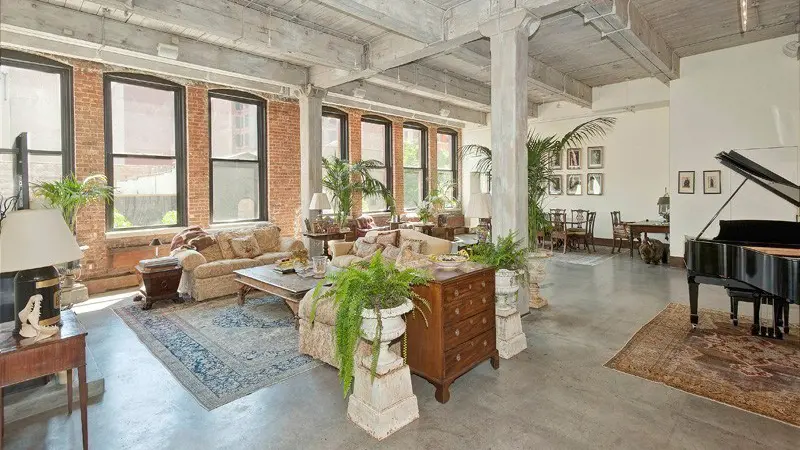
The Spears Building, located at 525 West 22nd Street, was originally constructed in 1880 as a factory and transformed into a boutique condominium in 1996. This six-story building features 30 loft apartments, characterized by high ceilings, exposed brick, and original industrial details. Residents enjoy amenities such as a part-time doorman, a furnished rooftop deck with views of the Hudson River, and available storage units. Its prime location in West Chelsea places it near the High Line, renowned art galleries, and top dining options.
Notable apartments within the building include expansive lofts and penthouses that showcase unique architectural features. For instance, a sprawling 4,022-square-foot penthouse offers 2,500 square feet of private outdoor space, while a nearly 6,000-square-foot combined unit boasts five bedrooms and multiple flexible spaces. Many residences highlight original elements like wood beams and large windows, providing abundant natural light and a connection to the building's rich history.
The Spears Building has attracted notable residents, including Linda Evangelista and Keanu Reeves, adding to its allure. The building's design and amenities cater to a lifestyle that balances artistic inspiration with modern living, making it a sought-after address in the vibrant West Chelsea arts district.
For screen reader users all content above is visible so you may ignore the show more button below.
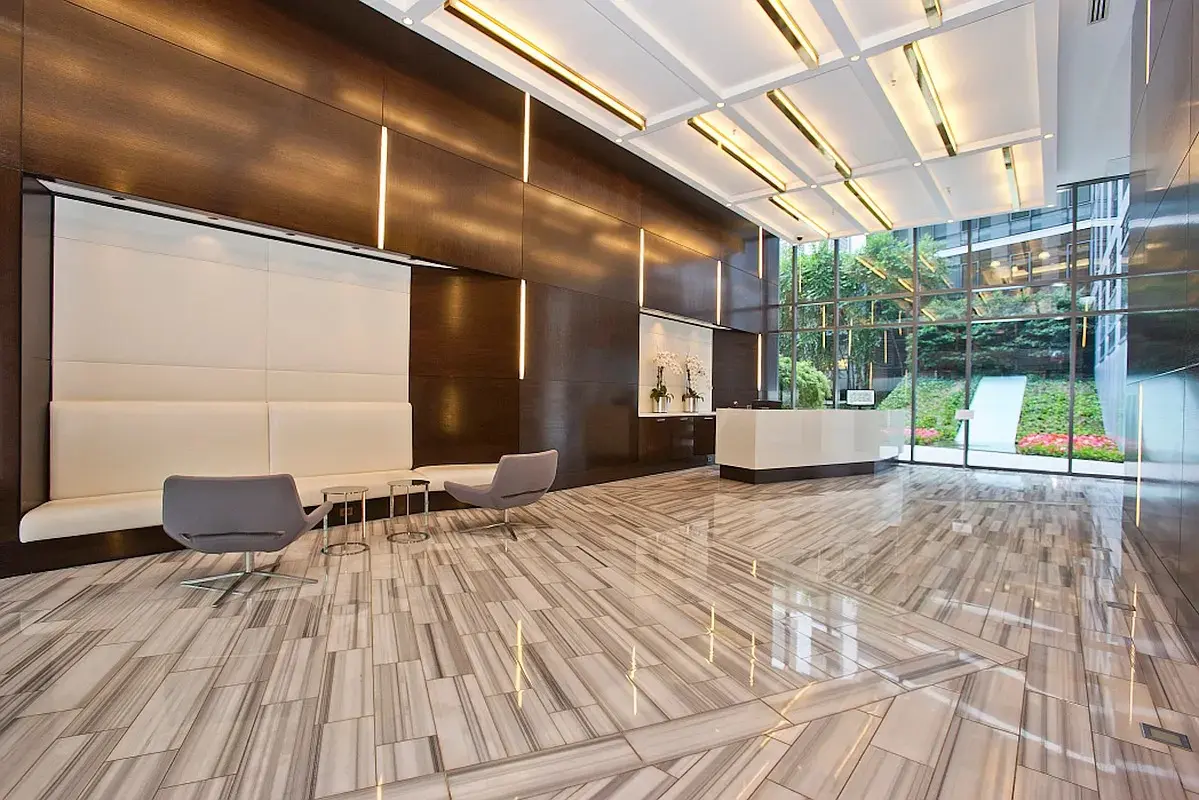
200 Chambers Street is a premier full-service condominium in TriBeCa, near the waterfront and across from Battery Park City. Completed in 2007, the building offers over 250 residences ranging from just under 600 to more than 2,300 square feet, many boasting sweeping city views. Kitchens are equipped with stone countertops and modern appliances, while bathrooms feature luxurious Calacatta marble and oversized Zuma soaking tubs.
Amenities at 200 Chambers are exceptional, including a 24-hour doorman and concierge, a landscaped rooftop terrace, a resident lounge, a children’s playroom, a state-of-the-art fitness center, and a bright, skylit swimming pool. Residents are welcomed through an impressive double-height white marble lobby which connects to a beautifully lit courtyard and waterfall. Residents also enjoy access to a 5,000-square-foot terrace and an on-site parking garage available for an additional fee.
200 Chambers Street is steps from Whole Foods, Target, SoulCycle, Brookfield Place, the new World Trade Center and an abundance of TriBeCa’s renowned restaurants and shops. The building is conveniently located near parks, recreational centers, and major transportation hubs, including the Oculus.
For screen reader users all content above is visible so you may ignore the show more button below.
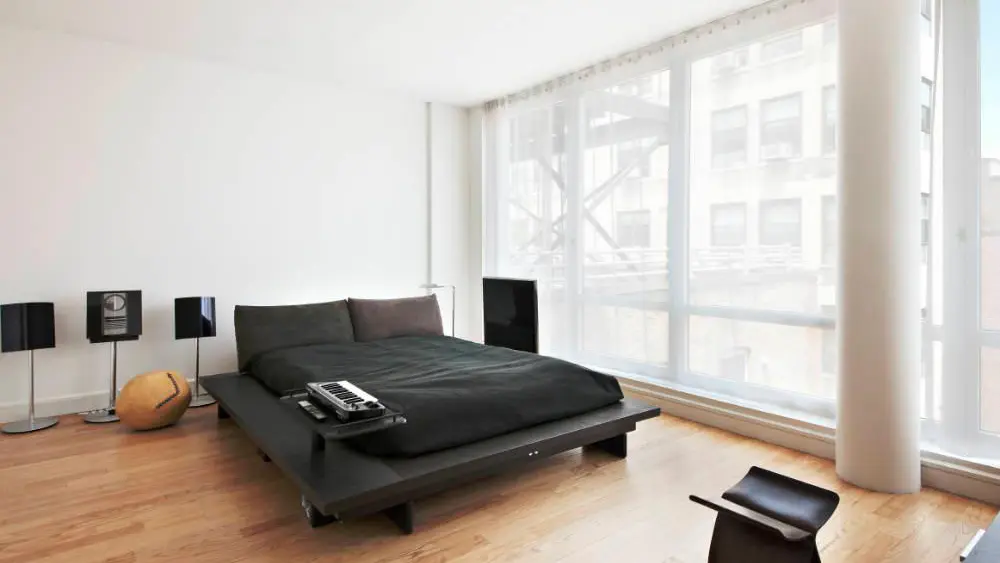
133 West 22nd Street is a distinctive 13-story, 100-unit condominium completed in 2008 by developers Ascend Group LLC and Magnum Real Estate Group. Designed by Cetra-Rudy, the building is notable for its striking façade featuring convex and concave curves, while its lobby showcases an art glass wall, stainless steel columns with rivet detail, and wenge wood walls. The property was developed on a site previously occupied by three 4-story walkups purchased for approximately $29 million.
The building offers an impressive suite of amenities including a 24-hour doorman, live-in superintendent, and a landscaped roof terrace equipped with cabanas, wet bar, and two grilling stations. Residents enjoy access to a fitness center with sauna, an outdoor swimming pool with dining area, and private storage options. A parking garage is conveniently accessible directly from the basement.
Residential units feature floor-to-ceiling windows, ceiling heights of at least 9'6", and high-end finishes throughout. Kitchens are outfitted by ItalKitchen with black lava stone countertops, while master bathrooms incorporate Tau Corten tile walls, Blanco Dolomiti honed floors, and Crestola honed stone countertops.
Situated in the heart of Chelsea, the building offers excellent access to multiple subway lines at 23rd Street. The location provides convenient proximity to numerous amenities including Trader Joe's, Whole Foods, Eataly, the High Line, Madison Square Park, and the Meatpacking District's dining and entertainment options.
For screen reader users all content above is visible so you may ignore the show more button below.
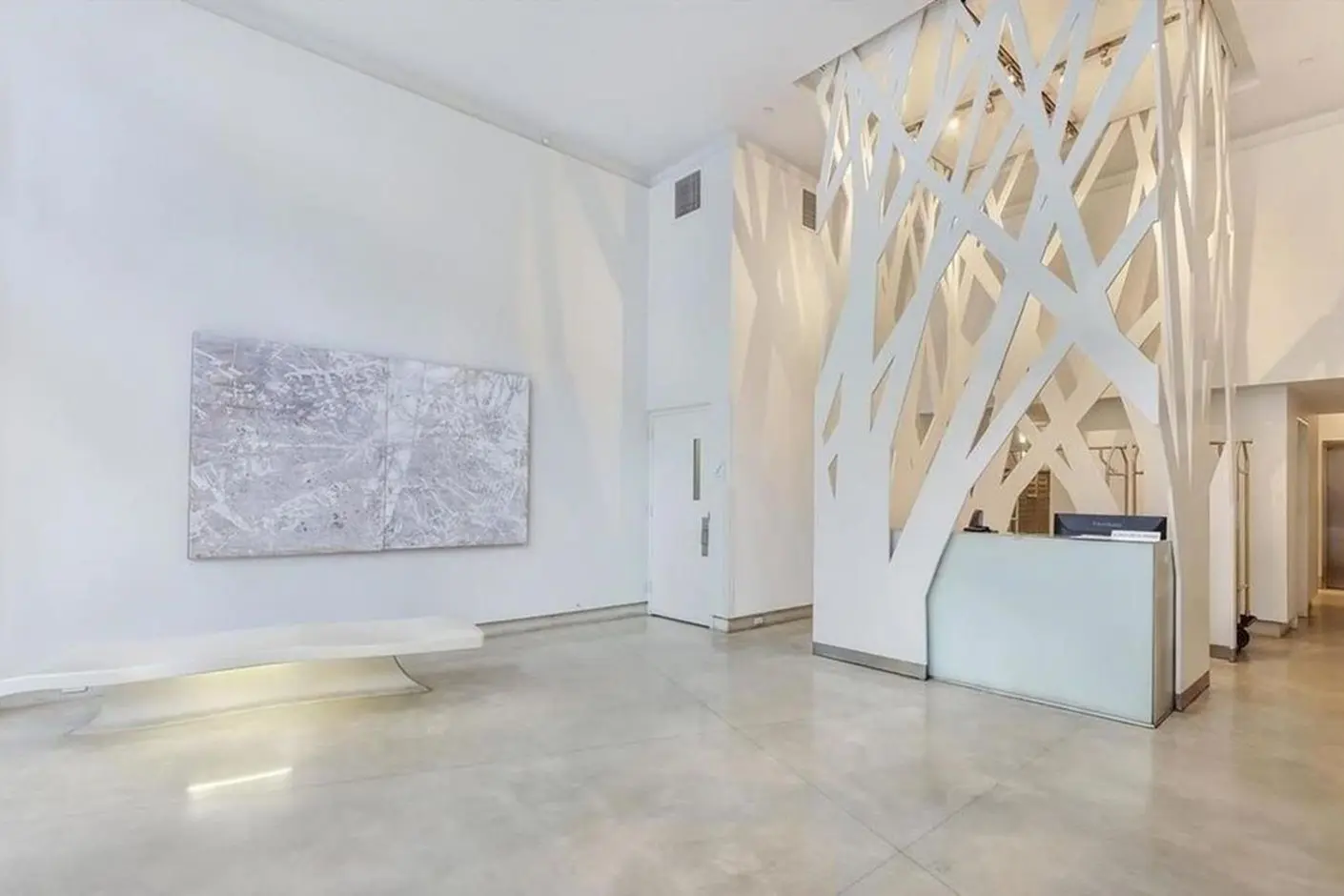
Located in the heart of Chelsea, the conversion of the landmarked Cammeyer at 650 Sixth Avenue, which was once the world's largest shoe store, was completed in 2008. It contains 67 apartments.
There are approximately thirteen units on each floor, with three terraced penthouses on the seventh floor. Studios, one-, two- or three-bedroom units emphasize open space. Residences have ceilings that are 10 feet and higher, oversized, energy efficient windows and generous layouts. White is the prominent color in these units, from white fixtures in bathrooms to white wood flooring and white, modern appliances in kitchens.
650 Sixth Avenue amenities include a 24-hour concierge and doorman, an on-site wine cellar and a private gym with state-of-the-art equipment. Apartments also have additional storage space on the same floor. The seventh floor has a common 3,600-square-foot roof deck with stunning open city views and all services are provided by “Quintessentially Concierge Service,” a worldwide company that specializes in providing luxury amenities.
Located on the southwest corner of 20th Street and Sixth Avenue, 650 Sixth Avenue is in the heart of the Ladies Mile Historic District. It is also a short distance from Madison Square Park, popular retail and dining in the Flatiron District and NoMad, Chelsea nightlife, and the Union Square transportation hub.
For screen reader users all content above is visible so you may ignore the show more button below.
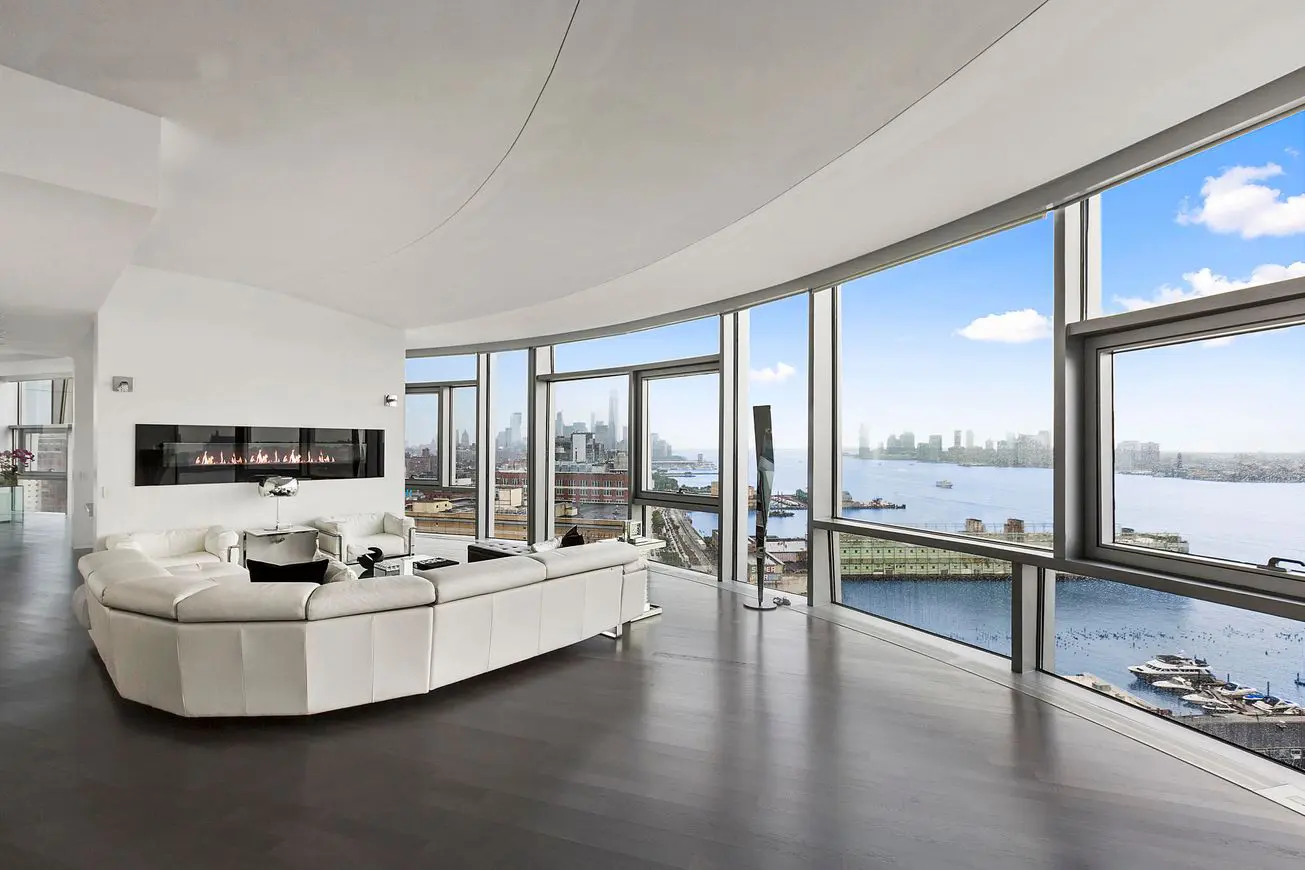
Designed by Pritzker Prize winning architect Jean Nouvel, 100 Eleventh Avenue stands as one of Chelsea's most distinctive architectural landmarks since its completion in 2010. Nouvel described the 21 story building as a "vision machine," featuring what the project claims to be the most highly engineered and technologically advanced curtain wall ever constructed in New York City. The building's dramatic façade consists of nearly 1,700 different sized panes of colorless glass, each set at a unique angle and torque, creating what Nouvel envisioned as a "dazzling, Mondrian like window pattern" inspired by the stained glass windows of Paris's 13th century Gothic cathedral of Saint Chapelle.
The building contains 72 apartments ranging from studios to four bedrooms, spanning 890 to 4,675 square feet. Most apartments feature south and west views and are distinguished by Nouvel's custom designed elements including white terrazzo floors throughout, custom terrazzo kitchen islands with built in mobile units, and touch sensitive bathroom fixtures designed specifically for Jado. The building's unique seven story street wall creates a semi enclosed atrium with suspended gardens that appear to float in mid air, while some residences feature private indoor and outdoor terraces.
Residents enjoy white glove amenities including 24 hour doorman service, concierge, a 70 foot indoor/outdoor heated swimming pool, fitness center with steam room and sauna, private screening room, and valet parking. The building is strategically located between 19th and 20th Streets, directly across from Frank Gehry's IAC Building and within walking distance of the High Line, Chelsea Piers, Whitney Museum, and over 300 art galleries in the West Chelsea Gallery District.
Notable residents have included Kelsey Grammer, Stevie Nicks, Vincent Gallo, and former NFL quarterback John Elway. The building's development was not without controversy, as Nouvel publicly criticized changes made to his original lobby design in 2010, when developers replaced his elegant polished granite lobby with carpeting and added decorative boulders, leading the architect to declare they had "gone off course." Despite these disputes, 100 Eleventh Avenue remains what critics called an "instant landmark" and continues to be recognized as a major architectural achievement.
For screen reader users all content above is visible so you may ignore the show more button below.
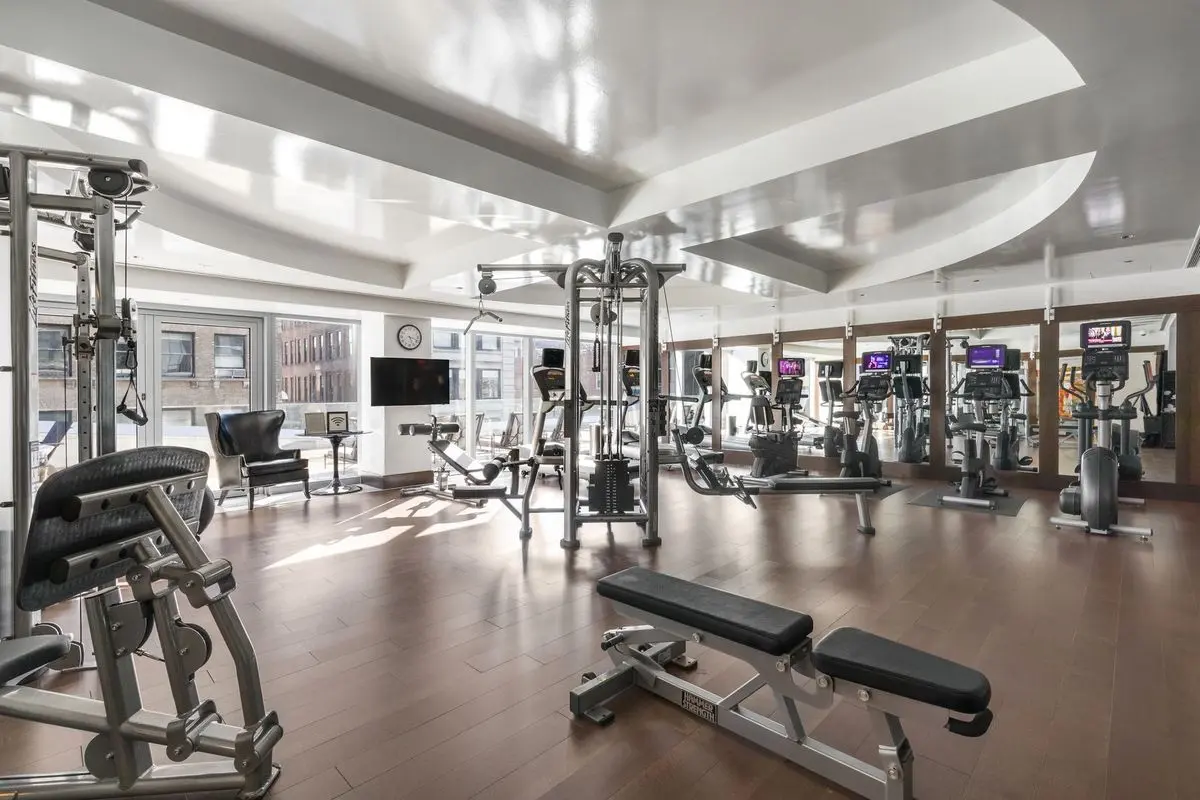
35XV is a 24-story, 55-unit condominium at 35 West 15th Street, strategically positioned at the intersection of Chelsea, Union Square, Greenwich Village, and the Flatiron District. Completed in 2014 by Alchemy Properties and designed by FXFOWLE Architects, this mixed-use tower features a unique arrangement where Xavier High School occupies the first six floors, with residential units beginning on the eighth floor approximately 100 feet above street level. The building's development involved an ingenious air rights deal with the Jesuit school that won the Real Estate Board of New York's award for "most ingenious deal of the year" in 2010.
Architecturally, 35XV stands out as a striking glass and stone structure that has been compared to a high-tech "grater" for its distinctive angled façades and cantilevered design. The building features reflective silvery glass curtain walls with staggered windows that create a shingle-like pattern, supported by flying buttress-style steel columns. The six-story base is clad in white Mount Airy granite, while the tower's south and north façades are angled to align with the street's sky exposure plane, creating dramatic visual interest and maximizing natural light.
Residences feature interiors by Benjamin Noriega-Ortiz with consistent high-end finishes including 10-foot ceilings, floor-to-ceiling windows, solid oak hardwood floors, and Lutron home automation systems for lighting, shading, and temperature control. Kitchens are equipped with Poggenpohl white lacquer cabinetry, Sub-Zero refrigerators, and Miele appliances, while bathrooms showcase marble floors with radiant heating, steam showers, and deep soaking tubs. Many apartments feature circular columns and expansive living spaces, with units ranging from one to four bedrooms, including a notable full-floor penthouse spanning nearly 5,000 square feet.
The building offers a full floor of amenities on the seventh floor, including a health and fitness center overlooking a 75-foot-wide outdoor terrace, children's playroom, entertainment lounge, formal dining room, and a fully refrigerated wine cellar with personal storage for each residence. Additional services include 24-hour lobby attendant and live-in superintendent.The building's prime location provides easy access to multiple subway lines and the neighborhood's renowned dining, shopping, and cultural attractions.
For screen reader users all content above is visible so you may ignore the show more button below.
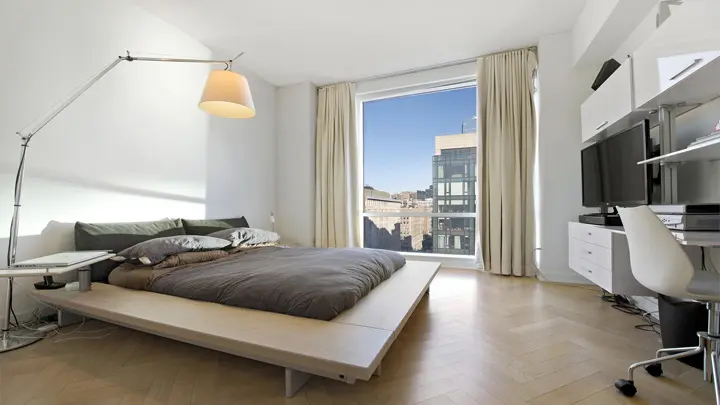
The Urban Glass House at 330 Spring Street stands as Philip Johnson's final major residential development, completed in 2006 just after the legendary architect's death at age 98. Designed in collaboration with Alan Ritchie and taking direct inspiration from Johnson's iconic 1949 Glass House in New Canaan, Connecticut, this 12-story modernist building contains 40 units positioned at the coveted intersection of SoHo, TriBeCa, and the West Village. The building's clean International Style lines and cube-like form with strategic setbacks create a striking presence, while its name proves literal—floor-to-ceiling windows dominate every residence, with the penthouse alone featuring over 70 floor-to-ceiling windows providing 360-degree city and Hudson River views.
Interiors by renowned designer Annabelle Selldorf showcase a sophisticated palette of black, gray, and silver with custom details throughout. Most apartments feature 9'9" ceilings (the penthouse boasts 12' ceilings), distinctive white oak herringbone floors that echo the brick patterns of Johnson's original Glass House, and remote-controlled motorized window shades. The custom Bulthaup kitchens with stainless steel appliances and compressed black linoleum countertops reference modernist design principles, while bathrooms feature luxurious touches like radiant heated floors and deep soaking tubs. Many units offer expansive loft-like entertaining spaces, with some living areas stretching over 40 feet in length, and several apartments include private terraces with Hudson River views.
The crown jewel penthouse spans the entire top floor with 4,266 square feet of interior space plus nearly 1,600 square feet of wraparound terraces on three sides. This five-bedroom residence features a double-sided fireplace, multiple terrace access points, and unobstructed views spanning from the Empire State Building to the Statue of Liberty. The building has attracted notable residents including performance artist Marina Abramović and gained pop culture recognition when apartment 6A was featured as Mafee's residence on the hit series "Billions." Full-service amenities include 24-hour doorman and concierge, a private fitness center, bicycle storage, and cold storage for deliveries, cementing its status as one of Hudson Square's premier luxury condominiums.
For screen reader users all content above is visible so you may ignore the show more button below.
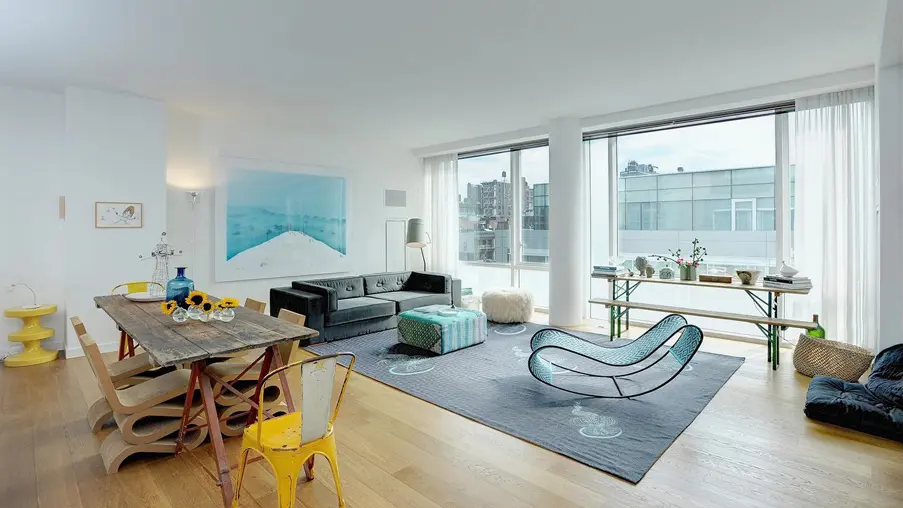
SoHo Mews stands as one of downtown Manhattan's most distinguished residential developments, comprising two elegant buildings at 311 West Broadway designed by acclaimed architects Gwathmey Siegel & Associates and completed in 2008. The complex features a 9 story building facing West Broadway and an 8 story building on cobblestoned Wooster Street, separated by a 4,000 square foot private landscaped garden designed by renowned landscape architect Peter Walker. Located in SoHo's Cast Iron Historic District directly across from the SoHo Grand Hotel, the development earned Landmarks Preservation Commission approval as "an elegant interpretation of the SoHo aesthetic" and "a beautiful and supremely appropriate addition to the district."
The 67 residences include 58 lofts, 5 townhouses, and 4 penthouses, attracting notable residents such as Jessica Chastain, Justin Timberlake & Jessica Biel, former Yankees pitcher David Cone, and designer Oscar de la Renta. Apartments consistently feature 10+ foot ceilings, floor-to-ceiling windows, and premium finishes including custom Valcucine kitchens with striated elm and smoked glass cabinetry, Jet Mist granite countertops, and top tier appliances from Sub-Zero, Miele, and Gaggenau. Mafi Volcano Oak wide plank flooring flows throughout the residences, while bathrooms showcase statuary marble with radiant heated floors, Tea-for-Two cast iron soaking tubs, and Lefroy Brooks fixtures.
Beyond its architectural distinction, SoHo Mews offers comprehensive luxury amenities including 24 hour doorman service, an attended parking garage accessible from within the building, and a state-of-the-art fitness center managed by Drive 495. The development features a unique art program curated by the Art Production Fund, with contemporary works displayed throughout the lobbies and garden spaces. Residents also benefit from comprehensive concierge services and exclusive partnerships with local galleries and design establishments, reinforcing the building's connection to SoHo's vibrant cultural landscape.
For screen reader users all content above is visible so you may ignore the show more button below.
The Textile Building at 66 Leonard Street stands as one of TriBeCa's most distinguished residential conversions, originally designed in 1901 by Henry J. Hardenbergh, the renowned architect behind The Dakota and Plaza Hotel. This Beaux Arts landmark was thoughtfully converted from a commercial textile building to 46 luxury condominiums in 1999 by Chessed LLC, with Karl Fischer designing the conversion that added a penthouse floor. The building's façade features six Caduceus symbols and eight large cartouches, while the interior pays homage to its textile heritage with antique American textile displays and elevator doors embossed with weaving machine motifs.
Located in the TriBeCa East Historic District, this full-service boutique building offers an impressive array of amenities including a 24 hour doorman and concierge, a fitness center with steam room, and a residents' lounge with fireplace and full catering kitchen. The landscaped rooftop terrace features grilling areas and a children's play area with spectacular city views, complemented by a garden courtyard, bicycle room, and an on-site 50 car attended parking garage. The building maintains a pet friendly policy and provides private storage and package services with cold storage.
Apartments range from approximately 1,300 square feet to over 2,800 square feet, with some penthouses exceeding 7,000 square feet. Many units feature dramatic ceiling heights up to 22 feet in duplex layouts, original steel columns with exposed rivets, and wide-plank hardwood floors in Brazilian cherry, mahogany, or oak. Many apartments feature gas fireplaces, chef's kitchens with high end appliances from Sub-Zero, Thermador, and Miele, spa-like bathrooms with soaking tubs, walk-in closets, and individual climate control systems.
The building has attracted notable residents including celebrity chef Jean-Georges Vongerichten, who sold his apartment in 2004 for $3.25 million to Japanese pop star Hiromi Go, and Nobel Prize-winning author Toni Morrison. The prime TriBeCa location places residents steps from upscale dining destinations like The Odeon and Two Hands, Whole Foods, and multiple subway lines, making it one of downtown Manhattan's most coveted addresses.
For screen reader users all content above is visible so you may ignore the show more button below.

 6sqft delivers the latest on real estate, architecture, and design, straight from New York City.
Like us on Facebook to keep up with the trends and
6sqft delivers the latest on real estate, architecture, and design, straight from New York City.
Like us on Facebook to keep up with the trends and 