
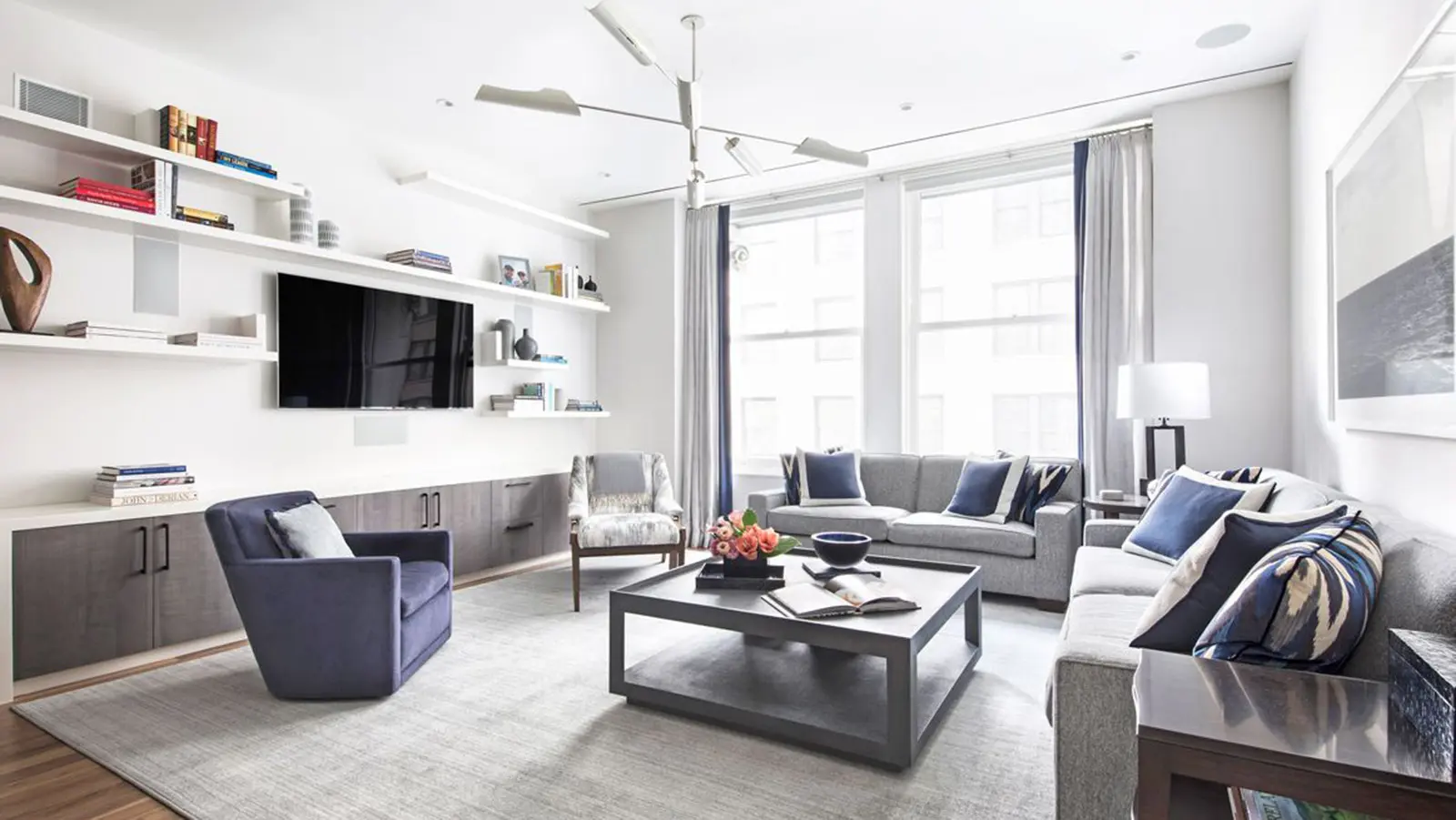
141 Fifth Avenue stands as one of the Flatiron District's most distinguished architectural landmarks, originally constructed in 1897 as the Merchants Bank of New York. This Beaux Arts masterpiece was designed by Robert Maynicke for the southern portion, with Henry Edwards Ficken completing the northern extension in 1900. The building's most striking feature is its distinctive domed cupola and curved corner that follows the street's contours, complemented by white brick façades with elaborate terracotta decoration, banded columns, and circular windows that create a truly iconic presence at the corner of Fifth Avenue and East 21st Street.
In 2009, the top ten floors of the 12 story building were converted into 38 luxury condominiums by SL Green and Savanna Partners, with Cetra/Ruddy handling the residential conversion. The developers meticulously preserved the building's historic character while introducing modern luxury finishes. A particularly notable feature is the triplex cupola apartment, which was highlighted in The New York Times as one of the most recent dome conversions in the city, originally marketed for $12 million and featuring 3,200 square feet plus three terraces totaling 780 square feet of outdoor space.
The residences showcase impressive scale with soaring 10 to 11 foot ceilings and wide plank solid walnut flooring throughout. Kitchens feature a consistent English style design with custom hand painted cabinetry, walnut and marble islands with hand turned balusters, and top tier appliances including Wolf six burner ranges, glass door Sub-Zero refrigerators, and built in Miele coffee systems. Bathrooms are luxuriously appointed with Waterworks fixtures, custom mosaic floors, and many feature freestanding soaking tubs. Several units boast private terraces of 500 square feet or more, while the split bedroom layouts provide optimal privacy.
Building amenities include a 24 hour doorman and live-in superintendent, along with a restored roof deck offering panoramic city views, a fitness center, and basement storage. The location provides exceptional convenience to Madison Square Park, the Ladies Mile Historic District, Union Square, and the vibrant dining and shopping scenes of Flatiron, Chelsea, and Gramercy neighborhoods, with multiple transportation options nearby.
For screen reader users all content above is visible so you may ignore the show more button below.
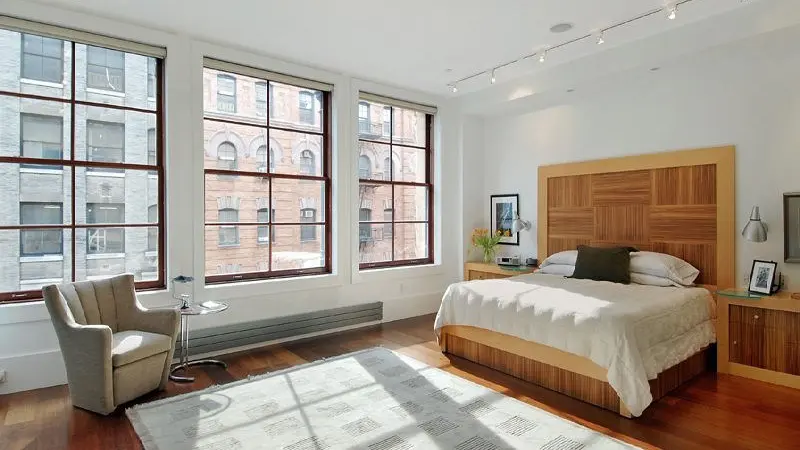
140 Franklin Street is one of central Tribeca's most distinguished residential conversions, housed within a Romanesque Revival masterpiece designed by Albert Wagner in 1887. Wagner, who also created the iconic Puck Building, originally designed this cream-colored brick structure for wrapping paper magnate D.S. Walton & Co. The building's façade features balustraded rooflines, large arched windows on the fifth floor, strong rustication on the ground level, and a particularly notable protruding corner element on the top floor that showcases Wagner's architectural prowess.
Converted into a 14 unit boutique condominium by Sanba International Inc. under architect Aldo Andreoli, the building maintains its historic grandeur while offering modern luxury amenities. Residents enjoy 24 hour doorman service, a full time superintendent, and a lobby featuring an original mural by renowned conceptual artist Sol LeWitt, making it one of the few residential buildings downtown to showcase work by this celebrated American artist. The building also includes a water filtration system and comprehensive security features.
The residences within 140 Franklin Street are characterized by their exceptional scale and authentic loft features. Most apartments boast soaring ceilings ranging from 11 to 14+ feet, original cast iron columns from the 1887 construction, wide plank hardwood floors (typically Brazilian wood or oak), and dramatic skylights that flood the spaces with natural light. Wood burning fireplaces serve as focal points in the grand living areas, while oversized windows, many reaching 10+ feet in height, frame views of Tribeca's historic streetscape.
The building houses several spectacular penthouses, including multiple duplex units with private landscaped terraces exceeding 2,200 square feet. These outdoor spaces feature custom sound systems, outdoor kitchens, and panoramic views of downtown landmarks including the One World Trade Center, Woolworth Building, and 56 Leonard Street. One particularly notable residence spans 6,300 square feet with a 100 foot long great room, while another penthouse designed by renowned architect Winka Dubbeldam offers over 5,000 square feet of interior space.
Kitchens throughout the building reflect chef caliber standards, typically featuring Sub-Zero refrigeration, Wolf ranges, and Gaggenau appliances. Many units include butler's pantries, wet bars with temperature controlled wine storage, and custom millwork by high end firms like Poliform. Bathrooms showcase luxury finishes including Bisazza glass mosaic tiles, Dorn Bracht fixtures, steam showers, and soaking tubs, while many residences feature Swiss engineered radiant heating systems and Lutron lighting controls.
Located on a cobblestone street in the heart of Tribeca's historic district, 140 Franklin Street offers proximity to the neighborhood's renowned dining scene and cultural attractions, with convenient subway access at the corner. The building's prestigious resident roster has included Mickey Drexler, former CEO of J. Crew.
For screen reader users all content above is visible so you may ignore the show more button below.
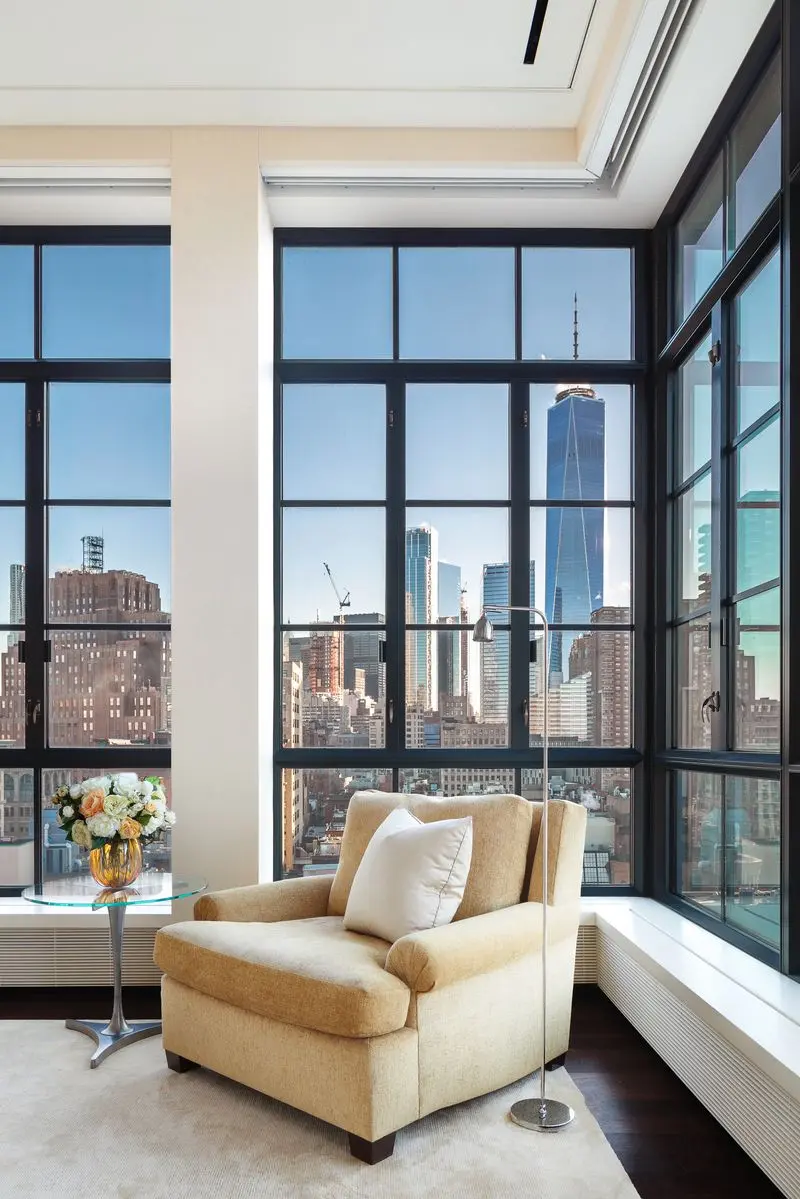
The Hubert, completed in 2003 at 7 Hubert Street on a picturesque cobblestone street in TriBeCa, stands as one of the neighborhood's most distinguished residential buildings. Designed by BKSK Architects with interiors by Alan Wanzenberg, this 16-story orange-brick condominium features large multi-paned industrial-style windows with dark-green sashes, arched windows on select floors, and a two-story limestone base. The building's design pays thoughtful homage to the area's industrial heritage while delivering modern luxury living.
The building houses 33 apartments across 19 different floor plans, ranging from a 1,787-square-foot two-bedroom unit to a spectacular 5,244-square-foot penthouse with a 360-degree wrap-around terrace. Notable residences include two mansion-width townhouses with private garages and gardens, three sprawling maisonettes, and the remarkable "Sky House" - a 6,250-square-foot custom combination spanning two floors with four landscaped terraces. Most apartments feature soaring 11- to 12-foot ceilings, and 14 of the 33 units boast private outdoor space. The interiors showcase premium finishes including wide-plank oak floors, custom Poggenpohl cabinetry, marble bathrooms, and top-tier appliances from Sub-Zero, Miele, and Thermador.
Residents enjoy white-glove service with 24-hour doorman and concierge, along with amenities including a state-of-the-art fitness center, children's playroom, landscaped courtyard garden, refrigerated delivery storage, and individual basement storage. The building's prime location places residents just two blocks from Hudson River Park in the heart of TriBeCa's historic district, surrounded by the neighborhood's renowned dining, shopping, and cultural attractions. The Hubert successfully bridges the gap between townhouse-style privacy and full-service luxury living, making it one of TriBeCa's most coveted addresses.
For screen reader users all content above is visible so you may ignore the show more button below.
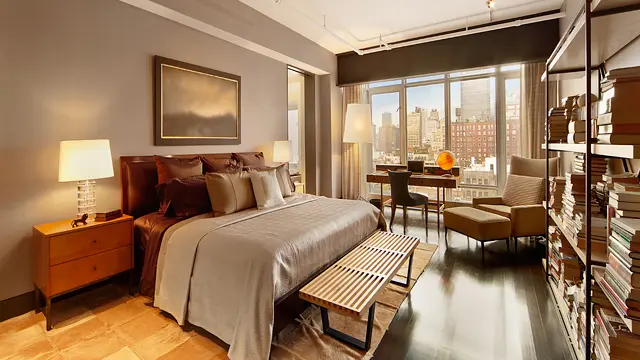
The Dance Building at 217 West 19th Street brings Chelsea’s cherished tradition of combined arts space and loft living into the 21st century. Dance studios and a performance space spans the lower levels. The floors above hold only 12 apartments, creating a discrete lifestyle with just one or two units per floor. Roomy apartments span from 2,158 to 2,675 square feet and feature balconies in every unit. The Rawlings Architects-designed building features a minimalist façade and ribbon window bands that harken to the turn-of-the-twentieth-century Modernist avant-garde.
For screen reader users all content above is visible so you may ignore the show more button below.
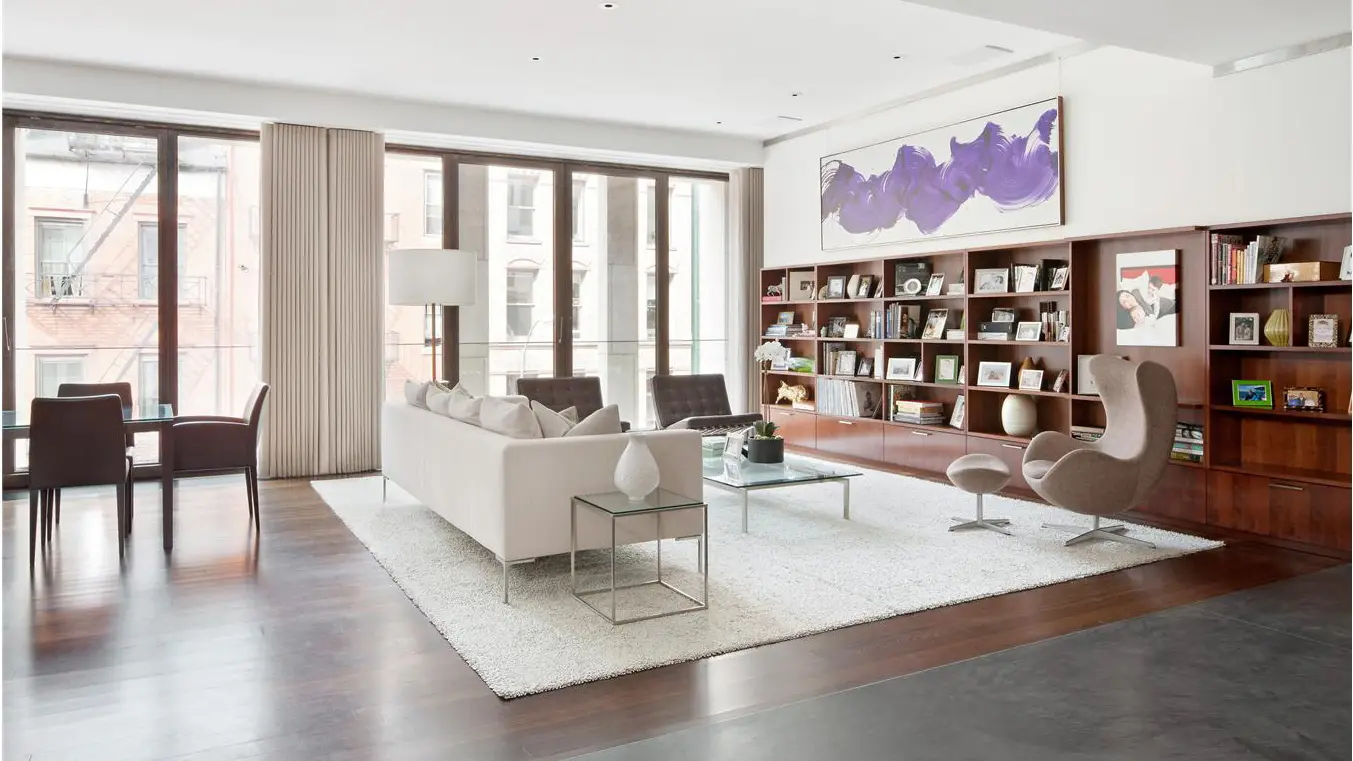
25 Bond Street is located on a cobblestone street in NoHo .
It contains only nine apartments with expansive entertaining spaces, high ceilings, oversized windows, spacious master bedrooms and multiple fireplaces. Somes unit have chefs’ kitchens designed by Balthaup with double appliances and large, walk-in pantries; master bathrooms have soaking tubs and separate shower stalls.
Amenities at 25 Bond Street are impressive as apartments have at least two parking spaces. Residents are also offered access to an attended lobby, 24-hour concierge service, a garden with outdoor grilling, a caterer’s kitchen, individual lobby storage spaces and bronze-door elevators that directly open to each unit.
It is situated on a great street in a premier downtown location and is close to public transportation and the restaurants and shops in NoHo, SoHo and NoLIta.
For screen reader users all content above is visible so you may ignore the show more button below.
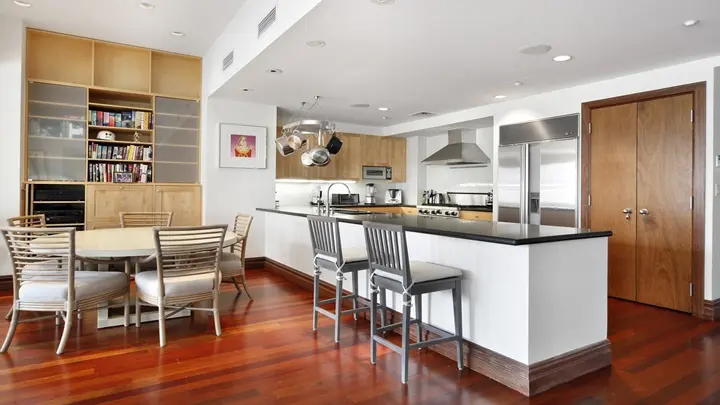
The Lofts of Greene Street, located at 103 Greene Street, is a distinguished full-service condominium in SoHo, featuring a striking cast-iron façade and a unique architectural history. Originally built in 1879, the building consists of two structures, with 101 Greene Street being reconstructed after a fire in 1950 using the façade of 103 Greene Street as a model. This intimate building houses only 12 residential units, ensuring a private living experience with one apartment per floor.
Each apartment boasts impressive 14-foot ceilings and expansive floor plans, with many units offering luxurious features such as private roof decks, landscaped terraces, and high-end kitchens equipped with Sub-Zero and Viking appliances. The building provides a range of amenities, including a 24-hour doorman, concierge service, and full-time maintenance staff, enhancing the convenience and security of residents.
Notable for its prime location, The Lofts of Greene Street is surrounded by a vibrant array of boutiques, art galleries, and restaurants, making it a desirable address in the heart of SoHo. The apartments are designed to maximize natural light, with large windows and open layouts that create a spacious and airy atmosphere. The building has attracted a number of high-profile residents, adding to its allure.
With its blend of historic charm and modern luxury, The Lofts of Greene Street stands out as a unique offering in New York City's competitive real estate market, appealing to those seeking both style and substance in their living environment.
For screen reader users all content above is visible so you may ignore the show more button below.
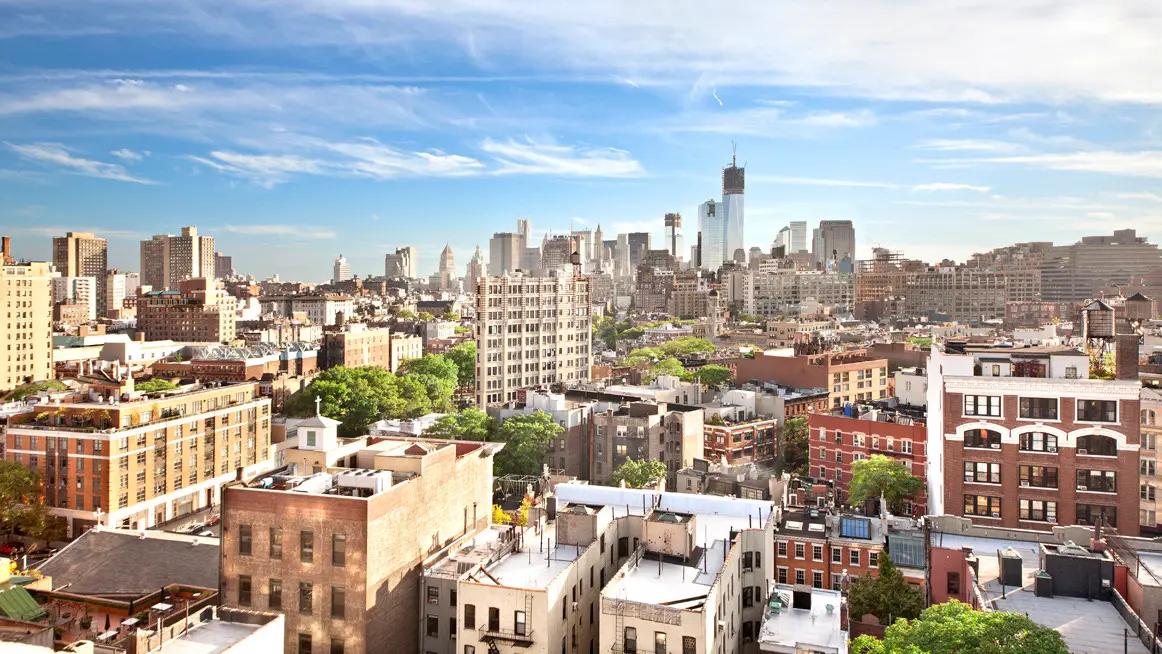
147 Waverly Place, designed by prominent architects Jardine, Kent and Hill and known as The Waverly Building, was originally constructed in 1912. The building's characteristic shape reflects the oblique angle of its prime corner site. Adapted as a boutique 20-unit condominium, The Waverly Building now includes a 24-hour doorman, 24-hour concierge service, a full time superintendent, a beautiful roof terrace with Village, Empire State Building and skyline views, and basement storage. The building is steps from Washington Square Park, gourmet grocery stores, amazing restaurants, and public transportation.
For screen reader users all content above is visible so you may ignore the show more button below.
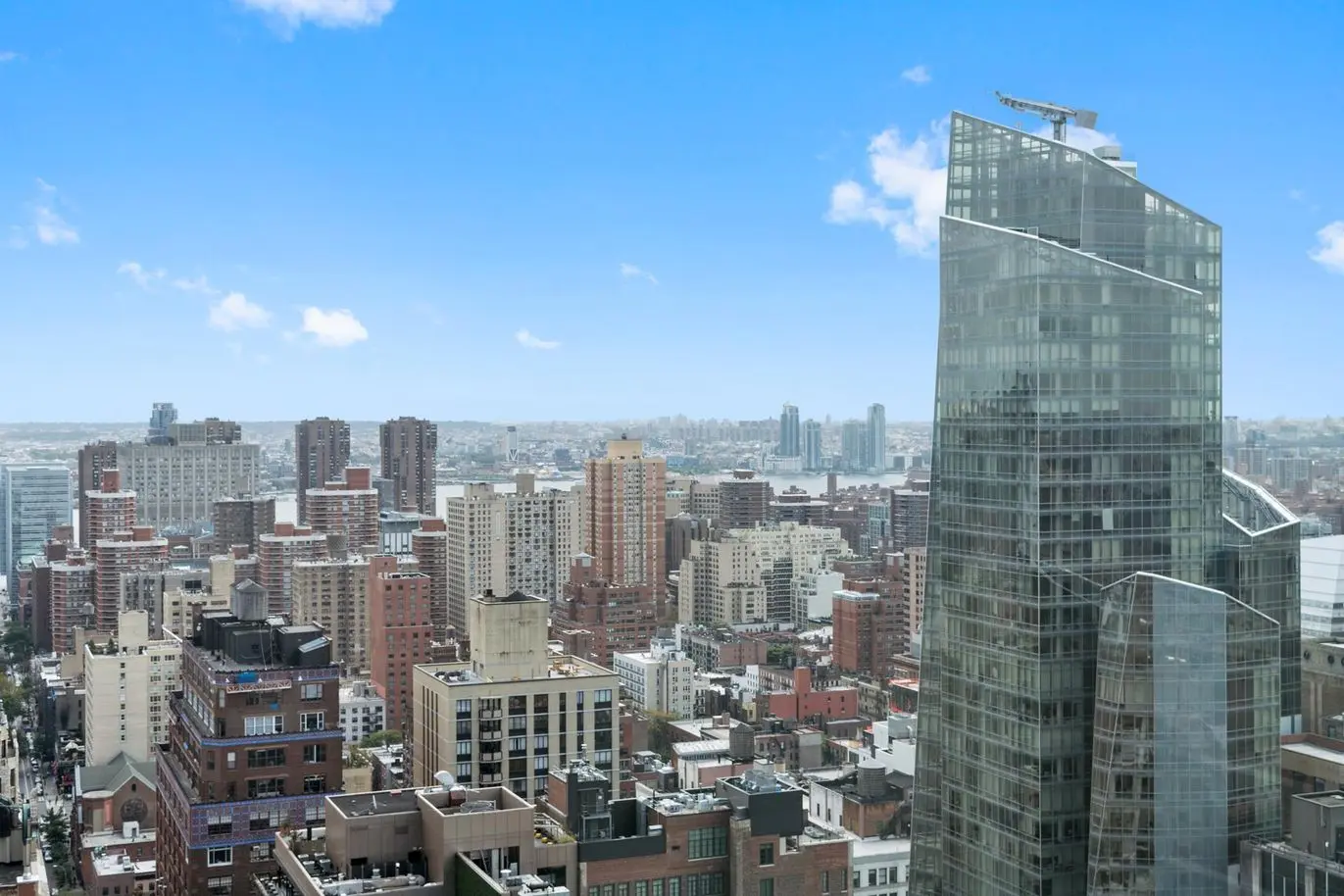
400 Park Avenue South stands as one of NoMad's most architecturally distinctive buildings, earning recognition on CityRealty's Top 10 NYC Buildings of the Decade list. Designed by renowned architect Christian de Portzamparc, this 40 story tower features a dramatic crystalline design with jagged glass shards that create both striking exterior appeal and unique interior layouts. The building's innovative glass façade doesn't just make a visual statement but also floods apartments with natural light through floor-to-ceiling windows.
The mixed use development houses 269 rental apartments and 81 condominiums, offering residents flexibility in housing arrangements. Each unit showcases high quality finishes including white oak floors throughout, open concept living spaces, and kitchens equipped with sleek glass faced Pedini cabinetry paired with quartzite countertops. The bathrooms continue the luxury theme with marble vanities and heated limestone floors, adding both elegance and comfort.
Residents enjoy an impressive array of amenities spread throughout the building. The fitness facilities are particularly comprehensive, featuring a full gym, swimming pool, steam room, dedicated yoga room, and spinning studio. Additional recreational spaces include a residents' lounge, screening room for private movie nights, and an unusual golf simulator for year round practice. A landscaped 27th floor terrace provides outdoor space with sweeping city views, while resident storage addresses practical needs.
The building's commitment to sustainability earned it LEED certification for its environmentally friendly features, reflecting modern green building standards. This environmental consciousness aligns with the building's forward thinking design philosophy, making it appealing to eco minded residents who don't want to compromise on luxury or convenience.
Location wise, 400 Park Avenue South offers exceptional connectivity and neighborhood amenities. The ground level integrates directly with the 28th Street subway station serving the 4 and 6 trains, providing seamless transit access. The building sits just one block from Madison Square Park, giving residents easy access to one of Manhattan's most beloved green spaces in the heart of the vibrant NoMad district.
For screen reader users all content above is visible so you may ignore the show more button below.
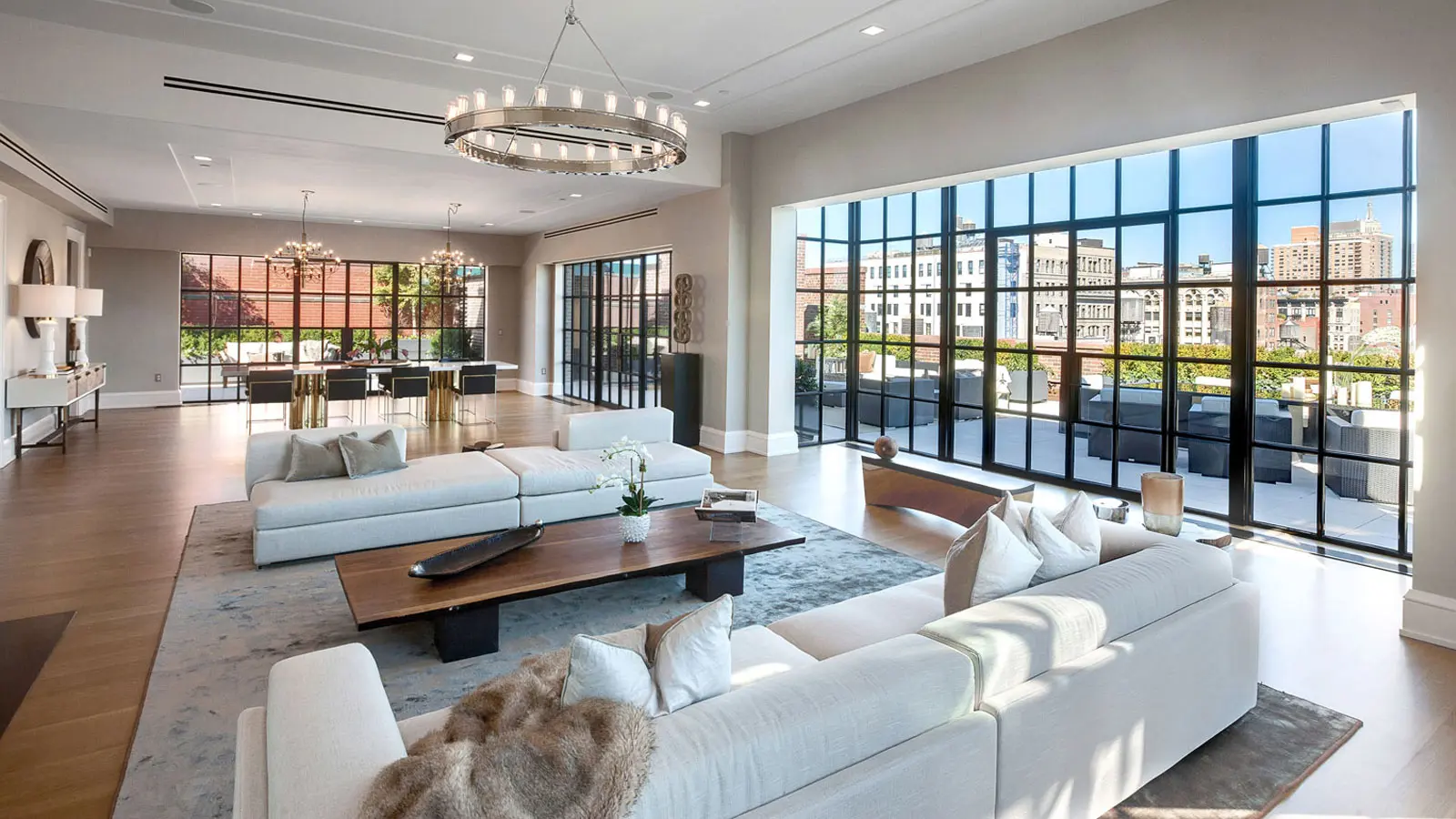
The Puck Building at 295 Lafayette Street in SoHo, one of the city’s grand 19th Century buildings, is distinguished by two gilded statues of Puck, a character from Shakespeare’s “Mid-Summer’s Night Dream.” The full-service boutique residence with a 24-hour doorman consists of just 6 apartments atop a mixed-use building.
Of these, the most spectacular residence is the 5-bedroom, 7.5-bath penthouse with 7,241 square feet of interior and 5,158 square feet of exterior living space with a library, gym, home theater, wine cellar and landscaped private terraces with a yoga lawn, putting green, spa tub and wet bar.
For screen reader users all content above is visible so you may ignore the show more button below.
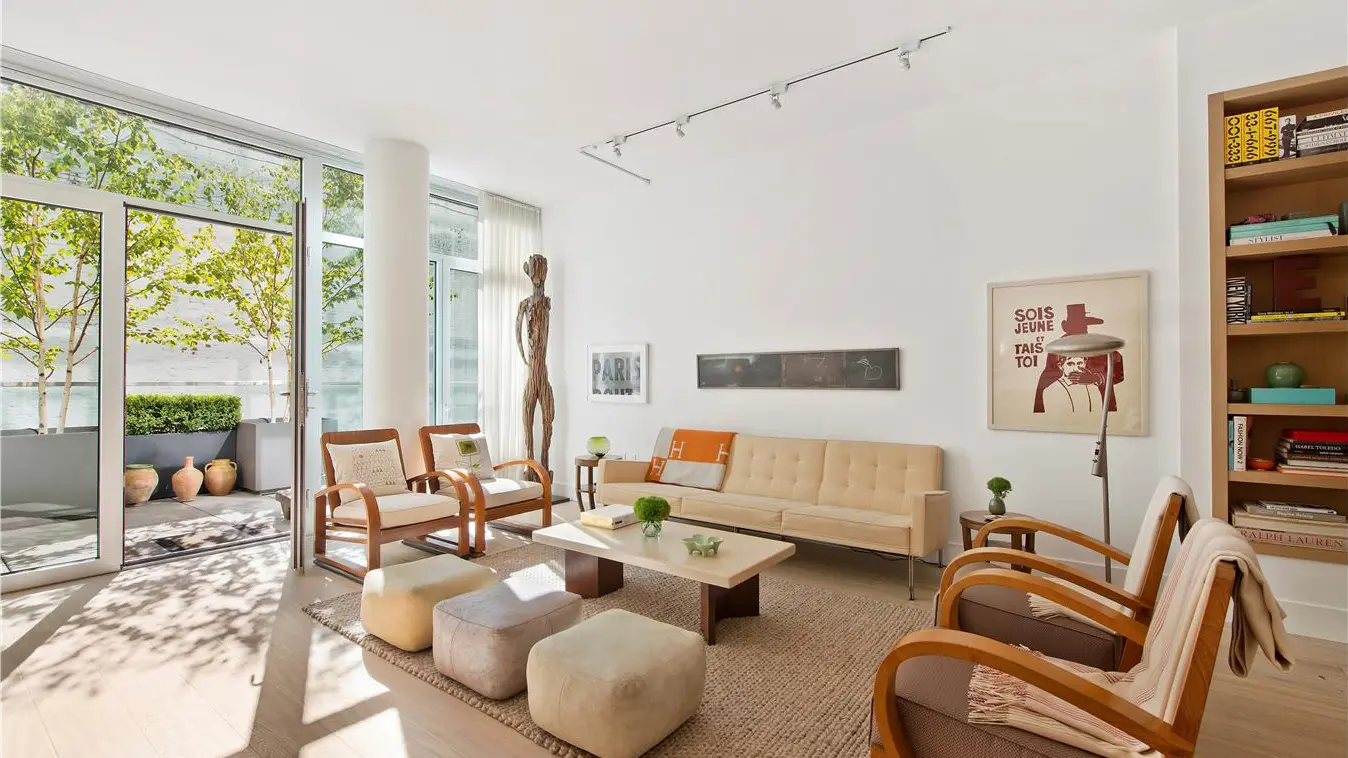
520 West 19th Street is situated in Chelsea and is one of the newest residential developments in the downtown neighborhood.
Located between Tenth and Eleventh Avenues, 520 West 19th Street has 26, two- to five-bedroom units. The two, five-bedroom residences are duplex penthouses, each with more than 4,000 square feet of living space. All units are spacious: the smallest two-bedroom apartments are between 1,460 and 1,582 square feet. Kitchens and bathrooms are outfitted with premium appliances and quality fixtures. Units also feature large windows and detailed architectural touches.
520 West 19th Street amenities include a 24-hour doorman, concierge service, a fitness center and basement storage. Its mid-block location is near the High Line park and many art galleries.
For screen reader users all content above is visible so you may ignore the show more button below.
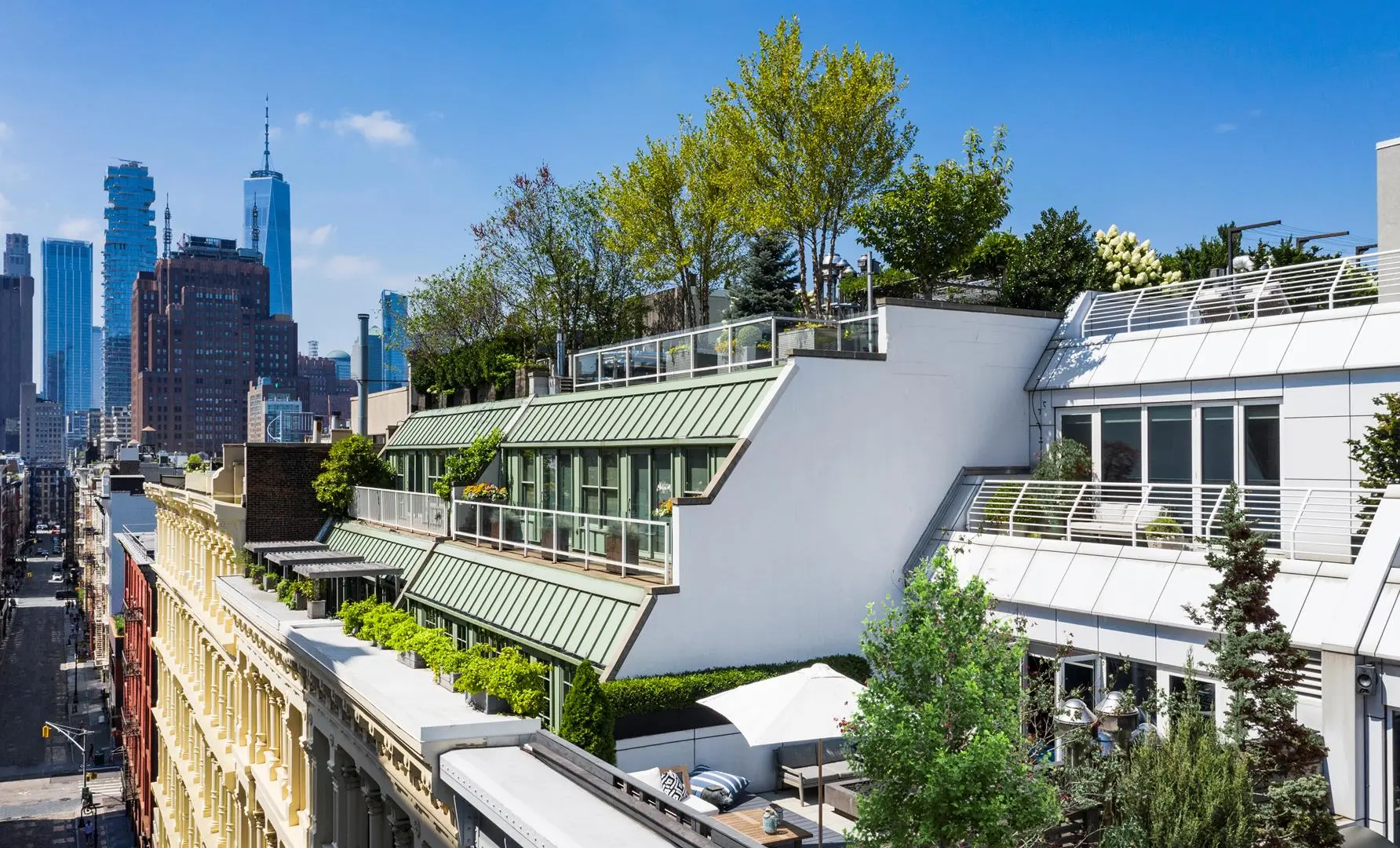
109 Greene Street, also known as The Lofts at Greene Street II, is a 7 story boutique condominium completed in 2005 on one of SoHo's most coveted cobblestone blocks. Developed by Goldman Properties and designed by Cook + Fox, the building is a striking modern interpretation of the neighborhood's historic cast iron architecture, featuring I-beam and riveted girders in the style of early 20th Century bridge construction. The façade is painted in two tones of gray with large black framed windows, creating an aesthetic that is both historic and high tech. With only 15 residential apartments, the building offers 24 hour doorman service, keyed elevator access, private storage, and a pet friendly policy that allows corporate ownership, pied-à-terre use, and 90% financing.
Apartments throughout the building feature soaring 13 foot ceilings, central air conditioning, and keyed elevator access that opens directly into each unit. Common finishes include gas fireplaces, herringbone or wide plank oak floors, marble kitchens and bathrooms, and high end appliances from Sub-Zero, Miele, Wolf, and Fisher & Paykel. Most units include in-unit washer/dryer, custom closets, and generous storage. The typical layout places east facing living spaces with oversized windows overlooking Greene Street, while bedrooms face west with open sky views. Two bedroom units span approximately 1,740 square feet and often feature double height entrance galleries and curved staircases connecting the levels.
Larger residences include three bedroom lofts of around 2,550 square feet, among the building's most spacious offerings. The duplex penthouses are particularly notable, with over 1,400 square feet of private outdoor space across three levels, including landscaped terraces with gas grills and fire pits, private balconies off the primary bedroom, and roof decks with panoramic SoHo views. Recent penthouse renovations have incorporated smart home technology with integrated Savant systems, built in Sonos speakers, and motorized shades throughout.
The building sits between Spring and Prince Streets, surrounded by world class shopping including Louis Vuitton, Stella McCartney, Fendi, and Dior at street level, along with notable restaurants such as Mercer Kitchen, Cipriani Downtown, and Ladurée. Despite its central SoHo location with easy subway access, the block remains notably quiet, as it is one of the rare streets in the neighborhood without bars or restaurants. As a non AIR building, 109 Greene Street offers greater purchase flexibility than many other SoHo properties.
For screen reader users all content above is visible so you may ignore the show more button below.
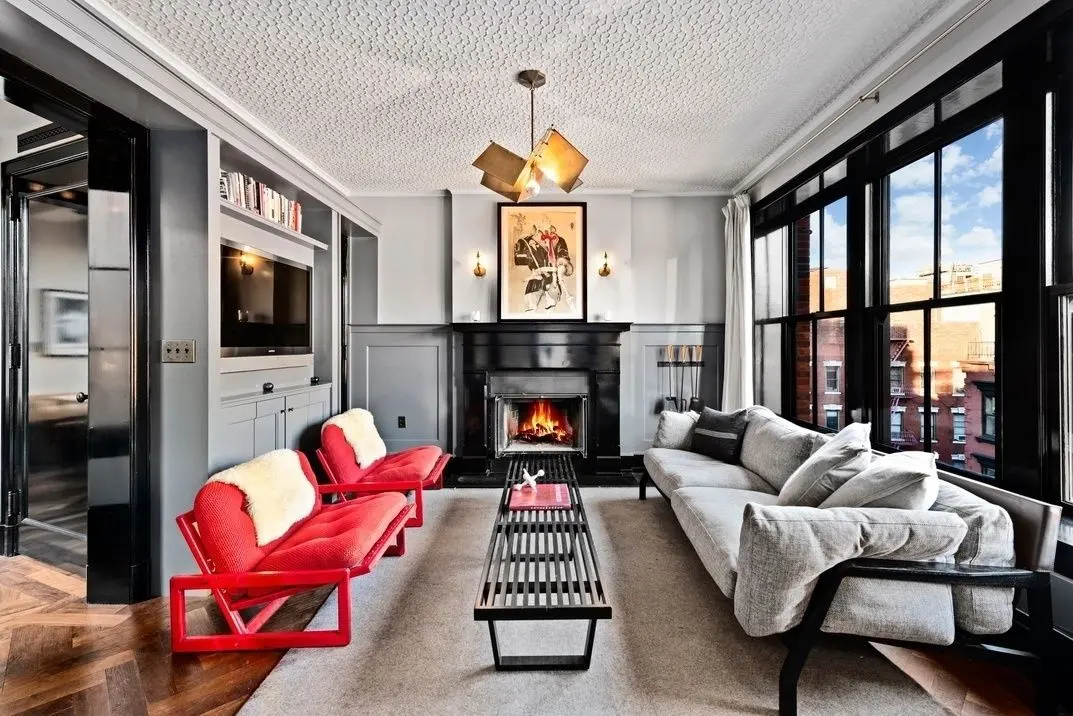
211 Elizabeth Street is a seven-story red brick boutique condominium on the corner of Prince and Elizabeth Streets in Nolita, designed by Roman and Williams as their first ground up residential project. The building contains just 15 residences and won the 2010 Palladio Award for its handcrafted brick façade, which was laid by traditional Irish masons. The developer, 16 Prince Street LLC, is led by Robert A. Siegel and Peter Manning, a Tony Award winning producer. The design intentionally echoes late 19th and early 20th century New York residential architecture, with Stephen Alesch noting the building scores a 6 out of 10 in design complexity compared to landmarks like the Puck Building.
Residences feature solid walnut herringbone floors throughout, wood burning fireplaces with oversized mantles, and grand double hung windows. Kitchens are trimmed in walnut with hand painted black cabinetry (some units feature cerulean), Danish oiled wood countertops, custom Roman and Williams designed brass hardware, and Sub-Zero refrigerators alongside Viking ranges and Miele appliances. Nine-foot-high French doors typically separate living and dining areas, while all trim, casings, windows, and doors are finished in high gloss black oil paint. Bathrooms are clad in Calacatta Gold marble with solid brass fixtures, separate showers, and deep soaking tubs with radiant heated floors.
Notable apartments include Residence 2N, the largest two bedroom at 1,688 square feet with the building's highest ceilings at 11 feet and a unique six-sided living room layout. Residence 4S served as the developer's model home and showcases the full range of bespoke details and craftsmanship. Unit sizes range from 788 square feet for one-bedrooms to over 1,600 square feet for two bedrooms, with select units including washer dryers and private storage cages.
The building offers white glove services including a doorman, concierge, and full-time superintendent, along with a fitness center, bicycle storage, private basement storage, and a landscaped roof terrace with 360-degree views of lower Manhattan. The location provides immediate access to the Elizabeth Street Garden, world class dining and shopping in Nolita, and multiple subway lines. Notable residents have included Billy Joel, Gabriel Byrne, Karlie Kloss, and Josh Kushner.
For screen reader users all content above is visible so you may ignore the show more button below.
For screen reader users all content above is visible so you may ignore the show more button below.

 6sqft delivers the latest on real estate, architecture, and design, straight from New York City.
Like us on Facebook to keep up with the trends and
6sqft delivers the latest on real estate, architecture, and design, straight from New York City.
Like us on Facebook to keep up with the trends and 