
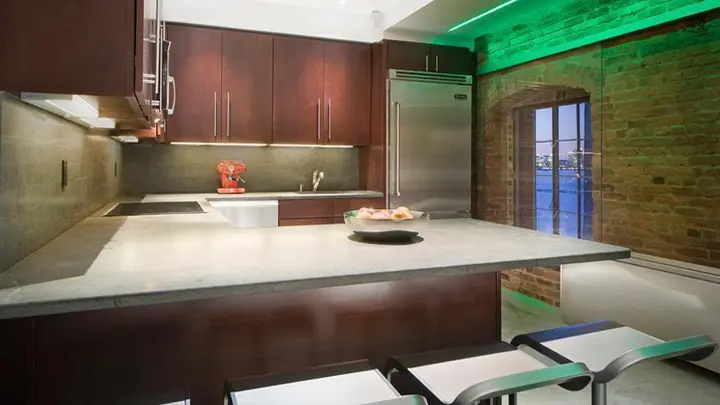
The Sugar Warehouse at 79 Laight Street was built in 1853 by the Grocers Steam Sugar Refining Company and later sold to the United States Sugar Refining Company. At 10 stories, it was one of the tallest buildings in New York City when constructed. In 2000, the landmarked structure was acquired by Alex Forkosh of Forkosh Construction and converted into a 34 unit condominium by architect Joseph Pell Lombardi, who described it as "one of the more complex" conversions he had undertaken due to the building's varying heights—10 stories in the core but only five or six stories in other sections. The 2002 restoration preserved the building's distinctive red brick façade, black metal window shutters on the lower floors, and the painted white signage displaying the building's name and address.
The building's conversion required installing an entirely new structural system behind the historic façade to accommodate modern split level and duplex layouts. Two interior courtyards were created to bring natural light into the building. The slightly arched windows and charming exterior details, carefully restored to meet Landmarks Preservation Commission requirements, give the building significant street presence along its lengthy façade extending to West Street. The building sits on cobblestone Laight Street at the corner of West Street in prime North TriBeCa.
All 34 residences are configured as two or three bedroom apartments, with most featuring split level or duplex layouts. Units range from approximately 2,000 to 4,000 square feet, with ceiling heights reaching 14 to 16 feet in many apartments. Several penthouses include skylights and private roof deck access. Common features across units include spacious great rooms, open kitchens with high end appliances from brands like Miele, Sub Zero, Viking, and Gaggenau, marble bathrooms, custom millwork and closets, and vented washer/dryers. Many apartments offer Hudson River views through the building's signature arched windows, and select units feature wood burning fireplaces and private keyed elevator access.
The Sugar Warehouse offers full service amenities including a 24 hour doorman, live-in superintendent, fitness center, two common rooftop decks, children's playroom, bicycle storage, conference room, and private storage units for each residence. The building is pet friendly and zoned for PS 234. There is no parking garage on site. The building has undergone major capital improvements including waterproofing, fireproofing, lobby renovation, and playroom updates.
The location directly across from Hudson River Park and Piers 25 and 26 provides immediate access to waterfront recreation. The building sits in one of TriBeCa's most desirable blocks, with close proximity to the dining and shopping of TriBeCa, SoHo, and the West Village. The cobblestone streets and historic warehouse architecture define the neighborhood's character, which transformed from the former Washington Market produce district into one of Manhattan's most sought after residential areas.
The Sugar Warehouse stands as one of only three historic condominium buildings on the entire TriBeCa waterfront and represents one of the neighborhood's most significant conversion projects from the early 2000s. The building's industrial heritage, combined with its landmarked status and full service amenities, has made it a cornerstone property in the area. The conversion preserved an important piece of New York's 19th century commercial architecture while creating distinctive loft style residences that blend prewar character with modern luxury.
For screen reader users all content above is visible so you may ignore the show more button below.
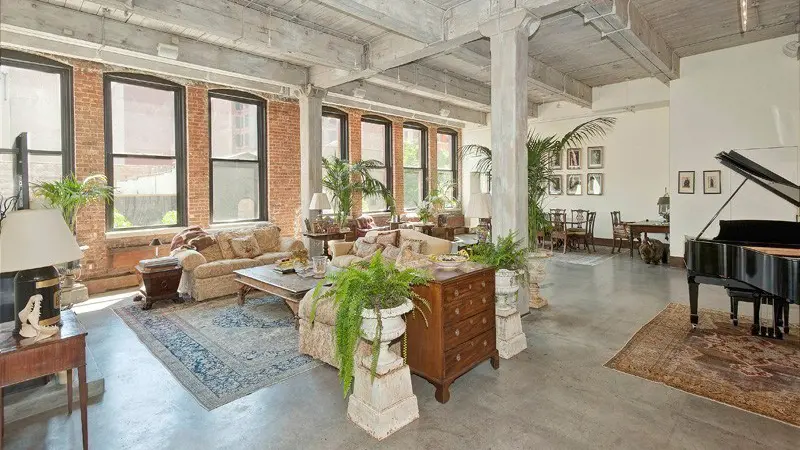
The Spears Building, located at 525 West 22nd Street, was originally constructed in 1880 as a factory and transformed into a boutique condominium in 1996. This six-story building features 30 loft apartments, characterized by high ceilings, exposed brick, and original industrial details. Residents enjoy amenities such as a part-time doorman, a furnished rooftop deck with views of the Hudson River, and available storage units. Its prime location in West Chelsea places it near the High Line, renowned art galleries, and top dining options.
Notable apartments within the building include expansive lofts and penthouses that showcase unique architectural features. For instance, a sprawling 4,022-square-foot penthouse offers 2,500 square feet of private outdoor space, while a nearly 6,000-square-foot combined unit boasts five bedrooms and multiple flexible spaces. Many residences highlight original elements like wood beams and large windows, providing abundant natural light and a connection to the building's rich history.
The Spears Building has attracted notable residents, including Linda Evangelista and Keanu Reeves, adding to its allure. The building's design and amenities cater to a lifestyle that balances artistic inspiration with modern living, making it a sought-after address in the vibrant West Chelsea arts district.
For screen reader users all content above is visible so you may ignore the show more button below.
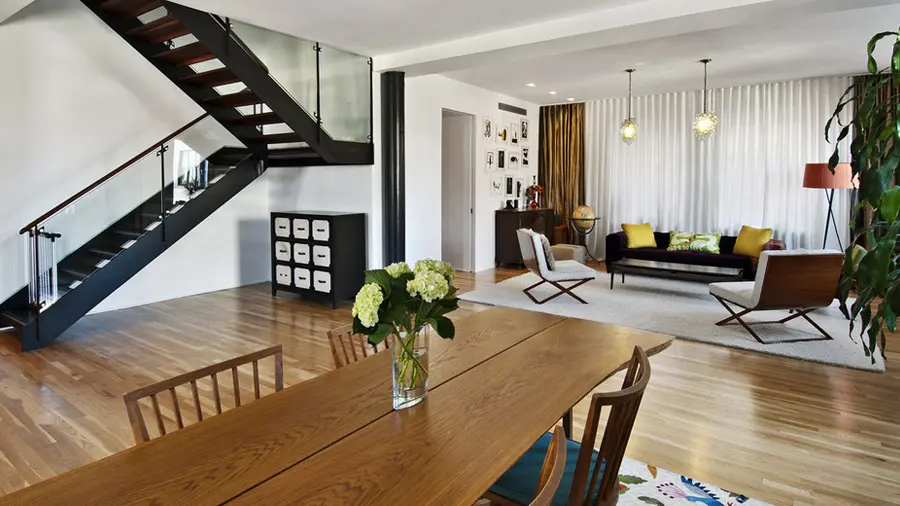
The American Thread Building at 260 West Broadway stands as one of TriBeCa's most distinguished residential conversions, with a fascinating history that spans over a century. Originally constructed in 1894-1896 as the Wool Exchange Building by architect William B. Tubby in Renaissance Revival style, the 11-story structure was designed to help New York overtake Boston as the nation's wool trade center. When that venture failed, the American Thread Company occupied the building from 1901 to 1964, giving the building its enduring name. The building gained additional cultural significance when a Keith Haring mural was discovered in 2007 during renovations—painted by the then 20-year-old artist in 1979 when the space served as an exhibition area.
Converted to 52 condominium apartments by Rose Associates in 1980, the building was among the first luxury loft conversions in TriBeCa and has since housed notable residents including models Gisele Bundchen and Naomi Campbell, and actress Isabella Rossellini. The building's distinctive curved façade overlooks TriBeCa Park, and its placement on the National Register of Historic Places in 2005 underscores its architectural importance. The structure features imposing limestone banding on the first two floors, arched ground-floor windows, and a grand staircase entrance with two-story columns, though it has lost its original cornice over time.
The building's 52 residences showcase the grandeur typical of pre-war loft conversions, with many units featuring soaring ceilings up to 26 feet, oversized arched windows, and original architectural details like cast-iron columns. The apartments range from traditional two-bedrooms to spectacular multi-level penthouses and a remarkable 8,000-square-foot triplex maisonette that includes the Keith Haring mural. Common features throughout units include hardwood floors, working fireplaces, central air conditioning, and chef's kitchens equipped with high-end appliances from brands like Sub-Zero, Miele, and Liebherr. Many apartments are configured as duplexes, taking advantage of the building's generous ceiling heights and loft-like proportions.
Residents enjoy full-service building amenities including a 24-hour doorman, live-in superintendent, rooftop gym, landscaped roof deck with city views, bicycle storage, and basement storage units. The building's prime location at the northern edge of TriBeCa, adjacent to SoHo and near multiple subway lines, provides easy access to the neighborhood's renowned dining and shopping scene. While the building lacks a garage and sidewalk landscaping, its historic character, spacious apartments, and prestigious address continue to make it one of downtown Manhattan's most coveted residential buildings.
For screen reader users all content above is visible so you may ignore the show more button below.
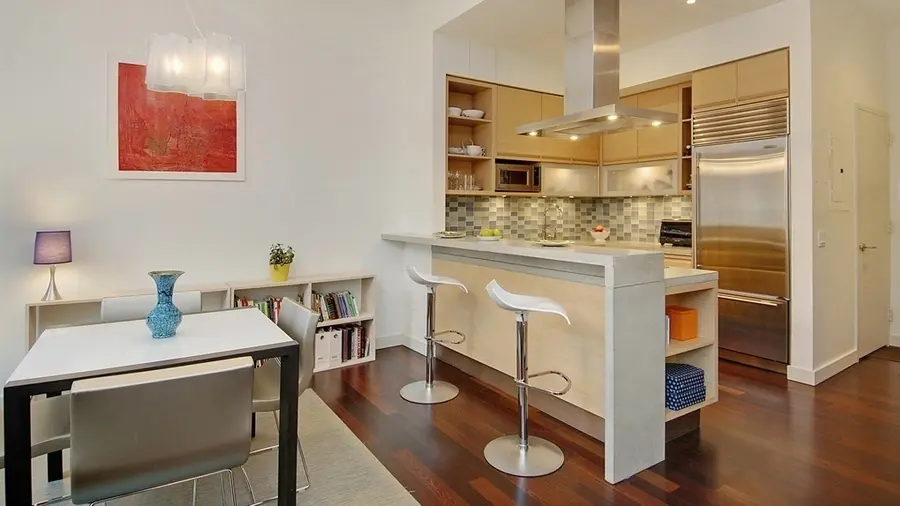
The Silk Building stands as one of NoHo's most culturally significant residential landmarks, originally constructed in 1908 as a silk garment factory in the Italian Renaissance palazzo style by Clinton & Russell Architects. The 12 story building was converted to a luxury condominium in the early 1980s, retaining beautiful historic friezes in its lobby that pay homage to its industrial origins. The building gained legendary status when Tower Records occupied its entire ground floor retail space from 1983 until the company's eventual closure, becoming a cultural epicenter during the height of MTV's influence and helping establish this stretch of Broadway as a destination for music lovers worldwide.
The Silk Building has attracted an impressive roster of celebrity residents, most notably in Penthouse 1109, a spectacular quadruplex that was owned successively by Russell Simmons, Keith Richards and Britney Spears. This penthouse featured a 54 foot wide living room, private terraces, and multiple levels spanning floors 10 through 12. Other notable residents have included Cher and fashion designer Charlotte Ronson, cementing the building's reputation as a magnet for entertainment industry figures and cultural tastemakers.
The building's 56 apartments showcase distinctive loft style layouts, with many units configured as duplexes and triplexes featuring soaring 10 to 12 foot ceilings, oversized windows, and wood burning fireplaces. Kitchens typically include premium appliances from Sub-Zero, Wolf, Viking, and Miele, while hardwood floors and open concept designs emphasize the building's industrial heritage. Many units offer both north and south exposures, with some penthouses featuring private terraces and panoramic city views.
Located at 14 East 4th Street, the full service building offers 24 hour doorman service, a live-in superintendent, laundry facilities on every floor, and a landscaped roof deck with sweeping skyline views. The prime NoHo location sits at the crossroads of Greenwich Village, SoHo, Union Square, and the East Village, providing residents with easy access to multiple subway lines, New York University, Washington Square Park, and some of downtown Manhattan's finest dining and shopping destinations.
For screen reader users all content above is visible so you may ignore the show more button below.
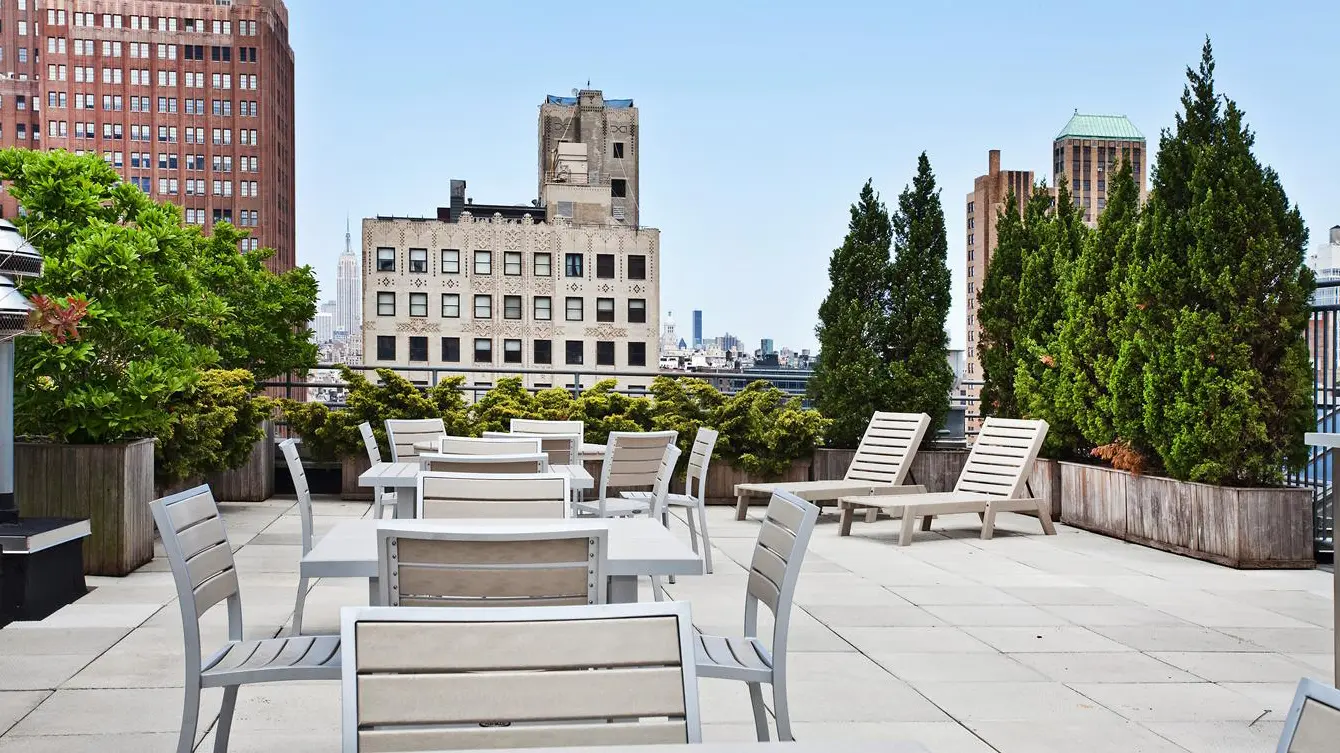
The Textile Building at 66 Leonard Street stands as one of TriBeCa's most distinguished residential conversions, originally designed in 1901 by Henry J. Hardenbergh, the renowned architect behind The Dakota and Plaza Hotel. This Beaux Arts landmark was thoughtfully converted from a commercial textile building to 46 luxury condominiums in 1999 by Chessed LLC, with Karl Fischer designing the conversion that added a penthouse floor. The building's façade features six Caduceus symbols and eight large cartouches, while the interior pays homage to its textile heritage with antique American textile displays and elevator doors embossed with weaving machine motifs.
Located in the TriBeCa East Historic District, this full-service boutique building offers an impressive array of amenities including a 24 hour doorman and concierge, a fitness center with steam room, and a residents' lounge with fireplace and full catering kitchen. The landscaped rooftop terrace features grilling areas and a children's play area with spectacular city views, complemented by a garden courtyard, bicycle room, and an on-site 50 car attended parking garage. The building maintains a pet friendly policy and provides private storage and package services with cold storage.
Apartments range from approximately 1,300 square feet to over 2,800 square feet, with some penthouses exceeding 7,000 square feet. Many units feature dramatic ceiling heights up to 22 feet in duplex layouts, original steel columns with exposed rivets, and wide-plank hardwood floors in Brazilian cherry, mahogany, or oak. Many apartments feature gas fireplaces, chef's kitchens with high end appliances from Sub-Zero, Thermador, and Miele, spa-like bathrooms with soaking tubs, walk-in closets, and individual climate control systems.
The building has attracted notable residents including celebrity chef Jean-Georges Vongerichten, who sold his apartment in 2004 for $3.25 million to Japanese pop star Hiromi Go, and Nobel Prize-winning author Toni Morrison. The prime TriBeCa location places residents steps from upscale dining destinations like The Odeon and Two Hands, Whole Foods, and multiple subway lines, making it one of downtown Manhattan's most coveted addresses.
For screen reader users all content above is visible so you may ignore the show more button below.
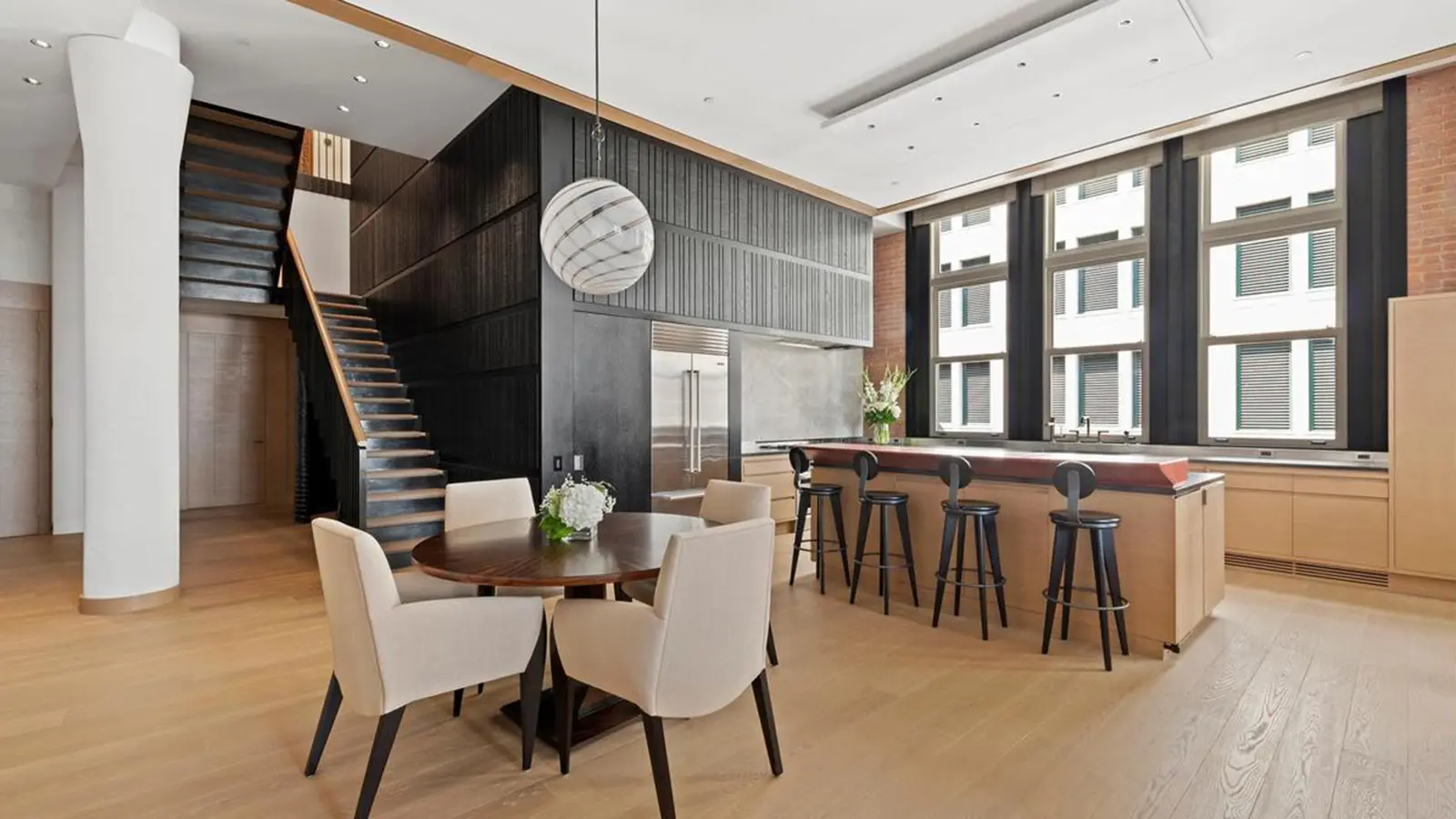
21 Astor Place is a city landmark that was converted into apartments in 2003.
It is 11 stories and features 50 residences, half of which have different layouts. Thirty-nine units, including 10 duplexes, have either one or two bedrooms. There are also eight, three-bedroom simplexes, a three-bedroom duplex and a four-bedroom duplex. The top floor is a vast space of 7,278 square feet with a 3,094-square-foot wraparound terrace.
Apartments have a loft-style feel with large living areas, 13-foot-high ceilings and many windows. Interiors include sliding room dividers, closets made of semi-opaque glass and staircases angled out of walls to appear as if they are floating. In keeping with such an aesthetic, toilets are also set in bathroom walls.
Apartments have relatively low monthly common charges, even with such amenities as a 24-hour doorman and a health club. With Astor Place and Cooper Union nearby, it is also located close to public transportation and shops.
For screen reader users all content above is visible so you may ignore the show more button below.
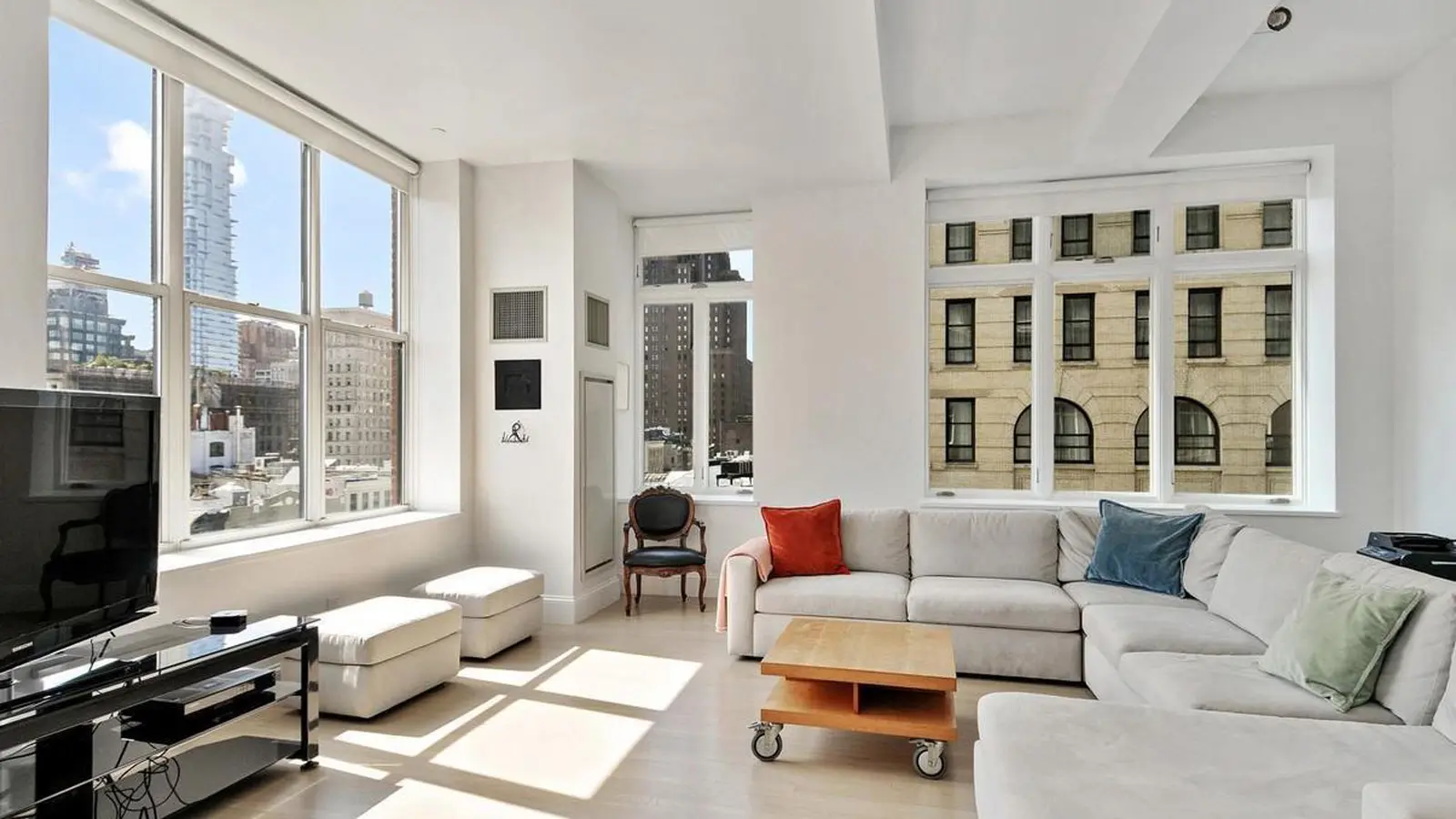
129 Lafayette Street, originally constructed in 1911 as a printing facility, was transformed into a luxury loft condominium in 2004. This limestone-clad building features a grand lobby with 24-hour doorman service, private on-site storage, and a landscaped roof deck spanning 2,000 square feet, offering panoramic views of the city. Located at the intersection of Lafayette and Howard Streets, it is conveniently situated near SoHo, Nolita, Chinatown, and Tribeca, making it a prime location for urban living.
The building comprises 27 luxury condominium apartments, including two penthouses. Residences range from 1,200 to 5,200 square feet, showcasing 12-foot-high ceilings, Marvin wood-frame windows, and white oak floors. Many units are corner apartments with balconies, while the south penthouse boasts a heated in-ground pool on its terrace. Notable layouts include a duplex penthouse with 4,647 square feet of interior space and a two-bedroom unit featuring a 19-foot-long entrance gallery.
Among its residents, Rihanna is a notable celebrity who has called this building home. The apartments are designed for modern living, with features such as open-concept kitchens equipped with high-end appliances, luxurious bathrooms, and ample storage. The building is pet-friendly, enhancing its appeal to a diverse range of residents.
With its blend of historic charm and contemporary amenities, 129 Lafayette Street stands out as a desirable address in one of New York City's most vibrant neighborhoods, offering residents a unique lifestyle at the crossroads of culture, dining, and shopping.
For screen reader users all content above is visible so you may ignore the show more button below.
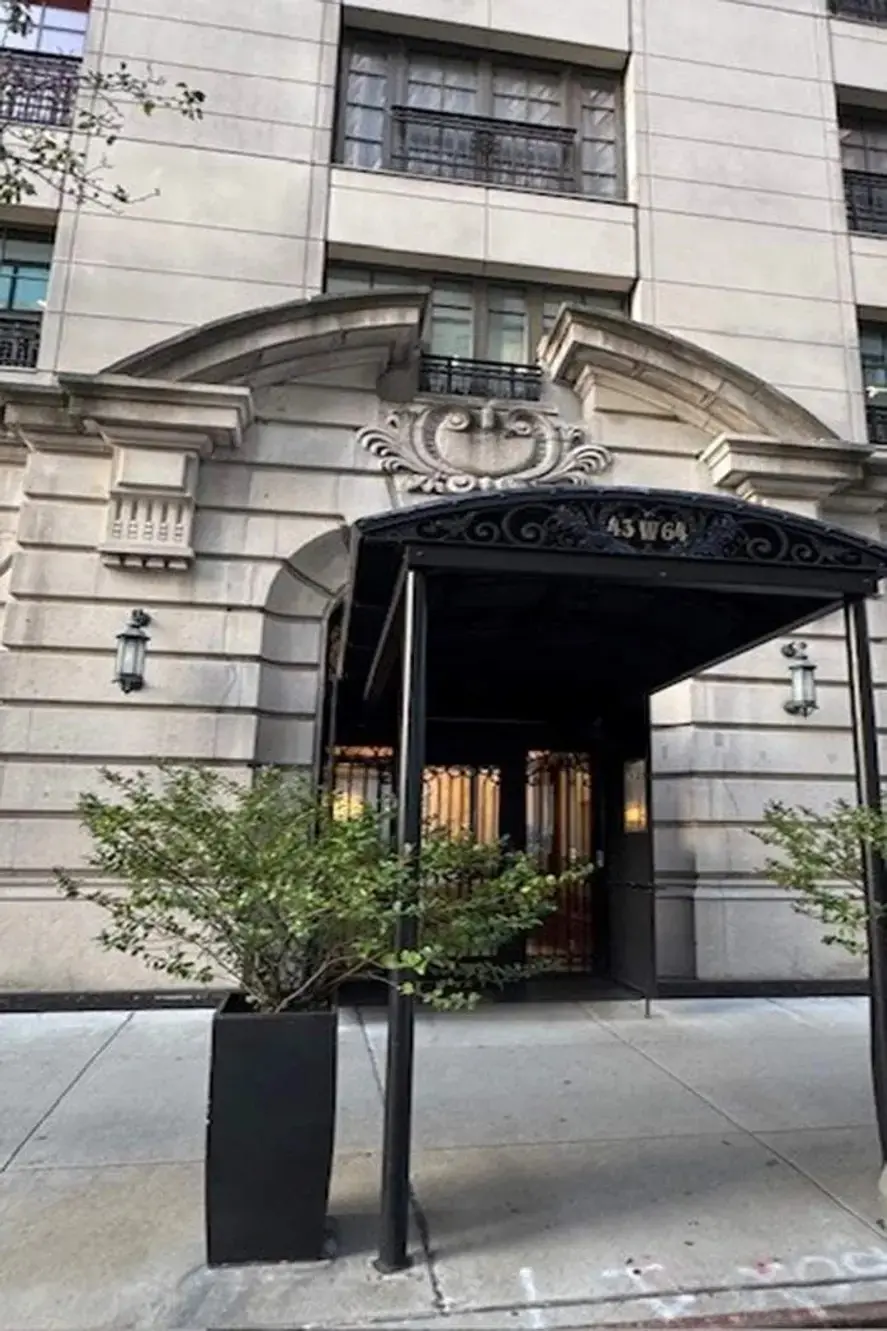
Liberty Lofts at 43 West 64th Street began its life as the Liberty Storage Warehouse in 1891, distinguished by a 37-foot copper Statue of Liberty replica that adorned its roof from 1902 until 2002, when it was relocated to the Brooklyn Museum of Art. In 2003, the Athena Group, led by Louis Dubin, transformed the building into a boutique luxury condominium, adding four floors to the original eight-story structure under the direction of renowned architect Costas Kondylis.
The conversion created 32 luxury residences ranging from 1,600 to 6,151 square feet, featuring loft-style layouts with high ceilings, Brazilian hardwood floors, and private keyed elevator access. The building's original industrial architecture provides exceptional soundproofing, while modern amenities include a full-time doorman, concierge, live-in superintendent, and a private gated porte-cochere for convenient loading and unloading.
Notable initial residents included CBS Early Show host Gretchen Carlson, IMG Baseball division head Casey Close, and the daughters of both Barry Schwartz (former Calvin Klein owner) and Sol Kerzner (Ocean Club and Atlantis resorts owner). The building's prestigious location between Lincoln Center and Central Park has made it particularly attractive to prominent figures.
The building's historical significance is enhanced by its statue's interesting past. Installed by immigrant warehouse owner William H. Flattau, the replica initially featured a circular interior stairway accessible to the public until 1912. The statue, cast in Akron, Ohio, was visible from Lincoln Center's plaza across Broadway until its removal.
Residences feature thoughtfully designed layouts with generous proportions, chef's kitchens often equipped with Viking appliances and Poggenpohl cabinetry, and luxurious finishes throughout. Many units offer impressive views, and some include private outdoor spaces.
The location offers residents immediate access to world-class cultural institutions, with Lincoln Center and Central Park just steps away. The area is rich with fine dining establishments, high-end shopping at nearby Columbus Circle, and excellent transportation options.
For screen reader users all content above is visible so you may ignore the show more button below.
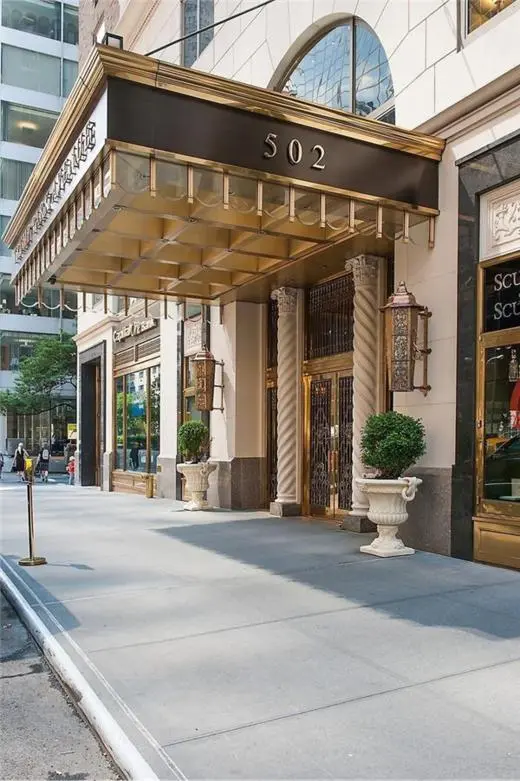
Trump Park Avenue, the distinctive 32-story tower at 502 Park Avenue and 59th Street, was designed by Goldner & Goldner and constructed in 1929. Originally opened as the Viceroy Hotel, it later became the Cromwell Arms and then the famous Delmonico's. The building has served various purposes throughout its history, including hosting notable guests like The Beatles in 1964, before being acquired by Donald Trump in 2002 for $115 million.
The pre-war building features a three-story limestone base, brown-brick façade, and pitched red-tile roof, marking the northern end of Park Avenue's commercial section. In 2005, the property underwent an $80 million conversion to luxury condominiums, designed by architect Costas Kondylis. The renovation included glass-clad additions to several tower floors on the north and west sides.
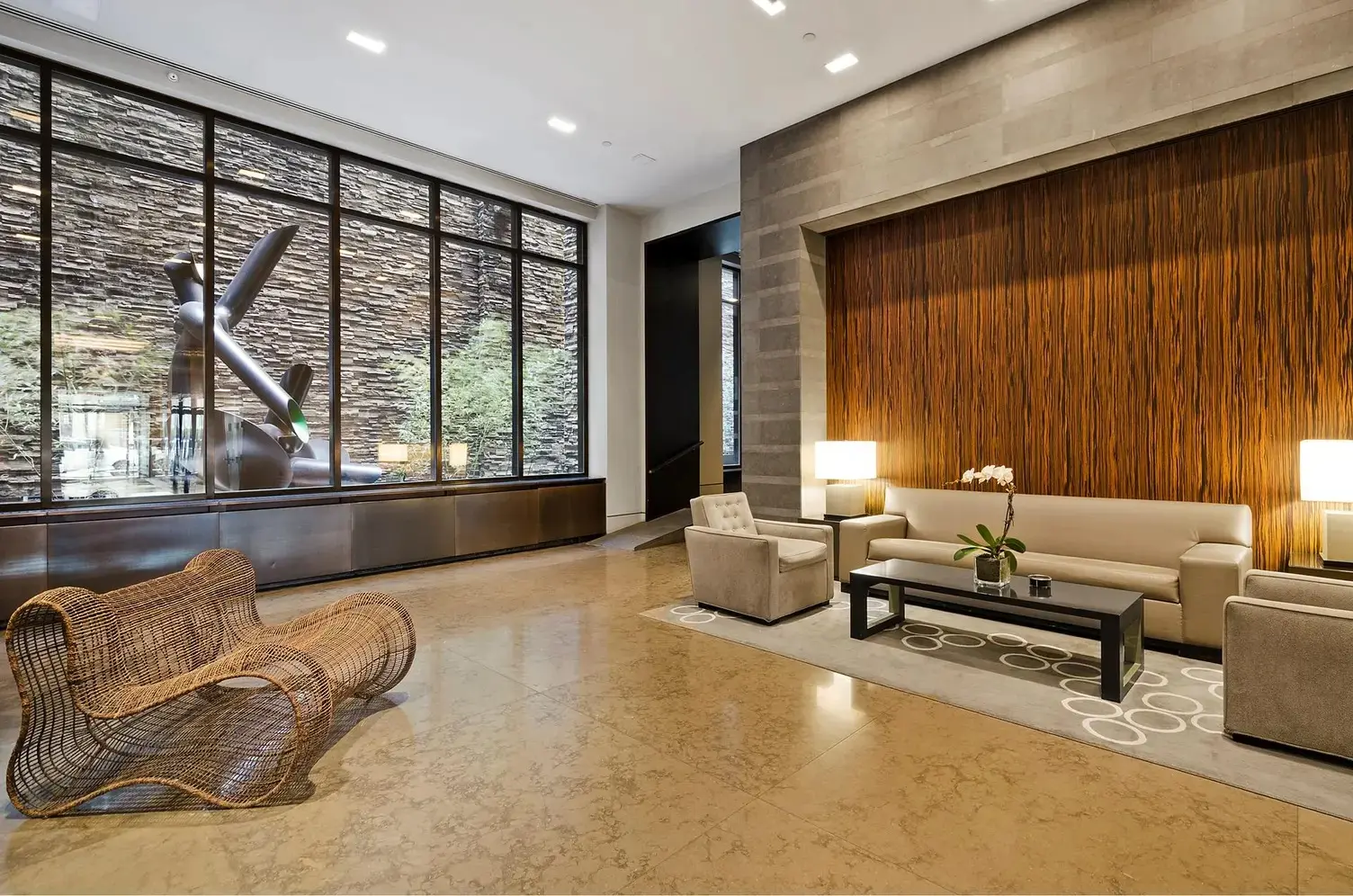
The building contains approximately 120 residences, ranging from one to seven bedrooms. Notable configurations include former hotel ballrooms on the third and fourth floors with 15-foot ceilings, full-floor residences starting on the 20th floor spanning 4,000 to 7,000 square feet, and a spectacular penthouse duplex on the 31st and 32nd floors featuring 17-foot vaulted ceilings and 42 arched windows.
Residents enjoy comprehensive white-glove services including 24-hour doorman and concierge, valet parking, daily maid service, laundry service, and a fitness center. The building's location at Park Avenue and 59th Street provides convenient access to Central Park, Madison Avenue shopping, and various cultural attractions, though its position near the Queensborough Bridge means considerable traffic in the immediate area.
For screen reader users all content above is visible so you may ignore the show more button below.
260 Park Avenue South stands as a distinguished example of adaptive reuse in Manhattan's coveted Flatiron District. Originally constructed in 1917 as an 8-story neo-Classical building, it served as the headquarters for the United Federation of Teachers for 30 years before being sold in 2003 and expertly converted into an 86-unit luxury condominium by Karl Fischer Architects in 2004. The developers added four floors to the original structure and ingeniously combined it with an adjoining 12-story building at 48 West 21st Street, creating a unique residential complex with a carved-out niche and rock garden that provides enhanced light and air to rear apartments.
The building's 86 residences showcase impressive architectural details, with many units featuring soaring ceilings ranging from 10 to 15 feet, and some boasting dramatic double-height spaces up to 22 feet. Apartments are outfitted with luxury finishes including Calacatta marble countertops, top-tier appliances from Sub-Zero, Viking, and Bosch, and spa-like bathrooms with deep soaking tubs and rain showers. Notable units include duplex lofts with mezzanine levels and corner apartments with expansive living spaces up to 37 feet wide. Many residences offer private terraces, custom built-ins, and the building's signature beamed ceilings that reflect its pre-war heritage.
Residents enjoy white-glove service with a 24-hour doorman and concierge, live-in superintendent, and an impressive array of amenities including multiple landscaped roof decks, a state-of-the-art fitness center, bicycle storage, and parking for approximately 100 cars. The building's prime location at the intersection of Park Avenue South and 21st Street places residents at the heart of one of Manhattan's most dynamic neighborhoods, with immediate access to Union Square's Greenmarket, Madison Square Park, and the area's renowned dining scene, while multiple subway lines provide seamless connectivity throughout the city.
For screen reader users all content above is visible so you may ignore the show more button below.
The Olcott, located at 27 West 72nd Street, is a distinguished 16-story prewar condominium built in 1925 and designed by architect George Pelham. This elegant limestone and brick building extends through the block to West 73rd Street and sits on the same coveted block as the famous Dakota, just half a block from Central Park and Strawberry Fields. Originally constructed with 227 units that included transient and professional accommodations, the building was converted to condominiums in 2005 by Brack Capital and Stellar Management, creating 162 luxury residences.
The building's prewar grandeur is evident in its restored lobby featuring marble columns and ornate brass elevators with interiors of mahogany, marble, mother-of-pearl and brass. The Olcott has attracted notable residents over the years, including Oscar winner Martin Balsam and eccentric entertainer Tiny Tim, and historically served as temporary housing for Lincoln Center and Broadway performers. The building maintains its artistic heritage while offering modern white-glove service with 24-hour doorman, concierge, and on-site management.
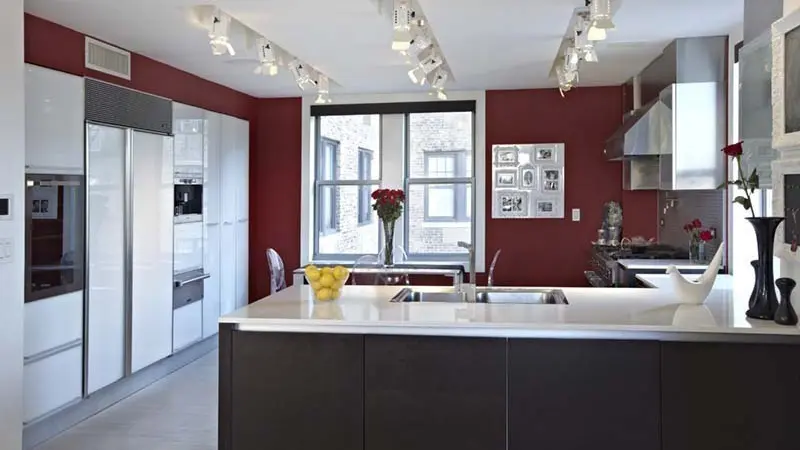
Apartments at The Olcott blend prewar character with contemporary luxury, featuring high beamed ceilings, hardwood floors, and chef's kitchens equipped with Sub-Zero refrigerators, Miele dishwashers, and custom Italian cabinetry. Bathrooms showcase Waterworks fixtures, marble finishes, and radiant floor heating. The building offers diverse layouts from studios to 4-bedroom duplexes with private terraces, many with Central Park views. Residents enjoy a comprehensive amenity package including a fitness center, children's playroom, residents' lounge, cold storage, bicycle storage, and laundry facilities on every floor, making it one of the Upper West Side's most desirable full-service condominiums.
For screen reader users all content above is visible so you may ignore the show more button below.
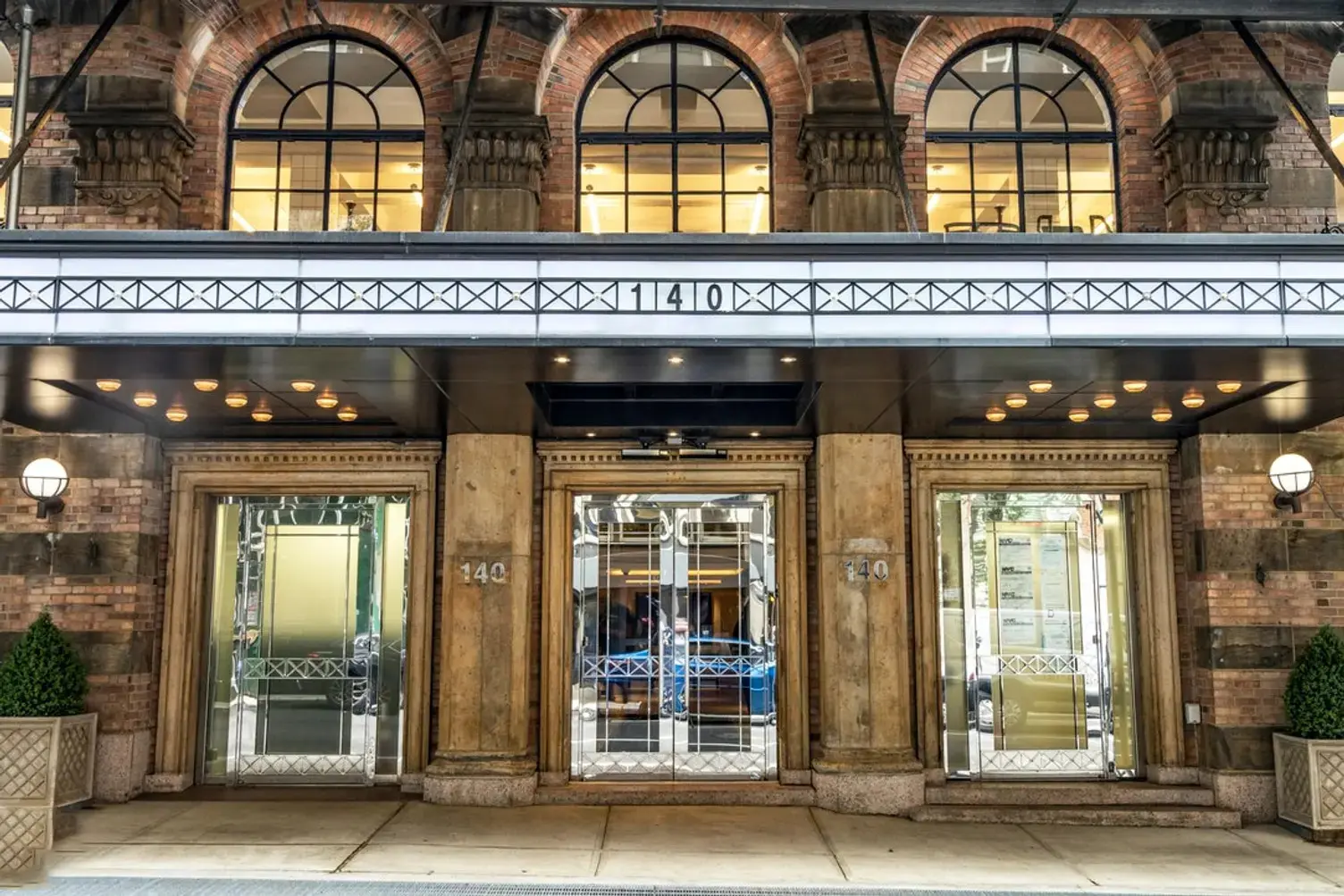
Barbizon/63 is a full-service Romanesque-style building listed on the National Register of Historic Places.
It first opened as a residential house for women in 1927 and was subsequently converted into apartments in 2005. Barbizon 63 – formerly known as the Barbizon Hotel for Women – contains 65 residences that range from one-bedroom condominiums to duplex penthouse units, with the latter offering residents more than 5,300 square feet of living space. Apartments feature rosewood floors, crown moldings and French casement windows; some units boast private outdoor space.
Residents have access to a wide array of amenities including a 24-hour doorman and concierge, live-in resident manager, residential lounge and dining room, catering kitchen, library, 20-seat screening room and conference room, not to mention a private residential entrance to Equinox Gym & Spa (with original Barbizon indoor pool) on Lexington Avenue and 63rd Street.
It is situated on a tree-lined townhouse block between Third and Lexington Avenues and is close to Central Park, the many shops and restaurants in the Upper East Side, and the recently remodeled F and Q train station. Liza Minnelli, Joan Crawford and Sylvia Plath are among the famous personalities who have resided at 140 East 63rd Street.
For screen reader users all content above is visible so you may ignore the show more button below.
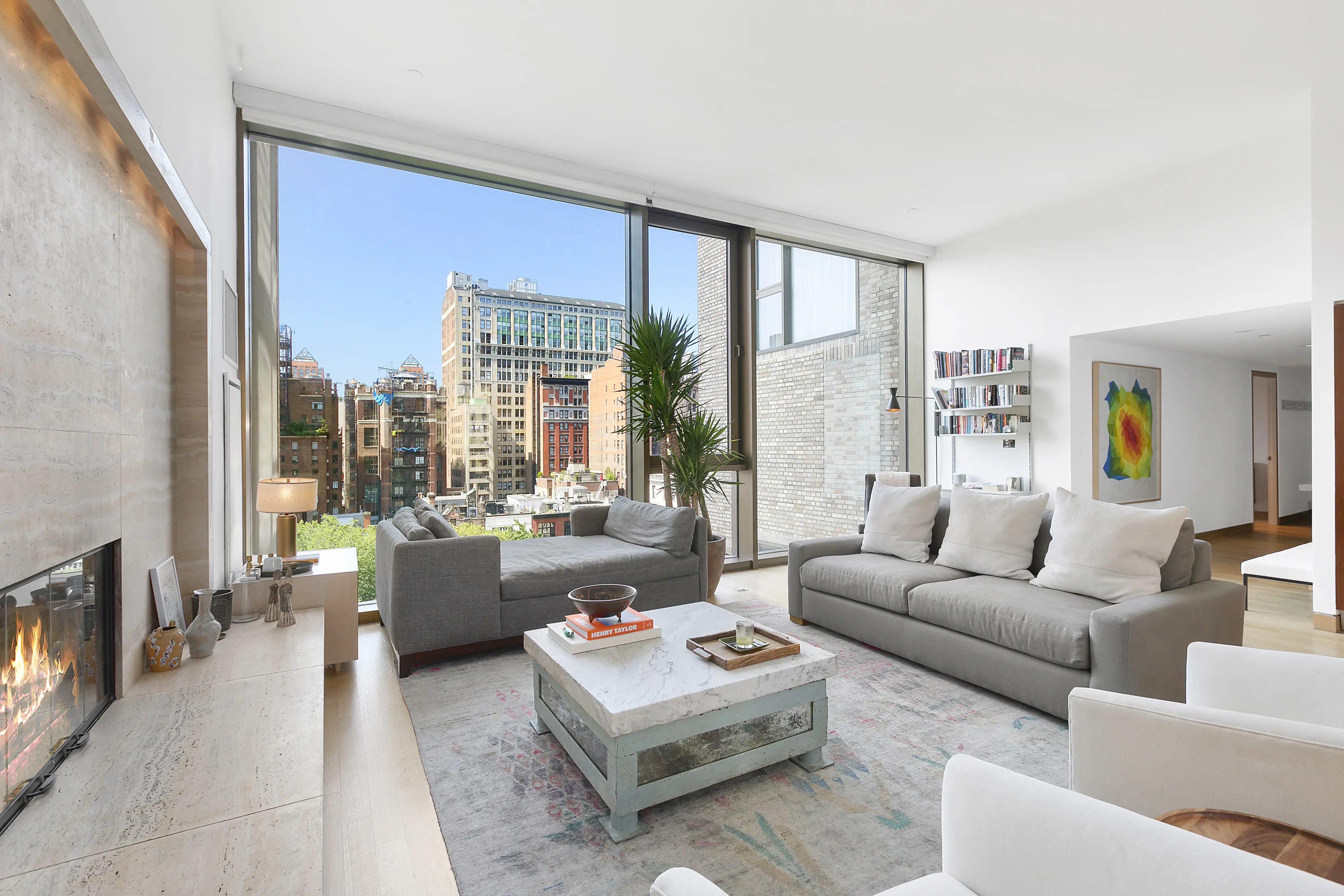
50 Gramercy Park North occupies the site of the historic Gramercy Park Hotel, originally built in 1925 by Bing & Bing and designed by Robert T. Lyons. The property replaced a house belonging to architect Stanford White, which itself had replaced the birthplace of novelist Edith Wharton. In 2004, developers Ian Schrager and Aby Rosen converted the hotel into a mixed use property with 23 residential units and approximately 180 hotel rooms. The residential interiors were designed by acclaimed British architect John Pawson, while artist and director Julian Schnabel designed the hotel's public spaces in an eclectic style. The building has housed notable figures including writers S.J. Perelman, Edmund Wilson, and Mary McCarthy, and was the site of Humphrey Bogart's 1926 wedding. More recent residents have included Jennifer Aniston, Karl Lagerfeld, and Philadelphia Flyers founder Ed Snider.
The residences range from two to three bedrooms, with many featuring dramatic floor to ceiling windows and ceilings reaching 12 to 18 feet in height. Several units are full floor layouts spanning 75 feet of frontage with unobstructed views of Gramercy Park to the south. Common features include white oak floors, wood burning fireplaces, custom cherry wood cabinetry, and kitchens equipped with Miele and Sub-Zero appliances. Bathrooms are finished in travertine marble with deep soaking tubs, walk in showers, and double basins. Select apartments include private landscaped terraces and sunken great rooms. One listing notes a residence featured in Architectural Digest with interiors by Madeleine Castaing and Mica Ertegun.
Residents enjoy comprehensive hotel style services through the Gramercy Park Hotel, including 24 hour doorman and concierge, housekeeping, room service, butler and valet service, and signing privileges at the hotel's Rose Bar and restaurant Maialino. Additional amenities include valet parking and car wash, access to the David Barton fitness center and spa, pet walking, personal shopping, catering, event planning, and private storage. Each residence comes with a coveted key to Gramercy Park, Manhattan's only private park, established by Samuel Ruggles in the 1830s and accessible exclusively to surrounding residents.
Structured as a co-op with condo rules, the building welcomes pied-à-terre owners, investors, and pets. The brown brick building features a two story limestone base in Renaissance Revival style and sits at the northern tip of Gramercy Park within the Gramercy Park Historic District. The location offers proximity to Union Square and NoMad, with nearby dining institutions including Gramercy Tavern, Eleven Madison Park, Union Square Cafe, Cosme, and Maialino. The neighborhood is surrounded by mid 19th century townhouses and cultural landmarks including the National Arts Club and The Players Club.
For screen reader users all content above is visible so you may ignore the show more button below.

 6sqft delivers the latest on real estate, architecture, and design, straight from New York City.
Like us on Facebook to keep up with the trends and
6sqft delivers the latest on real estate, architecture, and design, straight from New York City.
Like us on Facebook to keep up with the trends and 