
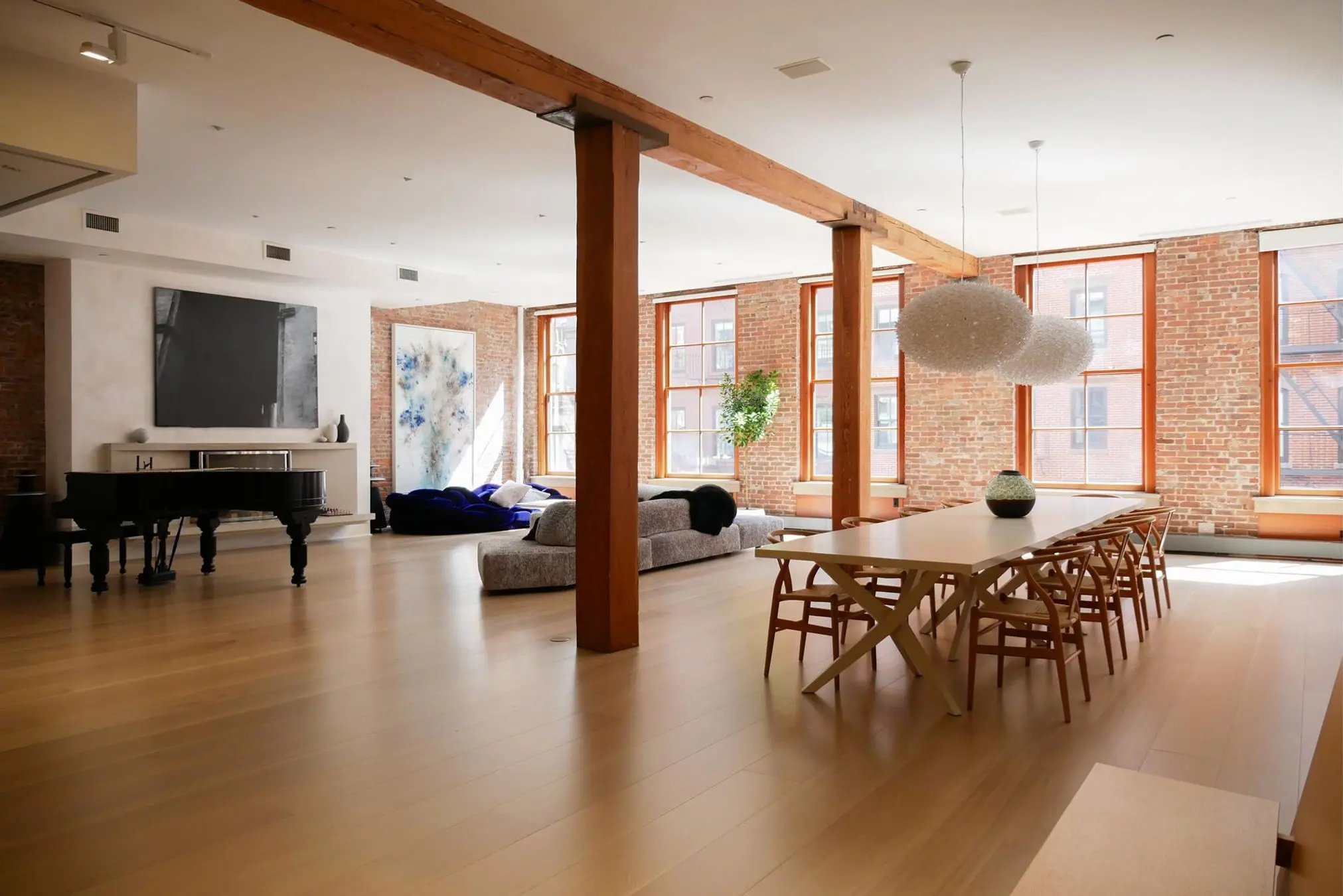
The Loft at 30 Crosby Street in NoLIta has attracted many notable celebrities since it first opened in 2000 and its apartments quickly became some of the most highly sought after in the city.
Landmark Development oversaw the conversion of 30 Crosby Street, which was formerly a manufacturing facility. Featuring high ceilings, custom cabinets, topnotch appliances and original architectural details throughout, the Loft’s 13 apartments also have open kitchens and spacious master bathrooms.
Amenities include a concierge, a garden, an aromatherapy system in the lobby and a full-time doorman. It is also situated in a convenient location that is close to countless restaurants and retail shops in the surrounding neighborhoods of TriBeCa, SoHo and NoHo.
For screen reader users all content above is visible so you may ignore the show more button below.
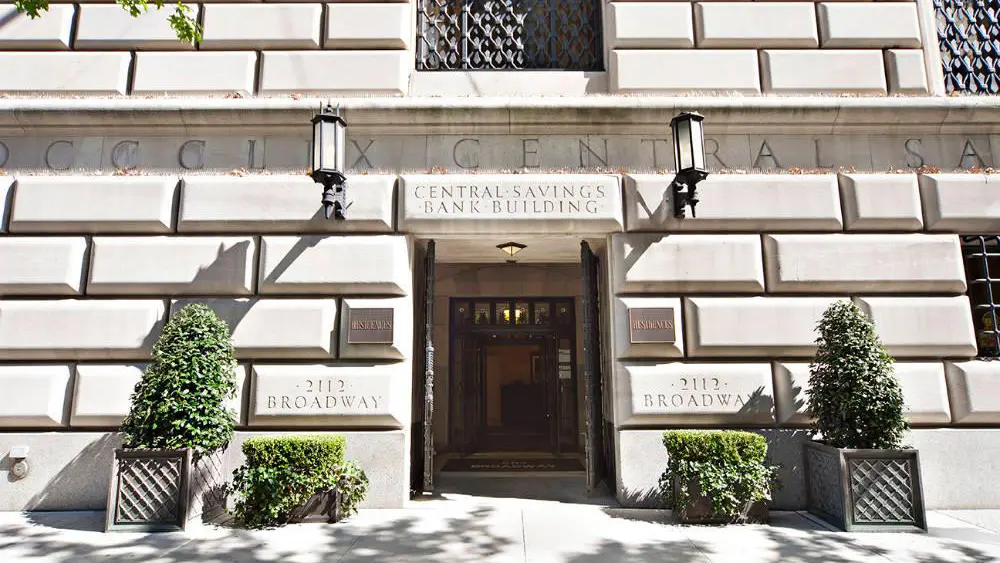
The Apple Bank Building at 2112 Broadway stands as one of the Upper West Side's most distinguished landmarks, occupying an entire city block between Broadway and Amsterdam Avenue from 73rd to 74th Streets. Built in 1928 by the renowned architectural firm York & Sawyer in the Italian Renaissance palazzo style, this limestone-clad building originally housed the Central Savings Bank (formerly the German Savings Bank, founded in 1859). The building's four-story banking hall with cast-iron bats designed by Samuel Yellin remains intact at its base, while the top four floors were converted into an exclusive residential condominium in 2006 by Stahl Real Estate.
The building contains 28 unique condominium apartments, each designed by SLCE Architects with completely different layouts and spacious entry galleries. Residences range from 1,200 to over 4,000 square feet, featuring dramatic ceiling heights between 9 and 18 feet. Six apartments are duplexes with private roof terraces ranging from 284 to 461 square feet, while all units boast premium finishes including marble bathrooms with radiant heated floors, high-end appliances, and abundant closet space. The apartments showcase impressive proportions, with living rooms spanning up to 30 feet and some featuring multiple walk-in closets and house-sized laundry rooms.
Building amenities reflect its luxury status, including 24-hour concierge service, a fitness center located within the original bank vault, a pet grooming station, and secure bicycle storage. Notable residents have included NBA player Emeka Okafor and legendary entertainer Harry Belafonte. The building's prime location offers residents easy access to Central Park, Lincoln Center, and excellent public transportation via the nearby 1/2/3 subway lines at the 72nd Street station, though the building does not include a parking garage.
This full-service condominium represents a rare opportunity to live within a designated landmark that commands one of Manhattan's most prominent corner locations, overlooking the attractive Verdi Square Park and its express subway pavilion. The building's conversion preserved its historic grandeur while creating some of the most spacious and uniquely configured apartments on the Upper West Side.
For screen reader users all content above is visible so you may ignore the show more button below.
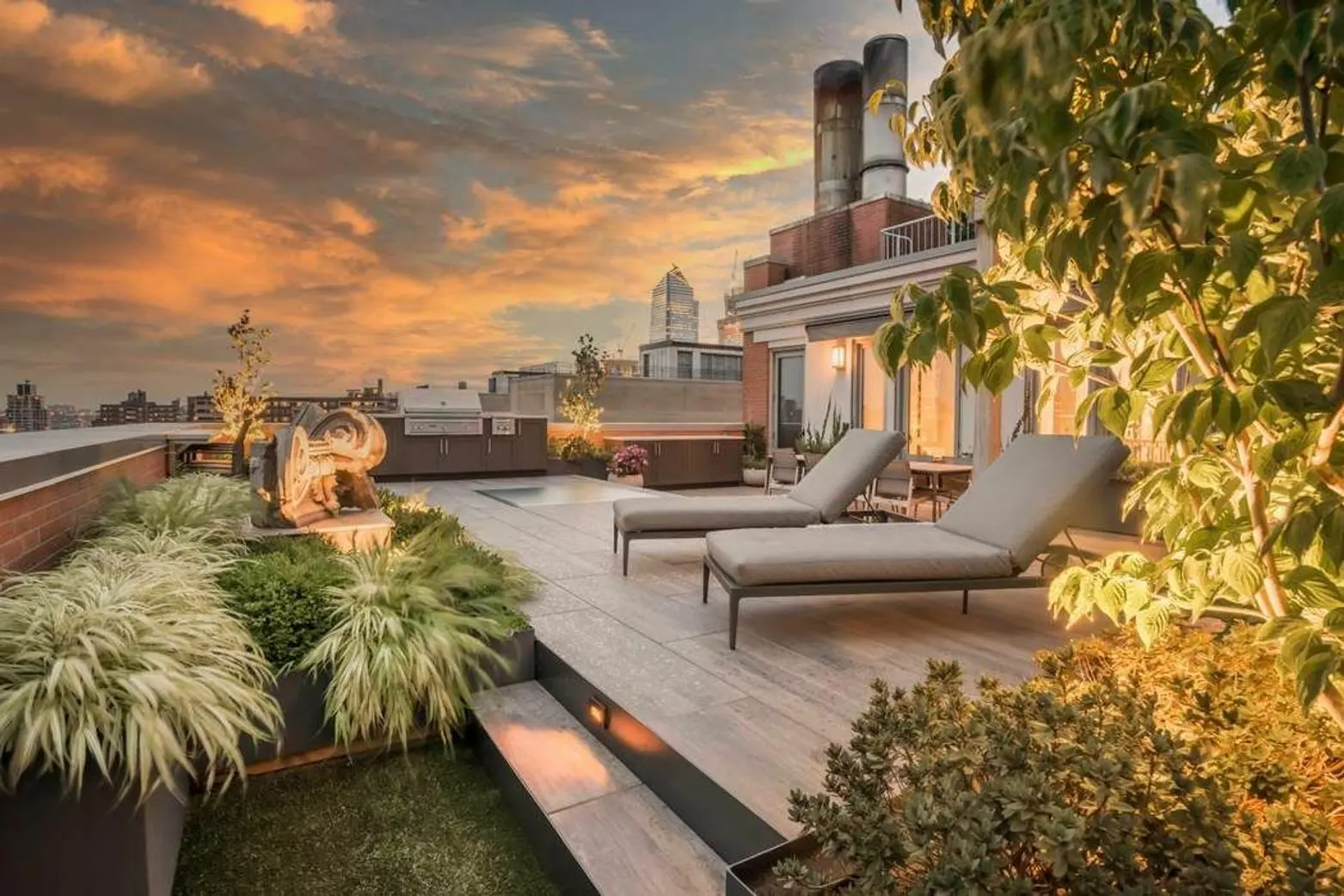
With 354 condominium apartments, the Chelsea Mercantile is one of the largest residential conversions in Chelsea.
Apartments range from studios to four-bedroom lofts and vary in size from 856 to 3,069 square feet. Many units have exposed brick walls with nine-foot beamed ceilings and walk-in closets. Some penthouses have ceilings that rise between 11 and 13 feet as well as fireplaces, skylights and terraces. All apartments have state-of-the-art wiring and gourmet kitchens with stainless-steel appliances, black granite countertops, cherry wood cabinets and built-in garbage disposals. Master bathrooms have limestone walls and floors, deep soaking tubs and separate stall showers.
Amenities at the Chelsea Mercantile include a 24-hour doorman and concierge, valet and maid service, a fitness center with children’s playroom, an expansive planted roof deck with beautiful city and river views, a garage and a Whole Foods Market on the corner.
Located between West 24th and 25th Streets, 252 Seventh Avenue is in the heart of Chelsea. There is very good public transportation in the area and it is convenient to the Flatiron District to the east and Greenwich Village to the south.
For screen reader users all content above is visible so you may ignore the show more button below.
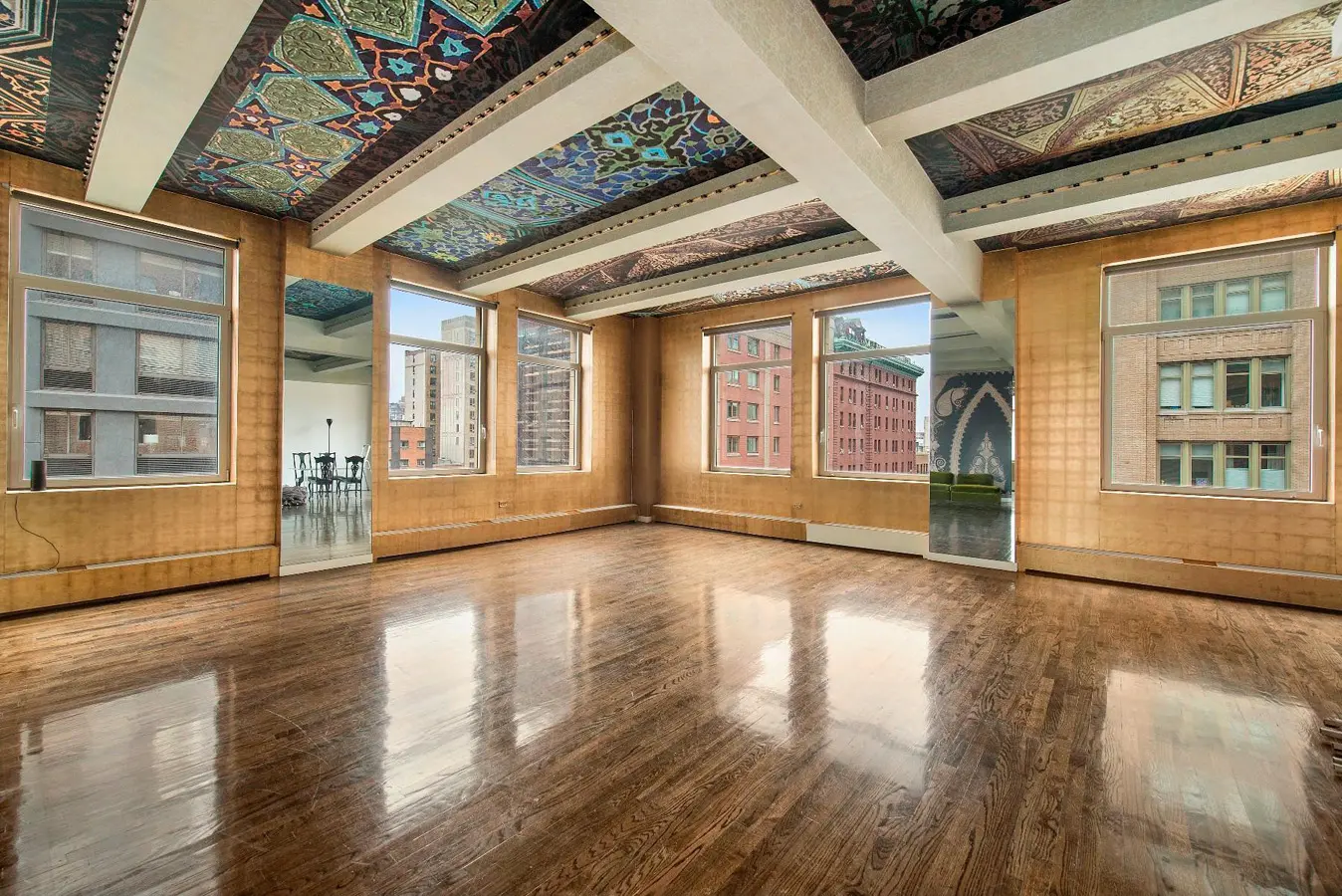
Chelsea Atelier is a boutique condominium located at 245 Seventh Avenue in Chelsea, New York City. Originally built in 1911 and converted into residential condominiums in 1997 by Harry Macklowe, the building features 12 stories and 33 residences. It offers a range of amenities including a full-time doorman, on-site superintendent, bike room, and resident storage, with a pet-friendly policy.
The architectural design, crafted by Squires & Wynkoop, showcases a blend of pre-war charm and modern living. The building's façade features a brownstone base with decorative elements, while the upper levels are characterized by beige-brick façades and a distinctive flared top. Residents enjoy proximity to Whole Foods, the High Line, and various dining and transportation options, making it a prime location for urban living.
Apartments in Chelsea Atelier are known for their spacious layouts and high ceilings, with many units featuring in-unit washers and dryers. Notable residences include a three-bedroom duplex penthouse previously owned by fashion designer Thierry Mugler, which sold for $7,890,000 in 2012. Other units range from one to three bedrooms, often showcasing open-concept designs, modern kitchens with high-end appliances, and ample natural light from oversized windows.
In addition to its luxurious living spaces, Chelsea Atelier has attracted notable residents, including fashion designer Reem Acra. The building's intimate setting, with only three apartments per floor, enhances its appeal, providing a unique blend of comfort, style, and convenience in the heart of Chelsea.
For screen reader users all content above is visible so you may ignore the show more button below.
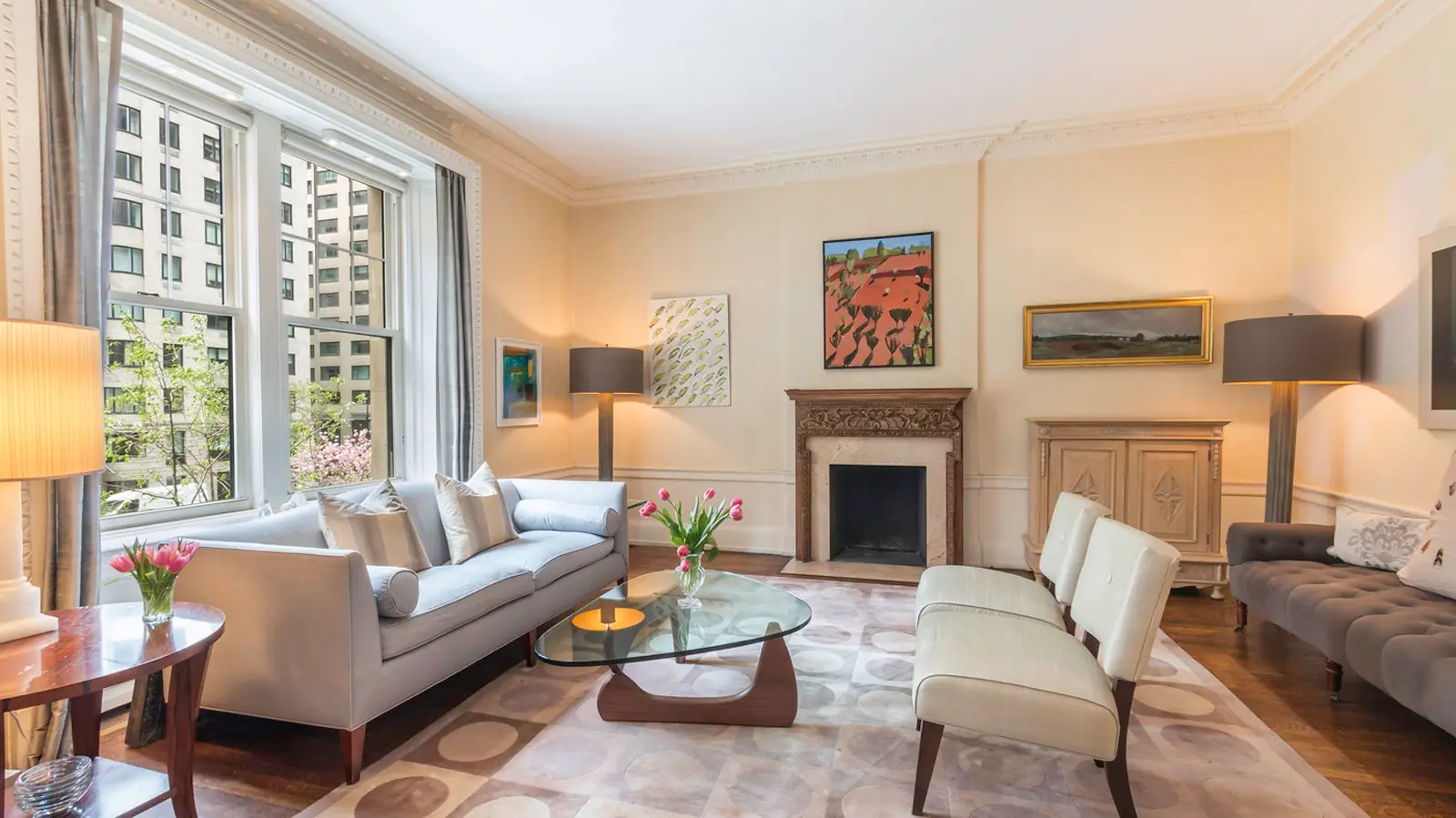
521 Park Avenue was designed by William Boring, an American-born architect who studied architecture at the Ecole des Beaux-Arts before returning to New York and joining the firm of McKim, Mead and White. The limestone building has been honored with numerous international design awards, including a gold medal for architecture from the Exposition Universelle in Paris in 1900.
521 Park Avenue was constructed as a cooperative in 1911, converted to a condominium in 1987, and currently has 24 units. The building has a full-time doorman, a live-in superintendent, a fitness center, and private storage that transfers with each unit. It also benefits from a location near Central Park, world-renowned restaurants, and top shopping. Pets, pied-a-terres, and flexible financing are allowed.
For screen reader users all content above is visible so you may ignore the show more button below.
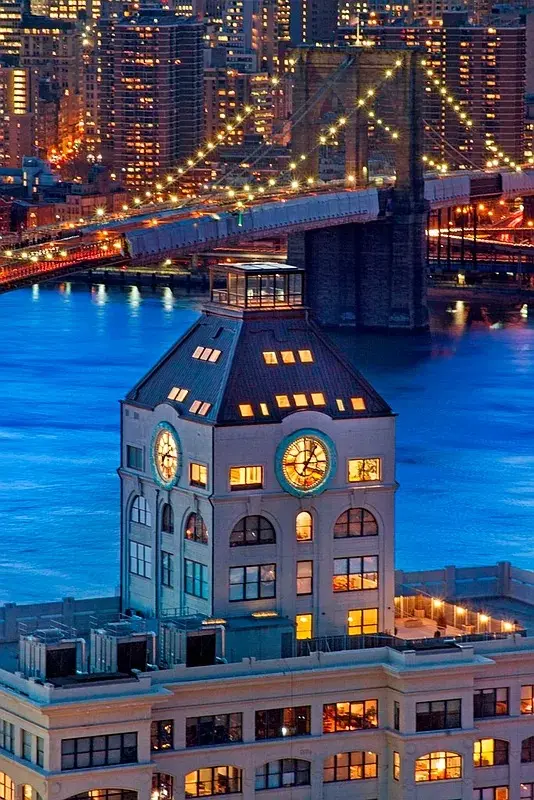
The Clocktower Building at 1 Main Street stands as one of Brooklyn's most iconic residential conversions, commanding a prime DUMBO waterfront location with sweeping views of the Brooklyn Bridge and Manhattan skyline. Originally constructed in 1914 as an industrial facility for packaging magnate Robert Gair, this 12 story landmark was once the tallest reinforced concrete building in the world. The building's distinctive four story clock tower, featuring massive working clocks on each face, has become a defining feature of the Brooklyn waterfront and houses what was once Brooklyn's most expensive apartment listing at $25 million.
Developer David Walentas transformed the historic structure into 124 luxury condominiums in 1998, preserving the building's Industrial Neo-Classical character while creating modern loft living spaces. The conversion has attracted notable residents including Anne Hathaway, Rebecca Minkoff, and German film producer Katharina Trebitsch. Units throughout the building feature the classic DUMBO loft aesthetic with 11 foot plus concrete beamed ceilings, oversized windows, and hardwood floors, while many apartments boast chef's kitchens equipped with high end appliances including Sub-Zero refrigerators and premium European fixtures.
The building offers full service amenities including 24 hour concierge service, a fitness center, and a planted roof deck. Located on a charming cobblestone street directly across from Brooklyn Bridge Park, residents enjoy immediate access to waterfront recreation, the Empire Stores shopping complex, and St. Ann's Warehouse theater. The ground floor houses the popular Bubby's restaurant, while the building's proximity to A/C/F subway lines and NYC Ferry service provides convenient Manhattan access, making it a cornerstone of DUMBO's transformation from industrial district to one of Brooklyn's most desirable neighborhoods.
For screen reader users all content above is visible so you may ignore the show more button below.
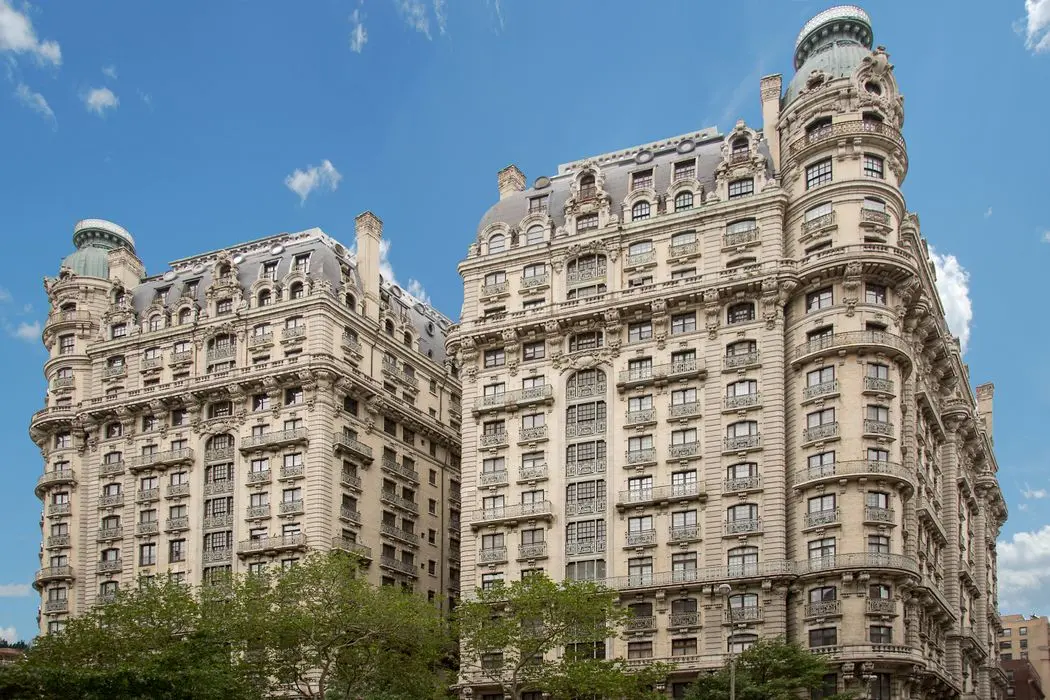
The Ansonia, designed by noted architect Paul Duboy, opened in 1904 as a luxury hotel stretching along Broadway between 73th and 74th streets. By the 1970s it was converted into rental apartments (and in 1990, converted into condos) and it is now a designated Landmark on the Upper West Side. It has long been a favorite destination of celebrities.
Most of the 430 apartments retain such original architectural details as glass and mirrored doors with transoms, intricate herringbone hardwood floors and delicate paneling. Still, all units have been fully modernized with new kitchens, renovated bathrooms and sizeable closets.
The Ansonia's staff members include a 24-hour doorman, porters, concierge, and live-in superintendent. Amenities include a garage with 24-hour elevator access, secured storage bins for rent, and a stunning landscaped roof deck. It is in a prime Upper West Side location near Central Park, Riverside Park, the American Museum of Natural History, the Children's Museum of Manhattan, fine dining, and public transportation.
For screen reader users all content above is visible so you may ignore the show more button below.
For screen reader users all content above is visible so you may ignore the show more button below.
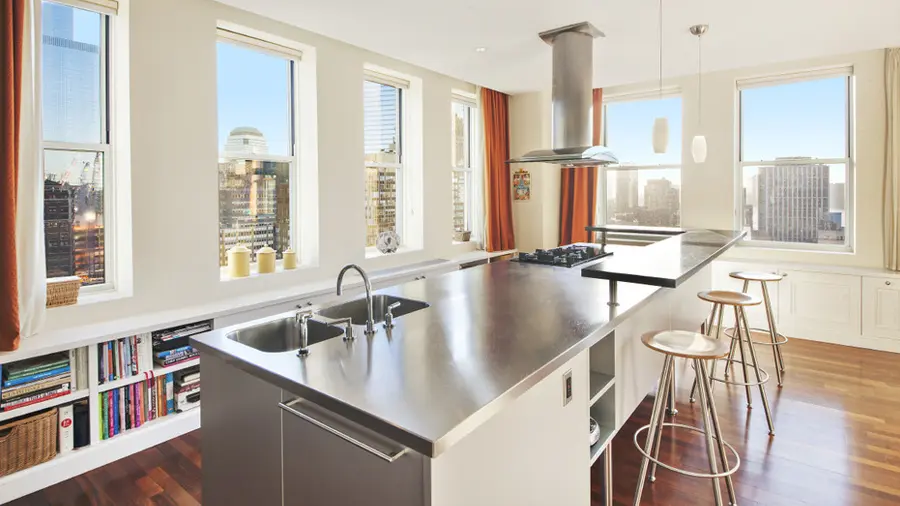
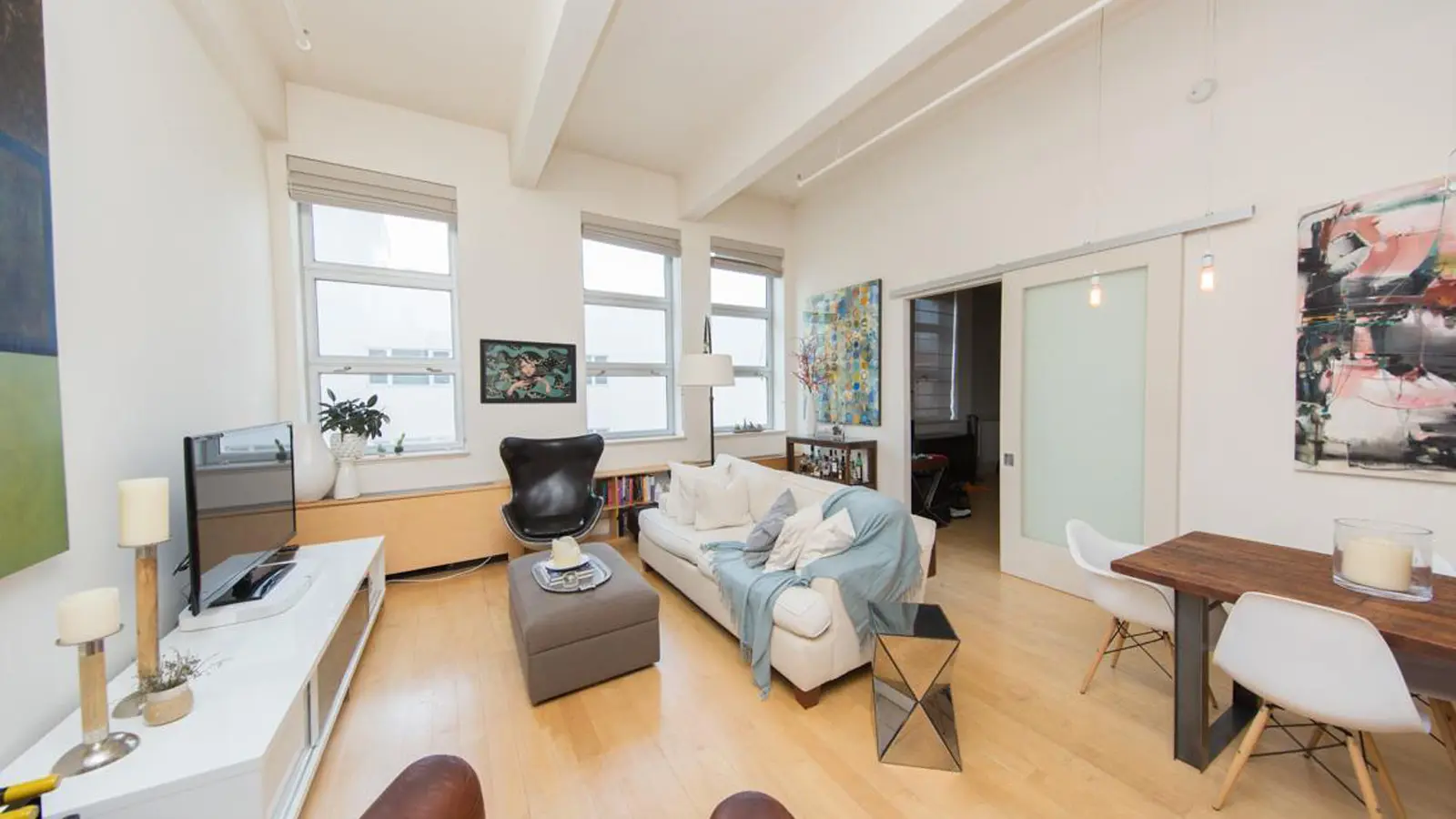
Tower 270, also known as 80 Chambers Street, is a 28 story building erected in 1930 at the southwest corner of Broadway and Chambers Street. Originally serving as the Arthur Levitt State Office Building for various New York State departments, it was sold by the state in 2000 for $33.6 million, the highest valued property sale ever consummated by New York State at that time. In 2003, developer RAL Companies converted the top 13 floors into 39 condominium apartments ranging from 1,998 to 8,117 square feet, with Studio Petrarca designing 17 different floor plans. The building retains approximately 100,000 square feet of offices on floors 2 through 7 and 48 rental apartments on floors 8 through 15. A notable piece of history: in 1942, the 18th floor housed the Army Corps of Engineers division that oversaw the Manhattan Project.
The condominium residences feature dramatic loft proportions with 10 to 10.5 foot beamed ceilings and oversized windows providing multiple exposures and panoramic views spanning from the Hudson River to the Brooklyn Bridge. Common finishes include open chef's kitchens with islands, Sub-Zero refrigerators, Miele and Wolf appliances, and Bulthaup cabinetry. Bathrooms typically feature Philippe Starck soaking tubs, Dornbracht fixtures, and honed limestone or marble. Floor plans range from one bedroom units around 1,000 square feet to a triplex penthouse with an 800 square foot private terrace. Many apartments include in-unit washer/dryers and private storage units on the same floor.
Tower 270 operates as a full service condominium with a 24 hour doorman, concierge, and live-in resident manager. Amenities include three fitness centers, laundry facilities on every floor, a children's playroom, teen media lounge, conference room, bike storage, and a landscaped rooftop terrace with 360 degree views of the city skyline and Hudson River. The building recently completed lobby renovations and Local Law 11 façade work. The property is pet friendly and features an Art Deco lobby that reflects its prewar heritage.
The location directly across from City Hall Park offers residents proximity to TriBeCa's dining and shopping scene, Whole Foods, Target, Brookfield Place, and the World Trade Center complex. Transportation options are exceptional, with R/W, A/C/E, 1/2/3, 4/5/6, J/Z and PATH trains all within two blocks. The building provides views of the Municipal Building, Brooklyn Bridge, and City Hall, positioning residents at the convergence of the Financial District, TriBeCa, and Lower Manhattan's civic center.
For screen reader users all content above is visible so you may ignore the show more button below.
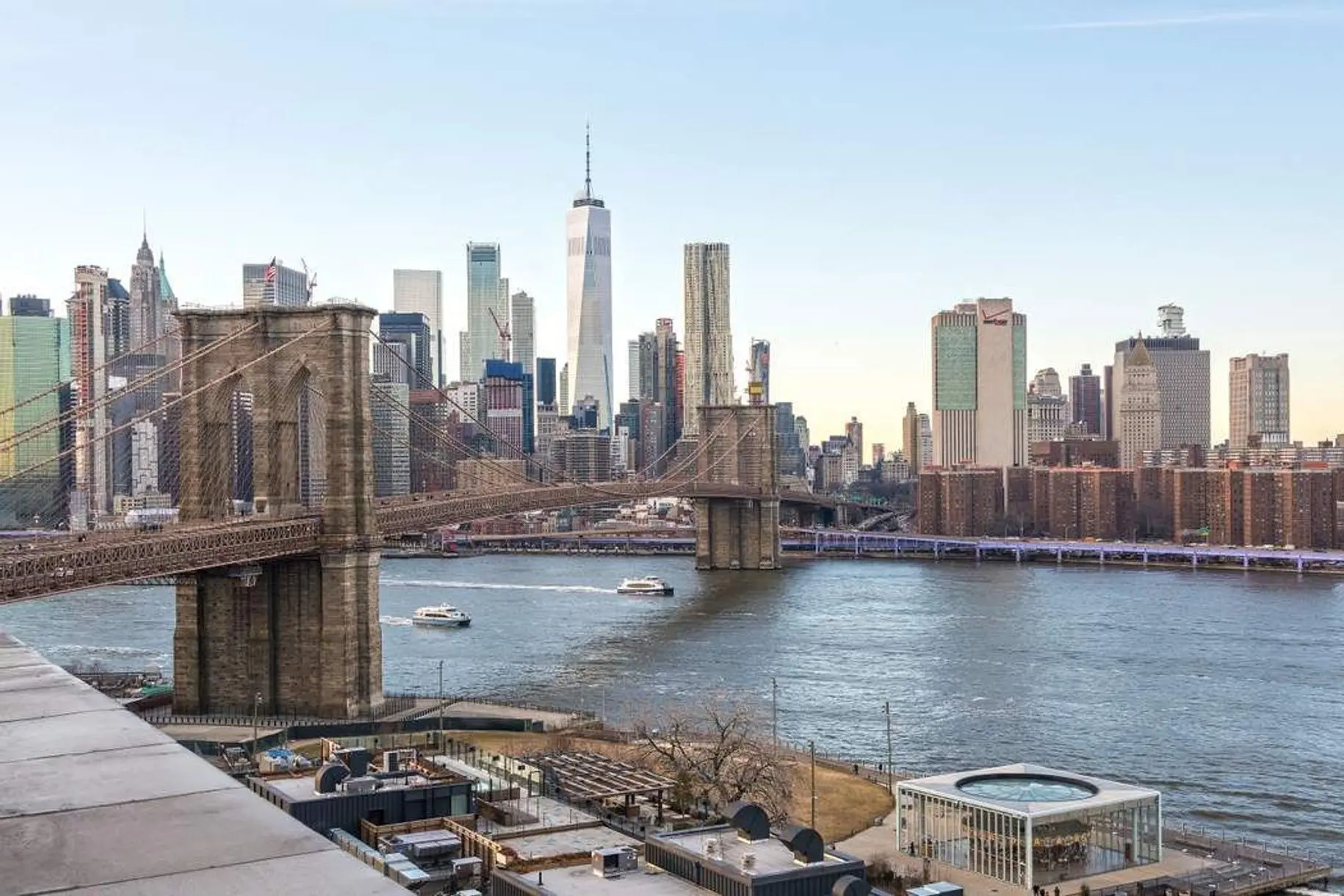
The Sweeney Building at 30 Main Street in DUMBO, Brooklyn, is a historic 12-story Neo-Classical Industrial style building constructed in 1916 by the W.H. Sweeney Manufacturing Company, makers of metal kitchenware. Originally designed by Moyer Engineering and Construction Company, the building features an austere concrete façade with distinctive architectural elements including large window openings, rusticated piers, and a projecting cornice. The structure was converted to an 87-unit luxury condominium in 2003 by architect John Fifeld of Fifeld Piaker Elman Architects.
The building's industrial heritage is preserved in its 11-foot ceilings, oversized windows, and robust concrete construction. Notable features include segmental-arch and round-arch windows, and some penthouses feature private rooftop cabanas. The conversion maintained the building's architectural integrity while introducing modern amenities including a 24-hour doorman, live-in superintendent, gym, bike room, storage facilities, and a roof deck.
Situated in a prime DUMBO location, the building offers spectacular views of the Brooklyn Bridge, Manhattan Bridge, East River, and Manhattan skyline. Its position provides easy access to Brooklyn Bridge Park, Jane's Carousel, Empire Stores, and St. Ann's Warehouse. Transportation options are abundant, with multiple subway lines (A/C, F, 2/3, R, and 4/5) and the DUMBO/Brooklyn Bridge Park ferry stop nearby.
For screen reader users all content above is visible so you may ignore the show more button below.
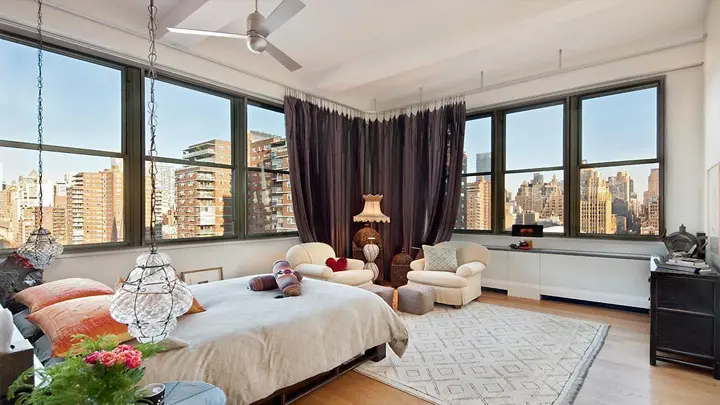
The Heywood at 263 Ninth Avenue is a 10-story Beaux Arts building constructed in 1913 as a printing house and converted to residential use in 2005-2006 by H.J. Development Corporation. The building's robust construction features four feet of concrete between floors, and its exterior is distinguished by large multipane windows and a prominent cornice.
The conversion created 50 residential units, including four ground-floor duplexes and four duplex penthouses. Residences feature 12-13 foot ceilings, four-inch white oak flooring, and large windows. Kitchens include Sub-Zero refrigerators and limestone countertops, while bathrooms feature marble finishes and soaking tubs. Unit sizes range from 1,200 to 3,150 square feet.
The full-service building offers 24-hour doorman service, a common roof deck, and basement storage. Located at the corner of 26th Street in Chelsea, The Heywood provides convenient access to the High Line, Chelsea's art galleries, Hudson Yards, and various dining and shopping destinations.
For screen reader users all content above is visible so you may ignore the show more button below.
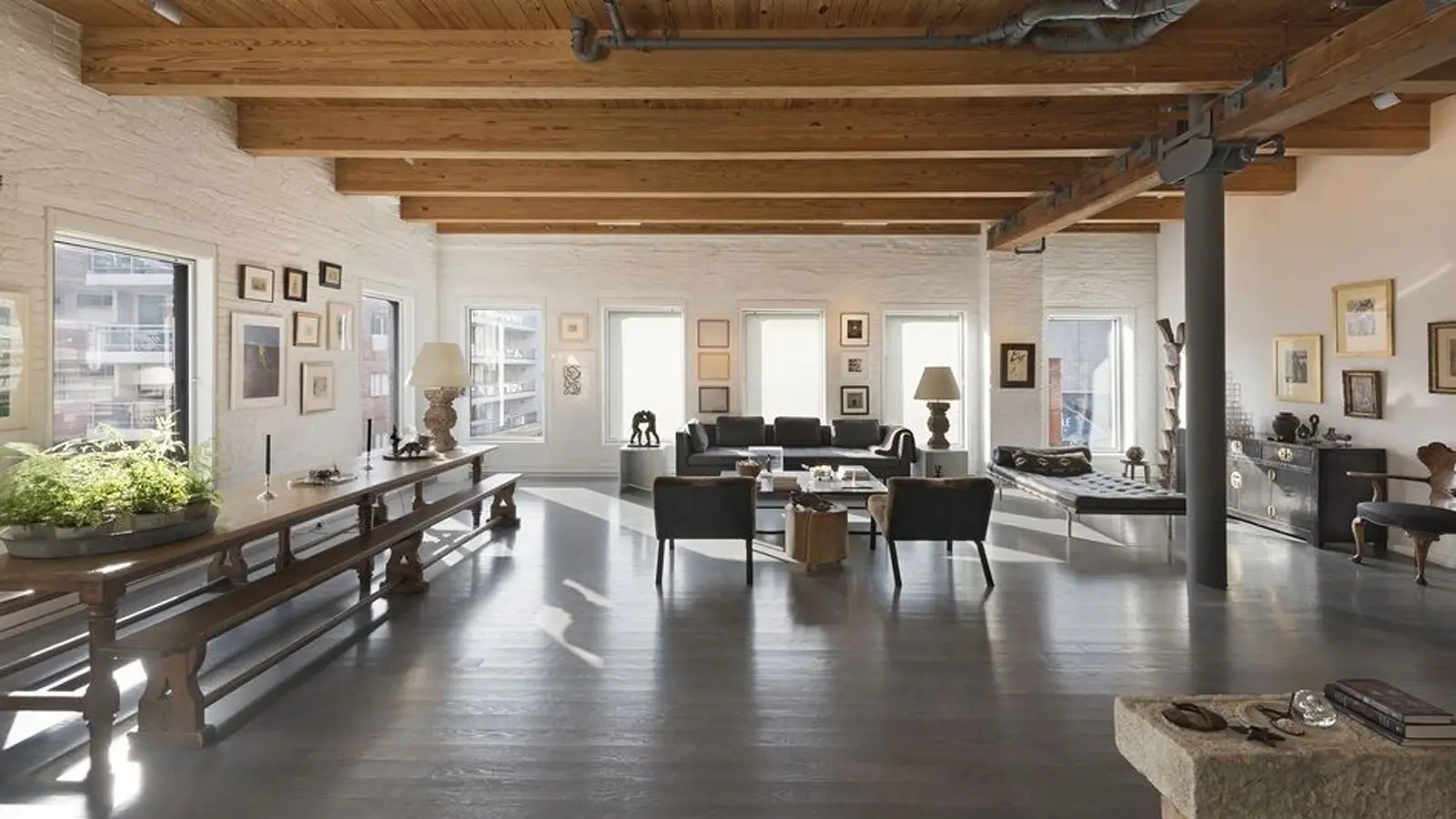
The Machinery Exchange, located at 136 Baxter Street, was originally built in 1915 as a horse stable for the nearby Beaux-Arts Police Headquarters. The building underwent a significant transformation in 2007, converting it into a boutique condominium with just 14 units. This seven-story structure is situated at the intersection of SoHo, Nolita, and Chinatown, providing residents with easy access to vibrant dining and cultural experiences.
Architects Ohlhausen Dubois preserved the building's historical character while incorporating modern amenities. Residences feature high ceilings—ranging from 10.5 to 14 feet—exposed brick walls, and original timber beams. Kitchens are equipped with high-end finishes, including Valcucine cabinetry, Miele appliances, and Sub-Zero refrigerators, ensuring a blend of historic charm and contemporary convenience.
Notable units include spacious lofts with flexible layouts, ideal for both living and working. The building offers amenities such as a virtual doorman, a full-time resident manager, and deeded storage units. Among its notable residents is actor Norman Reedus, adding to the building's appeal as a sought-after residence in downtown Manhattan.
With its unique architectural history and prime location, the Machinery Exchange stands out as a distinctive option for those seeking a blend of character and modern living in one of New York City's most dynamic neighborhoods.
For screen reader users all content above is visible so you may ignore the show more button below.

20 Pine Street, known as The Collection, is a historic 35-story building in Manhattan's Financial District that was converted to luxury condominiums in 2007. Originally serving as the Morgan Guaranty Trust Company headquarters, the building was designed by Graham, Anderson, Probst & White with distinctive Egyptian motifs, including 17 sphinx gargoyles adorning its setbacks. The conversion, developed by Leviev Boymelgreen, created 409 residences with interior design by Armani/Casa.
The building features dramatic 10-foot beamed ceilings, with premium finishes and high-end appliances throughout. The top floors (25-35) are designated as Concierge Residences, offering enhanced services including a private elevator and dedicated lounge. The 33-foot-high lobby sets a grand tone for the building's extensive amenity collection.
Residents enjoy access to a comprehensive suite of amenities including a 60-foot lap pool, Turkish Hammam spa, fitness center, golf simulator, library lounge, and a roof deck with reflecting pool. A unique feature is the building's private underground entrance to multiple subway lines.
The Collection occupies a premier location overlooking Chase Manhattan Plaza, surrounded by architectural landmarks including the New York Stock Exchange, Federal Reserve Bank building, and 14 Wall Street. The property's position at the epicenter of the Financial District provides access to the area's rich history, dining, and cultural attractions.
For screen reader users all content above is visible so you may ignore the show more button below.

 6sqft delivers the latest on real estate, architecture, and design, straight from New York City.
Like us on Facebook to keep up with the trends and
6sqft delivers the latest on real estate, architecture, and design, straight from New York City.
Like us on Facebook to keep up with the trends and 