
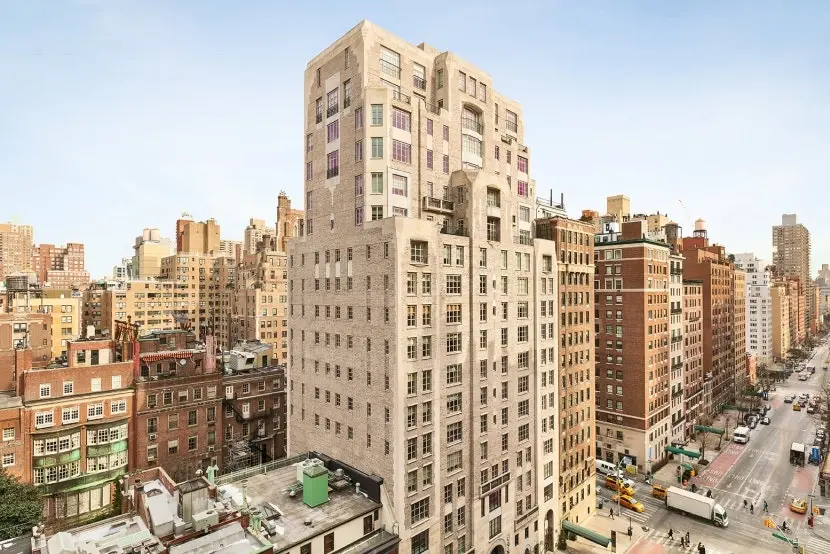
The 19-story limestone-clad condominium residence at 135 East 79th Street on the Upper East Side is known to be among the city’s best pre-war-style apartment buildings constructed in the post-war era. A pair of 22-foot-tall espaliered pear tree sculptures flank the arched entrance; antique ground floor window grilles were made by the firm that fabricated the gates for Buckingham Palace; the lobby floor is laid in patterned travertine slab stonework, while antique French gilded bronze chandeliers hang beneath a double-height vaulted ceiling. Within are 32 large 2-, 3-, 4- and 5-bedroom apartments, several with terraces, topped by a handful of dazzling penthouses. Amenities include a full-time doorman and concierge, a landscaped private garden courtyard, a fitness center with private training studio, a residents’ lounge with a catering kitchen and a club/game room overlooking the garden. Private wine cellars, bicycle storage and private storage are also available. The building’s location is classic Upper East Side, a couple of blocks from Central Park, Museum Mile and Madison Avenue shopping and restaurants like Cafe Boulud. Cult favorites like Soul Cycle, Candle 79 and H & H Bagels are steps away to sustain everyday life.
For screen reader users all content above is visible so you may ignore the show more button below.
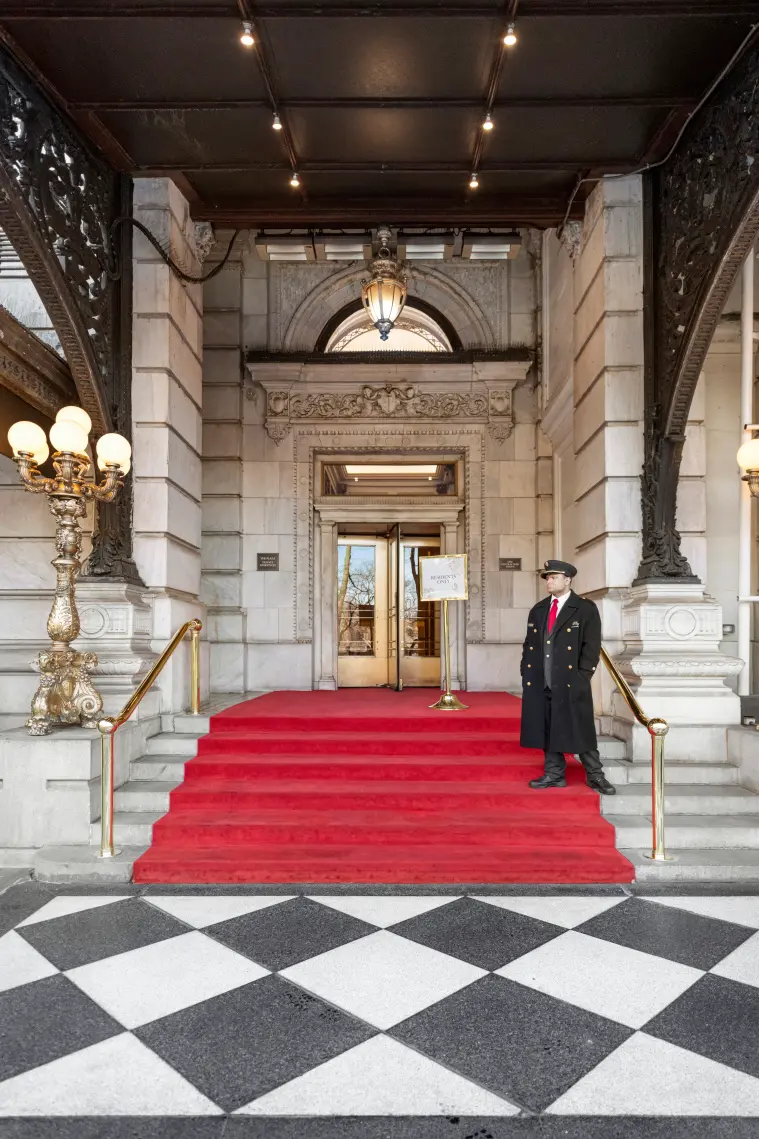
The Plaza Hotel and Residences, located at 768 Fifth Avenue and 1 Central Park South, is an iconic blend of luxury hospitality and upscale living. Designed in French Renaissance chateau style by Henry Janeway Hardenbergh in 1907, The Plaza offers an unmatched New York experience, steps from Central Park, Pulitzer Fountain, and renowned landmarks like Carnegie Hall, MoMA, and the Wollman Rink.
The building’s distinctive exterior features a white marble base, turreted corners, and a mansard roof adorned with finials and flagpoles, adding to its Old World charm. The Plaza’s interior includes 282 hotel rooms and 181 private residences, with the latter housed in the building's north and east wings. The residences feature high ceilings, period moldings, walnut-bordered herringbone parquet floors, and kitchens equipped with stone countertops and mosaic marble backsplashes. Many units boast views of Central Park, Fifth Avenue, and the surrounding cityscape, with some offering terraces and unique turreted windows.
Residents enjoy exclusive access to hotel amenities, including the famed Palm Court restaurant, Caudalie Vinotherapie Spa, Warren-Tricomi Salon, and a state-of-the-art La Palestra fitness center. A dedicated staff provides round-the-clock concierge, doorman, butler, and nanny services, along with housekeeping, turn-down service, and limousine arrangements. Additionally, residents have access to a private European-style garden with cascading water features, a rooftop deck, and pet-friendly policies.
Situated on the doorstep of Central Park, The Plaza is encircled by premier shopping and dining options and is conveniently close to several subway lines, making it easily accessible from all parts of Manhattan. The lively surroundings of the Meatpacking District, Lincoln Center, and high-end boutiques along Fifth Avenue cater to a cosmopolitan lifestyle.
Throughout its history, The Plaza has hosted distinguished guests and memorable events, such as Truman Capote's Black-and-White Ball. Celebrities and public figures have frequented the Oak Bar, a setting famously depicted in "North by Northwest." The building was partially converted to condominiums in 2008 under El Ad Properties, preserving its landmarked exterior and spectacular interiors. Managed by Fairmont Hotels and Resorts, the hotel offers a mix of private residences, transient hotel rooms, and 152 "hotel-condos" that generate income for owners through a revenue-sharing program.
The Plaza has long been celebrated in popular culture, from Neil Simon's “Plaza Suite” to films like "Scent of a Woman" and "Home Alone 2." Its Persian Room nightclub attracted icons like Peggy Lee and Liza Minnelli, and its storied ambiance continues to define New York glamour.
For screen reader users all content above is visible so you may ignore the show more button below.
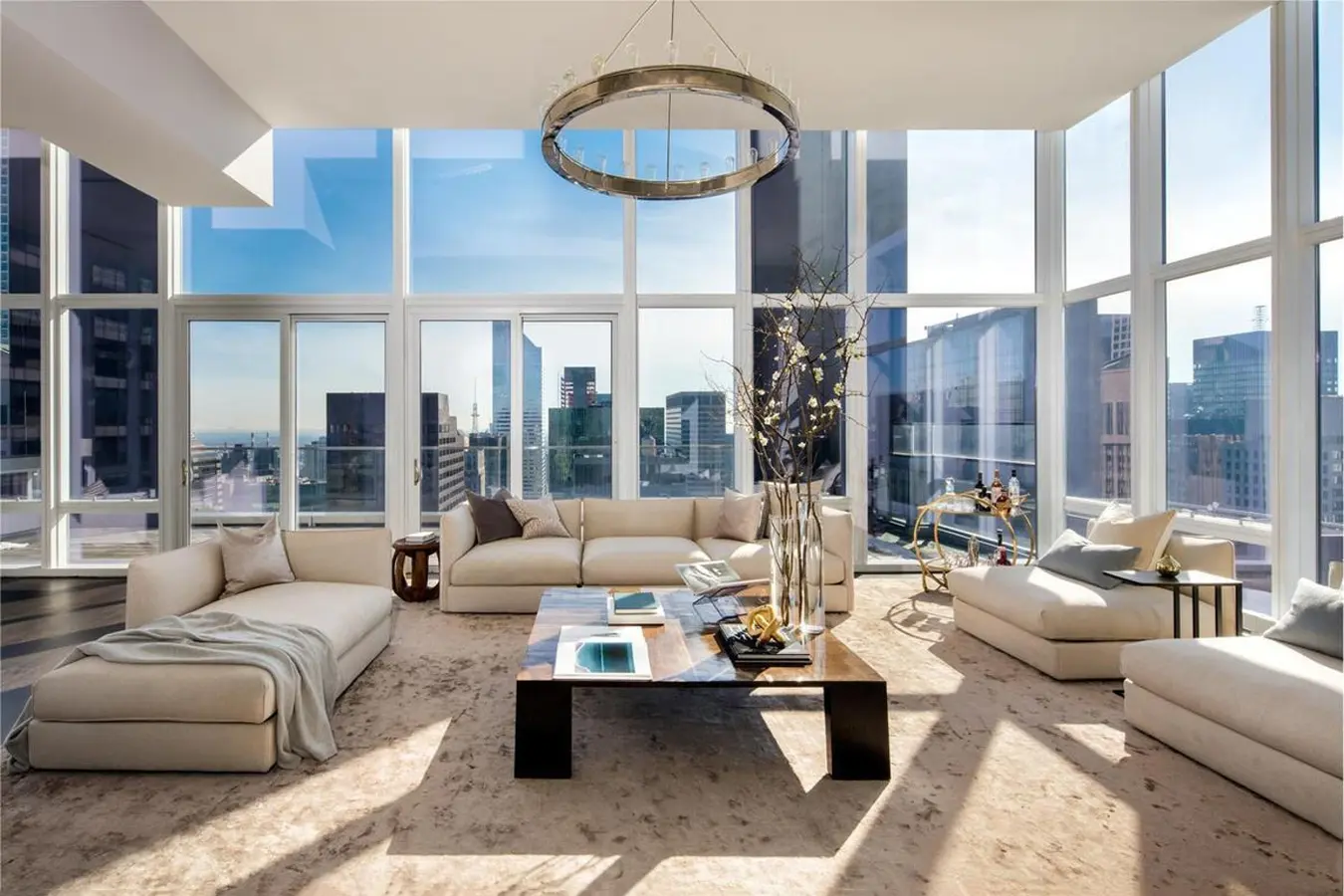
The Baccarat Residences at 20 West 53rd Street stand as a pinnacle of luxury living in Midtown Manhattan, marrying exceptional architectural design with unparalleled service. Rising 50 stories above the city, this mixed-use tower houses 61 private residences atop 114 luxurious hotel rooms. Residents enter a private entrance and lobby but can enjoy the hotel’s five-star amenities, including the Spa de La Mer, a fitness center, an indoor pool, and world-class dining.
The tower’s location, directly across from the Museum of Modern Art and moments from Fifth Avenue, Central Park, and Rockefeller Center, provides easy access to premier shopping, dining, and cultural experiences in one of New York’s most prestigious neighborhoods. Many north-facing homes have glimpses of Central Park.
Architecturally, the Baccarat’s sleek and minimalist exterior by Skidmore, Owings & Merrill serves as a refined “jewel case” for the tower’s opulent interiors. Designed by Tony Ingrao, the interiors showcase a striking aesthetic, featuring dark wood paneling, rich marble accents, and an impressive Baccarat crystal wall behind the concierge desk that embodies the building’s commitment to elegance. The double-height lobby is framed by fluted marble columns, creating a sense of grandeur upon entry, while the tower itself is setback from its base.
Within the Baccarat Residences, amenities cater to every aspect of luxury living. A full-time doorman, concierge, and valet service ensure convenience, while private lounges, a curated courtyard, and outdoor entertainment spaces provide residents with exclusive retreats. The building also includes on-site parking and a bike room.
The design extends to the smallest details: smoked oak paneling lines the elevators, while the north and south façades incorporate sculpted grooves between floors for a sense of dimensionality. The building’s base is adorned with vertical mullions and canopies, giving the lower levels an airy, sophisticated feel that complements the warm tones of the Baccarat crystals. The side façades feature angled window surrounds, enhancing the tower’s visual texture and creating dynamic light and shadow play.
The Baccarat’s site has a rich history, previously occupied by the Donnell Library, a building known for its 1950 Spartan design by Aymar Embury II and Edgar I. Williams. The Donnell was sold in 2007, with plans for a luxury hotel connected to the nearby 21 Club; however, these plans fell through, eventually leading to the Baccarat’s development. Today, the Baccarat Residences stand amid other historic buildings and landmarks, such as St. Thomas Episcopal Church, the CBS Building, and the Jean Nouvel-designed 53 West 53red Street.
For screen reader users all content above is visible so you may ignore the show more button below.
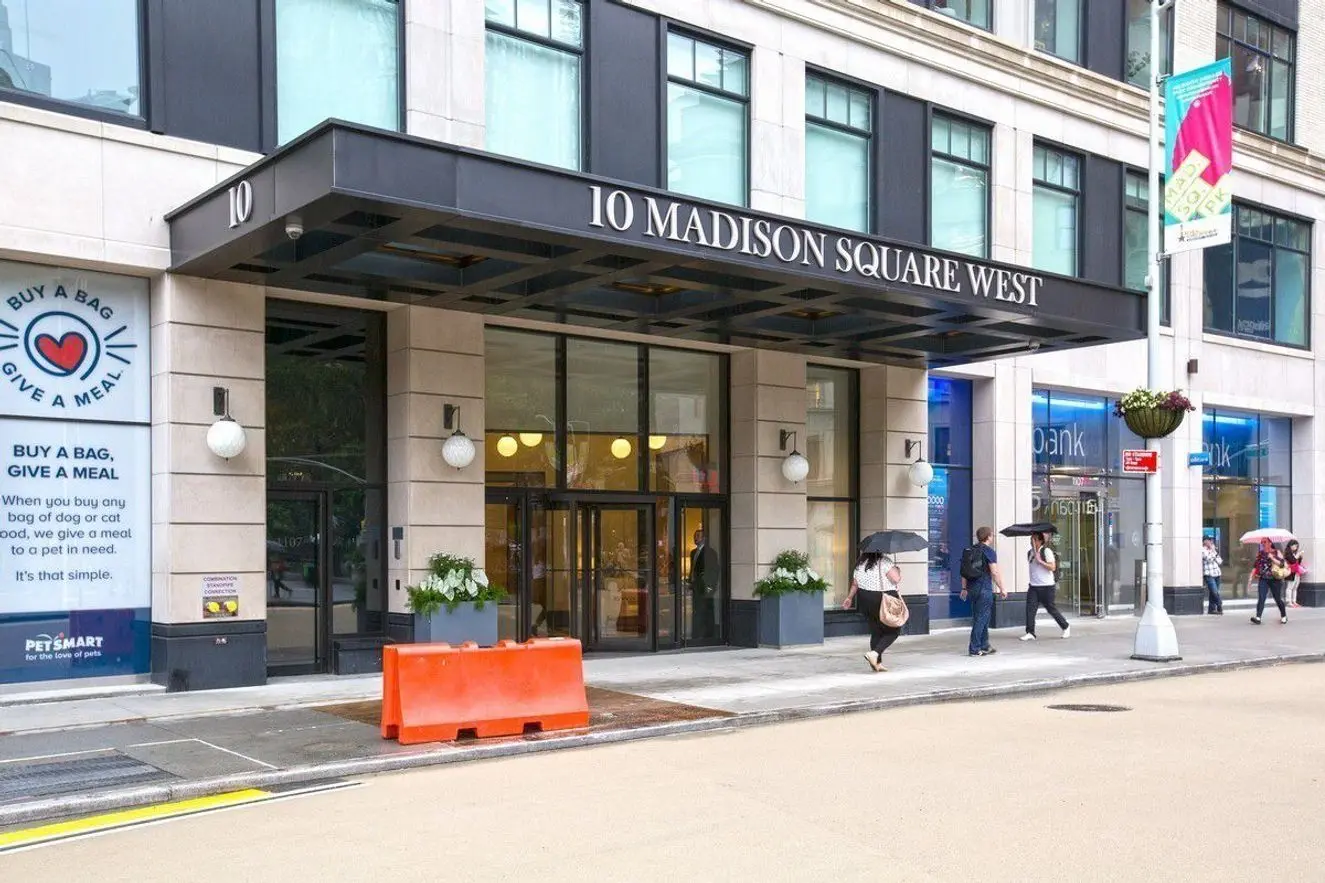
10 Madison Square West is a 22-story luxury condominium conversion of the historic International Toy Center building at 1107 Broadway, originally designed in 1915 by William Van Alen, architect of the Chrysler Building. Developed by the Witkoff Group and Vector Group Ltd and completed in 2015, the building houses 125 residences ranging from one to five bedrooms, with interiors designed by Alan Wanzenberg. The conversion involved demolishing a 40,000-square-foot section to add height to the structure, transforming the former commercial space into one of Manhattan's premier residential addresses. Notable residents include Fredrik Eklund from "Million Dollar Listing."
The building's apartments showcase consistent luxury finishes throughout, including wide-plank white oak floors, beamed ceilings soaring over 11 feet in the tower residences (floors 18-21), and floor-to-ceiling windows offering spectacular views of Madison Square Park. Kitchens feature SieMatic cabinetry with Bianco Carrara marble countertops and top-tier appliances from Sub-Zero, Wolf, and Miele. Bathrooms are appointed with Carrara marble, radiant heated floors, and Dornbracht fixtures. The 22nd-floor penthouse spans 6,500 square feet with 1,700 square feet of private terraces, while many units offer flexible layouts and in-unit washer/dryers.
Residents enjoy an impressive 10,000-square-foot amenity club managed by The Wright Fit, featuring a 60-foot heated lap pool, hot tub, yoga and Pilates studios, spa treatment rooms, and comprehensive fitness facilities with sauna and steam rooms. Additional amenities include a children's playroom, 5,100-square-foot private courtyard garden designed by Signe Nielsen, bike storage, and white-glove service with 24-hour doorman, concierge, and live-in resident manager.
Perfectly positioned directly across from Madison Square Park in the vibrant Flatiron District, the building sits one block from Eataly and within walking distance of numerous Michelin-rated restaurants, shopping along Ladies Mile, and multiple subway lines. The location places residents at the crossroads of NoMad, Flatiron, Chelsea, and Union Square, offering easy access to Manhattan's finest dining, cultural attractions, and transportation options.
For screen reader users all content above is visible so you may ignore the show more button below.
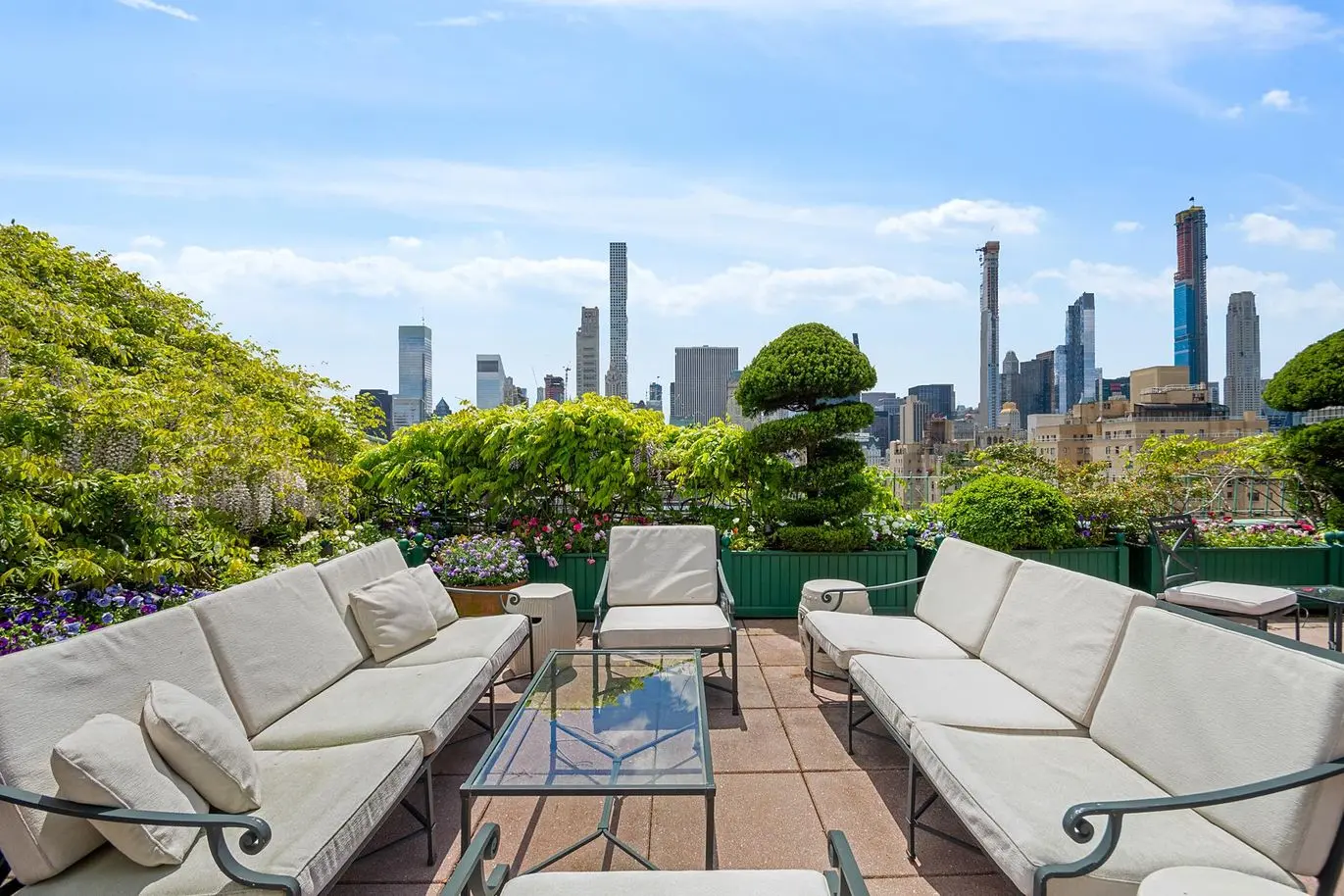
The Westbury stands as a distinguished prewar condominium at 15 East 69th Street, occupying a prime corner location on Madison Avenue just one block from Central Park. Originally constructed in 1927 as the Westbury Hotel and operated by Trust House Forte, this 18-story red brick building with limestone base was thoughtfully converted to just 47 luxury condominiums in 1999, maintaining only four residences per floor to ensure exclusivity and privacy.
The building's conversion preserved its hotel-caliber service standards, offering residents 24-hour concierge and doorman services, along with amenities including a fitness center, wine cellar with individual storage units, bicycle room, and optional maid service. The double-height lobby retains the elegance of its hotel origins, while the ground-floor retail spaces have housed prestigious tenants including Sulka, Alfred Dunhill, and Gucci, reflecting the building's position along one of Manhattan's most exclusive shopping corridors.
Residences at The Westbury typically feature elaborate entrance galleries, wood-burning fireplaces, and custom millwork that showcase classic prewar craftsmanship. Apartments range from approximately 1,600 to over 3,000 square feet, with many offering coffered ceilings, marble bathrooms, and custom closet systems. The crown jewel is a duplex penthouse with over 2,000 square feet of terraces providing panoramic city and skyline views. The building's location provides immediate access to Central Park, the Frick Collection, Madison Avenue's luxury boutiques, and some of the city's finest restaurants, while welcoming both pets and pied-à-terre ownership.
For screen reader users all content above is visible so you may ignore the show more button below.
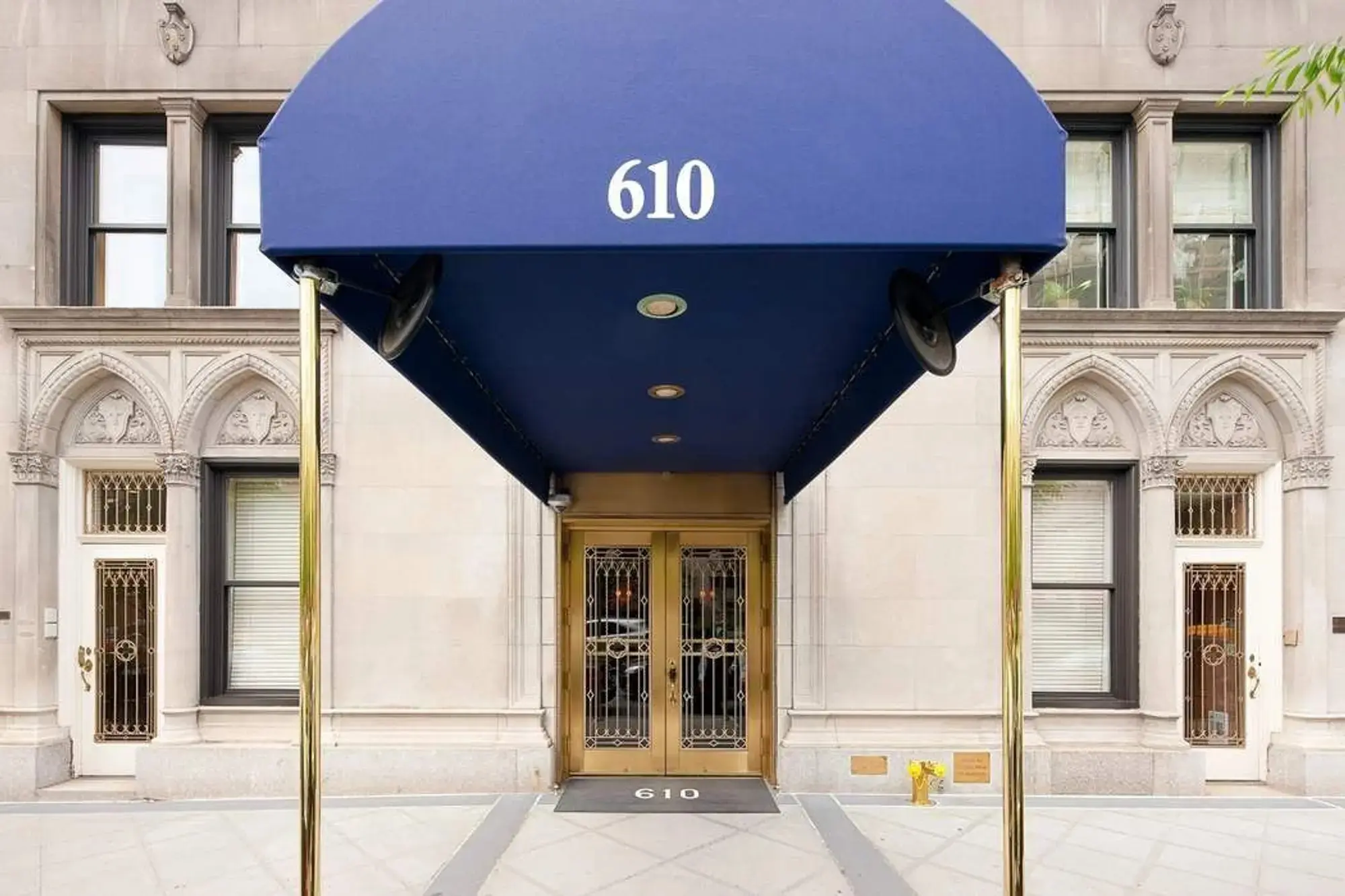
The Mayfair at 610 Park Avenue stands as one of Manhattan's most distinguished prewar condominiums, with a storied history that reflects the evolution of luxury living on the Upper East Side. Built in 1925 by renowned architect J.E.R. Carpenter, the building originally opened as the 450-room Mayfair House hotel and gained significant social cachet when Le Cirque restaurant opened on its ground floor in 1974, quickly becoming one of the city's most prestigious dining destinations. The building's conversion to a 68-unit condominium in 1997-1998 was remarkably successful, with units selling out based solely on floor plans before buyers could even enter the building. The conversion also brought Daniel Boulud's Michelin-starred Restaurant Daniel to replace Le Cirque, maintaining the building's reputation as a culinary destination.
The 15-story brown brick building with limestone base offers white-glove service including a 24-hour doorman, concierge, live-in resident manager, and valet parking. Residents enjoy access to a fitness center, optional maid service, and the unique amenity of room service from Restaurant Daniel, which caters exclusively to building residents. The building is pet-friendly, allowing up to two dogs of 20 pounds each, and maintains an intimate feel with fewer than 70 residences. Former New York City Mayor Jimmy Walker was among the building's notable residents.
Apartments at The Mayfair showcase classic prewar elegance with coffered 9-foot ceilings, seven-inch base moldings, and wood-burning fireplaces found in many units. The residences range from approximately 2,000 square feet to over 4,400 square feet, with larger units featuring multiple exposures and sweeping Park Avenue frontage. Common features include herringbone hardwood floors, marble bathrooms, custom built-ins and cabinetry, in-unit washer/dryers, and temperature-controlled wine storage. Many apartments boast chef's kitchens with top-tier appliances, formal dining rooms, libraries that can serve as additional bedrooms, and some units include private terraces.
Perfectly positioned at the corner of Park Avenue and 65th Street, The Mayfair offers residents proximity to Central Park, Madison Avenue's luxury boutiques, world-class museums, and easy access to multiple subway lines. The building's elegant sidestreet marquee, originally created in 1934, now serves as the entrance to Restaurant Daniel, while residents enter through a discrete Park Avenue entrance. This combination of architectural distinction, culinary prestige, and prime location has established The Mayfair as one of Park Avenue's most coveted addresses.
For screen reader users all content above is visible so you may ignore the show more button below.
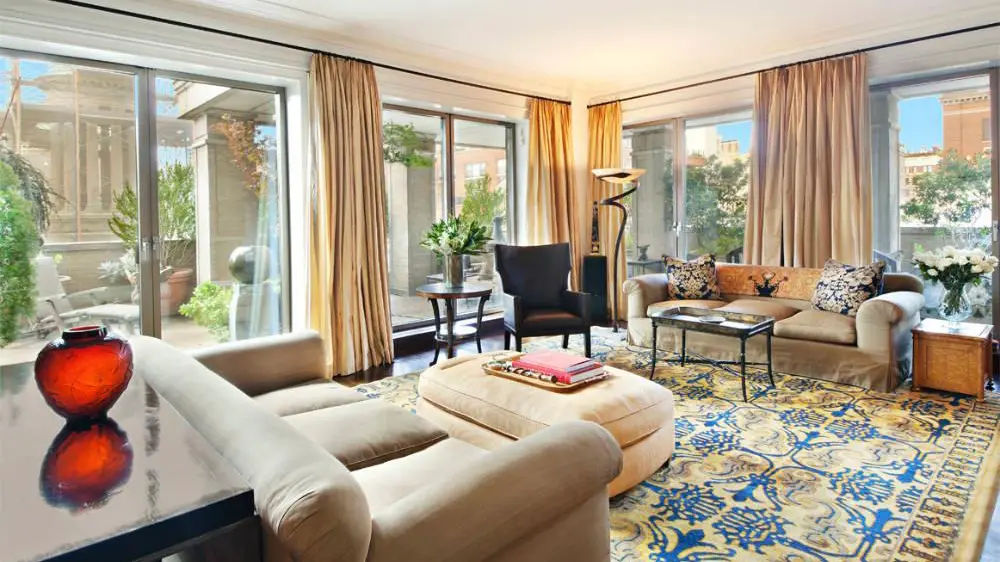
145 East 76th Street is a 16-story, beige-brick condominium completed in 1999, featuring only 20 units. Developed by the Macklowe Development Company and designed by Hardy Holzman Pfeiffer Associates and Schuman Lichtenstein Claman & Efron, the building showcases a blend of modern luxury and classic New York architecture. Its façade is complemented by a two-story limestone base and wrought-iron balcony railings, while the rooftop features an attractive watertank enclosure.
Residences within the building are characterized by 10-foot-high ceilings and spacious layouts, ranging from three to five bedrooms. Many apartments include convertible libraries, formal dining rooms, and gourmet kitchens with breakfast areas. The building also offers a private residents' salon with a garden and fountain, enhancing the living experience.
Located directly across from the historic St. Jean Baptiste Roman Catholic Church, 145 East 76th Street is situated in a vibrant neighborhood with easy access to Central Park, upscale dining, and boutique shopping. The area is well-served by public transportation, including cross-town bus service and nearby subway stations.
Notable amenities include a 24-hour doorman, live-in superintendent, fitness room, children's playroom, and bike storage. The building is pet-friendly, making it an attractive option for families and individuals alike. With its intimate setting and luxurious offerings, 145 East 76th Street represents a unique opportunity for upscale living in Manhattan.
For screen reader users all content above is visible so you may ignore the show more button below.
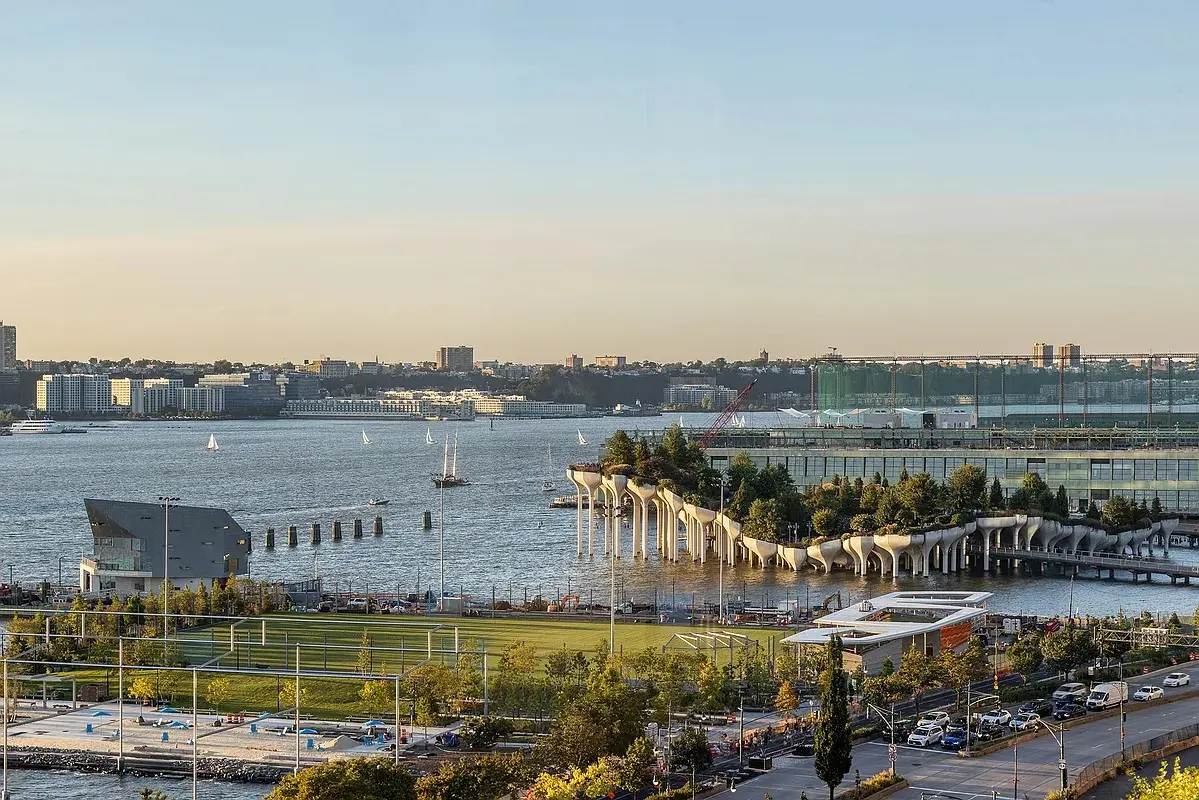
Superior Ink, a landmark of modern luxury in the West Village, blends elegant design with historical charm. Designed by Robert A.M. Stern and completed in 2009, the 17-story LEED-certified tower offers 62 meticulously crafted residences alongside seven townhouses inspired by Greenwich Village's 19th-century architecture. The tower’s light-orange brick façade features setbacks, arched windows, and a distinctive canopy, while the red-brick townhouses exude timeless sophistication with stoops, bay windows, and private gardens.
Residents enjoy premier amenities, including 24-hour concierge and doorman service, valet parking, a fitness center, yoga/Pilates studio, screening room, event lounge, and a children’s playroom. Additional features include private storage, a bike room, and beautifully landscaped terraces. Interiors boast Sub-Zero kitchens, marble-clad baths, and luxurious details throughout.
Situated at 400 West 12th Street, Superior Ink occupies the former site of the Superior Ink factory, placing it steps from Hudson River Park, the Meatpacking District, and the Whitney Museum. Its prime location seamlessly merges the charm of the West Village with the sophistication of nearby Chelsea and the High Line.
For screen reader users all content above is visible so you may ignore the show more button below.
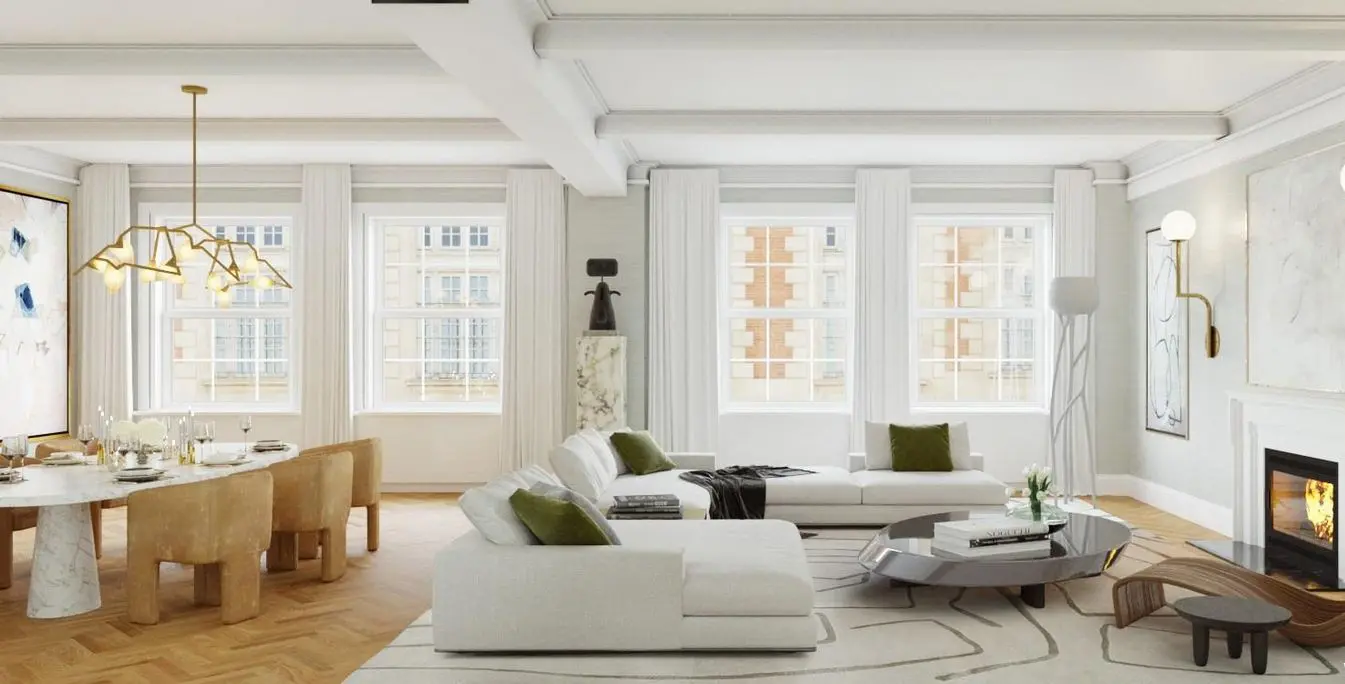
40 East 66th Street is a distinguished pre-war condominium designed by renowned architect Rosario Candela in 1929 and converted from rental units in 2008 by Vornado Realty Trust. The 13-story red-brick building, featuring a limestone base and decorative architectural details, houses 33 luxury residences in one of Manhattan's most coveted locations, just one block from Central Park.
The residences are characterized by generous proportions and classic Candela layouts, featuring wood-burning fireplaces, high-end appliances from Viking, SubZero, and Miele, and thoughtfully designed living spaces. Many units offer unique architectural elements typical of Candela's sophisticated design approach, including well-proportioned rooms and elegant flow between public and private spaces.
This white-glove building offers comprehensive amenities including 24-hour doorman and concierge service, a fitness room, children's playroom, bike room, central laundry, and private storage. Its prime Upper East Side location provides immediate access to Madison Avenue's luxury boutiques, fine dining establishments, art galleries, and cultural attractions, embodying the essence of sophisticated Manhattan living.
For screen reader users all content above is visible so you may ignore the show more button below.
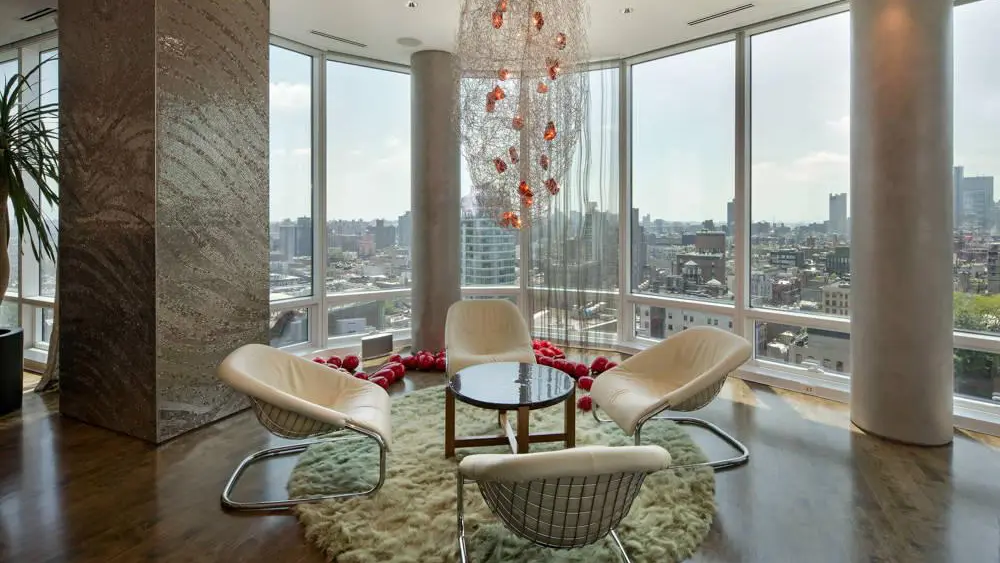
The Astor Place at 445 Lafayette Street is a 21-story residential tower completed in 2004, distinguished by its undulating glass façade and curved architectural design. The building contains 39 residences ranging from 1,449 to 4,156 square feet, featuring floor-to-ceiling windows and contemporary finishes. Designed by Gwathmey Siegel & Associates, the building stands as a notable architectural landmark at the intersection of Lafayette Street, Astor Place, and Fourth Avenue.
The project's development history included earlier unrealized designs by renowned architects Rem Koolhaus and Frank Gehry before Related Companies commissioned Gwathmey Siegel for the final design. The building sits on land owned by Cooper Union, which created a 99-year lease arrangement for the development.
Residences feature high-end finishes including cherry wood cabinets, granite countertops, and premium appliances from Sub-Zero, Wolf, and Miele. Building amenities include 24-hour doorman and concierge service, a fitness center, private storage, and direct access to a parking garage. Located at the crossroads of NoHo, the East Village, Greenwich Village, and the Bowery, the building sits in one of Manhattan's most vibrant neighborhoods with excellent access to transportation, dining, and cultural attractions.
For screen reader users all content above is visible so you may ignore the show more button below.
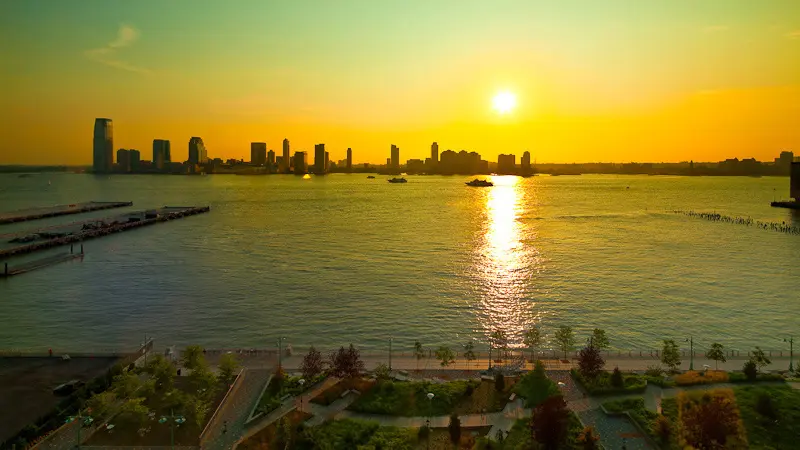
Designed by renowned architects Tsai & McGowan, River Lofts is comprised of a newly constructed 13-story tower on Laight Street and an impeccably restored Romanesque Revival loft warehouse on Washington Street.
The Washington Street building has 30 lofts and 92 Laight Street contains 38 residences. Apartments range in size from 1,100 to 3,900 square feet.
Lofts feature oversized, triple-glazed windows, 10-foot ceilings, integrated sound systems, high-speed wiring and cable, central air conditioning and walnut hardwood floors. Spacious master bedroom suites have dressing rooms and limestone spa bathrooms; eat-in-kitchens have custom cabinetry and premium appliances. Separate laundry rooms are equipped with ample storage space and double washers and dryers.
River Lofts has a courtyard, a fitness center, a bike room, storage rooms and a parking garage with direct elevator access. Its TriBeCa location across West Street from the Hudson River Park is near many restaurants, cafes and boutiques.
For screen reader users all content above is visible so you may ignore the show more button below.
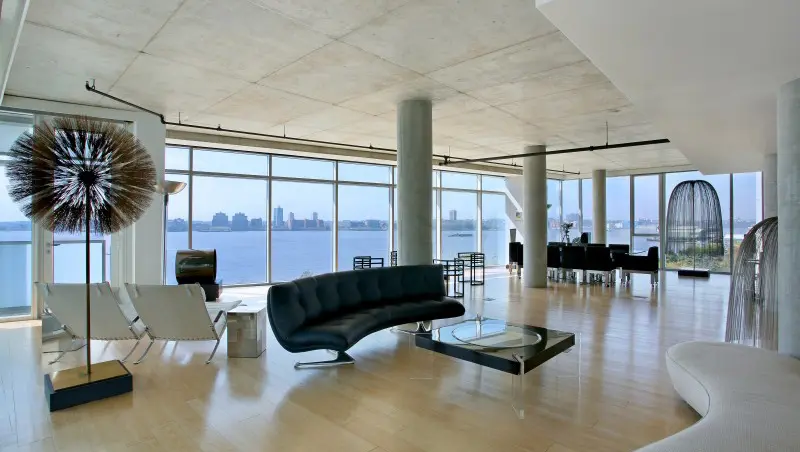
176 Perry Street is a modernist masterpiece designed by renowned architect Richard Meier, completed in 2002. This mid-rise residential condominium is part of a trio of buildings that have significantly enhanced the lower Hudson River waterfront, establishing it as a desirable neighborhood for the affluent. The building features a striking minimalist design characterized by floor-to-ceiling windows and white steel façades, creating a clean aesthetic that resonates with Meier's architectural philosophy. The building's elegant design is complemented by its location across from the scenic Hudson River Park, providing residents with expansive views and access to outdoor recreational spaces.
The apartments at 176 Perry Street are notable for their spacious layouts, with many units offering around 3,750 square feet of living space. Common features include 11-foot ceilings, high-end finishes, and large terraces that enhance the living experience. The triplex apartments, such as those on the 8th, 9th, and 10th floors, boast dramatic double-height great rooms, gourmet kitchens, and luxurious primary suites with spa-like bathrooms. The building also includes a state-of-the-art fitness center, a full-time doorman, and concierge services, along with dining options from Jean-Georges Vongerichten's restaurant located within the building.
176 Perry Street has attracted a number of high-profile residents, including celebrities like Hugh Jackman, Martha Stewart, and Jim Carrey, further enhancing its reputation as a chic and exclusive residence. The building's design and location have made it a sought-after address, although it has faced challenges, including concerns over obstructed views due to the construction of nearby buildings. Despite these issues, the architectural significance and luxurious amenities of 176 Perry Street continue to make it a standout choice for discerning buyers in New York City.
For screen reader users all content above is visible so you may ignore the show more button below.
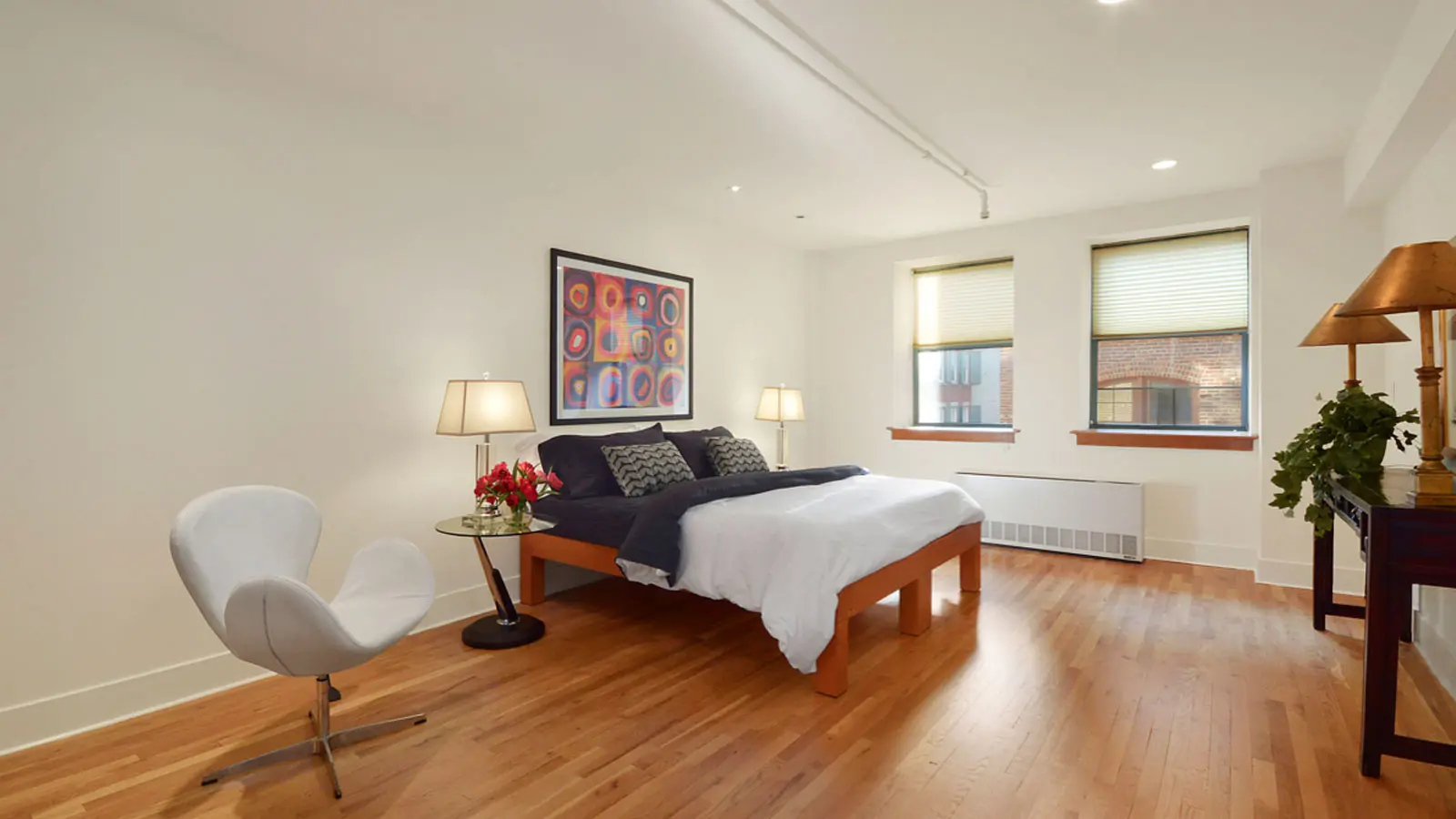
The North Moore is a noteworthy cast iron and brick warehouse originally erected in 1881 for the estate of John Castree, a prominent grocer and developer, and initially operated as a papermill. Converted to a 49 unit condominium in 2001, this 8 story building sits on one of Tribeca's most coveted cobblestone blocks at the corner of North Moore and Hudson Street in the heart of the Tribeca Historic District. The pet friendly building offers full service amenities including a 24 hour doorman, live-in superintendent, skylit lobby, three elevator banks, and furnished roof decks with breathtaking views.
The loft style apartments range from 1,083 to over 2,450 square feet, featuring the classic warehouse conversion elements of soaring ceilings from 9 to 13 feet, oversized windows, and open floor plans. Most units include in-unit washer/dryer, central air conditioning, hardwood floors, and abundant custom built in storage. The building's corner units are particularly sought after, offering multiple exposures and exceptional natural light.
The location places residents in the epicenter of Tribeca's dining scene, with Mr. Chow directly downstairs and Michelin starred restaurants like Jungsik and Bâtard within blocks. The building provides easy access to Hudson River Park and Piers 25 and 26, while multiple subway lines (1/2/3, A/C/E, N/Q/R/W, J/Z, and 6) ensure excellent transportation connectivity throughout Manhattan. One notable unit was even featured in Luxe Magazine, highlighting the building's reputation for sophisticated urban living in one of New York's most prestigious neighborhoods.
For screen reader users all content above is visible so you may ignore the show more button below.

 6sqft delivers the latest on real estate, architecture, and design, straight from New York City.
Like us on Facebook to keep up with the trends and
6sqft delivers the latest on real estate, architecture, and design, straight from New York City.
Like us on Facebook to keep up with the trends and 