
The City Council approved rezonings of sections of West Village and East Village yesterday.
The far West Village rezoning, which covers six blocks between Washington and Greenwich streets and West 10th and West 12th streets, limits the size and height of new developments and eliminates the possibility of large-scale hotel construction.
That rezoning was first proposed by the Greenwich Village Society for Historic Preservation in 2008 in response to a planned 100-room hotel at Perry and Washington streets, which it found out of scale, and to a large mixed-use building at Chares and Washington Streets. The community organization had identified more than a dozen potential development sites in the six-block area which could have had large-scale hotels built upon the if this rezoning had not taken place, it said, adding that "the rezoning will limit the size and height of allowable new developments and eliminate the possibility of large-scale hotel construction, which had begun to threaten the area."
"The Far West Village has been under assault from oversized and totally inappropriate development for many years. In 2005 and 2006 we were able to secure zoning and landmark protections for much of the neighborhood which stopped much of that overdevelopment, but this area remained vulnerable. This zoning change will ensure that the Far West Village does not become the city's next major hotel district, and it will help preserve its low-scale, historic, residential character," Andrew Berman, executive director of the Greenwich Village Society for Historic Preservation, declared.
In the East Village, the council approved a rezoning of eight blocks between Third and Fourth avenues and East 13th and East Ninth streets. It imposes height caps of about 12 stories, and as eliminates the current zoning bonus for dorms and hotels in the predominantly residential area.
The rezoning was first proposed in 2005 in response to New York University's 26-story dorm on East 12th Street, now the tallest tower in the East Village.
"We are deeply gratified that after many years of fighting for these rezonings, they are now a reality," Mr. Berman told Marine Cole of crainsnewyork.com, adding that "the new zoning, which these communities requested and fought for, will go a long way towards protecting these residential neighborhoods' precious character and scale."
"The Department of City Planning was resistant for a good year and a half," said Mr. Berman. "These two rezonings," he said, "will go a long way towards stemming the tide of inappropriate development in these two historic residential neighborhoods, and are a tremendous victory for community efforts in the face of stiff initial resistance from the city."
The far West Village rezoning, which covers six blocks between Washington and Greenwich streets and West 10th and West 12th streets, limits the size and height of new developments and eliminates the possibility of large-scale hotel construction.
That rezoning was first proposed by the Greenwich Village Society for Historic Preservation in 2008 in response to a planned 100-room hotel at Perry and Washington streets, which it found out of scale, and to a large mixed-use building at Chares and Washington Streets. The community organization had identified more than a dozen potential development sites in the six-block area which could have had large-scale hotels built upon the if this rezoning had not taken place, it said, adding that "the rezoning will limit the size and height of allowable new developments and eliminate the possibility of large-scale hotel construction, which had begun to threaten the area."
"The Far West Village has been under assault from oversized and totally inappropriate development for many years. In 2005 and 2006 we were able to secure zoning and landmark protections for much of the neighborhood which stopped much of that overdevelopment, but this area remained vulnerable. This zoning change will ensure that the Far West Village does not become the city's next major hotel district, and it will help preserve its low-scale, historic, residential character," Andrew Berman, executive director of the Greenwich Village Society for Historic Preservation, declared.
In the East Village, the council approved a rezoning of eight blocks between Third and Fourth avenues and East 13th and East Ninth streets. It imposes height caps of about 12 stories, and as eliminates the current zoning bonus for dorms and hotels in the predominantly residential area.
The rezoning was first proposed in 2005 in response to New York University's 26-story dorm on East 12th Street, now the tallest tower in the East Village.
"We are deeply gratified that after many years of fighting for these rezonings, they are now a reality," Mr. Berman told Marine Cole of crainsnewyork.com, adding that "the new zoning, which these communities requested and fought for, will go a long way towards protecting these residential neighborhoods' precious character and scale."
"The Department of City Planning was resistant for a good year and a half," said Mr. Berman. "These two rezonings," he said, "will go a long way towards stemming the tide of inappropriate development in these two historic residential neighborhoods, and are a tremendous victory for community efforts in the face of stiff initial resistance from the city."
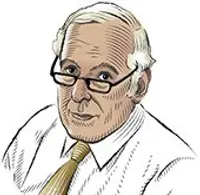
Architecture Critic
Carter Horsley
Since 1997, Carter B. Horsley has been the editorial director of CityRealty. He began his journalistic career at The New York Times in 1961 where he spent 26 years as a reporter specializing in real estate & architectural news. In 1987, he became the architecture critic and real estate editor of The New York Post.

 6sqft delivers the latest on real estate, architecture, and design, straight from New York City.
