
The Department of City Planning has proposed a city-wide zoning text amendment to preserve and enhance the streetscape character of residential neighborhoods.
According to the department, it closes loopholes in front yard planting requirements, responds to concerns of Community Boards and elected officials related to inappropriate curb cuts and front yard parking pads, and clarifies parking requirements for new dwelling units in existing homes, and for older resident buildings developed before there were parking requirements.
The changes would eliminate loopholes in the front yard planting requirements that allow the minimum percentage of a front yard that must be planted to include planting trips less than one foot wide and plantings in driveways, and it would apply stricter front yard parking rules in single and two-family districts by prohibiting parking in front yards. Parking under the new regulations could only be placed in a driveway that extends into the sideyard, or, for semi-detached houses, in a driveway leading to a garage in the front of the house. No parking would be permitted in front of row houses in single and two family districts.
The changes would also prohibit curb cuts for all buildings on lots of less than 40 feet wide in R4B through R8B districts, which are rowhouse districts characterized by planted front yards and no front yard parking. A court decision, it noted, found, that the prohibition applies to new buildings, not existing buildings.
The proposed changes would also introduce curb cut rules for residential parking spaces in medium and high density R6, R7 and R8 districts and their commercial equivalents, where no curb cut rules exist today. These rules would prevent continuous curb cuts that are unsightly, create pedestrian/vehicular conflicts, eliminate on-street parking spaces, and reduce retail continuity in commercial districts. The proposal, however, would allow one or two curb cuts to parking lots or garages with multiple parking spaces, rather than an unlimited number of curb cuts, where each can access just a single space.
The charges would add streetscape character and emphasize pedestrian movement findings for curb cut authorizations for Manhattan Community Distrist 1 through 8 and in portions of Queens Community Districts 1 and 2.
Finally, the changes would ensure that a new parking space is provided for each new dwelling unit added to an existing residential building in R3 and R4 districts, and that parking that would be required today cannot be eliminated for apartment buildings built prior to 1961.
Comments are to be submitted by January 25, 2010 and Community Board 8 is holding a hearing on the changes this evening at Hunter College School of Social Work and Board 6 is holding a hearing on the changes tonight at NYU Medical Center.
According to the department, it closes loopholes in front yard planting requirements, responds to concerns of Community Boards and elected officials related to inappropriate curb cuts and front yard parking pads, and clarifies parking requirements for new dwelling units in existing homes, and for older resident buildings developed before there were parking requirements.
The changes would eliminate loopholes in the front yard planting requirements that allow the minimum percentage of a front yard that must be planted to include planting trips less than one foot wide and plantings in driveways, and it would apply stricter front yard parking rules in single and two-family districts by prohibiting parking in front yards. Parking under the new regulations could only be placed in a driveway that extends into the sideyard, or, for semi-detached houses, in a driveway leading to a garage in the front of the house. No parking would be permitted in front of row houses in single and two family districts.
The changes would also prohibit curb cuts for all buildings on lots of less than 40 feet wide in R4B through R8B districts, which are rowhouse districts characterized by planted front yards and no front yard parking. A court decision, it noted, found, that the prohibition applies to new buildings, not existing buildings.
The proposed changes would also introduce curb cut rules for residential parking spaces in medium and high density R6, R7 and R8 districts and their commercial equivalents, where no curb cut rules exist today. These rules would prevent continuous curb cuts that are unsightly, create pedestrian/vehicular conflicts, eliminate on-street parking spaces, and reduce retail continuity in commercial districts. The proposal, however, would allow one or two curb cuts to parking lots or garages with multiple parking spaces, rather than an unlimited number of curb cuts, where each can access just a single space.
The charges would add streetscape character and emphasize pedestrian movement findings for curb cut authorizations for Manhattan Community Distrist 1 through 8 and in portions of Queens Community Districts 1 and 2.
Finally, the changes would ensure that a new parking space is provided for each new dwelling unit added to an existing residential building in R3 and R4 districts, and that parking that would be required today cannot be eliminated for apartment buildings built prior to 1961.
Comments are to be submitted by January 25, 2010 and Community Board 8 is holding a hearing on the changes this evening at Hunter College School of Social Work and Board 6 is holding a hearing on the changes tonight at NYU Medical Center.
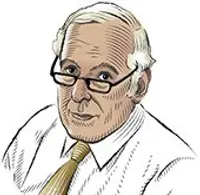
Architecture Critic
Carter Horsley
Since 1997, Carter B. Horsley has been the editorial director of CityRealty. He began his journalistic career at The New York Times in 1961 where he spent 26 years as a reporter specializing in real estate & architectural news. In 1987, he became the architecture critic and real estate editor of The New York Post.

 6sqft delivers the latest on real estate, architecture, and design, straight from New York City.
