

New York City’s Local Law 97 (LL97) is one of the nation’s most ambitious climate laws, requiring most buildings larger than 25,000 square feet to meet strict greenhouse gas emissions limits beginning in 2024, with significantly tougher standards taking effect in 2030 and beyond. Passed in 2019 as part of the Climate Mobilization Act, the law targets large buildings because they account for nearly 70% of the city’s carbon emissions.
Property owners whose buildings exceed their emissions caps can face substantial annual fines, creating strong incentives to improve energy efficiency, upgrade mechanical systems, electrify heating, install cleaner energy sources, and reduce overall carbon output. The law aims to cut emissions from New York’s largest buildings by 40% by 2030 and help the city reach net-zero emissions by 2050.
In this article:





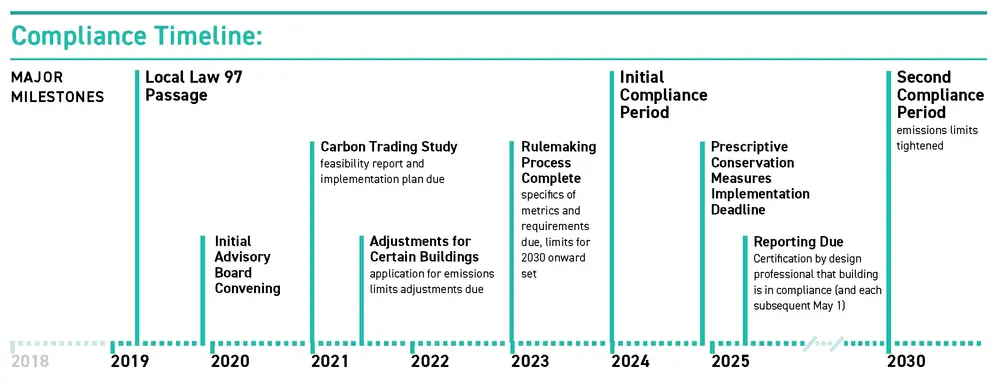 Mayor’s Office for Economic Justice in New York City | https://www.nyc.gov/content/climate/pages/buildings
Under Local Law 97, a building's emissions are not measured directly from smokestacks or sensors. Instead, they're calculated from the building's annual energy consumption, which owners already report through NYC benchmarking requirements. In 2022, a coalition of New York City co-ops and condos filed a lawsuit against the city to roll back Local Law 97. Ultimately, the opponents failed to strike down or modify the law, and on May 1, 2026, over six years after the law was first passed, it finally came into full effect.
In theory, all properties over 25,000 square feet that are not exempt from the law are now subject to non-compliance fines. So far, compliance is higher than expected, and there are no reports of fines being issued, though this is likely only due to the administrative backlog the city now faces as it attempts to process thousands of Local Law 97 filings.
The Current Impact of Local Law 97
As of May 1, 2026, 93 percent of buildings impacted by Local Law 97 had filed their required paperwork with the city. Originally, only 75 percent of buildings were expected to have filed by this point, leading some advocates of Local Law 97 to already declare the program an early success. But whether Local Law 97 is actually helping the city lower its carbon emissions is still unclear for two reasons.
First, the initial filing deadline required buildings over 25,000 square feet that are impacted by the law to file their annual Local Law 97 emissions compliance report, but not necessarily to complete major capital projects designed to reduce their emissions. Second, even if some buildings are already well on their way to reducing their carbon emissions, the city likely doesn’t know, since it has not yet completed auditing the estimated 28,000 reports filed on time. In summary, while Local Law 97 may now be in full effect, New Yorkers have not yet felt its full impact.
On the surface, this may seem to defeat the point of Local Law 97 since fines for non-compliance are a central feature of law. The new Department of Buildings Commissioner, Ahmed Tigani, disagrees. Tigani has even admitted that the fine structure is still a work in progress, recently telling reporters that the city has brought in additional “technical support” to research the issue—a likely sign that city staff may still be struggling to determine how to fairly begin doling out fines to buildings in non-compliance.
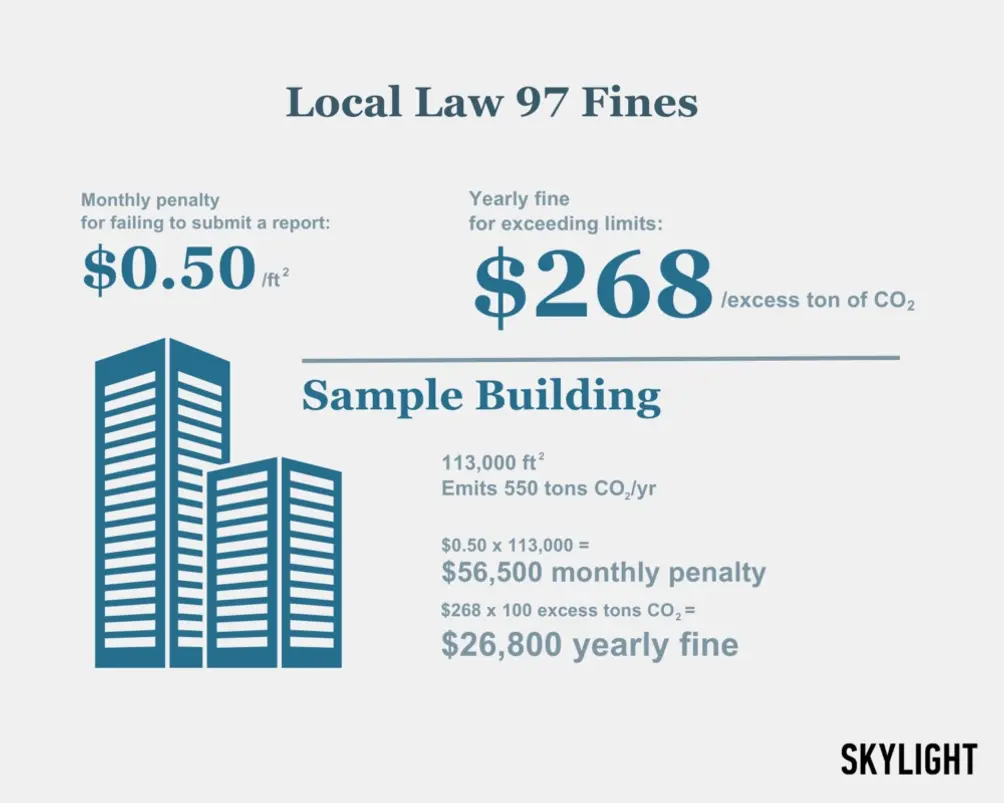 Via Skylight | https://www.skylight.nyc/articles/resources/what-is-local-law-97
Future Deadlines
If the current impact of Local Law 97 feels like a soft rollout, it is by design. From the start, Local Law 97 was designed to be rolled out over many years, with stiffer penalties only coming into effect in 2030. When they do, there are concerns that many of the city’s cash-strapped coops and condos, even those currently in compliance, may struggle to meet the regulations and manage the penalties. As the law currently stands, emissions caps are set to become substantially stricter beginning in the 2030–2034 compliance period, which is also when many buildings will finally be forced to undertake larger capital projects, including boiler replacements, heating system electrification, insulation upgrades, building envelope improvements, and HVAC modernization.
How the city is helping buildings comply
Fortunately, the City of New York is doing everything possible to help buildings comply. The Building Energy Exchange, for example, is helping smaller co-ops and condos navigate the law by producing resources such as the Building Energy Workbook, a practical guide that helps buildings understand emissions requirements and identify possible pathways to compliance.
NYC Accelerator is another initiative intended to assist building owners and managers as they prepare for long-term compliance. Rather than focusing solely on penalties, it is a one-stop shop that offers technical guidance, educational programming, and planning support to help buildings identify realistic decarbonization strategies. The Momentum tool is a free platform that people can use to see where a building stands on energy use and Local Law 97 compliance.
Other support programs include technical assistance, financing options, utility incentives, and grants intended to help offset the cost of energy upgrades and building retrofits.
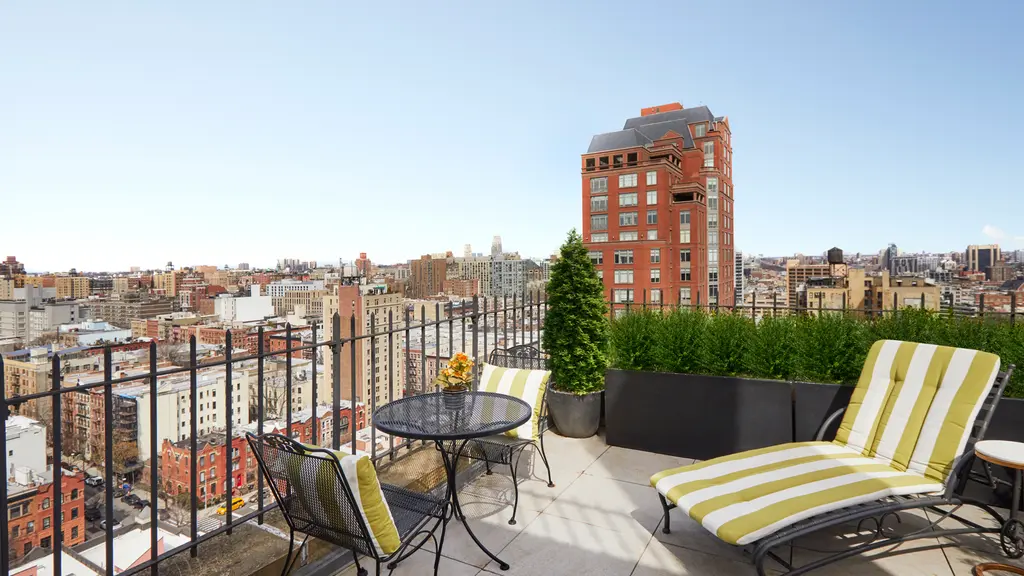
 View over Brooklyn Heights towards the Financial District skyline
Would you like to tour any of these properties?
Just complete the info below.
Or call us at (212) 755-5544
What This Means for Buyers and Sellers
With Local Law 97 now in effect, prospective buyers are not only advised to ensure that the building where they are purchasing met its initial filing deadline but also to consider the potential cost of future capital upgrades. After all, buying a unit in a building that requires major capital projects to come into compliance between 2030 and 2034 could mean heavy fee increases and even future fines.
For sellers, Local Law 97 also has implications since failure to comply, and a public record of fines can negatively impact one’s property values. It goes without saying that this is also why Local Law 97 may end up being a huge boost for buildings that are already highly sustainable.
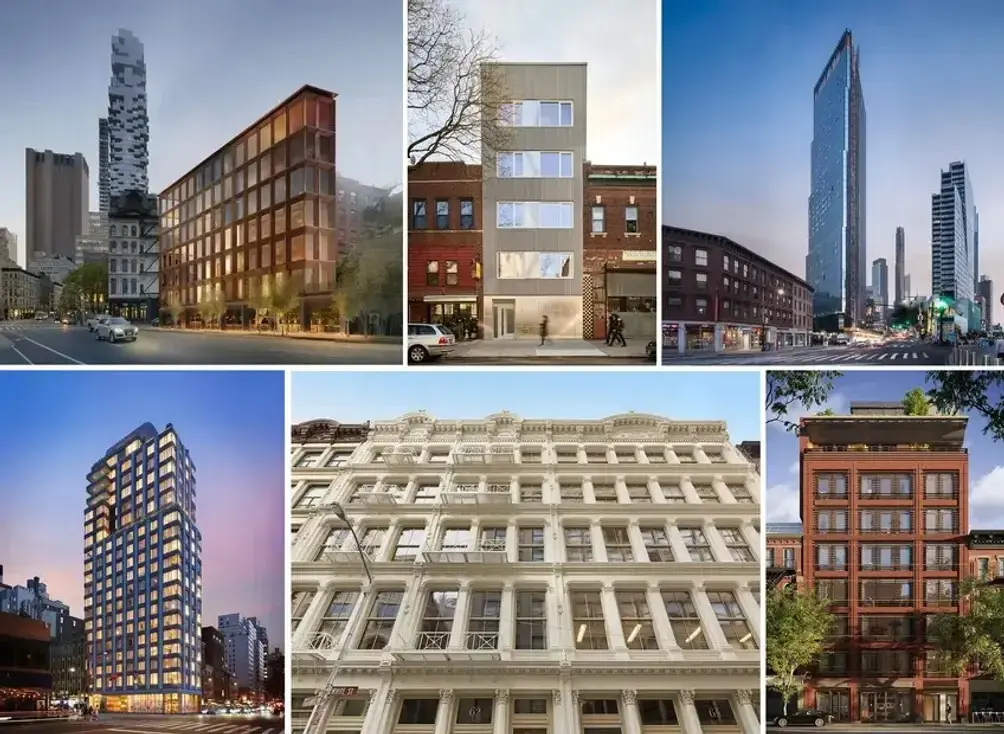 A sampling of Passive Houses throughout NYC: http://https//www.cityrealty.com/nyc/market-insight/features/future-nyc/nyc039s-passive-house-revolution-75-new-projects-leading-way/13743
Pre-war homes with modern HVAC systems
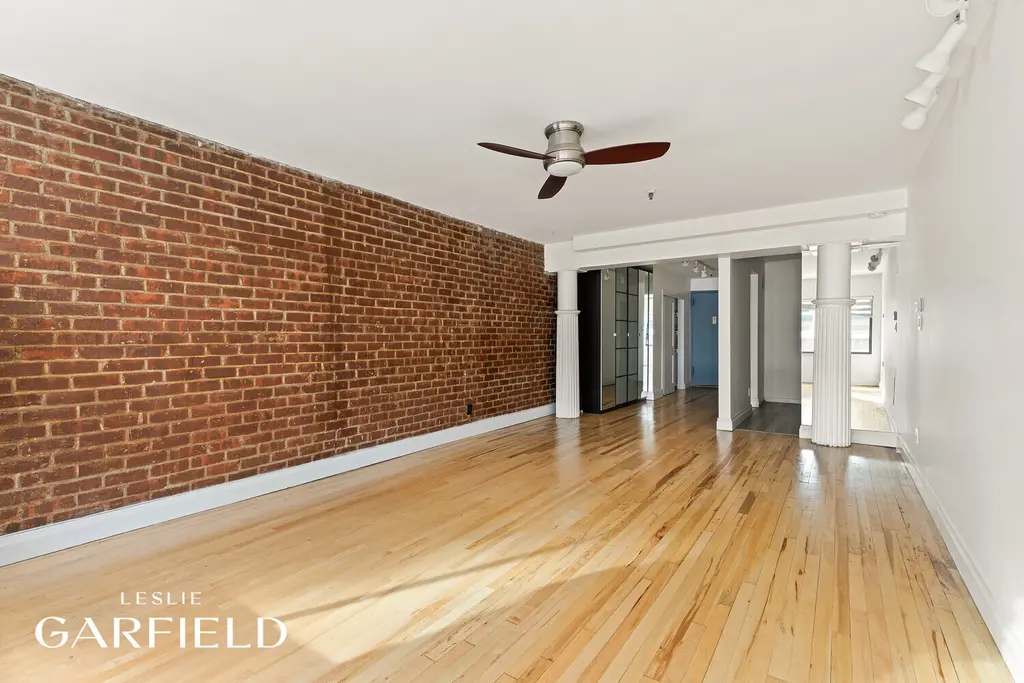
Cast Iron Building, #216 (Leslie J Garfield & Co Inc)
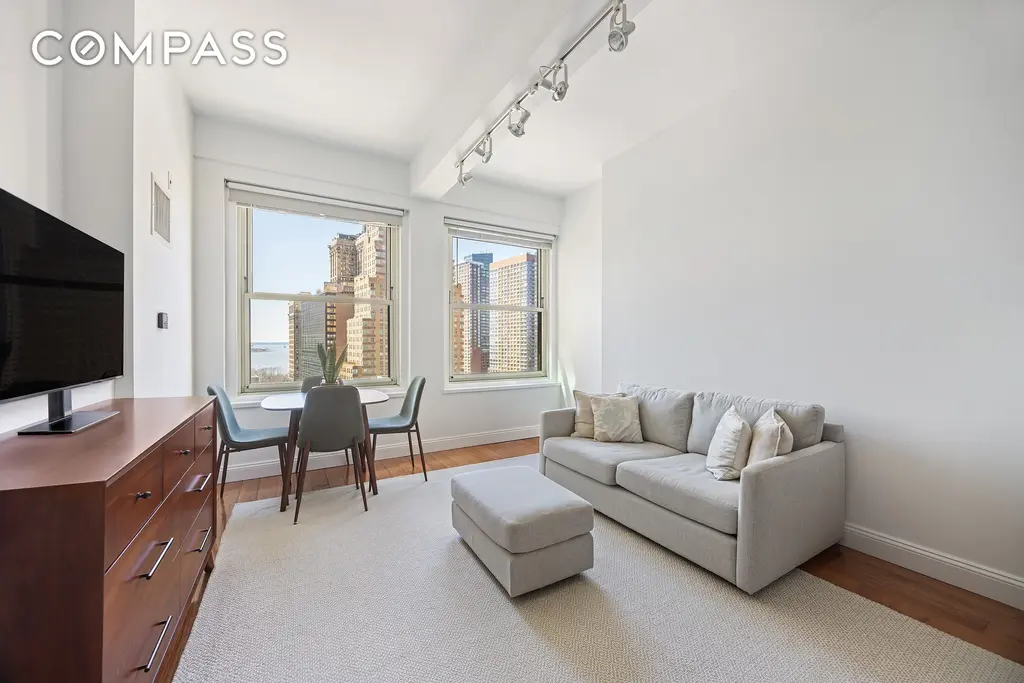
Greenwich Club, #1402 (Compass)

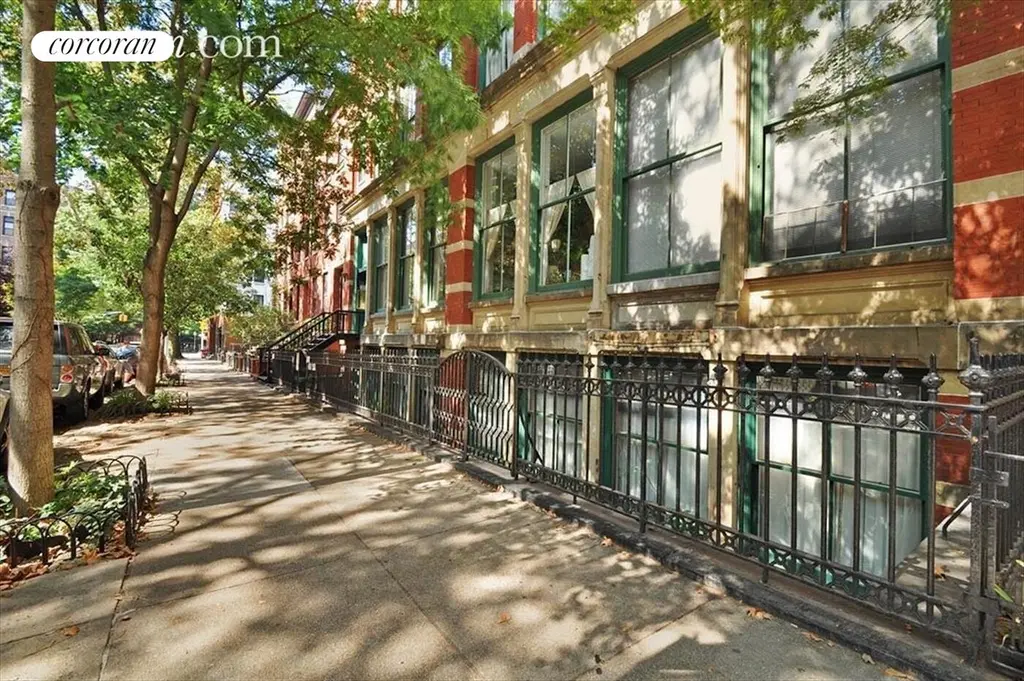
121 Pacific Street, #A1F (Corcoran Group)

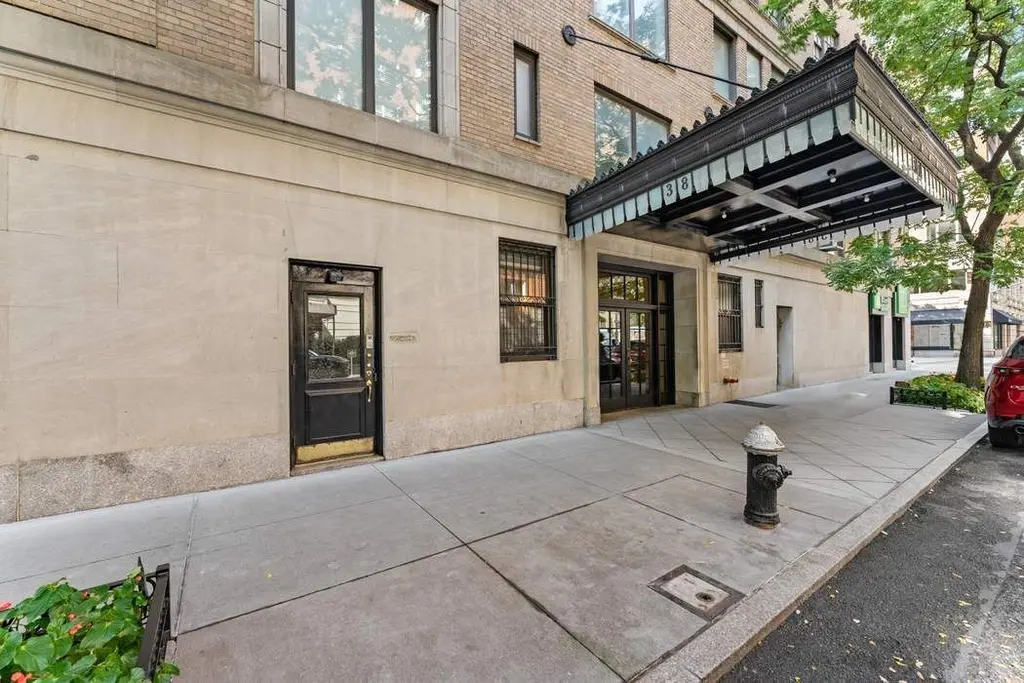
38 East 85th Street, #1 (Sothebys International Realty)

19 Prospect Park West, #1 (Brown Harris Stevens Residential Sales LLC)

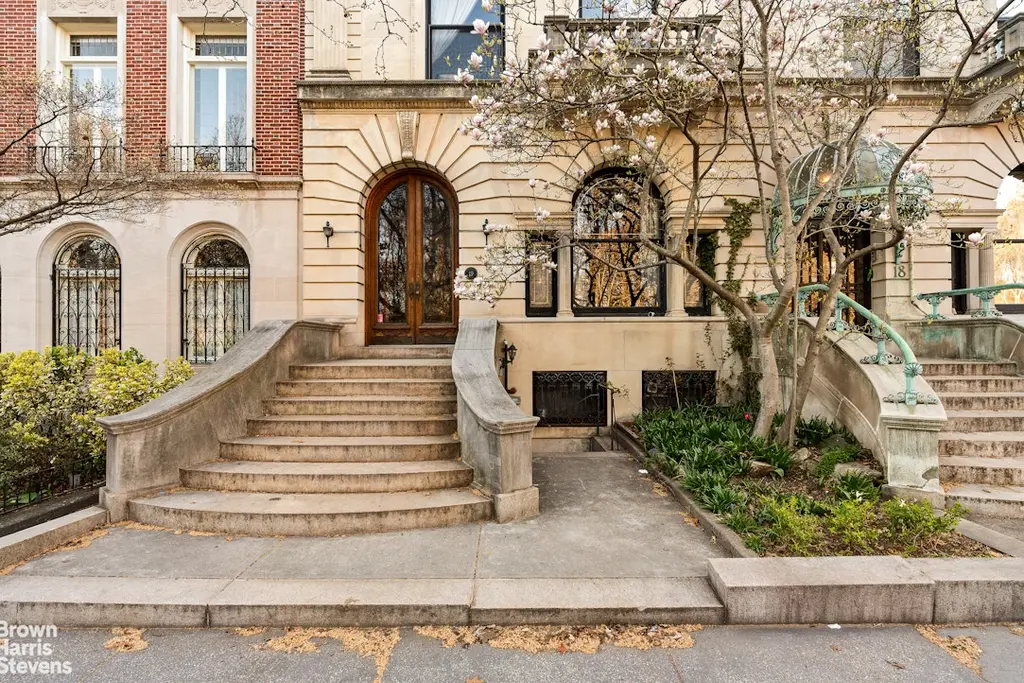
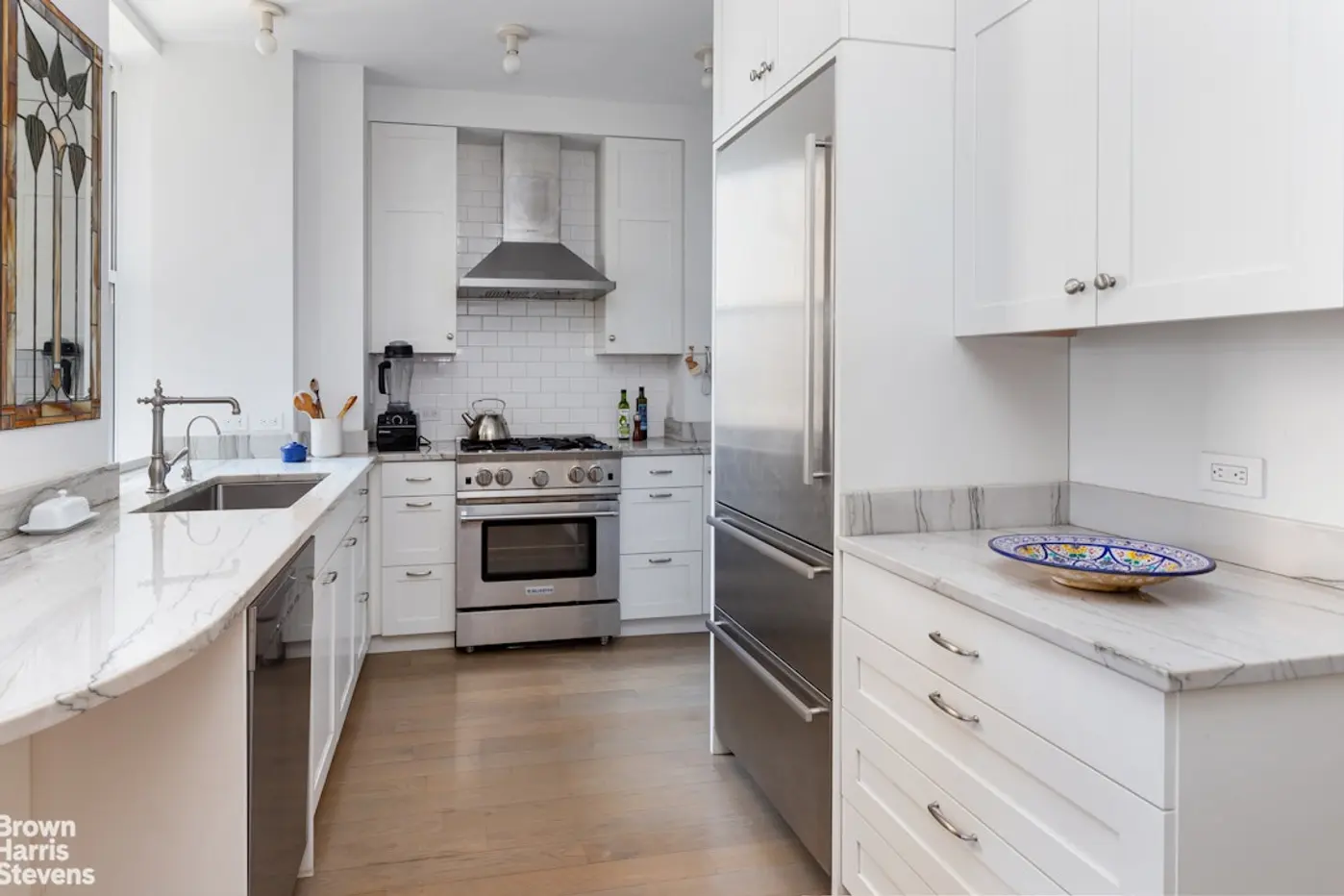
895 West End Avenue, #10C
$1,795,000 (-5.3%)
Riverside Dr./West End Ave. | Cooperative | 3 Bedrooms, 1.5 Baths
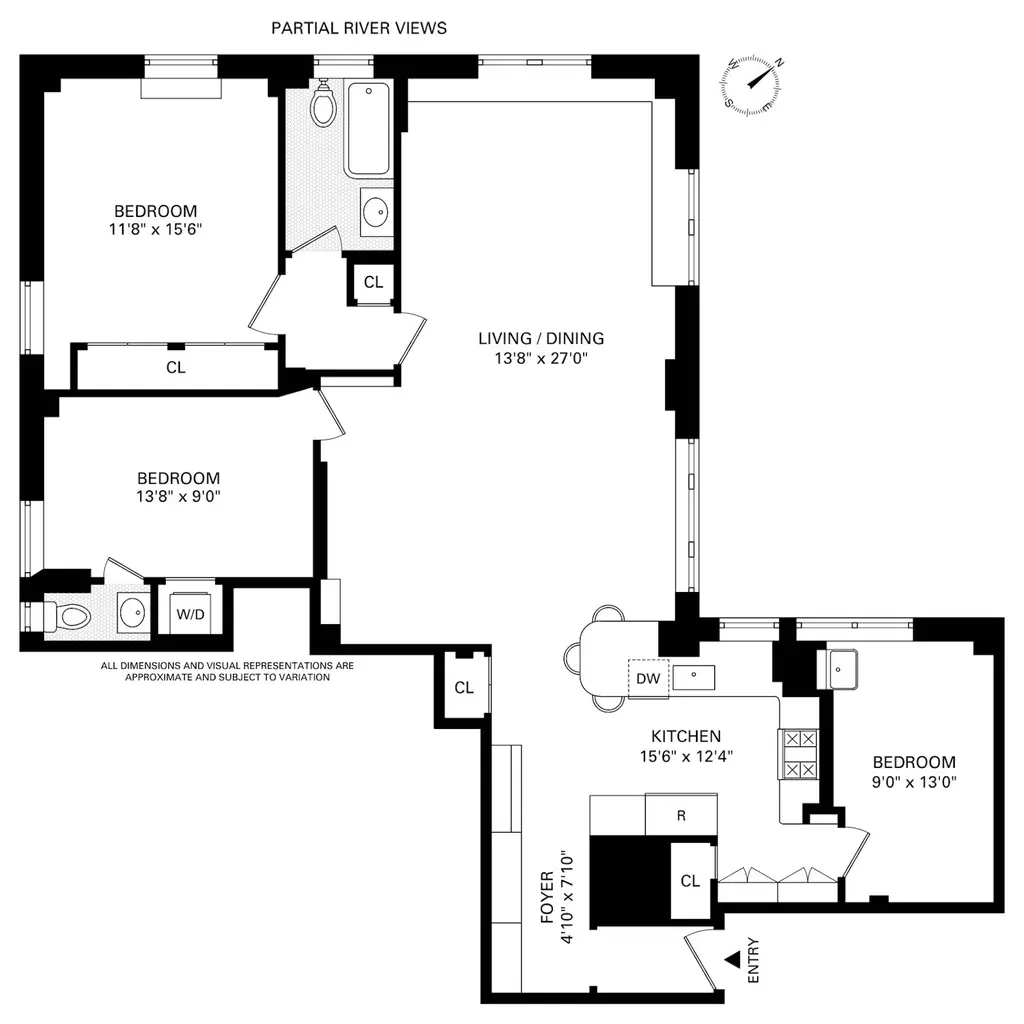
895 West End Avenue, #10C (Brown Harris Stevens Residential Sales LLC)


444 Central Park West, #18/19G (Douglas Elliman Real Estate -)
44 West 90th Street, #TH
$7,825,000 (-12.6%)
Central Park West | Townhouse | 3 Bedrooms, 2.5 Baths | 6,790 ft2
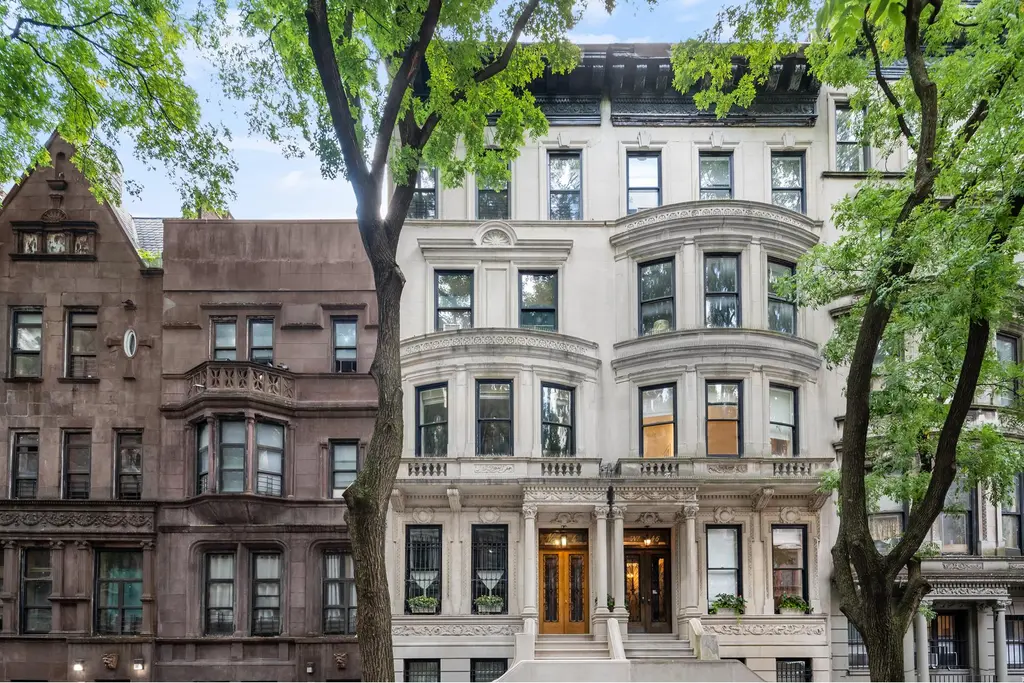
44 West 90th Street, # (Douglas Elliman Real Estate -)



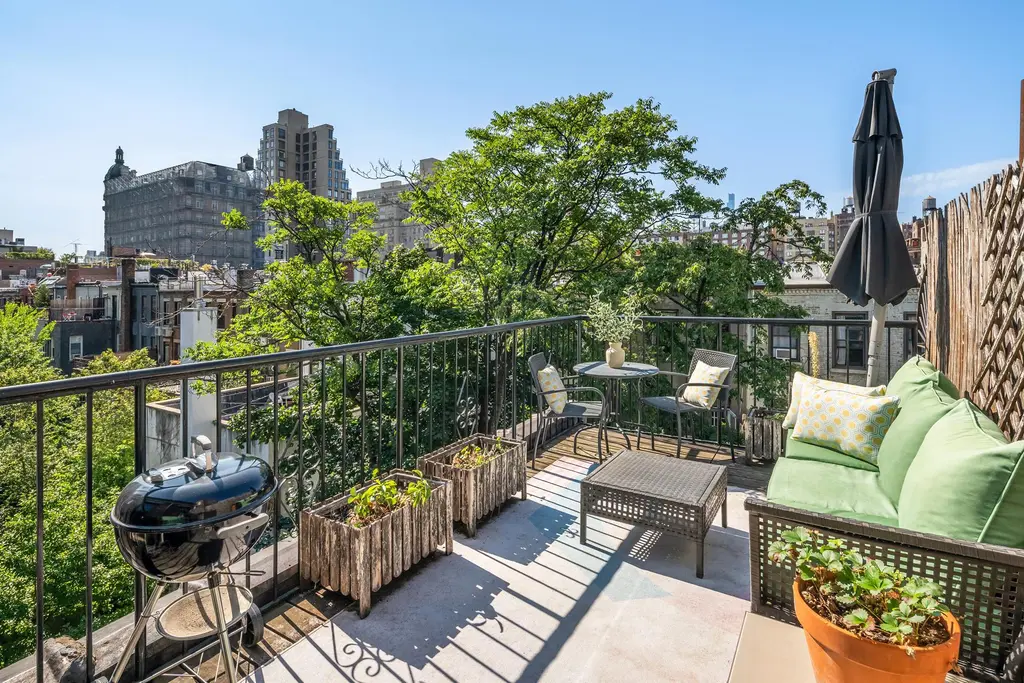
Trump Parc, #21ABCDE
$15,425,000 (-5.8%)
Midtown West | Condominium | 4 Bedrooms, 4.5 Baths | 5,450 ft2

Trump Parc, #21ABCDE (Douglas Elliman Real Estate -)



Related Articles

Future New York
Price Cuts: NoMad “Mansion” with 50' outdoor pool drops $1M + Discounted homes with picture-perfect NYC views for World Photography Day
Wednesday, August 19, 2026
Get To Know
Triple-mint NYC apartments with ensuite five-fixture baths; Sorin launches sales near Hudson Yards
Tuesday, August 11, 2026
Future New York
For the Love of Loggias: Rare New York City listings with private outdoor rooms
Tuesday, August 4, 2026
Future New York
Price Cuts: Andy Warhol’s former townhouse reduced $500K; Sherry-Netherland two-bed slashed 70%
Wednesday, July 29, 2026
Future New York
Views, Light, and Value: A Q&A with Kayla Lee on what today’s NYC buyers really want
Friday, July 24, 2026
Future New York
Price Cuts: Four-bed at The Dakota slashed by $3.8M; Majestic 30-foot-wide Brooklyn Heights house trimmed by $500K
Wednesday, July 22, 2026
Get To Know
Steals & Deals from $345K: Listings with "Motivated Sellers" or "Priced to Sell"
Friday, July 17, 2026
Future New York
As Etage gears up for sales launch, see loft condos for sale in NYC
Today, September 10, 2026
Contributing Writer
Cait Etherington
Cait Etherington has over twenty years of experience working as a journalist and communications consultant. Her articles and reviews have been published in newspapers and magazines across the United States and internationally. An experienced financial writer, Cait is committed to exposing the human side of stories about contemporary business, banking and workplace relations. She also enjoys writing about trends, lifestyles and real estate in New York City where she lives with her family in a cozy apartment on the twentieth floor of a Manhattan high rise.

 6sqft delivers the latest on real estate, architecture, and design, straight from New York City.
