
In this article:

















 Preapproved ADU designs (NYC Department of Housing Preservation and Development)
What is a tiny apartment?
There is no legal definition of a tiny apartment in New York City. However, legally, all newly constructed apartments must be at least 400 square feet. As a result, tiny or micro apartments are generally defined as units that are less than 400 square feet. Notably, because many New York City apartments under 400 square feet received a Certificate of Occupancy long before the current regulations went into effect, there are still plenty of legal tiny apartments across the city.
What is the difference between an SRO and a tiny apartment?
Single-room occupancy units (SROs) consist of a private room (of any size) with access to shared bathroom and kitchen facilities. In the past, most rooming or boarding houses were comprised of SROs. While some legal SROs still exist in New York City, legislation introduced in the 1950s restricted the construction of new SROs, and over the past 70 years, this form of housing has gone into decline, though this could soon change. There is currently a push to reintroduce SROs to tackle the city’s growing housing shortage.
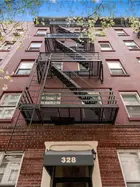
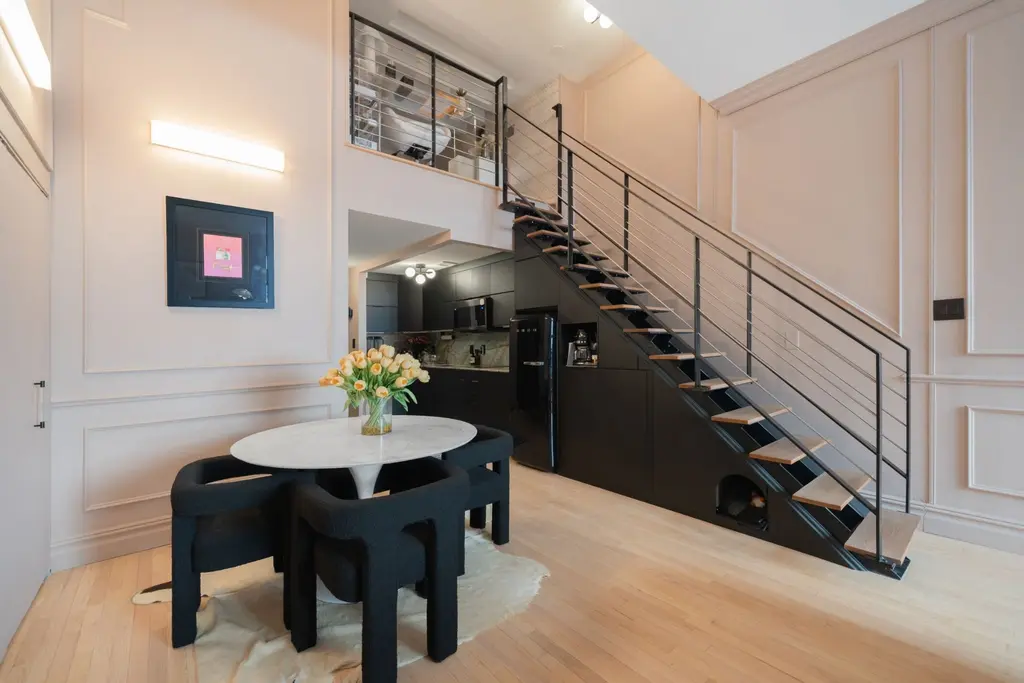
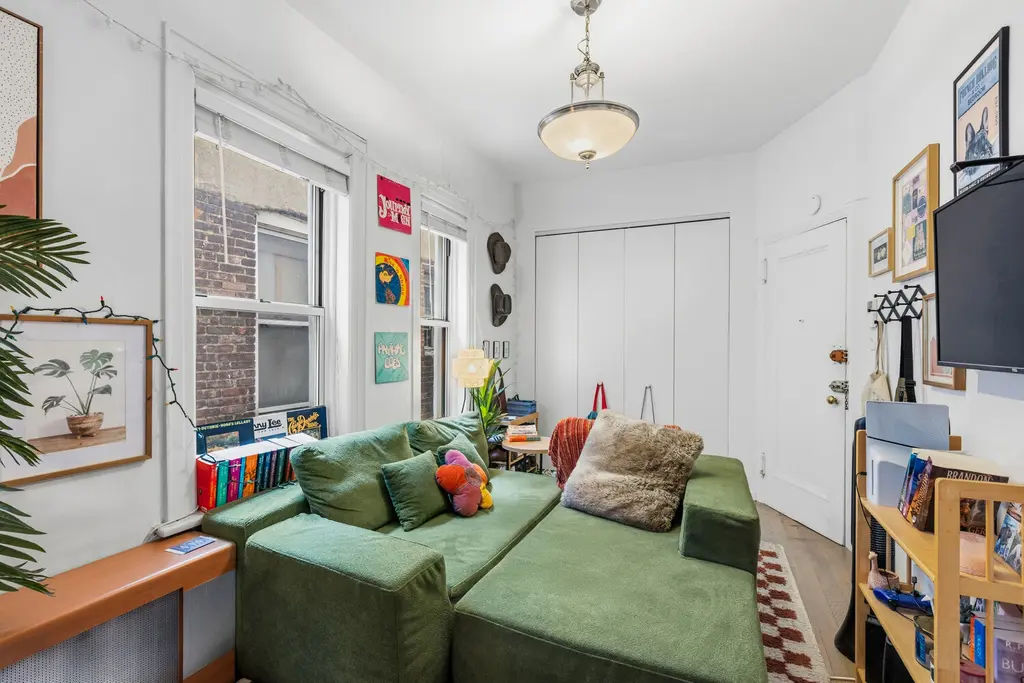
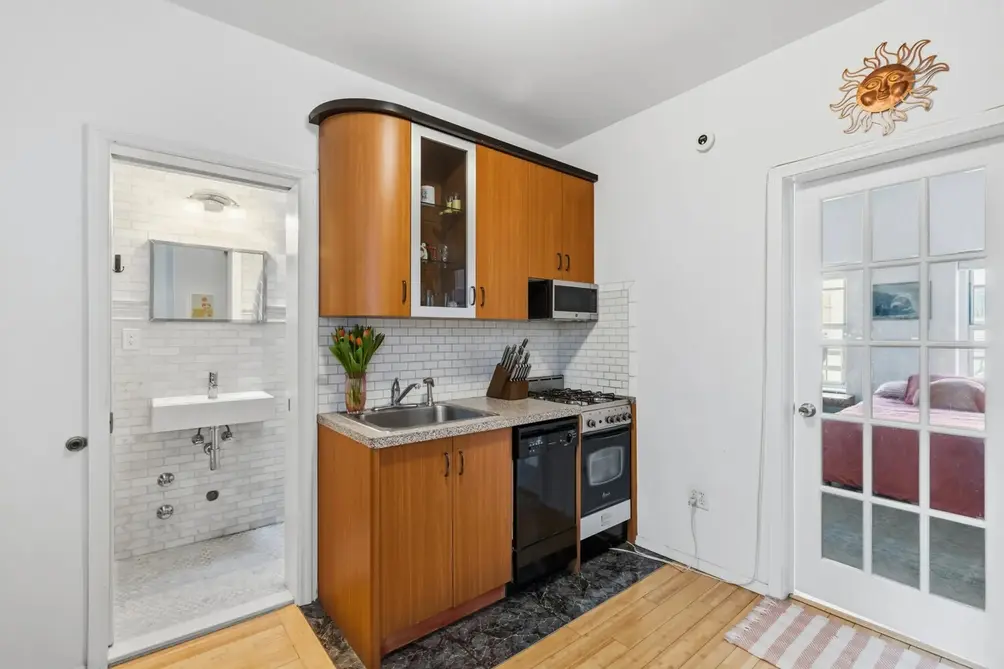 328 East 73rd Street, #5B, a 500-square-foot apartment (Decode Real Estate) | https://www.cityrealty.com/nyc/lenox-hill/328-east-73rd-street/832/5B/DqhfUAFgiyAKT
Upsides to buying or renting a tiny apartment
Renting or buying a tiny apartment in New York City is generally attractive for one of two reasons: location, cost, or both. For example, Residence #1A at 86 Horatio Street in the West Village is only asking $500K. What the studio lacks in square footage, it makes up for with a great location and low monthly costs ($1,086/month in maintenance, which includes property taxes).
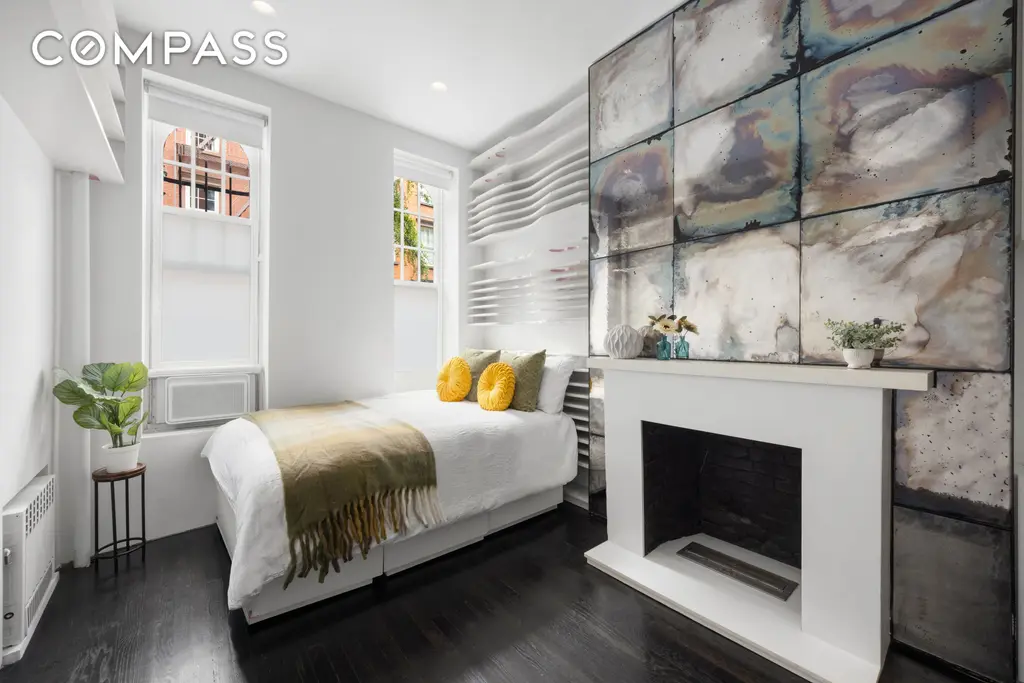
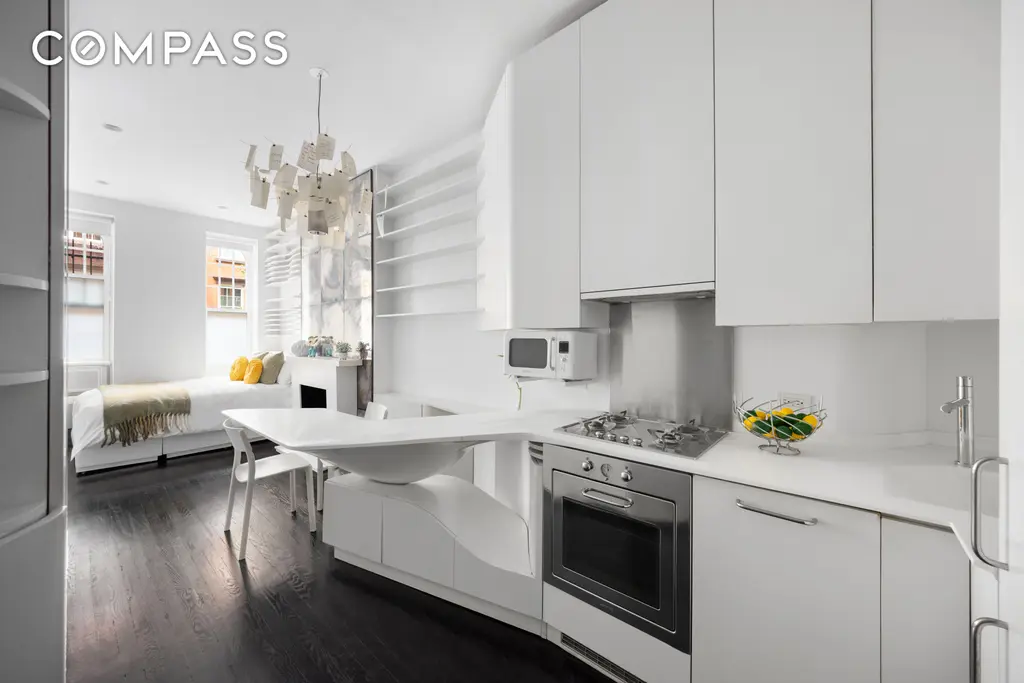
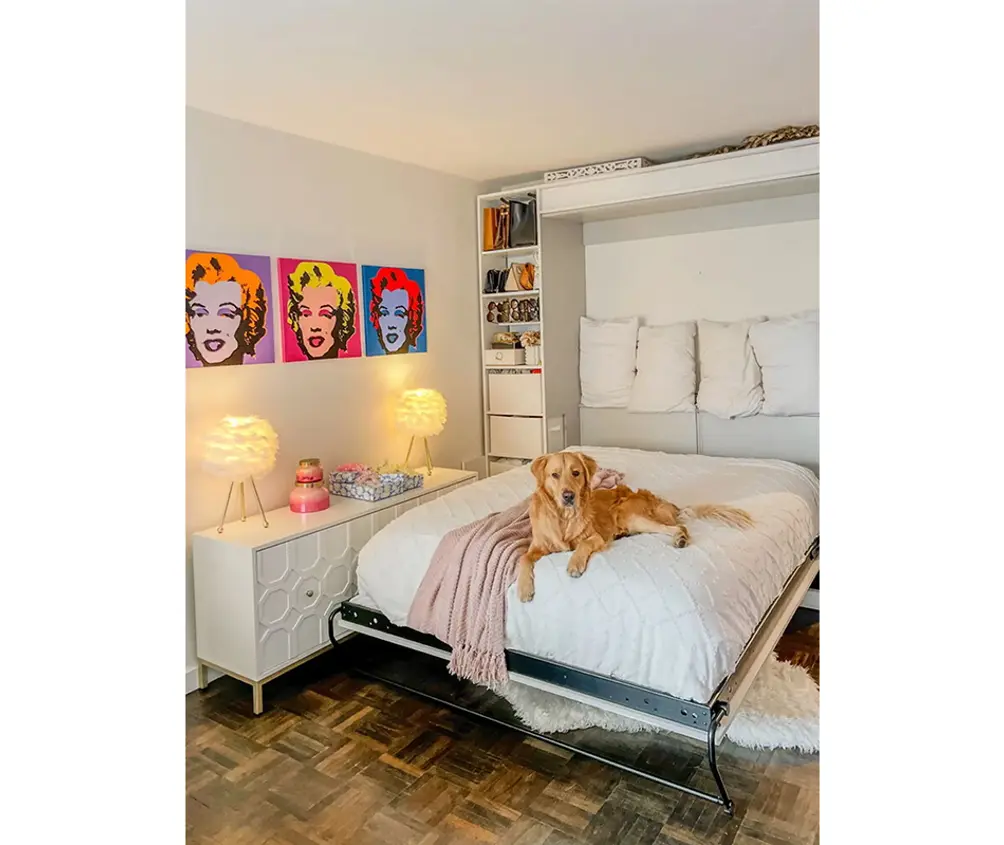 Will a tiny apartment have enough room for you and your furry friend? (The Van Gogh, #9A - Platinum Properties)
Considerations before renting or buying a tiny apartment
Whether you are looking to rent or buy, it is important to proceed with caution when it comes to tiny or micro units to ensure the unit is both legal and able to meet your housing needs.
While older units under 400 square feet are often legal in New York City, if you’re thinking of renting or buying a tiny apartment, always check to ensure the unit has a valid Certificate of Occupancy. Notably, if every room, excluding the bathroom, isn’t at least 80 square feet, or the main room lacks proper ventilation (e.g., a legal window opening to the street, yard, or courtyard), it may not hold a valid CO.
If you’re a homebody, someone who works remotely, or someone who loves to cook at home or host guests, a tiny apartment is unlikely to meet your needs. If you’re generally out and do little more than shower and sleep at home, a tiny apartment may be all you need.
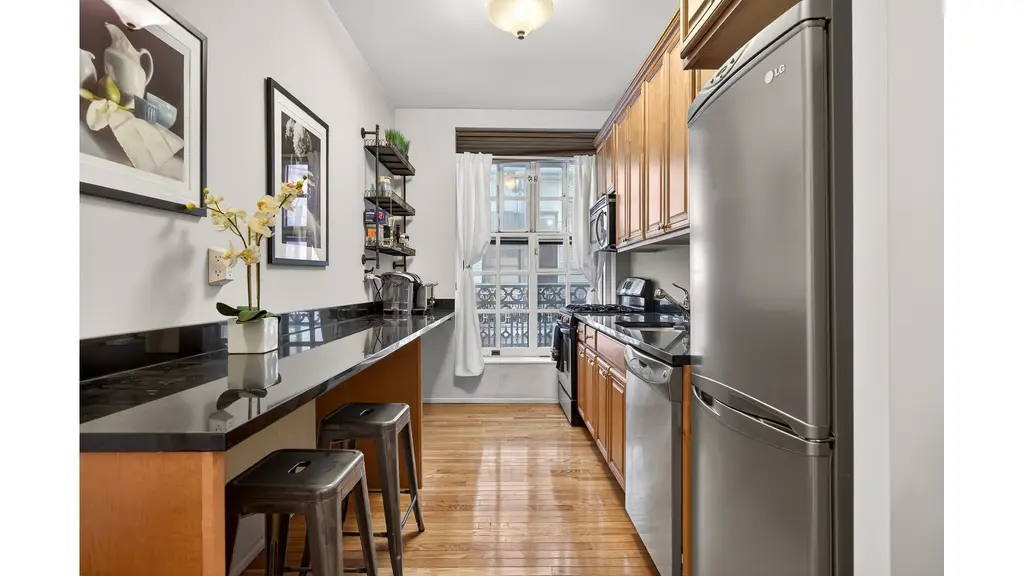
Tiny apartments rarely come with a full set of full-size appliances. If you’re the type of New Yorker who stores your shoes in the oven or usually only has a few bottles of water and a container of leftovers in the refrigerator, this may be fine. But if you’ve always dreamt of a “chef’s kitchen,” the limited access to appliances may be reason enough to pause plans to rent or buy a tiny apartment.
Even if you can make the most of vertical space, storage will be limited in any tiny apartment. For anyone with a large wardrobe, excessive books, or bulky furniture, most tiny apartments are going to pose insurmountable challenges.
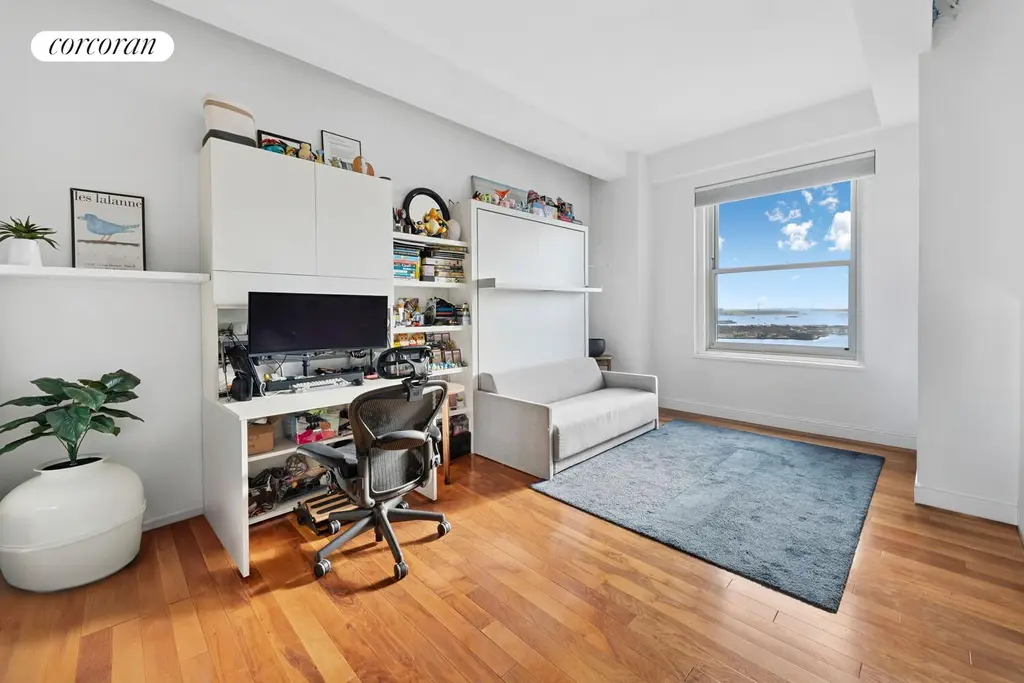
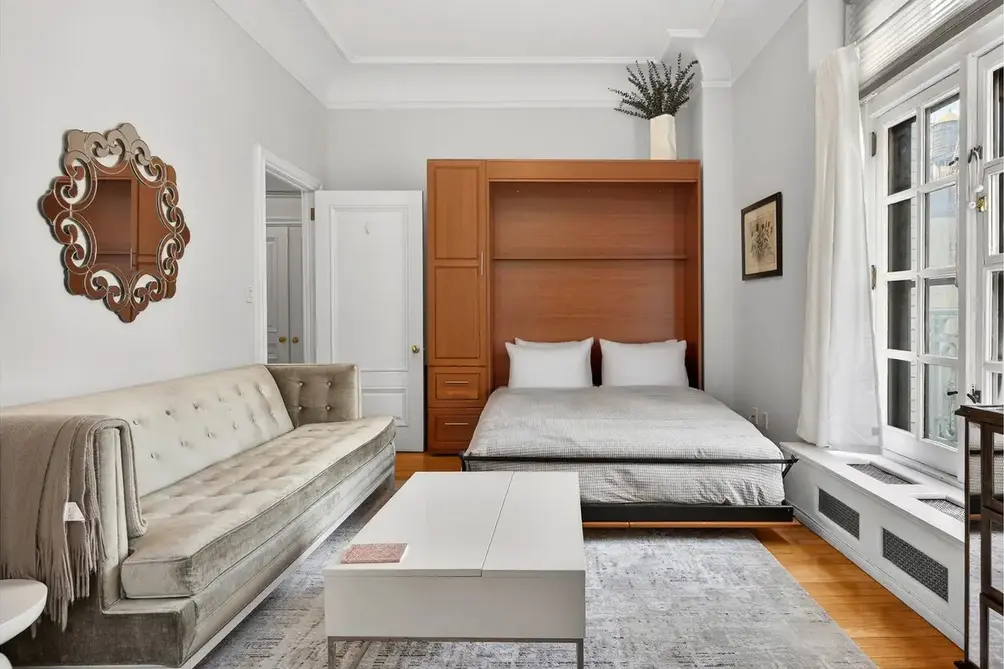 Murphy bed can be folded away when not in use to save space. (The Ansonia, #6/135 - Douglas Elliman)
Tiny apartments tend to work best for single-person housing situations. While New York City has flexible rules about who can live in a unit, so long as the occupants are related, sharing a tiny apartment with a spouse, child, or even a large pet is rarely ideal.
Some small units feel spacious, but this is usually because the owner has invested in custom-designed, space-saving furniture (e.g., a Murphy bed with a built-in sofa or desk for daytime use) and vertical built-ins for storage. While built-ins can be a great investment for buyers, for renters, the cost of transforming a small space into a functional and attractive space may not prove viable nor represent a good long-term investment.
Before you rent or buy a tiny unit, assess the cost of making the space functional. When possible, contract with a designer who specializes in small spaces prior to making your decision.
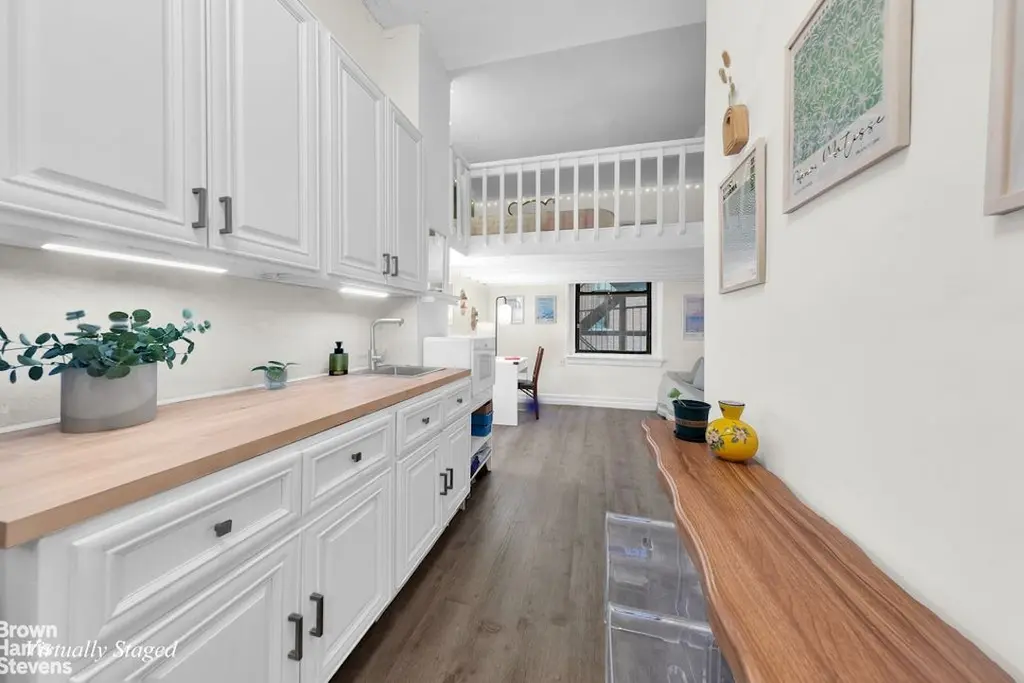
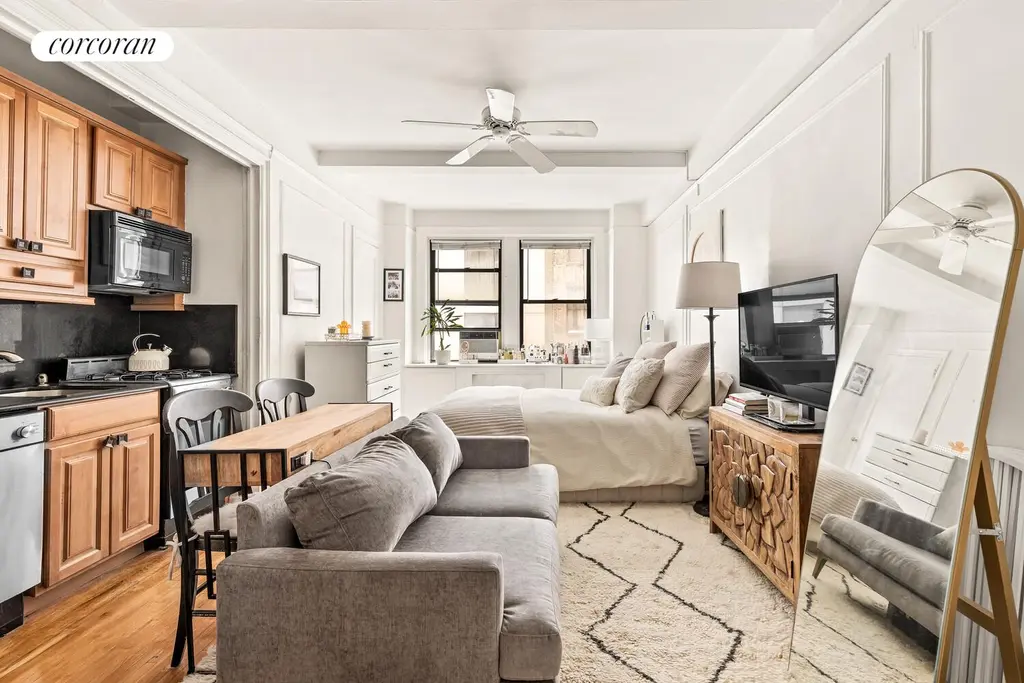
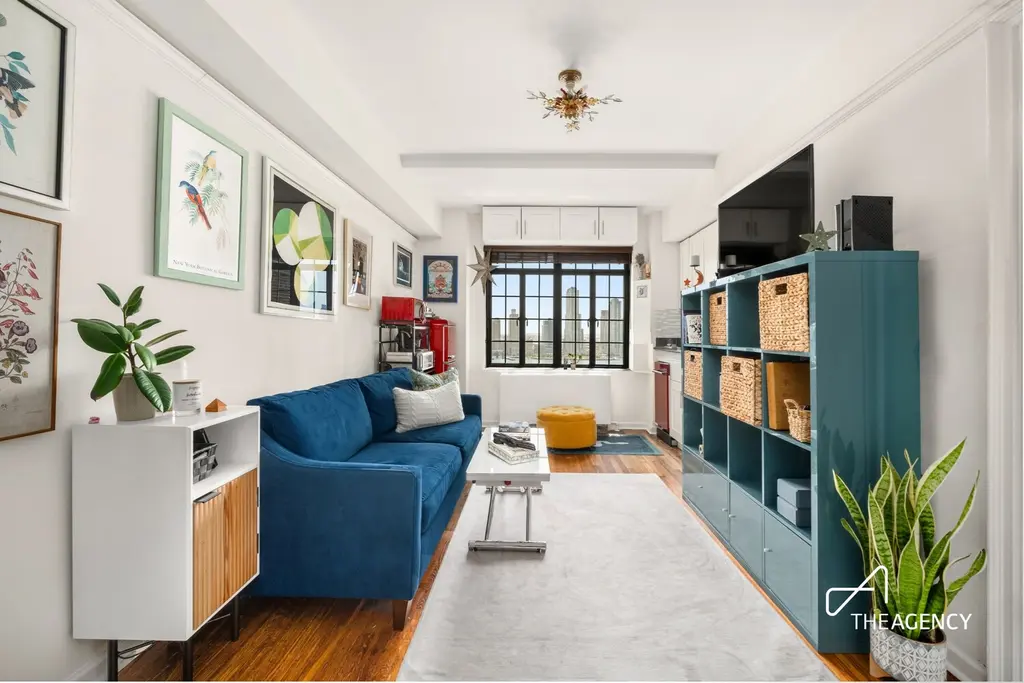
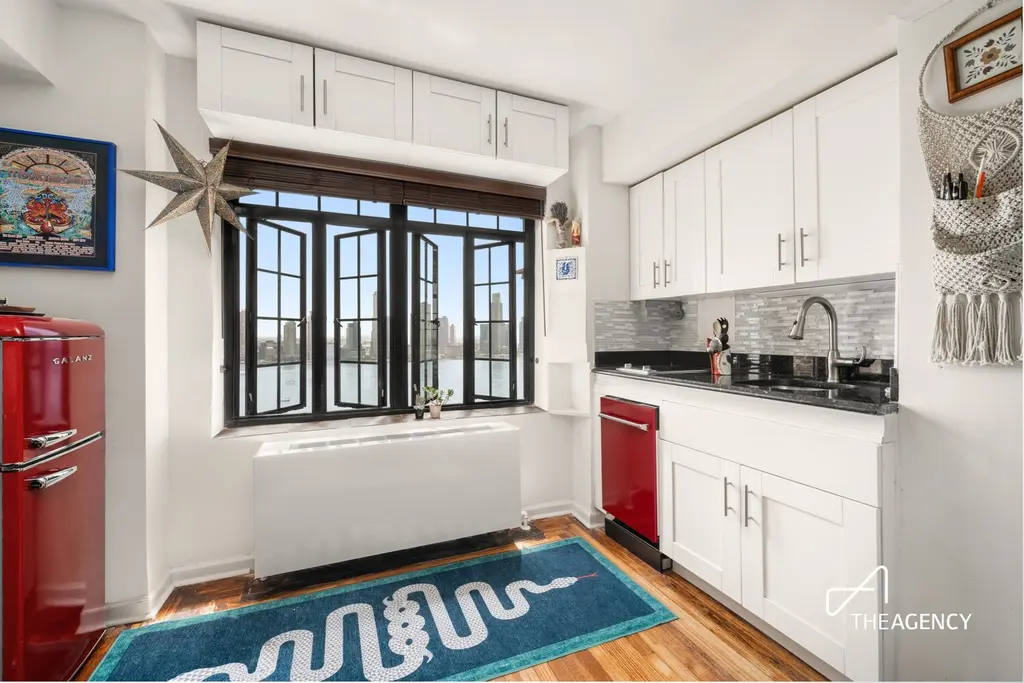
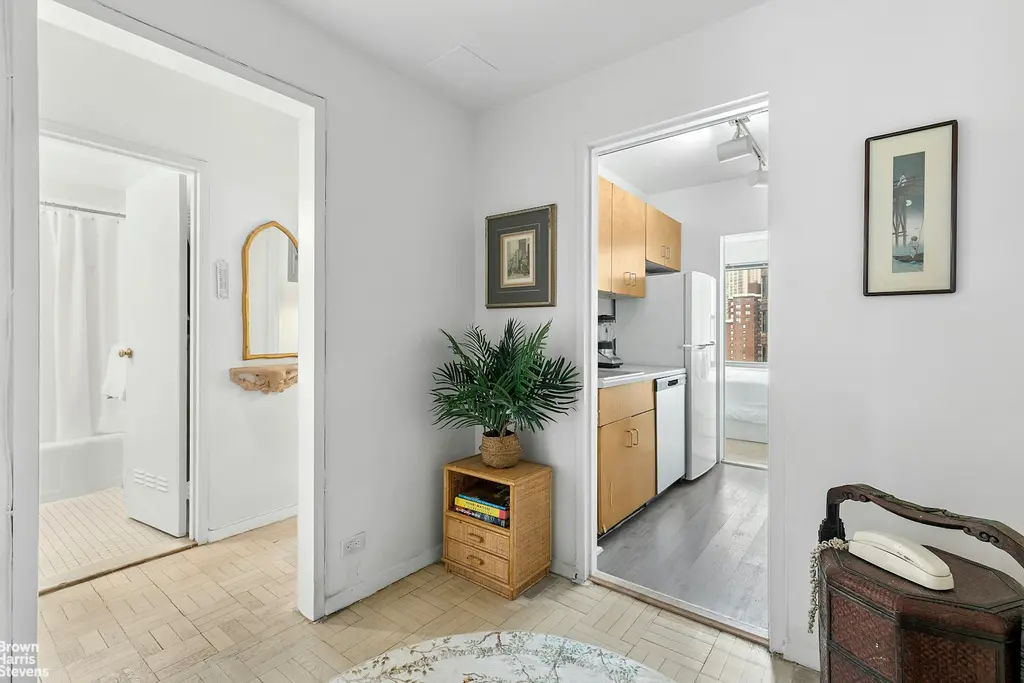
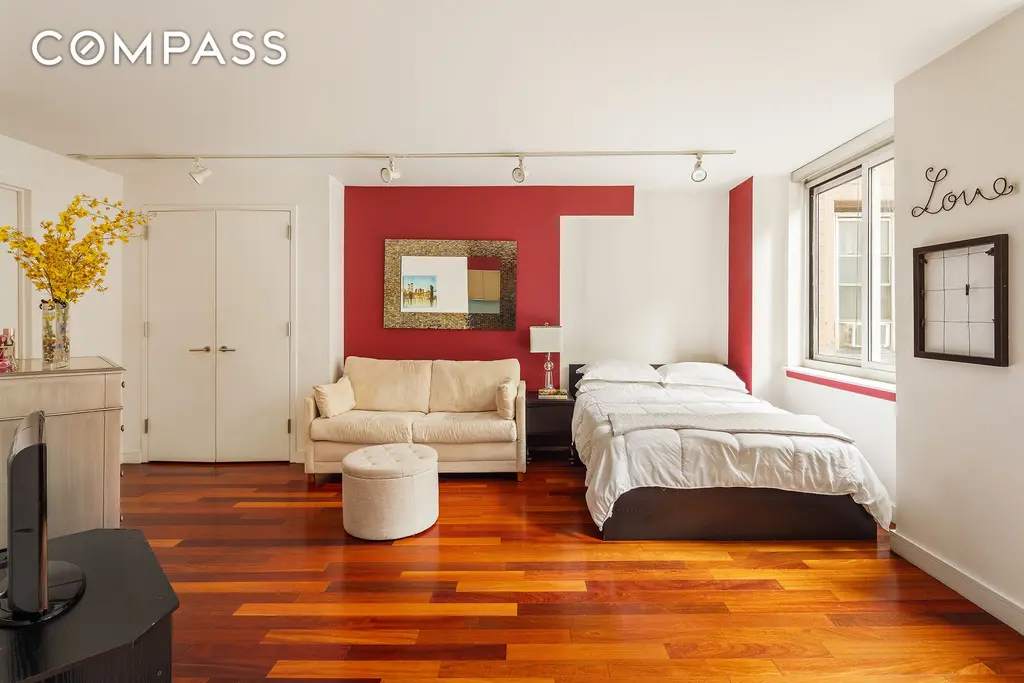
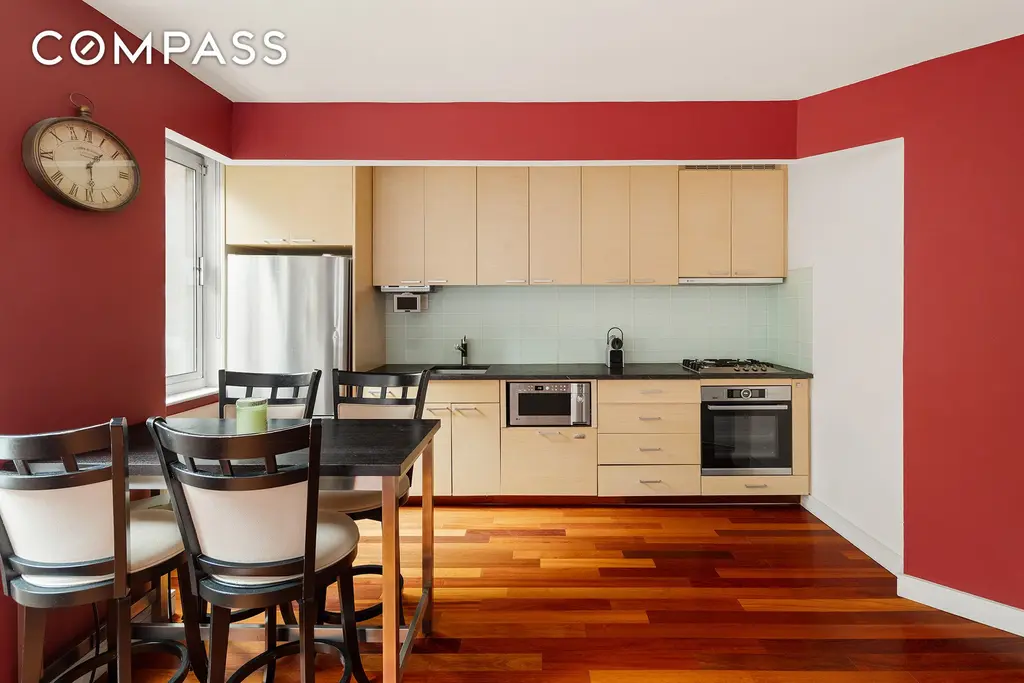
Select Tiny Apartments for Sale and Rent
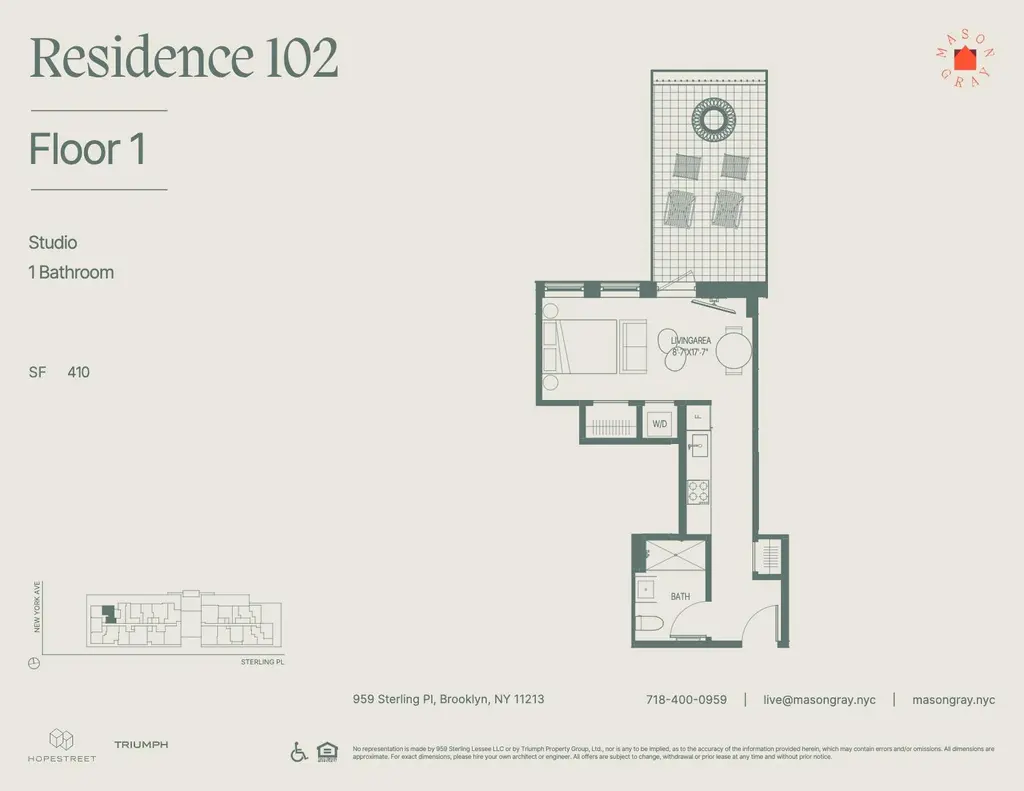
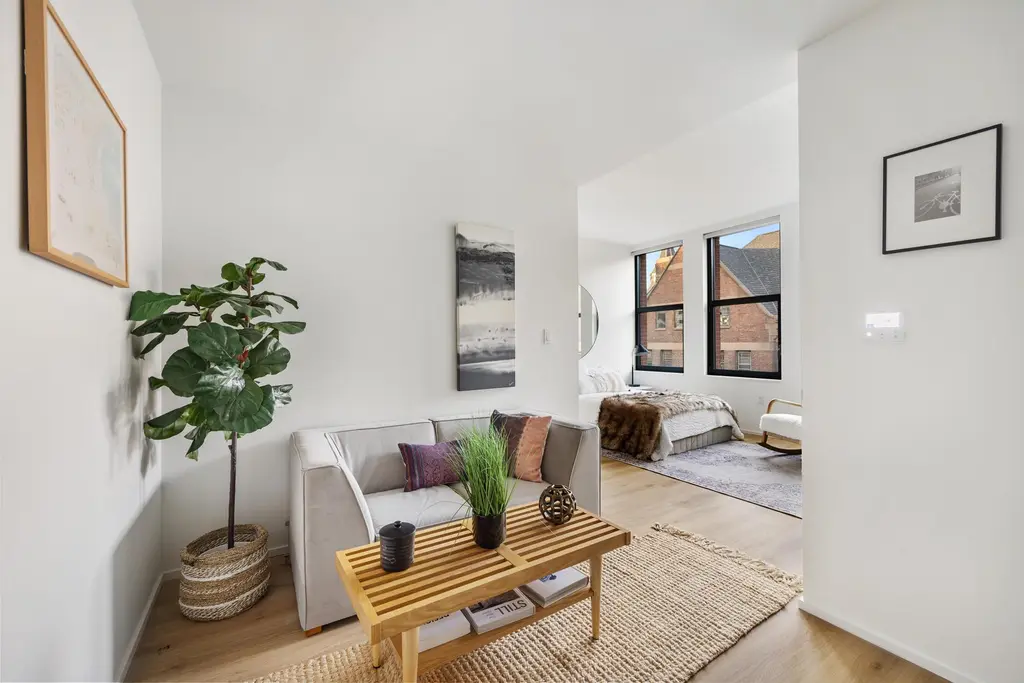
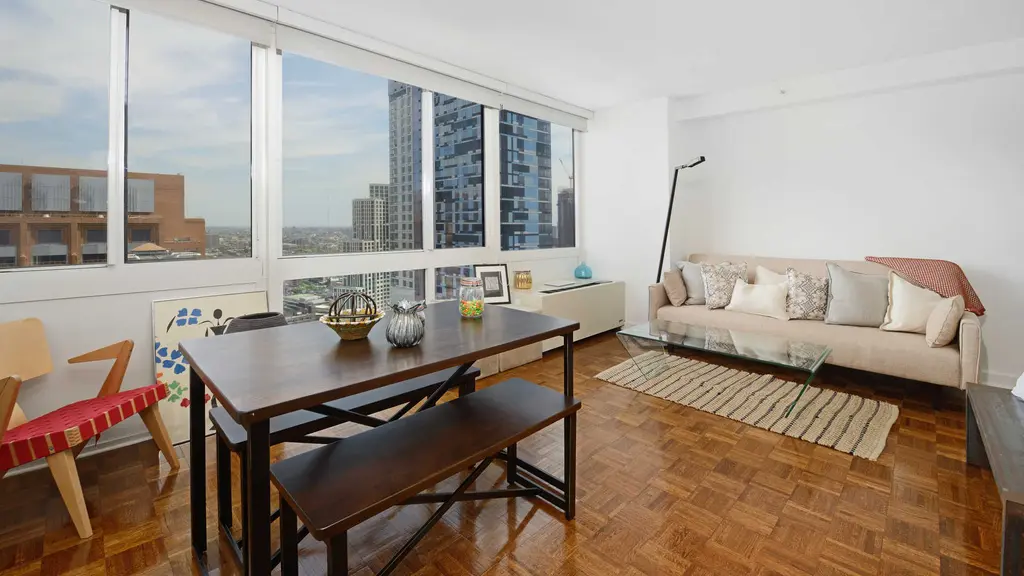

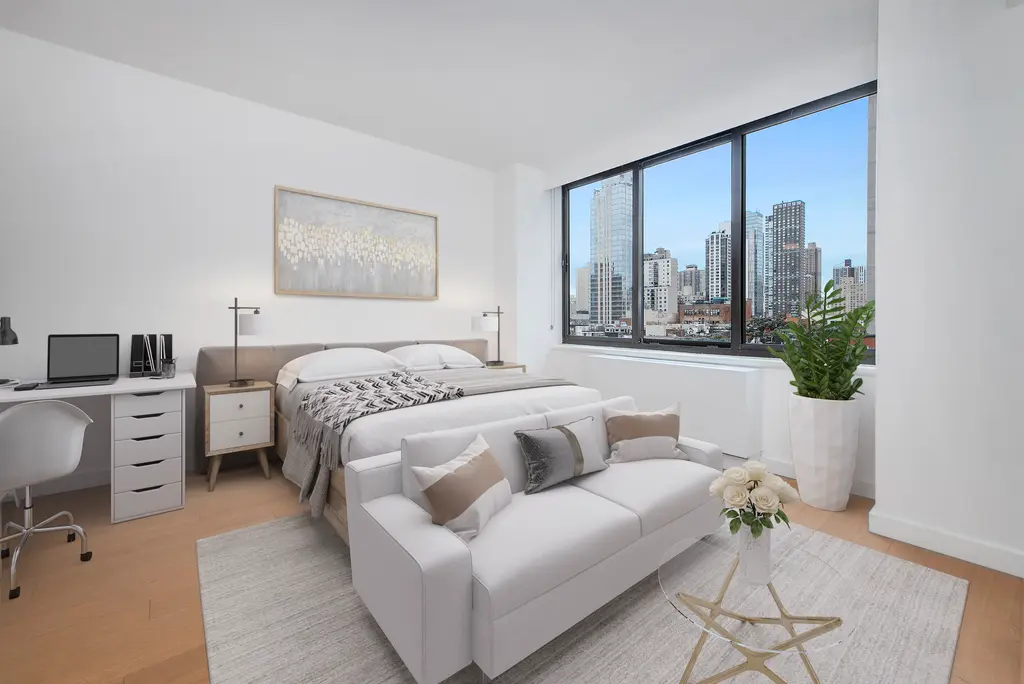
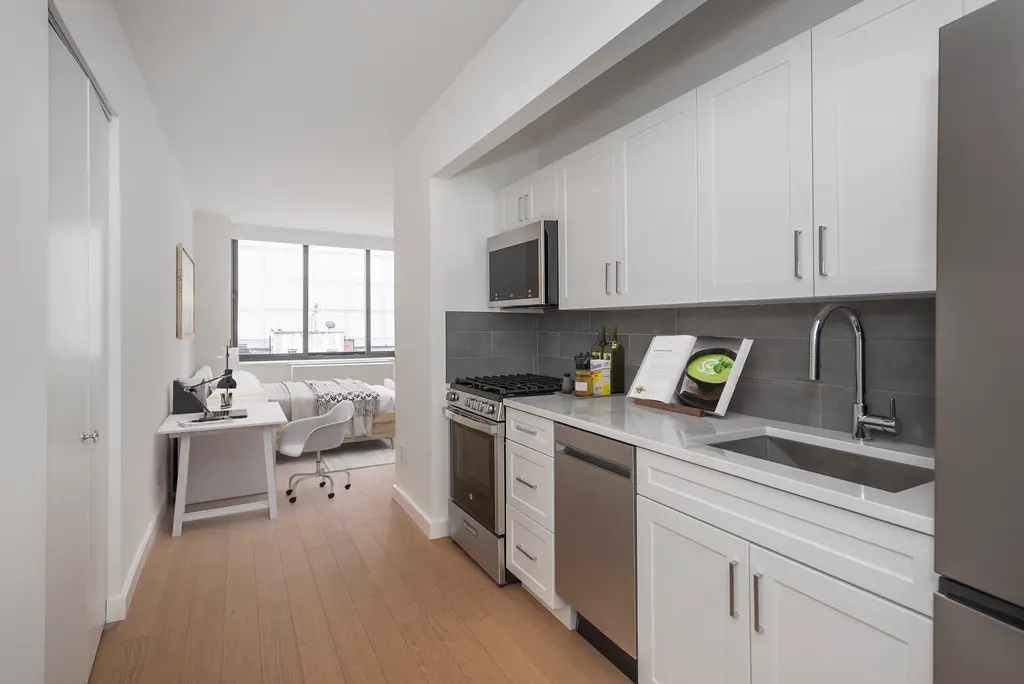
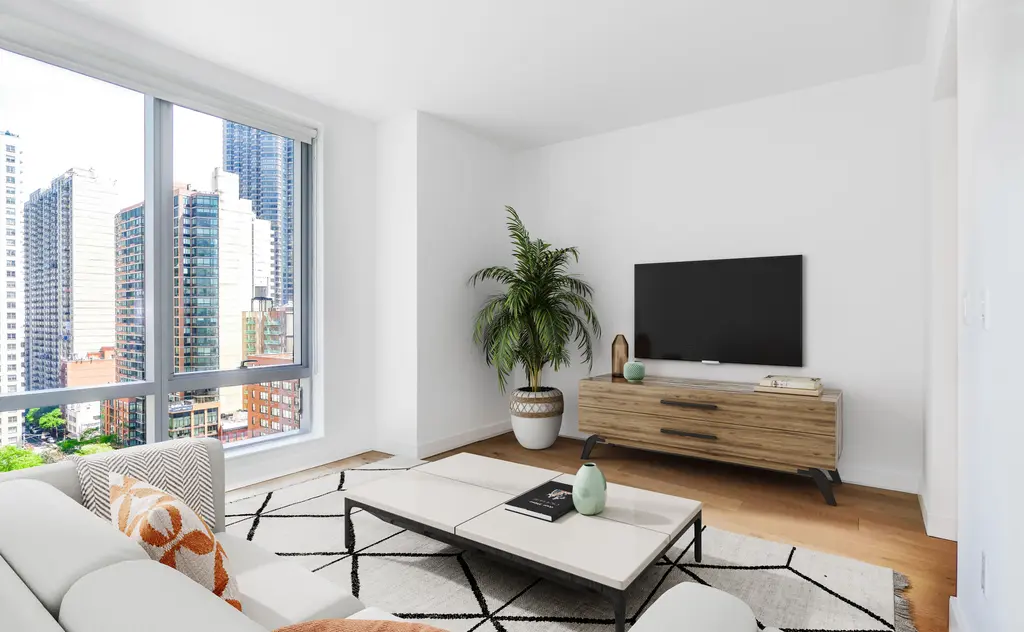
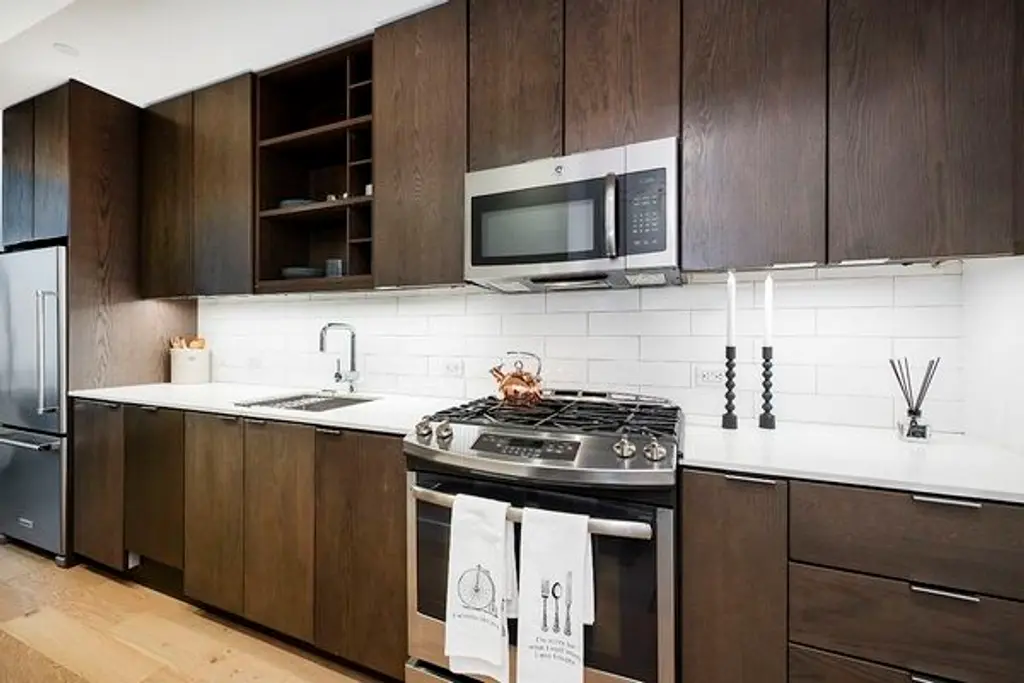
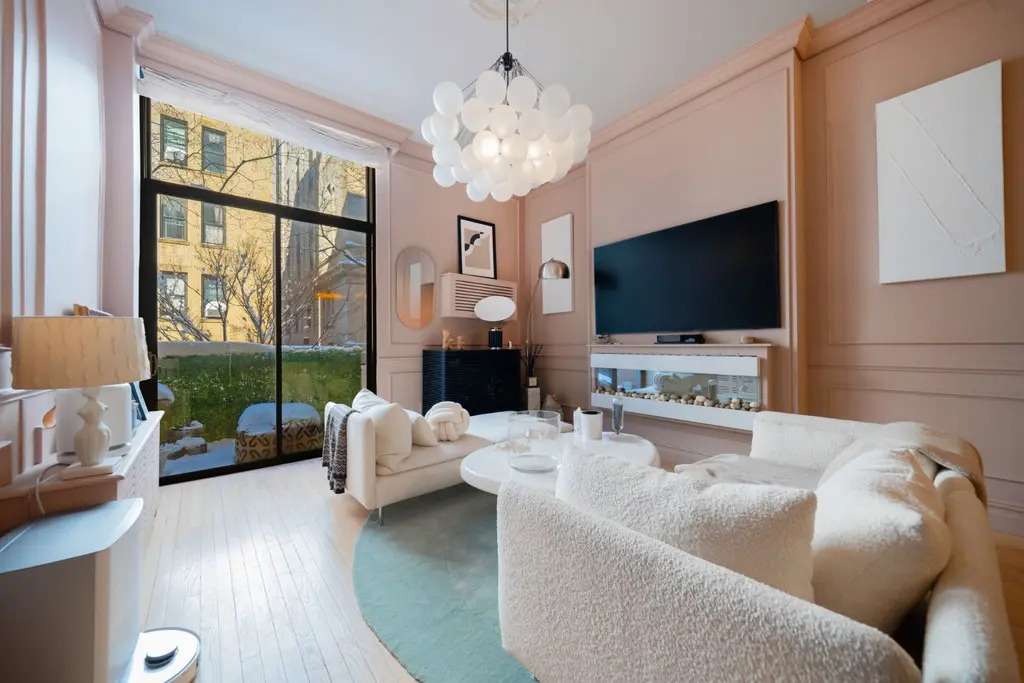
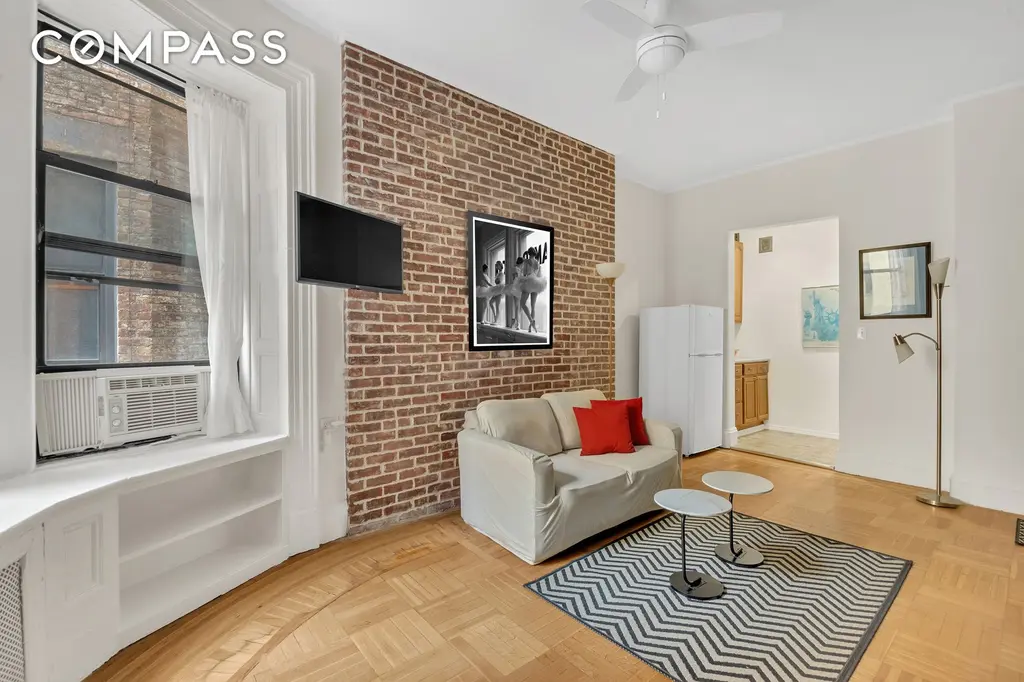
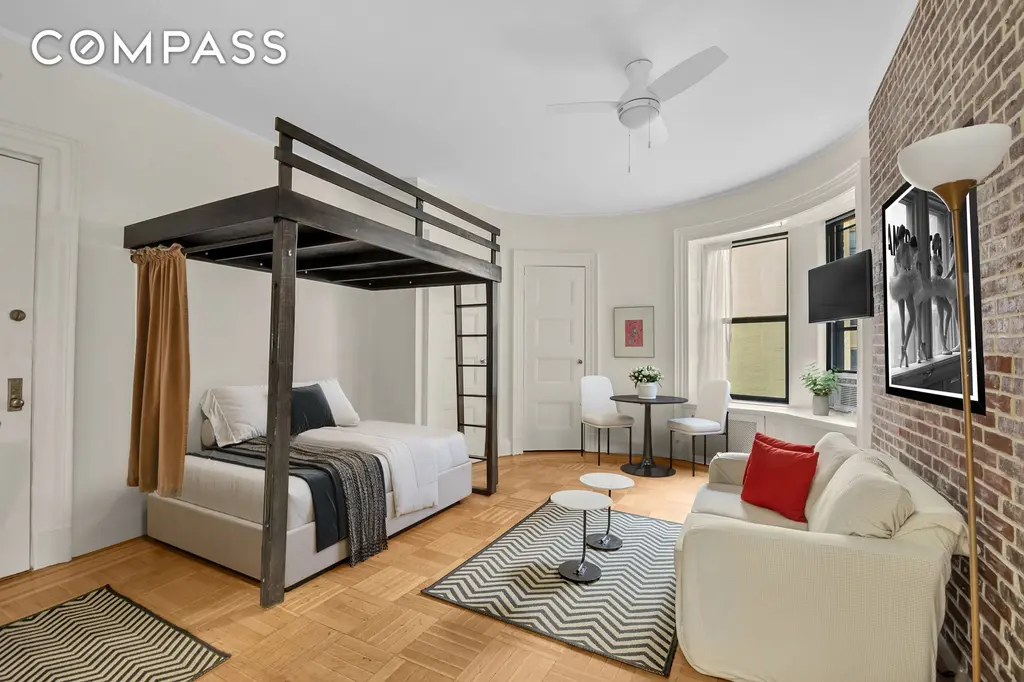
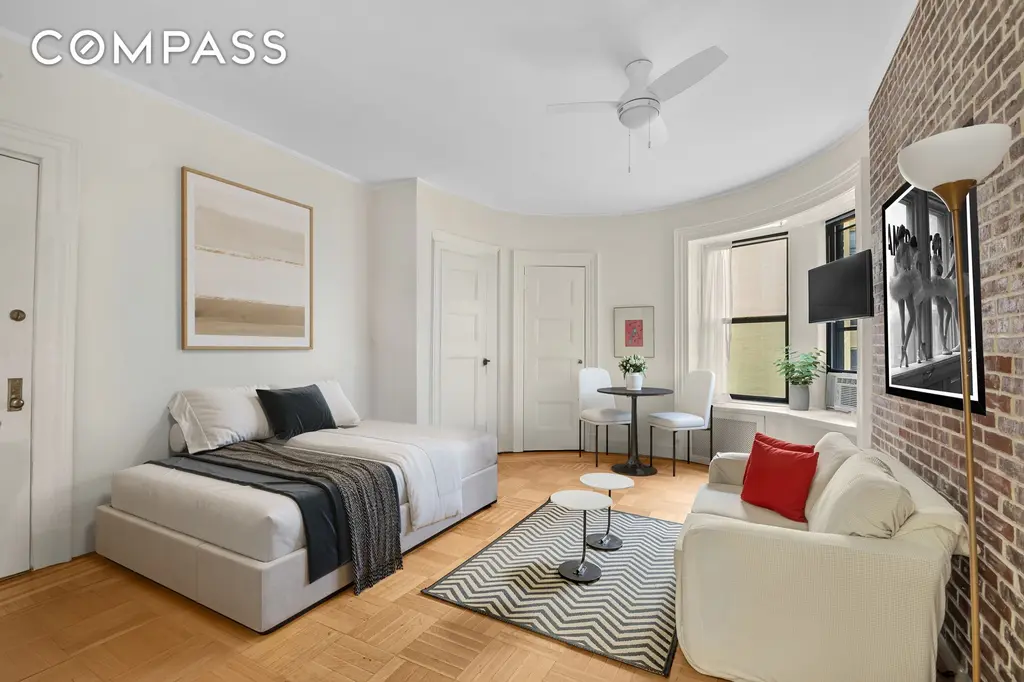
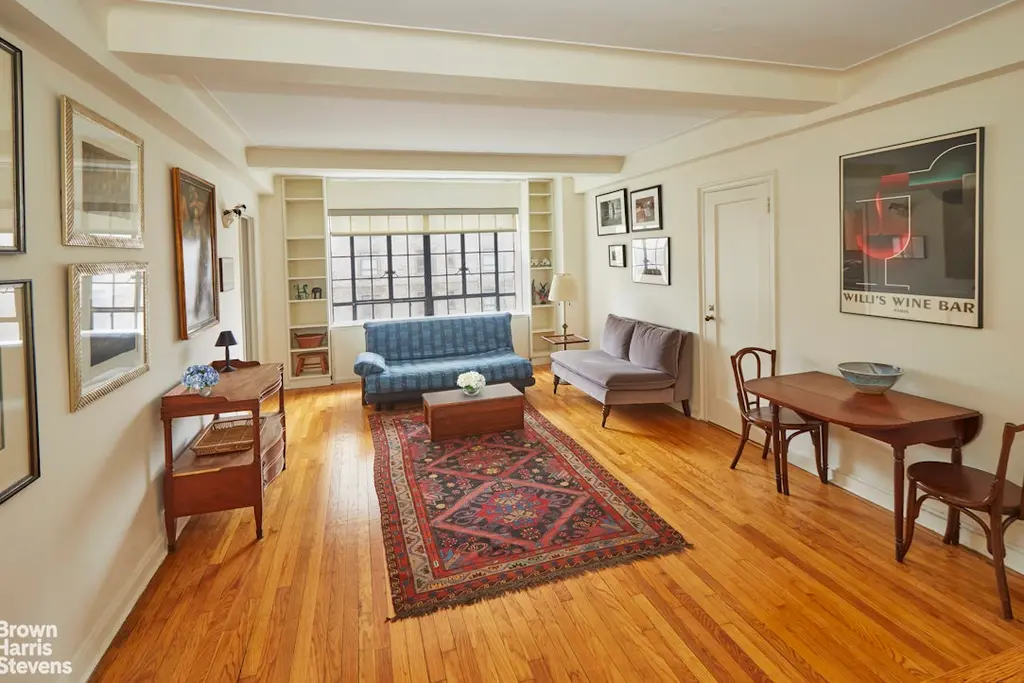
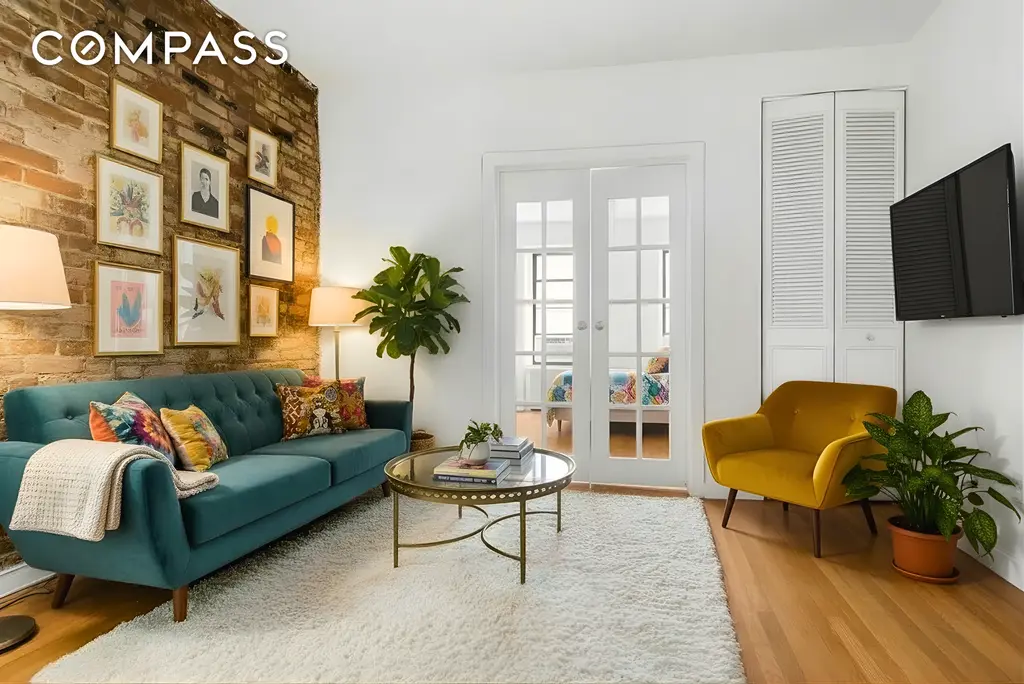
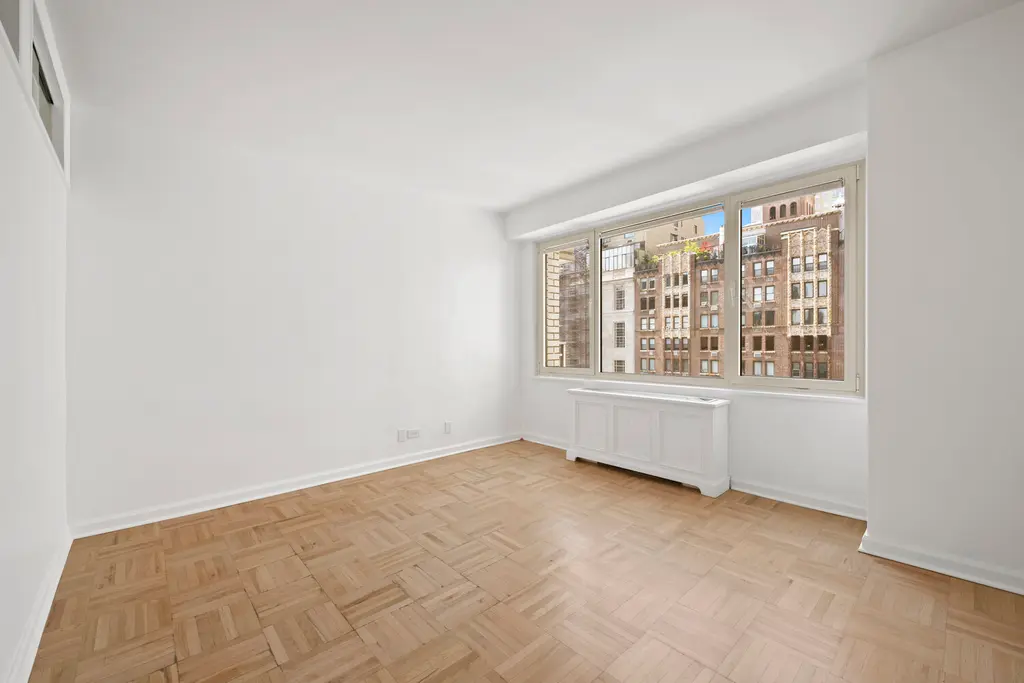
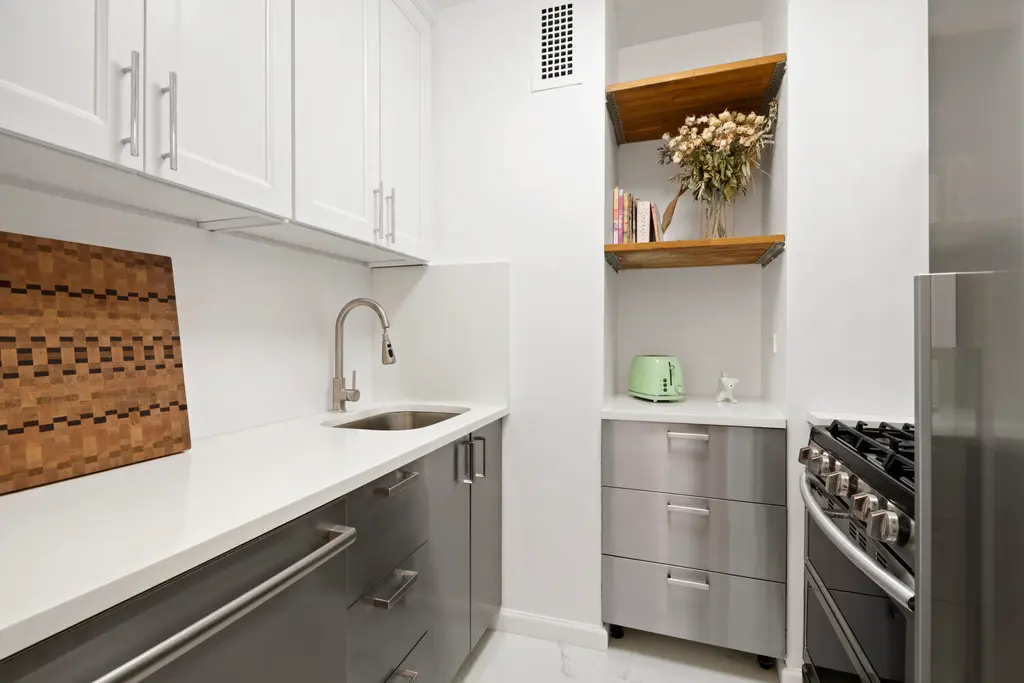
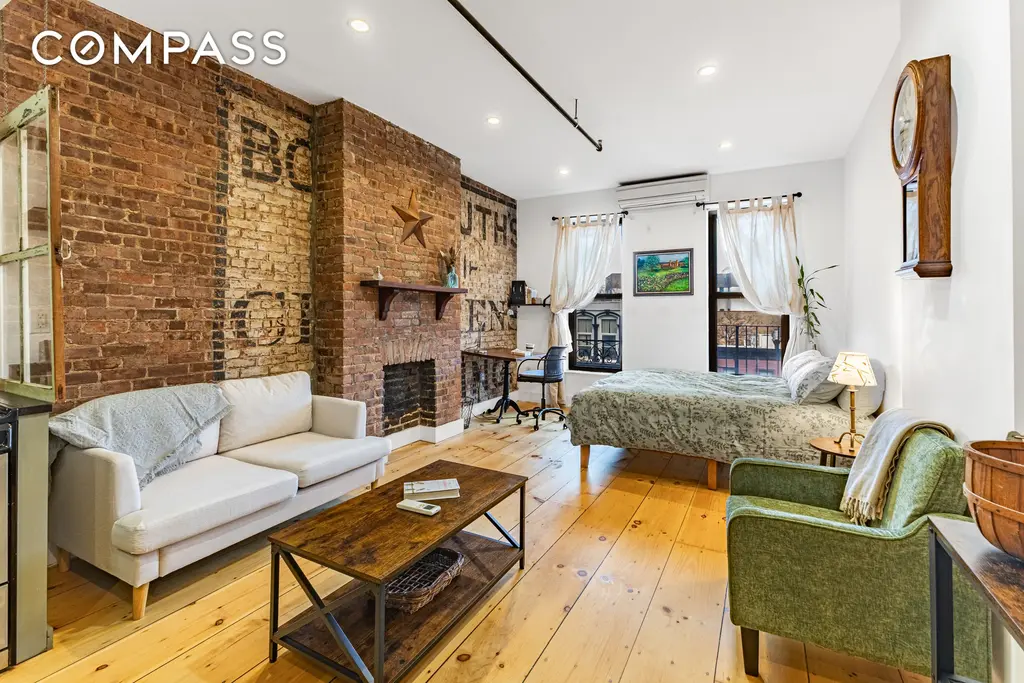
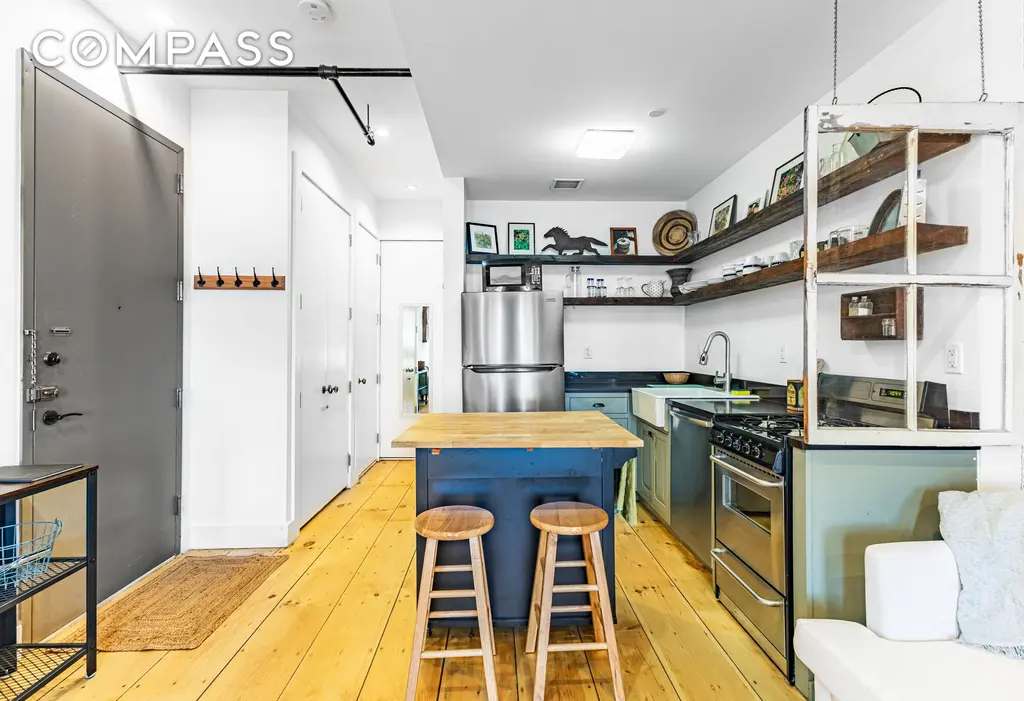
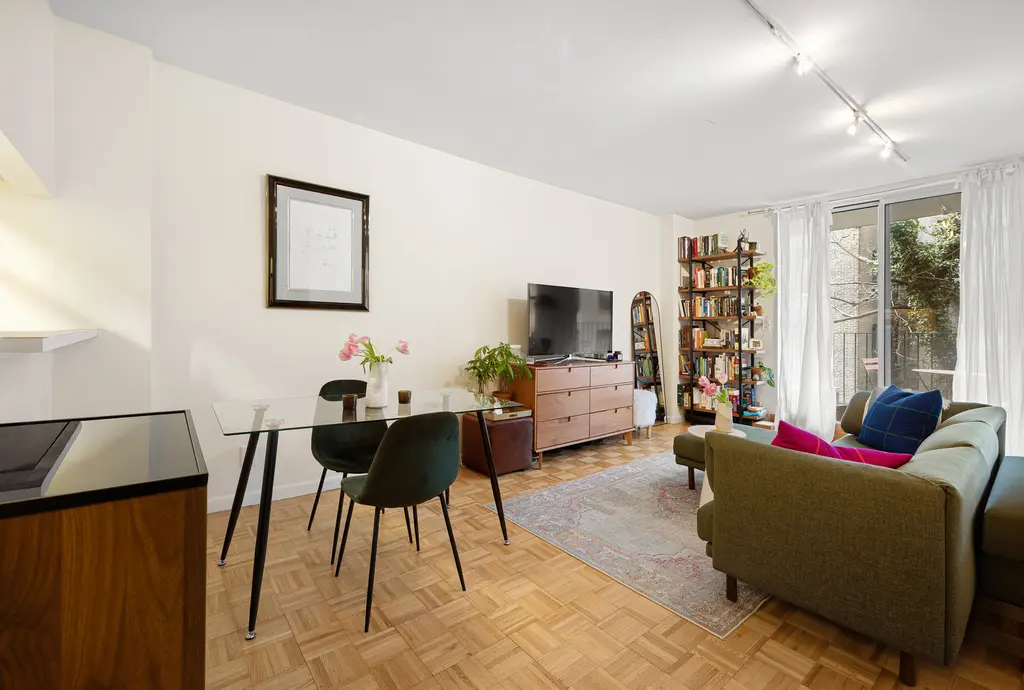
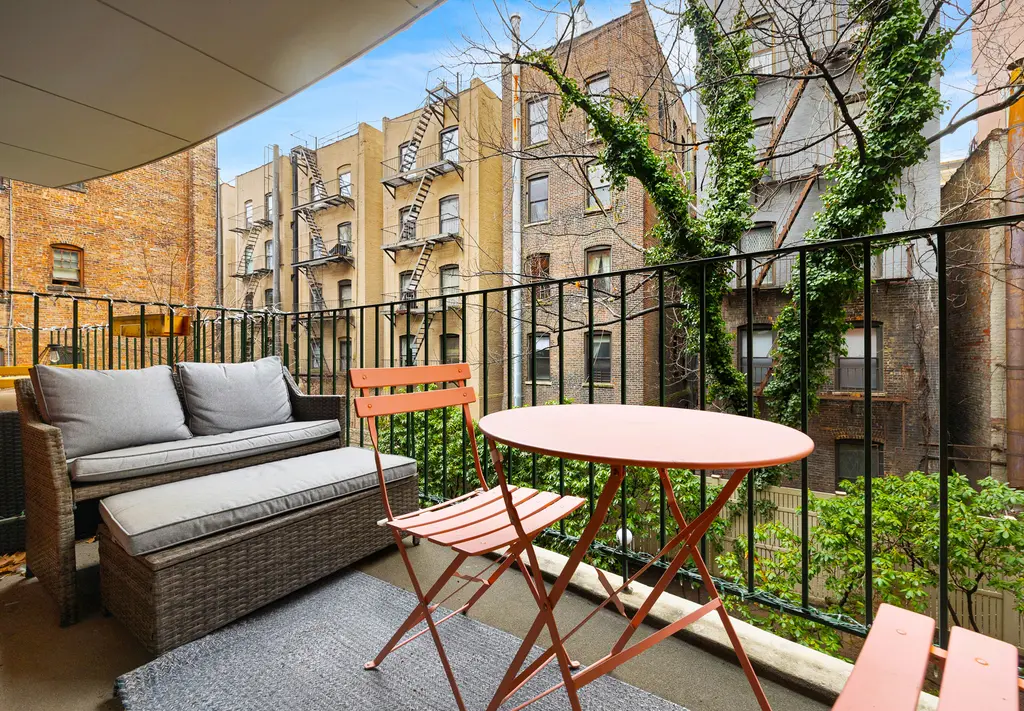
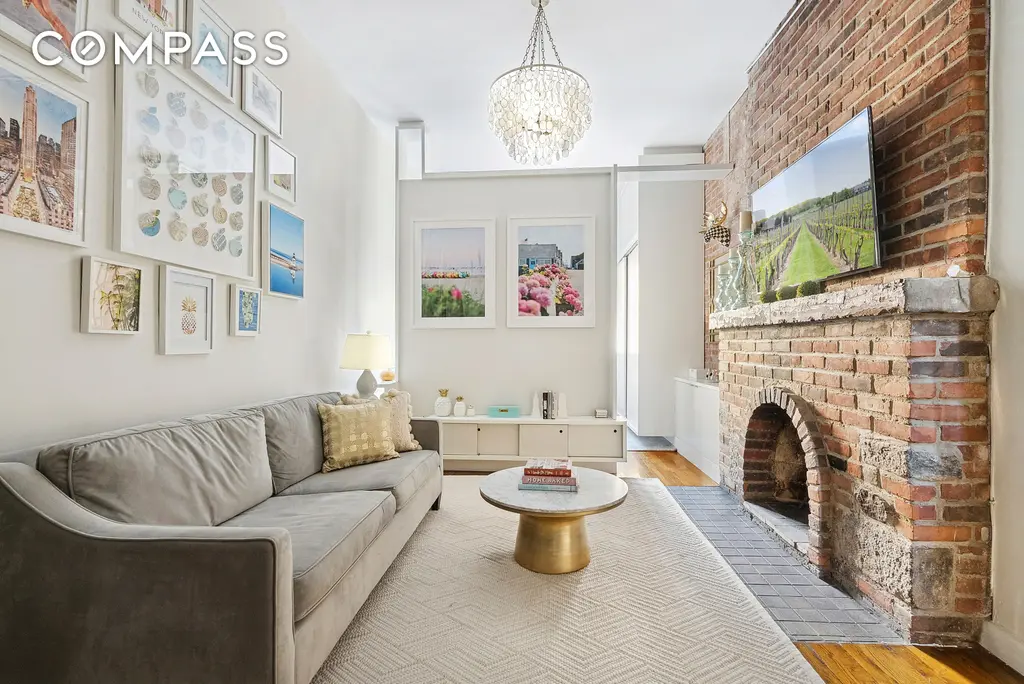
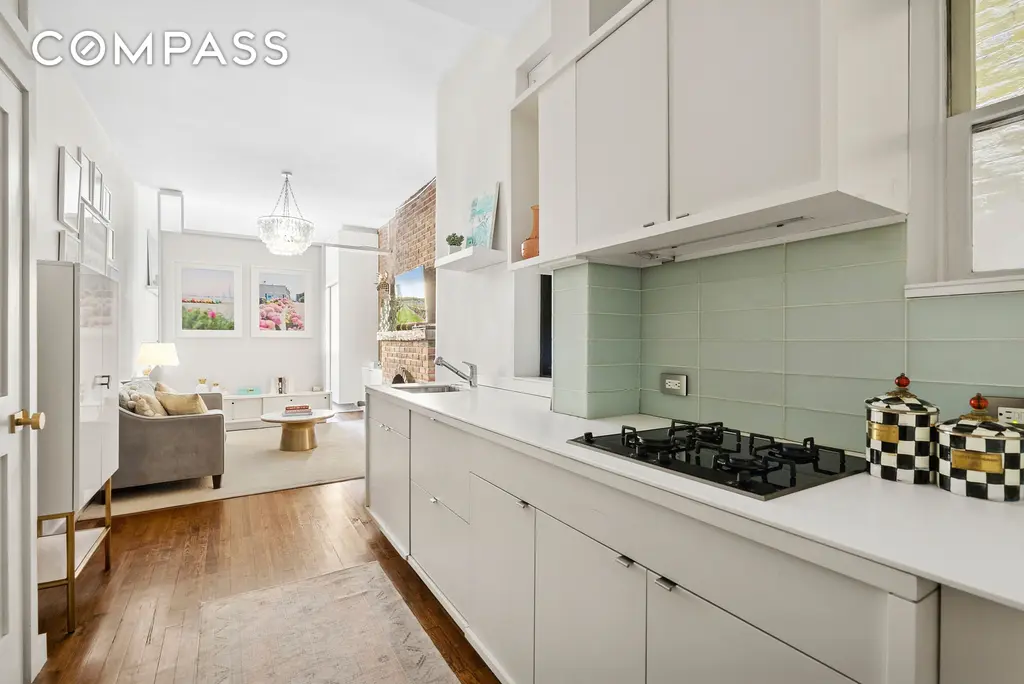
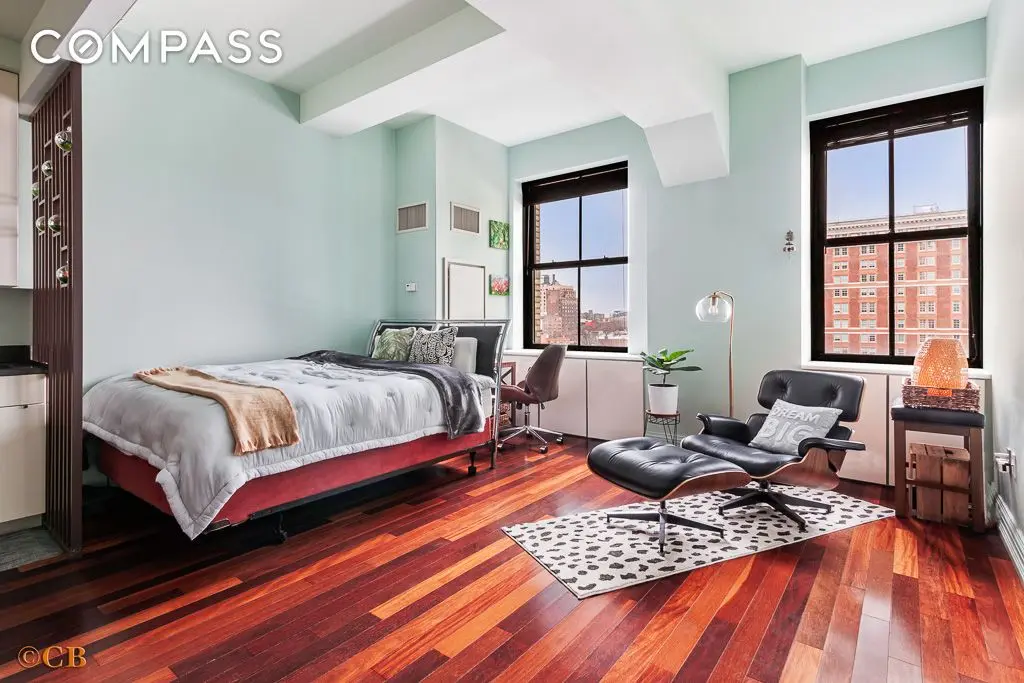
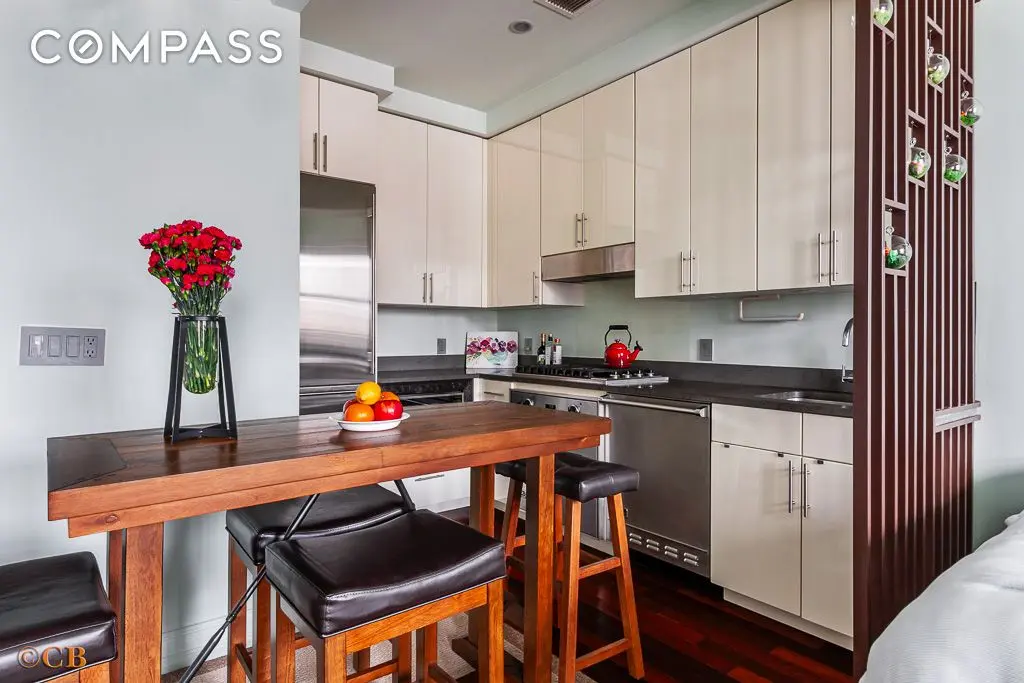
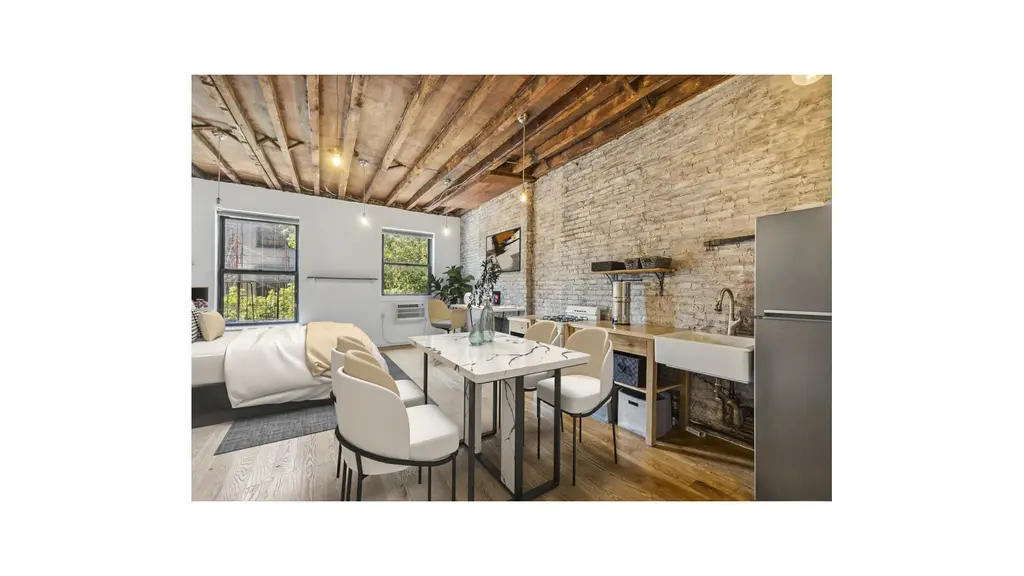
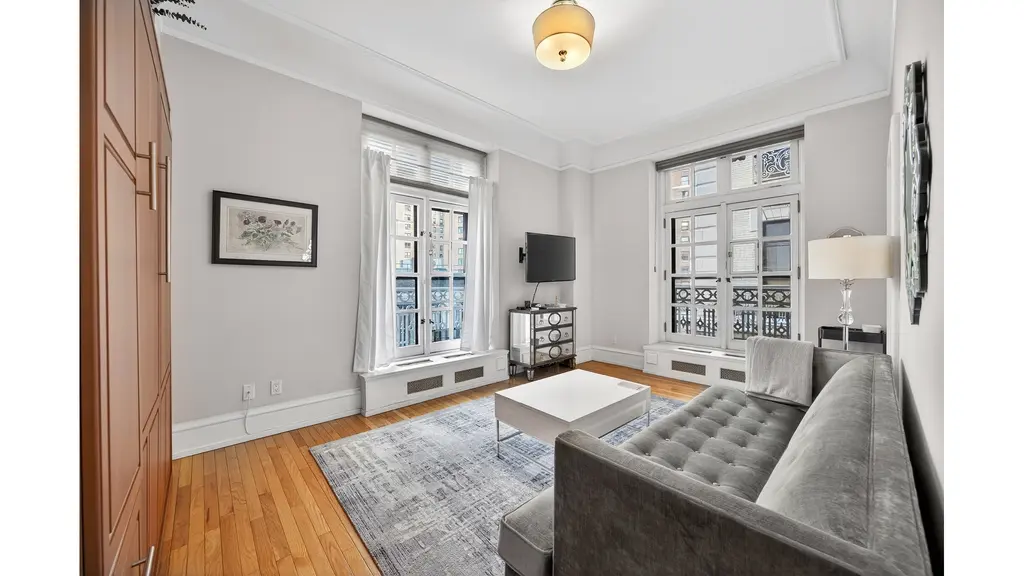
293 Riverside Drive, #4B
$310,000 (-9.9%)
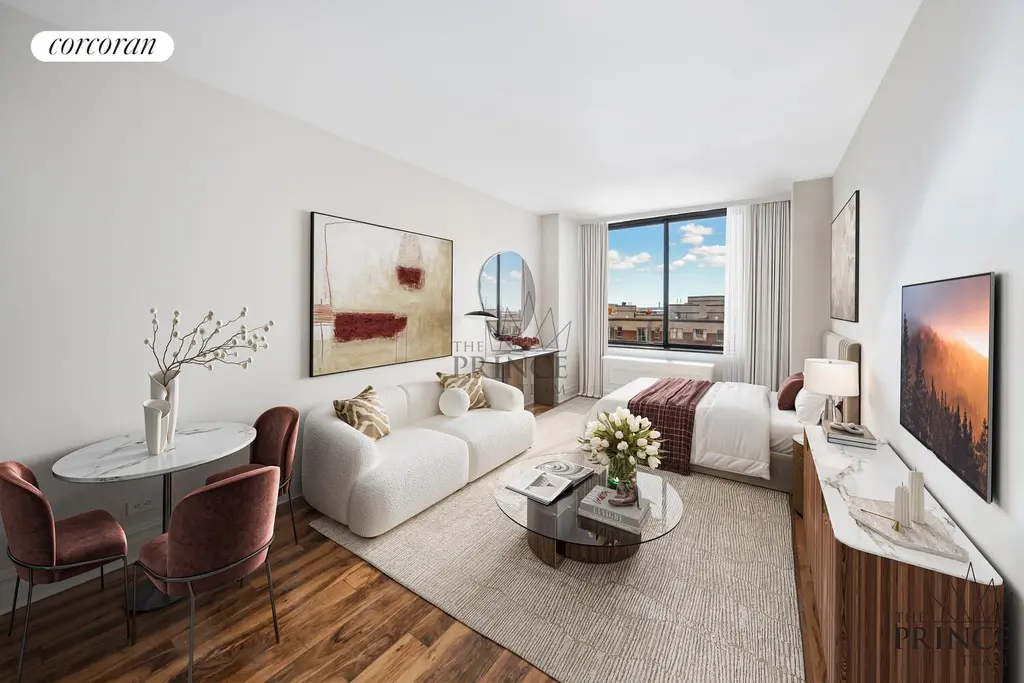
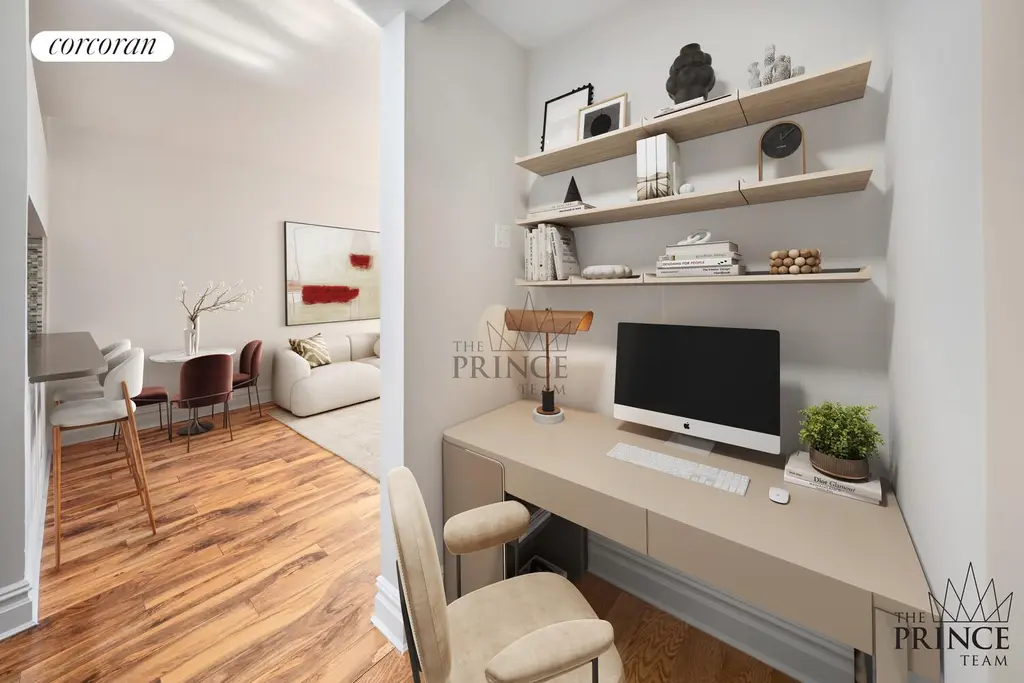
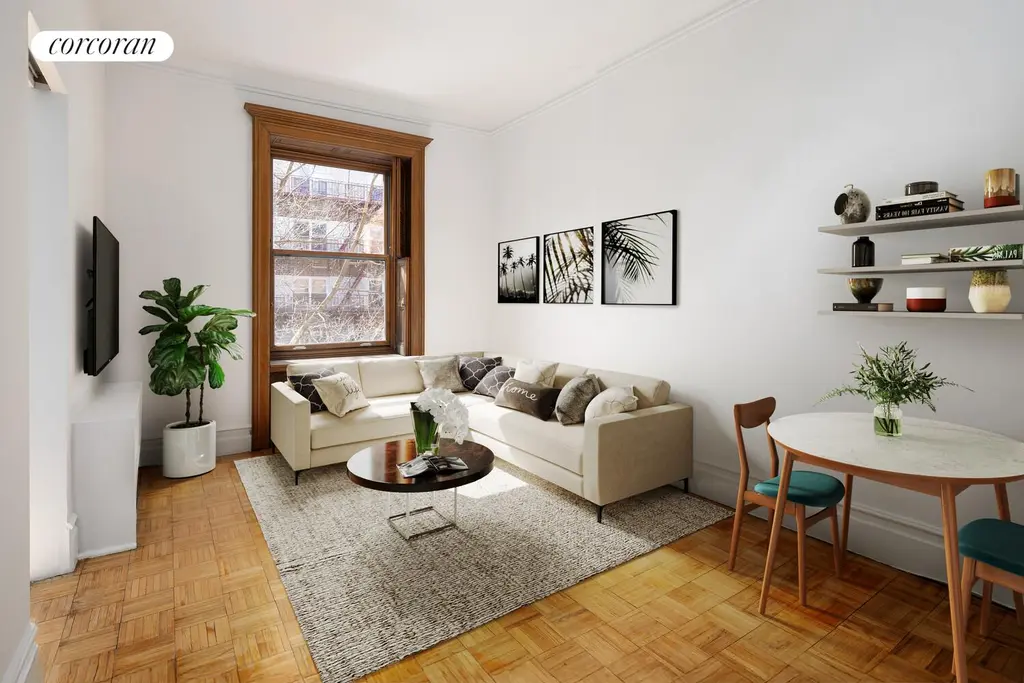
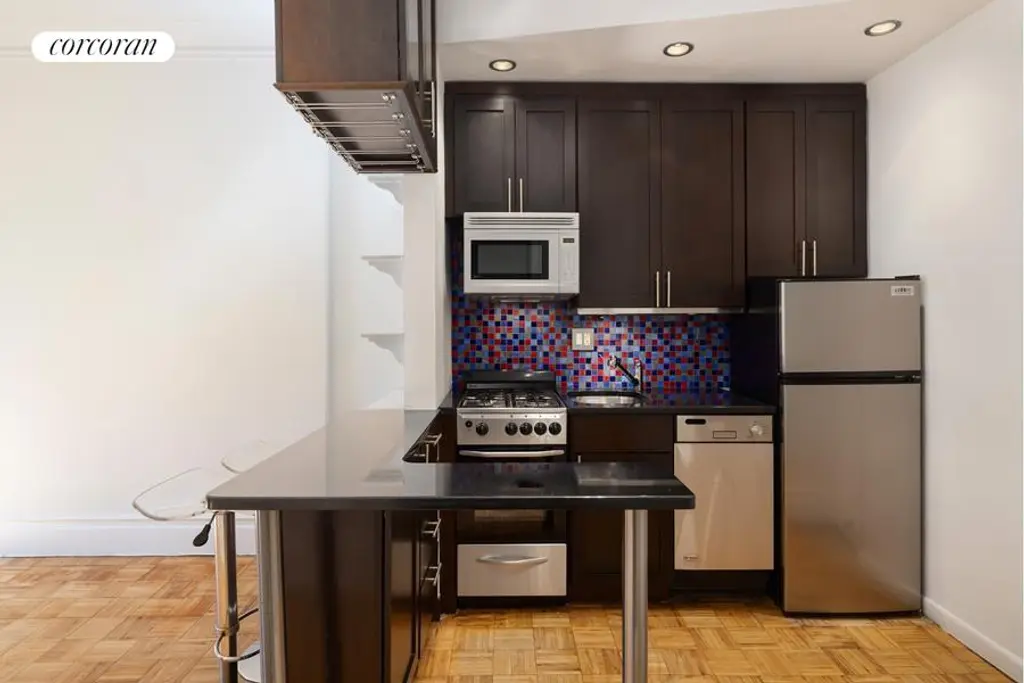
Riverside Dr./West End Ave. | Cooperative | Studio, 1 Bath | 305 ft2


Related Articles

NYC homes with bay windows to let the sun shine in
Saturday, June 27, 2026
Tudor City at 100: Rich history and attractive listings from $309K at Turtle Bay city-within-a-city
Wednesday, June 24, 2026
Price Cuts: "Big" screenwriter's Cobble Hill townhouse trimmed by $900K; Lantern House junior penthouse drops below $10M
Wednesday, June 24, 2026
Swim with a View: 30 Manhattan buildings with high-floor swimming pools and fitness centers
Saturday, June 20, 2026
Manhattan sales include Emmy-winning producer's CPW co-op; Closings begin at The Willow
Tuesday, June 16, 2026
What New York’s transparency bill could mean for whisper listings + Public listings with open houses
Friday, June 12, 2026
Price Cuts: Former Kips Bay Decorator Showhouse down by $9.5M; Karim Rashid to take loss on Hell's Kitchen condo
Thursday, June 11, 2026
NYC's top 10 limestone buildings that exemplify architectural excellence + New developments continuing the tradition
Friday, June 5, 2026

 6sqft delivers the latest on real estate, architecture, and design, straight from New York City.
