
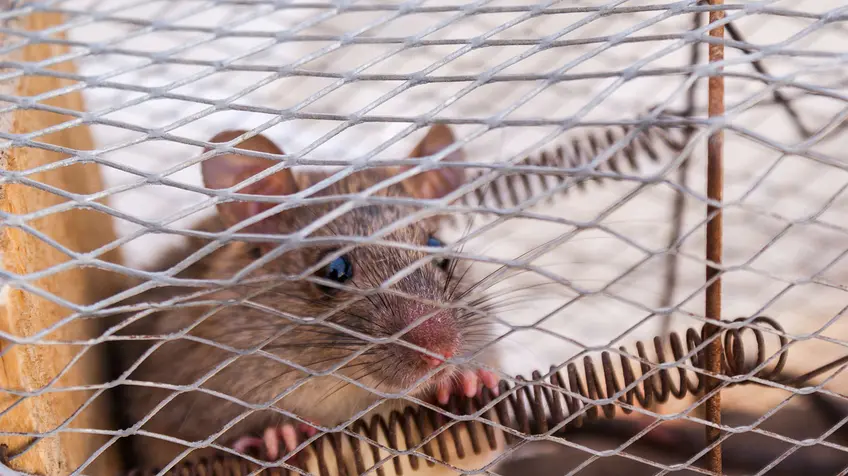
From old walk-ups to luxury high-rises, pests are a problem in New York City, with tens of thousands of complaints made and inspected annually. But not all pest problems are alike.
A mouse scurrying across your kitchen counter at midnight is unsettling. The sound of mice running inside a wall may feel less invasive, but it may also point to a larger problem. Similarly, while one large cockroach found just inside your entrance may, if you’re lucky, point to something tracked in from the outdoors, many small nymphs swarming your countertops after dark nearly always point to a broader problem. Depending on whether you rent or own and the type of building you inhabit, however, these problems may or may not be yours to solve. This article explores the shared responsibilities held by landlords and renters; co-op shareholders and co-ops; and condo owners and condo management.
Landlords and renters
In New York City, Local Law 55 requires the owners of residential buildings with three or more units to keep tenants' homes free of mice, rats, and cockroaches, carry out inspections on a regular basis to ensure there are no signs of pests, and, as needed, address any conditions that may be allowing them to thrive. As outlined in Local Law 55, if landlords find signs of pests, they are also responsible for:
- Removal of pest nests and thorough cleaning of pest waste and other debris by using a HEPA vacuum, washing surfaces, or otherwise collecting and discarding such debris. Make sure to limit the spread of dust when cleaning.
- Elimination of points of entry and passage for pests by repairing and sealing any holes, gaps, or cracks in walls, ceilings, floors, molding, baseboards, around pipes and conduits, and around and within cabinets by using sealants, plaster, cement, wood, escutcheon plates, or other durable material.
- Removal of all sources of water for pests by repairing drains, faucets, and other plumbing materials that accumulate water or leak.
- Attachment of door sweeps to all doors that lead to hallways, basements, or outside.
- Use pesticides sparingly. Pursuant to Administration Code section 27-2017.8 of Local Law 55, any pesticide applied to eradicate the presence of pests must by applied by a pest professional licensed by the New York State Department of Environmental Conservation (DEC).
If the landlord doesn’t carry out regular inspections or respond to tenant concerns, HPD advises tenants to file a complaint through 311. If the problem is bedbugs, different guidelines and penalties apply (visit NYC Health for more details).
While landlords generally bear the responsibility for addressing pest problems, tenants are also expected to help keep their rental units pest-free. This can be accomplished by keeping their homes clean and dry; placing food in sealed containers; keeping counters and sinks clean; avoiding the hoarding of newspapers and other items that may attract pests; using garbage cans with tight-fitting lids; and taking out the garbage and recycling regularly. Additionally, "if you see something, say something" applies to renters; anyone who notices pests, or cracks and holes that could let pests in, should notify the landlord right away.
Pet owners are also responsible for keeping their animals well groomed and protected from fleas and ticks. However, mice can sense when a cat is nearby and may avoid these owners' apartments without the cat even needing to lift a paw.
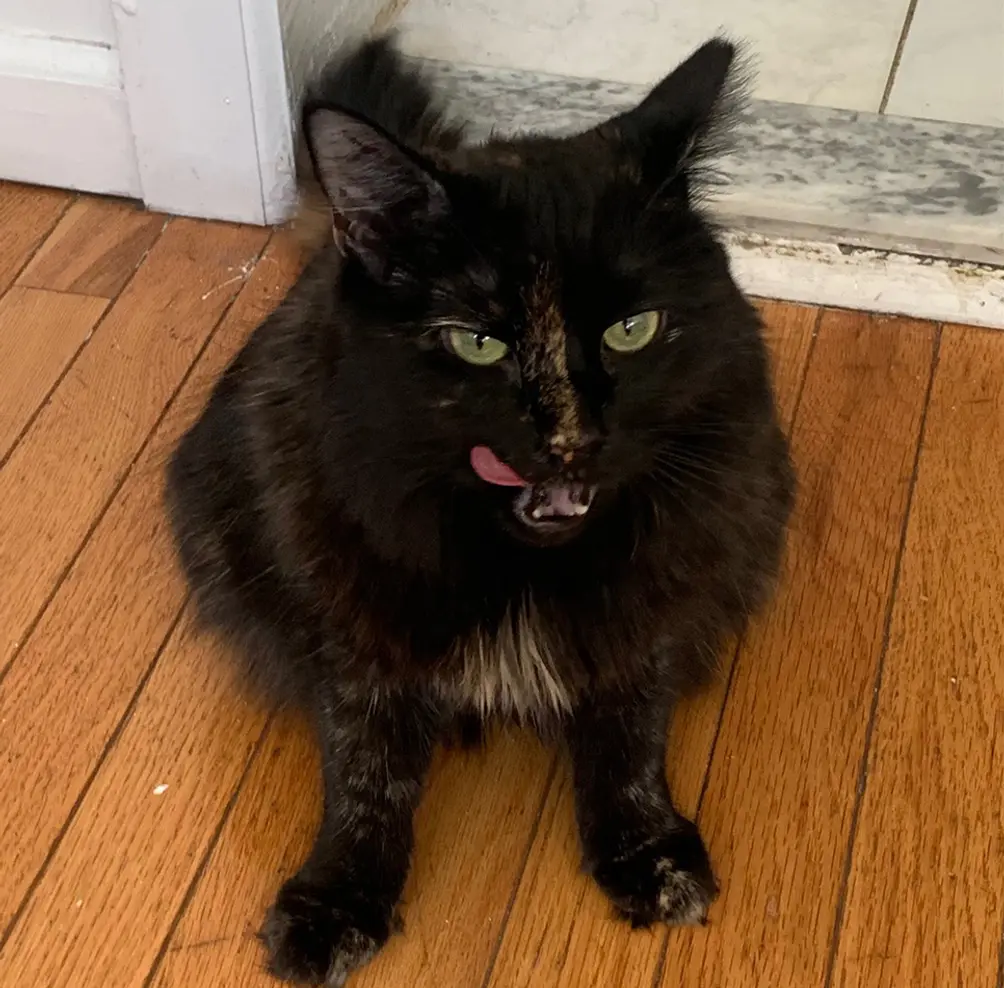 Cats can be natural deterrents for mice (CityRealty)
Co-op shareholders and corporations
A co-op shareholder owns shares in a larger building and the right to occupy an apartment, but the corporation owns the property itself. Generally, the owner is responsible for problems inside their unit and the corporation is responsible for common areas and anything going wrong inside the walls of the building. For example, if your kitchen tap is leaking, the owner pays. If a pipe deep inside the wall leading to the tap is leaking, the co-op is probably responsible. But these rules don’t always apply to pest control.
Because an infestation in one unit is likely to spread, most co-ops take responsibility for pest control whether the pests are running across a co-op shareholder’s countertop or scurrying inside an interior wall. That said, if a tenant has a history of hoarder behavior leading to infestations, the onus may fall on the tenant. In severe cases, such behavior may even result in legal action being taken against a shareholder.
Condo owners and condo management
In condos, the condominium management is responsible for controlling pests in common areas. Since condo owners own their units, not simply shares in the larger building, they are generally expected to handle pest control within the walls of their unit and any related costs. This is also where it can get tricky. If a cockroach, mouse, or rat infestation originated outside one’s unit and crept in, the condo, not the individual owner, would technically be responsible.
Unsurprisingly, identifying the origin of an infestation is usually easier said than done. For this reason, if you live in a condo and see a problem in your building (e.g., cockroaches in a shared laundry room), document it and ask management to address it. This can potentially mitigate risks to your own unit. If the problem eventually shows up in your unit, you’ll have evidence it originated in the building itself.
Related Articles
Get To Know
Gallery Gossip Girl: Think outside the box
Saturday, October 3, 2026
Get To Know
Dramatic NYC apartments for sale with sunken living rooms from $369K
Friday, September 25, 2026
Coney Island
As Manhattan rental vacancy rate hits post-pandemic low, see new housing lottos + 10 upcoming projects with affordable apartments
Wednesday, September 23, 2026
Get To Know
What is a classic six apartment? Why NYC buyers still covet this prewar layout
Tuesday, September 22, 2026
Get To Know
Is that apartment real? AI-altered listing photos face growing scrutiny
Tuesday, September 22, 2026
Get To Know
Manhattan and Brooklyn home prices by neighborhood + What the median buys in 12 popular areas
Sunday, September 20, 2026
Future New York
Pocket doors and eat-in kitchens make a comeback as sales launch at 175 East 82nd Street
Friday, September 18, 2026
Get To Know
How CDFIs are opening doors to NYC homeownership + Attainable listings under $1M
Thursday, September 17, 2026
Contributing Writer
Cait Etherington
Cait Etherington has over twenty years of experience working as a journalist and communications consultant. Her articles and reviews have been published in newspapers and magazines across the United States and internationally. An experienced financial writer, Cait is committed to exposing the human side of stories about contemporary business, banking and workplace relations. She also enjoys writing about trends, lifestyles and real estate in New York City where she lives with her family in a cozy apartment on the twentieth floor of a Manhattan high rise.

 6sqft delivers the latest on real estate, architecture, and design, straight from New York City.
