
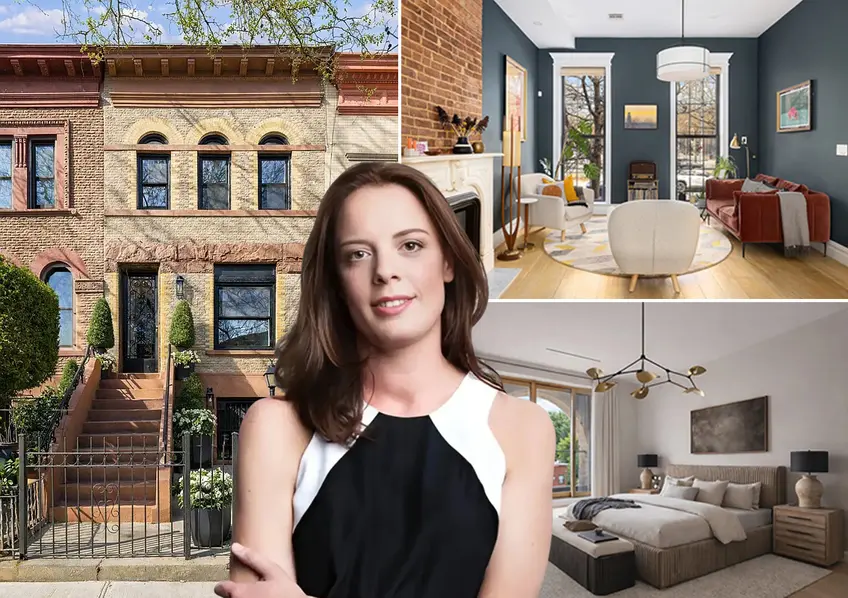
With more than 15 years of experience, Compass broker Tali Berzak is a trusted expert in New York City’s townhouse market, known for her thoughtful, hands-on approach. She pairs deep market knowledge with a practical understanding of how people actually live, especially when it comes to the nuances of Brooklyn brownstones. Having relocated internationally and now raising a family, she brings a personal perspective to the process, with a focus on finding homes that truly work for everyday life.
We spoke to Tali about the brownstone market, what future owners need to be ready for, and the biggest differences between townhouse and apartment life.
We spoke to Tali about the brownstone market, what future owners need to be ready for, and the biggest differences between townhouse and apartment life.
In this article:


Ondel: How are you seeing the brownstone market perform this spring?
Tali: It’s been an unusually robust start to the season. We’re seeing strong demand despite a lack of inventory, to the point where we’re putting homes on the market before they’re even completed as private exclusives. Several under-construction properties have already gone into contract, which speaks to how motivated buyers are right now.
Tali: It’s been an unusually robust start to the season. We’re seeing strong demand despite a lack of inventory, to the point where we’re putting homes on the market before they’re even completed as private exclusives. Several under-construction properties have already gone into contract, which speaks to how motivated buyers are right now.
At the same time, it feels like we’re headed toward a delayed spring market. Many sellers have been hesitant to list, partly because of the broader political and global climate, and partly because they’re reluctant to give up historically low interest rates. As a result, we expect a wave of inventory to hit closer to late April and May rather than earlier in the season.
Ondel: Who are today’s buyers, and how has that changed?
Tali: We’re seeing a return of buyers who had been sitting on the sidelines, along with renters who are increasingly motivated to purchase. In some cases, people who recently signed leases are still actively looking and are even willing to pay to break those leases if the right opportunity comes along.
Tali: We’re seeing a return of buyers who had been sitting on the sidelines, along with renters who are increasingly motivated to purchase. In some cases, people who recently signed leases are still actively looking and are even willing to pay to break those leases if the right opportunity comes along.
Rental pricing is part of that shift. As rents climb and options at lower price points become more limited, many renters are reassessing the math and deciding that buying makes more sense. There’s also a broader “trickle-up” effect happening in the market, where constraints at the lower end are pushing demand upward.
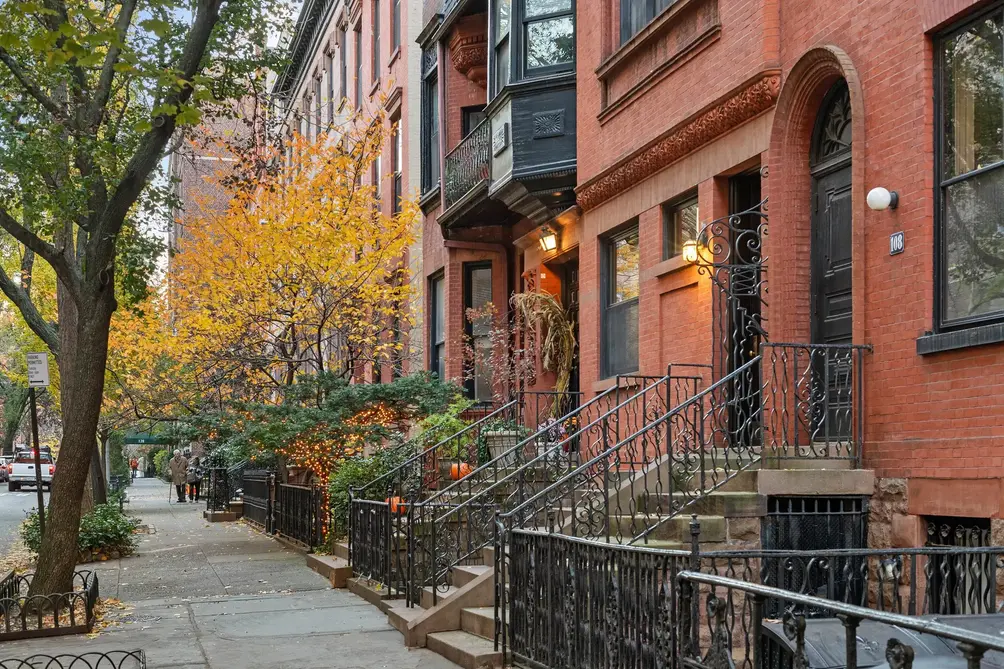 Willow Street in Brooklyn Heights
Ondel: Would you say buying a brownstone requires a different mindset than buying an apartment?
Tali: Absolutely. Owning a townhouse is a fundamentally different experience. If you’re coming from a co-op or condo, you’re used to having a doorman, a superintendent, and building management handling day-to-day operations. In a brownstone, you are all of those things.
Tali: Absolutely. Owning a townhouse is a fundamentally different experience. If you’re coming from a co-op or condo, you’re used to having a doorman, a superintendent, and building management handling day-to-day operations. In a brownstone, you are all of those things.
That means you need to build your own team—an electrician, a plumber, someone for heating and cooling, even a gutter specialist. It’s a more hands-on form of ownership. That’s why having an experienced buyer’s agent is especially important; we help clients not just through the purchase, but also by giving them a roadmap for ownership, from maintenance checklists to trusted vendors.
"There will never be more brownstones, and that scarcity tends to drive value over time" - Tali Berzak, Compass
Ondel: What are the key benefits of owning a townhouse compared to a similarly sized apartment?
Tali: The biggest advantage is control. In a townhouse, you can renovate, reconfigure, or rent out your space without needing board approval. There’s also flexibility in how you use the property—you can live in part of it and generate income from another portion, depending on the layout and zoning.
Tali: The biggest advantage is control. In a townhouse, you can renovate, reconfigure, or rent out your space without needing board approval. There’s also flexibility in how you use the property—you can live in part of it and generate income from another portion, depending on the layout and zoning.
From a financial perspective, there’s also the argument for long-term appreciation. You’re not just buying an apartment; you’re buying the land. There will never be more brownstones, and that scarcity tends to drive value over time.
809 Lincoln Place, # (Compass)
Ondel: What should buyers pay close attention to when inspecting older brownstones?
Tali: Hiring a qualified inspector is essential, especially if the property hasn’t been recently renovated. Older homes can have hidden issues beneath the surface—everything from outdated plumbing systems to aging infrastructure.
Tali: Hiring a qualified inspector is essential, especially if the property hasn’t been recently renovated. Older homes can have hidden issues beneath the surface—everything from outdated plumbing systems to aging infrastructure.
One often overlooked factor is the water main. In many older homes, portions may still contain lead, though in some cases it’s mitigated by mineral buildup over time. Testing the water is important, and solutions like filtration systems or replacing sections of piping can address the issue. A good inspection will help identify what’s cosmetic versus what requires real investment.
Ondel: How do property taxes compare between brownstones and apartments?
Tali: Brownstones are typically classified as Class 1 properties, which often results in relatively low property taxes compared to their market value. Many of these tax assessments date back decades and can only increase by a capped percentage each year unless there’s a major change, like an extension or conversion.
Tali: Brownstones are typically classified as Class 1 properties, which often results in relatively low property taxes compared to their market value. Many of these tax assessments date back decades and can only increase by a capped percentage each year unless there’s a major change, like an extension or conversion.
Condos and co-ops, on the other hand, fall under different classifications and are often assessed at higher values. In co-ops, taxes are bundled into maintenance, which makes them less transparent but more predictable from a monthly budgeting standpoint.
Ondel: What about ongoing costs and maintenance?
Tali: In an apartment, monthly maintenance or common charges cover most building expenses, from staffing to repairs. In a brownstone, you’re responsible for everything: insurance, utilities, structural upkeep, and reserves for future work.
Tali: In an apartment, monthly maintenance or common charges cover most building expenses, from staffing to repairs. In a brownstone, you’re responsible for everything: insurance, utilities, structural upkeep, and reserves for future work.
Insurance, in particular, has become significantly more expensive in recent years, and it’s something buyers need to factor into their budgets. Maintenance is also less predictable. You might go years with minimal costs, and then suddenly need to address a roof, façade, or mechanical system.
CityRealty: How does day-to-day living differ?
Tali: There’s a lifestyle component that’s often overlooked. In a townhouse, you’re more connected to your block and your neighbors. There’s a sense of community that can feel very different from the anonymity of a large building.
Tali: There’s a lifestyle component that’s often overlooked. In a townhouse, you’re more connected to your block and your neighbors. There’s a sense of community that can feel very different from the anonymity of a large building.
Would you like to tour any of these properties?
Just complete the info below.
Or call us at (212) 755-5544
At the same time, apartment living offers convenience. You don’t have to think about snow removal, sidewalk repairs, or building systems. It really comes down to whether you value autonomy or ease.
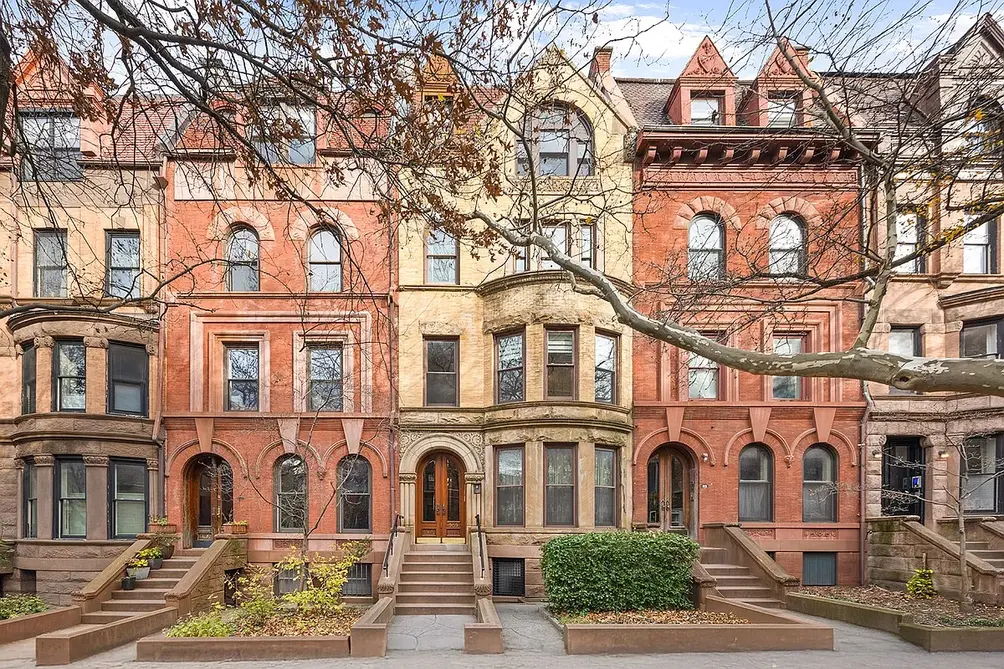 Rowhouses in Park Slope
CityRealty: Is it easier to generate rental income from a brownstone?
Tali: Generally, yes. Brownstones offer more flexibility, especially if they’re configured as two- or three-family homes. You can rent out portions of the property or create income-producing layouts.
Tali: Generally, yes. Brownstones offer more flexibility, especially if they’re configured as two- or three-family homes. You can rent out portions of the property or create income-producing layouts.
That said, everything depends on the certificate of occupancy and local regulations. Conversions require permits, and short-term rentals are subject to strict rules. It’s important to understand the legal framework before making any assumptions about income potential.
CityRealty: In your view, which is the better long-term investment?
Tali: From a purely financial perspective, I would argue for townhouses. The combination of land ownership, flexibility, and scarcity creates strong long-term upside. We’ve seen that play out over time in a very real way.
Tali: From a purely financial perspective, I would argue for townhouses. The combination of land ownership, flexibility, and scarcity creates strong long-term upside. We’ve seen that play out over time in a very real way.
But it’s not just about numbers. It’s about how you want to live. Apartments offer predictability and convenience, while brownstones offer independence and potential. The right choice depends on which of those matters more to you.
Brooklyn townhouses on the market now
(Apartments below)
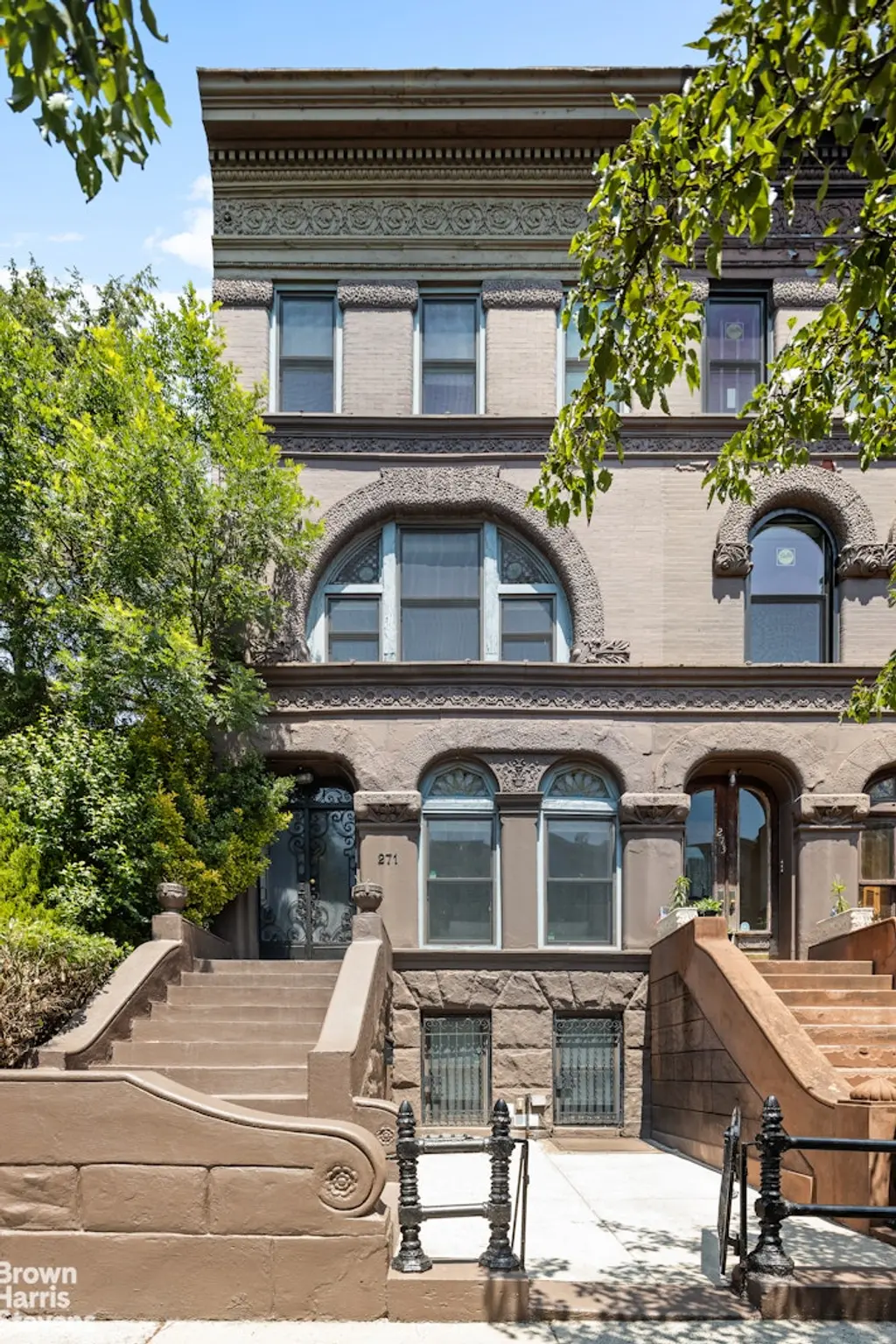
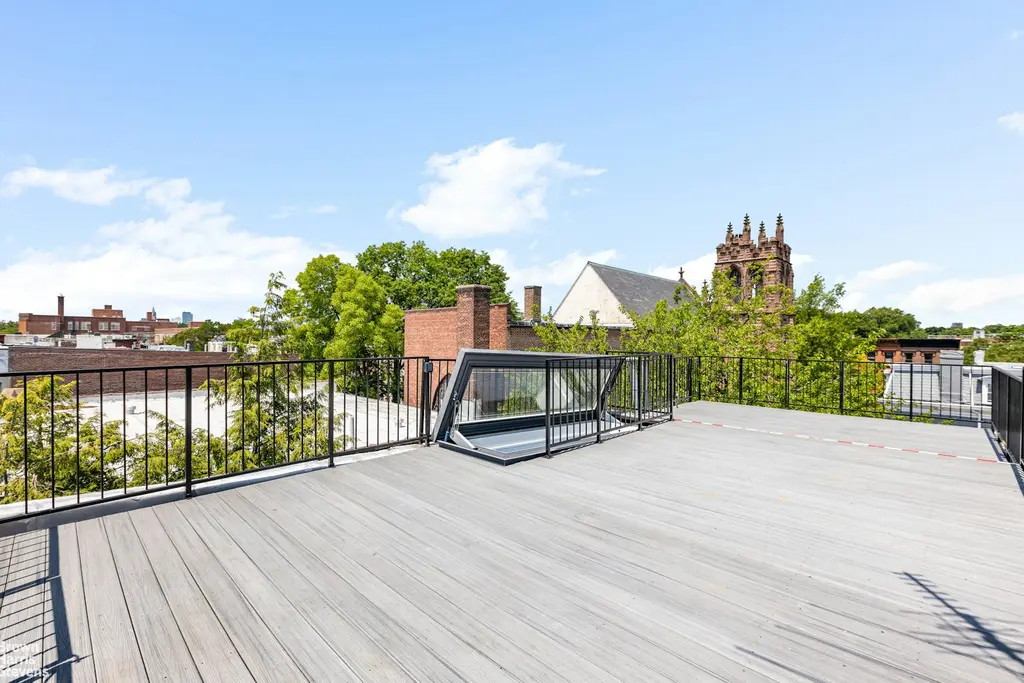
271 Decatur Street, # (Brown Harris Stevens Residential Sales LLC)

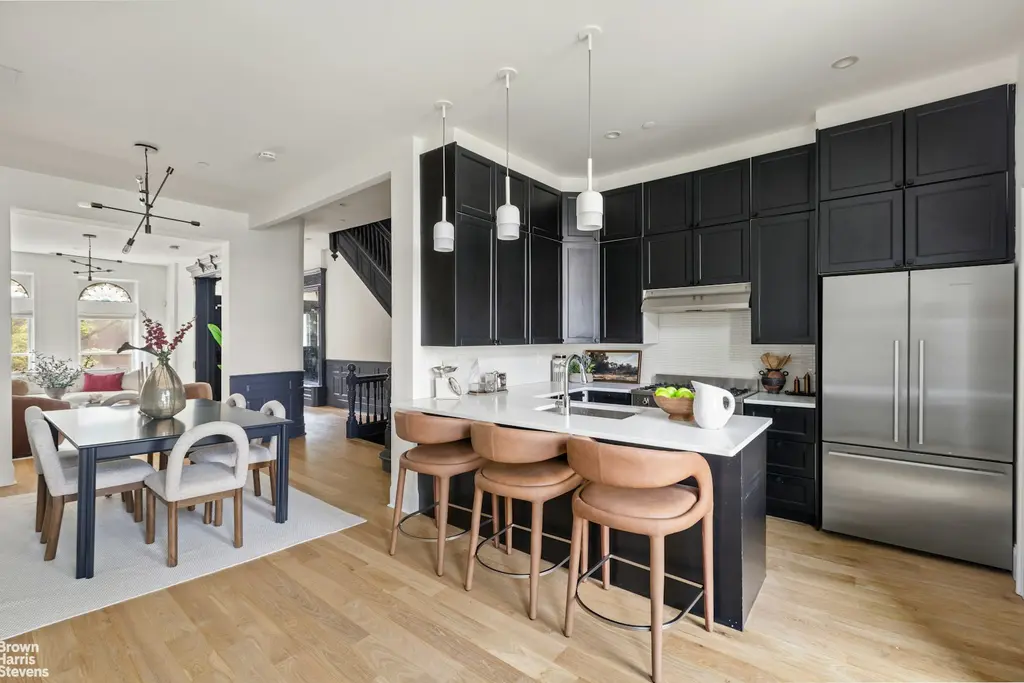
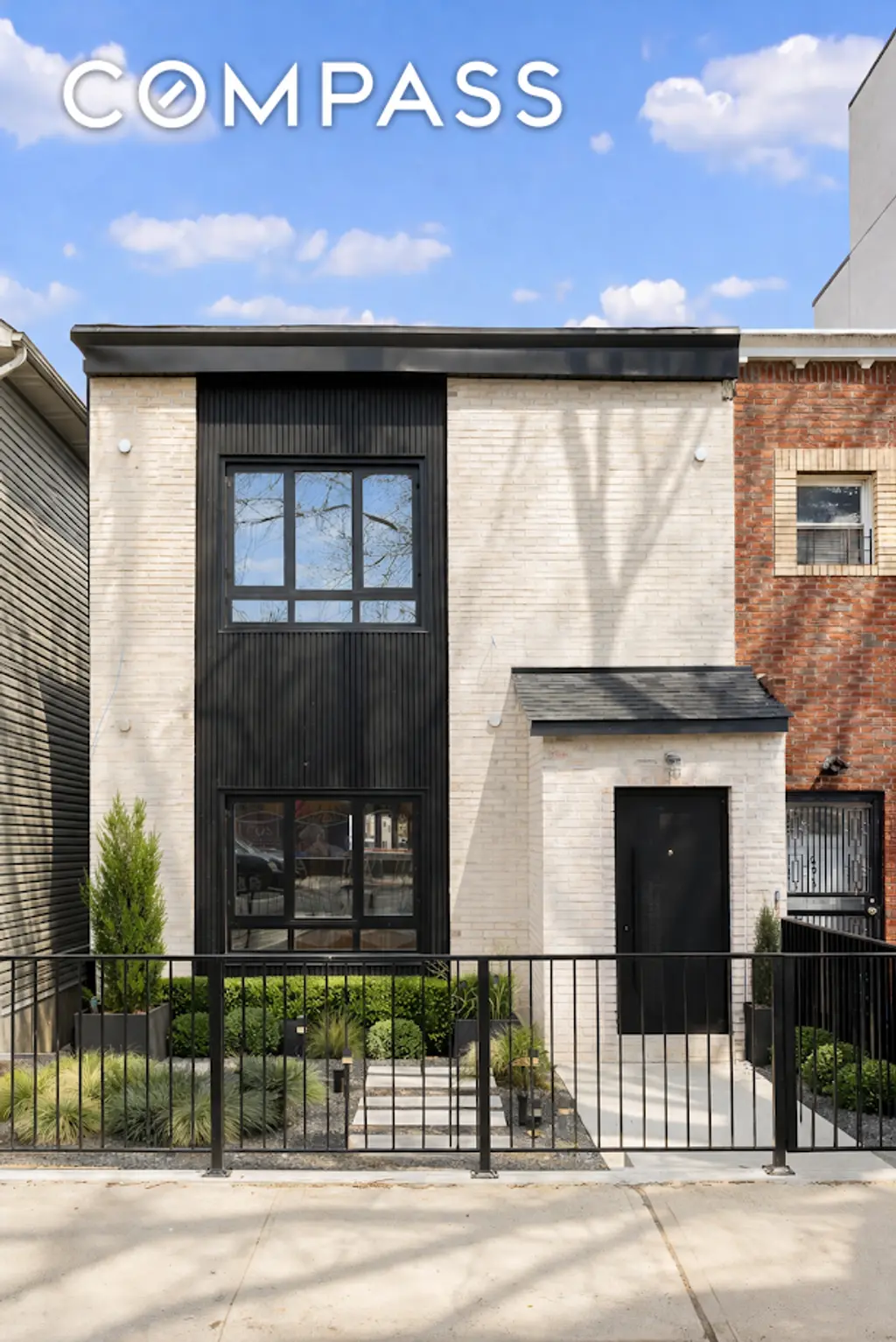
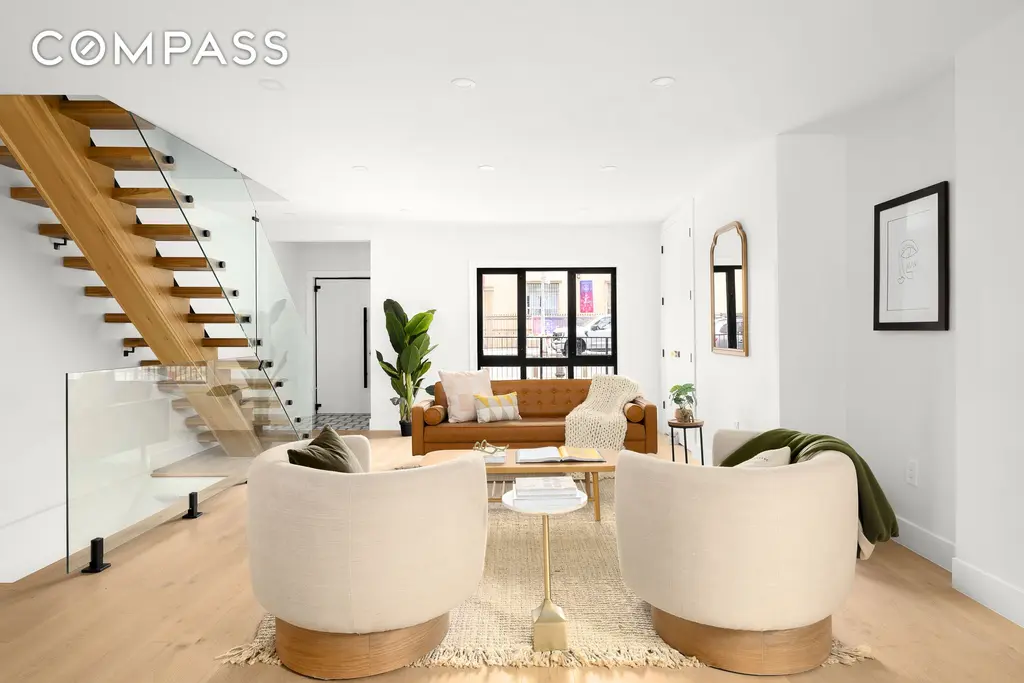
1693 Dean Street, # (Compass)
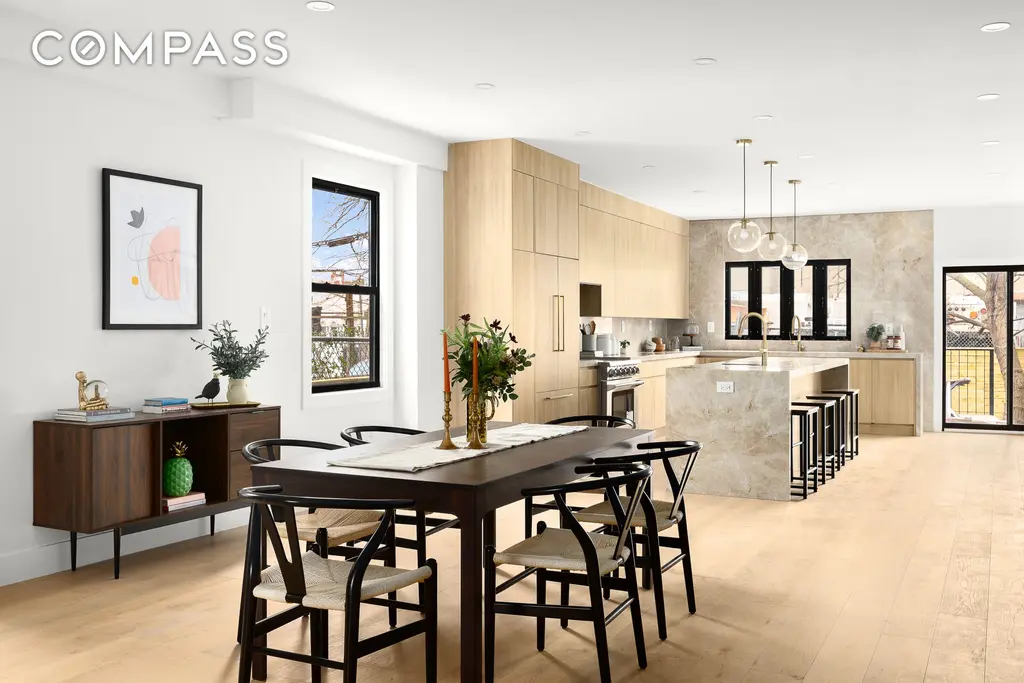
819 Greene Avenue, # (Compass)
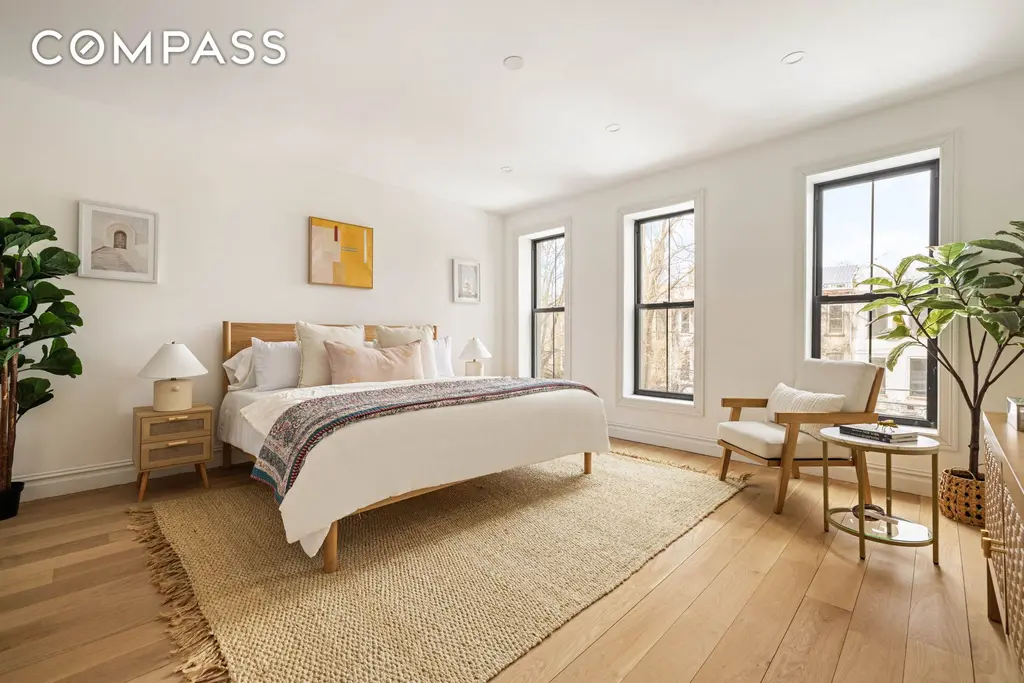
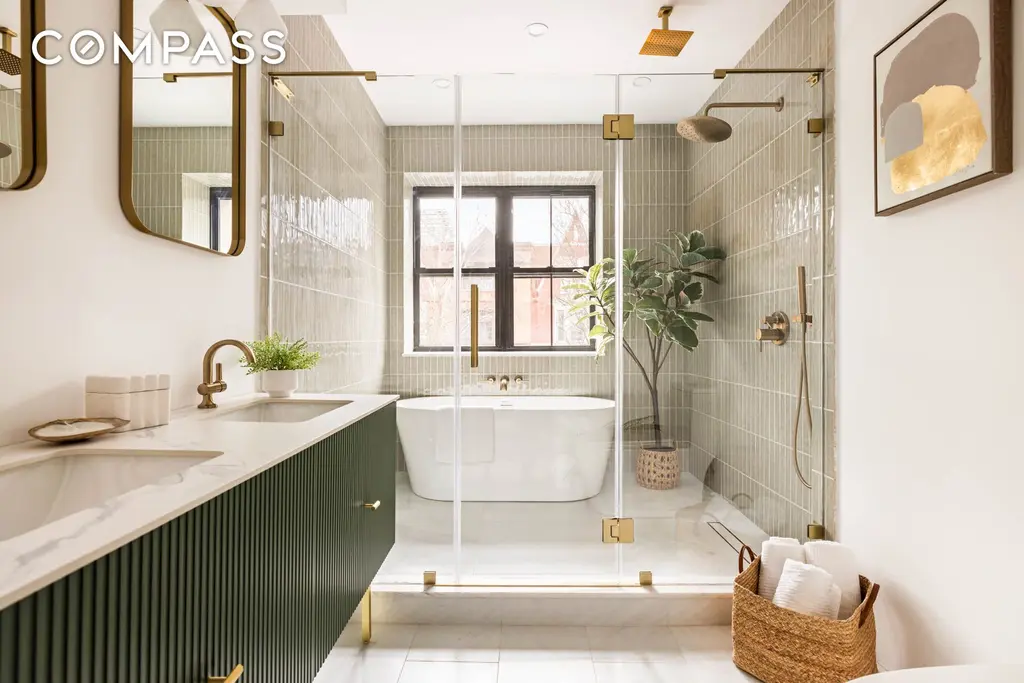
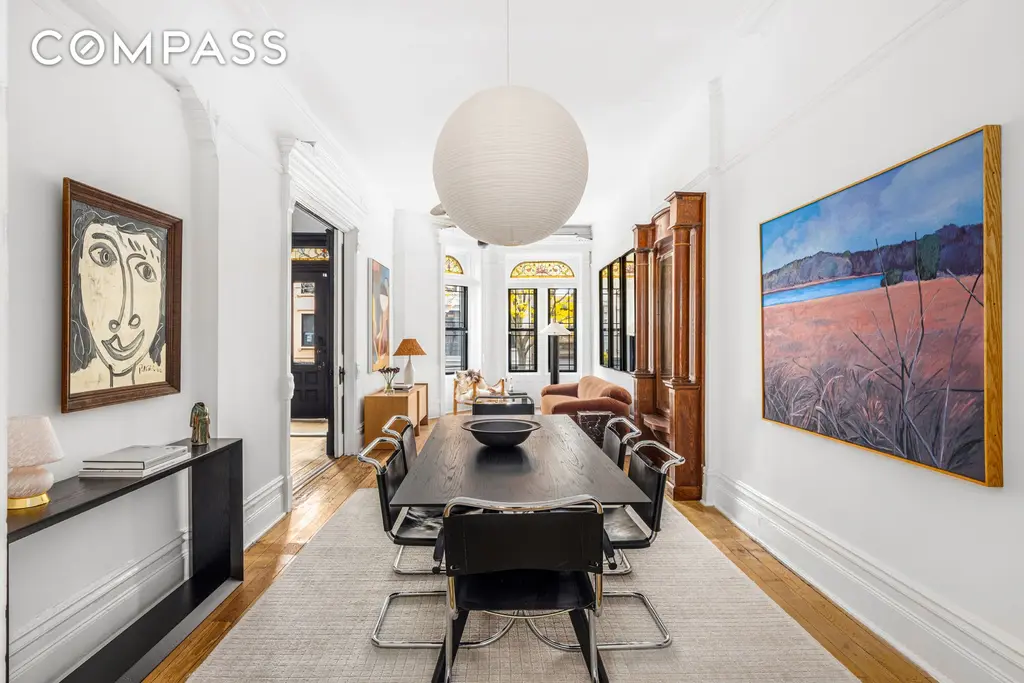
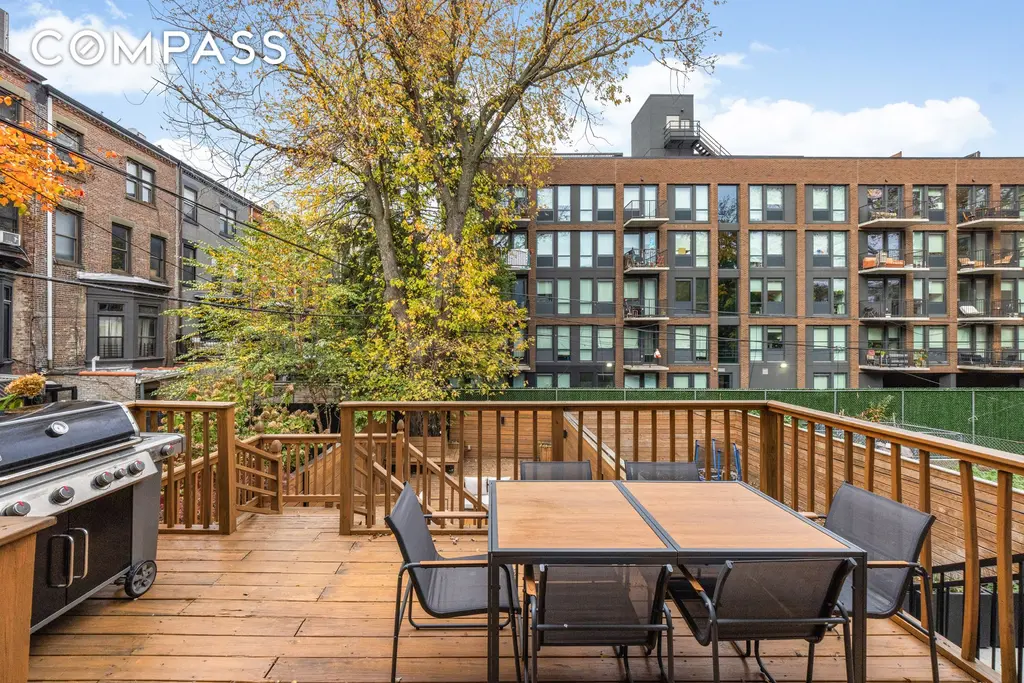
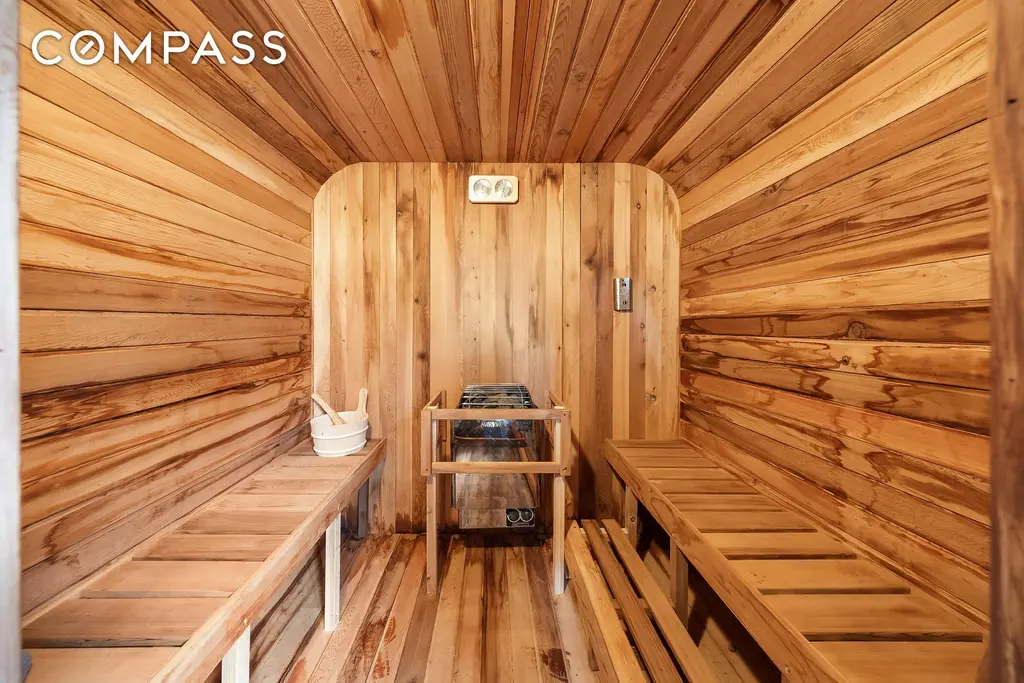
731 Putnam Avenue, #TH
$2,750,000 (-6.8%)
Bedford-Stuyvesant | Townhouse | 6+ Bedrooms, 4.5 Baths | 4,750 ft2
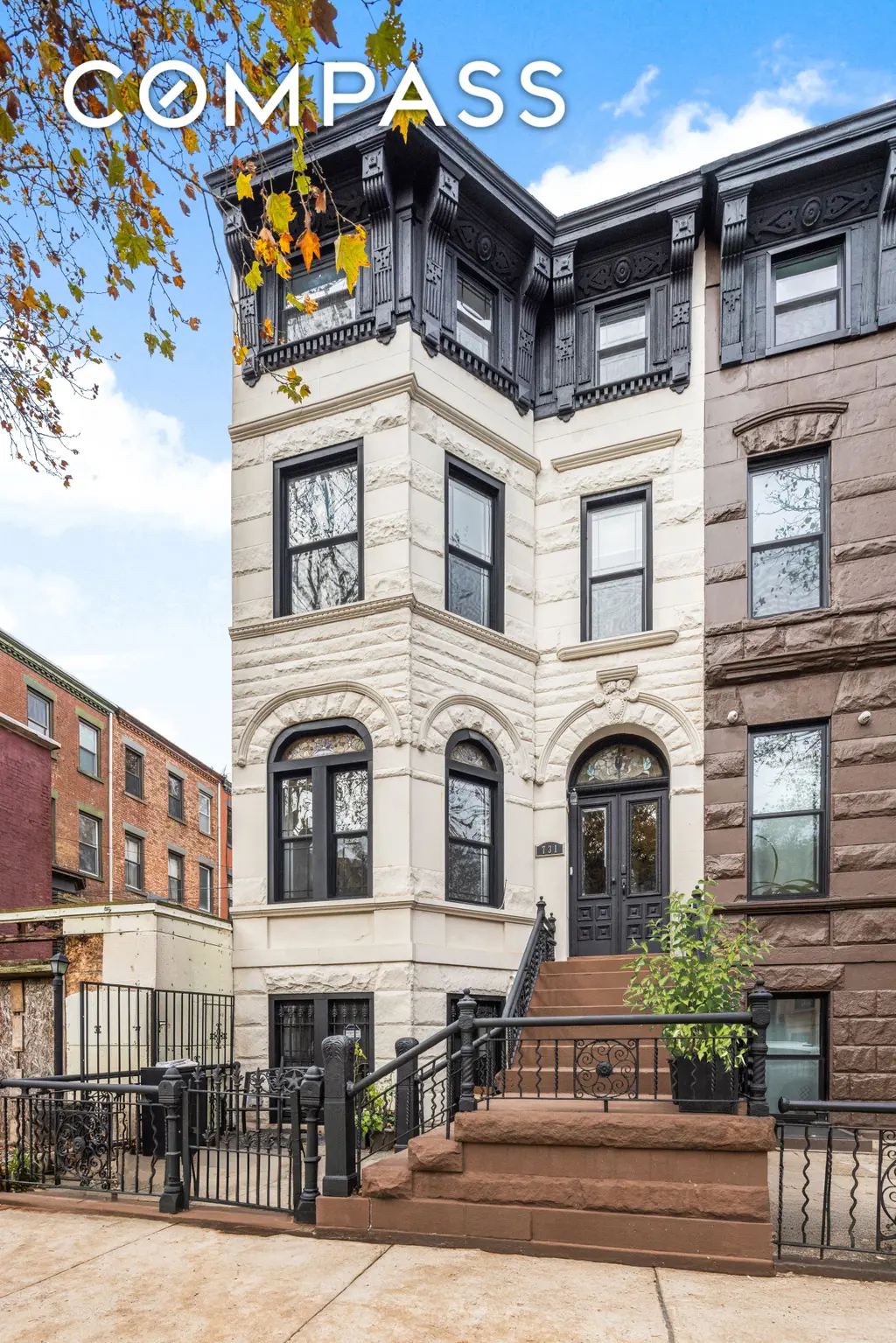
731 Putnam Avenue, # (Compass)
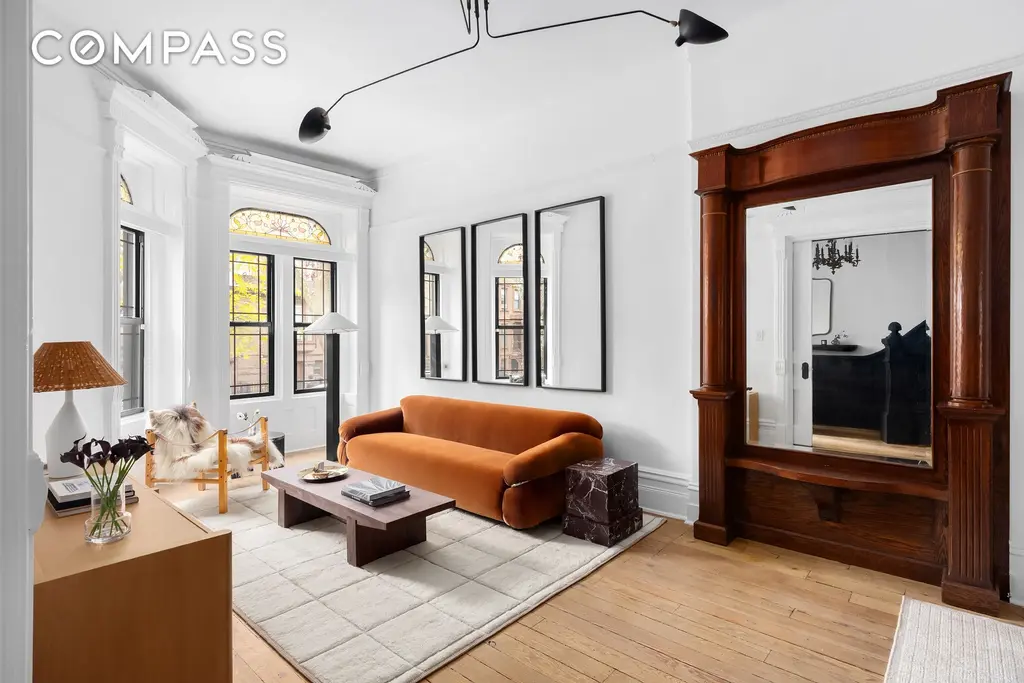
521 Monroe Street, #TH
$2,825,000
Bedford-Stuyvesant | Townhouse | 6+ Bedrooms, 5.5 Baths | 3,931 ft2
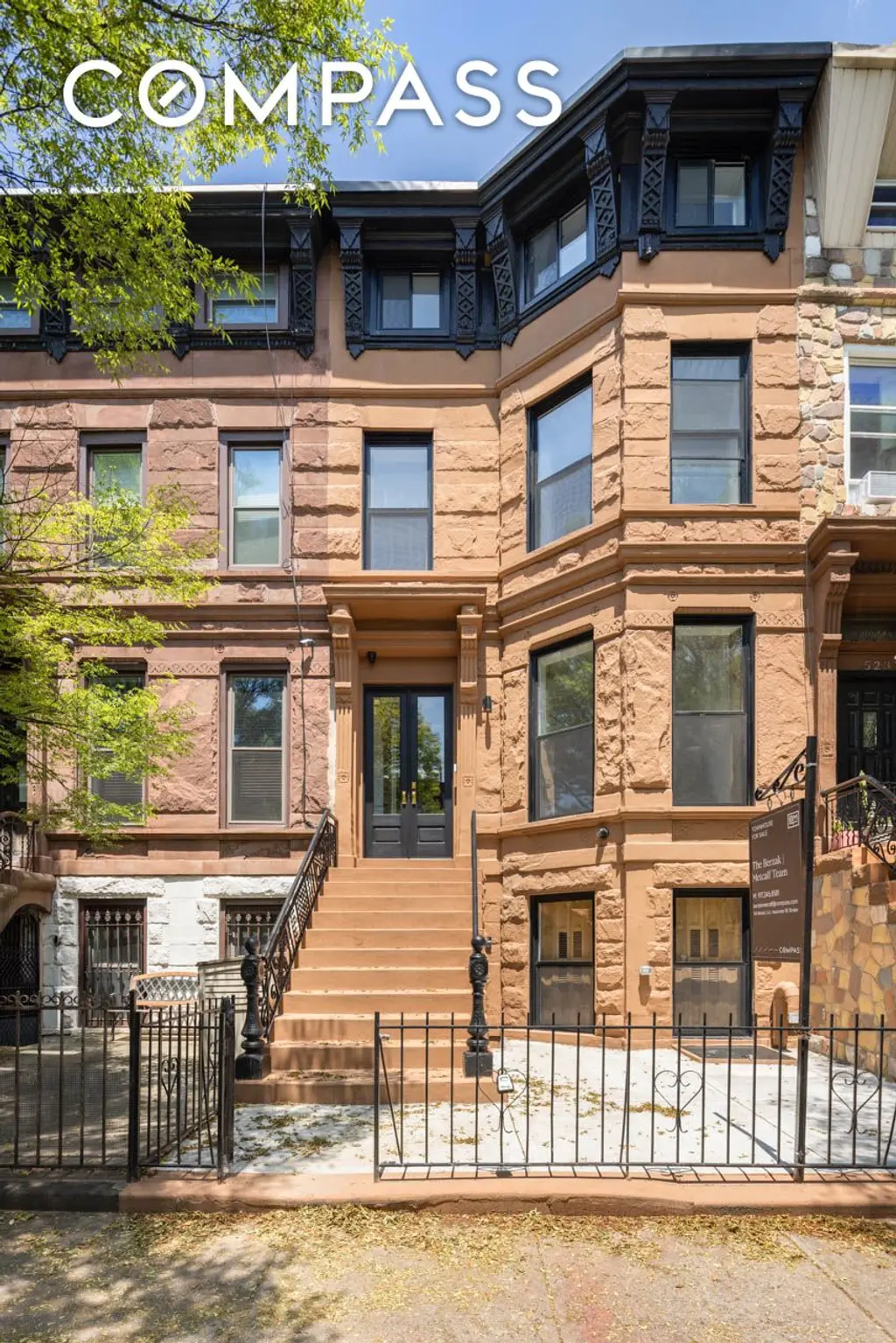
521 Monroe Street, # (Compass)
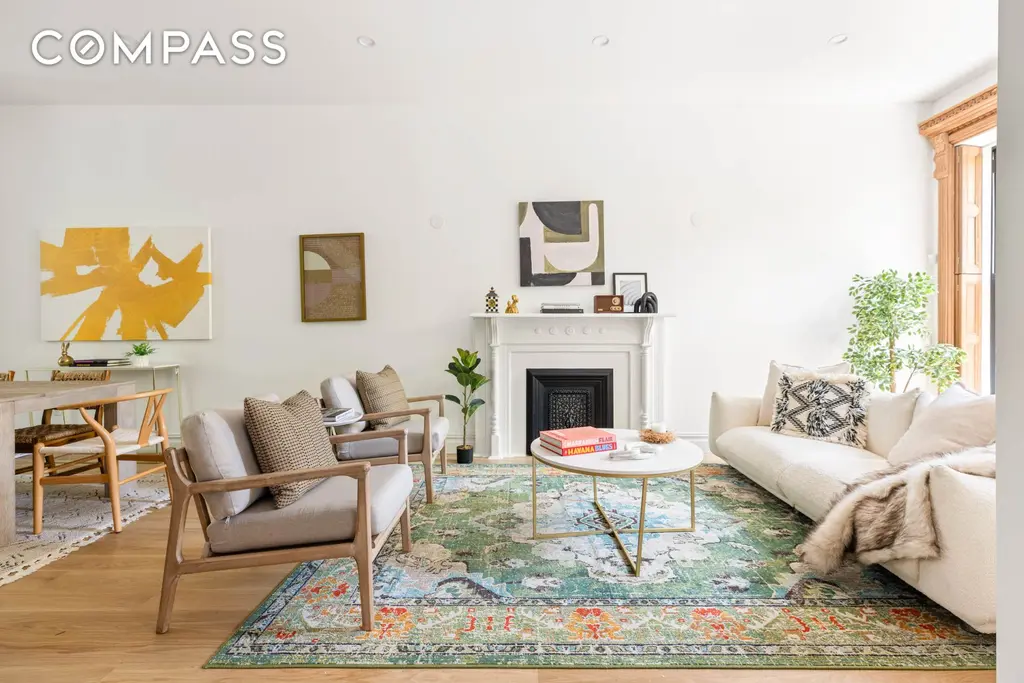
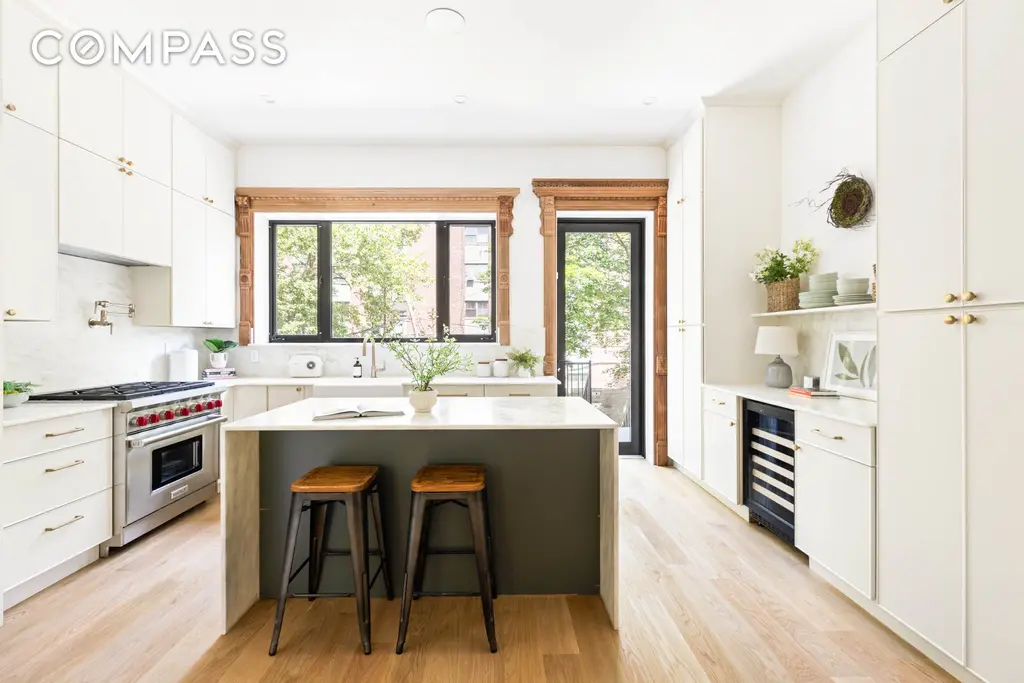
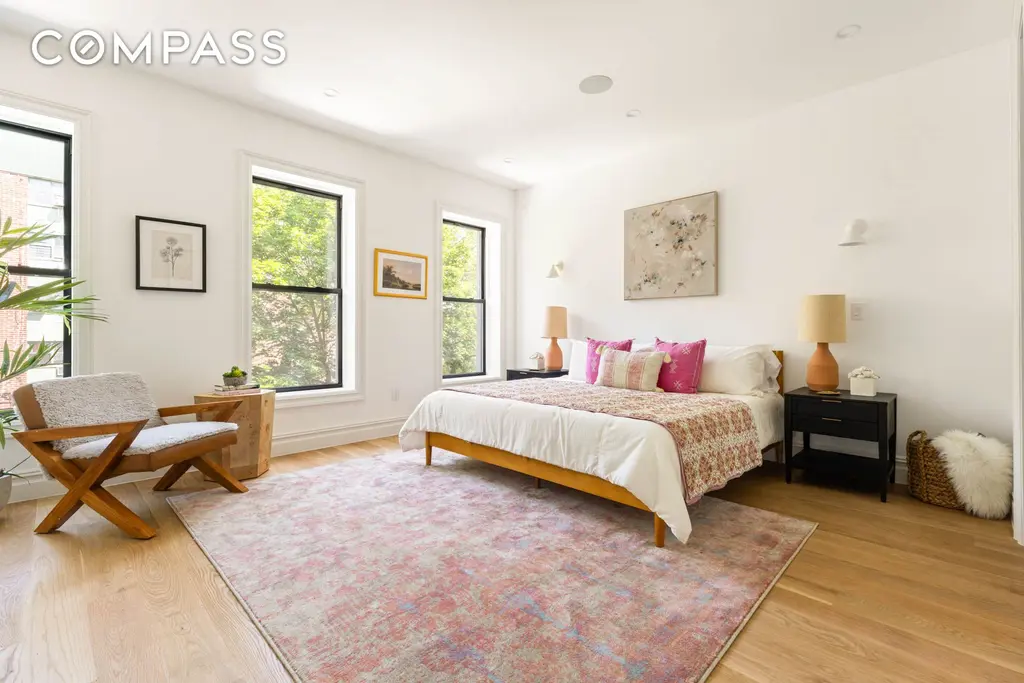
318 Madison Street, #TH
$3,200,000
Bedford-Stuyvesant | Townhouse | 6+ Bedrooms, 4.5 Baths | 3,987 ft2
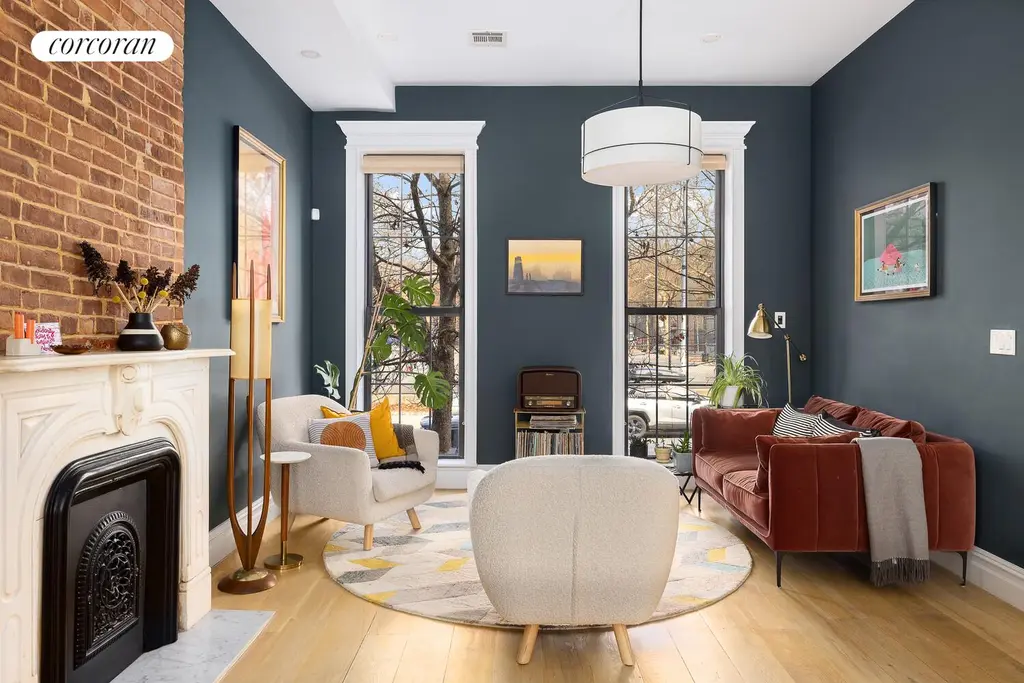
318 Madison Street, # (Corcoran Group)
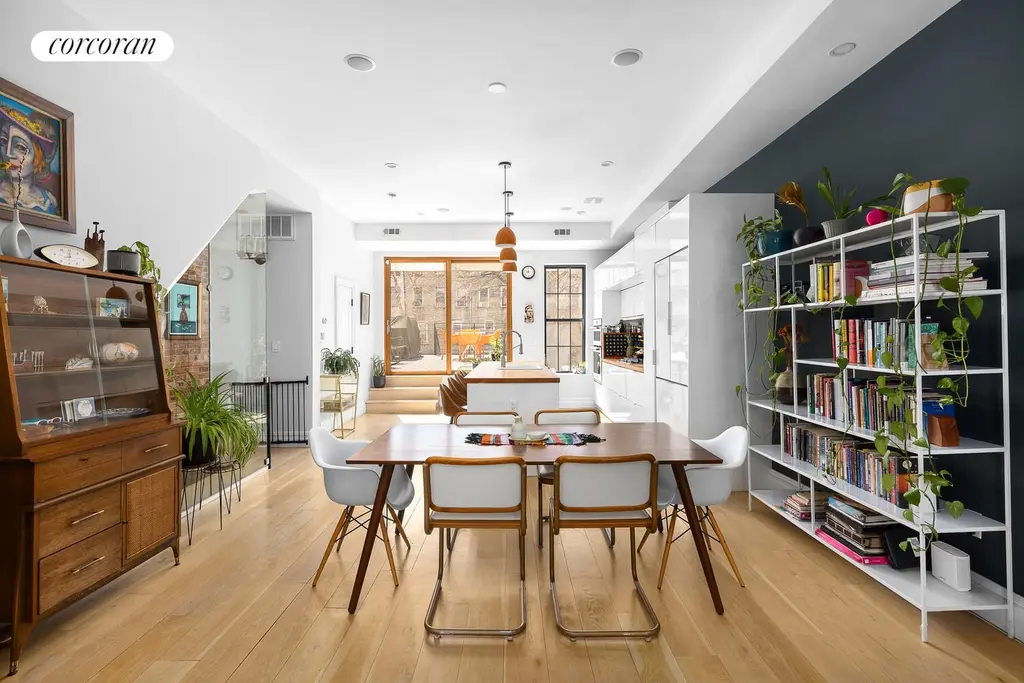
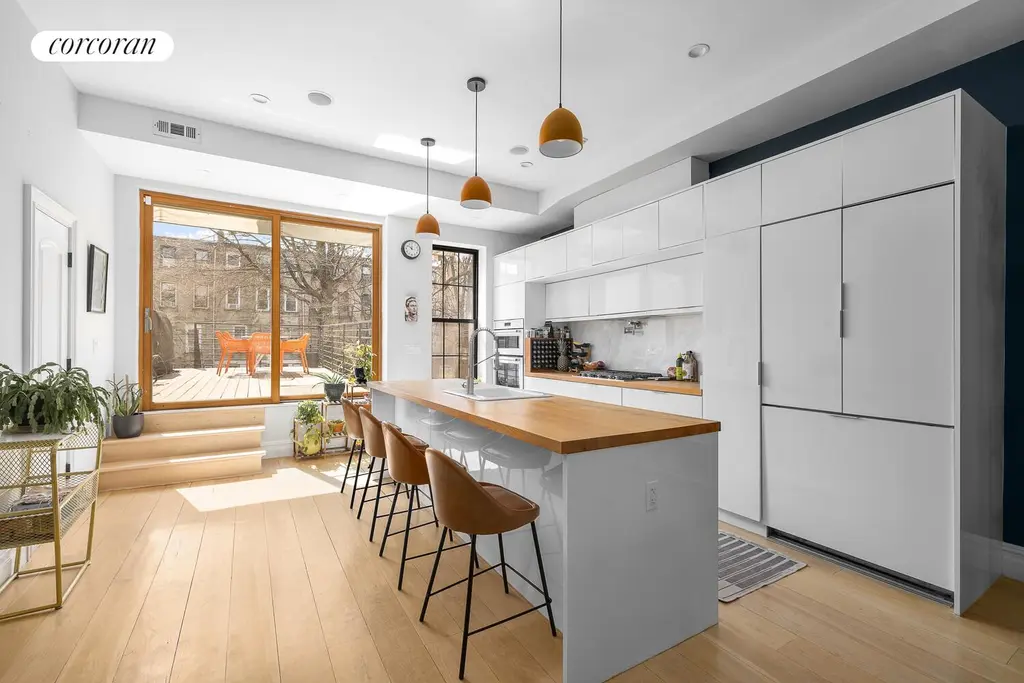
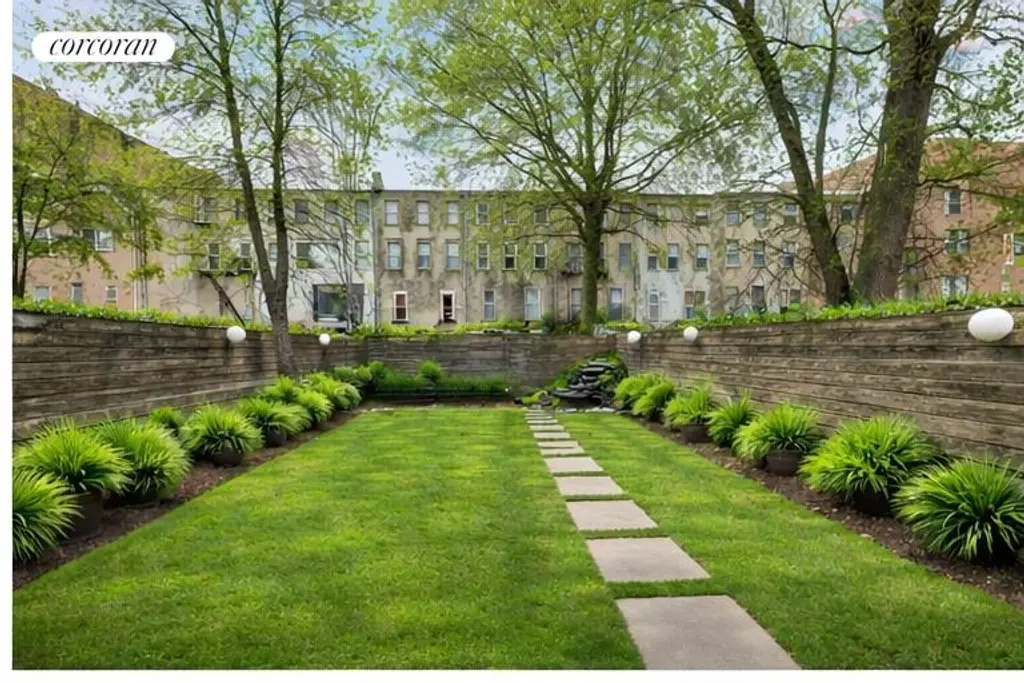
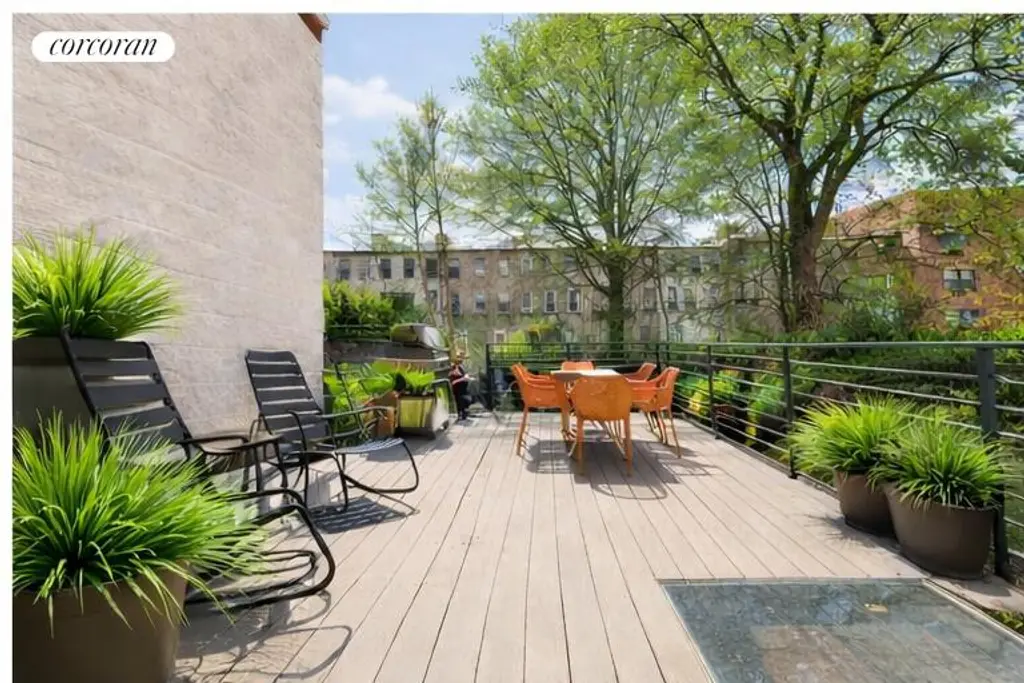
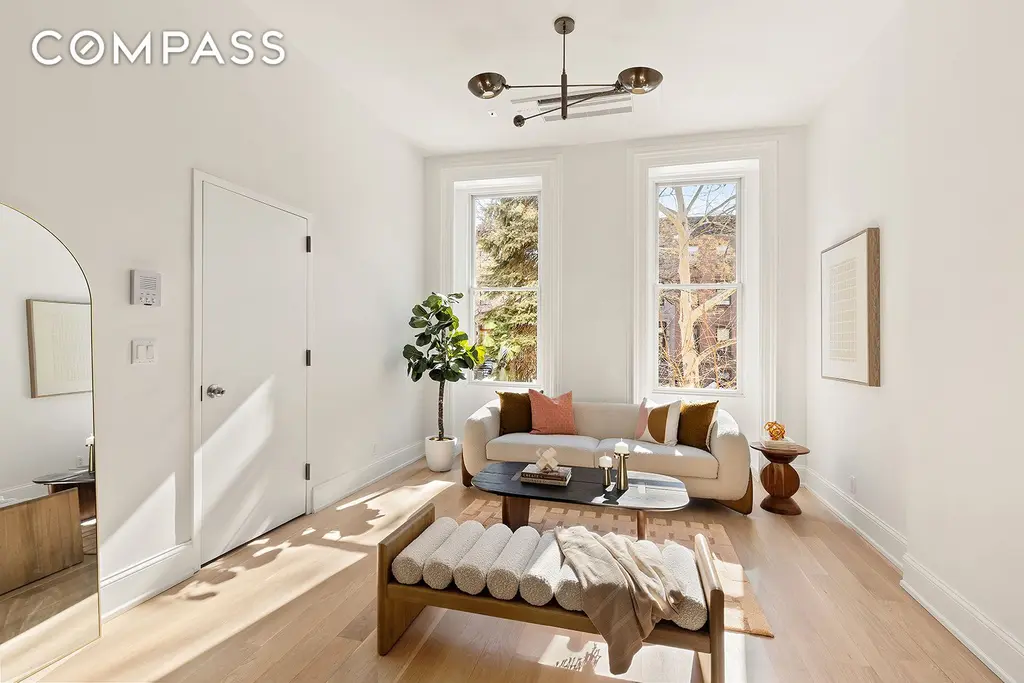
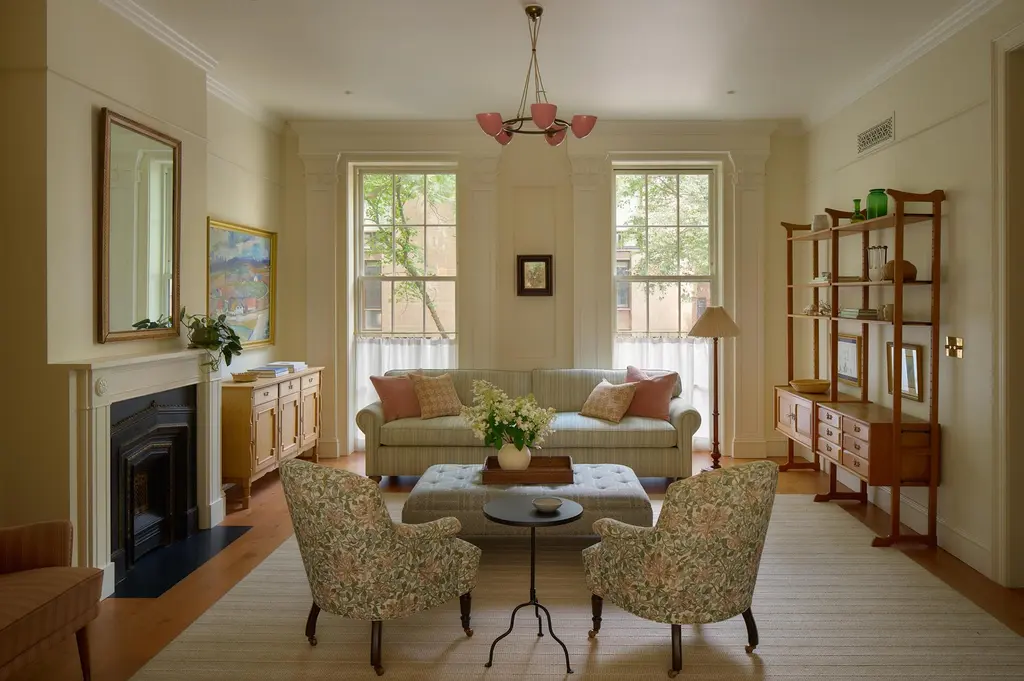
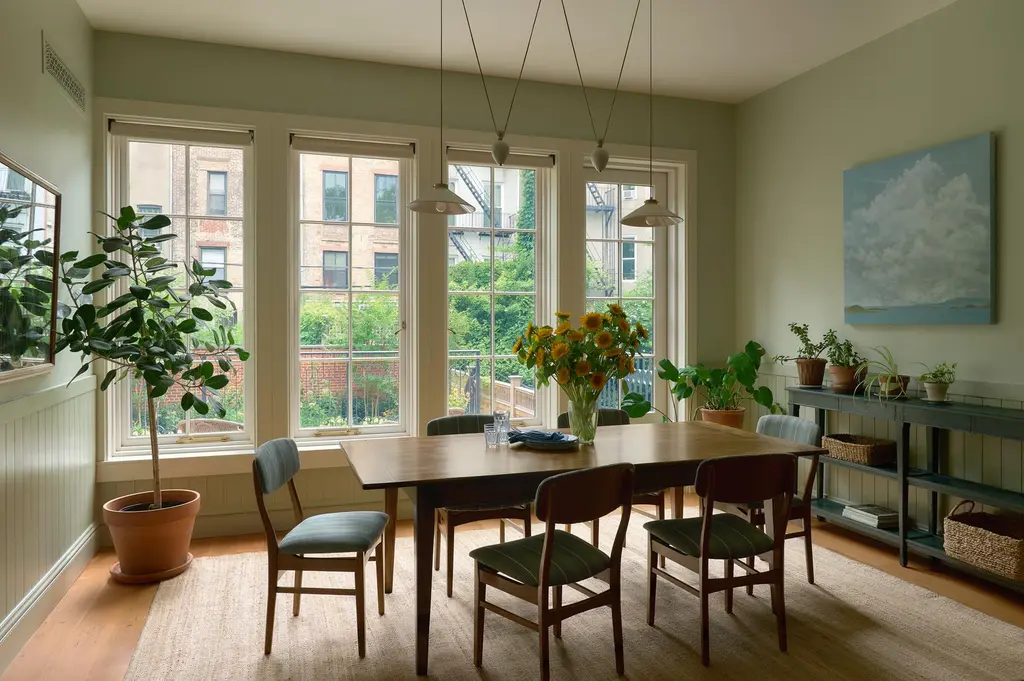
109 2nd Place, # (Compass)
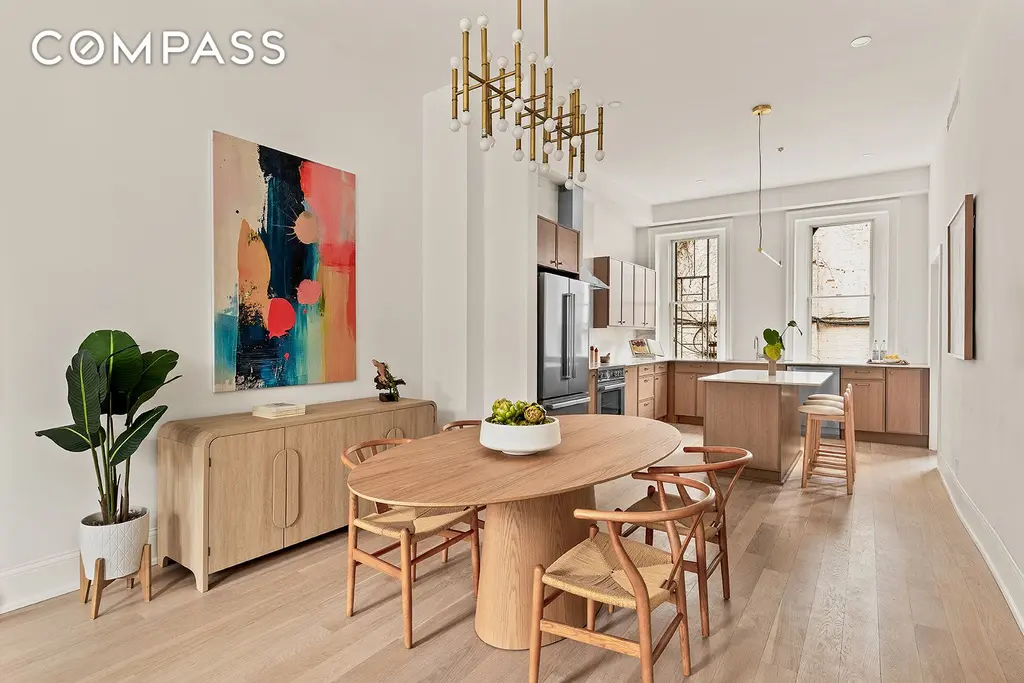
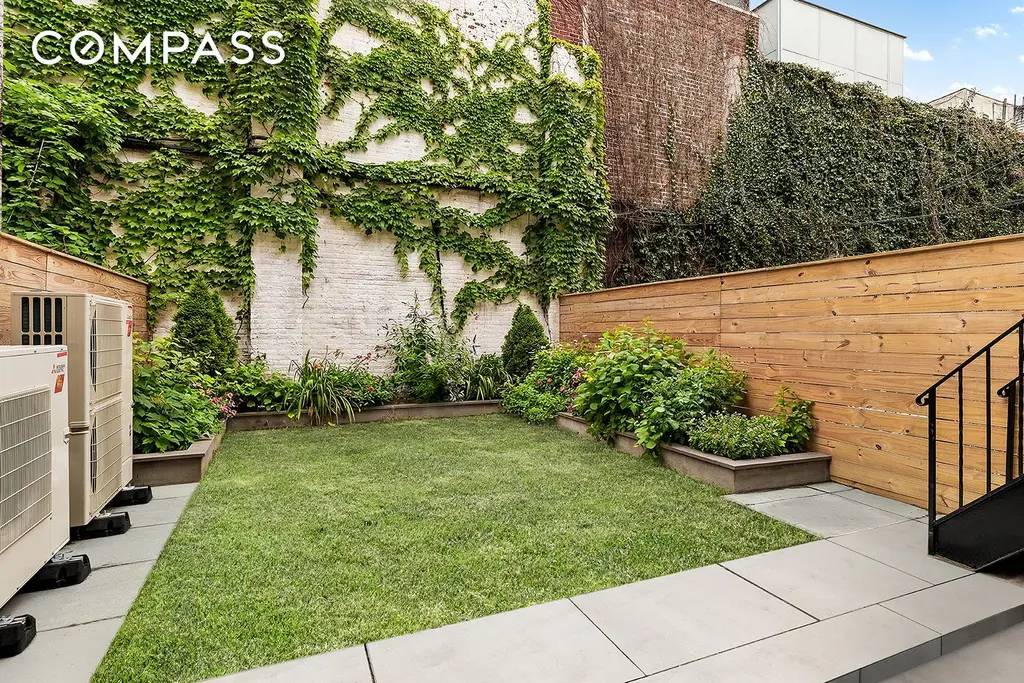
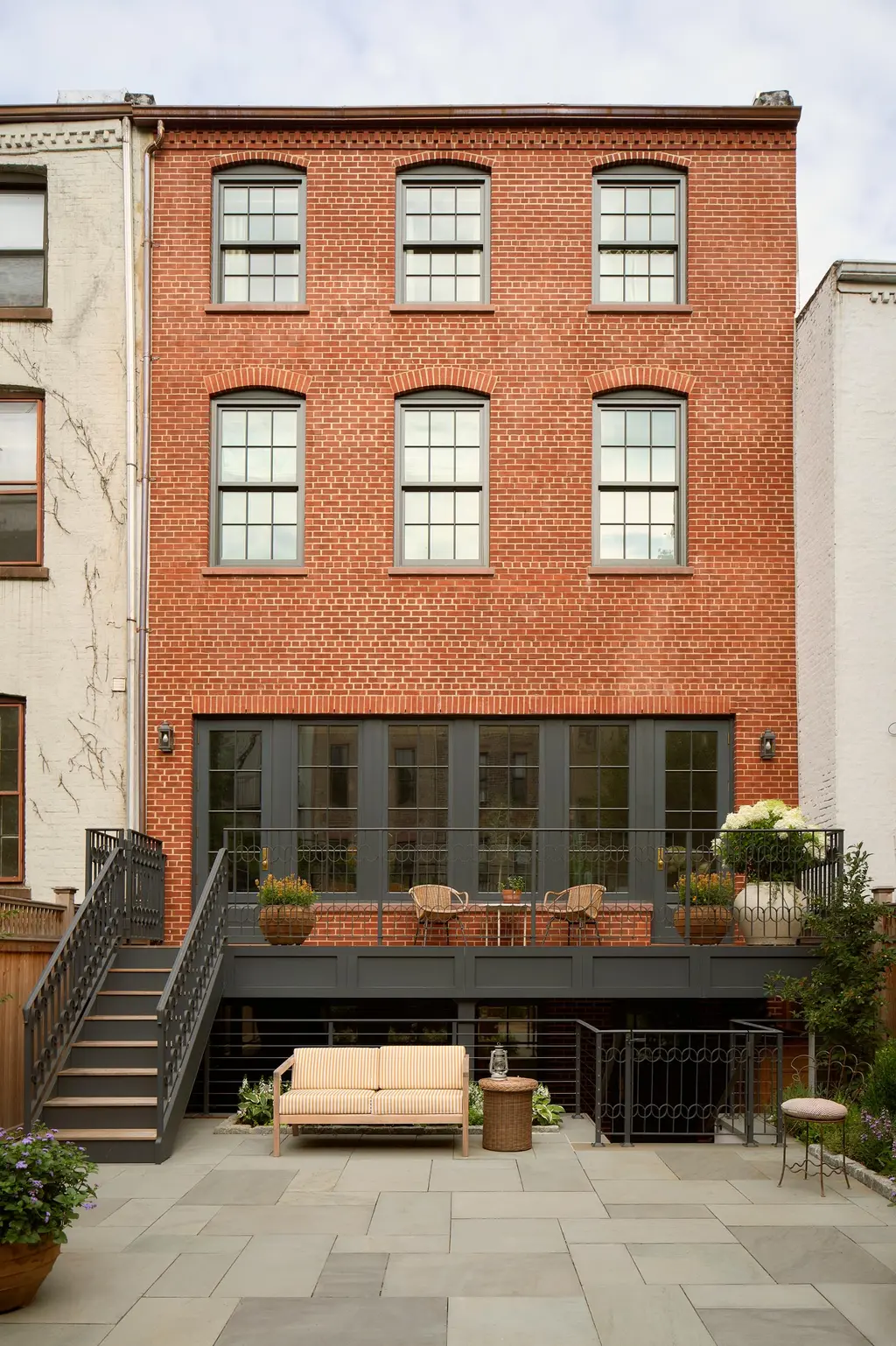
39 Willow Place, # (Brick Real Estate LLC)
New apartment listings in Brooklyn

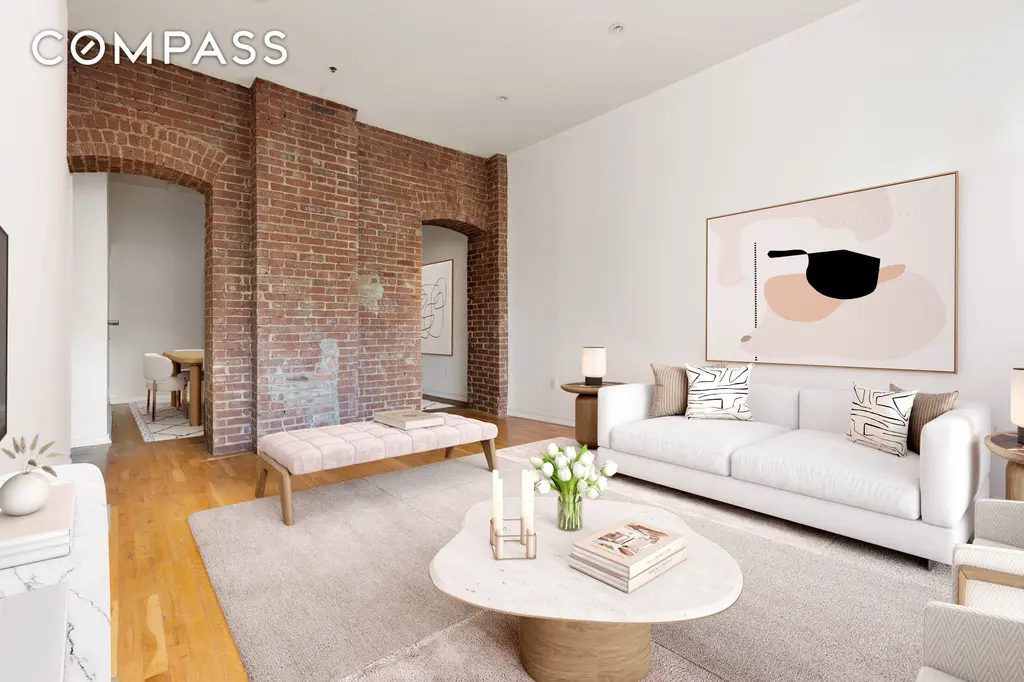
Clinton Mews, #4M (Compass)
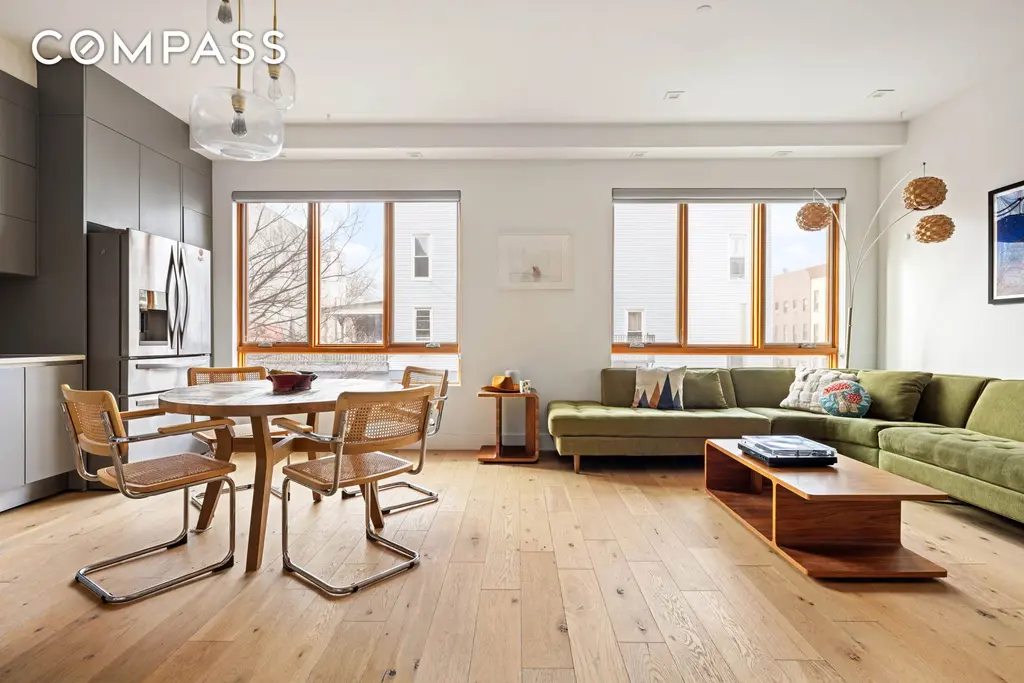
3 Ridgewood Place, #2 (Compass)
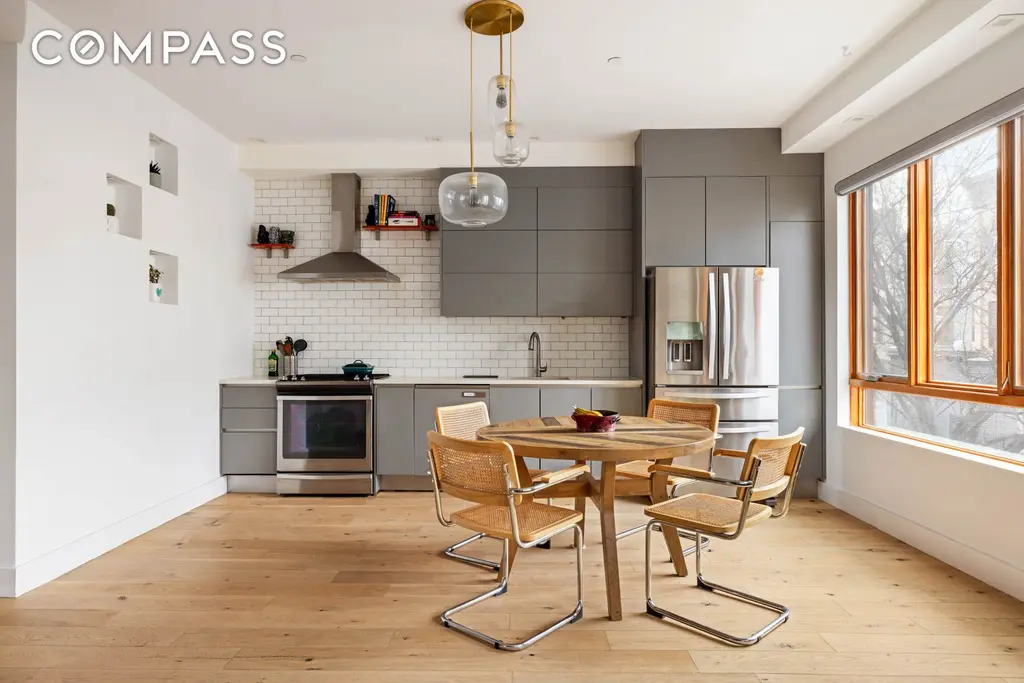
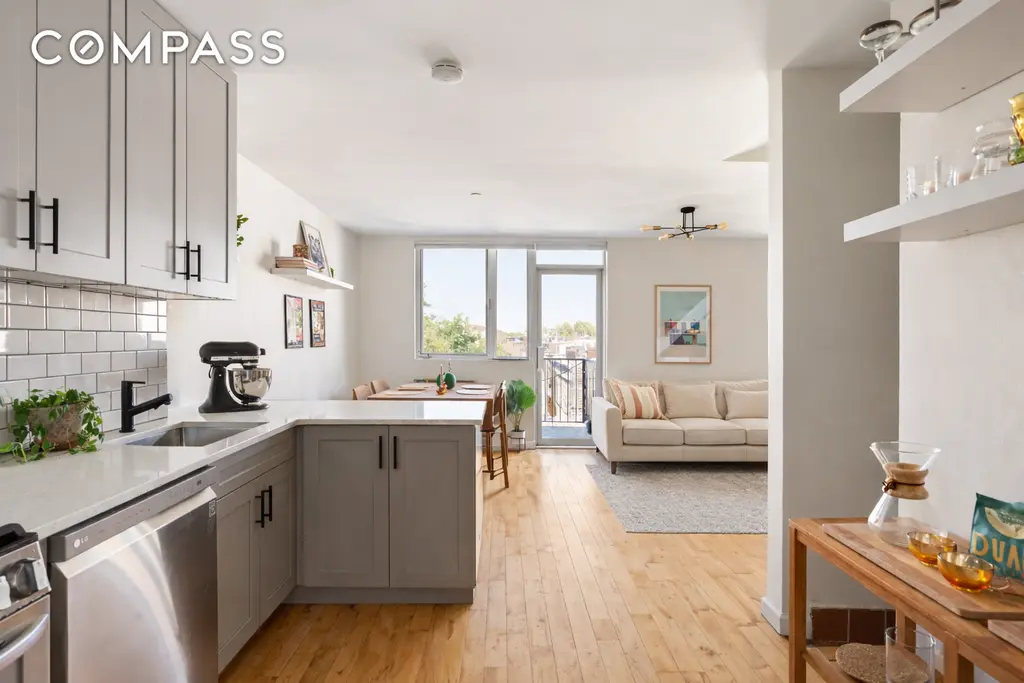
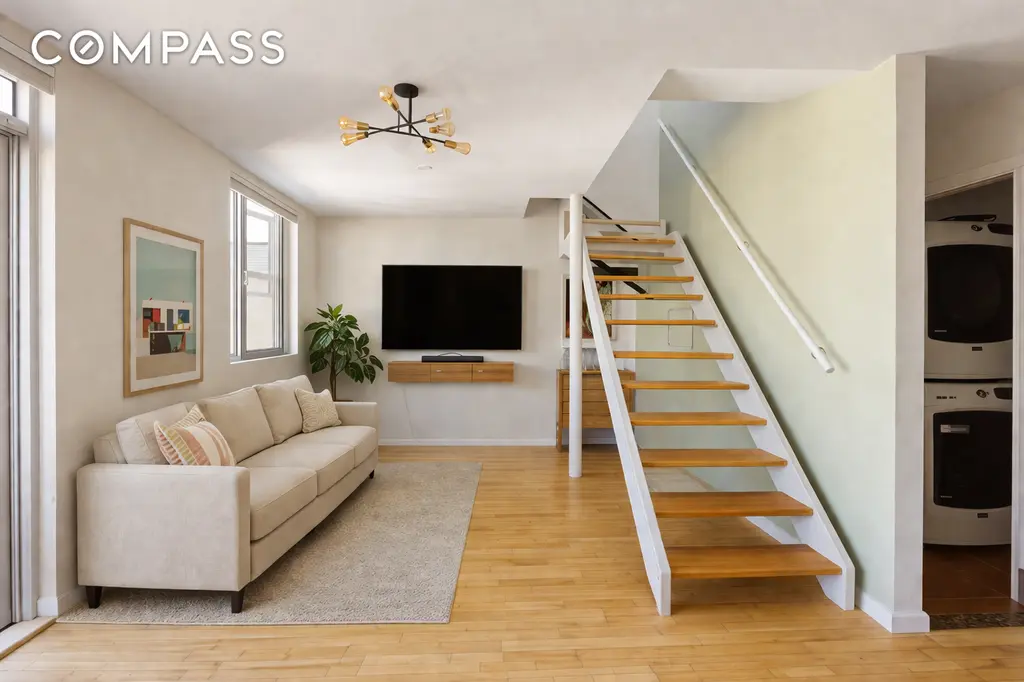
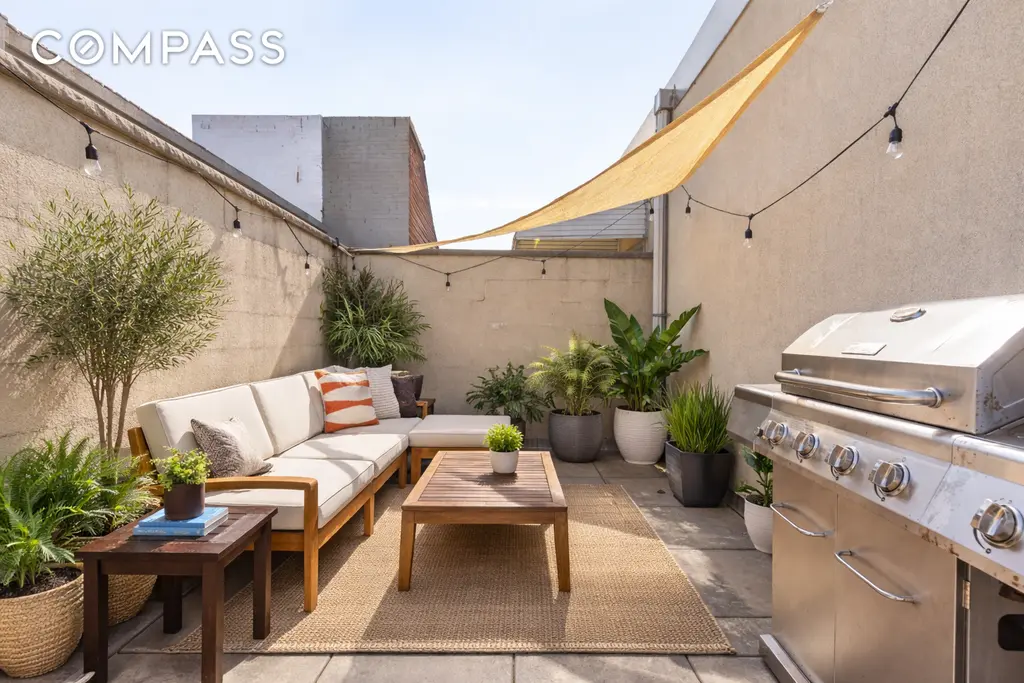
Wyckoff Avenue Condominiums, #4B (Compass)
707 Willoughby Avenue, #6B
$1,175,000
Bedford-Stuyvesant | Condominium | 2 Bedrooms, 2 Baths | 895 ft2
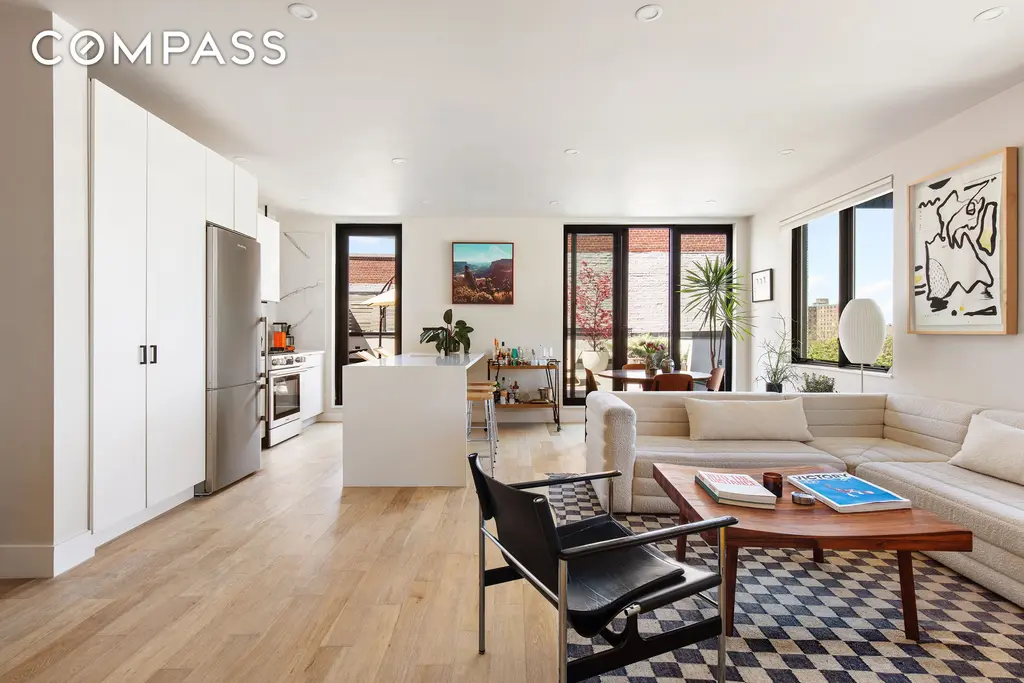
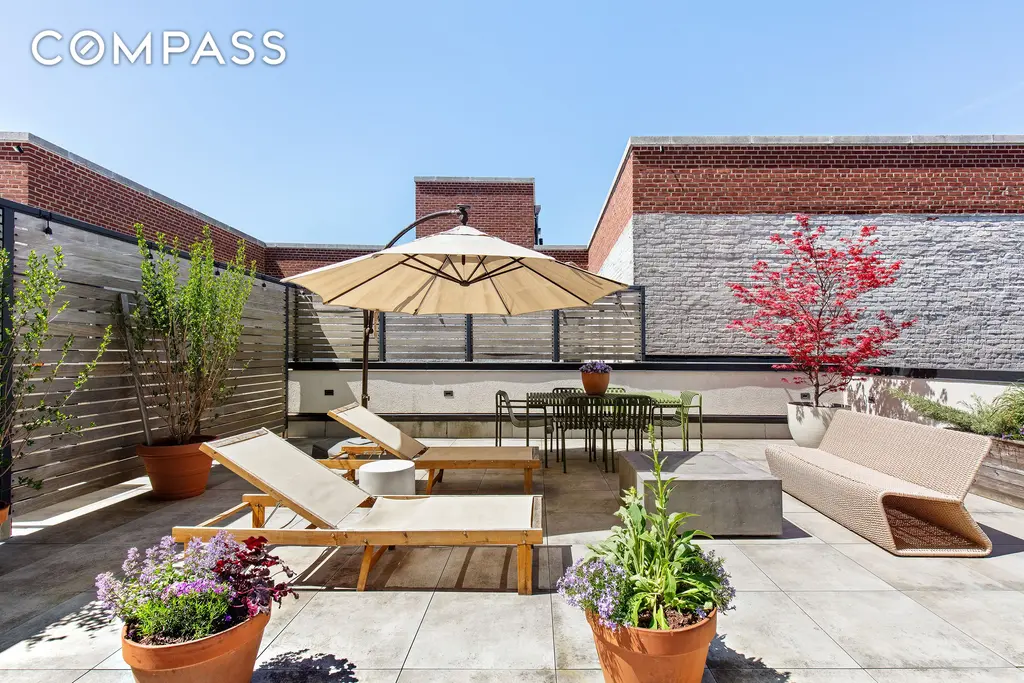
707 Willoughby Avenue, #6B (Compass)

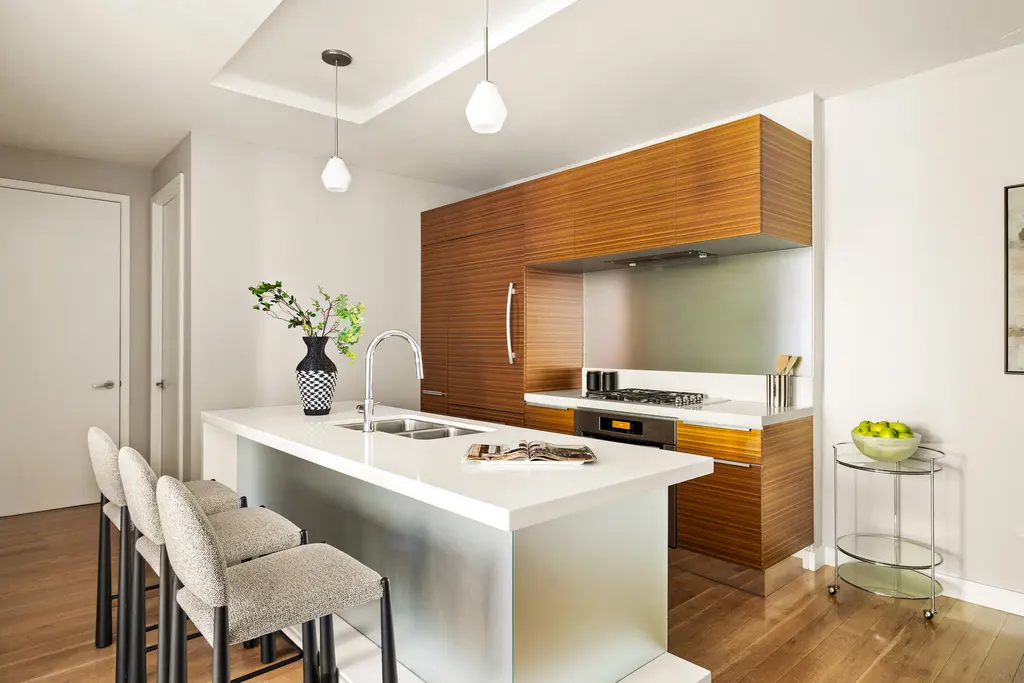
The Rialto, #2I (Serhant)
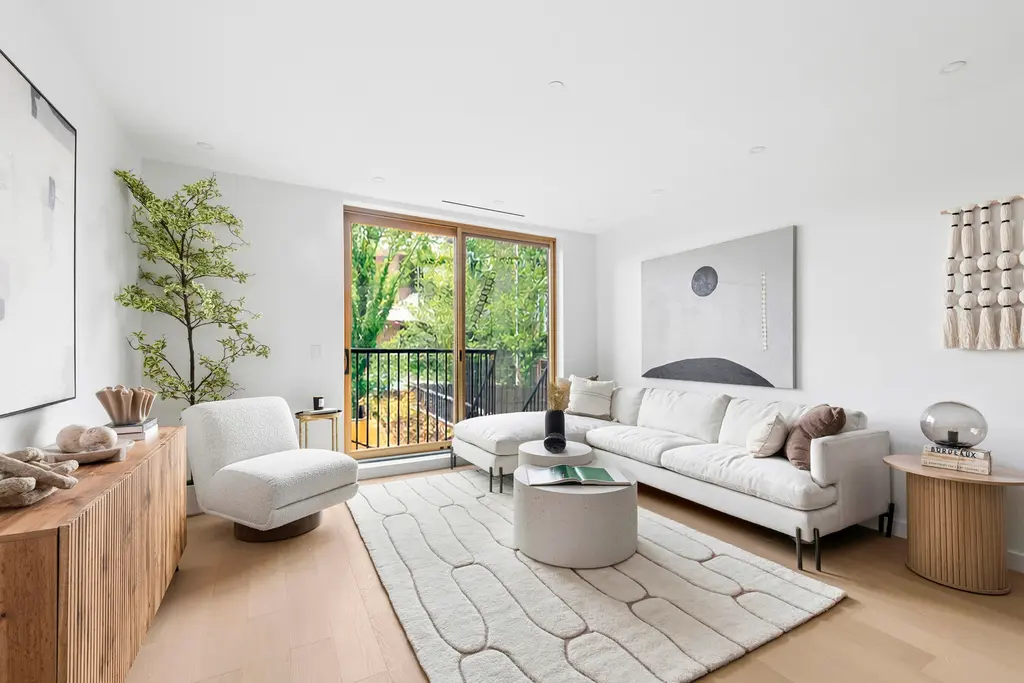
19 North Henry Street, #GDN2 (Serhant)
The Greenpoint, #38C (Douglas Elliman Real Estate)
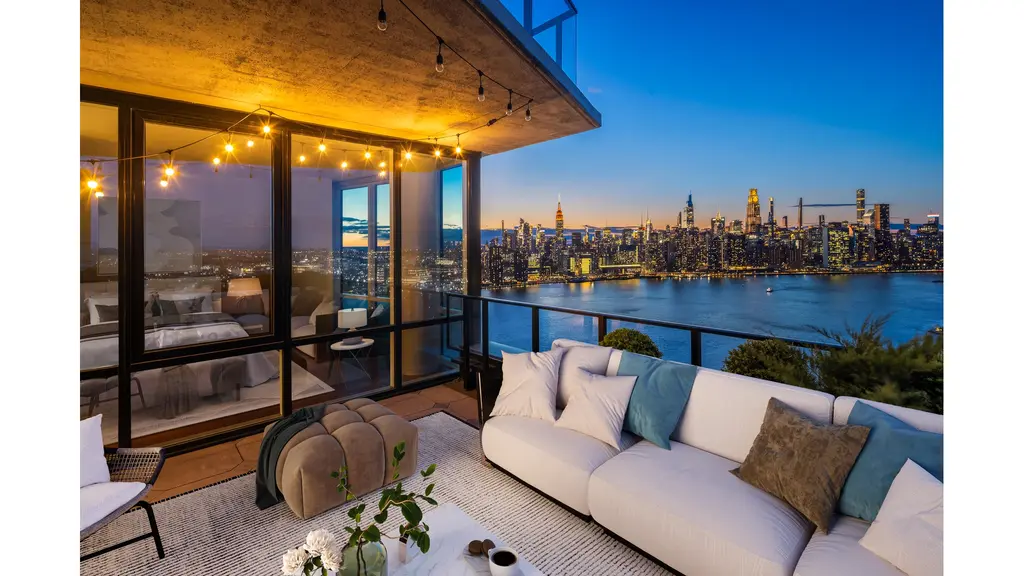

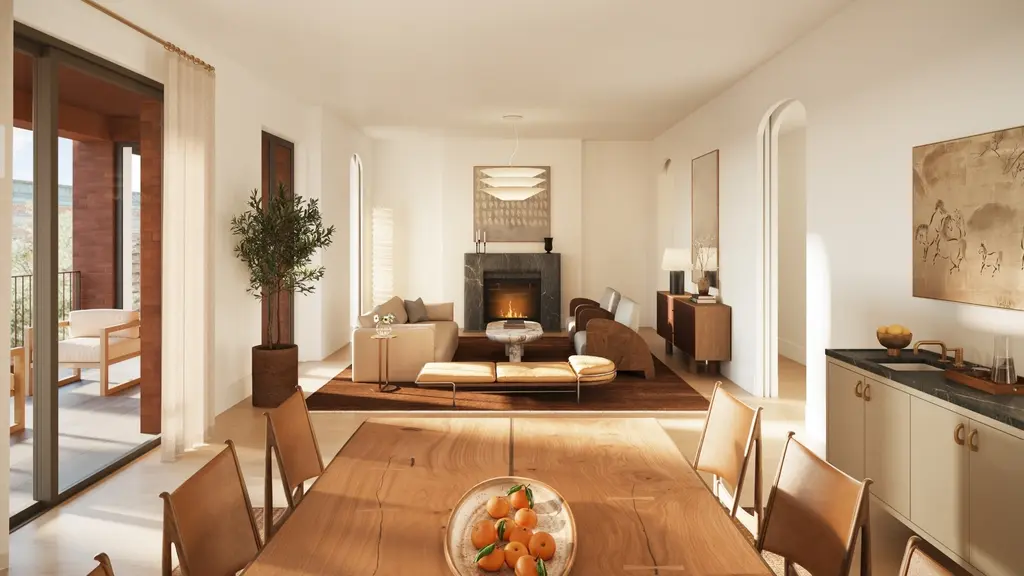
Boerum Place, #203 (AVDOO & PARTNERS DEVELOPMENT MARKETING INC)
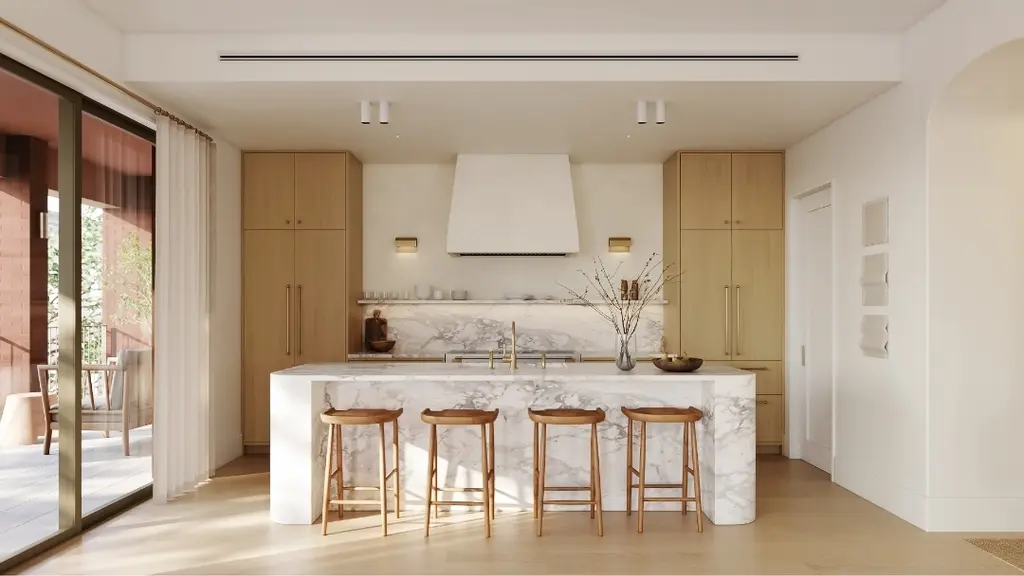
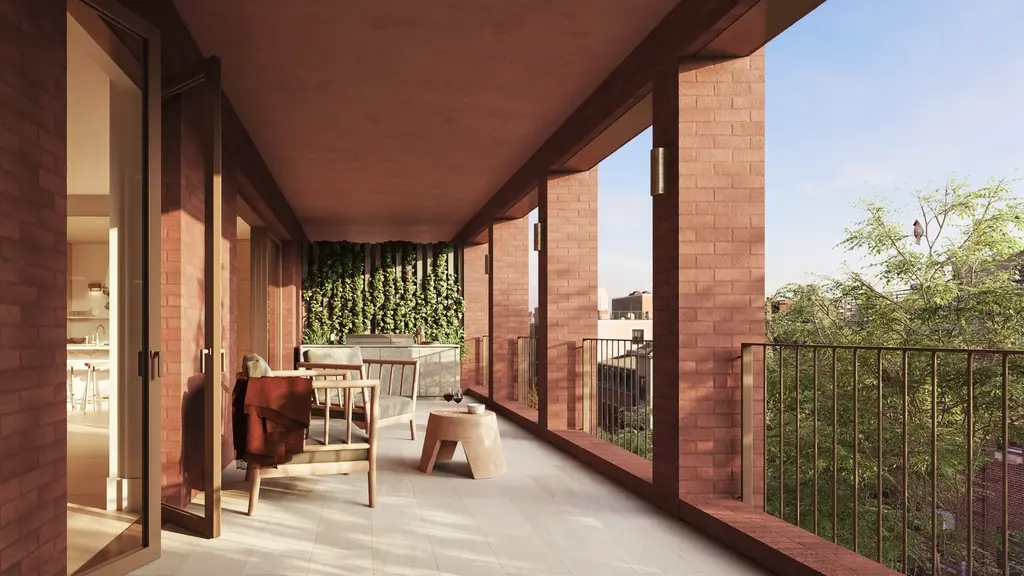
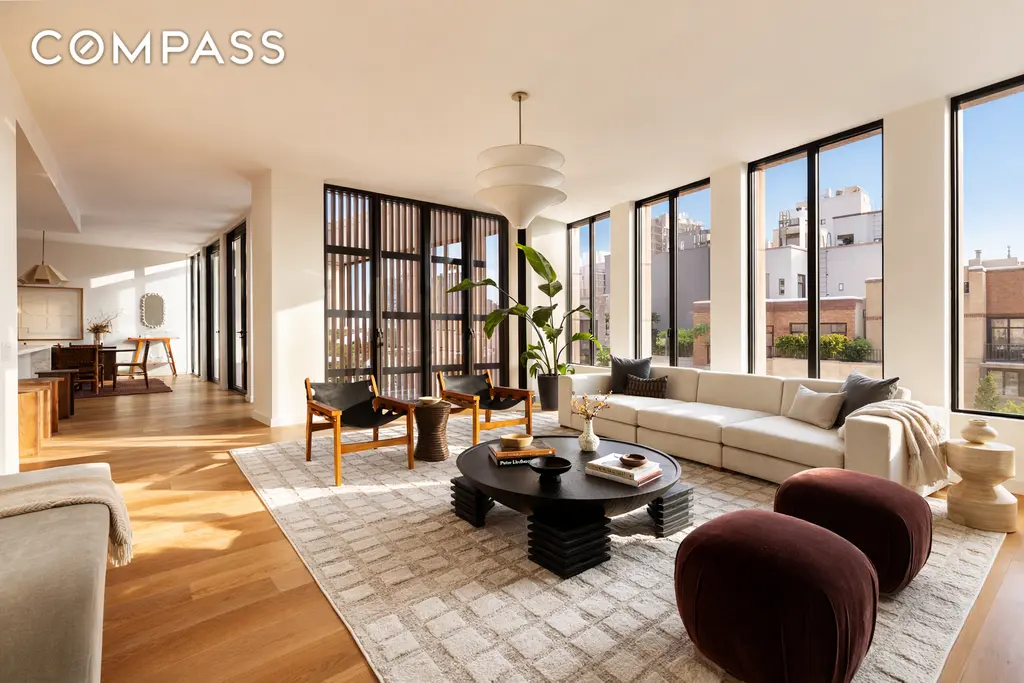
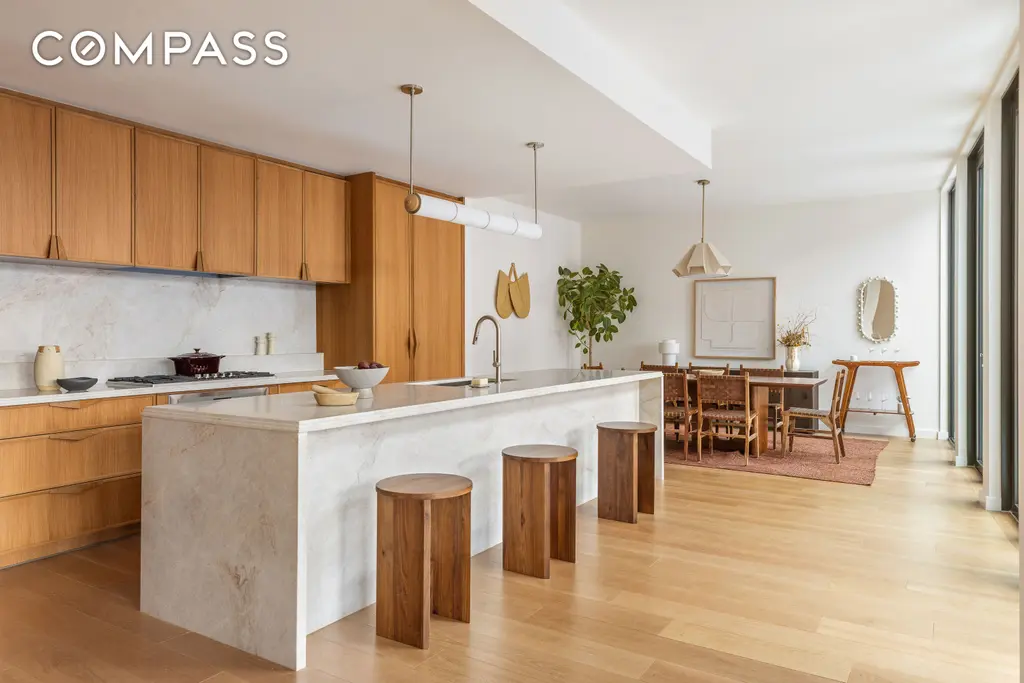
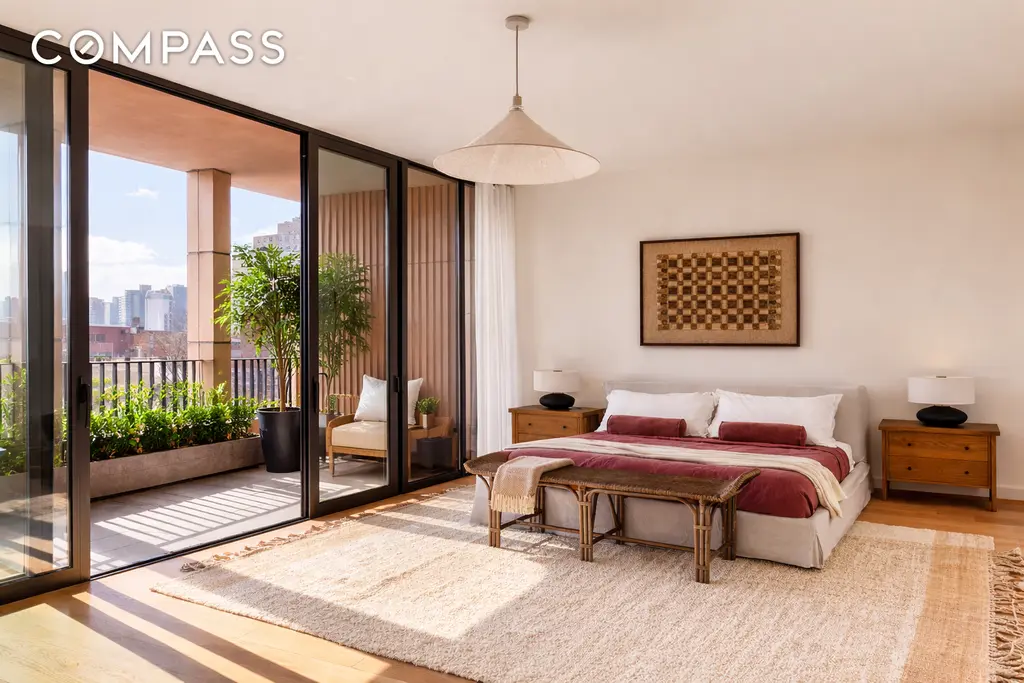
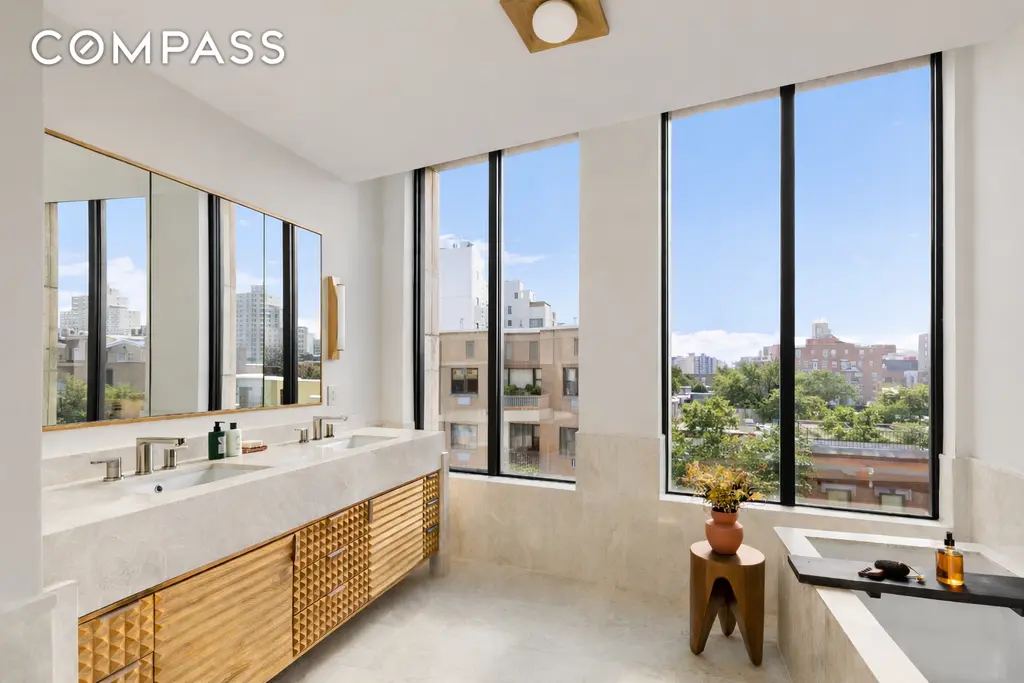
Bergen Brooklyn, #PH608E (Compass)
Related Articles

Future New York
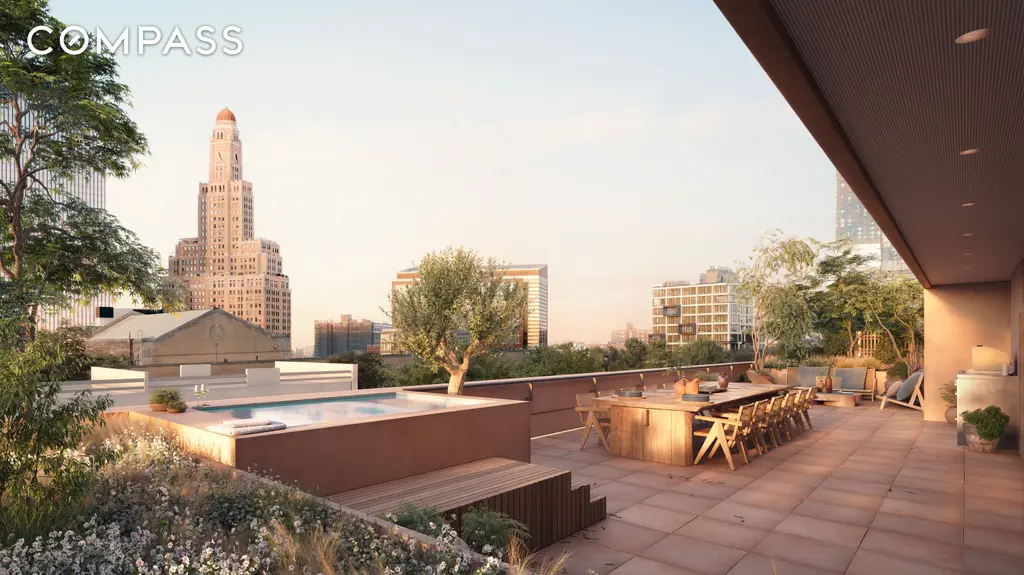
Urban Edens: 20 NYC condo developments with lush resident gardens; Sales launch at The Morgan from $975K
Monday, July 20, 2026
Williamsburg
Taking game night to the next level: 15 NYC condos with elevated game rooms and billiards tables
Friday, June 26, 2026
Future New York
Brick is Back: NYC developments revive the warmth of masonry; See Morris Adjmi's new design for 277 Canal Street
Friday, June 19, 2026
Future New York
Making an Entrance: Top NYC Buildings with Porte-Cocheres and Dramatic Driveways
Wednesday, June 3, 2026
Great Listings
Price Cuts: Cathedral-like condo in former convent drops below $2M; Fifth Avenue five-bed gets $5M haircut
Wednesday, June 3, 2026
Great Listings
Price Cuts: O'Neill Building penthouse reduced by $1.25M; Cara Delevingne relists Gramercy penthouse for a loss
Friday, May 29, 2026
Future New York
When, why, and how to hire a home inspector + Great new listings with outdoor space from $595K
Saturday, May 9, 2026
Future New York

 6sqft delivers the latest on real estate, architecture, and design, straight from New York City.
