 ✨Don’t just browse - start exploring!✨

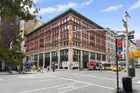
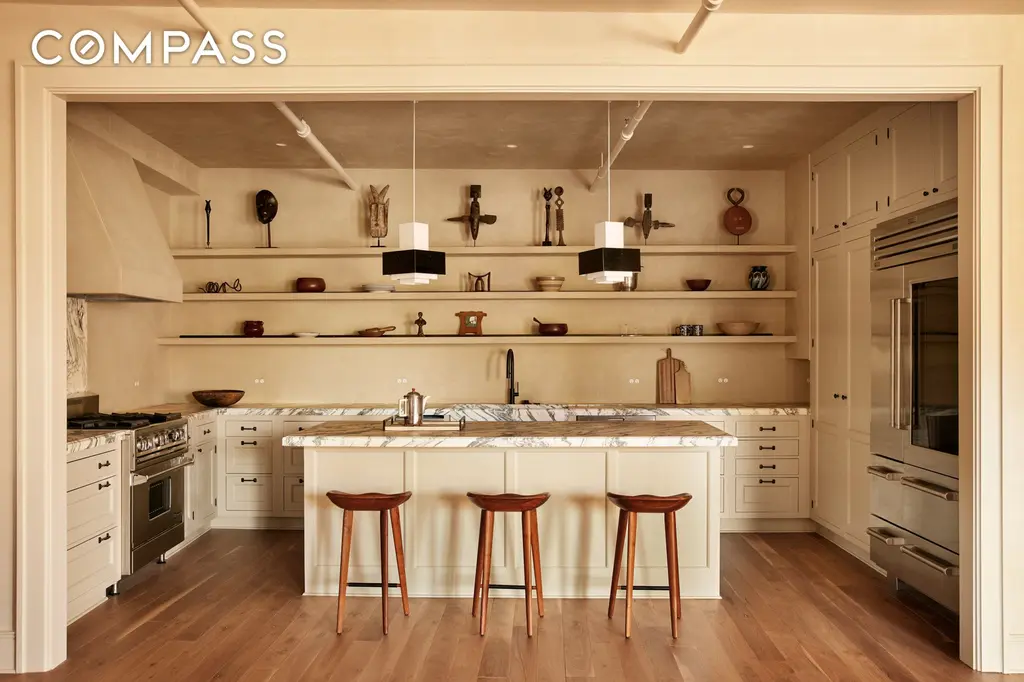
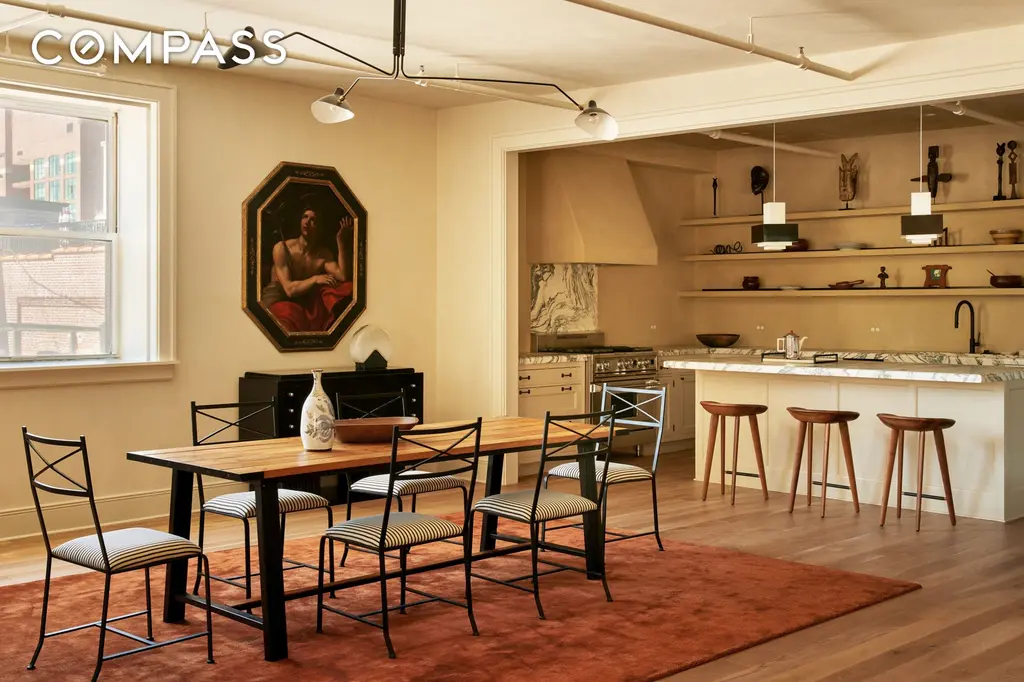
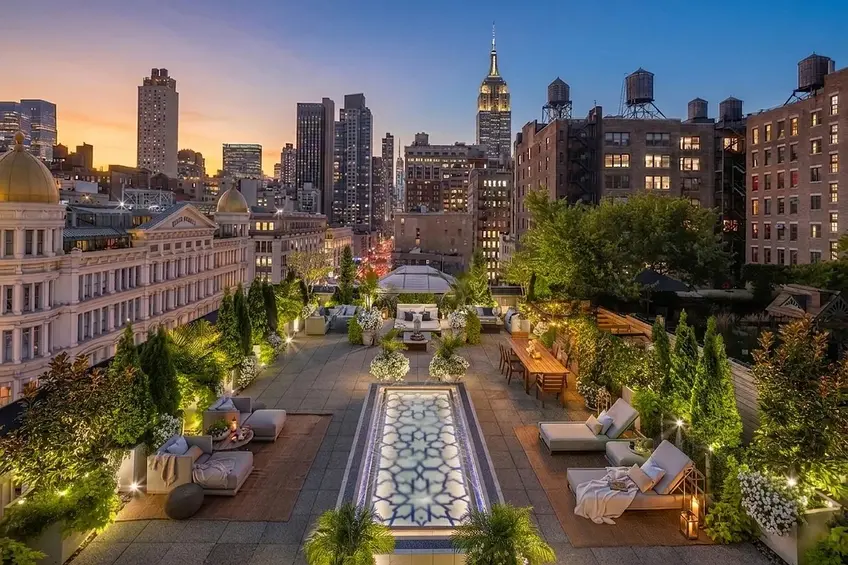 The Cammeyer, 650 Sixth Avenue, #PHA | https://www.cityrealty.com/nyc/chelsea/the-cammeyer-650-sixth-avenue/30381/PHA/LNIsPXQa
New York City is home of many historic districts, but whether these districts support both preservation and affordability is an ongoing debate. Surprisingly, depending on who you ask, historic districts are either a way to protect the city’s architectural and cultural heritage and rent stabilized units or an almost certain way to guarantee future sky-high housing prices in some of the city’s more sought-after neighborhoods.
In this article:

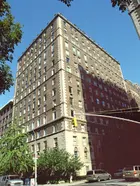
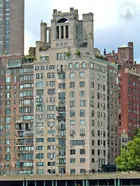
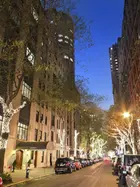
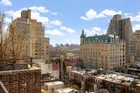



The longstanding debate over local historic districts
Since 1965, New York City's Landmarks Preservation Commission ("Landmarks") has designated over 150 historic districts. As this map reveals, from Brooklyn Heights to Greenwich Village to the Upper East Side, many of these districts happen to be in the city’s most coveted real estate markets. On this basis alone, one might conclude that historic district status necessarily leads to higher property values and rental prices, but 25 years of research suggests that the reality may be more nuanced.
At least some studies confirm that historic districting increases the value of local properties. For example, a 2003 study by the New York City Independent Budget Office (IBO), which used Department of Finance data on the sale of one to three-family homes from 1975 through 2002, found that the prices of houses in historic districts were higher than the prices of similar houses located outside historic districts. The study also found that historic properties located in designated historic districts tended to appreciate more quickly than those located outside historic districts.
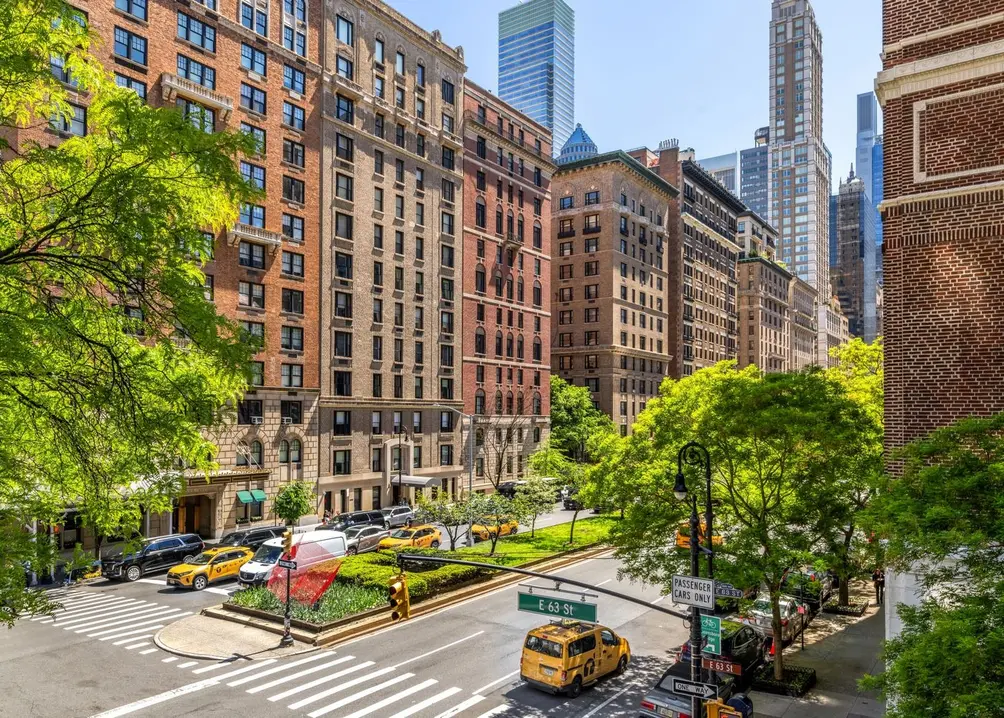 Park Avenue in the Upper East Side Historic District
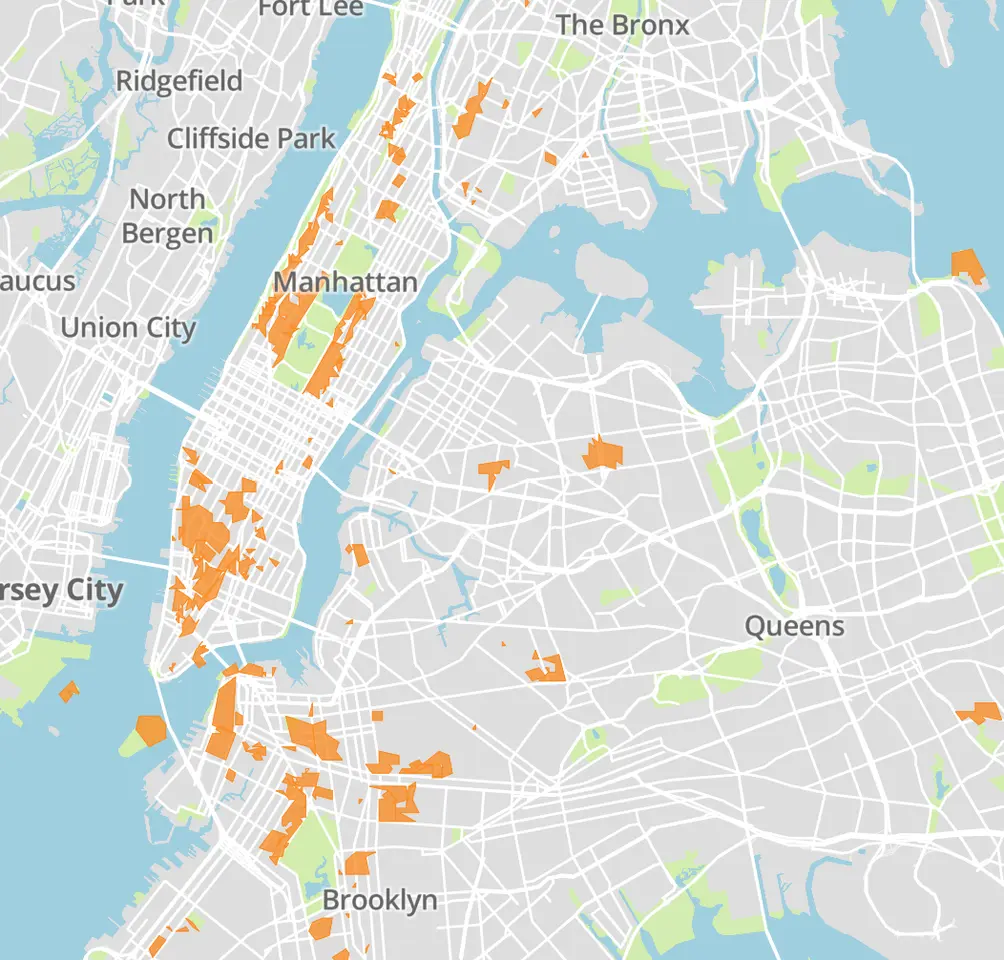 Map showing all of NYC's historic districts: https://data.cityofnewyork.us/Housing-Development/Historic-Districts-Map-/xbvj-gfnw
A more recent study by the Real Estate Board of New York (REBNY), based on data from 2007 to 2014, further found that over that seven-year period, there was a net loss of nearly 10,000 rent-stabilized units in landmarked districts across the city, with Manhattan and Brooklyn experiencing the highest losses. As the study reported, during that period, “Manhattan landmarked properties lost 24.5% of their rent-stabilized units compared to a loss of 11.5% in non-landmarked properties. And Brooklyn landmarked properties lost 27.1% of their rent-stabilized units compared to 3.4% in non-landmarked properties.”
While this research may appear to confirm that historic districting necessarily raises home values and rents, other studies point to notable differences across neighborhoods and boroughs. For example, one 2014 study published by NYU’s Furman Center found that in Manhattan, property values don’t necessarily increase following historic districting because the designation limits future development—for example, the ability to turn a narrow lot consisting of two townhouses into a multi-unit high-rise building.
On this basis, some supporters of historic districting, including the New York Landmarks Conservancy (a private, non-profit organization that provides financial and technical assistance to owners repairing historic buildings), have argued that designating historic districts may even help preserve rent stabilized housing units. Their 2022 study found that over two-thirds (67.3%) of the historic districts reported higher median house values than the community districts in which they were located and more than half of historic districts have higher rents compared to the community districts in which they are located, but the study also found notable exceptions. In Queens, for example, only two of five historic districts align with these trends.
Three boroughs, three historic districts
The best way to fully appreciate the impact of historic districting on property values, rental prices, and rent stabilization is to consider how historic districting has impacted just a few popular New York City neighborhoods.
Greenwich Village Historic District, Manhattan
One of the largest and oldest historic districts in the city is the Greenwich Village Historic District. Designated in 1969, shortly after the city started designating historic districts, Greenwich Village, with its narrow streets and high-volume of 19th-century homes, has been protected by preservation laws for over fifty years. Today, Greenwich Village is home to some of the most sought-after real estate in the city and to an exceptionally high number of celebrity homeowners. While many of the neighborhood’s homes look like any other brownstone from the outside, walk inside and you’ll discover some of the city’s most stunning residential properties.
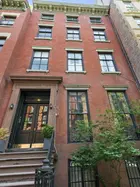
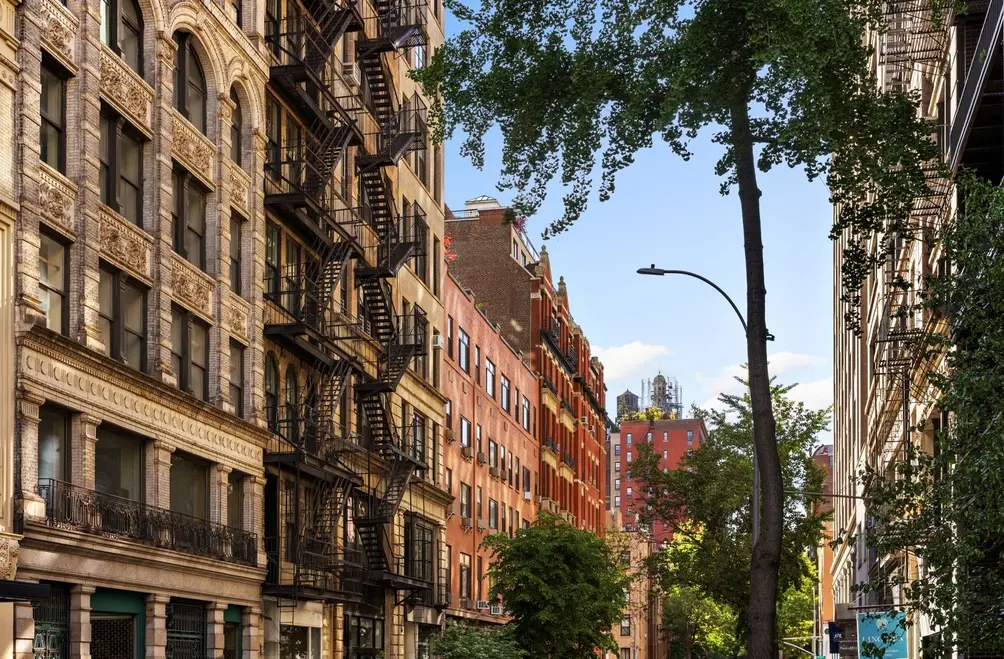 East 11th Street in the Greenwich Village Historic District
47 West 9th Street, #TH
$25,000,000
Greenwich Village | Townhouse | 6+ Bedrooms, 6+ Baths | 8,045 ft2
47 West 9th Street, #TH (Brown Harris Stevens Residential Sales LLC)
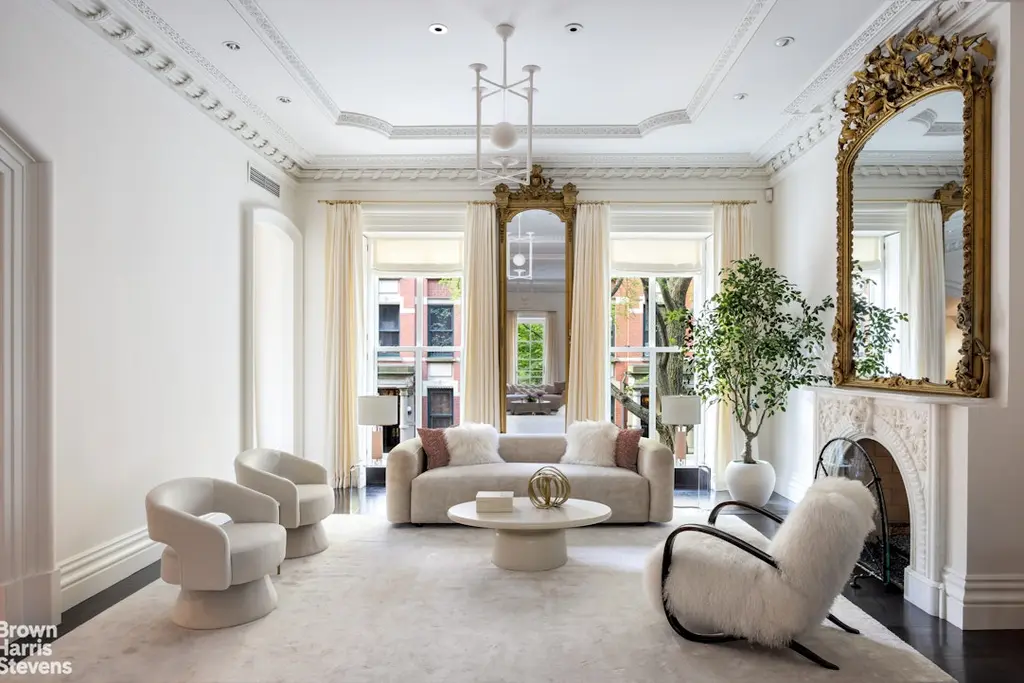
Greenwich Village isn’t just one of the most expensive places to buy a home in New York City. This longstanding historic district is also among the city most expensive places to rent. While the district is still home to some rent-stabilized apartments, Bloomberg reports that one in six small apartment buildings in the West Village, much of which falls within the historic district's boundaries, has been turned into a single-family home since 2004.
Brooklyn Heights Historic District, Brooklyn
Designated in 1965 as the city’s first historic district, Brooklyn Heights is also renowned for its well-preserved brownstones, its many distinctive houses of worship, and some of the city’s most coveted real estate. The district’s homes range from restored 18th-century wooden farmhouses like 69 Orange Street, which was last asking under $5 million, to 19 Cranberry Street, the brownstone featured in Moonstruck, which actress Amy Schumer listed at $14 million in 2025 and sold for $11 million in early 2026. On the rental side of the market, finding affordable units also isn’t easy. Like Greenwich Village, Brooklyn Heights is among the historic districts that has reported the highest decreases in rent-stabilized units since the early 2000s.
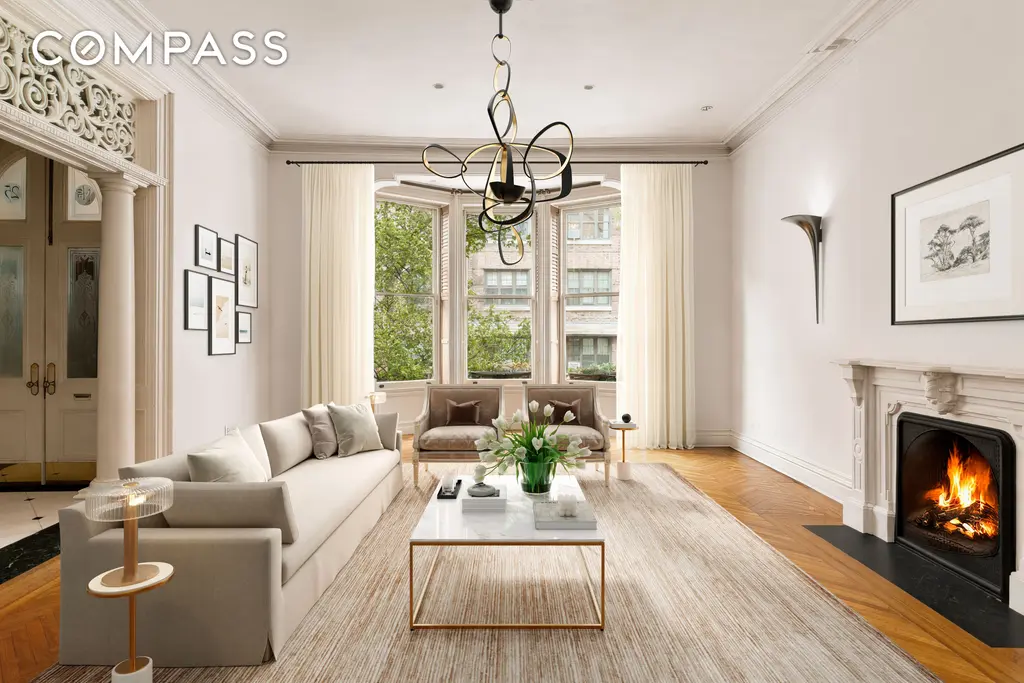
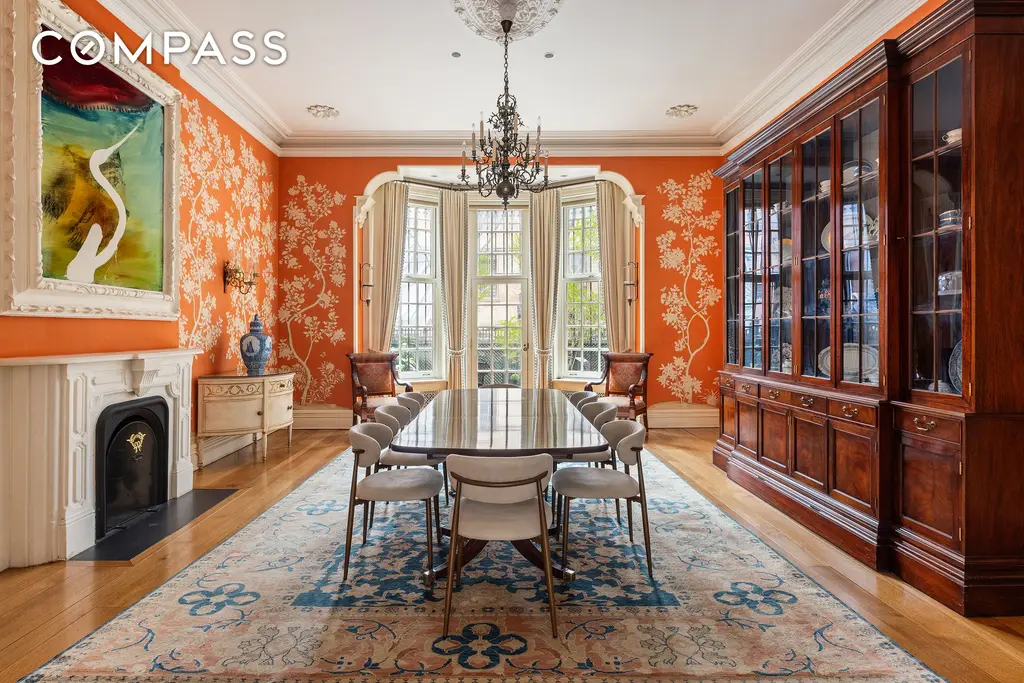
25 Grace Court, #TH (Compass)
Jackson Heights Historic District, Queens
Unlike Greenwich Village and Brooklyn Heights, which were among the original historic districts, Jackson Heights has only been a designated historic district since 1993. It is also among the few designated historic districts in Queens. Unlike many other historic districts, the Jackson Heights Historic District has at times resulted in clashes among local residents as some newer residents have argued that the emphasis on preserving the past, including the aesthetic of original facades, doesn’t always align with the needs of the neighborhood’s mix of new immigrants from around the world. While Jackson Heights remains highly affordable by New York City standards, there are still strong signs that its status as a historic district has raised local property values—over the past three decades, Jackson Heights’ homes have reported strong increases in value.
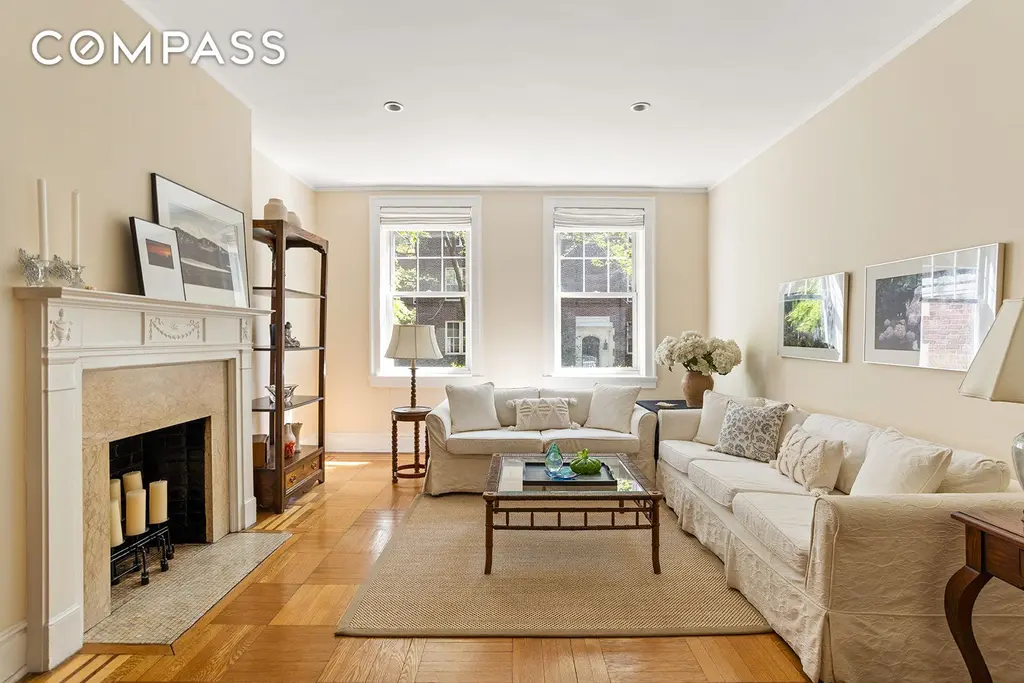
34-28 80th Street, #2 (Compass)
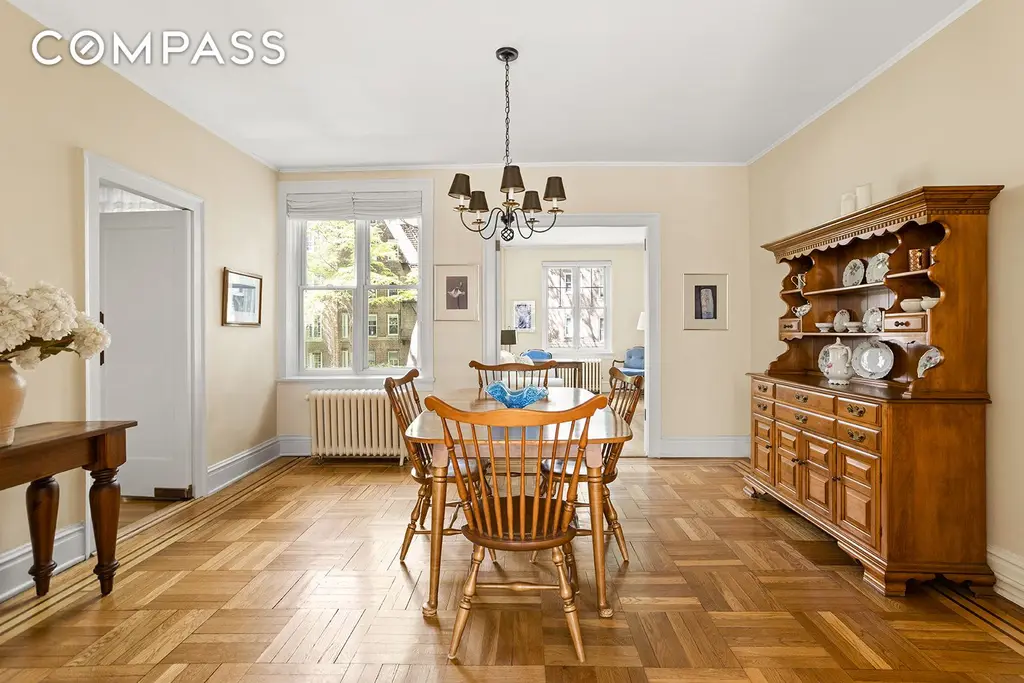
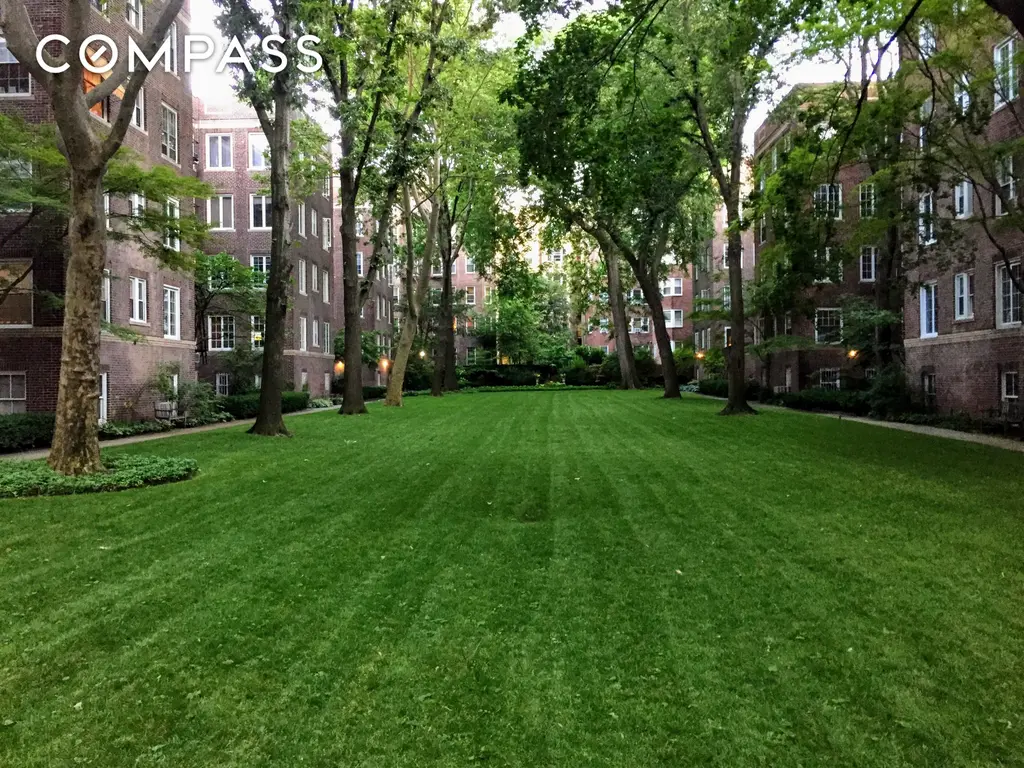
Although most studies suggest that historic districting results in higher housing values and rental prices, as this article suggest, there are exceptions. Depending on the location, historic districting may or may not result in sharp property value increases or negatively impact affordability.
Would you like to tour any of these properties?
Just complete the info below.
Or call us at (212) 755-5544
New listings in historic districts or individual designated landmarks
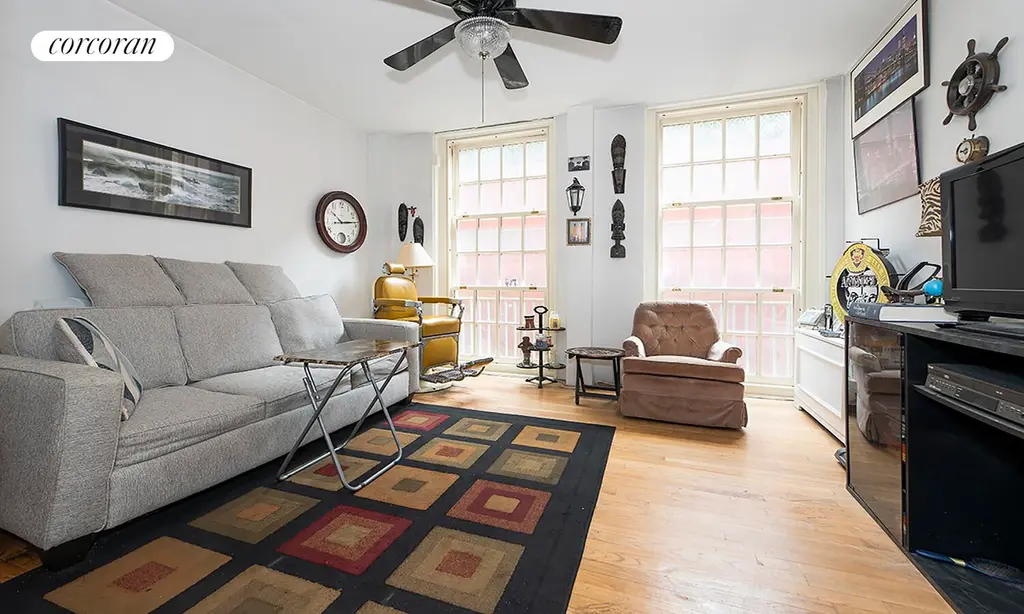
The Cherokee, #1A (Corcoran Group)
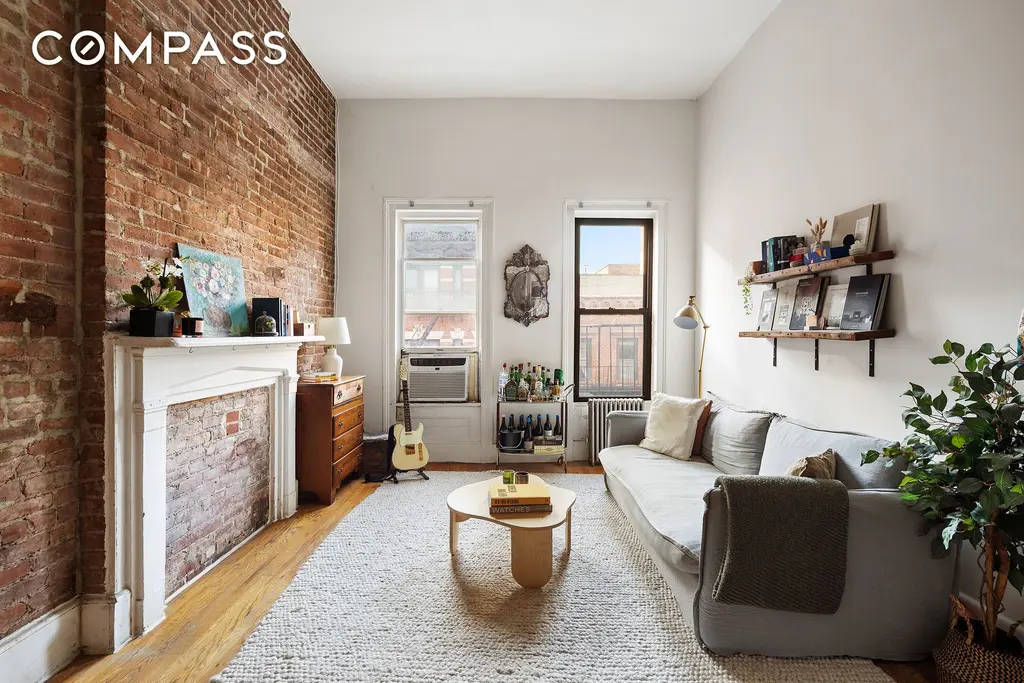
147 Sullivan Street, #5C (Compass)
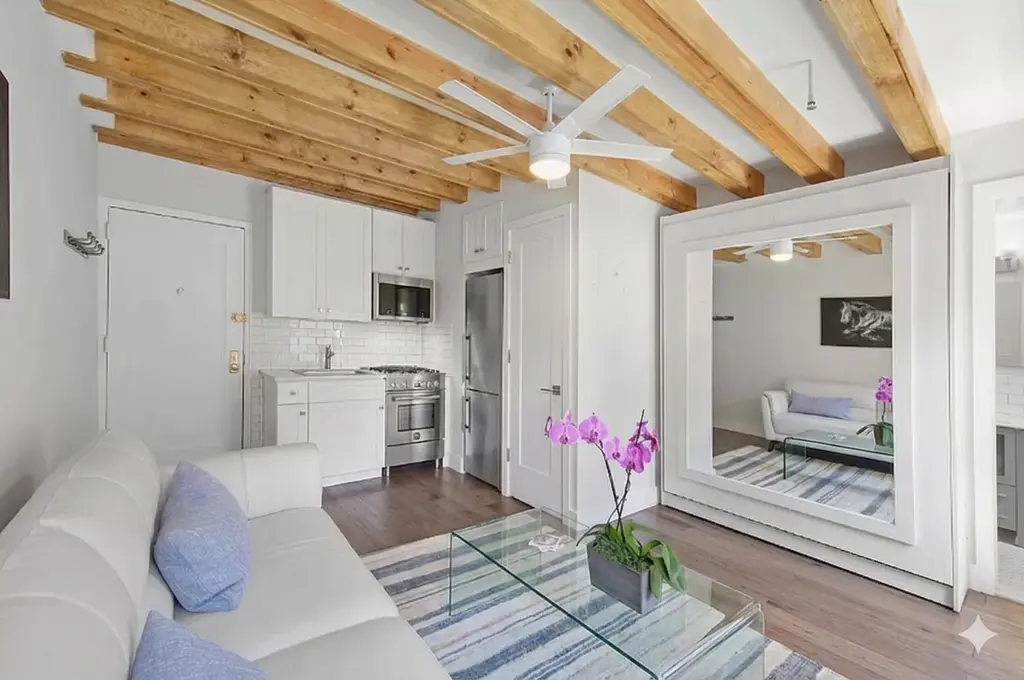
56 Jane Street, #4G (Elegran LLC)
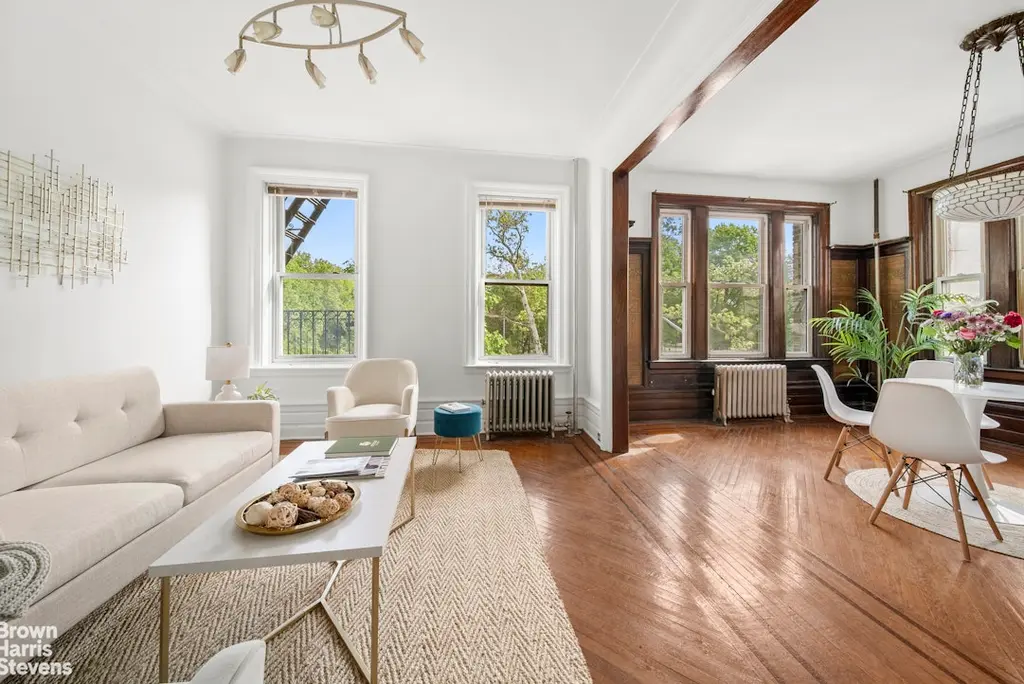
4404 Sixth Avenue, #3B (Brown Harris Stevens Brooklyn LLC)
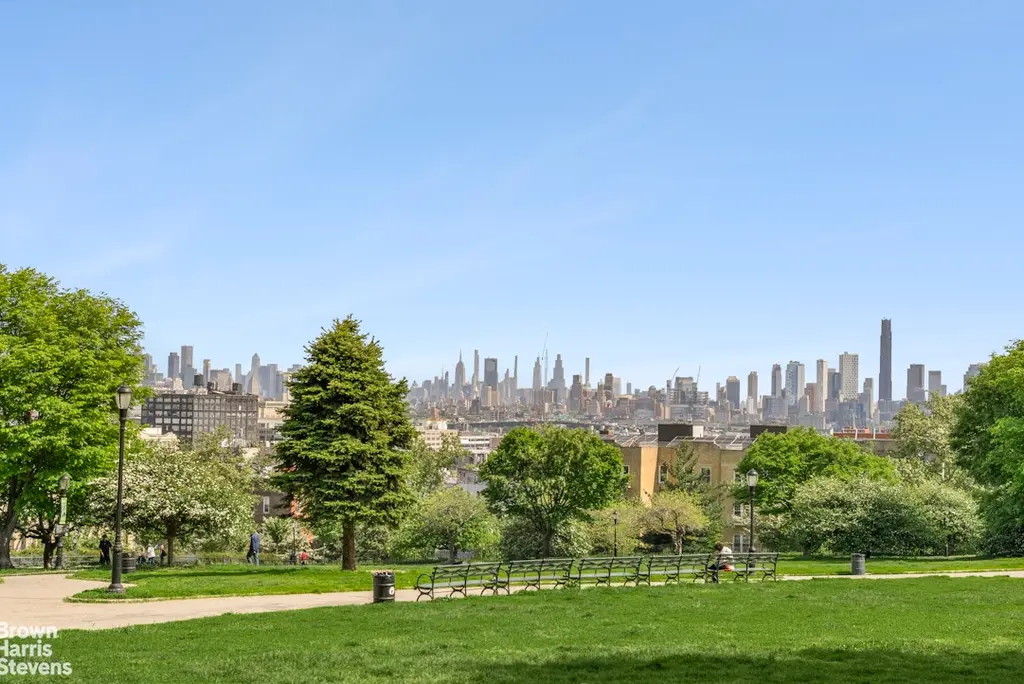
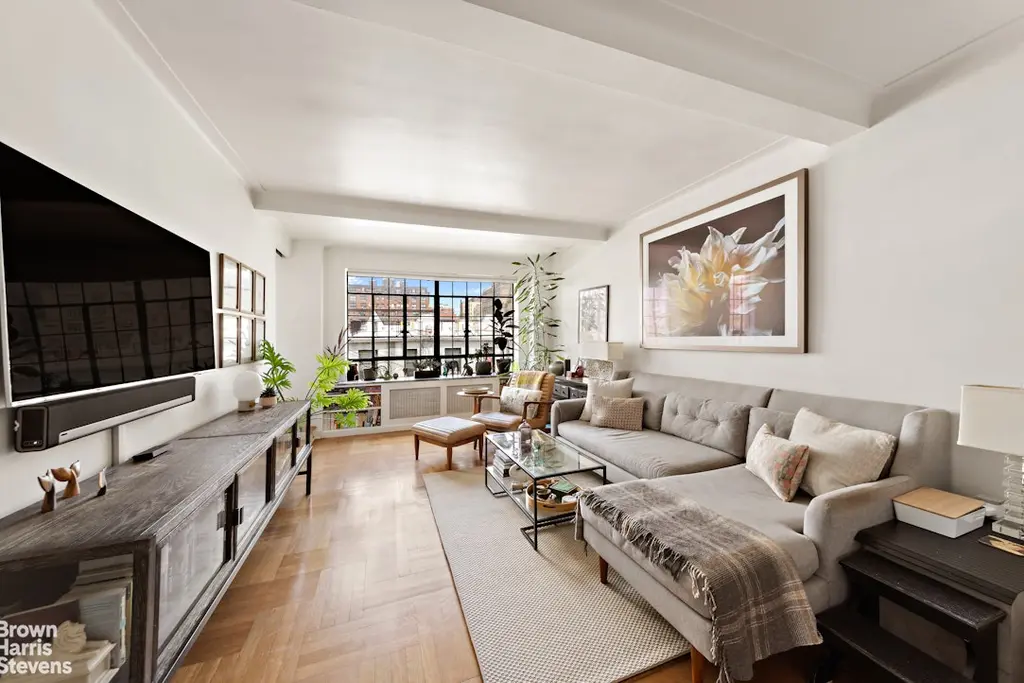
35 West 90th Street, #7J (Brown Harris Stevens Residential Sales LLC)
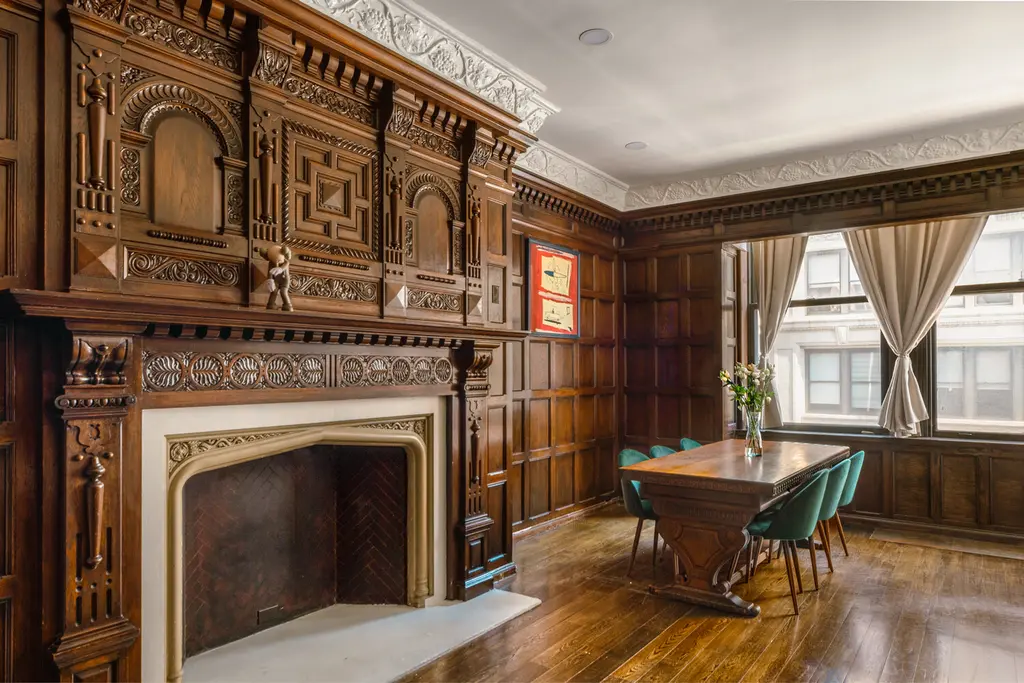
Morgan Lofts, #1006 (Coldwell Banker Warburg)
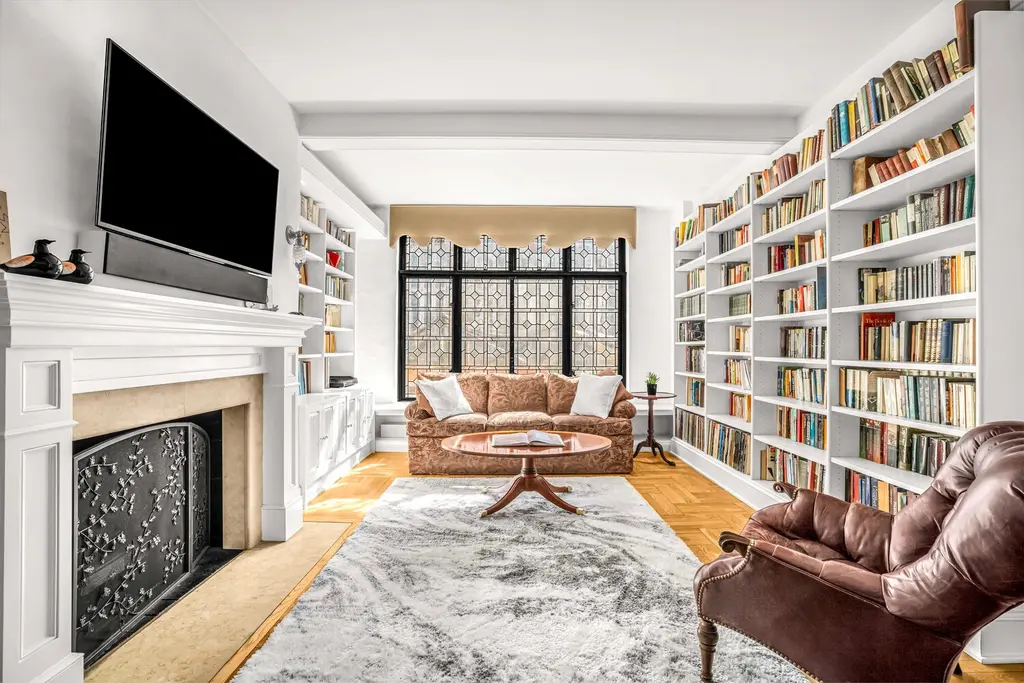
40 West 67th Street, #3D (Coldwell Banker Warburg)
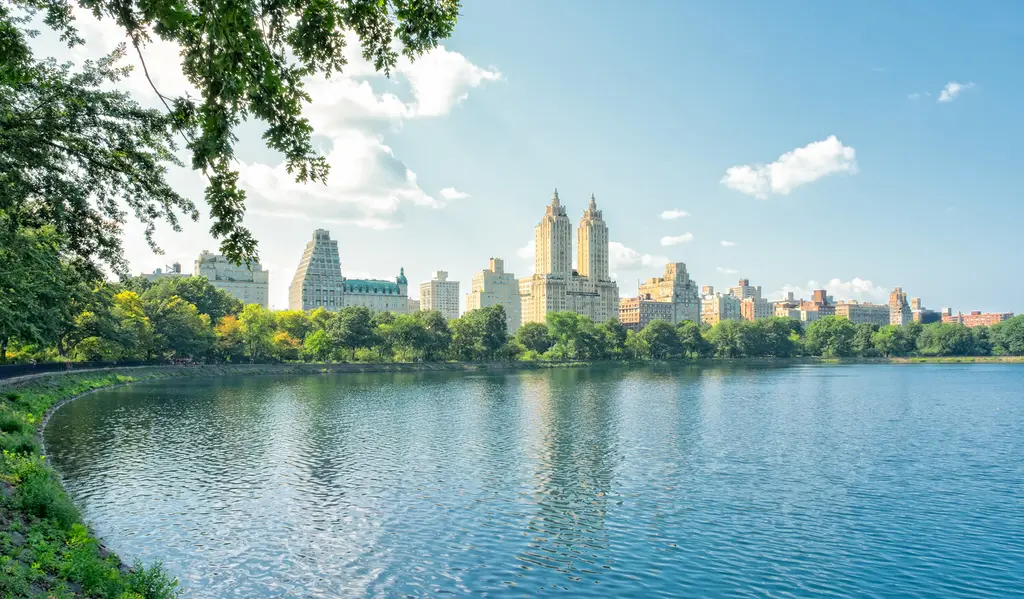
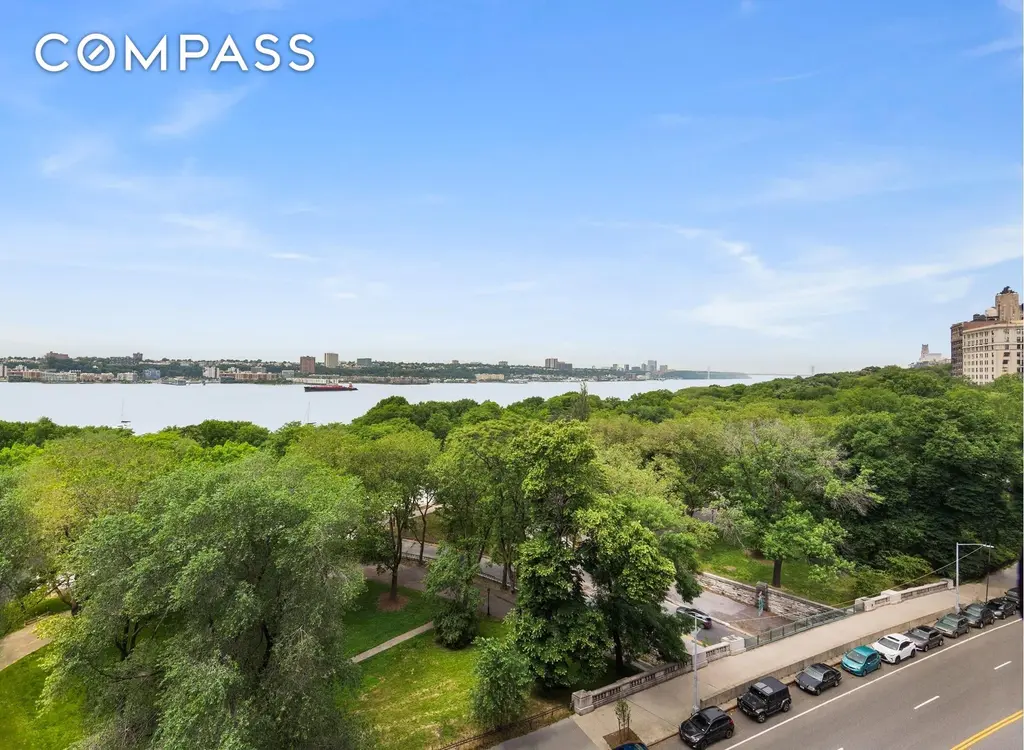
230 Riverside Drive, #17D
$2,150,000
Riverside Dr./West End Ave. | Condominium | 3 Bedrooms, 2 Baths | 1,500 ft2
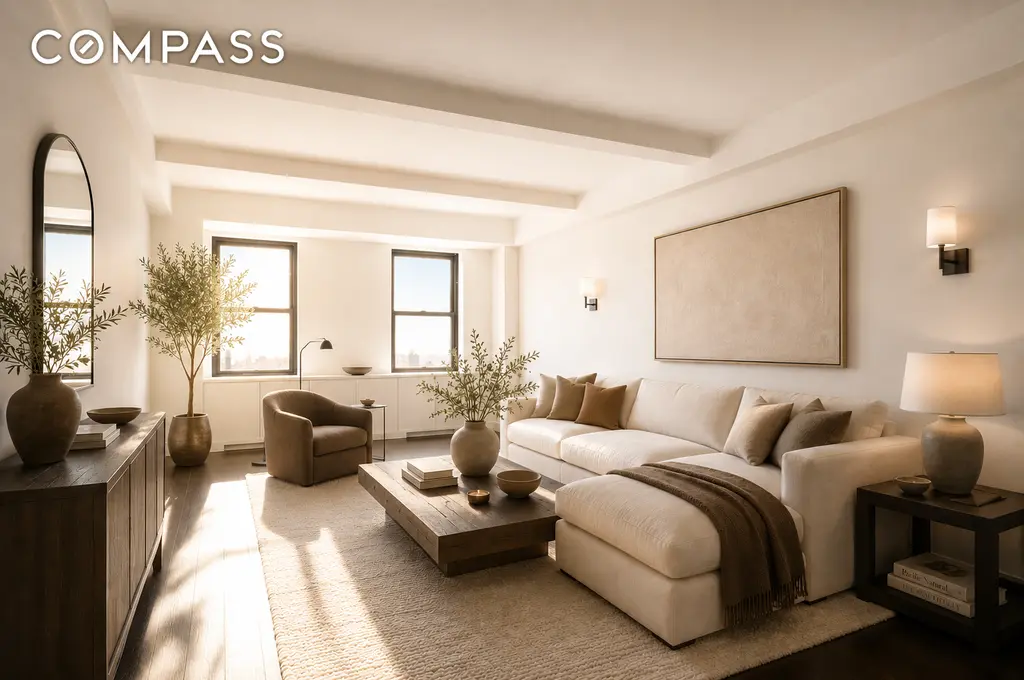
230 Riverside Drive, #17D (Compass)
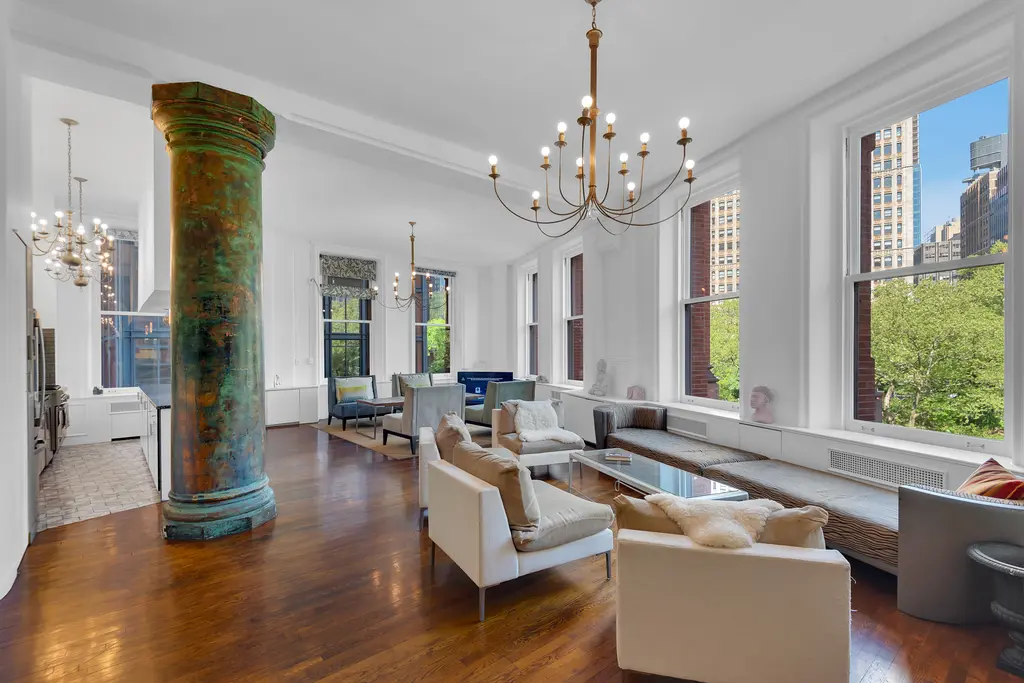
The Potter Building, #3C (Douglas Elliman Real Estate -)
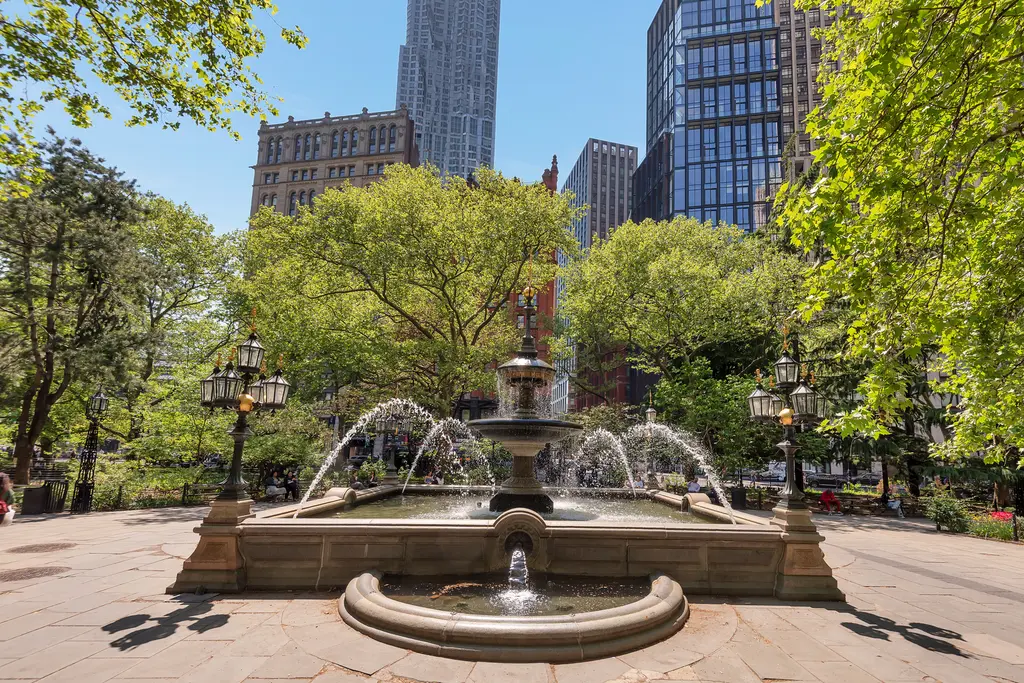
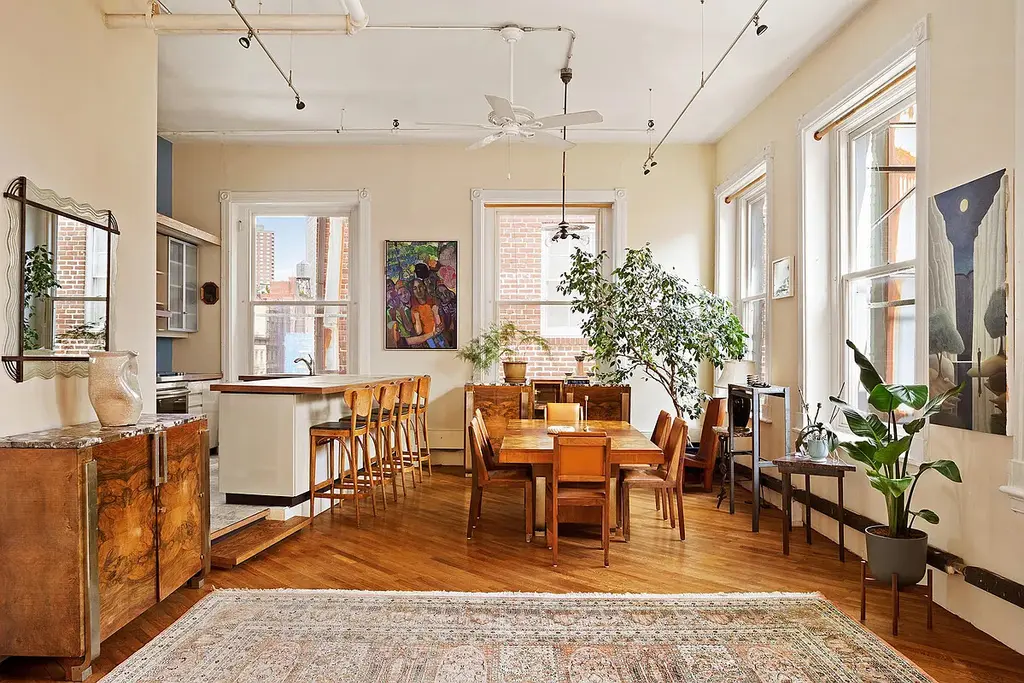
38 White Street, #5A (Ferenets Iryna)
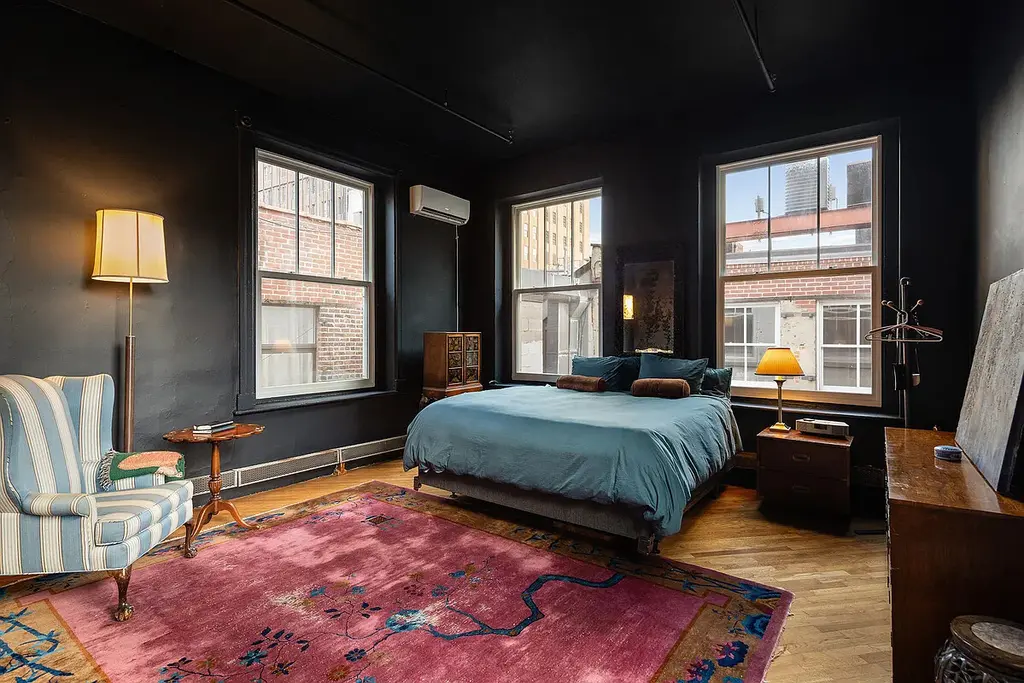
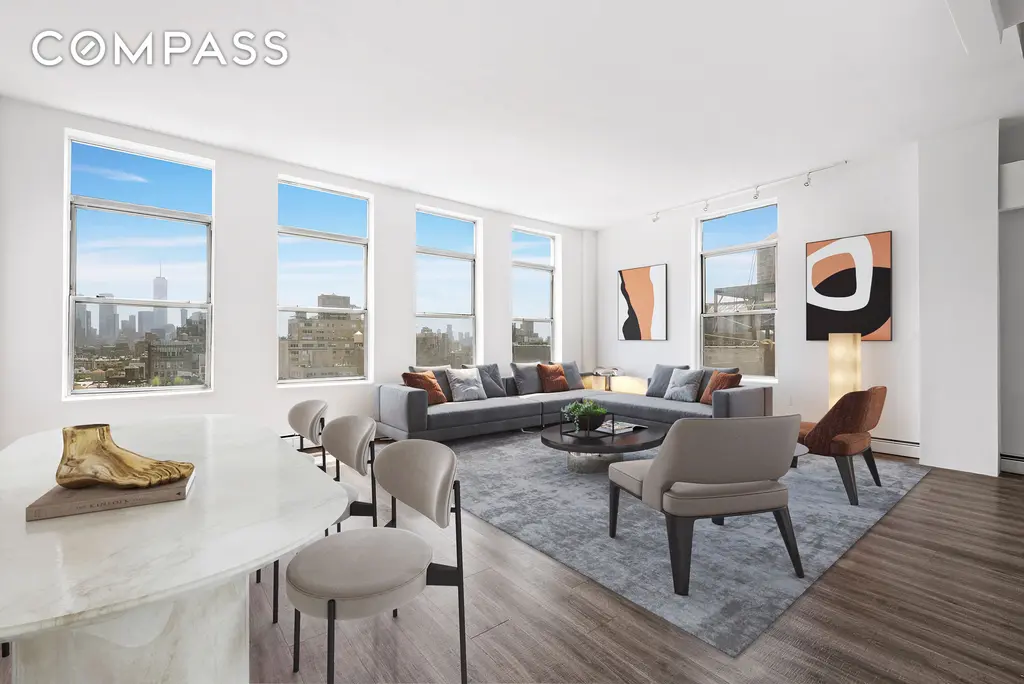
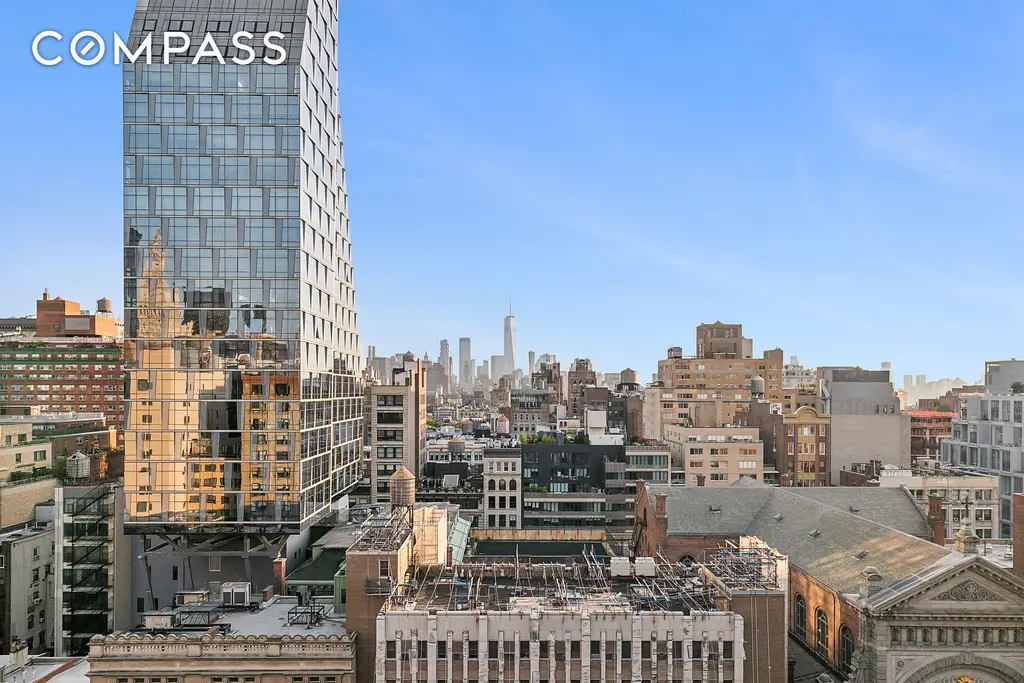
40 West 17th Street, #PH12C (Compass)
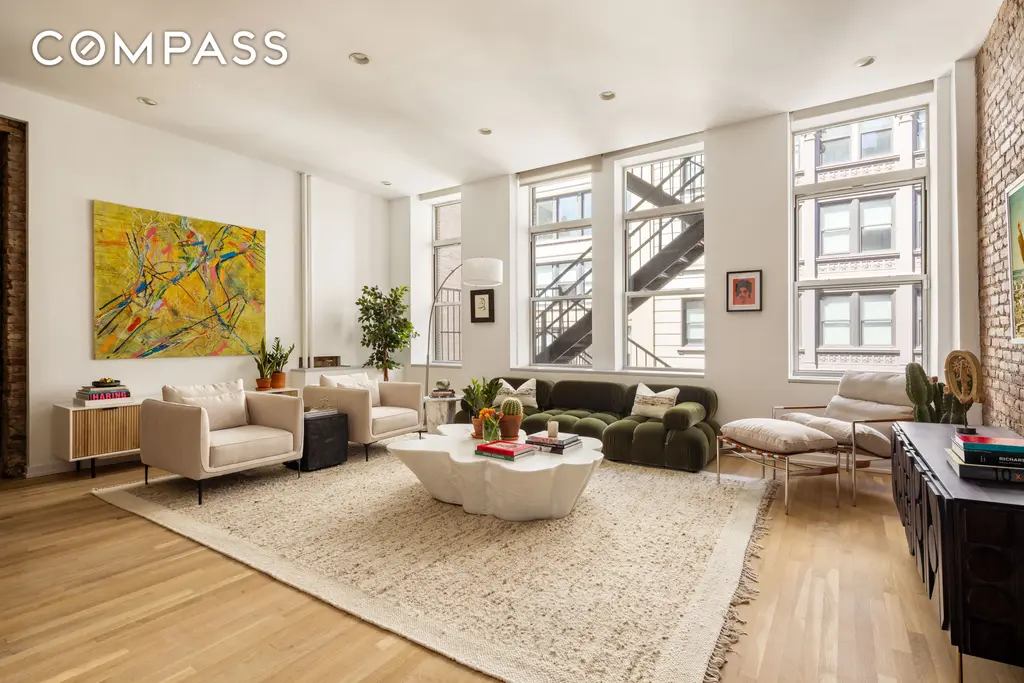
56 East 11th Street, #5 (Compass)
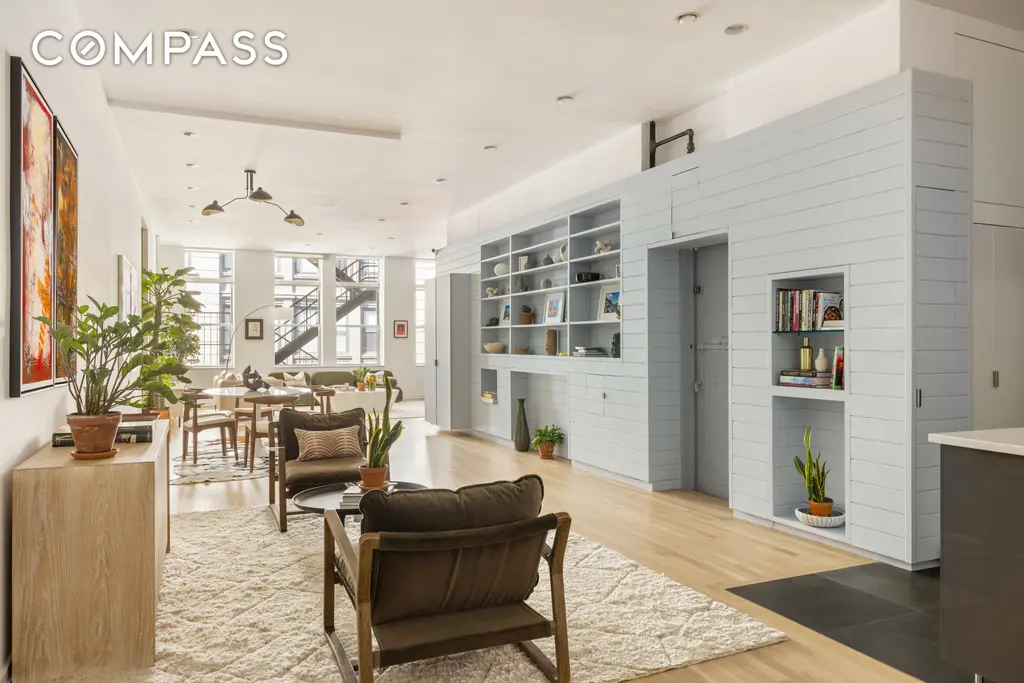
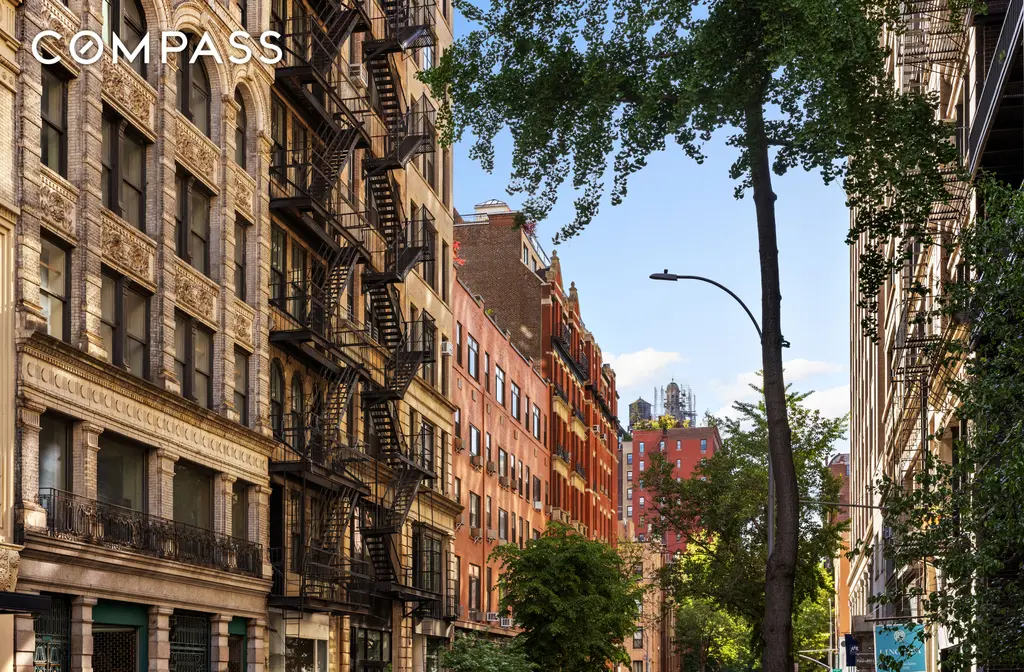
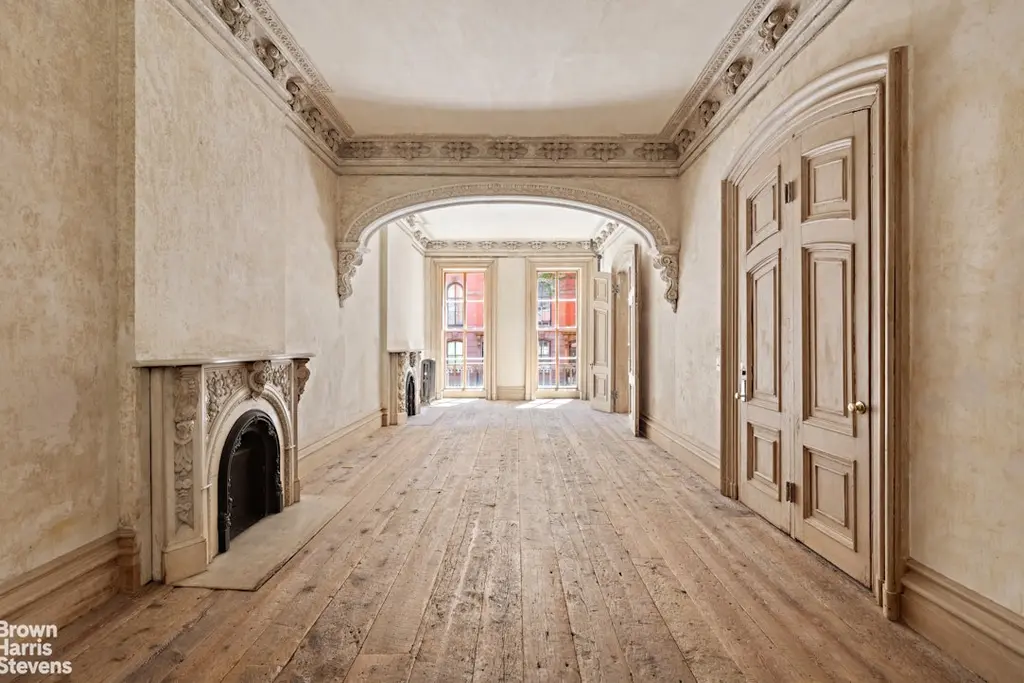
109-119 East 10th Street, #2 (Brown Harris Stevens Residential Sales LLC)
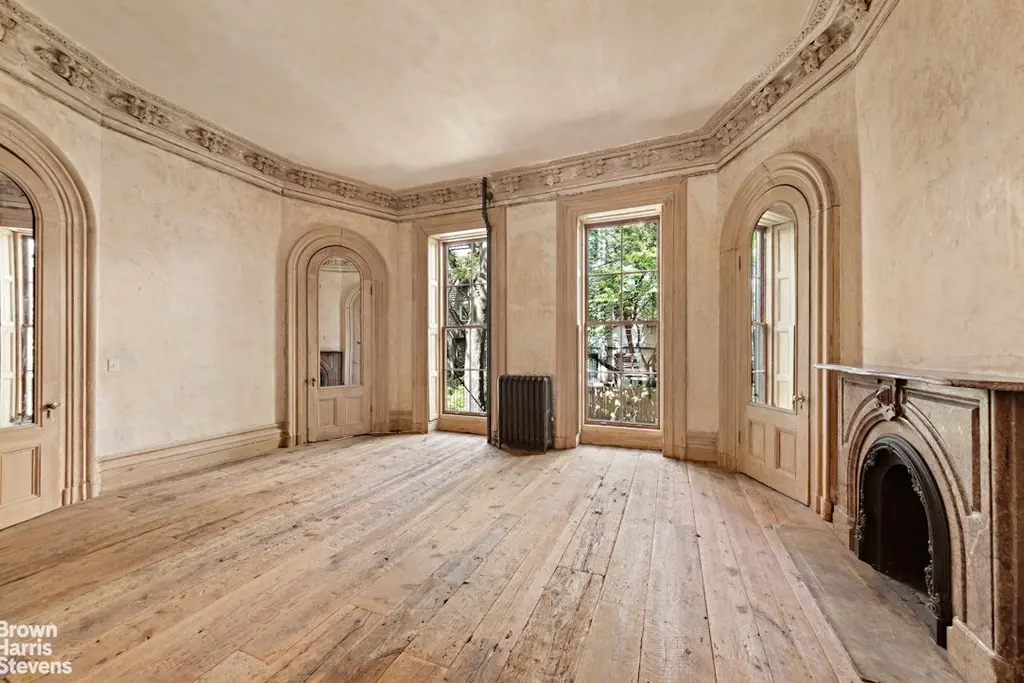
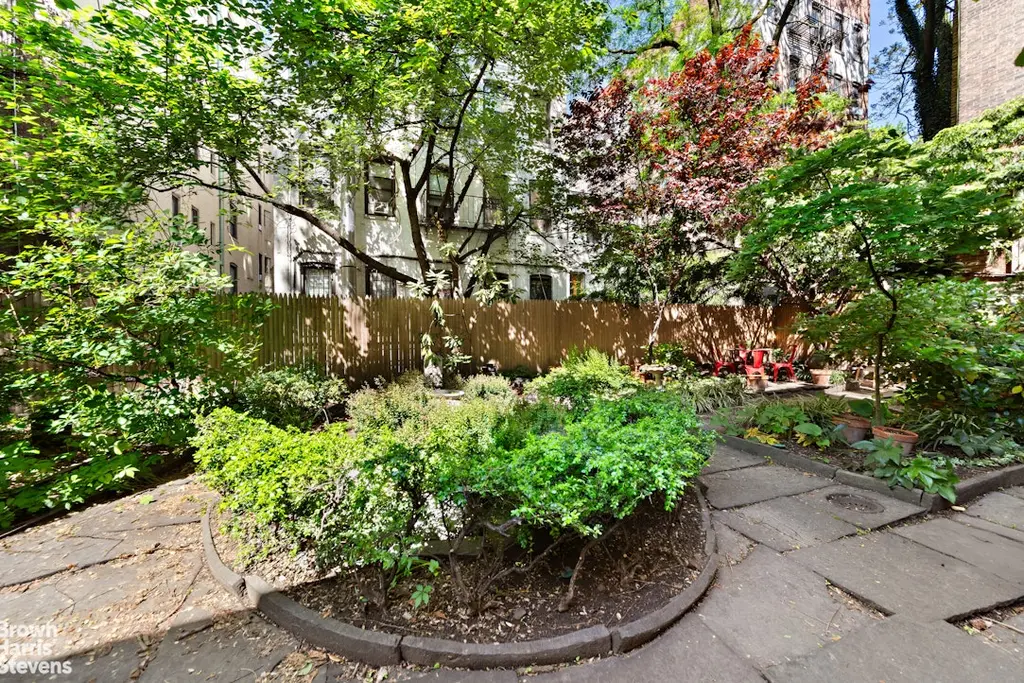
63 Maple Street, #TH
$3,990,000
Prospect Lefferts Gardens | Townhouse | 5 Bedrooms, 3.5 Baths | 5,000 ft2
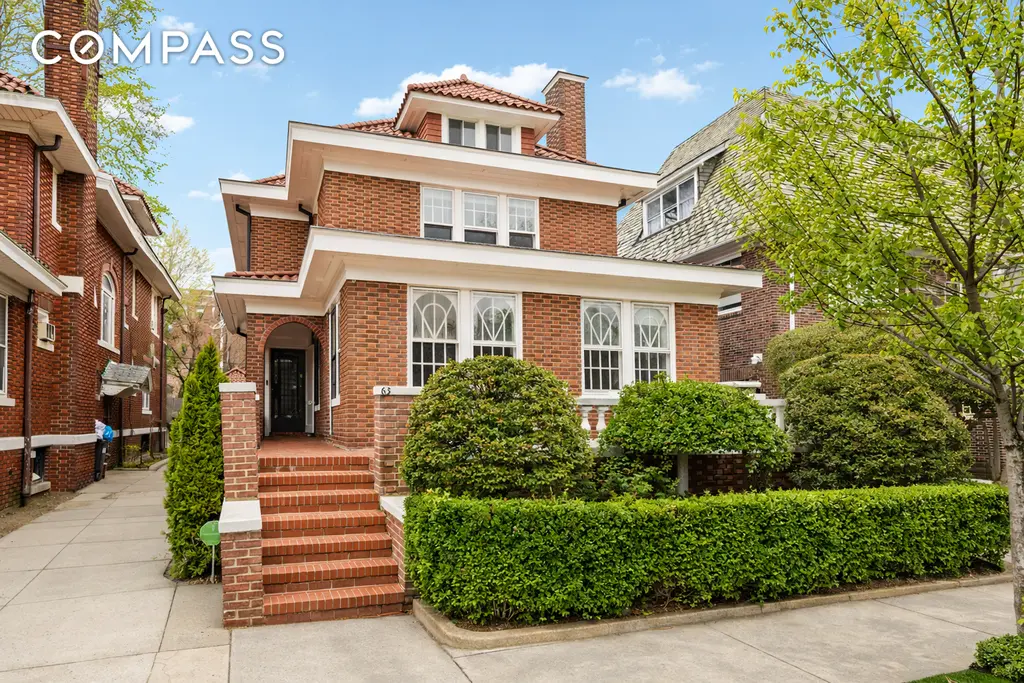
63 Maple Street, # (Compass)
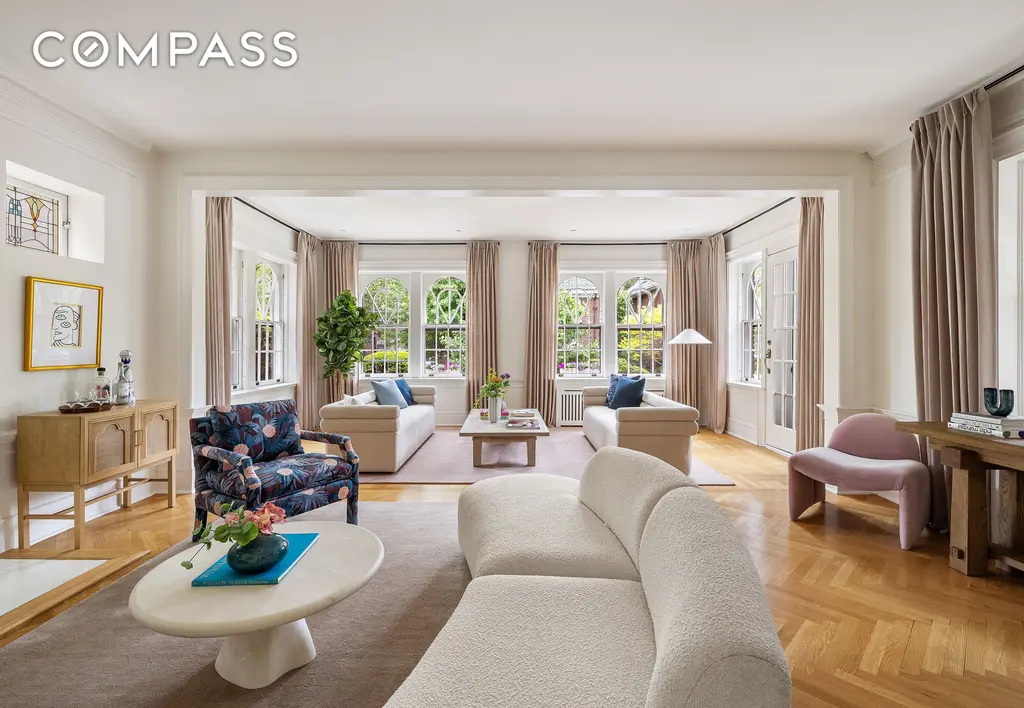
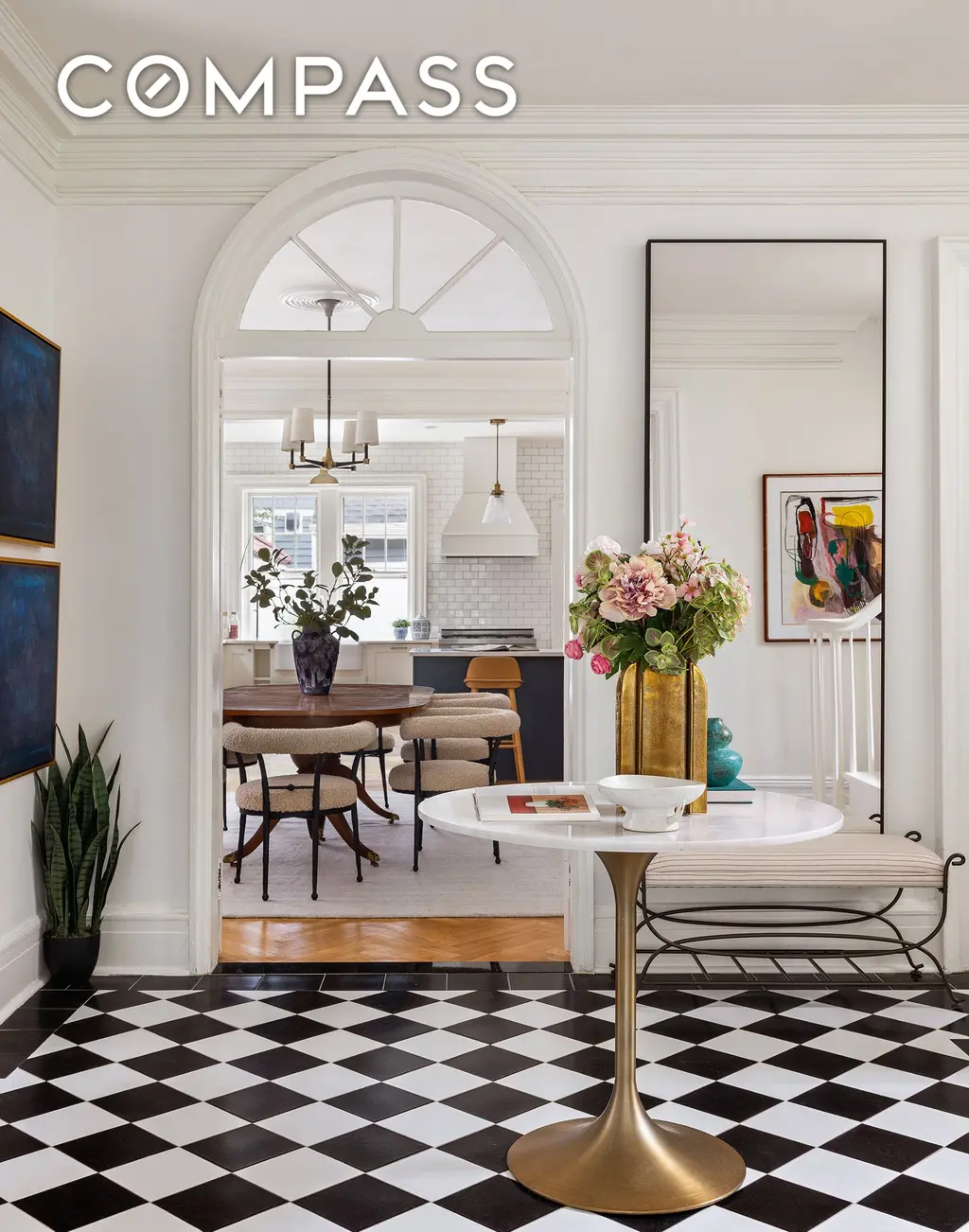
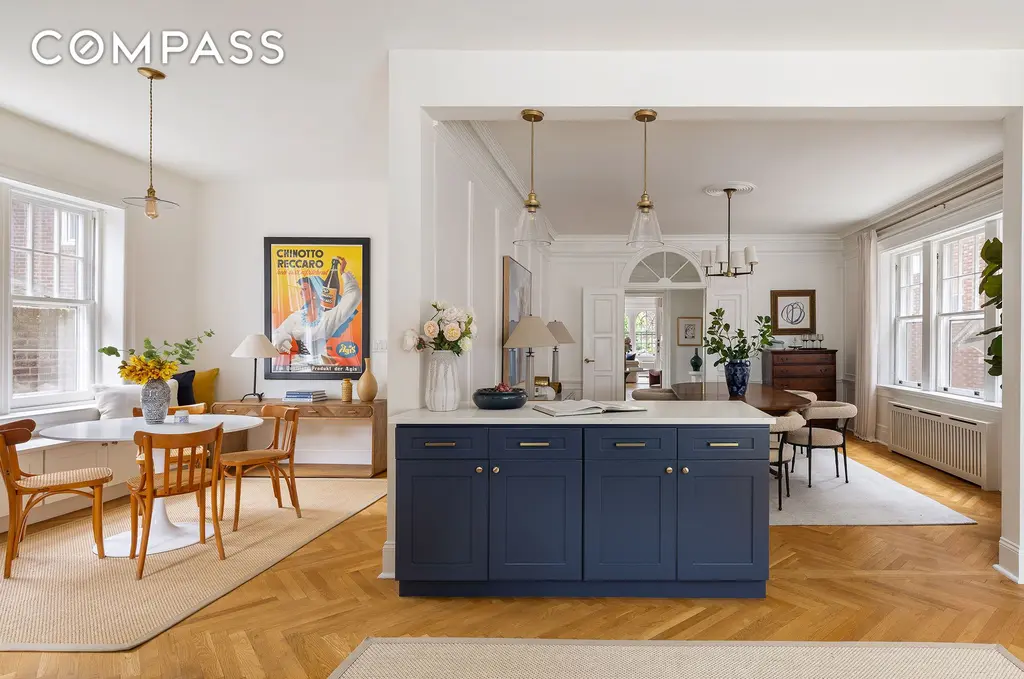
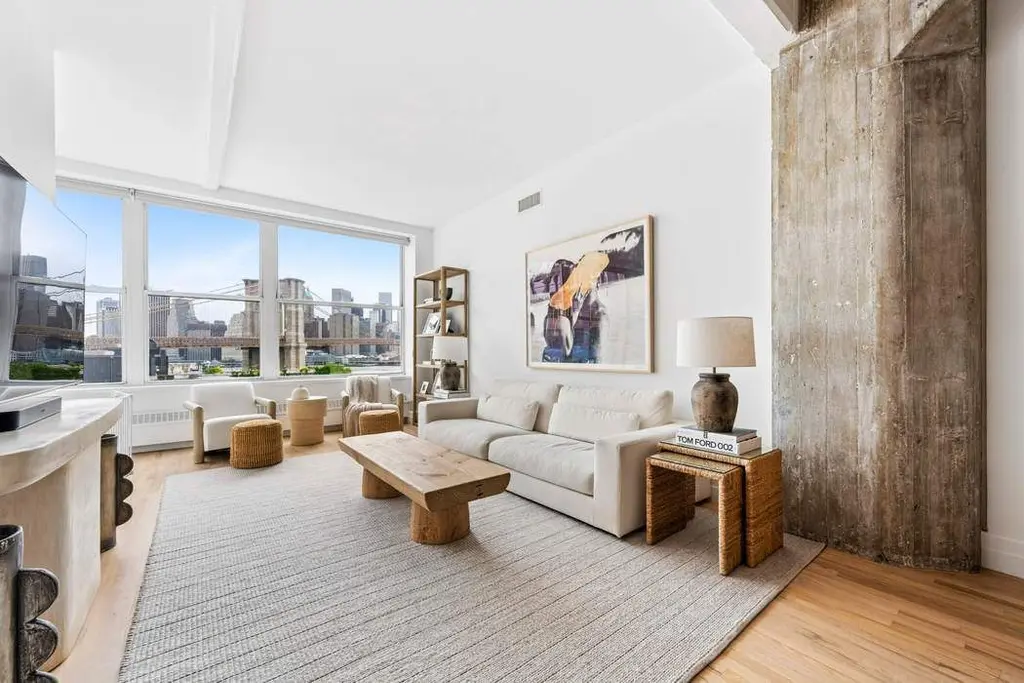
Clock Tower, #7A (Sothebys International Realty)
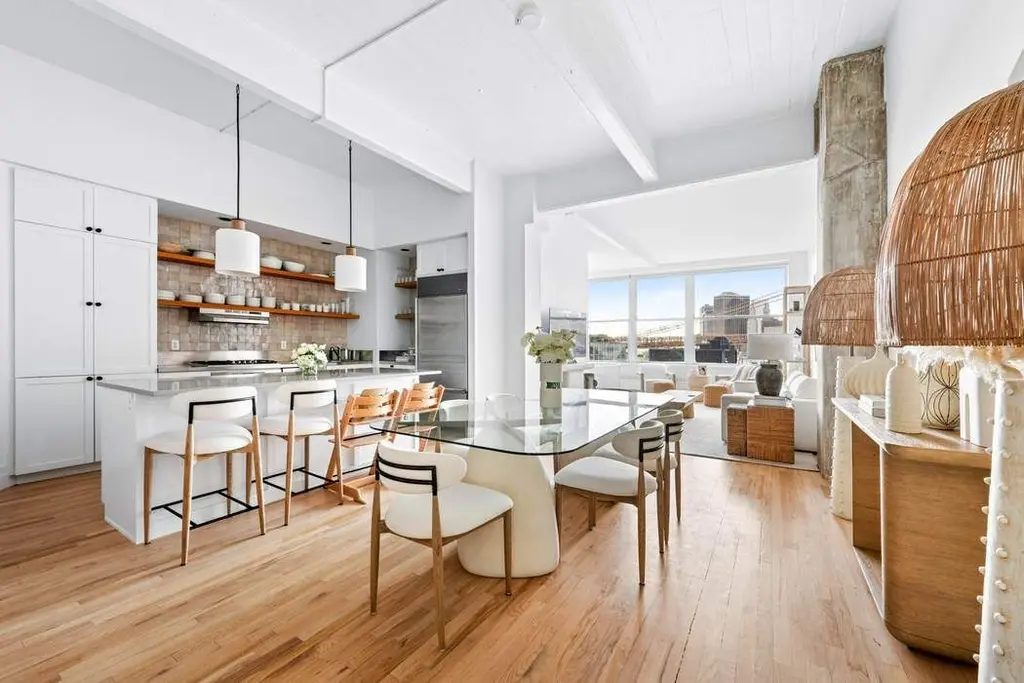
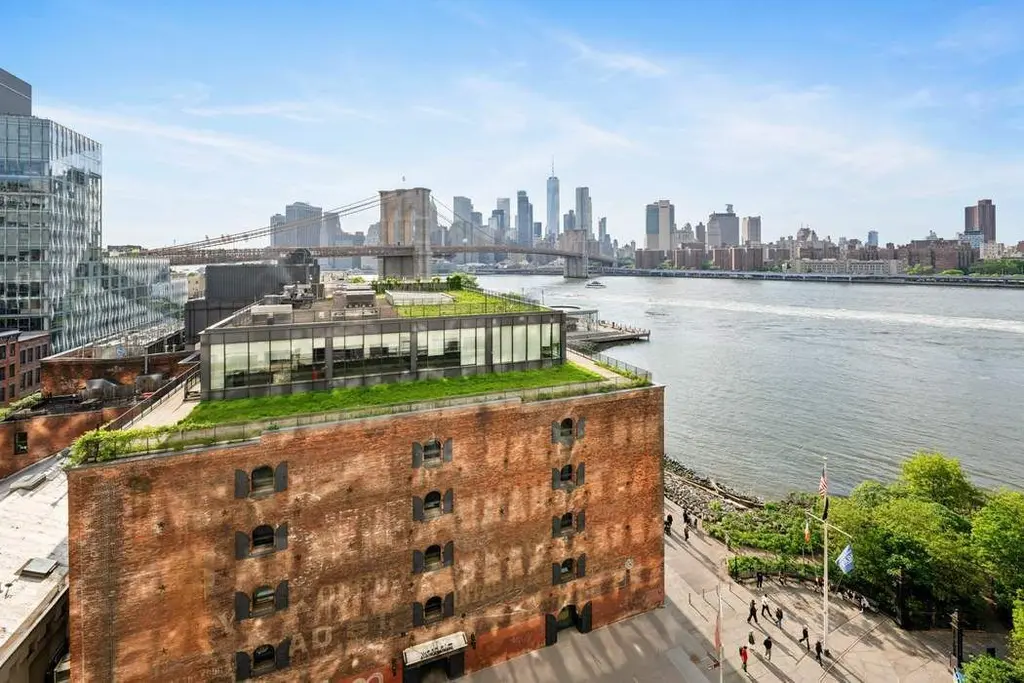
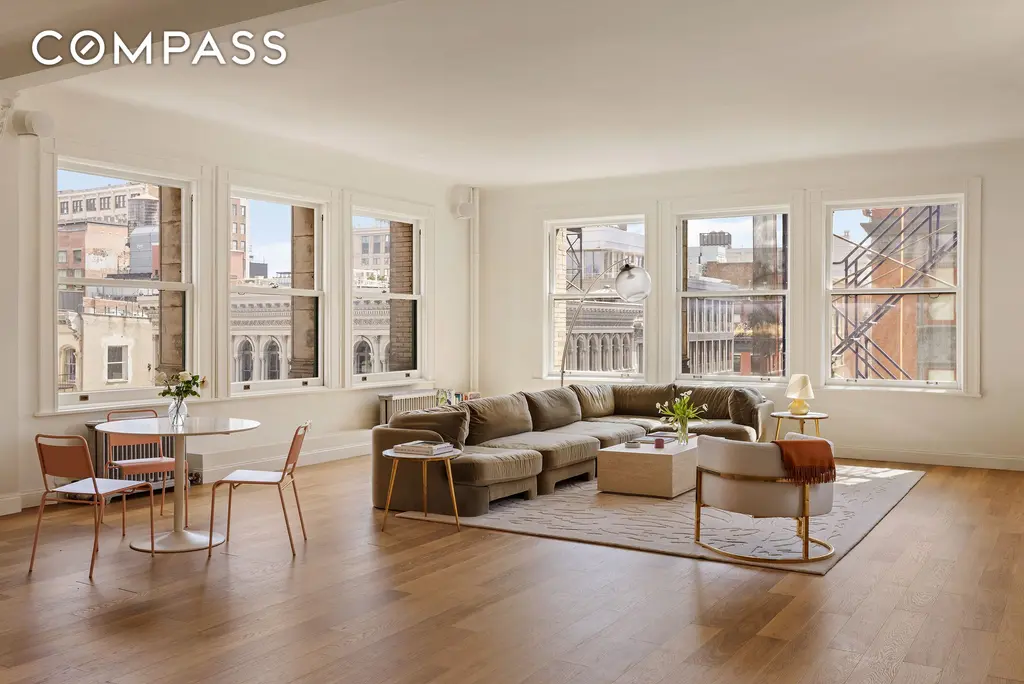
Silk Exchange Building, #6E (Compass)
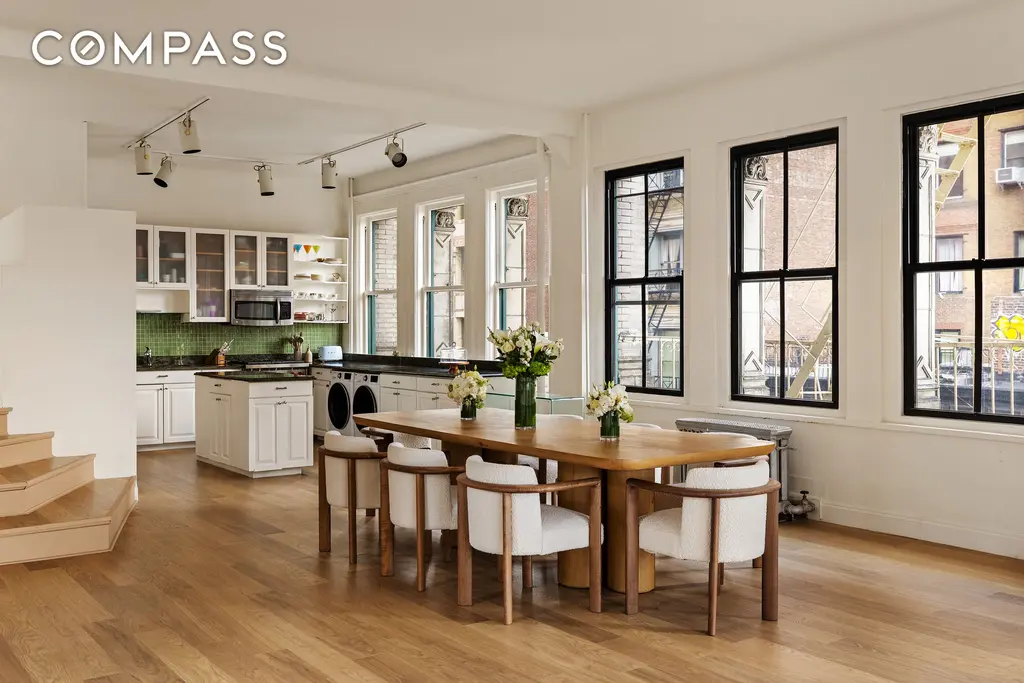
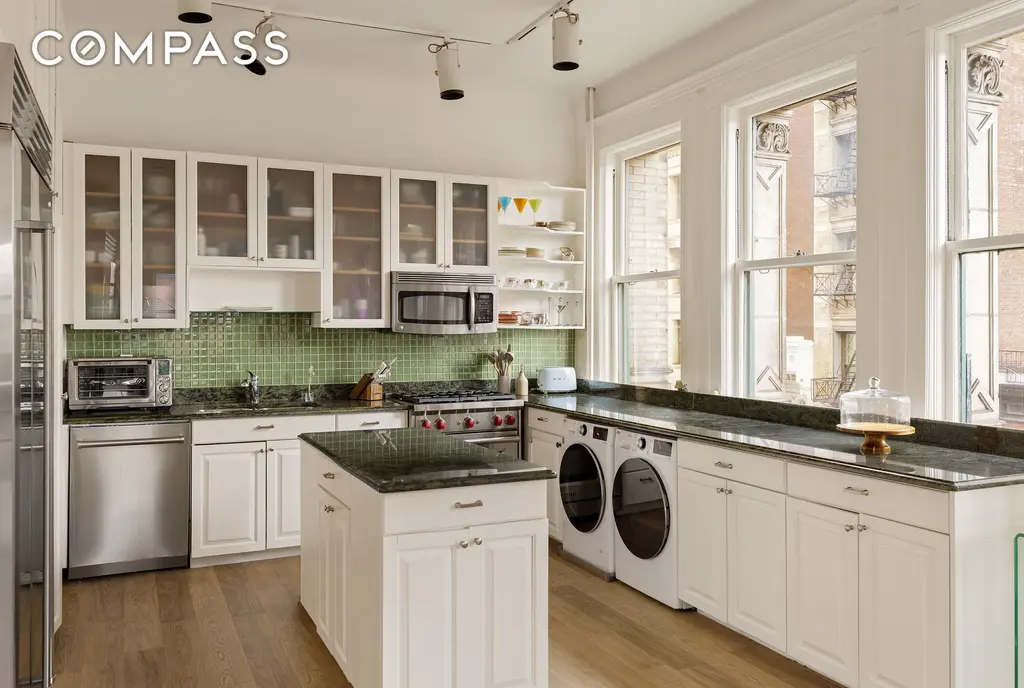
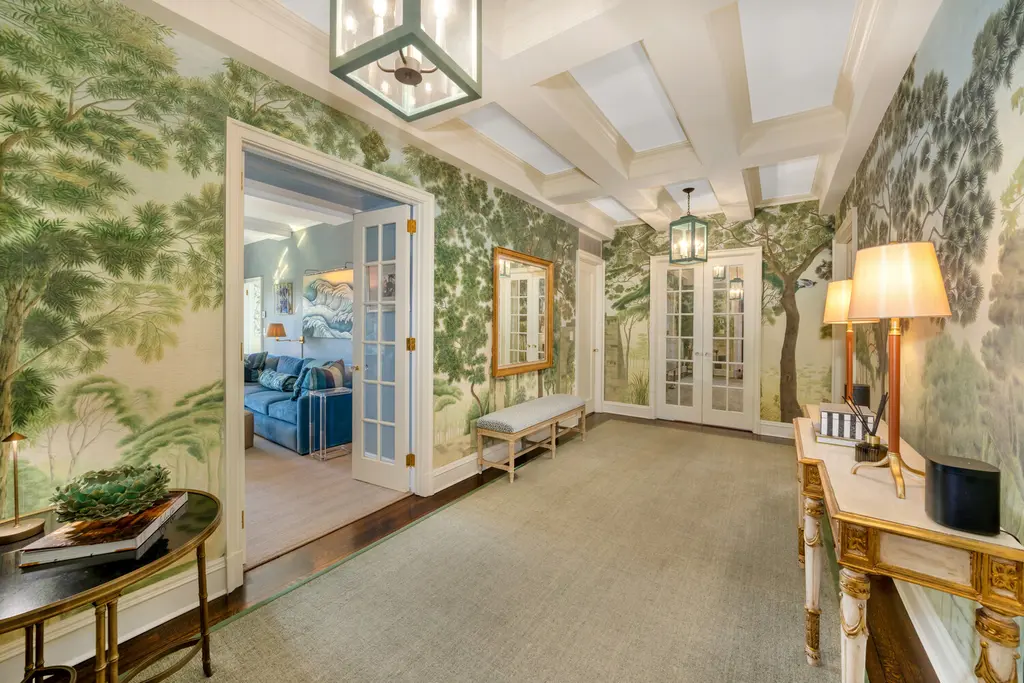
1170 Fifth Avenue, #15A (Coldwell Banker Warburg)
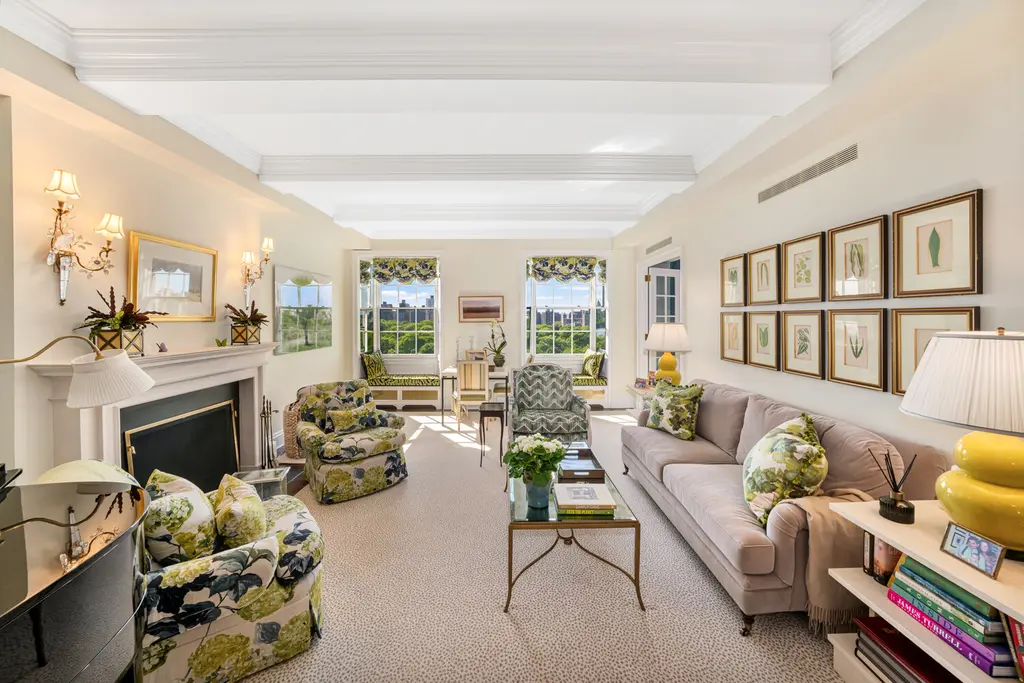
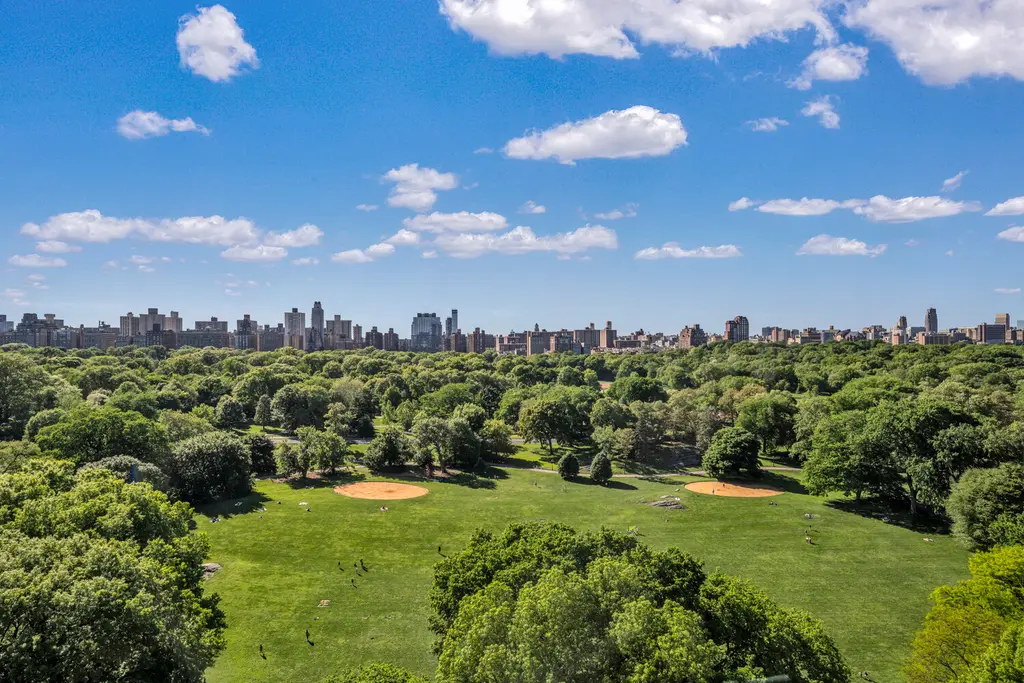
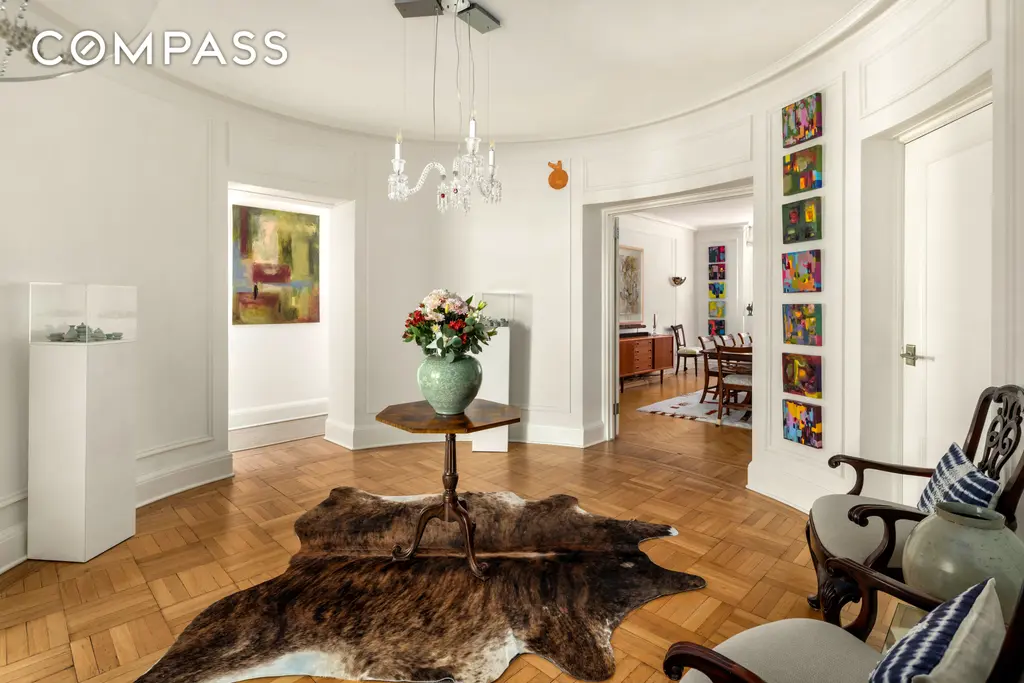
580 Park Avenue, #3A (Compass)
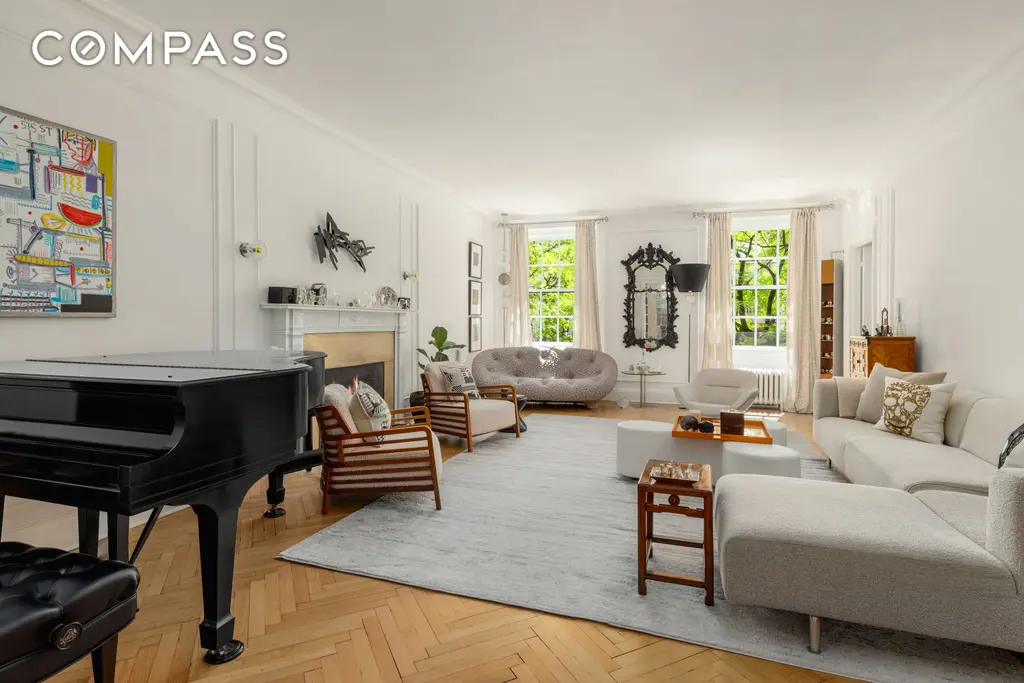
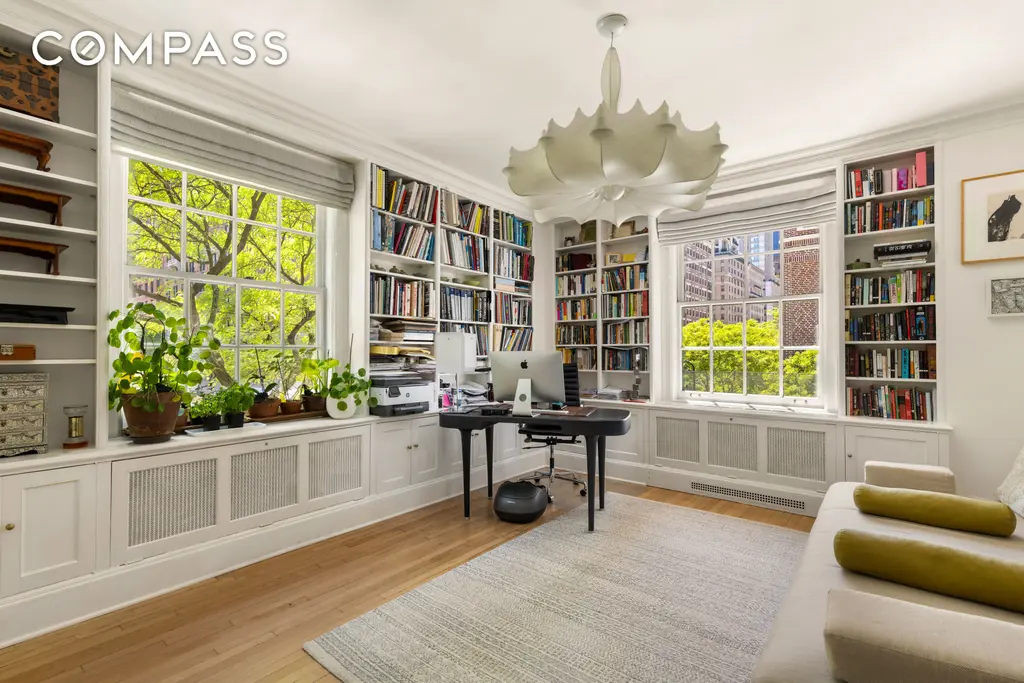
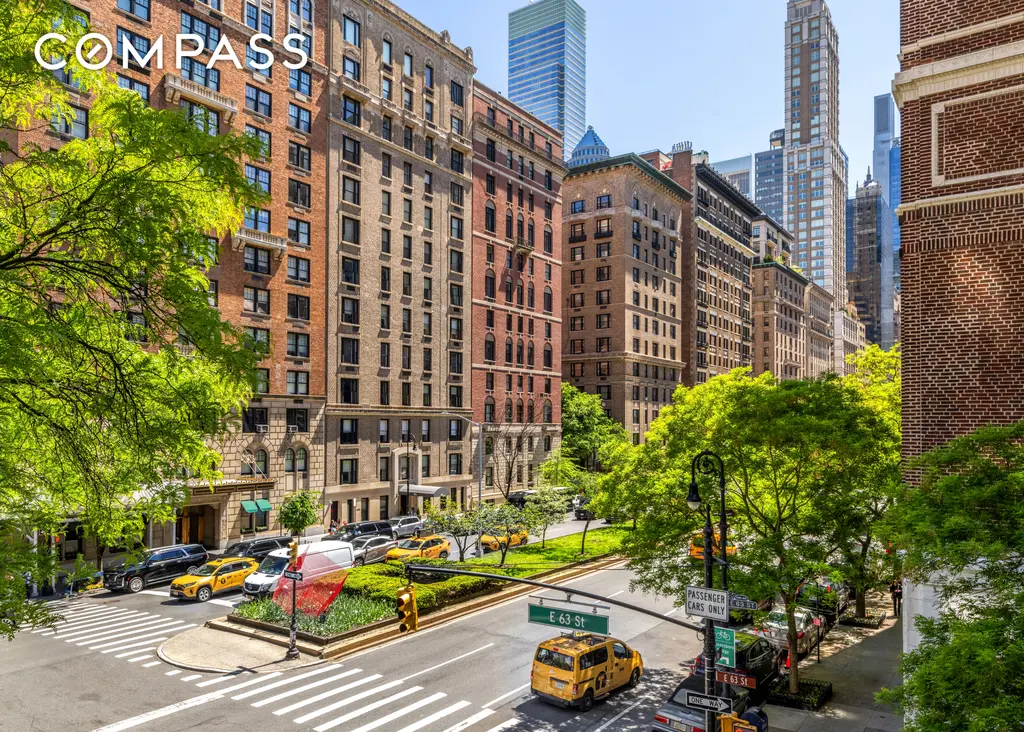
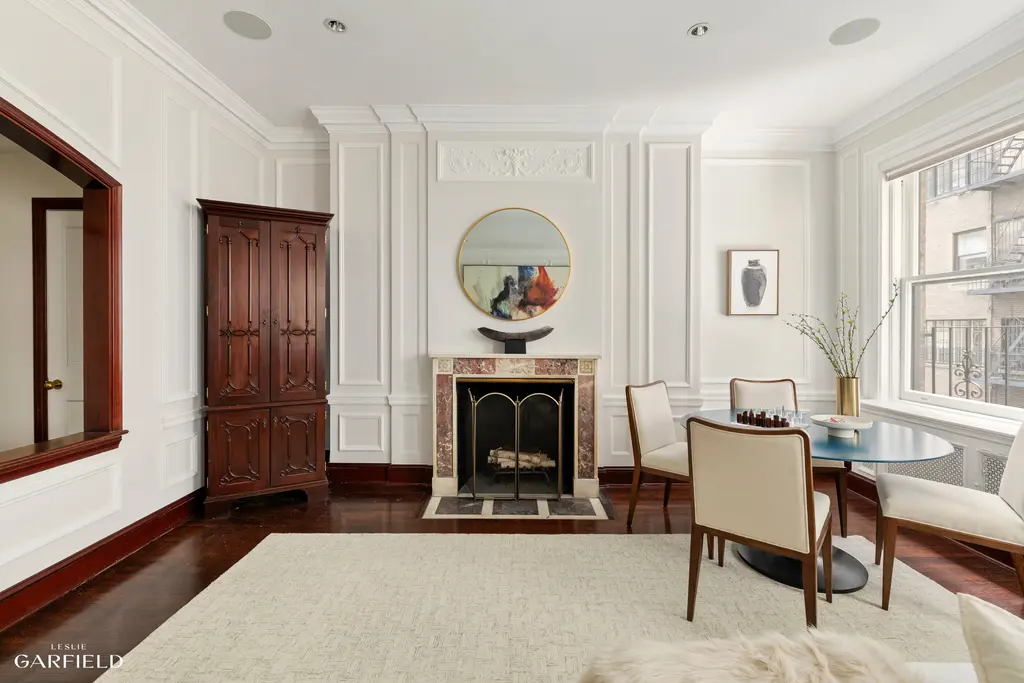
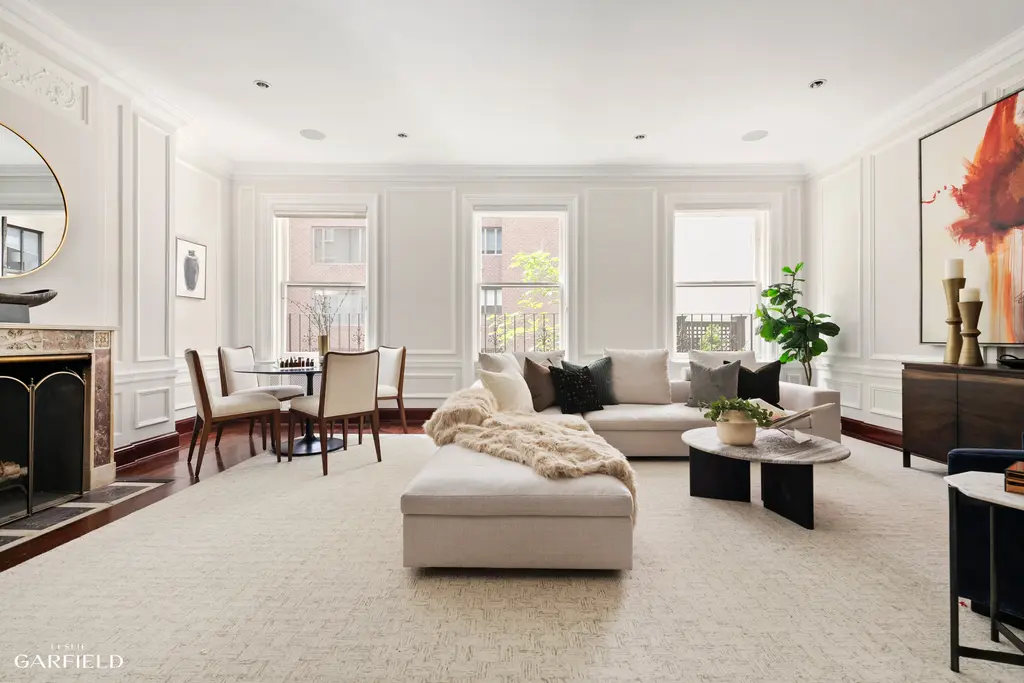
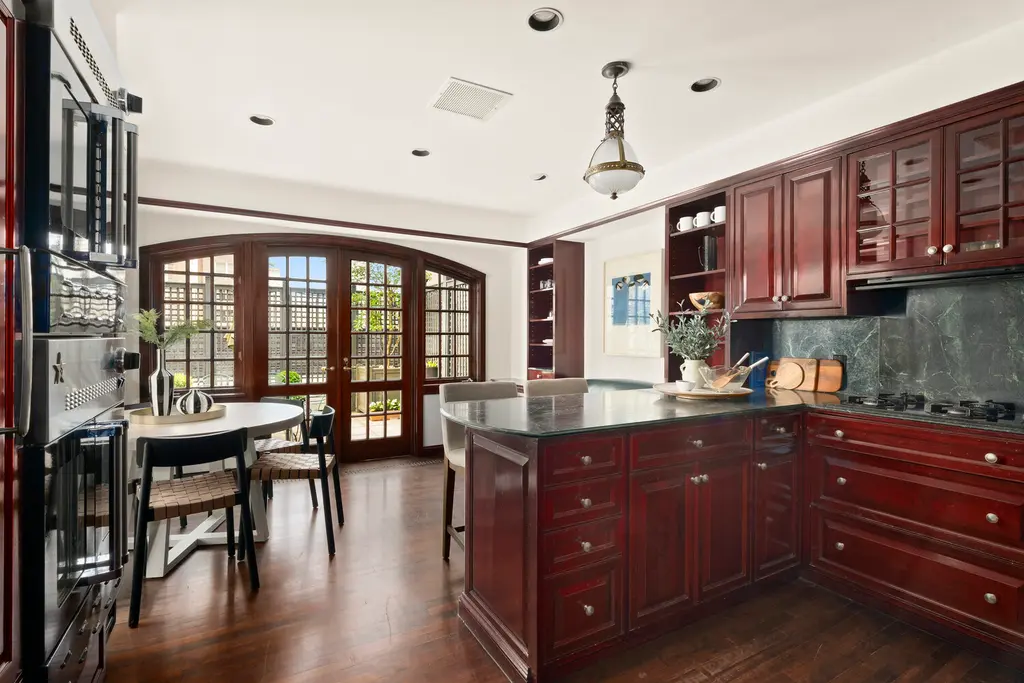
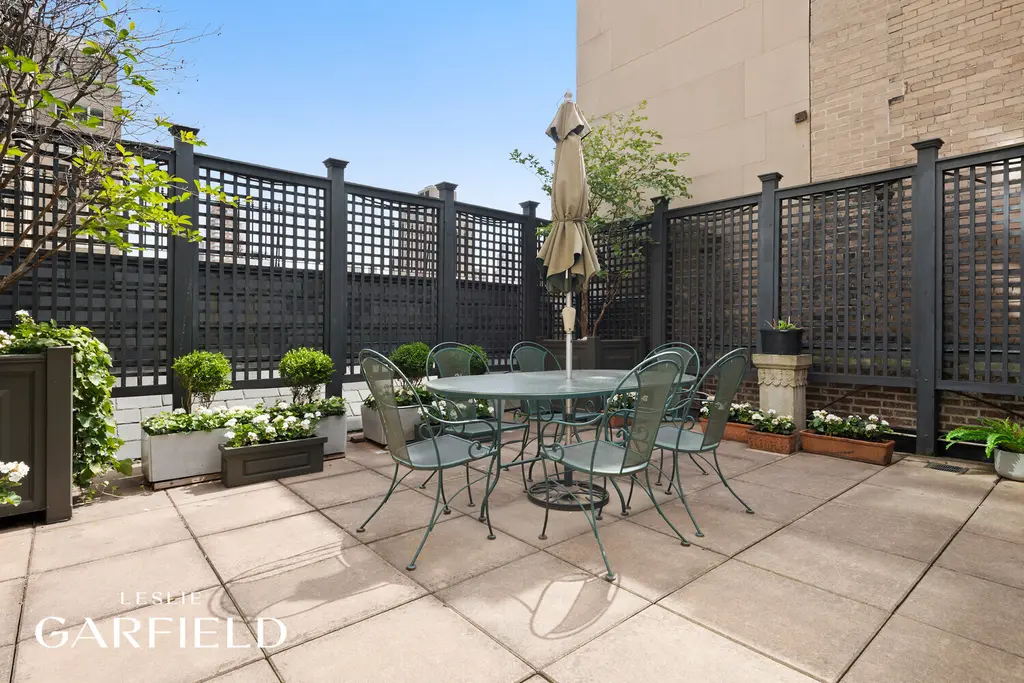
2 East 80th Street, #7 (Leslie J Garfield & Co Inc)
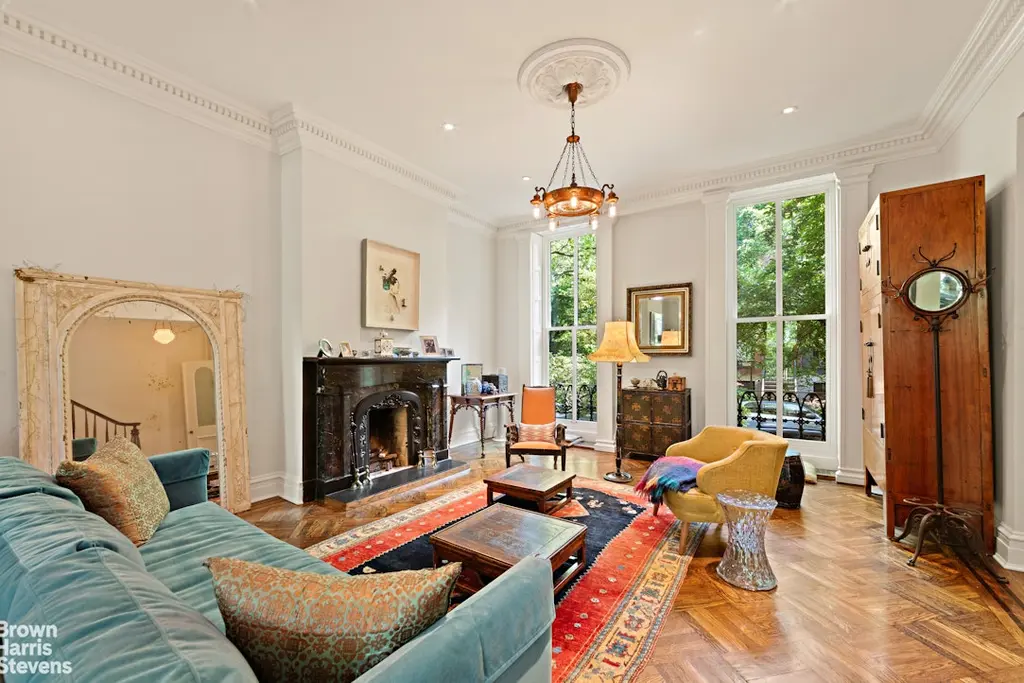
9 Townhouses, # (Brown Harris Stevens Residential Sales LLC)
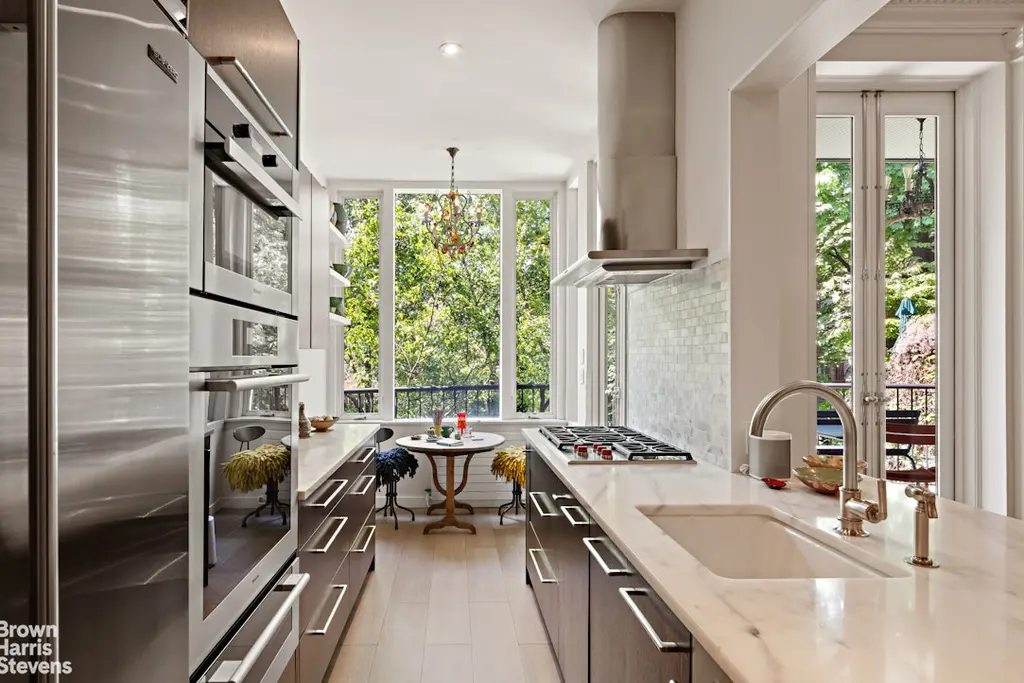
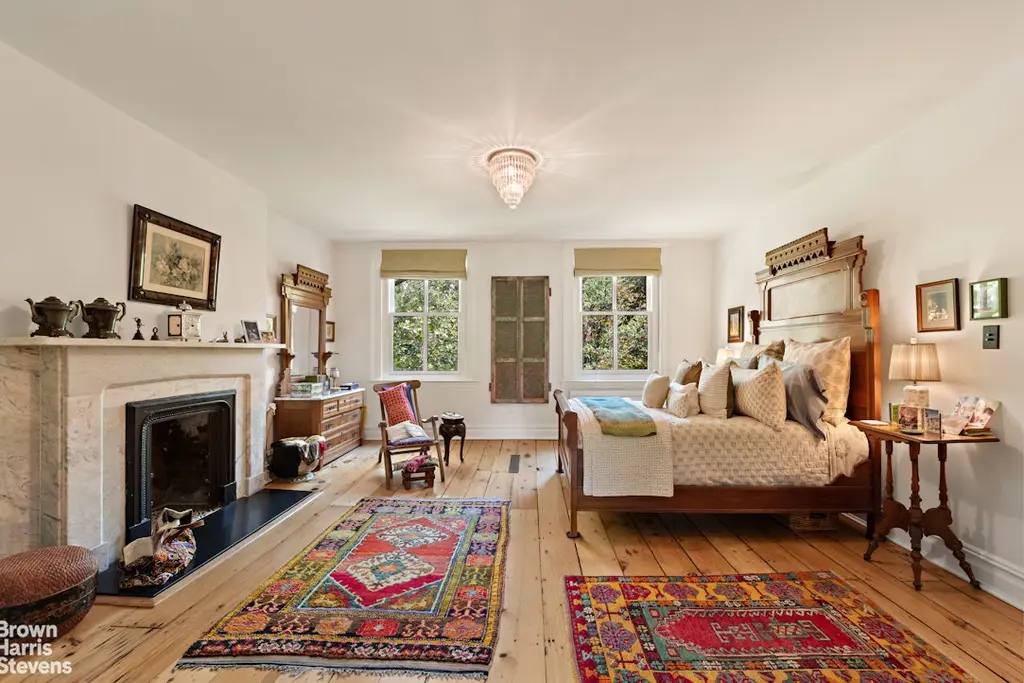
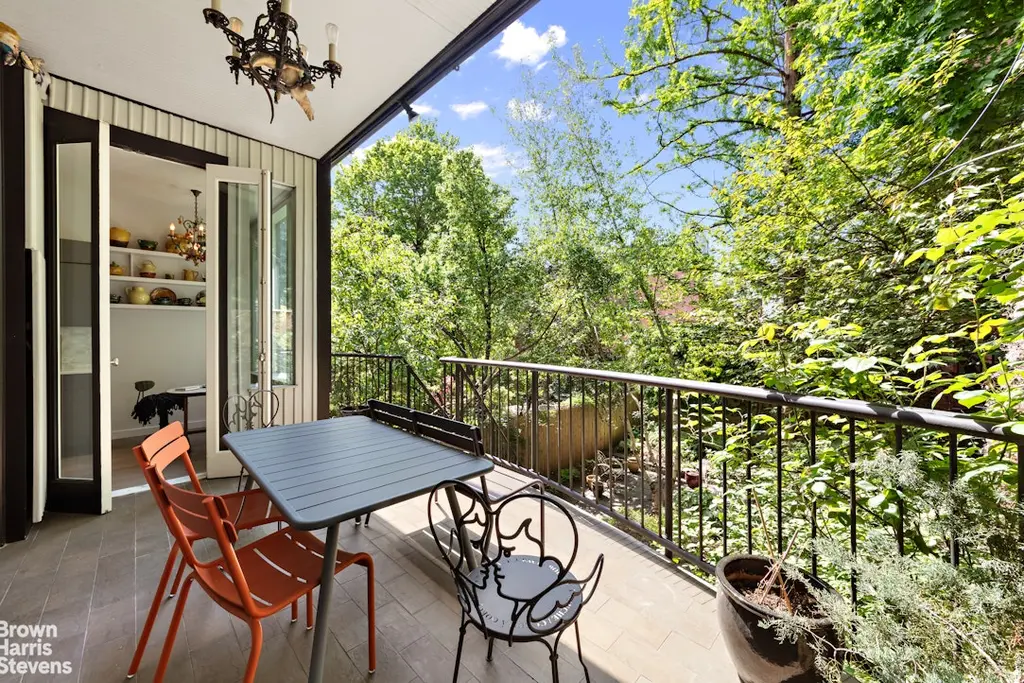
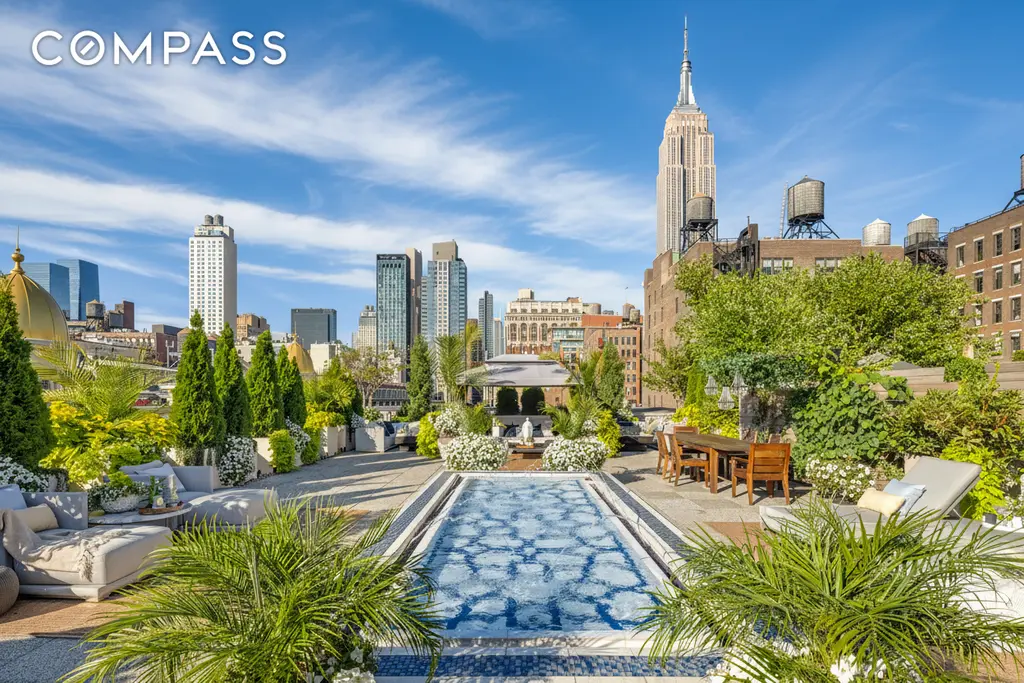
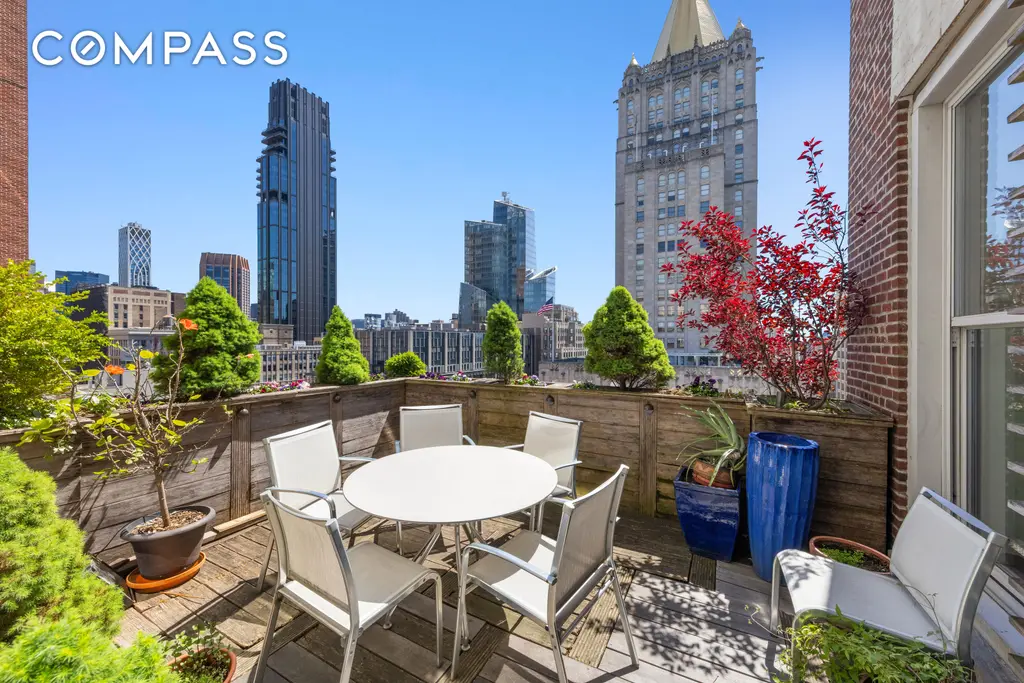
The Cammeyer, #PHA (Compass)
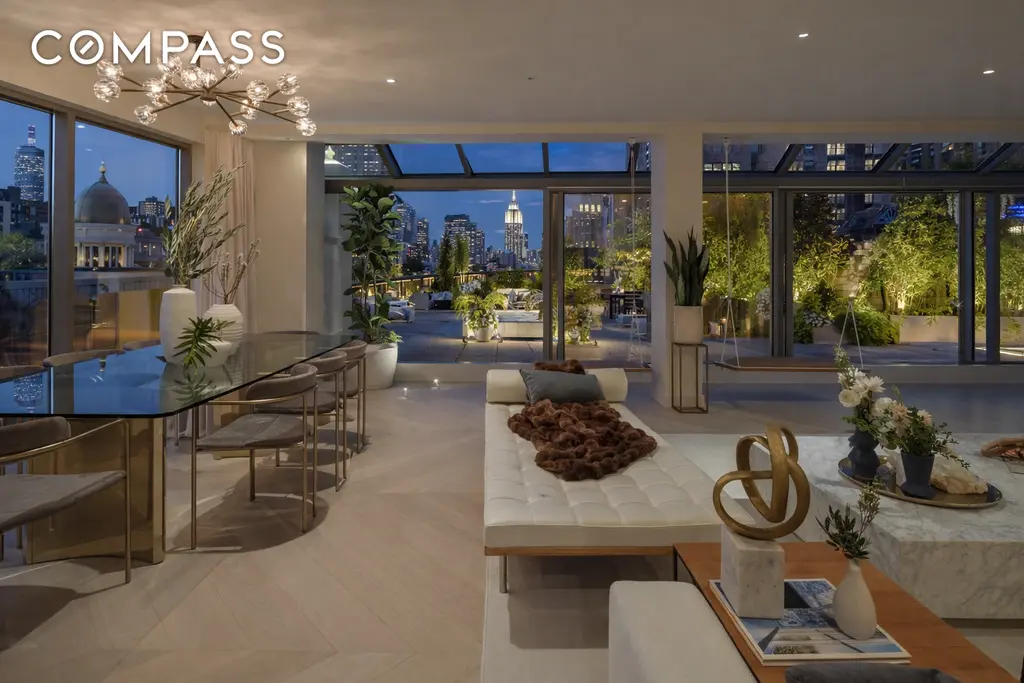
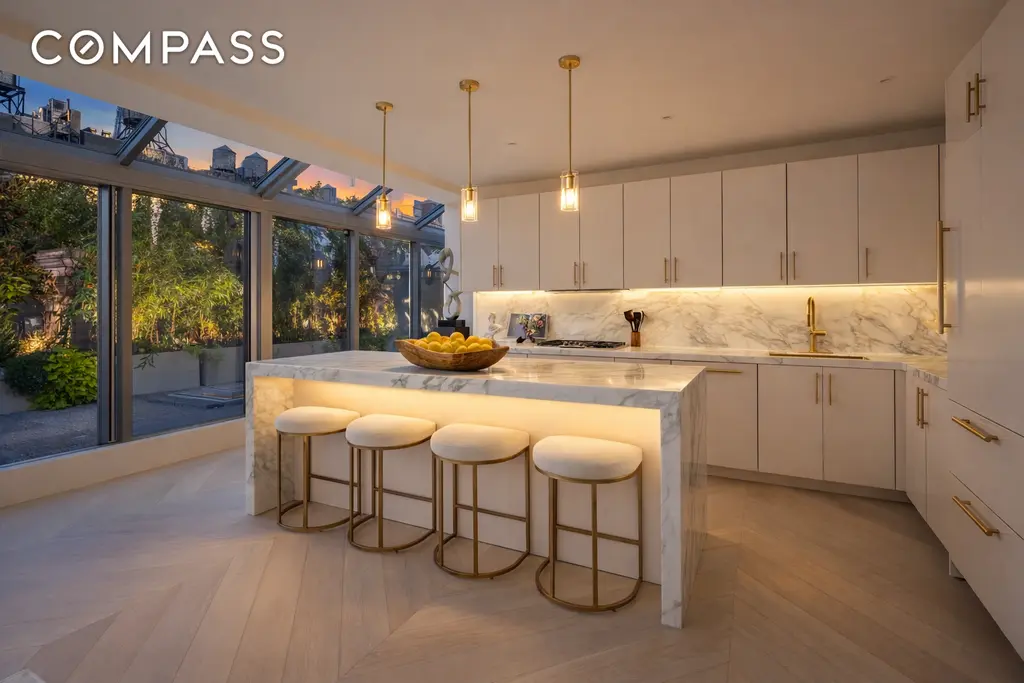
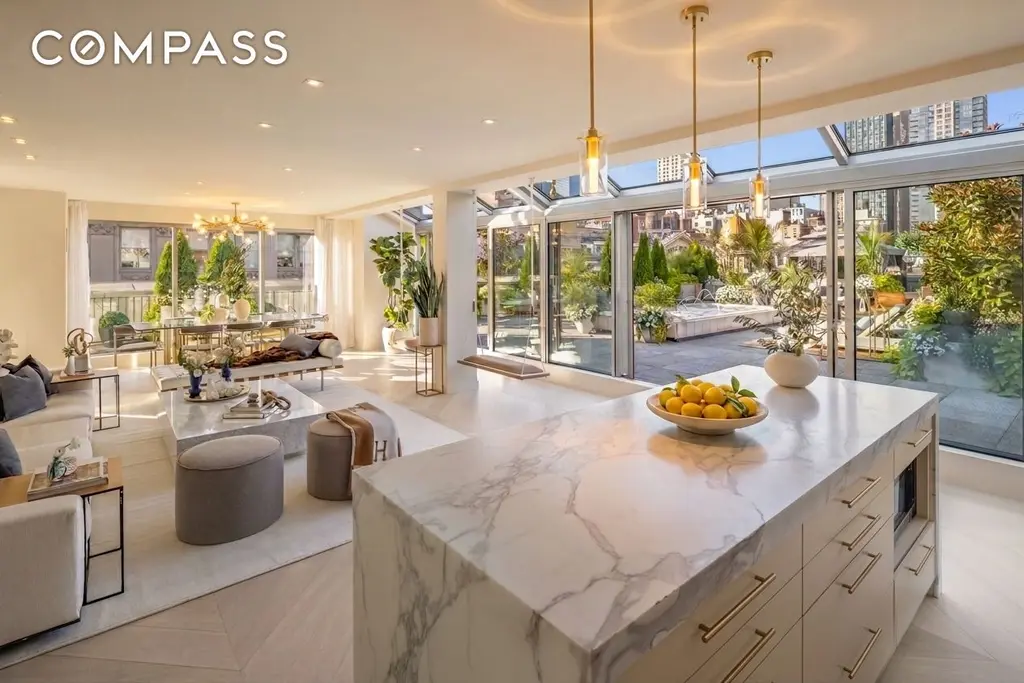
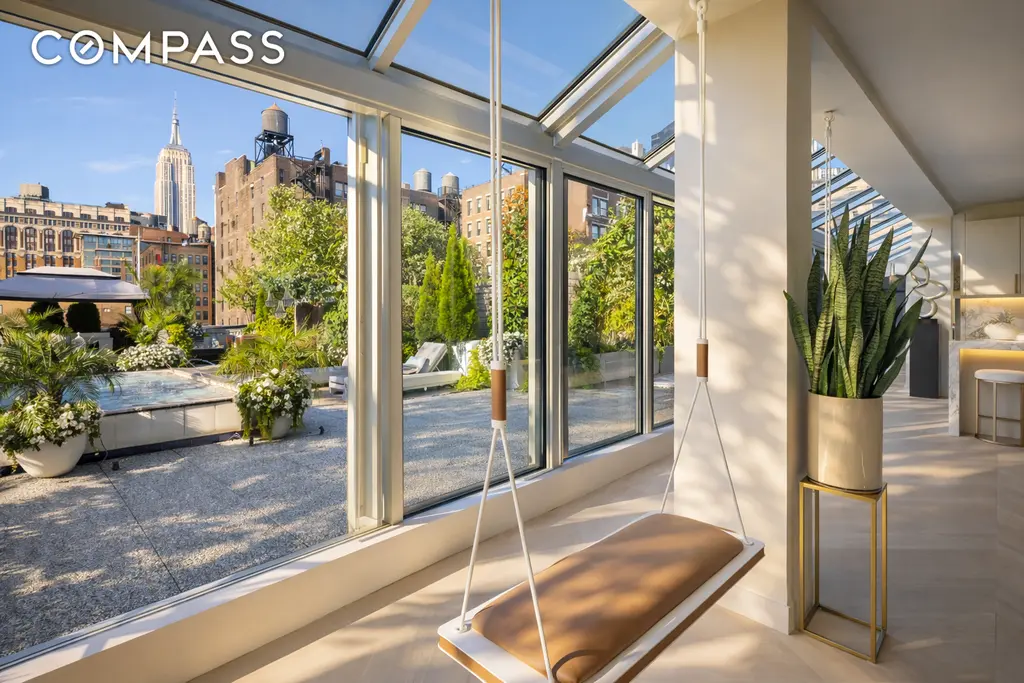
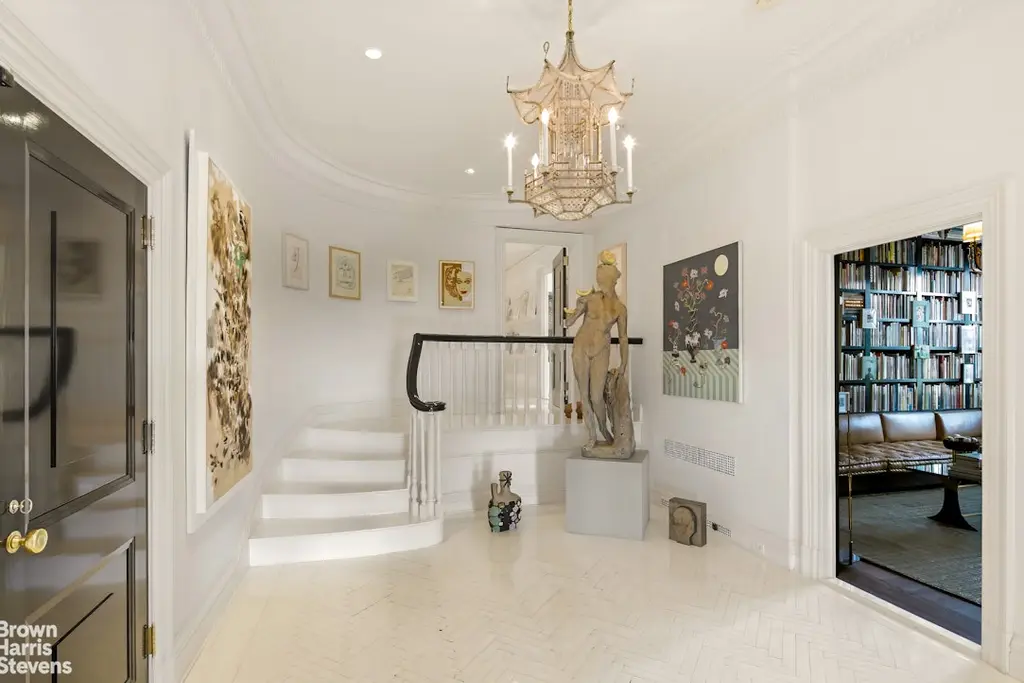
10 Gracie Square, #4G (Brown Harris Stevens Residential Sales LLC)
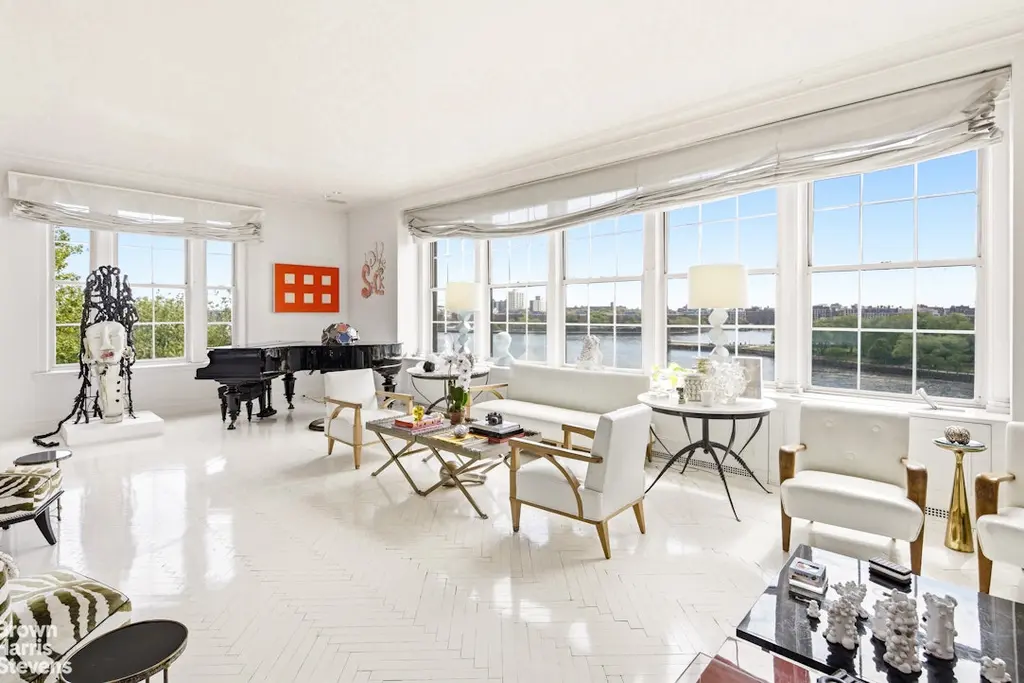
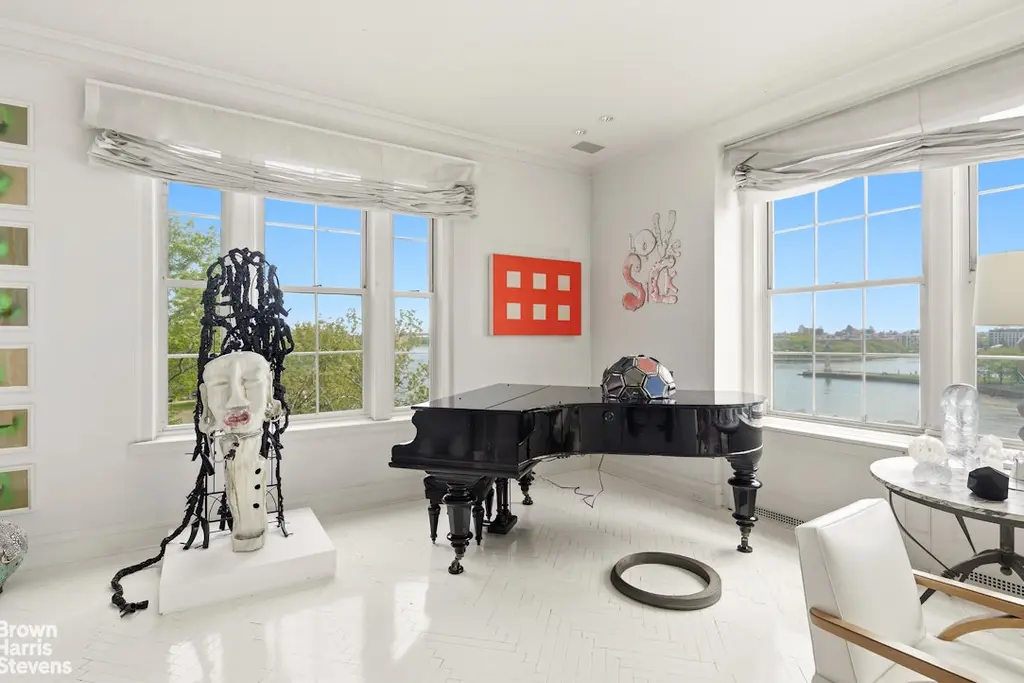
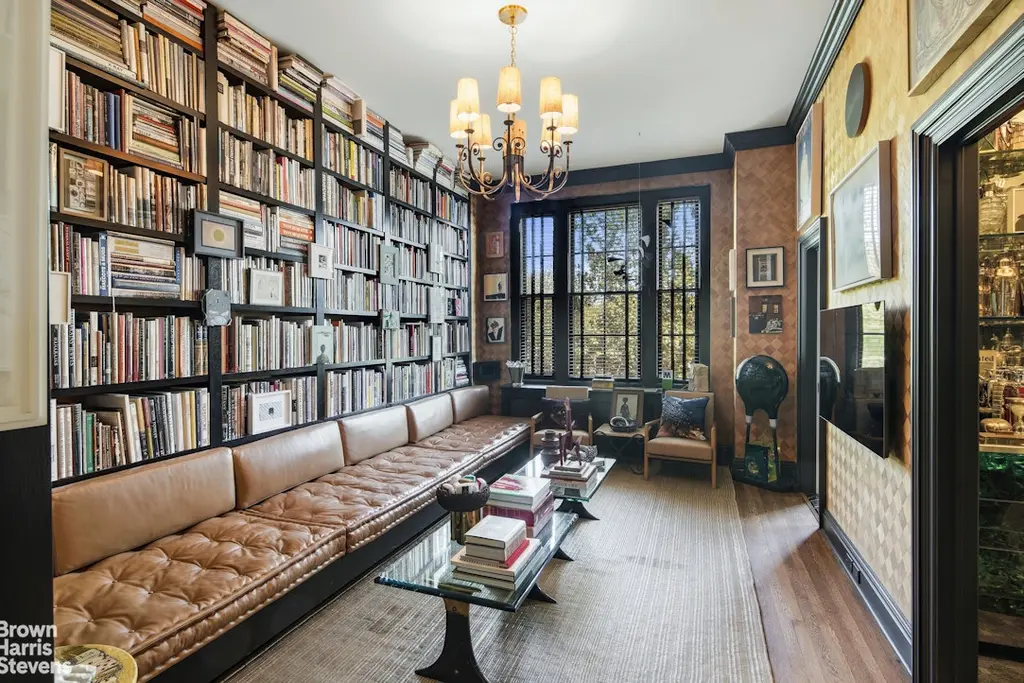
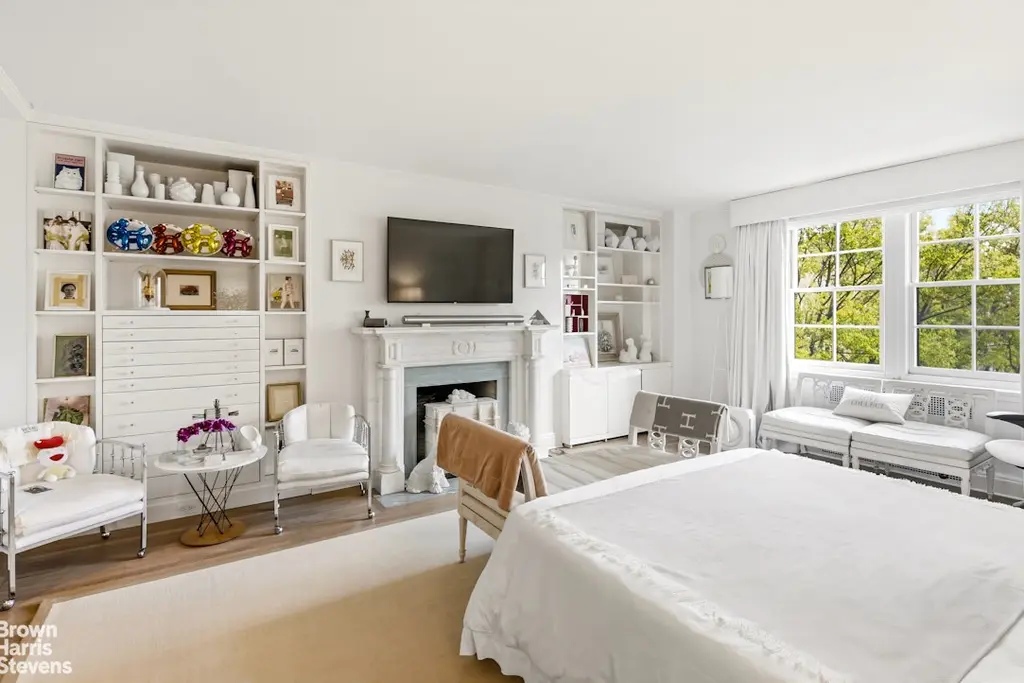
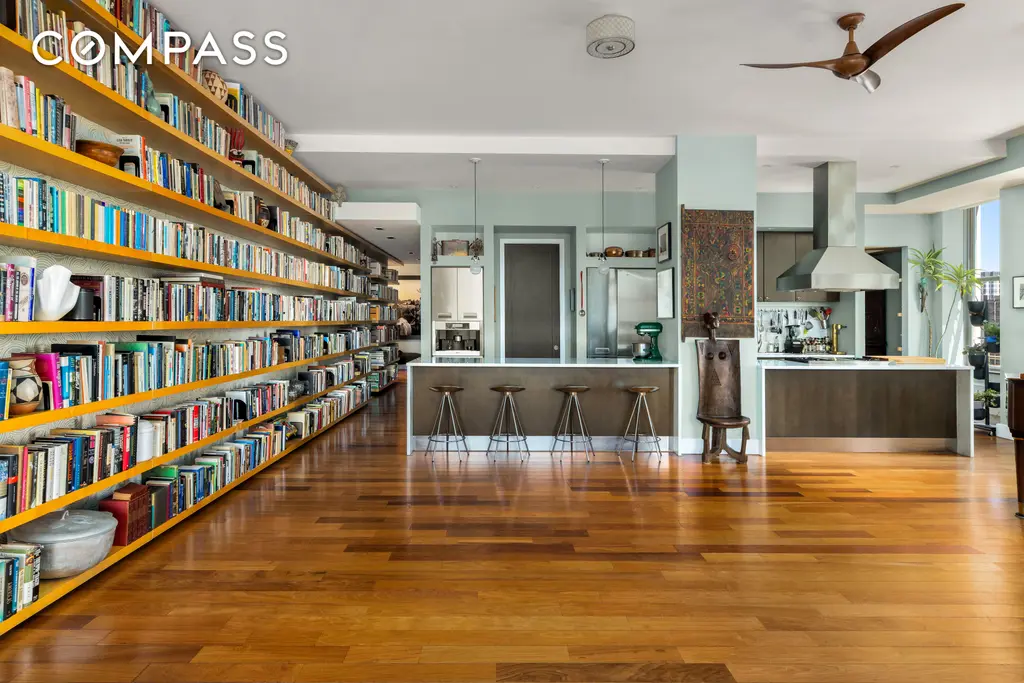
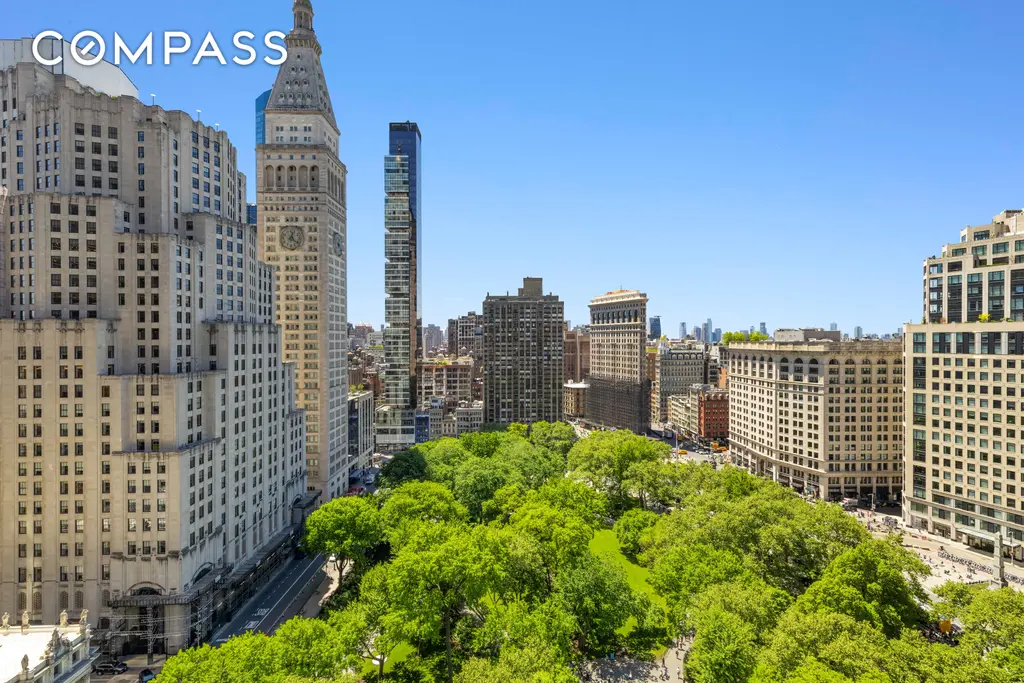
15 Madison Square North, #16BC
$12,995,000
Flatiron/Union Square | Condominium | 4 Bedrooms, 6+ Baths | 4,880 ft2
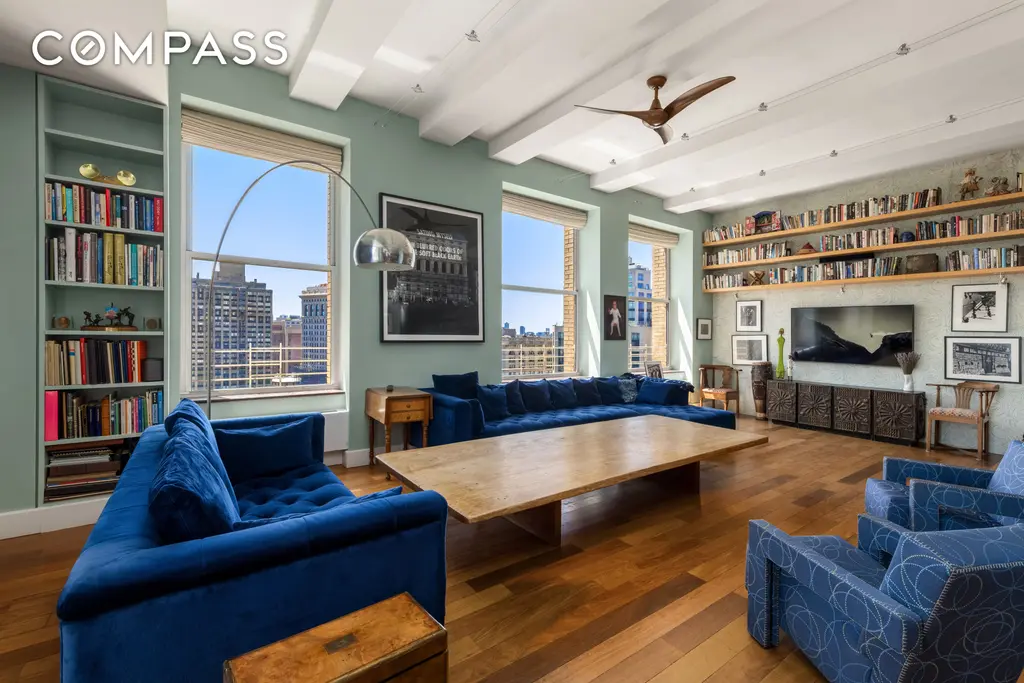
15 Madison Square North, #16BC (Compass)
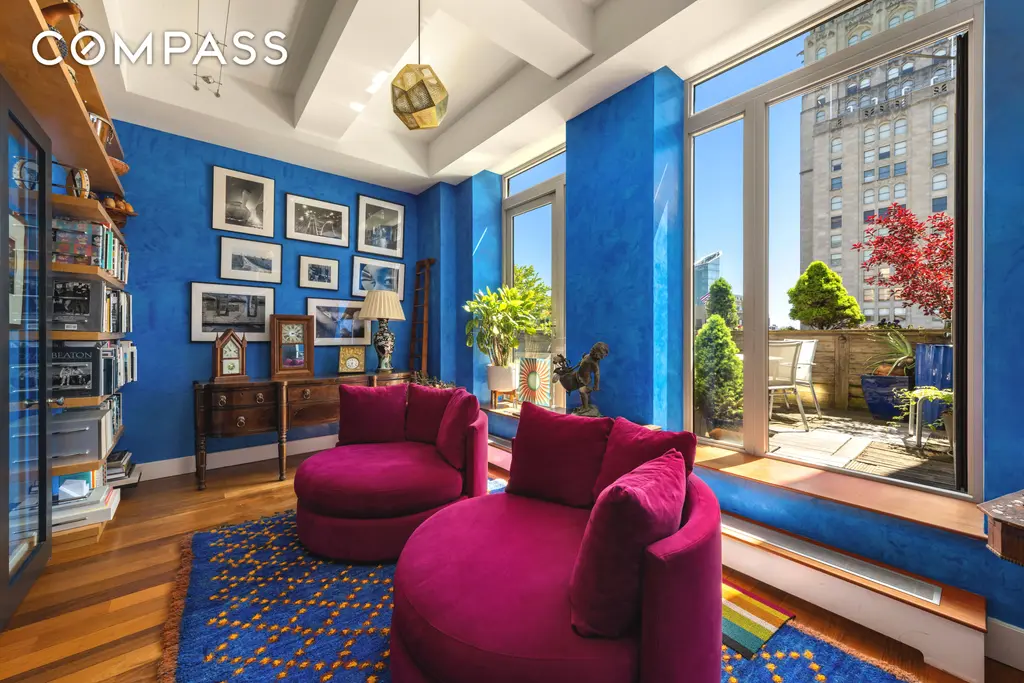
345 West 13th Street, #2E (Serhant)
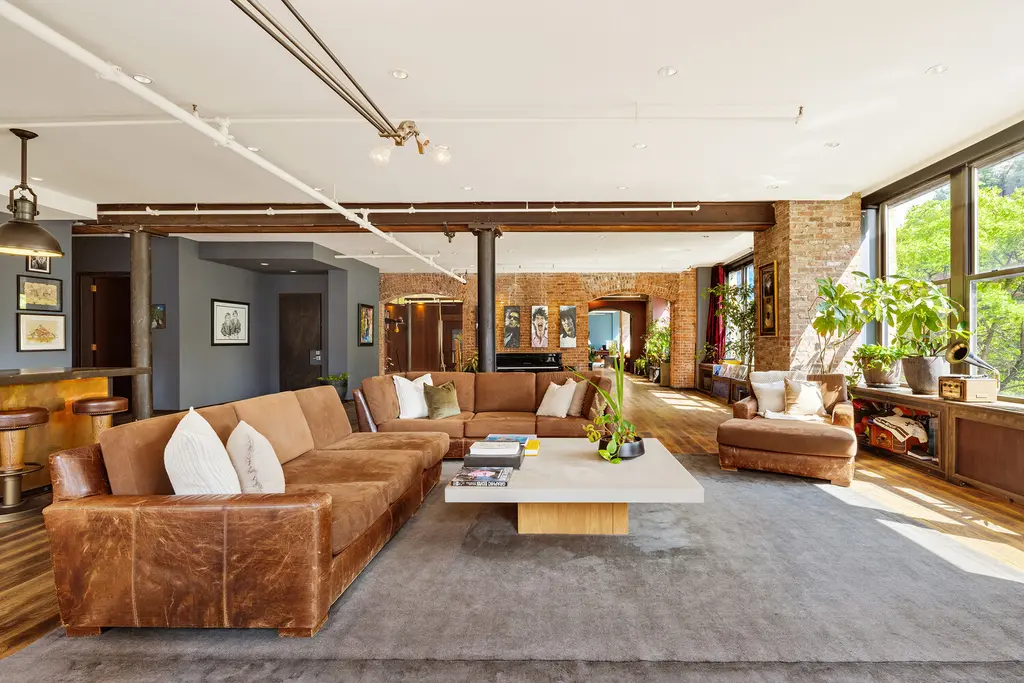
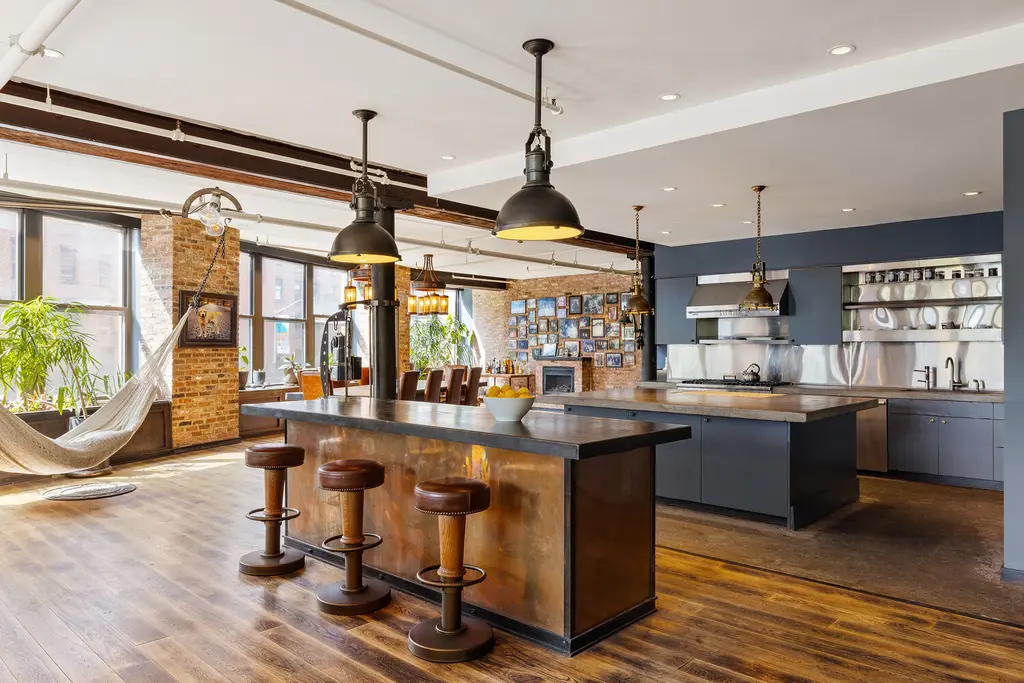
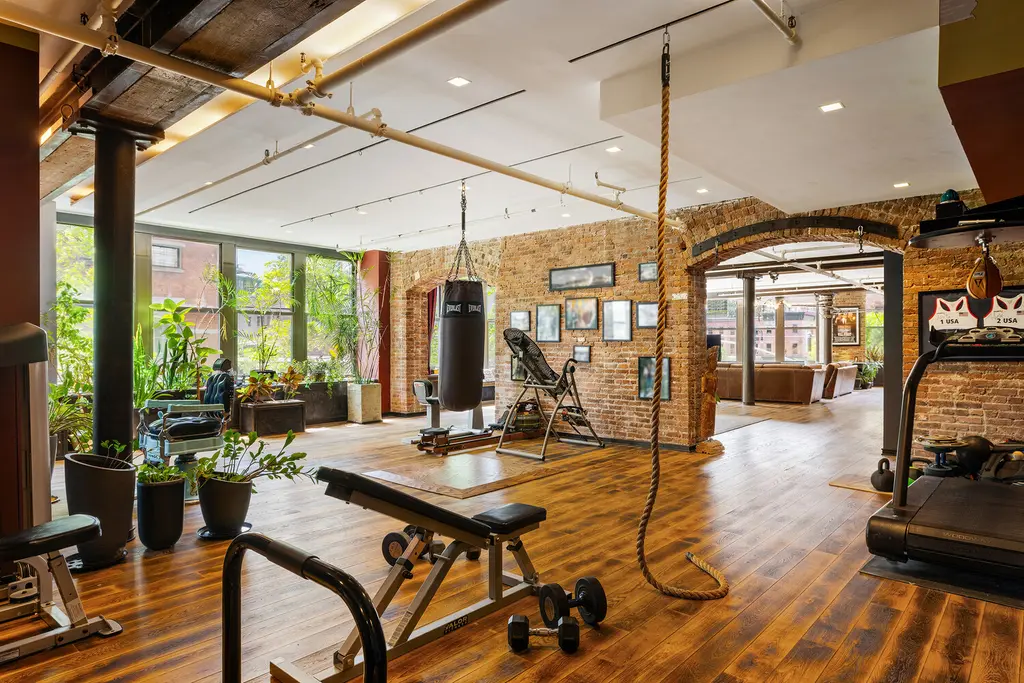
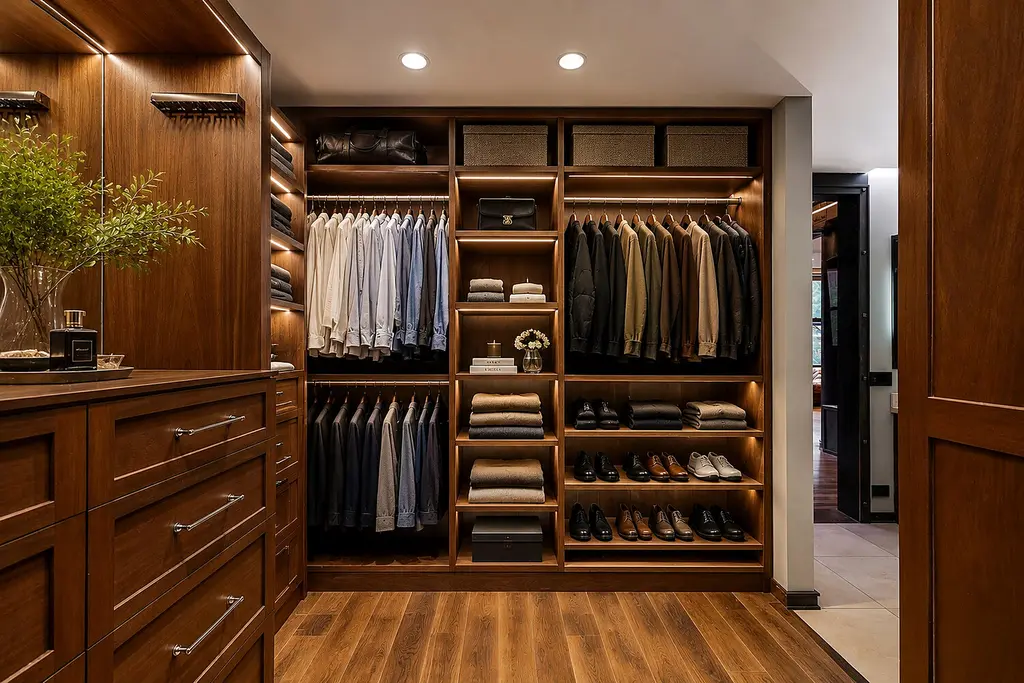
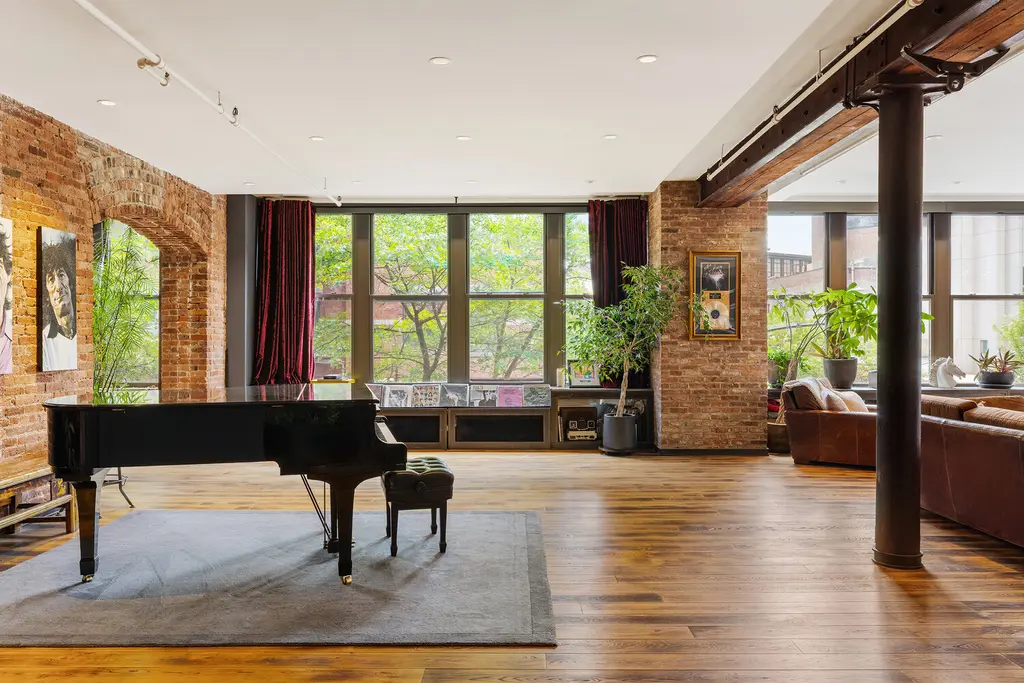
285 Lafayette Street, #5D
$9,745,000
NoLiTa/Little Italy | Condominium | 3 Bedrooms, 2.5 Baths | 3,365 ft2
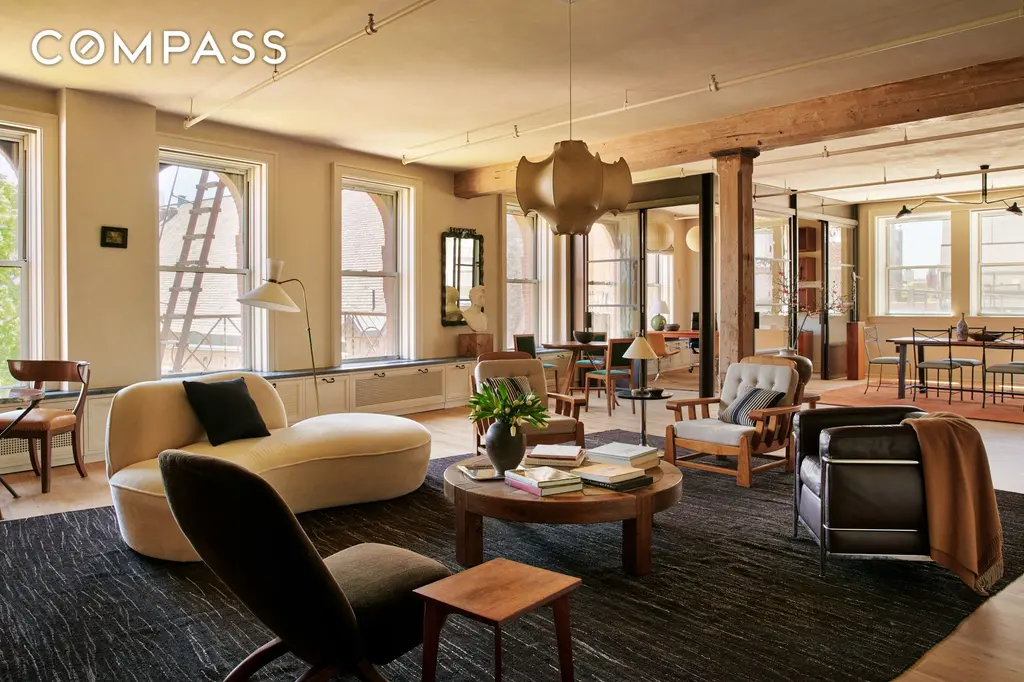
285 Lafayette Street, #5D (Compass)
Would you like to tour any of these properties?
Just complete the info below.
Or call us at (212) 755-5544
Would you like to tour any of these properties?

Contributing Writer
Cait Etherington
Cait Etherington has over twenty years of experience working as a journalist and communications consultant. Her articles and reviews have been published in newspapers and magazines across the United States and internationally. An experienced financial writer, Cait is committed to exposing the human side of stories about contemporary business, banking and workplace relations. She also enjoys writing about trends, lifestyles and real estate in New York City where she lives with her family in a cozy apartment on the twentieth floor of a Manhattan high rise.

 6sqft delivers the latest on real estate, architecture, and design, straight from New York City.
